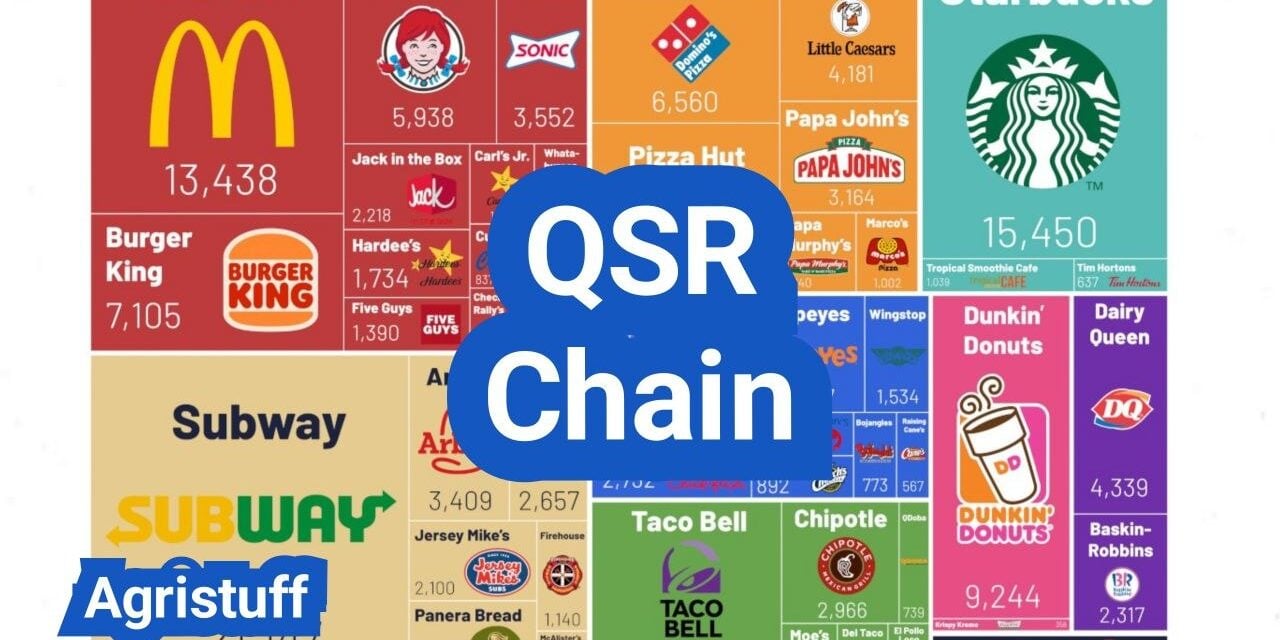
Quick-service restaurants (QSRs) rely heavily on efficient supply chain management to maintain consistency across locations. Standardizing food at scale is crucial for these establishments, ensuring that customers receive the same quality and taste regardless of the location they visit.
The backbone of this standardization lies in centralized purchasing, sophisticated distribution networks, and precise inventory management. By leveraging these elements, QSRs can ensure that their supply chain is both reliable and efficient.
Key Takeaways
- Efficient supply chain management is crucial for QSRs to maintain consistency.
- Centralized purchasing plays a key role in standardizing food quality.
- Advanced distribution networks ensure timely delivery of ingredients.
- Precise inventory management helps in reducing waste and costs.
- Standardization at scale is essential for customer satisfaction.
Understanding QSR Chains: Definition and Market Position

Understanding the dynamics of QSR chains is crucial for analyzing their impact on the U.S. food industry and economy. QSR chains, or Quick Service Restaurant chains, are a dominant force in the fast food landscape, known for their quick service and standardized menus.
What Defines a Quick Service Restaurant Chain
A Quick Service Restaurant chain is characterized by its fast service, standardized menu offerings, and streamlined operations. These chains typically operate on a limited-service model, where customers order at a counter or through a drive-thru. The key characteristics include:
- Standardized menu items across locations
- Efficient service models designed for quick customer turnaround
- Streamlined kitchen operations to maintain consistency and speed
The Economic Impact of QSR Chains in the United States
QSR chains have a significant economic impact in the United States, contributing to employment, GDP, and local economies. The top QSR chains, such as McDonald’s and KFC, are among the largest employers in the country.
| Top QSR Chains | Number of Locations | Annual Revenue (Billions) |
|---|---|---|
| McDonald’s | Over 14,000 | $38.5 |
| KFC | Over 4,600 | $5.6 |
| Burger King | Over 7,500 | $1.7 |
The economic influence of these chains extends beyond their direct operations, supporting a vast network of suppliers, distributors, and farmers. Their standardized operations and large-scale purchasing power also drive efficiencies in the food supply chain.
The Evolution of QSR Chain Supply Management

Supply chain management in the QSR sector has evolved substantially, driven by technological advancements and changing consumer demands. The ability to efficiently manage supply chains has become a critical factor in the success of QSR chains, enabling them to maintain consistency, quality, and cost-effectiveness across their operations.
Historical Development of Fast Food Supply Chains
The history of fast food supply chains is closely tied to the growth of the QSR industry. In the early days, QSRs relied on local suppliers and simple distribution networks. As the industry expanded, so did the complexity of their supply chains. Major QSR chains began to develop centralized purchasing systems and distribution networks to manage their growing operations more effectively.
By the mid-20th century, large QSR chains like McDonald’s were pioneering new supply chain management techniques. These innovations included standardized procurement processes, dedicated distribution centers, and logistics management systems. The success of these early supply chain innovations set the stage for the sophisticated systems in use today.
Modern Innovations in QSR Supply Logistics
Today, QSR supply chain management is characterized by the use of advanced technologies and innovative logistics strategies. Real-time tracking and monitoring systems allow for greater visibility and control over the supply chain, from procurement to delivery. Additionally, the adoption of data analytics and predictive modeling enables QSR chains to forecast demand more accurately and optimize their inventory management.
Another significant trend is the increasing focus on sustainability within QSR supply chains. Many chains are now prioritizing environmentally friendly practices, such as reducing packaging waste, implementing energy-efficient transportation, and sourcing ingredients from sustainable suppliers.
Case Studies: McDonald’s, KFC, and Burger King
Major QSR chains have been at the forefront of supply chain innovation. McDonald’s, for example, has implemented a highly sophisticated supply chain system that includes rigorous quality control measures and a global network of distribution centers. KFC has focused on developing a resilient supply chain that can adapt to changing consumer preferences and market conditions. Burger King has also made significant investments in its supply chain, including the adoption of advanced logistics technologies.
These case studies demonstrate the diverse approaches that QSR chains have taken to supply chain management. While each chain has its unique strategies, they share a common goal: to deliver high-quality products to customers consistently and efficiently.
Core Components of a QSR Chain Supply System

The backbone of any successful Quick-Service Restaurant (QSR) chain lies in its supply chain system. A robust supply chain is crucial for maintaining consistency, quality, and efficiency across all locations. It encompasses several key components that work together seamlessly to ensure that customers receive high-quality products every time they visit.
Centralized Purchasing and Procurement
Centralized purchasing is a critical component of a QSR chain supply system. By consolidating procurement processes, QSR chains can negotiate better prices with suppliers due to larger order volumes. This approach also allows for better quality control and reduced administrative costs.
Key benefits of centralized purchasing include:
- Cost savings through bulk purchasing
- Improved quality control through standardized procurement processes
- Reduced administrative burdens on individual restaurants
Distribution Network Architecture
The distribution network is another vital component, responsible for getting products from suppliers to individual restaurant locations efficiently. A well-designed distribution network minimizes transportation costs, reduces delivery times, and ensures that products are stored and handled properly.
Key considerations for distribution network architecture include:
- Strategic location of distribution centers to minimize transportation distances
- Implementation of efficient logistics and transportation management systems
- Use of technology for real-time tracking and monitoring of shipments
Inventory Management Systems
Effective inventory management is essential for maintaining the right balance of stock levels across the QSR chain. This involves implementing systems that can track inventory levels in real-time, forecast demand accurately, and automate ordering processes.
Best practices for inventory management include:
- Implementing just-in-time inventory systems to reduce waste and minimize storage needs
- Using data analytics for accurate demand forecasting
- Regularly reviewing and adjusting inventory management strategies based on performance data
Mapping the QSR Chain Supply Process

From sourcing raw materials to delivering finished products, the QSR supply chain process is multifaceted. It involves a series of coordinated activities that ensure the timely delivery of high-quality ingredients and products to restaurant locations.
From Farm to Distribution Center
The journey begins at the farm, where raw materials are sourced. Efficient procurement processes are crucial at this stage to ensure that the quality and quantity of ingredients meet the QSR’s standards. As noted by a supply chain expert, “The foundation of a successful QSR supply chain lies in its ability to source high-quality raw materials consistently.”
Once procured, these ingredients are transported to distribution centers. Here, they are stored, processed, and prepared for delivery to individual restaurants. Cold chain logistics play a vital role in maintaining the integrity of perishable goods during this phase.
Distribution Center Operations
Distribution centers are the hubs of the QSR supply chain, where products are received, stored, and shipped out to restaurants. Advanced inventory management systems are used to track and manage stock levels, ensuring that products are fresh and readily available.
Effective distribution center operations involve:
- Streamlined receiving and storage processes
- Efficient order fulfillment and shipping
- Robust inventory management and tracking
- Maintaining high standards of cleanliness and food safety
Last-Mile Delivery to Restaurant Locations
The final leg of the journey is often the most challenging: last-mile delivery to individual restaurant locations. This stage requires precise coordination to ensure that products arrive on time and in the correct quantities.
“The last mile is where the rubber meets the road in QSR supply chain management. It’s not just about delivering products; it’s about delivering an experience.”
To overcome the challenges of last-mile delivery, QSRs often employ specialized logistics solutions, including route optimization software and temperature-controlled transportation for perishable goods.
Supplier Selection and Management in QSR Operations

Effective supplier selection is crucial for QSR chains to maintain consistency and quality across their operations. The process involves several key steps, including developing an approved supplier program, qualifying and onboarding suppliers, and managing long-term relationships.
Developing an Approved Supplier Program
An approved supplier program is essential for ensuring that all ingredients and materials meet the QSR chain’s quality standards. This involves:
- Establishing clear criteria for supplier approval, including quality, reliability, and compliance with food safety regulations.
- Conducting thorough audits and assessments of potential suppliers.
- Regularly reviewing and updating the approved supplier list to ensure ongoing compliance.
Key considerations include the supplier’s ability to meet demand, their financial stability, and their commitment to sustainability and social responsibility.
Supplier Qualification and Onboarding Process
The supplier qualification process is critical for ensuring that new suppliers meet the required standards. This includes:
- Initial screening based on predefined criteria.
- Detailed audits and assessments, potentially including site visits.
- Verification of certifications and compliance with relevant regulations.
Once a supplier is qualified, the onboarding process begins, which involves:
- Contract negotiation and agreement on terms and conditions.
- Training on the QSR chain’s specific requirements and expectations.
- Establishing communication channels and protocols for issue resolution.
Effective onboarding sets the foundation for a successful long-term relationship.
Long-term Supplier Relationship Management
Managing supplier relationships is an ongoing process that requires regular communication, performance monitoring, and continuous improvement. Strategies include:
- Regular business reviews to discuss performance, address issues, and identify opportunities for improvement.
- Collaborative planning to ensure alignment with the QSR chain’s strategic objectives.
- Recognition and reward programs to incentivize high-performing suppliers.
Long-term relationships with suppliers can lead to improved quality, reduced costs, and increased innovation.
As illustrated in the image below, effective supplier management involves a complex interplay of various factors, including quality control, logistics, and communication.
By implementing robust supplier selection and management processes, QSR chains can ensure a consistent supply of high-quality ingredients and materials, ultimately enhancing customer satisfaction and loyalty.
“The key to successful supplier management is building strong, collaborative relationships that drive mutual benefit and support the long-term goals of both parties.”
— Industry Expert
System Distributors vs. Broadline Distributors: Making the Right Choice
Effective supply chain management in QSR chains hinges on the strategic selection of distribution models, particularly system and broadline distributors. The choice between these two distribution strategies can significantly impact a QSR’s operational efficiency, product consistency, and overall customer satisfaction.
Understanding Distribution Models in the QSR Industry
The QSR industry relies heavily on efficient distribution networks to supply restaurants with a wide range of products, from food ingredients to packaging materials. Distribution models in this sector are broadly categorized into system distributors and broadline distributors, each serving distinct purposes and offering unique advantages.
System distributors are typically aligned with specific QSR chains, providing customized distribution services tailored to the brand’s requirements. These distributors often handle a limited product range but ensure that the specific items needed by the QSR are consistently available.
Advantages and Limitations of System Distributors
System distributors offer several benefits, including:
- Brand Consistency: They ensure that products are delivered according to the QSR’s specifications, maintaining brand consistency.
- Operational Efficiency: System distributors streamline logistics for QSR chains, reducing the complexity of managing multiple suppliers.
- Tailored Services: These distributors often provide customized services, such as menu-specific packaging and labeling.
However, system distributors also have limitations:
- Limited Product Range: They typically specialize in a narrow product range, which may not cover all the needs of a QSR.
- Dependence on a Single Supplier: Relying heavily on a single system distributor can create vulnerabilities in the supply chain.
When to Utilize Broadline Distribution Services
Broadline distributors, on the other hand, offer a wide range of products to various customers, including QSRs, restaurants, and foodservice operators. They are particularly useful when a QSR needs to source a broad spectrum of products, including specialty items or products not typically associated with their brand.
Key scenarios for using broadline distributors include:
- Diversifying Product Offerings: When a QSR wants to introduce new menu items or specialty products, broadline distributors can provide access to a wider range of suppliers.
- Supply Chain Flexibility: Broadline distributors can offer flexibility during peak seasons or supply chain disruptions, helping QSRs maintain operations.
- One-Stop Shopping: For smaller QSR chains or independent operators, broadline distributors can serve as a one-stop shop for various supplies, simplifying procurement.
In conclusion, the choice between system distributors and broadline distributors depends on the specific needs, scale, and operational requirements of the QSR chain. By understanding the advantages and limitations of each distribution model, QSR operators can make informed decisions that optimize their supply chain efficiency and support their business objectives.
Standardization Techniques for Consistent Food Quality

QSRs rely on robust standardization techniques to maintain consistency in food quality, taste, and presentation across their chains. Standardization is crucial for ensuring that customers have a consistent experience at any location.
Recipe Management and Specification Development
Effective recipe management is the foundation of standardization in QSRs. This involves developing precise specifications for ingredients, preparation methods, and presentation. By standardizing recipes, QSRs can ensure that menu items are prepared consistently across all locations.
Key aspects of recipe management include:
- Detailed ingredient specifications
- Standardized cooking procedures
- Portion control guidelines
- Plating and presentation standards
Portion Control Systems and Technologies
Portion control is critical for maintaining consistency in food quality and controlling costs. QSRs use various technologies and systems to ensure accurate portioning.
Some common portion control methods include:
- Pre-measured ingredient packaging
- Automated dispensing systems
- Standardized measuring tools
- Training programs for staff
Training Programs for Standardized Food Preparation
Comprehensive training programs are essential for ensuring that staff understand and can execute standardized food preparation procedures. These programs typically include a combination of theoretical knowledge and hands-on practice.
Effective training programs cover:
- Recipe preparation techniques
- Food safety and handling practices
- Portion control and measurement
- Presentation and plating standards
By implementing these standardization techniques, QSRs can maintain consistent food quality across their locations, enhancing customer satisfaction and loyalty.
Food Safety Compliance in QSR Chain Operations
Food safety compliance stands as a critical component in the operations of QSR chains, directly impacting consumer health and brand reputation. Ensuring that food is handled, prepared, and served safely is not just a regulatory requirement but a business imperative.
Comprehensive Food Safety Plans
A comprehensive food safety plan is the cornerstone of any QSR chain’s food safety compliance strategy. This plan should encompass all aspects of the supply chain, from sourcing to serving.
Key elements include:
- Supplier selection and monitoring
- Regular audits and inspections
- Employee training programs
- Procedures for handling food safety incidents
FSMA Traceability Requirements for QSRs
The Food Safety Modernization Act (FSMA) has introduced stringent traceability requirements for QSRs, mandating the ability to track food products throughout the supply chain.
To comply, QSRs must:
- Maintain detailed records of food shipments
- Implement lot tracking and batch control
- Conduct regular testing for contaminants
GFSI Certification and Its Importance
GFSI (Global Food Safety Initiative) certification is a benchmark for food safety excellence. For QSR chains, achieving GFSI certification demonstrates a commitment to food safety and can enhance supplier confidence.
| Certification Benefits | Description |
|---|---|
| Enhanced Supplier Trust | GFSI certification assures suppliers of the QSR’s commitment to food safety |
| Regulatory Compliance | Meets or exceeds regulatory requirements for food safety |
| Market Advantage | Can be a differentiator in a competitive market, enhancing brand reputation |
By implementing comprehensive food safety plans, adhering to FSMA traceability requirements, and pursuing GFSI certification, QSR chains can significantly enhance their food safety compliance posture. This not only protects consumers but also contributes to the long-term success and reputation of the brand.
Cold Chain Management for QSR Food Products

Cold chain management plays a vital role in preserving the integrity of perishable food items throughout the supply chain of QSRs. This complex process involves maintaining a consistent refrigerated temperature to ensure the quality and safety of food products.
Temperature Control Throughout the Supply Chain
Temperature control is the backbone of effective cold chain management. It requires precise monitoring and maintenance of refrigerated temperatures at every stage, from production to delivery to the QSR locations. Refrigerated transportation and warehousing are critical components that demand stringent temperature controls to prevent spoilage and contamination.
To achieve this, QSR chains often implement:
- Advanced refrigeration systems in warehouses and transportation vehicles
- Real-time temperature monitoring devices
- Standard Operating Procedures (SOPs) for handling temperature-sensitive products
Technology Solutions for Cold Chain Monitoring
The use of technology in cold chain monitoring has revolutionized the way QSRs manage their supply chains. Internet of Things (IoT) devices and sensor technologies enable real-time tracking of temperature and humidity levels, providing immediate alerts in case of deviations from set parameters.
Some key technology solutions include:
- GPS-enabled temperature monitoring systems
- Data loggers for recording temperature history
- Cloud-based platforms for data analysis and reporting
Managing Perishable Ingredients Effectively
Managing perishable ingredients is a critical aspect of cold chain management. QSRs must implement strategies to minimize waste and ensure that ingredients are used before they expire. This involves:
- Accurate demand forecasting to prevent overstocking
- First-In-First-Out (FIFO) inventory management
- Regular audits of inventory and storage conditions
By effectively managing perishable ingredients, QSRs can reduce costs associated with waste disposal and maintain high standards of food quality.
Product Identification and Traceability Systems

Product identification and traceability systems play a vital role in ensuring the quality and safety of food products in QSR supply chains. These systems enable companies to track products throughout the supply chain, from raw material sourcing to final delivery to consumers.
The importance of traceability cannot be overstated, especially in the context of food safety regulations and recalls. Effective traceability systems allow QSR chains to quickly identify and isolate affected products, minimizing the impact of recalls and protecting consumer health.
GS1 GTIN Case Labeling Implementation
One crucial aspect of product identification is GS1 GTIN (Global Trade Item Number) case labeling. This standardized labeling system uses unique identifiers for each product, enabling accurate tracking and inventory management. Implementing GS1 GTIN case labeling involves:
- Assigning unique GTINs to each product
- Printing GS1-compliant barcodes on case labels
- Integrating GTIN data into inventory management systems
- Training staff on the importance and use of GTIN labeling
By adopting GS1 GTIN case labeling, QSR chains can improve inventory accuracy, streamline logistics, and enhance overall supply chain visibility.
Batch Tracking and Lot Control Procedures
Batch tracking and lot control are essential components of traceability systems in QSR supply chains. These procedures involve:
- Assigning unique batch or lot numbers to products during production
- Recording batch information in inventory management systems
- Tracking batch movements throughout the supply chain
- Implementing recall procedures based on batch information
Effective batch tracking enables QSR chains to quickly identify and recall specific products in case of quality issues or safety concerns.
Digital Solutions for Supply Chain Visibility
Digital technologies are increasingly being used to enhance supply chain visibility in QSR operations. Some key digital solutions include:
- Blockchain technology for transparent and tamper-proof tracking
- IoT devices for real-time monitoring of product conditions
- Cloud-based platforms for data sharing and collaboration
- Advanced analytics for predictive insights into supply chain operations
These digital solutions can significantly improve traceability, reduce the risk of contamination, and enhance overall supply chain efficiency.
By implementing robust product identification and traceability systems, QSR chains can not only comply with regulations but also build trust with consumers and gain a competitive edge in the market.
Menu Engineering for Supply Chain Efficiency

Optimizing menu design is a strategic approach to improving supply chain efficiency in the QSR industry. By carefully crafting menus with supply chain considerations in mind, quick-service restaurants can significantly reduce costs and enhance operational efficiency.
Designing Menus with Supply Considerations
When designing menus, QSR chains must consider various supply chain factors, including ingredient availability, transportation costs, and storage capabilities. Menu engineering involves analyzing these factors to create menus that are not only appealing to customers but also efficient from a supply chain perspective.
For instance, a QSR chain might design its menu to incorporate ingredients that are readily available from local suppliers, reducing transportation costs and lead times. This approach not only supports local economies but also enhances the freshness and quality of the ingredients.
Ingredient Cross-Utilization Strategies
One effective strategy for enhancing supply chain efficiency through menu engineering is ingredient cross-utilization. This involves designing menus that use common ingredients across multiple dishes, thereby reducing the complexity of the supply chain and minimizing waste.
For example, a QSR chain might use a common sauce or seasoning across several menu items, reducing the number of ingredients that need to be sourced and stored. This approach can lead to significant cost savings and simplify inventory management.
- Simplified inventory management
- Reduced storage needs
- Lower procurement costs
Seasonal Menu Planning and Supply Challenges
Seasonal menu planning is another critical aspect of menu engineering that can impact supply chain efficiency. By incorporating seasonal ingredients into their menus, QSR chains can take advantage of fresher produce and potentially lower costs due to increased availability during certain times of the year.
However, seasonal menu planning also presents challenges, such as ensuring consistent supply and managing the transition between seasons. Effective menu engineering requires careful planning and coordination with suppliers to mitigate these challenges.
To address these challenges, QSR chains can adopt strategies such as:
- Developing relationships with multiple suppliers to ensure a stable supply of seasonal ingredients.
- Implementing flexible menu planning that can adapt to changes in ingredient availability.
- Investing in inventory management systems that can track and manage seasonal inventory effectively.
Crisis Management: Food Recall Procedures for QSR Chains
Food recall procedures are a vital component of crisis management for QSR chains, ensuring consumer safety and protecting brand reputation. In the event of a food safety issue, a well-executed recall plan can mitigate damage and restore customer trust.
Developing a Food Recall Preparedness Plan
A comprehensive food recall preparedness plan is essential for QSR chains. This involves:
- Identifying potential recall triggers
- Establishing a recall team with defined roles
- Maintaining accurate inventory and distribution records
- Conducting regular recall drills
Key elements of a recall preparedness plan include:
| Element | Description |
|---|---|
| Recall Team | A designated team responsible for executing the recall |
| Communication Plan | A strategy for informing stakeholders, including customers, suppliers, and regulatory bodies |
| Inventory Tracking | A system for tracing products throughout the supply chain |
Communication Protocols During Recalls
Effective communication is critical during a food recall. QSR chains must inform consumers, suppliers, and regulatory agencies promptly. This involves:
- Issuing public statements through various media channels
- Notifying suppliers and distributors
- Coordinating with regulatory bodies
Post-Recall Analysis and Prevention Strategies
After a recall, it’s essential to conduct a thorough analysis to identify root causes and implement prevention strategies. This includes:
- Reviewing the recall process to identify areas for improvement
- Updating food safety protocols and procedures
- Providing additional training to staff
By developing robust food recall procedures and maintaining a state of readiness, QSR chains can minimize the impact of a crisis and ensure a swift recovery.
Allergen Control and Management in QSR Environments
Allergen control in QSRs is not just about following regulations; it’s about protecting customers from potentially life-threatening allergic reactions. Effective allergen management requires a comprehensive approach that encompasses identification, labeling, prevention of cross-contamination, and thorough staff training.
Allergen Identification and Labeling Requirements
Identifying and labeling allergens is a critical first step in managing allergens in QSRs. The Food Allergen Labeling and Consumer Protection Act (FALCPA) mandates the clear labeling of major food allergens, which include:
- Peanuts
- Tree nuts
- Fish
- Shellfish
- Milk
- Egg
- Wheat
- Soy
QSRs must ensure that menu items containing these allergens are properly identified. This can be achieved through clear menu labeling, both in-store and online. For instance, Panera Bread has implemented a comprehensive allergen labeling system on their menus and website, making it easier for customers with allergies to make informed choices.
Cross-Contamination Prevention Protocols
Preventing cross-contamination is crucial in maintaining a safe environment for customers with allergies. QSRs should implement strict protocols, including:
- Separate preparation areas for allergen-containing foods
- Dedicated utensils and equipment for preparing allergen-friendly meals
- Regular cleaning and sanitizing of surfaces and equipment
- Staff training on the importance of preventing cross-contamination
For example, Chipotle Mexican Grill has established a protocol where employees handling food with common allergens change gloves and sanitize utensils to prevent cross-contamination.
Staff Training for Allergen Awareness
Comprehensive staff training is the backbone of effective allergen management in QSRs. Employees should be educated on:
- Recognizing major food allergens
- Understanding the risks associated with cross-contamination
- Proper handling and preparation procedures for allergen-containing foods
- Responding to customer inquiries about allergens
Regular training sessions and quizzes can help ensure that staff remain knowledgeable and vigilant. Shake Shack, for instance, conducts regular training sessions for employees on allergen awareness and the procedures for handling food allergies.
By implementing these strategies, QSRs can significantly reduce the risk of allergen exposure, creating a safer dining environment for all customers.
Technology Integration in QSR Chain Supply Management
In the modern QSR industry, technology integration is key to streamlining supply chain operations. The use of advanced technologies has transformed the way quick-service restaurants manage their supply chains, enhancing efficiency, reducing costs, and improving overall customer satisfaction.
Supply Chain Management Software Solutions
Supply chain management software is a critical component of technology integration in QSR chain supply management. These software solutions enable QSR chains to manage their supply chains more effectively by providing real-time visibility into inventory levels, shipment tracking, and demand forecasting.
Key Features of Supply Chain Management Software:
- Inventory management
- Order management
- Shipment tracking
- Demand forecasting
By leveraging these features, QSR chains can optimize their supply chain operations, reduce costs, and improve customer satisfaction.
IoT Applications for Real-time Monitoring
The Internet of Things (IoT) has revolutionized the way QSR chains monitor their supply chains. IoT devices such as sensors and GPS trackers provide real-time data on inventory levels, shipment locations, and environmental conditions.
| IoT Application | Benefits |
|---|---|
| Inventory tracking | Real-time visibility into inventory levels |
| Shipment monitoring | Real-time tracking of shipments |
| Environmental monitoring | Monitoring of temperature, humidity, and other environmental factors |
Predictive Analytics for Demand Forecasting
Predictive analytics is a powerful tool used by QSR chains to forecast demand and optimize their supply chain operations. By analyzing historical data, seasonal trends, and other factors, predictive analytics helps QSR chains to anticipate demand and adjust their inventory levels accordingly.
By integrating technology into their supply chain management, QSR chains can improve their operational efficiency, reduce costs, and enhance customer satisfaction. As the QSR industry continues to evolve, the role of technology in supply chain management will become increasingly important.
Building a Resilient QSR Supply Chain for the Future
The quick-service restaurant (QSR) industry continues to evolve, driven by changing consumer preferences and technological advancements. To remain competitive, QSR chains must prioritize building a resilient supply chain that can adapt to future challenges.
A resilient QSR supply chain is characterized by its ability to withstand disruptions, ensure consistent food quality, and respond to changing consumer demands. This can be achieved through the implementation of robust supply chain management systems, leveraging technologies such as IoT and predictive analytics, and fostering strong relationships with suppliers.
As the QSR industry continues to grow, staying abreast of qsr industry trends will be crucial. The future of QSR supply chains will be shaped by factors such as sustainability, digitalization, and changing consumer behaviors. By understanding these trends and investing in a resilient supply chain, QSR chains can ensure long-term success and continue to meet the demands of a rapidly changing market.
Ultimately, building a resilient QSR supply chain requires a holistic approach that encompasses supplier management, inventory control, and logistics optimization. By prioritizing these elements, QSR chains can create a robust and adaptable supply chain that supports their growth and success in the years to come.
FAQ
What is a Quick Service Restaurant (QSR)?
A Quick Service Restaurant (QSR) is a type of restaurant that provides quick and affordable food to customers, typically with a limited menu and minimal table service.
What defines a QSR chain?
A QSR chain is a group of Quick Service Restaurants that operate under the same brand name, often with standardized menus, operations, and supply chains.
How do QSR chains standardize food at scale?
QSR chains standardize food at scale through centralized purchasing, distribution networks, and inventory management systems, ensuring consistency across locations.
What is the economic impact of QSR chains in the United States?
QSR chains have a significant economic impact in the United States, contributing to employment, GDP, and economic growth, while also influencing consumer spending habits.
What are the core components of a QSR chain supply system?
The core components of a QSR chain supply system include centralized purchasing, distribution network architecture, and inventory management systems, which work together to maintain supply chain efficiency.
How do QSR chains manage their supply chains?
QSR chains manage their supply chains through a combination of supplier selection and management, distribution network optimization, and technology integration, such as supply chain management software and IoT applications.
What is the difference between system distributors and broadline distributors?
System distributors specialize in providing products and services to specific QSR chains, while broadline distributors offer a wider range of products to various customers, including QSRs, restaurants, and foodservice operators.
How do QSR chains ensure food safety compliance?
QSR chains ensure food safety compliance by implementing comprehensive food safety plans, adhering to FSMA traceability requirements, and obtaining GFSI certification, among other measures.
What is cold chain management, and why is it important for QSRs?
Cold chain management refers to the temperature-controlled storage and transportation of perishable food products, which is crucial for maintaining food quality and safety in QSR operations.
How do QSR chains manage allergen control?
QSR chains manage allergen control by identifying and labeling allergens, implementing cross-contamination prevention protocols, and providing staff training on allergen awareness.
What role does technology play in QSR chain supply management?
Technology plays a critical role in QSR chain supply management, enabling real-time monitoring, predictive analytics, and supply chain visibility, among other benefits.
How do QSR chains handle food recalls?
QSR chains handle food recalls by developing preparedness plans, establishing communication protocols, and conducting post-recall analysis to prevent future incidents.
What is menu engineering, and how does it impact supply chain efficiency?
Menu engineering involves designing menus with supply considerations, such as ingredient cross-utilization and seasonal menu planning, to optimize supply chain efficiency and reduce waste.
How do QSR chains manage their suppliers?
QSR chains manage their suppliers by developing approved supplier programs, qualifying and onboarding new suppliers, and maintaining long-term relationships with existing suppliers.
How is “system distribution” different from broadline distribution in a qsr chain?
System distribution usually means a tighter, more controlled item set and service model built around a specific brand’s specifications and forecasting needs, while broadline distribution emphasizes variety and flexibility. Many brands use hybrids depending on region, category, and risk tolerance. IFDA economic impact study (PDF)
Do I need barcodes and standardized product IDs to supply a qsr chain?
In practice, yes—scannable IDs reduce receiving errors, improve traceability, and speed up distribution center operations. Even if your first customer is flexible, standardized identification makes you more scalable and easier to onboard later. GS1 US standards and identification
Can small farms realistically supply a qsr chain?
Often they can, especially through aggregation, regional programs, or by supplying a component with a strong spec and reliable volume window. Small operations win by being exceptionally consistent, documented, and proactive about seasonality planning. NRCS EQIP fact sheet
What should I do first if my product category is on the traceability list?
Start by tightening lot creation and lot separation, then ensure receiving and shipping records can be produced quickly under pressure. Many suppliers also standardize labels and internal workflows so traceability is “built-in” rather than reconstructed after the fact. FDA update on the food traceability rule
Conclusion of: QSR Chain Supply Basics
A modern qsr chain lives or dies by consistency, because customers expect the same sandwich, fries, or salad in every location and on every day of the year. That consistency starts long before the restaurant—at farms, ingredient processors, packaging suppliers, and distribution centers that feed thousands of stores. When you understand the supply system, it becomes clear why “simple menus” can still be incredibly complex behind the scenes. USDA ERS Food Expenditure Series
The scale behind a qsr chain is easy to underestimate until you connect it to how much Americans spend on food away from home and how that demand surges around holidays, school schedules, and regional events. Standardization is what lets operators hold prices, keep service fast, and protect food safety while running in every climate—from humid Gulf Coast summers to freezing Midwest winters. For growers and processors, that same standardization is what turns a good product into a repeatable, contract-friendly product. USDA ERS analysis of food-away-from-home spending
What standardization really means in a quick-service supply system
In a qsr chain, standardization is the process of converting “food ideas” into measurable specifications that suppliers can hit week after week. That includes ingredient targets (size, moisture, fat, Brix, trim), packaging requirements (seals, film thickness, gas flushing), and performance requirements (cook time, hold time, bite, crispness). The goal is to reduce variability so operations can stay fast even when labor is tight. IFDA foodservice distribution research
The core tool a qsr chain uses is a spec sheet that translates quality into objective checks instead of opinions. Specs often reference common measurement language—like grades, tolerances, and defect limits—so buyers and suppliers can agree on what “acceptable” means before a shipment ever moves. When specs are clear, disputes drop and performance improves across the whole network. USDA AMS grades and standards
To keep a qsr chain consistent at scale, verification matters as much as the spec itself. That’s why supply programs rely on audits, documented controls, and corrective actions—not just “trust.” Even for smaller suppliers, preparing for verification forces better documentation, better training, and better repeatability under pressure. USDA AMS auditing services
Food safety is non-negotiable in a qsr chain because one incident can affect hundreds of locations and millions of meals. Standardization reduces risk by tightening controls on time-temperature handling, sanitation, cross-contact, and supplier testing programs. Public health data and outbreak tracking reinforce why consistent controls matter—not just for compliance, but for preventing real harm. CDC foodborne illness facts and stats
From menu idea to supplier-ready spec
Before an item hits the menu, a qsr chain typically runs product development as an operations project, not just a culinary project. Teams define how the item will be produced, shipped, stored, prepped, cooked, and held during rush periods, then design the product to survive those steps. This is how a recipe becomes a repeatable system. FDA preventive controls rule overview
Sanitation and facility basics underpin qsr chain consistency because you can’t standardize quality on top of unstable hygiene. Most supplier expectations mirror common manufacturing principles: cleanable equipment, validated sanitation, controlled allergens, pest management, and documented employee practices. When those basics drift, product quality drifts with them. 21 CFR Part 117 (cGMP & preventive controls)
Cooking and lethality targets are central to a qsr chain because speed can’t come at the cost of safety. Product specs often include required internal temperatures, validated cook times, and hold limits to keep food safe across busy shifts and uneven staffing. Clear cook targets also help reduce waste and keep portions consistent. USDA FSIS safe temperature chart
Cold chain design is another pillar of a qsr chain because many ingredients are only stable if temperature is controlled from production to store. Suppliers and carriers must define loading practices, temperature monitoring, cleaning steps, and what happens if a trailer is out of range. A “good product” that warms up for hours can become an unsafe product quickly. FDA sanitary transportation rule
To support a qsr chain at scale, transportation rules also shape documentation—training records, written procedures, and evidence of temperature control. Even if a farm isn’t directly responsible for hauling, the supply program often expects clear handoffs: who owns the temperature at each step and how exceptions are handled. That clarity reduces arguments when something goes wrong. 21 CFR Part 1 Subpart O (sanitary transportation)
Traceability and recall readiness
Traceability is a strategic necessity for a qsr chain because speed cuts both ways: fast growth can also mean fast spread of a problem. Better traceability helps isolate issues to specific lots, dates, facilities, or distribution paths instead of forcing broad disruptions. In practice, that means recordkeeping must be designed into operations rather than treated as paperwork. FDA Food Traceability Final Rule overview
The Food Traceability List matters to a qsr chain because certain foods require additional records that speed up investigations and removals. If you grow, pack, process, or transform listed foods, the supply program may expect tighter lot discipline, stronger labeling, and cleaner receiving records. That can feel heavy at first, but it often becomes a competitive advantage once your system is running. FDA Food Traceability List
Data standards make traceability practical for a qsr chain because warehouses can’t “interpret” every supplier’s labeling system at speed. Unique product identification, consistent case labels, and scannable data reduce receiving errors and help inventory flow through distribution centers. For suppliers, cleaner identification usually means fewer chargebacks and fewer rejected loads. GS1 Global Trade Item Number (GTIN)
Recall readiness is part of qsr chain brand protection because the real test is how quickly you can stop sales, pull product, and confirm what was impacted. The strongest supply programs rehearse recalls like fire drills: clear contacts, lot lookup speed, disposition steps, and documentation. That preparation reduces downtime and protects customer trust when issues arise. USDA FSIS recalls and public health alerts
How farms and processors fit into QSR supply
For many categories, a qsr chain uses an “approved supplier” pathway that starts with proof of controls, not just pricing. Suppliers are typically asked to document hazard controls, sanitation programs, training, and verification activities in a way that can scale. If you’re smaller, you can still compete by being exceptionally clear, consistent, and audit-ready. FDA FSVP rule at a glance
Facility requirements can surprise new suppliers because a qsr chain often expects basic regulatory readiness as the floor. Depending on what you do—manufacture, process, pack, or hold—registration and compliance requirements can apply even before you chase larger certifications. Getting the basics right early prevents delays during onboarding. FDA online food facility registration
Third-party certification is common in qsr chain supply because it gives operators a comparable way to evaluate very different suppliers. Many supply programs align expectations with recognized benchmarking frameworks so audits are easier to interpret across facilities and regions. Even if a certification isn’t required, the discipline of meeting a benchmark can improve execution quickly. Global Food Safety Initiative (GFSI)
Operational data also matters in a qsr chain because distribution centers depend on scanning, slotting, and high-speed order picking. If case labels, barcodes, or item master data are sloppy, the warehouse pays for it in errors, rework, and late deliveries. Suppliers who treat data quality as “product quality” tend to win longer relationships. GS1 barcode standards
Allergens, packaging, and sustainability expectations
Allergen control is especially sensitive in a qsr chain because one mislabeled ingredient or one cross-contact failure can harm customers quickly. Strong programs separate allergens where possible, validate cleaning where needed, and keep menu information aligned with what’s actually being shipped. Suppliers that document allergen controls clearly are easier to approve and easier to keep. FDA food allergy basics (PDF)
Packaging is a performance tool in a qsr chain, not just a container. It protects quality during transport, supports safe shelf life, and helps crews execute quickly with fewer mistakes. Packaging decisions also touch regulatory considerations when materials contact food, so suppliers need the right documentation to move fast. FDA food contact substance notification program
Sustainability is increasingly built into qsr chain sourcing because brands track water, soil, waste, and other impacts across large volumes. For farms, the most practical approach is to align sustainability goals with measurable practices—like irrigation upgrades, nutrient management, and erosion control—then document progress over time. Conservation programs can sometimes support the transition while protecting productivity. USDA NRCS EQIP overview
Value-added steps can help a qsr chain supplier reduce seasonality and increase reliability by extending shelf life or simplifying restaurant prep. Examples include pre-cut produce, frozen components, portioned proteins, or validated sauces that reduce in-store labor. For many producers, value-added plans also create a clearer ROI story because the product is differentiated beyond raw commodity pricing. USDA Rural Development Value-Added Producer Grants
Quick checklist
Use this checklist to evaluate whether a qsr chain supply opportunity is realistic for your operation and what to tighten before you pitch. It’s designed to help you think like a buyer: predictable outcomes, clean documentation, and fewer surprises at scale. If you can check most items confidently, you’re much closer than you think. FDA FSMA overview and rules
- Write a one-page product spec with measurable targets (size, moisture, defects, pack style, shelf life).
- Define your lot coding system and make it traceable to harvest/production dates and inputs.
- Document your sanitation schedule and who verifies it (not just who does it).
- Create a basic food safety plan with hazards, controls, monitoring, and corrective actions.
- Prove temperature control capability for chilled/frozen items (monitoring + corrective actions).
- Standardize packaging and labeling so receiving can be fast and mistake-resistant.
- Build a “change control” process for ingredients, suppliers, packaging, and process adjustments.
- List your testing needs (micro, water, residues) and identify a lab workflow that won’t slow you down.
- Map your distribution path (direct, through a distributor, or via aggregation) and identify weak points.
- Prepare a one-page capability deck: volumes, seasonality plan, certifications, and contact points.
Common mistakes to avoid
Most qsr chain supply failures aren’t about taste—they’re about systems that break under volume, speed, and documentation requirements. Avoiding the mistakes below can save months of rework and prevent expensive rejections once you start shipping. Treat these as “design flaws” you fix before scale exposes them. FDA traceability rule FAQs
- Vague specs: Replace “good quality” with measurable tolerances and clear acceptance criteria.
- Weak lot discipline: Fix mixed lots and unclear codes before shipping to distribution centers.
- Overpromising volume: Build a seasonality plan (processing, freezing, sourcing partners) instead of hoping weather cooperates.
- No change control: Document how ingredient swaps, packaging changes, or equipment changes are approved and communicated.
- Temperature assumptions: Validate your cooling, storage, and transport steps with data, not guesswork.
- Allergen shortcuts: Separate, label, and verify cleaning; don’t rely on “we’re careful” as a control.
- Paperwork as an afterthought: Design records to be easy to keep daily, not perfect once a month.
- Single-point dependency: Identify backup suppliers, backup packaging, and backup logistics before you need them.
Costs and ROI snapshot
For a qsr chain supplier, costs usually rise first because standardization requires documentation, verification, and tighter controls than many spot markets. Common cost drivers include audits, staff training, sanitation upgrades, routine testing (micro, water, residues), label/traceability systems, and packaging changes that support shelf life and handling. The smartest approach is to treat these as “capability investments” that unlock multiple customers over time. FDA preventive controls small entity compliance guide (PDF)
Cold chain and shrink are often the biggest ROI levers in a qsr chain relationship because waste can quietly erase margins. Investments in rapid cooling, better packaging, tighter inventory turns, and temperature monitoring can pay back through fewer rejects, longer shelf life, and more stable weekly ordering. ROI depends heavily on product category, distance to DCs, and how many touchpoints exist between production and restaurant. USDA NASS cold storage survey information
Funding and partnership options can improve ROI for a qsr chain-aligned project when your plan includes aggregation, storage, processing, or regional distribution improvements. Programs that support local and regional food business infrastructure may fit certain supplier models, especially when multiple producers coordinate around shared cold storage or processing capacity. Always match funding to a clear business case and a realistic operating plan. USDA AMS Local Food Promotion Program
Final thought
A strong qsr chain supply relationship is built on repeatable outcomes: specs that can be verified, systems that survive peak demand, and records that support fast decisions when something changes. If you focus on standardization as a capability—not a one-time customer requirement—you’ll build an operation that can serve more buyers, reduce waste, and compete on reliability as much as price. CDC food safety basics
Sources & References
- CDC: Burden of foodborne illness (data and research)
- USDA FSIS: Steps to keep food safe
- FoodSafety.gov: Safe minimum internal temperatures chart
- National Restaurant Association: State of the Restaurant Industry report (PDF)
- USDA ERS: Food-away-from-home spending share chart
- FDA: Sanitation and transportation guidance resources
- FDA: FSVP final rule key requirements
- FDA: Registration of food facilities and submissions
- FDA: Food defense training for the intentional adulteration rule
- GFSI: Benchmarking requirements overview (PDF)
- USDA AMS: Farmers Market & Local Food Promotion Program FAQ (PDF)
- USDA NASS: Cold Storage publication hub