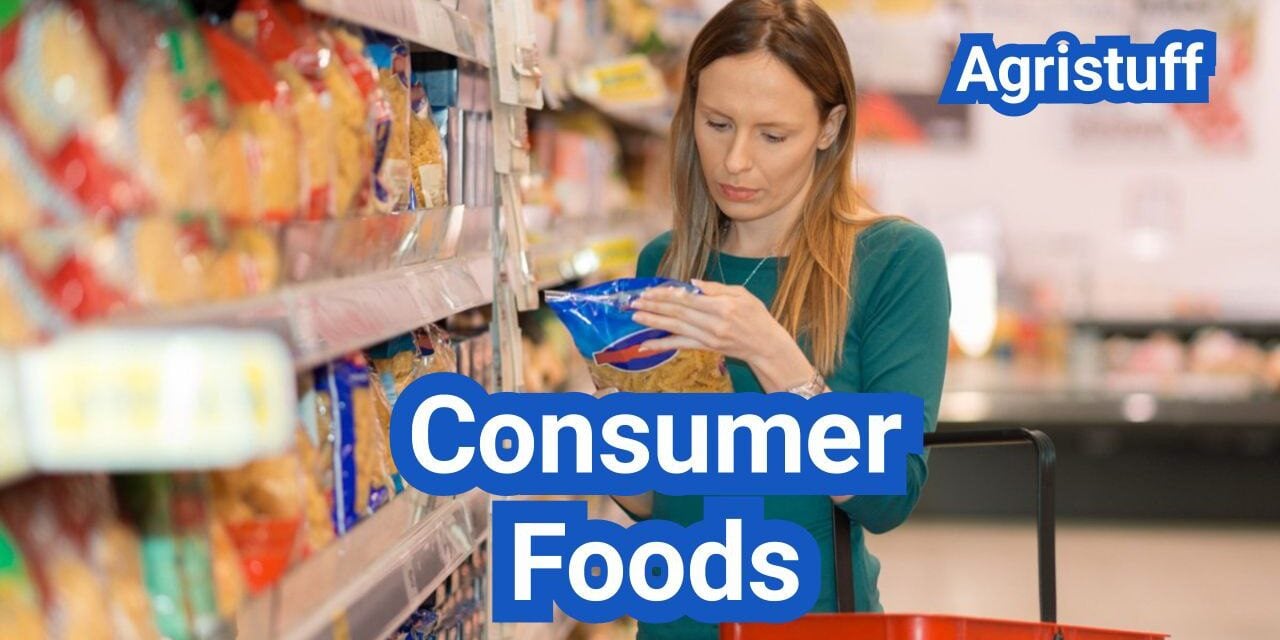
The term “consumer foods” refers to products intended for direct consumption by individuals. In the U.S., this concept is crucial for brands aiming to win repeat buyers. Understanding consumer foods is key to increasing customer loyalty.
Brands that grasp the significance of consumer foods can tailor their strategies to enhance customer loyalty and drive repeat purchases. By understanding the dynamics of the U.S. market, companies can improve their offerings and build a loyal customer base.
Key Takeaways
- Understanding consumer foods is vital for brands to win repeat buyers.
- The concept of consumer foods is crucial in the U.S. market.
- Brands can enhance customer loyalty by grasping the significance of consumer foods.
- Tailoring strategies to the U.S. market dynamics can drive repeat purchases.
- Improving offerings based on consumer foods can build a loyal customer base.
Defining Consumer Foods in the American Market

Consumer foods in the U.S. market include a diverse array of packaged and fresh products. The term “consumer foods” refers to products that are directly purchased by consumers for personal consumption, distinguishing them from foodservice products, which are typically consumed on-site or served in restaurants and institutions.
What Qualifies as Consumer Foods in the U.S.
Consumer foods encompass a wide range of products, including packaged goods, fresh produce, dairy products, and bakery items. These products are typically sold through retail channels such as supermarkets, grocery stores, and online platforms. According to industry experts, “the consumer foods market is driven by consumer preferences for convenience, quality, and health-oriented products.”
The category includes both perishable and non-perishable items, with a growing emphasis on sustainable and eco-friendly packaging. As noted by a leading industry analyst, “the shift towards eco-friendly packaging is not just a trend, but a significant movement that is reshaping the consumer foods landscape.”
Distinguishing Between Consumer Foods and Foodservice
A critical distinction exists between consumer foods and foodservice products. While consumer foods are sold through retail channels for home consumption, foodservice products are prepared and consumed on-site in establishments like restaurants, cafes, and schools. This distinction is crucial for manufacturers, as it affects product formulation, packaging, and distribution strategies.
For instance, foodservice products might be formulated in larger quantities or with different ingredient ratios compared to their consumer foods counterparts. Understanding these differences is essential for brands aiming to succeed in both markets.
The Scope of the Consumer Foods Industry
The consumer foods industry is vast and multifaceted, with a significant impact on the U.S. economy. It encompasses various sectors, including consumer packaged foods (CPG), dairy, and fresh produce. The industry’s scope extends beyond production to include distribution, marketing, and regulatory compliance.
As highlighted by a recent industry report, “the consumer foods industry is constantly evolving, driven by changing consumer preferences, technological advancements, and regulatory requirements.” This dynamic environment presents both challenges and opportunities for brands operating within the sector.
The Consumer Foods Landscape in the United States

Understanding the consumer foods landscape is crucial for brands looking to succeed in the U.S. market. The consumer foods industry is diverse, with various categories and segments that cater to different consumer needs and preferences.
Major Categories and Market Segments
The U.S. consumer foods market is broadly categorized into several major segments, including consumer packaged goods (CPG), dairy products, and specialty foods. Within these categories, there are numerous sub-segments that cater to specific consumer preferences, such as organic, gluten-free, and vegan products.
“The rise of niche products has significantly impacted the consumer foods landscape, with brands needing to adapt to changing consumer demands,” notes a recent industry report.
Key Players and Brand Leaders
The consumer foods market is dominated by several key players who have established strong brand recognition and loyalty. Companies such as Procter & Gamble, Nestle, and General Mills are among the top brand leaders in the industry.
- Procter & Gamble
- Nestle
- General Mills
Market Size and Growth Projections
The U.S. consumer foods market is substantial, with a market size valued at over $800 billion. Growth projections indicate a steady increase in demand, driven by factors such as population growth, changing consumer preferences, and innovations in food technology.
| Year | Market Size ($ Billion) | Growth Rate (%) |
|---|---|---|
| 2022 | 800 | 3.5 |
| 2023 | 828 | 3.8 |
| 2024 | 860 | 4.0 |
As the market continues to evolve, understanding these dynamics will be crucial for brands aiming to capture market share and drive growth.
Types of Consumer Foods Products in the U.S. Market

The U.S. market offers a vast range of consumer foods products, including consumer packaged goods, dairy products, and value-added agricultural products. These categories are crucial for understanding the dynamics of the consumer foods industry.
Consumer Packaged Foods (CPG)
Consumer Packaged Goods (CPG) are products that are consumed daily and need to be replenished regularly. They include food, beverages, and household items. The CPG sector is highly competitive, with brands focusing on quality, packaging, and marketing to stand out.
Key characteristics of CPG:
- High volume sales
- Fast-moving inventory
- Strong brand recognition
- Innovative packaging
Dairy Consumer Foods
Dairy consumer foods are an essential part of the American diet, encompassing milk, cheese, yogurt, and other dairy products. These products are valued for their nutritional benefits and versatility in cooking and consumption.
The dairy sector is evolving with trends such as:
- Increased demand for organic and grass-fed dairy
- Growing popularity of dairy alternatives
- Focus on sustainability in dairy farming
Value-Added Agricultural Products
Value-added agricultural products refer to items that have been processed or transformed to enhance their value. Examples include packaged meats, prepared foods, and specialty grains. These products cater to consumer preferences for convenience and quality.
| Product Category | Description | Market Trend |
|---|---|---|
| Packaged Meats | Processed meats like sausages and deli slices | Increasing demand for organic and nitrate-free options |
| Prepared Foods | Ready-to-eat meals and snacks | Growing preference for healthy and convenient options |
| Specialty Grains | Ancient grains and gluten-free products | Rising popularity due to health and wellness trends |
Specialty and Artisanal Food Products
Specialty and artisanal food products are characterized by their unique flavors, high-quality ingredients, and often, a story behind their production. These products appeal to consumers seeking authentic and premium food experiences.
The market for specialty and artisanal foods is driven by consumer interest in:
- Craft and local production
- Unique flavors and ingredients
- Storytelling and brand heritage
Navigating Regulatory Requirements for Consumer Foods

Understanding and complying with regulatory requirements is crucial for consumer foods brands to maintain market integrity and consumer trust. The U.S. consumer foods industry is subject to a complex set of regulations that govern various aspects of product development, manufacturing, and marketing.
Implementing Food Labeling Requirements
One of the critical areas of regulatory compliance is food labeling. The FDA mandates that food labels provide accurate and clear information about the product’s ingredients, nutritional content, and potential allergens. “The Nutrition Labeling and Education Act (NLEA) of 1990 was a significant step forward in providing consumers with the information they need to make informed choices,” notes an FDA spokesperson.
To comply with food labeling requirements, brands must ensure that their labels include:
- Nutrition facts panel
- Ingredient list
- Allergen warnings
- Net quantity of contents
Ensuring Nutrition Facts Label Compliance
The nutrition facts label is a critical component of food labeling. The FDA has updated the nutrition facts label to reflect new scientific evidence and consumer behavior. Key changes include:
- Updated serving sizes
- New requirements for added sugars
- Changes to the list of nutrients that must be declared
Brands must ensure that their nutrition facts labels comply with these updated requirements to avoid non-compliance issues.
Managing Food Allergen Labeling
Food allergen labeling is another critical aspect of regulatory compliance. The Food Allergen Labeling and Consumer Protection Act (FALCPA) requires that labels clearly identify major food allergens. Brands must take steps to prevent cross-contamination and clearly label products that contain allergens.
Major food allergens include:
- Milk
- Egg
- Fish
- Crustacean shellfish
- Nuts
- Wheat
- Soybeans
- Sesame
Meeting FSMA Preventive Controls and Traceability Rules
The Food Safety Modernization Act (FSMA) has introduced significant changes to food safety regulations. The Preventive Controls rule requires food facilities to implement preventive controls to minimize or prevent hazards. Additionally, the Traceability rule aims to enhance the FDA’s ability to track food products throughout the supply chain.
“The FSMA represents a fundamental shift in food safety from response to prevention. It’s about being proactive in identifying and controlling hazards,” said Dr. Stephen Ostroff, FDA Deputy Commissioner for Foods and Veterinary Medicine.
To comply with FSMA requirements, brands must develop and implement comprehensive food safety plans that include:
- Identifying potential hazards
- Implementing preventive controls
- Verifying the effectiveness of controls
- Maintaining records
Understanding the Economics of Consumer Foods
Understanding the economic dynamics of consumer foods is crucial for brands aiming to maintain profitability in a fluctuating market. The consumer foods industry is heavily influenced by economic indicators, among which the Consumer Price Index (CPI) plays a significant role.
Analyzing the Consumer Price Index for Food
The Consumer Price Index for food is a vital economic indicator that measures the average change in prices of a basket of food items consumed by households. It is essential for understanding the inflationary trends in the food sector.
Key components of the CPI for food include:
- Food at home: Prices of food items purchased for consumption at home.
- Food away from home: Prices of food items consumed in restaurants, cafes, and other dining establishments.
Analyzing these components helps brands identify areas where price fluctuations are most significant, enabling them to adjust their strategies accordingly.
Interpreting 12-Month Percentage Changes
The 12-month percentage change in the CPI is a critical metric that indicates the rate of inflation or deflation in the food sector over the past year. A high percentage change suggests rapid price increases, while a low or negative percentage change indicates stable or decreasing prices.
| Category | 12-Month % Change |
|---|---|
| Food at Home | 3.5% |
| Food Away from Home | 4.2% |
| Overall CPI | 2.8% |
Understanding these changes helps brands anticipate consumer behavior and adjust their pricing strategies.
Adapting to Economic Upheavals in the Food Market
Economic upheavals, such as recessions or global events affecting supply chains, can significantly impact the consumer foods market. Brands must be agile in responding to these changes to maintain profitability.
“The ability to adapt to changing economic conditions is crucial for survival in the competitive consumer foods market.”
Strategies for adapting include diversifying product offerings, optimizing supply chains, and implementing flexible pricing models.
Pricing Strategies That Maintain Margins
To maintain profit margins, brands can employ various pricing strategies. These include:
- Value-based pricing: Setting prices based on the perceived value to the consumer.
- Dynamic pricing: Adjusting prices in real-time based on market demand.
- Premium pricing: Positioning products as high-end to command higher prices.
By understanding the economic landscape and employing effective pricing strategies, brands can navigate the complexities of the consumer foods market.
Profiling the American Food Consumer
The American food consumer is a complex entity, influenced by a myriad of factors including demographics, regional preferences, and generational differences. Understanding these influences is crucial for brands aiming to succeed in the competitive U.S. market.
Demographic Insights and Buying Behaviors
Demographic factors such as age, income, and ethnicity play a significant role in shaping food preferences and buying behaviors. For instance, younger consumers tend to prioritize health and wellness, while older generations may focus on convenience and affordability.
Key demographic insights include:
- Age: Different age groups have varying preferences and buying habits.
- Income: Higher-income households tend to prioritize premium and organic products.
- Ethnicity: Diverse ethnic backgrounds influence food preferences and cultural traditions.
Regional Differences in Food Preferences
Regional differences significantly impact food preferences in the U.S. For example, consumers in the Northeast tend to prefer seafood, while those in the Midwest have a strong affinity for comfort foods.
Regional preferences are influenced by:
- Cultural heritage and historical influences.
- Availability of local ingredients and produce.
- Climate and geographical characteristics.
Generational Divides in Food Consumption
Generational differences also play a crucial role in shaping food consumption patterns. Millennials and Gen Z consumers tend to prioritize sustainability and health, while Baby Boomers focus on convenience and familiarity.
Generational trends include:
- Millennials: Prioritize health, wellness, and sustainability.
- Gen Z: Emphasize digital shopping experiences and social media influence.
- Baby Boomers: Focus on convenience, quality, and brand loyalty.
How Consumers Shop for Food Products
The way consumers shop for food products is evolving, with a growing emphasis on online shopping, meal kits, and grocery delivery services. Understanding these shopping behaviors is essential for brands to remain competitive.
Key shopping behaviors include:
- Increasing demand for online grocery shopping and delivery.
- Growing interest in meal kits and prepared foods.
- Continued importance of in-store experiences and promotions.
Leveraging Current Consumer Foods Trends

As consumer preferences evolve, the foods industry must adapt to meet new expectations. Currently, several key trends are shaping the consumer foods landscape in the United States.
Capitalizing on Health and Wellness Demand
The demand for health and wellness products is on the rise. Consumers are increasingly seeking out foods that offer not just taste but also nutritional benefits. Brands that capitalize on this trend by offering products with clean labels, reduced sugar, and enhanced nutritional content are likely to win repeat buyers.
To meet this demand, manufacturers are reformulating products and introducing new lines that cater to health-conscious consumers. This includes fortifying foods with additional nutrients and ensuring that products are free from unwanted additives.
Implementing Sustainability Practices for Younger Consumers
Younger consumers, particularly Gen Z and Millennials, are driving the demand for sustainability in consumer foods. These consumers prefer brands that adopt eco-friendly packaging, source ingredients sustainably, and reduce food waste.
To appeal to this demographic, brands are implementing various sustainability practices. This includes using recyclable materials, reducing water usage in production, and sourcing ingredients from suppliers who adhere to sustainable practices.
Developing Convenient Meal Solutions
Convenience is another key trend in the consumer foods market. With increasingly busy lifestyles, consumers are looking for meal solutions that are quick, easy, and nutritious. Ready-to-eat meals and meal kits are gaining popularity as they offer convenience without compromising on health.
Brands are responding by developing a range of convenient meal solutions. This includes expanding their portfolios of ready-to-eat meals, improving packaging for ease of use, and ensuring that these products are nutritious.
Innovating with Plant-Based and Alternative Proteins
The trend towards plant-based and alternative proteins continues to grow. Consumers are adopting these options for health, environmental, and ethical reasons. Innovation in this space is crucial, with brands developing new products that mimic the taste and texture of meat but are made from plant-based ingredients.
This innovation extends to alternative proteins such as insect-based and lab-grown proteins, offering consumers a range of choices. Brands that innovate in this area are likely to attract a loyal customer base.
Strategies for Building Food Brand Loyalty

In the competitive consumer foods market, establishing a loyal customer base is crucial for sustained growth and profitability. Food brand loyalty is not just about repeat purchases; it’s about creating a deep emotional connection with consumers that drives long-term brand advocacy.
Identifying Key Repeat Purchase Drivers
Understanding what drives consumers to repeatedly purchase certain food products is essential. Key drivers include product quality, brand trust, and customer experience. Brands must focus on delivering consistent quality and engaging with their customers to build trust and loyalty.
Analyzing consumer behavior and feedback can help brands identify areas for improvement and opportunities to innovate. By leveraging data on repeat purchase drivers, food companies can tailor their marketing strategies and product offerings to meet consumer needs more effectively.
Creating Emotional Connections Through Food
Creating an emotional connection with consumers can significantly enhance brand loyalty. Food brands can achieve this by telling compelling stories, supporting meaningful causes, and creating memorable experiences. Emotional connections make consumers feel valued and understood, fostering a deeper loyalty to the brand.
For instance, brands can share their heritage, highlight sustainable practices, or showcase the craftsmanship behind their products. These narratives can resonate with consumers on an emotional level, making them more likely to become repeat customers.
Designing Effective Loyalty Programs
Loyalty programs are a direct way to encourage repeat business and reward loyal customers. Effective loyalty programs offer rewards that are relevant and valuable to consumers, such as discounts, exclusive products, or early access to new items.
To maximize their impact, loyalty programs should be easy to understand and participate in. Brands can use digital platforms to track customer purchases and offer personalized rewards, enhancing the overall customer experience and fostering loyalty.
Measuring and Improving Customer Retention
Measuring customer retention is crucial for understanding the effectiveness of loyalty strategies. Brands can track metrics such as repeat purchase rates, customer lifetime value, and net promoter scores to gauge their performance.
By analyzing these metrics, food brands can identify areas for improvement and adjust their strategies accordingly. Continuous improvement in customer retention not only drives loyalty but also contributes to long-term business success.
Positioning Your Consumer Foods Product for Success

To stand out in the U.S. consumer foods market, brands must craft a unique value proposition that resonates with their target consumers. This involves understanding the needs and preferences of the target audience and developing a product that meets those needs.
Crafting a Compelling Value Proposition
A compelling value proposition is the foundation of successful product positioning. It should clearly communicate the unique benefits and value that your product offers to consumers. According to a study by Deloitte, a strong value proposition can increase customer loyalty by up to 25%. To craft a compelling value proposition, brands should:
- Identify the unique selling points of their product
- Understand the needs and preferences of their target audience
- Develop a clear and concise message that communicates the value proposition
For example, brands like Kind Snacks have successfully positioned themselves as a healthier alternative to traditional snack options, appealing to consumers looking for nutritious and sustainable choices.
Differentiating in Crowded Food Categories
Differentiating your product in crowded food categories is crucial for capturing consumer attention. This can be achieved through innovative packaging, unique flavors, or highlighting specific product benefits such as organic or non-GMO. A report by Nielsen found that 73% of consumers are willing to pay more for sustainable products, indicating a significant opportunity for differentiation.
Optimizing the Price-Value Relationship
The price-value relationship is a critical aspect of product positioning. Consumers need to perceive that the price of the product is fair relative to its value. Brands can optimize this relationship by offering premium products at a higher price point or by providing value-added services. For instance, Trader Joe’s has built a loyal customer base by offering unique and affordable products.
“The key to successful pricing is understanding the customer’s perception of value and ensuring that the price aligns with that perception.” –
Nielsen’s Pricing Study
Communicating Product Benefits Effectively
Effectively communicating product benefits is essential for resonating with the target audience. This can be achieved through clear and concise labeling, engaging marketing campaigns, and leveraging digital channels to reach consumers. According to a study by Forbes, brands that effectively communicate their value proposition see a significant increase in customer engagement.
To communicate product benefits effectively, brands should focus on the aspects that matter most to their target audience, such as health benefits, sustainability, or convenience. By doing so, brands can build a strong connection with their consumers and drive loyalty.
Packaging Strategies That Drive Purchase and Repurchase

In the competitive world of consumer foods, packaging strategies play a pivotal role in driving both initial purchases and repeat business. Effective packaging not only protects the product but also communicates the brand’s values and message.
Designing Packaging That Stands Out on Shelves
To capture consumer attention, packaging must stand out in a crowded marketplace. This can be achieved through bold designs, unique shapes, and vibrant colors that align with the brand’s identity.
- Use of bright colors to attract attention
- Innovative packaging shapes that differentiate the product
- Clear and concise branding that communicates the product’s value
Implementing Sustainable Packaging Solutions
Consumers are increasingly demanding more sustainable packaging options. Brands can meet this demand by adopting eco-friendly materials and minimizing packaging waste.
| Sustainable Packaging Option | Description | Benefits |
|---|---|---|
| Biodegradable Materials | Made from materials that can easily decompose | Reduces environmental impact |
| Recyclable Packaging | Designed to be recycled, reducing waste | Conserves resources, reduces landfill waste |
| Minimalist Packaging | Reduces the amount of packaging used | Decreases waste, appeals to environmentally conscious consumers |
Adding Functional Features That Consumers Value
Packaging that offers functional benefits can enhance the consumer experience. Features such as resealable closures and easy-to-use dispensers can make a product more appealing.
- Resealable packaging to maintain freshness
- Portable packaging for convenience
- Easy-open packaging for accessibility
Using Packaging to Reinforce Brand Identity
Packaging is a critical touchpoint for brand communication. Consistent use of brand colors, logos, and messaging can reinforce brand identity and build recognition.
By integrating these packaging strategies, consumer foods brands can not only drive initial purchases but also foster loyalty and encourage repeat business.
Mastering Retail Strategy for Consumer Foods

Mastering retail strategy is crucial for consumer foods brands to stand out in a competitive market. A well-executed retail strategy enables brands to effectively reach and engage their target audience, driving sales and fostering brand loyalty.
Effective Merchandising Techniques
Effective merchandising is a critical component of a successful retail strategy. It involves creating an appealing and engaging shopping experience that resonates with consumers. Techniques include strategic product placement, eye-catching packaging, and in-store promotions.
Key merchandising strategies include:
- Optimizing product displays to capture consumer attention
- Utilizing in-store promotions and demos to drive engagement
- Leveraging data analytics to inform merchandising decisions
Negotiating Slotting Fees and Retail Partnerships
Negotiating slotting fees and forming strong retail partnerships are essential for securing prime shelf space and driving product visibility. Brands must be prepared to negotiate effectively, leveraging data and market insights to support their proposals.
| Negotiation Factor | Importance | Strategy |
|---|---|---|
| Market Data | High | Use data to demonstrate product potential |
| Product Uniqueness | Medium | Highlight unique selling points |
| Brand Strength | High | Leverage brand equity to secure better terms |
Competing Against Private Label Products
Competing against private label products requires a strategic approach, focusing on differentiating your brand and product offerings. This can be achieved through innovative packaging, unique product formulations, and targeted marketing campaigns.
Effective strategies include:
- Differentiating products through quality and innovation
- Building strong brand equity through marketing and customer engagement
- Offering competitive pricing without compromising on quality
Setting Up GS1 UPC Barcodes for Retail Success
GS1 UPC barcodes are a critical component of retail success, enabling efficient inventory management and checkout processes. Brands must ensure that their products are properly labeled with GS1-compliant barcodes to avoid supply chain disruptions.
By mastering these aspects of retail strategy, consumer foods brands can enhance their competitiveness, drive sales, and achieve long-term success in the market.
Building Direct-to-Consumer Food Brands

Direct-to-consumer food brands are on the rise, driven by consumer demand for more personalized and engaging brand experiences. This shift is transforming the consumer foods industry, enabling brands to connect directly with their customers and foster loyalty.
Developing a D2C Strategy for Food Products
A successful D2C strategy begins with understanding your target audience and their preferences. Brands must leverage data and insights to create tailored marketing campaigns and product offerings that resonate with consumers.
Key elements of a D2C strategy include identifying the right distribution channels, managing inventory effectively, and ensuring seamless customer service. By focusing on these areas, brands can build a strong foundation for their D2C operations.
Selecting the Right E-commerce Platforms
Choosing the appropriate e-commerce platform is crucial for D2C food brands. Platforms like Shopify and WooCommerce offer flexibility and scalability, allowing brands to grow their online presence efficiently.
When selecting an e-commerce platform, consider factors such as integration capabilities with existing systems, user experience, and the ability to handle complex product catalogs. The right platform can significantly enhance a brand’s online sales and customer engagement.
Creating Subscription Models for Recurring Revenue
Subscription models offer a compelling way for D2C food brands to generate recurring revenue and enhance customer loyalty. By offering flexible subscription options, brands can cater to a wide range of consumer preferences.
To implement a successful subscription model, brands must focus on providing value through exclusive content, early access to new products, or special discounts. This approach not only drives revenue but also fosters a deeper connection with subscribers.
Optimizing the Unboxing Experience
The unboxing experience is a critical touchpoint for D2C food brands, offering an opportunity to create a lasting impression. Investing in premium packaging that is both functional and visually appealing can elevate the unboxing experience.
Brands should also consider including personalized notes or inserts to add a human touch. By optimizing the unboxing experience, brands can turn a routine delivery into a memorable brand interaction.
Working Effectively with Co-Packers and Manufacturers

To ensure the quality and scalability of your food products, choosing the right manufacturing partner is essential. This decision can significantly impact your brand’s reputation and bottom line.
Selecting the Right Production Partner
When searching for a co-packer for your food products, consider their experience, capabilities, and reputation. Look for a partner that has a proven track record in handling products similar to yours and can meet your production volume needs.
Key Factors to Consider:
- Production capacity and flexibility
- Quality control measures and certifications
- Cost structure and pricing model
- Location and logistics capabilities
Establishing Quality Control Protocols
Implementing robust quality control protocols is crucial to maintaining the integrity of your food products. Work closely with your co-packer to establish and monitor these protocols.
| Quality Control Measure | Description | Frequency |
|---|---|---|
| Raw Material Inspection | Checking the quality of incoming raw materials | Daily |
| Production Line Monitoring | Ongoing supervision of the production process | Continuous |
| Finished Product Testing | Testing of final products for quality and safety | Batch-wise |
Managing Costs and Scaling Production
Effective cost management is vital to maintaining profitability. Understand the cost structure of your co-packer and negotiate terms that benefit your business. As your brand grows, your co-packer should be able to scale production accordingly.
Protecting Your Recipes and Intellectual Property
Safeguarding your recipes and intellectual property is paramount when working with co-packers. Ensure that you have robust confidentiality agreements in place and that your co-packer understands the importance of IP protection.
By carefully selecting a production partner, establishing stringent quality control protocols, managing costs effectively, and protecting your intellectual property, you can successfully bring your food products to market.
Winning in the Consumer Foods Marketplace
Winning in the consumer foods marketplace requires a deep understanding of consumer preferences, effective branding, and strategic planning. To succeed, brands must focus on building strong relationships with their customers, driving brand loyalty, and ensuring customer retention.
By understanding the complexities of the consumer foods industry and leveraging current trends, brands can position themselves for success. This involves developing effective branding strategies, creating emotional connections with consumers, and designing loyalty programs that drive repeat purchases.
Effective brand loyalty and customer retention strategies are crucial in the competitive consumer foods marketplace. Brands that prioritize these elements can differentiate themselves and achieve long-term success. By implementing the strategies outlined in this article, consumer foods brands can improve their chances of winning in this dynamic market.
Ultimately, success in the consumer foods marketplace depends on a brand’s ability to adapt to changing consumer preferences, innovate, and deliver value to their customers. By focusing on brand loyalty and customer retention, brands can establish a loyal customer base and drive long-term growth.
FAQ
What is the definition of consumer foods in the U.S. market?
Consumer foods refer to products intended for personal or household consumption, as opposed to foodservice, which is geared towards businesses and institutions.
How do consumer foods differ from foodservice?
Consumer foods are packaged and sold through retail channels, whereas foodservice involves prepared meals and ingredients sold to businesses, such as restaurants and cafes.
What are the major categories of consumer foods in the U.S.?
Major categories include consumer packaged goods (CPG), dairy products, value-added agricultural products, and specialty or artisanal foods.
What are some key regulatory requirements for consumer foods labeling?
Key requirements include nutrition facts labeling, allergen labeling, and compliance with FSMA preventive controls and traceability rules.
How can brands adapt to economic upheavals in the food market?
Brands can adapt by monitoring the Consumer Price Index, adjusting pricing strategies, and maintaining margins through effective cost management.
What are some current trends in consumer foods, and how can brands capitalize on them?
Trends include health and wellness demand, sustainability practices, and convenient meal solutions. Brands can innovate with plant-based and alternative proteins to meet changing consumer preferences.
How can brands build loyalty among their customer base?
Brands can build loyalty by identifying repeat purchase drivers, creating emotional connections, and designing effective loyalty programs.
What are some effective packaging strategies for consumer foods?
Strategies include designing standout packaging, implementing sustainable solutions, and adding functional features that consumers value.
How can brands master retail strategy for consumer foods?
Brands can master retail by implementing effective merchandising, negotiating slotting fees, and competing against private label products.
What are some best practices for building direct-to-consumer food brands?
Best practices include developing a D2C strategy, selecting the right e-commerce platforms, and creating subscription models for recurring revenue.
How can brands work effectively with co-packers and manufacturers?
Brands can work effectively by selecting the right production partner, establishing quality control protocols, and managing costs and scaling production.
What is the importance of GS1 UPC barcodes for retail success?
GS1 UPC barcodes are essential for inventory management, checkout processes, and tracking sales data, ensuring a smooth retail experience.
How can brands optimize the unboxing experience for their customers?
Brands can optimize the unboxing experience by designing attractive packaging, including personalized messages or inserts, and ensuring a seamless unboxing process.
Is Consumer Foods the same as “CPG” in the U.S.?
Consumer Foods overlaps heavily with CPG when you’re talking about packaged retail items, but Consumer Foods can also include fresh items sold directly to households depending on the business context. USDA ERS household food context
Do Consumer Foods brands have to follow FDA rules?
Many Consumer Foods products fall under FDA oversight, while some categories (like many meat and poultry products) have USDA FSIS oversight, so you should confirm jurisdiction before finalizing labels and processes. FDA labeling guide (PDF)
What matters more for repeat buyers: price or product quality?
In Consumer Foods, repeat behavior usually depends on a combination of satisfaction (taste/quality), perceived value, and availability, so winning brands protect experience first and then optimize price architecture. CDC label comprehension research
How do I test if my Consumer Foods product will repeat?
Track repeat by cohort (first-time buyers vs returning buyers) in DTC, or track reorder velocity and store-level movement in retail, then use complaints and reviews as structured feedback to fix the top issues. FDA safety alerts overview
When should a farm use a co-packer for Consumer Foods?
A co-packer often makes sense when demand exceeds your on-farm capacity, when you need specialized equipment, or when compliance and quality systems require more structure than a small facility can sustain alone. NC State Extension on co-packers
Conclusion of: Consumer Foods In USA
In the U.S., “Consumer Foods” is a practical business term for foods and beverages made and marketed for everyday shoppers—items meant to be chosen, purchased, taken home, and consumed with minimal friction. Consumer Foods spans everything from fresh produce and dairy to shelf-stable pantry staples, frozen meals, snacks, and ready-to-drink beverages, as long as the product is built for consumer purchase behavior. USDA ERS food spending definitions
What makes Consumer Foods different isn’t a single ingredient or processing method, but the go-to-market realities: labeling, packaging, safety expectations, pricing, and availability where consumers actually shop. Consumer Foods competes in crowded aisles and digital shelves, where a buyer can switch brands in seconds if the product disappoints or becomes hard to find. FDA food labeling and nutrition hub
What “consumer foods” includes (and what it excludes)
In everyday U.S. usage, Consumer Foods includes retail and direct-to-consumer items intended for household consumption—whether they’re minimally processed (like bagged salads) or highly formulated (like protein bars). The term can cover national brands, store brands, and regional brands, as long as the product is built for consumers rather than for an industrial buyer. USDA ERS retailing and wholesaling overview
Consumer Foods typically excludes foodservice-specific products designed mainly for restaurants, schools, hospitals, and other institutions, because those products win on different rules (bulk pack sizes, back-of-house handling, and contract bidding). It also usually excludes B2B ingredients sold primarily to manufacturers (like bulk starches or commodity oils) unless the same supplier also sells a consumer-facing SKU. USDA ERS processing and marketing topic
That distinction matters because Consumer Foods succeeds or fails on consumer experience: the first bite, the second purchase, and the tenth purchase when the novelty is gone. If you treat a retail shopper like a procurement department, you’ll often oversinvest in specs and underinvest in clarity, convenience, and trust signals. NIH/PMC study on food label use
How consumer foods move from farm to repeat purchase
Consumer Foods usually travels through a chain that starts with farm and ingredient sourcing, then moves into processing, packaging, distribution, and retail or e-commerce fulfillment. Each step adds constraints—temperature control, shelf life, traceability, and merchandising requirements—that influence what the shopper ultimately experiences. USDA ERS on processing and marketing
For farms supplying Consumer Foods, variety selection, harvest timing, and post-harvest handling can determine whether the downstream brand can deliver consistent taste and appearance week after week. Small shifts in maturity, moisture, or storage conditions can ripple into texture changes that a repeat buyer notices immediately. MyPlate consumer guidance (USDA)
Processing turns raw materials into Consumer Foods that can be safely scaled, but it also creates “make-or-break” moments for quality control, allergen management, and sanitation. Brands that treat manufacturing as a controllable system—rather than a one-off project—tend to produce the consistency that drives repeat purchase. FDA FSMA preventive controls rule page
Distribution is where Consumer Foods can quietly lose money through damage, spoilage, chargebacks, and mis-picks if the product isn’t designed for real-world handling. Case pack, pallet pattern, and temperature requirements should be engineered early, because retailers and distributors often won’t “customize the warehouse” for a small brand. USDA ERS wholesaling overview
At retail, Consumer Foods competes for attention in an aisle reset and competes for availability in a replenishment system that rewards predictable velocity. E-commerce adds another layer where search, images, and product-page clarity can determine whether a shopper repurchases or churns to an easier option. USDA ERS retail trends
The U.S. rules and standards that shape consumer foods
A big reason Consumer Foods needs careful planning is U.S. labeling: the label is both marketing and compliance, and mistakes can trigger costly reprints or enforcement risk. Even a strong product can stumble if the package fails to communicate identity, net quantity, ingredients, and required statements clearly and consistently. FDA Food Labeling Guide (PDF)
Nutrition Facts expectations also influence Consumer Foods decisions, because shoppers use labels to compare options and decide whether a product fits their household goals. If you reformulate to improve sodium or added sugar, you should validate that the sensory experience still satisfies the “repeat purchase moment.” FDA Nutrition Facts label explainer
Allergen controls are central to Consumer Foods safety and trust, especially as households manage multiple dietary needs at once. Brands should build an allergen strategy that covers ingredients, cross-contact risks, supplier documentation, and label accuracy—then test it in the real packaging workflow.
Food safety systems are not optional for most scaled Consumer Foods operations, because risk-based preventive controls require a plan, monitoring, corrective actions, verification, and records when applicable. Brands that treat documentation as a living system (not a binder on a shelf) move faster during audits, retailer onboarding, and incident response. eCFR: 21 CFR Part 117
Traceability is becoming more operationally important for Consumer Foods because faster investigations and faster removals reduce both public health risk and brand damage when something goes wrong. Even if your specific product has exemptions, buyers increasingly expect practical “one step forward/one step back” traceability with rapid record retrieval. FDA FSMA traceability final rule page
Facility registration can also matter for Consumer Foods depending on the operation type, because it connects your facility identity to inspection and compliance workflows. Many small brands rely on co-packers, but you still need to understand which party owns which compliance tasks so nothing slips through the cracks. FDA food facility registration overview
How brands win repeat buyers in consumer foods
Winning in Consumer Foods usually means designing for repeat purchase rather than designing only for the first purchase. The first purchase is often driven by curiosity, a promotion, or packaging; the second purchase is driven by whether the product delivered a reliable experience that felt worth repeating. CDC research on Nutrition Facts understanding
Taste consistency is the “silent contract” in Consumer Foods, because consumers forgive one odd apple but don’t forgive a snack that changes texture every month. If agricultural inputs vary by season, brands should plan blending, specs, and sensory checks so the consumer experience stays stable across lots. Peer-reviewed study on packaging cues (PDF)
Availability is a major repeat driver for Consumer Foods because households build routines, shopping lists, and “default baskets.” If your product is out of stock, the shopper often substitutes immediately—and that substitute can become the new habit if it’s good enough. USDA ERS retail availability context
Trust is another repeat driver in Consumer Foods, and it’s earned through transparency, safety, and consistent problem-solving when issues arise. Brands that manage complaints like data—tracking lot codes, failure patterns, and corrective actions—tend to improve faster and protect loyalty. FDA recalls and safety alerts
Value perception matters in Consumer Foods beyond the sticker price, because shoppers evaluate waste, portioning, convenience, and whether the product reduces meal-planning stress. A “better value” can be a resealable package, better yield, or a format that fits the household routine—even when the unit price is higher. Dietary Guidelines for Americans
Packaging and messaging that support repeat purchase
Great Consumer Foods packaging does two jobs at once: it wins the first “yes” at the shelf and it removes friction the next time the shopper looks for it. That means clear product identity, fast benefits, and easy-to-remember cues (flavor, format, size) without forcing the consumer to decode the label. FDA guidance page for the Food Labeling Guide
Claims can help Consumer Foods stand out, but only if they are precise, supportable, and aligned with what consumers actually experience. If you overpromise—“no sugar crash,” “gut health,” “clean”—you may win one purchase and then lose trust when the product doesn’t match the implied benefit.
Sustainability messaging for Consumer Foods should be especially careful because “recyclable,” “compostable,” and “eco-friendly” can be misunderstood and can attract scrutiny. A safer approach is to use specific, verifiable claims (like material type or reduced packaging weight) and avoid vague terms that consumers interpret as a blanket environmental guarantee. FTC Green Guides (PDF)
Barcodes and product identification are unglamorous, but Consumer Foods can’t scale in most retail environments without them. Getting the right GTIN/UPC structure early helps prevent downstream data confusion, listing delays, and costly relabeling when a retailer rejects a non-standard code. GS1 US barcoding basics
Commercial readiness for Consumer Foods includes trade realities like slotting fees, promotional expectations, and performance reviews tied to velocity and margin. Even if you negotiate small tests, you should model how the economics behave when promotions, returns, and compliance penalties enter the picture. FTC report on slotting allowances (PDF)
How farms and producer-led brands compete in consumer foods
Farms can win in Consumer Foods by focusing on advantages that big brands can’t easily copy: origin transparency, varietal storytelling, seasonal relevance, and direct customer relationships. The best farm-led consumer products often start with one strong use case—like a signature jam, a frozen blend, or a specialty dairy item—then expand carefully into adjacent formats. USDA Value-Added Producer Grants
Direct marketing can also strengthen Consumer Foods economics by capturing more margin and learning faster from real buyers. Farmers markets, CSAs, and local retail partnerships can serve as “feedback loops” that improve product, packaging, and messaging before broader distribution. USDA AMS Farmers Market Promotion Program
Co-packers are often the bridge that helps Consumer Foods brands scale without building a facility, but the partnership must be structured like a system. Clear specs, change control, quality expectations, allergen responsibilities, and data-sharing practices reduce surprises and protect both parties when demand spikes or a complaint arrives. NC State Extension guide to using a co-packer
Finding the right production partner for Consumer Foods is easier when you start with capability constraints first: process type (hot fill, retort, frozen, dairy), minimum run size, packaging line options, and quality certifications. Building a short list by state and process type saves time and prevents costly “almost fits” conversations. Cornell Food Venture Center co-packer resources
For small brands, compliance scoping is critical in Consumer Foods because not every operation has the same labeling and regulatory triggers. Before printing 10,000 labels, confirm what applies to your specific product and channel so you avoid a redesign that wipes out early profits. NC State Extension on FDA labeling exemptions
Quick checklist
Use this quick checklist to pressure-test your Consumer Foods idea before you spend heavily on packaging, inventory, or distribution commitments. It’s designed to reveal hidden gaps that commonly block retailer onboarding or prevent repeat purchase. Penn State Extension resources for food entrepreneurs
- Define one clear buyer and one clear “use moment” (snack, breakfast, meal shortcut, treat).
- Write product specs that protect consistency (taste, texture, size, flavor strength).
- Confirm shelf life under real conditions (temperature swings, opening/closing, transport).
- Map allergens and cross-contact risks from supplier through packaging.
- Decide your channel first (DTC, local retail, regional grocery, specialty, club) and design for it.
- Build a simple quality system: incoming checks, in-process checks, finished product checks.
- Validate label requirements and claims before printing packaging.
- Plan barcode/GTIN strategy and product data (size, case pack, dimensions, weights).
- Model unit economics with realistic freight, spoilage, promos, and returns.
- Set a repeat-purchase KPI (repurchase rate, subscriptions, reorder velocity) and track it monthly.
Common mistakes to avoid
Most Consumer Foods failures aren’t about the idea—they’re about operational blind spots that create inconsistent experience, confusing messaging, or uneconomic distribution. Avoiding these mistakes early can preserve cash and protect brand trust. UF/IFAS guidance on finding and using a co-packer
- Overbuilding the first version: Start with one hero SKU and earn expansion through repeat demand.
- Weak specs: “Taste good” isn’t a spec—define measurable targets and sensory checks.
- Claim creep: Don’t add claims just because competitors do; prove and document what you say.
- Ignoring handling reality: Package for warehouses, trucks, and store shelves—not just photos.
- Underestimating out-of-stocks: Availability is part of the brand; plan safety stock and lead times.
- Skipping complaint analytics: Treat issues as structured data and fix root causes fast.
- Unclear channel strategy: DTC, local retail, and national grocery require different economics.
- Confusing naming: If shoppers can’t explain the product in one sentence, repeat suffers.
Costs and ROI snapshot
For farms entering Consumer Foods, costs typically cluster around compliance, packaging, and distribution rather than the raw ingredient itself. The fastest way to lose money is to price like a hobby and then discover freight, storage, and retailer requirements after you’ve committed to inventory. USDA VAPG program overview
Common Consumer Foods startup cost drivers include label design and revisions, packaging materials, initial packaging minimums, lab testing (as needed), and insurance—plus co-packer setup fees or pilot runs. If you need barcodes, GS1 US lists options starting around a single GTIN price point, while larger product lines may require a prefix and renewals, so build barcode costs into your unit economics early. GS1 US UPC options
ROI for Consumer Foods on U.S. farms is usually shaped by three variables: margin per unit after all channel costs, reorder frequency (velocity), and shrink/spoilage control. A product that earns a smaller margin but repeats reliably can outperform a high-margin novelty item that sells once and stalls, especially when storage and cash flow are tight. USDA ERS market structure context
Cost ranges vary widely, but a practical planning mindset for Consumer Foods is to model “fully loaded” cost per unit under your chosen channel. Include freight, warehousing (if any), promotions or discounts, returns, and compliance/admin time, then stress-test the model under lower-than-expected volume so you don’t bet the farm on optimistic velocity. USDA ERS wholesaling context
Final thought
Consumer Foods is less about a category label and more about winning the everyday routine: consistent experience, clear messaging, trusted safety, and reliable availability at a price that feels fair. Brands that design for the second purchase—then protect that promise through operations—are the ones that earn repeat buyers in the U.S. market. FDA preventive controls overview
Sources & References
- FDA: Nutrition, Food Labeling, and Critical Foods
- FDA: Guidance for Industry—Food Labeling Guide
- FDA: Food Labeling Guide (PDF)
- eCFR: 21 CFR Part 117 (CGMP & Preventive Controls)
- FDA: FSMA Preventive Controls for Human Food
- FDA: FSMA Traceability Final Rule
- FDA: How to Understand the Nutrition Facts Label
- USDA ERS: Processing and Marketing
- USDA ERS: Retailing and Wholesaling
- USDA Rural Development: Value-Added Producer Grants
- USDA AMS: Farmers Market Promotion Program
- FTC: Green Guides (PDF)
- FTC: Slotting Allowances Report (PDF)
- GS1 US: How to Get a UPC Barcode
- NC State Extension: Choosing and Using a Co-Packer