Quick Answer: The best way to use agriculture fertilizer is to match the right nutrient source, rate, timing, and placement to a soil test, crop needs, and field conditions. This helps U.S. farmers improve nutrient efficiency, support yields, and reduce fertilizer loss through runoff or leaching.
This guide explains how agriculture fertilizer works in real U.S. farming, how soil testing shapes fertilizer decisions, and how best practices such as 4R nutrient stewardship help farmers improve yields while using nutrients more efficiently.
What is Agriculture Fertilizer?
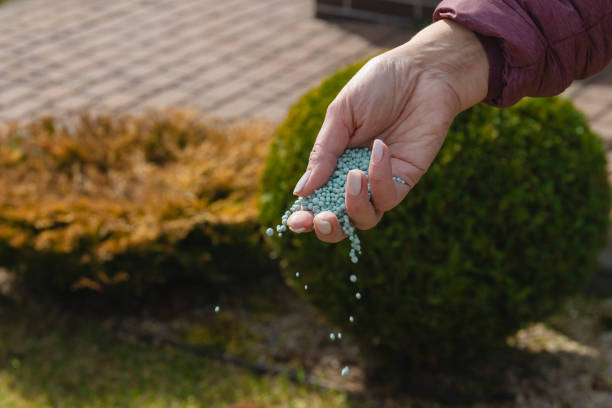
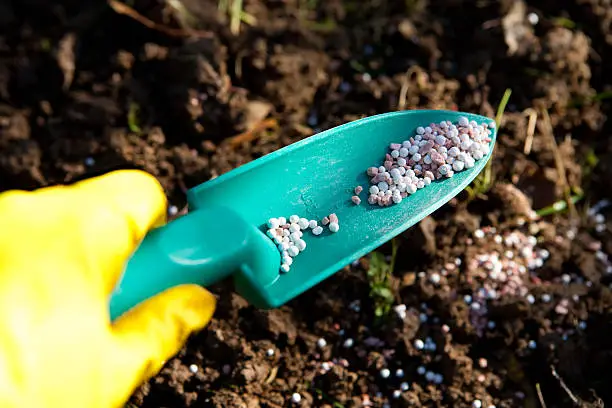
Agriculture fertilizer is a substance added to soil to enhance its fertility and provide essential nutrients for plant growth. Just as humans need a balanced diet to stay healthy, plants require nutrients like nitrogen (N), phosphorus (P), and potassium (K)—collectively known as the NPK ratio—to grow, resist diseases, and produce high-quality yields. These nutrients are often supplemented with secondary elements like calcium, magnesium, and sulfur, as well as micronutrients such as iron, zinc, and manganese.
- Nitrogen (N): Promotes leafy growth and protein synthesis.
- Phosphorus (P): Supports root development, flowering, and seed production.
- Potassium (K): Enhances overall plant health, water regulation, and disease resistance.
Over time, natural nutrient levels in soil deplete due to farming practices, weather conditions, and crop harvesting. Agriculture fertilizer steps in to replenish these nutrients, ensuring crops receive the nourishment they need to flourish.
What Is Fertilization in Agriculture?
Fertilization in agriculture is the process of supplying crops with essential nutrients to support healthy growth, improve yield, and maintain productive soils. While agriculture fertilizer refers to the nutrient source itself, fertilization in agriculture refers to how that nutrient source is used in the field to meet crop needs efficiently and responsibly.
In practical farming terms, fertilization in agriculture involves deciding which nutrients are needed, how much should be applied, when they should be applied, and where they should be placed. These decisions are important because crops do not need nutrients in the same way at all times, and poor timing or excessive application can reduce nutrient use efficiency and increase nutrient loss.
Fertilization in agriculture usually begins with understanding soil fertility and crop demand. Farmers often use soil test results, crop goals, field history, and local recommendations to determine whether nutrients such as nitrogen, phosphorus, and potassium should be added. This helps match agriculture fertilizer use to actual field conditions instead of relying on guesswork.
The main goal of fertilization in agriculture is not simply to add more agriculture fertilizer, but to provide the right nutrients in the right amount for the crop and growing conditions. When fertilization is managed well, it can improve plant vigor, support root development, enhance nutrient uptake, and contribute to more stable agricultural production over time.
Modern fertilization in agriculture also focuses on efficiency and stewardship. Farmers are encouraged to choose suitable nutrient sources, apply them at the proper growth stage, and use placement methods that improve uptake while reducing runoff, leaching, and waste. For this reason, fertilization in agriculture is best understood as a management practice, not just the act of spreading agriculture fertilizer on the soil.
Uses of Agriculture Fertilizer
Two Main Reasons Farmers Use Fertilizer
- To replace nutrients removed from the soil by crops and harvest.
- To improve plant growth, crop performance, and yield.
Agriculture fertilizer is indispensable for modern farming. Here are some key uses:
- Boosting Crop Yields: Fertilizers ensure plants receive adequate nutrients, leading to higher productivity.
- Improving Soil Health: Organic fertilizers enhance soil structure and microbial activity.
- Supporting Food Security: With a growing global population, fertilizers help maximize crop production on limited farmland.
- Enhancing Crop Quality: Proper nutrient balance improves the taste, color, and nutritional value of crops.
Soil Testing and Fertilizer Recommendations in Agriculture
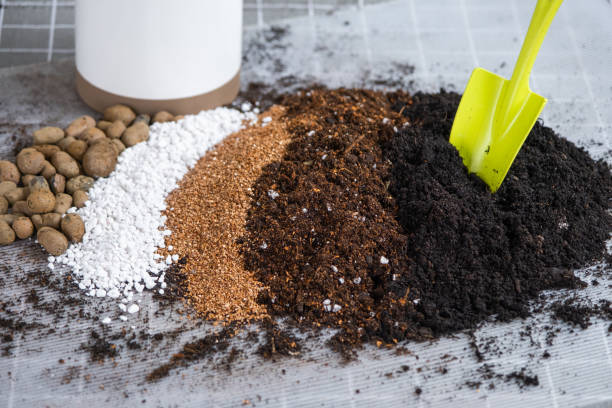
Soil testing is one of the most important steps in making sound agriculture fertilizer decisions. Instead of applying nutrients based on guesswork, farmers use soil tests to measure current fertility conditions and identify whether key nutrients such as nitrogen, phosphorus, potassium, and pH-related factors may limit crop performance. This makes agriculture fertilizer planning more accurate, more efficient, and better suited to real field conditions.
In agriculture, fertilizer recommendations are strongest when they are based on soil test results together with crop needs, field history, and realistic yield expectations. A soil test does not simply show whether nutrients are present or absent. It helps estimate whether a crop is likely to respond to added nutrients and how much agriculture fertilizer may be needed to support production without overapplying inputs.
Accurate sampling is essential because fertilizer recommendations are only as reliable as the soil sample itself. Fields should be sampled carefully from the proper depth and from multiple locations so the test represents actual field conditions. If the sample is poor or unrepresentative, agriculture fertilizer recommendations may also be misleading, leading to unnecessary cost or weak crop response.
Farmers and crop advisers often use soil testing to decide which nutrients deserve priority and which fields need different management. For example, one field may need phosphorus, another may need potassium, and another may only need pH correction rather than more agriculture fertilizer. This is why soil testing helps avoid blanket fertilizer decisions and supports more targeted nutrient management.
Good fertilizer recommendations in agriculture also consider crop sequence, expected yield, drainage, soil properties, weather conditions, and management goals. In modern nutrient management, the goal is not to apply as much agriculture fertilizer as possible, but to apply the right nutrient source at the right rate and in a way that supports crop uptake while reducing waste and environmental loss.
For this reason, soil testing should be viewed as the starting point for efficient agriculture fertilizer use, not as an optional extra. When fertilizer recommendations are based on actual soil data and matched to crop demand, farmers are in a better position to improve yield, protect soil health, manage input costs, and reduce excess nutrient loss from the field.
4R Nutrient Stewardship: How to Use Agriculture Fertilizer Efficiently
The key to effective fertilizer use lies in balance. Over-application can lead to nutrient runoff, soil degradation, and environmental pollution. Farmers must consider soil type, crop needs, and climate conditions to determine the right fertilizer mix.
Integrated Nutrient Management (INM)
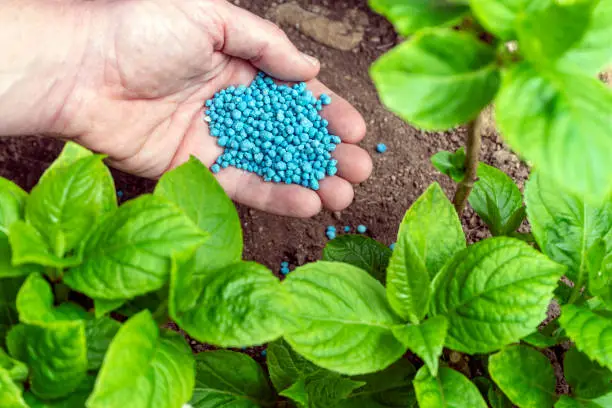
Integrated Nutrient Management (INM) is a sustainable approach that combines organic and inorganic fertilizers to optimize soil health and crop productivity. Key practices include:
- Adding organic matter like compost and green manure.
- Using bio-fertilizers to enhance nutrient availability.
- Practicing crop rotation and intercropping to maintain soil fertility.
- Conducting regular soil tests to guide fertilizer application.
Types of Agriculture Fertilizer
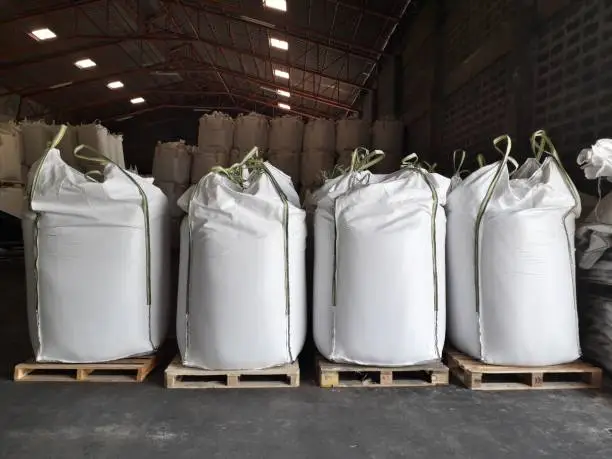
The world of agriculture fertilizer is diverse, with each type serving a unique purpose. Understanding these types can help farmers make informed decisions for optimal crop growth.
Differences Between Organic and Synthetic Fertilizers
While both types of agriculture fertilizer aim to nourish plants, they differ in composition and impact:
- Organic Fertilizers: Improve soil health, release nutrients slowly, and are environmentally friendly.
- Synthetic Fertilizers: Provide quick results but can harm soil and ecosystems if misused.
Organic Fertilizers
Derived from natural sources like plant residues, animal manure, and compost, organic fertilizers improve soil structure and promote long-term fertility. They release nutrients slowly, ensuring a steady supply while fostering beneficial microbial activity in the soil.
Synthetic Fertilizers
Chemically manufactured, synthetic fertilizers provide an immediate nutrient boost to plants. They are highly concentrated and target specific nutrient deficiencies. However, they do not improve soil health over time and can lead to environmental issues if overused.
Single-Nutrient vs. Multi-Nutrient Fertilizers
- Single-Nutrient Fertilizers: Contain one primary nutrient (e.g., urea for nitrogen).
- Multi-Nutrient Fertilizers: Provide a balanced mix of NPK and other nutrients.
Fast-Release vs. Slow-Release Fertilizers
- Fast-Release: Dissolves quickly, providing immediate nutrients.
- Slow-Release: Releases nutrients gradually, reducing the need for frequent applications.
The Future of Agriculture Fertilizer
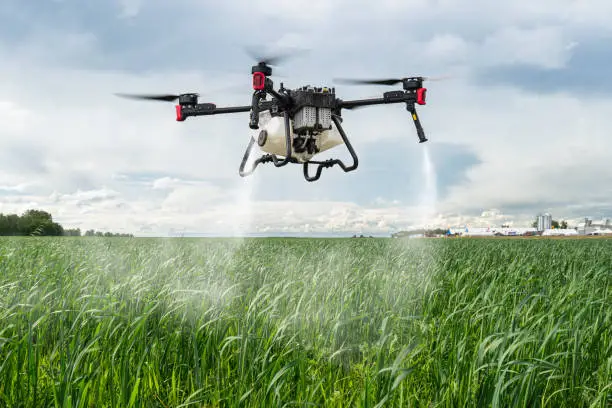
As the global population grows, the demand for food increases. Agriculture fertilizer will continue to play a vital role in meeting this demand sustainably. Innovations like precision farming and eco-friendly fertilizers are paving the way for a greener future.
FAQ
What is agriculture fertilizer?
Agriculture fertilizer is any natural or manufactured nutrient source applied in farming to supply crops with essential nutrients such as nitrogen, phosphorus, and potassium. Farmers use agriculture fertilizer to support plant growth, maintain soil productivity, and improve crop performance under field conditions.
What is fertilization in agriculture?
Fertilization in agriculture is the process of applying nutrients to the soil or crop in a way that supports healthy growth and efficient nutrient use. It is not just about adding agriculture fertilizer, but about choosing the right nutrient source, rate, timing, and placement for the crop and the field.
Why is soil testing important before applying fertilizer?
Soil testing is important because it shows which nutrients are already present in the soil and helps determine what the crop may actually need. This makes agriculture fertilizer decisions more accurate and helps farmers avoid unnecessary applications, weak crop response, and wasted input costs.
Do all fields need the same amount of fertilizer?
No, different fields may need different fertilizer rates depending on soil fertility, crop type, yield goals, field history, drainage, and management conditions. Good agriculture fertilizer recommendations are field-specific, which is why soil testing and local guidance are so important.
What happens if too much fertilizer is applied?
Applying too much agriculture fertilizer can increase costs, reduce nutrient use efficiency, and raise the risk of nutrient loss through runoff or leaching. Overapplication may also create environmental problems, so fertilizer should be used carefully and according to crop need and field conditions.
What is the best way to use fertilizer in agriculture?
The best way to use agriculture fertilizer is to match nutrient application to crop demand and field conditions. In practice, this means using soil test information, choosing an appropriate nutrient source, applying the right rate, and using proper timing and placement to improve uptake and reduce waste.
Conclusion
Agriculture fertilizer plays a central role in modern crop production, but its value depends on how well it matches crop demand, soil conditions, and field management goals. Understanding what agriculture fertilizer is, how fertilization works in farming, and why soil testing matters helps growers make better nutrient decisions instead of relying on routine or guesswork-based applications.
In practice, effective agriculture fertilizer use is about more than supplying nutrients. It is about choosing the right source, applying the right rate, using the proper timing and placement, and adjusting recommendations to real field conditions. When fertilizer decisions are guided by soil data and sound nutrient management principles, farmers are better positioned to support crop growth, improve efficiency, manage costs, and reduce nutrient loss.
Sources & References
- The ABCs of NPK: A Fertilizer Guide | OSU Extension Service
- Agriculture Nutrient Management and Fertilizer | US EPA
- Nutrient Management | Natural Resources Conservation Service (NRCS)
- How to Get Started with Nutrient Management | Farmers.gov
- Overview of FRST | Fertilizer Recommendation Support Tool
- FRST Decision Aid – Home | USDA
- Soil Test Interpretation Guide | OSU Extension Service
- A Guide to Collecting Soil Samples for Farms and Gardens | Oregon State University Extension Service
- Sources and Solutions: Agriculture | US EPA
- Effectiveness of Nutrient Management for Reducing Nutrient Losses from Agricultural Fields | US EPA