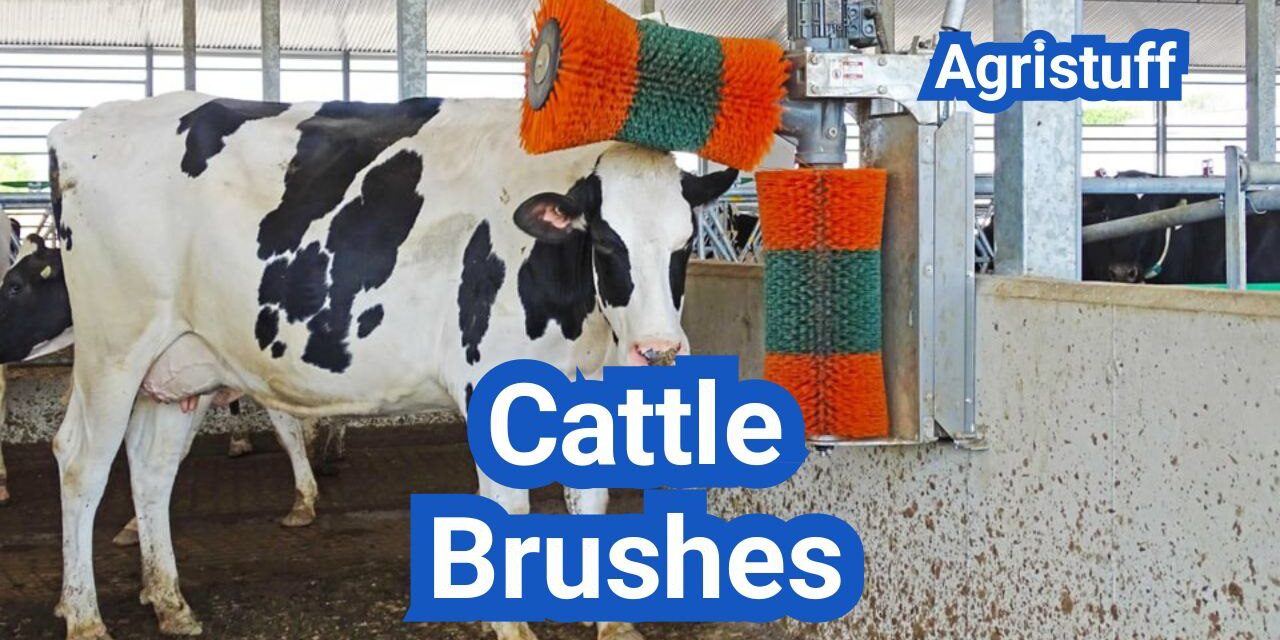
Cow comfort is crucial for dairy farms, and cattle brushes play a significant role in achieving this. By providing cows with a means to groom themselves, these brushes improve animal health and increase milk production.
The use of cow brushes has become increasingly popular in dairy farming due to their numerous benefits. Proper placement of these brushes is essential to maximize their effectiveness.
Key Takeaways
- Cattle brushes improve cow comfort and reduce stress.
- Proper placement of cow brushes is crucial for their effectiveness.
- Cow brushes can lead to increased milk production.
- Dairy farmers are adopting cow brushes as a means to enhance animal welfare.
- Cattle grooming brushes are an essential tool for modern dairy farming.
The Evolution of Cattle Brushes in Modern Farming
As farming practices continue to evolve, the importance of cattle brushes in ensuring cow comfort and health has become increasingly evident. Cattle brushes have transitioned from a simple grooming tool to a vital component of modern livestock management.
What Are Cattle Brushes and How Do They Work?
Cattle brushes are designed to mimic the natural grooming behaviors that cattle exhibit in the wild. These brushes come in various types, including rotating, swinging, and stationary models, each catering to different farm setups and cattle needs.
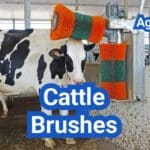
Rotating cow brushes are motorized, providing a continuous brushing action that attracts cattle. Swinging cow brushes offer a more passive approach, allowing cattle to initiate the brushing action themselves. Stationary cattle brushes are fixed in place, providing a simple yet effective grooming solution.
Historical Development of Cattle Brushes in the U.S.
The concept of cattle brushes has been around for decades, but their widespread adoption in the U.S. is a more recent phenomenon. Initially, farmers used manual brushing techniques or simple stationary brushes. However, as the understanding of cattle behavior and welfare grew, so did the development of more sophisticated brushing solutions.
“The introduction of automated cattle brushes marked a significant turning point in livestock management, enhancing both animal welfare and farm productivity.” – Expert in Livestock Management
The variety of cattle brushes available today allows farmers to choose the most suitable option for their operations. A comparison of the different types is provided in the table below:
| Type of Brush | Key Features | Benefits |
|---|---|---|
| Rotating Cow Brush | Motorized, continuous brushing action | Attracts cattle, consistent grooming |
| Swinging Cow Brush | Passive, cattle-initiated brushing | Reduces stress, promotes natural behavior |
| Stationary Cattle Brush | Fixed in place, simple design | Cost-effective, easy to install |
The evolution of cattle brushes reflects the broader trends in modern farming towards more humane and efficient practices. By understanding the different types of brushes and their benefits, farmers can make informed decisions to enhance cow comfort and overall farm productivity.
Natural Grooming Behaviors and Why Cattle Need Brushes

The instinct to groom is deeply ingrained in cattle, playing a significant role in their physical and mental health. Grooming is not just a matter of cleanliness; it’s a complex behavior that serves multiple purposes, including reducing stress and promoting social interaction among cattle.
Innate Grooming Patterns in Cattle
Cattle exhibit natural grooming behaviors that are essential to their well-being. These behaviors include licking, scratching, and rubbing against surfaces. Such actions help remove parasites, reduce skin irritation, and promote blood circulation.
Grooming also has a social dimension, as cattle often groom each other. This mutual grooming strengthens social bonds within the herd and can be a calming behavior.
How Artificial Brushes Support Natural Behaviors
Artificial brushes can effectively support cattle’s natural grooming behaviors. By providing a convenient and effective means for cattle to groom themselves, these brushes can reduce stress and improve overall welfare.
Brushes can be particularly beneficial in environments where cattle may not have access to natural scratching posts or trees. They can be installed in various locations, such as freestall barns, to encourage their use.
Key Benefits of Artificial Brushes:
- Reduces stress by providing a means for cattle to engage in natural grooming behaviors
- Improves overall welfare by reducing parasite loads and skin irritation
- Enhances social interaction when used in group settings
Behavioral Indicators of Brush Usage Success
The success of brush usage can be gauged through various behavioral indicators. These include increased usage of the brushes, reduced stress behaviors, and improved overall activity levels.
| Behavioral Indicator | Description | Implication |
|---|---|---|
| Increased Brush Usage | Cattle frequently use the brushes | Effective in supporting natural grooming behaviors |
| Reduced Stress Behaviors | Less evidence of stress-related behaviors | Contributes to improved welfare |
| Improved Activity Levels | Cattle show increased activity and engagement | Enhances overall well-being |
By understanding and supporting cattle’s natural grooming behaviors with artificial brushes, farmers can promote a healthier, more relaxed herd. This not only improves the welfare of the cattle but can also have positive implications for farm productivity and profitability.
Health and Welfare Benefits of Cattle Brushes
Cattle brushes have revolutionized the way we approach cattle welfare, offering numerous health benefits. The use of cattle brushes has been linked to several improvements in cattle health and welfare, making them an essential tool in modern farming.
Physical Health Improvements and Parasite Control
The physical health benefits of cattle brushes are significant. By allowing cattle to groom themselves, brushes help remove dirt, debris, and parasites from their coats. This not only improves their overall cleanliness but also reduces the risk of parasite infestations. Regular grooming with cattle brushes can lead to a reduction in skin irritation and lesions, promoting healthier skin.
- Reduces parasite loads
- Improves coat cleanliness
- Decreases skin irritation
A study on the effects of cattle brushes found that cows using brushes had lower levels of parasites on their coats compared to those without access to brushes. This is a significant finding, as parasite control is a major aspect of cattle health management.
Stress Reduction and Mental Well-being
Cattle brushes also play a crucial role in reducing stress and improving the mental well-being of cattle. By allowing them to engage in natural grooming behaviors, brushes help to calm the animals and reduce anxiety. This can lead to a more relaxed and contented herd, which is beneficial for both the cattle and the farmer.
As one expert notes, “Cattle that are able to groom themselves are generally less stressed and more comfortable in their environment.” This is supported by research showing that cattle with access to brushes exhibit reduced stress behaviors.
“The provision of cattle brushes is a simple yet effective way to improve cattle welfare.”
Impact on Milk Production in Dairy Cows
In dairy operations, the use of cattle brushes has been linked to improvements in milk production. By reducing stress and promoting overall health, brushes can contribute to higher milk yields. Dairy cows that are comfortable and stress-free are more likely to produce higher quality milk, benefiting both the farmer and the consumer.
- Increased milk production
- Improved milk quality
- Enhanced cow comfort
The benefits of cattle brushes are clear, making them a valuable investment for dairy farmers looking to improve their operations.
Types of Cattle Brushes for Different Farm Operations

Farmers can select from a variety of cattle brushes, including rotating, swinging, and stationary models, to suit their farm’s unique needs. The right cattle brush can significantly enhance cattle comfort and health, leading to improved overall farm productivity.
Rotating Cow Brushes: Features and Applications
Rotating cow brushes are designed to provide a comprehensive grooming experience for cattle. These brushes rotate as the animals rub against them, ensuring an even wear and tear on the brush and providing a consistent grooming effect.
Key Features:
- Rotating mechanism for even wear
- Durable construction for long-lasting use
- Effective for large herds
Swinging Cow Brushes: Benefits and Usage
Swinging cow brushes offer a gentle grooming experience, allowing cattle to rub against them freely. These brushes are particularly beneficial for dairy cows, as they help reduce stress and promote overall well-being.
Benefits:
- Promotes stress reduction
- Enhances cattle comfort
- Suitable for various farm settings
Stationary Cattle Brushes: When to Choose Them
Stationary cattle brushes are ideal for farms with limited space or specific cattle needs. These brushes provide a fixed grooming point for cattle and can be mounted on walls or posts.
Advantages:
- Space-efficient
- Cost-effective
- Easy to install
Manual vs. Automatic Options: Cost-Benefit Analysis
When choosing a cattle brush, farmers must decide between manual and automatic options. While manual brushes require more labor, automatic brushes offer greater convenience and efficiency.
| Feature | Manual Brushes | Automatic Brushes |
|---|---|---|
| Labor Requirement | High | Low |
| Initial Cost | Lower | Higher |
| Long-term Benefits | Less Convenient | More Convenient |
Ultimately, the choice between manual and automatic cattle brushes depends on the specific needs and resources of the farm.
How to Select the Right Cattle Brush for Your Specific Needs
To maximize the benefits of cattle brushes, it’s crucial to choose a brush that aligns with your farm’s operations and the needs of your cattle. The selection process involves several key considerations, including your facility type, herd size and composition, and budget constraints.
Assessing Your Facility Type and Constraints
The design and layout of your farm or dairy operation play a significant role in determining the most suitable cattle brush. For instance, freestall barns, feedlots, and pasture-based systems have different requirements. Freestall barns often benefit from rotating or swinging cow brushes that can be easily accessed by cows in their resting areas.
Matching Brush Types to Herd Size and Composition
The size and composition of your herd are critical factors in selecting the appropriate cattle brush. Larger herds may require multiple brushes to ensure all cows have access. The type of cattle (dairy vs. beef, age, and size) also influences the choice. For example, dairy cows may benefit from brushes that are designed for frequent use and ease of cleaning.
| Herd Size | Recommended Brush Type | Key Features |
|---|---|---|
| Small (less than 50 cows) | Stationary or Manual Brush | Cost-effective, simple installation |
| Medium (50-100 cows) | Swinging or Rotating Brush | Durable, adjustable height |
| Large (more than 100 cows) | Multiple Rotating or Automatic Brushes | High capacity, easy maintenance |
Budget Considerations and Long-Term Value
While the initial cost of a cattle brush is an important consideration, it’s equally crucial to evaluate the long-term value it provides. Factors such as durability, maintenance requirements, and the potential for increased milk production or weight gain in beef cattle should be taken into account. A more expensive brush that offers greater durability and lower maintenance costs over time may be more cost-effective in the long run.
By carefully assessing your facility, herd, and budget, you can select a cattle brush that enhances cow comfort, improves welfare, and contributes to the overall efficiency of your operation.
Strategic Placement of Cattle Brushes for Maximum Usage

Strategic placement of cattle brushes can significantly enhance their usage and benefits. The effectiveness of cattle brushes in improving cow comfort and farm productivity largely depends on where they are located within the farm.
Optimal Locations in Freestall Barns
In freestall barns, cattle brushes should be placed in high-traffic areas or near resting places where cows tend to congregate. This could be near waterers, feeders, or in alleys that cows frequently use. Placing brushes near the exit of the milking parlor can also encourage their use as cows are more likely to interact with them when they are relaxed and not feeling rushed.
Placement Strategies for Feedlots
In feedlot settings, cattle brushes can be placed along fences or in areas where cattle tend to rub against existing structures. Observing cattle behavior can help identify the most frequented areas where brushes would be most effective. It’s also crucial to ensure that the placement does not interfere with feeding or watering operations.
Solutions for Pasture-Based Systems
For pasture-based systems, cattle brushes can be mounted on sturdy posts or trees in areas where cattle tend to congregate, such as near watering holes or shade structures. The key is to place them in a way that they are easily accessible and do not become a hindrance to cattle movement.
| Farm Type | Optimal Brush Placement | Benefits |
|---|---|---|
| Freestall Barns | Near waterers, feeders, or milking parlor exits | Increased brush usage, improved cow comfort |
| Feedlots | Along fences, in high-rub areas | Reduced stress, improved cattle welfare |
| Pasture-Based | Near watering holes, shade structures | Enhanced cattle comfort, natural behavior encouragement |
By strategically placing cattle brushes, farmers can maximize their benefits, including improved cow comfort, reduced stress, and potentially increased milk production in dairy cows. The key is to understand the specific needs and behaviors of the cattle within the given farm setting.
Step-by-Step Installation Guide for Cattle Brushes
Installing cattle brushes correctly is crucial for maximizing their benefits and ensuring cow comfort. A proper installation not only enhances the effectiveness of the brush but also ensures the safety and well-being of the animals using it.
Determining the Proper Installation Height
The height at which a cattle brush is installed is critical for its effectiveness and the comfort of the cows. The ideal cow brush installation height allows cows to easily access the brush without straining or feeling cramped. Generally, the brush should be positioned so that its lowest point is about 30-40 inches above the floor. This height accommodates the average cow’s grooming needs while minimizing the risk of the brush being too low or too high.
To determine the optimal height for your specific operation, consider the average size and breed of your cattle. For instance, if you’re using a cattle brush for heifers, you may need to adjust the height accordingly as they grow.
Structural Requirements and Mounting Hardware
The structural integrity of the cattle brush installation is paramount. The mounting hardware must be sturdy enough to support the weight of the brush and withstand the forces applied by the cows using it. Typically, this involves using robust materials like galvanized steel for the mounting frame and ensuring that it is securely anchored to a stable structure.
When selecting the mounting hardware, consider factors such as the size and weight of the brush, as well as the environmental conditions it will be exposed to. For example, in areas with high humidity or exposure to the elements, corrosion-resistant materials are essential.
Installing Safety Features and Shutoff Mechanisms
Safety should be a top priority when installing cattle brushes. One critical safety feature is the cow brush safety shutoff, which can prevent accidents by stopping the brush in case of an obstruction or when not in use. This feature is particularly important for rotating or swinging brushes that can pose a risk if not properly managed.
In addition to a safety shutoff, consider implementing other safety measures such as protective covers or guards around moving parts, and ensure that the installation complies with relevant farm safety standards and regulations.
By following these guidelines and considering the specific needs of your operation, you can ensure a safe and effective cattle brush installation that benefits your herd.
Calculating the Ideal Brush-to-Cow Ratio for Your Herd

The brush-to-cow ratio is a critical factor in ensuring that cattle brushes contribute positively to the overall health and well-being of your dairy cows. Achieving an optimal ratio is essential for maximizing the benefits of these brushes, including improved cow comfort, reduced stress, and enhanced overall welfare.
Recommended Number of Cows Per Brush
Research and practical experience have led to general guidelines for the ideal number of cows per brush. While these can vary depending on factors such as brush type and cow behavior, a common recommendation is to have one brush for every 60 to 100 cows. However, this ratio can be adjusted based on the specific needs and conditions of your herd.
For instance, in herds with a higher prevalence of cow rubbing behavior, you might need to increase the number of brushes to accommodate the demand. Conversely, in situations where cow traffic is more dispersed, fewer brushes might be sufficient.
Adjusting Ratios Based on Facility Layout
The layout of your dairy facility plays a significant role in determining the optimal brush-to-cow ratio. Facilities with more constrained spaces or specific cow traffic patterns may require adjustments to the general guidelines. For example:
- In freestall barns, placing brushes near high-traffic areas or popular resting spots can increase their usage.
- In feedlots, positioning brushes along feeding or watering areas can encourage more cows to use them.
- In pasture-based systems, strategically locating brushes near shade, water, or feeding areas can enhance their accessibility and usage.
Monitoring Usage Patterns to Optimize Placement
To ensure that your cattle brushes are being used effectively, it’s crucial to monitor their usage patterns. Observing how cows interact with the brushes can provide valuable insights into whether the current brush-to-cow ratio is adequate or if adjustments are needed.
Consider the following when monitoring usage:
| Observation | Indication | Potential Action |
|---|---|---|
| High usage with minimal waiting | Adequate brush-to-cow ratio | Maintain current ratio |
| Long waiting times or competition | Insufficient brushes | Increase number of brushes |
| Low usage | Poor placement or accessibility | Reposition brushes to high-traffic areas |
By carefully calculating and adjusting the brush-to-cow ratio based on your herd’s specific needs and facility layout, you can maximize the benefits of cattle brushes and contribute to a healthier, more comfortable environment for your cows.
Top-Rated Rotating Cattle Brushes on the Market

When it comes to selecting the best rotating cattle brush, farmers have several excellent choices to consider. Rotating cow brushes are designed to provide optimal comfort and health benefits for cattle, and the top-rated models incorporate innovative features and robust construction.
EasySwing Maxi Rotating Brush: Features and Benefits
The EasySwing Maxi Rotating Brush is a popular choice among dairy farmers. Its key features include:
- A robust, adjustable design that accommodates cows of various sizes
- A smooth, quiet operation that encourages cow usage
- Durable construction that withstands heavy use
This brush is designed to be easy to install and maintain, making it a convenient option for farm operations.
DeLaval Rotating Cow Brush: Performance Analysis
The DeLaval Rotating Cow Brush is known for its high-quality performance and cow comfort. Some of its notable features include:
- Advanced rotation mechanism that ensures consistent brushing
- Adjustable height settings to accommodate different cow sizes
- Easy cleaning and maintenance design
Farmers have reported positive outcomes in terms of cow satisfaction and reduced stress when using the DeLaval Rotating Cow Brush.
Lely Luna Cow Brush: Installation and Operation
The Lely Luna Cow Brush is another highly-regarded option in the market. Its installation is straightforward, and it operates with minimal noise. Key aspects of its operation include:
- Effective cow engagement through gentle, consistent brushing
- Robust design that minimizes maintenance needs
- Compatibility with various farm setups
The Lely Luna Cow Brush is designed to enhance cow welfare and promote a healthy farm environment.
Premium Swinging Cattle Brushes for Dairy Operations

Dairy farmers are increasingly turning to premium swinging cattle brushes to improve cow welfare and productivity. These advanced grooming tools offer numerous benefits for dairy operations, from reduced stress and improved coat health to increased milk production.
Agromatic Cow Brushes with Unique Pivot Technology
Agromatic cow brushes are renowned for their innovative pivot technology, which allows for smooth and effortless brushing. This feature is particularly beneficial for dairy cows, as it enables them to groom themselves effectively, reducing the risk of skin irritation and parasite infestations. The unique pivot mechanism also ensures durability and longevity, making Agromatic brushes a valuable investment for dairy farmers.
KFFKFF Livestock Scratching Brush with Galvanized Steel Mount
The KFFKFF livestock scratching brush is designed with durability in mind, featuring a galvanized steel mount that withstands the rigors of farm environments. This robust construction ensures that the brush remains securely in place, providing cows with a reliable grooming solution. The brush’s design also promotes natural grooming behaviors, contributing to the overall well-being of the herd.
Totem Cow Brush Systems: No Electricity Required
Totem cow brush systems offer a practical and energy-efficient solution for dairy farmers. These non-electric brushes operate solely on the natural movements of the cows, making them an attractive option for farms looking to reduce their energy footprint. The Totem cow brush systems are designed to be easy to install and maintain, providing a hassle-free grooming solution that benefits both the cows and the farm’s bottom line.
When selecting a premium swinging cattle brush for dairy operations, farmers should consider factors such as durability, ease of use, and the specific needs of their herd. By investing in high-quality grooming tools like Agromatic, KFFKFF, and Totem cow brushes, dairy farmers can enhance cow welfare, improve productivity, and contribute to a more sustainable farming practice.
Stationary Brush Solutions for Space-Limited Facilities
Stationary cattle brushes are a practical choice for facilities where space is at a premium. These brushes provide cattle with the opportunity to groom themselves, reducing stress and improving overall welfare. In this section, we will explore various stationary brush solutions suitable for farms with limited space.
Wall-Mounted Stationary Brushes: Installation Tips
Wall-mounted stationary brushes are an excellent option for facilities with limited floor space. When installing these brushes, it’s crucial to consider the height and positioning to ensure maximum usage by the cattle. The brush should be mounted at a height that allows cows to comfortably rub against it without straining their necks or backs.
Key considerations for wall-mounted brushes include:
- Durable mounting hardware to withstand cattle use
- Adjustable height to accommodate different cattle sizes
- Easy cleaning and maintenance access
Post-Mounted Options for Flexible Placement
Post-mounted stationary brushes offer flexibility in placement within a facility. These can be particularly useful in areas where wall space is limited or not suitable for mounting brushes. Post-mounted options can be placed in high-traffic areas or near feeding and watering stations to maximize their use.
Benefits of post-mounted brushes include:
- Flexibility in placement to suit facility layout
- Ability to be moved if needed, although they are typically fixed
- Can be used to create a grooming station in a high-traffic area
DIY Stationary Brush Solutions for Budget Operations
For operations on a tight budget, DIY stationary brush solutions can be a cost-effective alternative. Using materials such as old brushes, wooden posts, and durable fasteners, farmers can create their own stationary brushes. While these may not have all the features of commercial products, they can still provide significant benefits to cattle welfare.
When creating a DIY stationary brush, consider the following:
- Use durable materials that can withstand outdoor or indoor conditions
- Ensure the structure is stable and secure to prevent accidents
- Position the brush in a location that is easily accessible to the cattle
Specialized Cattle Brushes for Different Age Groups

From young calves to mature bulls, the right cattle brush can significantly impact the health and well-being of cattle at every stage. As farms strive to optimize animal welfare and productivity, understanding the unique grooming needs across different age groups becomes increasingly important.
Cattle Brushes for Heifers: Size and Safety Considerations
Heifers, being younger female cattle, have specific needs when it comes to grooming. Cattle brushes designed for heifers should be proportionate to their size, ensuring easy access and safe usage. The brush should be sturdy enough to withstand their natural grooming behavior without causing harm.
When selecting a cattle brush for heifers, consider the height and adjustability of the brush. An ideal brush should be able to accommodate the growing heifer, providing effective grooming throughout their development.
Calf-Specific Brush Options for Early Enrichment
Calves benefit greatly from early introduction to grooming tools, promoting healthy development and stress reduction. Calf-specific cattle brushes are designed to be gentle and safe, often featuring softer bristles or flexible components to accommodate their delicate skin and developing grooming behaviors.
Early enrichment through appropriate brushing can lead to better socialization and reduced stress in calves, setting a positive foundation for their growth into adulthood.
Heavy-Duty Solutions for Bulls and Larger Animals
Bulls and larger cattle require heavy-duty cattle brushes that can withstand their size and strength. These brushes are typically more robust, with reinforced structures and durable materials to ensure longevity and safety.
For larger animals, the brush’s mounting system is also crucial. It should be securely anchored to withstand the force exerted during grooming, ensuring both the animal’s safety and the longevity of the brush.
Comprehensive Maintenance Guide for Cattle Brushes

To ensure cattle brushes continue to provide health benefits to your herd, regular maintenance is essential. Proper upkeep not only extends the life of the brushes but also ensures they remain effective in promoting cattle welfare.
Recommended Maintenance Schedule by Brush Type
Different types of cattle brushes have varying maintenance requirements. For instance, rotating cow brushes may need more frequent checks on their mechanical components compared to stationary brushes.
- Rotating brushes: Inspect every 2 weeks for wear on brushes and mechanical parts.
- Stationary brushes: Check every 3 months for bristle wear and secure mounting.
- Swinging brushes: Monthly inspections for pivot points and brush condition.
It’s crucial to follow the manufacturer’s guidelines for maintenance, as specific recommendations may vary.
Cleaning Protocols for Biosecurity and Disease Prevention
Cleaning cattle brushes regularly is vital for maintaining biosecurity and preventing disease spread. Use a mild detergent and water to clean the brushes, ensuring all debris is removed.
- Remove any visible dirt or manure from the brush surface.
- Wash with a mild detergent solution.
- Rinse thoroughly with clean water.
- Allow the brush to dry completely before returning it to service.
For brushes used in dairy operations, consider implementing a more frequent cleaning schedule during milking periods to maintain hygiene standards.
Troubleshooting Common Issues and Replacing Worn Parts
Regular inspections can help identify issues before they become major problems. Common issues include worn bristles, malfunctioning mechanical parts, and loose mounting.
Troubleshooting Tips:
- Worn bristles: Replace when significantly worn down.
- Mechanical issues: Consult the manufacturer’s guide or contact their support.
- Loose mounting: Tighten mounting hardware and check regularly.
Some cattle brushes come equipped with safety shutoff mechanisms or cow brush safety shutoff features. Ensure these are functioning correctly during your maintenance checks.
By following this comprehensive maintenance guide, you can ensure your cattle brushes remain in good condition, providing ongoing benefits for your herd’s health and welfare.
Measuring the Return on Investment of Cattle Brushes
The return on investment (ROI) for cattle brushes can be substantial when considering both direct and indirect benefits. To accurately measure this ROI, farmers must consider various factors that contribute to the overall value of these brushes.
Calculating Direct and Indirect Financial Benefits
Direct financial benefits of cattle brushes include improved milk production in dairy cows and reduced veterinary costs due to better animal health. Indirect benefits encompass enhanced animal welfare, reduced stress, and potentially increased farm productivity. To calculate these benefits, farmers should track changes in milk production, veterinary expenses, and overall farm efficiency after introducing cattle brushes.
Improved milk production is a significant direct benefit. Studies have shown that cows with access to brushes tend to have higher milk yields due to reduced stress and improved comfort. By monitoring milk production before and after the installation of cattle brushes, farmers can quantify this benefit.
Health Cost Savings from Improved Cattle Welfare
Cattle brushes contribute to improved animal welfare by reducing stress and promoting natural grooming behaviors. This can lead to health cost savings through reduced veterinary bills and lower incidence of health issues related to stress and poor hygiene.
- Reduced parasite loads due to regular grooming
- Lower incidence of skin irritations and infections
- Decreased stress-related health issues
By investing in cattle brushes, farmers can potentially reduce their veterinary expenses, contributing to the overall ROI of the investment.
Production Improvements and Their Economic Value
In addition to health cost savings, cattle brushes can lead to production improvements. For dairy farms, this means potentially higher milk production. For beef operations, it could mean faster growth rates or improved animal condition, leading to higher sale prices.
To quantify these production improvements, farmers should monitor key performance indicators (KPIs) such as milk yield per cow, growth rates, or animal condition scores. By comparing these KPIs before and after the introduction of cattle brushes, farmers can assess the economic value of the production improvements.
In conclusion, measuring the ROI of cattle brushes involves a comprehensive analysis of both direct and indirect benefits, including financial gains from improved milk production, health cost savings, and production improvements. By carefully tracking relevant data and KPIs, farmers can make informed decisions about their investment in cattle brushes.
Creating an Effective Cattle Brush Implementation Plan
Implementing cattle brushes effectively is crucial for maximizing their benefits in dairy operations. Strategic cow comfort brush placement is key to ensuring that cattle can utilize the brushes comfortably, leading to improved cow welfare and increased milk production.
The cow brush benefits milk production by reducing stress and promoting natural grooming behaviors among dairy cows. To achieve this, farmers should consider factors such as facility layout, herd size, and cow behavior when deciding on the optimal placement and type of cattle brushes.
Regular maintenance and monitoring of cattle brushes are also essential to ensure their continued effectiveness. By creating a comprehensive implementation plan that includes these elements, dairy farmers can enhance the overall health and productivity of their herd.
FAQ
What are the benefits of using cattle brushes for dairy cows?
Cattle brushes can improve cow comfort, reduce stress, and increase milk production. They also promote physical health improvements and parasite control.
How do I choose the right cattle brush for my farm?
Consider your facility type, herd size, and budget when selecting a cattle brush. Assess the available space, cow behavior, and desired level of automation.
What are the different types of cattle brushes available?
There are rotating, swinging, and stationary cattle brushes. Each type has its own features, benefits, and applications.
How do I install a cattle brush?
Determine the proper installation height, ensure structural requirements are met, and install safety features and shutoff mechanisms.
What is the ideal brush-to-cow ratio?
The recommended number of cows per brush varies, but it’s essential to monitor usage patterns and adjust the ratio based on facility layout.
How do I maintain my cattle brush?
Follow a recommended maintenance schedule, clean the brush regularly, and troubleshoot common issues to ensure optimal performance.
Can cattle brushes be used for different age groups of cattle?
Yes, there are specialized cattle brushes for heifers, calves, and larger animals, taking into account size and safety considerations.
How do cattle brushes impact milk production?
Cattle brushes can lead to increased milk production by reducing stress and promoting cow comfort.
Are there any specific cattle brushes suitable for feedlots or pasture-based systems?
Yes, there are cattle brushes designed for various farm operations, including feedlots and pasture-based systems.
How do I measure the return on investment of cattle brushes?
Calculate direct and indirect financial benefits, health cost savings, and production improvements to determine the ROI of cattle brushes.
Conclusion of: Cattle Brushes
Cattle Brushes: What They Are and Why U.S. Farms Use Them
Cattle Brushes are purpose-built grooming tools (from simple stationary scratchers to powered rotating/swinging units) that let cattle rub, scratch, and groom in a safer, more consistent way than using gates, waterers, or barn hardware. On U.S. dairy and beef operations, Cattle Brushes are often treated as “tactile enrichment” because they support natural grooming behavior, help animals stay comfortable indoors, and can reduce boredom-related rubbing on facilities. When Cattle Brushes are installed correctly and kept clean, they become a low-labor way to improve daily comfort without changing the whole housing system. Environmental Enrichment for Dairy Cattle: Hair Brushing (Mississippi State Extension)
Why Cattle Brushes Match a Natural Grooming Need
Cattle Brushes work because grooming is not a “new habit” you’re teaching—cattle already want to rub and scratch, especially when they’re in confinement with fewer natural scratching surfaces. Good enrichment doesn’t just entertain; it supports biologically meaningful behavior like self-grooming and social comfort, which is why Cattle Brushes are commonly listed alongside other welfare upgrades in modern cattle systems. In practical terms, you’ll usually see cows lining up to use Cattle Brushes within days of installation—especially if the brush is placed where cows already travel. Ensuring good husbandry for dairy cows kept in cubicle housing (EU COST Action)
Brush Use Can Drop When Cows Are Stressed—That’s Useful Information
One interesting point about Cattle Brushes is that brushing is often treated as a “luxury” behavior: cows may reduce brush use when conditions are uncomfortable or stressful (heat load, management stress, or even procedures). That’s not a downside—it can be a signal. When Cattle Brushes are available and used consistently, a sudden drop in use can hint that something changed in comfort, health, or barn conditions. This is why some farms pay attention to trends in Cattle Brushes use rather than only seeing them as “nice-to-have” equipment. The effect of food location, heat load, and intrusive medical procedures on brushing activity in dairy cows (ScienceDirect)
Health Benefits: Comfort, Cleanliness, and Welfare Outcomes
Cattle Brushes are most commonly linked to comfort and cleanliness: rubbing can help remove dirt and debris, support skin condition, and reduce itchiness—especially in indoor systems where animals can’t rub on trees or brush. Extension and industry summaries also connect access to Cattle Brushes with improved wellbeing and, in some cases, health outcomes like fewer problems tied to stress (stress can influence immune function and disease susceptibility). Think of Cattle Brushes as one piece of a larger comfort program—best results happen when stalls, ventilation, and nutrition are already solid. Brush up on cow brush maintenance (Ag Proud / Progressive Dairy)
Production Signals: Milk Yield Mentions and “Comfort Pays” Logic
Many producers consider Cattle Brushes because comfort can translate into performance, and some summaries report milk increases in herds with brush access. It’s important to treat production response as “context-dependent” (housing, stocking density, cow flow, and brush access matter), but the underlying logic is consistent: comfortable cows rest better, move more naturally, and may manage stress more effectively—conditions that support production. If you’re evaluating Cattle Brushes strictly on ROI, track your own before/after numbers (milk, SCC trends, injuries, and culling reasons) instead of relying on a single universal promise. Environmental Enrichment for Dairy Cattle: Hair Brushing (Mississippi State Extension)
Cattle Brushes Around Calving: A Special Case
Cattle Brushes can be useful in maternity areas, but calving pens are unique: cows may change behavior around the calf and may not use brushes the same way they do in a group pen. Research looking at mechanical brush access around parturition found cows did use brushes before calving and after calf removal, and behavior shifted depending on whether the calf was present. Practically, if you add Cattle Brushes near maternity pens, keep placement safe, keep the area easy to sanitize, and don’t assume brush use will be constant during the calving window. Use of a mechanical brush by Holstein dairy cattle around parturition (ScienceDirect)
Calves and Heifers: Brushing Can Support Handling and Calmness
Cattle Brushes (or gentle human brushing) are also discussed for younger stock, mainly as a welfare/handling tool rather than a “production booster.” Some studies exploring brushing in calves look at physiology (like cortisol and oxytocin) and behavior, with results suggesting brushing can support calves during challenging periods, though effects vary by individual and context. For U.S. farms, the practical takeaway is simple: if you introduce Cattle Brushes early (or safe scratchers in group pens), young animals often learn to use them quickly, which can support calmer handling later. Effects of brushing dairy calves on behaviour, physiology and genes expression (ScienceDirect)
Beef and Feedlot Systems: Cattle Brushes as Enrichment
Cattle Brushes aren’t only a dairy-barn tool. In feedlot settings, brush access has been studied as environmental enrichment, with findings suggesting cattle continue to use brushes over time and may show more positive behavioral indicators (like play or “content” demeanors) compared with controls. For beef operators, Cattle Brushes can be placed where cattle naturally congregate (but not in ways that create pinch points), and durability matters more because of heavier animals, horn considerations, and higher abrasion forces. Brush Use in Lot-Fed Cattle Shows Continued Use and Positive Behaviour (MDPI Animals)
Types of Cattle Brushes: Stationary, Rotating, and Swinging
Cattle Brushes generally fall into three categories: (1) stationary brushes (often one vertical + one horizontal) that are low cost and simple, (2) rotating brushes that spin when cows push them, and (3) swinging brushes that have a wider range of motion and often include safety shutoffs. The “best” type depends on your herd size, whether power is easy to run, and how much coat coverage you want. If you want a simple start, stationary Cattle Brushes are often the easiest trial; if you want maximum coat reach and frequent use, powered options are common in freestall dairies. Brushing up on dairy cow brushes (Ag Proud / Progressive Dairy)
Placement Basics: Put Cattle Brushes Where Cows Can Use Them Safely
Cattle Brushes should be placed where cows can approach from multiple angles without blocking traffic—cross alleys and open crossover areas are common. The goal is access without creating dominance bottlenecks or disrupting cow flow to stalls, feed, and water. Poor placement can turn Cattle Brushes into a “bully point” or a congestion problem. Good placement makes them feel like part of the natural barn environment: easy to reach, easy to leave, and not jammed into a corner where cows get trapped. When it comes to comfort brushes, placement matters (Ag Proud / Progressive Dairy)
Placement Relative to Feed and Water Can Increase Use
If you want Cattle Brushes to be used consistently, location relative to the “daily route” matters. Research comparing locations found brush use increased when the brush was placed closer to feed and water, and average use per cow was higher in smaller groups with better availability. This doesn’t mean you should put Cattle Brushes directly over feed (dirt falls), but it does mean “near the main activity lane” often beats “far back in a quiet alley.” For U.S. freestall barns, think of the feed/water alley as a visibility and convenience advantage. The Effect of Placement and Group Size on the Use of an Automated Brush (MDPI Animals)
Social Rank Matters: Make Access Fair
Cattle Brushes can unintentionally reflect herd hierarchy: dominant animals may use the brush more than subordinates, especially if the brush is in an area associated with competition. That doesn’t mean Cattle Brushes are bad—it means placement and availability matter. If you notice a few cows “owning” the brush, consider adding another unit, relocating to reduce confrontation, or improving cow flow around the brush. In bigger groups, more access points reduce the chance that Cattle Brushes become a stressor instead of enrichment. The effects of cow dominance on the use of a mechanical brush (Nature Scientific Reports)
Installation Height, Clearance, and “Dirt Drop” Reality
Cattle Brushes must be mounted at the right height for your animals (breed, frame size, horns) and with enough clearance for the brush to move freely. Also remember a practical truth: Cattle Brushes remove dirt and hair, and that material falls nearby. So avoid mounting directly next to feed, water trough edges, or places where debris becomes a hygiene issue. If you’re planning cow flow “on purpose,” some barn-layout guidance even suggests placing Cattle Brushes along routes that support better routines (like delaying immediate lying after milking). VMS Best Practices: Choosing your barn layout (DeLaval PDF)
Safety and Electrical: Choose Features That Prevent Injuries
Powered Cattle Brushes should include safety features like resistance sensing/automatic shutoff, and they must be installed so wiring is protected from animal contact. This is not the place to “DIY” electrical shortcuts—water, dust, and livestock contact make safety planning essential. For heavy cattle (including horned animals), look for robust frames, protected drive systems, and overload protection so the brush stops instead of trapping hair or tails. Good Cattle Brushes are designed to run at animal-friendly speeds and stop when something is wrong. Electric Swing Brush Maxi (heavy livestock) product safety features (Patura)
Cleaning, Maintenance, and Biosecurity: Don’t Skip This
Cattle Brushes can become dirty quickly, and if you ignore hygiene, you risk turning a welfare tool into a contamination surface. Build a simple routine: inspect bristles and bearings, remove hair buildup, and clean around the installation zone. Also think biosecurity—shared grooming surfaces can carry pathogens. If you’re dealing with contagious skin issues (like ringworm/dermatophytosis), focus on isolation, cleaning, and disinfection protocols, and don’t allow a “community brush” to spread the problem through the herd. Grooming Equipment Disinfection (Iowa State University CFSH PDF)
Measuring Success: Treat Cattle Brushes Like a Trackable Tool
To evaluate Cattle Brushes, measure what matters on your farm: daily use (even simple observation counts), injury/skin rub marks, cleanliness scores, stall damage, and “problem-cow” behavior like rubbing on gates. Newer work also explores automated monitoring of brush rotation data to estimate individual brush use—useful because changes in Cattle Brushes use can act as an early welfare/health signal. You don’t need a research lab: even a weekly checklist plus periodic video snapshots can tell you if your Cattle Brushes placement and access are working. Automated monitoring of brush use in dairy cattle (PLOS One)
Top Option 1: Lely Luna for Freestall Dairies and Heifers
If you’re comparing “top options,” Lely Luna is one well-known category example of compact, fully electric Cattle Brushes designed for frequent daily use in dairy barns. When you’re evaluating units like this, compare: bristle durability, the way the brush moves with the cow, safety shutoff behavior, ease of service, and whether the design fits your alleys and crossover spaces. The best “top option” is the one your cows can reach comfortably without traffic issues—and that your team can maintain without headaches. Lely Luna cow brush overview (Lely)
Top Option 2: DeLaval Swinging Cow Brush SCB (Independently Tested)
If you want a “top option” supported by third-party testing, the DeLaval Swinging Cow Brush SCB has an established DLG test report discussing installation guidance, durability, operational reliability, and maintenance observations under practical use. When you’re choosing Cattle Brushes for larger groups, independent testing can be helpful because it focuses on real-world performance factors like wear, safety notes (like tail-hair considerations), and how animals accept the brush. Use reports like this to compare models beyond marketing claims. DLG test report: DeLaval Swinging Cow Brush SCB (PDF)
Top Option 3: Heavy-Livestock Brushes for Beef Cattle and Tough Environments
For beef cattle, larger-framed animals, or heavier-use environments, “top options” usually mean sturdier Cattle Brushes with strong mounts and reliable overload shutoffs. The right pick depends on whether animals are horned, how much space you can dedicate, and how rough cattle are on equipment. In beef settings, the goal is a brush that survives impacts and still stops safely when overloaded, rather than a delicate unit designed mainly for dairy cow flow. Evaluate mounting hardware, service access, and whether the brush can be positioned to avoid crowding. Electric Swing Brush Maxi (heavy livestock) (Patura)
Top Option 4: Budget-Friendly Stationary Brushes to Start Simple
If you want the lowest-risk entry point, stationary Cattle Brushes (post-mounted scratchers) are often the simplest “top option” to start with, especially for smaller U.S. farms or first-time trials. They require less wiring, cost less, and still give cattle a safe place to scratch instead of damaging facilities. Many producers use a stationary Cattle Brushes setup to confirm demand and placement, then upgrade to powered swinging/rotating models once they know where cows prefer to groom and how much the brush will be used. Brushing up on dairy cow brushes (Ag Proud / Progressive Dairy)
Final thought
Cattle Brushes are one of those upgrades that look “small” but can have outsized impact when done right: they support natural behavior, improve comfort, and can even act as a management signal when brush use changes. The key is execution—install Cattle Brushes where cows can access them without crowding, size them correctly for your animals, and maintain hygiene so the brush stays a benefit instead of a risk. If you treat Cattle Brushes as part of a comfort system (not a standalone miracle), they’re often worth the investment. Brush up on cow brush maintenance (Ag Proud / Progressive Dairy)
Sources & References
This Cattle Brushes guide is based on a mix of extension publications and peer-reviewed studies so you can cross-check key points and apply them on a real U.S. farm.
- EasySwing® Cow Brushes | Cow Scratching Brush | Cattle Scratcher
- Cow Brushes
- Livestock Combs & Brushes at Tractor Supply Co.
- High-Quality Cattle / Cow Brushes – Weaver Livestock
- EasySwing Pivoting Cattle Brush – Large – Farm & Ranch Depot
- Cattle Brush – Walmart.com
- Totem Cow Brush: Cow Scratching Post For Sale | Cattle
- Environmental Enrichment for Dairy Cattle: Hair Brushing (Mississippi State Extension)
- Journal of Dairy Science (ScienceDirect) – Food location, heat load, and intrusive medical procedures affect brushing activity
- Journal of Dairy Science (ScienceDirect) – Use of a mechanical brush by Holstein dairy cattle around parturition
- Applied Animal Behaviour Science (ScienceDirect) – Effects of brushing dairy calves on behaviour, physiology and gene expression
- Animals (MDPI) – The Effect of Placement and Group Size on the Use of an Automated Brush
- Scientific Reports (Nature) – The effects of cow dominance on the use of a mechanical brush
- PLOS One – Automated monitoring of brush use in dairy cattle
- Animals (MDPI) – Brush Use in Lot-Fed Cattle Shows Continued Use and Positive Behaviour
- Ag Proud / Progressive Dairy – Brushing up on dairy cow brushes
- Ag Proud / Progressive Dairy – When it comes to comfort brushes, placement matters
- Ag Proud / Progressive Dairy – Brush up on cow brush maintenance
- DeLaval – VMS Best Practices: Choosing your barn layout (PDF)
- Lely – Luna cow brush product overview
- Patura – Electric Swing Brush Maxi for heavy livestock (product page)