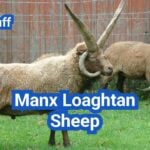
The Manx Loaghtan Sheep is a rare and unique heritage breed originating from the Isle of Man. Known for its distinctive horns and brown fleece, this breed has been valued for its meat and wool.
This ancient breed has a rich history, and its characteristics make it an interesting subject for those involved in sheep breeding. The Manx Loaghtan Sheep is not only a part of heritage but also continues to be used for its original purposes.
Key Takeaways
- A rare heritage sheep breed from the Isle of Man.
- Characterized by distinctive horns and brown fleece.
- Valued for its meat and wool production.
- An important part of agricultural heritage.
- Continues to be bred for its unique characteristics.
The Ancient Heritage of Manx Loaghtan Sheep
Originating on the Isle of Man, the Manx Loaghtan Sheep has a rich and storied past. This breed, known for its unique characteristics and historical significance, has been a part of the island’s landscape for centuries.
What Makes Manx Loaghtan a Rare Breed
The Manx Loaghtan Sheep is considered a rare breed due to several factors. Low population numbers have historically threatened the breed’s survival. Additionally, the breed’s unique genetic makeup and distinctive physical characteristics, such as its horns and brown “moorit” fleece, set it apart from other sheep breeds.
- Small gene pool
- Specific habitat requirements
- Traditional breeding practices
These factors combined have contributed to the breed’s rarity and underscore the need for conservation efforts.
Historical Significance on the Isle of Man
The Manx Loaghtan Sheep has played a significant role in the history and culture of the Isle of Man. The breed’s name, derived from the Manx words “lugh dhoan,” meaning mouse-brown, reflects its traditional color. For centuries, the Manx Loaghtan has been an integral part of the island’s agricultural practices and heritage.
Historical records indicate that the breed has been present on the island since ancient times, with some sources suggesting a connection to the Celtic and Viking influences that shaped the island’s early history.
The Manx Loaghtan Sheep’s historical significance extends beyond its role in agriculture; it is also a symbol of the island’s cultural identity and heritage.
Origin and Development of the Manx Loaghtan

With roots tracing back to the Celtic era, the Manx Loaghtan Sheep is a breed steeped in history and tradition. The exact origin of the Manx Loaghtan is not well-documented, but it is believed to have been present on the Isle of Man for over 1,000 years.
Celtic Roots and Viking Influence
The Manx Loaghtan’s ancestry is thought to be linked to the Celtic sheep that were common in the region. The breed may have also been influenced by Viking invasions, bringing with them their own sheep breeds. This blend of genetic influences has contributed to the unique characteristics of the Manx Loaghtan.
The Celtic roots of the Manx Loaghtan are evident in its hardiness and adaptability, traits that were essential for survival in the challenging environments of the Isle of Man. The Viking influence may have introduced genetic material that enhanced the breed’s resilience and fleece quality.
Near Extinction and Recovery Efforts
By the 1950s, the Manx Loaghtan Sheep had reached a critically low population, putting it on the brink of extinction. However, thanks to concerted conservation efforts, the breed was saved. Dedicated breeding programs and the establishment of a registry helped to increase numbers and ensure the breed’s survival.
The recovery of the Manx Loaghtan Sheep is a testament to the effectiveness of targeted conservation initiatives. Through careful management and breeding practices, the population has been steadily rebuilt, ensuring the long-term viability of this unique breed.
Distinctive Physical Characteristics
The Manx Loaghtan Sheep is easily identifiable due to its remarkable physical traits, including its horns and fleece. This breed is known for several distinctive features that set it apart from other sheep breeds.
The Unique Horned Feature
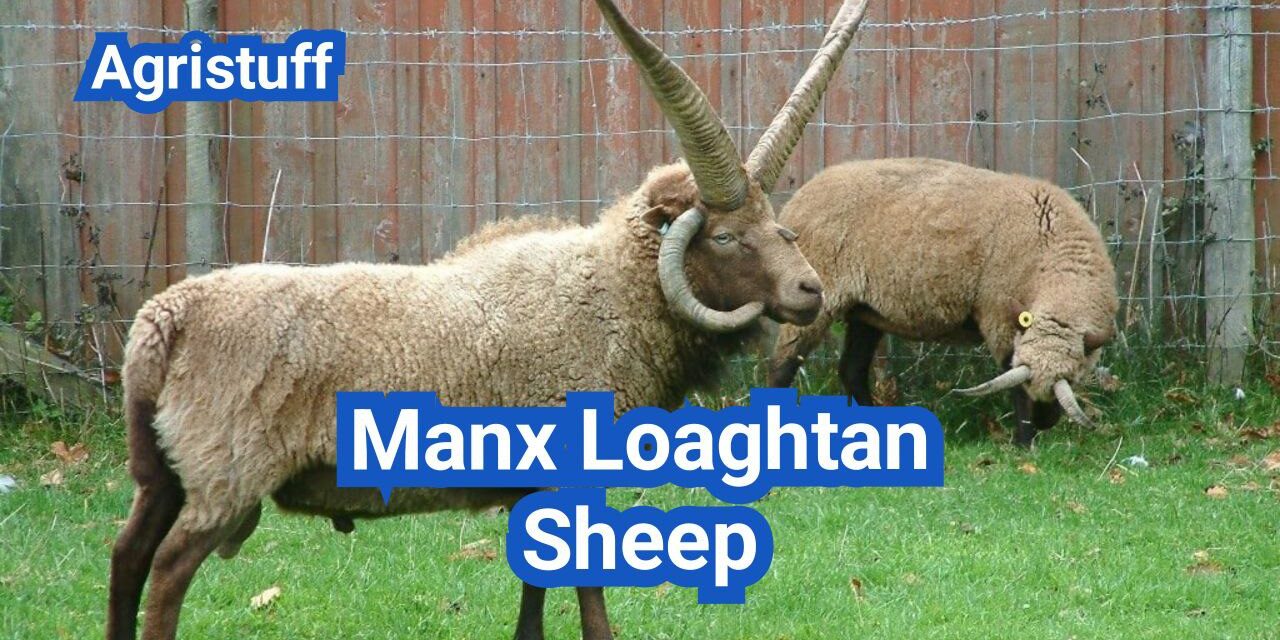
One of the most notable characteristics of the Manx Loaghtan Sheep is its horned feature. Typically, these sheep have four horns, although some individuals may have as many as six horns. This unique trait is a result of selective breeding and is highly prized among breeders and enthusiasts. The presence of four or six horns is a defining characteristic of the breed and is considered a hallmark of its genetic purity.
Body Structure and Size
Manx Loaghtan Sheep are relatively small in stature compared to other breeds. They have a compact body structure with a short tail, which is another distinguishing feature. Their size and agility make them well-suited to the rugged terrain of the Isle of Man, their place of origin. Their hardiness and adaptability are key advantages that have contributed to their survival and success as a breed.
The Brown “Moorit” Fleece
The fleece of the Manx Loaghtan Sheep is another of its distinctive features. The breed is known for its dark brown fleece, described as “moorit,” which is highly valued for its quality and color. The moorit fleece is not only aesthetically pleasing but also durable and resistant to the elements. As noted by sheep breeders,
“The naturally colored wool of the Manx Loaghtan is highly prized for its unique characteristics and is often used to create high-quality, specialty textiles.”
The combination of the Manx Loaghtan’s unique horned feature, compact body structure, and prized moorit fleece makes it a truly distinctive breed. These characteristics, along with its hardiness and adaptability, contribute to its value and appeal among sheep breeders and enthusiasts.
Manx Loaghtan Sheep Temperament and Behavior
The Manx Loaghtan Sheep is renowned for its distinct temperament and intriguing behavior, shaped by centuries of evolution on the Isle of Man. Their unique characteristics make them an interesting subject for study and observation.
Natural Instincts and Flock Behavior
Manx Loaghtan Sheep are known to have a strong flocking instinct, which is a trait that has been preserved through their history. This instinct allows them to stay together as a group, providing a sense of security and reducing the risk of predation.
Their natural instincts also play a significant role in their foraging behavior. Manx Loaghtan Sheep are adept at grazing on a variety of vegetation, including coarse grasses and heather, which makes them ideal for conservation grazing projects.
Handling and Human Interaction
Handling Manx Loaghtan Sheep requires patience and care. They are generally docile but can be skittish if not handled gently and consistently from an early age. Regular interaction with humans can help them become more trusting and easier to manage.
It’s also important to understand their social structure within the flock. Manx Loaghtan Sheep establish a hierarchy, and understanding this can help in managing their behavior and reducing stress within the group.
| Characteristics | Description | Benefits |
|---|---|---|
| Flocking Instinct | Strong tendency to stay together as a group | Enhanced security, easier management |
| Foraging Ability | Adept at grazing on various vegetation types | Ideal for conservation grazing, diverse diet |
| Handling Requirements | Requires patience and gentle handling | Builds trust, reduces stress |
Breeding Manx Loaghtan Sheep
Manx Loaghtan Sheep breeding programs are crucial for maintaining the health and integrity of this rare breed. Breeding Manx Loaghtan Sheep requires a thoughtful approach, taking into account the unique characteristics and needs of the flock.
Selecting Breeding Stock
Selecting the right breeding stock is fundamental to the success of any Manx Loaghtan Sheep breeding program. Breeders should look for animals with desirable traits such as robust health, strong conformation, and the characteristic four-horned feature in rams.
The selection process involves evaluating the genetic diversity of potential breeding animals to avoid inbreeding and ensure the long-term viability of the flock.
Mating Practices and Considerations
Mating practices play a critical role in Manx Loaghtan Sheep breeding. Breeders must consider factors such as the age, health, and genetic background of the animals being mated.
A well-planned mating strategy helps to maintain genetic diversity, reduce the risk of inherited disorders, and improve the overall quality of the flock.
Genetic Diversity Management
Managing genetic diversity is essential for the conservation of Manx Loaghtan Sheep. Breeders can achieve this by maintaining detailed records of the flock’s pedigree and genetic history.
By doing so, breeders can make informed decisions about mating pairs, helping to preserve the genetic integrity of the breed.
Lambing Season and Care
The lambing season is a critical period for Manx Loaghtan Sheep breeders, requiring meticulous preparation and care. Ensuring the health and well-being of both ewes and lambs is paramount during this time.
Preparing for Lambing
Preparation is key to a successful lambing season. Adequate nutrition and health care for the ewes are crucial in the weeks leading up to lambing. This includes providing high-quality feed and ensuring ewes are up-to-date on vaccinations and parasite control.
- Monitor the ewes’ health closely for any signs of illness or distress.
- Ensure the lambing area is clean, safe, and well-bedded.
- Have a plan in place for potential complications during lambing.
Lambing Process and Assistance
During the lambing process, it’s essential to monitor the ewes closely. While many ewes can lamb without assistance, being prepared to intervene when necessary is crucial.
- Keep a record of expected lambing dates to monitor progress.
- Be present during lambing to provide assistance if needed.
- Ensure newborn lambs are breathing properly and receive colostrum.
Post-Lambing Care for Ewes and Lambs
After lambing, both ewes and lambs require careful attention. Monitoring for signs of illness and ensuring they are receiving adequate nutrition are key aspects of post-lambing care.
- Check the ewes’ udders for any signs of mastitis.
- Monitor lambs for signs of hypothermia or other health issues.
- Ensure lambs are nursing properly and gaining weight.
By following these guidelines, Manx Loaghtan Sheep breeders can help ensure a successful lambing season and the health and well-being of their flock.
Nutritional Requirements and Diet
Manx Loaghtan Sheep have specific dietary needs that must be met to ensure their health and productivity. Their nutritional requirements are influenced by factors such as age, size, and stage of production.
The dietary needs of Manx Loaghtan Sheep can be broken down into several key areas, including seasonal feeding patterns, supplemental feeding guidelines, and water and mineral requirements. Understanding these needs is crucial for maintaining the health and well-being of the flock.
Seasonal Feeding Patterns
Manx Loaghtan Sheep are adapted to grazing on pasture, and their dietary needs vary with the seasons. In spring and summer, when pasture is lush and abundant, they require less supplemental feeding. However, during autumn and winter, when pasture growth slows down, additional nutrition is necessary to maintain their health.
According to a study on sheep nutrition, “The quality and quantity of forage available to sheep vary significantly across different seasons, necessitating adjustments in their dietary regimen
| Season | Primary Feed Source | Supplemental Feed |
|---|---|---|
| Spring | Pasture | Minimal |
| Summer | Pasture | Minimal |
| Autumn | Pasture/Hay | Grains/Minerals |
| Winter | Hay/Silage | Grains/Minerals |
Supplemental Feeding Guidelines
Supplemental feeding is crucial during periods when pasture is scarce or of poor quality. Manx Loaghtan Sheep may require additional grains, minerals, and vitamins to meet their nutritional needs. The type and amount of supplement depend on the quality of the available forage and the sheep’s stage of production.
Key considerations for supplemental feeding include:
- Quality of available forage
- Stage of production (e.g., lactation, pregnancy)
- Age and health status of the sheep
Water and Mineral Requirements
Adequate access to clean water is essential for Manx Loaghtan Sheep. They require fresh, clean water at all times to stay healthy. Mineral requirements can be met through a combination of mineral-rich feed and free-choice minerals.
It is important to ensure that the mineral supplements are formulated to meet the specific needs of sheep, as their requirements can differ from those of other livestock.
By understanding and meeting the nutritional requirements of Manx Loaghtan Sheep, farmers can help ensure the health, productivity, and well-being of their flock.
Pasture Management for Manx Loaghtan

Proper pasture management is essential for maintaining the health and productivity of Manx Loaghtan Sheep. Effective strategies include implementing rotational grazing, selecting suitable forage types, and practicing sustainable land management.
Implementing Rotational Grazing
Rotational grazing is a critical component of pasture management for Manx Loaghtan Sheep. This practice involves dividing pastures into smaller sections and rotating the flock through them to avoid overgrazing and promote regrowth. By doing so, farmers can maintain soil health, reduce erosion, and increase biodiversity.
Benefits of Rotational Grazing:
- Improved soil health
- Increased pasture productivity
- Enhanced biodiversity
- Reduced parasite load
Suitable Forage Types
The choice of forage is crucial for the nutritional well-being of Manx Loaghtan Sheep. Suitable forage types include a mix of grasses and legumes that are adapted to the local climate and soil conditions. Forage should be rich in nutrients and palatable to the sheep.
Sustainable Land Management
Sustainable land management practices are vital for the long-term viability of Manx Loaghtan Sheep farming. This includes maintaining soil fertility, conserving water resources, and protecting biodiversity. Farmers can achieve this by adopting practices such as cover cropping, reducing chemical use, and maintaining ecological corridors.
| Practice | Benefits | Implementation |
|---|---|---|
| Rotational Grazing | Soil health, biodiversity | Divide pastures, rotate flocks |
| Suitable Forage | Nutritional well-being | Choose climate-adapted grasses and legumes |
| Sustainable Land Management | Long-term viability | Maintain soil fertility, conserve water |
Housing and Shelter Requirements
Housing and shelter are crucial for the well-being of Manx Loaghtan Sheep, protecting them from extreme weather and predators. Adequate housing ensures the health and productivity of the flock.
Winter Housing Considerations
During the winter months, Manx Loaghtan Sheep require shelter from harsh weather conditions such as snow, rain, and strong winds. The housing should be well-ventilated to prevent respiratory issues but draft-free to keep the sheep warm.
Key features of winter housing include:
- Robust construction to withstand snow and wind
- Adequate ventilation to maintain air quality
- Dry bedding to keep the sheep clean and dry
- Easy access for feeding and watering
Lambing Facilities
Lambing facilities are essential for the health and safety of both ewes and lambs. These facilities should provide a clean, quiet, and safe environment.
Important aspects of lambing facilities include:
- Clean and disinfected pens to reduce the risk of infection
- Adequate lighting for monitoring the lambing process
- Easy access for veterinary care if needed
- Sufficient space for ewes and lambs to move comfortably
Fencing and Predator Protection
Effective fencing is crucial to protect Manx Loaghtan Sheep from predators such as coyotes, foxes, and wild dogs. The fencing should be sturdy and well-maintained.
Fencing requirements include:
- High tensile strength to prevent breaches
- Adequate height to deter jumping predators
- Regular inspections to repair any damage
- Consideration of electric fencing as an additional deterrent
By providing appropriate housing and shelter, farmers can ensure the well-being and productivity of their Manx Loaghtan Sheep flock.
Health Management and Common Issues

Maintaining the health of Manx Loaghtan Sheep involves several key practices that are crucial for their well-being and longevity.
Preventative Care and Vaccination Schedule
Preventative care is a cornerstone of effective health management for Manx Loaghtan Sheep. This includes regular vaccinations against diseases such as clostridial infections and pasteurellosis. A typical vaccination schedule involves administering vaccines at the start of the lambing season and booster shots as recommended by a veterinarian.
It’s also essential to maintain a clean and hygienic environment to prevent the spread of diseases. This includes regular cleaning of living areas and ensuring access to clean water and uncontaminated feed.
Parasite Control
Parasite control is another critical aspect of health management. Manx Loaghtan Sheep are susceptible to internal parasites such as gastrointestinal nematodes. Regular monitoring through fecal egg counts can help determine the parasite load and guide the need for deworming.
- Conduct fecal egg counts regularly to assess parasite load.
- Implement strategic deworming practices to reduce parasite resistance.
- Maintain pastures through rotational grazing to minimize parasite exposure.
Recognizing and Treating Common Ailments
Manx Loaghtan Sheep can be prone to certain health issues, including lambing difficulties, hypocalcemia, and respiratory infections. Early recognition of these issues is crucial for effective treatment.
Farmers should be vigilant for signs of illness, such as changes in behavior, appetite, or physical condition. Prompt veterinary consultation is recommended if any unusual symptoms are observed.
- Monitor ewes closely during lambing for signs of difficulty.
- Be aware of the risk factors for hypocalcemia and provide appropriate supplementation.
- Implement biosecurity measures to reduce the risk of respiratory infections.
The Valuable Wool of Manx Loaghtan Sheep
The wool of the Manx Loaghtan Sheep is a highly sought-after commodity due to its softness and natural color. This rare breed’s fleece has been cherished for centuries, not only for its beauty but also for its durability and warmth.
Characteristics of Manx Loaghtan Wool
Manx Loaghtan wool is prized for its softness and rich brown color, often referred to as “moorit.” The fleece is also known for its high lanolin content, which aids in shearing and makes it highly valued for hand spinning, knitting, and weaving.
The unique characteristics of Manx Loaghtan wool make it ideal for crafting high-quality textiles. The natural color of the fleece ranges from a light fawn to a deep brown, adding to its appeal among textile enthusiasts.
| Characteristic | Description |
|---|---|
| Softness | Highly soft and gentle to the touch |
| Color | Rich brown, ranging from light fawn to deep brown |
| Lanolin Content | High, aiding in shearing and processing |
| Uses | Ideal for hand spinning, knitting, and weaving |
Shearing Techniques and Timing
Shearing Manx Loaghtan Sheep requires careful technique to ensure the quality of the fleece is maintained. The timing of shearing is crucial, typically done once a year in the spring or early summer, depending on the climate and region.
Processing and Uses of the Naturally Colored Fleece
The naturally colored fleece of the Manx Loaghtan Sheep is highly valued for its unique color and softness. After shearing, the fleece is processed for use in various textile products, including yarn for knitting and weaving.
The processing of Manx Loaghtan wool involves cleaning, carding, and spinning into yarn. This yarn is then used to create a variety of products, from clothing to home textiles, cherished for their natural beauty and durability.
Manx Loaghtan Meat Production

The production of Manx Loaghtan meat is not just about quality; it’s also about the ethical and sustainable practices that farmers adhere to. Manx Loaghtan lamb, known for its tender texture and rich flavor, is a delicacy that has gained recognition globally.
Unique Flavor Profile and Quality
Manx Loaghtan meat is celebrated for its unique flavor profile, which is attributed to the breed’s genetic makeup and the traditional farming practices employed on the Isle of Man. The lamb is known for its tender texture and rich, gamey flavor, making it a sought-after product in gourmet markets.
The quality of Manx Loaghtan meat is maintained through rigorous farming standards. Farmers ensure that the sheep are raised in optimal conditions, with a diet that includes a variety of native grasses and plants, contributing to the meat’s distinct taste and quality.
PDO Status and Market Value
Manx Loaghtan lamb has been awarded PDO (Protected Designation of Origin) status, a recognition that underscores its unique production process and geographical origin. This status not only protects the name “Manx Loaghtan” but also ensures that consumers receive a product that meets the highest standards of quality and authenticity.
The PDO status has significantly impacted the market value of Manx Loaghtan lamb, making it a premium product in the market. The lamb is highly prized by chefs and food connoisseurs, who are willing to pay a premium for its unique taste and the assurance of its origin.
Ethical and Sustainable Meat Production
The production of Manx Loaghtan meat is characterized by ethical and sustainable practices. Farmers on the Isle of Man adhere to traditional methods that prioritize animal welfare and environmental sustainability. The sheep are raised on natural pastures, and the farming practices are designed to maintain the ecological balance of the land.
- Free-range farming methods
- Natural feeding practices
- High standards of animal welfare
- Environmental sustainability
These practices not only contribute to the quality of the meat but also ensure that the production process is environmentally friendly and sustainable in the long term.
Conservation Status and Efforts
The Manx Loaghtan Sheep, a rare heritage breed, is the focus of ongoing conservation efforts. As a breed with a rich history and unique characteristics, conserving the Manx Loaghtan Sheep is crucial for maintaining genetic diversity and cultural heritage.
Current Population Numbers
The current population of Manx Loaghtan Sheep is a critical factor in determining its conservation status. According to recent data, the global population of this breed remains relatively low, categorizing it as a rare breed. Efforts to monitor and manage the population are essential to prevent further decline.
| Year | Global Population | Conservation Status |
|---|---|---|
| 2010 | 500 | Critical |
| 2015 | 700 | Endangered |
| 2020 | 1000 | Vulnerable |
Conservation Organizations and Programs
Several conservation organizations and programs are dedicated to protecting the Manx Loaghtan Sheep. These initiatives include breeding programs, genetic conservation, and educational outreach to promote the importance of preserving this heritage breed.
- The Manx Loaghtan Sheep Breeders Association works to promote the breed and support conservation efforts.
- The Rare Breeds Survival Trust (RBST) is involved in monitoring the breed’s conservation status and providing support for breeders.
- Conservation programs focus on maintaining genetic diversity and promoting sustainable breeding practices.
How to Support Breed Preservation
Supporting the preservation of the Manx Loaghtan Sheep can be achieved through various means. Individuals can contribute by purchasing products from breeders who follow sustainable practices, supporting conservation organizations, and raising awareness about the importance of preserving rare heritage breeds.
Key actions include:
- Buying Manx Loaghtan Sheep products, such as wool or meat, from reputable breeders.
- Donating to or becoming a member of conservation organizations dedicated to rare breed preservation.
- Spreading awareness about the Manx Loaghtan Sheep and its conservation status through social media and community events.
Manx Loaghtan Sheep in the United States
With their origins in the Isle of Man, Manx Loaghtan Sheep are now being raised in various parts of the United States. Their introduction to America has been driven by interest in their unique characteristics and hardiness.
Introduction and Current Distribution
The Manx Loaghtan Sheep breed was first introduced to the United States as part of efforts to diversify and strengthen local sheep populations. Today, they can be found on farms across the country, from the northeastern states to the western regions.
American Breeders and Associations
American breeders play a crucial role in promoting and conserving the Manx Loaghtan Sheep breed. Associations such as the American Manx Loaghtan Sheep Breeders Association work to register purebred animals, provide breeding advice, and promote the breed through various channels.
The efforts of these breeders and associations have been instrumental in increasing the visibility and viability of Manx Loaghtan Sheep in the U.S. market.
Regulatory Considerations for Rare Breeds
Rare breeds like the Manx Loaghtan Sheep face unique regulatory challenges. Breeders must comply with local and national regulations regarding animal health, genetic diversity, and breed registration.
| Regulatory Aspect | Description | Impact on Manx Loaghtan Sheep |
|---|---|---|
| Animal Health Regulations | Requirements for vaccinations and disease control | Ensures the health and viability of the breed |
| Genetic Diversity | Guidelines to maintain genetic diversity within the breed | Critical for the long-term survival of rare breeds |
| Breed Registration | Process for registering purebred animals | Helps maintain breed purity and pedigree records |
By understanding and complying with these regulations, American breeders can continue to promote and conserve the Manx Loaghtan Sheep breed effectively.
Economic Viability for Small Farms
Small farms can significantly benefit from raising Manx Loaghtan Sheep due to their potential in niche markets and agritourism. The unique characteristics of this breed, combined with its historical significance, make it an attractive option for farmers looking to diversify their operations.
Niche Market Opportunities
The Manx Loaghtan Sheep breed offers several niche market opportunities, particularly in the specialty meat and wool markets. High-quality, naturally colored fleece is highly prized by fiber artists and crafters, commanding premium prices. Additionally, the breed’s unique flavor profile and Protected Designation of Origin (PDO) status for its meat in certain regions enhance its marketability.
Farmers can capitalize on these niche markets by developing targeted marketing strategies that highlight the unique characteristics of the Manx Loaghtan Sheep. This can include direct-to-consumer sales, participation in farmers’ markets, and collaborations with local chefs and restaurants.
Diversification Benefits
Incorporating Manx Loaghtan Sheep into a farm’s operations can provide significant diversification benefits. By adding sheep to their portfolio, farmers can reduce dependence on a single commodity and spread risk across different products and markets. This diversification can lead to more stable income streams and improved overall farm resilience.
Diversification also allows farmers to explore different revenue streams, such as agritourism, breeding stock sales, and value-added products like wool crafts or specialty meats. By leveraging the unique aspects of the Manx Loaghtan breed, farmers can create a more robust and adaptable business model.
Agritourism Potential
The Manx Loaghtan Sheep breed has considerable agritourism potential, offering a unique selling point for farm tours and educational programs. Visitors are often drawn to the breed’s distinctive appearance and historical significance, making it an attractive feature for farm stays and agritourism activities.
Farmers can capitalize on this interest by developing agritourism initiatives that showcase the Manx Loaghtan Sheep, such as guided farm tours, sheep herding demonstrations, and hands-on educational experiences. By integrating agritourism into their operations, farmers can create additional revenue streams and enhance the overall viability of their farm.
The Future of Manx Loaghtan Sheep
The Manx Loaghtan Sheep breed is a rare and valuable heritage breed that requires continued conservation efforts to ensure its survival. The future of Manx Loaghtan Sheep depends on the success of rare breed preservation initiatives and the support of breeders, conservation organizations, and the general public.
Conservation efforts are crucial to protect the Manx Loaghtan Sheep from extinction. By promoting the breed and supporting breeders, we can help preserve the genetic diversity and unique characteristics of this heritage breed sheep.
Rare sheep breeds like the Manx Loaghtan Sheep play a vital role in maintaining the rich cultural and agricultural heritage of the Isle of Man and beyond. It is essential to continue supporting conservation programs and promoting the value of these rare breeds to ensure their future.
The Manx Loaghtan Sheep future looks promising, with ongoing conservation efforts and a growing interest in rare breed preservation. By working together, we can ensure the long-term survival of this remarkable breed.
FAQ
What is the origin of the Manx Loaghtan Sheep breed?
The Manx Loaghtan Sheep breed originates from the Isle of Man, a self-governing British Crown dependency in the Irish Sea. The breed has Celtic roots and was influenced by Viking settlers.
What makes the Manx Loaghtan Sheep a rare breed?
The Manx Loaghtan Sheep is considered a rare breed due to its limited population and unique genetic characteristics. Conservation efforts are in place to protect this heritage breed.
What are the distinctive physical characteristics of Manx Loaghtan Sheep?
Manx Loaghtan Sheep are known for their distinctive horned feature, with some individuals having up to four horns. They also have a sturdy body structure and a prized brown “moorit” fleece.
How do Manx Loaghtan Sheep behave, and what is their temperament like?
Manx Loaghtan Sheep are known for their strong flock behavior and natural instincts. They are generally docile and can be handled with care, but they require experienced handling due to their independent nature.
What are the nutritional requirements of Manx Loaghtan Sheep?
Manx Loaghtan Sheep require a diet rich in nutrients, with seasonal feeding patterns that include high-quality forage. They also need access to clean water and minerals.
How should pastures be managed for Manx Loaghtan Sheep?
Pasture management for Manx Loaghtan Sheep involves implementing rotational grazing, selecting suitable forage types, and adopting sustainable land management practices to maintain soil health and biodiversity.
What are the housing and shelter requirements for Manx Loaghtan Sheep?
Manx Loaghtan Sheep require adequate housing and shelter, particularly during winter. They need protection from harsh weather conditions and predators, with well-designed fencing and lambing facilities.
How is the health of Manx Loaghtan Sheep managed?
Health management for Manx Loaghtan Sheep includes preventative care, vaccinations, parasite control, and monitoring for common health issues to ensure the overall well-being of the flock.
What is the value of Manx Loaghtan wool, and how is it used?
Manx Loaghtan wool is highly valued for its unique characteristics, including its naturally colored fleece. It is used to produce high-quality yarns and textiles, often sought after by crafters and textile enthusiasts.
What is the significance of the PDO status for Manx Loaghtan meat?
The PDO (Protected Designation of Origin) status for Manx Loaghtan meat recognizes its unique quality and production methods, ensuring that it is produced according to traditional practices and within a specific geographical area.
How can one support the conservation of Manx Loaghtan Sheep?
Supporting conservation efforts for Manx Loaghtan Sheep can involve purchasing products from registered breeders, promoting the breed, and contributing to conservation organizations dedicated to preserving this heritage breed.
Are Manx Loaghtan Sheep found in the United States, and how are they managed?
Yes, Manx Loaghtan Sheep are found in the United States, where they are managed by American breeders and associations. Regulatory considerations and breed standards are in place to ensure the integrity of the breed.
What are the economic benefits of raising Manx Loaghtan Sheep for small farms?
Raising Manx Loaghtan Sheep can provide economic benefits for small farms through niche market opportunities, diversification of products, and agritourism potential, contributing to the sustainability of rural economies.
Conclusion of: Manx Loaghtan Sheep Breed
Introduction: why Manx Loaghtan Sheep matter to modern farms
Manx Loaghtan Sheep are one of the most distinctive heritage sheep in the world, known for their dark, naturally colored fleece and their dramatic horns that can include multiple sets. For small farms, homesteads, and conservation grazers in the United States, Manx Loaghtan Sheep offer something rare: a hardy breed with deep history that can fit grass-based management and niche marketing goals at the same time. This article explains where Manx Loaghtan Sheep come from, how they are typically managed, and what you can realistically expect from their wool, meat, and breeding performance if you raise them with good pasture and calm handling. The Livestock Conservancy – Manx Loaghtan Sheep
Breed overview: “primitive” traits and what that means in practice
Manx Loaghtan Sheep are often described as a “primitive” or heritage type, meaning they tend to be alert, active foragers with strong survival instincts compared with highly specialized commercial breeds. In practical U.S. farm terms, Manx Loaghtan Sheep are frequently chosen for low-input systems, conservation grazing, and farms that prioritize hardiness and genetic preservation. Their thriftiness does not mean they are “maintenance-free,” but it does mean many keepers aim to let Manx Loaghtan Sheep do what they were shaped to do: graze, move, and stay productive on well-managed pasture with basic health routines and good shelter options when weather demands it. Oklahoma State University – Manx Loaghtan Sheep
Origin story: the Isle of Man and a landscape that shaped the breed
Manx Loaghtan Sheep are strongly tied to the Isle of Man, a wind-exposed island in the Irish Sea where farming traditions and coastal landscapes influenced local livestock over generations. When you picture rugged ground, variable weather, and grass-based forage, it becomes easier to understand why Manx Loaghtan Sheep developed a reputation for toughness and adaptability. For today’s breeders and keepers, the origin of Manx Loaghtan Sheep is more than a story—it’s a management clue: the breed often performs best when it’s allowed to live an active grazing life, supported by sensible nutrition and protection from extreme conditions. Manx National Heritage
What “Loaghtan” refers to and why color is a key identifier
The name behind Manx Loaghtan Sheep is commonly connected to a mouse-brown or naturally brown shade, which lines up with the breed’s signature look. That naturally colored fleece is one reason Manx Loaghtan Sheep attract fiber artists and small-batch textile makers who prefer deep earth tones without dyeing. Color can vary by animal and flock, but the overall impression of Manx Loaghtan Sheep tends to be dark, rich, and “natural,” which can help you build a simple, honest brand story around traceable fiber or heritage lamb. Rare Breeds Survival Trust – Manx Loaghtan
Physical characteristics: horns, body type, and everyday implications
Manx Loaghtan Sheep are typically smaller-framed than many commercial meat breeds, with a lean, athletic build that suits active grazing. The breed is famous for horn variation—many Manx Loaghtan Sheep carry two horns, and some can carry four—so facilities matter more than many new keepers expect. Horns can influence feeder choice, fencing layout, and safe restraint during hoof trimming or health checks. If you plan to raise Manx Loaghtan Sheep, it’s smart to think about “horn-friendly” design: wider gates, fewer tight corners, and calm flow so animals don’t panic and injure themselves or others. Manx Loaghtan Sheep Breeders Group
Size, growth, and what “production” looks like for a heritage breed
Because Manx Loaghtan Sheep are heritage animals, it helps to set realistic expectations about growth rates and output compared with large commercial breeds selected for maximum carcass or fast finishing. Many U.S. keepers value Manx Loaghtan Sheep for a balanced approach: hardiness, maternal traits, and a product that can be marketed as specialty rather than commodity. If your farm plan depends on volume alone, Manx Loaghtan Sheep may feel slower; if your plan supports premium pricing, direct sales, or conservation grazing, Manx Loaghtan Sheep can fit a profitable niche when management and marketing are aligned. FAO DAD-IS (Domestic Animal Diversity Information System)
Temperament and handling: calm systems for an alert breed
Manx Loaghtan Sheep are often described as alert and active, which can be a major advantage on pasture but may require consistent, low-stress handling to keep the flock easy to work. Calm movement, predictable routines, and patient pen work usually produce better results than chasing or loud pressure, especially with Manx Loaghtan Sheep that are naturally aware of their surroundings. Good handling also supports health and reproduction because stress can reduce appetite, weaken immunity, and complicate lambing. If you want your Manx Loaghtan Sheep to be manageable long-term, select calmer individuals as breeders and design handling areas that encourage smooth movement. Temple Grandin – Livestock Behavior and Handling
Pasture fit: foraging ability and conservation grazing potential
Manx Loaghtan Sheep are commonly used in pasture-first systems where their foraging behavior and mobility are strengths. In the U.S., many land managers use sheep to manage vegetation, support habitat goals, and improve pasture utilization, and Manx Loaghtan Sheep can fit that approach when predator risk and fencing are addressed. Their active grazing style can be useful for uneven ground and varied plant communities, which is why Manx Loaghtan Sheep are sometimes discussed in conservation contexts. The key is not “turn them out and hope,” but to manage timing and density so grazing supports plant recovery and long-term soil health. USDA NRCS – Prescribed Grazing
Rotational grazing: a simple framework that protects forage
A rotational plan can help Manx Loaghtan Sheep thrive while keeping your pasture productive season after season. The goal is to give plants enough recovery time so sheep don’t repeatedly bite regrowth before it can rebuild leaf area and root energy. For many U.S. farms, the most practical starting point is to rotate Manx Loaghtan Sheep when they’ve taken the “top” of the forage but before grazing becomes too tight, then allow paddocks to rest based on growth rate and weather. This improves forage quality, spreads manure more evenly, and can reduce some parasite pressure by limiting repeated exposure in the same area. Cornell Small Farms – Rotational Grazing
Fencing and predator planning: essential for U.S. success
In many parts of the United States, predator pressure and fencing quality can determine whether raising Manx Loaghtan Sheep is enjoyable or exhausting. A secure perimeter fence, smart subdivision fencing, and a predator plan (such as guardian animals, night pens, or strategic lighting) reduce losses and stress. Horned Manx Loaghtan Sheep may also be more likely to get caught in poor fencing, so design matters: avoid narrow openings, maintain tight wire spacing where needed, and keep gates and corners clean of snag points. When Manx Loaghtan Sheep feel safe and stay where they belong, pasture management and lamb survival improve. Colorado State University Extension – Sheep and Goat Management
Breeding season and lambing: planning around your climate
Manx Loaghtan Sheep breeding and lambing management should match your local climate and forage calendar, especially if you want to keep feed costs under control. Many U.S. shepherds plan lambing to align early lactation with strong pasture growth, because that’s when ewes need the most nutrition. With Manx Loaghtan Sheep, steady body condition and low-stress handling help support fertility and lamb vigor. Even if you keep a small flock, it’s worth creating a simple breeding plan: target dates, condition scoring, mineral support, and a lambing checklist so you can respond quickly if a ewe needs help. OSU Small Ruminant Team – Preparing for Lambing Season
Selecting rams and ewes: conservation plus performance
If you want to build a long-term Manx Loaghtan Sheep program, selection should balance two goals: protecting breed traits and improving practical performance. That means choosing Manx Loaghtan Sheep with sound structure, strong feet, calm temperament, and good maternal behavior, while also paying attention to breed-appropriate horn and fleece traits. Recordkeeping is not optional in rare breeds; it’s part of stewardship, helping you avoid inbreeding and track which bloodlines produce the healthiest, most productive lambs. Over time, consistent selection is how Manx Loaghtan Sheep flocks become easier to manage, more reliable at lambing, and more valuable to the wider breed community. The Livestock Conservancy – Resources for Heritage Breed Keepers
Nutrition basics: forage, minerals, and body condition scoring
Manx Loaghtan Sheep can do well on forage-focused diets, but nutrition still has to match the production stage: breeding, late gestation, early lactation, and growth. Body condition scoring is one of the best tools for managing Manx Loaghtan Sheep because it helps you adjust feed before problems show up as poor fertility or weak lambs. A consistent mineral program and clean water matter year-round, and in many U.S. regions you may need a sheep-specific mineral that avoids excessive copper. If you can test hay or pasture occasionally, you’ll make smarter supplementation decisions and keep Manx Loaghtan Sheep steadier through seasonal changes. University of Minnesota Extension – Sheep Nutrition
Parasite control: the health issue most small flocks underestimate
Internal parasites are one of the most common hidden challenges for Manx Loaghtan Sheep in many U.S. climates, especially where warm, wet conditions support heavy parasite loads. The best approach is integrated management: rotational grazing, avoiding overgrazing, keeping high-risk groups on cleaner pasture, and using targeted treatment instead of routine deworming. Manx Loaghtan Sheep benefit when you monitor individuals—checking eyelid color, body condition, and manure consistency—so you treat only the animals that truly need it and reduce drug resistance on your farm. A written parasite plan can improve lamb growth and reduce sudden losses that feel “mysterious” until you track the real cause. University of Minnesota Extension – Internal Parasites of Sheep and Goats
Vaccines, biosecurity, and basic disease prevention routines
Good health outcomes for Manx Loaghtan Sheep usually come from simple, repeatable routines: quarantine new animals, keep handling areas clean, maintain dry bedding, and follow a vaccination plan recommended for your region and risk level. Many U.S. flocks use core vaccinations (often including clostridial protection) and adjust based on local veterinary guidance. Biosecurity matters even more for Manx Loaghtan Sheep because rare-breed replacements can be difficult to source and expensive to import or transport. A calm, consistent health routine prevents emergencies and helps Manx Loaghtan Sheep stay productive without constant intervention. American Veterinary Medical Association – Biosecurity
U.S. identification and scrapie compliance: what new keepers should know
If you keep Manx Loaghtan Sheep in the United States, you should understand basic regulatory expectations around animal identification, especially related to scrapie control programs. Requirements can vary by state and situation (sales, shows, transport), but many producers use official ID to support traceability and compliance. This is not just paperwork—it’s protection for your farm and the wider sheep industry. For Manx Loaghtan Sheep breeders, good records and proper identification also support breed integrity, making it easier to document lineage and responsibly exchange breeding stock. USDA APHIS – Scrapie
Housing and working facilities: design for horns and low-stress flow
Manx Loaghtan Sheep don’t require expensive barns, but they do benefit from shelter options and practical working facilities that make routine care safe. Because many Manx Loaghtan Sheep are horned, narrow chutes and tight corners can create injuries, so wider alleys, smooth gates, and thoughtful pen geometry are worth the effort. Even a simple setup—dry footing, wind protection, good ventilation, and a solid way to sort animals—makes vaccination, hoof care, and lamb checks easier. When facilities fit the animals, Manx Loaghtan Sheep become less stressful to manage and more likely to stay healthy year-round. OSU Small Ruminant Team – Housing and Working Facilities
Shearing strategy: timing, welfare, and fleece quality
Shearing is a major annual milestone for Manx Loaghtan Sheep because it affects both animal comfort and fleece value. Many shepherds shear before lambing to improve cleanliness and make it easier for lambs to nurse, but timing should match your weather and shelter capacity. After shearing, Manx Loaghtan Sheep may need wind protection and adequate nutrition so they maintain body condition and don’t chill during cold snaps. For anyone selling fiber, good shearing practices—clean work areas, careful skirting, and minimizing contamination—help keep Manx Loaghtan Sheep fleece attractive to spinners and crafters. Michigan State University Extension – Shearing Before Lambing
Wool uses: why naturally colored fiber can be a premium niche
Manx Loaghtan Sheep are especially appealing to fiber markets because naturally colored wool can reduce dye use and create a “from-the-land” aesthetic that many customers value. The best buyers for Manx Loaghtan Sheep fleece are often hand spinners, weavers, and small textile brands who care about breed identity, traceability, and consistency. Cleanliness is the foundation of value: keep bedding dry, reduce burr exposure, and store fleece carefully. Even if your volume is small, Manx Loaghtan Sheep can compete in a premium niche when your presentation is professional and your story is honest. British Wool – Naturally Coloured Breeds
Meat and farm sales: positioning heritage lamb for U.S. customers
Manx Loaghtan Sheep can also be raised for lamb, and many heritage-breed producers focus on direct marketing rather than commodity channels. In the U.S., your advantage with Manx Loaghtan Sheep is differentiation: pasture-based management, rare-breed stewardship, and a product that feels intentional rather than generic. Success usually comes from consistency—reliable finishing, clear processing plans, and straightforward customer education about how to buy and cook lamb. If you’re exploring specialty positioning, it can help to learn how heritage lamb is protected and described in its home region, then adapt that clarity and transparency to your own Manx Loaghtan Sheep marketing approach. UK Government – Manx Loaghtan Lamb PDO Specification (PDF)
Starting Manx Loaghtan Sheep in the U.S.: sourcing, goals, and stewardship
Starting with Manx Loaghtan Sheep is most successful when you treat it as a long-term program, not a quick livestock purchase. Begin by deciding your purpose: conservation breeding, fiber production, meat sales, education agritourism, or conservation grazing. Then source animals through reputable breeders and organizations that can support genetic diversity and healthy selection. Manx Loaghtan Sheep rewards patient management—solid fencing, a pasture plan, a parasite strategy, and facilities that respect horns and handling safety. If you approach the breed with stewardship in mind, you can build a flock that supports your farm goals and contributes to conserving Manx Loaghtan Sheep for the future. Rare Breeds Survival Trust – Manx Loaghtan
Final thought
Manx Loaghtan Sheep are a rare-breed option that can make sense for U.S. farms that value hardiness, conservation, and niche products over maximum commodity output. When Manx Loaghtan Sheep are supported with strong pasture management, calm handling, and disciplined breeding records, they can produce meaningful results: healthy lambs, distinctive naturally colored fleece, and a story customers can understand and trust. If you want livestock that connects land stewardship with heritage preservation, Manx Loaghtan Sheep can be a rewarding choice when you plan carefully and manage consistently. The Livestock Conservancy – Heritage Breeds
Sources & References
- Manx Loaghtan – Wikipedia
- Manx Loaghtan – Rare Breeds Survival Trust
- Manx Loaghtan Rare Breed Sheep
- Manx Loaghtan Sheep | ROYS FARM
- Wools of the UK: Manx Loaghtan
- Oklahoma State University – Manx Loaghtan Sheep
- Rare Breeds Survival Trust – Manx Loaghtan
- Manx Loaghtan Sheep Breeders Group
- FAO DAD-IS (Domestic Animal Diversity Information System)
- Cornell Small Farms – Rotational Grazing
- USDA APHIS – Scrapie
- Michigan State University Extension – Shearing Before Lambing
- British Wool – Naturally Coloured Breeds