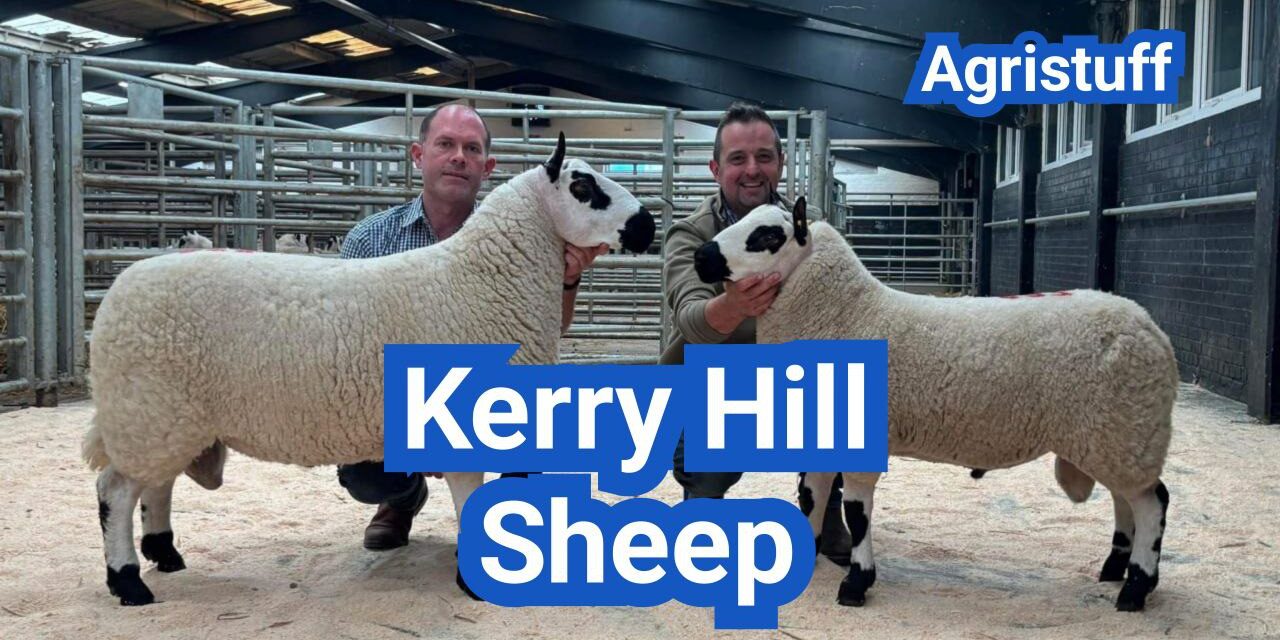
The Kerry Hill Sheep breed has a rich history, originating from the county of Powys in Wales. Known for its distinctive black and white markings, this heritage sheep breed has been a significant part of livestock farming.
The breed’s unique characteristics make it a valuable asset for farmers. With a strong focus on breeding and conservation, the Kerry Hill Sheep continues to play a vital role in agricultural heritage.
Understanding the history and origin of the Kerry Hill Sheep provides insight into its uses in modern farming practices.
Key Takeaways
- The Kerry Hill Sheep breed originates from Powys, Wales.
- It is known for its distinctive black and white markings.
- The breed is a significant part of livestock farming heritage.
- Breeding and conservation efforts are crucial for its survival.
- The Kerry Hill Sheep has various uses in modern farming.
The History and Origin of Kerry Hill Sheep
With roots tracing back to 1809, the Kerry Hill Sheep has a storied past that is deeply connected to its Welsh origins. The breed derives its name from the village of Kerry near Newtown in Wales, a region that played a significant role in its development.
Welsh Beginnings in the Kerry Hills
The Kerry Hill Sheep breed emerged in the Kerry Hills, an area known for its picturesque landscapes and rich agricultural heritage. The breed’s early history is closely tied to the local farming practices and the need for a hardy, adaptable sheep that could thrive in the region’s terrain.
Key factors in the breed’s early development include:
- The geographical characteristics of the Kerry Hills
- Local farming practices and traditions
- The need for a robust and versatile sheep breed
Development and Recognition of the Breed
Over time, the Kerry Hill Sheep breed gained recognition for its unique characteristics and advantages. The breed’s development was influenced by selective breeding practices aimed at enhancing its desirable traits.
The breed’s recognition was marked by several key milestones:
- The establishment of breed standards
- The formation of breed societies
- Inclusion in agricultural shows and exhibitions
The breed’s history and development are a testament to the dedication of breeders and the breed’s inherent value. Today, the Kerry Hill Sheep continues to be cherished for its heritage and the quality it brings to various agricultural endeavors.
Kerry Hill Sheep: A Distinctive Heritage Breed

With its distinct appearance and historical significance, the Kerry Hill Sheep stands out among other heritage sheep breeds. This breed has been preserved through the efforts of dedicated breeders and conservation organizations.
Breed Societies and Conservation Efforts
The Kerry Hill Flock Book Society plays a crucial role in maintaining the integrity of the breed by keeping a register of purebred animals. This organization provides valuable information on the breed’s history, characteristics, and breeding practices. According to the society, “The Kerry Hill Sheep is a breed that has been carefully developed over centuries, and its conservation is of utmost importance.”
Conservation efforts for the Kerry Hill Sheep involve not only maintaining the breed’s genetic purity but also promoting its unique qualities to potential breeders and consumers. These efforts are crucial in ensuring the long-term survival of this heritage breed.
Current Status as a Rare Breed
Despite conservation efforts, the Kerry Hill Sheep remains a rare breed. Its rare breed status is recognized by various agricultural and conservation organizations. This status underscores the need for continued support and conservation initiatives to protect the breed from further decline.
“The conservation of rare breeds like the Kerry Hill Sheep is essential for maintaining genetic diversity in our agricultural heritage.”
The Kerry Hill Sheep’s distinctive black and white markings, along with its historical significance, make it a valuable part of the world’s agricultural heritage. Continued efforts by breed societies and conservation organizations are vital to preserving this breed for future generations.
Physical Characteristics of Kerry Hill Sheep
Kerry Hill Sheep are renowned for their striking appearance, characterized by distinctive black and white markings. This heritage breed is easily identifiable due to its unique physical characteristics, which have been preserved through careful breeding practices.
Distinctive Black and White Markings
One of the most notable features of Kerry Hill Sheep is their white face with black markings around the eyes and nose. These distinctive markings are a hallmark of the breed and are highly valued in show rings and breeding programs. The black and white coloration is not limited to the face; it extends to other parts of their body, creating a striking visual effect.
The breed standard specifies that the black markings should be symmetrical and well-defined, adding to the overall aesthetic appeal of the animal. This unique coloration is a result of selective breeding and is a key factor in the breed’s identity.
Size and Weight Specifications
Kerry Hill Sheep are generally of medium size. Rams typically weigh between 180-220 pounds (82-100 kg), while ewes are slightly smaller, weighing between 130-170 pounds (59-77 kg). The breed standard also specifies that the sheep should be well-proportioned and sturdy, with a good depth of body.
In terms of height, Kerry Hill Sheep usually stand between 24-27 inches (61-69 cm) at the shoulder. Their compact, muscular build makes them well-suited for a variety of farming conditions. The size and weight of Kerry Hill Sheep are important factors in their overall health and productivity.
Kerry Hill Sheep Breed Standard
The Kerry Hill Sheep breed standard is a detailed guide to the ideal characteristics of this heritage breed. It encompasses various aspects of the sheep’s anatomy, ensuring that the breed maintains its distinctive features and functional attributes.
Head and Face Features
The head of a Kerry Hill Sheep is one of its most distinctive features. The breed standard specifies that the face should be white with black markings around the eyes and on the nose, creating a characteristic “badge” appearance.
- The face should be free of wool, with a clear demarcation between the white face and the black markings.
- The eyes should be bright and alert, with a keen expression.
- The ears should be of moderate size, carried erect, and well-placed on the head.
Body Conformation and Structure
The body of a Kerry Hill Sheep should be well-proportioned and symmetrical, with a deep chest and well-sprung ribs. The breed standard emphasizes the importance of a strong, straight back and a well-developed loin.
Key characteristics include:
- A deep, well-rounded chest that indicates good lung capacity.
- A straight or slightly convex profile, contributing to the breed’s distinctive appearance.
- A strong, muscular build, suitable for the breed’s original purpose as a grazing animal.
Legs, Feet, and Movement
The legs and feet of Kerry Hill Sheep are crucial for their mobility and overall health. The breed standard specifies that the legs should be strong and well-set, with good bone density.
- The hooves should be black, hard, and well-shaped, indicating good foot health.
- The movement should be free and active, with a long, easy stride.
- The sheep should stand squarely on their feet, with no signs of lameness or discomfort.
By adhering to this breed standard, breeders can ensure that Kerry Hill Sheep continue to thrive and maintain their unique characteristics.
Wool Quality and Production
Kerry Hill Sheep are prized for their dense, white fleece, which is highly valued in the textile industry. The quality of their wool is a significant factor in the breed’s popularity among shepherds and textile producers alike.
Fleece Characteristics and Grading
The fleece of Kerry Hill Sheep is characterized by its whiteness, density, and staple length. The wool is graded based on its quality, with factors such as fiber length, strength, and color being considered. The grading process ensures that the wool meets the standards required for various textile applications.
Some key characteristics of Kerry Hill Sheep fleece include:
- White color, which is highly prized for its purity and brightness
- Dense fleece that provides excellent insulation
- Staple length that is suitable for a variety of textile productions
Average Fleece Weight and Annual Yield
Kerry Hill Sheep produce a significant amount of wool annually. On average, the fleece weight is around 2.75 kgs, making them a valuable asset for wool production. The annual yield can vary based on factors such as nutrition, health, and genetics.
The wool production of Kerry Hill Sheep is not just about quantity; the quality of the fleece is equally important. The breed’s ability to produce high-quality wool consistently has made it a favorite among those in the wool industry.
Temperament and Behavior of Kerry Hill Sheep
Kerry Hill Sheep exhibit a remarkable balance of docility and intelligence, making them easy to manage. This breed is known for its calm and gentle nature, which contributes to their popularity among sheep breeders and farmers.
General Disposition and Intelligence
The general disposition of Kerry Hill Sheep is characterized by their friendly and outgoing personalities. They are highly intelligent, which makes them responsive to handling and training. Their intelligence, combined with a strong will, means they can be trained to perform various tasks and behave well in different environments.
Key Characteristics:
- Docile nature
- High intelligence
- Responsive to training
- Friendly disposition
Handling and Training Considerations
When it comes to handling and training Kerry Hill Sheep, their intelligence and temperament play significant roles. They are generally easy to handle due to their calm nature. However, consistent and gentle training methods yield the best results. It’s essential to establish clear boundaries and use positive reinforcement techniques.
| Handling Aspect | Consideration |
|---|---|
| Gentle Approach | Use calm and gentle movements when handling |
| Consistent Training | Establish a regular training schedule |
| Positive Reinforcement | Reward good behavior with treats or praise |
In conclusion, Kerry Hill Sheep are known for their excellent temperament and behavior, making them a joy to work with. Their intelligence and friendly disposition make them highly trainable, and with the right handling, they can thrive in various settings.
Breeding Kerry Hill Sheep

Breeding Kerry Hill Sheep requires careful planning and understanding of their reproductive cycles. Effective breeding programs are crucial for maintaining the health and quality of the flock.
Breeding Season and Reproductive Cycles
The breeding season for Kerry Hill Sheep typically occurs in the fall, allowing for spring lambing. Understanding the reproductive cycles of ewes is essential for successful breeding.
- Ewes are generally ready to breed between 7 to 12 months of age.
- The estrous cycle in Kerry Hill ewes averages 17 days.
- Breeding typically occurs in the fall to coincide with the natural breeding season.
Selecting Quality Breeding Stock
Selecting the right breeding stock is critical for the success of a Kerry Hill Sheep breeding program. Farmers should look for animals with desirable traits such as good conformation, fertility, and fleece quality.
- Evaluate the genetic background of potential breeding animals.
- Assess the physical condition and health of the animals.
- Consider the fleece quality and overall conformation.
Crossbreeding Options and Outcomes
Crossbreeding can be an effective strategy for improving certain traits in Kerry Hill Sheep, such as growth rate or wool quality. However, it’s essential to understand the potential outcomes and challenges.
- Crossbreeding can introduce new genetic traits.
- It can improve hybrid vigor in the offspring.
- Careful selection of breeds is necessary to maintain desirable characteristics.
By understanding the breeding season, reproductive cycles, and the importance of selecting quality breeding stock, farmers can develop effective breeding programs for Kerry Hill Sheep. Whether focusing on purebred breeding or exploring crossbreeding options, the goal is to enhance the overall quality and productivity of the flock.
Lambing and Mothering Abilities
One of the standout features of Kerry Hill Sheep is their ability to produce healthy lambs and care for them effectively. Kerry Hill ewes are known for their good mothering abilities and high lambing percentage.
Kerry Hill Sheep have been bred to thrive in various conditions, and their reproductive health is a testament to their hardiness. The breed’s lambing abilities are a crucial aspect of their overall value to farmers and breeders.
Pregnancy and Lambing Process
The pregnancy and lambing process in Kerry Hill ewes are generally straightforward, with few complications. Ewes are known to have a relatively easy lambing process, which reduces the need for extensive veterinary intervention.
Key aspects of the lambing process include:
- Gestation period: approximately 145-150 days
- Litter size: typically 1-2 lambs per ewe
- Lambing ease: Kerry Hill ewes are known for their ability to lamb without assistance
Maternal Traits and Lamb Care
Kerry Hill ewes are recognized for their strong maternal instincts, which play a crucial role in the care and development of their lambs. These traits include:
- Strong mothering ability: Ewes are attentive to their lambs and ensure they receive adequate nutrition.
- Lamb nurturing: Kerry Hill ewes are known to be protective of their lambs, teaching them important survival skills.
- Milk production: Ewes produce sufficient milk to support the growth of their lambs.
These maternal traits contribute significantly to the overall health and success of Kerry Hill lambs, making the breed a popular choice for farmers.
Raising Kerry Hill Sheep: Care Requirements

To raise healthy Kerry Hill Sheep, it’s crucial to understand their specific care requirements, including shelter, diet, and health management. Providing the right conditions for these sheep is essential for their well-being and productivity.
Housing and Shelter Needs
Kerry Hill Sheep require housing that protects them from extreme weather conditions. The shelter should be well-ventilated, dry, and free from drafts. Adequate space is necessary to accommodate all sheep comfortably.
Key Considerations for Housing:
- Adequate ventilation to prevent respiratory issues
- Protection from wind, rain, and extreme temperatures
- Enough space for all sheep to stand, turn, and lie down comfortably
Feeding and Nutrition Guidelines
A balanced diet is crucial for the health and productivity of Kerry Hill Sheep. Their nutritional needs vary based on age, size, and stage of production.
Nutritional Requirements:
| Nutrient | Function | Sources |
|---|---|---|
| Protein | Muscle growth and repair | Legume hay, grains |
| Energy | Daily activities and growth | Grains, hay, silage |
| Minerals | Various bodily functions | Mineral supplements, salt licks |
Health Management and Common Issues
Regular health checks are vital to identify any issues early. Common health problems in Kerry Hill Sheep include parasites, foot rot, and reproductive issues.
Health Management Practices:
- Regular veterinary checks
- Parasite control measures
- Vaccination programs
By focusing on these care requirements, farmers can ensure the health and productivity of their Kerry Hill Sheep flock.
Pasture Management for Kerry Hill Sheep
Effective pasture management is crucial for the health and productivity of Kerry Hill Sheep. Pasture-based sheep farming relies heavily on the quality and management of grazing lands.
Implementing Rotational Grazing Systems
Rotational grazing is a key strategy in maintaining pasture health and optimizing grazing for Kerry Hill Sheep. By dividing pastures into smaller sections and rotating the flock, farmers can prevent overgrazing and allow vegetation to recover.
This method not only improves the quality and quantity of forage available to the sheep but also enhances soil health and biodiversity. Rotational grazing systems can be tailored to the specific needs of the flock and the condition of the pasture.
- Divide pastures into manageable sections
- Rotate the flock regularly
- Monitor pasture condition and adjust grazing pressure
Parasite Management Using FAMACHA System
Parasite management is a critical aspect of sheep health, and the FAMACHA system is a valuable tool in this effort. The FAMACHA system involves assessing the anemia levels in sheep by checking the color of their lower eyelids.
This method allows farmers to identify animals that are suffering from parasitic infestations, particularly Haemonchus contortus, and treat them selectively. By targeting treatment to those animals that need it most, farmers can reduce the overall use of anthelmintics and slow the development of parasite resistance.
| FAMACHA Score | Eyelid Color | Action |
|---|---|---|
| 1-2 | Red/Pink | No treatment needed |
| 3 | Pink/Reddish | Monitor closely |
| 4-5 | Pale/White | Treat for parasites |
By implementing rotational grazing and using the FAMACHA system for parasite management, farmers can significantly improve the health and productivity of their Kerry Hill Sheep flock.
Kerry Hill Sheep Uses and Products

The versatility of Kerry Hill Sheep is evident in their various applications, from fiber production to lamb meat and show ring excellence. This breed has been valued for its multiple uses, making it a popular choice among farmers and shepherds.
Wool and Fiber Applications
Kerry Hill Sheep are known for their high-quality wool, which is used in a variety of textile applications. The fleece is characterized by its softness, crimp, and durability, making it suitable for crafting warm clothing, hats, and scarves. The wool is also used in the production of high-quality yarns and blankets.
The unique characteristics of Kerry Hill wool make it highly prized by fiber artists and textile manufacturers. Its versatility allows it to be used in both traditional and modern textile products, catering to a wide range of consumer preferences.
Meat Production and Lamb Quality
In addition to their valuable wool, Kerry Hill Sheep are also raised for their meat. The breed is known for producing high-quality lambs that are sought after by butchers and consumers alike. The meat is characterized by its tenderness, flavor, and lean quality, making it a popular choice in specialty markets.
Kerry Hill lambs are often marketed directly to consumers who are looking for premium meat products. The breed’s reputation for producing exceptional lamb quality has contributed to its popularity among farmers who are looking to capitalize on niche markets.
Show and Exhibition Value
Kerry Hill Sheep are also highly regarded for their show and exhibition value. The breed’s distinctive appearance, with its characteristic black and white markings, makes it a standout in the show ring. Breeders take great care in selecting and preparing their animals for show, highlighting the breed’s unique characteristics and conformation.
The show ring provides an opportunity for breeders to showcase their Kerry Hill Sheep, promoting the breed and demonstrating its quality. The breed’s exhibition value is an important aspect of its overall utility, as it helps to maintain breed standards and promote the breed’s reputation.
Kerry Hill Sheep in the United States

Introduced to the U.S., Kerry Hill Sheep have adapted well, thanks to the efforts of the American Kerry Hill Sheep Society. This organization has played a crucial role in promoting the breed and ensuring its success in America.
Introduction and Adaptation to America
The introduction of Kerry Hill Sheep to the United States marked the beginning of a new chapter for this heritage breed. Originating from Wales, these sheep brought with them unique characteristics that have been preserved and promoted in their new environment. The adaptation process involved careful breeding programs and the establishment of a robust registry system to maintain the breed’s integrity.
The American Kerry Hill Sheep Society has been instrumental in this process, providing resources for breeders, promoting the breed through various channels, and ensuring that the breed standard is maintained. Key aspects of their work include:
- Maintaining a comprehensive registry of Kerry Hill Sheep in the U.S.
- Organizing shows and exhibitions to promote the breed
- Providing educational materials and support for breeders
American Kerry Hill Sheep Society
The American Kerry Hill Sheep Society is dedicated to the preservation and promotion of Kerry Hill Sheep in the United States. The society’s activities are geared towards supporting breeders, promoting the breed, and maintaining the breed’s heritage.
Some of the key initiatives of the society include:
- Developing and maintaining a breed registry
- Organizing breed shows and events
- Providing resources and support for Kerry Hill Sheep breeders
By focusing on these areas, the society ensures that Kerry Hill Sheep continue to thrive in the U.S., offering a unique and valuable resource for sheep breeders and enthusiasts alike.
Finding and Purchasing Kerry Hill Sheep
For those interested in acquiring Kerry Hill Sheep, locating a reputable breeder is crucial. The process involves several considerations to ensure that you obtain high-quality animals that meet your needs and expectations.
Locating Reputable Breeders
To find a trustworthy Kerry Hill Sheep breeder, start by researching online, checking breed-specific directories, and seeking recommendations from other breeders or sheep enthusiasts. Reliable breeders will have a good reputation, provide detailed information about their breeding stock, and be transparent about the health and genetic history of their animals.
It’s also beneficial to visit potential breeders in person to assess the condition and quality of their sheep firsthand. This visit allows you to ask questions about their breeding practices, animal care standards, and after-sales support.
Current Market Prices and Value
The market price for Kerry Hill Sheep can vary based on factors such as the animal’s age, quality, pedigree, and location. As of the latest data, prices for Kerry Hill Sheep in the United States range as follows:
| Category | Price Range |
|---|---|
| Ewes | $500 – $1,000 |
| Rams | $800 – $1,500 |
| Lambs | $300 – $700 |
When purchasing Kerry Hill Sheep, consider not only the initial purchase price but also the long-term value, including the animal’s potential for breeding, wool production, or other purposes. Understanding the market and being aware of the current prices can help you make an informed decision.
By carefully selecting a reputable breeder and understanding the current market prices, you can successfully acquire Kerry Hill Sheep that fit your needs and contribute to the success of your sheep-keeping endeavors.
How to Start Your Own Kerry Hill Sheep Flock
The journey to establishing a Kerry Hill Sheep flock involves careful planning and preparation. To successfully start your own flock, you need to follow a series of steps that ensure you’re well-prepared for the challenges and rewards that come with raising these distinctive sheep.
Assess Your Resources and Goals
Before diving into the world of Kerry Hill Sheep, it’s crucial to assess your available resources and define your goals. Consider the land you have available, the financial investment you’re willing to make, and what you hope to achieve with your flock. Are you looking to produce wool, raise lambs for meat, or simply enjoy the hobby of sheep farming? Understanding your objectives will help guide your decisions throughout the process.
Prepare Your Infrastructure
Preparing the right infrastructure is vital for the health and well-being of your Kerry Hill Sheep. This includes fencing that is sturdy enough to keep predators out and your sheep in, adequate shelter to protect them from the elements, and feeding systems that ensure they receive proper nutrition. Investing time in planning and setting up your infrastructure will pay off in the long run.
Select and Purchase Your First Sheep
Selecting the right sheep for your initial flock is a critical step. Look for healthy, well-bred Kerry Hill Sheep that match your goals and resources. It’s often advisable to start with a small number of sheep and gradually expand your flock as you gain experience. When purchasing, consider factors such as the sheep’s age, health, and breeding history.
Implement Record Keeping Systems
Effective record keeping is essential for managing a successful Kerry Hill Sheep flock. Keep detailed records of breeding, lambing, health issues, and production. This information will help you make informed decisions, identify areas for improvement, and ensure the long-term sustainability of your flock.
By following these steps and dedicating the necessary time and effort, you can establish a thriving Kerry Hill Sheep flock that brings joy and productivity to your farm or ranch.
Marketing Kerry Hill Sheep Products
The sale of Kerry Hill Sheep products, such as lamb and wool, can be significantly enhanced through direct marketing. This approach allows farmers to connect directly with consumers, promoting the unique qualities of their products.
Direct Marketing Strategies for Lamb and Wool
Direct marketing strategies for Kerry Hill Sheep products involve selling lamb and wool directly to consumers, bypassing intermediaries. This can be achieved through various channels, including farmers’ markets, online platforms, and farm gate sales.
Farmers’ Markets: Participating in local farmers’ markets provides an opportunity to showcase Kerry Hill Sheep products to a targeted audience. It’s essential to display products attractively and provide clear information about the breed and production methods.
Online Platforms: Utilizing online marketplaces and social media can expand the customer base beyond local boundaries. Creating a professional online presence helps in building credibility and attracting customers.
Building a Customer Base and Brand
Building a loyal customer base is crucial for the long-term success of marketing Kerry Hill Sheep products. This involves creating a brand identity that resonates with customers and consistently delivering high-quality products.
Brand Identity: Developing a strong brand identity involves highlighting the unique characteristics of Kerry Hill Sheep products, such as the breed’s heritage and the quality of the wool and lamb.
Customer Engagement: Engaging with customers through storytelling, behind-the-scenes insights into farming practices, and responsive customer service can foster loyalty and encourage repeat business.
By implementing these direct marketing strategies and focusing on building a strong brand, farmers can effectively market their Kerry Hill Sheep products and establish a loyal customer base.
At The End of: Kerry Hill Sheep Breeding
The Kerry Hill Sheep breed is a valuable heritage breed that requires continued conservation efforts to preserve its unique characteristics and historical significance.
As a heritage breed, Kerry Hill Sheep play a crucial role in maintaining the genetic diversity of sheep farming, making them an essential part of agricultural heritage.
Conservation of Kerry Hill Sheep is vital to ensure the long-term sustainability of sheep farming and to protect the breed’s distinctive features.
By supporting conservation initiatives and promoting responsible sheep farming practices, we can help safeguard the future of Kerry Hill Sheep and the heritage they represent.
In conclusion, the Kerry Hill Sheep breed is an important part of sheep farming heritage, and its conservation is essential for maintaining the integrity of this valuable resource.
FAQ
What is the origin of Kerry Hill Sheep?
Kerry Hill Sheep originated in the Kerry Hills of Wales, with a history dating back to the early records of the breed.
What are the distinctive features of Kerry Hill Sheep?
Kerry Hill Sheep are known for their distinctive black and white markings, making them a unique heritage breed.
What is the breed standard for Kerry Hill Sheep?
The breed standard for Kerry Hill Sheep includes specific characteristics for the head and face, body conformation, and legs and feet.
What is the wool quality and production like in Kerry Hill Sheep?
Kerry Hill Sheep produce high-quality wool with specific fleece characteristics, and an average fleece weight and annual yield.
How do Kerry Hill Sheep behave and what is their temperament like?
Kerry Hill Sheep are known for their general disposition and intelligence, making them relatively easy to handle and train.
What are the breeding and lambing characteristics of Kerry Hill Sheep?
Kerry Hill Sheep have specific breeding seasons and reproductive cycles, and are known for their maternal traits and lamb care.
How do I care for Kerry Hill Sheep?
Kerry Hill Sheep require proper housing and shelter, feeding and nutrition guidelines, and health management to address common issues.
What is the best way to manage pastures for Kerry Hill Sheep?
Implementing rotational grazing systems and parasite management using the FAMACHA system are effective strategies for managing pastures for Kerry Hill Sheep.
What are the uses and products of Kerry Hill Sheep?
Kerry Hill Sheep are used for their wool and fiber applications, meat production and lamb quality, and have value in show and exhibition contexts.
How do I start a Kerry Hill Sheep flock?
Starting a Kerry Hill Sheep flock requires assessing resources and goals, preparing infrastructure, selecting and purchasing the first sheep, and implementing record-keeping systems.
How do I market Kerry Hill Sheep products?
Direct marketing strategies for lamb and wool, and building a customer base and brand are effective ways to market Kerry Hill Sheep products.
Are Kerry Hill Sheep a rare breed?
Yes, Kerry Hill Sheep are considered a rare breed, and conservation efforts are in place to protect the breed.
Can Kerry Hill Sheep be crossbred?
Yes, Kerry Hill Sheep can be crossbred, and there are options and outcomes to consider when selecting quality breeding stock.
How do I locate reputable Kerry Hill Sheep breeders?
Locating reputable Kerry Hill Sheep breeders can be done through breed societies, online research, and referrals from other breeders or farmers.
What is the current market price for Kerry Hill Sheep?
The current market price for Kerry Hill Sheep varies depending on factors such as location, quality, and demand.
Conclusion of: Kerry Hill Sheep Breed
What makes Kerry Hill Sheep instantly recognizable
Kerry Hill Sheep are one of the easiest sheep breeds to recognize at a glance, thanks to their bold black-and-white face markings, black nose, and matching markings on the legs. For many U.S. small farms and homesteads, that “look” is more than aesthetics—it’s a practical advantage for flock ID, show-ring appeal, and agritourism. Kerry Hill Sheep are typically described as sturdy and well-balanced with a dense, generally white fleece, which helps explain why they have remained popular with breeders who value both function and appearance. Oklahoma State University breed profile
History and origin of Kerry Hill Sheep in the Welsh border country
Kerry Hill Sheep trace their roots to Powys in Wales and take their name from the village of Kerry (Ceri) near Newtown, an area shaped by upland farming traditions. Historical references to Kerry Hill Sheep go back to the early 19th century, and the establishment of a formal flock book in 1899 helped standardize breeding goals and protect breed identity. For readers in the U.S., this long paper trail matters because it explains why registered Kerry Hill Sheep lines tend to be well documented, which is helpful for selection, breeding plans, and preserving consistency over generations. American Kerry Hill Sheep Society history
Key characteristics that define Kerry Hill Sheep today
Modern Kerry Hill Sheep are commonly described as bold, strong, and structurally correct, and breed descriptions emphasize symmetry, soundness, and breed-typical markings. When you’re evaluating Kerry Hill Sheep, the “type” is not just cosmetic—sound feet and legs, correct bite, and a strong topline are closely tied to longevity and flock productivity. For a U.S. breeder, using a published standard is one of the simplest ways to keep selection objective, especially when choosing rams that will influence your flock for years. AKHSS rules of registry and breed standard
Temperament and mothering ability in Kerry Hill Sheep
Beyond their markings, Kerry Hill Sheep are often valued for practical flock traits, including strong maternal ability and a “doer” attitude on forage-based systems. Breed notes commonly highlight Kerry Hill Sheep ewes as reliable mothers—an important point for U.S. smallholders who want fewer lambing interventions and steadier lamb growth. While every flock differs, selecting calm, attentive ewes and using rams from proven maternal families can gradually shape a Kerry Hill Sheep flock that is easier to manage, particularly during lambing and weaning. Kerry Hill Sheep Society useful information
Body structure, fleece basics, and what those details mean on a U.S. farm
Kerry Hill Sheep are typically described as sturdy, well-balanced animals with ears set high and free from wool, and they are generally hornless in standard descriptions. Breed references also note a dense fleece and commonly cite an average fleece weight around 2.75 kg (about 6 lb), which helps set realistic expectations for owners who sell fleeces or fiber products. On a U.S. farm, these details matter because they influence handling, shearing schedules, and overall enterprise planning—especially if you’re balancing meat sales with fiber as a secondary income stream for your Kerry Hill Sheep operation. Kerry Hill Sheep description and fleece notes
Wool and fiber uses of Kerry Hill Sheep
Although many producers focus on meat, Kerry Hill Sheep wool has a real place in value-added marketing, particularly for farm brands that sell yarn, roving, or finished goods. Industry summaries describe Kerry Hill Sheep as producing a generally white, dense fleece and note end uses in hard-wearing products like upholstery and furnishing fabrics. In the U.S., pairing farm-grown fiber with a story-driven brand (heritage, animal welfare, pasture-based) can help a Kerry Hill Sheep flock stand out in local craft markets—even if wool isn’t your primary revenue driver. British Wool Kerry Hill breed sheet (PDF)
Adaptability and grazing style of Kerry Hill Sheep
Kerry Hill Sheep are often described as adaptable, and that’s a major reason they appeal to small-scale keepers who want animals that can handle changing weather and varied pasture conditions. In the U.S., adaptability should be treated as a management partnership: good fencing, clean water access, mineral availability, and smart pasture rotation will usually matter more than any single breed trait. If you want Kerry Hill Sheep to thrive on forage, plan for seasonal shifts in pasture quality and keep body condition scoring as a routine habit rather than a “fix it later” tool. Breed notes on Kerry Hill Sheep adaptability
Breeding goals for Kerry Hill Sheep: define your “why” first
Before you buy a ram or keep replacements, it helps to define what “success” means for your Kerry Hill Sheep flock: show-ring correctness, commercial lamb growth, maternal efficiency, or a balanced dual-purpose approach. Clear goals reduce random selection and help prevent expensive detours, such as keeping flashy lambs that don’t perform well as adults. In the U.S., many Kerry Hill Sheep breeders also use organized registry tools to track pedigrees and flock records, which can make selection decisions more data-driven and easier to explain to buyers. AKHSS member forms and services
Reproduction planning for Kerry Hill Sheep: timing, lambing, and labor
Managing reproduction well is one of the fastest ways to improve results in Kerry Hill Sheep, because lambing season affects labor needs, parasite risk, and feed costs. Many U.S. producers plan lambing around pasture availability so ewes can transition smoothly into higher nutritional demand with less purchased feed. Whether you lamb in late winter, spring, or in an accelerated system, Kerry Hill Sheep outcomes generally improve when breeding groups, body condition, and health work are planned early rather than rushed right before turnout. Cornell Sheep Program reproduction resources
Ewe nutrition across the year for Kerry Hill Sheep
Good Kerry Hill Sheep nutrition is rarely about “more feed”—it’s about feeding the right thing at the right time, especially through breeding, gestation, and lactation. Extension guidance commonly breaks ewe nutrition into phases (flushing/breeding season, early gestation, late gestation, and lactation), because the ewe’s needs change dramatically as lambing approaches. In U.S. forage systems, a practical strategy is to match forage quality to the stage of production, then use targeted supplementation only when pasture or hay can’t meet Kerry Hill Sheep requirements. University of Wisconsin-Extension sheep nutrition guide (PDF)
Lamb growth and finishing options for Kerry Hill Sheep
For many U.S. farms, Kerry Hill Sheep profitability depends on how efficiently lambs convert forage and supplemental feed into market weight, without sacrificing health or carcass quality. The best approach depends on your market: direct-to-consumer lamb buyers often prefer consistent finish and predictable timing, while some local auctions reward different traits. A practical mindset is to treat lamb nutrition as a system—colostrum success, creep access when appropriate, clean water, and careful changes in diet—because small mistakes early can slow Kerry Hill Sheep lamb growth for weeks. UF/IFAS sheep nutrition overview
Rotational grazing strategies that support Kerry Hill Sheep performance
Rotational grazing can be a game changer for Kerry Hill Sheep in the U.S. because it can improve pasture utilization, reduce feed costs, and help break parasite cycles when managed well. The goal is not constant movement—it’s controlled grazing height, adequate recovery time, and consistent access to water and minerals. Kerry Hill Sheep can fit nicely into a paddock system because their grazing behavior can be managed with fencing and timing, allowing you to maintain forage quality and avoid overgrazing that weakens the stand. USDA NRCS rotational grazing guide (PDF)
Pasture improvement and long-term forage planning for Kerry Hill Sheep
Strong Kerry Hill Sheep results usually come from strong forage planning—soil fertility, forage species selection, and grazing management all work together. When pastures are neglected, lamb gains and ewe condition can suffer, and the “fix” often becomes expensive purchased feed. U.S. extension guidance emphasizes that pasture management is a management system, not a one-time task, and that disciplined practices can extend the grazing season and improve stand persistence—both of which directly support Kerry Hill Sheep productivity and reduce cost per pound of gain. Mississippi State Extension pasture management guide
Health basics, low-stress handling, and welfare for Kerry Hill Sheep
Healthy Kerry Hill Sheep programs in the U.S. are built on prevention: clean facilities, good nutrition, proper vaccination and biosecurity planning with a local veterinarian, and low-stress handling that keeps animals calm and easier to work. Handling matters more than many new producers expect, because stressed sheep are harder to move, more likely to injure themselves, and can show poorer performance after stressful events. Using proven handling practices, good facility design, and calm movement can make routine work (sorting, hoof care, loading) safer for both people and Kerry Hill Sheep. American Sheep Industry Association sheep health resources
Parasite control: a modern, management-first approach for Kerry Hill Sheep
Internal parasites can quietly limit Kerry Hill Sheep performance, especially in humid regions or where stocking rates are high, and deworming alone is rarely a sustainable plan. U.S. parasite experts emphasize that effective control combines monitoring (like fecal egg counts), targeted treatment, grazing management, and genetics where possible, because resistance can develop when dewormers are overused or misused. If you want a resilient Kerry Hill Sheep system, focus on decision-making tools and farm-specific strategies rather than relying on a single product or calendar schedule. ACSRPC (WormX) parasite management resources
Uses and markets for Kerry Hill Sheep in the United States
Kerry Hill Sheep can fit multiple U.S. farm goals: breeding stock sales, show projects, freezer lamb programs, and fiber-based side businesses that support direct marketing. Understanding the broader U.S. lamb market helps set expectations—especially around pricing pressure, consumer preferences, and competition from other proteins—so you can choose the right route (direct-to-consumer, ethnic markets, local restaurants, or auctions). Many Kerry Hill Sheep farms find that the breed’s visual appeal supports premium storytelling, which can be a real advantage when marketing locally. USDA ERS sheep, lamb & mutton overview
Conservation value and genetic diversity of Kerry Hill Sheep
Keeping Kerry Hill Sheep can also be a conservation-positive choice, because heritage breeds add genetic diversity to the broader sheep population and provide resilience as climates, markets, and disease pressures change. From a long-term perspective, genetic diversity supports options—whether that’s adapting to regional forage, selecting for parasite resilience, or maintaining unique breed traits that would be hard to rebuild if lost. For U.S. breeders who care about sustainability, Kerry Hill Sheep can represent both a practical farm animal and a small part of global livestock biodiversity. FAO DAD-IS livestock diversity system
Final thought
Kerry Hill Sheep succeed best when their famous look is matched with disciplined management: clear breeding goals, pasture planning, nutrition timed to production stage, and a health program that stays ahead of problems. If you’re in the U.S. and want a breed that draws attention while still offering real production potential, Kerry Hill Sheep can be a strong fit—especially for farms that value heritage, community, and long-term flock quality. Rare Breeds Survival Trust on Kerry Hill Sheep recovery
Sources & References
- Kerry Hill sheep – Wikiped
- Kerry Hill Sheep Society
- American Kerry Hill Sheep Society
- Breeders List – American Kerry Hill Association
- American Kerry Hill Sheep for sale. – Kerry Hills of Upperville
- Oklahoma State University: Kerry Hill Sheep
- British Wool: Kerry Hill breed sheet (PDF)
- Kerry Hill Sheep Society: Useful Info
- American Kerry Hill Sheep Society: History
- AKHSS: Rules of Registry / Breed Standard
- Cornell Sheep Program: Reproduction
- University of Wisconsin-Extension: Guide to Raising Healthy Sheep (PDF)
- UF/IFAS: Sheep Nutrition
- USDA NRCS: Rotational Grazing (PDF)
- Mississippi State Extension: Pasture Management and Grazing Guide
- American Sheep Industry Association: Animal Health
- ACSRPC (WormX): Management Aspects of Parasite Control
- USDA ERS: Sheep, Lamb & Mutton (Sector at a Glance)
- FAO: DAD-IS
- RBST: Kerry Hill Sheep article