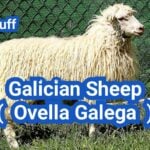
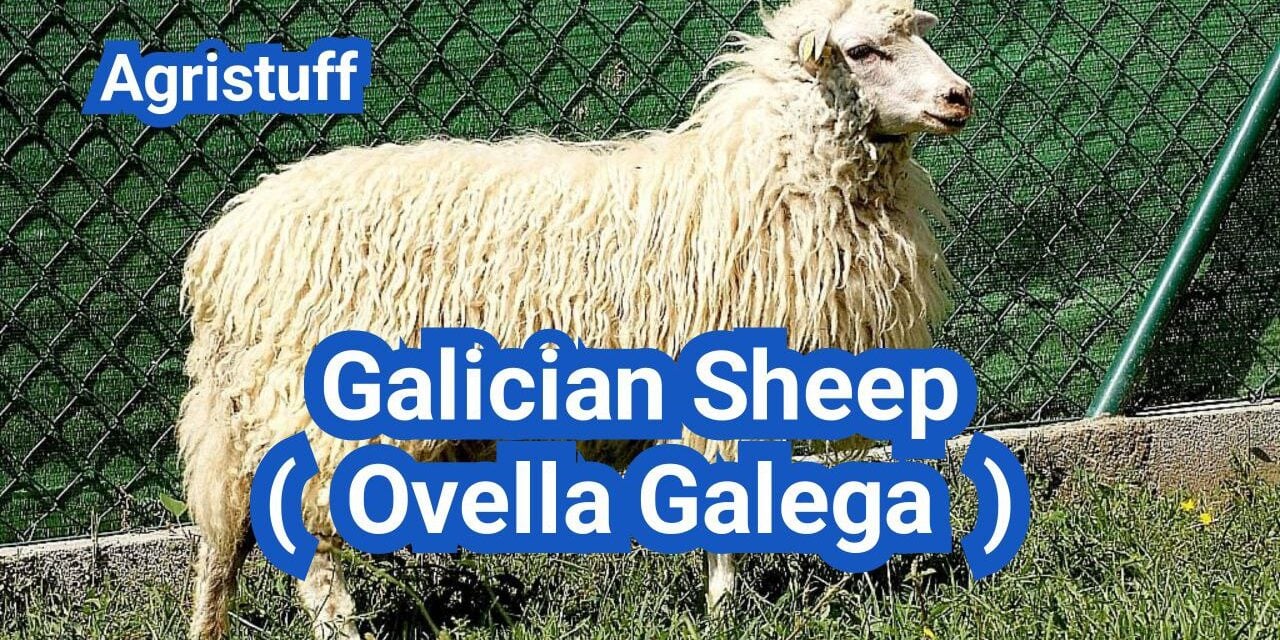
The Ovella galega, a breed of domestic sheep from Galicia, Spain, is a small, rustic breed well adapted to the region’s wet and mountainous climate.
This ancient breed has a rich history and plays a significant role in Galician culture and agriculture. Understanding the Galician Sheep is essential for appreciating its importance in the region.
Key Takeaways
- The Ovella galega is a unique breed native to Galicia, Spain.
- It is well adapted to the region’s challenging climate.
- The breed has significant cultural and agricultural importance.
- Galician Sheep are known for their hardiness and rustic nature.
- Conservation efforts are necessary to preserve this ancient breed.
Understanding the Galician Sheep Breed
Understanding the Galician Sheep breed requires delving into its history, taxonomy, and current status. This breed, known locally as Ovella Galega, has a rich cultural and agricultural significance in Galicia, a region in northern Spain.
What is the Ovella Galega?
The Ovella Galega, or Galician Sheep, is a traditional breed that has been integral to the agricultural practices and cultural heritage of Galicia. This breed is known for its hardiness and adaptability to the wet and mountainous terrain of the region. Ovella Galega is not just a livestock animal; it is a part of the identity of the Galician people.
Taxonomy and Classification
The Galician Sheep is classified under the species Ovis aries. Its taxonomy is closely related to other European sheep breeds, but it has distinct characteristics that set it apart. The breed is considered part of the group of ancestral sheep breeds found in northern Spain, known for their robustness and ability to thrive in challenging environments.
Classification of the Ovella Galega involves understanding its genetic makeup and how it relates to other sheep breeds. Studies have shown that it is closely related to other breeds from the Iberian Peninsula, sharing common ancestry.
Current Population Status
The current population status of the Galician Sheep is a concern, as it is considered an endangered breed. Efforts are being made to conserve and promote the breed due to its cultural significance and unique genetic traits. Conservation programs are crucial to maintaining the breed’s population and ensuring its survival for future generations.
According to recent data, the population of Ovella Galega has been stabilizing due to conservation efforts, but it remains a breed at risk. Continued support for conservation programs and promotion of the breed’s unique qualities are essential for its long-term survival.
History and Origin of Galician Sheep

With roots tracing back to ancient Northern Spain, the Galician Sheep is a breed steeped in history. The rugged terrain and climate of Galicia have shaped this breed into a hardy and resilient animal.
Ancient Origins in Northern Spain
The Galician Sheep has its origins in the Galicia region, where it has been raised for centuries. The breed’s development is closely tied to the region’s agricultural practices and the need for sheep that could thrive in its challenging environment.
Historically, the Galician Sheep played a crucial role in the local economy, providing wool, milk, and meat for the community. The breed’s ability to adapt to the harsh mountainous terrain made it an invaluable asset to local farmers.
Historical Importance to Galician Culture
The Galician Sheep is not just an animal breed; it’s an integral part of Galician culture and heritage. The breed has been celebrated in local folklore and has played a significant role in traditional farming practices.
“The sheep is a symbol of our land, our culture, and our way of life.”
A Galician Farmer
This deep connection between the Galician Sheep and the local culture underscores the breed’s importance beyond its agricultural utility.
Development as a Mountain Breed
The Galician Sheep has evolved as a mountain breed, with characteristics that enable it to thrive in the rugged terrain of Northern Spain. Its hardiness, agility, and robust constitution make it well-suited to the challenging conditions of its native habitat.
| Characteristic | Description |
|---|---|
| Hardiness | Ability to withstand harsh weather conditions |
| Agility | Capacity to navigate rugged terrain with ease |
| Robust Constitution | Strong health and resistance to disease |
The development of the Galician Sheep as a mountain breed is a testament to its adaptability and the careful breeding practices of local farmers over centuries.
Physical Characteristics of Galician Sheep
The Galician Sheep breed is known for its distinct physical characteristics that have been shaped by centuries of adaptation to the rugged terrain of northern Spain. These characteristics not only define their appearance but also contribute to their hardiness and ability to thrive in challenging environments.
Size and Weight
Galician Sheep are generally small in stature, a trait that has been influenced by their historical development in the mountainous regions of Galicia. They typically have a compact body, well-suited for navigating the rocky terrain of their native habitat.
Size and Weight Specifications:
| Category | Average Measurement |
|---|---|
| Height at Withers (Males) | 60-65 cm |
| Height at Withers (Females) | 55-60 cm |
| Weight (Males) | 40-50 kg |
| Weight (Females) | 30-40 kg |
Coat and Coloration
The coat of Galician Sheep is another distinctive feature, characterized by its thickness and color variation. The breed exhibits a range of colors, including various shades of brown, black, and white, often with distinctive markings.
The coloration can vary significantly among individuals, contributing to the breed’s visual diversity.
Distinctive Features
One of the most notable features of Galician Sheep is their robust build and strong legs, which are well-adapted to the rugged terrain of their native region. Their small size belies their strength and agility, making them well-suited to navigating steep slopes and rocky outcrops.
Temperament and Behavioral Traits

Galician Sheep are known for their hardiness, which is reflected in their temperament and behavior. This hardiness is a result of centuries of adaptation to the rugged and wet climate of Galicia, a region in northern Spain.
Natural Instincts and Intelligence
Galician Sheep possess strong natural instincts that enable them to thrive in challenging environments. Their intelligence allows them to navigate the mountainous terrain with ease, making them well-suited to their native habitat. The breed’s instinct to forage and adapt to available food sources is a testament to their resilience.
Key characteristics of their natural instincts include:
- Ability to forage on poor-quality pasture
- Strong herding instinct
- Alertness to predators
Social Structure
Galician Sheep are social animals that thrive in the company of other sheep. They establish a hierarchical structure within their flocks, with dominant individuals leading the way. This social structure is crucial for their well-being and helps maintain order within the group.
The social behavior of Galician Sheep is characterized by:
- Formation of close bonds within the flock
- Cooperative behavior during grazing
- Protective instincts towards younger or weaker members
Adaptability to Different Environments
One of the notable traits of Galician Sheep is their adaptability to various environments. While they are native to the wet and mountainous regions of Galicia, they can adjust to different climates and farming conditions. This adaptability makes them an attractive choice for farmers in diverse geographical locations.
| Trait | Description | Benefit |
|---|---|---|
| Hardiness | Ability to withstand harsh weather conditions | Reduced need for shelter and care |
| Intelligence | Capacity to navigate challenging terrain | Effective foraging and reduced risk of predation |
| Social Structure | Hierarchical organization within the flock | Improved flock management and reduced stress |
How to Identify Genuine Galician Sheep
Identifying genuine Galician Sheep requires a thorough understanding of their unique characteristics and breed standards. This knowledge is essential for breeders, farmers, and enthusiasts who want to ensure they are working with authentic Galician Sheep.
Key Identifying Features
Galician Sheep are known for their distinctive physical characteristics, which have been shaped by their history and environment. Some of the key features to look for include:
- Coat Color: Galician Sheep typically have a white or light brown coat, often with distinctive markings.
- Size and Weight: They are generally smaller than other breeds, with adults weighing between 70-100 pounds.
- Horn Shape: Both rams and ewes may have horns, which are typically curved and spiraled.
Differences from Similar Spanish Breeds
Galician Sheep can be confused with other Spanish breeds, such as the Latxa or the Churra. However, there are distinct differences:
| Characteristic | Galician Sheep | Latxa Sheep | Churra Sheep |
|---|---|---|---|
| Coat Color | White or light brown | Black or dark brown | White or mixed |
| Size | Smaller (70-100 lbs) | Medium (100-150 lbs) | Larger (150-200 lbs) |
| Horn Presence | Both sexes may have horns | Only rams have horns | Both sexes may have horns |
Authentication Methods for Purebreds
To ensure the authenticity of Galician Sheep, breeders and owners can use various authentication methods, including:
- Pedigree Analysis: Verifying the animal’s lineage through pedigree records.
- Physical Inspection: Examining the sheep for the characteristic features mentioned earlier.
- Genetic Testing: Conducting DNA tests to confirm the sheep’s genetic heritage.
By combining these methods, one can accurately identify genuine Galician Sheep and distinguish them from other breeds or crossbreeds.
How to Start Raising Galician Sheep

To start raising Galician Sheep, one must first understand the specific needs of this unique breed. Raising Galician Sheep requires careful planning, including setting up appropriate infrastructure and selecting high-quality breeding stock.
Initial Setup Requirements
The initial setup for raising Galician Sheep involves creating a suitable environment that caters to their needs. This includes providing adequate grazing land and ensuring that the fencing is secure to protect the flock from predators.
Galician Sheep are adapted to rugged terrains and can thrive in challenging environments. However, they still require proper shelter to protect them from extreme weather conditions.
Selecting Breeding Stock
Selecting the right breeding stock is crucial for the success of your Galician Sheep farm. It’s essential to choose animals that are healthy, genetically diverse, and true to the breed’s characteristics.
- Look for breeders who are registered with recognized breed associations.
- Ensure that the breeding stock has been tested for diseases and is free from genetic disorders.
- Consider the age, health, and temperament of the animals when making your selection.
Legal Considerations and Permits
Before starting your Galician Sheep farm, it’s crucial to understand the legal requirements and obtain the necessary permits. This may include registering your farm with local agricultural authorities and complying with animal welfare regulations.
Additionally, you may need to secure permits related to land use, especially if you’re planning to expand your operations or if your farm is located in a sensitive environmental area.
Breeding Galician Sheep: Step-by-Step Guide

Understanding the breeding cycle and lambing management is crucial for the successful breeding of Galician Sheep. Breeding these sheep requires a comprehensive approach that includes understanding the breeding season, employing effective mating techniques, managing the lambing process, and implementing genetic conservation strategies.
Breeding Season and Cycles
The breeding season for Galician Sheep typically occurs in the fall, allowing for lambing in the spring when pasture quality is optimal. Ewes are generally bred in their first year, and the breeding cycle can be influenced by factors such as nutrition and environmental conditions.
- Monitor ewes for signs of estrus to determine the optimal breeding time.
- Use rams that are genetically diverse to improve the overall health of the flock.
- Keep detailed records of breeding dates to predict lambing times accurately.
Mating Techniques
Effective mating techniques are crucial for successful breeding. Natural mating is commonly used, where rams are introduced to the ewe flock. The ratio of rams to ewes should be carefully managed to ensure that all ewes are bred.
- Select rams based on genetic merit and health status.
- Introduce rams to the ewe flock for a controlled period to manage breeding.
- Monitor the rams for signs of stress or injury during the breeding season.
Lambing Process and Management
The lambing process requires careful management to minimize losses and ensure the health of both ewes and lambs. Close monitoring during lambing is essential to provide assistance when needed.
- Provide a clean and safe environment for lambing.
- Monitor ewes closely for signs of difficulty during lambing.
- Ensure that lambs receive adequate colostrum within the first few hours of birth.
Genetic Conservation Strategies
Genetic conservation is vital for maintaining the integrity of the Galician Sheep breed. Strategies include selective breeding to preserve desirable traits and genetic diversity.
- Maintain detailed pedigree records to track genetic lineage.
- Use genetic testing to identify and breed for desirable traits.
- Participate in conservation programs to support the breed’s genetic diversity.
By following these steps and strategies, breeders can successfully manage the breeding of Galician Sheep, ensuring the health and quality of the flock while contributing to the conservation of this valuable breed.
Daily Care and Management

Effective daily care is crucial for the well-being of Galician Sheep. Proper management practices ensure the health and productivity of the flock.
Housing Requirements
Galician Sheep require housing that protects them from harsh weather conditions and predators. The shelter should be well-ventilated and dry, with adequate space for the flock to move comfortably.
Adequate shelter is essential, especially in regions with extreme weather. Fencing should be sturdy to prevent escape and predator entry.
Feeding and Nutrition Guidelines
A balanced diet is vital for the health of Galician Sheep. They are adapted to grazing on poor-quality pastures, but their nutritional needs vary with age, pregnancy, and lactation status.
Farmers should ensure access to high-quality forage and clean water. Supplements may be necessary during certain times of the year or for specific health conditions.
“The nutritional needs of sheep are complex and vary throughout their life cycle.” – Expert in Sheep Farming
Health Management Protocols
Regular health checks are crucial for early detection of diseases and parasites. Vaccination programs and parasite control measures should be implemented based on veterinary advice.
- Monitor flock health daily
- Implement vaccination schedules
- Control internal parasites
Health management is key to maintaining a productive flock. Regular monitoring helps in identifying issues early, reducing the risk of disease outbreaks.
Galician Sheep Uses in Traditional and Modern Farming

The Galician Sheep breed is renowned for its versatility in both traditional and modern farming contexts. Their adaptability and multi-purpose nature make them an invaluable asset to farmers in Galicia and beyond.
Multi-purpose Farming Applications
Galician Sheep are utilized for various products, including meat, milk, and wool. This multi-purpose nature allows farmers to diversify their income streams, making their farming operations more resilient and sustainable.
The breed’s meat is prized for its quality, and lamb is a particular delicacy in Galician cuisine. Additionally, the milk from Galician Sheep is used to produce traditional cheeses, which are highly regarded in local and regional markets.
| Farming Application | Product/Use | Market Demand |
|---|---|---|
| Meat Production | High-quality lamb and mutton | Strong demand in local and specialty markets |
| Milk Production | Traditional cheese making | Growing demand for artisanal cheeses |
| Wool Production | High-quality wool for textiles | Niche market for traditional and artisanal textiles |
Integration with Other Livestock
Galician Sheep are often integrated into farming systems alongside other livestock, such as cattle and goats. This diversification helps in maintaining ecological balance and promotes a more resilient farming ecosystem.
By grazing different types of livestock together, farmers can better manage pasture health and reduce the risk of overgrazing. This integrated approach also enhances biodiversity and can contribute to more sustainable agricultural practices.
Cultural Significance in Galicia
Beyond their economic importance, Galician Sheep hold significant cultural value in Galicia. They are an integral part of the region’s heritage, featuring in traditional festivals, folklore, and local cuisine.
The breed’s cultural significance is also reflected in the preservation of traditional farming practices and the continuation of artisanal production methods. Efforts to conserve and promote the Galician Sheep breed are, in part, driven by a desire to maintain the cultural identity of the region.
Meat Production from Galician Sheep

Meat production from Galician Sheep is a significant aspect of their breeding, with a focus on quality and sustainability. The Galician Sheep breed is known for its high-quality lamb, which is prized for its unique flavor and tender texture.
Quality Characteristics of Galician Lamb
Galician lamb is renowned for its exceptional quality, attributed to the breed’s genetic makeup and traditional rearing practices. The lamb’s meat is characterized by its fine marbling, which enhances its flavor and tenderness.
Key Quality Attributes:
- Fine marbling for enhanced flavor
- Tender texture due to slow growth rates
- Unique flavor profile influenced by local forage
Sustainable Harvesting Practices
Sustainable harvesting practices are crucial for maintaining the integrity of the Galician Sheep breed and ensuring the long-term viability of meat production. These practices include rotational grazing and careful management of flock sizes to prevent overgrazing.
Benefits of Sustainable Practices:
- Preservation of breed characteristics
- Environmental conservation through rotational grazing
- Improved meat quality due to stress reduction
Marketing Heritage Breed Meat
Marketing the meat from heritage breeds like the Galician Sheep requires highlighting its unique qualities and the sustainable practices used in its production. This can be achieved through labeling schemes that certify the meat as coming from a heritage breed.
| Marketing Strategy | Description | Benefit |
|---|---|---|
| Labeling Schemes | Certification for heritage breed meat | Increased consumer trust |
| Storytelling | Narratives about breed history and farming practices | Emotional connection with consumers |
| Quality Assurance | Guarantees of meat quality and production methods | Premium pricing |
By focusing on the quality characteristics of Galician lamb, adopting sustainable harvesting practices, and implementing effective marketing strategies, producers can capitalize on the unique attributes of this heritage breed.
Milk and Cheese Production Guide
Galician Sheep milk is renowned for its quality, making it ideal for cheese production. The unique characteristics of this milk are due to the breed’s genetic makeup and the traditional farming practices in Galicia.
Milking Techniques for Small Breeds
Milking Galician Sheep requires careful handling and specific techniques to ensure the health of the ewes and the quality of the milk. Hand milking is a common practice, allowing for gentle handling and monitoring of the animals. It’s essential to maintain cleanliness and follow proper milking procedures to prevent mastitis and other health issues.
The milking process should be carried out in a calm and quiet environment to reduce stress on the animals. Regular milking schedules help in maintaining milk quality and quantity. Ewe nutrition also plays a crucial role in milk production, with a balanced diet being essential for optimal milk yield and quality.
Traditional Galician Cheese Making | Ovella Galega
Traditional Galician cheese making is an art passed down through generations. The process involves curdling the milk, separating the curds, and aging the cheese to develop its characteristic flavor and texture. Raw milk cheeses are particularly valued for their rich flavor profiles.
The traditional method includes natural rennet for curdling, followed by a period of aging that can range from a few months to several years. The aging process is crucial for developing the cheese’s flavor and texture. Artisanal cheese making techniques are still practiced today, preserving the cultural heritage of Galician cheese production.
Commercial Opportunities | Ovella Galega
There are significant commercial opportunities in the production and sale of Galician Sheep milk and cheese. The unique qualities of the milk and the traditional cheese making methods offer a competitive edge in both local and international markets.
Producers can capitalize on the growing demand for artisanal and heritage food products. Certification programs for traditional products can help in marketing these cheeses, highlighting their origin and production methods. Exploring export markets and developing strong branding can further enhance the commercial viability of Galician Sheep milk products.
Working with Galician Sheep Wool
Galician Sheep wool is a treasured resource in the Galicia region, valued for its unique properties and versatility in various applications. The wool from these sheep has been a vital part of the local textile tradition for centuries.
Harvesting and Processing Methods | Ovella Galega
The process of harvesting and processing Galician Sheep wool involves several steps, from shearing to cleaning and sorting. Shearing is typically done once a year, during the spring when the sheep have shed their winter coats. The raw wool is then cleaned to remove dirt, oil, and other impurities, followed by sorting based on quality and color.
Shearing Techniques: Traditional hand-shearing methods are often used to ensure the quality of the wool. Modern shearing techniques may also be employed to improve efficiency.
Unique Properties of Galician Wool | Ovella Galega
Galician Sheep wool is known for its exceptional warmth, durability, and softness. The unique properties of this wool make it highly prized for textile production. It has natural crimp, which gives it excellent insulation properties, making it ideal for cold climates.
Artisanal and Commercial Applications | Ovella Galega
The wool from Galician Sheep is used in a variety of applications, ranging from artisanal crafts to commercial textile production. Artisans value the wool for its quality and use it to create traditional garments and textiles. Commercially, it is sought after for producing high-quality woolen goods.
- Artisanal crafts include knitting, weaving, and felting.
- Commercial applications include manufacturing woolen clothing, blankets, and other textiles.
The versatility of Galician Sheep wool ensures its continued demand in both traditional and modern markets.
Sustainable Farming with Galician Sheep
The integration of Galician Sheep into farming systems represents a sustainable and environmentally friendly practice. This breed is particularly well-suited for sustainable farming due to its hardiness and adaptability to challenging environments.
Agroforestry Integration Techniques | Ovella Galega
Galician Sheep can be effectively integrated into agroforestry systems, where they graze among trees. This practice not only promotes biodiversity but also enhances the overall health of the forest ecosystem. Agroforestry involves managing the land for both livestock and forestry, creating a more resilient farming system.
Role in Forest Fire Prevention | Ovella Galega
The grazing activities of Galician Sheep help to reduce underbrush and other combustible vegetation, thereby playing a crucial role in forest fire prevention. By managing fuel loads, these sheep contribute to a reduction in the risk and severity of wildfires, protecting both the environment and nearby communities.
Ecological Benefits in Wet Mountain Climates
In wet mountain climates, Galician Sheep provide several ecological benefits. Their grazing helps maintain open spaces, promoting the growth of diverse plant species. Additionally, their presence supports the local ecosystem by contributing to nutrient cycling and soil health.
Pasture Management Strategies | Ovella Galega
Effective pasture management is essential when raising Galician Sheep. Strategies include rotational grazing, which helps to maintain pasture health and prevent overgrazing. By moving the sheep to different grazing areas, farmers can ensure that the land remains productive and sustainable over the long term.
By adopting these sustainable farming practices with Galician Sheep, farmers can contribute to environmental conservation while maintaining productive agricultural systems.
Conservation Efforts and How to Participate
The conservation of Galician Sheep is a multifaceted effort involving various stakeholders. Conservation programs are essential to protect this heritage breed from extinction.
Current Conservation Programs
Several organizations and breeding associations are currently working to conserve the Galician Sheep breed. These programs focus on:
- Genetic preservation: Maintaining the genetic integrity of the breed.
- Breed promotion: Raising awareness about the importance of Galician Sheep.
- Breeding programs: Coordinating breeding efforts to ensure a healthy and diverse population.
How to Support Breed Preservation
Individuals can contribute to the conservation of Galician Sheep in several ways:
- Support conservation organizations through donations or membership.
- Purchase products from farms that raise Galician Sheep, promoting sustainable farming practices.
- Spread awareness about the breed and its conservation status.
Networking with Other Breeders
Networking with other breeders is crucial for the success of conservation efforts. By sharing knowledge and resources, breeders can:
- Improve breeding practices.
- Enhance genetic diversity.
- Promote the breed more effectively.
Conservation efforts for Galician Sheep require a collective approach. By working together, we can ensure the long-term survival of this unique breed.
Galician Sheep in the United States
The arrival of Galician Sheep in the USA has opened new avenues for sustainable farming practices. This breed, known for its hardiness and adaptability, is gaining traction among American farmers looking for robust and resilient livestock.
History of Introduction to America
The introduction of Galician Sheep to America is a relatively recent phenomenon, driven by the desire to diversify livestock and promote sustainable farming practices. Initial imports were carefully selected to ensure genetic diversity and adaptability to local conditions.
Adaptation to American Farming Conditions
Galician Sheep have shown remarkable adaptability to various American farming conditions. Their ability to thrive in different climates and terrains makes them an attractive choice for farmers across the country. Key factors contributing to their success include their hardiness, foraging ability, and resistance to certain diseases.
Finding Breeders and Stock in the USA
For those interested in raising Galician Sheep, finding reputable breeders and quality stock is crucial. Several breed associations and registries in the USA can provide information on certified breeders and available stock. Potential buyers are advised to research thoroughly and visit farms to assess the health and quality of the animals.
Success Stories from American Farms
Numerous American farms have reported success with Galician Sheep, citing their improved fertility rates, enhanced lamb survival, and superior wool quality. These success stories highlight the potential of Galician Sheep to contribute positively to diverse farming operations.
- Improved fertility rates
- Enhanced lamb survival
- Superior wool quality
- Adaptability to various climates
The growing popularity of Galician Sheep in the USA underscores their potential as a valuable addition to American agriculture, offering a blend of tradition, sustainability, and innovation.
At The End of: Galician Sheep ( Ovella Galega )
The Galician Sheep is a valuable heritage breed that has been discussed in detail throughout this article. From its history and origin to its physical characteristics, temperament, and uses, it is clear that this breed holds significant cultural and agricultural importance.
As a heritage breed, conservation efforts are crucial to preserve the unique characteristics of the Galician Sheep. The summary of the key points highlights the need for ongoing conservation to protect this breed for future generations.
Heritage breed conservation is not just about preserving a breed; it’s about maintaining the cultural heritage and traditional practices associated with it. The Galician Sheep is an integral part of Galician culture, and its conservation is essential to the region’s identity.
In conclusion, the Galician Sheep is a breed that deserves attention and conservation efforts. By understanding its significance and the importance of preserving heritage breeds, we can work towards ensuring the long-term survival of this valuable resource.
FAQ
What is the Ovella Galega?
The Ovella Galega, also known as the Galician Sheep, is a heritage breed originating from Galicia, a region in Northern Spain. It is a small, rustic sheep breed well adapted to the wet and mountainous climate of the region.
What are the characteristics of Galician Sheep wool?
Galician Sheep wool is known for its unique properties, including a coarse outer coat and a soft undercoat, making it suitable for a variety of textile applications. The wool is also highly durable and water-resistant.
How do I identify genuine Galician Sheep?
Genuine Galician Sheep can be identified by their distinctive physical characteristics, including their small size, rustic appearance, and specific coat coloration. Authentication methods include pedigree verification and DNA testing.
What are the uses of Galician Sheep in traditional farming?
Galician Sheep are used in traditional farming for their meat, milk, and wool. They are also valued for their role in maintaining ecological balance and promoting biodiversity in Galicia’s wet mountain climates.
How can I start raising Galician Sheep?
To start raising Galician Sheep, you need to ensure you have the necessary infrastructure, including suitable housing and fencing. You should also select high-quality breeding stock and comply with local regulations and permits required for sheep farming.
What are the benefits of agroforestry integration with Galician Sheep?
Agroforestry integration with Galician Sheep can help prevent forest fires by grazing under the canopy, reducing fuel loads. This practice also promotes ecological benefits, including biodiversity and soil health.
How do I conserve and preserve the Galician Sheep breed?
Conservation efforts for the Galician Sheep breed involve supporting breed preservation programs, networking with other breeders, and promoting the breed’s unique characteristics and cultural significance.
Can Galician Sheep be raised in the United States?
Yes, Galician Sheep can be raised in the United States. However, farmers need to adapt to local climate conditions and regulations. Finding breeders and stock in the USA can be challenging, but there are success stories from American farms.
What is the current population status of Galician Sheep?
The current population status of Galician Sheep is considered to be at risk due to declining numbers. Conservation efforts are underway to protect this heritage breed.
How do Galician Sheep contribute to sustainable farming practices?
Galician Sheep contribute to sustainable farming practices through their role in agroforestry, forest fire prevention, and promoting ecological balance. They are also used in traditional farming practices that maintain biodiversity.
Conclusion of: Galician Sheep ( Ovella Galega ) Breed
Introduction to Galician Sheep
Galician Sheep, known locally as Ovella Galega, are a traditional multi-purpose sheep breed that originated in the green, rainy landscapes of Galicia in north-west Spain. Galician Sheep have been shaped by centuries of small family farms that relied on them for meat, milk and wool while grazing rugged hillsides and small fields.
Today Galician Sheep are officially recognized as a distinct Spanish breed and are attracting renewed interest from farmers and conservationists who value hardy, low-input animals. For U.S. readers, Galician Sheep offer an excellent case study of how local breeds can thrive in challenging climates while supporting profitable, sustainable livestock systems. Ovella galega (Galician sheep) profile
History and origin of Galician Sheep
The history of Galician Sheep is deeply rooted in the Celtic and Roman past of Galicia, where flocks grazed common lands long before modern agriculture. Galician Sheep are considered part of the Iberian “entrefina” wool group and are linked to the ancient Ovis aries celtibericus type that spread across northern Spain. Over time, Galician Sheep were selected by local farmers for fertility, maternal ability and the capacity to use rough mountain forage, rather than for extreme milk or wool specialization.
In the Spanish official catalogue of livestock breeds, Galician Sheep are listed as a native breed from Galicia and are classified as an endangered autochthonous breed, which has triggered formal conservation and breeding programs to preserve their unique genetics. Spanish Official Catalogue of Livestock Breeds (Ovella Galega)
Geographic distribution and production systems of Galician Sheep
Historically, Galician Sheep were scattered across most of Galicia, but modern censuses show that Galician Sheep now survive mainly in smaller, scattered flocks. The highest densities of Galician Sheep are concentrated in interior and mountain areas such as Ourense and parts of Lugo and Pontevedra, where steep slopes and mixed woodland–pasture systems still dominate. On many farms, Galician Sheep graze extensively on communal lands, fallows and low-input pastures, often integrated with cattle and forestry.
Even though the total population of Galician Sheep remains modest, national statistics report that numbers have increased during recent recovery programs, with several thousand animals registered across over one hundred farms. This demonstrates that traditional extensive systems based on Galician Sheep can remain economically and ecologically viable when properly supported. Xunta de Galicia – native sheep breeds (Ovella Galega)
Physical characteristics of Galician Sheep
Galician Sheep are relatively small animals with balanced proportions and a strong, rustic appearance that fits their Atlantic environment. Adult female Galician Sheep typically weigh from about 20–40 kg depending on ecotype, while rams can reach 35–70 kg, with lowland animals being heavier than their highland counterparts.
The fleece of Galician Sheep is usually entirely white or entirely black, and the wool type is classified as “entrefina,” intermediate between fine Merino and coarse carpet wool. Rams of Galician Sheep carry impressive double-spiral horns, while ewes are usually polled or have only small rudimentary horns. The head of Galician Sheep is narrow with a straight or slightly sub-concave profile, medium horizontal ears and a lively yet manageable temperament, making the breed suitable for small farms and mixed grazing systems. Ovella Galega morphological data – MAPA
Adaptation and hardiness of Galician Sheep
One of the greatest strengths of Galician Sheep is their remarkable adaptation to Galicia’s rugged hills, variable temperatures and high rainfall. Official breed descriptions highlight that Galician Sheep are rustic, long-lived and resistant to many local diseases, traits that allow them to make excellent use of natural vegetation with minimal concentrate inputs.
Galician Sheep are also known for their high fertility, prolificacy and strong maternal instincts, which contribute to efficient lamb production under extensive conditions. These qualities mean that Galician Sheep can maintain body condition on rough forage and slopes where more demanding breeds might struggle. For farmers in regions of the United States with mild, humid climates and hilly terrain, the resilience of Galician Sheep provides a useful model for choosing or developing breeds adapted to similar conditions. Ovella Galega production systems and uses – MAPA
Milk production and dairy qualities of Galician Sheep
Although meat is the primary commercial product, Galician Sheep females produce enough milk to successfully rear frequent twins and even triplets, and their milk can also support small-scale dairy processing. Descriptions of Galician Sheep emphasize that the ewes have good milk flow relative to their small body size, with milk usually directed to lamb growth rather than to specialized cheese factories.
On traditional farms, Galician Sheep milk has often been used informally for home-made cheeses and fermented products, contributing to the diverse dairy culture of Galicia. For niche producers in the United States, the dual-purpose nature of Galician Sheep suggests a potential opportunity to craft farmstead cheeses or yogurts alongside premium lamb, although local regulations and market studies are essential before investing in dairy infrastructure. Galician sheep breed information – RoysFarm
Meat quality and carcass traits of Galician Sheep
Researchers who have evaluated Galician Sheep have found that lambs from this breed can produce carcasses with very interesting commercial characteristics. Scientific studies on Galician Sheep lambs report good dressing percentages, moderate fat cover, acceptable conformation and a high proportion of saleable cuts, even though Galician Sheep themselves are relatively small animals.
In Galicia, Galician Sheep are often finished as young “milk lambs” or light lambs, which offer tender meat with a mild flavor preferred in many Mediterranean markets. The breed’s ability to grow efficiently on natural pastures and local forages means that Galician Sheep can fit well into low-input systems that aim to sell differentiated, grass-based lamb. For U.S. direct-marketing farms, the carcass quality and story behind Galician Sheep could support premium pricing for ethically raised, heritage-breed lamb. Growth and carcass parameters of Ovella Galega lambs – SciELO
Wool and other products from Galician Sheep
While lamb and meat are the main income sources, wool from Galician Sheep is another useful product that reflects the breed’s entrefina classification. The fleece of Galician Sheep is usually of medium fineness, suitable for rustic clothing, blankets and craft yarns rather than ultra-fine textiles, and it can be attractive to hand-spinners interested in heritage fibers. Historically, every village kept a few Galician Sheep whose wool, meat and manure supported household self-sufficiency and local textile traditions.
With the decline of wool prices, the fleece of Galician Sheep has often become a secondary product, yet it still offers opportunities for value-added markets such as natural blankets, artisanal yarns or eco-insulation. For sustainable farms, integrating wool, meat and grazing services from Galician Sheep can make the whole system more resilient and diversified. Biodiversidad Ovina Iberoamericana – Ovella Galega overview
Breeding, prolificacy and conservation programs for Galician Sheep
To secure the future of Galician Sheep, Spanish authorities and breeders have implemented formal breeding and conservation plans. The breeders’ association ASOVEGA coordinates the herdbook of Galician Sheep, records pedigrees and performance, and promotes the breed among farmers who value local genetic resources. According to the official breeding program, Galician Sheep selection focuses on maintaining rusticity, fertility, prolificacy and functional conformation while avoiding the loss of genetic variability in this small population.
Spanish legislation that regulates the conservation of native livestock breeds recognizes Galician Sheep as “raza autóctona en peligro de extinción,” which allows targeted support and promotional tools such as special labeling for products derived from purebred Galician Sheep. These efforts show how structured breeding programs can help Galician Sheep remain viable and competitive without sacrificing their traditional strengths. Breeding programme for Ovella Galega – MAPA
Feeding and nutritional management of Galician Sheep
In their home region, Galician Sheep rely heavily on pastures, shrublands and crop residues, which reflects their adaptation to low-input conditions. However, like any productive sheep, Galician Sheep still require balanced nutrition, including adequate energy, protein, fiber, vitamins and minerals, to reach their genetic potential for prolific lambing and good carcass quality. For farmers in Europe or the United States, feeding Galician Sheep should be planned according to the same principles used for other breeds: good forage as the base diet, strategic supplementation for late-gestation and early-lactation ewes, and proper mineral mixes formulated for sheep.
Monitoring body condition in Galician Sheep and adjusting rations seasonally helps prevent metabolic diseases and improves lamb survival. Extension guidelines on nutrient requirements provide useful tables to adapt feeding programs for Galician Sheep at different stages of production. Nutritional requirements of sheep – MSD Veterinary Manual
Health, welfare and disease prevention in Galician Sheep
Galician Sheep are often described as hardy and resistant animals, but good health management is still essential, especially in humid climates where parasites and foot problems can thrive. Routine practices for Galician Sheep should include vaccination programs recommended by veterinarians, strategic parasite control, foot trimming and careful observation of lamb health in the first weeks of life.
Because Galician Sheep frequently lamb on pasture in extensive systems, having sheltered areas and clean lambing paddocks can dramatically improve survival and welfare. For U.S. producers who might work with Galician Sheep or similar heritage breeds, following best-practice health plans from extension services helps reduce losses and ensures high welfare standards that are increasingly important to consumers. Investing in proactive health management allows Galician Sheep to express their natural robustness and productivity. Sheep health and management – Oklahoma State University Extension
Role of Galician Sheep in sustainable and traditional farming systems
Galician Sheep play an important ecological role by grazing shrublands, heathlands and small pastures that might otherwise be abandoned and become fire hazards. In many upland areas, flocks of Galician Sheep help maintain open landscapes, recycle nutrients and support biodiversity by preventing shrub encroachment and favoring a mosaic of plant species.
Because Galician Sheep can thrive on local forages rather than imported feed, they fit well into low-input systems that minimize external inputs and greenhouse-gas emissions per unit of product. International studies on local breeds and feed resources emphasize that using indigenous livestock like Galician Sheep together with local vegetation improves long-term sustainability and resilience. For U.S. graziers and conservation organizations, the example of Galician Sheep shows how well-managed sheep flocks can combine production, landscape management and cultural heritage. FAO – Local feed resources and indigenous breeds
Economic opportunities with Galician Sheep for small and medium farms
From an economic perspective, Galician Sheep offer multiple income streams for small and medium farms, especially when their unique identity is used in marketing. In Spain, purebred Galician Sheep products can benefit from official labeling associated with native breeds, which reassures consumers about origin and production systems. Farmers can sell light lambs, heavier lambs, breeding stock, wool and even agro-tourism experiences centered on Galician Sheep and traditional shepherding.
Because Galician Sheep are efficient converters of rough forage, their cost of production can be relatively low, particularly in areas with abundant grazing. Similar strategies could be applied by farmers in the United States who specialize in heritage or grass-fed lamb, using the story and characteristics of Galician Sheep to capture premium prices and build loyal local markets. Official Spanish catalogue of livestock breeds – MAPA
Raising Galician Sheep outside Spain and relevance for the United States
At present, Galician Sheep are still largely concentrated in Galicia, and the breed is not widely available in the United States, but their characteristics are highly relevant for American producers who value hardy, low-input sheep.
Anyone considering importing Galician Sheep genetics into the U.S. must comply with strict animal-health regulations and work closely with authorities to manage disease risk. U.S. farmers can also study Galician Sheep as a benchmark when they select or cross local breeds for better adaptation to humid, hilly regions, seeking traits such as fertility, disease resistance and efficient use of rough forage. Before starting any import project involving Galician Sheep, producers should consult official guidelines on live sheep and germplasm importation and evaluate whether similar characteristics can be obtained from breeds already available domestically. USDA APHIS – importing sheep, goats and germplasm
Final thought
Galician Sheep illustrate how a regional, endangered breed can still offer modern farmers an attractive combination of productivity, resilience and cultural value. By understanding the history, characteristics, management and market potential of Galician Sheep, producers and advisers gain insight into the broader importance of conserving local livestock breeds around the world. Whether you raise sheep in Europe, the United States or elsewhere, the example of Galician Sheep highlights the benefits of matching animals to environment, emphasizing animal welfare and building stories that connect consumers with the land. Exploring breeds like Galician Sheep is therefore not only about preserving heritage, but also about designing sustainable, profitable sheep enterprises for the future. FAO Domestic Animal Diversity Information System (DAD-IS)
Sources & References
Below are selected key resources used when compiling this overview of Galician Sheep and their production potential.
- Ovella galega (Galician sheep) – Wikipedia
- Ovella Galega morphological data – Spanish Ministry of Agriculture (MAPA)
- Production systems and uses of Ovella Galega – MAPA
- Native ovine and caprine breeds in Galicia – Xunta de Galicia
- Growth and carcass parameters of Ovella Galega lambs – Archivos de Zootecnia (SciELO)
- Biodiversidad Ovina Iberoamericana – Ovella Galega section
- Galician sheep breed profile – RoysFarm
- Breeding programme for Ovella Galega – MAPA
- Nutritional requirements of sheep – MSD Veterinary Manual
- Sheep health and management – Oklahoma State University Extension
- FAO – Local feed resources and indigenous breeds
- Official Spanish catalogue of livestock breeds – MAPA
- FAO Domestic Animal Diversity Information System (DAD-IS)