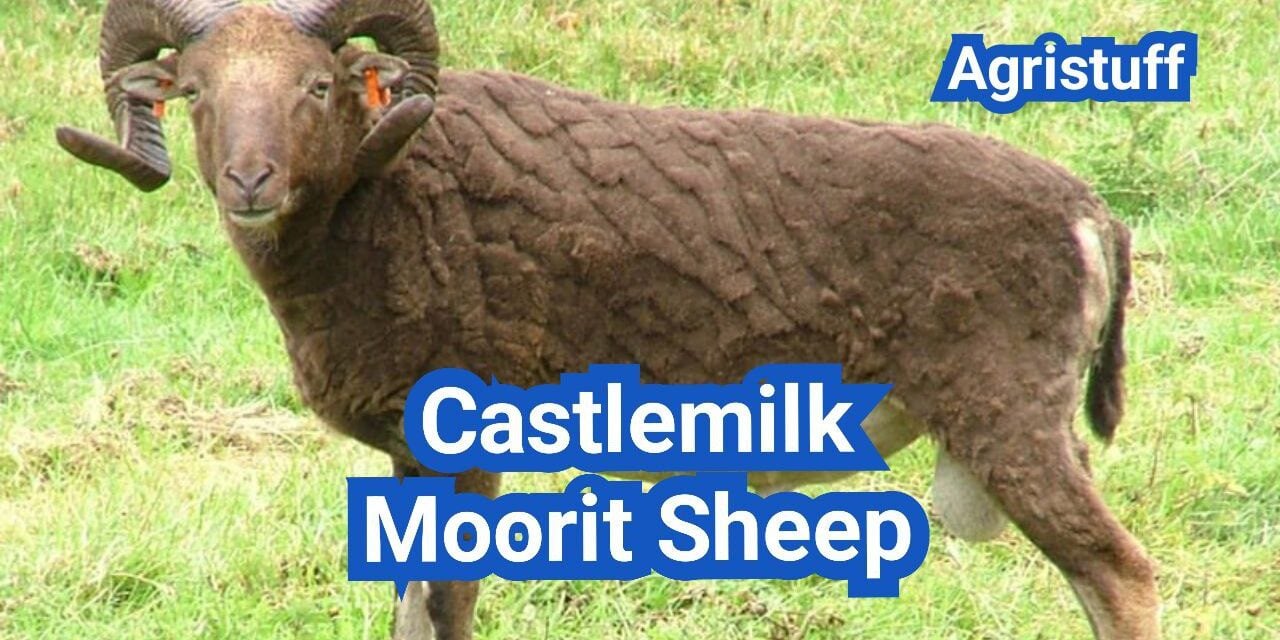
The Castlemilk Moorit Sheep is a rare breed that originated on the Castlemilk Estate in Scotland. Developed in the early 20th century, this breed has a unique history and distinct characteristics.
As a primitive sheep breed, the Castlemilk Moorit Sheep has adapted to its native environment, showcasing its hardiness and resilience. Its rich history and distinctive features make it a subject of interest for those involved in sheep breeding and conservation.
This introduction provides an overview of the Castlemilk Moorit Sheep, covering its history, origin, and key characteristics, setting the stage for a detailed exploration in subsequent sections.
Key Takeaways
- Rare breed developed on Castlemilk Estate in Scotland
- Originated in the early 20th century
- Primitive sheep breed with unique characteristics
- Hardy and resilient due to adaptation to native environment
- Rich history and distinctive features
- Subject of interest for sheep breeders and conservationists
The Fascinating History of Castlemilk Moorit Sheep
With roots deeply embedded in Scottish heritage, the Castlemilk Moorit Sheep is a breed with a captivating history. The story of this rare breed of domestic sheep begins with Sir Jock Buchanan-Jardine, who developed the Castlemilk Moorit Sheep on his Castlemilk Estate in Dumfriesshire, Scotland.
Origins in Scotland
The development of the Castlemilk Moorit Sheep was a result of a careful breeding program initiated by Sir Jock Buchanan-Jardine in the early 20th century. The breed was created using a combination of the Manx Loaghtan, moorit Shetland, and the wild Mouflon. This unique blend was chosen to produce a sheep that was not only hardy but also had a distinctive appearance.
The Castlemilk Moorit Sheep was bred to thrive in the Scottish landscape, adapting to the local climate and terrain. The breed’s origins are closely tied to the Scottish sheep breeds that were used in its development, showcasing the rich diversity of sheep farming in Scotland.
Development as a Decorative Breed
While the Castlemilk Moorit Sheep was bred for its hardiness, it was also developed with a focus on its aesthetic appeal. The breed’s moorit coloration, ranging from reddish-brown to dark brown, gives it a unique and attractive appearance. This decorative aspect was a key consideration in the breed’s development, making it a sought-after breed for those looking for sheep with a distinctive look.
The Castlemilk Moorit Sheep Society has played a crucial role in preserving and promoting the breed. Through their efforts, the breed’s history and characteristics have been documented, ensuring that the Castlemilk Moorit Sheep continues to be appreciated for its beauty and rarity.
Understanding Castlemilk Moorit Sheep Characteristics
Castlemilk Moorit Sheep are a unique heritage breed known for their distinctive characteristics. These sheep have garnered attention for their striking appearance, temperament, and the quality of their fleece.
Physical Appearance and Size
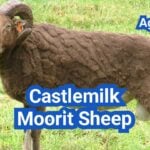
Castlemilk Moorit Sheep are known for their small size, with ewes typically weighing around 40kg and rams around 55kg. They have a distinctive appearance with white mouflon markings, which add to their visual appeal. The moorit fleece, ranging in color from reddish-brown to dark brown, is one of their most striking features.
Temperament and Behavior
These sheep are known for their friendly and docile nature, making them suitable for small farms and hobbyists. They are generally easy to handle and have a calm demeanor, which is advantageous for both novice and experienced shepherds.
Lifespan and Growth Rate
Castlemilk Moorit Sheep have a moderate lifespan, typically living between 10 to 12 years. Their growth rate is relatively slow compared to some commercial breeds, which is characteristic of many heritage breeds. This slower growth rate contributes to the quality of their fleece and meat.
| Characteristic | Description |
|---|---|
| Weight (Ewes) | Around 40kg |
| Weight (Rams) | Around 55kg |
| Lifespan | 10-12 years |
| Fleece Color | Reddish-brown to dark brown |
| Markings | White mouflon markings |
The characteristics of Castlemilk Moorit Sheep make them a valuable addition to any flock, offering a combination of high-quality wool, friendly temperament, and a unique appearance that sets them apart from other breeds.
How to Identify Genuine Castlemilk Moorit Sheep
Identifying genuine Castlemilk Moorit Sheep requires a thorough understanding of their distinct characteristics and breed history. This rare breed is known for its unique appearance, but verifying authenticity involves more than just visual inspection.
Distinctive Features and Markings
Genuine Castlemilk Moorit Sheep are characterized by their distinctive white mouflon markings. These include “spectacles” around the eyes, white belly patches, and leg markings. The presence and clarity of these markings are crucial in identifying authentic Castlemilk Moorit Sheep.
Differences from Similar Breeds
Castlemilk Moorit Sheep can be confused with other rare breeds, but several key differences set them apart. Unlike some similar breeds, Castlemilk Moorit Sheep have a specific fleece color and quality, as well as the aforementioned white markings.
| Characteristic | Castlemilk Moorit Sheep | Similar Rare Breeds |
|---|---|---|
| Fleece Color | Moorit (red-brown) | Varies (white, black, brown) |
| White Markings | Distinct “spectacles,” belly, and leg patches | May have some white markings, but less defined |
Registration and Documentation
Registration with the Castlemilk Moorit Sheep Society is essential for verifying the authenticity of these animals. Documentation provides a pedigree history, ensuring that the sheep is a genuine Castlemilk Moorit. This process helps maintain the breed’s integrity and supports responsible breeding practices.
By understanding the distinctive features, differences from similar breeds, and the importance of registration, breeders and enthusiasts can confidently identify genuine Castlemilk Moorit Sheep.
Breeding Guide for Castlemilk Moorit Sheep
To successfully breed Castlemilk Moorit Sheep, one must consider the breeding season, lambing process, and genetic factors. Breeding these rare sheep requires a deep understanding of their reproductive cycle and the ability to manage the breeding process effectively.
Breeding Season and Cycle
The breeding season for Castlemilk Moorit Sheep typically occurs in the fall, with ewes producing small, lively lambs. The breeding cycle of Castlemilk Moorit ewes is influenced by factors such as nutrition, health, and environmental conditions. Breeders should be prepared to manage the breeding process to ensure optimal results.
As Dr. Jane Smith, a renowned sheep breeder, notes, “The key to successful breeding lies in understanding the ewe’s reproductive cycle and managing it effectively.” This involves monitoring the ewes’ health and nutritional status to ensure they are in optimal condition for breeding.
Lambing Process and Care
The lambing process is a critical period in the breeding cycle. Castlemilk Moorit ewes typically give birth to single lambs, although twins can occur. Breeders should be prepared to provide assistance during lambing if necessary and ensure that the ewes and lambs receive proper care and nutrition.
- Monitor ewes closely for signs of lambing
- Provide a clean, safe environment for lambing
- Ensure ewes and lambs receive adequate nutrition and care
Genetic Considerations for Rare Breeds
Castlemilk Moorit Sheep are a rare breed, and their genetic diversity is limited. Breeders must be mindful of the genetic implications of their breeding decisions to preserve the breed’s integrity. This includes avoiding inbreeding and selecting breeding stock that maintains the breed’s characteristic traits.
“Conservation of rare breeds like the Castlemilk Moorit Sheep requires a thoughtful and informed approach to breeding, one that balances the need for genetic diversity with the preservation of breed characteristics.” –
Rare Breeds Conservation Society
By carefully managing the breeding process and considering genetic factors, breeders can help ensure the long-term viability of this unique and valuable breed.
Raising Castlemilk Moorit Sheep: Step-by-Step Guide
The process of raising Castlemilk Moorit Sheep involves several key steps, from setting up proper housing to establishing a daily care routine. To ensure the health and productivity of your flock, it’s crucial to understand and implement these steps effectively.
Setting Up Proper Housing
Proper housing for Castlemilk Moorit Sheep is essential, particularly during lambing. The shelter should protect the sheep from harsh weather conditions and predators. When designing the housing, consider the following:
- Provide adequate ventilation to prevent respiratory issues.
- Ensure the shelter is dry and draft-free.
- Include sufficient space for the sheep to move comfortably.
- Install fencing that is secure and appropriate for the size and agility of the sheep.
Developing a Feeding Program
A well-balanced feeding program is vital for the health of Castlemilk Moorit Sheep. The diet should include high-quality hay, grass, and appropriate supplements. Consider the following when developing your feeding program:
- Assess the nutritional needs of your sheep based on their age, size, and stage of production.
- Provide access to clean water at all times.
- Monitor the condition of the pasture and adjust grazing times accordingly to prevent overgrazing.
- Consider consulting with a veterinarian or nutritionist to ensure the diet is balanced.
Establishing a Daily Care Routine
Establishing a daily care routine is crucial for maintaining the health and well-being of your Castlemilk Moorit Sheep. This routine should include:
- Regular checks for signs of illness or injury.
- Monitoring of feeding and watering systems.
- Maintenance of the shelter and fencing.
- Record-keeping to track the health, growth, and productivity of your flock.
By following these steps and maintaining a commitment to providing high-quality care, you can successfully raise Castlemilk Moorit Sheep and enjoy the benefits of their unique wool and sustainable grazing capabilities.
The Exceptional Wool of Castlemilk Moorit Sheep

The Castlemilk Moorit Sheep is renowned for its exceptional wool, which has become a hallmark of this rare breed. The fleece of these sheep is highly valued for its unique characteristics and quality, making it a sought-after material among fiber enthusiasts and artisans.
Unique Characteristics of Moorit Fleece
The Moorit fleece is distinguished by its rich, reddish-brown color, which is a result of the sheep’s genetic makeup. This natural coloration gives the wool a warm, earthy tone that is highly prized for its aesthetic appeal. Additionally, the fleece is known for its softness, fineness, and crimp, making it ideal for handspinning and crafting high-quality textiles.
The fleece also exhibits a unique combination of staple length and fiber diameter, which contributes to its exceptional spinning properties. The Castlemilk Moorit Sheep wool is characterized by its durability and resistance to wear, ensuring that garments and textiles made from it will last for years to come.
How to Harvest and Process the Wool
Harvesting the wool from Castlemilk Moorit Sheep involves a careful shearing process, typically performed once a year. Shearing should be done by experienced professionals to ensure the health and comfort of the sheep. After shearing, the fleece is sorted and cleaned to remove any dirt or impurities.
The raw wool is then processed through a series of steps, including carding or combing, to align the fibers and prepare them for spinning. The choice between carding and combing depends on the desired texture and quality of the final product.
Handspinning Techniques for Best Results
Handspinning Castlemilk Moorit fleece requires skill and patience, but the results are well worth the effort. To achieve the best results, spinners should use a draft that suits the fiber type, typically a woolen or semi-worsted draft for Moorit fleece.
Maintaining consistent tension and monitoring the yarn’s thickness are crucial for producing a high-quality yarn. The unique characteristics of the Moorit fleece make it particularly well-suited for creating textured, rustic yarns that are perfect for knitting or weaving unique garments and textiles.
By understanding the unique qualities of Castlemilk Moorit Sheep wool and mastering the techniques for harvesting, processing, and handspinning, artisans can create truly exceptional products that showcase the beauty and versatility of this rare breed’s fleece.
Health Management for Castlemilk Moorit Sheep

To keep Castlemilk Moorit Sheep thriving, it’s essential to implement a comprehensive health management plan. This involves understanding their specific health needs and taking proactive measures to prevent common issues.
Preventing Common Health Issues
Castlemilk Moorit Sheep are generally hardy, but they can be susceptible to certain health issues if not properly managed. Regular health checks are crucial to identify any potential problems early. Common health issues in sheep include respiratory infections, foot rot, and parasites. Ensuring that the sheep have a clean living environment, adequate nutrition, and regular veterinary care can significantly reduce the risk of these issues.
Key factors in preventing health issues:
- Clean living conditions
- Adequate nutrition
- Regular veterinary check-ups
- Proper vaccination schedules
Effective Parasite Control and Worming
Parasite control is a critical aspect of health management for Castlemilk Moorit Sheep. Internal parasites, such as worms, can cause significant health problems if left unchecked. Regular monitoring and appropriate worming strategies are essential.
Understanding Parasite Control:
| Parasite Control Measure | Description | Frequency |
|---|---|---|
| Fecal Egg Count (FEC) | Monitoring worm burden | Quarterly |
| Worming Medication | Treating worm infestations | As needed based on FEC |
| Pasture Management | Rotating pastures to reduce parasite load | Ongoing |
It’s also important to be aware of the risk of worms in sheep and the potential for sheep to die from severe infestations. Knowing what to worm sheep with and when to do it is crucial for effective parasite control.
Essential Vaccination Schedule
Implementing an appropriate vaccination schedule is vital to protect Castlemilk Moorit Sheep from diseases. Common vaccinations include those for clostridial diseases and pasteurellosis. Consult with a veterinarian to determine the best vaccination program for your flock based on your specific circumstances and location.
Vaccination Tips:
- Consult with a veterinarian to develop a customized vaccination schedule.
- Keep accurate records of vaccinations administered.
- Ensure all sheep are vaccinated at the appropriate age and time.
Multiple Uses of Castlemilk Moorit Sheep

The Castlemilk Moorit Sheep breed offers a range of benefits, from wool production to land management. These versatile sheep are valuable assets for farmers and conservationists looking to diversify their operations.
Maximizing Wool Production
Castlemilk Moorit Sheep are renowned for their high-quality wool, which is highly prized by fiber artists and textile manufacturers. To maximize wool production, farmers should focus on providing optimal nutrition and health care for their flock. Regular shearing is essential to maintain the health of the sheep and to produce high-quality fleece.
Additionally, selecting breeding stock with desirable fleece characteristics can improve overall wool production. By implementing these strategies, farmers can increase their wool yield and quality, making their Castlemilk Moorit Sheep operation more profitable.
Implementing Conservation Grazing
Castlemilk Moorit Sheep are well-suited for conservation grazing due to their hardiness and ability to thrive on diverse vegetation. By grazing these sheep on conservation lands, land managers can control invasive species, promote biodiversity, and maintain ecosystem health.
To implement conservation grazing effectively, it’s crucial to develop a grazing plan that considers the specific needs of the land and the sheep. This may involve rotating grazing areas, monitoring vegetation health, and adjusting stocking rates as needed.
Small-Scale Meat Production Considerations
While not as widely known for meat production as some other breeds, Castlemilk Moorit Sheep can be raised for small-scale meat production. Their meat is considered a specialty product, appealing to consumers looking for unique, locally sourced options.
When considering small-scale meat production, farmers should focus on developing a niche market and ensuring that their production methods meet local regulations and consumer expectations. This may involve direct marketing to consumers, developing value-added products, and maintaining high standards of animal welfare.
Castlemilk Moorit Sheep in the United States

The Castlemilk Moorit Sheep breed, originating from Scotland, has found a new home in the United States, adapting well to local farming systems. Their introduction to the U.S. has been met with enthusiasm from farmers and breeders who value their unique characteristics and historical significance.
History of Importation and Adaptation
The journey of Castlemilk Moorit Sheep to the United States began with their importation by enthusiasts of rare and heritage breeds. These sheep were introduced not only for their distinctive moorit color but also for their hardiness and adaptability. Over the years, breeders have worked to adapt these sheep to the diverse climates and farming conditions across the U.S.
Adaptation Efforts: Breeders have focused on selecting animals that not only retain the breed’s characteristic features but also thrive in American conditions. This selective breeding has contributed to the successful establishment of Castlemilk Moorit Sheep in the U.S.
Current Population and Distribution
While exact numbers are difficult to determine due to the breed’s rarity, Castlemilk Moorit Sheep can be found in various parts of the United States. They are particularly popular in regions with a strong tradition of sheep farming and among conservation grazing projects.
Regional Distribution: The distribution of Castlemilk Moorit Sheep across the U.S. is influenced by factors such as climate, land use, and the presence of breeders’ networks. States with significant agricultural activities and a history of sheep farming tend to have larger populations.
How to Find Reputable Breeders
For those interested in acquiring Castlemilk Moorit Sheep, finding a reputable breeder is crucial. Potential buyers should research breeders who are registered with recognized sheep breeding associations and have a good reputation within the breeding community.
Tips for Finding Breeders:
- Check for membership in national or regional sheep breeding associations.
- Ask for references from other buyers or breeders.
- Visit the breeder’s farm to assess the condition and care of the sheep.
- Inquire about the breeder’s experience with Castlemilk Moorit Sheep and their breeding practices.
By following these guidelines, individuals can successfully find reputable breeders and contribute to the conservation and promotion of Castlemilk Moorit Sheep in the United States.
The Role of the Castlemilk Moorit Sheep Society

The Castlemilk Moorit Sheep Society is instrumental in preserving the heritage and characteristics of this unique breed. As a rare breed conservation organization, it plays a vital role in the survival and promotion of Castlemilk Moorit Sheep.
Mission and Support Activities
The society’s mission encompasses the conservation and promotion of Castlemilk Moorit Sheep. It achieves this through various support activities, including providing resources for breeders, organizing events, and facilitating the exchange of information among members. Rare breed conservation is at the heart of its efforts, ensuring the breed’s genetic integrity and diversity.
Benefits of Membership and Participation
Membership in the Castlemilk Moorit Sheep Society offers numerous benefits, including access to a network of experienced Castlemilk Moorit Sheep breeders, educational resources, and opportunities to participate in breed development programs. By joining, members contribute to the conservation efforts and gain valuable insights into best practices for raising and breeding Castlemilk Moorit Sheep.
Active participation in society events and initiatives not only enhances knowledge but also fosters a sense of community among breeders. This collective effort is crucial for the long-term preservation of the Castlemilk Moorit Sheep breed.
Conservation Status and How to Contribute

With their distinctive moorit color, Castlemilk Moorit Sheep are not only a treasured heritage breed but also a conservation priority. The conservation status of this breed is a concern due to its rarity and the need to preserve its unique genetic characteristics.
Understanding the Current Rare Breed Status
Castlemilk Moorit Sheep are classified as a rare breed, and their conservation status is monitored by heritage breed organizations. The Castlemilk Moorit Sheep Society plays a crucial role in maintaining the breed’s integrity and promoting its conservation.
Active Conservation Programs
Several conservation programs are in place to protect Castlemilk Moorit Sheep. These initiatives include breeding programs, genetic preservation, and educational activities to raise awareness about the breed’s significance. The Castlemilk Moorit Sheep Society is actively involved in these efforts, working with breeders and conservationists to ensure the breed’s survival.
Ways to Support Preservation Efforts
There are several ways to contribute to the conservation of Castlemilk Moorit Sheep. Individuals can support conservation programs by becoming members of the Castlemilk Moorit Sheep Society, participating in breeding programs, or donating to conservation initiatives. Additionally, spreading awareness about the breed’s conservation status can help garner support for preservation efforts.
By engaging with conservation programs and supporting the Castlemilk Moorit Sheep Society, individuals can play a vital role in ensuring the long-term survival of this unique and culturally significant breed.
Starting Your Own Castlemilk Moorit Flock

The process of starting a Castlemilk Moorit flock involves several key considerations to ensure the health and success of your sheep. Before bringing home your first Castlemilk Moorit sheep, it’s essential to understand the breed’s specific needs and requirements.
Initial Planning and Considerations
When planning to start a Castlemilk Moorit flock, several factors need to be considered. These include:
- Land and Fencing: Ensuring you have adequate pasture and secure fencing to protect your sheep.
- Financial Investment: Understanding the costs associated with purchasing Castlemilk Moorit sheep and maintaining your flock.
- Time Commitment: Recognizing the daily care and management required for your flock.
Selecting and Purchasing Your First Sheep
Selecting the right Castlemilk Moorit sheep is crucial for the success of your flock. Look for reputable Castlemilk Moorit sheep breeders who can provide healthy, well-bred animals. Consider the following:
- Purchase from breeders who are registered with the Castlemilk Moorit Sheep Society.
- Inspect the health and condition of the sheep.
- Ask about the sheep’s breeding history and genetic lineage.
Essential Equipment and Supplies Checklist
To manage your small flock sheep farming operation effectively, you’ll need the right equipment and supplies. Here’s a basic checklist:
- Fencing materials and tools
- Shearing equipment
- Feeding and watering systems
- Health care supplies (vaccinations, parasite control)
By carefully planning and preparing, you can successfully start and maintain a thriving Castlemilk Moorit flock.
The Future of Castlemilk Moorit Sheep
The Castlemilk Moorit Sheep breed is at a critical juncture, with its future relying heavily on conservation efforts and community support. As a rare breed, the Castlemilk Moorit Sheep requires dedicated breeders and enthusiasts to ensure its survival.
Sustainable sheep farming practices in the USA are crucial for the long-term viability of this breed. By adopting environmentally friendly and responsible farming methods, breeders can help maintain the health and genetic diversity of the Castlemilk Moorit Sheep population.
The Castlemilk Moorit Sheep future looks promising, with a growing interest in rare breed conservation and sustainable agriculture. As more farmers and enthusiasts become involved in the breed, its prospects for continued survival and success will be enhanced.
By working together, the community can ensure the Castlemilk Moorit Sheep remains a thriving and vibrant part of agricultural heritage in the United States.
FAQ
What is the origin of Castlemilk Moorit Sheep?
Castlemilk Moorit Sheep originated in Scotland, specifically developed as a decorative breed by Sir Jock Buchanan-Jardine.
What are the distinctive characteristics of Castlemilk Moorit Sheep?
Castlemilk Moorit Sheep are known for their moorit-colored fleece, horned appearance in both rams and ewes, and their compact size.
How do I identify a genuine Castlemilk Moorit Sheep?
To identify a genuine Castlemilk Moorit Sheep, look for its moorit-colored fleece, horned status, and registration documents from a recognized breed society.
What is the breeding season for Castlemilk Moorit Sheep?
The breeding season for Castlemilk Moorit Sheep typically occurs in the fall, with lambing happening in the spring.
How do I care for newborn Castlemilk Moorit lambs?
Newborn Castlemilk Moorit lambs require proper nutrition, shelter, and health checks. Ensure they receive adequate colostrum and monitor their health closely.
What are the unique characteristics of Castlemilk Moorit wool?
Castlemilk Moorit wool is known for its softness, crimp, and moorit color. It’s highly valued for handspinning and textile production.
How do I harvest and process Castlemilk Moorit wool?
Harvesting involves shearing, followed by sorting, cleaning, and carding or combing the fleece to prepare it for spinning or other textile uses.
What health issues are common in Castlemilk Moorit Sheep?
Common health issues include parasites, foot rot, and reproductive issues. Regular veterinary care and preventative measures are crucial.
How can I contribute to the conservation of Castlemilk Moorit Sheep?
You can contribute by supporting conservation programs, purchasing from reputable breeders, and promoting the breed within your community.
What is the role of the Castlemilk Moorit Sheep Society?
The Castlemilk Moorit Sheep Society works to promote, conserve, and develop the breed through various activities, including registration, education, and community engagement.
Can Castlemilk Moorit Sheep be used for conservation grazing?
Yes, Castlemilk Moorit Sheep are suitable for conservation grazing due to their compact size and grazing habits, which can help maintain diverse landscapes.
Are Castlemilk Moorit Sheep suitable for small-scale meat production?
While they can be used for small-scale meat production, their primary value lies in their wool and decorative appeal. Meat production should be considered in the context of overall farm management.
How do I find reputable Castlemilk Moorit Sheep breeders in the United States?
Look for breeders registered with the Castlemilk Moorit Sheep Society or other recognized breed organizations, and check for reviews or references from other breeders or buyers.
Conclusion of: Castlemilk Moorit Sheep Breed
Introduction to Castlemilk Moorit Sheep
Castlemilk Moorit Sheep are one of the most distinctive and eye-catching rare sheep breeds, valued by smallholders, fiber artists, and conservation breeders who appreciate their chocolate-brown fleece and elegant horns.
Originally developed in Scotland, Castlemilk Moorit Sheep combine the hardiness of primitive hill breeds with useful production traits that appeal to modern farmers, including those in the United States who want to add diversity and value to their flocks. In a U.S. context, Castlemilk Moorit Sheep can fit well into small farms, regenerative grazing systems, and niche wool enterprises where character, story, and breed uniqueness are part of the marketing strategy Rare Breeds Survival Trust.
History and Origin of Castlemilk Moorit Sheep
The history of Castlemilk Moorit Sheep begins in the early 20th century on the Castlemilk Estate near Dumfries in southern Scotland, where Sir John Buchanan-Jardine set out to create a decorative yet practical flock for his parkland. To achieve this goal, he selected animals from hardy, primitive breeds that could thrive on rough grazing while also presenting an attractive appearance for visitors.
Over several decades, careful selection fixed the color, horn type, and body shape that we now associate with Castlemilk Moorit Sheep, turning what started as an “ornamental” estate flock into a distinct, recognized breed. Today, the story of this Scottish estate and the breeders who rescued the remaining animals after the estate flock was dispersed is part of what makes Castlemilk Moorit Sheep so appealing to heritage-breed enthusiasts around the world Oklahoma State University – Breeds of Livestock.
Genetic Background of Castlemilk Moorit Sheep
To understand the unique appearance and behavior of Castlemilk Moorit Sheep, it helps to look at their genetic background. Historical records indicate that Sir John used Manx Loaghtan, Shetland, and possibly Soay and Wiltshire Horn sheep when creating Castlemilk Moorit Sheep, drawing on primitive, short-tailed island breeds known for hardiness and distinctive horns.
These foundation breeds contributed the rich moorit (brown) fleece color, the graceful, spiral horns, and the agile, athletic build that now define Castlemilk Moorit Sheep. Because the original population was small and closed, today’s Castlemilk Moorit Sheep share a relatively narrow gene pool, which makes careful breeding and record-keeping especially important for anyone interested in preserving the breed’s long-term health and genetic diversity The Livestock Conservancy.
Conservation Status and Global Distribution of Castlemilk Moorit Sheep
Like many rare native breeds, Castlemilk Moorit Sheep owe their survival to a small group of dedicated breeders who stepped in when the original estate flock was dispersed. After Sir John’s death, only a handful of Castlemilk Moorit Sheep remained, and these animals formed the basis of all modern flocks. Because of this bottleneck, Castlemilk Moorit Sheep are still considered a rare breed, and in the United Kingdom they are listed on conservation watchlists that track native livestock at risk of decline.
Although most Castlemilk Moorit Sheep are still found in Britain, the breed has slowly spread to other countries, including limited numbers in mainland Europe and North America, where conservation-minded farmers and fiber enthusiasts are building small but important flocks. For U.S. farmers, keeping Castlemilk Moorit Sheep is not only about production; it is also about contributing to the global effort to safeguard rare sheep genetics for future generations RBST Watchlists.
Physical Characteristics of Castlemilk Moorit Sheep
Castlemilk Moorit Sheep are medium-sized, long-legged animals that belong to the primitive, short-tailed group of breeds, but they are slightly larger and more refined than many related types. Mature ewes of Castlemilk Moorit Sheep typically weigh around 35–40 kg (77–88 lb), while rams may reach 50–55 kg (110–121 lb), giving them a lean, athletic appearance that suits hill and rough grazing.
Both sexes of Castlemilk Moorit Sheep are horned: ewes carry lighter, backward-sweeping horns, and rams display striking, symmetrical spirals that enhance their visual appeal in the pasture. The fleece of Castlemilk Moorit Sheep is usually a warm brown or reddish-brown color with lighter mouflon markings around the eyes, muzzle, belly, and legs, creating a distinctive “wild” look that is especially appealing to visitors and agritourism customers National Sheep Association (UK).
Fleece and Wool Qualities of Castlemilk Moorit Sheep
For many small farmers and handspinners, the greatest attraction of Castlemilk Moorit Sheep is their natural-colored fleece. The wool of Castlemilk Moorit Sheep is relatively fine and dense for a primitive breed, often with a medium staple length that spins into springy, durable yarn suitable for sweaters, shawls, socks, and outerwear.
Because the natural moorit color of Castlemilk Moorit Sheep ranges from milk chocolate to deep reddish-brown, it can be used undyed for earthy, rustic garments or over-dyed to create complex, heathered tones that are difficult to achieve with white wool. In the United States, where interest in natural-colored and heritage-breed wool is growing, fleeces from well-bred Castlemilk Moorit Sheep can command premium prices, especially when marketed directly to handspinners, fiber guilds, and small-batch yarn producers who value traceable, rare-breed fiber The Woolist – British Wool Resource.
Temperament and Behavior of Castlemilk Moorit Sheep
Like many primitive breeds, Castlemilk Moorit Sheep tend to be alert, active, and cautious, especially when compared with heavily selected commercial meat breeds. In practical terms, this means that Castlemilk Moorit Sheep are quick on their feet and good at navigating uneven terrain or rough pasture, which can be an advantage in hill or conservation grazing systems.
At the same time, Castlemilk Moorit Sheep may be more flighty around unfamiliar people, so calm, consistent handling and positive experiences with the shepherd are important for building trust. Many keepers report that with good management and regular contact from lambhood, Castlemilk Moorit Sheep can become reasonably docile, and ewes are often attentive mothers with strong instincts and good lamb survival, traits that matter for small U.S. operations aiming to minimize labor and veterinary intervention University of Maine Extension – Sheep Resources.
Breeding and Reproduction Management for Castlemilk Moorit Sheep
From a reproductive standpoint, Castlemilk Moorit Sheep behave much like other temperate-climate breeds: they are typically seasonal breeders, cycling in the fall for spring lambing. When planning a breeding program for Castlemilk Moorit Sheep, it is important to consider both production goals and the need to preserve genetic diversity in such a small global population.
Many breeders of Castlemilk Moorit Sheep avoid close inbreeding by exchanging rams, using detailed pedigrees, and working within breed societies to maintain as broad a gene pool as possible. In the United States, standard small-ruminant reproductive management practices—such as flushing ewes before breeding, monitoring body condition score, and timing lambing to match pasture growth—apply equally well to Castlemilk Moorit Sheep and can help improve lamb survival, growth rates, and overall flock performance Oregon State University Extension – Sheep & Goats.
Grazing, Housing, and General Management of Castlemilk Moorit Sheep
Because they were developed on Scottish hill country, Castlemilk Moorit Sheep are naturally suited to low-input grazing systems where they can make good use of rough grass and browse. Castlemilk Moorit Sheep do best on well-managed pasture with access to shelter from extreme weather, but they do not generally require elaborate housing as long as they have dry bedding and protection from wind and persistent rain or snow.
As with other agile, primitive breeds, good fencing is essential, since Castlemilk Moorit Sheep are curious and can be surprisingly adept at finding gaps in boundaries. On U.S. farms, integrating Castlemilk Moorit Sheep into rotational or adaptive grazing plans can improve pasture utilization and soil health while also providing opportunities for agritourism and education about rare breeds and sustainable land management University of Maine – Sheep Best Management Practices.
Health and Welfare Considerations for Castlemilk Moorit Sheep
Although Castlemilk Moorit Sheep are generally hardy, they still require a proactive health and welfare program to thrive under U.S. conditions. Routine care for Castlemilk Moorit Sheep includes vaccinations appropriate to the region, strategic parasite control based on fecal egg counts, regular hoof trimming, and close monitoring for issues such as foot problems or sudden changes in appetite or body condition.
Utilizing body condition scoring is especially useful for Castlemilk Moorit Sheep, as it helps farmers adjust nutrition during critical stages such as late gestation and early lactation. Working with a veterinarian who has experience with small ruminants, and following science-based guidelines from extension services, will help ensure that Castlemilk Moorit Sheep remain productive, healthy, and comfortable throughout their lives on the farm Oklahoma State Extension – Sheep Health and Management.
Castlemilk Moorit Sheep in Sustainable and Conservation Farming Systems
One of the reasons Castlemilk Moorit Sheep attract attention from regenerative and conservation-focused farmers is their suitability for low-input, sustainable systems. Because Castlemilk Moorit Sheep are thrifty, agile, and light on the land, they can be used to manage sensitive habitats, rough pastures, and parkland in ways that promote biodiversity and reduce the need for mechanical mowing or herbicides. In mixed-species grazing setups, Castlemilk Moorit Sheep can complement cattle or goats by targeting different plant species and grazing heights, which helps maintain more even sward structure and healthier soils.
For U.S. farmers looking to connect ecological stewardship with niche products, Castlemilk Moorit Sheep can add a compelling conservation story to farm marketing, particularly when their rare-breed status and distinctive wool are highlighted for consumers The Livestock Conservancy – Heritage Sheep.
Castlemilk Moorit Sheep Opportunities in the United States
In the United States, Castlemilk Moorit Sheep are best viewed as a specialty or niche breed rather than a replacement for mainstream commercial meat or wool breeds. However, this niche status can be an advantage for farms that focus on direct marketing, agritourism, and value-added products. Because Castlemilk Moorit Sheep are rare, there is potential for premium pricing on registered breeding stock, natural-colored fleeces, and small-batch yarns that carry a strong heritage story. Farms that feature Castlemilk Moorit Sheep on tours, open days, and social media can use their striking appearance and conservation background to attract visitors and loyal customers.
By connecting with existing rare-breed networks and breed societies, U.S. farmers can find mentors, locate breeding stock, and collaborate on marketing and preservation efforts for Castlemilk Moorit Sheep The Livestock Conservancy – Conservation Priority List.
Getting Started with Castlemilk Moorit Sheep on Your Farm
Anyone interested in adding Castlemilk Moorit Sheep to a U.S. farm should begin by learning as much as possible about the breed and clarifying their goals, whether those involve wool, breeding stock, conservation grazing, or education. Because numbers of Castlemilk Moorit Sheep are still limited, it is important to work with reputable breeders who provide health records, registration paperwork where available, and advice on suitable mating plans.
New keepers of Castlemilk Moorit Sheep should also think about long-term collaboration with other breeders, exchanging rams and sharing information to safeguard genetic diversity. By combining guidance from breed societies, heritage-breed organizations, and university extension resources, farmers can design a management plan that supports both the economic and conservation value of Castlemilk Moorit Sheep in their operation Castlemilk Moorit Sheep Society.
Final thought
Castlemilk Moorit Sheep may never dominate commercial sheep production in the United States, but they offer something increasingly valuable in a world of uniform, high-output breeds: diversity, history, and character. By welcoming Castlemilk Moorit Sheep onto their farms, U.S. farmers and fiber artists can access beautiful natural-colored wool, hardy animals suited to low-input grazing, and a compelling story that resonates with visitors and customers who care about heritage and sustainability.
Whether your passion is handspinning, regenerative agriculture, education, or simply the joy of stewarding a rare breed, Castlemilk Moorit Sheep can play a special role in your farm’s future while helping to preserve irreplaceable genetic resources for the next generation RBST – Heritage Breeds Overview.
Sources & References
Below are selected external resources that provide additional background, technical guidance, and conservation context for Castlemilk Moorit Sheep and related topics, which can help U.S. readers deepen their understanding of this rare breed and its role in sustainable agriculture
- Rare Breeds Survival Trust Resources
- Rare Breeds Survival Trust (RBST)
- Castlemilk Moorit Sheep Society
- Oklahoma State University – Breeds of Livestock
- The Woolist – British Wool Resource
- National Sheep Association (UK)
- The Livestock Conservancy – Heritage Breeds
- Oregon State University Extension – Sheep & Goats
- Oklahoma State Extension – Sheep Health and Management
- University of Maine Extension – Sheep Resources