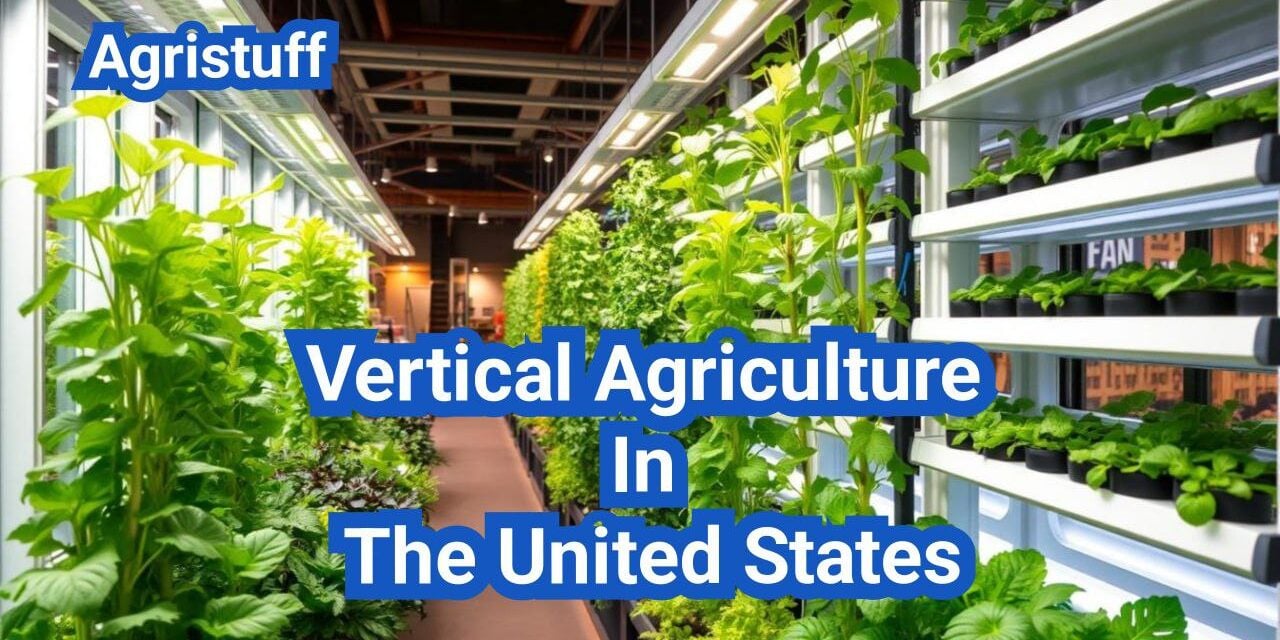
Vertical farming is revolutionizing the way crops are grown in the United States. By using hydroponics or aeroponics instead of soil, crops are cultivated indoors in vertically stacked layers.
This method of sustainable agriculture is gaining importance in the country’s agricultural landscape due to its potential to increase crop yields while minimizing land use and environmental impact.
Despite its benefits, indoor farming faces challenges such as high initial investment costs and energy consumption.
Key Takeaways
- Indoor farming methods like hydroponics and aeroponics are used in vertical farming.
- Vertical Agriculture In The United States offers a sustainable way to increase crop yields.
- High initial costs and energy consumption are significant challenges.
- Sustainable agriculture practices are being adopted in the United States.
- Vertical farming minimizes land use and environmental impact.
The Current State of Vertical Agriculture in America

The current state of vertical farming in America reflects a mix of challenges and opportunities. As the industry continues to evolve, it’s crucial to understand its current landscape and future potential.
Addressing Food Security Challenges
Vertical farming is playing an increasingly important role in addressing food security challenges across the United States. By providing a consistent and reliable source of fresh produce, vertical farms help meet the demands of a growing population. Some key benefits include:
- Increased crop yields per square foot
- Year-round production capabilities
- Reduced reliance on arable land and weather conditions
Growth Trends in the US Vertical Farming Market
The US vertical farming market is experiencing significant growth, driven by advancements in technology and increasing demand for sustainable produce. Key industry statistics and projections highlight the sector’s potential.
Key Industry Statistics and Projections
Recent reports indicate that the US vertical farming market is expected to grow at a CAGR of over 20% in the next five years. This growth is driven by:
- Increased investment in agricultural technology
- Growing consumer demand for locally sourced produce
- Government initiatives supporting sustainable agriculture
Regional Adoption Patterns
Regional adoption of vertical farming varies across the US, with urban areas like New York and California leading the way. These regions are leveraging vertical farming to address food deserts and promote local food systems.
Understanding Vertical Agriculture In The United States

In the United States, vertical farming is becoming an increasingly vital component of sustainable agriculture. This method of farming involves growing crops in vertically stacked layers, often in an indoor environment, to maximize space.
Definition and Core Principles
Vertical farming is defined by its use of vertical layers to grow crops, often incorporating hydroponic or aeroponic systems. The core principles include maximizing land use efficiency, reducing water consumption, and creating controlled environments that enhance crop yields.
Comparing Vertical Farming to Traditional Agriculture
When comparing vertical farming to traditional agriculture, several key advantages become apparent.
Land Use Efficiency
Vertical farming allows for significantly higher crop yields per square foot compared to traditional farming methods. By stacking layers of crops, vertical farms can produce more food on a smaller footprint, making them ideal for urban areas.
Water Conservation Benefits
Vertical farms often use recirculating hydroponic systems, which can reduce water usage by up to 90% compared to traditional farming. This is particularly beneficial in regions where water is scarce.
Climate Resilience Advantages
By controlling the environment, vertical farms can shield crops from extreme weather conditions, such as droughts or floods, thereby enhancing climate resilience. This controlled environment also reduces the need for pesticides and herbicides.
Overall, vertical agriculture offers a promising solution to the challenges faced by traditional farming, including land degradation, water scarcity, and climate change.
Key Benefits of Implementing Vertical Farming
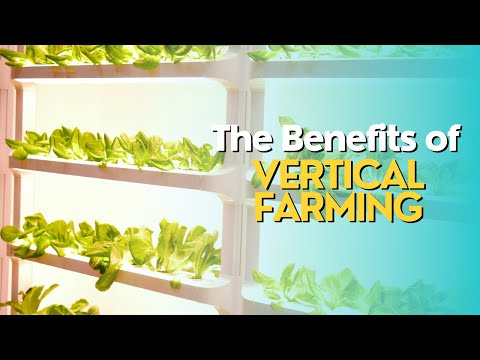
Vertical farming is revolutionizing the way we grow crops, offering numerous benefits over traditional agricultural methods. By adopting this innovative approach, farmers and consumers can enjoy several advantages that make it an attractive option for the future of agriculture.
Resource Optimization and Sustainability
One of the primary benefits of vertical farming is its ability to optimize resource use. By using hydroponic or aeroponic systems, vertical farms can significantly reduce water consumption compared to traditional farming methods. Additionally, these systems allow for precise control over nutrient delivery, reducing waste and ensuring that plants receive exactly what they need.
Year-Round Production Capabilities
Vertical farming enables year-round production, regardless of the season or external weather conditions. This is achieved through controlled environment agriculture (CEA) techniques, where temperature, humidity, and light are carefully managed to create optimal growing conditions. As a result, vertical farms can produce crops continuously, providing a consistent supply to meet consumer demand.
Reduced Transportation Needs and Carbon Footprint
By locating vertical farms in urban areas or near population centers, the need for transportation is significantly reduced. This not only decreases the carbon footprint associated with transporting produce but also helps to ensure that the produce is fresher when it reaches consumers.
Pesticide-Free Growing Environments
Vertical farms often operate in pesticide-free environments, reducing the risk of chemical contamination and producing healthier crops. This is particularly beneficial for consumers who are increasingly seeking out organic and sustainably grown produce.
In conclusion, the benefits of vertical farming are multifaceted, ranging from resource optimization and year-round production to reduced transportation needs and pesticide-free environments. As the world continues to urbanize and the demand for sustainable food production grows, vertical farming is poised to play a significant role in meeting these challenges.
Essential Components for Building a Vertical Farm

Building a successful vertical farm requires a comprehensive understanding of its essential components. These elements work together to create an optimal growing environment, ensuring maximum yield and sustainability.
Structural Requirements and Space Planning
The structural integrity of a vertical farm is paramount. It involves deciding between indoor facilities and converted warehouses.
Indoor vs. Converted Warehouse Options
Indoor facilities offer controlled environments from the outset, while converted warehouses provide existing infrastructure that can be repurposed.
Modular System Considerations
Modular systems allow for flexibility and scalability, enabling farmers to expand or modify their operations as needed.
Lighting Systems Selection and Setup
Lighting is a critical component, with LED grow lights being a popular choice due to their energy efficiency and customizable spectrum.
Climate Control and Environmental Management
Effective climate control ensures optimal growing conditions. This includes managing temperature, humidity, and air circulation.
| Component | Description | Importance |
|---|---|---|
| Structural Integrity | Foundation and framework of the vertical farm | High |
| Lighting Systems | Provides necessary light spectrum for plant growth | High |
| Climate Control | Manages temperature, humidity, and air quality | High |
By focusing on these essential components, vertical farmers can create a highly productive and sustainable operation.
Selecting the Optimal Growing System

To maximize yields, vertical farmers must select the most appropriate growing system. The choice of growing system is critical in determining the efficiency, productivity, and sustainability of a vertical farm.
Hydroponic System Implementation
Hydroponic systems are a popular choice for vertical farming due to their water efficiency and ability to control nutrient delivery precisely. Within hydroponics, there are several methods to consider.
NFT (Nutrient Film Technique) Systems
NFT systems involve a continuous flow of nutrient-rich solution over the roots of plants. This method is highly efficient in terms of water usage and can support a high density of plants.
Deep Water Culture Systems
Deep Water Culture (DWC) systems suspend plant roots in a nutrient-rich solution, providing ample oxygen and nutrients. DWC is known for its simplicity and effectiveness for certain crops.
| System | Water Usage | Nutrient Delivery |
|---|---|---|
| NFT | Low | Continuous |
| DWC | Moderate | Constant |
Aeroponic System Setup
Aeroponic systems take hydroponics a step further by suspending roots in the air and misting them with a nutrient solution. This method can be highly water-efficient and promotes healthy root growth.
“Aeroponics has the potential to revolutionize the way we grow crops, offering a highly efficient and sustainable method for vertical farming.” – Expert in Vertical Farming
Aquaponic Integration Strategies
Aquaponics integrates hydroponics with aquaculture, creating a symbiotic system where fish or other aquatic animals provide nutrients to plants. This closed-loop system can enhance biodiversity and reduce waste.
When selecting a growing system, it’s essential to consider factors such as crop selection, water availability, and energy efficiency. By choosing the optimal growing system, vertical farmers can significantly improve their operation’s productivity and sustainability.
Crop Selection for Maximum Profitability
Crop selection plays a pivotal role in determining the profitability of vertical farming ventures. The right choice of crops can significantly enhance revenue, while a poor selection can lead to financial losses.
High-Value Crops Suited for Vertical Systems
Vertical farming is particularly well-suited for growing high-value crops that have a short growth cycle and high market demand. These crops can be broadly categorized into leafy greens, microgreens, herbs, and specialty crops.
Leafy Greens and Microgreens
Leafy greens such as lettuce, kale, and spinach are popular choices for vertical farming due to their fast growth rates and high nutritional value. Microgreens, which are harvested within 1-3 weeks of germination, are also gaining popularity for their intense flavors and high market prices.
Herbs and Specialty Crops | Vertical Agriculture In The United States
Herbs like basil, cilantro, and parsley are in high demand and can be grown efficiently in vertical systems. Specialty crops, including edible flowers and microgreens, offer additional revenue streams for vertical farmers.
Growth Cycle and Harvest Planning
Understanding the growth cycle of different crops is essential for effective harvest planning. By staggering planting dates, vertical farmers can ensure a continuous supply of fresh produce to meet market demands.
Market Analysis for Crop Selection
Conducting thorough market analysis is crucial for identifying profitable crops. Factors such as market trends, consumer preferences, and competitor activity should be considered when selecting crops for vertical farming.
| Crop | Growth Cycle (Days) | Market Price ($/lb) |
|---|---|---|
| Lettuce | 30-40 | 3-5 |
| Microgreens | 7-14 | 10-15 |
| Basil | 20-30 | 5-7 |
By carefully selecting high-value crops and planning harvests according to market demands, vertical farmers can maximize their profitability.
Step-by-Step Guide to Setting Up Your Vertical Farm

Creating a thriving vertical farm begins with a thorough site assessment and preparation. This initial step is crucial for ensuring the long-term success and sustainability of your operation.
Site Assessment and Preparation | Vertical Agriculture In The United States
Before installing your vertical farm, it’s essential to assess the site’s suitability. This involves evaluating the available space, environmental conditions, and necessary infrastructure.
Power and Water Requirements | Vertical Agriculture In The United States
Two critical factors to consider during site assessment are power and water availability. Your vertical farm will require a reliable source of electricity to power lighting, climate control, and other systems. Similarly, access to a sufficient water supply is necessary for irrigation and other operational needs.
Structural Modifications | Vertical Agriculture In The United States
Depending on the existing infrastructure, you may need to make structural modifications to accommodate your vertical farm. This could include reinforcing the building, installing additional support structures, or modifying the layout to optimize space usage.
System Installation Walkthrough
The installation of your vertical farming system is a complex process that requires careful planning and execution. This involves setting up the growing structures, lighting systems, climate control mechanisms, and irrigation systems.
Initial Planting and Operation Procedures | Vertical Agriculture In The United States
Once the system is installed, you can begin the initial planting process. This involves selecting the right crops, preparing the growing medium, and transplanting the seedlings into the vertical farm system.
Seeding and Transplanting Techniques | Vertical Agriculture In The United States
Proper seeding and transplanting techniques are crucial for ensuring the health and productivity of your crops. This includes using the right seeding density, handling seedlings carefully during transplanting, and monitoring their progress.
System Calibration and Testing | Vertical Agriculture In The United States
After the initial planting, it’s essential to calibrate and test your vertical farm system to ensure it’s functioning optimally. This involves adjusting the lighting, temperature, and irrigation settings to meet the specific needs of your crops.
By following these steps and ensuring that each component of your vertical farm is properly set up and functioning, you can create a highly productive and sustainable agricultural operation.
Advanced Growing Techniques for Maximum Yield

Maximizing yield in vertical farming requires a deep understanding of advanced growing techniques. By optimizing growing conditions and leveraging cutting-edge technologies, farmers can significantly enhance productivity and crop quality.
Nutrient Solution Management | Vertical Agriculture In The United States
Effective nutrient solution management is critical for the success of vertical farming. This involves formulation and monitoring of nutrient solutions to ensure optimal nutrient delivery to crops.
Formulation and Monitoring | Vertical Agriculture In The United States
The formulation of nutrient solutions must be tailored to the specific needs of the crops being grown. Regular monitoring of nutrient levels, pH, and EC is essential to make adjustments as needed.
pH and EC Adjustment Methods | Vertical Agriculture In The United States
Adjusting pH and EC levels is crucial for maintaining optimal growing conditions. Techniques such as using pH controllers and EC meters help in making precise adjustments.
Light Spectrum Optimization by Growth Stage
Light spectrum optimization is another key factor in maximizing yield. Different growth stages require specific light spectra to promote healthy growth and development.
- Seedlings: Blue light promotes leaf growth.
- Flowering: Red light encourages flowering and fruiting.
Vertical Space Utilization Strategies | Vertical Agriculture In The United States
Efficient use of vertical space is vital for maximizing yield per square foot. Strategies include using multi-tiered growing systems and optimizing the layout to minimize shading.
By implementing these advanced growing techniques, vertical farmers can achieve higher yields and improve the overall efficiency of their operations.
Technology Integration for Automated Operations

The integration of technology in vertical farming is revolutionizing the way crops are grown and managed. By leveraging advanced technologies, vertical farms can optimize crop yields, reduce operational costs, and improve overall efficiency.
Automation and Robotics Applications | Vertical Agriculture In The United States
Automation plays a crucial role in streamlining vertical farming operations. Robotics and automated systems can be used for tasks such as planting, pruning, and harvesting, reducing labor costs and improving precision. For instance, automated systems can be programmed to monitor and adjust growing conditions in real-time, ensuring optimal crop growth.
IoT Monitoring and Control Systems | Vertical Agriculture In The United States
IoT monitoring systems enable farmers to track and control various parameters such as temperature, humidity, and light levels in real-time. This is achieved through the use of sensors that provide data on the growing conditions.
Sensor Types and Placement
Different types of sensors, including temperature, humidity, and CO2 sensors, are used to monitor the growing environment. Strategic placement of these sensors ensures accurate data collection and effective monitoring.
Remote Management Capabilities | Vertical Agriculture In The United States
IoT systems also enable remote management of vertical farms, allowing farmers to monitor and adjust conditions from anywhere. This feature is particularly useful for large-scale operations or for farmers who need to monitor multiple locations.
Data Analytics for Crop Performance Optimization
Data analytics plays a vital role in optimizing crop performance in vertical farming. By analyzing data collected from IoT sensors and other sources, farmers can gain insights into crop health, growth rates, and other key metrics. This information can be used to make data-driven decisions, optimize growing conditions, and improve overall crop yields.
By integrating technology into their operations, vertical farmers can create a more efficient, productive, and sustainable farming system.
Troubleshooting and Maintenance Procedures

Effective troubleshooting and maintenance are crucial for the success of vertical farming operations. Regular maintenance and troubleshooting ensure that the system operates at optimal levels, reducing the risk of crop failure and increasing overall yield.
Common System Failures and Solutions | Vertical Agriculture In The United States
Vertical farming systems can be prone to several common issues, including equipment failure, nutrient deficiencies, and climate control problems. For instance, a malfunctioning irrigation system can lead to under or overwatering, affecting crop health. Regular checks and maintenance can help prevent such issues.
- Monitor equipment regularly for signs of wear and tear.
- Implement a routine maintenance schedule for all system components.
- Keep a log of any issues and their resolutions for future reference.
Pest and Disease Management in Controlled Environments
Managing pests and diseases is critical in vertical farming. Integrated Pest Management (IPM) strategies can be highly effective. These include introducing beneficial insects, using organic pesticides, and maintaining a clean growing environment.
“The key to successful pest management is early detection and intervention.”
Preventative Maintenance Schedules
A well-planned maintenance schedule is essential for the longevity and efficiency of a vertical farm. This includes daily, weekly, and monthly tasks.
Daily Monitoring Tasks | Vertical Agriculture In The United States
- Check temperature, humidity, and light levels.
- Inspect crops for signs of stress or disease.
- Verify that all equipment is functioning correctly.
Weekly and Monthly Maintenance | Vertical Agriculture In The United States
Weekly tasks may include cleaning filters and checking nutrient levels, while monthly tasks could involve more thorough system checks and calibration of equipment.
| Task | Frequency |
|---|---|
| Check and clean filters | Weekly |
| Inspect and calibrate equipment | Monthly |
By following these guidelines and maintaining a proactive approach to troubleshooting and maintenance, vertical farmers can minimize risks and maximize their crop yields.
Financial Planning for Vertical Agriculture Ventures

Effective financial planning is the backbone of any successful vertical agriculture venture, enabling farmers to manage resources efficiently. Financial planning encompasses various aspects, including initial investment, operational costs, and strategies for achieving profitability.
Initial Investment Requirements
Starting a vertical farm requires a significant initial investment. This includes costs associated with infrastructure development, such as building or renovating facilities, and acquiring necessary equipment like LED grow lights and climate control systems.
- Infrastructure development
- Equipment acquisition
- Initial inventory and supplies
Operational Cost Breakdown | Vertical Agriculture In The United States
Operational costs are ongoing expenses that can significantly impact the profitability of a vertical farm. These costs include energy consumption, labor, and maintenance.
Energy Consumption Management
Energy costs, primarily from lighting and climate control, are a major component of operational expenses. Implementing energy-efficient technologies can help mitigate these costs.
Labor and Automation Balance | Vertical Agriculture In The United States
Balancing labor costs with automation can optimize operational efficiency. While automation can reduce labor costs, it requires significant upfront investment.
ROI Timelines and Profitability Factors | Vertical Agriculture In The United States
Understanding ROI timelines is crucial for investors and farmers alike. Factors influencing profitability include crop selection, market demand, and operational efficiency.
Funding and Grant Opportunities in the US
Various funding and grant opportunities are available for vertical agriculture ventures in the US, including government programs and private investments.
- USDA grants for sustainable agriculture
- Private investment funds
- State-specific agricultural grants
Navigating Regulations for US Vertical Farms

Understanding the regulatory landscape is crucial for the success of vertical farms in the US. Vertical farming operations must comply with a myriad of regulations at the federal, state, and local levels.
Federal and State Compliance Requirements | Vertical Agriculture In The United States
Vertical farms must adhere to federal regulations, including those related to food safety and environmental protection. At the state level, regulations can vary significantly, with some states offering more supportive environments for vertical farming than others.
Organic and Other Certification Pathways | Vertical Agriculture In The United States
For vertical farms aiming to enter the organic market, understanding and complying with the USDA’s National Organic Program (NOP) standards is essential. Other certifications, such as those related to sustainability or non-GMO, may also be relevant depending on the target market.
Zoning and Land Use Considerations | Vertical Agriculture In The United States
Zoning laws and land use regulations can significantly impact where and how vertical farms can operate, particularly in urban areas.
Urban Agriculture Ordinances | Vertical Agriculture In The United States
Many cities are developing specific ordinances to govern urban agriculture, including vertical farming. These ordinances can cover aspects such as zoning, water usage, and building codes.
Building Code Compliance | Vertical Agriculture In The United States
Vertical farms, especially those in repurposed buildings, must comply with local building codes, which can include requirements for structural integrity, fire safety, and energy efficiency.
| Regulation Type | Description | Impact on Vertical Farms |
|---|---|---|
| Federal Regulations | Food safety and environmental protection | Must comply with FDA and EPA standards |
| State Regulations | Varying state laws on agriculture and business | Must research and comply with state-specific regulations |
| Local Zoning Laws | Laws governing land use and business operation | Must ensure compliance to avoid legal issues |
As stated by Vertical Farming World, “The regulatory landscape for vertical farming is evolving rapidly, and staying informed is key to avoiding compliance issues.”
Success Stories: Leading Vertical Farms Across America
Across the United States, pioneering vertical farms are setting new standards for sustainable agriculture. These innovative operations are not only increasing crop yields but also reducing environmental impact.
Urban Vertical Farm Case Studies
Urban areas are witnessing a surge in vertical farming, with companies like AeroFarms and Plenty leading the way.
AeroFarms (Newark, NJ) | Vertical Agriculture In The United States
AeroFarms has revolutionized urban agriculture with its cutting-edge indoor farming techniques. By utilizing aeroponics, they achieve higher yields while minimizing water usage.
“We’re not just growing crops, we’re growing a more sustainable future.”
AeroFarms CEO, David Rosenberg
Plenty (San Francisco, CA) | Vertical Agriculture In The United States
Plenty is another trailblazer in the vertical farming industry, leveraging advanced technology to optimize crop production in urban environments.
Rural Implementation Examples | Vertical Agriculture In The United States
While urban vertical farming garners significant attention, rural areas are also benefiting from this innovative approach to agriculture.
| Farm Name | Location | Crop Specialization |
|---|---|---|
| Green Thumb Farms | Rural Ohio | Leafy Greens |
| Sunny Meadows | Rural California | Herbs and Microgreens |
Innovative Business Models in the Industry
The success of vertical farms is not just about the technology; it’s also about innovative business models that ensure sustainability and profitability.
Some farms are adopting subscription-based models, while others are focusing on direct-to-consumer sales through online platforms.
Future Directions for American Vertical Agriculture
Emerging trends and technologies are set to transform the vertical agriculture landscape in the United States. As the industry continues to grow, it’s essential to explore the future directions that will shape the sector.
Emerging Technologies and Research | Vertical Agriculture In The United States
The integration of artificial intelligence and machine learning is expected to play a significant role in optimizing crop yields and reducing operational costs. Research in these areas is ongoing, with promising results.
Expanding Crop Varieties and Applications
Vertical farming is not limited to leafy greens; it’s expanding to include a wide range of crops, from strawberries to medicinal herbs. This diversification will open up new markets and revenue streams.
Integration with Sustainable Urban Development
Vertical farms are being integrated into urban planning, providing fresh produce to local communities while minimizing environmental impact. This approach supports sustainable urban development and enhances food security.
Climate Change Adaptation Potential
By providing a controlled environment, vertical agriculture can help mitigate the effects of climate change on crop production. This resilience is crucial for ensuring food security in the face of environmental uncertainty.
The future of vertical agriculture in America looks promising, with emerging technologies and sustainable practices driving growth and innovation.
At The End of: Vertical Agriculture In The United States
Vertical agriculture is revolutionizing the way we produce food, offering a promising solution for a sustainable future. By leveraging cutting-edge technology and innovative farming practices, vertical agriculture addresses pressing food security challenges while minimizing environmental impact.
The benefits of vertical agriculture are multifaceted, from optimizing resource use and reducing transportation needs to providing pesticide-free growing environments. As the industry continues to grow, emerging technologies and research will further enhance its potential.
With its ability to thrive in urban and rural settings, vertical agriculture is poised to play a critical role in shaping the future of American agriculture. By adopting sustainable practices and embracing innovation, we can create a more resilient food system that benefits both people and the planet.
As we move forward, it is essential to continue exploring new opportunities and overcoming challenges in vertical agriculture. By doing so, we can unlock its full potential and create a more sustainable future for generations to come.
FAQ
What is vertical agriculture?
Vertical agriculture, also known as vertical farming, is a method of growing crops in vertically stacked layers, often in an indoor or controlled environment. This approach maximizes land use efficiency and can be used to produce a wide variety of crops, including leafy greens, herbs, and strawberries.
What are the benefits of vertical farming?
The benefits of vertical farming include increased crop yields, reduced water usage, and improved land use efficiency. It also allows for year-round production, reduced transportation needs, and pesticide-free growing environments.
What types of crops are best suited for vertical farming?
Crops that are well-suited for vertical farming include high-value crops such as leafy greens, herbs, and microgreens. These crops are often in high demand and can be grown quickly and efficiently in a controlled environment.
How do I choose the right growing system for my vertical farm?
The choice of growing system will depend on the specific needs of your crops and your farm’s resources. Hydroponic, aeroponic, and aquaponic systems are all popular options, and the best choice will depend on factors such as crop selection, water usage, and nutrient requirements.
What are the initial investment requirements for starting a vertical farm?
The initial investment required to start a vertical farm can vary widely, depending on the size and complexity of the operation. Costs can include land acquisition or leasing, infrastructure development, equipment, and initial operational expenses.
How do I navigate regulations for vertical farms in the US?
Regulations for vertical farms in the US can vary by state and locality, and may include compliance requirements, certification pathways, and zoning considerations. It’s essential to research and understand the specific regulations that apply to your operation.
What are some common challenges faced by vertical farmers?
Common challenges faced by vertical farmers include managing climate control, optimizing growing systems, and maintaining crop health. Regular maintenance and monitoring can help mitigate these challenges.
How can technology integration improve vertical farming operations?
Technology integration, such as automation, IoT monitoring, and data analytics, can improve operational efficiency, reduce costs, and enhance crop yields. These technologies can help optimize growing conditions, detect issues early, and streamline decision-making.
What is the future of vertical agriculture in America?
The future of vertical agriculture in America is expected to involve emerging technologies, expanding crop varieties, and integration with sustainable urban development. As the industry continues to evolve, we can expect to see new innovations and applications for vertical farming.
Conclusion of: Vertical Agriculture In The United States
Vertical Agriculture In The United States: a fast-growing new layer of farming
Vertical Agriculture In The United States refers to growing crops in vertically stacked layers inside controlled indoor spaces—think warehouses, shipping containers, or multistory greenhouses—where light, temperature, humidity, and nutrients are managed with precision. Instead of depending on seasons and outdoor weather, vertical farms create an optimized environment that produces food consistently all year.
This approach is gaining traction across the country because it tackles several U.S. challenges at once: climate volatility, pressure on fertile land near cities, and a consumer shift toward fresh, local produce. For many Americans, the appeal is simple—greens or herbs harvested hours before reaching a store shelf taste better and last longer. For growers, the appeal is efficiency and predictability. In short, Vertical Agriculture In The United States is emerging as a practical solution to produce more food in less space while reducing exposure to drought, floods, or pests. USDA overview of vertical farming
Why Vertical Agriculture In The United States is expanding now
Vertical Agriculture In The United States has moved from “future idea” to mainstream investment because the timing is right. U.S. cities keep growing, and most people now live far from farms that supply their produce. At the same time, extreme heat, water shortages in the West, hurricanes in the Southeast, and unpredictable growing seasons are making field production riskier and more expensive. Indoor vertical farms remove a lot of that risk by locking in stable conditions.
There’s also a supply-chain logic: after recent disruptions, grocery buyers want dependable local sources that can deliver weekly with consistent quality. Add to that rising demand for pesticide-free greens and herbs, and you get a market where indoor farming can compete—even if it doesn’t replace outdoor agriculture. Policy and research momentum around controlled-environment agriculture are helping push the sector forward across multiple states. CRS explainer on Controlled Environment Agriculture
How Vertical Agriculture In The United States actually works
At its core, Vertical Agriculture In The United States is a form of controlled environment agriculture (CEA). Plants grow on shelves or towers, often in long rows of trays stacked several levels high. Instead of sunlight, crops receive carefully tuned LED light. Instead of soil, roots sit in water or air while receiving a steady flow of nutrients.
Sensors measure everything: air temperature, humidity, CO₂ levels, pH, conductivity, and plant growth rates. Software then adjusts lighting, irrigation cycles, and airflow in real time, keeping crops in an ideal zone for photosynthesis. This high level of control allows growers to schedule predictable harvests, reduce spoilage, and respond quickly if conditions drift. It’s farming that looks more like a data-driven factory—only the product is fresh food. Cornell CEA basics
Soilless systems that power Vertical Agriculture In The United States
Most Vertical Agriculture In The United States facilities use soilless growing methods because they’re cleaner, more precise, and easier to scale indoors. Hydroponics is the most common approach: roots sit in circulating water enriched with measured mineral nutrients. Aeroponics takes it a step further by suspending roots in air and misting them with nutrients, improving oxygen exposure and sometimes boosting growth speed.
Aquaponics combines fish tanks with hydroponic beds so fish waste becomes plant fertilizer, creating a closed biological loop. All three systems minimize soil-borne disease, allow extremely accurate nutrient delivery, and reduce water waste through recirculation. For an industry built around consistency and automation, these techniques fit perfectly. USDA National Agricultural Library: Hydroponics
LED lighting and plant “recipes” in Vertical Agriculture In The United States
Lighting is the heartbeat of Vertical Agriculture In The United States. Modern LED systems let growers customize light intensity, duration, and spectrum like a “plant recipe.” Blue light can encourage compact leafy growth; red light supports flowering and rapid biomass accumulation; far-red can influence spacing and maturation.
By shifting recipes across growth stages, vertical farms can maximize yield while controlling taste, texture, and nutrient density. The best facilities also use dimming schedules and targeted lighting zones to save energy without sacrificing quality. Because light is a major cost, constant experimentation with recipes is one of the main ways U.S. vertical farms improve profitability over time. Cornell research on LED lighting in CEA
Top crops grown through Vertical Agriculture In The United States
Right now, Vertical Agriculture In The United States is strongest in leafy greens and herbs—romaine, butterhead lettuce, spinach, arugula, kale, basil, mint, cilantro, and specialty salad mixes. These crops grow quickly, stay compact, and respond well to indoor lighting. They also have high value per pound, which helps offset indoor operating costs. Some U.S. farms are moving into strawberries because demand is huge and freshness matters, but fruiting crops require more light and space per plant.
Tomatoes, peppers, cucumbers, mushrooms, and even dwarf grains are being tested, yet widespread adoption will depend on matching crop biology with indoor economics. For now, the vertical-farm aisle in America is all about ultra-fresh greens and herbs. Plenty’s U.S. crop portfolio
Yield and land-use advantages of Vertical Agriculture In The United States
A major reason Vertical Agriculture In The United States matters is how much food it can produce per square foot. Because crops are stacked upward, a single warehouse can equal several acres of field output for the same crop. Indoor cycles are faster too: plants aren’t slowed by cold nights or heat stress, so harvest frequency increases. In many cases, a vertical farm can grow ten or more crop cycles per year versus two or three outdoors.
This doesn’t mean vertical farming will feed the nation alone, but for certain crops—especially greens—it creates a powerful new supply layer that doesn’t require more farmland. In a country where urban land keeps expanding, producing food vertically is a practical way to protect rural acreage for crops that truly need it. USDA ERS analysis of CEA productivity
Water savings and pesticide reduction in Vertical Agriculture In The United States
Vertical Agriculture In The United States is widely praised for water efficiency. Recirculating hydroponic or aeroponic systems use only what plants absorb, cutting losses to evaporation and runoff. Compared with field lettuce, many vertical farms use a fraction of the water per pound of produce. The closed environment also reduces pests dramatically, so chemical pesticides are rarely needed. Instead, farms rely on sanitation, physical barriers, and sometimes biological controls. For U.S. consumers who care about residue-free vegetables, this is a big selling point. For regions battling drought—like California, Arizona, and Nevada—water efficiency is more than a bonus; it’s a survival advantage. USDA urban & innovative agriculture resources
Climate resilience and year-round supply in Vertical Agriculture In The United States
Because indoor farms don’t depend on weather, Vertical Agriculture In The United States offers resilience that outdoor farms can’t always guarantee. Heat waves, late frosts, wildfire smoke, and hurricane seasons can ruin harvests, but vertical farms keep producing. This stability helps grocery chains and food-service companies lock in predictable supply contracts. It also reduces price spikes caused by regional crop failures. In colder states, vertical farms can supply local greens in winter without trucking produce from thousands of miles away. As climate volatility grows across the U.S., year-round indoor production is turning into a strategic buffer for the national food system. NREL report on CEA resilience pathways
Local supply chains and fresher produce from Vertical Agriculture In The United States
Shorter supply chains are another big win for Vertical Agriculture In The United States. Since facilities are often placed near metro areas, produce travels fewer miles, spends less time in cold storage, and reaches consumers with higher freshness. That translates to longer shelf life, fewer losses, and better flavor. Many U.S. vertical farms harvest the same day they ship, which is why retailers can market their products as “locally grown, year-round.” This model also reduces transport emissions and congestion associated with long-haul refrigerated trucking. For perishable produce, proximity is a competitive edge that vertical farms are uniquely positioned to deliver. FreshPlaza coverage on U.S. vertical farming supply chains
Automation, robotics, and AI in Vertical Agriculture In The United States
Technology is what makes Vertical Agriculture In The United States scalable. Advanced facilities use automation for seeding, transplanting, nutrient dosing, and harvesting. Computer vision systems track plant color, size, and growth uniformity, catching issues early. AI models analyze sensor data to refine lighting recipes, irrigation schedules, and airflow for higher yield per kilowatt-hour. Some U.S. farms already use robotic arms to move trays or pick greens, reducing repetitive labor demands. This matters because labor costs are high in America, and vertical farms can’t be profitable long-term without high efficiency. The more autonomous these farms become, the closer they get to stable margins. Technology trends in vertical farming
Energy reality: the toughest challenge for Vertical Agriculture In The United States
Even with all the upsides, energy remains the biggest obstacle for Vertical Agriculture In The United States. LEDs and climate control systems consume significant electricity, and in some cases energy costs determine whether a facility survives. Research consistently shows that indoor produce can carry a higher energy footprint than field-grown crops unless facilities are optimized and tied to cleaner power sources. That’s why U.S. operators focus heavily on efficiency upgrades: better insulation, heat recovery, lower-watt LEDs, and smarter HVAC strategies. Some farms pair with solar, wind, or off-peak power agreements to stabilize costs. The future of vertical farming in America depends on mastering energy efficiency as much as plant biology. Peer-reviewed study on vertical farm energy efficiency
Economics and the “right size” business model in Vertical Agriculture In The United States
Vertical Agriculture In The United States has experienced both hype and hard lessons. A decade ago, startups raised large funding rounds to build massive facilities quickly. Some succeeded; others struggled when operating costs, especially energy and labor, outpaced revenue. The industry is now shifting toward more disciplined scaling—building farms in manageable modules, focusing on high-margin crops, and proving unit economics before expansion. Retail partnerships, subscription models, and premium branding help, but efficiency is still the foundation. Profitability is most achievable where local demand is strong, energy pricing is favorable, and automation is mature. That pragmatic direction is making U.S. vertical farming more durable. U.S. vertical farming market outlook
Major U.S. players shaping Vertical Agriculture In The United States
The landscape of Vertical Agriculture In The United States includes companies such as AeroFarms, Gotham Greens, BrightFarms, Iron Ox, Freight Farms, Bowery Farming, Plenty, and a rising tier of regional specialists. Their models vary: some operate giant warehouses supplying national retailers, while others sell modular container farms to restaurants or institutions. The shakeout of underperforming startups has made remaining players more focused on efficiency, crop selection, and energy strategy rather than growth for growth’s sake. For buyers, this maturity phase is good news—more reliable suppliers, clearer standards, and more stable pricing. Leading vertical farming companies in the U.S.
Policy, grants, and research support for Vertical Agriculture In The United States
Public research support is a strong tailwind for Vertical Agriculture In The United States. USDA, national labs, and land-grant universities fund studies on LED optimization, nutrient recycling, automation, crop breeding for indoor systems, and sustainable facility design. Federal urban agriculture programs also help indoor growers access training and grants, especially in underserved communities. This R&D pipeline matters because vertical farming is still evolving—new crop varieties, better lighting efficiency, and lower-energy HVAC designs can shift the economics dramatically. With government support tied to food security and climate-smart agriculture, U.S. vertical farming has a growing institutional foundation. USDA Urban Agriculture & Innovative Production
Food safety and compliance in Vertical Agriculture In The United States
Food safety is a major advantage of Vertical Agriculture In The United States, but it still requires strict protocols. Indoor farms reduce many outdoor risks—contaminated runoff, wildlife intrusion, soil pathogens—yet recirculating water systems and enclosed spaces can amplify problems if sanitation slips. Facilities follow FSMA Produce Safety Rule requirements, including water quality management, worker hygiene, cleaning schedules, and traceability. Many U.S. farms adopt third-party certifications to reassure retailers and consumers. As the sector grows, standardized indoor-farming safety frameworks are becoming central to market trust. FDA FSMA Produce Safety Rule
Environmental footprint beyond energy in Vertical Agriculture In The United States
When evaluating Vertical Agriculture In The United States, it’s important to look beyond electricity alone. Indoor farms can reduce fertilizer runoff, avoid soil erosion, and lower pesticide pollution. They also minimize food waste by delivering fresher produce with longer shelf life. Packaging and building materials can add footprint, but many operators now choose recyclable packaging and retrofit existing warehouses rather than building from scratch. As cleaner grids spread across states and renewable integration improves, the environmental balance of vertical farms continues to shift in a positive direction—especially for crops traditionally trucked long distances. EPA view on reducing food waste impacts
What’s next for Vertical Agriculture In The United States
The next phase of Vertical Agriculture In The United States will be about smarter integration and crop expansion. Expect more hybrid farms that combine vertical racks with greenhouse daylighting to cut power use. Efficiency gains in LEDs, robotics, and AI will lower operating costs. Crop breeding tailored to indoor conditions—shorter growth cycles, compact forms, and high flavor—will widen what can be grown profitably. We’ll also see growth in decentralized regional networks rather than a few mega-farms, which reduces risk and supports local resilience. In other words, U.S. vertical farming is shifting from experimental scaling to long-term infrastructure for fresh produce. USDA/ NAL CEA resource hub
Final thought
Vertical Agriculture In The United States is not a replacement for traditional outdoor farming, but it is becoming a powerful complement—especially for leafy greens, herbs, and select fruits where freshness and reliability matter most. Its real promise lies in producing more food with less land and water while buffering the nation against climate shocks. The industry’s success will depend on continued energy innovation, realistic scaling, and research partnerships that keep improving efficiency. If those pieces keep moving forward, vertical agriculture will play a lasting role in feeding American cities with cleaner, more dependable produce. Why vertical farming matters for sustainability
Sources & References
This article on Vertical Agriculture In The United States was informed by official U.S. government resources, university research centers, and reputable industry organizations focused on controlled environment agriculture, indoor farming, and food safety.
- CEA Alliance – industry guidance, best practices, and food-safety frameworks for indoor and vertical farms
- U.S. Department of Agriculture (USDA) – official information on U.S. agriculture, urban farming, and innovative production programs
- USDA Economic Research Service (ERS) – reports and economic analysis on controlled environment agriculture and indoor production
- USDA National Agricultural Library – resources on hydroponics, vertical farming, and controlled environment agriculture
- Cornell University Controlled Environment Agriculture – research on LEDs, climate control, and indoor crop management
- U.S. Environmental Protection Agency (EPA) – Sustainable Management of Materials (SMM), food waste reduction, and packaging impacts
- National Renewable Energy Laboratory (NREL) – research on energy use, efficiency, and renewable integration in advanced systems such as CEA