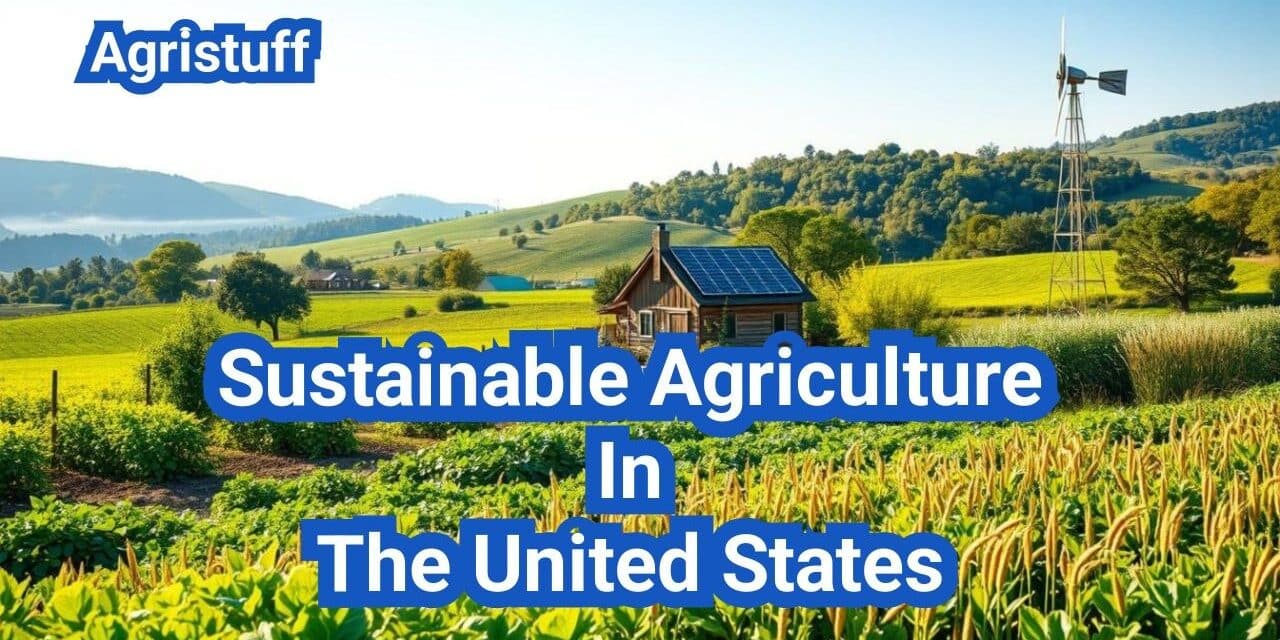
Sustainable farming practices are revolutionizing the way we produce food in the United States.
By adopting methods that protect the environment, conserve natural resources, and promote eco-friendly practices, farmers are contributing to a healthier planet.
This shift towards sustainable agriculture is not only beneficial for the environment but also enhances the overall quality of life for communities across the United States.
As the demand for sustainable produce grows, the United States agriculture sector is poised to lead the way in innovative and environmentally conscious farming practices.
Key Takeaways
- Sustainable farming practices protect the environment and conserve natural resources.
- The United States agriculture sector is adopting eco-friendly methods.
- Sustainable Agriculture In The United States enhances the quality of life for communities.
- Growing demand for sustainable produce drives innovation in farming practices.
- Sustainable agriculture is crucial for a healthier planet.
The Current State of Agriculture in the United States

The United States’ agricultural landscape is dominated by conventional farming methods, which have significant environmental and economic implications. The industrial model of agriculture treats farms as production units rather than ecosystems, ignoring the complex interdependencies within these systems.
Environmental Impact of Conventional Farming
Conventional farming has been linked to various environmental issues, including soil degradation, water pollution, and loss of biodiversity. The heavy use of chemical fertilizers and pesticides can lead to soil erosion and contamination of water sources.
The environmental impact is further exacerbated by the loss of crop rotation and the reliance on monoculture farming practices, which reduce the resilience of crops to pests and diseases.
| Environmental Issue | Impact of Conventional Farming |
|---|---|
| Soil Degradation | Soil erosion and loss of fertility |
| Water Pollution | Contamination of water sources with chemicals |
| Biodiversity Loss | Reduction in crop and species diversity |
Economic Challenges Facing American Farmers
American farmers face significant economic challenges, including fluctuating market prices, high production costs, and trade uncertainties. The financial strain is particularly hard on small and medium-sized farms.
The economic pressures are compounded by the environmental impacts of conventional farming, as degraded soil and water resources can lead to reduced productivity and increased costs over time.
The Growing Demand for Sustainable Alternatives
In response to the environmental and economic challenges posed by conventional farming, there is a growing demand for sustainable agricultural practices. Consumers are increasingly seeking out products that are produced using methods that prioritize soil health, biodiversity, and efficient water use.
This shift in consumer demand is driving innovation in the agricultural sector, with more farmers exploring sustainable alternatives such as organic farming, regenerative agriculture, and agroecology.
Understanding Sustainable Agriculture In The United States

As the agricultural sector continues to evolve, understanding sustainable agriculture is crucial for addressing environmental challenges. Sustainable agriculture encompasses a range of practices that prioritize environmental stewardship, social equity, and economic viability.
Definition and Core Principles
The term “sustainable agriculture” (U.S. Code Title 7, Section 3103) refers to an integrated system of plant and animal production practices having a site-specific application that will over the long-term satisfy human food and fiber needs. The core principles include maintaining or improving environmental quality, conserving natural resources, and promoting the social and economic well-being of farmers and rural communities.
Key components of sustainable agriculture include:
- Efficient use of natural resources
- Minimal environmental impact
- Enhanced biodiversity
- Improved crop and animal resilience
- Support for local economies
Historical Development of Sustainable Farming
The historical development of sustainable farming in the United States has been influenced by various factors, including environmental movements and agricultural policies. The concept gained momentum in the late 20th century as concerns about the environmental impact of conventional farming practices grew.
Key Differences from Conventional Agriculture
Sustainable agriculture differs significantly from conventional agriculture in its approach to environmental stewardship, resource conservation, and social responsibility. While conventional agriculture often focuses on maximizing yields through intensive use of chemical inputs and mechanization, sustainable agriculture seeks to balance productivity with ecological health.
| Aspect | Sustainable Agriculture | Conventional Agriculture |
|---|---|---|
| Environmental Impact | Minimizes environmental degradation | Often results in significant environmental impact |
| Resource Use | Promotes efficient use of natural resources | Intensive use of resources, including chemical inputs |
| Economic Focus | Supports local economies and long-term viability | Focuses on maximizing yields and short-term profits |
Assessing Your Farm’s Sustainability Potential

To enhance your farm’s ecological and economic viability, assessing its sustainability potential is essential. This process involves a comprehensive evaluation of current practices and identifying opportunities for improvement.
Conducting a Farm Sustainability Audit
A farm sustainability audit is a systematic assessment of your farm’s environmental, social, and economic performance. It helps identify strengths and weaknesses, providing a foundation for developing targeted sustainability strategies. Key areas to examine include soil health, water management, biodiversity, and energy efficiency.
Identifying High-Impact Improvement Opportunities
Once the audit is complete, prioritize areas that offer the most significant potential for improvement. This might involve adopting regenerative agriculture practices, reducing chemical inputs, or implementing more efficient irrigation systems. Focus on changes that can have a substantial positive impact on your farm’s sustainability.
| Improvement Area | Potential Impact | Implementation Cost |
|---|---|---|
| Regenerative Agriculture | High | Moderate |
| Irrigation Efficiency | Medium | Low |
| Biodiversity Enhancement | High | High |
Setting SMART Sustainability Goals
Establishing clear, achievable sustainability goals is crucial for guiding your farm’s improvement efforts. Use the SMART criteria (Specific, Measurable, Achievable, Relevant, Time-bound) to define objectives. For example, “Reduce water usage by 20% within the next 12 months by implementing drip irrigation” is a SMART goal.
“The future of farming lies not just in producing more, but in producing better, with fewer resources and less environmental impact.” – Unknown
By following these steps, farmers can effectively assess their sustainability potential and make meaningful improvements. This not only benefits the environment but also enhances the farm’s long-term viability.
Soil Health Management Techniques
The foundation of sustainable farming lies in robust soil health management practices. Soil health is critical for maintaining fertile land, supporting biodiversity, and ensuring long-term agricultural productivity. Effective soil health management involves a combination of techniques that improve soil structure, increase organic matter, and promote beneficial microbial activity.
Step-by-Step Guide to Implementing No-Till Farming
No-till farming is a conservation agriculture practice that minimizes soil disturbance, preserving soil organic matter and reducing erosion. To implement no-till farming:
- Assess your soil type and condition.
- Choose appropriate cover crops for your region.
- Invest in no-till drills or planters.
- Monitor soil moisture and temperature.
Selecting and Managing Cover Crops for Your Region
Cover crops play a vital role in maintaining soil health by reducing erosion, improving soil structure, and providing habitat for beneficial insects. When selecting cover crops:
- Consider your climate and soil type.
- Choose crops that provide the desired benefits (e.g., nitrogen fixation, pest control).
- Plan for cover crop termination.
Building a Farm-Scale Composting System
Composting is a valuable practice for recycling organic waste and creating nutrient-rich soil amendments. To build a farm-scale composting system:
Materials and Equipment Needed
| Material | Quantity | Purpose |
|---|---|---|
| Organic waste | Varies | Carbon source |
| Manure | Varies | Nitrogen source |
| Compost turner | 1 | Aerating compost piles |
| Water | As needed | Maintaining moisture |
Monitoring and Applying Finished Compost
Regular monitoring of compost piles is crucial for maintaining optimal conditions and ensuring the production of high-quality compost. Finished compost can be applied to fields to improve soil fertility and structure.
By implementing these soil health management techniques, farmers can improve the sustainability of their operations, reduce environmental impacts, and enhance their resilience to climate change.
Water Conservation and Management

The importance of water conservation in agriculture cannot be overstated, given the growing concerns about water scarcity. As farmers and agricultural managers, adopting effective water management strategies is crucial for ensuring the long-term sustainability of farming operations.
Installing Drip Irrigation Systems for Water Efficiency
Drip irrigation is a highly efficient method of delivering water directly to the roots of plants, reducing evaporation and runoff. By installing drip irrigation systems, farmers can significantly reduce their water usage while maintaining or even increasing crop yields.
Building Rainwater Collection Infrastructure
Rainwater collection is another effective strategy for conserving water. By building rainwater harvesting systems, farmers can capture and store rainwater for use during dry periods, reducing their reliance on groundwater or surface water sources.
Creating Riparian Buffers to Protect Water Quality
Riparian buffers are vegetated areas along water bodies that help protect water quality by filtering out sediments and nutrients from runoff. Creating these buffers not only enhances water quality but also provides habitat for wildlife and can help stabilize stream banks.
| Water Conservation Method | Benefits | Implementation Cost |
|---|---|---|
| Drip Irrigation | Reduces water usage, increases crop yield | Moderate to High |
| Rainwater Collection | Captures rainwater for dry periods | Low to Moderate |
| Riparian Buffers | Protects water quality, provides wildlife habitat | Low |
By implementing these water conservation and management strategies, farmers can not only reduce their environmental impact but also improve the sustainability and resilience of their operations.
Biodiversity Enhancement Strategies

The importance of biodiversity in agriculture cannot be overstated, and there are multiple strategies for enhancing it on farms. Biodiversity enhancement is crucial for maintaining ecosystem services, improving crop resilience, and promoting sustainable agriculture practices. By adopting biodiversity-friendly practices, farmers can contribute to a healthier environment while improving their farm’s productivity and profitability.
Designing and Planting Pollinator Habitats
Creating pollinator habitats is a highly effective way to enhance biodiversity on farms. This involves planting a variety of flowers that provide nectar and pollen for pollinators such as bees and butterflies. By designing these habitats carefully, farmers can support local pollinator populations, which is essential for the reproduction of many crops.
As Dr. Jane Smith, a renowned entomologist, notes, “Pollinators are crucial for the health of our ecosystems and food systems. By creating pollinator-friendly habitats, farmers can significantly contribute to biodiversity conservation.”
Creating a Multi-Year Crop Rotation Plan
Crop rotation is another key strategy for enhancing biodiversity. By rotating crops, farmers can improve soil health, reduce pest and disease pressure, and increase the variety of crops grown on their farm. A well-planned crop rotation can also help in maintaining ecosystem balance and promoting beneficial organisms.
- Rotate between different crop families to maximize biodiversity.
- Incorporate cover crops to enhance soil health and provide habitat for beneficial insects.
- Plan rotations to minimize pest and disease buildup.
Implementing Silvopasture and Agroforestry Systems
Silvopasture and agroforestry systems involve integrating trees into agricultural landscapes, which can significantly enhance biodiversity. These systems provide habitat for a wide range of species, improve ecosystem services, and can increase farm productivity. By adopting silvopasture or agroforestry, farmers can create more diverse and resilient farming systems.
As highlighted in a recent study, “Agroforestry systems can increase biodiversity by up to 40% compared to monoculture farming systems.” This underscores the potential of these practices to contribute to biodiversity enhancement.
Reducing Chemical Inputs

Reducing chemical inputs is a crucial step towards achieving sustainable agriculture practices in the US. The over-reliance on synthetic fertilizers and pesticides has led to significant environmental degradation, including soil pollution, water contamination, and loss of biodiversity. By transitioning to more sustainable practices, farmers can minimize their environmental footprint while maintaining productivity.
Transitioning Fields from Conventional to Organic Management
Transitioning from conventional to organic management involves a series of steps that help reduce chemical inputs. This process begins with a thorough assessment of the farm’s current practices and identifying areas for improvement. Farmers can then implement strategies such as crop rotation, cover cropping, and integrated pest management to minimize the use of synthetic chemicals.
Key steps in transitioning to organic management:
- Conduct a thorough farm audit
- Develop a crop rotation plan
- Implement cover cropping and soil conservation measures
- Use natural pest control methods
Producing Compost Tea and Natural Fertilizers
Compost tea and natural fertilizers are effective alternatives to synthetic fertilizers. Compost tea is a liquid solution made by steeping compost in water, which is then used as a foliar spray or soil drench. It contains beneficial microbes that promote soil health and plant growth.
Benefits of compost tea:
- Promotes soil biota
- Enhances plant nutrition
- Suppresses plant diseases
Implementing Integrated Pest Management for Major US Crops
Integrated Pest Management (IPM) is a holistic approach that combines physical, cultural, biological, and chemical controls to manage pests. IPM involves monitoring pest populations, identifying thresholds for action, and selecting appropriate control methods.
Pest Monitoring and Threshold Determination
Effective IPM begins with regular pest monitoring to identify potential issues before they become major problems. Farmers must determine the economic threshold for each pest, beyond which the cost of control measures is justified.
Biological Control Agent Selection and Application
Biological control agents, such as beneficial insects and nematodes, are crucial components of IPM. Farmers can introduce these agents into their fields to control pest populations naturally.
Examples of biological control agents:
- Lady beetles for aphid control
- Parasitic wasps for caterpillar control
- Nematodes for soil-dwelling pests
By adopting these strategies, farmers can significantly reduce their reliance on chemical inputs, promoting a more sustainable and environmentally friendly agricultural practice.
Energy Efficiency on the Farm

Improving energy efficiency on farms is crucial for reducing operational costs and environmental impact. As farms continue to evolve, adopting energy-efficient practices becomes increasingly important for sustainability.
Conducting an On-Farm Energy Audit
The first step towards enhancing energy efficiency is conducting a comprehensive energy audit. This process involves assessing energy usage across the farm, identifying areas of inefficiency, and pinpointing opportunities for improvement. An energy audit can reveal simple fixes, such as upgrading to energy-efficient lighting or optimizing equipment usage.
Installing Solar and Wind Systems for Farm Operations
Renewable energy sources, such as solar and wind power, offer significant potential for reducing reliance on fossil fuels. Installing solar panels or wind turbines can provide a clean source of energy for farm operations, from powering irrigation systems to energizing farm buildings.
Retrofitting Equipment for Reduced Fuel Consumption
Retrofitting existing equipment with more energy-efficient technologies can lead to substantial reductions in fuel consumption. This might involve upgrading to more efficient engines, implementing precision agriculture techniques, or utilizing equipment that requires less energy to operate.
By implementing these energy efficiency measures, farmers can not only reduce their environmental footprint but also improve their bottom line through cost savings on energy expenditures.
Marketing Your Sustainable Farm Products

As the demand for sustainable products grows, farmers must learn to effectively market their eco-friendly produce. This involves understanding consumer preferences, leveraging appropriate sales channels, and communicating the value of sustainable practices.
Navigating USDA Organic and Other Certification Processes
One crucial step in marketing sustainable farm products is obtaining relevant certifications. The USDA Organic certification is one of the most recognized standards, but other certifications like Non-GMO and Certified Sustainably Grown can also be beneficial. To navigate these processes, farmers should:
- Understand the specific requirements for each certification
- Maintain detailed records of farming practices
- Prepare for regular inspections
Certifications can significantly enhance a farm’s credibility and marketability. For instance, a study by the Organic Trade Association found that 75% of consumers are more likely to purchase products with the USDA Organic label.
Establishing CSAs, Farmers Markets, and Direct Sales Channels
Direct sales channels allow farmers to connect with consumers and capture a larger share of the profit. Community Supported Agriculture (CSA) programs, farmers markets, and on-farm sales are effective strategies. When establishing these channels, consider:
- Developing a strong brand identity
- Creating engaging product displays and marketing materials
- Building relationships with customers
Direct interaction with consumers can provide valuable feedback and foster loyalty. For example, a CSA program can help farmers receive upfront payments and gauge consumer interest in specific products.
Developing Your Farm’s Sustainable Brand Story
A compelling brand story can differentiate a farm’s products in a crowded market. This involves:
- Highlighting sustainable practices and their environmental benefits
- Sharing the farm’s history and values
- Showcasing the people behind the farm
A strong brand story can create an emotional connection with consumers, making them more likely to choose your products over competitors. For instance, a farm that emphasizes its commitment to soil health and biodiversity can appeal to consumers who prioritize environmental sustainability.
By effectively marketing sustainable farm products, farmers can not only increase their sales but also contribute to a more sustainable food system.
Financial Resources and Support

Transitioning to sustainable agriculture requires significant investment, but various financial resources are available to support farmers. The United States Department of Agriculture (USDA) and other organizations offer programs designed to help farmers adopt sustainable practices.
Applying for USDA NRCS Conservation Programs
The USDA’s Natural Resources Conservation Service (NRCS) provides financial assistance to farmers through programs like the Environmental Quality Incentives Program (EQIP) and the Conservation Stewardship Program (CSP). These programs offer funding for practices such as cover cropping, habitat restoration, and water conservation. To apply, farmers should contact their local NRCS office to discuss their conservation plans and eligibility.
Accessing State-Level Sustainability Incentives
In addition to federal programs, many states offer their own incentives for sustainable agriculture. These can include grants, tax credits, or cost-share programs for practices like organic certification or pollinator habitat creation. Farmers should check with their state’s department of agriculture to explore available programs and application processes.
Securing Private and Non-Profit Funding for Transition
Private foundations and non-profit organizations also provide funding for sustainable agriculture initiatives. Examples include the National Fish and Wildlife Foundation and the Organic Farming Research Foundation. These organizations often offer grants for specific practices or for farmers in certain regions. Farmers can research these opportunities and apply through the organizations’ websites or by contacting them directly.
By leveraging these financial resources, farmers can offset the costs associated with transitioning to sustainable agriculture, ultimately improving their bottom line and contributing to a more environmentally friendly agricultural sector.
Overcoming Common Challenges

The shift towards sustainable farming is not without its hurdles, but understanding these challenges is the first step to overcoming them. As farmers transition to more sustainable practices, they often encounter obstacles that can impact their productivity and profitability.
Creating a Phased Transition Plan | Sustainable Agriculture In The United States
A phased transition plan is crucial for minimizing disruptions and ensuring a smooth shift to sustainable practices. This involves setting clear goals, identifying key milestones, and allocating resources effectively. By breaking down the transition process into manageable stages, farmers can reduce the risk of crop failure, financial strain, and other potential setbacks.
Maintaining Productivity During Conversion Periods
Maintaining productivity during the conversion period is a significant challenge. To address this, farmers can implement strategies such as crop rotation, cover cropping, and integrated pest management. These practices not only help maintain soil health but also reduce the reliance on chemical inputs, thereby improving overall farm resilience.
Implementing Climate-Resilient Farming Practices
Climate change poses a significant threat to agricultural productivity. Implementing climate-resilient farming practices is essential for mitigating this risk. This can include techniques such as conservation agriculture, agroforestry, and rainwater harvesting. By adopting these practices, farmers can enhance their farm’s ability to withstand extreme weather events and changing climate conditions.
By understanding the challenges associated with sustainable agriculture and implementing strategies to overcome them, farmers can successfully transition to more sustainable practices. This not only benefits the environment but also improves the long-term viability of their farming operations.
Success Stories: Sustainable Farms Across America

From the Northeast to the Southwest, American farmers are pioneering sustainable agriculture methods that yield impressive results. These success stories highlight the diverse approaches being implemented across the country, showcasing the potential for sustainable farming to transform agricultural landscapes.
Regenerative Grazing in the Northeast | Sustainable Agriculture In The United States
In the Northeast, regenerative grazing practices have revolutionized dairy and livestock farming. By implementing rotational grazing systems, farmers have improved soil health, increased biodiversity, and enhanced ecosystem services. For instance, a dairy farm in Vermont adopted regenerative grazing, resulting in a significant increase in soil organic matter and a reduction in nutrient runoff.
Water-Conserving Row Crop Systems in the Midwest
The Midwest, known for its corn and soybean production, has seen a rise in water-conserving row crop systems. Farmers are adopting techniques such as no-till or reduced-till farming, cover cropping, and precision irrigation to minimize water usage. A farm in Illinois implemented these practices, achieving a 30% reduction in water consumption while maintaining crop yields.
Drought-Resistant Farming in the Southwest
In the Southwest, where drought is a persistent challenge, farmers are turning to drought-resistant farming practices. This includes using drought-tolerant crop varieties, implementing mulching and conservation tillage, and leveraging advanced irrigation technologies. A farm in Arizona successfully adopted these strategies, resulting in improved crop resilience during prolonged drought periods.
These success stories demonstrate the effectiveness of sustainable agriculture practices across different regions and farming systems in the United States. By adopting regenerative grazing, water-conserving row crop systems, and drought-resistant farming, American farmers are not only improving their environmental sustainability but also enhancing their economic viability.
At The End of: Sustainable Agriculture In The United States
As we have explored throughout this article, sustainable agriculture in the United States is crucial for environmental stewardship, economic viability, and social responsibility. By adopting practices such as no-till farming, cover cropping, and integrated pest management, farmers can significantly reduce their environmental footprint.
The benefits of sustainable agriculture extend beyond the farm, contributing to cleaner water, enhanced biodiversity, and more resilient communities. As the demand for sustainable products continues to grow, farmers who transition to sustainable practices can tap into new markets and improve their bottom line.
In conclusion, embracing sustainable agriculture is a critical step towards a more sustainable future for the United States. By supporting farmers in their transition to sustainable practices and promoting policies that encourage sustainability, we can create a more environmentally friendly and resilient agricultural sector.
FAQ
What is sustainable agriculture?
Sustainable agriculture refers to farming practices that prioritize environmental stewardship, social responsibility, and economic viability. It aims to produce healthy food while conserving natural resources and promoting biodiversity.
How can I assess my farm’s sustainability potential?
Conducting a farm sustainability audit is the first step. This involves evaluating your farm’s environmental impact, social responsibility, and economic performance. Identify areas for improvement and set SMART sustainability goals.
What are some effective soil health management techniques?
Techniques such as no-till farming, cover cropping, and composting can improve soil health. These practices enhance soil structure, increase organic matter, and promote beneficial microorganisms.
How can I conserve water on my farm?
Installing drip irrigation systems, building rainwater collection infrastructure, and creating riparian buffers are effective strategies for conserving water. These practices reduce water waste and protect water quality.
What are the benefits of enhancing biodiversity on my farm?
Enhancing biodiversity can improve ecosystem services, increase crop yields, and promote ecological balance. Strategies include creating pollinator habitats, implementing crop rotation, and integrating silvopasture and agroforestry systems.
How can I reduce chemical inputs on my farm?
Transitioning to organic management, producing natural fertilizers, and implementing integrated pest management are effective strategies for reducing chemical inputs. These practices promote soil health, conserve resources, and minimize environmental impact.
What financial resources are available to support sustainable agriculture?
The USDA offers various programs, such as the NRCS Conservation Programs, to support sustainable agriculture. Additionally, state-level incentives and private funding opportunities are available to help farmers transition to sustainable practices.
How can I market my sustainable farm products?
Navigating certification processes, establishing direct sales channels, and developing a sustainable brand story can help you market your products effectively. Highlighting the environmental and social benefits of your products can attract consumers who value sustainability.
What are some common challenges faced by farmers adopting sustainable agriculture practices?
Common challenges include maintaining productivity during conversion periods, managing pests and diseases, and adapting to climate change. Creating a phased transition plan, implementing climate-resilient practices, and seeking support from resources like the USDA can help overcome these challenges.
Are there any success stories of sustainable farms in the United States?
Yes, there are many success stories of sustainable farms across America. Examples include regenerative grazing operations in the Northeast, water-conserving row crop systems in the Midwest, and drought-resistant farming in the Southwest. These examples demonstrate the potential for sustainable agriculture to promote environmental stewardship and economic viability.
Conclusion of: Sustainable Agriculture In The United States
Why Sustainable Agriculture In The United States Matters Now
Sustainable Agriculture In The United States has moved from a niche idea to a practical necessity. American farms feed a large share of the world, but they also face soil degradation, water scarcity, climate volatility, labor pressure, and tighter margins. Sustainable Agriculture In The United States tries to meet today’s food and fiber needs while protecting the natural systems that future harvests depend on. It’s about growing more with fewer losses—keeping topsoil in place, recycling nutrients efficiently, and building resilience so farms can handle droughts, floods, new pests, and market stress. For consumers, Sustainable Agriculture In The United States also connects to food quality, rural jobs, and long-term affordability. USDA sustainable agriculture overview
The Legal and Working Definition of Sustainable Agriculture In The United States
In policy and practice, Sustainable Agriculture In The United States is defined as an integrated set of plant and animal production methods that are site-specific and long-term. The focus is on three outcomes at once: steady farm profitability, environmental stewardship, and stronger rural communities. That definition matters because it shapes funding, research priorities, and how farmers prove they’re adopting sustainable practices. Sustainable Agriculture In The United States is not one single method; it’s a toolbox that changes by region—what works for a California almond orchard may differ from an Iowa corn-soy rotation or a Texas grazing ranch. USDA NIFA sustainable agriculture programs
The Three Pillars Guiding Sustainable Agriculture In The United States
Sustainable Agriculture In The United States rests on three interlocking pillars. First is environmental health—protecting soil, water, air, and biodiversity. Second is economic vitality—farms must stay viable, pay fair wages, and manage risk. Third is social well-being—supporting rural livelihoods, food security, and community resilience. These pillars help explain why Sustainable Agriculture In The United States includes everything from soil-building cover crops to better labor conditions and local supply chains. When one pillar is ignored, sustainability collapses; when all three reinforce each other, farms become both productive and durable. FAO principles of sustainable food and agriculture
Soil Health as the Foundation of Sustainable Agriculture In The United States
Healthy soil is the backbone of Sustainable Agriculture In The United States. Soil that is rich in organic matter stores more water, resists erosion, cycles nutrients efficiently, and supports beneficial microbes. Farmers building Sustainable Agriculture In The United States often aim to keep soil covered year-round, minimize disturbance, maintain living roots as long as possible, and increase biodiversity in rotations. Over time these habits can reduce fertilizer needs, stabilize yields under stress, and improve profitability. Soil health work is slow but compounding: every season of improvement makes the next one easier. NRCS soil health principles
Cover Crops and Crop Diversity in Sustainable Agriculture In The United States
Cover crops—like rye, clover, vetch, or radish—are a flagship practice of Sustainable Agriculture In The United States because they protect soil between cash crops. They reduce erosion, suppress weeds, capture leftover nutrients, and feed soil biology. As they decompose, cover crops add organic matter that improves soil structure and water infiltration. Farmers adopting Sustainable Agriculture In The United States are also diversifying crop rotations, which breaks pest cycles and spreads financial risk. In many regions, cover crop acreage has grown quickly because farmers are seeing both agronomic and economic benefits. USDA ERS cover crop trends report
Conservation Tillage and Reduced Soil Disturbance in Sustainable Agriculture In The United States
Reducing tillage is another major pathway for Sustainable Agriculture In The United States. Intensive plowing exposes soil to wind and water erosion and releases stored carbon. Conservation tillage or no-till systems keep crop residue on the surface, protecting the soil like armor and creating habitat for earthworms and microbes. Sustainable Agriculture In The United States uses reduced tillage to slow runoff, improve moisture retention, and cut fuel use from fewer field passes. Many growers combine no-till with cover crops to prevent compaction and maintain nutrient cycling. Research on sustainable tillage practices
Water Stewardship and Nutrient Management in Sustainable Agriculture In The United States
Water quality and quantity are central to Sustainable Agriculture In The United States. Over-application of nutrients can lead to runoff that harms rivers, lakes, and coastal ecosystems. Sustainable Agriculture In The United States encourages practices like nutrient budgeting, split fertilizer applications, slow-release products, buffer strips, and constructed wetlands to keep nitrogen and phosphorus where crops can use them. Efficient irrigation—drip systems, soil-moisture sensors, and scheduling based on weather—reduces water waste and energy costs. Good water stewardship also lowers long-term regulatory and cleanup risks for farming communities. EPA guide to reducing nutrient runoff
Integrated Pest Management in Sustainable Agriculture In The United States
Sustainable Agriculture In The United States aims to reduce pesticide dependence without sacrificing yield. Integrated Pest Management (IPM) does this by combining monitoring, resistant varieties, crop rotation, beneficial insects, targeted spraying, and cultural controls. Instead of routine calendar spraying, IPM reacts to real pest thresholds and uses the least-disruptive tool first. For farmers, Sustainable Agriculture In The United States through IPM often means lower input costs and fewer resistance problems. For ecosystems, it means better pollinator health and cleaner water. USDA Integrated Pest Management overview
Pollinators, Wildlife, and Habitat in Sustainable Agriculture In The United States
Protecting biodiversity is a practical part of Sustainable Agriculture In The United States, not just a feel-good add-on. Pollinators support many U.S. crops, from almonds and apples to alfalfa seed. Farmers building Sustainable Agriculture In The United States create habitat with hedgerows, flowering strips, reduced insecticide exposure, and managed grazing that encourages diverse forbs. Wildlife-friendly field margins also help with natural pest control. These steps strengthen ecosystem services that farms would otherwise have to “buy back” with chemicals or labor. USDA on the importance of pollinators
Livestock Integration and Rotational Grazing in Sustainable Agriculture In The United States
Well-managed livestock can improve Sustainable Agriculture In The United States by cycling nutrients and building soil carbon. Rotational or adaptive grazing moves animals through paddocks to prevent overgrazing, allow plant recovery, and spread manure evenly. This protects pasture roots, improves water infiltration, and keeps soils covered, which is a Sustainable Agriculture In The United States priority. Manure management, feed efficiency, and matching stocking rates to forage supply also cut methane and runoff risks while improving herd health. USDA Climate Hubs on rotational grazing
Climate-Smart and Agroforestry Approaches in Sustainable Agriculture In The United States
Climate change is redefining risk, so Sustainable Agriculture In The United States increasingly overlaps with climate-smart farming. That includes agroforestry (windbreaks, silvopasture, alley cropping), improved nitrogen management to reduce nitrous oxide, and soil-carbon practices like compost additions. Sustainable Agriculture In The United States also uses drought-tolerant crop varieties, diversified rotations, and water-saving infrastructure to adapt. These approaches can reduce emissions while also helping farms survive the extremes that are already arriving. NRCS climate-smart mitigation activities
Technology and Precision Tools Supporting Sustainable Agriculture In The United States
Modern Sustainable Agriculture In The United States is powered by better data. Precision agriculture tools—GPS guidance, variable-rate fertilizer, drone scouting, and yield mapping—help farmers apply inputs only where needed. That means fewer nutrient losses, lower chemical exposure, and improved returns per acre. Sustainable Agriculture In The United States uses these tools to target irrigation, detect disease early, and reduce compaction from inefficient field traffic. As equipment and analytics become more affordable, precision methods are spreading from large operations to smaller farms through co-ops and service providers. USDA ARS on precision agriculture benefits
The Economics of Sustainable Agriculture In The United States
A big myth is that Sustainable Agriculture In The United States always costs more. In reality, the economics depend on time horizon and management skill. Soil-health systems can reduce fertilizer, pesticide, fuel, and irrigation costs over several seasons. They may also stabilize yields in dry years, which has real value in crop insurance and contract risk. Sustainable Agriculture In The United States can open premium markets (organic, regenerative, low-carbon, local) and attract private investment through carbon and ecosystem-service payments. The strongest business cases usually combine lower inputs with new revenue streams. Soil Health Institute on economic gains
Federal and State Programs Driving Sustainable Agriculture In The United States
Public policy is a major accelerator of Sustainable Agriculture In The United States. Programs like SARE, EQIP, CSP, CRP, and state conservation initiatives provide cost-share, technical support, and on-farm research funding. These programs help farms try sustainable practices without carrying the entire risk alone. Sustainable Agriculture In The United States has also been shaped by the Farm Bill, which continues to fund conservation and rural development priorities while Congress debates future reforms. Farmers who tap these resources often adopt new systems faster and more confidently. USDA Farm Bill updates and conservation support
Barriers and Trade-Offs Facing Sustainable Agriculture In The United States
Even with strong momentum, Sustainable Agriculture In The United States isn’t friction-free. Up-front costs for new equipment, seed, fencing, or learning time can be a real barrier. Some practices require several years before benefits appear, which is hard for farms living season to season. Policy uncertainty also matters; recent shifts in federal climate-smart funding have created confusion for some producers. On the environmental side, Sustainable Agriculture In The United States must also address emerging risks like PFAS contamination in certain biosolids fertilizers and the need for clearer safeguards. None of these barriers are permanent, but they explain why adoption is uneven across regions. Reuters on policy shifts affecting climate-smart support
The Future Outlook for Sustainable Agriculture In The United States
Looking ahead, Sustainable Agriculture In The United States is likely to expand through a mix of farmer innovation, market pull, and smarter public investment. Expect more measurement of soil carbon and water outcomes, better regional research, and farm-level tools that make sustainability pay faster. Private food brands are already building low-carbon and deforestation-free supply chains that reward growers who meet verified standards. Sustainable Agriculture In The United States will also depend on the next Farm Bill and how it balances productivity, conservation, and rural resilience. The direction is clear: efficiency, resilience, and ecosystem health are now core parts of competitive American farming. USDA climate-smart agriculture resources
Final thought
Sustainable Agriculture In The United States is less a destination than a steady improvement cycle. The real win is when farms become both more profitable and more resilient while protecting the landscapes that agriculture relies on. Whether a producer starts with cover crops, rotational grazing, precision nutrient tools, or habitat improvements, each step compounds over time. Sustainable Agriculture In The United States works best when farmers, researchers, policymakers, and consumers share the same long-term view: food security is inseparable from soil, water, and community health. SARE farmer-focused sustainability research
Sources & References
Below are reputable starting points for learning more about Sustainable Agriculture In The United States, including public programs and science-based practice guides.
- USDA definition and programs
- USDA National Agricultural Library: Sustainable Agriculture
- Sustainable Agriculture Research and Education (SARE)
- NRCS Soil Health Resources
- USDA ERS Cover Crop Trends
- EPA Nutrient Runoff and Agriculture
- USDA Integrated Pest Management
- USDA ARS Precision Agriculture
- USDA Farm Bill & Conservation Programs