The Florida Cracker Cattle is one of the oldest breeds in the United States, with a rich history dating back to the early 1500s when Spanish cattle were first brought to the Americas.
This heritage breed is known for its hardiness and adaptability, making it an important part of Florida’s agricultural heritage. The breed’s significance extends beyond its historical roots, as it represents a unique genetic resource.
The care, regulations, and availability of Florida Cracker Cattle are critical aspects that will be explored in this article, providing insights into the challenges and opportunities associated with this breed.
Key Takeaways
- Understanding the historical significance of Florida Cracker Cattle
- Care and management practices for this heritage breed
- Regulations affecting the ownership and breeding of Florida Cracker Cattle
- Current availability and conservation efforts
- The importance of preserving genetic diversity in cattle breeds
The Rich History of Florida Cracker Cattle

The origins of Florida Cracker Cattle are found in the cattle introduced by Spanish explorers to the New World. These cattle, known as Criollo, were brought to Florida in the early 16th century and thrived in the region’s subtropical climate.
Florida Cracker Cattle have distinct DNA markers that differentiate them from other cattle breeds, including modern-day breeds in Spain. This genetic uniqueness is a testament to their adaptation to the Florida environment over centuries.
Spanish Origins and Introduction to Florida
The introduction of Criollo cattle to Florida marked the beginning of a new era in cattle ranching in North America. These hardy animals were well-suited to the open ranges of Florida, where they roamed freely and developed into a robust population.
The early history of Florida Cracker Cattle is closely tied to the Spanish colonization of the region. As Spanish settlers established missions and ranches, they brought with them their cattle, which eventually became the foundation of the Florida Cracker breed.
Evolution During Open Range Era
During the open range era, Florida Cracker Cattle evolved to become a thriving part of the local ecosystem. They roamed freely across the vast open spaces of Florida, developing a strong resistance to local diseases and parasites.
The open range system allowed Florida Cracker Cattle to maintain their hardiness and adaptability, traits that are still valued today. This period was crucial in shaping the breed into what it is known for today.
Decline and Near Extinction
Despite their historical significance and adaptability, Florida Cracker Cattle faced significant challenges that led to their decline and near extinction. The introduction of foreign cattle breeds and changes in agricultural practices contributed to their dwindling numbers.
By the mid-20th century, the Florida Cracker breed was on the brink of extinction. However, efforts by dedicated breeders and conservationists helped to preserve the breed and restore its population.
| Era | Characteristics | Impact on Breed |
|---|---|---|
| Spanish Colonization | Introduction of Criollo cattle | Foundation of Florida Cracker breed |
| Open Range Era | Free roaming, disease resistance | Development of hardiness and adaptability |
| Mid-20th Century | Decline due to foreign breeds and agricultural changes | Near extinction |
Understanding Florida Cracker Cattle Characteristics

Understanding the characteristics of Florida Cracker Cattle is essential for appreciating their value as a heritage breed. These cattle have evolved over centuries, developing unique traits that enable them to thrive in Florida’s challenging environment.
Physical Traits and Size
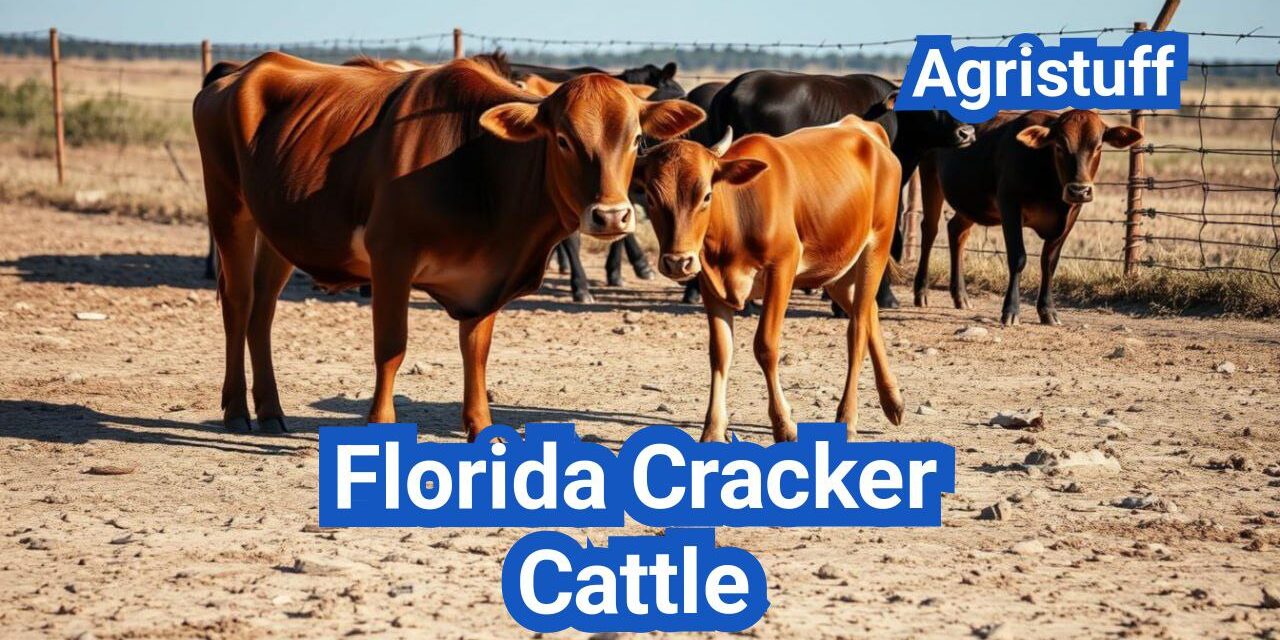
Florida Cracker Cattle are known for their relatively small size compared to other cattle breeds. Typically, cows weigh between 600-800 lbs., while bulls can range from 800-1200 lbs. Their compact size is an adaptation to the demanding conditions of the Florida climate.
Size Comparison
| Category | Weight Range (lbs.) |
|---|---|
| Cows | 600-800 |
| Bulls | 800-1200 |
Coat Colors and Patterns
One of the striking features of Florida Cracker Cattle is their varied coat colors and patterns. They can be found in a range of colors, including solid colors, roans, and various patterns such as spotted or brindle. This diversity in coat color is a testament to the breed’s rich genetic heritage.
Horn Configuration
Florida Cracker Cattle are known for their distinctive horn configuration. Both males and females can have horns, which are typically curved and can vary in size. The horn configuration is an important characteristic for breed identification and is often considered a hallmark of the breed.
Temperament and Behavior
The temperament of Florida Cracker Cattle is generally described as docile and manageable. They are known to be relatively easy to handle, making them suitable for a variety of farming operations. Their behavior is influenced by their historical background as a hardy, adaptable breed.
Key Behavioral Traits:
- Docile nature
- Adaptability to different environments
- Hardiness in the face of challenging conditions
Advantages of Raising Florida Cracker Cattle

Florida Cracker Cattle offer numerous benefits for farmers and ranchers looking for a hardy and sustainable cattle breed. Their unique characteristics make them an attractive choice for those seeking to raise cattle with minimal environmental impact.
Heat and Humidity Tolerance
One of the significant advantages of Florida Cracker Cattle is their exceptional tolerance to heat and humidity. Originating in the subtropical regions of Florida, these cattle have adapted to thrive in hot and humid climates. Their ability to withstand high temperatures makes them an ideal choice for farmers in southern states.
Heat tolerance is crucial for maintaining the health and productivity of cattle in warm climates. Florida Cracker Cattle achieve this through their sleek coats and efficient heat regulation mechanisms.
Disease and Parasite Resistance
Florida Cracker Cattle are known for their natural resistance to diseases and parasites. This resistance is a result of their historical development in environments where they were exposed to various pathogens and parasites.
- Strong immune systems
- Natural resistance to ticks and other external parasites
- Lower incidence of diseases common in other breeds
This natural resistance reduces the need for chemical treatments and medications, making Florida Cracker Cattle a more sustainable choice.
Low Maintenance Requirements
Raising Florida Cracker Cattle is characterized by low maintenance requirements. They are well-adapted to surviving on rough pasture and swamp forage, reducing the need for supplemental feeding.
Their ability to thrive in challenging environments with minimal input makes them an attractive option for farmers looking to reduce their operational costs.
Longevity and Reproductive Efficiency
Florida Cracker Cattle are known for their longevity and reproductive efficiency. They have a long productive life, allowing them to contribute to the herd for many years.
Their reproductive efficiency is another significant advantage, as they are capable of producing healthy calves with a high survival rate.
By choosing Florida Cracker Cattle, farmers can benefit from a breed that offers a combination of hardiness, low maintenance, and productive efficiency, making them an excellent choice for sustainable cattle production.
Potential Disadvantages and Challenges

While Florida Cracker Cattle are renowned for their hardiness and historical significance, they also present several challenges for breeders and farmers. Understanding these challenges is crucial for anyone considering raising this heritage breed.
Smaller Frame Size and Meat Yield
One of the primary challenges associated with Florida Cracker Cattle is their smaller frame size compared to more modern commercial breeds. This characteristic translates to a lower meat yield per animal, which can be a disadvantage in terms of overall production efficiency.
Impact on Profitability: The smaller size means that more animals may be needed to achieve the same total meat production as larger breeds, potentially affecting profitability.
Limited Genetic Pool
The conservation status of Florida Cracker Cattle is a concern due to their relatively small population and limited genetic diversity. This limitation can make the breed more vulnerable to genetic disorders and reduce its adaptability to changing environmental conditions.
Breeding Strategies: To mitigate this, breeders often implement careful breeding strategies to maximize genetic diversity within the breed.
Marketing Challenges
Marketing Florida Cracker Cattle and their products can be challenging due to the breed’s relatively unknown status compared to more commercial breeds. Educating consumers about the benefits and unique qualities of Florida Cracker Cattle is essential.
- Highlighting the historical significance and cultural heritage of the breed.
- Emphasizing the quality and unique characteristics of the meat.
- Utilizing niche marketing strategies to reach interested consumers.
Conservation Responsibilities
Given their status as a heritage breed, there is a significant conservation responsibility associated with Florida Cracker Cattle. Breeders and owners play a crucial role in maintaining the breed’s integrity and ensuring its survival for future generations.
Conservation Efforts: Participation in breed registries, conservation programs, and educational initiatives are vital components of these conservation efforts.
Essential Care Guidelines for Florida Cracker Cattle

The unique characteristics of Florida Cracker Cattle demand specialized care and management practices. To ensure their health and productivity, breeders must consider several key factors.
Pasture Management Requirements
Effective pasture management is crucial for Florida Cracker Cattle. These cattle are adapted to the Florida environment and can thrive on native pastures. However, the quality and quantity of forage must be managed carefully to maintain their health.
- Rotate pastures to prevent overgrazing and maintain soil quality.
- Monitor forage quality and quantity to ensure adequate nutrition.
- Provide clean water sources and adequate shade.
Supplemental Feeding Considerations
While Florida Cracker Cattle are well-adapted to their native environment, supplemental feeding may be necessary during periods of drought or when pasture quality is poor.
- Provide high-quality hay or other forages as needed.
- Consider mineral supplements to ensure adequate nutrition.
- Avoid overfeeding, as this can lead to health issues.
Health Monitoring and Preventative Care
Regular health monitoring is essential for maintaining the well-being of Florida Cracker Cattle. This includes:
- Regular veterinary check-ups.
- Monitoring for signs of illness or stress.
- Implementing preventative care measures, such as vaccinations and parasite control.
Handling Techniques for This Heritage Breed
Florida Cracker Cattle are known for their hardiness and independence. However, they still require careful handling to prevent stress and injury.
- Move slowly and calmly around the cattle.
- Avoid using loud noises or aggressive movements.
- Use positive reinforcement techniques when handling.
By following these essential care guidelines, breeders can help ensure the health, productivity, and conservation of Florida Cracker Cattle.
Breeding Practices and Herd Management

The long-term viability of Florida Cracker Cattle depends on careful breeding practices and herd management. Effective strategies in these areas are crucial for maintaining the breed’s unique characteristics and ensuring its continued survival.
Maintaining Genetic Diversity
Maintaining genetic diversity is crucial for the long-term viability of Florida Cracker Cattle. A diverse gene pool helps protect the breed from genetic disorders and enhances its adaptability to various environmental conditions. Breeders can achieve this by carefully selecting breeding stock from a wide range of genetic lines.
Genetic testing can also be employed to identify and manage genetic diversity within the herd. By understanding the genetic makeup of their cattle, breeders can make informed decisions about breeding pairs, thus maintaining a healthy and robust gene pool.
Breeding Season Considerations
Planning the breeding season is a critical aspect of managing Florida Cracker Cattle. Breeders should consider factors such as climate, feed availability, and market demands when determining the optimal breeding period. A well-planned breeding season can lead to improved conception rates and healthier calves.
Synchronizing breeding can also help in managing the herd more effectively. By ensuring that a significant number of cows are bred within a short period, breeders can simplify calving management and reduce the overall workload.
Calving Management
Effective calving management is essential for the health and well-being of both the cow and the calf. Monitoring cows during the calving season allows breeders to provide assistance when needed and to identify any potential issues early on.
Maintaining detailed records of calving can help breeders identify patterns and make informed decisions about future breeding practices. This includes tracking birth weights, calving difficulties, and calf health.
Record Keeping for Heritage Breeds
Record keeping is a vital component of managing a heritage breed like Florida Cracker Cattle. Accurate and detailed records help breeders track the history and development of their herd, making it easier to maintain breed integrity.
Records should include information on breeding, calving, health interventions, and genetic testing. This data not only aids in day-to-day management but also provides valuable information for conservation efforts and breed improvement programs.
Florida Cracker Cattle Meat Quality and Production

Florida Cracker Cattle are renowned for their exceptional meat quality, making them a sought-after choice for specialty beef producers. Their meat is characterized by a rich flavor profile and lean characteristics, appealing to discerning consumers.
Flavor Profile and Characteristics
The flavor profile of Florida Cracker Cattle meat is often described as robust and complex, with a finer texture compared to other breeds. This is attributed to their genetic heritage and the traditional grass-fed production methods. The meat is typically leaner, with a better fatty acid profile, which is a result of their historical development as a hardy, forage-based cattle breed.
Key characteristics of Florida Cracker Cattle meat include its tenderness, juiciness, and rich beef flavor. These traits are enhanced by the breed’s ability to thrive on grass, contributing to a more natural and sustainable beef production system.
Grass-Fed Benefits
Raising Florida Cracker Cattle on grass-fed diets not only aligns with their natural grazing behavior but also enhances the nutritional quality of the meat. Grass-fed beef from this breed is higher in omega-3 fatty acids and conjugated linoleic acid (CLA), and lower in saturated fats compared to grain-fed counterparts.
Grass-fed production also supports more sustainable farming practices, as it requires less external input and can improve soil health through rotational grazing. This approach is beneficial for both the environment and the cattle, promoting animal welfare and biodiversity.
Niche Marketing Opportunities
The unique heritage and quality of Florida Cracker Cattle beef present significant niche marketing opportunities. Producers can capitalize on the breed’s historical significance and the premium quality of their meat to attract consumers looking for authentic, heritage beef products.
By emphasizing the niche marketing aspects, such as the breed’s resistance to diseases and its adaptability to harsh environments, producers can differentiate their products in a crowded market. This can lead to stronger brand loyalty and the ability to command higher prices for their premium products.
Processing Considerations
When it comes to processing Florida Cracker Cattle, considerations include maintaining the integrity of the meat quality and adhering to regulations. Producers must work with processors who understand the value of preserving the unique characteristics of heritage breeds.
Effective processing strategies involve careful handling and aging of the meat to enhance its natural qualities. This ensures that the final product meets the high standards expected by consumers of premium beef.
Comparing Florida Cracker Cattle to Similar Breeds

The unique characteristics of Florida Cracker Cattle become more apparent when compared to other cattle breeds. Florida Cracker Cattle share a common heritage with several other breeds, particularly those derived from Criollo cattle. Understanding these similarities and differences is crucial for farmers, ranchers, and conservationists.
Texas Longhorn Comparison
Texas Longhorns are one of the most well-known breeds derived from Spanish Criollo cattle, similar to Florida Cracker Cattle. Both breeds are known for their hardiness and ability to thrive in challenging environments. However, Texas Longhorns are generally larger and have more pronounced horns. Florida Cracker Cattle are more compact and have a more docile temperament, making them suitable for different management practices.
Pineywoods Cattle Similarities and Differences
Pineywoods cattle, another breed derived from Criollo cattle, share many characteristics with Florida Cracker Cattle. Both are known for their heat tolerance and resistance to parasites. However, Pineywoods cattle tend to be slightly larger and have a more varied coat color pattern. The primary difference lies in their historical development and regional adaptation.
Other Criollo-Derived Breeds
Other breeds, such as Corriente and Spanish cattle, also share a common ancestry with Florida Cracker Cattle. These breeds are known for their agility, hardiness, and ability to thrive in rugged conditions. While they share many similarities, each breed has its unique characteristics shaped by regional and historical factors.
Commercial Breed Comparisons
When compared to commercial breeds like Angus or Hereford, Florida Cracker Cattle stand out due to their heritage and adaptability to harsh environments. Commercial breeds are often bred for specific traits like rapid growth or high milk production, whereas Florida Cracker Cattle are valued for their hardiness and historical significance. This makes them an attractive choice for niche farming and conservation efforts.
In conclusion, comparing Florida Cracker Cattle to other breeds highlights their unique value in the cattle industry. Their similarities with breeds like Texas Longhorn and Pineywoods cattle underscore their shared heritage, while their differences offer various options for farmers and conservationists.
Conservation Status and Efforts

The preservation of Florida Cracker Cattle is not just about maintaining a breed; it’s about preserving a piece of American history. As a heritage breed, the Florida Cracker Cattle has faced numerous challenges that have impacted its population and genetic diversity.
Current Population Numbers
The current population of Florida Cracker Cattle is a critical indicator of the breed’s conservation status. According to recent data, the breed’s numbers have been steadily increasing thanks to conservation efforts, but it remains a relatively rare breed. Conservation organizations and breeders are working together to monitor and manage the breed’s population effectively.
Conservation Organizations and Programs
Several conservation organizations and programs are dedicated to preserving the Florida Cracker Cattle breed. These include the Florida Cracker Cattle Association, which plays a crucial role in promoting the breed and supporting conservation efforts. Additionally, the American Livestock Breeds Conservancy (ALBC) has been instrumental in conservation initiatives for the breed.
“The conservation of heritage breeds like the Florida Cracker Cattle is essential for maintaining genetic diversity and cultural heritage.” – This quote highlights the importance of conservation efforts for heritage breeds.
University and Government Involvement
Universities and government entities have also been involved in the conservation of Florida Cracker Cattle. For instance, the University of Florida has participated in research and conservation programs aimed at preserving the breed. Government initiatives, such as those supported by the state’s agricultural department, have provided funding and resources for conservation efforts.
How Owners Can Contribute to Conservation
Owners of Florida Cracker Cattle can significantly contribute to the breed’s conservation by maintaining purebred lines, participating in breed registries, and supporting conservation programs. By doing so, they help ensure the long-term viability of this heritage breed. Conservation efforts also benefit from owners sharing best practices and collaborating with other breeders and conservationists.
- Participate in breed registries to document and preserve the breed’s genetic lineage.
- Support conservation programs financially or through volunteer work.
- Promote the breed through educational events and marketing efforts.
As stated by a conservation expert,
“The involvement of owners and breeders is crucial for the success of conservation efforts. Their dedication to preserving the breed’s heritage is what will ultimately ensure its survival.”
The Florida Cracker Cattle Association and Resources

Dedicated to the conservation of Florida Cracker Cattle, the Florida Cracker Cattle Association offers a range of services and support to breeders and enthusiasts alike. The association is a cornerstone in the preservation efforts of this heritage breed.
Mission and Services
The Florida Cracker Cattle Association’s mission is to preserve, promote, and protect the Florida Cracker Cattle breed. To achieve this, the association provides various services, including breed registration, breed information, and networking opportunities for breeders.
Membership Benefits
Becoming a member of the Florida Cracker Cattle Association comes with several benefits. Members gain access to a network of experienced breeders, receive updates on breed conservation efforts, and can participate in association events.
- Networking opportunities with other breeders
- Access to breed information and resources
- Participation in breed promotion and conservation efforts
Registry Information
The association maintains a registry for Florida Cracker Cattle, ensuring the breed’s purity and documenting its lineage. This registry is crucial for maintaining the breed’s integrity and for breeders looking to verify the heritage of their cattle.
| Registry Criteria | Description |
|---|---|
| Pedigree Requirements | Cattle must meet specific pedigree criteria to be registered. |
| Physical Inspection | Registered cattle undergo a physical inspection to verify breed characteristics. |
| Documentation | Detailed documentation of the cattle’s lineage and breeding history is required. |
Educational Resources and Events
The Florida Cracker Cattle Association also provides educational resources and hosts events aimed at promoting the breed and educating the public about its history and significance. These events include workshops, seminars, and cattle shows.
The association’s efforts are crucial in ensuring the continued survival and appreciation of Florida Cracker Cattle.
By supporting the Florida Cracker Cattle Association, breeders and enthusiasts can contribute to the ongoing conservation and promotion of this unique heritage breed.
Regulations and Legal Considerations

Understanding the regulatory environment is crucial for those involved in breeding Florida Cracker Cattle. The legal landscape governing cattle raising is complex and varies significantly by state, making it essential for breeders to be well-informed.
State-Specific Regulations
Florida Cracker Cattle breeders must comply with state-specific regulations that govern cattle identification, vaccination requirements, and disease control measures. For instance, Florida has specific rules regarding cattle identification and brucellosis vaccination. Breeders should regularly check with their state’s agricultural department for the most current regulations.
Transportation Requirements
Transporting Florida Cracker Cattle involves adhering to regulations designed to ensure animal welfare and prevent disease spread. This includes proper vehicle maintenance, appropriate animal handling practices, and compliance with health certificates. Breeders should be aware that these regulations can vary not only by state but also by the mode of transportation.
Slaughter and Processing Regulations
The processing of Florida Cracker Cattle for meat is subject to stringent regulations to ensure food safety. This includes adherence to USDA guidelines for slaughter and processing facilities, as well as state-specific requirements. It’s crucial for breeders to work with processors who are compliant with these regulations.
Conservation Incentives and Programs
Breeders of Florida Cracker Cattle may be eligible for conservation incentives and programs designed to preserve genetic diversity and promote sustainable cattle raising practices. These programs can offer financial benefits, technical assistance, and other resources. Breeders should explore these opportunities as they can provide significant support for conservation efforts.
By staying informed about and complying with these regulations and leveraging available incentives, Florida Cracker Cattle breeders can contribute to the sustainability and preservation of this heritage breed.
Finding and Purchasing Florida Cracker Cattle

The journey to owning Florida Cracker Cattle begins with identifying trustworthy breeders who specialize in this heritage breed. As a prospective buyer, it’s crucial to research and understand the factors that contribute to a successful purchase.
Locating Reputable Breeders
To find reputable breeders, start by contacting local cattle associations or organizations dedicated to preserving heritage breeds like the Florida Cracker Cattle. The Florida Cracker Cattle Association is a valuable resource, providing a directory of breeders who adhere to certain standards.
- Check for membership in recognized cattle associations
- Look for breeders with a good reputation online
- Ask for references from other buyers
Visiting farms and talking to breeders in person can give you insight into their breeding practices and the health of their cattle.
Price Ranges and Considerations
The price of Florida Cracker Cattle can vary significantly based on factors such as age, sex, and breeding history. On average, you can expect to pay between $500 to $2,000 per head. It’s essential to consider not just the initial purchase price but also the long-term costs of maintaining your herd.
“The value of Florida Cracker Cattle lies not just in their monetary worth but in their historical significance and adaptability to challenging environments.” – Cattle Breeder
What to Look for When Buying
When purchasing Florida Cracker Cattle, look for signs of good health, such as a robust coat and alert demeanor. Ensure that the cattle have been properly vaccinated and are free from diseases.
- Check the cattle’s overall health and condition
- Verify the cattle’s breeding history and registration
- Ensure the seller provides a health guarantee
Transportation and Introduction to Your Farm
Once you’ve purchased your Florida Cracker Cattle, it’s crucial to transport them safely to your farm. Work with a reputable livestock transport service to minimize stress on the animals. Upon arrival, introduce the new cattle to your existing herd gradually to prevent stress and disease transmission.
By following these guidelines, you can ensure a successful purchase and integration of Florida Cracker Cattle into your farm, preserving this valuable heritage breed for future generations.
Preserving Florida’s Living History
Florida Cracker Cattle are a living part of Florida’s history, and their preservation is crucial for maintaining the state’s agricultural heritage. Efforts to conserve this heritage breed are essential for promoting sustainable agriculture and preserving the unique characteristics that have made Florida Cracker Cattle an integral part of the state’s identity.
By supporting conservation programs and responsible breeding practices, breeders, owners, and enthusiasts can play a vital role in ensuring the survival of Florida Cracker Cattle. This not only helps to preserve the breed’s genetic diversity but also contributes to the overall sustainability of Florida’s agricultural landscape.
Preserving Florida Cracker Cattle is a collective effort that requires the involvement of the entire community. By working together to promote heritage breed conservation, we can ensure that this iconic breed continues to thrive for generations to come, maintaining Florida’s rich agricultural heritage and promoting sustainable agriculture practices.
FAQ
What are the main characteristics of Florida Cracker Cattle?
Florida Cracker Cattle are known for their heat and humidity tolerance, disease and parasite resistance, low maintenance requirements, and longevity. They typically have a smaller frame size and varied coat colors, including dappled-grey and dappled-brown patterns.
What is the typical price range for purchasing Florida Cracker Cattle?
The price range for Florida Cracker Cattle can vary depending on factors such as age, quality, and breeding history. Generally, prices can range from a few hundred to several thousand dollars per head.
What are the pros and cons of raising Florida Cracker Cattle?
The advantages of raising Florida Cracker Cattle include their hardiness, low maintenance needs, and unique meat quality. However, they also have a smaller frame size, which can result in lower meat yields, and may require special considerations for marketing and conservation.
How does the meat quality of Florida Cracker Cattle compare to other breeds?
Florida Cracker Cattle are known for their distinct flavor profile and lean meat, making them a desirable choice for grass-fed and niche markets. Their meat quality is often compared favorably to other heritage breeds.
Is the Florida Cracker Cattle breed considered endangered?
Yes, the Florida Cracker Cattle breed is considered a conservation priority due to its relatively small population and historical significance. Efforts are being made by conservation organizations and breed associations to preserve the breed.
What are the key considerations for breeding Florida Cracker Cattle?
Breeding Florida Cracker Cattle requires careful planning to maintain genetic diversity, manage breeding seasons, and ensure proper calving management. Record keeping is also essential for tracking the breed’s lineage and characteristics.
How can I contribute to the conservation of Florida Cracker Cattle?
You can contribute to conservation efforts by supporting reputable breeders, joining conservation programs, and promoting the breed’s unique qualities. Additionally, participating in breed associations and educational events can help raise awareness about the importance of preserving this heritage breed.
What regulations apply to raising Florida Cracker Cattle?
Regulations for raising Florida Cracker Cattle vary by state and may include requirements for transportation, slaughter, and processing. It’s essential to familiarize yourself with local and state regulations, as well as any conservation incentives or programs available.
Where can I find reputable breeders of Florida Cracker Cattle?
You can find reputable breeders through the Florida Cracker Cattle Association, breed registries, and conservation organizations. Researching breeders and their practices can help ensure you’re purchasing high-quality cattle.
What are the benefits of joining the Florida Cracker Cattle Association?
Membership in the Florida Cracker Cattle Association provides access to resources, educational events, and networking opportunities with other breeders and enthusiasts. The association also promotes the breed and supports conservation efforts.
Conclusion of: Florida Cracker Cattle
Introduction to Florida Cracker Cattle as a U.S. Heritage Breed
Florida Cracker Cattle are one of the oldest heritage cattle breeds in the United States, and they are gaining renewed attention among small farmers, graziers, and conservation-minded ranchers who want hardy, low-input animals. Originating in the subtropical climate of the Southeast, Florida Cracker Cattle are known for their ability to thrive on rough forage, tolerate heat and humidity, and fit well into grass-based systems. Because Florida Cracker Cattle are officially recognized as a threatened heritage breed, raising them can be both a practical production decision and a contribution to genetic conservation in American livestock. Learn more about Florida Cracker Cattle at The Livestock Conservancy
History and Origins of Florida Cracker Cattle
The history of Florida Cracker Cattle traces back to Spanish explorers who brought Iberian cattle to the Caribbean and Florida in the early 1500s, creating one of the earliest cattle populations in what is now the United States. Over centuries of open-range grazing, those cattle adapted to palmetto scrub, pine flatwoods, and wetlands, eventually becoming the distinct Florida Cracker Cattle breed. Natural selection, rather than intensive human control, shaped Florida Cracker Cattle into tough, fertile, and efficient animals that could survive droughts, floods, parasites, and variable forage quality, making Florida Cracker Cattle a living link to early North American ranching history. Read about Florida Cracker Cattle in the Slow Food Ark of Taste
Cultural Significance and State Heritage Recognition of Florida Cracker Cattle
Florida Cracker Cattle are closely tied to the “cracker” cowboys who worked vast open ranges using whips that cracked in the air, giving the culture its name. For generations, Florida Cracker Cattle supported rural families with meat, milk, and traction, and they became part of the identity of Florida’s early cattle industry. As barbed wire, new breeds, and modern ranching methods arrived, Florida Cracker Cattle declined sharply, but dedicated ranchers and state programs helped preserve them. Today, Florida Cracker Cattle are officially recognized as a state heritage cattle breed, honoring the role Florida Cracker Cattle played in shaping Florida’s landscape and economy. Explore the cultural history of Florida Cracker Cattle and horses
Physical Characteristics of Florida Cracker Cattle
Florida Cracker Cattle are typically small- to medium-framed animals, with cows often weighing around 600–800 pounds and bulls roughly 800–1,200 pounds, which helps Florida Cracker Cattle put less pressure on sensitive pastures.
The breed shows a wide variety of coat colors, including red, dun, black, brindle, roan, and spotted patterns, reflecting the diverse Spanish ancestry of Florida Cracker Cattle. Their horns vary significantly in size and shape, sometimes sweeping outward and upward, which historically helped Florida Cracker Cattle move through brush and protect themselves. Overall, Florida Cracker Cattle are agile, athletic, and built more for survival and efficiency than for the extreme muscling seen in some commercial beef breeds. See the technical breed profile of Florida Cracker Cattle at Oklahoma State University
Adaptation and Hardiness of Florida Cracker Cattle in the Southeast
Florida Cracker Cattle evolved in a hot, humid, insect-rich environment, so they are naturally adapted to conditions that challenge many other beef breeds. These adaptations make Florida Cracker Cattle especially attractive in the Southeast and Gulf Coast regions, where heat stress, seasonal forage changes, and parasites are constant concerns. Many producers find that Florida Cracker Cattle maintain body condition on marginal or native forage, and that Florida Cracker Cattle can be managed with fewer purchased inputs compared to larger, higher-maintenance breeds, which can be a major advantage in low-input and regenerative systems. Review the conservation status and traits of Florida Cracker Cattle
Temperament and Handling of Florida Cracker Cattle
Because of their history as free-ranging cattle, Florida Cracker Cattle can be alert and quick on their feet, but many herds today are bred for calm, workable temperaments. When Florida Cracker Cattle are handled regularly, given quiet handling facilities, and moved with patience, they often become easy keepers that are suitable for small family farms. Florida Cracker Cattle can be trained to respect fences and respond calmly to routine management, making them practical for producers who want hardy cattle without sacrificing safety or ease of handling. See how one farm manages gentle Florida Cracker Cattle
Traditional and Modern Uses of Florida Cracker Cattle
Historically, Florida Cracker Cattle were triple-purpose animals, used for beef, milk, and draft work, so they were central to early Florida homesteads and ranches. In modern agriculture, Florida Cracker Cattle are used mainly for beef and for maintaining heritage or conservation herds, but some farms still value their versatility and maternal traits. Florida Cracker Cattle can also be used in crossbreeding programs to introduce heat tolerance, parasite resistance, and efficient grazing ability into commercial herds, demonstrating how Florida Cracker Cattle can contribute to more resilient cattle genetics in the United States. Read more about the uses of Florida Cracker Cattle in mixed systems
Florida Cracker Cattle in Grass-Fed and Regenerative Systems
Florida Cracker Cattle are naturally suited to grass-fed and regenerative grazing systems because they evolved on sparse, seasonal forage without heavy grain supplementation. For producers focused on soil health and biodiversity, Florida Cracker Cattle can be used to manage native grasslands, control brush, and support a diverse plant community. In many operations, Florida Cracker Cattle are rotated through paddocks to prevent overgrazing and improve forage utilization, allowing Florida Cracker Cattle to convert well-managed pasture into high-quality beef that appeals to consumers seeking local, grass-fed, and heritage products. Find grazing and beef production guidance that fits Florida Cracker Cattle
Breed Standards and Registration for Florida Cracker Cattle
Because the population of Florida Cracker Cattle is relatively small, registration and adherence to breed standards are critical to long-term conservation. In Florida, the state works alongside breeders and associations to maintain recognized Florida Cracker Cattle bloodlines, many of which came from historic foundation herds marked with specific brands and recorded pedigrees. Producers who want to raise purebred Florida Cracker Cattle should work with recognized associations and state programs to ensure that animals meet breed criteria, helping Florida Cracker Cattle remain a distinct and traceable heritage cattle breed. Review the official Florida program for Florida Cracker Cattle
Florida Regulations Affecting Florida Cracker Cattle Owners
Owners of Florida Cracker Cattle in Florida must comply with the same livestock regulations that apply to other cattle, including identification, movement documentation, and disease control measures. In general, cattle such as Florida Cracker Cattle that are moved within or out of the state must have proper official identification and, in many cases, movement permits or health papers. Understanding these rules helps Florida Cracker Cattle owners avoid delays, fines, or biosecurity issues, and it ensures that Florida Cracker Cattle can be sold or transported legally within state and regional markets. Check current cattle movement requirements that apply to Florida Cracker Cattle
Interstate Movement and Health Rules for Florida Cracker Cattle
When Florida Cracker Cattle are sold to buyers in other states, both the seller and buyer must follow interstate movement regulations designed to protect herd health across the country. Typically, Florida Cracker Cattle traveling across state lines need an Official Certificate of Veterinary Inspection issued by an accredited veterinarian, along with appropriate identification and any disease testing required by the destination state. Working closely with a veterinarian and state animal health officials helps ensure that Florida Cracker Cattle shipments proceed smoothly and that conservation-focused breeding stock can move safely to new farms and ranches. Review USDA guidance on interstate movement of cattle, including Florida Cracker Cattle
Pasture and Grazing Management for Florida Cracker Cattle
Even though Florida Cracker Cattle are known for their ability to thrive on rough forage, good pasture management still plays a major role in productivity and animal welfare. Rotational grazing, appropriate stocking rates, and rest periods for paddocks help Florida Cracker Cattle maintain body condition while protecting plant communities and soil structure. Outside of Florida, where climate and forages may differ, thoughtful planning ensures that Florida Cracker Cattle have access to sufficient quality forage year-round, while also preventing overgrazing and erosion on sensitive land. Explore pasture management resources relevant to Florida Cracker Cattle
Nutrition and Feeding Guidelines for Florida Cracker Cattle
Florida Cracker Cattle are efficient users of pasture, but they still need balanced nutrition to support growth, reproduction, and body condition, especially in more intensive systems. As with any beef breed, the diet of Florida Cracker Cattle should be based on good-quality forage, supported by mineral supplements and, when necessary, strategic use of hay or conserved feeds during periods of low pasture availability. Because Florida Cracker Cattle are smaller-framed and adapted to moderate energy intake, overfeeding grain is usually unnecessary and can reduce the advantages that Florida Cracker Cattle offer in low-input systems. Access science-based beef nutrition resources you can apply to Florida Cracker Cattle
Health, Parasites, and Preventive Care in Florida Cracker Cattle
Florida Cracker Cattle have a reputation for strong parasite resistance and overall resilience, but preventive health care remains important, particularly when Florida Cracker Cattle are moved into new climates or management conditions. A well-designed herd health plan for Florida Cracker Cattle typically includes vaccinations, regular monitoring for internal and external parasites, mineral programs, and biosecurity protocols to prevent the introduction of new diseases. By working with a local veterinarian, producers can tailor health strategies to regional risks while respecting the natural hardiness of Florida Cracker Cattle and minimizing unnecessary treatments. Learn about beef herd health strategies suitable for Florida Cracker Cattle
Breeding and Genetic Conservation of Florida Cracker Cattle
Because the global population of Florida Cracker Cattle is still relatively small, each breeding decision has long-term implications for the genetic diversity of the breed. Responsible breeders work to maintain multiple bloodlines, avoid excessive inbreeding, and select Florida Cracker Cattle for functional traits like fertility, mothering ability, and structural soundness. By joining breed associations and conservation programs, producers who raise Florida Cracker Cattle can coordinate breeding plans, share genetics through bulls or semen, and contribute to a more secure future for this important heritage cattle breed. Connect with clubs and associations that support Florida Cracker Cattle
Where to Find and Buy Florida Cracker Cattle
Because Florida Cracker Cattle are still relatively rare, most buyers find their first animals through breeder networks, heritage livestock groups, and state-managed herds rather than at traditional sale barns. Prospective owners should seek out registered Florida Cracker Cattle with clear pedigrees to ensure they are supporting recognized conservation lines rather than unknown crosses. Many breeders maintain small herds in Florida and across the Southeast, and they may offer Florida Cracker Cattle calves, heifers, or breeding bulls to farmers and ranchers who want to build a dedicated heritage herd. Check current listings of Florida Cracker Cattle for sale
Marketing and Niche Opportunities with Florida Cracker Cattle Beef
For direct marketers, Florida Cracker Cattle offer a compelling story that can set their beef apart in crowded local markets. Consumers increasingly value grass-fed, regional, and heritage products, and Florida Cracker Cattle fit naturally into that niche, especially when producers highlight the breed’s long history and adaptation to local ecosystems. By focusing on quality, transparency, and storytelling, farms can build premium brands around Florida Cracker Cattle beef, targeting chefs, farmers’ markets, and online customers who appreciate both flavor and conservation value. See an example of niche marketing built around Florida Cracker Cattle
Are Florida Cracker Cattle Right for Your Farm or Ranch?
Florida Cracker Cattle are an excellent fit for producers who prioritize low-input management, environmental stewardship, and genetic conservation rather than maximum carcass size. On small acreages, conservation lands, or operations that integrate tourism or education, Florida Cracker Cattle can serve as a distinctive centerpiece because they are visually striking and closely linked to regional history. Before investing, it is worth comparing Florida Cracker Cattle with other heat-tolerant or heritage breeds to ensure that Florida Cracker Cattle align with your climate, forage resources, marketing plans, and long-term goals for your cattle business. Compare Florida Cracker Cattle with other breeds using this OSU profile
Final thought
Florida Cracker Cattle represent a rare combination of history, resilience, and practical value for modern producers who want cattle that match hot climates and grass-based systems. By choosing registered Florida Cracker Cattle, following state and federal regulations, and participating in breeder networks, you can help preserve this heritage breed while building a sustainable and marketable beef enterprise. Whether you are starting a small homestead herd or adding a heritage line to a larger operation, Florida Cracker Cattle can be a rewarding choice that connects your farm or ranch to a living chapter of American cattle history. Stay informed about Florida Cracker Cattle conservation efforts
Sources & References
The following authoritative resources provide deeper information on Florida Cracker Cattle history, characteristics, regulations, and management, and they are useful starting points if you plan to add Florida Cracker Cattle to your operation.
- The Livestock Conservancy – Florida Cracker Cattle
- Oklahoma State University – Breeds of Livestock: Florida Cracker Cattle
- FDACS – Cracker Cattle and Cracker Horse Program
- FDACS – Cattle Movement Requirements (Including Bison)
- USDA APHIS – Interstate Movement of Livestock
- Slow Food Ark of Taste – Florida Cracker Cattle
- UF/IFAS – Beef (Florida Beef Resources)
- UF/IFAS Animal Sciences – Beef Extension
- UF/IFAS – Livestock & Pasture Resources
- The Livestock Conservancy – Breed Clubs & Associations
- Livestock Conservancy – Florida Cracker Cattle for Sale
- Cracker Farms – Florida Cracker Cattle