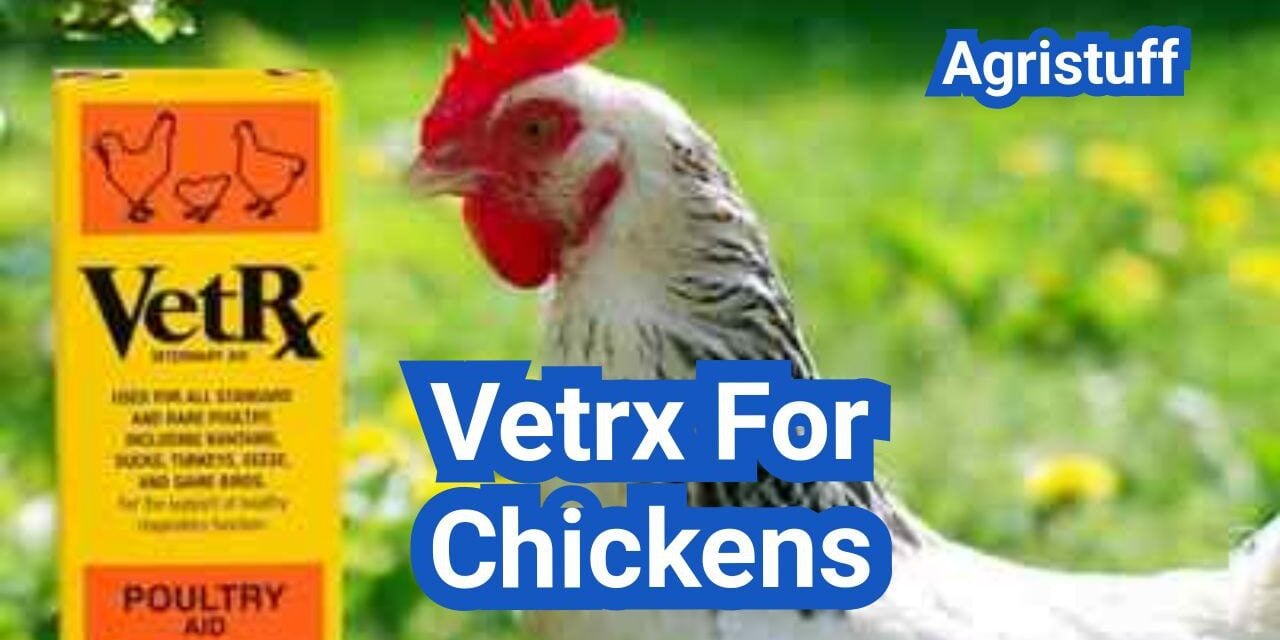
Vetrx Poultry Remedy is a trusted solution for supporting healthy respiratory function in chickens and other fowl. This remedy is designed to provide relief during times of stress or when respiratory issues arise.
For backyard chicken keepers in the U.S., Vetrx is a valuable tool in maintaining the health and well-being of their flock. By understanding the proper dosage and uses of Vetrx, chicken owners can take proactive steps to ensure their birds remain healthy.
Key Takeaways
- Vetrx Poultry Remedy supports healthy respiratory function in chickens.
- It’s essential to understand the proper dosage and uses of Vetrx.
- Vetrx is a valuable tool for backyard chicken keepers in the U.S.
- Using Vetrx can help maintain the overall health of your flock.
- Knowing when to use Vetrx and when to call a vet is crucial.
What Is Vetrx for Chickens?

As a time-tested poultry aid, Vetrx has been a go-to solution for chicken owners dealing with various health issues. With a history spanning over 100 years, Vetrx has established itself as a trusted remedy in veterinary care.
The History and Development of Vetrx
Vetrx has its roots in traditional veterinary practices, where it was formulated using natural ingredients to address common health issues in poultry. The blend of Canada Balsam, Camphor, Oil Origanum, and Oil Rosemary has been carefully crafted over the years to support chicken health.
The development of Vetrx was driven by the need for effective, non-invasive treatments for chickens. Its creators aimed to provide a remedy that could be used alongside other health practices to promote overall flock well-being.
Availability in the United States
Vetrx is widely available in the United States through various channels, including agricultural supply stores and online retailers. This accessibility has made it a popular choice among backyard chicken owners and commercial poultry farmers alike.
Overview of Vetrx as a Poultry Aid
Vetrx serves as a multifaceted poultry aid, supporting chicken health through its natural ingredients. The formula is designed to be easy to administer, making it a practical solution for chicken owners.
The key ingredients in Vetrx work synergistically to provide respiratory support, aid in managing external parasites, and help reduce stress in chickens. This makes it a versatile tool in maintaining flock health.
Understanding Vetrx Ingredients and How They Work

The effectiveness of Vetrx for chickens lies in its unique blend of natural ingredients. This supplement combines various natural compounds to support overall chicken health, particularly focusing on respiratory well-being.
Key Active Ingredients
Vetrx contains a proprietary blend of essential oils, including origanum oil and rosemary oil, which are known for their natural properties that support health in chickens. Origanum oil, for instance, has been traditionally used for its antimicrobial properties, while rosemary oil is recognized for its ability to enhance respiratory health.
The Science Behind These Natural Compounds
The natural compounds in Vetrx work synergistically to support chicken health. Origanum oil, rich in carvacrol, has been shown to exhibit antimicrobial activity, helping to protect chickens from certain pathogens. Similarly, rosemary oil contains compounds like camphor and cineole, which have been studied for their potential to support respiratory health by easing congestion and promoting clearer airways.
How These Ingredients Support Chicken Health
The combination of ingredients in Vetrx is designed to support chicken health in several ways. By promoting respiratory health, these natural compounds help chickens breathe more easily, which is particularly beneficial during times of stress or when chickens are exposed to environmental irritants. Additionally, the antimicrobial properties of ingredients like origanum oil contribute to a stronger immune system, helping chickens to fend off infections more effectively.
By understanding the ingredients in Vetrx and how they work, chicken owners can make informed decisions about using this supplement as part of a comprehensive approach to maintaining their flock’s health.
Common Uses of Vetrx for Chickens

The multifaceted benefits of Vetrx make it a valuable resource for backyard chicken flocks. Chicken keepers have found this natural remedy to be effective in addressing various health issues, from respiratory problems to external parasites.
Respiratory Support and Treatment
Vetrx is widely used to support respiratory health in chickens. Symptoms like sneezing, nasal discharge, and labored breathing can be indicative of underlying respiratory issues. Vetrx helps alleviate these symptoms by targeting the root causes, making it easier for chickens to breathe and recover.
Respiratory support is crucial, especially during cold seasons or in environments prone to dust and ammonia buildup. By using Vetrx, chicken keepers can help reduce the severity of respiratory problems and promote overall flock health.
External Parasite Management
External parasites such as mites, lice, and ticks can cause significant distress to chickens. Vetrx is effective in managing these parasites, helping to keep the flock free from discomfort and related health issues.
- Mites: Vetrx helps control mite infestations, reducing irritation and preventing anemia.
- Lice: Regular use of Vetrx can help eliminate lice, improving feather condition and overall health.
- Ticks: Vetrx aids in tick control, reducing the risk of tick-borne diseases.
Stress Reduction and Immune Support
Stress is a significant factor in chicken health, affecting their immune system and making them more susceptible to diseases. Vetrx contains natural ingredients that help reduce stress and boost the immune system, ensuring that chickens remain healthy and resilient.
During times of stress, such as molting, extreme weather changes, or when introducing new birds to the flock, Vetrx can be particularly beneficial. It helps maintain a balanced immune response, keeping the flock healthy and productive.
Other Health Applications
Beyond respiratory support, parasite management, and stress reduction, Vetrx has other health applications. It can be used to support overall health during recovery from illness or injury, and some keepers use it as a preventative measure to maintain flock health.
The natural ingredients in Vetrx make it a safe addition to regular chicken care routines, providing a holistic approach to health management.
Proper Dosage Guidelines for Vetrx

Understanding the correct dosage of Vetrx for your chickens is crucial for effective treatment. Vetrx is a versatile poultry aid used for various health issues in chickens, and its effectiveness depends on administering the right dose.
Standard Dosage for Adult Chickens
The standard dosage for adult chickens is 1 oz of Vetrx per gallon of water, administered twice a day for 3 consecutive days. This dosage is generally recommended for treating respiratory issues, managing external parasites, and providing overall health support.
Dosage Adjustments for Chicks and Smaller Breeds
For chicks and smaller breeds, the dosage needs to be adjusted. A common recommendation is to start with a lower dose and gradually increase as needed and under the guidance of a veterinarian. Typically, half the standard dose is considered for younger or smaller chickens.
Duration of Treatment Recommendations
The duration of Vetrx treatment can vary depending on the condition being treated. For most health issues, a 3-day treatment course is standard. However, for chronic conditions or ongoing health support, the treatment duration may be extended. It’s essential to monitor the chickens’ response to the treatment and adjust the duration accordingly.
Measuring and Tracking Dosage
Accurate measurement and tracking of Vetrx dosage are vital to ensure the treatment’s effectiveness and safety. Use a measuring cup or syringe to measure the dose accurately. Keep a record of the dosage administered, the date, and the chickens’ response to the treatment. This helps in making informed decisions for future treatments.
By following these dosage guidelines, you can effectively use Vetrx to support the health and well-being of your chickens. Always consult with a veterinarian for personalized advice on using Vetrx or any other health supplements for your flock.
How to Administer Vetrx to Your Chickens

To effectively use Vetrx for your chickens, it’s essential to understand the various administration methods available. Vetrx is a versatile poultry aid that can be administered in multiple ways to support chicken health.
Direct Application Methods | Vetrx for Chickens
Direct application involves applying Vetrx directly to the chicken’s body or affected area. This method is particularly useful for treating external parasites or localized infections. To apply Vetrx directly:
- Gently hold the chicken to ensure it remains still.
- Apply a few drops of Vetrx to the affected area.
- Gently massage the area to help the product penetrate.
For optimal results, repeat the application as directed in the product instructions.
Adding Vetrx to Drinking Water | Vetrx for Chickens
One of the most convenient ways to administer Vetrx is by adding it to the chickens’ drinking water. This method ensures that all birds in the flock receive the benefits of Vetrx. To add Vetrx to drinking water:
- Mix the recommended dose of Vetrx with the chickens’ drinking water.
- Stir well to ensure the product is evenly distributed.
- Replace the treated water daily to maintain freshness and efficacy.
Tip: Always use clean water containers to prevent contamination and ensure the chickens drink the treated water.
Coop Vapor Treatment Technique | Vetrx for Chickens
Vetrx can also be used as a coop vapor treatment to support respiratory health and overall flock well-being. To perform a coop vapor treatment:
- Add the recommended amount of Vetrx to a mister or spray bottle.
- Spray the product into the coop, creating a fine mist.
- Allow the chickens to breathe in the vapor for the recommended duration.
Application for Specific Conditions | Vetrx for Chickens
The method of administering Vetrx may vary depending on the specific condition being treated. For example, for respiratory issues, using Vetrx as a coop vapor treatment may be more effective, while for external parasites, direct application might be preferred. Always consult the product instructions and a veterinarian if you’re unsure about the best administration method for your chickens’ specific needs.
By understanding and applying these administration methods, you can effectively use Vetrx to support the health and well-being of your chickens.
Treating Respiratory Issues with Vetrx

Vetrx is a valuable tool in supporting the respiratory health of chickens. Respiratory issues are a common problem in backyard flocks, and Vetrx has been used by many poultry keepers to help manage these conditions.
Identifying Common Respiratory Problems in Chickens
Respiratory issues in chickens can manifest in various ways, including coughing, sneezing, labored breathing, and nasal discharge. These symptoms can be caused by a range of factors, including bacterial infections, viral infections, and environmental irritants.
Common respiratory problems in chickens include:
- Mycoplasma gallisepticum (MG)
- Infectious bronchitis
- Avian influenza
- Bronchitis
- Pneumonia
Step-by-Step Treatment Protocol | Vetrx for Chickens
When using Vetrx to treat respiratory issues in chickens, it’s essential to follow a step-by-step treatment protocol to ensure the best possible outcomes.
- Administer Vetrx according to the recommended dosage guidelines.
- Ensure good ventilation in the coop to prevent the buildup of ammonia and other irritants.
- Provide a clean and dry environment for your chickens.
- Monitor your chickens’ condition closely for signs of improvement or deterioration.
Monitoring Recovery and Follow-up Care | Vetrx for Chickens
After initiating treatment with Vetrx, it’s crucial to monitor your chickens’ recovery closely. Look for signs of improvement, such as reduced coughing or sneezing, and improved overall health.
| Signs of Improvement | Signs of Deterioration |
|---|---|
| Reduced coughing and sneezing | Increased labored breathing |
| Improved appetite and activity level | Decreased appetite and lethargy |
| Clearer nasal discharge | Increased or thicker nasal discharge |
As one poultry expert notes, “Early intervention and proper care can make a significant difference in the health and well-being of chickens with respiratory issues.”
“The key to successful treatment is catching the problem early and providing the right support.”
By following these guidelines and using Vetrx as directed, you can help your chickens recover from respiratory issues and maintain a healthy flock.
Using Vetrx for External Parasites

External parasites can be a significant issue for chicken keepers, but Vetrx offers a reliable solution. These parasites not only cause discomfort to the chickens but can also lead to serious health issues if left untreated.
Treating Scaly Leg Mites | Vetrx for Chickens
Scaly leg mites are a common problem in backyard flocks, causing irritation and potentially leading to secondary infections. Vetrx has been found effective in treating scaly leg mites due to its active ingredients, which include oregano oil and rosemary oil. These natural compounds work by repelling and killing the mites, thus providing relief to the affected chickens.
To treat scaly leg mites with Vetrx, follow these steps:
- Apply Vetrx directly to the affected legs, making sure to cover all areas thoroughly.
- Repeat the application as directed on the product label, usually every few days until the mites are eradicated.
- Monitor the chickens for signs of improvement and consult a veterinarian if the condition persists.
Managing Northern Fowl Mites vs. Red Mites | Vetrx for Chickens
Northern fowl mites and red mites are both significant pests in poultry. While they share some similarities, there are key differences in their behavior and the challenges they pose. Northern fowl mites live on the birds, feeding on their blood, whereas red mites typically reside in the coop, emerging at night to feed.
Vetrx can be used to manage both types of mites. For northern fowl mites, direct application to the chickens is effective. For red mites, treating the coop environment is crucial, and Vetrx can be used as part of a comprehensive treatment plan that includes thorough coop cleaning and disinfection.
| Mite Type | Habitat | Treatment Approach |
|---|---|---|
| Northern Fowl Mites | Live on chickens | Direct application to chickens |
| Red Mites | Reside in coop, feed at night | Coop treatment, environmental control |
Application Techniques for Effective Parasite Control
Effective parasite control with Vetrx involves proper application techniques. For external parasites like mites, direct application to the affected areas is crucial. Ensure that the product is applied according to the manufacturer’s instructions to maximize its effectiveness.
In addition to direct application, maintaining a clean and dry coop environment can help reduce the risk of external parasite infestations. Regularly inspect your flock for signs of parasites and take prompt action if you suspect an infestation.
By following these guidelines and using Vetrx as directed, chicken keepers can effectively manage external parasites, improving the health and well-being of their flock.
Preventative Uses of Vetrx in Chicken Care

Maintaining a healthy flock requires proactive measures, and Vetrx is a valuable tool. By incorporating Vetrx into their care routine, chicken keepers can enhance their flock’s overall health and resilience.
Seasonal Preventative Measures | Vetrx for Chickens
Seasonal changes can bring various health challenges to chickens. Vetrx can be used preventatively to prepare the flock for these changes. For instance, during the transition from winter to spring, Vetrx can help support respiratory health as the weather warms up and pollen counts increase.
- Use Vetrx in early spring to boost respiratory health as pollen counts rise.
- Administer Vetrx in the fall to help chickens adapt to cooler temperatures and potential drafts.
- During extreme weather conditions, Vetrx can be used to reduce stress and support overall health.
Pre-Show and Stress Prevention | Vetrx for Chickens
For chicken keepers who participate in poultry shows, Vetrx can be a valuable resource in pre-show preparation. It helps to reduce stress and ensure that the chickens are in optimal health for showing.
Pre-show tips:
- Begin administering Vetrx a few days before the show to help reduce stress.
- Continue use during the show period to maintain the health and vitality of the chickens.
Incorporating Vetrx into Regular Flock Maintenance
Regular use of Vetrx can be a proactive approach to maintaining flock health. By incorporating it into their regular care routine, chicken keepers can help prevent common health issues.
Regular flock maintenance tips:
- Add Vetrx to the chickens’ drinking water on a regular basis to support overall health.
- Use Vetrx during the coop cleaning process to help reduce the risk of disease.
By adopting these preventative measures, chicken keepers can significantly enhance the health and well-being of their flock. Vetrx, when used as part of a comprehensive care plan, can play a crucial role in maintaining a healthy and thriving backyard flock.
Safety Precautions When Using Vetrx

When using Vetrx for your chickens, it’s crucial to be aware of the safety precautions to ensure the well-being of your flock. While Vetrx is generally considered safe, there are important guidelines to follow to maximize its benefits and minimize potential risks.
Potential Side Effects to Watch For | Vetrx for Chickens
Vetrx is formulated with natural ingredients, making it a relatively safe product for chickens. However, as with any treatment, there’s a possibility of side effects, especially if not used as directed. Some chickens may exhibit sensitivity to certain ingredients, such as oregano oil or rosemary oil, which are key components of Vetrx. Monitoring your chickens’ behavior and health after administering Vetrx is crucial. If you notice any unusual signs, such as lethargy, loss of appetite, or changes in droppings, consult a veterinarian.
Egg Withdrawal Times and Consumption Safety | Vetrx for Chickens
For chicken keepers who consume eggs from their flock, understanding egg withdrawal times is vital when using any medication or treatment, including Vetrx. Fortunately, Vetrx is designed to be safe for use in laying hens, and it does not require an egg withdrawal period. This means eggs can be safely consumed during and after treatment. Nonetheless, maintaining good coop hygiene and ensuring the overall health of your hens are practices that support the safety and quality of the eggs.
Safe Storage and Handling Guidelines | Vetrx for Chickens
The effectiveness and safety of Vetrx also depend on proper storage and handling. Store Vetrx in a cool, dry place, away from direct sunlight and out of reach of children and pets. Always follow the label instructions for dosage and administration. Using clean equipment for application and avoiding cross-contamination can prevent many potential issues.
| Storage Condition | Guideline |
|---|---|
| Temperature | Store at room temperature (between 59°F and 86°F or 15°C and 30°C) |
| Light Exposure | Avoid direct sunlight |
| Accessibility | Keep out of reach of children and pets |
By adhering to these safety precautions, chicken keepers can effectively use Vetrx as part of a comprehensive health plan for their flock, ensuring the well-being of their chickens and the safety of consumers.
When Vetrx Isn’t Enough: Signs to Call a Veterinarian

Vetrx is designed to support chicken health, but certain symptoms and conditions require immediate veterinary attention. While it can be effective for various health issues, there are limits to its capabilities.
Severe Respiratory Distress Indicators | Vetrx for Chickens
Severe respiratory distress in chickens can manifest through labored breathing, gasping, or wheezing sounds. If your chickens are showing these signs, it’s crucial to seek veterinary care promptly.
Key indicators of severe respiratory distress include:
- Labored or difficult breathing
- Wheezing or unusual respiratory sounds
- Nasal discharge or swelling around the eyes and face
- Lethargy or loss of appetite
Infectious Disease Symptoms That Require Professional Care
Infectious diseases can spread rapidly through a flock, and some diseases require specific treatments that only a veterinarian can provide. Symptoms such as sudden death, severe diarrhea, or unusual behavior should be taken seriously.
| Disease Symptom | Description | Action Required |
|---|---|---|
| Sudden death | Unexplained death of one or more chickens | Immediate veterinary consultation |
| Severe diarrhea | Watery or bloody droppings | Veterinary examination and diagnosis |
| Unusual behavior | Changes in behavior, such as lethargy or aggression | Professional assessment |
Finding and Working with a Poultry Veterinarian | Vetrx for Chickens
Not all veterinarians specialize in poultry care. It’s essential to find a vet with experience in treating chickens. You can start by asking for referrals from local poultry groups or checking with professional veterinary associations.
When selecting a poultry veterinarian, consider:
- Experience with backyard flocks or poultry
- Availability for emergency consultations
- Approach to diagnosis and treatment
By understanding the signs that indicate the need for veterinary care and knowing how to find the right professional help, you can ensure the best possible outcomes for your chickens.
Maintaining Coop Health to Prevent Respiratory Issues

Ensuring your chicken coop is well-ventilated and clean is vital for the health of your chickens. Respiratory issues are a significant concern for backyard flock owners, and a well-maintained coop is your first line of defense.
Proper Coop Ventilation Strategies | Vetrx for Chickens
Proper ventilation is crucial for removing moisture and airborne pathogens from the coop. In the winter, it’s a balance between keeping the coop warm and ensuring there’s enough airflow.
Some effective ventilation strategies include:
- Installing vents or windows that can be opened and closed as needed
- Using screened vents to allow air exchange while keeping predators out
- Ensuring that the coop is not overcrowded, as this exacerbates ventilation issues
Reducing Ammonia Levels in the Coop | Vetrx for Chickens
Ammonia buildup from chicken droppings can irritate chickens’ respiratory tracts, making them more susceptible to illness. Regular cleaning and proper bedding management are key to reducing ammonia levels.
| Method | Description | Frequency |
|---|---|---|
| Daily Cleaning | Remove soiled bedding and droppings | Daily |
| Bedding Replacement | Replace bedding material completely | Weekly/Monthly |
| Ventilation Check | Ensure vents are not blocked | Daily |
Seasonal Coop Management for Respiratory Health | Vetrx for Chickens
Different seasons bring different challenges for coop health. In the winter, dry air can irritate chickens’ respiratory systems, while in the summer, heat stress can be a major issue.
Winter: Use a humidifier if necessary, and ensure good ventilation.
Summer: Provide shade, ensure good airflow, and monitor for heat stress.
Disinfecting a Chicken Coop After Illness | Vetrx for Chickens
If you’ve had a respiratory illness in your flock, it’s crucial to thoroughly disinfect the coop to prevent the spread of disease.
- Remove all bedding and clean the coop with a poultry-safe disinfectant
- Clean all feeders, waterers, and equipment
- Allow the coop to dry completely before reintroducing bedding and chickens
Biosecurity Measures for Backyard Flocks

Implementing robust biosecurity measures is crucial for maintaining the health and well-being of backyard chicken flocks. Biosecurity refers to the practices and procedures put in place to prevent the introduction and spread of diseases within the flock.
Essential Biosecurity Practices | Vetrx for Chickens
To maintain a healthy flock, several essential biosecurity practices should be adopted. These include:
- Restricting access to the coop and run to authorized individuals only
- Using dedicated clothing and footwear when interacting with the flock
- Ensuring all visitors wear protective gear before entering the coop area
- Regularly cleaning and disinfecting the coop, feeders, and waterers
Preventing Disease Introduction and Spread | Vetrx for Chickens
Diseases can be introduced to a flock through various means, including new birds, contaminated equipment, and even on the clothing of visitors. To prevent disease introduction and spread:
- Quarantine new birds for at least 30 days before introducing them to the existing flock
- Avoid sharing equipment with other poultry keepers or using equipment that has not been properly disinfected
- Keep the coop and run clean and free of debris and waste
Quarantine Procedures for New Birds | Vetrx for Chickens
Quarantining new birds is a critical step in preventing the introduction of diseases into the existing flock. When quarantining new birds:
- House them in a separate area away from the main flock
- Monitor their health closely for signs of illness or disease
- Perform health checks and provide necessary vaccinations or treatments as advised by a veterinarian
Record-Keeping for Flock Health Management | Vetrx for Chickens
Maintaining accurate records is vital for effective flock health management. Records should include:
- Health checks and observations
- Vaccinations and treatments administered
- Mortality rates and causes of death
- Feed and water consumption patterns
By implementing these biosecurity measures, backyard chicken keepers can significantly reduce the risk of disease introduction and spread, ensuring a healthier and more productive flock.
At The End of: Vetrx for Chickens
Vetrx is a valuable tool in maintaining chicken health, particularly for respiratory issues and external parasites. As discussed, its natural ingredients provide a safe and effective way to support chicken health.
The uses of Vetrx poultry aid for chickens are multifaceted, ranging from respiratory support to stress reduction. By understanding how to properly administer Vetrx, chicken owners can help prevent and treat common health issues.
Natural remedies like Vetrx offer a proactive approach to chicken care. By incorporating Vetrx into their flock’s health regimen, owners can promote overall well-being and reduce the risk of disease.
In conclusion, Vetrx for chickens is a reliable and natural solution for various health concerns. Its effectiveness, combined with proper coop management and biosecurity measures, can significantly enhance the health and productivity of backyard flocks.
FAQ
What is Vetrx used for in chickens?
Vetrx is a poultry aid used to support chicken health, particularly for respiratory issues, external parasites, and stress reduction. It is a natural remedy that can be administered directly, added to drinking water, or used as a coop vapor treatment.
How do I administer Vetrx to my chickens?
Vetrx can be administered directly to the chicken, added to their drinking water, or used as a coop vapor treatment. The method of administration depends on the specific condition being treated and the age and size of the chicken.
What are the active ingredients in Vetrx?
The active ingredients in Vetrx include origanum (oregano oil) and rosemary oil, among others. These natural compounds work together to support chicken health and address various health issues.
Can I use Vetrx for chicks?
Yes, Vetrx can be used for chicks, but the dosage needs to be adjusted according to their age and size. It’s essential to follow the recommended dosage guidelines to ensure safe and effective treatment.
How long does it take to see results after administering Vetrx?
The time it takes to see results after administering Vetrx depends on the specific condition being treated and the individual chicken’s response. Generally, improvements can be seen within a few days of treatment.
Can I use Vetrx preventatively?
Yes, Vetrx can be used preventatively to support chicken health and reduce the risk of certain health issues. It can be incorporated into regular flock maintenance, particularly during seasonal changes or when introducing new birds to the flock.
Are there any potential side effects of using Vetrx?
While Vetrx is generally considered safe, there is a risk of potential side effects, such as allergic reactions or interactions with other medications. It’s essential to follow the recommended dosage guidelines and monitor the chickens’ response to treatment.
How do I store Vetrx safely?
Vetrx should be stored in a cool, dry place, away from direct sunlight and out of reach of children and pets. It’s essential to follow the manufacturer’s storage guidelines to maintain the product’s potency and safety.
Can I use Vetrx for chickens that have a pre-existing medical condition?
It’s recommended to consult with a veterinarian before using Vetrx for chickens with pre-existing medical conditions. While Vetrx is generally considered safe, it may interact with other medications or exacerbate certain health issues.
How do I know if my chickens are experiencing withdrawal symptoms from using Vetrx?
Vetrx is not typically associated with withdrawal symptoms. However, if you’re concerned about your chickens’ health or notice any unusual behavior, it’s best to consult with a veterinarian for guidance.
What’s the best way to administer Vetrx for internal parasites?
Vetrx can be administered directly or added to drinking water to help manage internal parasites. The most effective method may depend on the specific parasite and the individual chicken’s condition.
Can I use Vetrx for chickens in the early stages of egg production?
Yes, Vetrx can be used for chickens in the early stages of egg production. However, it’s essential to follow the recommended dosage guidelines and consider any potential interactions with other medications or health issues.
Can vetrx for chickens cure a respiratory infection?
vetrx for chickens may offer comfort in mild irritation cases, but true infections often require diagnosis and targeted treatment, and some diseases remain contagious even if a bird looks “a little better.” MSD Vet Manual on Mycoplasma gallisepticum
Is vetrx for chickens a good choice for mites?
vetrx for chickens is not a substitute for identifying the mite/lice type and using an integrated control plan that includes coop sanitation and timed rechecks.
How do I disinfect properly if I suspect contagious illness while using vetrx for chickens?
vetrx for chickens won’t replace cleaning and disinfection, so focus on removing organic matter first and choosing a disinfectant appropriate for the risk you’re managing.
Do eggs need a withdrawal period if I use vetrx for chickens?
vetrx for chickens directions should be followed exactly, and if you add any other medications—especially antibiotics—withdrawal times should be determined with veterinary guidance and reliable residue-avoidance references. Food Animal Residue Avoidance Databank (FARAD)
Conclusion of: Vetrx for Chickens
Backyard flock owners often keep vetrx for chickens on hand because it feels like a simple, “do something now” option when a bird sounds snuffly or looks a little off, but the smartest first step is always a quick check of food, water, air quality, and contagious-risk clues. If you treat the coop and the bird as one system, you’ll make better decisions and avoid masking a problem that needs real medical help.
What it is and why people reach for it
At its core, vetrx for chickens is an herbal, oil-based topical product that’s been marketed for poultry and caged birds for a long time, so it tends to show up in farm stores and in “grandma’s flock” advice. Owners usually reach for it when they hear sneezing, see mild nasal discharge, or want supportive comfort while they correct dusty bedding or damp litter.
Because vetrx for chickens is regulated as an animal drug product, the label matters more than internet tips, especially for how to apply it and which species and situations it’s intended for. When a product is used outside directions, you can end up with stressed birds, delayed diagnosis, and no clear way to evaluate what helped.
Label details for vetrx for chickens also help you understand what you’re actually putting on a bird, since many “respiratory” products rely on strong aromatics that can irritate sensitive airways if overused. Knowing the listed ingredients and intended routes keeps you from turning a mild issue into a bigger one. DailyMed downloadable label PDF
Most practical guidance around vetrx for chickens boils down to “support, don’t substitute,” meaning it can be considered for comfort while you fix environment and watch symptoms, not as a replacement for diagnostics or evidence-based treatment when signs escalate. That mindset prevents false reassurance and keeps you focused on the true cause.
What it is not
It’s important to treat vetrx for chickens as supportive care rather than a cure, because respiratory disease and parasite problems in poultry can be serious, contagious, and sometimes reportable. If a bird is truly ill, “smelling better” doesn’t equal “getting better,” and the wrong approach can spread the problem through your flock. Penn State guide to respiratory diseases in small flocks
Another reason to be cautious with vetrx for chickens is that concentrated aromatic oils can cause toxicosis in animals, and birds are particularly sensitive to airborne irritants and strong vapors. Using a little too much, using it too often, or applying it in a closed coop can push a bird from mild irritation into real breathing distress. Merck Veterinary Manual on essential oil toxicosis
Before you use it: quick triage for “sniffles”
When you’re thinking about vetrx for chickens, start by deciding whether you’re dealing with a mild, non-specific issue (like dust) or a contagious disease that needs a vet or lab. Watch the bird at rest: posture, breathing effort, appetite, and how quickly the problem appeared tell you more than a single sneeze ever will. University of Minnesota Extension on diseases in small flocks
Next, look for the “pattern” that helps sort vetrx for chickens situations from true emergencies: are multiple birds affected, is there facial swelling, are eyes bubbling, or is there a sharp drop in water intake and egg production? Respiratory outbreaks often move fast, and early action is about isolation and diagnosis, not just symptom masking.
Viral respiratory diseases can resemble a cold at first, which is why vetrx for chickens should never be your only plan if signs spread through the flock. Some viruses also affect egg production and shell quality, so a “small” respiratory issue can quickly become an economic and welfare issue. MSD Vet Manual on infectious bronchitis
Make a “call now” rule before you ever open vetrx for chickens: gasping, open-mouth breathing at rest, severe lethargy, blood-tinged mucus, or sudden deaths are not DIY moments. Those signs can point to high-risk diseases and the safest move is to involve professionals immediately. Penn State Extension on ILT in poultry
Rule out environment first
Many keepers reach for vetrx for chickens when the real culprit is air quality, especially ammonia from damp litter or poor ventilation that irritates mucous membranes. If your coop smells “sharp,” your birds’ airways feel that before you do, and no topical product fixes the root cause.
Ventilation problems can show up as “mystery sniffles,” which is why vetrx for chickens should always come after you correct moisture, remove wet spots, and improve airflow without creating drafts at roost level. You’re aiming for dry litter, low odor, and steady fresh air exchange all season long.
Dust is another common trigger that gets blamed on illness, so if you’re considering vetrx for chickens, check bedding type, feed fines, and whether birds are “sneezing only when you stir litter.” Switching to lower-dust bedding and keeping feeders adjusted can reduce irritation dramatically.
Supportive care that usually helps more than any bottle
Before applying vetrx for chickens, set up a basic sick pen: quiet, warm, easy access to water, and minimal stress, because stress worsens respiratory signs and slows recovery. A separate space also helps you see if the bird is truly eating and drinking, which is one of the best “health dashboards” you have. Auburn Vet Med backyard poultry medicine PDF
Hydration matters so much that many “mild” cases improve once you focus on water intake, so if vetrx for chickens is on your mind, also think about offering fresh water more often and keeping it above-freezing in winter. If a bird is dehydrated or not drinking, that’s a strong signal you should escalate care rather than keep trying home remedies.
Label-safe use basics
If you choose to use vetrx for chickens, treat the label as the only “how-to” that counts: follow the listed methods, keep the amount conservative, and avoid getting oils into eyes or forcing anything into the mouth. A good safety habit is to apply it, then step back and watch breathing for several minutes to ensure you didn’t worsen irritation.
The most practical way to think about vetrx for chickens is as a short, supportive trial while you fix the environment, not a long-term routine that continues for weeks. If you don’t see clear improvement quickly, or if more birds develop signs, stop guessing and move toward diagnosis. Penn State respiratory disease decision support
Parasites: where it fits and where it doesn’t
People sometimes try vetrx for chickens for mites and skin irritation, but parasite problems are usually best solved with identification, targeted treatment, and coop-level control rather than a general topical product. If you don’t know whether you’re dealing with lice, northern fowl mites, or roost mites, you can waste time while the infestation grows. University of Nebraska–Lincoln guide to poultry insects
For scaly leg mites, vetrx for chickens is sometimes mentioned because oils can help loosen crusts, but the real win is consistent, gentle care and a plan to treat the bird and reduce reinfestation. If legs are bleeding, very swollen, or the bird is lame, treat that as a veterinary case rather than a home project.
Northern fowl mites can look like “dirty feathers” and cause anemia and stress, so relying on vetrx for chickens alone can delay the intervention that actually stops the cycle. A good inspection with a bright light (especially around the vent) and a clear plan for rechecks will beat random treatments every time.
Because mites often live in the environment, vetrx for chickens won’t solve the problem unless you also address roosts, cracks, litter, and wild-bird exposure that keeps reintroducing pests. Think in “rounds”: clean, treat, recheck, and repeat on a schedule that matches the pest’s life cycle.
Food safety and medication pitfalls
One of the biggest risks when someone starts with vetrx for chickens is that it can lead to unplanned mixing of remedies, including unapproved antibiotics or off-label drugs, which creates residue and safety concerns. If medication enters the picture, a veterinarian should guide decisions for food-producing birds, including eggs and meat.
When to call a vet or a diagnostic lab
If vetrx for chickens isn’t clearly helping, or you see flock-wide signs, your best next step is often a diagnostic plan rather than another product, because respiratory disease look-alikes are common. Many state labs and university programs accept submissions, and even one tested bird can save the rest of the flock.
For keepers in states with strong poultry diagnostics, vetrx for chickens should never delay a necropsy when you’ve had unexplained deaths, since necropsy can reveal patterns like airsac disease, severe parasite burden, or toxic exposure. Labs typically provide clear submission instructions and fee schedules so you can plan ahead. UC Davis CAHFS tests and fees
Because some poultry diseases are reportable, vetrx for chickens is not the right response to sudden die-offs, neurologic signs, or rapid flock decline, especially when wild birds are active in your area. The safest move is to contact your state veterinarian or USDA right away so you protect your birds and your neighbors’ flocks. USDA APHIS “Report Sick Birds” resource
Quick checklist
Use this quick checklist alongside vetrx for chickens so you treat the bird, the coop, and the risk of contagious spread as one decision. USDA Defend the Flock resources
- Separate the affected bird in a warm, quiet space with easy water access.
- Check appetite and water intake twice daily and note any changes.
- Inspect eyes and nostrils for discharge, swelling, or crusting.
- Listen for wheezing, clicking, or open-mouth breathing at rest.
- Smell the coop for ammonia and remove wet litter immediately.
- Improve ventilation without blowing drafts on roosting birds.
- Check the rest of the flock for similar signs (pattern matters).
- Inspect skin and feathers for mites/lice, especially around the vent.
- Use only label directions for any product and avoid mixing remedies.
- Set a short “reassess window” and escalate if signs worsen or spread.
Common mistakes to avoid
Most problems attributed to vetrx for chickens come from delaying diagnosis, using too much product, or treating symptoms while ignoring environment and biosecurity.
- Using it as a “cure”: Treat it as supportive care only, and prioritize diagnosis when signs persist.
- Overapplying oils: Use conservative amounts and avoid closed spaces where vapors can build up.
- Ignoring ammonia: Fix damp litter and airflow first; irritation can mimic illness.
- Not isolating the bird: Isolation protects the flock and helps you measure improvement.
- Mixing multiple remedies: Don’t stack products; it increases stress and hides what’s working.
- Delaying lab help after deaths: One timely necropsy can prevent larger losses.
- Assuming “mites” without checking: Identify the pest so the control plan matches the life cycle.
- Skipping quarantine for new birds: New additions are a top pathway for respiratory disease entry.
Costs and ROI snapshot
For many keepers, vetrx for chickens feels like a low-cost first step, but the biggest cost drivers usually sit in feed, housing fixes, and lost production when birds are stressed or sick. A practical way to budget is to separate “bird care” costs (supportive supplies, diagnostics, vet consults) from “coop fixes” (ventilation, bedding, exclusion from wild birds) and “productivity loss” (egg drop and time).
The ROI question with vetrx for chickens is really about prevention: money spent on biosecurity and early diagnosis can protect the whole flock, while late action can lead to significant losses and replacement costs. If you keep records of symptoms, egg counts, and mortality, you’ll see quickly whether you’re dealing with a one-bird irritation issue or a flock-level problem that demands faster escalation.
Final thought
Used carefully, vetrx for chickens can fit into supportive care for mild issues, but the best outcomes come from fast triage, clean air, strong biosecurity, and a clear “escalate to vet/lab” line when signs worsen or spread.
Sources & References
- VetRx Poultry Aid
- DailyMed (official drug label database)
- FDA Center for Veterinary Medicine
- USDA APHIS Animal Health
- USDA APHIS avian influenza information
- Extension Foundation poultry resources
- University of Georgia Poultry Science Extension
- Penn State Extension poultry resources
- University of Minnesota Extension poultry resources
- UC Davis CAHFS veterinary diagnostics
- Colorado State University Veterinary Diagnostic Laboratories
- MSD Veterinary Manual poultry topics