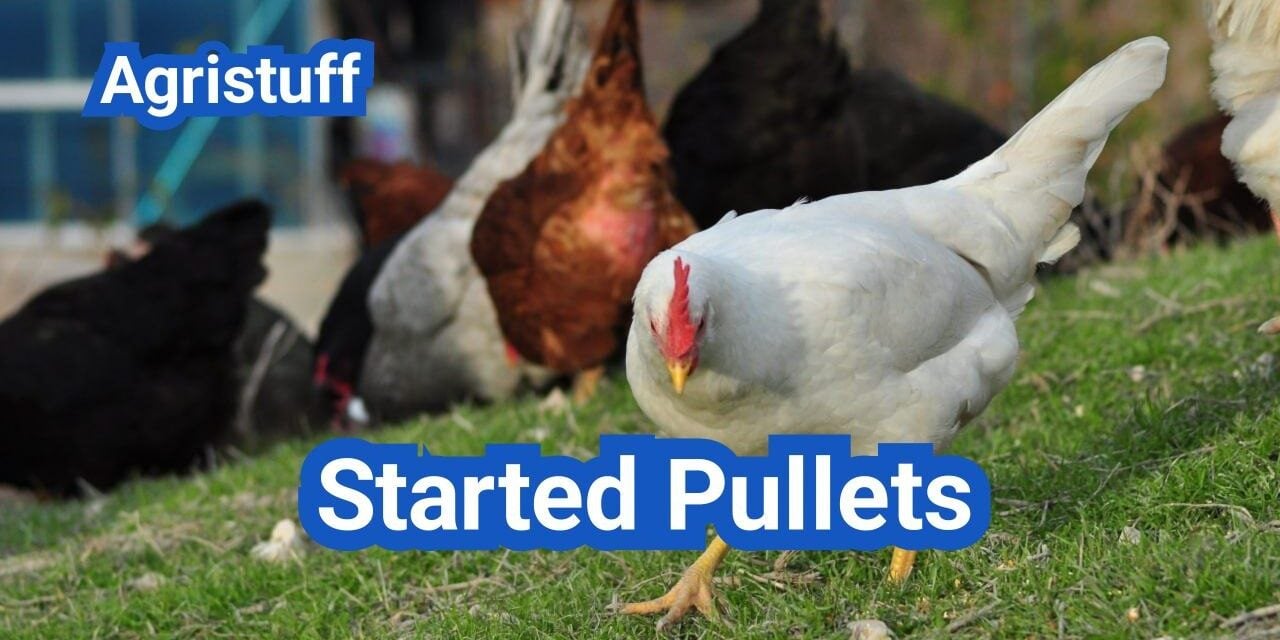
When considering adding new chickens to your flock, buying started pullets can be a great option. Started pullets are young hens that are nearly ready to lay eggs, typically around 16-20 weeks old. Understanding what to ask before buying and how to properly quarantine them is crucial for the health and well-being of your existing flock.
Quarantining new chickens, including point of lay pullets, is essential to prevent the introduction of diseases into your existing flock. A quarantine period of at least 30 days allows you to monitor the new birds for signs of illness and ensure they are healthy before integrating them with your other chickens.
Key Takeaways
- Understand the meaning and benefits of buying started pullets.
- Know what to ask before purchasing started pullets.
- Quarantine new chickens for at least 30 days.
- Monitor new birds for signs of illness during the quarantine period.
- Ensure the health and well-being of your existing flock by integrating new chickens carefully.
What Are Started Pullets? Understanding the Basics

For many backyard flock owners, started pullets represent a convenient middle ground between day-old chicks and mature laying hens. Started pullets are young hens that have been raised beyond the chick stage but are not yet laying eggs.
Definition and Age Range
Started pullets are typically young female chickens between 8 to 22 weeks old. At this stage, they have grown beyond the vulnerable chick phase but have not yet reached the point of lay.
The age range of 8 to 22 weeks is critical because it allows backyard flock owners to introduce hens that are nearly ready to start laying eggs, thus providing a faster path to egg production compared to starting with day-old chicks.
Point of Lay vs. Started Pullets
While often used interchangeably, there’s a subtle difference between “point of lay” pullets and “started” pullets. Point of lay typically refers to pullets that are about to start laying eggs, usually around 18-22 weeks of age. Started pullets, on the other hand, can be anywhere between 8 to 22 weeks old and may or may not be close to laying eggs.
The key distinction lies in their readiness to lay eggs. Point of lay pullets are on the cusp of egg production, whereas started pullets are at various stages of development before reaching that point.
Why Started Pullets Are Popular for Backyard Flocks
Started pullets are popular among backyard flock owners for several reasons:
- They offer a faster path to egg production compared to starting with day-old chicks.
- They have a lower risk of early mortality since they’ve survived the most vulnerable chick stage.
- They are often easier to care for than chicks, requiring less specialized equipment.
- They allow owners to see the breed characteristics more clearly than with young chicks.
By understanding the basics of started pullets, backyard flock owners can make informed decisions about their flock management and egg production expectations.
The Benefits of Buying Started Pullets vs. Day-Old Chicks

Started pullets offer several advantages over day-old chicks, making them an attractive option for those looking to quickly establish a productive backyard flock. When deciding between started pullets and day-old chicks, it’s essential to consider factors such as egg production timelines, flock health, and care requirements.
Faster Path to Egg Production
One of the primary benefits of buying started pullets is the faster path to egg production. Since started pullets are typically between 8 to 22 weeks old, they’re already past the early stages of development and are nearing or have just reached laying age. This means you can expect to start collecting eggs much sooner compared to raising day-old chicks.
Reduced Early Mortality Risk
Started pullets have already survived the most vulnerable stages of their life, significantly reducing the early mortality risk. Day-old chicks, on the other hand, are more susceptible to diseases and environmental stressors, which can lead to higher mortality rates during the first few weeks.
Easier Care Requirements
Caring for started pullets is generally easier than caring for day-old chicks. Started pullets are more robust and require less intensive care, as they’ve already been vaccinated and have developed some level of immunity. This makes them a more manageable option for backyard flock owners, especially those new to poultry keeping.
Better Breed Identification
When purchasing started pullets, you can often get a clearer picture of the breed characteristics, as the birds are more mature. This is particularly beneficial for those looking for specific traits, such as egg-laying ability or temperament. With day-old chicks, it can be more challenging to predict these characteristics with certainty.
Top Started Pullet Breeds for Backyard Flocks

Started pullets come in a variety of breeds, each with its unique characteristics and benefits. Choosing the right breed is crucial for the success of your backyard flock. Different breeds excel in different areas, such as egg production, meat production, or simply as pets.
Best Egg-Laying Breeds
For those primarily interested in egg production, breeds like Leghorns, Sex Links, and Ameraucanas are top choices. Leghorns are renowned for their high egg production, laying up to 300 large white eggs per year. Sex Links are another prolific layer, known for their friendly nature and consistent production of brown eggs. Ameraucanas offer the added bonus of laying blue or green eggs, making them a favorite among those looking for variety in egg color.
Dual-Purpose Breeds
Some breeds are valued for both their egg-laying abilities and their potential for meat production. Orpingtons, Plymouth Rocks, and Rhode Island Reds are popular dual-purpose breeds. Orpingtons are known for their gentle disposition and lay a significant number of brown eggs. Plymouth Rocks are hardy, friendly birds that are good foragers and consistent layers. Rhode Island Reds are another favorite, known for their robust health and high egg production.
Heritage Breeds Worth Considering
For those interested in preserving genetic diversity, Wyandottes, Delawares, and Welsummers are heritage breeds worth considering. Wyandottes are known for their beautiful plumage and friendly nature, laying dark brown eggs. Delawares are valued for their cold hardiness and lay light brown eggs. Welsummers are known for their dark terracotta-colored eggs and are a great choice for those looking for a unique egg color.
Specialty and Rare Breeds
For the more adventurous backyard flock owner, Silkies, Marans, and Olive Eggers offer something unique. Silkies are beloved for their fluffy feathers and friendly, docile nature, though they are not prolific layers. Marans are known for their dark, chocolate-brown eggs, making them a sought-after breed. Olive Eggers, a cross between a Marans and an Ameraucana, lay olive-green eggs, adding a unique color to any egg basket.
| Breed | Egg Color | Annual Egg Production | Temperament |
|---|---|---|---|
| Leghorn | White | 300+ | Active, Friendly |
| Orpington | Brown | 180-200 | Gentle, Docile |
| Wyandotte | Dark Brown | 200+ | Friendly, Curious |
| Marans | Dark Chocolate Brown | 180-200 | Calm, Friendly |
Essential Questions to Ask Before Buying Started Pullets

To ensure you’re getting healthy, high-quality started pullets, there are several essential questions you should ask the seller. Understanding the health history, age, and care requirements of the pullets can significantly impact their integration into your flock and their future productivity.
Age and Expected Laying Timeline
Knowing the age of the pullets you’re purchasing is crucial. It helps you understand when they are likely to begin laying eggs. Typically, pullets start laying between 18 and 24 weeks of age, depending on breed and nutrition.
Vaccination and Health History
Inquiring about the vaccination history and any past health issues can provide insights into the overall health of the pullets. Ask if they’ve been vaccinated against common poultry diseases and if they’ve received any treatments for parasites.
Feed and Care Information
Understanding the feeding regimen and care practices the pullets have been under is vital. This includes knowing their diet, any supplements they’ve been given, and how they’ve been managed in terms of space and social interaction.
NPIP Certification Status
The National Poultry Improvement Plan (NPIP) is a cooperative industry, state, and federal program aimed at eradicating certain poultry diseases. Asking if the pullets are from an NPIP-certified flock can provide assurance about their health status regarding diseases like Salmonella.
Here’s a summary checklist in table format to help you when purchasing started pullets:
| Category | Information to Seek | Importance Level |
|---|---|---|
| Age | Exact age or age range | High |
| Vaccination History | Types of vaccinations and dates administered | High |
| Health History | Past illnesses, treatments, and current health status | High |
| Feed and Care | Diet composition, feeding schedule, and living conditions | Medium |
| NPIP Certification | Status of NPIP certification for the flock | High |
By asking these questions and understanding the answers, you can make a more informed decision when buying started pullets, ensuring they will be a healthy and productive addition to your backyard flock.
Red Flags to Watch For When Purchasing Pullets

Identifying potential health issues in pullets before purchase can save you time, money, and heartache in the long run. When buying started pullets, it’s not just about picking the right breed or age; it’s also about ensuring you’re getting healthy birds that will thrive in your backyard flock.
Physical Signs of Unhealthy Birds
When inspecting pullets, look for physical signs of illness or stress. These can include:
- Discharge or swelling around the eyes or nostrils
- Ruffled or dirty feathers
- Lethargy or labored breathing
- Visible signs of external parasites like mites or lice
- Abnormal droppings or diarrhea
Healthy pullets should be active, alert, and have clean, smooth feathers. Any deviation from this could be a red flag indicating potential health issues.
Concerning Behaviors to Notice
Besides physical signs, certain behaviors can indicate that something is wrong. Watch for:
- Pecking or bullying within the group
- Failure to eat or drink normally
- Unusual vocalizations or stress calls
- Hesitance to move or walk abnormally
These behaviors could signal stress, illness, or discomfort among the pullets.
Questions Sellers Should Be Able to Answer
A reputable seller should be transparent about the health and history of their pullets. They should be able to provide information on:
- Vaccination history
- Feed and care practices
- Any known health issues within the flock
- NPIP certification status
If a seller seems evasive or unsure about these details, it’s a sign that you should be cautious.
When to Walk Away from a Purchase
If you notice several red flags or the seller is uncooperative, it’s often best to walk away from the purchase. Your backyard flock’s health is worth the extra effort to find quality pullets from a trustworthy source.
Where to Buy Quality Started Pullets in the USA

The quest for high-quality started pullets leads many to explore different purchasing options in the USA. With several sources available, backyard flock owners can find the perfect addition to their flocks.
Reputable Hatcheries That Ship Pullets
One of the most reliable ways to obtain quality started pullets is through reputable hatcheries that specialize in shipping pullets. Hatcheries like Meyer Hatchery and Valley Hatchery have established themselves as trusted suppliers, offering a variety of breeds and ensuring healthy birds.
| Hatchery Name | Breeds Offered | Shipping Details |
|---|---|---|
| Meyer Hatchery | Leghorns, Sex Links, Ameraucanas | Ships nationwide, minimum order required |
| Valley Hatchery | Orpingtons, Plymouth Rocks, Rhode Island Reds | Ships across the USA, live guarantee |
Finding Local Pullet Breeders
Another excellent option is to find local pullet breeders. This approach allows potential buyers to inspect the birds in person and ask questions directly. Local breeders often have a variety of breeds and can provide valuable insights into the health and temperament of their pullets.
To find local breeders, one can:
- Check online directories or breed clubs
- Attend local poultry shows or events
- Ask for referrals from other backyard flock owners
Agricultural Fairs and Poultry Swaps
Agricultural fairs and poultry swaps are also great places to find quality started pullets. These events bring together breeders and enthusiasts, offering a chance to see various breeds and ask questions. They can be an excellent source for finding rare or specialty breeds.
Online Marketplaces and Classifieds
Online marketplaces and classifieds can be a convenient way to find started pullets. However, it’s crucial to exercise caution and thoroughly research sellers to ensure they are reputable. Look for sellers who provide detailed health information and have positive reviews.
When purchasing online, consider:
- The seller’s reputation and reviews
- Health guarantees and vaccination records
- Clear communication about the birds’ breed, age, and laying status
By exploring these options, backyard flock owners can find high-quality started pullets that meet their needs and enhance their flocks.
Creating an Effective Quarantine Setup for New Birds

When introducing new birds to your backyard flock, a well-planned quarantine setup is essential. This separate area allows you to monitor the health of new birds before integrating them with your existing flock, reducing the risk of disease transmission.
Minimum Quarantine Space Requirements
The quarantine area should provide enough space for the new birds to move comfortably. A general rule of thumb is to allocate at least 2-4 square feet per bird inside the coop and 8-10 square feet per bird in the outdoor run.
| Number of Birds | Minimum Coop Space (sq ft) | Minimum Outdoor Run Space (sq ft) |
|---|---|---|
| 1-2 | 4-8 | 8-20 |
| 3-5 | 6-20 | 24-50 |
| 6-10 | 12-40 | 48-100 |
Essential Equipment for Quarantine Areas
To ensure the health and well-being of new birds, the quarantine area should be equipped with essential supplies, including a coop, feeder, waterer, and adequate ventilation. Proper ventilation is crucial to prevent the buildup of ammonia from droppings, which can lead to respiratory issues.
Proper Distance from Existing Flock
The quarantine area should be located at a safe distance from your existing flock to prevent direct contact and reduce the risk of disease transmission. A distance of at least 30 feet is recommended to minimize the risk.
Managing Separate Care Routines
Managing a separate care routine for the birds in quarantine is vital. This includes providing fresh food and water daily, cleaning the coop regularly, and monitoring the birds’ health closely. It’s also essential to wash your hands thoroughly before and after handling the birds or their equipment to prevent cross-contamination.
The 30-Day Quarantine Protocol: Week by Week Guide

To safeguard your existing flock, it’s critical to quarantine new chickens for at least 30 days. This period allows you to monitor their health, provide necessary care, and prevent potential disease transmission to your current flock.
First Week: Arrival and Initial Health Check
Upon arrival, inspect the chickens for any signs of illness or stress. Check for external parasites like mites and lice, and monitor their overall behavior and condition.
- Observe their droppings for any abnormalities.
- Ensure they have access to clean water and nutritious feed.
- Provide a comfortable and safe environment.
Second Week: Monitoring and Preventative Care
Continue to monitor the chickens’ health, focusing on respiratory issues and signs of coccidiosis. Implement preventative care measures such as vaccinations if necessary.
| Day | Health Check | Preventative Care |
|---|---|---|
| 8-10 | Inspect for signs of illness | Administer vaccinations if needed |
| 11-14 | Monitor behavior and droppings | Continue with nutritional support |
Third Week: Continued Observation
Keep a close eye on the chickens’ overall health, watching for any signs of disease or stress. Ensure their living conditions remain clean and safe.
Fourth Week: Final Health Assessment
Conduct a thorough health assessment before considering the quarantine period over. Check for any signs of illness, ensure they’re thriving, and make a final decision on introducing them to your main flock.
- Review their overall health and behavior.
- Consult a veterinarian if you have any concerns.
- Plan a gradual introduction to the existing flock.
By following this 30-day quarantine protocol, you can significantly reduce the risk of introducing diseases to your existing flock, ensuring a healthier and more productive backyard flock.
Health Checks During Quarantine: What to Look For
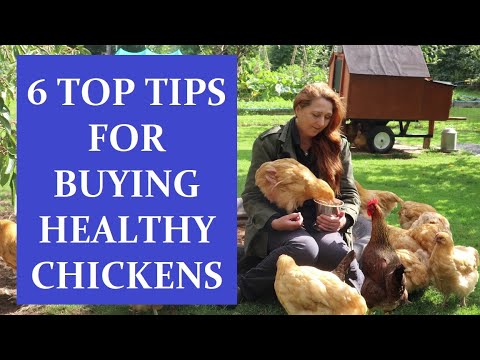
Quarantine health checks are a critical step in preventing the introduction of diseases into your existing flock. During this period, it’s essential to monitor new birds closely for any signs of illness or stress.
External Parasites: Mites and Lice
One of the first steps in health checks is examining for external parasites such as mites and lice. These pests can cause discomfort, anemia, and even transmit diseases.
- Inspect birds for signs of mites, such as tiny moving dots on the skin or in the feathers, particularly around the vent area.
- Check for lice, which are larger and may be seen crawling on the feathers or skin.
- Look for behavioral signs such as excessive preening or restlessness.
Signs of Respiratory Issues
Respiratory problems can be a significant health concern in poultry. Look for signs such as:
- Coughing or sneezing
- Nasal discharge
- Labored breathing or rapid breathing
- Swollen sinuses or eyes
Monitoring for Coccidiosis and Intestinal Parasites
Coccidiosis is a common issue in poultry, caused by a protozoal parasite. Monitor for:
- Bloody droppings or diarrhea
- Weight loss or lethargy
- Poor appetite
Normal vs. Abnormal Droppings
Understanding what constitutes normal and abnormal droppings is crucial for monitoring health. Normal droppings are typically brown with a white cap. Abnormal droppings can indicate health issues:
| Condition | Description |
|---|---|
| Normal | Brown with a white cap |
| Coccidiosis | Bloody or watery |
| Dehydration | Very dry or scant |
| Diarrhea | Loose or watery |
By closely monitoring these health indicators during quarantine, you can identify potential issues early and take appropriate action to ensure the health of your new birds and your existing flock.
Cleaning and Disinfecting Poultry Equipment
Cleaning and disinfecting poultry equipment is a critical step in preventing disease and promoting a healthy flock. Regular maintenance of equipment not only ensures the well-being of your birds but also contributes to the overall efficiency of your poultry operation.
Proper Cleaning Products for Poultry Use
When it comes to cleaning poultry equipment, it’s essential to use products that are safe for your birds and effective against a broad spectrum of pathogens. Non-toxic, biodegradable cleaners are recommended as they minimize environmental impact while protecting your flock’s health.
Some effective cleaning agents include:
- Mild detergents for general cleaning
- Specific poultry-safe disinfectants for eliminating bacteria and viruses
- Hot water for loosening dirt and grime
Disinfection Protocols Between Flocks
Disinfecting poultry equipment between flocks is a crucial biosecurity measure. The process involves a thorough cleaning followed by the application of a disinfectant. It’s vital to follow the manufacturer’s instructions for the disinfectant product, ensuring the correct concentration and contact time.
A general disinfection protocol includes:
- Removing all organic matter from the equipment
- Cleaning the equipment with a mild detergent
- Rinsing thoroughly with water
- Applying the disinfectant according to the product’s instructions
- Allowing the equipment to air dry before reuse
Regular Maintenance Cleaning Schedule
Establishing a regular cleaning schedule is key to maintaining a healthy poultry environment. Daily, weekly, and monthly tasks should be outlined to ensure that all equipment is regularly inspected and cleaned.
| Frequency | Tasks |
|---|---|
| Daily | Clean feeders and waterers, remove soiled bedding |
| Weekly | Disinfect equipment, inspect for wear and tear |
| Monthly | Deep clean the coop and equipment, replace bedding completely |
Environmentally Safe Cleaning Options
For those concerned about the environmental impact of their cleaning practices, there are several eco-friendly options available. Using natural disinfectants like vinegar or hydrogen peroxide can be effective while being gentler on the environment.
It’s also important to consider the disposal of cleaning waste and to follow local regulations regarding the disposal of chemicals and contaminated materials.
Developing a Backyard Flock Biosecurity Plan

Biosecurity measures are critical for safeguarding your backyard flock against potential health threats. A comprehensive biosecurity plan helps protect your chickens from diseases and reduces the risk of contamination.
Daily Biosecurity Practices
Implementing daily biosecurity practices is fundamental to maintaining a healthy flock. This includes:
- Regularly inspecting your chickens for signs of illness or stress
- Maintaining cleanliness in the coop and run
- Ensuring that feed and water are stored properly to avoid contamination
Daily inspections can help identify potential issues early, allowing for prompt intervention.
Visitor and Equipment Protocols
Establishing protocols for visitors and equipment is crucial. This involves:
- Limiting access to your flock to essential visitors only
- Providing protective clothing and footwear for visitors
- Disinfecting equipment before it enters the coop or run
Restricting access and using proper disinfection techniques can significantly reduce the risk of disease introduction.
Feed and Water Management
Proper management of feed and water is vital for biosecurity. This includes:
- Storing feed in rodent-proof containers
- Using clean, covered feeders and waterers
- Regularly cleaning and disinfecting feeding and watering equipment
Using covered feeders and waterers can prevent contamination from wild birds and other animals.
Predator and Wild Bird Protection
Protecting your flock from predators and wild birds is an essential aspect of biosecurity. Measures include:
- Securing the coop and run to prevent predator entry
- Using netting or other deterrents to keep wild birds away
- Removing attractants that might draw predators to your flock
By implementing these measures, you can significantly enhance the biosecurity of your backyard flock, protecting your chickens and ensuring a healthy and productive environment.
Introducing New Pullets to Your Existing Flock
Successfully integrating new pullets into your existing flock involves understanding chicken behavior and social structures. When done correctly, this process minimizes stress and conflict, ensuring a harmonious backyard flock.
Timing the Introduction Right
The timing of introducing new pullets to your existing flock is crucial. It’s generally recommended to introduce new hens during the evening or at night when the flock is less active and more calm. This timing allows the new birds to settle into their new environment with less stress.
The “See But Don’t Touch” Method
Before allowing the new pullets to physically interact with your existing flock, it’s advisable to use the “see but don’t touch” method. This involves keeping the new birds in a separate but adjacent enclosure where they can see and become familiar with each other without direct contact. This step helps reduce initial aggression and fear.
Managing Pecking Order Disputes
Pecking order disputes are a natural part of introducing new birds to an existing flock. To manage these disputes, ensure that your coop and run provide enough space for all birds. Overcrowding can exacerbate aggression. Monitoring the flock’s behavior during the introduction period is crucial, as some birds may require more time to adjust than others.
When to Intervene in Flock Conflicts
While some conflict is normal, it’s essential to know when to intervene. If you notice persistent aggression, injury, or significant stress among your birds, it’s time to step in. Separating the birds and restarting the introduction process more gradually can help. In some cases, removing particularly aggressive birds from the flock may be necessary to maintain peace.
Safe Egg Handling and Managing Production After Transport
The journey doesn’t end once you’ve brought your started pullets home; ensuring their smooth transition into egg production requires careful handling and management. After the stress of transport, it’s crucial to support your birds’ health and nutritional needs.
Normal Post-Move Behavior Changes
After being transported, pullets may exhibit changes in behavior, such as reduced activity or altered feeding patterns. “It’s not uncommon for birds to be stressed after a move,” says poultry expert Janet Wilson. “Monitoring their behavior and ensuring they have access to fresh water and nutritious feed is essential.”
Keep an eye out for signs of stress, such as feather pecking or unusual vocalizations. Providing a calm environment can help mitigate these behaviors.
Nutritional Support for Stressed Birds
Nutritional support is vital for birds recovering from the stress of transport. Ensure they’re receiving a balanced diet rich in calcium and protein to support egg production. Consider adding supplements like probiotics to their feed to aid in digestive health.
Key Nutrients for Stressed Birds:
- Calcium for strong eggshell production
- Protein for overall health and egg production
- Vitamin D for calcium absorption and overall well-being
When to Expect Egg Production to Begin or Resume
Egg production typically resumes or begins within a few weeks after the pullets have adjusted to their new environment. Factors such as age, breed, and nutritional status can influence the timing.
Generally, you can expect started pullets to begin laying within 4-6 weeks after arrival, depending on their age at purchase and breed characteristics.
Safe Collection, Cleaning, and Storage of Eggs
Safe egg handling practices are crucial for maintaining the quality and safety of your eggs. Collect eggs frequently to prevent breakage and contamination.
Proper Egg Handling Techniques:
- Gently collect eggs to avoid cracking
- Store eggs in a cool, dry place
- Clean eggs with a dry cloth or soft brush; avoid washing with water
As you manage your flock’s egg production, remember that “cleanliness is key to egg safety.” Regularly cleaning the coop and nesting boxes will help reduce the risk of contamination.
Building a Healthy, Productive Flock with Started Pullets
Building a healthy and productive flock begins with informed decisions, such as choosing started pullets. By understanding the benefits and best practices associated with started pullets, backyard flock owners can ensure a successful and rewarding experience.
Quarantining new birds and maintaining strict biosecurity measures are crucial steps in protecting your flock from disease and maintaining overall health. A well-planned quarantine setup and adherence to a 30-day quarantine protocol can significantly reduce the risk of introducing diseases to your existing flock.
When introducing started pullets to your existing flock, careful planning and monitoring are essential to minimize conflicts and stress. By following the guidelines outlined in this article, you can create a harmonious and productive flock that will provide you with a bountiful supply of fresh eggs for years to come.
Ultimately, the key to building a healthy and productive flock with started pullets lies in attention to detail, proper planning, and a commitment to providing the best possible care for your birds.
FAQ
What are started pullets, and how do they differ from point of lay pullets?
Started pullets are young hens that have been raised beyond the chick stage but are not yet laying eggs. They typically range from 8 to 22 weeks old. Point of lay pullets are closer to laying age, usually around 16-20 weeks old.
What are the benefits of buying started pullets instead of day-old chicks?
Buying started pullets offers several benefits, including faster egg production, reduced early mortality risk, easier care requirements, and better breed identification.
How long should I quarantine new chickens before introducing them to my existing flock?
It is recommended to quarantine new chickens for at least 30 days to prevent the introduction of diseases into your existing flock.
What should I look for during health checks in quarantine?
During health checks, look for signs of external parasites like mites and lice, respiratory issues, coccidiosis, and intestinal parasites. Also, monitor for normal vs. abnormal droppings.
How do I clean and disinfect poultry equipment effectively?
Use proper cleaning products for poultry, follow disinfection protocols between flocks, and maintain a regular cleaning schedule. Consider environmentally safe cleaning options.
What are some essential questions to ask before buying started pullets?
Ask about the pullets’ age, vaccination and health history, feed and care information, and NPIP certification status to ensure you’re buying healthy birds.
How do I introduce new pullets to my existing flock safely?
Introduce new pullets gradually using the “see but don’t touch” method, manage pecking order disputes, and intervene in flock conflicts when necessary.
What are some best practices for safe egg handling and storage?
Collect eggs regularly, clean them gently, and store them in a cool, dry place. Provide nutritional support for stressed birds after transport.
Where can I buy quality started pullets in the USA?
You can find reputable hatcheries like Meyer Hatchery and Valley Hatchery, local pullet breeders, agricultural fairs, and poultry swaps. Be cautious when using online marketplaces.
What are some popular breeds of started pullets for backyard flocks?
Popular breeds include Leghorns, Sex Links, Ameraucanas, Orpingtons, Plymouth Rocks, Rhode Island Reds, Wyandottes, Delawares, and Welsummers, among others.
How can I develop a biosecurity plan for my backyard flock?
Implement daily biosecurity practices, establish visitor and equipment protocols, manage feed and water, and protect against predators and wild birds.
What are some red flags to watch out for when purchasing pullets?
Watch for physical signs of unhealthy birds, concerning behaviors, and sellers who can’t answer your questions. Be prepared to walk away if you notice any red flags.
Do started pullets need layer feed immediately?
Started pullets usually do best when you follow the seller’s current ration for a short transition period, then move to an appropriate layer ration as the birds approach or begin laying. USDA FSIS: Shell eggs from farm to table
Should I wash eggs right away?
Started pullets can produce eggs with natural protective bloom, so follow safe handling practices and local guidance for storage and cleaning decisions rather than aggressively washing every egg by default. Clemson Extension: Safe handling of eggs
What if droppings look loose during quarantine?
Started pullets may show temporary loose droppings from stress or diet change, but persistent diarrhea, blood, or severe lethargy should be treated as a health investigation, not just “new home nerves.” Penn State Extension: Managing coccidiosis in small flocks
Can I mix new birds with different poultry species?
Started pullets are generally safer when you avoid mixing chickens with other poultry species during quarantine, because different birds can carry different pathogens and create unnecessary health complexity. Mississippi State University Extension: Newcastle disease basics
What’s the “red flag” that means I should report a problem?
Started pullets that show sudden death, severe neurologic signs, or rapid flock-wide illness should be treated as an urgent situation, and you should follow official guidance for reporting and next steps. USDA APHIS: Avian influenza information
Conclusion of: Started Pullets Buying Guide
Started pullets can be the fastest path to fresh eggs, but the purchase is only “smart” if you verify how the birds were raised, what health standards were followed, and what you’ll do the moment they arrive. USDA APHIS: NPIP reference guide
Started pullets also create a real biosecurity moment because you’re bringing living animals—and their microbes—onto your property, so your buying questions and quarantine plan matter as much as your coop setup. CDC: Backyard poultry and healthy practices
What started pullets are (and what they aren’t)
Started pullets are young female chickens typically sold close to laying age, which means you’re paying for the weeks of brooding and growing that someone else already managed. UW Extension: Life cycle of a laying hen
Started pullets are not a guaranteed “egg-on-day-one” purchase, because stress, season, lighting changes, transport, and nutrition shifts can delay the first egg even when the birds are healthy. University of Minnesota Extension: Raising chickens for eggs
Started pullets are best understood as a time-saving option with a different risk profile, so you should compare the seller’s price to what it costs you to raise birds to point-of-lay in your own conditions. University of Minnesota Extension: Raising layer chicks and pullets
Why buy near-lay birds instead of chicks?
Started pullets appeal to U.S. backyard keepers and small farms because you skip heat lamps, brooder mistakes, and the most fragile early weeks—especially useful in winter climates or when you’re short on indoor space. University of Nebraska–Lincoln Extension: Backyard chicken tips
Started pullets can also reduce the “learning curve” for new keepers, but buying birds from swaps, auctions, or mixed-source sales increases the odds of exposure to parasites and respiratory bugs before the birds ever reach your coop. University of Maine Extension: Poultry swaps and disease risk
What to ask the seller: paperwork, health, and how they were raised
Started pullets should come with clear origin details—hatchery or farm name, location, and whether movement paperwork or health certifications are available—because requirements can vary by state and destination. NPIP: Participants by state/territory
Started pullets from a hatchery or organized grow-out operation are often easier to vet because you can ask about standardized health programs and whether the operation participates in recognized disease control programs. NPIP: Program overview
Started pullets are worth extra questions if the seller claims “NPIP,” because you should confirm what that means for that seller, what testing classifications apply, and who the official contacts are for verification. NPIP: APHIS poultry team contacts
Started pullets should have a documented vaccination story (or a clear “not vaccinated” statement), because core vaccines like Marek’s are time-sensitive and usually given at hatch, not weeks later. Penn State Extension: Marek’s disease in chickens
Started pullets should be screened with plain-language questions about recent illness, unexplained losses, coughing/sneezing, watery eyes, swollen faces, diarrhea, or “off-feed” behavior, since many flock diseases spread quickly once introduced. University of Maryland Extension: Common poultry diseases (PDF)
Started pullets should come with a lighting and feed history (hours of light, feed type, and protein/calcium approach), because sudden daylight drops and abrupt ration changes can delay lay and trigger stress behaviors. Michigan State University Extension: Daylight and laying hens
Started pullets are a better buy when the seller can tell you the exact hatch date or age range, the breed/strain, and whether the birds were raised for eggs (layers) versus dual-purpose lines with different maturity timing. Virginia Tech Extension: Why hens stop laying
Started pullets should have a clear feed transition plan, especially if the birds are moving from a grower ration to a pre-lay or layer ration, because mismatched calcium timing can cause thin shells or delayed production. Cornell Cooperative Extension: Poultry production basics
Started pullets should be discussed in terms of parasite prevention too—ask what the seller has seen (mites, lice, worms), what was treated, and what products were used—because parasites can arrive silently and multiply fast. Colorado State University Extension: External parasites (PDF)
Started pullets should be transported with a plan for ventilation, temperature, and stress reduction, since overheated or tightly packed birds can arrive dehydrated and immunologically “wobbly,” setting you up for problems in week one. Virginia Tech Extension: Transporting poultry safely (PDF)
How to evaluate the birds at pickup
Started pullets should be bright-eyed, alert, and moving well, with clean nostrils and no wheezing sounds when handled, because respiratory issues are one of the most common “after you bring them home” surprises. Texas A&M Veterinary Medical Diagnostic Laboratory: Mycoplasmosis case study
Started pullets should have clean vents and reasonably firm droppings (not foamy, bloody, or extremely watery), and you should glance under wings and around the vent for moving specks that can indicate lice or mites. Texas A&M AgriLife Extension: External parasites in backyard poultry
Started pullets should be loaded into clean crates (not ones used earlier that day for unknown birds), and you should plan a direct trip home with minimal stops to reduce exposure and stress. Penn State Extension: Biosecurity for poultry
Quick checklist
Started pullets are easiest to buy well when you use a short checklist that covers paperwork, management history, and what you’ll do on arrival so you’re not improvising in the driveway. UConn Extension: Biosecurity plan
- Confirm age range (hatch date if possible) and breed/strain.
- Ask for vaccination details (what, when, and documentation).
- Ask whether the seller participates in NPIP and what classifications apply.
- Ask about any recent illness, losses, or “treatments” given in the last 30 days.
- Get the exact feed name/type currently used and how long they’ve been on it.
- Ask about lighting schedule (hours/day) and whether it changed recently.
- Inspect eyes, nostrils, breathing, vents, legs, and feathers at pickup.
- Check for mites/lice signs (around vent, under wings, feather bases).
- Transport in a clean crate with good airflow and avoid overheating.
- Prepare a separate quarantine space, equipment, and daily monitoring log.
How to quarantine right (a simple 30-day protocol)
Started pullets should go into a quarantine space that is physically separate from your flock, ideally with its own airflow, because many poultry pathogens spread through shared dust, droplets, and equipment. UC Agriculture and Natural Resources: Isolation and quarantine (PDF)
Started pullets are safest with a full 30-day quarantine clock, since stress from transport can make mild infections flare up a week or two after arrival, and “they looked fine at pickup” is not a health guarantee. Oklahoma State University Extension: Small flock biosecurity
Started pullets need dedicated gear during quarantine—feed scoop, waterer, boots, and gloves—plus a strict “care for them last” routine to avoid carrying contamination back to your established flock. UC Davis: Biosecurity basics for backyard/community flocks (PDF)
Started pullets benefit from a simple entry/exit routine: step into clean footwear, wash hands, handle birds calmly, then remove or disinfect footwear before you walk anywhere near your main coop. UW Extension: Clean and disinfect boots
Started pullets should have their crates and transport equipment cleaned and disinfected outside your flock area, because a “dirty crate” can be the only thing that connects one seller’s birds to your birds. USDA APHIS: Protect poultry from avian influenza (PDF)
Started pullets should be watched twice daily for appetite, water intake, posture, droppings, and breathing, and you should write observations down so you catch subtle changes before they become emergencies.
Started pullets should trigger a “pause and assess” if you see coughing, sneezing, swollen eyes, sudden lethargy, or unexplained deaths, and your next step should be contacting a veterinarian or your state poultry resources rather than guessing with random treatments. AVMA: Avian influenza guidance
Started pullets need good air quality in quarantine, because ammonia and damp litter irritate airways and can turn a small respiratory irritation into a bigger flock health event. Penn State Extension: Detecting ammonia in poultry housing
Started pullets can be introduced after quarantine using a slow, low-conflict approach—visual contact first, then supervised mixing—because social stress can disrupt laying and create pecking injuries. Michigan State University Extension: Biosecurity tips for poultry owners
Common mistakes to avoid
Started pullets usually fail in the same predictable ways—rushing introductions, skipping paperwork, and treating symptoms without a plan—so avoid these mistakes and you’ll prevent most “new birds wrecked my flock” stories. Mississippi State University Extension: Biosecurity measures
- Skipping quarantine “because they look healthy”: quarantine for 30 days and monitor twice daily.
- Using shared feeders/waterers during quarantine: keep separate equipment and clean it outside the flock area.
- Introducing the same day you bring them home: let birds decompress, hydrate, and settle before any contact.
- Overheating birds during transport: prioritize airflow and avoid leaving birds in a parked vehicle.
- Changing feed abruptly: transition slowly over 7–10 days if you must switch brands/formulas.
- Ignoring parasites “until later”: inspect at pickup and during quarantine, then treat strategically if needed.
- Guess-treating respiratory issues: contact a poultry-savvy vet or diagnostic lab guidance instead of trial-and-error meds.
- Letting wild birds access feed/water: keep quarantine and main areas covered and tidy.
Costs and ROI snapshot
Started pullets usually cost more upfront than chicks, and the price is driven by age, breed, local demand, season, and whether the seller absorbed mortality and labor costs during the growing period. University of Maryland Extension: Economics of small poultry flocks
Started pullets can still be a strong value if they shorten your time-to-eggs and reduce early mortality risk, but the true break-even depends on feed costs, housing costs, and how you value your time. Oklahoma State University Extension: Budgeting for backyard hens
Started pullets also carry an ROI risk that people underestimate: if you introduce disease or parasites, you can lose weeks of egg production and spend money on diagnostics, replacements, and deep cleaning, which can wipe out “savings” fast.
Started pullets are easiest to justify when you plan around market volatility, because egg and feed markets swing year to year, and your best strategy is controlling controllables like biosecurity, nutrition consistency, and housing efficiency. USDA ERS: Poultry & eggs outlook and data
Final thought
Started pullets are a great shortcut when you buy with your head—verify the seller, document what you can, and treat quarantine as non-negotiable—because a careful 30 days protects months of future egg production. USDA APHIS: HPAI in poultry
Sources & References
- CDC: H5 bird flu detections in commercial and backyard poultry
- USDA APHIS: H5N1 HPAI resources and guidance
- USDA APHIS: HPAI poultry resources
- USDA FSIS: Egg products and food safety
- USDA FSIS: Eggs food safety hub
- NPIP: Program standards (PDF)
- NPIP: Authorized labs list (PDF)
- NPIP: Pullorum–Typhoid clean states map
- University of Kentucky Extension: How much will my chickens eat? (PDF)
- Alabama Cooperative Extension: Feeding the laying hen
- University of Missouri Extension: Mobile laying hen planning budget
- Purdue University: Feed cost indices for laying hens (2020)
- Oregon State University Extension: Costs and care for backyard chickens
- Penn State Extension: Poultry houses and ammonia
- Purdue Extension: External parasites of poultry (PDF)
- Mississippi State University Extension: Northern fowl mite management (PDF)