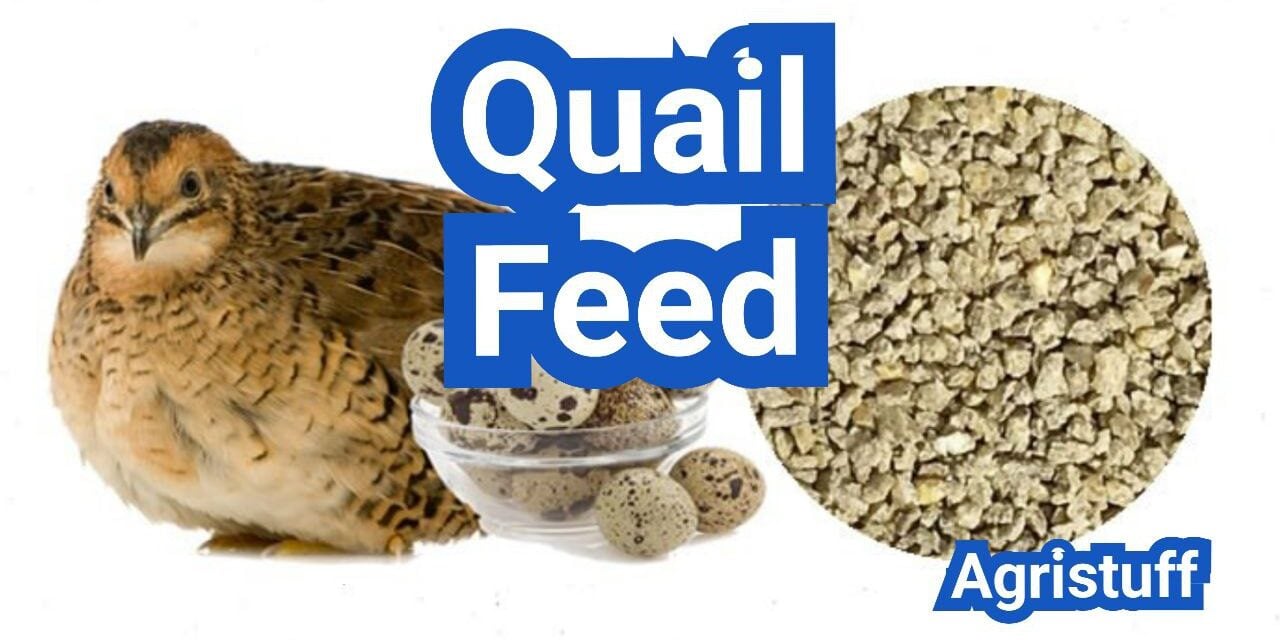
Providing the right nutrition for your quails is crucial for their health and well-being. According to the Mississippi State University Extension Service, quails have unique dietary requirements that differ from other poultry.
Proper quail nutrition involves understanding their protein needs at different ages, selecting the right commercial feed, and following a suitable feeding schedule. A comprehensive guide can help quail owners make informed decisions to ensure their birds receive the best possible care.
Key Takeaways
- Understand the protein requirements for quails at different ages.
- Learn about common commercial quail feeds available in the market.
- Discover the importance of a well-planned feeding schedule.
- Get insights into the unique dietary needs of quails.
- Find out how to provide the best nutrition for your quails.
Understanding Quail Nutritional Needs

Understanding the nutritional requirements of quail is essential for their optimal care. Quail, like other poultry, have specific dietary needs that vary across different stages of their life cycle.
Basic Nutritional Requirements
Quail require a balanced diet that includes proteins, carbohydrates, fats, vitamins, and minerals. Proteins are particularly crucial, especially during the early stages of their life. A diet rich in protein supports their rapid growth and development.
How Nutritional Needs Change with Age
The nutritional needs of quail change significantly as they age. For instance, quail chicks require a starter diet with high protein levels, typically around 25-30%, until they are about 6 weeks old. After this period, the protein level can be reduced to around 20-22% for growers and further adjusted for adult and laying quail.
| Age | Protein Requirement | Feed Type |
|---|---|---|
| 0-3 weeks | 25-30% | Starter |
| 3-6 weeks | 20-22% | Grower |
| 6 weeks and above | 18-20% | Layer or Maintenance |
The Importance of Quality Feed for Quail Health
Providing high-quality feed is crucial for maintaining the health and productivity of quail. Quality feed ensures that quail receive the necessary nutrients for optimal growth, egg production, and overall well-being. Poor quality feed can lead to nutritional deficiencies, health issues, and reduced productivity.
Quail farmers should select feed from reputable manufacturers that formulate their products according to the nutritional needs of quail at different stages of their life cycle.
Protein Requirements for Quail by Age

Understanding the protein needs of quail at different stages is crucial for their optimal growth and health. Quail, like other poultry, have specific nutritional requirements that vary as they mature from chicks to adults.
Protein Needs for Chicks (0-3 weeks)
Quail chicks require a diet rich in protein to support their rapid growth during the initial weeks. A protein content of 25-30% is recommended for chicks from 0 to 3 weeks old. This high protein level is crucial for the development of their muscles, feathers, and overall bodily structures.
Protein Needs for Growers (3-6 weeks)
As quail chicks grow into the grower stage (3-6 weeks), their protein requirements remain significant but can be slightly reduced. A protein level of 20-25% is generally considered adequate for this stage, supporting continued growth while beginning to transition towards adult nutritional needs.
Protein Needs for Adult and Laying Quail
For adult quail, especially those that are laying eggs, the protein requirement is lower compared to chicks but still critical for maintaining health and egg production. A diet with 18-20% protein is typically recommended for laying quail. This level supports the quail’s maintenance needs and the production of eggs.
Seasonal Protein Adjustments
Quail may require adjustments in their protein intake based on seasonal changes, particularly during molting or extreme weather conditions. Increasing protein levels during molting can help support feather regrowth. It’s essential to monitor the health and condition of your quail to make necessary dietary adjustments.
| Quail Life Stage | Recommended Protein Percentage | Nutritional Considerations |
|---|---|---|
| Chicks (0-3 weeks) | 25-30% | High protein for rapid growth and development |
| Growers (3-6 weeks) | 20-25% | Supports continued growth, transitioning to adult needs |
| Adult/Laying Quail | 18-20% | Maintains health and supports egg production |
Types of Quail Feed: Crumble vs. Pellet

When it comes to feeding quail, the type of feed is crucial for their health and development. Quail feed is primarily available in two forms: crumble and pellet. Each has its unique characteristics that cater to the different needs of quail at various life stages.
Characteristics of Crumble Feed
Crumble feed is a popular choice among quail breeders, especially for young chicks. It consists of small, loose particles that are easy for quail to consume. The texture of crumble feed makes it an ideal choice for young birds who are just starting to eat solid foods. According to experts, “Crumble feed is less likely to cause beak problems in young quail compared to pellet feed.”
Advantages of crumble feed include:
- Easier for young quail to eat
- Less waste compared to finely ground feeds
- Encourages natural foraging behavior
Characteristics of Pellet Feed
Pellet feed, on the other hand, is a more compact form of feed. It is made by compressing feed ingredients into small pellets. This form of feed is often preferred for its convenience and reduced waste. Pellets are less likely to be selectively eaten by quail, ensuring a more balanced diet.
Key benefits of pellet feed:
- Reduced feed waste
- Easier to store and manage
- Less selective eating
Which Type is Best for Different Life Stages
The choice between crumble and pellet feed largely depends on the age and developmental stage of the quail. For instance, crumble feed is often recommended for chicks due to its ease of consumption. As quail grow, they can be transitioned to pellet feed.
| Life Stage | Recommended Feed Type |
|---|---|
| Chicks (0-3 weeks) | Crumble Feed |
| Growers (3-6 weeks) | Crumble or Pellet Feed |
| Adult/Laying Quail | Pellet Feed |
Transitioning Between Feed Types
Transitioning quail from one feed type to another should be done gradually to prevent digestive upset. Start by mixing a small amount of the new feed with their current feed and gradually increase the proportion over time. As noted by quail breeding experts, “A gradual transition is key to preventing stress and maintaining the health of your quail.”
By understanding the characteristics of crumble and pellet feed and choosing the appropriate type for different life stages, quail breeders can optimize the health and productivity of their birds.
Game Bird Starter Feed for Quail

Quail chicks require a specialized diet, and game bird starter feed is designed to meet their nutritional needs. This type of feed is formulated to support the rapid growth and development of young game birds, including quail, during their initial weeks of life.
What Makes Game Bird Starter Different
Game bird starter feed differs from other types of poultry feed due to its high protein content and specific nutrient profile. It is designed to support the unique growth requirements of game birds, providing essential vitamins, minerals, and amino acids necessary for healthy development.
The protein content in game bird starter feed typically ranges from 25% to 30%, which is higher than many other types of starter feeds. This high protein level is crucial for quail chicks, as it supports their rapid growth rate and helps develop strong, healthy birds.
Top Game Bird Starter Brands
Several reputable brands offer high-quality game bird starter feeds suitable for quail. Some of the top brands include:
- Purina Game Bird Starter
- Mazuri Game Bird Starter
- Nutrena NatureWise Game Bird Starter
These brands are known for their nutritional balance and are formulated to meet the specific needs of young game birds.
How to Properly Use Starter Feed
To use game bird starter feed effectively, it’s essential to follow a few guidelines:
- Provide fresh, clean water at all times.
- Feed the starter feed as directed, typically for the first 3-6 weeks of life.
- Ensure the feed is stored properly to maintain its nutritional value.
Proper use of starter feed sets the foundation for healthy growth and development in quail.
Transitioning from Starter to Grower Feed
As quail chicks grow, their nutritional needs change. Typically, around 3-6 weeks of age, it’s time to transition from starter feed to grower feed. This transition should be done gradually to prevent digestive upset.
A gradual transition involves mixing increasing amounts of grower feed with the starter feed over a period of 7-10 days until the birds are fully converted to the new feed.
Layer Feed and Calcium Requirements for Laying Quail

Calcium is a crucial nutrient for laying quail, directly impacting the strength and quality of their eggshells. Laying quail require a diet rich in calcium to produce strong eggshells, with a recommended calcium level of around 2.68% in layer feed.
Understanding Calcium Needs in Laying Quail
Laying quail have a high demand for calcium due to their continuous egg production. Calcium is essential for forming strong eggshells, and a deficiency can lead to weak or broken eggs. The calcium requirement is particularly critical during peak laying periods.
Key factors influencing calcium needs include:
- Age and health of the quail
- Stage of egg production
- Nutritional balance of the diet
Best Layer Feeds with Optimal Calcium
Choosing the right layer feed is crucial for meeting the calcium needs of laying quail. Some top recommendations include:
- Purina Game Bird Layer Feed
- Mazuri Game Bird Breeder Feed
- Nutrena NatureWise Game Bird Layer Feed
These feeds are formulated to provide the optimal level of calcium (around 2.68%) necessary for strong eggshell production.
Supplementing Calcium in Quail Diet
In addition to layer feed, supplementing with calcium can be beneficial. Crushed oyster shells or dark leafy greens like kale can provide additional calcium. However, it’s essential to balance supplementation to avoid over-supplementation, which can lead to other health issues.
Tips for supplementing calcium:
- Offer crushed oyster shells in a separate feeder
- Provide dark leafy greens as treats
- Monitor quail health and adjust supplementation as needed
Signs of Calcium Deficiency
Recognizing the signs of calcium deficiency is crucial for maintaining the health of laying quail. Common indicators include:
- Thin or soft eggshells
- Broken eggs
- Reduced egg production
- Quail exhibiting signs of nutritional stress
Addressing calcium deficiency promptly can help prevent long-term health issues and maintain optimal egg production.
Medicated Game Bird Feed Options
The use of medicated feed in quail farming is a common practice to control coccidiosis and other infections. Medicated game bird feed is formulated with specific additives to prevent or treat diseases in quail, ensuring the health and productivity of the flock.
When to Use Medicated Feed
Medicated feed is typically used during the early stages of quail development or when there’s a high risk of disease outbreak. For instance, coccidiostats are often added to starter feeds to prevent coccidiosis, a common issue in young quail.
According to a study published in the Journal of Applied Poultry Research, “the use of coccidiostats in broiler chickens significantly reduced the incidence of coccidiosis” (1). While this study focused on broiler chickens, the principles can be applied to quail farming as well.
“The strategic use of medicated feed can be a valuable tool in maintaining quail health, especially in environments with high disease pressure.”
Types of Medications in Quail Feed
The most common medications used in quail feed are coccidiostats and antibiotics. Coccidiostats help control coccidiosis, a parasitic infection that can cause significant mortality in quail. Antibiotics, on the other hand, are used to treat bacterial infections.
| Medication Type | Purpose | Common Examples |
|---|---|---|
| Coccidiostats | Prevent coccidiosis | Amprolium, Decoquinate |
| Antibiotics | Treat bacterial infections | Tetracyclines, Neomycin |
Benefits and Potential Concerns
While medicated feed can significantly reduce mortality rates and improve growth rates in quail, there are concerns about antibiotic resistance and the impact on human health. The overuse or misuse of antibiotics in poultry feed has been linked to the development of antibiotic-resistant bacteria.
A study by the Centers for Disease Control and Prevention (CDC) highlighted the need for judicious use of antibiotics in agriculture to mitigate the risk of antibiotic resistance (2).
Transitioning Off Medicated Feed
It’s crucial to follow a veterinarian’s guidance when transitioning quail off medicated feed to prevent disease resurgence. Gradual transition protocols can help minimize risks.
For example, a quail farm might start by reducing the concentration of medicated feed and gradually switching to non-medicated feed over a period of days or weeks, monitoring the flock’s health closely during this transition.
Best Quail Feed Brands in the U.S.

Selecting the best quail feed brand is crucial for the health and productivity of your birds, with top brands offering a range of products tailored to different life stages. The U.S. market is home to several reputable brands that specialize in game bird feeds, including quail.
Purina Game Bird Feeds
Purina is a well-known name in poultry nutrition, offering a range of game bird feeds that are suitable for quail. Their feeds are formulated to meet the nutritional needs of game birds at various life stages.
Key Features: High-quality ingredients, balanced nutrition, and a range of products for different life stages.
Mazuri Game Bird Feeds
Mazuri is another leading brand that specializes in game bird nutrition. Their feeds are known for their high protein content and are designed to support the growth and health of quail.
Key Features: High protein content, scientifically formulated, and suitable for various game bird species.
Nutrena NatureWise Game Bird Feeds
Nutrena’s NatureWise line offers game bird feeds that are made with high-quality ingredients and are designed to meet the nutritional needs of quail. NatureWise feeds are known for their non-GMO ingredients and lack of antibiotics.
Key Features: Non-GMO ingredients, no antibiotics, and formulated for optimal nutrition.
Kalmbach Feeds Game Bird Products
Kalmbach Feeds offers a range of game bird products that are suitable for quail, focusing on nutritional balance and quality ingredients.
Key Features: Balanced nutrition, high-quality ingredients, and a focus on customer service.
Here’s a comparison of the key features of these top quail feed brands:
| Brand | Key Features | Life Stages Supported |
|---|---|---|
| Purina | High-quality ingredients, balanced nutrition | Starter, Grower, Layer |
| Mazuri | High protein content, scientifically formulated | Starter, Grower |
| Nutrena NatureWise | Non-GMO, no antibiotics, optimal nutrition | Starter, Grower, Layer |
| Kalmbach Feeds | Balanced nutrition, high-quality ingredients | Starter, Grower, Layer |
Coturnix Quail Feeding Schedule
Establishing a proper feeding schedule is crucial for the health and productivity of Coturnix quail. A well-planned feeding regimen ensures that your quail receive the necessary nutrients for optimal growth, egg production, or meat production.
Daily Feeding Routine
A consistent daily feeding routine is essential for maintaining the health of your Coturnix quail. For chicks (0-3 weeks), provide starter feed with a high protein content (around 25-30%) at all times. For growers (3-6 weeks) and adult quail, adjust the feed to a grower or layer feed accordingly, ensuring access to fresh feed daily.
For laying quail, it’s crucial to provide layer feed that contains the right balance of calcium and protein to support egg production. Ensure that feeders are clean and filled regularly to prevent waste and maintain quail health.
Adjusting Feed Amounts by Season
Seasonal adjustments in feed amounts can help optimize quail health and productivity. During colder months, quail may require more feed to maintain their body temperature, while in hotter months, they may eat less. Monitor your quail’s consumption and adjust feed amounts accordingly to ensure they’re getting enough nutrients.
Additionally, consider the activity level of your quail. Free-range quail may require more feed due to their increased activity, while confined quail may need less.
Feeding Schedule for Optimal Egg Production
For Coturnix quail raised for egg production, a feeding schedule that supports laying is crucial. Provide a layer feed that is rich in calcium (around 3-4%) to support eggshell production. Ensure that the feed is fresh and that quail have access to clean water at all times.
Consider supplementing with calcium sources like crushed oyster shells or dark leafy greens to support strong eggshell production. Monitor egg production and adjust the feeding schedule as necessary to maintain optimal laying performance.
Feeding Schedule for Meat Production
For Coturnix quail raised for meat, the feeding schedule focuses on rapid growth. Start with a high-protein starter feed (25-30%) for the first three weeks, then transition to a grower feed (around 20-22% protein) until they reach market weight.
Ensure that feed is readily available to support their growth needs, and consider the feed conversion ratio to optimize meat production efficiency.
How Much Do Quail Eat Per Day?

Understanding how much quail eat daily is crucial for their health and productivity. Quail, like other poultry, have specific feeding requirements that vary based on their age, size, and production stage.
Average Consumption Rates by Age
Quail eat differently at various stages of their life. Generally, younger quail consume more feed relative to their body size compared to adults.
- Chicks (0-3 weeks): About 1-2 grams of feed per chick per day.
- Growers (3-6 weeks): Around 2-4 grams per quail per day.
- Adult and Laying Quail: Approximately 4-6 grams per quail per day, with laying hens potentially consuming more.
Factors Affecting Feed Consumption
Several factors can influence how much quail eat, including environmental temperature, activity level, and the quality of the feed.
Environmental Temperature: Quail may eat more in colder temperatures to maintain body heat.
Activity Level: More active or free-range quail might consume more feed due to increased energy expenditure.
Measuring and Monitoring Feed Intake
To ensure optimal feeding, it’s essential to measure and monitor feed intake regularly. This can be done by:
- Weighing the feed provided daily.
- Observing the quail for signs of hunger or overeating.
- Adjusting feed amounts based on consumption patterns.
Preventing Waste and Overconsumption
To prevent waste and overconsumption, use feeders that minimize spillage and ensure they are appropriately sized for the quail.
Tips:
- Use feeders with narrow openings to prevent quail from getting inside.
- Hang feeders at a height that allows easy access but reduces spillage.
- Regularly clean feeders to maintain feed quality.
By understanding and managing quail feed consumption effectively, breeders can promote healthier birds and optimize their feeding programs.
Creating Homemade Quail Feed

With the right ingredients and recipes, homemade quail feed can provide a balanced and nutritious diet for your birds. Creating homemade quail feed requires careful consideration of the nutritional needs of your quail at different life stages.
Basic Ingredients for Balanced Homemade Feed
A balanced homemade quail feed should include a mix of grains, proteins, and supplements. Grains such as oats, barley, and wheat provide energy, while proteins from sources like mealworms, soybean meal, and fish meal are crucial for growth and development.
Key ingredients include:
- Oats
- Barley
- Wheat
- Mealworms
- Soybean meal
- Fish meal
- Calcium supplements
DIY Feed Recipes for Different Life Stages
Different life stages of quail require different nutritional profiles. For instance, chicks need higher protein content for rapid growth, while laying quail require more calcium for eggshell production.
A basic recipe for starter feed (0-3 weeks) might include 70% grains, 20% protein sources, and 10% supplements. For laying quail, the recipe could be adjusted to include more calcium-rich ingredients.
| Life Stage | Grains (%) | Protein Sources (%) | Supplements (%) |
|---|---|---|---|
| Chicks (0-3 weeks) | 60 | 25 | 15 |
| Growers (3-6 weeks) | 65 | 20 | 15 |
| Laying Quail | 60 | 15 | 25 |
Ensuring Nutritional Balance
Ensuring nutritional balance in homemade quail feed is crucial. It’s essential to research and understand the nutritional requirements of quail at different life stages.
“A well-balanced diet is the foundation of healthy quail. Nutritional deficiencies can lead to a range of health issues, from poor growth rates to decreased egg production.”
Cost Comparison: Homemade vs. Commercial
The cost of homemade quail feed can vary depending on the ingredients used. However, many breeders find that homemade feed is cost-effective, especially when using locally sourced ingredients.
A comparison of costs between homemade and commercial feed reveals that homemade feed can be significantly cheaper, particularly for large-scale breeders.
Supplementing Quail Feed with Treats and Forages

Quail can benefit from a varied diet that includes treats and forages, in addition to their regular feed. While commercial quail feed provides a balanced mix of nutrients, supplements can enhance their nutritional intake and overall health.
Beneficial Treats for Quail
Treats can add variety to a quail’s diet and provide essential nutrients. Some beneficial treats include mealworms, which are high in protein, and fresh vegetables like leafy greens and carrots. Fruits such as apples and berries are also nutritious options. It’s essential to choose treats that are safe and healthy for quail.
Forage Options for Free-Range Quail
For free-range quail, foraging is a natural behavior that can be encouraged by providing a safe and diverse environment. Forage options can include grasses, clover, and various insects that quail can forage on their own. Ensuring that the foraging area is free from pesticides and harmful substances is crucial.
Treats to Avoid
Not all treats are suitable for quail. It’s crucial to avoid giving them high-salt foods, chocolate, and onions, as these can be harmful or toxic. Additionally, avoiding treats with mold or spoiled ingredients is vital to prevent health issues.
Proper Treat Ratios in Diet
Maintaining the right balance between regular feed and treats is essential. Treats should not exceed 10% of the total diet. Over-reliance on treats can lead to nutritional imbalances. It’s also important to introduce new treats gradually to prevent digestive upset.
By carefully selecting and managing treats and forages, quail keepers can enhance the health and well-being of their birds, providing a more varied and nutritious diet.
How to Store Poultry Feed Safely
Maintaining the integrity of poultry feed through proper storage is a critical aspect of quail care. Proper storage ensures that the feed remains fresh, nutritious, and free from contaminants.
Proper Storage Containers
The choice of storage container is crucial for maintaining feed quality. Containers should be airtight to prevent moisture and pests from entering. Options include metal bins, plastic containers, and woven polypropylene bags with liners. Ensure that the containers are clean and dry before filling them with feed.
Temperature and Humidity Considerations
Both temperature and humidity can significantly affect the quality of stored feed. Ideally, feed should be stored in a cool, dry place. The storage area should maintain a consistent temperature below 80°F (27°C) and humidity levels between 30% to 50%. High temperatures and humidity can lead to mold growth and feed spoilage.
Preventing Pest Contamination
Pests, including rodents, insects, and birds, can contaminate feed and spread diseases. To prevent pest contamination, store feed in rodent-proof containers and keep the storage area clean and free of debris. Regularly inspect the storage area for signs of pests.
Feed Shelf Life and Rotation
Poultry feed has a limited shelf life. Generally, feed should be consumed within 3 to 6 months of manufacture. To ensure that older feed is used before it expires, implement a “first-in, first-out” inventory system. Regularly check the feed for signs of spoilage, such as mold, rancid smells, or insect infestations.
| Feed Type | Recommended Shelf Life | Storage Tips |
|---|---|---|
| Starter Feed | 3 months | Store in airtight containers, keep dry |
| Grower Feed | 4 months | Maintain cool temperatures, prevent pest access |
| Layer Feed | 6 months | Rotate stock regularly, check for spoilage |
By following these guidelines, quail farmers can ensure that their feed remains safe and nutritious, contributing to the overall health and productivity of their quail.
Optimizing Your Quail Feeding Program
Optimizing your quail feeding program is crucial for the health and productivity of your quail. By understanding the nutritional needs of quail at different stages of their life cycle, you can select the right feed and manage feeding schedules effectively.
A well-planned quail feeding program involves choosing the appropriate type of feed, such as crumble or pellet, and ensuring adequate protein and calcium levels. Brands like Purina, Mazuri, and Nutrena offer high-quality feeds that cater to the specific needs of quail.
To optimize quail feed, it’s essential to monitor feed consumption, adjust feeding schedules according to seasonal changes, and supplement with beneficial treats and forages. Proper storage of poultry feed is also vital to maintain its quality and prevent contamination.
By applying the knowledge gained from this guide, you can create a quail feeding program that promotes healthy growth, optimal egg production, and overall well-being of your quail. Effective quail nutrition is key to a successful and thriving quail flock.
FAQ
What is the ideal protein percentage for quail feed?
The ideal protein percentage varies by age: 28-30% for chicks (0-3 weeks), 20-24% for growers (3-6 weeks), and 16-20% for adult and laying quail.
What is the difference between crumble and pellet quail feed?
Crumble feed is a loose, fragmented form of feed, while pellet feed is a compact, uniform form. Crumble is often used for young quail, while pellets are used for older quail.
How often should I feed my Coturnix quail?
Coturnix quail should be fed daily, with the amount adjusted according to age, season, and production stage.
Can I use chicken feed for my quail?
While chicken feed can be used in a pinch, it’s not ideal for quail due to differing nutritional requirements. Quail-specific feed is recommended.
How much calcium do laying quail need?
Laying quail require around 2.5-3.5% calcium in their diet to maintain strong eggshell production.
What are the benefits of using medicated game bird feed for quail?
Medicated feed can help prevent diseases such as coccidiosis, but it should be used judiciously and under the guidance of a veterinarian.
How do I store poultry feed to maintain its quality?
Store feed in a cool, dry location, using rodent-proof containers, and rotate stock regularly to maintain freshness.
Can I make my own quail feed at home?
Yes, you can create homemade quail feed using a mix of grains, proteins, and supplements, but it’s crucial to ensure the feed is nutritionally balanced.
What treats are safe for quail?
Quail can be given treats like mealworms, sunflower seeds, and chopped vegetables, but these should not exceed 10% of their daily diet.
How do I transition my quail from starter to grower feed?
Gradually introduce grower feed into the starter feed over a period of 7-10 days to prevent digestive upset.
What are the signs of calcium deficiency in laying quail?
Signs include thin or soft eggshells, reduced egg production, and potentially, egg binding or other health issues.
Can I use chicken starter for chicks?
Chicken starter can work in some cases, but quail feed is often higher protein and sized better for tiny beaks, so performance and early growth are usually more reliable with a gamebird-style starter Feeding quail recommendations by bird type
When do I switch to a layer formula?
A practical trigger is when the first eggs appear and intake rises, because quail feed for layers needs stronger calcium support to protect shells and hen health Calcium and phosphorus targets in laying quail
Do I need to provide grit?
If birds eat only a complete ration, grit may be optional, but quail feed combined with whole grains or forage is more likely to benefit from insoluble grit for grinding
How do I reduce feather pecking?
Pecking is multi-factor, but quail feed consistency, enough feeder space, and appropriate lighting/stocking density are among the first fixes that reliably reduce pressure
What’s the safest way to handle eggs and birds?
Good hygiene matters because quail feed and water areas can attract contamination, so clean equipment, wash hands, and follow public health guidance for backyard poultry contact CDC backyard poultry health guidance
Conclusion of: Quail Feed Guide
Start with the outcome you want
If you want consistent growth, steady eggs, and fewer health surprises, your quail feed has to match the bird’s age, purpose, and environment rather than a one-bag-fits-all approach Mississippi State guide on feeding quail
The most useful way to think about quail feed is as a “tool” that drives one main outcome at a time: fast early growth, efficient finishing for meat, or stable calcium-supported egg production UGA bulletin on bobwhite quail nutrition
Coturnix vs bobwhite: why the species matters
Most U.S. backyard setups raise Coturnix (Japanese) birds, and quail feed choices tend to be simpler because they mature quickly and begin laying early compared with many gamebird species
If you’re working with bobwhite for training or release, quail feed decisions are often stricter because body condition, feather quality, and behavior are closely tied to nutrition and management
Protein by age: practical targets you can use
In real barns and backyards, quail feed protein targets usually run highest for chicks (often mid-to-high 20s), step down through the grower phase (low-to-mid 20s), and then shift to a layer/breeder formula with stronger mineral support once hens are producing Peer-reviewed study on crude protein levels during quail growth
- 0–2 weeks (starter): typically ~26–30% crude protein, fine crumble for tiny beaks
- 2–6 weeks (starter/grower): typically ~24–28% crude protein, still higher to support rapid muscle/feather growth
- 6+ weeks (grower/finisher or pre-lay): often ~20–24% crude protein, depending on your goal
- Active laying/breeding: often ~18–22% crude protein plus higher calcium for shell quality
Don’t obsess over one exact number: quail feed works best when you hit the right “band” of protein and then verify results with body weight, feathering, and egg output Review summary of quail nutrition research
Starter phase: what matters most in the first two weeks
In the brooder, quail feed is about preventing a slow start: aim for very small particle size, consistent access, and high protein so chicks don’t “stall” during the fastest growth window
Early protein quality matters as much as the percentage, so quail feed that is corn-soy based with an appropriate amino acid profile usually outperforms mixed scratch-style diets in the first 14 days UGA poultry extension on amino acids
Grower phase: control “teenage chaos” with consistency
From roughly 2–6 weeks, quail feed should stay consistent day to day because frequent formula switches can show up as uneven weights, litterier pens, and more pecking
If you want efficient gain, quail feed in the low-to-mid 20s protein range is commonly used for growers, but you should confirm performance with a weekly sample weigh-in rather than guessing Research on mineral requirements across quail growth phases
Pre-lay and laying: protein is only half the story
Once hens are approaching lay, quail feed needs enough protein to sustain production, but shell quality depends heavily on calcium and available phosphorus balance Study estimating calcium and phosphorus needs of laying Japanese quail
For many setups, quail feed for active layers is the moment you stop “chasing protein” and start watching egg shells, cracked rates, and leg strength as the main success indicators UF/IFAS resource on eggshell quality and nutrition
Feeding schedule: the simple system that works on most farms
A practical feeding schedule keeps quail feed available at all times for chicks and growers, because restricted access often shows up as runts that never fully catch up Mississippi State feeding guidance for quail types
For adults, quail feed is usually still offered free-choice, but breeders in small cages can become overweight, so you may need to adjust with measured daily portions and body condition checks Open-access analysis comparing quail and hen production economics
When you change formulas, transition quail feed over 4–7 days by blending old and new to reduce digestive upset and sudden appetite swings Extension overview of poultry nutrition basics
How much to feed per bird: a field-ready way to estimate
Instead of memorizing one number, treat quail feed intake as a range that moves with temperature, housing density, and production stage, then verify by checking feeder cleanout speed and weekly weights Extension guidance on keeping poultry water systems clean
A good daily routine is to observe quail feed behavior: birds should approach the feeder calmly, eat steadily, and leave without frantic competition or long empty periods
Reduce waste: feeder setup matters more than people expect
If you see a “snowdrift” under the trough, your quail feed isn’t the problem—the feeder height, lip design, and bird crowding are causing spillage and selective eating University of Kentucky guidance on maintaining a poultry facility
Water is part of nutrition (and a top biosecurity lever)
Even perfect quail feed won’t perform if drinkers are slimy or contaminated, because birds reduce intake, gut health suffers, and performance becomes inconsistent UA Extension on poultry water system contamination
In warm climates or enclosed barns, quail feed intake is tightly linked to water availability, so keep water cool, clean, and easy to reach—especially for chicks that dehydrate quickly UGA tip sheet on drinker line management
Brooder temperature changes appetite and growth
If the brooder is too cold, quail feed gets burned for heat instead of growth, and you often see huddling, loud peeping, and uneven sizes within a week
Reading the bag: guaranteed analysis and what it really tells you
When comparing products, treat quail feed labels like a checklist: crude protein and fat influence energy and growth, while crude fiber is a rough proxy for ingredient “density” and digestibility Washington State animal feed labeling framework
For compliance and consistency, quail feed sold commercially follows labeling rules, so learning how “guarantees” are presented helps you spot missing minerals, unrealistic claims, or unclear intended species
Ingredients: quality, not marketing, drives results
A corn–soy style base is common in U.S. production, but quail feed quality is strongly affected by amino acid balance (especially lysine and methionine), not just crude protein percent
Medicated feeds and coccidiosis: use caution
Some gamebird starters include medications intended for certain uses, so quail feed decisions should reflect your risk level, your local disease pressure, and whether your production is meat, eggs, or breeding eCFR: medications used in animal feeds
If you suspect coccidiosis, don’t “guess” with quail feed additives alone; tighten sanitation, manage wet spots, and confirm signs with a veterinarian or local extension approach
Treats, greens, and scratch: keep them in perspective
It’s fine to offer small extras, but quail feed should remain the main nutrient source, because treats can dilute protein, minerals, and vitamins that birds need daily
Grit and calcium supplements: when they help (and when they hurt)
If birds are on a complete ration, many flocks do fine without added grit, but quail feed paired with whole grains or foraging often benefits from insoluble grit for gizzard function
For layers, the safest approach is to keep quail feed as the base and offer calcium separately (like oyster shell) so males and non-layers aren’t forced into high-calcium intake Calcium and phosphorus research for laying quail
Storage and freshness: protect nutrients you already paid for
Moisture and heat degrade fats and vitamins, so quail feed should be stored sealed, off the floor, and rotated “first in, first out” to avoid rancidity and mold growth UK publication on facility upkeep and safe storage
Because mycotoxins can show up even when a bag looks “mostly fine,” quail feed safety improves when you keep storage dry, reject musty odors, and avoid buying more than you’ll use in a reasonable time window USDA-AMS mycotoxin handbook
Buying in the U.S.: common brands and how to choose smartly
In most farm stores you’ll see gamebird or turkey lines from large manufacturers, and the best quail feed choice is usually the product whose guarantees match your life stage, not the prettiest marketing on the bag USDA ERS feed grains data product
If multiple products look similar, choose quail feed based on freshness (mill date), pellet/crumb size appropriate for your birds, and whether the formula is intended for starters versus layers USDA NASS corn price series (feed cost context)
Troubleshooting with symptoms instead of guessing
When growth is slow, treat quail feed troubleshooting like a checklist: confirm brooder temperature, confirm constant access, check particle size, and then verify protein level and amino acid balance Evidence on growth response to crude protein levels
When eggs are thin-shelled or production drops, quail feed adjustments should focus on calcium availability, phosphorus balance, and overall intake before you blame genetics or weather UF/IFAS nutrition factors affecting shell quality
Quick checklist
- Match protein to age: highest for chicks, lower for growers, mineral-supported for layers
- Use fine crumble for chicks; avoid oversized pellets early
- Keep feed available 24/7 for chicks and growers
- Transition formulas gradually over 4–7 days
- Separate calcium for layers when possible (especially if males are present)
- Set feeder height at bird back level to reduce tossing and waste
- Clean drinkers often; prevent slime and wet litter
- Store feed sealed, dry, off the floor, and rotate stock
- Weigh a sample of birds weekly to confirm performance
- Watch behavior: crowding and poor access can mimic “bad nutrition”
Common mistakes to avoid
- Using low-protein chick starter long-term: switch to a life-stage-appropriate formula as birds grow
- Over-supplementing calcium for mixed-sex groups: offer calcium separately instead of forcing it in the base ration
- Frequent feed switching: changes should be planned and gradual to avoid stress and appetite drops
- Ignoring water quality: dirty drinkers reduce intake and increase disease pressure
- Buying too much at once: old feed loses quality and can develop mold risks in humid storage
- Wrong particle size: chicks waste large crumbles; adults may waste ultra-fine mash
- Under-feeder space: competition causes runts and increases pecking
- Treat overload: treats dilute the complete ration and unbalance vitamins/minerals
- Not verifying with weights: a simple weekly weigh-in catches problems early
Costs and ROI snapshot
For most small U.S. operations, quail feed is the dominant ongoing cost, and your “ROI” is usually won by reducing waste, buying appropriate bag sizes, and keeping birds healthy rather than hunting for a magically cheap formula USDA ERS feed grains sector overview
If you’re selling eggs locally, the quail feed break-even point is heavily influenced by feed price volatility (corn/soy meal), your hen productivity, and losses from cracked eggs or stress-related pauses USDA WASDE commodity outlook (feed ingredient context)
For meat birds, quail feed ROI usually improves when you track feed conversion indirectly—how many pounds of feed you buy per pound of dressed product—then adjust genetics, temperature, and feeder waste before you redesign the whole ration Open-access profitability comparison including quail production
Final thought
The fastest way to improve results is to pick a life-stage-appropriate quail feed, keep it consistent, and let weekly weights and egg quality tell you what to tweak instead of changing everything at once UGA nutrition guide for bobwhite quail
Sources & References
- USDA-AMS: Mycotoxin handbook (feed risk and prevention)
- eCFR: New animal drugs for use in animal feeds
- Open-access study: Calcium and phosphorus needs of laying Japanese quail
- Open-access study: Crude protein levels during quail growth
- University of Georgia: Nutrition Guide for Bobwhite Quail Production (B1218)
- USDA ERS: Feed Grains Database
- USDA NASS: Corn prices received (cost context)
- CDC: Backyard poultry and human health