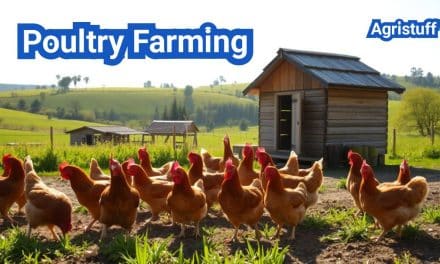
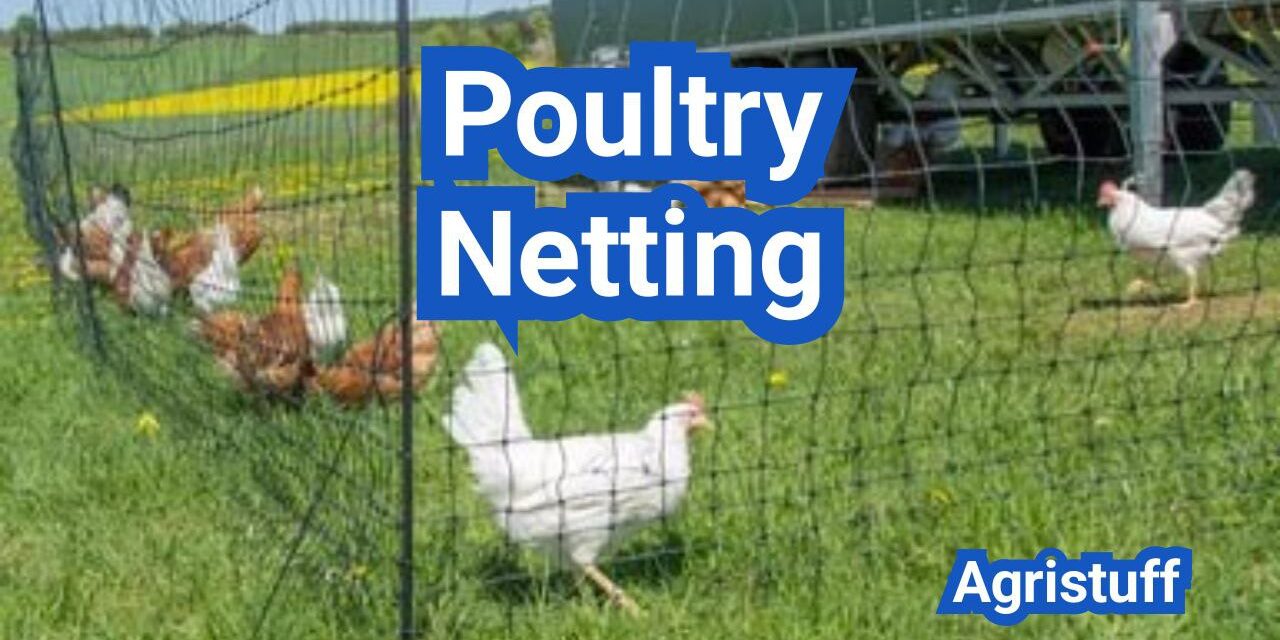
For backyard chicken keepers and farmers alike, effective fencing is crucial for protecting their flocks from predators and keeping them from escaping. One popular solution is poultry netting, a versatile and efficient way to enclose your chickens.
Poultry netting comes in different types, including electric and non-electric options. Understanding the differences between these types and how to install them is essential for ensuring the safety and security of your chickens.
This article will delve into the world of poultry netting, exploring its various forms and the best practices for installation.
Key Takeaways
- Understanding the different types of poultry netting available
- Learning the benefits and drawbacks of electric vs non-electric poultry netting
- Gaining insights into the installation process for effective poultry fencing
- Discovering best practices for securing your flock
- Exploring the importance of choosing the right poultry netting for your needs
Understanding Poultry Netting Basics

Understanding the basics of poultry netting is essential for any poultry owner. Poultry netting is a critical component in protecting chickens from predators and preventing them from escaping. It serves as a barrier that safeguards the flock while allowing them to roam freely within a designated area.
What Is Poultry Netting and Its Purpose
Poultry netting, often made from chicken wire or other materials, is designed to enclose and protect chickens. Its primary purpose is to create a safe and secure environment for the flock. By using poultry netting, owners can prevent chickens from flying away and protect them from predators such as foxes, coyotes, and raccoons.
The netting is typically lightweight, making it easy to install and move as needed. It can be used to create temporary or permanent enclosures, depending on the needs of the poultry owner.
Benefits of Using Proper Poultry Fencing
Using proper poultry fencing offers numerous benefits. It not only protects the chickens from predators but also helps to prevent them from escaping. This is particularly important for backyard chicken keepers who want to ensure their flock remains safe and contained.
Some of the key benefits of using proper poultry fencing include:
- Enhanced protection against predators
- Prevention of chickens flying away
- Flexibility in creating temporary or permanent enclosures
- Ease of installation and relocation
By investing in quality poultry netting, poultry owners can create a safe and secure environment for their flock, promoting healthy living conditions and reducing the risk of losses due to predation or escape.
Types of Poultry Netting Available in the U.S. Market

When it comes to safeguarding poultry, the U.S. market provides an array of netting types, including electric and non-electric options. The choice between these types largely depends on the specific needs of the poultry farmer, including the size of the flock, the type of birds, and the level of predator protection required.
Overview of Electric Poultry Netting
Electric poultry netting is a popular choice among farmers due to its effectiveness in deterring predators. This type of netting is powered by an energizer, which sends an electric pulse through the wires, creating a psychological barrier for potential threats. The key advantage of electric netting lies in its portability and ease of installation, making it ideal for rotational grazing systems.
According to a study by the University of California, electric fencing can be an effective method for protecting poultry from predators, with a significant reduction in losses reported by farmers who implemented this system.
“Electric fencing is a valuable tool in our arsenal against predators. It’s not just about keeping our chickens safe; it’s about creating a secure environment that allows them to thrive.” –
Jane Doe, Poultry Farmer
Non-Electric Poultry Fencing Options
Non-electric poultry fencing is another viable option, particularly for smaller farms or those with specific requirements that electric fencing cannot meet. This type of fencing relies on physical barriers to protect the poultry, using materials like chicken wire or plastic netting.
| Fencing Type | Material | Predator Protection Level |
|---|---|---|
| Electric Netting | Polywire or Polyrope | High |
| Non-Electric Netting | Chicken Wire or Plastic | Medium |
The selection between electric and non-electric poultry netting should be based on a thorough assessment of the farm’s specific needs, including the level of predator threat and the desired level of portability.
Materials and Components of Quality Poultry Netting

When it comes to poultry netting, the choice of material is crucial for durability and effectiveness. Quality poultry netting is designed to keep birds safe while allowing them to roam freely. The materials used play a significant role in achieving this balance.
Galvanized Steel Chicken Wire
Galvanized steel chicken wire is a popular choice for poultry netting due to its durability and effectiveness. It is made by coating steel wire with a layer of zinc, which protects it from rust and corrosion. This material is strong and resistant to damage, making it ideal for containing birds.
Plastic Poultry Netting
Plastic poultry netting is another option, known for its flexibility and ease of use. It is often used for temporary or portable fencing solutions. The plastic material is lightweight and easy to maneuver, making it suitable for various poultry-keeping setups.
Stakes and Support Systems
The stakes and support systems used with poultry netting are just as important as the netting material itself. These components help to secure the netting in place, ensuring that it remains effective. Sturdy stakes and well-designed support systems are essential for maintaining the integrity of the poultry enclosure.
- Sturdy wooden or metal stakes
- Support poles for added stability
- Tensioning systems to keep the netting taut
Choosing the Right Poultry Netting for Your Needs

With various options available, choosing the correct poultry netting requires careful consideration of several factors. The effectiveness of your poultry netting depends on how well it is suited to your specific situation.
Flock Size and Bird Type Considerations
The size of your flock and the type of birds you are keeping are critical factors in determining the right poultry netting. Larger flocks require more extensive fencing, while smaller flocks can be accommodated with less.
Different bird species have varying needs. For instance, chickens are generally easier to fence than ducks or geese, which can be more adept at escaping or damaging netting.
Space Requirements and Layout Planning
Assessing the available space and planning the layout of your poultry netting is essential. The area where you plan to install the netting should be free from obstacles that could damage the fence or make it less effective.
Consider the movement and behavior of your birds. Providing enough space for them to roam can help prevent stress and reduce the likelihood of them attempting to escape.
| Flock Size | Recommended Netting Height | Netting Type |
|---|---|---|
| Small (less than 10 birds) | 3-4 feet | Non-electric |
| Medium (10-20 birds) | 4-5 feet | Electric or Non-electric |
| Large (more than 20 birds) | 5-6 feet | Electric |
Predator Threat Assessment
Understanding the predator threats in your area is vital for choosing the right poultry netting. Different predators require different levels of protection.
“The most effective poultry netting is that which balances the need for bird safety with the practicalities of farm management.”
For example, areas with high raccoon or coyote activity may require more robust electric netting, while areas with fewer predators might be adequately served by non-electric options.
Where to Purchase Quality Poultry Netting

Quality poultry netting is essential for any poultry keeper, and there are several reputable retailers where you can purchase it. Whether you’re looking for electric or non-electric options, the right supplier can make all the difference in ensuring you get a product that meets your needs.
Poultry Netting at Tractor Supply
Tractor Supply is a well-known retailer that carries a variety of poultry netting solutions. They offer both electric and non-electric options, catering to different flock sizes and types. Tractor Supply poultry netting is popular among poultry keepers due to its durability and effectiveness.
Home Depot Poultry Netting Options
Home Depot is another major retailer that stocks a range of poultry netting products. From galvanized steel chicken wire to plastic poultry netting, Home Depot offers a diverse selection. Their Home Depot poultry netting products are designed to be easy to install and maintain.
Menards Poultry Fencing Selection
Menards is a popular choice for poultry keepers looking for fencing solutions. They offer a variety of poultry netting options, including stakes and support systems. Menards poultry fencing is known for its quality and affordability, making it a great option for those on a budget.
Online Retailers and Specialty Stores
In addition to physical retailers, there are numerous online stores and specialty poultry suppliers that offer high-quality poultry netting. These online retailers often provide a wide range of products and expert advice, making them a valuable resource for poultry keepers. When shopping online, be sure to read reviews and check the product specifications to ensure you’re getting the right netting for your flock.
Planning Your Poultry Netting Installation

Effective poultry netting installation begins with thorough planning. Proper planning is essential for a successful poultry netting installation, ensuring that your flock is protected and your fencing is effective.
Measuring Your Space Correctly
To start, accurate measurements of your designated poultry area are crucial. Measure the length and width of the space where you plan to install the netting. Consider any obstacles or uneven terrain that may affect the installation.
- Use a measuring tape to get precise dimensions.
- Record the measurements to refer to later.
- Consider the height of the netting required based on the breed and size of your poultry.
Tools and Materials Needed
Gathering the right tools and materials is vital for a smooth installation process. The specific items needed may vary depending on whether you’re installing electric or non-electric poultry netting.
- Posts or stakes for supporting the netting.
- The poultry netting itself, either electric or non-electric.
- Tensioning tools for tightening the netting.
- Gate materials for creating access points.
Site Preparation Steps
Before installing the netting, prepare the site to ensure a secure and effective fencing system. This involves clearing the area of debris, vegetation, and other obstacles that could interfere with the netting.
- Clear the land of rocks, twigs, and weeds.
- Check for any underground utilities or cables.
- Level the ground as much as possible to ensure the netting lies flat.
By following these steps, you’ll be well-prepared to install your poultry netting effectively, ensuring the safety and security of your flock.
Step-by-Step Installation of Non-Electric Poultry Netting

Non-electric poultry netting provides a cost-effective solution for protecting chickens, and its installation is relatively simple. This type of fencing is ideal for backyard chicken keepers who want to safeguard their flock without the need for electric fencing. In this section, we will guide you through the process of installing non-electric poultry netting.
Setting Up Posts and Support Structures
The first step in installing non-electric poultry netting is to set up the posts and support structures. This involves:
- Choosing the right material for your posts, such as wooden or metal stakes.
- Spacing the posts correctly to ensure the netting remains taut.
- Driving the posts into the ground at a sufficient depth to provide stability.
Tip: Use sturdy posts that can withstand various weather conditions and potential predator attempts to breach the fence.
Attaching and Securing Chicken Wire
Once the posts are in place, the next step is to attach and secure the chicken wire. This involves:
- Unrolling the chicken wire and attaching it to the posts using wire or zip ties.
- Ensuring the wire is tight and evenly spaced to prevent sagging.
- Burying the bottom edge of the wire a few inches underground to prevent predators from digging underneath.
Creating Gates and Access Points
Creating secure gates and access points is crucial for the overall effectiveness of your poultry netting. Consider the following:
- Designing gates that are easy to open and close but secure enough to prevent escape or predator entry.
- Using hinges and latches that are sturdy and resistant to weather conditions.
- Ensuring that gates are well-integrated with the rest of the fencing to maintain the integrity of the enclosure.
| Component | Purpose | Recommendation |
|---|---|---|
| Posts | Support Structure | Use wooden or metal stakes |
| Chicken Wire | Fencing Material | Choose durable, galvanized wire |
| Gates | Access Points | Ensure secure hinges and latches |
By following these steps and using the right materials, you can effectively install non-electric poultry netting to protect your chickens.
Installing Electric Poultry Netting: A Complete Guide

Electric poultry netting is a highly effective method for protecting chickens from various predators. This type of fencing provides a flexible and efficient way to manage and safeguard your poultry.
Setting Up Portable Electric Net Fence
Setting up a portable electric net fence involves several key steps. First, it’s essential to choose the right location for your poultry netting, ensuring that the area is clear of any debris or obstacles that could interfere with the fence’s operation.
Key considerations for setting up a portable electric net fence include:
- Selecting the appropriate length and height of the netting based on the size of your poultry area.
- Ensuring that the netting is properly grounded to prevent electrical shock.
- Regularly inspecting the netting for any damage or wear.
Energizer Selection and Installation
The energizer is a critical component of your electric poultry netting system, as it provides the electrical charge that deters predators. When selecting an energizer, consider the size of your fenced area and the type of vegetation present.
Key factors to consider when choosing an energizer include:
- The voltage output required for effective predator deterrence.
- The power source, whether battery or mains-powered.
- The level of maintenance required for the energizer.
Proper Grounding Techniques for Electric Fencing
Proper grounding is crucial for the safe and effective operation of your electric poultry netting. A well-grounded system ensures that the electrical charge is delivered efficiently and that the risk of electrical shock is minimized.
Best practices for grounding electric fencing include:
- Using galvanized grounding rods to improve conductivity.
- Ensuring that grounding rods are spaced appropriately to achieve optimal grounding.
- Regularly checking the grounding system for signs of wear or corrosion.
Solar-Powered Options for Electric Poultry Netting
Solar electric netting for chickens provides a convenient and renewable energy source, making it an attractive option for farmers and backyard poultry keepers alike. This method of fencing not only protects the flock from predators but also does so in an environmentally friendly manner.
Benefits of Solar Electric Netting for Chickens
The benefits of using solar-powered electric poultry netting are numerous. Firstly, it eliminates the need for a direct power source, making it highly versatile for use in various locations, including remote areas where traditional power might not be available.
- Reduced operational costs due to the use of free solar energy.
- Increased portability, as the fencing is not tethered to a power source.
- Environmentally friendly, reducing the carbon footprint associated with traditional fencing methods.
Moreover, solar electric netting can be easily moved or reconfigured as needed, making it ideal for rotational grazing systems where the movement of poultry is necessary.
Installation and Maintenance of Solar Systems
Installing a solar-powered electric poultry netting system requires careful planning and execution. The key components include solar panels, a rechargeable battery, and the electric netting itself.
| Component | Description | Considerations |
|---|---|---|
| Solar Panels | Convert sunlight into electrical energy | Ensure adequate sunlight exposure |
| Rechargeable Battery | Stores energy for use during the night or cloudy days | Choose a battery with sufficient capacity |
| Electric Netting | The fencing that deters predators | Ensure proper installation and grounding |
Maintenance involves regularly checking the system’s components, ensuring the solar panels are clean, and verifying that the battery is holding a charge. Proper maintenance is crucial for the longevity and effectiveness of the solar-powered electric poultry netting.
Predator-Proofing Your Poultry Netting

Effective predator-proofing of poultry netting is crucial for safeguarding your flock. Predators such as raccoons, coyotes, and foxes can easily breach poorly designed or maintained fencing, leading to significant losses.
To protect your chickens, it’s essential to understand the techniques and materials required for predator-proofing. This includes using the right type of fencing, installing it correctly, and maintaining it regularly.
Raccoon-Proof Poultry Fence Techniques
Raccoons are intelligent and dexterous predators that can easily manipulate weak points in fencing. To create a raccoon-proof fence, consider the following:
- Use hardware cloth instead of chicken wire, as it is more difficult for raccoons to tear.
- Ensure the fence is at least 6 feet tall to prevent raccoons from climbing over.
- Bury the fence 12 inches underground to prevent burrowing.
Coyote and Fox-Proof Fencing Methods
Coyotes and foxes are more powerful than raccoons and require additional measures to deter. To protect against these predators:
- Use a sturdy fencing material that is difficult to breach, such as high-tensile wire or heavy-duty chicken wire.
- Install the fence with the bottom 12 inches buried underground and angled outward to prevent digging.
- Consider adding an electric component to the fence for an additional deterrent.
Hardware Cloth Aprons for Ground Predators
A hardware cloth apron is a critical component of a predator-proof fence. It involves laying hardware cloth on the ground around the perimeter of the fence, extending it outward to prevent predators from burrowing underneath.
To install a hardware cloth apron:
- Dig a trench around the perimeter of the fence, 12 inches deep and 12 inches wide.
- Lay the hardware cloth in the trench, ensuring it is flat and even.
- Bury the hardware cloth, making sure it is securely in place.
The following table summarizes the key features of predator-proof fencing techniques:
| Predator | Fencing Material | Fence Height | Bury Depth |
|---|---|---|---|
| Raccoon | Hardware Cloth | 6 feet | 12 inches |
| Coyote/Fox | High-Tensile Wire or Heavy-Duty Chicken Wire | 6 feet | 12 inches (angled outward) |
By implementing these predator-proofing techniques, you can significantly enhance the security of your poultry netting and protect your flock from potential threats.
Poultry Run Netting Covers and Top Protection

One of the most effective ways to protect your chickens from flying predators is by using poultry run netting covers. These covers provide an additional layer of security, ensuring that your poultry remains safe from aerial threats such as hawks and owls.
Poultry run netting covers are designed to be durable and easy to install. They come in various materials, including nylon and polyethylene, which are known for their strength and resistance to weather conditions.
Bird Netting for Overhead Protection
Bird netting for chicken runs is specifically designed to provide overhead protection. This type of netting is typically made from lightweight yet robust materials that can withstand various environmental conditions.
The primary benefit of using bird netting is that it allows sunlight and air to reach your chickens while keeping predators out. It’s an effective solution for protecting your flock without compromising their living conditions.
Installation Techniques for Top Covers
Installing poultry run netting covers requires careful planning and execution. Here are some key steps to follow:
- Assess the area to determine the size of the netting required.
- Choose sturdy support structures to hold the netting in place.
- Secure the netting tightly to prevent sagging or damage.
Proper installation is crucial to ensure the effectiveness of the netting. It’s also important to regularly inspect the netting for any signs of wear or damage.
| Material | Durability | Ease of Installation |
|---|---|---|
| Nylon | High | Easy |
| Polyethylene | High | Moderate |
Specialized Poultry Netting Applications

Advanced poultry netting solutions are changing the landscape of poultry farming. These specialized applications are designed to meet the unique needs of farmers, enhancing the efficiency and safety of their operations.
Pasture Poultry Fencing Systems
Pasture poultry fencing systems are designed to provide a safe and healthy environment for chickens to roam. These systems are typically made of durable materials such as galvanized steel or plastic, ensuring they can withstand various weather conditions.
The key benefits of pasture poultry fencing include:
- Improved flock health
- Increased safety from predators
- Better management of grazing areas
Rotational Grazing Poultry Netting Setup
Rotational grazing poultry netting setup is a method that allows farmers to rotate their poultry across different grazing areas. This technique helps in maintaining soil health, reducing parasite buildup, and increasing forage utilization.
A well-planned rotational grazing system can significantly improve the overall efficiency of poultry farming. Here’s a comparison of traditional vs. rotational grazing:
| Features | Traditional Grazing | Rotational Grazing |
|---|---|---|
| Soil Health | Often degraded due to overgrazing | Improved due to periodic rest |
| Forage Utilization | Lower due to uneven grazing | Higher due to managed grazing |
| Parasite Control | Challenging due to continuous exposure | Enhanced due to rotation and rest periods |
Troubleshooting Common Poultry Netting Issues
Troubleshooting is an essential skill for anyone using poultry netting to ensure the safety and security of their chickens. Whether you’re dealing with electric fence issues, uneven terrain, or damaged netting, understanding how to identify and resolve these problems is crucial for maintaining an effective poultry enclosure.
Electric Fence Low Voltage Problems
Low voltage in electric poultry netting can lead to reduced effectiveness in deterring predators. Common causes include poor grounding, insufficient power supply, and vegetation touching the fence. To troubleshoot:
- Check the energizer is functioning correctly and has enough power.
- Ensure grounding is adequate; typically, three ground rods are recommended.
- Clear vegetation from the fence line to prevent draining the charge.
Tip: Regularly inspect your electric fence system to prevent low voltage issues. Using a fault finder can help identify problems in the system.
Dealing with Uneven Ground Challenges
Uneven ground can complicate the installation of poultry netting. To overcome this:
- Use flexible posts that can be adjusted to accommodate slope changes.
- Step the netting to follow the contour of the land, ensuring it’s not too loose or too tight.
- Consider using a stepped installation for steep slopes.
It’s crucial to maintain tension in the netting to prevent sagging, which can allow predators to enter or chickens to escape.
Repairing Damaged Netting
Damage to poultry netting can occur due to weather, predators, or wear and tear. To repair:
- Identify and isolate the damaged section.
- Use repair kits or patches specifically designed for poultry netting.
- For extensive damage, consider replacing the entire section.
Regular inspections are key to identifying damage early, reducing the need for extensive repairs.
Maintaining Your Poultry Netting for Longevity
The longevity of your poultry netting depends heavily on consistent and thorough maintenance. Regular upkeep not only extends the life of your fencing system but also ensures the safety and health of your poultry.
Seasonal Maintenance Schedule
Creating a seasonal maintenance schedule is essential for the upkeep of your poultry netting. This schedule should include regular checks for damage, wear, and tear, as well as adjustments for seasonal changes that might affect your fencing.
- Spring: Inspect for winter damage, repair any broken wires or posts, and ensure the fencing is secure.
- Summer: Check for signs of wear due to heat, keep vegetation under control to prevent damage to the netting.
- Autumn: Prepare for winter by tightening any loose wires, checking for damage from falling branches, and clearing debris.
- Winter: Monitor for snow damage, ensure that the weight of snow hasn’t compromised the structure, and make necessary repairs.
Cleaning and Inspecting Your Fencing
Regular cleaning and inspection are critical components of maintaining your poultry netting. This process involves removing debris, checking for predator entry points, and ensuring that the fencing remains effective.
Cleaning Tips:
- Remove any vegetation that may be growing into or near the fencing.
- Clear away debris such as leaves or branches that could compromise the fence.
- Use appropriate cleaning solutions to remove dirt and grime, especially around gates and access points.
Inspection Checklist:
- Check for any signs of damage or wear on the netting and support posts.
- Ensure that all gates and access points are secure and functioning properly.
- Look for any potential entry points for predators and make necessary repairs.
By following a regular maintenance schedule and thoroughly inspecting your poultry netting, you can significantly extend its lifespan and keep your poultry safe.
Moving and Repositioning Portable Poultry Netting
Moving your portable poultry netting can be efficiently accomplished with the right techniques. Portable poultry netting is designed to be flexible and adaptable to the changing needs of your flock. Whether you’re rotating grazing areas or expanding your poultry operation, understanding how to properly relocate your netting is crucial.
Best Practices for Relocating Electric Netting
Relocating electric netting requires careful planning to maintain the integrity of the fence and ensure continued protection for your poultry. Here are some best practices to follow:
- Disconnect the Power Source: Always disconnect the energizer before starting to move the netting to avoid any accidental shocks.
- Roll Up the Netting Carefully: Roll the netting in a way that prevents tangles and damage to the wires.
- Inspect Before Reinstalling: Check the netting for any damage or wear before reinstalling it in the new location.
- Proper Grounding: Ensure that the grounding system is properly reestablished in the new location to maintain the effectiveness of the electric fence.
Tips for Temporary Fencing Solutions
Temporary fencing solutions are ideal for short-term needs or for managing small areas within your larger poultry operation. Here are some tips for implementing effective temporary fencing:
| Tip | Description | Benefit |
|---|---|---|
| Use Lightweight Materials | Opt for lightweight fencing materials that are easy to move and set up. | Eases the process of relocation |
| Keep it Simple | Avoid complex fencing designs that can be time-consuming to set up and take down. | Saves time and labor |
| Ensure Visibility | Use highly visible fencing to prevent birds from flying into it and to make it easier to see when moving. | Reduces bird injury |
By following these guidelines, you can effectively move and reposition your portable poultry netting, ensuring that your flock remains safe and healthy while maximizing the use of your grazing areas.
Ensuring Successful Poultry Protection with Proper Netting
Proper poultry netting is essential for protecting chickens from predators. By understanding the basics of poultry netting, selecting the right type, and installing it correctly, you can ensure the safety and well-being of your flock.
Throughout this article, we have discussed the different types of poultry netting available, including electric and non-electric options, and the materials used to make them. We have also covered the importance of predator-proofing, maintaining your netting, and troubleshooting common issues.
Effective poultry protection requires a combination of proper netting, regular maintenance, and a well-planned installation. By following the guidelines outlined in this article, you can create a secure and safe environment for your chickens to thrive.
Investing in proper netting solutions is crucial for the long-term health and productivity of your poultry. With the right knowledge and equipment, you can enjoy a successful and stress-free poultry-keeping experience.
FAQ
What is poultry netting, and what is its purpose?
Poultry netting is a type of fencing used to enclose and protect chickens and other poultry from predators. Its primary purpose is to prevent escape and predation, ensuring the safety and security of the flock.
What are the differences between electric and non-electric poultry netting?
Electric poultry netting is designed to provide an additional layer of protection against predators by delivering an electric shock upon contact. Non-electric poultry netting, on the other hand, relies on physical barriers to keep predators out and chickens in.
What materials are used to make quality poultry netting?
Quality poultry netting is made from durable materials such as galvanized steel chicken wire, plastic poultry netting, and sturdy stakes and support systems.
How do I choose the right poultry netting for my needs?
When choosing poultry netting, consider factors such as flock size, bird type, space requirements, and predator threats to ensure you select the most suitable option.
Where can I purchase quality poultry netting?
You can find quality poultry netting at popular retailers like Tractor Supply, Home Depot, and Menards, as well as online retailers and specialty stores.
How do I install non-electric poultry netting?
To install non-electric poultry netting, start by setting up posts and support structures, then attach and secure the chicken wire, and finally create gates and access points.
What are the steps to install electric poultry netting?
Installing electric poultry netting involves setting up a portable electric net fence, selecting and installing an energizer, and ensuring proper grounding techniques for electric fencing.
Can I use solar-powered electric poultry netting?
Yes, solar-powered electric poultry netting is a viable option, offering benefits such as reduced energy costs and increased portability.
How can I predator-proof my poultry netting?
To predator-proof your poultry netting, consider using raccoon-proof, coyote-proof, and fox-proof fencing methods, as well as hardware cloth aprons to protect against ground predators.
What are some common issues with poultry netting, and how can I troubleshoot them?
Common issues with poultry netting include electric fence low voltage problems, uneven ground challenges, and damaged netting. Troubleshooting these issues involves identifying the root cause and taking corrective action.
How do I maintain my poultry netting for longevity?
Regular maintenance is essential to extend the life of your poultry netting. Create a seasonal maintenance schedule, clean and inspect your fencing regularly, and make repairs as needed.
Can I move and reposition portable poultry netting?
Yes, portable poultry netting is designed to be movable. Follow best practices for relocating electric netting, and consider tips for temporary fencing solutions to ensure a smooth transition.
Conclusion of: Poultry Netting Explained
If you’re raising chickens, ducks, turkeys, or geese on a small farm or backyard setup, choosing the right poultry netting can be the difference between “easy daily chores” and constant escapes, stress, or losses to predators. Netting is not just about keeping birds in—it’s also about controlling where they forage, protecting pasture, and making your routine predictable. In the U.S., many flock owners use portable systems to rotate birds and reduce pressure on any single patch of ground Pastured Poultry 101 (Oregon State University Extension)
This guide breaks down poultry netting into two practical categories—electric and non-electric—so you can choose the safest, most effective option for your property, predator pressure, and budget. Electric versions add a psychological barrier (a brief shock) to discourage predators and keep birds honest, while non-electric versions are purely physical barriers that rely on strength, height, and smart design. Your best choice depends on mobility, neighbors, power access, and how you plan to manage the flock day-to-day Farmbytes: Fencing system design (University of Minnesota Extension)
What “poultry netting” can do for a flock
On pasture-based and free-range systems, poultry netting is often used to define a daily or weekly “safe zone” where birds can graze, scratch, and hunt insects without wandering into gardens, roads, or neighboring yards. When you rotate that zone, you can spread manure more evenly and give vegetation time to recover, which helps with odor control and reduces mud around high-traffic areas like feeders and waterers. Done well, netting supports healthier ground and a calmer flock routine Producing Poultry on Pasture (University of Wisconsin Extension)
Predators are the reason many flock owners start researching poultry netting in the first place. In most U.S. regions, you’ll face a mix of threats: dogs, coyotes, foxes, raccoons, skunks, opossums, snakes, and raptors. Some predators test boundaries at night, while others strike in the daytime when birds are distracted. Netting doesn’t replace good housing and smart management, but it can reduce opportunity and make predators work harder—often long enough for you to intervene Chickens and Predators (Colorado State University Extension)
Electric poultry netting: what it is and how it works
Electric poultry netting is typically a portable mesh fence with built-in posts, where several horizontal strands are conductive and connect to an energizer (also called a charger). The energizer sends short pulses of high voltage through the fence line, so when an animal touches the “hot” strands while standing on the ground, it completes a circuit and feels a sharp, memorable shock. The goal is deterrence, not injury—so proper components and correct installation matter Electric fence design and grounding basics (University of Maine Extension)
To understand why electric poultry netting works, it helps to know what “low impedance” means in plain English: modern energizers deliver a strong pulse that can push through some vegetation contact while keeping the average current very low for safety. Manufacturers may advertise joules, volts, and miles of fence, but those numbers only mean something when the fence is installed correctly and grounded well. In practice, the best system is the one that maintains consistent performance under real conditions Electric Fencing Basics: Energizers and joules (University of Wisconsin Extension)
The big advantage of electric poultry netting is flexibility: you can move it, reshape it, and use it to “train” both birds and predators quickly. It’s especially helpful for pastured broilers, seasonal layers, or small flocks where you want controlled ranging without building permanent fence. The downside is that electric systems demand attention—vegetation must be managed, power must be reliable, and setup must be correct or you’ll end up with a fence that looks impressive but doesn’t deter anything A Quick Guide to Raising Pastured Broilers (Penn State Extension)
Even the best electric poultry netting can fail if you don’t test and monitor it. Voltage fluctuates with soil moisture, grounding quality, and vegetation load, so a fence that “worked last month” may weaken without you noticing. A digital voltmeter (and, ideally, a fault finder) lets you confirm the fence is operating and identify where power is bleeding off. If predators learn the fence is weak, they may start pushing it—so regular testing is part of predator-proofing Electric Fencing: Troubleshooting and testing (Virginia Tech)
Non-electric poultry netting: physical barriers and covers
Non-electric poultry netting is a broad label that includes lightweight plastic mesh, heavier woven netting, and “netting-like” options such as welded wire panels or poultry wire used in portable runs. These systems rely on height, tension, and materials rather than electricity, so they can be easier to manage around children, pets, or strict neighborhoods. The tradeoff is that strong predators can climb, dig, or tear weak materials, so you must match the barrier to your local risk Backyard Chickens: housing and run basics (Colorado State University Extension)
If your goal is serious predator resistance, non-electric poultry netting must be paired with smart design choices: tighter mesh where predators can reach, sturdy corners, secure latches, and dig protection such as an apron (a flat skirt of wire extending outward) or a buried barrier where legal and practical. Hardware cloth is often recommended over chicken wire for high-risk areas because it resists tearing and bending. Think of the barrier as a system—weak points like doors and corners matter as much as the mesh Predator Management for Small-scale Poultry Enterprises (University of Kentucky)
How to choose electric vs non-electric
Start with one honest question: what problem are you solving with poultry netting—containment, predator deterrence, pasture rotation, or all three? If you need a movable boundary that discourages predators and adapts quickly to your grazing plan, electric netting usually wins. If you mainly need a physical “keep-out/keep-in” barrier around a fixed run, or you’re in a space where electricity isn’t realistic, non-electric options may be the better fit. Many experienced keepers combine both: electric outside, stronger physical protection where birds sleep How to Protect Your Chickens from Predators (UC Agriculture and Natural Resources)
Before you buy poultry netting, use this quick checklist to avoid common mismatches: (1) Confirm predator types in your area (diggers vs climbers vs aerial). (2) Decide how often you’ll move the fence. (3) Confirm power (plug-in, solar, battery) and whether you can place ground rods properly. (4) Plan a gate strategy so you aren’t stepping over the fence daily. (5) Choose materials that fit your climate—UV exposure, snow load, and wet ground all change what “durable” means. The “best” netting is the one you’ll actually maintain Barrier and netting principles (University of Minnesota Extension)
Key specs to compare before you buy
For both types of poultry netting, start with geometry: fence height, post spacing, and bottom-edge design. Taller barriers can reduce escapes and slow predators, but only if the fence stays upright and tight. Widely spaced posts can sag on uneven ground, creating gaps at the bottom where birds slip out or predators push in. Also think about corners—some systems need extra step-in posts or rigid supports to keep corners square, especially if you plan frequent moves Pastured Poultry for Small Farms (NC State Extension)
For electric poultry netting, energizer selection matters more than most people expect. A charger must be matched to the type of fence (netting has many contact points), the length of fence you plan to run, and the “weed pressure” you can realistically control. Don’t shop only by “miles of fence” claims—look at joule ratings and how the energizer performs under load. A stronger, well-matched energizer can keep the fence effective even when conditions aren’t perfect Electric fence design and voltage performance concepts (University of Arkansas Extension)
Grounding is the hidden backbone of electric poultry netting, and it’s where many installs fail. The energizer can’t do its job if electricity can’t return through the soil and ground rod system, which means rod length, spacing, soil moisture, and location all matter. Dry, sandy, rocky, or frozen soil can reduce effectiveness, so placement decisions should be made before you commit to a “portable” plan. If your fence feels weak, grounding is often the first place to investigate Grounding the electric fence (Michigan State University Extension)
For non-electric poultry netting, material quality is your “power source.” UV-stabilized plastics last longer in harsh sun, while stronger wire mesh resists chewing and tearing. Also consider what’s happening around the fence: treated lumber, chemical repellents, rodenticides, and disinfectants can all create unintended exposure risks if misused near birds. A practical approach is to keep your barrier materials clean, inspect them often, and avoid shortcuts that could create contamination issues for eggs or meat Avoiding residues in small poultry flocks (Washington State University Extension)
Plan your layout before you install
Layout is where poultry netting becomes either easy or exhausting. A simple shape (square, rectangle, or long lane) is faster to set up and easier to patrol than a fence that weaves around every obstacle. Plan for shade, water, and human access first, then build the fence line around that reality. If you’re rotating birds, define how often you’ll move the fence and where the “next spot” will be, so you’re not improvising in mud after a storm Small flock and pastured poultry planning notes (Oregon State University Extension)
How to install electric poultry netting step by step
To install electric poultry netting efficiently, start with ground prep and a clean perimeter. Mow or knock down tall vegetation where the fence will sit, because grass touching hot strands can drain power. Next, place the first post at a corner, then walk the roll outward while keeping the net upright and untwisted. Set posts as you go, keeping consistent tension so the bottom edge stays close to the ground. On slopes, you may need extra posts to prevent gaps that birds exploit Installation and operation of electric fences (University of Maryland Extension resource)
After the fence is standing, connect and test the system before you put birds inside the enclosure. Install ground rods in moist soil where possible, connect the energizer correctly, and confirm that the fence is “hot” with a digital tester. If voltage is low, troubleshoot in a logical order: check for vegetation shorts, broken connections, and poor grounding. Don’t assume the fence is working because the energizer light is blinking—measure it, then re-check after rain or after the first day of grazing Grounding electric fences: practical setup guidance (University of Wisconsin Extension)
How to install non-electric poultry netting step by step
To install non-electric poultry netting for stronger predator resistance, focus on structure and weak points. Set sturdy corner supports first, then stretch the mesh tight so it doesn’t sag. Where digging predators are common, add an apron of wire extending outward at ground level, or bury the lower edge if appropriate for your site and local rules. If aerial predators are a concern, consider a covered run or overhead protection where feasible. Finally, treat the door like a “predator magnet”: secure latches and eliminate gaps Predator control and prevention for poultry flocks (University of Maryland Extension)
Maintenance and common mistakes
The most common reason poultry netting “stops working” is not the fence—it’s the routine. For electric systems, keep vegetation trimmed, retest voltage regularly, and inspect posts and connections after storms. For non-electric barriers, check for sagging, chew marks, and gaps around corners and gates. Make a habit of walking the perimeter like a predator would: look for digging attempts, loose mesh, or spots where snow, leaves, or debris create an unintended ramp. The earlier you spot problems, the cheaper they are to fix Weed and fence-line management (University of Minnesota Extension)
Safety, biosecurity, and neighbors
Because poultry netting changes how birds interact with the outdoors, it also changes your biosecurity habits. Keep visitor traffic controlled, clean footwear and tools used in poultry areas, and reduce contact between your flock and wild birds whenever possible—especially during periods of avian influenza concern. If you use electric fencing, place it where children and visitors won’t accidentally touch it, and follow manufacturer guidance on warning signs and safe placement. Good fencing protects birds, but good biosecurity protects your entire operation Backyard flock owners: protect yourself from bird flu (CDC)
Final thought
The “right” poultry netting is the option that fits your real life: your predator pressure, your time for maintenance, your ability to power and ground an energizer, and how often you want to move birds. If you choose electric, treat grounding and testing as non-negotiable; if you choose non-electric, treat corners, doors, and dig protection as the heart of the system. In both cases, netting works best when it supports consistent routines—clean, calm, and repeatable—so your flock stays safe and productive season after season Biosecurity Workbook (USDA APHIS)
Sources & References
- Oregon State University Extension — Pastured Poultry 101 (PDF)
- Penn State Extension — A Quick Guide to Raising Pastured Broilers
- Colorado State University Extension — Chickens and Predators
- Colorado State University Extension — Backyard Chickens (PDF)
- University of Kentucky Extension — Predator Management for Small-scale Poultry Enterprises (PDF)
- UC Agriculture and Natural Resources — How to Protect Your Chickens from Predators (PDF)
- Virginia Tech — Electric Fencing: Troubleshooting
- Michigan State University Extension — Grounding the Electric Fence
- University of Wisconsin Extension — Electric Fencing Basics (Energizers) (PDF)
- University of Wisconsin Extension — Grounding Electric Fences (PDF)
- University of Minnesota Extension — Farmbytes: Fencing System Design
- University of Minnesota Extension — Weed Management for Pasture and Fence Lines
- University of Maine Extension — Electric Fence Design and Grounding
- CDC — Backyard Flock Owners: Protect Yourself from Bird Flu
- USDA APHIS — Biosecurity Workbook (PDF)