When it comes to raising backyard chickens, the type of coop you choose can significantly impact the health and happiness of your flock. Petrova and other manufacturers have introduced innovative coop designs that cater to the needs of modern poultry keepers.
One of the key considerations is the material used for the coop. While traditional materials have their advantages, plastic Chicken coops are gaining popularity due to their durability and ease of maintenance.
Before making a purchase, it’s essential to weigh the pros and cons of plastic coops and understand what features are crucial for the well-being of your chickens.
Key Takeaways
- Durability and ease of maintenance are key benefits of plastic coops.
- Understanding the pros and cons is crucial before making a purchase.
- The material and design should prioritize the health and happiness of the flock.
- Petrova is a notable manufacturer offering innovative coop designs.
- Backyard chickens require careful consideration of their living conditions.
Why Consider Plastic Chicken Coops for Your Backyard Flock

Backyard chicken keeping has evolved, and with it, the materials and designs for chicken coops, including plastic options. This evolution reflects the changing needs and preferences of chicken keepers.
The Evolution of Chicken Housing
Traditionally, chicken coops were made from wood, but modern alternatives like plastic have become increasingly popular. Plastic chicken coops offer a durable and low-maintenance solution. The shift towards plastic coops is driven by their ability to withstand various environmental conditions.
- Durability in harsh weather
- Resistance to rot and pests
- Ease of cleaning and maintenance
Modern Solutions for Today’s Chicken Keepers
Modern chicken keepers seek coops that are not only functional but also easy to manage. Plastic coops fit this bill by providing a clean and healthy environment for chickens. They are designed with features that cater to the well-being of the flock.
Key features include ventilation systems, secure locking mechanisms, and easy access for cleaning. These elements combine to make plastic chicken coops an attractive option for many backyard chicken enthusiasts.
Types of Plastic Chicken Coops Available Today

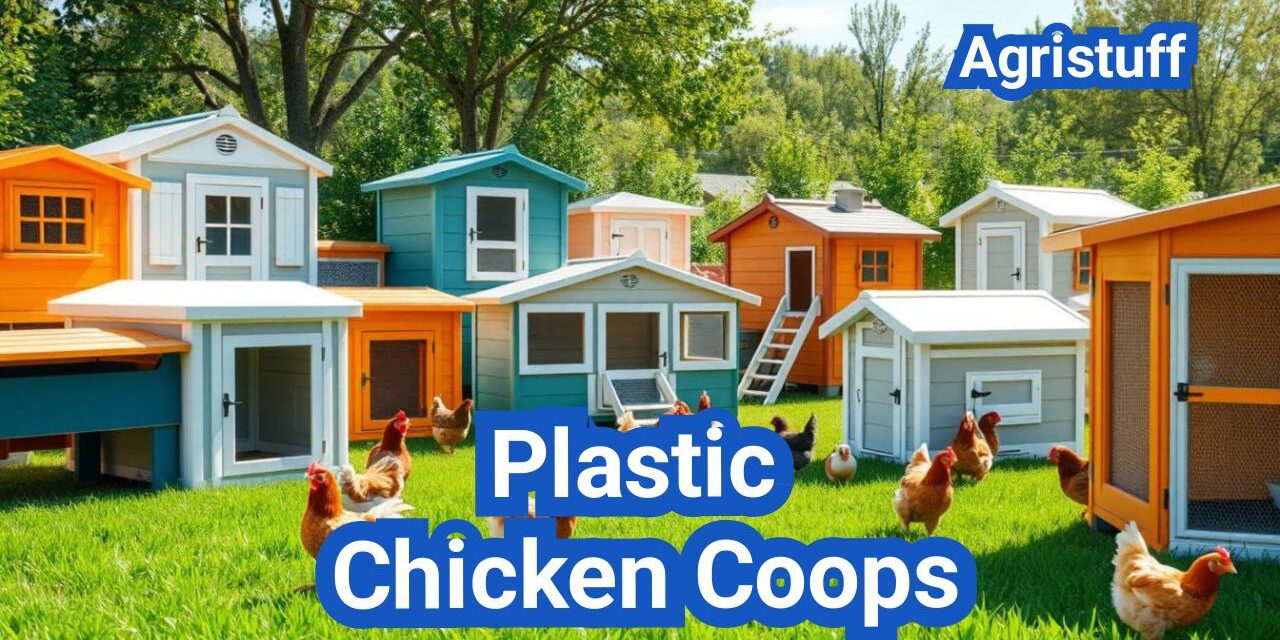
The market for plastic chicken coops has evolved significantly, offering a variety of options for backyard flock owners. This diversity allows chicken keepers to select a coop that best fits their specific needs, whether it’s for a small backyard or a larger farm setting.
All-in-One Coop and Run Systems
All-in-one coop and run systems are a popular choice among chicken keepers. These systems integrate the coop and the run into a single, self-contained unit. This design simplifies the setup process and can be more cost-effective. For instance, a well-known brand offers an all-in-one system that includes nesting boxes, roosting bars, and a secure run area, all within a durable plastic construction.
Modular and Expandable Options
For those who anticipate expanding their flock or need flexibility, modular and expandable plastic chicken coops are an excellent choice. These coops can be easily extended or reconfigured as the needs of the chicken keeper change. A notable example is a modular system that allows owners to add extra nesting boxes or expand the run area with additional modules.
Portable and Lightweight Designs
Portable and lightweight plastic chicken coops offer the advantage of easy mobility. This is particularly beneficial for those who practice rotational grazing or need to move the coop to different locations. A quote from a seasoned chicken keeper highlights the benefit: “The ability to move our coop to fresh pasture has significantly improved the health and productivity of our flock.”
“The best chicken coop is one that balances the needs of the chickens with the practical considerations of the chicken keeper.” – Expert Chicken Keeper
Key Benefits of Plastic Chicken Coops

For those considering a new chicken coop, plastic options offer several compelling advantages. Plastic chicken coops have become increasingly popular due to their durability, ease of maintenance, and ability to protect chickens from predators.
Weather and UV Resistance
One of the significant benefits of plastic chicken coops is their resistance to various weather conditions and UV rays. Unlike wooden coops, plastic coops do not rot or degrade when exposed to rain, snow, or direct sunlight. This resistance ensures that the coop remains structurally sound over time, providing a safe environment for the chickens.
Ease of Cleaning and Sanitizing
Plastic chicken coops are also praised for their ease of cleaning and sanitizing. The smooth surface of plastic coops prevents the buildup of dirt and bacteria, making it easier to maintain a clean and healthy environment for the chickens. Regular cleaning can be done quickly with minimal effort, reducing the overall maintenance time.
Predator Protection Features
Plastic chicken coops often come with features designed to protect chickens from predators. These may include secure locking mechanisms, reinforced walls, and designs that prevent predators from gaining access to the coop. Such features provide peace of mind for chicken keepers, knowing their flock is safer.
Longevity and Durability
The longevity and durability of plastic chicken coops are among their most significant advantages. Made from high-quality materials, these coops can withstand various environmental stresses without deteriorating. This durability translates into a longer lifespan for the coop, making it a cost-effective option in the long run.
| Benefit | Description |
|---|---|
| Weather and UV Resistance | Resistant to rain, snow, and sunlight, ensuring structural integrity. |
| Ease of Cleaning | Smooth surfaces make cleaning quick and efficient. |
| Predator Protection | Secure locks and reinforced designs protect chickens from predators. |
| Longevity and Durability | High-quality materials ensure a long lifespan for the coop. |
Potential Disadvantages of Plastic Chicken Coops

While plastic chicken coops offer numerous benefits, they also come with several drawbacks that potential buyers should be aware of. Understanding these disadvantages is crucial for making an informed decision that meets the needs of both the chickens and their keepers.
Temperature Regulation Challenges
One of the significant challenges with plastic chicken coops is their ability to regulate temperature. Plastic can become very hot in the summer, potentially leading to heat stress for the chickens inside. Conversely, in colder climates, plastic coops might not provide sufficient insulation, making it difficult to maintain a comfortable temperature for the flock.
Limited Customization Options
Unlike wooden coops, which can be easily modified or expanded, plastic chicken coops often come with limited customization options. This can be a drawback for chicken keepers who anticipate needing more space or different configurations as their flock grows or changes.
Environmental Impact Considerations
The environmental impact of plastic chicken coops is another consideration. While they are durable and can last for many years, they are typically made from non-biodegradable plastics. This means that at the end of their life cycle, they could contribute to plastic waste if not disposed of properly.
Aesthetic Limitations
Finally, some chicken keepers might find the aesthetic of plastic coops less appealing than traditional wooden coops. The appearance of plastic coops can be a drawback for those who value the look of their backyard or farm.
In conclusion, while plastic chicken coops have their advantages, they also come with several potential disadvantages. By understanding these challenges, chicken keepers can better decide whether a plastic coop is the right choice for their flock.
How to Assess Your Flock’s Space Requirements

Assessing your flock’s space needs is a critical step in ensuring their well-being. Adequate space is essential for the health, happiness, and productivity of your chickens.
Calculating Square Footage Per Bird
When determining the size of the coop, it’s essential to calculate the square footage per bird. A general rule of thumb is to provide at least 2-4 square feet per bird inside the coop. This space allows for comfortable movement and reduces stress among the flock.
Nesting Box Ratios and Dimensions
Nesting boxes should be one per 3-4 hens, with dimensions of approximately 12 inches wide, 12 inches deep, and 12 inches tall. This size accommodates most breeds comfortably.
Roosting Space Considerations
Roosting bars should provide enough space for all birds to roost comfortably, typically 8-12 inches per bird. The bars should be sturdy and positioned to allow easy access.
Run Space Requirements
The run area should offer at least 8-10 square feet per bird to allow for exercise and movement. The size of the run will depend on the number of chickens and the available space in your yard.
Essential Features to Look for When Buying a Plastic Chicken Coop
Buying a plastic chicken coop requires careful consideration of various essential features to provide a safe and comfortable environment for your chickens. A well-designed coop can significantly impact the health and productivity of your flock.
Ventilation System Quality
A good ventilation system is crucial for maintaining air quality inside the coop. Look for coops with adjustable vents or windows that can be opened to ensure proper airflow, especially during hot weather.
Proper ventilation helps reduce moisture buildup, which can lead to respiratory issues in chickens. Some coops come with built-in ventilation systems that are designed to minimize drafts while maximizing airflow.
Door and Access Point Design
The design of doors and access points is vital for both you and your chickens. Easy access for cleaning and egg collection is a must, so look for coops with large, secure doors.
Consider coops with easy-clean doors and access panels that allow you to reach into the nesting boxes without having to enter the coop.
Nesting Box Configuration
The configuration of nesting boxes is another critical feature. Ensure that the coop has enough nesting boxes for your number of hens – a good rule of thumb is one box per 3-4 hens.
The nesting boxes should be easily accessible for egg collection and preferably have a hinged roof or removable top for easy cleaning.
Roosting Bar Placement
Roosting bars are where your chickens will spend most of their night, so their placement is crucial. Ensure that the roosting bars are sturdy, well-supported, and positioned at a comfortable height for your chickens.
The height and spacing of roosting bars can impact the comfort and safety of your chickens. Typically, roosting bars should be about 2-4 feet off the ground.
Predator-Proofing Elements
Predator-proofing is a critical feature to look for in a plastic chicken coop. Look for coops with strong, secure materials and designs that prevent predators from getting in.
Features such as locking mechanisms on doors and windows, as well as reinforced hardware cloth, can significantly enhance the security of the coop.
Step-by-Step Guide to Selecting the Right Plastic Chicken Coop

The process of picking the right plastic chicken coop can be simplified by breaking it down into manageable steps. By following a systematic approach, you can ensure that your coop meets all the necessary requirements for the health and well-being of your chickens.
Step 1: Determine Your Flock Size and Growth Plans
Before selecting a coop, it’s crucial to determine the current size of your flock and your plans for expansion. Calculating the space needed per bird will help you choose a coop that can accommodate your flock comfortably. Consider the breed and size of your chickens, as different breeds have varying space requirements.
Step 2: Assess Your Climate and Weather Patterns
The climate and weather patterns in your area play a significant role in determining the type of coop you need. For instance, if you live in an area with extreme temperatures or high rainfall, you’ll need a coop that offers adequate ventilation and weather resistance. Look for coops with features that cater to your local climate conditions.
Step 3: Evaluate Available Space and Placement Options
Assess the available space in your backyard for the coop, considering factors like sunlight, drainage, and accessibility. The coop should be placed in a location that is easy to clean and maintain. Ensure that the space is sufficient for the coop and run, if applicable.
Step 4: Compare Features Against Your Specific Needs
Once you have a shortlist of potential coops, compare their features against your specific needs. Consider aspects like predator protection, ease of cleaning, and nesting box configuration. Make a list of the features that are non-negotiable for you and use it to evaluate the coops.
By following these steps, you can systematically evaluate different plastic chicken coops and select the one that best fits your needs, ensuring a healthy and happy flock.
- Determine your flock size and growth plans
- Assess your climate and weather patterns
- Evaluate available space and placement options
- Compare features against your specific needs
Comparing Costs: Plastic vs. Traditional Wooden Coops

When considering a chicken coop, one of the primary factors is the cost comparison between plastic and traditional wooden coops. The decision involves evaluating not just the initial purchase price, but also long-term maintenance expenses and potential replacement costs.
Initial Purchase Price Analysis
The initial cost of a plastic chicken coop can be higher than that of a wooden coop. However, plastic coops are often more durable and require less maintenance, which can offset the higher upfront cost over time.
Long-term Maintenance Expenses
Wooden coops may require more frequent repairs and maintenance due to rot, pest damage, and weathering. In contrast, plastic coops are generally easier to clean and maintain, potentially reducing long-term expenses. As one expert notes,
“Plastic coops offer a low-maintenance alternative that can save time and money in the long run.”
Replacement and Repair Considerations
While wooden coops can be repaired or modified with relative ease, they may need to be replaced more frequently than plastic coops. Plastic coops, on the other hand, are more resistant to damage but can be more difficult to repair when damaged.
Return on Investment Timeline
The return on investment (ROI) for plastic versus wooden coops depends on several factors, including the coop’s lifespan, maintenance costs, and the health and productivity of the chickens. Generally, a well-maintained plastic coop can provide a longer ROI timeline due to its durability.
How to Set Up Your New Plastic Chicken Coop

Once you’ve chosen the perfect plastic chicken coop, the next crucial step is setting it up correctly to ensure the well-being of your chickens. A well-set-up coop provides a safe and healthy environment for your flock.
Step 1: Choosing the Optimal Location
Selecting the right location for your plastic chicken coop is vital. It should be placed in a well-drained area to prevent water accumulation, which can lead to health issues for your chickens. Ensure the location is also relatively flat and stable to prevent the coop from tilting or shifting.
Step 2: Preparing the Ground Surface
Before placing the coop, prepare the ground surface. This may involve clearing the area of debris, leveling the ground, and laying down a layer of gravel or sand for drainage. A well-prepared surface helps in maintaining the coop’s integrity and makes cleaning easier.
Step 3: Assembly Instructions and Tips
Follow the manufacturer’s assembly instructions carefully. Most plastic chicken coops come with detailed instructions. It’s essential to assemble all parts correctly and securely to ensure the coop is sturdy and safe for your chickens.
Step 4: Adding Bedding and Essential Accessories
Once the coop is assembled and in place, add appropriate bedding such as straw or wood shavings. Also, include essential accessories like feeders, waterers, and nesting boxes. These elements are crucial for creating a comfortable and functional living space for your chickens.
By following these steps, you can ensure your plastic chicken coop is set up to provide a healthy and safe environment for your backyard flock.
Seasonal Adaptations for Plastic Chicken Coops
To keep your chickens comfortable and healthy throughout the year, it’s crucial to make seasonal adaptations to your plastic chicken coop. Different seasons bring different challenges, from freezing temperatures to sweltering heat, and your coop needs to be prepared to handle these variations.
Winter Modifications for Cold Weather
In the winter, it’s essential to ensure your plastic chicken coop is well-insulated and ventilated. Draft-proofing is crucial to prevent cold air from entering the coop. You can achieve this by adding weatherstripping around doors and vents. Additionally, consider using a coop heater designed for chicken coops, but ensure it’s safely installed to avoid any fire hazards.
Summer Cooling Strategies
During the summer, the focus shifts to keeping your chickens cool. Providing adequate ventilation is key. Ensure your coop has sufficient windows or vents that can be opened to allow cool air to circulate. You can also use shade cloth or reflective insulation to reduce the coop’s internal temperature.
Spring and Fall Transition Techniques
In the spring and fall, your primary concern is maintaining a balanced environment within the coop. Cleaning and disinfecting the coop thoroughly during these seasons can help prevent disease. It’s also a good time to inspect the coop’s structure for any damage or wear, making necessary repairs to ensure it remains secure and comfortable for your flock.
As emphasized by poultry experts, “Regular maintenance and seasonal adjustments are crucial for the health and well-being of your chickens.” By adapting your plastic chicken coop to the changing seasons, you can ensure a healthy and thriving flock year-round.
Maintenance Schedule for Plastic Chicken Coops
To keep your chickens healthy and thriving, a consistent maintenance schedule is essential. Regular upkeep not only ensures the longevity of your plastic chicken coop but also provides a safe and healthy environment for your flock.
Daily Maintenance Tasks
Daily maintenance is crucial for preventing the buildup of waste and reducing the risk of disease. Check and clean feeders and waterers daily to ensure they are free from debris and contamination. Additionally, inspect the coop for any signs of damage or wear, such as cracks or broken doors, and make repairs as needed.
- Inspect and clean feeders and waterers
- Check for signs of damage or wear
- Collect eggs daily to keep the nesting boxes clean
Weekly Cleaning Procedures
Weekly cleaning involves more thorough tasks to keep the coop hygienic. Remove soiled bedding and replace it with fresh material. Disinfect all surfaces, paying particular attention to areas around feeders, waterers, and nesting boxes. Check for any signs of pests or predators and take action if necessary.
- Remove soiled bedding and replace with fresh material
- Disinfect all surfaces
- Check for signs of pests or predators
Monthly Deep Cleaning Protocol
Monthly deep cleaning is vital for maintaining a healthy environment. This involves thoroughly cleaning the entire coop, including roosting bars and nesting boxes. Use a suitable disinfectant to kill bacteria and parasites. Inspect the coop’s structure for any damage and perform repairs to prevent predator entry.
By following this maintenance schedule, you can ensure your plastic chicken coop remains in good condition and your chickens stay healthy.
Troubleshooting Common Issues with Plastic Chicken Coops
Troubleshooting is an essential skill for maintaining a healthy and safe plastic chicken coop. Despite their durability, plastic chicken coops can sometimes present challenges that need to be addressed.
Addressing Ventilation Problems
Proper ventilation is crucial for the health of your chickens. Poor ventilation can lead to ammonia buildup from droppings, causing respiratory issues. Ensure that your coop has adequate vents and that they are not blocked.
Fixing Leaks and Water Intrusion
Inspect your coop regularly for any signs of leaks or water intrusion. Sealing any gaps or cracks with appropriate sealants can prevent water from entering the coop.
Managing Condensation Build-up
Condensation can be a significant issue in plastic coops, leading to wet bedding and health problems. Improving ventilation and using absorbent bedding can help manage condensation.
Reinforcing Weak Points
Regularly inspect your coop for weak points, such as thin plastic areas or loose fittings. Reinforcing these areas can prevent damage and predation.
| Issue | Solution |
|---|---|
| Poor Ventilation | Ensure adequate vents and clear blockages |
| Leaks and Water Intrusion | Seal gaps and cracks with appropriate sealants |
| Condensation Build-up | Improve ventilation and use absorbent bedding |
| Weak Points | Reinforce thin areas and secure loose fittings |
Creative Modifications for Your Plastic Chicken Coop

Enhancing your plastic chicken coop with thoughtful modifications can lead to happier, healthier chickens. By making a few strategic changes, you can improve the functionality and comfort of the coop, addressing the specific needs of your flock.
Adding Insulation for Temperature Control
One effective way to modify your plastic chicken coop is by adding insulation to regulate temperature fluctuations. This can be achieved by lining the coop with materials such as foam board or straw bales. Proper insulation helps maintain a stable internal temperature, protecting your chickens from extreme heat or cold.
Incorporating Automatic Doors and Feeders
Installing automatic doors and feeders can significantly enhance the convenience and efficiency of your chicken-keeping routine. Automatic doors can be programmed to open and close at set times, ensuring your chickens are safely secured at night. Similarly, automatic feeders can be set to dispense food at regular intervals, reducing waste and ensuring a consistent food supply.
Expanding Run Space Safely
Expanding the run space of your plastic chicken coop can provide your chickens with more room to exercise and engage in natural behaviors. When expanding the run, it’s crucial to ensure that the additional area is securely fenced to protect against predators. Using hardware cloth or chicken wire can help achieve this.
Integrating Monitoring Systems
Integrating monitoring systems into your plastic chicken coop can help you keep a closer eye on the health and well-being of your flock. Temperature sensors, humidity monitors, and cameras can provide valuable insights into the coop’s environment, allowing you to make adjustments as needed.
| Modification | Benefits |
|---|---|
| Adding Insulation | Regulates temperature, improves chicken comfort |
| Automatic Doors and Feeders | Increases convenience, reduces labor |
| Expanding Run Space | Provides more exercise area, enhances chicken health |
| Integrating Monitoring Systems | Improves flock health monitoring, allows for timely interventions |
Real-World Reviews: What Owners Say About Their Plastic Chicken Coops

Owner testimonials provide a candid look into the effectiveness and challenges of using plastic chicken coops. These real-world reviews offer valuable insights for potential buyers.
Success Stories from Various Climates
Many owners have reported positive experiences with plastic chicken coops, citing their durability and ease of maintenance. For instance, a chicken keeper in a humid climate praised their plastic coop for withstanding heavy rainfall without leaking.
- Weather Resistance: Plastic coops have been praised for their ability to withstand various weather conditions.
- Ease of Cleaning: Owners appreciate the smooth surfaces that make cleaning a breeze.
Common Complaints and Solutions
Despite the positives, some owners have reported issues such as temperature regulation and limited customization. Solutions include adding insulation and using shade cloths to mitigate heat.
- Add insulation to regulate internal temperatures.
- Use shade cloths to reduce heat buildup.
Before and After Experiences
Several owners have shared dramatic before-and-after stories, showcasing the transformation from traditional to plastic coops. One owner noted a significant reduction in maintenance time after switching.
These real-world reviews highlight the potential benefits and challenges of plastic chicken coops, providing prospective buyers with a well-rounded understanding.
Making the Right Choice for Your Backyard Flock
Choosing the right plastic chicken coop for your backyard flock is a decision that requires careful consideration of several factors, including your flock’s size, climate, and specific needs.
By weighing the pros and cons, assessing your space requirements, and evaluating essential features such as ventilation systems and predator protection, you can make an informed decision.
Ultimately, selecting a high-quality plastic chicken coop that meets your needs will provide a safe, healthy, and happy environment for your chickens, ensuring a bountiful supply of fresh eggs for years to come.
With the right coop, you’ll be well on your way to enjoying the many rewards of backyard chicken keeping.
FAQ
What are the benefits of using a plastic chicken coop?
Plastic chicken coops offer several benefits, including weather and UV resistance, ease of cleaning and sanitizing, predator protection features, and longevity and durability.
How do I determine the right size of plastic chicken coop for my flock?
To determine the right size, calculate the square footage per bird, consider nesting box ratios and dimensions, roosting space, and run space requirements.
Can I customize my plastic chicken coop?
While plastic chicken coops may have limited customization options, you can still make modifications such as adding insulation, incorporating automatic doors and feeders, and expanding run space.
How do I maintain my plastic chicken coop?
Regular maintenance includes daily tasks, weekly cleaning procedures, monthly deep cleaning protocol, and seasonal maintenance checks to ensure the health and safety of your flock.
What are some common issues with plastic chicken coops and how can I troubleshoot them?
Common issues include ventilation problems, leaks and water intrusion, condensation build-up, and weak points. Troubleshooting involves addressing these issues through adjustments and repairs.
Are plastic chicken coops more expensive than traditional wooden coops?
The initial purchase price of plastic chicken coops may be comparable to or higher than traditional wooden coops, but they offer long-term cost savings through reduced maintenance expenses and a longer lifespan.
Can I use a plastic chicken coop in extreme weather conditions?
Plastic chicken coops are designed to withstand various weather conditions, but you may need to make seasonal adaptations, such as adding insulation for cold weather or implementing cooling strategies for hot weather.
How do I ensure predator protection with a plastic chicken coop?
Look for plastic chicken coops with predator-proofing elements, such as secure doors and access points, and consider additional measures like hardware cloth or electric fencing.
Conclusion of: Plastic Chicken Coops
Start with the right expectations
If you’re shopping for plastic chicken coops, you’re probably aiming for a backyard setup that stays cleaner, lasts longer outdoors, and takes less effort to maintain than bargain wood kits. That convenience is real when the coop is properly sized and ventilated, but “easy care” is not the same thing as “no care,” so the best approach is to judge how a model supports bird health, predator safety, and fast cleaning in your climate. CDC guidance for staying healthy with backyard poultry
Before you compare brands, remember that plastic chicken coops still need to meet the same basics as any other housing: dry litter, steady fresh air, clean water access, and a layout that makes daily chores simple. It’s also wise to confirm that backyard poultry is allowed where you live (and what setbacks or coop limits apply), because a “perfect” coop that violates local rules can turn into an expensive headache. UConn Extension overview of permitting and regulating backyard chickens
What “plastic” usually means in coop design
Most plastic chicken coops use molded outdoor panels that don’t absorb moisture the way untreated wood can, which is why many owners notice less lingering odor after a deep clean. The material alone doesn’t guarantee comfort, though, because comfort comes from design: enough interior floor area, nest boxes that stay dry, a roost layout that keeps birds off the floor at night, and vent placement that moves moisture out. Oregon State Extension chicken coop design guide (PDF)
Because plastic chicken coops are often modular, pay close attention to seams, fasteners, and the quality of hinges and latches, since those parts take the most stress in wind, rain, and frequent cleaning. A coop can look sturdy in photos and still develop gaps where panels meet, so it helps to look for tight-fitting joints, replaceable hardware, and a design you can disassemble for a seasonal scrub without damaging the structure. Cornell Small Farms guide to cleaning and disinfecting poultry housing
Pros of plastic coops
The biggest day-to-day benefit of plastic chicken coops is how quickly you can remove manure and refresh bedding on smooth, non-porous surfaces. That matters because effective sanitation is a two-step process—clean first, then disinfect—since disinfectants do not work well on top of dirt, feathers, and droppings. If a coop makes “clean first” easy, your flock environment usually improves fast. USDA APHIS checklist for cleaning and disinfecting poultry enclosures (PDF)
In rainy regions, plastic chicken coops can hold up better than thin wood kits because they don’t rot, swell, or delaminate after repeated wet-dry cycles, especially around floors and doors. You still need a roof that sheds water and a site that drains well, but the material can reduce long-term repair costs caused by soft corners, warped doors, and mold-prone framing. University of Maryland Extension coop construction requirements
Many keepers prefer plastic chicken coops for pest management because smoother interiors tend to have fewer deep cracks where mites and lice can hide between cleanings. Parasites can still arrive on birds, equipment, or wild visitors, but a coop you can inspect and scrub thoroughly makes it easier to break pest cycles early, especially when you pair cleaning with good litter practices and bird health checks. University of Kentucky Entomology: external parasites of backyard chickens
Portability is another plus, since plastic chicken coops are often lighter than similar-sized wood structures and can be moved to drier ground or rotated on pasture in some systems. Moving housing can help manage mud, distribute manure, and protect grass, but the coop still needs stable footing and strong closures every night, because a “moveable” coop is only useful if it remains secure. University of Maryland Extension overview of housing requirements and portable options
Cons and common pitfalls
The most common weakness in plastic chicken coops is inadequate ventilation, which shows up as damp bedding, condensation on walls, and a sharp ammonia smell. Moisture from respiration and manure must be removed continuously, and when vents are too small or poorly placed, air quality suffers even if the coop looks clean. Models with high vents plus protected openings for cross-flow are usually easier to manage year-round. Penn State Extension guide to detecting ammonia in poultry housing
Heat buildup is another issue, because plastic chicken coops can warm quickly in direct summer sun, especially if the coop is dark colored or the roof has little insulation. Chickens handle heat best with shade, airflow, and cool water, so if your summers are hot, prioritize large vents, a shaded placement, and enough interior height for hot air to rise above roosting level. University of Minnesota Extension tips for preventing heat stress in poultry
Cold weather brings a different challenge: plastic chicken coops may feel “drafty” if the design relies on big openings without wind baffles, yet they can also trap moisture if owners close vents too tightly. The goal is dry air, not sealed air, so a winter-ready coop blocks wind at bird level while keeping high vents open enough to prevent condensation that can chill birds and wet bedding. University of Minnesota Extension guidance for caring for chickens in cold weather
Predator resistance varies widely, and some plastic chicken coops fail because of weak latches, flexible doors, or thin “decorative” mesh on vents and runs. Raccoons can manipulate simple closures, and digging predators exploit gaps where the coop meets the ground, so you want hardware that closes flush, latch mechanisms that require multiple steps, and an anti-dig barrier around the run. University of Maryland Extension guide to identifying and preventing poultry predators
What to look for before you buy
Start with space, because many plastic chicken coops are advertised for more birds than the interior can realistically support. Use adult bird size to estimate capacity, remember that crowding drives moisture and conflict, and prioritize floor area and headroom over cute exterior styling; if you want a calmer flock and cleaner eggs, it’s safer to size up. Oregon State Extension discussion of space and layout in coop design (PDF)
Next, evaluate airflow details, since plastic chicken coops work best when vents are high, protected from rain, and distributed so the coop “breathes” without blasting a draft onto sleeping birds. Ideally, you’ll see permanent high vents plus adjustable openings for seasonal control, all covered with sturdy predator-proof mesh rather than thin chicken wire. University of Maryland Extension notes on ventilation in coop construction
Roosting and nesting features are where many plastic chicken coops cut corners, so check that roosts are comfortable, removable for cleaning, and placed higher than nests to discourage birds from sleeping where they lay. Nest boxes should be easy to access, sized so hens feel secure, and designed to stay dry and dim enough to reduce egg breakage and dirty bedding. Oregon State Extension guidance on roosts and nest boxes (PDF)
Cleaning access should feel effortless, because plastic chicken coops only stay “low maintenance” when you can reach every corner without dismantling half the coop. Look for full-size doors or panels, a removable droppings tray or board under the roost, and smooth edges that don’t trap manure, since speed and simplicity are what keep you consistent with routine scraping and periodic washing. Cornell Small Farms steps for cleaning and disinfecting poultry housing
Run security and attachment points matter, because plastic chicken coops are often sold with small runs that need upgrades for real-world predator pressure. A secure setup has a roof or overhead barrier, strong wire mesh (not flimsy netting), and an anti-dig method such as a buried skirt or wire apron, and it avoids gaps where rodents can enter to steal feed and spread disease. UF/IFAS Extension tips for predator-proofing backyard poultry
Setup and daily care that make any coop work better
Even the best plastic chicken coops struggle when placed in a low, wet spot, so choose a well-drained location with room for airflow and easy access for cleaning. A simple rule is to avoid standing water, aim for morning sun with some afternoon shade, and keep the coop far enough from property lines to reduce nuisance issues from odor and flies as your flock grows. Cornell Small Farms overview of backyard poultry considerations in urban settings
Air quality depends heavily on litter management, so plastic chicken coops still require dry bedding, quick cleanup of wet spots, and attention to drinker leaks. Wet litter drives ammonia and bacteria growth, and it can contribute to foot problems and respiratory stress, so your routine should focus on keeping bedding absorbent and letting moisture leave the coop through steady ventilation. Mississippi State Extension guidance on keeping litter dry and managing ammonia
You should also plan for manure handling, because plastic chicken coops make it easy to remove waste quickly, but that waste still needs a safe destination. Composting or aging litter can reduce pathogens and make manure safer for gardens, while raw manure can burn plants and may carry microbes, so follow science-based guidance for home-scale composting and keep piles managed to avoid runoff and pests. University of Idaho Extension guidance on managing and composting poultry waste (PDF)
Biosecurity and food-safety habits to pair with your coop
Good biosecurity is simple and consistent, and plastic chicken coops can support it when they’re easy to clean, quick to inspect, and closed tightly against wild birds. Limit unnecessary visitors, avoid sharing equipment with other flock owners, keep feed and water protected from wildlife, and make cleaning and disinfection a regular habit rather than an emergency response. USDA APHIS Defend the Flock biosecurity resources
When you add new birds, quarantine is still important even if your plastic chicken coops are spotless, because many illnesses spread before symptoms are obvious. Keep newcomers separate, watch for changes in droppings and breathing, and avoid moving tools, feeders, or boots between groups until the quarantine period ends, which helps protect both your flock and your neighbors’ flocks.
Egg safety starts with a clean environment, so plastic chicken coops should help you keep nest boxes dry, collect eggs frequently, and wash hands after chores. Store eggs properly, discard cracked eggs, and avoid “over-cleaning” that can push bacteria through the shell; a good coop reduces dirt, but your handling routine is what keeps food safety consistent for your family.
Cost, longevity, and making the final decision
To judge value, compare plastic chicken coops by total cost of ownership: expected outdoor lifespan, warranty terms, whether hardware and panels are replaceable, and how many minutes your weekly cleaning really takes. A slightly higher price can be worth it if it saves time, reduces repairs, and keeps birds comfortable year-round, especially when your climate is hard on cheaper materials. UMass Extension poultry housing fact sheet (PDF)
Also check local rules and neighbor impacts before you commit, because plastic chicken coops don’t remove zoning requirements or nuisance concerns. If your setup is close to homes, design choices that reduce odor (good ventilation, dry litter, easy cleaning access) matter as much as the coop material, and choosing the right location early can prevent conflicts later. UConn Extension guidance on regulations and planning for backyard chickens
If your conditions are extreme—heavy snow loads, relentless sun, or serious predator pressure—plastic chicken coops may still be the right fit, but only when they’re built like real livestock housing and not like patio decor. In those cases, it can be smarter to choose a sturdier structure (wood or metal) and borrow the “easy-clean” concept with removable trays and washable interior surfaces rather than relying on thin panels and weak hardware. NC State Extension overview of housing for backyard flocks
Final thought
Well-designed plastic chicken coops can be a smart choice for busy households because they simplify cleaning and resist rot, but they only succeed when they provide generous ventilation, enough space, and predator-proof hardware matched to your region. Use the checklist above, plan your placement and litter routine, and pair good housing with steady biosecurity and egg-handling habits, and you’ll build a flock setup that’s healthier for birds and easier for you to maintain. CDC backyard poultry health and hygiene tips
Sources & References
- CDC – Backyard poultry and staying healthy
- USDA APHIS – Defend the Flock (biosecurity)
- USDA APHIS – Checklist for cleaning and disinfecting poultry enclosures (PDF)
- Oregon State Extension – Backyard chicken coop design (PDF)
- University of Maryland Extension – Coop construction requirements
- University of Maryland Extension – Housing requirements
- University of Maryland Extension – Identifying and preventing poultry predators
- University of Minnesota Extension – Preventing heat stress in poultry
- University of Minnesota Extension – Caring for chickens in cold weather
- Penn State Extension – Detecting ammonia in poultry housing
- Mississippi State Extension – Poultry litter management
- University of Kentucky Entomology – External parasites of backyard chickens
- Cornell Small Farms – Cleaning and disinfecting your poultry house
- Cornell Small Farms – Chickens and other poultry (urban considerations)
- UF/IFAS Extension – Predator protection for backyard poultry
- University of Idaho Extension – Composting and using backyard poultry waste (PDF)
- UConn Extension – Permitting and regulating backyard chickens
- UMass Extension – Poultry housing fact sheet (PDF)
- NC State Extension – Housing for backyard flocks