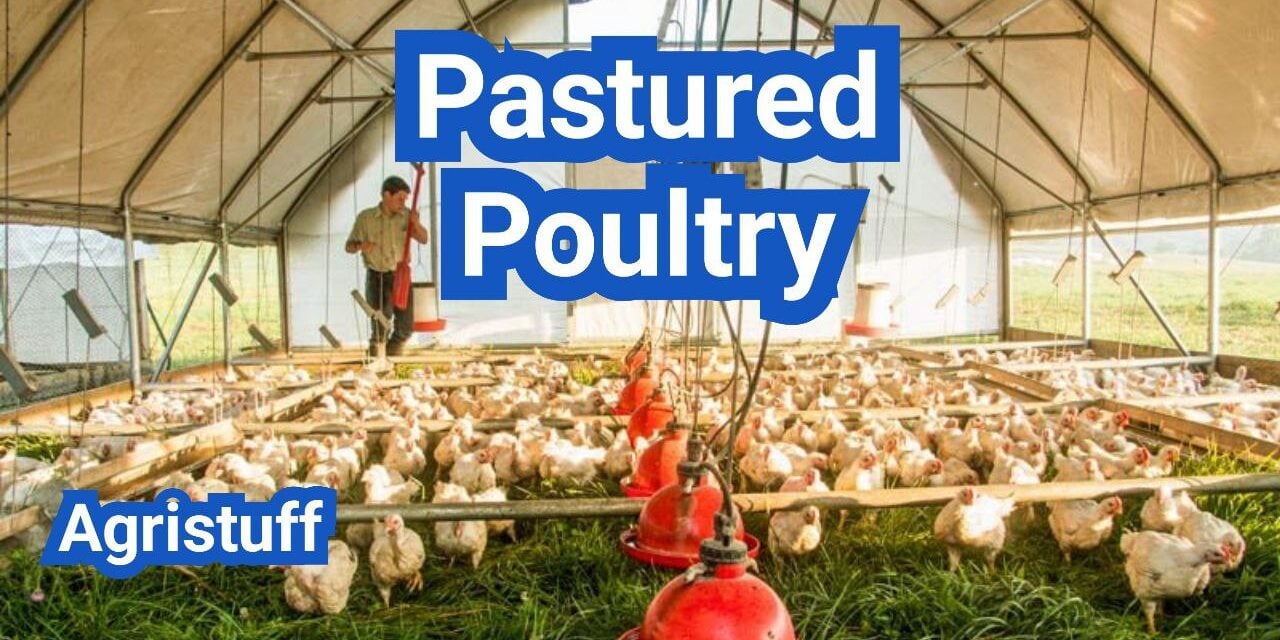
Raising pasture-raised poultry is gaining popularity in the U.S. due to its sustainable practices and the growing demand for ethically sourced food products.
A pastured poultry system involves allowing chickens to roam on pasture, which not only improves their welfare but also enhances the quality of the meat.
Joel Salatin’s book “Pastured Poultry Profits” is a seminal work that outlines the basics of this farming method, including stocking density and rotation, which are crucial for maintaining soil health and maximizing profits.
Key Takeaways
- Pastured poultry farming is a sustainable agriculture technique.
- Stocking density and rotation are critical for the success of pastured poultry systems.
- Pasture-raised poultry products are in high demand in the U.S. market.
- Implementing sustainable practices can lead to higher profits.
- Pastured poultry systems promote animal welfare and environmental sustainability.
The Fundamentals of Pastured Poultry

The pastured poultry method involves raising chickens on pasture, allowing them to forage and engage in natural behaviors. This approach to farming is gaining attention for its potential to improve animal welfare and contribute to sustainable agriculture.
What Defines True Pastured Poultry
True pastured poultry is characterized by chickens being raised outdoors on pasture, where they can roam freely and forage for grasses, insects, and other natural food sources. This is distinct from confined or cage-free systems, as it provides chickens with access to fresh air, sunlight, and a diverse diet.
Key characteristics of pastured poultry include:
- Access to outdoor pasture
- Ability to forage for natural foods
- Mobility and space to roam
- Reduced reliance on commercial feed
Historical Development in the U.S.
The practice of raising poultry on pasture has historical roots in the United States, dating back to early farming practices. However, the modern concept of pastured poultry gained significant attention in the latter part of the 20th century.
Notable milestones include:
- The work of pioneers like Joel Salatin, who popularized the concept of pastured poultry through his farming practices and writings.
- The growth of the organic and sustainable agriculture movements, which have supported the development of pastured poultry systems.
Environmental and Animal Welfare Benefits
Pastured poultry systems offer several environmental and animal welfare benefits. By allowing chickens to roam on pasture, these systems can promote soil health, biodiversity, and efficient nutrient cycling.
| Benefit | Description |
|---|---|
| Improved Animal Welfare | Chickens have access to natural behaviors, fresh air, and sunlight. |
| Environmental Sustainability | Pasture rotation can enhance soil health and biodiversity. |
| Reduced Antibiotic Use | Lower risk of disease due to natural living conditions. |
Overall, pastured poultry represents a farming approach that prioritizes both the well-being of the animals and the sustainability of the environment.
Selecting the Right Breeds for Pasture Success

To achieve optimal results in pastured poultry farming, farmers must carefully choose breeds that are well-suited to their specific production goals. The right breed can significantly impact the productivity, health, and overall profitability of the operation.
Meat Bird Varieties for Pasture Systems
When it comes to meat production, certain breeds are better suited for pastured systems due to their growth rates, foraging abilities, and disease resistance. Heritage breeds, such as the Red Ranger and Freedom Ranger, are popular choices because they grow at a slower pace than commercial broilers, allowing them to develop more robust immune systems and better flavor profiles.
“Heritage breeds are not only more resilient but also offer a more nuanced flavor profile that consumers are increasingly seeking,” notes a leading poultry expert.
- Red Ranger: Known for its fast growth rate and tender meat.
- Freedom Ranger: Developed for their ability to thrive in free-range environments.
- Barred Plymouth Rock: A heritage breed valued for its friendly disposition and robust foraging capabilities.
Layer Breeds That Thrive Outdoors
For egg production, selecting layer breeds that are adapted to outdoor conditions is crucial. Breeds like the Rhode Island Red and Barred Plymouth Rock are renowned for their hardiness, high egg production, and ability to forage effectively.
Layer breeds that thrive outdoors typically possess characteristics such as:
- Robust health and disease resistance.
- Strong foraging instincts.
- Adaptability to varying weather conditions.
According to a study on pastured poultry, “Breeds that are well-adapted to outdoor production systems not only perform better but also require less medical intervention, reducing overall costs for the farmer.”
By carefully selecting breeds that are well-suited to pastured poultry systems, farmers can enhance the sustainability, productivity, and profitability of their operations.
Essential Infrastructure and Housing Options

Pastured poultry operations require careful consideration of infrastructure and housing to thrive. The right setup not only protects the birds but also contributes to the overall efficiency and profitability of the farm.
Chicken Tractors: The Joel Salatin Model
One of the most popular and effective housing options for pastured poultry is the chicken tractor, a concept popularized by Joel Salatin. Chicken tractors are mobile coops that allow birds to be moved to fresh pasture regularly, providing them with a healthy environment and reducing the risk of disease. These structures are typically lightweight, making them easy to move, and are designed to be predator-resistant.
The Joel Salatin model, in particular, emphasizes the importance of mobility and protection. It features a coop on wheels or skids, often with a run or fenced area that allows birds to forage while keeping predators out. This design has been widely adopted and adapted by farmers around the world.
Larger Mobile Coops and Day Ranging Systems
For larger operations or those looking for alternative housing solutions, larger mobile coops and day ranging systems offer viable options. Larger mobile coops can accommodate more birds and may include features like automated doors and feeding systems. Day ranging systems involve housing birds in a central location at night and releasing them into a fenced or netted area during the day to forage.
These systems provide flexibility and can be tailored to the specific needs of the farm and the birds. They also allow for better management of pasture and can help in maintaining soil health.
Electric Netting and Predator Protection
Predator protection is a critical aspect of pastured poultry farming. One effective method of protecting birds from predators is the use of electric netting. This portable fencing can be easily moved to different areas of the pasture, providing a safe and secure environment for the birds.
Electric netting works by delivering a harmless but unpleasant shock to any animal that comes into contact with it, deterring predators without causing them harm. When used in conjunction with other predator protection methods, such as guardian animals or secure housing, electric netting can significantly reduce losses to predation.
In conclusion, the infrastructure and housing options chosen for pastured poultry operations play a crucial role in their success. By selecting the right chicken tractors, mobile coops, or day ranging systems, and implementing effective predator protection measures like electric netting, farmers can create a thriving and sustainable business.
Determining Optimal Stocking Density

Achieving the perfect balance in stocking density is essential for maximizing the benefits of pastured poultry farming. Stocking density refers to the number of birds per unit area of pasture. It’s a critical factor that influences not only the health and welfare of the birds but also the sustainability of the pasture.
Broiler Stocking Rates by Housing Type
The optimal stocking density for broilers varies depending on the housing type. For mobile coops or “chicken tractors,” a common range is between 2 to 4 square feet per bird. This density allows for adequate movement and foraging while preventing overgrazing of the pasture.
Key considerations for broiler stocking rates include:
- The size and mobility of the housing
- The breed and growth rate of the broilers
- The quality and density of the pasture
Layer Stocking Considerations
For layer hens, the stocking density can be slightly different due to their longer production cycle. A general guideline is to provide at least 4 to 6 square feet per layer. This allows for sufficient foraging and exercise, which are crucial for maintaining egg production and overall health.
Factors to consider when determining layer stocking density:
- The age and size of the hens
- The type of layer housing (mobile vs. fixed)
- The availability of supplementary feed and water
Impact of Density on Bird Health and Pasture
The stocking density directly impacts both bird health and pasture quality. High densities can lead to stress, disease, and reduced growth rates in birds, as well as soil compaction and pasture degradation.
Benefits of optimal stocking density include:
- Improved bird health and welfare
- Enhanced pasture sustainability
- Better overall farm productivity
By carefully managing stocking density, farmers can create a more sustainable and profitable pastured poultry operation.
Designing Effective Rotation Systems

Designing an effective rotation system is vital for maximizing the benefits of pastured poultry production. Rotational grazing is a key component of pastured poultry farming, allowing farmers to maintain pasture health while raising healthy birds.
Calculating Rotation Frequency
The frequency of rotation depends on several factors, including the stocking density, pasture quality, and climate. A general rule of thumb is to rotate the flock when they have consumed about 50% of the available forage.
To calculate the rotation frequency, farmers need to consider the following:
- The number of birds in the flock
- The size of the pasture
- The quality and quantity of forage available
- The climate and weather conditions
For example, in a temperate climate with lush pasture, a rotation frequency of every 1-2 days may be appropriate. In contrast, in a dry climate with sparse forage, rotations may need to occur less frequently, such as every 4-7 days.
Pasture Rest Periods for Regeneration
Pasture rest periods are crucial for allowing the forage to regenerate. The length of the rest period will depend on the climate, soil quality, and type of forage.
As Joel Salatin, a well-known advocate for regenerative agriculture, notes, “The key to successful grazing is not just the number of animals, but the rest period between grazings.”
“The land is like a bank account. You can’t keep withdrawing without making deposits. Rest periods are like making deposits into your soil’s fertility account.”
A general guideline for pasture rest periods is:
| Climate | Rest Period |
|---|---|
| Temperate | 14-28 days |
| Dry | 30-60 days |
| Tropical | 7-14 days |
Seasonal Adjustments to Rotation Schedules
Seasonal adjustments to rotation schedules are necessary to accommodate changes in pasture growth rates and bird growth stages.
For instance, during periods of rapid growth in the spring, rotations may need to be more frequent to prevent overgrazing. Conversely, during dry summer months, rotations may be less frequent to allow the pasture to recover.
By adjusting the rotation schedule according to the season, farmers can optimize pasture utilization and maintain bird health.
Pasture Management for Poultry Health
Proper pasture management is essential for the overall health and success of pastured poultry operations. Effective management strategies not only improve bird health but also enhance the sustainability of the farming system.
Forage Selection and Improvement
The selection of appropriate forage species is critical for pastured poultry. Different forages offer varying nutritional benefits and can impact bird health and productivity. For example, clover is high in protein and can be an excellent choice for pastured poultry.
Forage Selection Criteria:
- Nutritional value
- Pest and disease resistance
- Climate adaptability
- Regrowth potential
Improving forage quality can be achieved through practices such as rotational grazing and soil management. By rotating pastures, farmers can prevent overgrazing and allow forages to regrow, maintaining a healthy and productive sward.
Managing Parasites Through Strategic Rotation
Parasite management is a significant challenge in pastured poultry systems. Strategic rotation of pastures can help mitigate this issue by breaking the parasite life cycle. Moving birds to fresh pastures regularly reduces the risk of parasite buildup.
| Rotation Frequency | Parasite Load Reduction | Forage Regrowth |
|---|---|---|
| Daily | High | Excellent |
| Weekly | Moderate | Good |
| Monthly | Low | Fair |
By implementing a strategic rotation plan, farmers can improve bird health, reduce parasite loads, and maintain a more sustainable pasture ecosystem.
Water and Feed Management in the Field

Water and feed management are fundamental aspects that determine the productivity of pastured poultry. Efficient management of these resources is crucial for maintaining the health and well-being of the flock.
Mobile Watering Systems That Work
Mobile watering systems are essential for providing clean and accessible water to pastured poultry. These systems allow farmers to move water sources regularly, reducing the risk of water contamination and ensuring that birds always have fresh water.
Key Features of Effective Mobile Watering Systems:
- Durable and leak-proof design
- Ease of movement and repositioning
- Capacity to hold sufficient water for the flock size
- Easy cleaning and maintenance
Feeding Equipment for Pastured Operations
Feeding equipment plays a vital role in pastured poultry operations, ensuring that birds receive adequate nutrition. The right feeding equipment can help reduce waste, improve feed conversion, and promote overall flock health.
| Type of Feeding Equipment | Benefits | Considerations |
|---|---|---|
| Automatic Feeders | Reduces labor, consistent feeding | Initial investment, maintenance needs |
| Trough Feeders | Simple, cost-effective | Potential for waste, needs regular cleaning |
| Feeding Troughs with Covers | Reduces waste, keeps feed dry | Higher initial cost, needs regular cleaning |
Shade Solutions for Weather Protection
Providing adequate shade is crucial for protecting pastured poultry from extreme weather conditions, particularly heat stress. Shade solutions help maintain a comfortable environment for the birds, promoting their overall health and productivity.
Effective Shade Solutions:
- Portable shade structures
- Tree planting for natural shade
- Canopies and shade cloths
By implementing these water and feed management strategies, pastured poultry farmers can enhance the welfare and productivity of their flocks, ultimately contributing to a more sustainable and profitable farming operation.
Daily Management Routines for Pastured Flocks
Daily routines play a vital role in maintaining the health and productivity of pastured poultry. A consistent daily management routine ensures that the flock remains healthy, secure, and productive. This involves a series of tasks performed at specific times of the day.
Morning Procedures and Pen Moving
Morning procedures are crucial for setting up the day’s activities. This includes inspecting the flock, checking for any signs of illness or stress, and ensuring that water and feed are readily available. Pen moving is a critical task that involves relocating the poultry housing to fresh pasture. This not only provides the flock with fresh forage but also helps in maintaining pasture health by preventing overgrazing.
The frequency of pen moving depends on several factors, including the density of the flock, the quality of the pasture, and the growth rate of the forage. A general rule of thumb is to move the pen when the forage is about half consumed. This ensures that the birds always have access to fresh, nutritious feed.
| Factor | Consideration | Action |
|---|---|---|
| Flock Density | High density may require more frequent pen moving | Move pen daily or every other day |
| Pasture Quality | Lush, green pastures may support more frequent grazing | Monitor forage consumption and adjust accordingly |
| Forage Growth Rate | Rapidly growing forage may allow for less frequent moving | Assess pasture regrowth before deciding to move |
Evening Security Protocols
As the day comes to a close, securing the flock is paramount. This involves locking up the poultry housing to protect the birds from predators. Evening security checks should include verifying that all birds are safely enclosed and that there are no vulnerabilities in the fencing or housing.
Additionally, ensuring that the flock has adequate shelter and is protected from the elements is crucial. This may involve adjusting the housing to provide better protection against wind, rain, or extreme temperatures.
Health Monitoring in Outdoor Settings
Monitoring the health of the flock is an ongoing task that requires vigilance. Observing bird behavior is a key aspect of health monitoring. Changes in behavior, such as lethargy or loss of appetite, can be early indicators of health issues.
Regular inspections should be conducted to check for signs of illness or injury. Any issues identified should be addressed promptly to prevent the spread of disease and ensure the well-being of the flock.
Comprehensive Predator Protection Strategies

Protecting pastured poultry from predators requires a multi-faceted approach. Farmers must consider various methods to safeguard their flocks, from physical barriers to guardian animals and alternative protection strategies.
Physical Barriers and Deterrents
Physical barriers are a crucial component of predator protection. These can include fencing, netting, and other forms of enclosure that prevent predators from accessing the poultry.
According to Joel Salatin, a pioneer in pasture-based farming, “The most effective way to keep predators out is to have a robust fencing system.” This can involve using electric netting or other forms of secure fencing that are difficult for predators to breach.
- Electric netting
- High-tensile fencing
- Hardware cloth
In addition to physical barriers, deterrents can also play a significant role in predator protection. These can include visual deterrents, noise-making devices, and other methods that discourage predators from approaching the area.
Guardian Animals and Alternative Protection Methods
Guardian animals have been used for centuries to protect poultry from predators. Dogs, in particular, are effective guardians due to their loyalty and protective instincts.
“Guardian animals are an essential part of our predator protection strategy. They provide an active defense against predators, allowing us to reduce our reliance on other methods.”
Alternative protection methods can also be effective. These might include using motion-activated sprinklers or other scare devices to deter predators.
Some farmers also use alternative protection methods such as:
- Motion-activated lights
- Noise-making devices
- Visual deterrents like predator decoys
By combining these strategies, farmers can create a comprehensive predator protection plan that safeguards their pastured poultry.
Nutrition Economics in Pastured Poultry Systems

Pastured poultry farmers must navigate the complex relationship between feed requirements and forage contribution to maintain profitability. The nutritional economics of these systems involves balancing the costs of supplemental feed against the benefits of forage utilization.
Feed Requirements vs. Forage Contribution
The nutritional needs of pastured poultry are met through a combination of supplemental feed and forage. The proportion of nutrients derived from each source can significantly impact overall feed costs.
For instance, a study on pastured poultry systems found that forage can contribute up to 20% of the birds’ nutritional needs during certain seasons. This contribution can lead to substantial savings on feed costs.
| Season | Forage Contribution (%) | Feed Cost Savings (%) |
|---|---|---|
| Spring | 15 | 10 |
| Summer | 20 | 15 |
| Fall | 10 | 5 |
| Winter | 5 | 0 |
Strategies to Manage Feed Costs
Managing feed costs is crucial for the profitability of pastured poultry operations. One effective strategy is to optimize the use of forage through rotational grazing.
“Rotational grazing not only improves forage utilization but also enhances soil health and biodiversity.”
Other strategies include selecting cost-effective feed ingredients and minimizing waste through proper feeding practices.
By understanding the nutritional economics of pastured poultry systems and implementing strategies to manage feed costs, farmers can improve their profitability and sustainability.
Biosecurity Protocols for Outdoor Flocks

The health and productivity of outdoor poultry flocks depend significantly on the implementation of comprehensive biosecurity protocols. These measures are designed to prevent the introduction and spread of diseases within the flock, ensuring the overall success of the pastured poultry operation.
Disease Prevention in Pastured Settings
Disease prevention is a critical aspect of biosecurity in pastured poultry farming. This involves several strategies, including maintaining cleanliness and hygiene in and around the poultry housing.
- Implementing a strict visitor policy to limit access to the farm
- Monitoring the flock regularly for signs of illness
- Using vaccinations and other health interventions as necessary
By adopting these practices, farmers can significantly reduce the risk of disease outbreaks in their flocks.
Avian Influenza Risk Management
Avian influenza poses a significant risk to poultry flocks worldwide. Managing this risk involves understanding the local epidemiology of avian influenza.
- Implementing biosecurity measures such as controlling wild bird access to the flock and using personal protective equipment
- Developing an emergency response plan in case of an outbreak
Effective risk management not only protects the flock but also contributes to the overall resilience of the poultry operation.
In conclusion, biosecurity protocols are essential for the health and productivity of outdoor poultry flocks. By focusing on disease prevention and avian influenza risk management, farmers can protect their operations and contribute to a more sustainable food system.
On-Farm Processing Fundamentals
The success of on-farm processing for pastured poultry hinges on understanding regulatory requirements and optimizing workflow. On-farm processing allows farmers to maintain control over the quality and safety of their products, from the farm to the consumer’s table.
Regulatory Requirements by State
Regulations governing on-farm poultry processing vary significantly by state. Farmers must familiarize themselves with local laws regarding licensing, inspection, and labeling. For instance, some states permit the sale of directly processed poultry from the farm, while others require processing to occur in a licensed facility. Understanding these regulations is crucial for avoiding fines and ensuring the continuity of the business.
Key regulatory areas to investigate include:
- Licensing requirements for on-farm processing
- Inspection protocols and frequencies
- Labeling and packaging regulations
- Sales restrictions and allowances
Processing Equipment Essentials
Investing in the right processing equipment is vital for efficient and safe on-farm processing. Essential equipment includes:
- Slaughtering equipment designed for poultry
- Evisceration tables and tools
- Chilling systems to rapidly cool carcasses
- Packaging machinery for labeling and wrapping
Selecting equipment that is durable, easy to clean, and compliant with state regulations is critical. Farmers should also consider the scalability of their equipment as their operation grows.
Scheduling and Workflow Optimization
Optimizing the processing workflow is essential for maintaining efficiency and reducing labor costs. This involves:
- Creating a detailed processing schedule that aligns with flock size and market demand
- Streamlining each step of the processing line to minimize delays
- Training staff on processing procedures and safety protocols
By focusing on these areas, farmers can enhance their on-farm processing operations, ensuring compliance with regulations, improving product quality, and maintaining a profitable business.
Marketing Your Pastured Poultry Products
Pastured poultry farmers can significantly boost their sales by leveraging the right marketing channels. Effective marketing strategies are essential for differentiating products in a competitive market.
Direct Marketing Channels and Strategies
Direct marketing allows farmers to connect directly with consumers, increasing profit margins and building brand loyalty. Popular direct marketing channels include:
- Farmers’ markets
- Community Supported Agriculture (CSA) programs
- Online sales platforms
- On-farm sales
Each of these channels offers unique benefits and can be tailored to suit the specific needs of the farm and its customers.
Building Customer Loyalty
Building a loyal customer base is crucial for the long-term success of any pastured poultry operation. Strategies for fostering loyalty include:
- Providing exceptional customer service
- Offering high-quality, consistent products
- Engaging with customers through social media and email newsletters
- Implementing loyalty programs or rewards
By focusing on these areas, farmers can create a loyal customer base that will support their business over time.
Safe Handling Guidelines for Farm Sales
Ensuring the safe handling of pastured poultry products is critical for maintaining customer trust and complying with regulatory requirements. Key guidelines include:
- Proper packaging and labeling
- Maintaining appropriate storage temperatures
- Providing clear cooking and handling instructions to customers
- Regularly inspecting products for quality and safety
By adhering to these guidelines, farmers can minimize the risk of product contamination and ensure a positive customer experience.
Pricing Strategies for Maximum Profit
Understanding and implementing the right pricing strategies can significantly impact the profitability of pastured poultry operations. To maximize profit, farmers must consider both the costs associated with production and the value that their products offer to customers.
Calculating True Production Costs
Calculating the true cost of producing pastured poultry is essential for setting prices that ensure profitability. This involves considering not just the direct costs like feed and processing, but also indirect costs such as labor, equipment, and land use.
For example, a farmer might use the following breakdown to calculate production costs:
| Cost Component | Cost per Unit | Total Annual Cost |
|---|---|---|
| Feed | $0.50 per lb | $5,000 |
| Processing | $1.00 per bird | $2,000 |
| Labor | $15 per hour | $10,000 |
| Equipment and Land | – | $3,000 |
| Total | – | $20,000 |
As Joel Salatin, a well-known figure in sustainable farming, once said,
“The key to successful farming is to ‘sell the sizzle, not the steak’ – or in our case, to price the experience and quality that pastured poultry offers.”
Premium Pricing Justification and Communication
Justifying premium pricing to customers requires clear communication about the value proposition of pastured poultry products. This includes highlighting the benefits of better animal welfare, environmental sustainability, and nutritional quality.
For instance, a farmer might emphasize:
- The humane treatment of animals on pasture.
- The environmental benefits of rotational grazing.
- The nutritional advantages of poultry raised on pasture.
By effectively communicating these values, farmers can justify premium pricing and attract customers willing to pay for the quality and integrity of their products.
Financial Planning and Analysis Tools
Financial analysis tools are essential for making informed decisions in pastured poultry operations. These tools enable farmers to assess their financial health, identify areas for improvement, and make data-driven decisions to enhance profitability.
Enterprise Budget Development
An enterprise budget is a critical financial tool that outlines the projected income and expenses for a specific farming enterprise, such as pastured poultry. Developing an enterprise budget involves identifying all revenue streams and costs associated with the enterprise.
Key components of an enterprise budget include:
- Revenue: Sales of poultry products
- Variable Costs: Feed, labor, veterinary care, etc.
- Fixed Costs: Equipment, housing, insurance, etc.
By creating a detailed enterprise budget, farmers can better understand their cost structure and identify opportunities to reduce costs and increase profitability.
| Budget Category | Projected Cost | Actual Cost |
|---|---|---|
| Feed | $1,000 | $950 |
| Labor | $800 | $850 |
| Veterinary Care | $200 | $180 |
Break-Even Analysis for Small Poultry Farms
Break-even analysis is a financial calculation that determines the point at which a farm’s total revenue equals its total fixed and variable costs. This analysis is crucial for understanding when a pastured poultry operation will become profitable.
“The break-even point is where your total revenue equals your total costs, indicating the point at which your business becomes profitable.” – Farm Management Guide
To perform a break-even analysis, farmers need to know their fixed costs, variable costs per unit, and the selling price per unit. The formula for calculating the break-even point is:
Break-Even Point = Fixed Costs / (Selling Price per Unit – Variable Cost per Unit)
For example, if the fixed costs are $1,000, the selling price per unit is $5, and the variable cost per unit is $3, the break-even point would be:
By understanding their break-even point, farmers can set realistic production targets and pricing strategies to ensure the financial sustainability of their pastured poultry operation.
Building a Sustainable Pastured Poultry Business
Building a sustainable pastured poultry business requires careful planning, efficient operations, and a commitment to environmental and social responsibility. By understanding the fundamentals of pastured poultry, selecting the right breeds, and implementing effective infrastructure and rotation systems, farmers can create a thriving business that meets the growing demand for pastured poultry products.
A sustainable pastured poultry business must balance profitability with environmental stewardship and social responsibility. This involves managing stocking density, rotation systems, and pasture management to maintain soil health, biodiversity, and ecosystem services. By adopting these practices, farmers can improve the overall sustainability of their pastured poultry production.
The demand for pastured poultry products continues to grow, driven by consumer interest in sustainable and humane farming practices. By focusing on business sustainability and pastured poultry production, farmers can capitalize on this trend while contributing to a more environmentally friendly food system.
FAQ
What is pastured poultry?
Pastured poultry refers to a farming practice where chickens are raised on pasture, allowing them to roam and forage for food, rather than being confined to indoor facilities.
What are the benefits of pastured poultry?
The benefits of pastured poultry include improved animal welfare, environmental sustainability, and the production of high-quality, nutrient-dense meat and eggs.
How do I determine the optimal stocking density for my pastured poultry operation?
Optimal stocking density for pastured poultry depends on factors such as breed, age, and pasture quality. A general rule of thumb is to stock at a rate that allows for adequate forage consumption while maintaining pasture health.
What are the best breeds for pastured poultry?
Suitable breeds for pastured poultry include heritage and slow-growing varieties, such as those used by Joel Salatin on Polyface Farm, which are well-suited to outdoor production systems.
How often should I rotate my pastured poultry?
Rotation frequency depends on factors such as pasture quality, stocking density, and climate. A general guideline is to rotate every 1-3 days to maintain pasture health and prevent overgrazing.
What are the key considerations for managing parasites in pastured poultry?
Managing parasites in pastured poultry involves strategies such as rotational grazing, providing clean water and feed, and using parasite control measures as needed.
How can I protect my pastured poultry from predators?
Predator protection strategies for pastured poultry include using physical barriers, deterrents, guardian animals, and alternative protection methods, such as electric netting.
What are the biosecurity protocols for outdoor pastured poultry flocks?
Biosecurity protocols for outdoor pastured poultry flocks include disease prevention measures, avian influenza risk management, and maintaining clean and sanitary conditions.
How do I price my pastured poultry products for maximum profit?
Pricing strategies for pastured poultry products involve calculating true production costs, justifying premium pricing, and communicating the value of your products to customers.
What are the financial planning and analysis tools for pastured poultry farms?
Financial planning and analysis tools for pastured poultry farms include enterprise budget development and break-even analysis, which help farmers make informed decisions about their operations.
How can I market my pastured poultry products effectively?
Effective marketing strategies for pastured poultry products include direct marketing channels, building customer loyalty, and providing safe handling guidelines for farm sales.
What are the regulatory requirements for on-farm processing of pastured poultry?
Regulatory requirements for on-farm processing of pastured poultry vary by state and involve compliance with laws and regulations governing poultry processing, labeling, and sales.
Conclusion of: Pastured Poultry In The U.S.
Pastured Poultry is a production approach where birds are raised outdoors with regular access to living forage, while still being protected by housing, fencing, and daily management that keeps welfare and food safety in view UF/IFAS Extension primer
Pastured Poultry works best when you treat it as a whole system—land, birds, labor, and markets—because the same decision that improves pasture condition (like frequent moves) can also reduce disease pressure and improve customer trust
Start with a clear goal and a simple production plan
Pastured Poultry can be set up for broilers, layers, or a mixed farm plan, but the most profitable beginners usually pick one product, one season window, and one sales channel so they can standardize chores, equipment, and pricing from week to week NC State management guide
Choose birds that match your timeline and your customers
Pastured Poultry flock performance depends heavily on genetics: fast-growing broilers may hit market weight quickly but can be less forgiving of heat, mud, and long pasture walks, while slower-growing strains often tolerate outdoor life better but require more days (and feed) before processing ATTRA breeds bulletin
Pick a housing style that fits your land and labor
Pastured Poultry housing usually falls into one of three patterns—mobile floorless pens (“tractors”), mobile coops with a run, or fixed shelters with fenced paddocks—and the right choice is the one you can move, bed, and clean consistently even on your busiest days
Stocking density: think forage first, not just square feet
Pastured Poultry stocking density is really a forage and manure-balancing question: your birds need enough space to graze and scratch without turning the area into bare soil, and your pasture needs enough recovery time to regrow leaves and rebuild root energy after each grazing bout
Pastured Poultry producers often start with conservative numbers and adjust by observing grass cover, odor, bird comfort, and fly pressure; as one practical example, floorless field pens around 10′ x 12′ are often managed with a modest group size and moved to fresh ground to keep manure spread thin and turf intact Oregon State pasture poultry 101 PDF
Rotation: the profit lever that also protects your pasture
Pastured Poultry rotation is what turns “birds on grass” into a repeatable system: frequent moves spread manure, reduce mud, and keep birds on fresh forage, while planned rest periods give plants time to regrow and reduce the chance of reinfection from pathogens cycling in the soil
Pastured Poultry moves can be daily (common with tractors) or every few days (common with paddocks), but either way you want a “don’t go back too soon” mindset—if you return before plants recover, you lose carrying capacity and you concentrate manure where birds prefer to loaf NRCS soil health guidance
Protect soil and water where birds concentrate
Pastured Poultry tends to create hot spots around feeders, waterers, gates, and shade, so plan ahead with movable equipment, gravel pads, or stabilized “heavy use” areas to avoid rutting, runoff, and chronic odor problems that can sour neighbor relations NRCS heavy use area overview
Water, shade, and weather: keep performance from crashing
Pastured Poultry birds can handle outdoor life well, but heat waves and humidity can quickly reduce feed intake and raise mortality, so your system should include shade access, airflow through shelters, and a reliable way to deliver cool, clean water across the paddocks UMN heat stress guidance
Feeding: pasture is a supplement, not a complete ration
Pastured Poultry thrives when you treat grass and insects as high-value “extras” while still feeding a balanced ration that meets amino acid and energy needs, because forage intake varies with season, plant height, and breed, and underfeeding shows up fast as slow growth and uneven flocks
Pastured Poultry feed costs are usually the biggest line item, so small operational habits matter: keep feeders covered from rain, set them to reduce scratch-out, and measure weekly feed use per pen so you can spot problems early and price your product with confidence Small-scale break-even analysis PDF
Predator protection without turning chores into a nightmare
Pastured Poultry needs predator planning from day one, because losses are both financial and demoralizing; combine secure nighttime housing, good latches, and perimeter deterrents (like electric netting) with daily routines that keep feed spills low and birds inside before dusk
Biosecurity and health on pasture
Pastured Poultry can reduce some disease pressure through fresh ground, but outdoor access also increases contact with wild birds and visitors, so your biosecurity plan should cover clean boots, controlled traffic, quarantine for new stock, and rapid action if you see unusual deaths USDA APHIS biosecurity steps
Pastured Poultry health management is mostly prevention: keep bedding dry in shelters, avoid overcrowding, and use rotation to break parasite cycles, because wet litter and repeated exposure are common drivers of coccidiosis and other gut issues in outdoor systems
Processing and regulations: plan this before you buy chicks
Pastured Poultry success often hinges on processing access, whether that’s a USDA-inspected plant, a state-inspected option, or an on-farm exemption route, because your legal pathway determines how you can label, where you can sell, and how much time you’ll spend scheduling dates UC ANR processing overview
Pastured Poultry entrepreneurs should map the whole “harvest day” flow—catching, crating, transport, chilling, storage, and pickup—since bottlenecks here create quality problems (like soft texture from slow chilling) and can quietly erase the premium you worked hard to earn ATTRA processing regulations guide
Food safety and customer trust
Pastured Poultry can be marketed with strong transparency, but you still need a food-safety story: train everyone who handles carcasses on hygiene, avoid cross-contamination, and communicate proper cooking guidance so customers enjoy your product safely and come back for more CDC chicken safety tips
Pastured Poultry customers also appreciate simple, science-based guidance like “cook poultry to 165°F,” which is easy to share on labels, invoices, or a farm FAQ and helps reduce the risk of illness that could damage your brand FoodSafety.gov temperature chart
Profit basics: know your numbers before you scale
Pastured Poultry profitability comes from tight cost control and premium pricing, so start by building a per-bird budget that includes chicks, feed, bedding, processing, bags/labels, delivery fuel, and your labor, then compare that cost to realistic market prices in your area
Pastured Poultry scaling is safer when you expand in repeatable units—one more pen, one more batch date, one more market—because it lets you test whether labor, pasture growth, and cash flow can keep up before you invest in larger equipment or more birds Small-scale break-even analysis PDF
Sales channels and labeling: match claims to documentation
Pastured Poultry marketing usually works best direct-to-consumer (farm pickup, CSA add-ons, farmers’ markets, or local retailers) where you can explain your system, but you should keep written records of practices and inputs so any production claims you make are easy to substantiate
Example: a simple weekly rhythm you can actually sustain
Pastured Poultry routines become manageable when you standardize a weekly checklist—move pens, refill water, top off feed, check birds, and log notes—then schedule heavier tasks (like bedding refresh and equipment repairs) on the same day each week so nothing piles up NC State routine checklist
- Day 1–2: Move to fresh ground, check shade and airflow, and confirm water delivery.
- Day 3–4: Spot-check weights and adjust feeder height to reduce waste.
- Day 5: Walk the previous area to judge recovery and decide the next rest length.
- Day 6–7: Clean and reset equipment, then confirm next week’s processing and pickup plan.
Common mistakes to avoid in your first season
Pastured Poultry beginners often lose money by expanding too fast, skipping pasture rest, underestimating processing logistics, or forgetting to price for their labor, so set a “learning season” target and measure everything (mortality, feed use, time spent, and customer feedback) before you chase bigger batches
Final thought
Pastured Poultry is one of the most rewarding ways to produce meat or eggs because it connects animal welfare, soil stewardship, and community food, but the farms that succeed long-term are the ones that keep it simple, move birds on time, protect the land, and sell with clarity and consistency UF/IFAS getting-started guide
Sources & References
- UF/IFAS – Introduction to pasture-raised poultry: getting started (PDF)
- NC State Extension – Poultry on pasture guide (PDF)
- ATTRA – Meat chicken breeds for pasture-based production (PDF)
- Oregon State Extension – Pasture poultry 101 (PDF)
- USDA NRCS – Heavy use area protection overview (PDF)
- University of Minnesota Extension – Preventing heat stress in poultry
- USDA APHIS – Defend the flock biosecurity
- UC ANR – On-farm poultry meat processing (PDF)
- ATTRA – Poultry processing regulations (PDF)
- CDC – Chicken and food poisoning
- FoodSafety.gov – Safe minimum internal temperatures
- Break-even analysis for small-scale poultry on pasture (PDF)