Choosing the right feed for laying hens is crucial for their health and productivity. The debate surrounding the best feed form has sparked a discussion among poultry keepers: mash, pellets, or crumbles?
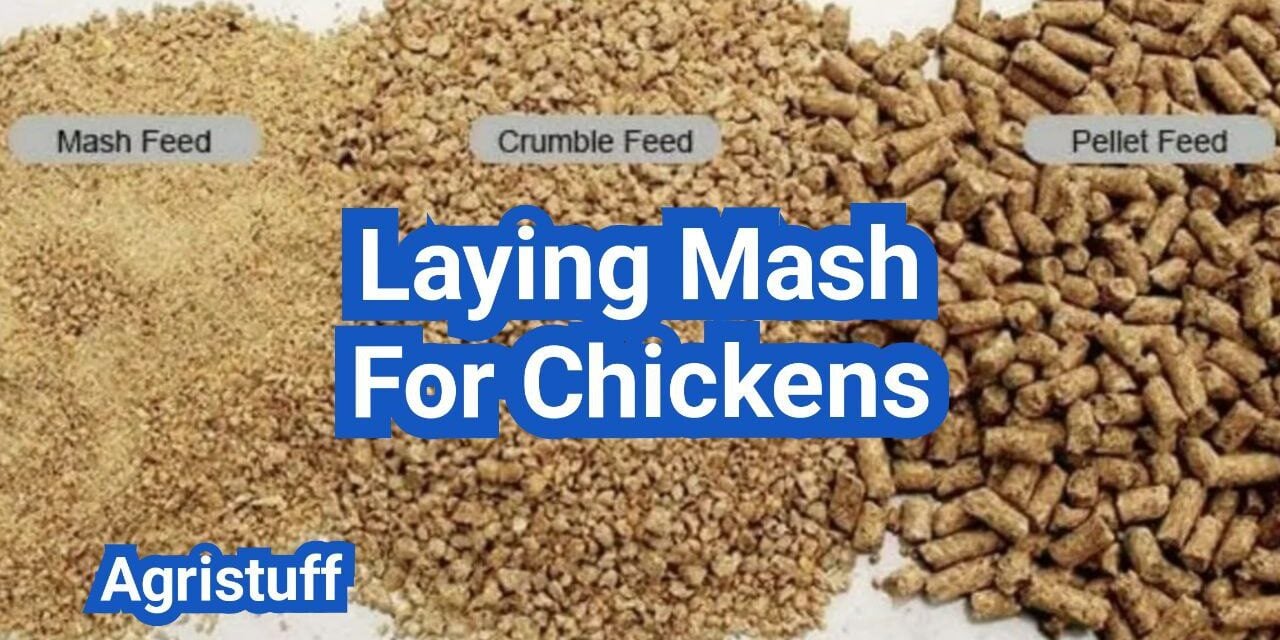
The three main types of feed forms differ significantly in texture and composition. Mash is a fine mixture of ground grains, vitamins, and minerals, while pellets are compressed mash with added steam, making them more dense and easier to store.
Crumbles are broken pellets, offering a compromise between the ease of pellets and the texture of mash. Understanding the benefits and drawbacks of each is essential for making an informed decision.
Key Takeaways
- The right feed form is crucial for the health and productivity of laying hens.
- Mash, pellets, and crumbles differ in texture and composition.
- Pellets are more dense and easier to store than mash.
- Crumbles offer a compromise between pellets and mash.
- Understanding the benefits and drawbacks of each feed form is essential.
The Nutritional Needs of Laying Hens
Understanding the nutritional needs of laying hens is crucial for optimal egg production. A well-balanced diet is essential to support the health and productivity of laying hens throughout their laying cycle.
Protein Requirements for Egg Production
Protein is a critical component of a laying hen’s diet, necessary for the production of eggs. The protein requirement is typically met through a mix of various protein sources, including soybean meal and other grains. Laying hens require a diet rich in protein to support the synthesis of egg proteins.
Adequate protein intake is vital for maintaining high egg production rates and ensuring the overall health of the hens. A deficiency in protein can lead to reduced egg production and other health issues.
Essential Vitamins and Minerals | Laying Mash for Chickens
In addition to protein, laying hens require a range of essential vitamins and minerals. Calcium is particularly important for the formation of strong eggshells, while vitamin D plays a crucial role in calcium metabolism. Other essential nutrients include phosphorus, potassium, and various vitamins.
A balanced diet that includes these essential nutrients is vital for maintaining the health and productivity of laying hens. Nutritional deficiencies can lead to a range of health problems and reduced egg production.
Energy Needs Throughout the Laying Cycle | Laying Mash for Chickens
The energy needs of laying hens vary throughout their laying cycle. Hens require adequate energy to support their metabolic processes, including egg production. The energy requirement is typically met through a combination of carbohydrates and fats in the diet.
Ensuring that laying hens receive adequate energy is crucial for maintaining their overall health and productivity. Energy deficiencies can lead to reduced egg production and other health issues.
Laying Mash for Chickens: A Complete Guide

Laying mash is a specially formulated feed designed to meet the nutritional needs of laying hens. It is a crucial component of their diet, ensuring they produce high-quality eggs while maintaining their overall health.
What Exactly Is Laying Mash?
Laying mash is a type of chicken feed that is specifically formulated for laying hens. It typically contains a mix of grains, vitamins, and minerals that are essential for egg production. The composition of laying mash can vary depending on the manufacturer, but it is generally designed to provide a balanced diet for hens.
Common Ingredients and Their Purpose | Laying Mash for Chickens
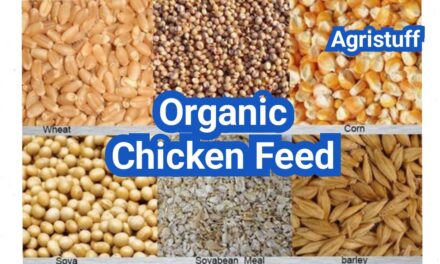
The ingredients in laying mash are chosen for their nutritional value. Grains like corn and wheat provide energy, while protein sources such as soybean meal support overall health. Supplements like calcium are added to ensure strong eggshells. Each ingredient plays a vital role in ensuring the hens receive a balanced diet.
When to Start Feeding Laying Mash
It’s generally recommended to start laying mash when hens begin to lay eggs, typically around 18-24 weeks of age. Introducing laying mash at this stage helps support their nutritional needs for egg production. Ensuring a smooth transition to laying mash is crucial for maintaining consistent egg production.
By understanding the composition and purpose of laying mash, chicken keepers can make informed decisions about their hens’ diet, ultimately leading to healthier hens and better egg production.
Understanding Feed Forms: The Basics

Feed forms are a crucial aspect of poultry nutrition, particularly for laying hens. The three primary feed forms are mash, pellets, and crumbles, each with its unique characteristics, advantages. Understanding the basics of these feed forms is essential for farmers and poultry producers to make informed decisions about the nutritional needs of their laying hens.
Manufacturing Processes | Laying Mash for Chickens
The manufacturing process for each feed form differs significantly. Mash feed is a loose mixture of ingredients, whereas pellets are formed by compressing the ingredients into a compact cylindrical shape. Crumbles, on the other hand, are created by breaking down pellets into smaller, more manageable pieces.
- Mash feed is produced by simply mixing the ingredients together without without any further processing.
- Pellets are manufactured using a pellet mill, which involves heating and compressing the ingredients to form a compact pellet.
- Crumbles are made by breaking down pellets into smaller pieces using a crumbler or a hammer mill.
Nutritional Differences Between Forms | Laying Mash for Chickens
While the nutritional content of the feed remains the same across different forms, the processing method can affect the nutritional availability. Mash feed allows for a more natural eating process, which can help reduce waste and promote digestive health. Pellets reduce waste by minimizing the amount of feed that is spilled or scattered. Crumbles offer a compromise between the two, providing a more manageable feed form while still allowing for a relatively natural eating process.
Shelf Life Considerations | Laying Mash for Chickens
The shelf life of feed is an important consideration, as it directly impacts the quality and safety of the feed. Different feed forms have varying shelf lives due to their processing and storage characteristics. Mash feed generally has a shorter shelf life due to its loose nature, which can make it more susceptible to moisture and pests. Pellets have a longer shelf life because their compact form reduces exposure to air and moisture. Crumbles, being a processed form of pellets, have a shelf life similar to that of pellets, depending on how they are stored.
By understanding the manufacturing processes, nutritional differences, and shelf life considerations of various feed forms, poultry producers can make informed decisions that optimize the health and productivity of their laying hens.
All About Mash Feed

Understanding mash feed is crucial for optimizing the health and productivity of laying hens. Mash feed is a finely ground mixture of various ingredients, designed to provide a balanced diet for chickens.
Composition and Texture | Laying Mash for Chickens
The composition of mash feed typically includes a blend of grains, vitamins, and minerals. The texture is generally fine and loose, making it easy for chickens to consume. The variety of ingredients in mash feed ensures that laying hens receive a broad spectrum of nutrients.
The loose texture of mash feed can be beneficial for chickens, as it allows for easier consumption, especially for younger or smaller birds. However, this loose texture can also lead to increased wastage if not managed properly.
Digestibility Benefits | Laying Mash for Chickens
One of the key advantages of mash feed is its digestibility benefits. The finely ground ingredients can be easier for chickens to digest, particularly for those with sensitive stomachs or during periods of stress. This can lead to improved overall health and potentially increased egg production.
Mash feed can be particularly beneficial for chickens that have trouble consuming or digesting other forms of feed, such as pellets or crumbles. The ease of digestion associated with mash feed can help reduce the risk of gastrointestinal issues.
Common Concerns with Mash | Laying Mash for Chickens
Despite its benefits, mash feed is not without its drawbacks. One of the most common concerns is feed wastage. The loose texture can lead to chickens scattering the feed, resulting in wasted feed and potentially attracting pests.
Another concern is the potential for nutrient segregation. If the mash feed is not mixed properly, certain nutrients can become separated, leading to an uneven distribution of nutrients among the flock.
Pellets: The Compressed Option

Pellets are made by compressing mash with added steam, improving feed efficiency and reducing wastage. This process not only enhances the nutritional value but also makes the feed more convenient to manage.
Manufacturing Process | Laying Mash for Chickens
The production of pellets involves several key steps. First, the ingredients are mixed into a mash form. Then, steam is added to the mash to make it more pliable and easier to compress. The mash is then forced through a die to form pellets of the desired size. This process is crucial as it affects the quality and durability of the pellets.
Pellet Durability Index Explained | Laying Mash for Chickens
The Pellet Durability Index (PDI) is a measure used to assess the durability of pellets during handling and storage. A higher PDI indicates that the pellets are more durable and less likely to break down into fines. The PDI is significant because it directly impacts the quality of the feed delivered to the chickens.
- A high PDI means less waste and more consistent nutrition for the flock.
- Manufacturers often strive to improve PDI through adjustments in the manufacturing process.
Advantages for Flock Management | Laying Mash for Chickens
Pellets offer several advantages for flock management. They are easier to store and handle than mash, reducing labor costs. Additionally, pellets minimize feed wastage, as they are less likely to be spilled or scattered by the chickens.
Key benefits include:
- Improved feed efficiency
- Reduced labor costs
- Less feed wastage
Crumbles: The Best of Both Worlds?

Crumbles, being broken pellets, have unique characteristics that make them suitable for certain flocks. They offer a middle ground between the ease of pellets and the flexibility of mash, making them an attractive option for many chicken keepers.
Processing Methods for Crumbles | Laying Mash for Chickens
The process of creating crumbles involves breaking down pellets into smaller pieces. This is typically done through a crumbling process that can be adjusted to achieve the desired size consistency. The goal is to produce crumbles that are easy for chickens to eat without the need for further processing.
Crumble size is a critical factor in their processing. The size needs to be appropriate for the age and breed of the chickens. For younger birds, smaller crumbles are often preferred as they are easier to consume.
Size Consistency Issues | Laying Mash for Chickens
One of the challenges with crumbles is achieving consistent size. If the crumbles are too fine, they can resemble mash and may not offer the desired advantages. Conversely, if they are too large, they may still be considered pellet-like. Manufacturers must balance these factors to produce crumbles that meet the needs of chicken keepers.
Size consistency can impact the feeding efficiency and waste reduction. Uniform crumbles ensure that chickens are getting the nutrients they need without selective eating, which can lead to waste.
Ideal Situations for Crumble Use | Laying Mash for Chickens
Crumbles are particularly beneficial for young birds or those transitioning from mash to pellets. They are also useful for flocks that have trouble consuming pellets due to size or beak issues. Additionally, crumbles can be an effective way to manage feed waste, as they tend to be less wasteful than mash.
In summary, crumbles offer a versatile feeding option that can cater to the specific needs of a flock. By understanding their processing methods, size consistency issues, and ideal use situations, chicken keepers can make informed decisions about incorporating crumbles into their feeding regimen.
The Great Debate: Mash vs Pellets vs Crumbles

The debate over the best feed form for laying hens has been ongoing, with mash, pellets, and crumbles each having their proponents. The choice between these feed forms can significantly impact the health, productivity, and profitability of a laying hen operation.
Feed Efficiency Comparison | Laying Mash for Chickens
Feed efficiency is a critical factor in determining the cost-effectiveness of a laying hen operation. Mash, pellets, and crumbles have different feed efficiencies due to their physical forms and how they are consumed by the hens.
| Feed Form | Feed Efficiency |
|---|---|
| Mash | Lower due to higher wastage |
| Pellets | Higher due to reduced wastage |
| Crumbles | Moderate, balancing between mash and pellets |
Wastage Analysis and Cost Implications
Wastage is a significant factor that affects the overall cost of feeding laying hens. Pellets generally have less wastage compared to mash, as they are less likely to be scattered or spilled. Crumbles fall somewhere in between.
- Mash: Higher wastage due to its loose form
- Pellets: Lower wastage due to its compact form
- Crumbles: Moderate wastage
Impact on Egg Production and Quality
The form of feed can also impact egg production and quality. Nutritional intake is crucial, and the feed form can influence how well the hens absorb nutrients.
A well-balanced diet in the appropriate feed form can enhance egg production and quality. Pellets and crumbles are often preferred for their ease of consumption and reduced wastage, potentially leading to better overall performance.
Calcium Management for Strong Eggshells

Calcium plays a vital role in the production of strong eggshells, making its management essential. Laying hens require a consistent intake of calcium to produce eggs with robust shells. Without adequate calcium, hens may produce eggs with weak or brittle shells, leading to breakage and reduced egg quality.
Optimal Calcium Percentages in Layer Feed
The optimal calcium percentage in layer feed is a critical factor in ensuring strong eggshells. Most poultry nutritionists agree that a laying hen’s diet should contain between 3.5% to 4.5% calcium. It’s crucial to maintain this range to support eggshell production without causing other health issues.
A study on layer feed composition found that calcium levels significantly impact eggshell thickness and strength. Hens fed with feed containing 4% calcium produced eggs with thicker shells compared to those fed with lower calcium percentages.
Timing of Calcium Supplementation | Laying Mash for Chickens
The timing of calcium supplementation is as important as the amount. Providing calcium during the evening is recommended because hens typically lay eggs in the morning, and calcium is crucial during the night when eggshell formation occurs.
- Ensure that calcium is available to hens at all times, especially during peak laying periods.
- Consider using oyster shells or other calcium-rich supplements as a free-choice option.
Oyster Shell and Other Calcium Sources
Oyster shell is a popular calcium source for laying hens due to its high calcium content and slow release rate, which helps maintain calcium levels throughout the night. Other calcium sources include limestone and crushed eggshells, which can also be effective.
“The use of oyster shell as a calcium source has been shown to improve eggshell quality by providing a slow release of calcium.”
— Poultry Nutrition Research
In conclusion, effective calcium management is crucial for maintaining strong eggshells. By ensuring optimal calcium percentages in layer feed, timing supplementation correctly, and using appropriate calcium sources, poultry keepers can improve egg quality and reduce the incidence of eggshell breakage.
How to Select the Right Feed for Your Flock

Choosing the right feed for your flock is a critical decision that affects the overall health and productivity of your laying hens. With various feed forms available, including mash, pellets, and crumbles, understanding the specific needs of your flock is essential.
Flock Size Considerations | Laying Mash for Chickens
The size of your flock plays a significant role in determining the most suitable feed. Larger flocks may benefit from feeds that are more cost-effective and easier to manage, such as pellets. In contrast, smaller flocks might thrive on mash or crumbles, which can offer more flexibility in terms of nutritional content.
As Backyard Chickens notes, “The feed you choose should align with your flock’s size and your management practices.” This alignment is crucial for optimizing egg production and maintaining flock health.
Climate and Housing Factors | Laying Mash for Chickens
Climate and housing conditions significantly impact the nutritional needs and feeding behavior of your laying hens. For instance, hens in hot climates may require feeds with adjusted energy levels to account for reduced feed intake.
“Hens in different climates have different nutritional requirements. For example, in hot weather, hens eat less, so the feed needs to be more nutrient-dense.”
Housing factors, such as the availability of foraging opportunities, also influence feed selection. Hens with access to pasture may require different nutrient profiles compared to those confined to indoor housing.
Budget and Availability Constraints | Laying Mash for Chickens
Budget and feed availability are practical considerations that can significantly impact feed choice. Farmers or backyard chicken keepers must balance the need for high-quality feed with the cost and availability of different feed types.
- Evaluate the cost per ton of different feeds.
- Consider the nutritional value and how it impacts egg production.
- Assess the availability of feeds in your area.
Reading and Understanding Feed Tags | Laying Mash for Chickens
Understanding feed tags is crucial for making informed decisions about your flock’s nutrition. Feed tags provide detailed information about the feed’s ingredients, nutritional content, and feeding instructions.
When reading feed tags, look for:
| Feed Tag Information | Description |
|---|---|
| Crude Protein | Minimum percentage of protein in the feed. |
| Crude Fat | Minimum percentage of fat in the feed. |
| Crude Fiber | Maximum percentage of fiber in the feed. |
| Calcium | Percentage of calcium, crucial for eggshell production. |
By carefully considering these factors and understanding feed tags, you can make an informed decision that supports the health and productivity of your laying hens.
Commercial Feed Options in the U.S.

The United States offers a diverse range of commercial feed options for laying hens, catering to various needs and preferences. From popular brands available at Tractor Supply and farm stores to organic and specialty formulations, flock owners have numerous choices to ensure their hens receive optimal nutrition.
Popular Brands at Tractor Supply and Farm Stores
Tractor Supply and farm stores are go-to destinations for many flock owners seeking high-quality feed. Some of the most popular brands include:
* PurinaLayena: Known for its balanced nutrition and egg production support.
* Kalmbach Feeds: Offers a range of feeds tailored to different stages of a hen’s life cycle.
* Manna Pro: Provides feeds that are rich in nutrients and designed for optimal egg production.
These brands are widely available and trusted by many flock owners for their quality and effectiveness.
Organic and Specialty Formulations | Laying Mash for Chickens
For those seeking alternative options, organic and specialty feeds are gaining popularity. These feeds are made from organic ingredients, are non-GMO, or are formulated to meet specific dietary needs. Some examples include:
* Organic Valley Layer Feed: Made from organic ingredients and free from pesticides and synthetic fertilizers.
* Scratch and Peck Feeds: Offers non-GMO and organic feeds that are formulated for optimal nutrition.
These specialty feeds cater to the growing demand for more natural and sustainable feeding options.
Price Comparison and Value Analysis | Laying Mash for Chickens
When choosing a commercial feed, price is a significant factor. The cost of feed can vary widely depending on the brand, formulation, and location. For example:
* PurinaLayenacan range from $15 to $25 per 50-pound bag.
* Organic options like Organic Valley Layer Feed may cost between $25 to $40 per 50-pound bag.
While organic and specialty feeds may be more expensive, they offer unique benefits that may justify the additional cost for some flock owners.
In conclusion, the U.S. market offers a wide array of commercial feed options for laying hens, from popular brands at Tractor Supply and farm stores to organic and specialty formulations. By understanding the different types of feeds available and their respective benefits, flock owners can make informed decisions to ensure their hens receive the best possible nutrition.
DIY and Custom Feed Formulations

DIY feed formulations offer a flexible approach to meeting the nutritional needs of laying hens, allowing for customization based on available ingredients. This approach can be particularly beneficial for backyard chicken keepers who have access to various grains and supplements.
Basic Homemade Laying Mash Recipe | Laying Mash for Chickens
Creating a homemade laying mash recipe involves mixing various grains, proteins, and supplements to achieve a balanced diet. A simple recipe might include:
- 50% Grains (oats, barley, wheat)
- 20% Protein sources (soybean meal, sunflower meal)
- 10% Calcium supplements (crushed oyster shells, limestone)
- 20% Other ingredients (alfalfa meal, salt, vitamins)
It’s essential to ensure that the mix is well-balanced and provides all the necessary nutrients for egg production.
Adding Supplements for Enhanced Nutrition | Laying Mash for Chickens
Supplements can be added to homemade laying mash to enhance nutrition. Common supplements include:
- Omega-3 fatty acids for improved egg quality
- Probiotics for gut health
- Additional vitamins and minerals to fill any nutritional gaps
When adding supplements, it’s crucial to follow recommended guidelines to avoid over-supplementation.
Cost Analysis: Homemade vs Commercial | Laying Mash for Chickens
A cost analysis between homemade and commercial feeds can help determine the most economical choice. The following table provides a basic comparison:
| Feed Type | Cost per Pound | Nutritional Customization |
|---|---|---|
| Homemade Laying Mash | $0.25 | High |
| Commercial Laying Feed | $0.35 | Low |
While homemade feed can be more cost-effective, it’s essential to consider the nutritional needs of your hens and the potential for wastage or nutritional deficiencies if the feed is not properly formulated.
Proper Feeding Management Practices
Effective feeding management is crucial for the health and productivity of laying hens. A well-managed feeding program ensures that your flock receives the necessary nutrients for optimal egg production.
Feeder Types and Space Requirements | Laying Mash for Chickens
The type of feeder and the space available to your hens can significantly impact their feeding behavior and overall health. There are various feeder types, including trough feeders, gravity feeders, and automated feeders, each with its advantages and disadvantages.
- Trough Feeders: Simple and cost-effective, but can lead to feed waste if not managed properly.
- Gravity Feeders: Convenient for ensuring a constant feed supply, reducing labor.
- Automated Feeders: Ideal for large flocks, these feeders can be programmed to dispense feed at set times.
Ensuring adequate feeder space is critical to prevent competition among hens. A general rule is to provide at least 1 inch of feeder space per hen to minimize stress and ensure all birds have access to feed.
Storage Solutions to Prevent Spoilage | Laying Mash for Chickens
Proper storage of feed is essential to maintain its quality and prevent spoilage. Feed should be stored in a cool, dry place, protected from pests and moisture.
“The quality of feed is directly related to how it is stored. Proper storage can significantly extend the shelf life of your feed.”
Using airtight containers or bins can help keep feed fresh and protect it from rodents and other pests.
Seasonal Adjustments to Feeding Programs
Adjusting your feeding program according to seasonal changes can help maintain the health and productivity of your flock. For example, during hot weather, hens may need more hydration and potentially less energy-rich feed to avoid heat stress.
| Season | Adjustment |
|---|---|
| Summer | Increase hydration, reduce energy-rich feed |
| Winter | Increase energy-rich feed for warmth |
By making these adjustments, you can ensure your hens remain healthy and productive throughout the year.
Troubleshooting Common Feed-Related Issues

Feed-related problems can significantly impact the productivity of your flock. Laying hens require a balanced diet to maintain optimal egg production and overall health. Issues such as declining egg production, poor eggshell quality, and selective eating can be distressing for poultry keepers.
Declining Egg Production | Laying Mash for Chickens
A decline in egg production can be caused by various factors, including nutritional deficiencies, stress, and health issues. Ensuring that your laying hens receive a well-balanced diet that meets their nutritional needs is crucial. Protein requirements should be met, as insufficient protein can lead to decreased egg production.
| Nutrient | Recommended Level | Effect on Egg Production |
|---|---|---|
| Protein | 16-18% | Essential for maintaining egg production |
| Calcium | 3.5-4% | Critical for strong eggshells |
| Energy | 2800-3000 kcal/kg | Supports overall health and egg production |
Poor Eggshell Quality | Laying Mash for Chickens
Poor eggshell quality can result from inadequate calcium and phosphorus levels, among other factors. Ensuring that your hens receive sufficient calcium supplementation is vital for strong eggshell production.
Selective Eating and Wasted Feed
Selective eating and wasted feed can lead to increased production costs and decreased flock health. Feed form can significantly impact eating behavior and feed efficiency.
Transitioning Between Feed Forms | Laying Mash for Chickens
When transitioning between different feed forms, such as from mash to pellets or crumbles, it’s essential to do so gradually to prevent digestive upset. A gradual transition allows the hens’ digestive systems to adjust to the new feed form.
- Start by mixing a small amount of the new feed form with the current feed.
- Gradually increase the proportion of the new feed form over 7-10 days.
- Monitor the hens’ response and adjust the transition pace as needed.
Making the Best Choice for Your Laying Hens
Choosing the right feed for laying hens is crucial for their health, well-being, and productivity. Throughout this article, we have explored the different feed forms available, including mash, pellets, and crumbles, and discussed their nutritional benefits and drawbacks.
The nutritional needs of laying hens vary throughout their laying cycle, and it is essential to provide a balanced diet that meets these needs. By understanding the composition and benefits of different feed forms, you can make an informed decision about the best choice for your flock.
Ultimately, the best feed for your laying hens will depend on factors such as flock size, climate, and budget. By considering these factors and selecting a feed that meets the nutritional needs of your hens, you can promote healthy egg production and maintain the overall health of your flock.
FAQ
What is laying mash and do chickens need it?
Laying mash is a type of feed specifically formulated for laying hens, providing the necessary nutrients for egg production. Chickens need laying mash to maintain optimal health and egg production.
What are the main ingredients in laying mash?
The main ingredients in laying mash typically include grains such as corn, oats, and barley, protein sources like soybean meal, and supplements like calcium and vitamins.
What is the difference between laying mash and regular chicken feed?
Laying mash is formulated to meet the specific nutritional needs of laying hens, with a higher calcium content to support eggshell production, whereas regular chicken feed may not have the same level of calcium and other essential nutrients.
Can I make my own laying mash at home?
Yes, you can make your own laying mash at home using a combination of grains, protein sources, and supplements. However, it’s essential to ensure the mix is balanced and meets the nutritional needs of your laying hens.
What is the best feed form for laying hens: mash, pellets, or crumbles?
The best feed form for laying hens depends on various factors, including flock size, climate, and housing. Mash, pellets, and crumbles each have their advantages and disadvantages, and the choice ultimately depends on your specific needs and preferences.
How do I store laying mash to prevent spoilage?
To store laying mash, keep it in a cool, dry place, away from direct sunlight and moisture. Use airtight containers or bins to prevent pest infestation and spoilage.
Can I feed laying mash to roosters?
While laying mash is formulated for laying hens, roosters can also eat it. However, roosters have different nutritional needs, and laying mash may not be the most suitable feed for them.
How often should I feed laying mash to my chickens?
Laying mash should be fed to chickens as their primary source of nutrition, and it’s recommended to provide a consistent and adequate supply to support egg production.
What are the benefits of using layer pellets instead of mash?
Layer pellets are a convenient and efficient feed form that can reduce wastage and make flock management easier. They are also less prone to nutrient segregation and can be more cost-effective.
Can I mix different feed forms, such as mash and pellets?
Mixing different feed forms can be done, but it’s crucial to ensure the nutritional balance is maintained. It’s recommended to consult with a poultry expert or nutritionist to determine the best approach for your flock.
How do I know if my chickens are getting the right nutrients from their feed?
Monitor your chickens’ overall health, egg production, and eggshell quality to determine if they’re getting the right nutrients. Consult with a poultry expert or veterinarian if you have concerns.
What is the optimal calcium percentage in layer feed?
The optimal calcium percentage in layer feed typically ranges between 3.5% to 4.5%, depending on the specific formulation and the age of the laying hens.
Can I add supplements to my chickens’ feed?
Yes, you can add supplements to your chickens’ feed, but it’s essential to choose the right supplements and follow the recommended guidelines to avoid over-supplementation or nutrient imbalances.
How do I transition my flock to a new feed?
To transition your flock to a new feed, gradually introduce the new feed over a period of 7-10 days, mixing it with their current feed to prevent digestive upset.
Do I need oyster shell or grit with a complete layer ration?
Laying Mash for Chickens can be fed as a complete diet, but many keepers still offer a separate coarse calcium source so birds—especially older layers—can self-regulate shell-building needs without overloading younger birds. Grit needs depend on whether hens eat whole grains, pasture items, or kitchen scraps, because grit supports grinding of coarser materials rather than replacing good nutrition. If shells thin out, treat calcium management as a system: diet, age, timing, and stress level Poultry Extension (egg production feeding)
Can I ferment a layer mash?
Laying Mash for Chickens is sometimes fermented to improve palatability or reduce waste, but fermentation must be done safely to avoid spoilage, contamination, or inconsistent nutrients. If you try it, use clean containers, control time and temperature, and watch intake closely—because a “successful” ferment still has to deliver the same nutrient density as the original ration. When in doubt, prioritize feed safety and consistency over trends
When should pullets move to layer feed, and does form matter?
Laying Mash for Chickens is appropriate only once birds are truly approaching lay, because the higher calcium level is designed for shell formation, not rapid growth. In practice, form matters less than timing and overall ration balance, but crumbles can be helpful during transitions if birds are used to smaller particle sizes. If you’re unsure, follow age-and-stage guidance and make changes gradually while watching body condition and early egg size
Is medicated feed okay for laying hens?
Laying Mash for Chickens should never be medicated “just in case,” because medicated products and extra-label drug use can carry egg residue concerns, withdrawal requirements, and legal restrictions depending on the drug and indication. If a health problem requires medication, involve a poultry-experienced veterinarian and follow labeled directions exactly. When eggs are part of the picture, safety and compliance are as important as solving the disease FARAD (food animal residue guidance)
Conclusion of: Laying Mash for Chickens
Why feed form is a bigger deal than it sounds
Laying Mash for Chickens sounds like a simple product choice, but the “form” of the feed can quietly affect egg numbers, shell quality, feeder waste, and even how calm (or competitive) a flock feels at mealtime. In the U.S., most small farms and backyard keepers are choosing between a complete layer mash, a complete layer pellet, or a crumble—then adding calcium as needed based on egg size, age, and season. The smartest approach is not “one form forever,” but matching the form to your birds, your feeders, and your management style University of Maryland Extension
Laying Mash for Chickens also shows up in cost conversations because feed is usually the biggest ongoing expense for egg production, and small differences in waste or intake add up fast. A feed that looks cheaper per bag can be more expensive per dozen eggs if hens sort it, spill it, or eat more to get the nutrients they prefer. That’s why comparing mash vs pellets vs crumbles should include behavior, equipment, and climate—not just the label University of Kentucky Extension (ASC-233)
What “laying mash” actually is
Laying Mash for Chickens is a complete feed that has been ground and blended into a meal-like texture, typically made from grains, protein meals, vitamins, minerals, and a calcium source. The big advantage is that a well-made mash can keep ingredients evenly distributed, which matters when you want every bite to deliver a similar nutrient package. The big challenge is that birds can still sort by particle size if the mash is uneven or if you “dilute” it with scratch grains and table scraps
Laying Mash for Chickens should be evaluated like any other layer ration: it must support maintenance, egg production, and shell formation at the same time. In practical terms, that means enough energy, adequate protein and amino acids, and a calcium level that matches laying intensity and bird age. If any one piece is consistently short, hens often compensate by overeating, under-producing, or pulling minerals from their own bones over time Merck Veterinary Manual
Mash vs pellets vs crumbles in plain English
Laying Mash for Chickens is “loose” feed; pellets are mash that has been conditioned and pressed into firm cylinders; crumbles are pellets that have been broken into smaller pieces. Pellets and crumbles are designed to reduce sorting and keep intake more uniform, while mash can encourage longer feeding time and natural foraging-style pecking. The form that wins is usually the one that delivers consistent nutrients with the least waste in your specific feeder setup Oregon State University Extension (PNW 477)
Laying Mash for Chickens can perform extremely well when the birds consume it evenly, but research comparing forms often shows that pellets (and sometimes crumbles) can improve feed efficiency by limiting selective eating and reducing time spent “hunting” preferred particles. That doesn’t mean pellets always produce more eggs, but it often means you can get similar production with slightly less feed wasted or sorted. Your goal is consistent intake first—because consistent intake is what stabilizes production and shell quality Peer-reviewed comparative study (open access)
How feed form changes what hens actually eat
Laying Mash for Chickens can be more vulnerable to selective eating when particle size varies a lot, because hens are surprisingly good at picking what they like and leaving what they don’t. If a mash has visible differences (fine powder plus larger grain pieces), some birds will “skim” energy-rich particles and skip mineral-rich fines, which can show up later as weaker shells or uneven egg size. Uniform grind, good mixing, and avoiding “treat dilution” are what make mash behave like a true complete diet Peer-reviewed study on diet selection (open access)
Laying Mash for Chickens can also create more dust and “fines” in the feeder, which raises waste risk and makes it easier for dominant birds to flick feed out while eating. Pellets are not immune—poor pellet durability creates fines too—so pellet quality matters as much as pellet form. If you see a lot of powder collecting under feeders, you are paying for nutrients that are not ending up in eggs Kansas State University (MF3228)
Laying Mash for Chickens may support stronger gizzard activity because birds spend more time grinding and processing the feed, especially if the mash includes a sensible particle profile. Pelleted diets can reduce the mechanical work the gizzard does, which may change gut development and digestion dynamics depending on the overall diet and management. In real life, this tends to matter most when birds are already stressed (heat, crowding, parasites) or when feed form changes abruptly Peer-reviewed gut morphology study (open access)
Laying Mash for Chickens often feels more forgiving for small flocks because it can slow down fast eaters, keep birds occupied longer, and reduce “boredom pecking” in confinement setups. But that same slower intake can be a negative if birds are not eating enough during heat waves or if feeders are poorly protected from moisture. The best form is the one your flock actually consumes reliably every day, with minimal leftover fines Peer-reviewed feed form and particle size study (open access)
Eggshell quality and calcium delivery
Laying Mash for Chickens can be a strong choice for shell quality when you manage calcium correctly, because shells are built mostly at night and calcium availability (and particle size) matters. Many U.S. keepers use a complete layer ration plus a separate coarse calcium source (like oyster shell) so older hens can “top up” without forcing excessive calcium on younger birds. Coarser calcium particles can stay available longer in the digestive tract, which may support shell formation during overnight calcification
Laying Mash for Chickens should also be evaluated alongside phosphorus and vitamin D status, because calcium doesn’t work in isolation. If calcium is high but phosphorus or vitamin D is off, you can still see thin shells, poor hatchability (if breeding), or bone stress over time. Balanced “Ca:P” thinking is one reason complete feeds tend to outperform home-mixed recipes unless you test and formulate carefully
Laying Mash for Chickens sometimes gets paired with creative calcium sources, including processed eggshell, but the key is consistency and bioavailability. Research suggests eggshell-derived calcium can function as a viable source when handled properly, yet it still needs to fit within a complete ration and safe handling practices. If you recycle eggshell at home, the safety step (cleaning and heat treatment) matters as much as the nutrition math Peer-reviewed eggshell calcium research (open access)
Laying Mash for Chickens should not be “made up for” with lots of scratch grain, because scratch dilutes protein, amino acids, vitamins, and minerals that layers need daily. A common U.S. pattern is: hens love corn-heavy scratch, then leave the mash fines—so you get heavier birds but not stronger production. If you want treats, keep them small and use them as training or enrichment, not as a meaningful calorie source
Reading a feed tag like a pro
Laying Mash for Chickens should be purchased with the feed tag in mind, not just the marketing name on the bag. Start with guaranteed analysis: crude protein, crude fat, crude fiber, and (for layers) calcium and phosphorus ranges are the “first filter” for whether a ration even fits a laying bird’s needs. Then check feeding directions and intended class of animal, because a “grower” or “all-flock” formula can look similar but be wrong for high-rate egg production University of Kentucky Extension (ASC-216)
Laying Mash for Chickens labels also matter because animal feed is regulated at both state and federal levels, and the label is where safe use directions, intended species, and guarantees are communicated. If a bag lacks clear intended-use language, lot codes, or manufacturer information, that’s a red flag—especially when you’re feeding eggs for family use or local sales. Treat the label as part of your flock health program, not as packaging fluff
Laying Mash for Chickens can be safer and more consistent when it comes from mills that follow preventive controls, sanitation, and traceability practices. In the U.S., feed manufacturing and handling standards have been strengthened under modern food safety frameworks, and those practices reduce risks like contamination, formulation errors, and unsafe carryover. You don’t need to be a feed scientist—just choose reputable mills and avoid mystery blends that can’t explain quality control U.S. Food and Drug Administration
Safety and storage
Laying Mash for Chickens is more likely to spoil if it absorbs moisture, because fine particles and fat-containing ingredients can mold or turn rancid faster than people expect. Mycotoxins are a real concern in poultry and can show up as reduced intake, poor production, or general “unthriftiness,” especially when heat and humidity are high. If the feed smells musty, feels damp, clumps, or shows visible mold, do not “feed through it” Penn State Extension
Laying Mash for Chickens lasts longer when you control temperature and humidity where the bags are stored, and the principle is the same whether you’re storing mixed feed or raw grains. Keep feed off concrete floors, away from walls that sweat, and out of direct sun; then use a sealed bin to block rodents and insects. In much of the U.S. South, a garage that feels “fine” to humans can still be hot enough to accelerate spoilage and vitamin loss Oklahoma State University Extension
Laying Mash for Chickens can also lose palatability as fats oxidize, which is one reason some feeds include antioxidants or other stabilizers. If birds suddenly eat less, don’t assume it’s “just picky hens”—check freshness, storage conditions, and whether you recently switched brands or batch quality changed. Fresh feed that birds enjoy is not a luxury; it is a production tool Poultry Extension (feeds and additives)
Management factors that make one form “win”
Laying Mash for Chickens can work beautifully when water access is excellent, because hens often adjust feed intake based on water availability and temperature. If drinkers freeze in winter, run dry in summer, or are hard for timid birds to reach, production suffers no matter how “perfect” your ration is. Think of water as the silent partner to every feed form decision you make Poultry Extension (water requirements)
Laying Mash for Chickens may need different management during heat stress, because birds typically eat less when temperatures climb and they pant to cool themselves. In hot U.S. regions, you can support intake by feeding during cooler hours, improving ventilation, and keeping water cool and plentiful, while avoiding sudden diet changes that reduce appetite. If hens are heat-stressed, the “best” feed form is often the one they will still consume steadily
Laying Mash for Chickens won’t fix winter production drops if day length is the underlying issue, because light drives laying cycles. Many U.S. keepers use controlled lighting to maintain a consistent photoperiod, but it should be planned carefully to avoid stressing birds or creating abrupt changes. Feed form is secondary to stable basics: light, water, space, and low stress Penn State Extension
Laying Mash for Chickens can look “worse” than pellets if feeder space is tight, because dominant hens can camp a feeder and force timid birds to eat leftovers or fines. If you have a mixed-age flock, that problem can become a shell-quality problem quickly because older layers need consistent calcium and younger birds can be pushed away. Sometimes the winning move is not changing feed form—it’s adding feeder space and improving access
Step-by-step: choosing the right form for your flock
Laying Mash for Chickens is usually a smart choice if your flock is prone to boredom, if you want longer feeding time for enrichment, or if your feeders are designed to reduce spill and keep mash dry. Start by watching the feeder: if you see minimal fines buildup and birds maintain body condition with steady lay rate, mash can be your “set it and forget it” base ration. If you see sorting, dust, or inconsistent egg size, consider switching forms or changing feeder style before changing nutrition targets Alabama Extension
Laying Mash for Chickens may lose to pellets (or crumbles) when your biggest problem is waste, selective eating, or time-limited intake during heat. A practical method is to run a two-week trial: measure daily feed offered, weigh or estimate leftovers, track egg count and shell quality, and note manure consistency and bird behavior. The “winner” is the form that gives you stable eggs with the lowest waste and the calmest, most uniform eaters Peer-reviewed feed form research (open access)
Quick checklist for Laying Mash for Chickens
Laying Mash for Chickens decisions get easier when you use a simple checklist and treat it like a mini on-farm audit. The goal is consistency: consistent nutrients, consistent intake, and consistent management inputs like water, light, and feeder access. Use the checklist below before you blame a ration for problems that are really equipment or routine issues
- Confirm the bag is a complete layer feed intended for laying hens, not grower or all-flock.
- Check calcium range on the tag and plan a separate coarse calcium source if needed for older birds.
- Inspect the feed for uniform particle size (mash) or low fines (pellets/crumbles).
- Verify freshness: lot code, manufacturing date (if provided), and no off odors.
- Store feed in a sealed, pest-proof bin in a cool, dry location off the floor.
- Provide enough feeder space so timid birds can eat without being pushed away.
- Ensure constant clean water access; fix leaks, freezes, and algae issues fast.
- Track eggs per day and shell quality for two weeks after any feed change.
- Keep treats and scratch limited so they don’t dilute the complete ration.
- Adjust feeding times for heat (cooler hours) and verify ventilation in summer.
Common mistakes to avoid for Laying Mash for Chickens
Laying Mash for Chickens can look “bad” simply because common mistakes make any feed form fail, especially when birds are in backyards with variable routines. Most problems blamed on feed are actually a mix of treat dilution, poor storage, inconsistent water, or feeder design that encourages waste. Fixing these mistakes is often cheaper than switching brands repeatedly
- Overfeeding scratch or table scraps: Keep treats small and purposeful so the layer ration stays the main diet.
- Ignoring calcium timing: Offer a suitable calcium plan, especially for older hens or thin shells.
- Storing feed in humid areas: Prevent mold and rancidity by storing cool, dry, sealed, and off the floor.
- Too little feeder space: Add feeder access so timid birds don’t live on fines.
- Switching forms overnight: Transition over several days to protect intake and gut stability.
- Buying “mystery mixes”: Choose reputable mills with clear tags, intended use, and traceability.
- Not tracking results: Use a two-week log (feed offered, leftovers, eggs, shell notes) after changes.
- Letting water slip: Fix drinker issues immediately; poor water access can mimic feed problems.
Costs and ROI snapshot of Laying Mash for Chickens
Laying Mash for Chickens is often priced similarly to pellets at the bag level, so ROI usually comes from waste reduction and steadier performance rather than dramatic price differences. Major cost drivers in the U.S. include corn and soybean meal markets, freight to your region, brand quality control, and whether the feed includes specialty additives. If pellets reduce your waste even slightly, they can outperform a cheaper mash in cost per dozen eggs USDA AMS Market News (feedstuffs report)
Laying Mash for Chickens ROI is easiest to see when you calculate “feed per dozen eggs” instead of “feed per bag,” because eggs are your output. For small farms, also include the hidden costs of inconsistent shells: more cracks, more seconds, and more labor handling fragile eggs. A simple ROI method is to log two weeks on mash and two weeks on pellets with the same birds and note changes in egg count, shell strength, and visible waste
Laying Mash for Chickens cost planning should also consider egg price variability and seasonal patterns, because revenue per dozen can swing while feed costs lag or lead. When margins tighten, management discipline becomes the “profit lever”: store feed correctly, reduce waste, keep hens comfortable, and keep production stable. The best feed form is the one that supports predictable, marketable eggs with the fewest cracked losses and the least spilled feed USDA AMS Egg Markets Overview
Final thought
Laying Mash for Chickens doesn’t automatically beat pellets or crumbles, and pellets don’t automatically beat mash—the winner is the form that your hens eat consistently, that your equipment delivers with minimal waste, and that your management supports in your local U.S. climate. If you track feed offered, leftovers, eggs, and shell strength for two focused weeks, you’ll usually find a clear winner for your flock. Let performance data—not opinions—make the decision
Sources & References
- WSU Extension: Reading a Feed Tag
- WSDA Animal Feed Labeling Guide (PDF)
- CDFA Commercial Feed Label Guarantee Guidance (PDF)
- South Carolina Dept. of Agriculture: Livestock Feed Labeling Quick Guide (PDF)
- FDA: Animal Food Labeling and Claims
- USDA AMS: Egg Market News Reports
- USDA ERS: Feed Grains Database
- eOrganic: Organic Poultry Production (management overview)