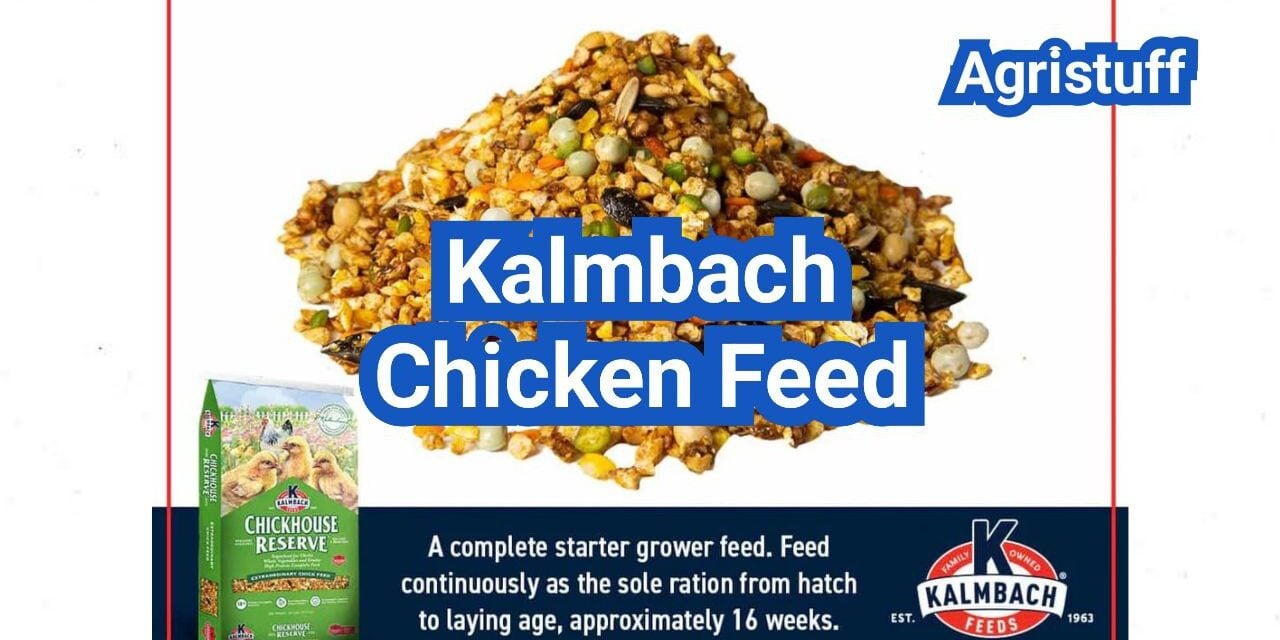
Kalmbach chicken feed refers to a small line of complete layer rations and a scratch-style grain treat for backyard flocks. The complete rations are designed as sole rations for hens (16+ weeks) and there’s a separate complete option labeled for hens + ducks (16+ weeks).
This product-focused guide explains what’s inside each bag, how key ingredients and protein sources support shell quality, yolk color, and digestion, and why complete feeds differ from scratch-style treats. Expect clear notes on the role of grains, plant proteins, insect ingredients, and amino acid support.
Who should read this: U.S. backyard keepers comparing a complete layer ration, duck owners seeking a soy-free option, and anyone who wants a grain treat without unbalancing diets.
We’ll also point out what to check on the label, how the product form affects use, and which factors—bag size or specialty features—drive price when you shop or proceed to checkout. Next, use the product selection section to match a Chicken Feed to your flock before we dive into ingredient-level detail.
Key Takeaways
- Complete rations serve as sole daily feeds for hens 16+ weeks; treats should be limited to 10–15% of the diet.
- Protein quality depends on ingredient choices and added amino acids, not just crude protein numbers.
- Compare products by ingredients, calcium/phosphorus sources, and any functional blends like LifeGuard®.
- Look for yolk-enhancing blends such as YolkProud® if yolk color matters to you.
- Check bag form, size, and specialty claims to understand price and practical use before checkout.
Kalmbach chicken feed options for backyard chickens, ducks, and poultry

Understanding product roles helps you keep hens productive and ducks healthy without overfeeding grains.
Complete layer feed for laying hens starting at 16 weeks
Designed as a sole ration, this formula is meant for laying hens 16+ weeks and is fed free choice. It provides daily protein, calcium, and vitamins to support steady egg output and reliable shell quality.
Practical benefit: simplified feeding—no mixing or supplements needed when used as the complete diet.
Complete layer feed for laying hens and ducks starting at 16 weeks
This mixed-flock option is labeled for hens and ducks 16+ weeks and is 100% soy-free. It also highlights insect-sourced protein from U.S. suppliers for added palatability and amino acid variety.
Choose this if you keep ducks and hens together or prefer non-soy formulations with visible, scratch-like appeal.
Scratch-style grain treat for mature poultry | Kalmbach Chicken Feed
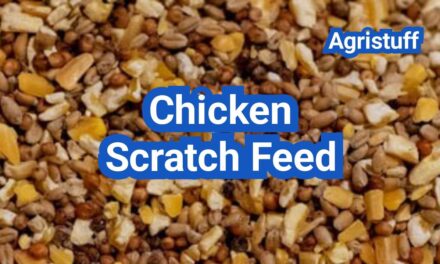
The scratch-style product is a high-energy grain treat for mature birds, not a complete diet. Feed it at no more than 10–15% of the total ration to avoid nutrient imbalance.
Use it for enrichment, training, or extra calories in cold weather. Start right: do not feed scratch as the main diet for growing chicks or early layers.
When to choose a complete feed vs scratch as a supplement | Kalmbach Chicken Feed
Decision framework: pick a complete ration for daily nutrition, egg performance, and simpler care. Offer scratch only as a controlled add-on when birds already eat a complete diet.
Note on confusion: poultry scratch is different from wild bird blends. Read the label and match products to species and age. Look for product families such as Henhouse Reserve when comparing options.
| Product Type | Intended Use | Key Shopper Notes |
|---|---|---|
| Complete Layer (hens) | Sole ration for laying hens 16+ weeks | Balanced daily nutrition; supports egg output and shell quality |
| Complete Layer (hens + ducks) | Sole ration for hens and ducks 16+ weeks | 100% soy-free; includes U.S. insect ingredients; good for mixed flocks |
| Scratch-style Grain | Treat for mature poultry | Limit to 10–15% of diet; use for enrichment and extra energy |
| Shopping Tip | Match label to species & age | Look for Henhouse Reserve labeling and age instructions |
Ingredients and nutrition highlights: whole grains, calcium, and functional support
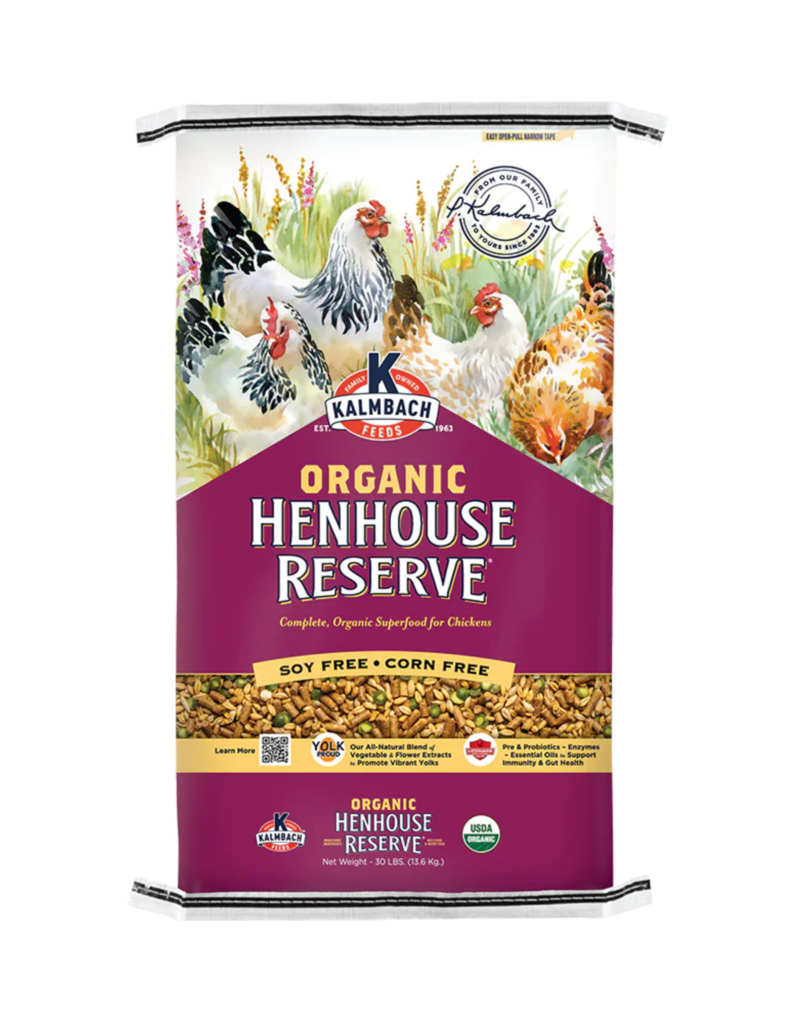
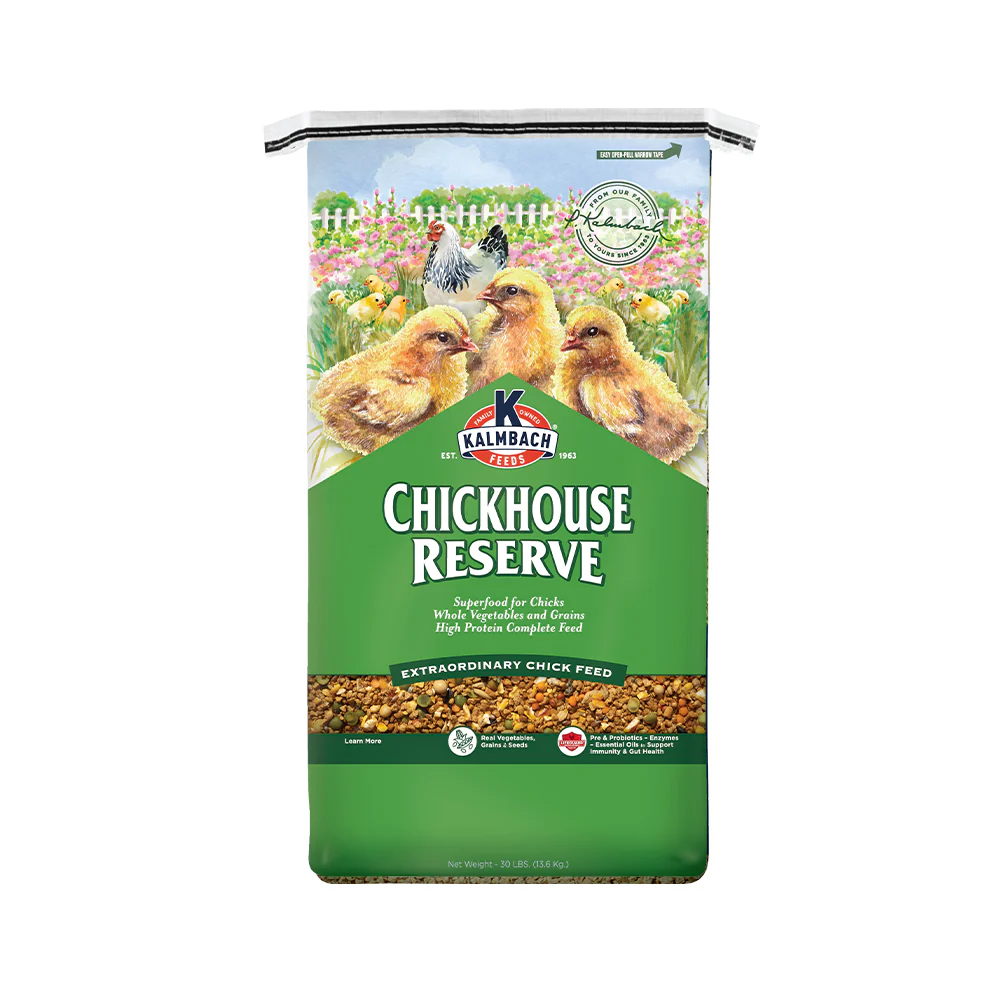
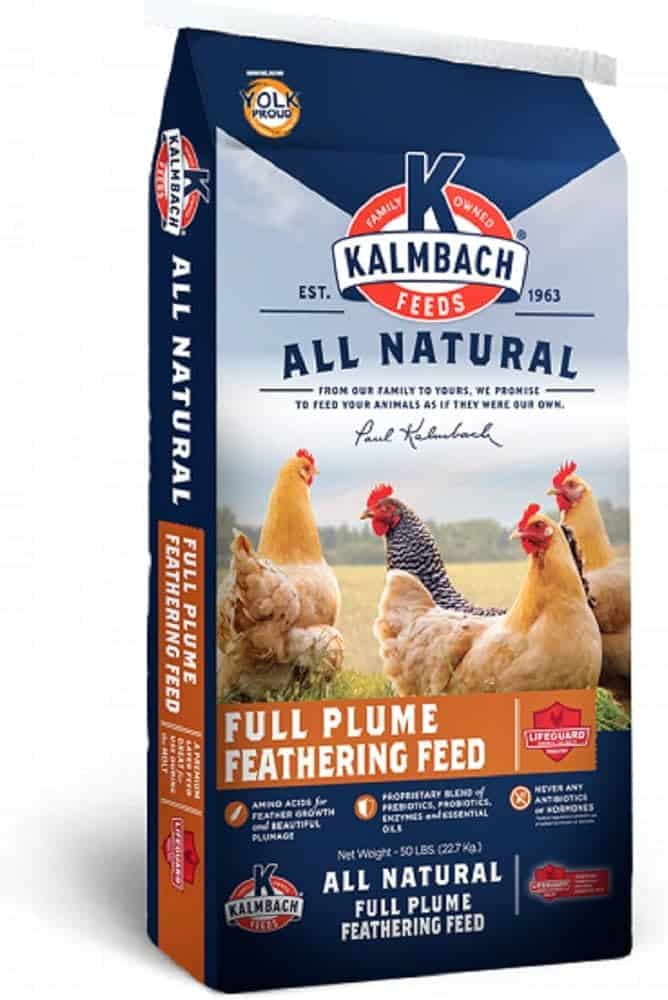
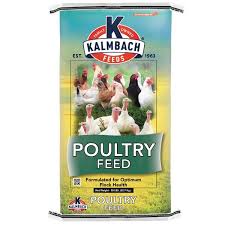
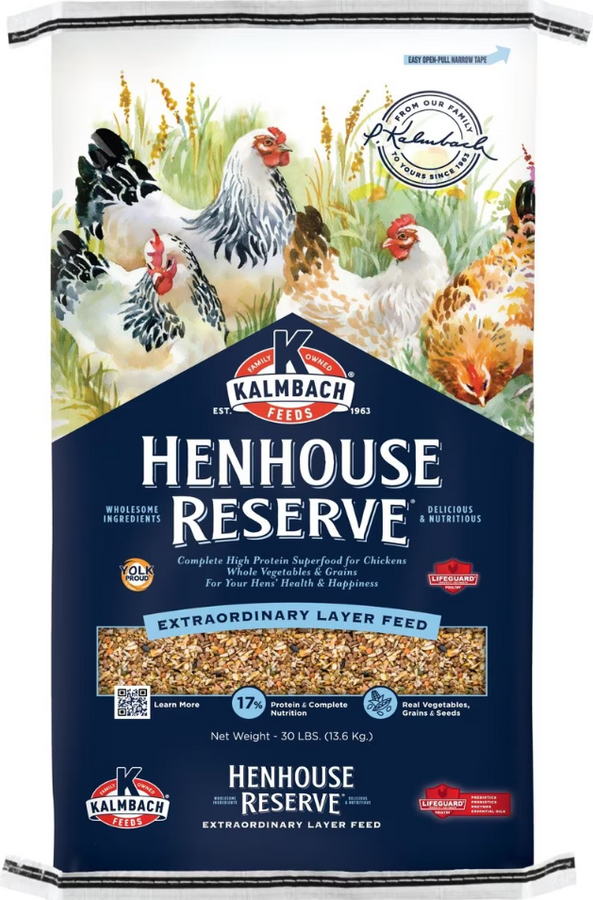
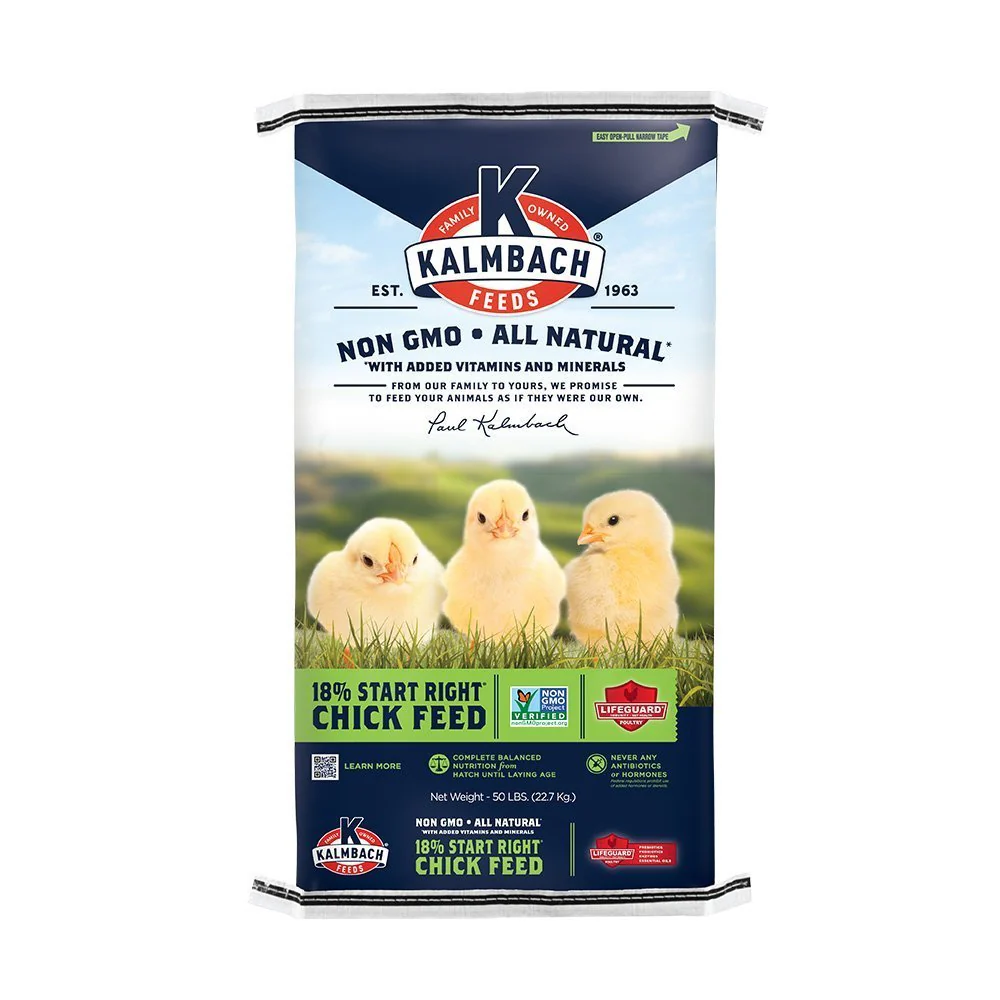
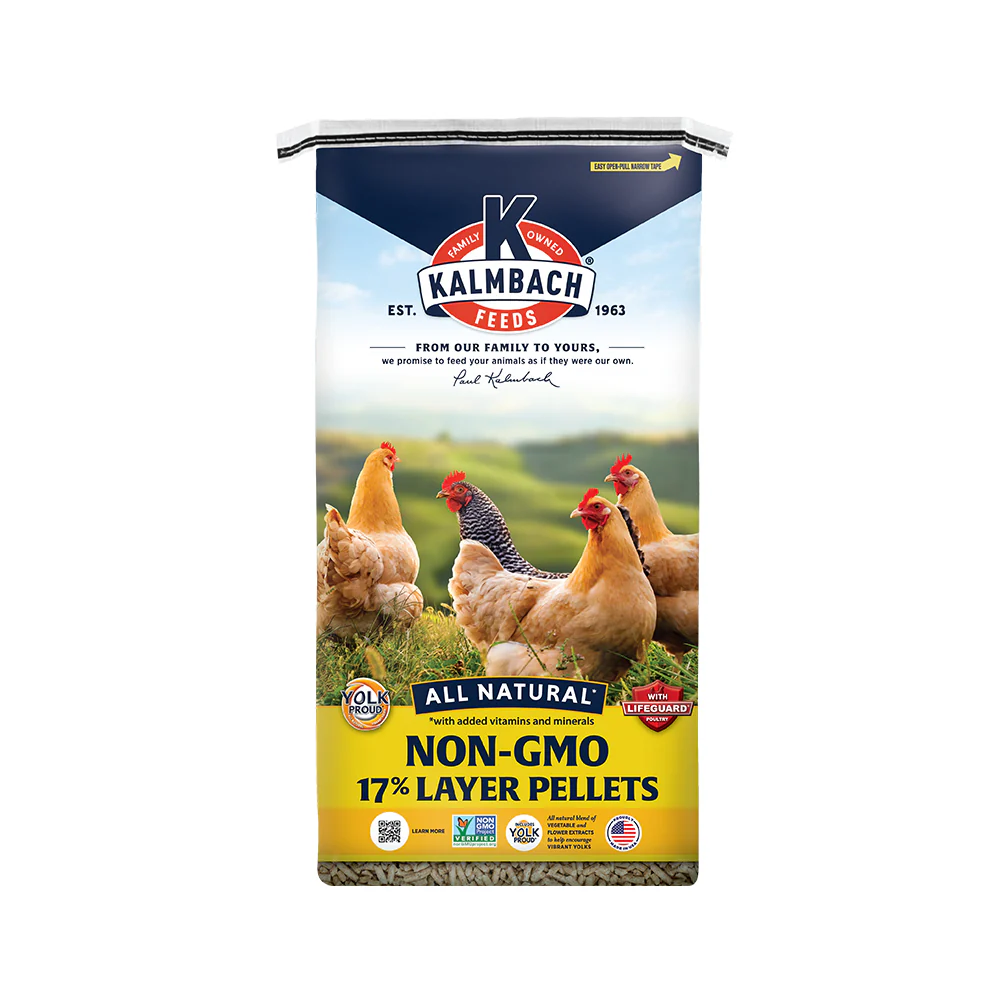
Start by spotting the major groups on the bag: base grains for energy, plant and animal proteins for amino acids, and minerals plus functional blends for shell and gut support.
Primary grains and plant ingredients | Kalmbach Chicken Feed
Corn, wheat, oats, barley and milo provide digestible energy. Peas, lentils, and sunflower seeds add fiber, micronutrients, and variety to the formula.
Animal and insect ingredients | Kalmbach Chicken Feed
Dried mealworms and dried black soldier fly larvae supply dense, palatable animal protein. The soy-free mix uses U.S.-sourced insects plus canola meal as alternative protein sources.
Shell strength and mineral balance | Kalmbach Chicken Feed
Calcium carbonate and oyster shells support shell quality. Grit aids digestion while monocalcium phosphate or defluorinated phosphate supplies phosphorus for balanced bone and egg mineralization.
Amino acids and vitamin support | Kalmbach Chicken Feed
Added DL-methionine, L-lysine, and amino acid complexes help keep egg output steady when grain bases vary.
Fully-fortified vitamin supplements include vitamins A, D3, E and an array of B vitamins plus trace minerals such as zinc and selenium.
Functional blend and palatability | Kalmbach Chicken Feed
The LifeGuard®-style blend combines inulin prebiotic, multiple probiotic fermentation products, essential oils (oregano, thyme, rosemary), and fermentation extracts to support digestion and immunity.
Cane molasses, vegetable oil, and salt improve palatability; propionic acid is used as a preservative to maintain freshness.
| Ingredient Group | Role | Typical Sources |
|---|---|---|
| Energy grains | Provide calories for daily activity and egg production | corn, wheat, oats, barley, milo |
| Plant & animal protein | Supply amino acids for egg formation | soybean meal (or canola), peas, lentils, mealworms, BSFL |
| Minerals & supplements | Support shell strength and nutrient balance | calcium carbonate, oyster shells, monocalcium/defluorinated phosphate |
| Functional blend | Enhance gut health and immunity | inulin, probiotic fermentation products, fermentation extract, essential oils |
Feeding instructions and how to use Kalmbach feeds safely

Safe daily feeding starts with a clear plan that matches the product type to age and flock needs. Follow label feeding instructions and keep routines consistent to protect egg quality and bird health.
Free-choice feeding as the sole ration for layers and ducks
Free-choice means keeping feeders filled and accessible so hens and ducks can eat as needed. Begin the complete ration at 16 weeks for laying hens and for hens + ducks when the bag specifies that age.
Min.: maintain continuous access to the complete feed. Max.: avoid offering anything that competes with the complete ration during laying.
Scratch feeding instructions: limiting treats to 10–15% of the total diet
Use scratch only as a treat. Follow the label: do not exceed 10–15% of the total diet.
Scratch is high in grains, oil, and energy. Too much can dilute vitamins and minerals and hurt shell quality. Offer a small handful, scatter for enrichment, or give treats after the birds eat their complete ration.
Daily care essentials: continuous fresh, clean water and shelter
Always provide fresh, clean water and secure shelter. Water and shelter directly affect feed intake and egg production.
| Practical farm routine | Why it matters |
|---|---|
| Store feed in dry, sealed bins | Preserves palatability and reduces spoilage |
| Keep feeders dry and accessible | Supports consistent intake |
| Check flock condition regularly | Adjust portions and spot health issues early |
Label awareness: note ingredients such as oil and salt in some formulas and follow bag directions for best results. Use the product features to match benefits to your flock rather than guessing portions.
At The End of: Kalmbach Chicken Feed Review
Use this short checklist to choose the right product for steady egg production or simple enrichment.
Choose a complete layer ration as the daily, free-choice feed for hens and mixed flocks 16+ weeks to support consistent laying. Offer scratch only as a treat and limit it to 10–15% of the diet; it is not a wild bird substitute.
Remember ingredient themes: corn and wheat for energy, targeted minerals for shell strength, and functional blends for gut and immune support. Look at protein sources and other ingredients when you compare bags.
Buying checklist: match species and age, decide if soy-free matters, pick complete vs. treat, then compare bag size and price. Kalmbach feeds span the farm—including sheep and goat products—but for eggs prioritize poultry-labeled nutrition.
Ready to buy? Shop the right product, match it to your birds, and proceed to checkout when you’ve confirmed species, size, and price.
FAQ
What are the main ingredients and protein levels in Kalmbach chicken feed products?
Most formulas combine whole grains (corn, wheat, oats, barley, and milo) with protein sources like soybean meal, dried mealworms, and formulated amino acids such as DL‑methionine and lysine. Typical protein ranges vary by product: starter/grower diets are highest (18–22%+), grower/maintenance blends around 16–18%, and layer/complete rations usually 16–18% with added calcium for eggshell strength.
Which formula is best for backyard flocks that include ducks and other poultry?
Choose a complete layer ration labeled for both hens and ducks when your flock includes waterfowl. Those blends balance calcium, phosphorus, and vitamin levels appropriate for laying across species. For mixed flocks where birds are at different life stages, provide age‑appropriate complete feeds or separate feeders to meet each group’s nutritional needs.
When should I switch a pullet to a complete layer feed?
Transition pullets to a complete layer feed at about 16 weeks, or when you observe the onset of lay. Gradually mix the new ration with their current feed over 7–10 days to avoid digestive upset and ensure consistent calcium and vitamin intake as egg production begins.
Is scratch-style grain safe as a regular diet for mature poultry?
Scratch is a grain treat designed for supplemental feeding, not as the sole ration. It provides energy and encourages natural foraging, but it lacks a full vitamin and mineral profile. Limit scratch to 10–15% of daily intake so that birds still consume balanced complete feed for protein, amino acids, and micronutrients.
What ingredients support shell strength and yolk color?
Shell strength relies on calcium sources such as calcium carbonate and oyster shell plus adequate phosphorus and vitamin D. Yolk color is enhanced by natural pigments in feed—such as marigold extract, corn, and certain oilseeds—or proprietary color blends labeled for vibrant yolks (YolkProud®‑style additives).
Are there soy‑free or specialty options for flocks with allergies or sensitivities?
Yes. A 100% soy‑free option uses alternative protein sources (peas, lentils, sunflower meal, insect meals) and formulated amino acid complexes to meet requirements. These formulas maintain essential amino acids and vitamins while avoiding soybean derivatives.
What functional ingredients support digestion and immune health?
Look for feeds that include prebiotics, probiotics, enzymes, and botanical extracts in a LifeGuard®‑style blend. These components help nutrient absorption, stabilize gut flora, and support immune response. Fermentation extracts and amino acid complexes can add additional metabolic support.
How should I feed complete rations and treats to maintain flock health?
Offer complete feed free‑choice as the sole ration for layers and ducks so birds can self‑regulate nutrient intake. Provide clean, fresh water at all times and daily access to grit if birds are not on a solely pelleted diet. Keep treats like scratch below 10–15% of total calories and monitor body condition to prevent obesity.
What preservatives and palatability agents are used to keep feed fresh?
Common palatability and preservation ingredients include cane molasses, vegetable oils, salt, and safe acids such as propionic acid. These improve taste, control dust, and extend shelf life while maintaining nutrient stability when stored properly.
Are insect meals safe and beneficial in poultry diets?
Yes. Dried mealworms and black soldier fly larvae provide highly digestible protein, beneficial fatty acids, and attractant flavor that increases feed acceptance. They complement plant proteins and can help reduce reliance on soybean meal in certain formulations.
What daily care practices should accompany feeding for optimal results?
Provide continuous fresh, clean water and secure shelter from predators and harsh weather. Keep feeders clean and dry, rotate stored bags to maintain freshness, and offer grit or oyster shell free‑choice for birds on whole‑grain diets to aid digestion and eggshell formation.
How can I check protein and amino acid adequacy on a product label?
Review the guaranteed analysis for crude protein percentage and check the ingredients list for key amino acids or supplements (DL‑methionine, lysine). Also verify the vitamin and trace mineral premix and calcium level for layers. If you need precise formulation guidance, consult a poultry nutritionist or extension service.
Where can I find different forms and package sizes to fit hobby farms versus commercial operations?
Products come in mash, crumble, pellet, and scratch forms and in bags ranging from small hobby sizes to bulk farm sacks. Choose form based on bird age and feeding equipment—crumbles for starter chicks, pellets for easier portioning, and scratch as a treat—and compare prices across local retailers and online shops for the best value.
Conclusion of: Kalmbach Chicken Feed
Why feed choice matters more than the brand name
If you’re raising birds for eggs, meat, or simply a healthy backyard hobby, kalmbach chicken feed is only as “good” as how well it matches your flock’s age, purpose, and management. The right formula supports steady growth, consistent laying, and fewer health surprises, while the wrong formula can create messy droppings, weak shells, or slow gains even if the bag looks premium. That’s why smart feed decisions start with goals and biosecurity basics, not marketing claims. Defend the Flock biosecurity basics.
In the U.S., kalmbach chicken feed often shows up at farm stores alongside other national and regional brands, and the “best” choice can differ by climate, breed type, and how much your birds forage. A flock in Arizona heat will eat differently than one in Minnesota winter, and a mixed flock with ducks has different vitamin and niacin needs than a layer-only coop. Treat this guide as a practical decision framework you can reuse every time you compare bags on the shelf. Kalmbach Feeds company overview.
A quick map of Kalmbach formulas you’ll see in U.S. stores
When you scan the aisle, kalmbach chicken feed generally falls into a few purpose buckets—starter/grower for chicks, layer feed for laying hens, maintenance or all-flock feeds for mixed groups, and scratch or treats for supplemental calories. The fastest way to narrow choices is to pick the bucket that matches your birds’ current job (growing, laying, maintaining) and then compare protein, calcium, and ingredient priorities within that bucket. Kalmbach poultry feed collection.
- Starter/Grower: chicks and young growers building frame and feather
- Developer/Pre-lay: pullets approaching first lay (when available)
- Layer: hens actively producing eggs
- All-flock/Maintainer: mixed ages or mixed species where calcium must be managed
- Scratch/Treats: small add-ons, not the main diet
Ingredients: what to expect and what to double-check
Most kalmbach chicken feed formulas are built around familiar feed ingredients: energy grains (often corn, wheat, or similar), protein meals (commonly soybean meal), plus vitamins, minerals, and sometimes probiotics or other functional add-ins. Ingredient lists are helpful, but your best “at-a-glance” truth is the guaranteed analysis panel, because it tells you the nutrient targets the manufacturer is actually promising for that formula.
To evaluate ingredients intelligently, kalmbach chicken feed shoppers should look for three things: the primary energy source, the primary protein source, and whether the formula uses specialty claims that matter to you (such as soy-free, non-GMO verification, or organic). If your flock has no special constraints, a conventional grain-and-soy base can be perfectly practical, and your bigger wins may come from the correct life-stage formula and good feeder management rather than chasing boutique ingredients. University of Missouri nutrient requirements overview.
Protein levels: how much you need by life stage
For chicks, kalmbach chicken feed is most effective when you choose a true starter/grower product and keep it as the primary diet while they’re rapidly building muscle, organs, and feathers. Early growth is where underfeeding protein and amino acids can show up quickly as slow feathering, uneven sizes, or poor vigor, especially if you’re also offering too many treats or scratch. Keep it simple: starter first, extras later.
Once birds are older, kalmbach chicken feed protein numbers should be interpreted as a starting point, not a full story, because “crude protein” doesn’t tell you how usable the amino acids are for growth or egg mass. This is why two feeds with the same crude protein can perform differently if one has better amino acid balance or less dilution from excessive fiber. Use the protein number to filter options, then compare the full guaranteed analysis and intended purpose statement. How to read a feed tag (University of Kentucky PDF).
Calcium, phosphorus, and shell quality basics
When hens are laying, kalmbach chicken feed decisions should emphasize calcium and overall mineral balance just as much as protein, because shell strength is mineral-driven. A layer ration is designed to support strong shells and consistent production, while a grower ration is designed to build body tissue without overloading calcium before the bird is ready. This is why “one bag for everyone” often backfires in mixed-age setups. How to feed laying hens (Oregon State Extension).
For mixed flocks, kalmbach chicken feed becomes a calcium-management puzzle: adult roosters and immature birds generally don’t need the high calcium levels found in layer rations, yet laying hens do. If you keep layers with non-layers, a common strategy is to feed a maintenance/all-flock base ration and offer calcium separately to hens, or to separate feeding areas so only layers can access the high-calcium feed.
Feed form and feeders: where performance is won or lost
Beyond nutrients, kalmbach chicken feed outcomes can change with feed form—crumbles, pellets, or textured mixes—because form affects intake speed, sorting behavior, and how much ends up on the floor. Many flocks do well on crumbles for easy eating, while pellets can reduce fines and waste in some setups, and textured feeds can encourage interest but may increase sorting if birds pick favorites. Your best choice is the one your birds eat consistently without turning the feeder area into a compost pile. Research on feed form and performance (Animals journal).
To cut waste, kalmbach chicken feed should be paired with a feeder that limits scratching and “raking,” stays at the right height, and doesn’t invite contamination from droppings or rain splash. Even a good formula can look “bad” if half the bag becomes bedding, or if damp feed cakes and molds in corners. Prioritize feeder design and placement, then evaluate whether you need to change feed form. DIY feeder design to reduce waste (University of Minnesota).
Who it’s best for (and who should think twice)
For many backyard layer keepers, kalmbach chicken feed can be a strong fit when you want a straightforward, store-available formula and you’re willing to choose a bag based on life stage rather than buying whatever is on sale. It’s especially useful for small-to-mid flocks where consistency matters more than custom mixing, and where you’d rather spend time managing water, parasites, and housing than balancing a home ration. Which feed does my flock need? (University of Georgia PDF).
For mixed flocks and waterfowl owners, kalmbach chicken feed may also work well if you intentionally pick an all-flock/maintenance option that accounts for mixed species needs, then supplement calcium for layers separately. Ducks and geese, for example, often require attention to niacin, and a mixed-flock approach can reduce the risk of giving non-layers a high-calcium layer ration by default. The key is planning feeding access, not just buying a “mixed flock” label. Feeds and nutrition basics (Mississippi State Extension).
If you have strict ingredient constraints, kalmbach chicken feed shopping should slow down and get more label-focused, because “soy-free,” “non-GMO,” and “organic” each carry different tradeoffs in formulation, cost, and availability. Some specialty diets can make sense for your values or your market (like farm-gate egg sales), but they should still meet protein and amino acid needs, and they should not become an excuse to overfeed treats or underfeed a complete ration.
Storage and feed safety in real backyard conditions
To protect your flock and your household, kalmbach chicken feed should be stored like a perishable ingredient: sealed, dry, cool, and protected from rodents and wild birds. Moisture is the enemy because it increases mold risk, and rodents are more than a nuisance because they can contaminate feed and stress birds. Buy bag sizes you can use in a reasonable time, rotate stock, and discard anything that smells musty or shows visible clumping or webbing. Mycotoxins and poultry impacts (Penn State Extension).
How to choose the right bag (step-by-step)
In the store, kalmbach chicken feed selection gets easy when you use a repeatable checklist: match the purpose statement to your birds’ stage, confirm the protein and key minerals in the guaranteed analysis, and then scan ingredients for any dealbreakers. Finally, consider feed form and your feeder setup, because a “perfect” formula can underperform if your birds waste it or refuse it. If you do this every time, you’ll stop guessing and start buying with confidence. How to read a feed label (Cornell PDF).
- Step 1: Identify your flock job: chicks, growers, active layers, mixed flock, or maintenance.
- Step 2: Read the purpose statement and feeding directions first, not the front-of-bag marketing.
- Step 3: Check crude protein, then look for mineral clues (especially calcium for layers).
- Step 4: Decide whether you need crumbles, pellets, or textured feed based on waste and preference.
- Step 5: Confirm ingredient dealbreakers (soy-free, non-GMO, organic, additives) only after nutrients fit.
- Step 6: Buy the smallest bag size that keeps feed fresh and fits your storage conditions.
Quick checklist
Use this quick checklist any time you’re choosing kalmbach chicken feed so the decision stays practical, consistent, and aligned with your birds’ real needs. Animal food safety controls overview (FDA).
- Match the feed to the birds’ current life stage (chick, grower, layer, maintenance).
- Confirm the purpose statement and feeding directions match your setup (free-choice vs measured).
- Check crude protein first, then evaluate the rest of the guaranteed analysis.
- For layers, prioritize calcium strategy (layer ration or separate calcium access).
- Choose feed form (crumble/pellet/textured) based on waste risk and bird preference.
- Limit scratch and treats so the complete feed stays the main diet.
- Store feed sealed and dry; plan bag size around freshness and pests.
- Observe droppings, feather condition, and egg shells for early feedback.
- Adjust for seasons: heat reduces intake; cold increases calorie needs.
- Re-evaluate after flock changes (new pullets, roosters added, molting, breed mix shifts).
Common mistakes to avoid
Most problems blamed on kalmbach chicken feed are actually management mismatches, so use this list to prevent the avoidable errors that waste money and stress birds. Aflatoxin action levels in animal feeds (FDA).
- Buying “layer” for everything: Non-layers may get too much calcium; separate feeding or use a maintenance base.
- Overfeeding scratch and treats: Birds self-select junk calories and dilute protein and minerals.
- Ignoring feed form and feeder setup: Excess fines, wet feed, or low feeders drive waste and mold.
- Switching feeds too fast: Abrupt changes can reduce intake; transition gradually when possible.
- Chasing protein without purpose: Higher protein isn’t always better for adult maintenance birds.
- Letting feed sit in heat and humidity: Quality drops and mold risk rises in damp storage.
- Assuming “premium” fixes disease: Nutrition supports health, but parasites, ventilation, and water matter too.
- Not watching eggshell feedback: Thin shells often signal calcium access problems or intake issues.
Costs and ROI snapshot
To estimate value, kalmbach chicken feed ROI is best calculated with a simple method: convert bag price to price per pound, multiply by estimated daily intake, then compare to eggs produced or weight gained. Intake varies by breed, temperature, and activity, so treat your first month as a data-gathering period and adjust; saving 5–10% in waste by improving feeder setup can matter as much as a cheaper bag. Feed grains and ingredient price context (USDA ERS).
- Main cost drivers: local grain prices, specialty claims (organic/non-GMO/soy-free), bag size, and freight.
- Hidden cost multipliers: feed waste, rodents, wet litter, and inconsistent intake during heat stress.
- ROI levers: correct life-stage formula, consistent feeding routine, clean water, and better feeder design.
- Practical benchmarking: track eggs per week per hen, shell quality, and body condition monthly.
FAQ of Kalmbach Chicken Feed
These quick answers help you use kalmbach chicken feed correctly without drifting into overly complicated feeding plans. Backyard poultry health guidance (CDC).
- Is higher protein always better? No—match protein to life stage and production goal; excess can be wasteful for maintenance birds.
- Can I feed one bag to chicks and layers together? It’s risky; mixed-age setups usually need separate access or a maintenance base plus calcium for layers.
- Do I need grit if I feed a complete ration? Many flocks don’t need extra grit unless they’re eating lots of whole grains or foraging heavily.
- How much scratch is okay? Keep scratch and treats limited so the complete feed remains the main diet.
- Why did egg shells get thin after switching feed? Check calcium access, intake during heat, and whether non-layers are blocking hens at feeders.
Final thought
forIf you want consistent results, kalmbach chicken feed works best when you choose a formula by life stage, confirm protein and mineral priorities on the tag, and then protect intake with good feeders and dry storage. When you treat feed selection as a repeatable process instead of a one-time guess, your flock’s eggshells, feathering, and overall steadiness become the real proof of value. Egg market context and reports (USDA AMS).
Sources & References
- 18% Start Right® Chick Feed (Kalmbach product page)
- 20% Flock Maker® (Crumble) (Kalmbach product page)
- Chickhouse Reserve® Chicken Starter Feed (Kalmbach product page)
- 16% Flock Maintainer® (Non-GMO Pellet) (Kalmbach product page)
- 16% All Natural Layer Pellet (Kalmbach product page)
- 17% All Natural Layer Crumbles (Kalmbach product page)
- Mixed flock feeds collection (Kalmbach)
- Veterinary Feed Directive overview (FDA)
- Animal foods & feeds overview (FDA)
- Mycotoxins in poultry feed (Poultry Extension)
- National Grain and Oilseed Processor Feedstuff Report (USDA AMS PDF)
- Egg Markets Overview (USDA AMS PDF)
- Understanding Salmonella in live poultry (University of Maryland Extension)