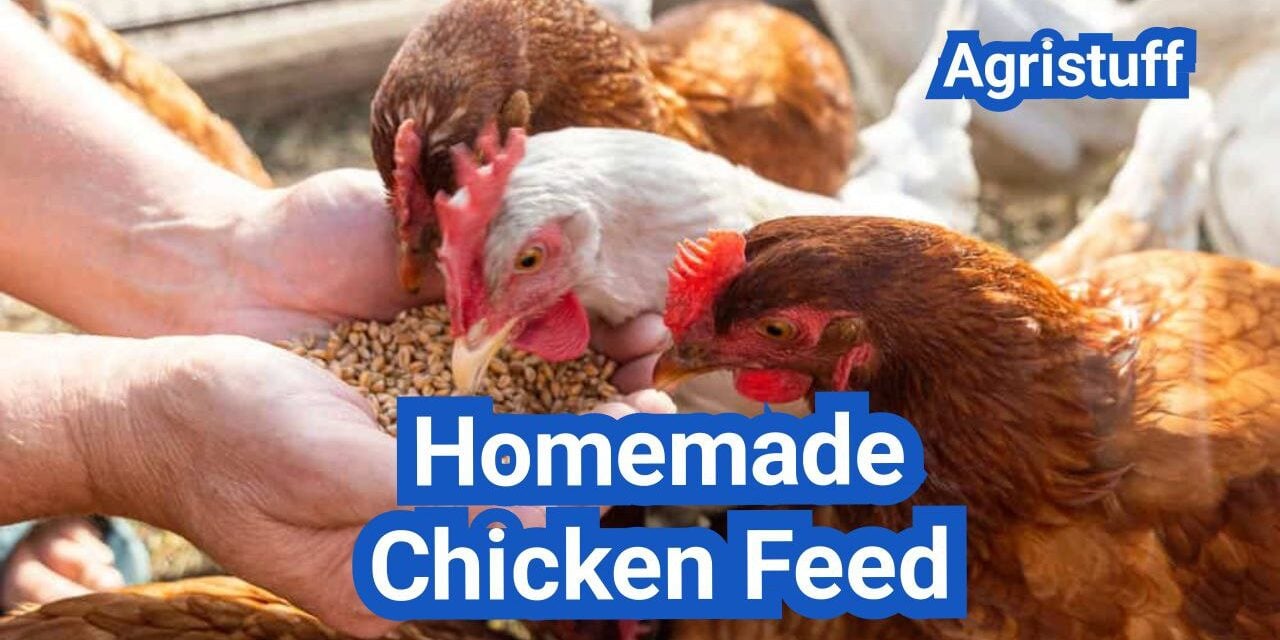
Many backyard chicken keepers are turning to DIY chicken feed to ensure their hens receive a balanced diet while maintaining egg production. Commercial feeds are available, but making your own chicken feed recipe can be a cost-effective and healthy alternative.
Chickens require a balanced diet to maintain optimal egg production. A well-formulated homemade chicken feed can provide the necessary nutrients for healthy hens.
Key Takeaways
- DIY chicken feed can be a cost-effective alternative to commercial feeds.
- A balanced diet is crucial for maintaining egg production in hens.
- Homemade chicken feed allows for customization to meet the specific needs of your flock.
- Using a chicken feed recipe can help ensure your hens receive the necessary nutrients.
- A well-formulated homemade chicken feed can promote healthy hens and optimal egg production.
Why Make Your Own Chicken Feed

The benefits of homemade chicken feed extend beyond just cost savings, offering a more sustainable and healthy alternative. By making your own chicken feed, you can ensure that your chickens receive the best possible nutrition without breaking the bank.
Cost Benefits of DIY Chicken Feed
One of the primary advantages of making your own chicken feed is the potential for cost savings. Commercial chicken feed can be expensive, especially for large flocks. By sourcing ingredients in bulk and creating your own feed, you can significantly reduce your expenses. For example, buying grains like corn and oats in bulk can be more cost-effective than purchasing pre-mixed feed.
| Ingredient | Cost per Pound (Bulk) | Cost per Pound (Pre-mixed) |
|---|---|---|
| Corn | $0.25 | $0.40 |
| Oats | $0.30 | $0.50 |
| Sunflower Seeds | $0.50 | $0.75 |
As shown in the table, sourcing ingredients in bulk can lead to substantial savings. This cost-effectiveness is a significant draw for many backyard chicken keepers.
Control Over Ingredients and Quality
Making your own chicken feed gives you complete control over the ingredients and their quality. This is particularly important for ensuring that your chickens receive a balanced diet. By selecting high-quality ingredients, you can avoid fillers and by-products often found in commercial feeds.
“The ability to choose exactly what goes into your chicken feed is a major advantage. You can tailor the recipe to meet the specific needs of your flock, whether they’re laying hens or growing pullets.”
— Backyard Chickens Magazine
This level of control also allows you to avoid ingredients that may be detrimental to your chickens’ health, such as certain additives or preservatives.
Sustainability Advantages for American Homesteaders
Homemade chicken feed offers several sustainability advantages, particularly for American homesteaders. By sourcing ingredients locally, you can reduce your carbon footprint associated with transportation. Additionally, using locally sourced ingredients supports the local economy and promotes sustainable agriculture.
Furthermore, making your own chicken feed reduces packaging waste associated with commercial feed bags. This eco-friendly approach aligns with the values of many homesteaders who strive to live more sustainably.
Understanding Chicken Nutrition Basics

To keep your chickens healthy and thriving, it’s essential to grasp the basics of their nutritional needs. Chickens require a balanced diet that includes various nutrients to support their overall health, growth, and egg production.
Protein Requirements for Laying Hens
Protein is a critical component of a chicken’s diet, particularly for laying hens. Laying hens require a diet rich in protein to maintain their egg production. The recommended protein content for laying hens is typically between 16% and 18% of their total diet. This can be achieved by including protein-rich ingredients such as peas, sunflower seeds, and fish meal in their feed.
Essential Vitamins and Minerals
Vitamins and minerals play a vital role in maintaining the health and productivity of chickens. Calcium is particularly important for laying hens, as it’s crucial for eggshell production. Other essential vitamins and minerals include vitamin D, vitamin B12, and phosphorus. These can be provided through a combination of grains, supplements, and fortified feed.
Carbohydrate and Fat Needs
Carbohydrates and fats are also vital components of a chicken’s diet. Carbohydrates provide energy, while fats support overall health and egg production. Grains such as corn, wheat, and oats are good sources of carbohydrates, while fats can be obtained from ingredients like sunflower seeds and fish oil.
Daily Feed Consumption for Different Breeds
The daily feed consumption of chickens can vary significantly depending on their breed, age, and production stage. Generally, laying hens consume between 100 and 120 grams of feed per day. However, this can vary, and it’s essential to monitor your chickens’ feed consumption to ensure they’re receiving the necessary nutrients.
Common Challenges With Homemade Chicken Feed

Homemade chicken feed is not without its challenges, including nutritional imbalances and storage issues. Making your own chicken feed requires a deep understanding of chicken nutrition and the ability to manage various factors that can impact the quality of the feed.
Nutritional Imbalances That Affect Egg Production
Nutritional imbalances can significantly affect egg production in laying hens. Ensuring that the feed contains the right balance of proteins, vitamins, and minerals is crucial. For example, a deficiency in calcium can lead to weak or thin eggshells, while a lack of protein can result in reduced egg production.
A well-balanced diet is essential for maintaining healthy egg production. This includes providing the necessary nutrients for the hens to produce eggs consistently.
Seasonal Adjustments Needed in Different US Regions
Different regions in the US have varying climates, which can impact the nutritional needs of chickens. For instance, in colder climates, chickens may require more energy to stay warm, while in hotter climates, they may need more hydration. Adjusting the feed according to the season can help ensure the chickens remain healthy and productive.
“Adjusting the nutritional content of chicken feed according to seasonal changes can help optimize egg production and overall health.”
Storage and Spoilage Issues
Proper storage of homemade chicken feed is critical to prevent spoilage. Moisture, pests, and mold can all damage the feed, making it unfit for consumption. Using airtight containers and storing the feed in a cool, dry place can help mitigate these issues.
Essential Ingredients for Homemade Chicken Feed

The quality of homemade chicken feed depends on the ingredients used. A well-balanced feed requires a mix of grains, protein sources, and mineral supplements to ensure the health and productivity of laying hens.
Grain Options
Grains are a primary energy source in chicken feed. Common grain options include corn, wheat, and oats. Each grain has its nutritional benefits and can be chosen based on availability and cost.
Protein Sources
Protein is crucial for the health and egg production of chickens. Peas, sunflower seeds, and fish meal are excellent protein sources that can be included in homemade chicken feed.
Mineral Supplements
Mineral supplements are essential for maintaining the overall health of chickens. They help in bone development and egg production. Common mineral supplements include calcium and phosphorus sources.
Sourcing Ingredients in the US
Sourcing high-quality ingredients locally can reduce costs and ensure freshness. Farmers’ markets, local feed stores, and online suppliers are good sources for ingredients. It’s also important to check the quality and nutritional content of the ingredients.
Calcium Supplementation for Egg Production

To ensure robust eggshells, calcium supplementation plays a vital role in the diet of laying hens. Calcium is crucial for the production of strong eggshells, and without adequate supplementation, hens may experience a decline in egg production and quality.
Oyster Shell vs. Limestone Options
When it comes to calcium supplementation, two popular options are oyster shells and limestone. Oyster shells are a natural source of calcium and are often preferred due to their larger particle size, which allows hens to consume them more slowly. On the other hand, limestone is also rich in calcium and can be more cost-effective. The choice between oyster shells and limestone depends on availability, cost, and the specific needs of your flock.
Eggshell Recycling Techniques
Another innovative approach to calcium supplementation is eggshell recycling. Crushed eggshells can be fed back to the hens as a source of calcium. This not only reduces waste but also provides a valuable nutrient source. It’s essential to clean and dry the eggshells before crushing them to prevent any potential health risks.
Signs of Calcium Deficiency in Laying Hens
A calcium deficiency can manifest in several ways, including thin or soft eggshells, reduced egg production, and in severe cases, egg binding. Monitoring your flock’s egg production and eggshell quality can help identify any potential calcium deficiencies early on.
Free-Choice vs. Mixed-In Supplementation
The method of providing calcium supplementation can vary. Some producers offer free-choice supplementation, where hens can consume calcium sources like oyster shells or crushed eggshells at their discretion. Others prefer to mix calcium supplements into the feed. Both methods have their advantages, and the best approach may involve a combination of both, depending on the flock’s needs and production stage.
Homemade Chicken Feed Recipe for Layers

Making your own chicken feed at home allows you to control the quality and composition of the feed, ensuring it meets your hens’ needs. A well-formulated homemade chicken feed is essential for maintaining the health and productivity of your laying hens.
Basic Ingredient List and Proportions
To create a basic homemade chicken feed recipe, you’ll need a mix of grains, proteins, and supplements. The basic ingredient list includes:
- Grains: Corn, wheat, oats
- Protein sources: Peas, sunflower seeds, fish meal
- Supplements: Calcium (for eggshell production), vitamins, minerals
The proportions can be mixed as follows: 50% grains, 30% protein sources, and 20% supplements.
Step-by-Step Mixing Instructions
- Mix 50% grains (corn, wheat, oats) in the ratio 2:1:1.
- Add 30% protein sources (peas, sunflower seeds, fish meal) in equal proportions.
- Include 20% supplements (calcium, vitamins, minerals).
Nutritional Analysis
The homemade feed should provide a balanced mix of nutrients.
- Grains provide carbohydrates for energy.
- Protein sources support overall health and egg production.
- Calcium is crucial for strong eggshells.
Adjustments to Maintain Egg Production
Monitor egg production and adjust the feed as necessary. If egg production drops, consider increasing the protein content or adding more calcium.
Winter-Specific Homemade Chicken Feed
As winter approaches, backyard chicken keepers must adjust their homemade chicken feed to meet the changing nutritional needs of their flock.
Increased Energy Requirements in Cold Weather
During winter, chickens require more energy to maintain their body temperature. This increased energy demand can be met by adjusting the carbohydrate and fat content of their feed. Incorporating ingredients like whole corn and fat sources can help provide the necessary calories.
Beneficial Warming Ingredients
Certain ingredients can help keep chickens warm from the inside out. For example, adding ginger or cayenne pepper to their feed can stimulate circulation and provide a warming effect. Other beneficial ingredients include whole grains like oats and barley, which are not only energy-rich but also help to keep the chickens fuller for longer.
Feeding Schedule Adjustments
Winter weather can impact the feeding schedule of chickens. It’s essential to ensure that feed is fresh and accessible, even in cold conditions. Consider providing feed in the morning to help chickens generate energy throughout the day. Additionally, ensuring that water sources do not freeze is crucial for maintaining hydration.
Preventing Winter Egg Production Drops
One of the concerns during winter is the potential drop in egg production. To mitigate this, it’s crucial to maintain a balanced diet rich in calcium and other essential nutrients. Supplementing with oyster shells or crushed eggshells can help support eggshell production. Moreover, ensuring that chickens have adequate lighting, either naturally or through supplemental lighting, can also support continued egg laying.
How to Mix Chicken Feed

Mixing your own chicken feed can be a cost-effective and rewarding way to ensure your hens receive the nutrients they need. To get started, you’ll need the right equipment and a clear understanding of the mixing process.
Equipment Needed
To mix chicken feed effectively, you’ll need a few key pieces of equipment. These include:
- A large bucket or container for mixing
- A measuring cup or scale for accurate ingredient measurement
- A mixing tool, such as a shovel or large spoon
- Storage containers for the finished feed
Step-by-Step Mixing Process
Once you have your equipment, you can begin the mixing process. Here’s a step-by-step guide:
- Measure out the ingredients according to your recipe
- Add the ingredients to the mixing container in the correct order
- Mix the ingredients thoroughly until they are well combined
- Store the finished feed in a dry, rodent-proof container
Batch Size Considerations
The ideal batch size will depend on the size of your flock and your storage capabilities. As a general rule, it’s best to mix small batches to ensure freshness and prevent waste.
| Flock Size | Recommended Batch Size |
|---|---|
| Small (1-10 hens) | 5-10 lbs |
| Medium (11-20 hens) | 10-20 lbs |
| Large (21+ hens) | 20-50 lbs |
Mixing Commercial Feed Formulas to DIY
If you’re currently using a commercial feed and want to switch to a DIY recipe, you can use the commercial feed as a guide. Simply analyze the ingredient list and nutritional content, and use that information to create a similar recipe using your own ingredients.
Fermented Chicken Feed Benefits and Safety

The process of fermenting chicken feed can significantly enhance its nutritional profile, offering numerous benefits for laying hens. Fermented feed is not only more nutritious but also easier for chickens to digest, potentially leading to improved overall health and egg production.
Fermentation Process Explained
Fermenting chicken feed involves allowing the feed to break down by beneficial microorganisms, which increases the bioavailability of nutrients. This process typically involves mixing the feed with water and letting it sit for a few days, during which time the natural bacteria on the feed start to break it down.
The fermentation process can be facilitated by creating an anaerobic environment, which encourages the growth of beneficial bacteria. This not only enhances the nutritional content but also reduces the presence of pathogens.
Nutritional Advantages for Egg Layers
Fermented chicken feed offers several nutritional advantages for egg-laying hens. The fermentation process increases the availability of proteins, vitamins, and minerals, making the feed more nutritious. Some key benefits include:
- Increased nutrient absorption
- Enhanced gut health
- Improved egg production and quality
- Boosted immune system
These benefits contribute to healthier hens and potentially higher quality eggs.
Safety Precautions
While fermented chicken feed offers many benefits, there are also safety precautions to consider. It’s crucial to monitor the fermentation process to avoid contamination by harmful bacteria or mold. Some key safety tips include:
- Using clean equipment and storage containers
- Maintaining the right conditions for fermentation (e.g., temperature, moisture)
- Regularly checking for signs of spoilage
- Gradually introducing fermented feed to the hens’ diet
By following these guidelines, chicken keepers can minimize risks associated with fermented feed.
Transitioning Hens to Fermented Feed
Transitioning hens to fermented feed should be done gradually to prevent digestive upset. Start by mixing a small amount of fermented feed with their regular feed and gradually increase the proportion over time. This allows the hens’ digestive systems to adjust to the new feed.
Monitoring the hens’ health and egg production during this transition is crucial. Any signs of distress or decreased production may necessitate adjusting the transition pace or consulting with a poultry expert.
Sprouted Grains and Fodder Systems
Sprouting grains is a simple and effective way to increase the nutritional content of chicken feed, benefiting both the chickens and egg production. This process involves soaking grains in water until they germinate, making their nutrients more bioavailable to the chickens.
Setting Up a Sprouting System
To set up a sprouting system, you’ll need a few basic supplies: a container for soaking, a way to rinse the grains regularly, and a tray or container for sprouting.
- Choose a clean container with drainage holes to prevent mold growth.
- Rinse the grains thoroughly before soaking to remove any debris.
- Soak the grains in water for 8-12 hours, then drain and rinse them.
- Transfer the grains to a sprouting tray, keeping it moist but not waterlogged.
Best Grains for Sprouting
Not all grains are created equal when it comes to sprouting. Some of the best options include:
- Oats
- Wheat
- Barley
- Alfalfa seeds
These grains are rich in nutrients and sprout easily, making them ideal for chicken feed.
Integration With Regular Feed
Sprouted grains can be mixed into the chickens’ regular feed or offered as a treat.A general guideline is to replace 1-2% of their daily feed with sprouted grains.This can be done by mixing the sprouted grains into their meal or by providing them in a separate container.
Impact on Egg Quality and Production
The inclusion of sprouted grains in a chicken’s diet can have a positive impact on both egg quality and production.
| Nutritional Aspect | Impact |
|---|---|
| Protein Content | Increased |
| Vitamin Content | Enhanced |
| Egg Yolk Color | More vibrant |
By incorporating sprouted grains into their feed, chicken keepers can potentially see improvements in the nutritional quality of their eggs and an increase in overall egg production.
Black Soldier Fly Larvae as Protein Supplement

For backyard chicken keepers, black soldier fly larvae represent a revolutionary protein source that can be cultivated on-farm. This innovative approach to chicken nutrition not only provides a sustainable alternative to traditional protein sources but also enhances the overall health and productivity of the flock.
Starting a BSF Composting System
To begin utilizing black soldier fly larvae as a protein supplement, one must first establish a composting system. This involves creating an environment conducive to the larvae’s growth, typically within a controlled enclosure or bin. The process starts with introducing black soldier fly eggs or larvae into the system, accompanied by an organic substrate such as food waste or manure.
Key considerations for setting up a BSF composting system include:
- Choosing the right enclosure or bin
- Maintaining optimal temperature and moisture levels
- Ensuring adequate aeration
- Monitoring for pests and diseases
Harvesting and Feeding Methods
Once the larvae have matured, they can be harvested and incorporated into the chicken feed. The method of harvesting typically involves separating the larvae from the substrate through sieving or other mechanical means.
Feeding black soldier fly larvae to chickens can be done in various ways, including:
- Directly offering the live larvae
- Drying or roasting the larvae for later use
- Incorporating them into a balanced feed mix
Nutritional Benefits
Black soldier fly larvae are rich in protein and contain a balanced amino acid profile, making them an excellent nutritional supplement for laying hens. They are also a good source of calcium and other essential minerals.
| Nutrient | Content in BSF Larvae (%) |
|---|---|
| Protein | 42-55 |
| Fat | 15-30 |
| Calcium | 5-7 |
| Phosphorus | 0.9-1.2 |
Year-Round Production in Different Climates
One of the advantages of raising black soldier fly larvae is the potential for year-round production, even in varying climates. By controlling the environment within the composting system, it’s possible to maintain optimal conditions for the larvae regardless of external weather conditions.
Climate considerations include:
- Insulating the composting system for colder climates
- Providing shade or cooling measures for warmer climates
- Maintaining humidity levels
Kitchen Scraps: What to Feed and What to Avoid

Kitchen scraps can be a valuable addition to a chicken’s diet, but it’s essential to know what to feed and what to avoid. When used correctly, kitchen scraps can provide variety and additional nutrients to your chickens.
Safe Kitchen Scraps for Chickens | Homemade Chicken Feed
Many kitchen scraps are safe and healthy for chickens. Some examples include:
- Fruit and vegetable peels: Apple cores, carrot tops, and other fruit and vegetable scraps are nutritious and safe.
- Bread and grains: Stale bread, cooked rice, and oats can be a good energy source.
- Eggshells: Crushed eggshells can provide calcium, but ensure they are baked or boiled first to prevent encouraging egg-eating behavior.
- Meal leftovers: Plain cooked pasta, rice, and other grains are acceptable.
Dangerous Foods to Never Feed
Some kitchen scraps are toxic or hazardous to chickens. Avoid feeding:
- Onions and garlic: These belong to the Allium family and can cause anemia.
- Chocolate: Contains theobromine, which is toxic to chickens.
- Raw or green potatoes: Contain solanine, a toxic compound.
- Avocado pits and skins: Can be toxic due to persin.
- Moldy or spoiled food: Can contain mycotoxins harmful to chickens.
Balancing Scraps With Regular Feed | Homemade Chicken Feed
While kitchen scraps can be beneficial, they should not replace a balanced diet. Ensure that scraps make up no more than 10-20% of their daily intake. The main staple should still be a well-formulated homemade or commercial chicken feed.
Seasonal Availability of Garden Scraps | Homemade Chicken Feed
The availability of kitchen scraps can vary with the seasons, depending on what you’re cooking and harvesting. For example:
- Summer: More vegetable scraps from garden harvesting.
- Winter: More root vegetables and stored grains.
Adjust your feeding accordingly to ensure a varied diet throughout the year.
Proper Feed Storage to Prevent Mold and Mycotoxins

Proper feed storage is crucial for maintaining the quality of chicken feed and preventing the growth of mold and mycotoxins. When chicken feed is not stored correctly, it can become contaminated, posing serious health risks to your chickens.
Storage Container Options | Homemade Chicken Feed
Choosing the right storage containers is the first step in maintaining feed quality. Air-tight containers made of durable materials like metal or thick plastic are ideal for storing chicken feed. These containers should be clean, dry, and free from any residual moisture or contaminants before filling them with feed.
It’s also important to consider the size of the containers. They should be large enough to hold a sufficient quantity of feed but not so large that they become difficult to handle or seal properly.
Moisture Control Methods | Homemade Chicken Feed
Moisture is a significant factor in the growth of mold and mycotoxins. To control moisture, it’s essential to store feed in a dry, well-ventilated area. Using dehumidifiers or desiccants can also help maintain a dry environment.
Additionally, ensuring that the storage area is protected from rain, snow, and groundwater is crucial. Regularly inspecting the storage area for signs of dampness or water intrusion can help prevent moisture-related issues.
Rotation and Freshness Monitoring | Homemade Chicken Feed
Implementing a first-in, first-out (FIFO) inventory system ensures that older feed is used before it becomes stale or contaminated. Regularly checking the feed for any signs of spoilage, such as musty odors or visible mold, is also crucial.
Monitoring the freshness of the feed involves checking its texture, smell, and appearance. Any feed that appears or smells off should be discarded immediately.
Signs of Feed Contamination | Homemade Chicken Feed
Being able to identify signs of feed contamination is vital for maintaining the health of your chickens. Common indicators include musty smells, visible mold, or clumping of the feed. If you notice any of these signs, it’s best to err on the side of caution and discard the feed.
Regular inspections and maintaining a clean storage environment are key to preventing contamination.
How to Read Commercial Feed Tags for DIY Inspiration

Commercial chicken feed tags hold the key to replicating successful formulations at home. By understanding the information provided on these labels, backyard chicken keepers can create their own effective and nutritious feed recipes.
Decoding Guaranteed Analysis | Homemade Chicken Feed
The Guaranteed Analysis section on commercial feed labels provides crucial information about the nutritional content of the feed. It typically includes percentages of crude protein, crude fat, crude fiber, and moisture. Understanding these values helps in formulating homemade feed that meets the nutritional needs of chickens.
For instance, a laying hen feed might have a guaranteed analysis showing 16% crude protein, 3.5% crude fat, and 5% crude fiber. When creating a homemade feed, you can use this information to adjust your recipe to match or exceed these nutritional levels.
Understanding Ingredient Lists | Homemade Chicken Feed
Ingredient lists on commercial feed labels reveal the components that make up the feed. These lists are usually ordered by the quantity of each ingredient, with the largest amounts listed first. Common ingredients include grains like corn and wheat, protein sources such as soybean meal, and supplements like calcium.
By analyzing these lists, you can identify the types and proportions of ingredients used in commercial feeds. This information is invaluable when formulating your own recipes, as it provides a starting point for selecting appropriate ingredients and their ratios.
Replicating Commercial Formulations at Home
To replicate a commercial feed formulation at home, start by selecting a commercial feed that you believe meets your chickens’ nutritional needs. Then, carefully read the label to understand the guaranteed analysis and ingredient list.
Using this information, you can begin to formulate your own recipe. For example, if a commercial layer feed contains 20% protein and lists soybean meal as the primary protein source, you can calculate how much soybean meal is needed to achieve a similar protein level in your homemade feed.
Adapting Commercial Ratios for Homemade Feed
Once you have a basic understanding of the ingredients and their proportions in a commercial feed, you can adapt these ratios for your homemade recipe. This might involve substituting ingredients with alternatives that are locally available or more cost-effective.
For example, if a commercial feed uses corn as a primary energy source, you might substitute it with another energy-rich grain like oats or barley, adjusting the proportions as needed to maintain the desired nutritional profile.
By following these steps and using commercial feed labels as a guide, you can create homemade chicken feed that is both nutritious and tailored to your flock’s specific needs.
Monitoring Egg Production With Homemade Feed
Maintaining optimal egg production with homemade feed demands regular observation and record-keeping. When you switch to homemade chicken feed, it’s essential to monitor your hens’ egg-laying performance closely to ensure the feed is meeting their nutritional needs.
Record-Keeping Systems | Homemade Chicken Feed
Implementing a robust record-keeping system is the foundation of effective egg production monitoring. This involves tracking the number of eggs laid daily, noting any changes in egg size, shape, or shell quality, and recording feed consumption. By maintaining detailed records, you can identify patterns and make informed decisions about your homemade feed recipe.
A simple yet effective method is to use a spreadsheet or a dedicated farm management app to log egg production data. This allows you to analyze trends over time and correlate them with changes in feed composition or environmental factors.
Signs of Nutritional Deficiencies | Homemade Chicken Feed
Nutritional deficiencies can manifest in various ways, affecting not just egg production but also the overall health of your hens. Common signs include a drop in egg production, changes in eggshell quality (such as thin shells or shell deformities), and alterations in egg yolk color or consistency.
Hens may also exhibit behavioral changes or health issues, such as lethargy, feather loss, or increased susceptibility to diseases, which can be indicative of nutritional imbalances. Regular monitoring helps in early detection of these issues, allowing for timely adjustments to the feed.
Adjusting Recipes Based on Results | Homemade Chicken Feed
Based on the data collected through record-keeping and observations, you may need to adjust your homemade feed recipe. For instance, if you notice a decline in egg production or a deterioration in eggshell quality, it might indicate a need to increase calcium or protein levels in the feed.
Conversely, if hens are producing eggs at a satisfactory rate but are gaining excessive weight, it might be necessary to adjust the energy content of the feed. Continuous monitoring and adjustment are key to optimizing the feed for your flock’s specific needs.
Troubleshooting Production Drops | Homemade Chicken Feed
Despite best efforts, egg production can sometimes drop. When this happens, it’s crucial to troubleshoot the cause promptly. This involves reviewing your records to identify any recent changes in feed, environment, or health status that could be contributing to the decline.
Common issues to check include feed quality, water availability, temperature extremes, and health problems. By systematically addressing these potential causes, you can often restore egg production to optimal levels.
Sustainable Success With Homemade Homemade Chicken Feed
Making homemade chicken feed is a sustainable and rewarding practice that offers numerous benefits for backyard chicken keepers. By understanding the nutritional needs of your flock and using locally sourced ingredients, you can create a cost-effective and healthy feed that promotes optimal egg production.
This approach not only reduces your reliance on commercial feed but also allows you to control the quality and composition of the feed, ensuring that your chickens receive the nutrients they need to thrive. As we’ve discussed, incorporating fermented feed, sprouted grains, and kitchen scraps can further enhance the nutritional value of your homemade feed.
By adopting this sustainable practice, you can enjoy a more self-sufficient and environmentally friendly approach to chicken keeping, while also saving money and promoting the health and well-being of your flock. With the right knowledge and resources, making homemade chicken feed can be a simple and effective way to support your sustainable chicken keeping goals.
FAQ
What are the benefits of making homemade chicken feed?
Making homemade chicken feed allows you to control the ingredients, reduce costs, and ensure the quality of the feed. It also enables you to tailor the feed to your flock’s specific needs and preferences.
How do I ensure my homemade chicken feed is nutritionally balanced?
To ensure nutritional balance, it’s essential to understand the nutritional requirements of your chickens, including protein, vitamins, and minerals. You can consult with a poultry nutritionist or use established guidelines to formulate a balanced recipe.
What are the best grains to use in homemade chicken feed?
Common grains used in homemade chicken feed include corn, wheat, oats, and barley. The choice of grain will depend on availability, cost, and the nutritional needs of your flock.
How much protein do laying hens require?
Laying hens typically require a diet with 16-18% protein. You can achieve this by incorporating protein-rich ingredients like peas, sunflower seeds, or fish meal into your homemade feed.
Can I use kitchen scraps as a substitute for commercial chicken feed?
While kitchen scraps can be a nutritious supplement, they should not replace commercial or homemade chicken feed entirely. Ensure that your chickens receive a balanced diet, and use scraps as a treat or supplement.
How do I store homemade chicken feed to prevent spoilage?
Store homemade chicken feed in a cool, dry place, using airtight containers to prevent moisture and pests. Regularly inspect the feed for signs of spoilage or contamination.
What is the best way to provide calcium supplementation for laying hens?
You can provide calcium supplementation through crushed oyster shells or limestone. Offer it as a free-choice supplement or mix it into the feed. Monitor your hens’ response and adjust accordingly.
How often should I adjust my homemade chicken feed recipe?
Monitor your flock’s performance, including egg production and overall health, and adjust the recipe as needed. Seasonal changes, age, and breed may also require adjustments to the feed.
Can I ferment my homemade chicken feed?
Yes, fermenting homemade chicken feed can enhance nutritional availability and reduce waste. Follow proper fermentation techniques and introduce it gradually to your flock to prevent digestive upset.
How do I read a commercial chicken feed label to inform my homemade feed recipe?
Understand the guaranteed analysis, ingredient list, and feeding instructions on commercial feed labels. Use this information to replicate or adapt commercial formulations for your homemade feed.
What are the signs of nutritional deficiencies in chickens?
Signs of nutritional deficiencies may include reduced egg production, poor eggshell quality, feather problems, or overall health issues. Monitor your flock’s performance and adjust the feed recipe accordingly.
Can I use black soldier fly larvae as a protein supplement in homemade chicken feed?
Yes, black soldier fly larvae are a nutritious protein source for chickens. You can raise them on your own or purchase them from a reputable supplier. Introduce them gradually to your flock’s diet.
Conclusion of: Homemade Chicken Feed
Why egg production drops when you “DIY” the wrong way
Homemade Chicken Feed can work for a backyard flock, but only if you treat egg production like a nutrition project—not a random mix of grains and scraps. Laying hens are tiny “egg factories,” and small nutrient gaps show up fast as thin shells, fewer eggs, or smaller eggs. The goal is to keep a complete daily nutrient pattern even while you add DIY ingredients for savings, variety, or self-sufficiency: University of Maryland Extension guidance on feeding backyard poultry
Homemade Chicken Feed most often crashes output because it dilutes a balanced ration with cheap calories that don’t carry enough protein, calcium, or key amino acids. A hen can look “full” and still be underfed nutritionally, especially if scratch grains, bread, or kitchen extras replace the real diet. The fix is simple in theory: keep the base ration complete, and keep DIY additions limited and intentional: University of Maryland Extension on choosing the right ration for your flock
What a laying hen needs (targets you can actually use)
Homemade Chicken Feed is safest when you know the basic targets you’re protecting: a typical layer diet is built around roughly mid-teens protein and elevated calcium for shells. If you don’t protect those targets, you’ll see shell quality decline first, then production, then body condition. Think “nutrition floor” every day, not “average over a week,” because hens lay on a daily cycle: Oregon State Extension guide (PDF) on feeding laying hens
Homemade Chicken Feed decisions get easier when you learn to read a feed tag like a label, because it tells you whether your base feed is doing the heavy lifting. Look for crude protein, calcium, phosphorus, and ingredients that signal whether the feed is a complete layer ration or a treat mix. Once you can interpret the tag, you’ll know exactly what your DIY ingredients are allowed to “replace” without creating gaps: University of Kentucky Extension (PDF) on understanding poultry feed labels
Homemade Chicken Feed can fail even when the crude protein number looks fine, because laying performance depends on amino acids (especially lysine and methionine) more than the headline protein percentage. Grain-heavy mixes often underdeliver those essentials, which can show up as smaller eggs, slower production, or poor feathering. If you’re going to DIY beyond small supplements, you need a plan for amino acids through a quality protein source or a properly designed concentrate: University of Nebraska resource on daily amino acid needs in poultry diets
Homemade Chicken Feed must protect calcium first, because shells are mostly calcium carbonate and hens can’t “make up” a shortage later. A balanced layer diet typically includes higher calcium than grower feeds, and your hens should also have access to a proper calcium supplement when needed. The practical backyard method is to keep a true layer base feed and offer a separate calcium source so hens can self-regulate: Alabama Cooperative Extension overview of nutrition for backyard chicken flocks
Grit, calcium, and the “two-bin” trick that prevents shell problems
Homemade Chicken Feed works best when you separate “digestion help” from “shell building,” because grit and calcium are not interchangeable. Insoluble grit supports grinding whole grains in the gizzard, while oyster shell (or other calcium sources) supports eggshell formation. A simple two-bin setup—free-choice grit in one container and free-choice oyster shell in another—keeps whole-grain DIY options from creating digestive and shell issues: University of Maine Extension on grit and oyster shell for poultry
Homemade Chicken Feed planning should also consider how much a hen eats, because intake changes with weather, activity, and forage. Many backyard hens average around a quarter-pound of feed per day, but cold weather and higher movement can increase energy needs, while heat can reduce appetite. If your hens eat less, your DIY mix must be more nutrient-dense, not less, or egg production will be the first thing to slip: University of Kentucky Extension (PDF) on how much chickens eat
The safest DIY philosophy: keep a complete base, DIY the “extras”
Homemade Chicken Feed is most reliable when 80–90% of daily intake stays as a complete layer ration, and DIY ingredients become controlled add-ons. This approach protects the nutrient floor while still letting you use grains, garden surplus, or homegrown treats. If you want consistent eggs, “base ration first” is the rule that beats most internet recipes: Oregon State Extension catalog page on feeding laying hens
Homemade Chicken Feed add-ons should be “budgeted” like snacks, because treats are where dilution happens. A practical rule for many backyard setups is to keep treats and scratch at roughly 10% (or less) of total daily intake by weight, especially during peak laying. If you want to give more extras, do it by offering more complete feed first, not by replacing it: Cornell Cooperative Extension tips on feeding laying hens
DIY option 1: Controlled mash-and-grain (a structured way to use whole grains)
Homemade Chicken Feed can incorporate whole grains without wrecking nutrition if you use a concentrate system instead of “random mixing.” The idea is to feed a higher-protein concentrate (mash or pellet) and then limit whole grains so the total daily diet still lands near layer targets. It takes more measuring and attention than a bagged feed, but it’s far safer than an all-grain mix: Colorado State University Extension on practical feeding methods for small flocks
DIY option 2: Mixing your own complete ration (what you must include)
Homemade Chicken Feed as a true “complete ration” is possible, but it’s where most flocks get into trouble because the missing pieces are invisible at first. A complete ration needs an energy base (grains), a protein source, a calcium source, and a vitamin-mineral premix designed for poultry. If you can’t reliably source and weigh those components, you’re better off staying with a commercial layer base and DIY only supplements: University of Kentucky Extension (PDF) on feeds and feeding for small-scale egg production
Homemade Chicken Feed becomes more consistent when you formulate and mix by weight, not by scoops, because corn, oats, and meals don’t weigh the same per bucket. Small-batch mixing also reduces the risk that you’ll store feed too long and invite moisture or nutrient degradation. If you want to DIY beyond treats, your first upgrade is a simple scale, a clean mixing tote, and a written formula you follow every time: University of Idaho Extension (PDF) on poultry feed formulation basics
DIY option 3: Sprouts and fodder (helpful—if you treat them like greens)
Homemade Chicken Feed can include sprouted grains as a fresh, enriching supplement, but sprouts should not replace the core ration that drives egg production. Sprouting changes texture and moisture content and can reduce “waste,” yet it doesn’t automatically turn grains into a balanced layer diet. Keep sprouts as a limited add-on, and be strict about cleanliness to prevent moldy batches: University of Florida IFAS on sprouting grains for chickens
Homemade Chicken Feed sometimes leans on fodder systems, but fodder is better viewed as forage-like enrichment than a foundation for consistent eggs. The main risk is energy dilution: high-moisture greens take up crop space in the gut while delivering fewer concentrated nutrients than a layer ration. If you use fodder, use it strategically (seasonal, limited amounts) and keep the base feed unchanged: Oregon State University Small Farms on fodder facts and pitfalls
DIY option 4: Fermented feed (safer handling matters more than the “hack”)
Homemade Chicken Feed can be fermented to improve palatability and reduce dust, but fermentation is only helpful when you control time, temperature, and cleanliness. The biggest backyard failures are sour, contaminated batches or fermentation that replaces too much of the balanced ration. Use fermentation as a method applied to a complete feed (or a limited portion of it), not as an excuse to feed an unbalanced grain soup: NC State Extension on fermenting poultry feed
DIY option 5: Insects for protein (useful, but still a “supplement”)
Homemade Chicken Feed can use insects like black soldier fly larvae as a protein-rich treat that also keeps birds engaged, especially in winter when natural foraging drops. Insect feeds vary in nutrient profile, so they shouldn’t become the primary protein source unless you have lab-tested products and a balanced formula. Treat them like a measured supplement that supports the base ration rather than replacing it: Purdue Extension on black soldier flies and their uses
Kitchen scraps and garden surplus: how to use them without dilution
Homemade Chicken Feed often becomes “whatever is in the kitchen,” and that’s where egg output quietly drops because scraps are inconsistent in protein, minerals, and energy. The best scrap strategy is to treat extras as a small, predictable portion and focus on nutrient-dense options (greens, squash, cooked legumes in moderation) while avoiding salty, moldy, or heavily processed foods. If scraps ever become the bulk of intake, production will almost always suffer: South Dakota State University Extension tips for feeding poultry wisely
Homemade Chicken Feed should also include a “never feed” list, because some common foods can harm birds or create serious health risks. Avocado, raw dry beans, moldy foods, and certain toxic plants are the classic examples, but the bigger issue is that unsafe scraps tend to show up in small amounts repeatedly. Create a simple household rule so everyone feeding the birds follows the same safety standards: University of California ANR (PDF) on feeding and caring for your flock
Why premixes matter (the invisible reason most DIY mixes fail)
Homemade Chicken Feed recipes online often skip the vitamin-mineral premix, and that’s a major reason hens stop laying after a few weeks of “doing fine.” Deficiencies in vitamins and trace minerals don’t always show immediately, but they can reduce performance, immunity, and eggshell quality over time. If you want a DIY ration that behaves like a commercial ration, a poultry-specific premix is usually non-negotiable: University of Kentucky Extension poultry nutrition overview
A practical framework for building a DIY mix (without pretending it’s one-size-fits-all)
Homemade Chicken Feed is safest when you build it as a framework you can adjust rather than a single “magic” formula, because local grains, protein meals, and bird genetics vary. Start by deciding your base energy ingredients, then choose a reliable protein source, then add a calcium source and a poultry vitamin-mineral premix, all measured by weight and mixed consistently. If you keep records of egg count, shell strength, and body condition, you can fine-tune while staying within proven nutrient ranges: University of Missouri Extension on nutrient requirements of chickens
How to transition without a production crash
Homemade Chicken Feed changes should be introduced gradually over 7–14 days, because abrupt shifts can reduce intake, upset digestion, and stress the flock. Keep the base ration steady while you add one DIY change at a time, and track egg count and shell quality daily so you can reverse quickly if output slips. If production drops, the fastest “reset” is to return to a complete layer feed, reduce treats, and confirm calcium access: Penn State Extension on management needs for laying flocks
Storage and contamination: the DIY problem nobody plans for
Homemade Chicken Feed is only as good as your storage, because moisture, heat, and pests can turn good ingredients into waste or a health hazard. Store ingredients and mixed feed in sealed containers, keep them off concrete floors, and rotate stock so you use the oldest feed first. Buying “just enough” for a few weeks often beats bulk buying if your storage environment isn’t controlled: University of Kentucky Extension (PDF) on maintaining a backyard poultry facility
Homemade Chicken Feed must never include moldy grains or feed that smells musty, because molds can produce mycotoxins that reduce performance and can seriously harm poultry. Mycotoxin problems can look like vague “poor doing” at first—lower appetite, weaker shells, and erratic laying—before you see obvious illness. If feed is suspect, discard it and fix the storage conditions before you mix another batch: FDA overview of mycotoxins and why they matter
Homemade Chicken Feed also needs basic contaminant awareness, because some hazards don’t look or smell obvious. Chemical contaminants can enter animal food through accidental exposure, improper storage near chemicals, or contaminated ingredients. Keep feed away from pesticides, fuels, and cleaning chemicals, and avoid using containers that previously held non-food products: FDA information on chemical contaminants in animal food
Biosecurity and human safety (because eggs aren’t the only output)
Homemade Chicken Feed routines should include hygiene habits, because feed bins, scoops, and coop surfaces are part of the birds’ environment and can affect flock and family health. Wash hands after handling feed or equipment, keep feed areas clean and dry, and don’t store feed where rodents can access it. A cleaner feed setup reduces disease pressure and keeps eggs cleaner at collection time: CDC guidance for staying healthy around backyard poultry
Quick checklist of Homemade Chicken Feed
Homemade Chicken Feed is easier to manage when you treat it like a repeatable system instead of a daily improvisation. Use this checklist to protect egg production first, then tweak for savings or self-sufficiency once the basics are locked in: University of Arizona Cooperative Extension (PDF) on egg safety and handling for backyard flocks
- Keep a complete layer ration as the daily base (aim for 80–90% of intake).
- Limit scratch, bread, and “extras” to a measured allowance (not free-choice).
- Offer free-choice oyster shell separately from grit.
- Measure DIY ingredients by weight, not by volume scoops.
- Add a poultry vitamin-mineral premix if you mix a true ration.
- Introduce changes gradually over 7–14 days.
- Track daily eggs, shell thickness, and breakage rate.
- Store feed sealed, dry, off the floor, and protected from rodents.
- Discard anything that smells musty or shows clumping/mold.
- In hot weather, prioritize cool water and feed during cooler hours.
Common mistakes to avoid for Homemade Chicken Feed
Homemade Chicken Feed usually fails for predictable reasons that you can prevent with simple rules and better measuring. The biggest wins come from stopping nutrient dilution, keeping calcium consistent, and avoiding “recipe hopping” every time a new internet mix shows up: University of Georgia Extension (PDF) on nutrition for the backyard flock
- Replacing the base ration with grain: Keep grain as a measured add-on, not the main feed.
- Skipping calcium management: Provide a proper calcium source and don’t rely on scraps.
- Ignoring amino acids: Don’t assume “protein” equals performance; use quality protein sources.
- Mixing by buckets: Switch to weighing ingredients to keep batches consistent.
- Overdoing treats: Treats can quietly become 30–50% of intake if not measured.
- Sudden feed changes: Transition over 1–2 weeks and change one variable at a time.
- Poor storage: Moisture and pests can turn savings into losses through spoilage.
- Feeding moldy or stale feed: When in doubt, throw it out—health and eggs cost more.
Costs and ROI snapshot of Homemade Chicken Feed
Homemade Chicken Feed can save money when you have access to low-cost grains or homegrown ingredients, but ROI depends on whether you keep egg numbers steady and prevent waste. The biggest cost drivers are protein ingredients, calcium sources, premixes, and labor (grinding, mixing, cleanup), plus any egg loss if the mix is off for even a week. A realistic way to evaluate ROI is to estimate feed intake per hen per day, track eggs per week, and calculate feed cost per dozen before and after your change.
Homemade Chicken Feed economics also swing with ingredient prices, which vary by region, season, and whether you’re buying organic or conventional. If your ingredients fluctuate a lot, a “mostly complete feed + measured DIY supplements” approach often stays more profitable than a fully mixed ration because it protects production while still reducing costs. Use local pricing and update your math monthly so you know whether you’re truly saving after premix, wastage, and time are counted: USDA AMS National Organic Grain and Feedstuff Report (PDF)
FAQ for Homemade Chicken Feed
Homemade Chicken Feed raises practical questions about safety, medications, and how far you can push DIY before eggs suffer. These quick answers keep the focus on maintaining a complete diet while making smart, limited substitutions: FDA explanation of Veterinary Feed Directive requirements
- Can I feed only whole grains if my hens free-range? Free-ranging helps, but grains alone won’t reliably meet calcium, amino acids, and vitamin-mineral needs for steady laying.
- Is it okay to use kitchen scraps daily? Yes, if measured and consistent, but scraps should stay a small portion and never replace the complete layer base.
- Do I need grit if I feed pellets? Often not for pellets alone, but grit becomes important when you feed whole grains or significant fibrous forage.
- Can I crush eggshells for calcium? It can help, but it’s hard to control intake and quality; oyster shell or limestone products are usually more reliable.
- Should I add medicated products to my DIY mix? Don’t DIY medications in feed; use veterinary guidance and follow legal requirements for medicated feeds.
Final thought
Homemade Chicken Feed is a smart tool when you protect the “non-negotiables” of a layer diet—protein quality, calcium access, vitamins/minerals, and consistent intake—then use DIY options as measured supplements rather than replacements. If you track eggs, shells, and feed use like a simple farm record, you’ll quickly see which DIY changes truly help and which ones quietly cost you production. When the numbers don’t improve, the best move is to simplify back to a complete layer ration and rebuild your DIY plan one step at a time: Oklahoma State University Extension on budgeting and pricing for backyard hens
Sources & References
- UC ANR: Dietary Calcium and Phosphorus in Laying Hens (PDF)
- Kansas State University Poultry Newsletter (PDF)
- USDA AMS: Mycotoxin Handbook (PDF)
- USDA FSIS: Molds on food—are they dangerous?
- USDA ERS: Feed Grains Database
- USDA ERS: Feed Grains Database documentation
- USDA NASS: Agricultural prices (corn) chart and data
- FDA: FSMA Preventive Controls for Animal Food final rule
- Penn State Extension: Preventive Controls for Animal Feed rule
- NC State Extension: Preventive Controls for Animal Food overview
- CDC: Salmonella outbreaks linked to backyard poultry
- Penn State Extension: Small-scale poultry housing
- Alabama Cooperative Extension: Feeding the laying hen
- Peer-reviewed study (PMC): Coarse eggshell vs limestone as calcium sources