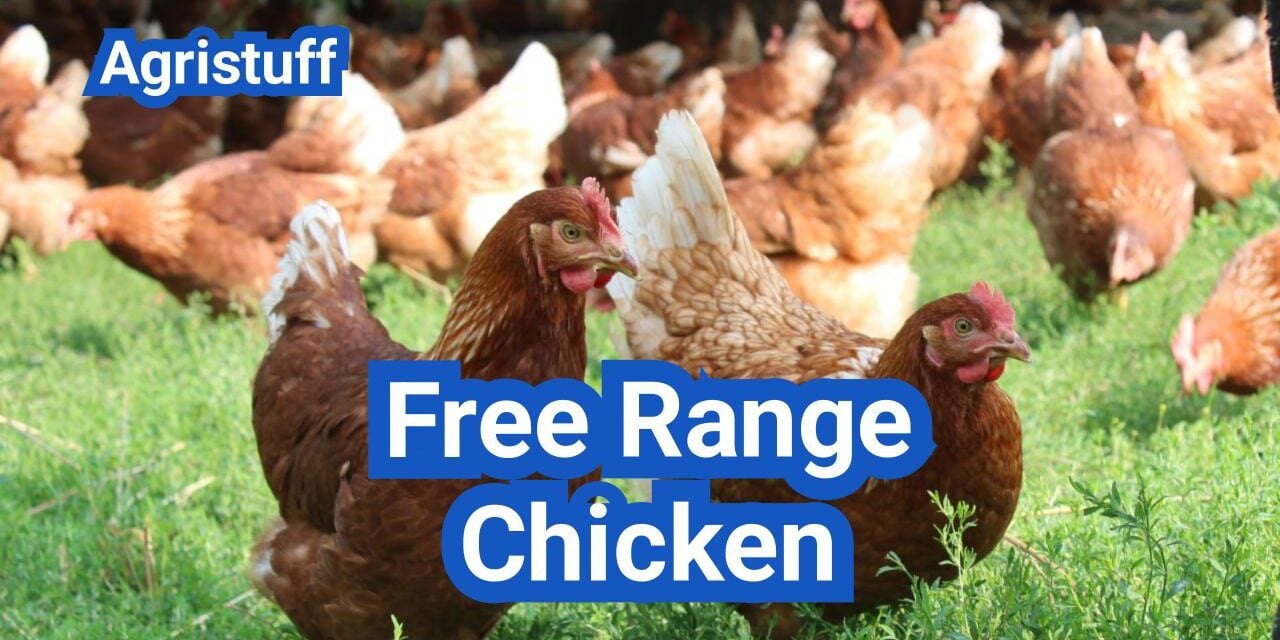
The terms “free-range” and “pasture-raised” are often used interchangeably when describing chicken farming practices, but they have distinct meanings. Understanding the differences between these labels can help consumers make informed decisions about the food they buy.
Free-range chicken refers to birds that have access to the outdoors, but the extent of this access can vary greatly. In contrast, pasture-raised chickens are raised on pasture, where they can forage for grasses, bugs, and other nutrients. This difference in upbringing affects not only the welfare of the chickens but also the nutritional quality of the meat and the environmental impact of the farming practice.
Key Takeaways
- The terms “free-range” and “pasture-raised” have different implications for chicken welfare and nutrition.
- Free-range chickens have access to the outdoors, but the quality of this access can vary.
- Pasture-raised chickens are raised on pasture, allowing them to forage for natural foods.
- The differences between free-range and pasture-raised chickens impact the nutritional quality of the meat.
- Understanding these labels can help consumers make more informed choices.
What Is Free-Range Chicken? The Official Definition

To grasp the concept of free-range chicken, it’s essential to examine the USDA’s labeling requirements and the implications of “outdoor access.” The USDA defines “free-range” as providing chickens with “continuous and unconfined access to pasture throughout their life cycle.”
USDA Free-Range Chicken Label Requirements
The USDA’s labeling requirements for free-range chicken are designed to ensure that chickens have access to the outdoors. However, the specifics of what this means in practice can vary. Producers must demonstrate that their chickens have access to the outdoors, but the quality and duration of this access can differ significantly.
Some key aspects of the USDA’s free-range labeling requirements include:
- The door to the outdoors must be open and accessible to the chickens.
- The size of the outdoor area is not strictly defined.
- Producers must provide documentation to support their free-range claims.
The Reality Behind “Outdoor Access” | Free Range Chicken
The reality of outdoor access for free-range chickens can vary significantly from farm to farm. While some farms provide spacious outdoor areas with adequate shelter and forage, others may have limited outdoor space or poor conditions.
Outdoor access is crucial for the welfare of chickens, allowing them to engage in natural behaviors such as foraging and exercising. However, the quality of this access is not always guaranteed under the current regulations.
| Aspect | Free-Range | Certified Humane |
|---|---|---|
| Outdoor Access | Required | Required, with specific guidelines |
| Space Requirements | Not strictly defined | Specific minimum space requirements |
| Forage and Shelter | Not specified | Requires adequate forage and shelter |
Common Misconceptions About Free-Range
One common misconception about free-range chicken is that it always means the chickens are raised on pasture with ample space to roam. However, the reality can be different, with some free-range chickens having limited access to the outdoors.
Another misconception is that free-range is synonymous with “organic” or “Certified Humane.” While there may be some overlap, these labels have distinct requirements, and not all free-range chickens are raised under the same conditions as those with other labels.
Pasture-Raised Chicken: A Superior Alternative?

As consumers become more discerning about their food choices, pasture-raised chicken has emerged as a potentially superior alternative to traditional and even free-range chicken. This method of raising chickens has gained popularity due to its focus on providing a more natural environment and diet for the birds.
What Pasture-Raised Actually Means
Pasture-raised chickens are raised on pastures where they have access to fresh vegetation. The term “pasture-raised” implies that these chickens spend their days roaming outdoors, foraging for grasses, insects, and other natural food sources. This approach to chicken farming is considered more humane and sustainable compared to confined or even some free-range systems.
A key aspect of pasture-raised chicken is the regular rotation of pastures. This practice helps maintain soil health, prevents overgrazing, and ensures that the chickens always have access to fresh forage. According to agricultural experts, “Rotating pastures is crucial for maintaining the nutritional quality of the forage and the overall health of the flock.”
Daily Life of a Pasture-Raised Chicken
The daily life of a pasture-raised chicken is markedly different from that of chickens raised in more confined conditions. These birds are able to engage in natural behaviors such as foraging, scratching, and roaming. The freedom to move and forage contributes to the overall health and well-being of the chickens.
A typical day for a pasture-raised chicken involves foraging for a variety of plants, insects, and worms. This diverse diet not only improves the nutritional profile of the chicken but also enhances its flavor and texture. As noted by a poultry expert, “The varied diet of pasture-raised chickens results in meat that is often described as more complex and satisfying.”
The Forage Diet Advantage
The forage diet of pasture-raised chickens is one of their most significant advantages. By consuming a diverse range of plants and insects, these chickens receive a more balanced and nutrient-rich diet compared to those fed a conventional grain-based diet. This dietary diversity is reflected in the nutritional benefits of pasture-raised chicken, including higher levels of omega-3 fatty acids and vitamins.
“The nutritional profile of pasture-raised chicken is superior due to the diverse and natural diet these birds are able to consume,” says Dr. Sarah Jones, a nutrition expert specializing in poultry.
In conclusion, pasture-raised chicken offers a compelling alternative for consumers looking for more sustainably and humanely raised poultry. The combination of a natural environment, diverse diet, and humane treatment makes pasture-raised chicken an attractive option for those seeking higher quality chicken.
Free-Range vs. Pasture-Raised: Key Differences

While both free-range and pasture-raised chickens offer alternatives to conventionally raised poultry, there are significant differences between the two. Understanding these differences is essential for consumers who want to make informed choices about the chicken they buy.
Space Requirements Comparison | Free Range Chicken
The amount of space available to chickens is a critical factor in determining their welfare and the quality of the meat. Pasture-raised chickens typically have more space to roam compared to free-range chickens. According to the USDA, free-range chickens must have access to the outdoors, but there are no specific requirements for the amount of space per bird. In contrast, pasture-raised chickens are often raised on rotational grazing systems, which provide a significant amount of outdoor space.
| Characteristics | Free-Range | Pasture-Raised |
|---|---|---|
| Outdoor Access | Required, but no specific space requirements | Significant outdoor space, often with rotational grazing |
| Space per Bird | Variable, often limited | Typically more spacious |
Diet Differences | Free Range Chicken
The diet of free-range and pasture-raised chickens can vary significantly. Pasture-raised chickens are often allowed to forage on grass and other vegetation, which can enhance the nutritional profile of the meat. Free-range chickens may also have access to forage, but their diet can be more variable depending on the farming practices.
“The nutritional benefits of pasture-raised chicken are well-documented. The foraging aspect of their diet contributes to a more complex fatty acid profile.”
Dr. Michael Greger, MD
Environmental Impact | Free Range Chicken
The environmental impact of chicken farming is another area where free-range and pasture-raised systems differ. Pasture-raised systems are often associated with more sustainable practices, such as rotational grazing, which can improve soil health and biodiversity. Free-range systems can also be sustainable, but their environmental impact varies widely depending on the specific practices used.
Cost Factors Explained | Free Range Chicken
The cost of free-range and pasture-raised chicken can be influenced by several factors, including feed costs, labor, and the cost of maintaining outdoor spaces. Pasture-raised chicken tends to be more expensive due to the higher costs associated with managing rotational grazing systems. Free-range chicken can also be more expensive than conventionally raised chicken, but the cost difference is often less pronounced than with pasture-raised chicken.
Decoding Chicken Labels: Beyond Free-Range

The labels on chicken products are not just about branding; they provide insights into the chicken’s living conditions and diet. As consumers become more conscious of animal welfare and nutritional quality, understanding these labels is crucial.
Cage-Free vs. Free-Range
Many consumers confuse “cage-free” with “free-range,” but these terms have distinct meanings. Cage-free means that chickens are not kept in cages, but it doesn’t necessarily imply that they have outdoor access. In contrast, free-range chickens must have access to the outdoors, although the extent of this access can vary.
Organic Certification Requirements
Organic certification involves more than just the living conditions of chickens; it also encompasses their diet and the use of antibiotics or hormones. To be labeled as organic, chicken farms must adhere to strict guidelines, including providing organic feed and avoiding the use of genetically modified organisms (GMOs).
Certified Humane Standards
The Certified Humane label ensures that chickens are raised with certain welfare standards in mind, including adequate space, shelter, and care. This certification also prohibits the use of certain practices like forced molting and the use of growth hormones.
Animal Welfare Approved Certification | Free Range Chicken
Animal Welfare Approved is a rigorous certification that goes beyond basic humane treatment. It requires that chickens are raised on pasture, have sufficient space to engage in natural behaviors, and are managed in a way that promotes their overall welfare. This certification is considered one of the highest standards for animal welfare in the poultry industry.
Nutritional Benefits of Free-Range Chicken

The nutritional profile of free-range chicken differs significantly from that of conventionally raised chicken, offering several health advantages. Free-range chicken is often considered a healthier option due to its potential for improved nutritional content.
Protein and Fat Profile Differences
Free-range chicken tends to have a more favorable protein and fat profile compared to conventionally raised chicken. The protein content is often similar, but the fat profile can be significantly different. Free-range chickens, having access to outdoor spaces, tend to have a leaner fat composition.
Key differences in fat profile include:
- Lower overall fat content
- Higher levels of unsaturated fats
- More favorable omega-6 to omega-3 fatty acid ratio
Vitamin and Mineral Content | Free Range Chicken
Free-range chicken may have higher levels of certain vitamins and minerals due to its diverse diet and outdoor access. The vitamin content, particularly vitamins A and E, can be higher in free-range chicken due to the consumption of fresh forage.
Notable vitamins and minerals in free-range chicken:
- Vitamin A: Important for vision and immune function
- Vitamin E: Acts as an antioxidant
- Iron: Essential for healthy red blood cells
Omega-3 Fatty Acid Levels | Free Range Chicken
One of the significant nutritional benefits of free-range chicken is its potential for higher omega-3 fatty acid levels. When chickens forage on pasture, they consume grasses and insects that are rich in omega-3s, which are then stored in their tissues.
The benefits of higher omega-3 levels include:
- Reduced inflammation
- Improved heart health
- Support for brain function
In conclusion, free-range chicken offers several nutritional benefits over conventionally raised chicken, including a more favorable fat profile, higher vitamin and mineral content, and potentially higher omega-3 fatty acid levels. These nutritional differences make free-range chicken an attractive option for consumers looking to improve their diet.
The Taste Test: Does Free-Range Chicken Really Taste Better?

When it comes to the taste of chicken, the method of raising the birds can significantly impact the final product. Free-range chicken, with its more natural living conditions and varied diet, is often said to have a richer, more complex flavor profile compared to conventionally raised chicken.
Flavor Profile Differences | Free Range Chicken
The flavor of free-range chicken is frequently described as more robust and authentic. This is attributed to the chickens’ access to a diverse diet that includes foraging for insects, seeds, and plants, in addition to their regular feed. The varied diet contributes to a more complex flavor profile, making the chicken more appealing to those seeking a more natural poultry experience.
In contrast, conventionally raised chicken often has a milder flavor due to a more uniform diet and living conditions. The difference in flavor can be significant, with free-range chicken offering a more pronounced and satisfying taste that many consumers prefer.
Texture and Cooking Considerations | Free Range Chicken
The texture of free-range chicken is another aspect where it differs from conventionally raised chicken. Due to their more active lifestyle, free-range chickens tend to have firmer, more muscular meat. This can affect cooking times and methods, as free-range chicken may require slightly longer cooking times to achieve the desired tenderness.
Cooking free-range chicken can be a rewarding experience, as its texture holds up well to various cooking methods, from grilling to roasting. Chefs often appreciate the versatility of free-range chicken, as it can be cooked in ways that highlight its natural flavors.
| Cooking Method | Free-Range Chicken | Conventionally Raised Chicken |
|---|---|---|
| Grilling | Retains moisture, enhances flavor | Can become dry if overcooked |
| Roasting | Develops a crispy skin, juicy interior | May lack crispiness, less juicy |
Chef Perspectives on Free-Range Chicken
Many chefs prefer working with free range chicken due to its superior taste and texture. The richer flavor profile and firmer texture make it ideal for a variety of dishes, from simple roasted chicken to complex sauces and stews. Chefs appreciate the depth of flavor that free-range chicken brings to their recipes, enhancing the overall dining experience.
While some chefs note that the quality can vary between suppliers, the consensus is that free-range chicken offers a more engaging culinary experience. Whether you’re a professional chef or a home cook, incorporating free-range chicken into your recipes can elevate your dishes and provide a more satisfying meal.
How to Choose Quality Free-Range and Pasture-Raised Chicken

The quest for high-quality free-range and pasture-raised chicken begins with knowing what to look for. As consumers become more discerning about their poultry, understanding the differences and what constitutes quality is essential.
What to Look for on Packaging | Free Range Chicken
When shopping for free-range or pasture-raised chicken, the packaging can provide valuable insights. Look for clear labels that indicate the chicken’s living conditions and diet. Certifications from reputable organizations can also be a good indicator of quality.
- Check for USDA or other relevant certifications.
- Look for descriptions of living conditions and diet.
- Opt for products with transparent labeling.
Questions to Ask Your Farmer or Butcher | Free Range Chicken
Engaging directly with the supplier can provide additional assurance about the quality of the chicken. Don’t hesitate to ask questions.
- What are the living conditions of the chickens?
- What do you feed your chickens?
- How do you ensure the health and well-being of your flock?
Reliable Brands and Sources | Free Range Chicken
Some brands have made a name for themselves by consistently delivering high-quality free-range and pasture-raised chicken. Researching these brands and understanding their practices can help in making an informed decision.
| Brand | Certifications | Notable Practices |
|---|---|---|
| Brand A | USDA Organic, Certified Humane | Rotational grazing, non-GMO feed |
| Brand B | Pasture-Raised Certification | Free-range with access to outdoors, heritage breeds |
| Brand C | Animal Welfare Approved | No antibiotics, continuous access to outdoors |
Price Considerations and Value | Free Range Chicken
While free-range and pasture-raised chicken may come at a higher price point, understanding the value behind the cost is crucial. Factors such as better living conditions, healthier diets, and more humane treatment contribute to the final product’s quality and price.
Key Considerations:
- The cost reflects better living conditions and diet.
- Higher quality often means better nutritional profiles.
- Supporting ethical farming practices.
Setting Up Your Own Free-Range Chicken Operation

To successfully raise free-range chickens, one must first understand the fundamental requirements for their care and well-being. This involves several key considerations, from the initial planning stages to the daily management of the flock.
Space Requirements and Planning | Free Range Chicken
One of the critical factors in establishing a free-range chicken operation is determining the appropriate amount of space needed. The general rule of thumb is to provide at least 2-4 square feet per chicken inside the coop and 8-10 square feet per chicken in the outdoor run. However, the more space you can provide, the better for the health and happiness of your chickens.
When planning your free range chicken operation, it’s also essential to consider the layout and design of the coop and run. The coop should be well-ventilated, dry, and protected from predators. The run should be securely fenced to prevent escape and predation.
Choosing the Right Chicken Breeds | Free Range Chicken
Not all chicken breeds are suited for free-range farming. Some breeds are more docile and less prone to flight, making them ideal for free-range systems. Breeds like Rhode Island Reds, Barred Rocks, and Plymouth Rock are popular choices due to their friendly nature and foraging abilities.
- Rhode Island Reds: Known for their high egg production and friendly disposition.
- Barred Rocks: Friendly, hardy, and good foragers.
- Plymouth Rock: Docile, good foragers, and suitable for a variety of climates.
Essential Equipment and Supplies | Free Range Chicken
To get started with your free range chicken operation, you’ll need some essential equipment and supplies. These include a coop, fencing for the run, feeders, waterers, and nesting boxes. The quality and durability of these items can significantly impact the health and productivity of your flock.
The initial cost of setting up a free-range chicken operation can vary widely depending on the size of your operation and the quality of the equipment and supplies. Here are some key cost factors to consider:
- Coop and Fencing: The cost of a coop and fencing can range from a few hundred to several thousand dollars, depending on the size and materials used.
- Chickens: The cost of purchasing chickens can vary based on breed, age, and location.
- Feed and Supplies: Ongoing costs include feed, bedding, and other supplies.
By carefully planning your free-range chicken operation and considering the factors outlined above, you can create a thriving and sustainable system that benefits both you and your flock.
Designing the Ideal Free-Range Chicken Coop

Designing the perfect free-range chicken coop involves considering several key factors, including space, mobility, and security. A well-designed coop is crucial for the health and safety of your flock, as well as the overall success of your free-range chicken operation.
Essential Coop Features for Free-Range Birds
When designing a coop for free-range chickens, there are several essential features to consider. These include:
- Adequate ventilation to maintain air quality and reduce moisture buildup.
- Sufficient space for chickens to roost comfortably, with at least 3-4 inches of roosting bar per bird.
- Nesting boxes that are easy to access and clean, with one box per 3-4 hens.
- Easy cleaning design features, such as removable droppings boards or a manure collection system.
Mobile Coop Options for Pasture Rotation | Free Range Chicken
Mobile coops, also known as “chicken tractors,” offer the flexibility to rotate your flock across different pastures, improving soil health and reducing parasite buildup. Key considerations for mobile coops include:
- Lightweight materials that make the coop easy to move.
- Portable fencing to enclose the area around the coop and protect the chickens from predators.
- Wheel or skid design for easy relocation.
Predator-Proofing Your Coop and Run | Free Range Chicken
Predator-proofing is a critical aspect of free range chicken keeping. To protect your flock, consider the following measures:
- Hardware cloth instead of chicken wire for better protection against predators.
- Secure doors and windows with strong latches and potentially electric fencing.
- Burying fencing around the coop and run to prevent digging predators.
By incorporating these design elements and features, you can create a safe, healthy, and productive environment for your free-range chickens.
Managing Free-Range Chickens Through the Seasons

As the seasons change, managing free-range chickens requires adaptability and a deep understanding of their needs. Effective management ensures the health and productivity of the flock throughout the year.
Summer Heat Management Strategies | Free Range Chicken
During the summer, free range chickens are exposed to heat stress, which can significantly impact their health and productivity. Providing adequate shade is crucial, as is ensuring access to plenty of fresh water. Cooling measures such as misting systems can also be beneficial.
Monitoring temperature and adjusting the flock’s activities can help mitigate heat stress. For instance, allowing chickens to roam during the cooler parts of the day can reduce the risk of overheating.
Free-Range Chickens in Winter: Special Considerations
Winter poses its own set of challenges for free-range chickens, including cold temperatures and reduced daylight. Ensuring that chickens have adequate shelter and a nutritious diet is vital during this season.
Providing extra calories and nutrients can help chickens maintain their body heat. Adjusting their feeding schedule to coincide with the coldest parts of the day can also be beneficial.
| Season | Nutritional Needs | Management Strategies |
|---|---|---|
| Summer | High water intake, electrolyte balance | Shade provision, cooling measures |
| Winter | Increased calories, nutrient-rich feed | Adequate shelter, adjusted feeding schedules |
Seasonal Feeding Adjustments | Free Range Chicken
The nutritional needs of free range chickens vary with the seasons. In the spring and summer, chickens may require more protein to support growth and egg production. In contrast, during the fall and winter, their diet may need to be adjusted to maintain body heat and overall health.
Foraging opportunities also change with the seasons, impacting the nutritional intake of free-range chickens. Supplementing their diet as necessary can ensure they receive a balanced nutrient intake throughout the year.
Sustainable Pasture Management for Chicken Raising

Sustainable pasture management practices are essential for maintaining soil health and forage quality in chicken raising. Effective management ensures that pastures remain productive over time, supporting the health and well-being of the chickens.
Pasture Rotation Planning | Free Range Chicken
A well-designed pasture poultry rotation plan is critical for preventing overgrazing and maintaining soil fertility. By rotating chickens across different areas of pasture, farmers can allow grazed areas to recover, reducing the risk of parasite buildup and maintaining forage quality.
To implement an effective rotation plan, consider factors such as the size of the pasture, the number of chickens, and the rate of forage growth. Utilizing mobile coops or fencing can help manage the movement of chickens and protect sensitive areas.
Maintaining Healthy Forage | Free Range Chicken
Maintaining healthy forage is vital for the nutritional well-being of pasture-raised chickens. This involves selecting appropriate forage species, managing soil fertility, and monitoring forage health.
- Choose forage species that are well-suited to your climate and soil type.
- Apply organic amendments as needed to maintain soil fertility.
- Regularly inspect pastures for signs of stress or disease.
Integrating Chickens with Other Livestock
Integrating chickens with other livestock can enhance the overall sustainability of a farm by promoting ecological balance and diversifying income streams. Chickens can be integrated with livestock such as cattle or sheep in a system known as integrated livestock production.
This approach can help control parasites and improve soil health through the diverse grazing activities of different species. However, careful planning is required to ensure that the different species complement each other rather than competing for resources.
Protecting Your Free-Range Flock from Predators

Protecting free-range chickens from predators is a critical aspect of maintaining a healthy and sustainable flock. Free-range chicken farming offers numerous benefits, including better nutrition and improved animal welfare, but it also exposes the birds to various predators. Understanding these predators and implementing effective protection measures are crucial for the success of any free-range chicken operation.
Common Predators and Their Behaviors
Free-range chickens are vulnerable to a variety of predators, each with unique behaviors and hunting strategies. Some of the most common predators include:
- Foxes: Known for their cunning and ability to dig under fences.
- Cooyotes: Highly adaptable and capable of attacking in packs.
- Hawks and eagles: Birds of prey that can swoop down on unsuspecting chickens.
- Raccoons: Intelligent and dexterous, often raiding chicken coops.
- Snakes: Some species prey on chicken eggs and chicks.
Understanding the behaviors and habitats of these predators is essential for developing effective protection strategies.
Physical Barriers and Deterrents | Free Range Chicken
One of the most effective ways to protect free range chickens is by establishing robust physical barriers and deterrents. This can include:
- Fencing: High-quality, sturdy fencing that extends at least 12 inches below ground to prevent digging.
- Netting: Covering the top of the enclosure to protect against aerial predators.
- Electric fencing: An additional layer of protection that deters predators with a mild electric shock.
- Secure coops: Strong, well-ventilated coops that are locked at night to safeguard the chickens.
Combining these measures can significantly reduce the risk of predation.
Guardian Animals for Flock Protection | Free Range Chicken
Guardian animals have been used for centuries to protect livestock from predators. For free-range chickens, common guardian animals include:
- Dogs: Breeds such as Great Pyrenees and Maremmas are known for their protective instincts.
- Donkeys: Known to form strong bonds with chickens and defend them against predators.
- Geese: Aggressive towards predators and can serve as an early warning system.
These guardian animals can be an effective and natural way to enhance the security of a free-range chicken flock.
Safe Handling and Cooking of Free-Range Chicken
Handling and cooking free-range chicken requires attention to detail to ensure food safety. Free-range chicken, known for its nutritional benefits and better living conditions, still poses risks if not handled and cooked correctly.
Proper Storage Guidelines | Free-Range Chicken
To maintain the quality and safety of free range chicken, proper storage is crucial. Store raw chicken in a sealed container at the bottom of the refrigerator to prevent cross-contamination. It’s also essential to keep it away from ready-to-eat foods.
Refrigeration at 40°F (4°C) or below is recommended, and raw chicken should be used within 1-2 days of purchase. If you don’t plan to use it within that timeframe, consider freezing it. Frozen chicken can be stored for up to 12 months.
Should You Wash Raw Chicken?
The debate about washing raw chicken has been ongoing. However, the USDA advises against washing raw chicken before cooking. Washing can splash bacteria around the kitchen, increasing the risk of cross-contamination. Instead, prevent bacterial spread by handling raw chicken safely and cooking it to the right temperature.
“Washing raw poultry, beef, pork, lamb, or veal before cooking it is not recommended. Bacteria in the raw meat juices can splash onto other foods, utensils, and surfaces, potentially causing cross-contamination.” – USDA
Safe Internal Temperature for Chicken | Free-Range Chicken
Cooking chicken to a safe internal temperature is critical to prevent foodborne illness. The USDA recommends cooking chicken to an internal temperature of at least 165°F (74°C). Use a food thermometer to check the internal temperature, especially in the thickest parts of the breast and the innermost part of the thigh, avoiding any bones.
Cooking Methods That Enhance Flavor | Free-Range Chicken
Cooking methods can significantly impact the flavor of free-range chicken. Techniques such as grilling, roasting, or pan-searing can enhance the natural flavors. For instance, grilling adds a smoky flavor, while roasting brings out the chicken’s natural juices.
Experimenting with marinades and seasonings before cooking can also add depth to the flavor. A simple marinade of olive oil, lemon juice, and herbs can make a significant difference.
- Grilling: Adds a smoky flavor and crispy texture.
- Roasting: Enhances the natural flavors and retains moisture.
- Pan-searing: Creates a crispy exterior while keeping the inside juicy.
Making Informed Choices About Free-Range Chicken
Understanding the differences between free-range and pasture-raised chicken is crucial for making informed choices about the chicken products you purchase. By considering factors like nutrition, animal welfare, and environmental impact, consumers can choose chicken that aligns with their values and dietary needs.
Free range chicken and pasture-raised chicken offer distinct benefits. While free-range chicken provides some outdoor access, pasture-raised chicken takes this a step further by allowing birds to roam on pasture, promoting better welfare and potentially more nutritious meat.
When making informed choices, look for labels that provide clear information about the chicken’s living conditions and diet. Consider supporting local farmers or brands that prioritize animal welfare and sustainable practices. By doing so, consumers can promote a more humane and environmentally friendly food system.
Making informed choices about free-range chicken involves considering multiple factors, from the chicken’s diet and living conditions to the environmental impact of the farming practices. By choosing pasture-raised or high-welfare free-range chicken, consumers can enjoy better-tasting, more nutritious chicken while supporting more sustainable agriculture.
FAQ
What does “free-range” really mean when it comes to chicken?
The term “free-range” is defined by the USDA as having access to the outdoors, but the amount of space and quality of outdoor access can vary greatly.
How does free-range chicken compare to pasture-raised chicken?
Pasture-raised chicken typically has more space to roam and forage for food, resulting in a more natural diet and better living conditions compared to free-range chicken.
What are the benefits of pasture-raised chicken?
Pasture-raised chicken benefits from a more natural diet, better living conditions, and potentially higher nutritional content, including higher levels of omega-3 fatty acids.
Are there differences in nutritional content between free-range and pasture-raised chicken?
Yes, pasture-raised chicken often has a more favorable fatty acid profile, higher levels of certain vitamins and minerals, and potentially lower risk of antibiotic resistance.
Does free-range chicken taste better than conventionally raised chicken?
Many people believe that free-range chicken tastes better due to its more natural diet and exercise, but taste is subjective and can vary depending on cooking methods and personal preferences.
What should I look for when buying free-range or pasture-raised chicken?
Look for clear labeling, check for third-party certifications like Certified Humane or Animal Welfare Approved, and ask your butcher or farmer about the chicken’s living conditions and diet.
How do I set up a free-range chicken operation on my farm or backyard?
Start by assessing your available space, choosing suitable chicken breeds, and investing in essential equipment like a secure coop and fencing to protect your flock.
What are the key features of an ideal free-range chicken coop?
An ideal coop should provide protection from predators, adequate ventilation, easy access for cleaning, and a safe way for chickens to enter and exit.
How do I manage free-range chickens through different seasons?
Adjust your management strategies seasonally, providing shade and cooling measures in summer, extra nutrition and shelter in winter, and ensuring adequate forage and water year-round.
How can I protect my free-range chickens from predators?
Use a combination of physical barriers like fencing, deterrents such as motion-activated lights, and guardian animals like dogs or donkeys to protect your flock.
What are the safe handling and cooking practices for free-range chicken?
Store chicken properly in the refrigerator, avoid cross-contamination, cook to a safe internal temperature of 165°F (74°C), and wash hands thoroughly before and after handling raw chicken.
What is the difference between free-range and cage-free chicken?
Cage-free means that chickens are not kept in cages, but they may still be confined indoors, whereas free-range implies some level of outdoor access, although the quality of this access can vary.
What does “Certified Humane” mean for chicken?
Certified Humane is a third-party certification that ensures chickens are raised with certain standards for welfare, including adequate space, access to the outdoors, and no use of antibiotics or hormones.
How does pasture rotation impact the health of my chickens?
Rotating pastures helps maintain healthy forage, reduces parasite loads, and prevents overgrazing, all of which contribute to the overall health and well-being of your chickens.
Can I integrate chickens with other livestock on my farm?
Yes, integrating chickens with other livestock can be beneficial for pasture management and overall farm health, but it requires careful planning to ensure compatibility and adequate space.
Conclusion of: Free Range Chicken
Why this label creates so much confusion
Free Range Chicken sounds like a simple promise—birds outdoors, room to roam, a more “natural” life—but U.S. labels often don’t match the picture in your head because the words are used in marketing, regulation, and everyday speech in slightly different ways Food labels explainer (UConn Extension)
If you buy Free Range Chicken expecting better animal welfare, better flavor, or a smaller environmental footprint, it helps to know what the claim can (and cannot) guarantee, and how it differs from “pasture-raised,” “organic,” and third-party welfare seals that add more detail Overview of U.S. meat/poultry labeling (CRS)
Who oversees meat and poultry labeling in the U.S. | Free Range Chicken
When you see Free Range Chicken on a meat package, the key point is that meat and poultry labeling is shaped by USDA oversight and related federal rules, while other agencies and programs can also influence what consumers see on packaging, websites, and certification seals Statutory authorities and agency roles (CRS)
That’s why Free Range Chicken can sit next to other claims—like “organic,” “no antibiotics ever,” or “animal welfare certified”—and each one may come from a different rule set, different documentation, and different verification methods (including third-party audits) Organic livestock & poultry standards (USDA AMS)
What “free range” typically means on a chicken label
In practical terms, Free Range Chicken generally means the birds had some form of access to the outdoors during production, but the claim by itself usually does not define how large the outdoor area is, how long birds are outside, or whether the outdoor area is vegetated pasture versus a small, managed yard How “free range” is described and why details vary (Certified Humane)
Because “outdoor access” can be designed in many ways, Free Range Chicken can come from a farm where birds routinely range outside—or from a system where only a portion of birds choose to go out, or where access is limited by layout, weather, flock size, or management practices Why third-party welfare programs add clarity (A Greener World)
Free-range can mean different things for eggs vs meat | Free Range Chicken
One reason shoppers get mixed signals is that “free range” shows up heavily in egg marketing, and egg programs and grading information often educate consumers differently than meat packages, even though the underlying idea—some outdoor access—still doesn’t automatically describe pasture quality or daily time outside USDA shell egg Q&A and consumer terms (USDA AMS)
If you’re comparing Free Range Chicken to “organic,” it’s useful to know that organic standards can include specific animal care and outdoor access expectations that go beyond a simple free-range claim, depending on the rule and the certifier’s verification process USDA organic livestock & poultry rule details (USDA AMS)
So what does “pasture-raised” mean?
Pasture-raised is often used to signal that birds spent meaningful time on vegetated ground (not just an outdoor porch or small run), which is why many consumers treat it as “more than” Free Range Chicken even though the exact on-farm reality still depends on the standards behind the claim How one certifier defines pasture-raised (Certified Humane)
When pasture-raised is backed by a strong third-party program, the standards may specify pasture or range conditions, stocking approaches, health planning, and audit requirements—giving you more concrete expectations than a broad Free Range Chicken claim alone Meat chicken welfare standards example (AGW)
How farms actually manage pasture-based chicken systems
Many pasture-based farms use mobile housing, rotation plans, and forage management so birds don’t overuse one spot, which is a core practical difference shoppers often mean when they contrast Free Range Chicken with pasture-raised marketing Pastured poultry basics (Oregon State Extension)
Breed choice also matters in outdoor systems, because growth rate, heat tolerance, leg health, and foraging behavior can change how well birds thrive outside—so two producers selling Free Range Chicken can have very different results depending on genetics and management Poultry genetics for pastured production (WSU Extension)
Free range vs pasture-raised: the simplest comparison
If you want a clean mental model, think of Free Range Chicken as “outdoor access is part of the system,” while pasture-raised (when well-defined) aims for birds spending substantial time on living groundcover, with rotation that keeps pasture functional and birds cleaner and healthier Outdoor access vs pasture management (Oregon State Extension)
Another practical divider is the role of forage: many pasture programs expect birds to interact with grass, plants, and insects as a supplement to feed, while Free Range Chicken programs may or may not meaningfully incorporate forage into daily production goals Forage and nutrition in pastured poultry (SARE)
Animal welfare benefits—and real-world risks | Free Range Chicken
Outdoor systems can support natural behaviors like walking, scratching, dust bathing, and exploring, which is one of the main reasons consumers seek out Free Range Chicken even when the nutritional differences aren’t guaranteed Welfare-focused label context (A Greener World)
At the same time, outdoor access adds risk factors—predators, parasites, wild-bird contact, and weather swings—so “better welfare” with Free Range Chicken depends heavily on shelter design, fencing, daily observation, and a realistic health plan Predator control guidance (University of Maryland Extension)
Good pasture-raised management often emphasizes rotation, dry footing, and balanced stocking so birds aren’t standing in mud or high pathogen loads, which can be an advantage over poorly planned Free Range Chicken yards that get worn down fast Pasture rotation and management concepts (UF/IFAS Extension)
Food safety: a label doesn’t change the basics | Free Range Chicken
Whether you buy conventional, organic, or Free Range Chicken, raw poultry can carry germs that cause food poisoning, so the safest approach is to assume raw chicken may be contaminated and handle it accordingly every time Chicken and food poisoning prevention (CDC)
A common mistake is washing raw poultry, which can spread bacteria around your sink and counters, so Free Range Chicken should go from package to pan with clean hands, clean tools, and careful separation from ready-to-eat foods Safe food handling basics (FDA)
Cooking temperature matters more than labels: Free Range Chicken is considered safe when it reaches the recommended minimum internal temperature, and leftovers should be cooled and stored promptly to reduce bacterial growth Safe minimum internal temperatures (FoodSafety.gov)
Nutrition and flavor: what you can realistically expect
People often assume Free Range Chicken is automatically “more nutritious,” but nutrient profiles vary widely by cut, feed formulation, bird genetics, and processing, so it’s smart to treat the label as a husbandry clue—not a guaranteed nutrition upgrade USDA FoodData Central (nutrition reference)
That said, pasture and forage can influence fat composition and flavor in some systems, especially when birds actively consume plants and insects, which is one reason pasture-raised claims are often marketed as “more flavorful” than basic Free Range Chicken How forage can influence poultry nutrition (SARE)
Environmental impact depends on pasture management
Well-managed outdoor flocks can distribute manure across land and avoid concentrating waste in one building, but the environmental story of Free Range Chicken can turn negative if stocking density, runoff risk, and soil damage aren’t controlled Manure and nutrient management overview (USDA NRCS)
Some producers integrate shade trees and rotational grazing ideas to protect soil and bird comfort, and silvopasture-style thinking can help outdoor systems stay productive longer than a bare yard, which is a meaningful distinction from many minimal-access Free Range Chicken setups Silvopasture concept for broilers (Virginia Tech)
How to shop smarter: a practical checklist | Free Range Chicken
If you want more certainty than the words alone, look for a clear standard and verification behind Free Range Chicken—such as a reputable third-party animal welfare program—because audited standards can explain space, outdoor conditions, and management in a way a simple claim cannot How third-party certifiers fit into label claims (CRS)
Also compare price with expectations: higher-cost Free Range Chicken is often driven by land, labor, slower growth choices, feed strategy, and processing scale, so “expensive” isn’t proof of pasture quality, but it often reflects real production tradeoffs Cost and budgeting example for pastured poultry (UC ANR)
If you raise your own, what “free-range” requires in practice
Backyard or small-farm Free Range Chicken succeeds when you plan housing, shade, feed access, clean water, and a realistic outdoor area that won’t turn into mud, and when you keep records so you can improve the system season by season Practical poultry production guidance (USDA AMS PDF)
Predator pressure and biosecurity are usually the two biggest surprises for new growers, so if you want outdoor access to be safe and humane, treat protection and daily observation as non-negotiable parts of Free Range Chicken management Predator control planning (University of Maryland Extension)
Final thought
The best way to think about Free Range Chicken is as a starting point, not a finish line: it hints at outdoor access, but your real confidence comes from transparent standards, strong farm management, and safe handling in your own kitchen Four steps to food safety (FoodSafety.gov)
Sources & References
- Congressional Research Service: Meat, Poultry, and Egg Product Labeling
- UConn Extension: Food Labels & Claims
- USDA AMS: Organic Livestock and Poultry Standards
- USDA AMS: Questions and Answers – USDA Shell Egg Grading
- Certified Humane: “Free Range” and “Pasture Raised” definitions
- A Greener World: Certified Animal Welfare Approved overview
- A Greener World: Meat Chicken Standards
- Oregon State Extension: Pastured Poultry 101
- Washington State University Extension: Poultry Genetics for Pastured Production
- SARE: Pastured Poultry Nutrition and Forages
- University of Maryland Extension: Predator Control for Poultry
- CDC: Chicken and Food Safety
- FDA: Safe Food Handling
- FoodSafety.gov: Safe Minimum Internal Temperatures
- USDA FoodData Central
- USDA NRCS: Manure and Nutrient Management
- Virginia Tech Extension: Silvopasture and Broiler Chickens
- UC ANR: Pastured Poultry Budget Example
- USDA AMS: Guidelines for Organic Certification of Poultry (PDF)