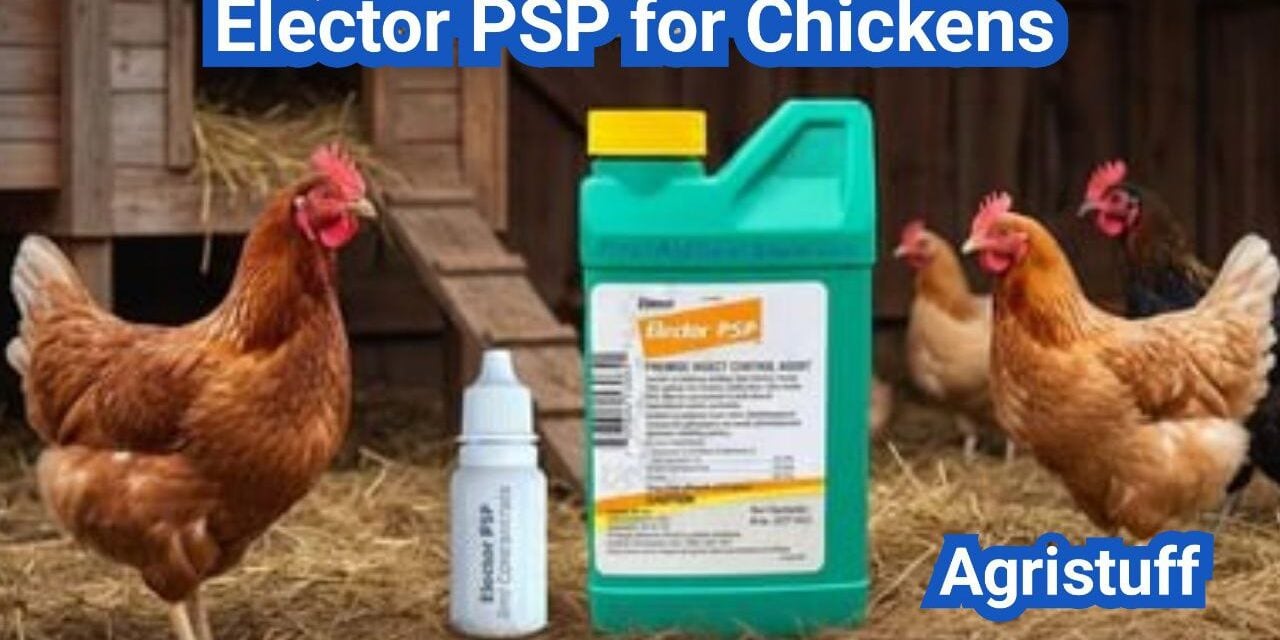
Controlling mites and lice in chicken flocks is crucial for the health and productivity of the birds. Mite control is a significant aspect of poultry care, as these parasites can lead to decreased egg production, stress, and even death. Elector PSP is a recommended treatment that has proven effective against these pests.
The active ingredient in Elector PSP, spinosad, works by targeting the nervous system of the parasites, providing a safe and efficient way to manage infestations. Understanding the proper dosage and application instructions is vital for the safe and effective use of Elector PSP for Chickens.
Key Takeaways
- Elector PSP is effective against mites and lice in chickens.
- The product contains spinosad as its active ingredient.
- Proper dosage and application are crucial for safety and efficacy.
- Label-safe use tips are essential for successful mite control.
- Regular treatment can help prevent re-infestation.
Understanding Chicken Parasites: Mites vs. Lice

Understanding the differences between mites and lice is crucial for maintaining healthy chicken flocks. Both are ectoparasites that can cause significant discomfort and health issues in chickens. Accurate identification is key to effective treatment.
Identifying Common Poultry Mites
Mites are tiny, eight-legged arachnids that feed on chicken blood, causing anemia and stress. Common species include the northern fowl mite and the red mite. Northern fowl mites are often found on the chickens themselves, while red mites typically reside in the coop, emerging at night to feed.
Signs of mite infestation include restlessness, decreased egg production, and visible mites on the birds or in the coop. Regular inspections are crucial for early detection.
Recognizing Chicken Lice Infestations
Lice are insects that live on chickens, feeding on skin debris, feathers, and blood. They are typically found around the vent area and under the wings. Heavy lice infestations can lead to significant irritation and secondary infections.
Symptoms of lice infestation include excessive preening, feather loss, and visible lice or eggs (nits) attached to the feathers. Lice are more likely to be seen during the day, as they are permanent residents on the birds.
The Impact of Parasites on Flock Health
Both mites and lice can have significant impacts on flock health, including stress, anemia, and reduced productivity. Severe infestations can lead to decreased egg production, weight loss, and increased susceptibility to diseases.
| Characteristics | Mites | Lice |
|---|---|---|
| Appearance | Tiny, eight-legged arachnids | Insects with six legs |
| Feeding Behavior | Feed on chicken blood | Feed on skin debris, feathers, and blood |
| Common Locations | On birds (northern fowl mite), in coop (red mite) | On birds, typically around vent and under wings |
Understanding these differences is crucial for effective parasite control. By identifying the specific parasite affecting your flock, you can choose the most appropriate treatment strategy.
What is Elector PSP and How Does It Work?

Understanding Elector PSP requires knowledge of its active ingredient and how it works. Elector PSP is a specialized product designed for controlling parasites in chicken flocks.
Active Ingredients and Mode of Action
The primary active ingredient in Elector PSP is spinosad, a substance known for its effectiveness against a wide range of parasites. Spinosad works by interfering with the nervous system of parasites, ultimately leading to their death. This mode of action makes it particularly effective against mites and lice that infest chickens.
Spinosad is derived from a naturally occurring bacterium, Saccharopolyspora spinosa. Its natural origin contributes to its safety profile for use in poultry.
Benefits of Spinosad-Based Treatments
Using spinosad-based treatments like Elector PSP offers several benefits. Firstly, spinosad is highly effective against various parasites, making it a versatile solution for poultry owners. Secondly, its mode of action reduces the likelihood of parasites developing resistance, a common issue with other treatments.
Another significant advantage is that spinosad is safe for chickens when used as directed. This safety, combined with its efficacy, makes Elector PSP a preferred choice for many poultry keepers.
Effectiveness Against Various Parasites
Elector PSP, with its spinosad formulation, is effective against a range of parasites that affect chickens. This includes mites, lice, and other external parasites that can cause discomfort and health issues in poultry.
The product’s effectiveness is not limited to the parasites themselves; it also helps in controlling the infestation in the chicken’s environment, including the coop and surrounding areas.
Signs of Mite Infestation in Your Flock

Recognizing the signs of mite infestation can help you take prompt action to safeguard your flock’s health. Mite infestations can lead to significant health issues in chickens, including anemia, stress, and decreased egg production.
Behavioral Changes to Watch For
Chickens infested with mites often exhibit behavioral changes. These can include increased irritability, restlessness, and a decrease in normal activities such as foraging or roosting. Infested birds may also show signs of discomfort, such as excessive preening or scratching.
Increased pecking or scratching at their feathers or skin is a common indicator of mite infestation. Birds may also become more lethargic or show a lack of interest in their surroundings.
Physical Evidence on Birds and in the Coop
Physical signs of mite infestation can be observed on the birds themselves and in their living environment. On the birds, look for small, moving dots on the skin or in the feathers, particularly around the vent area, under the wings, or on the legs.
Mites can also leave behind tiny, dark specks (mite feces) on the birds’ skin or in their feathers. In the coop, inspect for mites in cracks and crevices, especially around roosting bars and nesting boxes. Mite eggs or eggshells may be visible in these areas.
How to Inspect Chickens for Mites
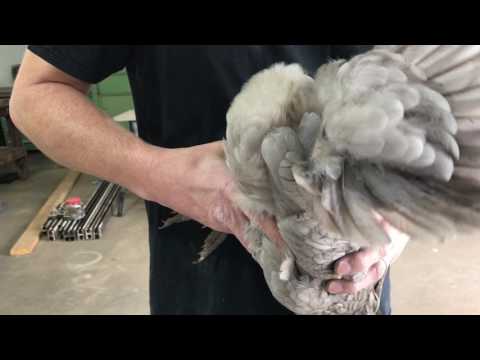
Inspecting your chickens regularly is crucial for detecting mite infestations early. Start by gently restraining a bird and examining its vent area, under the wings, and around the base of the feathers. Look for signs of mites, such as the mites themselves, eggs, or dark specks.
| Inspection Area | Signs to Look For |
|---|---|
| Vent Area | Mites, eggs, dark specks |
| Under Wings | Mites, irritation, feather loss |
| Coop Cracks and Crevices | Mite eggs, eggshells, dark specks |
Regular inspections, combined with a clean and well-maintained coop, can help prevent mite infestations or catch them before they become severe.
Elector PSP for Chickens: Proper Dosage Guidelines

To ensure the health and well-being of your chickens, it’s essential to understand the proper dosage guidelines for Elector PSP.
Standard Dilution Rates | Elector PSP for Chickens
Elector PSP should be diluted according to the manufacturer’s instructions to ensure effectiveness and safety. The standard dilution rate is crucial for achieving the desired outcome without harming your flock.
Recommended dilution rate: 1 part Elector PSP to 100 parts water (1:100).
Calculating Amount Needed Based on Flock Size
The amount of Elector PSP needed depends on the size of your flock. It’s essential to calculate the correct dosage to avoid under or over-treating.
- For small flocks (1-10 chickens), start with the minimum recommended dose and adjust as necessary.
- For larger flocks, calculate the total amount based on the number of birds and the recommended dosage per bird.
Understanding the 9ml Bottle Coverage | Elector PSP for Chickens
A 9ml bottle of Elector PSP is designed to treat a specific number of birds. Understanding the coverage is key to planning your treatment.
| Bottle Size | Coverage | Dilution Rate |
|---|---|---|
| 9ml | As per manufacturer’s instructions | 1:100 |
Adjusting Dosage for Severe Infestations
In cases of severe mite or lice infestations, the dosage may need to be adjusted. However, it’s crucial to follow the manufacturer’s guidelines and consult with a veterinarian if necessary.
Step-by-Step Application Instructions

Proper application of Elector PSP is essential for controlling mite and lice infestations in poultry. To achieve the best results, follow these step-by-step guidelines.
Preparing the Solution | Elector PSP for Chickens
Before applying Elector PSP, it’s crucial to prepare the solution correctly. The standard dilution rate is 1-2 oz per gallon of water, depending on the severity of the infestation. To prepare the solution:
- Fill a clean container with the required amount of water.
- Add the recommended amount of Elector PSP.
- Mix the solution thoroughly to ensure the product is fully dissolved.
Always follow the label instructions for the correct dilution ratio to avoid under or over-dosing.
Direct Bird Treatment Methods | Elector PSP for Chickens
Direct treatment of birds involves spraying or dusting Elector PSP onto the chickens. To do this effectively:
- Hold the bird gently but firmly.
- Spray or dust the product onto the bird, making sure to cover all areas, especially around the vent, under the wings, and on the neck.
- Avoid spraying directly into the bird’s eyes, nostrils, or beak.
Ensure the product is applied evenly to prevent re-infestation from untreated areas.
Coop and Environment Application
Treat the coop and surrounding environment to eliminate mites and lice that may be living outside the birds. Apply Elector PSP to:
- All surfaces of the coop, including walls, roosts, and nesting boxes.
- Bedding material, such as straw or pine shavings.
- Areas around the coop, including soil and vegetation.
Thorough coverage is crucial to prevent re-infestation.
Timing and Frequency Recommendations
The timing and frequency of Elector PSP application depend on the severity of the infestation and the stage of the parasite life cycle. Typically, a second treatment is recommended 7-14 days after the initial application to catch any newly hatched parasites.
Monitor your flock closely after treatment to determine if additional applications are necessary.
Treating Specific Mite Types with Elector PSP

Different mite species require tailored treatment approaches, and Elector PSP is effective against multiple types. Understanding the specific mite type infesting your flock is crucial for selecting the most appropriate treatment protocol.
Northern Fowl Mite Treatment Protocol
Northern fowl mites are one of the most common external parasites affecting poultry. To treat them effectively with Elector PSP, it’s essential to follow a comprehensive protocol.
- Direct application to birds
- Treatment of the coop environment
- Repeat application as directed
Red Mite Control Strategies | Elector PSP for Chickens
Red mites are nocturnal parasites that can cause significant stress to chickens. Controlling them requires a multi-faceted approach.
Key Strategies:
- Thorough coop cleaning
- Application of Elector PSP to birds and environment
- Regular monitoring for reinfestation
Addressing Scaly Leg Mites | Elector PSP for Chickens
Scaly leg mites burrow under the scales on chickens’ legs, causing discomfort and potentially leading to secondary infections. Treating scaly leg mites with Elector PSP involves direct application to the affected areas.
| Mite Type | Treatment Focus | Application Method |
|---|---|---|
| Northern Fowl Mite | Birds and coop | Spray or dust |
| Red Mite | Coop environment | Spray, paying attention to cracks and crevices |
| Scaly Leg Mite | Directly to affected legs | Topical application |
Dealing with Multiple Parasite Types Simultaneously
In cases where multiple parasite types are present, a comprehensive treatment plan is necessary. Elector PSP can be part of this plan, offering a broad spectrum of activity.
Considerations for multi-parasite infestations:
- Assessing the severity of each parasite type
- Prioritizing treatments based on the most harmful parasites
- Monitoring for improvement and adjusting the treatment plan as needed
Safety Considerations When Using Elector PSP
Elector PSP, while effective against mites, requires careful handling to minimize risks to humans, animals, and the environment. As with any chemical treatment, understanding and implementing safety precautions is crucial for the well-being of your flock and the people handling the product.
Protective Equipment Recommendations
When applying Elector PSP, wearing appropriate protective equipment is essential. This includes long sleeves, gloves, and a mask to prevent skin contact and inhalation of the product. “Protective gear is not just a precaution; it’s a necessity when dealing with chemical treatments,” as emphasized by poultry health experts.
Egg Withdrawal Periods | Elector PSP for Chickens
It’s critical to adhere to the recommended egg withdrawal periods when using Elector PSP. This ensures that eggs consumed by humans are free from residues of the product. The label will specify the withdrawal period, and it’s essential to follow these guidelines strictly to maintain consumer safety.
Environmental Safety Concerns
Elector PSP should be used in a way that minimizes environmental impact. This includes avoiding application near water sources and being mindful of the product’s drift or runoff. As stated by environmental guidelines, “responsible use of agricultural chemicals is key to protecting our ecosystems.”
Storage and Handling Precautions
Proper storage and handling of Elector PSP are vital to prevent accidents. The product should be stored in its original container, kept out of reach of children and pets, and disposed of according to the label instructions. Ensuring that the product is handled correctly will reduce the risk of exposure and environmental contamination.
Integrating Elector PSP into a Complete Parasite Management Program
Managing parasites effectively requires a multi-faceted approach that incorporates various treatment methods, preventative measures, and regular monitoring. Elector PSP is a valuable tool in this comprehensive strategy, offering a safe and effective way to control mites and other parasites in your flock.
Complementary Treatment Methods
While Elector PSP is highly effective against a range of parasites, integrating it with other treatment methods can enhance overall parasite control. Some complementary approaches include:
- Dust baths: Providing dust baths for your chickens can help reduce mite infestations by allowing them to clean themselves naturally.
- Coop sanitation: Regularly cleaning and disinfecting the coop is crucial for removing parasite eggs and larvae.
- Environmental modifications: Making changes to the coop’s environment, such as reducing humidity and improving ventilation, can make it less conducive to parasite infestations.
Preventative Measures | Elector PSP for Chickens
Prevention is a key component of any parasite management program. Some preventative measures to consider include:
- Regular inspections: Frequently inspecting your chickens and the coop for signs of parasites can help catch infestations early.
- Quarantine procedures: Implementing quarantine procedures for new birds can prevent the introduction of parasites into your existing flock.
- Biosecurity practices: Maintaining good biosecurity practices, such as limiting visitor access to your coop and using disinfectants, can reduce the risk of parasite introduction.
Monitoring and Follow-up Protocols
Regular monitoring and follow-up are essential for ensuring the effectiveness of your parasite management program. This includes:
- Regular flock inspections: Continue to monitor your flock regularly for signs of parasite activity.
- Treatment efficacy checks: Assess the effectiveness of your treatment program and make adjustments as necessary.
- Record keeping: Keeping detailed records of your parasite management efforts can help you identify patterns and make informed decisions.
By integrating Elector PSP into a comprehensive parasite management program that includes complementary treatments, preventative measures, and regular monitoring, you can maintain a healthy flock and reduce the risk of parasite infestations.
Coop Preparation and Treatment for Maximum Effectiveness

Preparing your chicken coop for Elector PSP treatment involves several key steps that are vital for effective parasite control. Proper coop preparation is essential to ensure that the treatment is as effective as possible in eliminating mites and other parasites.
Cleaning Procedures Before Application | Elector PSP for Chickens
Before applying Elector PSP, it’s crucial to thoroughly clean the coop. This involves removing soiled bedding, cleaning feeders and waterers, and scrubbing all surfaces with a suitable disinfectant. Removing debris and dirt helps ensure that the treatment comes into direct contact with the parasites.
The cleaning process should also include the removal of any visible signs of mites or lice, such as dark spots or eggs, from the coop’s surfaces. This step is vital for assessing the severity of the infestation and ensuring that all areas are treated.
Targeting Cracks and Crevices | Elector PSP for Chickens
Mites and other parasites often hide in cracks and crevices within the coop. To effectively target these areas, use a brush or spray nozzle to apply Elector PSP directly into these hiding spots. This ensures that the treatment reaches the parasites where they are most likely to be found.
Treating Bedding and Nesting Materials | Elector PSP for Chickens
All bedding and nesting materials should be removed and replaced with fresh, clean material after treatment. If possible, treat the new bedding with Elector PSP to prevent re-infestation. This step is crucial for maintaining a clean environment and supporting the overall health of your flock.
Environmental Controls to Enhance Treatment
In addition to treating the coop directly, implementing environmental controls can enhance the effectiveness of Elector PSP. This includes managing moisture levels, improving ventilation, and reducing clutter within and around the coop. Good environmental management can help prevent parasite infestations and support the overall health of your chickens.
| Environmental Control | Benefit |
|---|---|
| Managing Moisture Levels | Reduces parasite habitats |
| Improving Ventilation | Enhances air quality and reduces humidity |
| Reducing Clutter | Decreases hiding places for parasites |
By following these steps and utilizing Elector PSP as directed, you can maximize the effectiveness of your parasite control efforts and create a healthier environment for your flock.
Where to Purchase Elector PSP

Purchasing Elector PSP is convenient, with options to buy from well-known retailers and online platforms. If you’re looking to control mites in your chicken flock, you can easily find Elector PSP at various stores.
Availability at Tractor Supply and Other Retailers
Elector PSP is available at Tractor Supply Co., a popular destination for poultry owners. Additionally, you can check with other agricultural supply stores or farm equipment retailers in your area. It’s always a good idea to call ahead and confirm availability.
- Tractor Supply Co.
- Agricultural supply stores
- Farm equipment retailers
Online Purchasing Options | Elector PSP for Chickens
For those who prefer the convenience of online shopping, Elector PSP can be purchased from various online retailers. Some popular options include:
- Online farm supply stores
- Poultry equipment websites
- General online marketplaces
When buying online, ensure you’re purchasing from a reputable seller to guarantee authenticity.
Price Considerations and Value Assessment | Elector PSP for Chickens
The price of Elector PSP may vary depending on the retailer, location, and product size. When assessing the value, consider the effectiveness of the product in controlling mites and the size of your flock. While it might be tempting to opt for cheaper alternatives, the efficacy of Elector PSP can provide long-term savings by reducing the need for repeated treatments.
Key factors to consider when evaluating price:
- Product efficacy
- Flock size
- Long-term cost savings
Understanding Product Packaging and Sizes | Elector PSP for Chickens
Elector PSP is available in various packaging sizes to suit different needs. The most common size is the 9ml bottle, which is suitable for small to medium-sized flocks. Larger or smaller packaging options may be available depending on the retailer.
When purchasing, consider the following:
- The size of your flock
- Storage space for the product
- Potential for future needs
Comparing Elector PSP to Alternative Mite Treatments

Elector PSP stands out among the array of mite treatments for chickens, but how does it compare to other options? When considering mite control, it’s crucial to evaluate various treatments based on their effectiveness, cost, and safety.
Chemical Alternatives | Elector PSP for Chickens
Chemical alternatives to Elector PSP, such as permethrin and pyrethrin-based products, have been widely used for mite control. While these chemicals can be effective, they may have drawbacks, including potential toxicity to chickens and humans if not used correctly.
“The use of chemical pesticides in poultry farming has raised concerns about residues in eggs and meat, as well as environmental contamination.”
It’s essential to follow label instructions carefully and consider the withdrawal periods for eggs and meat to ensure safety.
Natural and DIY Options | Elector PSP for Chickens
Many chicken keepers are turning to natural and DIY options for mite control, including diatomaceous earth, essential oils, and herbal remedies. While these alternatives can be appealing due to their perceived safety and environmental benefits, their effectiveness can vary.
For instance, diatomaceous earth works by dehydrating mites, but it may not be as effective in humid environments. Essential oils, such as lavender and tea tree oil, can repel mites but may require frequent reapplication.
Effectiveness and Cost Comparison | Elector PSP for Chickens
When comparing the effectiveness and cost of different mite treatments, several factors come into play. The table below summarizes a comparison between Elector PSP and some common alternative treatments.
| Treatment | Effectiveness | Cost | Safety Profile |
|---|---|---|---|
| Elector PSP | High | Moderate | Excellent |
| Permethrin | High | Low | Good |
| Diatomaceous Earth | Variable | Low | Excellent |
| Essential Oils | Variable | Moderate | Good |
When to Choose Elector PSP Over Other Options
Elector PSP is a preferred choice for many chicken keepers due to its high effectiveness and safety profile. It’s particularly recommended for severe mite infestations or when a quick knockdown is needed.
Key advantages of Elector PSP include:
- High efficacy against a range of mite species
- Low toxicity to chickens and humans
- Flexibility in application methods
Ultimately, the choice of mite treatment depends on the specific needs and circumstances of the flock. By considering factors such as effectiveness, cost, and safety, chicken keepers can make informed decisions to protect their flocks.
Preventing Mite Reinfestation in Backyard Flocks

To keep your flock safe from mites, it’s essential to implement effective biosecurity measures and regular inspection routines. Preventing reinfestation is a multi-faceted task that requires attention to detail and a proactive approach.
Biosecurity Practices for Poultry | Elector PSP for Chickens
Biosecurity is the first line of defense against mite infestations. This includes:
- Restricting access to your flock and coop area
- Using disinfectants regularly on equipment and surfaces
- Wearing protective clothing when handling chickens or entering the coop
Implementing these biosecurity practices can significantly reduce the risk of mite infestations. As noted by poultry experts, “Biosecurity is not just about keeping your flock safe from mites; it’s about creating an environment that promotes overall health and well-being.”
Regular Inspection Routines | Elector PSP for Chickens
Regular inspections are crucial for early detection of mite infestations. Check your chickens and coop regularly, looking for signs such as:
- Visible mites on birds or in the coop
- Changes in bird behavior or health
- Evidence of mite eggs or feces
Inspecting your flock weekly can help identify issues before they become severe. Use a flashlight to inspect dark areas and consider using a magnifying glass to spot mites or their eggs.
Environmental Modifications | Elector PSP for Chickens
Modifying the environment can make it less conducive to mite infestations. This includes:
- Improving ventilation in the coop
- Reducing humidity levels
- Regularly cleaning and disinfecting the coop and equipment
By making these environmental modifications, you can create a less hospitable environment for mites, reducing the risk of infestation.
Quarantine Procedures for New Birds | Elector PSP for Chickens
Quarantining new birds is a critical step in preventing the introduction of mites into your existing flock. Keep new birds isolated for at least 30 days and inspect them regularly for signs of mites before introducing them to your main flock.
Quarantine is not just about keeping new birds separate; it’s about ensuring they are healthy and free from parasites before joining your flock.
By following these strategies, you can significantly reduce the risk of mite reinfestation in your backyard flock, ensuring a healthier and more productive flock.
Troubleshooting Common Issues with Elector PSP Treatment
When using Elector PSP for mite control, several issues may arise that require immediate attention and troubleshooting. Despite its effectiveness, various factors can impact the treatment’s success, including the severity of the infestation, environmental conditions, and application methods.
Addressing Persistent Infestations | Elector PSP for Chickens
Persistent infestations can be frustrating and challenging to manage. If mites continue to be a problem after treatment, it’s essential to reassess the application method and ensure that all areas of the coop and birds were properly treated. Checking for any missed spots or areas where mites may be hiding is crucial.
Some key areas to focus on include:
- Ensuring thorough coverage of all birds and coop surfaces
- Checking for hidden mite colonies in cracks and crevices
- Verifying that the correct dosage was used
Managing Resistant Parasites | Elector PSP for Chickens
The development of resistance is a concern with any parasite treatment. If mites appear to be resistant to Elector PSP, it’s crucial to consider alternative treatments or complementary methods to manage the infestation. Rotating treatments and using integrated pest management strategies can help mitigate resistance.
Strategies for managing resistance include:
- Rotating between different treatment types
- Using complementary methods such as environmental controls
- Monitoring mite populations closely for early detection of resistance
Seasonal Considerations for Treatment
Seasonal changes can impact mite populations and treatment effectiveness. Understanding these dynamics is vital for optimal mite control. For example, warmer months may require more frequent treatments due to faster mite reproduction.
Key seasonal considerations:
- Increased treatment frequency during warmer months
- Adjusting treatment timing to coincide with seasonal changes in mite populations
- Monitoring for increased mite activity during peak seasons
Combining Treatments for Severe Cases | Elector PSP for Chickens
In cases of severe infestation, combining Elector PSP with other treatments or methods may be necessary. This approach can help ensure comprehensive control of mite populations. However, it’s crucial to follow label instructions and safety guidelines when combining treatments.
| Treatment Combination | Benefits | Precautions |
|---|---|---|
| Elector PSP + Environmental Controls | Comprehensive control, reduced reinfestation risk | Ensure compatibility, follow label instructions |
| Elector PSP + Other Chemical Treatments | Enhanced efficacy, potential for reduced resistance | Risk of increased toxicity, follow safety guidelines |
Effective Mite Control for Healthy Chickens
Effective mite control is crucial for maintaining healthy chicken flocks. By understanding the causes and signs of mite infestations, poultry keepers can take proactive steps to protect their birds. Elector PSP has emerged as a valuable tool in this effort, offering a spinosad-based treatment that is both effective and label-safe.
The benefits of using Elector PSP include its ability to target a range of parasites, including mites and lice, while being safe for use around chickens and in the coop environment. When integrated into a comprehensive parasite management program, Elector PSP can help prevent reinfestation and promote overall flock health.
By following the guidelines outlined for proper dosage, application, and coop preparation, poultry keepers can maximize the effectiveness of Elector PSP. This, combined with regular monitoring and preventative measures, can help ensure the long-term health and productivity of backyard chickens.
Ultimately, effective mite control is a critical component of maintaining healthy chickens. By leveraging the benefits of Elector PSP and adopting a proactive approach to parasite management, poultry enthusiasts can enjoy a thriving and healthy flock.
FAQ
What is Elector PSP used for?
Elector PSP is used for controlling mites, lice, and other external parasites in chickens.
Is Elector PSP safe for backyard chickens?
Yes, Elector PSP is safe for use on backyard chickens when used according to the label instructions.
How do I use Elector PSP for chickens?
To use Elector PSP, mix the product with water according to the dosage guidelines, then apply it directly to the birds, their coop, and environment.
What is the active ingredient in Elector PSP?
The active ingredient in Elector PSP is spinosad, which is effective against a wide range of parasites.
How quickly does Elector PSP kill mites and lice?
Elector PSP starts killing mites and lice quickly after application, but the exact timeframe can depend on the severity of the infestation and the dosage used.
Is there an egg withdrawal period when using Elector PSP?
Yes, there is an egg withdrawal period when using Elector PSP. Check the product label for specific withdrawal times to ensure compliance.
Can I use Elector PSP in conjunction with other mite control methods?
Yes, Elector PSP can be part of an integrated pest management program that includes other mite control methods, but always follow label instructions and safety precautions.
How often do I need to reapply Elector PSP to ensure ongoing protection against mites?
The frequency of reapplication depends on the severity of the infestation and the product’s label instructions. Typically, reapplication is needed after a certain period, which is specified on the label.
Are there any potential risks or side effects associated with using Elector PSP on my poultry?
While Elector PSP is generally safe when used as directed, potential risks include exposure to the active ingredient. Always wear protective gear and follow safety precautions.
How can I monitor the effectiveness of Elector PSP in controlling mite infestations?
Monitor your flock regularly for signs of mites, such as behavioral changes, physical evidence on birds, and in the coop, to assess the effectiveness of Elector PSP treatment.
Where can I purchase Elector PSP?
Elector PSP is available at various retailers, including Tractor Supply, and can also be purchased online. Check the product label or manufacturer’s website for authorized sellers.
What are the signs of chicken mite infestation that I should look out for on my farm?
Signs of chicken mite infestation include increased pecking and irritation, restlessness, decreased egg production, and visible mites or eggs in the coop or on the birds.
How do I prepare my coop for Elector PSP treatment?
Before applying Elector PSP, clean the coop thoroughly, remove soiled bedding, and target cracks and crevices where mites hide.
How do I know if I have mites or lice?
Mites often cluster near the vent or hide in coop cracks (especially red mite), while lice are commonly seen on feathers; confirm by inspecting birds and coop hiding spots.
Do I need to treat the coop if I treat the birds?
Often yes, because many infestations persist in structural hiding places; the right approach depends on the mite type and where you find activity.
How soon should I recheck after treatment?
Recheck on a consistent schedule (often within 1–2 weeks) and follow your label for any re-treatment interval if needed.
Can I rely on “natural” methods only?
Prevention steps like dryness and exclusion help a lot, but heavy infestations often need stronger intervention to protect bird welfare.
What if only a few birds look affected?
Mites spread, so sample multiple birds and inspect the coop; spot symptoms can still mean a wider problem.
Conclusion of: Elector PSP for Chickens
If you’re dealing with persistent itching, scabs near the vent, or a flock that suddenly looks “off,” elector psp for chickens can be a practical tool for mite control when you use it as part of a whole-farm plan. This guide focuses on U.S.-relevant, label-safe decisions: confirming the pest, choosing the right timing, applying correctly, and preventing the next flare-up. The goal is simple—solve the current problem without creating new ones like residues, stress, or a rebound infestation. Elector PSP product overview
Even a small mite problem can snowball because mites reproduce fast and spread quietly on equipment, egg flats, and wild-bird contact points, so elector psp for chickens works best when you pair treatment with inspection and housekeeping. In the U.S., backyard coops in humid regions often see faster parasite pressure during warm months, while commercial or cage-free systems may face ongoing “background” exposure from litter, structural hiding spots, or incoming pullets. Treating early usually costs less than chasing a heavy infestation later.
What Elector PSP is (and what it isn’t)
Elector PSP is a spinosad-based insecticide labeled for certain poultry pests, and elector psp for chickens is commonly discussed for mite control because spinosad has a distinct mode of action compared with many older barn insecticides. It’s not a “magic dust,” and it’s not a substitute for sanitation or monitoring. Think of it as one strong option in an integrated pest management program—useful when you need reliable knockdown and you can follow the label precisely. EPA: how to read pesticide labels
The most important safety rule is that the product label is the legal and practical instruction set, so elector psp for chickens should be planned around what your exact label allows for your situation (on-bird vs. premise use, target pest, re-treatment interval, and any restrictions). If your flock is pets-only, small-scale, or egg-producing, it’s still worth treating the label like a checklist: mixing rate, application method, and what surfaces (or birds) are included. Elector label (U.S.)
Know the enemy: mites vs. lice vs. “mystery itch”
Before you treat anything, confirm what you’re fighting, because elector psp for chickens may help mites but your real problem might be lice, biting insects, or even irritant dust and dander from bedding. Mites are tiny and can look like moving “pepper” on feathers or skin, while lice are often easier to spot on feathers and around shafts. If people in the home are getting bites, that can also change the urgency and the clean-up steps, since some bird mites will wander off-host. Kentucky Extension: insect control on poultry
Northern fowl mite is a common U.S. culprit in laying hens and can live primarily on the bird, so elector psp for chickens is often considered when you see vent-area irritation, dark debris (“mite dirt”), and birds that spend more time preening than eating. A quick check is to part feathers near the vent and look for clustered dark specks that move, plus scabbing or feather breakage. If you only check random body areas, you can miss it, because distribution on the bird matters. Virginia Tech: northern fowl mite
Poultry red mite behaves differently, and that matters for your plan because elector psp for chickens will work best when you also address the environment where red mites hide. These mites often feed at night and hide in cracks, roost joints, nest boxes, and hardware during the day, so a “clean-looking bird” can still be part of a heavily infested coop. If egg collection happens early morning and birds look restless at night, suspect a housing-centered problem. Alabama Extension: poultry red mites
A practical way to confirm red mite pressure is to do simple trapping and timed inspections, because elector psp for chickens should be aimed at the right target and timing. Place a piece of corrugated cardboard near roost connections or nest box edges overnight and check it in the morning for moving mites in the grooves. Also inspect roost ends and perch supports with a flashlight—if you see clusters near crevices, you’ll want a treatment plan that hits both birds and structure. eXtension: external parasites of poultry
Deciding when treatment makes sense
Because mites reduce comfort and can affect production, elector psp for chickens is usually most valuable when you have confirmed mites and a clear reason to treat now—declining egg count, pale combs, feather damage, or visible mite loads that are increasing week to week. In cage-free systems, mites can also affect welfare behaviors and performance, so treating sooner can prevent a long, expensive cleanup later. The key is to pair treatment with a follow-up plan rather than treating once and hoping. OUP: mites and cage-free egg production (U.S.)
If your flock is small, the temptation is to “spray first, ask questions later,” but elector psp for chickens works best when you avoid unnecessary chemical use and focus on thresholds you can observe. Track a few simple indicators for 2–3 weeks: vent checks on a consistent sample of birds, egg count, and a quick coop trap check. If those indicators are stable and low, you may be able to prioritize prevention and monitoring instead of immediate chemical treatment. Nebraska Extension: managing poultry insects
Label-safe preparation: what to do before you mix anything
Set up your work so the application is calm and controlled, because elector psp for chickens is easiest to do correctly when birds are handled gently and the coop is staged for coverage. Pick a day with mild temperatures, plan for ventilation, and have clean water available for mixing as the label directs. If you’re in a humid region or your coop has deep litter, consider doing a light clean-out first so spray reaches the surfaces where pests hide. Virginia Tech PDF: northern fowl mite details
Personal protective equipment matters with any pesticide, and elector psp for chickens should be applied with the minimum PPE required by the label, plus extra precautions if you’re sensitive to aerosols. At a minimum, plan for chemical-resistant gloves, eye protection, and clothing you can change immediately afterward. Keep kids, pets, and bystanders away during mixing and application, and wash up before handling feed, eggs, or phones. University of Missouri: PPE for pesticide use
Respirator decisions should be driven by the label and your application method, so elector psp for chickens applied as a mist or spray is a time to think carefully about inhalation exposure. If the label calls for a respirator, use the correct NIOSH-approved type and ensure it fits, because “dust masks” are not the same thing. Also plan airflow: open doors and windows, and avoid spraying in a sealed coop where droplets hang in the air. University of Maine: respirators and pesticide spraying
Label-safe mixing and application basics
Use accurate measuring tools and mix only what you can apply promptly, because elector psp for chickens is most consistent when you follow the label rate and keep the solution well-agitated. Many application errors come from “eyeballing” ounces, using dirty sprayers, or mixing into unknown volumes. If you’re using a backpack or pump sprayer, calibrate it with plain water first so you know how much volume you actually apply per minute and per surface.
For on-bird mite control, the label for elector psp for chickens provides a specific dilution and a maximum volume per number of birds, which is designed to get effective coverage without soaking birds or contaminating feed and water. Apply as a directed spray to the areas where mites concentrate (commonly the vent region for northern fowl mite) and avoid spraying directly into eyes, nostrils, or open wounds. If you can’t safely restrain birds for consistent coverage, pause and adjust your handling plan rather than rushing. Elector label mixing and use directions
For coop or premise treatment, elector psp for chickens is most effective when the spray reaches cracks, seams, and perch hardware where pests shelter, not just open floor space. Remove or cover feeders and waterers, take out removable nest pads, and treat roost joints, corners, and underside surfaces where mites hide. If you only spray the “easy-to-see” areas, you often get a temporary improvement followed by a fast rebound.
Coop cleanup that prevents rebound infestations
A strong sanitation reset makes any chemical work better, and elector psp for chickens is no exception because organic debris can shield pests and reduce contact with treated surfaces. Scrape and remove heavily soiled bedding, then clean roosts, nest boxes, and wall joints where dust accumulates. If you’re running deep litter, you don’t have to strip everything every time, but you do need to expose and treat the structural “hot spots.” USDA APHIS: Defend the Flock resource center
After cleaning, focus on drying and ventilation, because elector psp for chickens applied into a damp, ammonia-heavy coop often leads to poorer comfort and slower recovery for birds. Reduce moisture sources by fixing drinker leaks, improving airflow, and keeping litter friable rather than caked. In many U.S. climates, the best “mite prevention upgrade” is simply a drier coop with fewer hiding spots and less organic buildup.
Biosecurity details also matter, because elector psp for chickens won’t help long if mites are reintroduced on used equipment, incoming birds, or wild-bird traffic. Quarantine new additions, avoid sharing crates with neighbors, and keep wild birds from roosting above runs and feed storage. If you’re near other poultry or wild bird concentrations, simple barriers and storage practices can reduce the “constant re-seeding” that makes mites feel impossible.
Resistance management and rotation thinking
Because repeated use of a single chemistry can select for tolerance over time, elector psp for chickens should be treated as one tool you rotate within an integrated approach rather than a product you rely on for every cycle. Rotation doesn’t mean random switching; it means understanding the mode of action category and using non-chemical steps (cleaning, exclusion, monitoring) to reduce how often you need sprays. This is especially important for larger flocks where “partial coverage” can leave survivors behind. IRAC: modes of action and resistance management
Spinosad belongs to a specific insecticide group, and elector psp for chickens should be integrated with other strategies so you aren’t applying the same mode of action repeatedly without reducing habitat and exposure. A good practical rotation plan includes seasonal sanitation resets, targeted spot treatments where monitoring shows activity, and periodic review with your local extension office or veterinarian. The less you spray “just in case,” the longer your effective tools tend to stay effective.
Special situations: egg safety, organic operations, and small flocks
If your flock produces eggs for home use or sale, elector psp for chickens should be used only in ways the label allows, and you should document the date, dilution, and where it was applied. If the label language is unclear for your exact management system, contact the manufacturer or your veterinarian before you treat. Keeping a simple “treatment log” also helps you avoid over-treating and makes future troubleshooting faster.
For certified organic farms, elector psp for chickens may or may not fit your certification path, so verify allowed substances and required prevention steps with your certifier before use. Organic rules often emphasize prevention first, and some substances have restrictions around how and when they can be used. Even if you’re not certified, understanding those prevention principles can reduce how often you need chemical control at all. eCFR: National List for livestock parasiticides
Quick checklist
Use this quick checklist to keep elector psp for chickens practical and repeatable, especially if you’re treating a coop and birds in the same week. The biggest wins come from doing the simple steps in the right order, not from adding more products.
- Confirm mites vs. lice with a vent-area check and a coop crack inspection.
- Identify likely mite type (on-bird vs. hiding in the coop) before choosing the treatment focus.
- Read your current label and plan mixing volume, application method, and re-check timing.
- Stage the coop: remove or cover feeders/waterers, remove loose nest pads, improve ventilation.
- Clean high-risk areas first (roost joints, perch ends, nest seams, corners, and hardware).
- Wear label-required PPE and keep bystanders away during mixing and spraying.
- Calibrate your sprayer with water so you can apply consistent coverage.
- Target “hot spots” rather than only open surfaces; treat cracks and underside areas.
- Monitor again 7–14 days later and decide if a label-allowed follow-up is needed.
- Quarantine new birds and reduce wild-bird access to feed and roosting sites.
After you complete the checklist, elector psp for chickens is most successful when you keep monitoring simple and consistent rather than waiting until birds look miserable again. A weekly 5-minute inspection routine can catch early resurgence while the problem is still small and easy to correct. Monitoring reference: external parasites overview
Common mistakes to avoid
Most “it didn’t work” stories come from avoidable process errors, so elector psp for chickens should be treated like a procedure, not a one-time spray. Use the list below as a quick reality check before you assume the product failed. EPA: why label details matter
- Skipping identification: Verify mites vs. lice so you don’t treat the wrong pest.
- Spraying only visible areas: Hit cracks, seams, roost joints, and underside surfaces where mites shelter.
- Inconsistent coverage: Calibrate your sprayer and apply systematically, not randomly.
- Over-wetting birds or bedding: Use directed application and avoid turning the coop into a damp, stressful environment.
- Forgetting feeders/waterers: Remove, cover, or protect them to prevent contamination.
- No follow-up monitoring: Recheck on a schedule so you catch rebound mites early.
- Reintroducing mites: Quarantine new birds and avoid sharing equipment without cleaning.
- Neglecting PPE: Protect skin, eyes, and lungs as the label directs.
- Spraying “just because”: Treat based on evidence to reduce resistance pressure over time.
If you correct these mistakes, elector psp for chickens typically becomes more predictable, and your next steps are easier to choose because you can trust your monitoring data. If birds show illness, severe anemia, or rapid decline, involve a veterinarian promptly since parasites can stack with other health stressors.
Costs and ROI snapshot
The true cost of an outbreak is more than the bottle, so elector psp for chickens should be evaluated using cost drivers that include labor, downtime, bedding replacement, and productivity impacts. For a small backyard setup, the “all-in” cost of a thorough treatment cycle (cleaning supplies, PPE, bedding refresh, and time) often lands roughly in the tens to low hundreds of dollars, mostly depending on coop size and how messy the clean-out is. For larger flocks, labor hours and scheduling become the biggest cost driver. Economic and welfare context: mites in U.S. egg systems
ROI is usually seen as preventing losses rather than “earning profit,” so elector psp for chickens pays back when it stabilizes egg output, reduces feed waste from stress behaviors, and lowers future treatment frequency by breaking the infestation cycle. Practical ROI indicators include fewer dirty eggs from restless hens, less feather damage and pecking triggered by irritation, and a measurable drop in mite counts during routine inspections. If you treat and then immediately improve biosecurity and coop dryness, the ROI tends to be higher because reinfestation pressure drops. Performance impacts context: northern fowl mite
Final thought
If you treat mites like a system problem instead of a one-time spray problem, elector psp for chickens becomes far more effective and far less stressful to use. Confirm the pest, follow the label carefully, hit the true hiding spots, and keep a simple monitoring routine so you stay ahead of the next cycle. Prevention mindset: integrated pest management for poultry insects
Sources & References
- Elanco: Elector PSP product page
- USDA APHIS: Defend the Flock resources
- EPA: Introduction to pesticide labels
- University of Kentucky Extension: insect control on poultry
- Virginia Tech Extension: northern fowl mite
- Alabama Extension: poultry red mites
- eXtension: external parasites of poultry
- University of Maine Extension: respirators and pesticides
- IRAC: insecticide modes of action
- Animal Frontiers (OUP): mites and U.S. cage-free egg production
- eCFR: National List for livestock substances (organic context)