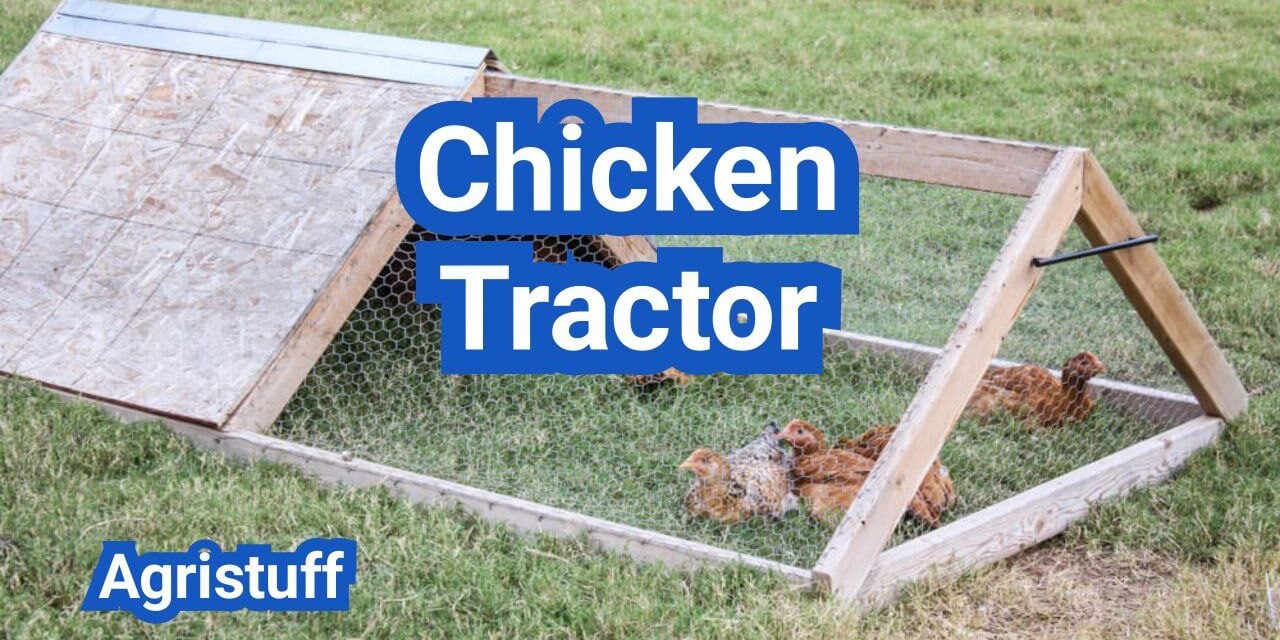
A chicken tractor is a movable enclosure that provides a safe and healthy environment for your flock. It’s an innovative way to keep your birds happy and productive while maintaining a sustainable and eco-friendly farm or backyard.
Building a DIY chicken tractor requires careful planning and consideration of several key factors, including size, flooring, predator safety, and rotation plans. In this guide, we’ll walk you through the essential elements to consider when designing and building your own chicken tractor.
Key Takeaways
- Understand the benefits of using a chicken tractor for your flock
- Learn how to determine the ideal size for your chicken tractor
- Discover the importance of flooring and predator safety measures
- Explore effective rotation plans to keep your flock healthy and productive
- Get started with building your own DIY chicken tractor
What Is a Chicken Tractor?

Understanding what a chicken tractor is can significantly enhance your chicken-keeping experience. A chicken tractor is a mobile coop that allows chickens to roam and forage on fresh pasture while being protected from predators.
Definition and Basic Components
A chicken tractor typically consists of a coop or enclosure mounted on wheels or skids, allowing it to be moved to different locations. The basic components include a roof for shelter, walls for protection, and a floor or wire mesh bottom to contain the chickens.
The key features of a chicken tractor include:
- Portability
- Protection from predators
- Access to fresh forage
- Improved soil fertilization through chicken manure
History and Evolution in the U.S.
The concept of chicken tractors has been around for decades, with early adopters in the U.S. recognizing the benefits of mobile coops for pasture management. Over time, designs have evolved to incorporate new materials and techniques, enhancing efficiency and chicken welfare.
| Decade | Evolutionary Change |
|---|---|
| 1950s | Introduction of mobile coops for small-scale farming |
| 1980s | Increased use of chicken tractors for organic farming practices |
| 2000s | Modern designs incorporating durable materials and predator protection |
Differences from Traditional Coops
Unlike traditional coops, chicken tractors are designed to be mobile, allowing chickens to access fresh pasture and reducing the need for manual feeding. This mobility also aids in soil fertilization and pest control.
The main differences are:
- Mobility
- Access to fresh forage
- Reduced labor for feeding and cleaning
Benefits of Using a Chicken Tractor

The advantages of incorporating a chicken tractor into your farming or backyard poultry-keeping routine are multifaceted. By providing chickens with a safe and healthy environment, chicken tractors contribute significantly to the overall well-being of the flock.
Natural Pest Control and Weed Management
Chicken tractors are effective tools for natural pest control and weed management. As chickens forage, they consume insects, larvae, and weeds, reducing the need for pesticides and herbicides. This not only benefits the chickens but also contributes to a healthier ecosystem.
Soil Fertilization and Garden Integration
The mobility of chicken tractors allows for the distribution of chicken manure across different areas of your land, acting as a natural fertilizer. This process enhances soil quality, promoting healthy plant growth and potentially integrating your chicken-keeping with gardening activities.
Fresh Forage for Healthier Chickens
Chicken tractors enable chickens to forage on fresh grass, bugs, and other nutrients, improving their diet and overall health. This fresh forage can lead to better egg production and healthier meat, making your poultry products more desirable.
Reduced Coop Cleaning and Maintenance
By regularly moving the chicken tractor to fresh areas, the accumulation of manure within the coop is significantly reduced. This results in less frequent cleaning and maintenance, saving time and improving the health and hygiene of your flock.
| Benefits | Description |
|---|---|
| Natural Pest Control | Chickens consume insects and weeds, reducing the need for chemicals. |
| Soil Fertilization | Manure acts as a natural fertilizer, enhancing soil quality. |
| Fresh Forage | Chickens have access to fresh grass and bugs, improving their diet. |
| Reduced Maintenance | Less frequent coop cleaning due to regular movement of the tractor. |
Popular Chicken Tractor Designs

Popular chicken tractor designs offer a range of solutions for different needs and preferences. When choosing a design, it’s essential to consider factors such as space, mobility, and the specific needs of your flock.
A-Frame Tractors
A-Frame chicken tractors are a popular choice due to their sturdy structure and ease of movement. They are typically made with a wooden or PVC frame and covered with chicken wire or hardware cloth.
- Advantages: Easy to build, provides good ventilation, and can be made with readily available materials.
- Considerations: May require additional support for larger sizes, and the A-frame shape can limit interior space.
Hoop Style Tractors
Hoop style tractors, also known as hoop houses or tunnel tractors, offer a spacious interior and are often used for larger flocks. They are typically made with a metal frame covered with plastic or fabric.
- Benefits: Provides a lot of interior space, can be used for a variety of poultry, and offers good protection from predators.
- Challenges: Can be more expensive to build, and the materials may not be as durable as other designs.
Joel Salatin Style Tractors
Joel Salatin style tractors are known for their innovative design, which includes a moveable fence and a roof that provides shade and protection. This design is ideal for pasture-raised chickens.
- Key Features: Allows for easy movement of the fence to manage grazing, provides excellent shade and protection.
- Considerations: Requires regular movement to be effective, and the design can be complex to replicate.
Suscovich Chicken Tractors
Suscovich chicken tractors are another unique design that focuses on mobility and ease of use. They are often used for small to medium-sized flocks.
- Advantages: Highly mobile, easy to set up, and provides good protection for the chickens.
- Limitations: May not be suitable for very large flocks, and the materials used can affect durability.
Each of these popular chicken tractor designs offers unique benefits and can be adapted to suit different needs. By considering the specific requirements of your flock and your management style, you can choose the most appropriate design.
Chicken Tractor Types for Different Purposes

Choosing the right chicken tractor depends on the specific needs of your flock, whether you’re raising meat birds or layers. Different designs cater to various purposes, ensuring optimal performance and welfare for your chickens.
Chicken Tractors for Meat Birds
For meat birds, chicken tractors need to provide enough space for growth and movement. Typically, these tractors are designed to be more spacious and may have features that promote healthy growth rates. They often require more frequent moving to prevent overgrazing and maintain cleanliness.
Chicken Tractors for Layers
Layers require chicken tractors that provide security, adequate nesting boxes, and sufficient space for movement. These tractors are often designed with features that reduce stress and promote egg production, such as easy access to nesting boxes and adequate ventilation.
Multi-Purpose Tractor Designs
Multi-purpose tractors are versatile and can be used for both meat birds and layers. They are designed to be adaptable, with features such as adjustable fencing and movable components to suit different stages of a chicken’s life cycle.
Scaling for Small vs. Large Flocks
When it comes to scaling for flock size, it’s essential to consider the space and resources required. Larger flocks need bigger or multiple tractors, while smaller flocks can be managed with smaller, more compact designs. The key is to ensure that the tractor is appropriately sized for the number of birds it houses.
In conclusion, the type of chicken tractor you choose should align with your specific poultry needs, whether you’re raising meat birds, layers, or managing a multi-purpose operation. By selecting the right design and size, you can optimize your flock’s health and productivity.
Determining the Right Size for Your Chicken Tractor

Determining the appropriate size for your chicken tractor involves considering several key factors that impact the health, productivity, and overall well-being of your flock.
Space Requirements per Bird
The amount of space each bird needs within a chicken tractor is crucial for their health and mobility. Generally, it’s recommended to provide at least 2-4 square feet per bird inside the tractor to ensure they have enough room to move around comfortably.
Chicken Tractor Size Calculator Guidelines
Utilizing a chicken tractor size calculator can simplify the process of determining the ideal size for your operation. These calculators typically consider the number of birds and their breed to recommend an appropriate tractor size.
| Number of Birds | Recommended Tractor Size (sq. ft) |
|---|---|
| 5-10 birds | 50-100 sq. ft |
| 10-20 birds | 100-200 sq. ft |
| 20-30 birds | 200-300 sq. ft |
Weight and Mobility Considerations
The weight and mobility of your chicken tractor are critical factors, especially if you plan to move it frequently. A tractor that is too heavy may be difficult to relocate, potentially leading to soil compaction and reduced pasture quality. Consider using lightweight materials and incorporating wheels or a skid to enhance mobility.
Nesting Box and Roost Requirements
Adequate nesting box and roost space is essential within your chicken tractor. Typically, you’ll want to provide 1 nesting box per 3-4 hens and ensure there’s sufficient roosting bar length for all birds to roost comfortably.
By carefully considering these factors, you can determine the optimal size for your chicken tractor, ensuring a healthy and productive environment for your flock.
Chicken Tractor Flooring Options

The choice of flooring for your chicken tractor can significantly affect the well-being of your chickens and the ease of managing your poultry operation. Flooring options range from floorless designs to various types of wire mesh and hybrid solutions, each with its pros and cons.
Floorless Designs: Pros and Cons
Floorless chicken tractors allow chickens to forage directly on the ground, which can be beneficial for soil health and chicken nutrition. However, this design may increase the risk of predator intrusion and escape.
- Pros: Encourages natural foraging behavior, can improve soil health through manure distribution.
- Cons: May not protect against burrowing predators, can lead to escape if not properly managed.
Wire Mesh Flooring Types
Wire mesh flooring is a popular choice for chicken tractors due to its durability and ease of cleaning. Different types of wire mesh vary in terms of material, mesh size, and thickness.
Hardware cloth is a sturdy option made from welded or woven wire, offering excellent protection against predators. Chicken wire, on the other hand, is less durable and more prone to predator damage.
Hybrid Floor Solutions
Hybrid flooring combines different materials or designs to leverage their respective advantages. For example, using wire mesh for the main floor area while incorporating a solid or removable section for easier cleaning.
- Offers flexibility in design and functionality.
- Can be tailored to specific needs, such as improved predator protection or enhanced foraging opportunities.
Flooring for Different Soil Types
The type of soil on your farm or backyard can significantly influence the choice of flooring for your chicken tractor. For instance, wet or clay soils may require different flooring solutions compared to dry or sandy soils.
For wet soils, elevated or wire mesh flooring can help keep chickens dry. In contrast, dry soils may be more suitable for floorless designs or hybrid solutions that allow for some direct contact with the ground.
By considering the specific needs of your chickens, the characteristics of your land, and the goals of your poultry operation, you can select a chicken tractor flooring option that enhances the health and productivity of your flock.
Essential Materials for Building a Chicken Tractor

When it comes to building a chicken tractor, the choice of materials can significantly impact its longevity and effectiveness. The right materials not only ensure the structure remains durable but also provide a safe environment for your chickens.
Frame Materials: Wood vs. PVC vs. Metal
The frame of your chicken tractor is its backbone, providing the necessary support and structure. There are several materials to choose from, each with its pros and cons.
- Wood: Wood is a popular choice due to its availability and ease of use. However, it may require additional treatment to prevent rot and damage from the elements.
- PVC: PVC is lightweight and resistant to rot and insect damage. It’s a good option for those looking for a low-maintenance frame.
- Metal: Metal frames offer superior strength and durability. However, they can be heavier and may require additional protection against rust.
Roofing Options and Considerations
The roof of your chicken tractor protects your flock from the elements. There are several roofing options to consider:
- Metal Roofing: Durable and long-lasting, metal roofing can withstand various weather conditions.
- Asphalt Shingles: A cost-effective option, asphalt shingles are easy to install but may not be as durable as metal roofing.
- Polycarbonate Panels: These panels allow natural light in while keeping rain out, making them a great option for providing a bright environment for your chickens.
Wheels and Mobility Systems
Mobility is a key feature of a chicken tractor, allowing you to move your chickens to fresh pasture regularly. The choice of wheels and mobility systems can significantly impact the ease of movement.
- Large Diameter Wheels: These make it easier to move the tractor over uneven terrain.
- Axle Design: A sturdy axle is crucial for supporting the weight of the tractor and its occupants.
- Castor Wheels: These provide additional maneuverability, making it easier to position the tractor precisely.
Cost Comparison of Materials
The cost of materials can vary significantly depending on your choices. Here’s a brief comparison:
| Material | Cost | Durability |
|---|---|---|
| Wood | Moderate | Medium |
| PVC | Low to Moderate | High |
| Metal | High | Very High |
By carefully selecting the right materials for your chicken tractor, you can ensure a safe, durable, and effective structure for your flock.
Step-by-Step DIY Chicken Tractor Construction
Building a chicken tractor is a rewarding DIY project that can enhance your backyard chicken-keeping experience. It provides a safe and healthy environment for your chickens while offering the flexibility to move them to different areas of your yard. This guide will walk you through the process of constructing a chicken tractor, from preparing the necessary tools and materials to the final installation of doors and nesting boxes.
Tools and Materials Needed
Before starting your project, it’s essential to gather all the necessary tools and materials. You’ll need:
- Lumber (2x4s or 2x6s) for the frame
- Wire mesh or hardware cloth for protection
- Roofing materials (asphalt shingles, corrugated metal, or translucent panels)
- Nails, screws, and wire
- Tools: hammer, saw, drill, and wire cutters
According to
“The Backyard Homestead” by Carleen Madigan, ‘using the right materials is crucial for the durability and safety of your chicken tractor.’
Building the Frame
The frame is the foundation of your chicken tractor. Cut the lumber to the required lengths and assemble the frame using nails or screws. Ensure it’s sturdy and can support the weight of the coop and chickens.
Adding Roofing and Siding
Once the frame is built, you can add roofing and siding. Choose materials that are durable and weather-resistant. For roofing, consider using asphalt shingles or corrugated metal. For siding, wire mesh or hardware cloth can provide protection from predators.
| Material | Durability | Cost |
|---|---|---|
| Asphalt Shingles | High | Moderate |
| Corrugated Metal | Very High | Higher |
| Wire Mesh | Moderate | Lower |
Installing Doors and Nesting Boxes
The final step involves installing doors and nesting boxes. Ensure the doors are secure and predator-proof. Nesting boxes should be comfortable and accessible for egg collection.
By following these steps, you can create a functional and safe chicken tractor for your backyard flock.
Making Your Chicken Tractor Predator-Proof

Securing your chicken tractor against predators is essential for the health and safety of your flock. Predators can come in various forms, from raccoons and foxes to hawks and coyotes, and they can attack your chickens at any time. To protect your chickens, it’s crucial to design a chicken tractor that is predator-proof.
Hardware Cloth vs. Chicken Wire
One of the most effective ways to predator-proof your chicken tractor is by using hardware cloth instead of chicken wire. Hardware cloth is a type of metal mesh that is more durable and resistant to predators than chicken wire. While chicken wire may seem like a good option, it’s often too weak to withstand determined predators.
Secure Door Latches and Locks
Another critical aspect of securing your chicken tractor is ensuring that the doors are equipped with secure latches and locks. Predators are often clever and can open simple latches, so it’s essential to use a locking mechanism that is difficult for them to manipulate. Consider using a latch that requires a specific action to open, such as a sliding bolt or a latch that needs to be lifted.
Electric Poultry Netting Options
Electric poultry netting is another effective way to protect your chicken tractor from predators. This type of netting delivers a mild electric shock to any animal that comes into contact with it, deterring predators from attempting to breach the enclosure. It’s a portable and flexible solution that can be easily moved with your chicken tractor.
Predator-Deterrent Design Features
In addition to using hardware cloth and secure latches, incorporating predator-deterrent design features into your chicken tractor can provide extra security. This can include features like a roof or covering to prevent aerial predators, or a skirt around the bottom of the tractor to prevent burrowing predators. By combining these features, you can significantly reduce the risk of predator attacks on your flock.
Ventilation and Shade Requirements

Proper ventilation and adequate shade are crucial elements in designing a chicken tractor that ensures the health and comfort of your chickens. A well-ventilated chicken tractor helps prevent the buildup of ammonia from chicken droppings, reducing the risk of respiratory problems. Similarly, adequate shade protects chickens from heat stress during hot weather.
Proper Airflow Design
Designing a chicken tractor with proper airflow involves creating a structure that allows for the free movement of air. This can be achieved by incorporating ventilation openings or using materials that allow for airflow, such as wire mesh. The goal is to ensure that fresh air is constantly being introduced into the tractor while stale air is expelled.
Shade Solutions for Hot Weather
Providing shade is essential, especially during hot weather. This can be accomplished by using shading materials such as shade cloth or by designing the tractor with a roof that provides adequate cover. The shade helps keep the chickens cool, reducing the risk of heat stress.
Balancing Ventilation and Protection
While ventilation is crucial, it’s equally important to balance it with protection from predators and the elements. This involves using materials like hardware cloth for ventilation openings to prevent predator entry. The design should ensure that chickens are protected while still allowing for good airflow.
Seasonal Ventilation Adjustments
The ventilation needs of a chicken tractor can vary with the seasons. During colder months, it may be necessary to reduce ventilation to keep the chickens warm, while in hotter months, increasing ventilation can help keep them cool. Being able to adjust the ventilation according to the season is key to maintaining a healthy environment.
Effective Rotation Plans for Chicken Tractors
To keep your chickens healthy and your pasture thriving, a well-planned rotation schedule is necessary. Rotating chicken tractors effectively is crucial for maintaining soil health, reducing parasite loads, and ensuring consistent forage quality.
Daily vs. Weekly Movement Schedules
The frequency of moving chicken tractors depends on several factors, including stocking density and forage availability. Daily movement can be beneficial for maximizing forage utilization and minimizing parasite buildup. However, it requires more labor and can be challenging in wet or muddy conditions.
Weekly movement schedules offer a more manageable routine for many backyard farmers. This approach allows for a balance between forage utilization and labor requirements.
Pasture Recovery Time
Allowing adequate recovery time for pastures is essential for maintaining their health and productivity. The recovery period can vary depending on factors like climate, soil type, and grass species.
- For high-quality pastures with fast-growing grasses, a recovery period of 2-4 weeks may be sufficient.
- In areas with slower-growing vegetation, 4-6 weeks or more may be needed.
Seasonal Rotation Considerations
Seasonal changes can significantly impact chicken tractor rotation plans. In wet seasons, it’s crucial to avoid overgrazing and muddy conditions that can harm both the chickens and the pasture.
In dry seasons, managing dust and ensuring adequate forage become key considerations.
Poultry Manure Management on Pasture
Chicken tractors concentrate manure in specific areas, which can lead to nutrient imbalances if not managed properly. Rotating the tractors helps distribute manure more evenly across the pasture.
This natural fertilizer can enhance soil fertility and promote healthy plant growth.
Seasonal Adaptations for Chicken Tractors

Adapting your chicken tractor to the changing seasons is crucial for the health and well-being of your flock. As the weather shifts, so do the needs of your chickens, requiring adjustments to their living conditions to keep them safe, healthy, and productive.
Keeping Chickens Cool in Summer
During the summer months, it’s essential to ensure your chicken tractor provides adequate shade and ventilation. Using shade cloth or adding a roof with sufficient overhang can protect your chickens from the harsh sun. “Providing shade is not just a comfort measure; it’s a necessity to prevent heat stress,” says poultry expert, John Smith.
Winterizing Your Mobile Coop
Winter brings its own set of challenges, from cold temperatures to wet conditions. To winterize your chicken tractor, consider adding insulated panels or bedding like straw to keep the cold out. Ensuring the tractor is dry is also crucial, as damp conditions can lead to health issues.
Spring and Fall Adjustments
During the spring and fall, your chicken tractor may need adjustments to accommodate changing weather conditions and pest populations. For example, in the spring, you might need to increase ventilation to remove excess moisture, while in the fall, you might start preparing for colder weather.
Weather Protection Strategies
Regardless of the season, protecting your chickens from extreme weather is vital. This can involve using tarp or plastic sheeting to cover the tractor during heavy rain or snow, or ensuring that the tractor is positioned in a way that maximizes natural protection from wind and sun.
By making these seasonal adaptations, you can ensure your chicken tractor remains a healthy and productive environment for your flock throughout the year.
Maintenance and Longevity Tips

Proper maintenance is crucial for extending the life of your chicken tractor. Regular upkeep ensures that your chickens remain healthy and productive, and that the tractor continues to serve its purpose effectively.
Regular Inspection Schedule
Establishing a regular inspection schedule is key to maintaining your chicken tractor. Check for signs of wear and tear, such as damaged wire mesh, loose joints, or worn-out wheels. Regular inspections help identify potential issues before they become major problems.
Common Repairs and Solutions
Common repairs include fixing damaged fencing, replacing worn-out hardware cloth, and lubricating moving parts. Keeping a stock of basic repair materials, such as wire, nails, and lubricants, can help you address issues promptly.
Extending Your Chicken Tractor’s Lifespan
To extend the lifespan of your chicken tractor, use durable materials during construction, keep it clean and dry, and perform regular repairs. Protecting the tractor from extreme weather conditions also helps prolong its life.
Cleaning and Sanitizing Protocols
Regular cleaning and sanitizing are vital for maintaining a healthy environment for your chickens. Remove soiled bedding, clean feeding and watering areas, and sanitize surfaces regularly to prevent disease.
At The End of: Chicken Tractor
Implementing a chicken tractor system can significantly enhance your backyard or farm’s productivity and sustainability. By understanding the benefits, designs, and maintenance requirements, you can create an optimal environment for your chickens.
A well-designed chicken tractor provides natural pest control, soil fertilization, and fresh forage for healthier chickens, while also reducing coop cleaning and maintenance. The various designs, such as A-Frame, Hoop Style, and Joel Salatin Style tractors, offer flexibility to suit different needs and purposes.
Key considerations include determining the right size, choosing appropriate flooring, and ensuring predator safety. Effective rotation plans and seasonal adaptations are also crucial for maximizing the benefits of chicken tractors. Regular maintenance and inspections will extend the lifespan of your chicken tractor.
By following the guidelines and tips outlined in this article, you can successfully integrate chicken tractors into your poultry-keeping practices, promoting a healthier and more sustainable flock.
FAQ
What is a chicken tractor?
A chicken tractor is a movable coop that allows chickens to roam and forage on fresh pasture while being protected from predators.
What are the benefits of using a chicken tractor?
Chicken tractors provide natural pest control, soil fertilization, fresh forage for chickens, and reduce the need for frequent coop cleaning.
How do I determine the right size for my chicken tractor?
To determine the right size, consider the space requirements per bird, the number of chickens, and the mobility of the tractor.
What are the different types of chicken tractors?
There are various designs, including A-Frame, hoop style, Joel Salatin style, and Suscovich chicken tractors, each with its own advantages.
What flooring options are available for chicken tractors?
Flooring options include floorless designs, wire mesh flooring, and hybrid solutions, each with its pros and cons.
How can I make my chicken tractor predator-proof?
Use hardware cloth, secure door latches, electric poultry netting, and design features that deter predators to protect your chickens.
How often should I move my chicken tractor?
The frequency of movement depends on the pasture quality, chicken density, and seasonal changes, but daily or weekly movements are common.
How do I keep my chickens cool in summer?
Provide shade, ensure proper ventilation, and consider using cooling measures like misting systems or shaded areas.
How do I winterize my mobile chicken coop?
Insulate the coop, provide a draft-free environment, and ensure adequate ventilation to keep your chickens warm and healthy.
What maintenance is required for a chicken tractor?
Regular inspections, repairs, and cleaning are necessary to extend the lifespan of your chicken tractor.
Can I build a chicken tractor myself?
Yes, with the right materials and plans, you can build a chicken tractor yourself, following a step-by-step guide.
What materials are needed to build a chicken tractor?
Frame materials like wood, PVC, or metal, roofing materials, wire mesh, and wheels are necessary for building a chicken tractor.
How do I manage poultry manure on pasture?
Rotate your chicken tractor regularly, allow pasture recovery time, and consider incorporating manure into your soil.
Conclusion of: Chicken Tractor Guide
A Chicken Tractor is a simple, practical way to keep a small flock outdoors while controlling where they forage and where manure lands, and this guide will walk you through sizing, flooring choices, predator defenses, and realistic rotation plans you can actually follow on a U.S. backyard or small farm. University of Wyoming Extension
A Chicken Tractor works best when you commit to moving it regularly, because fresh ground reduces odor, fly pressure, and the “mud pit” problem that happens when birds stay in one spot too long, especially near feeders and waterers. UC Agriculture & Natural Resources
A Chicken Tractor is not magic—poor ventilation, too many birds, weak wire, and sloppy rotation can still lead to heat stress, predator loss, and bare soil, so your design and routine matter as much as the build itself. Oregon State University Extension
When this system makes sense
A Poultry Tractor is a strong fit when you want healthier pasture access without letting birds roam everywhere, because it creates a controlled grazing “lane” while still giving birds fresh air, sunlight, and forage opportunities. UC Agriculture & Natural Resources
A Chicken Tractor is also ideal if you prefer a lighter footprint than a permanent coop, since mobile housing can reduce manure buildup inside the structure and simplify day-to-day cleaning on small properties. University of Wyoming Extension
A Chicken Tractor may be the wrong choice if you cannot move it consistently or your ground stays wet for long periods, because soil compaction and loss of vegetation can happen quickly when conditions are soggy. USDA NRCS
Bird goals that drive your design
A Chicken Tractor for broilers is usually optimized for fast growth and frequent moves, so you’ll prioritize low height, easy access for feeders, strong airflow, and a quick “lift-and-go” routine. UC Agriculture & Natural Resources
A Chicken Tractor for layers needs space for roosting and nesting plus a calmer interior layout, because egg birds use perches daily and need predictable nest access to keep eggs cleaner. UMN Extension
A Chicken Tractor for mixed ages or mixed purposes can work, but it demands more planning around feed access and bullying, so many small keepers do better separating groups by age or production stage. CDC
Size rules: space, height, and real-world weight
A Chicken Tractor should be sized first by bird count, because crowding is a fast path to dirty feathers, stress, and soil destruction, and extension models commonly describe floorless field pens that are moved daily with defined bird numbers per footprint. UC Agriculture & Natural Resources
A Chicken Tractor can be planned using proven examples—one extension ark design is 10’ x 4’ x 3.5’ for a small group of standard chickens—so you can scale up by repeating modules rather than building one oversized, hard-to-move unit. UW–Madison Division of Extension
A Chicken Tractor becomes harder to move than most people expect once you add lumber, roofing, wire, feeders, water, and birds, so keep width manageable for gates and plan handles, wheels, or skids from day one. University of Kentucky Cooperative Extension
A Chicken Tractor can be built from detailed plans like a 3’ x 6’ mobile coop layout, and using existing cut lists helps you estimate materials, fasteners, and total weight before you buy supplies. University of Wyoming Extension
Roofing, shade, and ventilation that prevent losses
A Chicken Tractor must provide shade and steady airflow, because birds can overheat quickly when sun hits metal or dark roofing and when air becomes stagnant inside small enclosures. UMN Extension
A Chicken Tractor should be oriented to catch breezes and avoid trapping birds in the darkest, hottest corner, since confined flocks may crowd into “shade” that actually has poor ventilation and rising heat. University of Arkansas System Division of Agriculture
A Chicken Tractor needs a rain strategy—solid roof coverage over at least a portion of the space helps keep bedding areas dry and reduces moisture-driven health issues that show up when birds stay damp. UMN Extension
Flooring options: floorless, wire, or partial floor
A Chicken Tractor is often floorless by design so manure drops onto the ground, which can reduce cleaning while still requiring smart rotation to prevent nutrient hotspots and bare patches. University of Wyoming Extension
A Chicken Tractor can also use wire mesh in specific areas to improve cleanliness and airflow, but mesh must be sized and supported to protect feet and keep predators from tearing through weak spots. University of Wyoming Extension
A Chicken Tractor with a partial solid floor can give birds a dry refuge during storms and add predator resistance, and one extension ark design specifically uses a partial floor for protection in inclement weather. UW–Madison Division of Extension
A Chicken Tractor flooring decision should match your climate: in hot, dry regions a mostly open, well-ventilated setup is easier to manage, while in wetter regions a protected area can prevent constant mud contact. University of Arizona Cooperative Extension
Predator safety: build for your toughest local threat
A Chicken Tractor must assume predators will test it nightly, because raccoons, foxes, coyotes, dogs, snakes, and raptors are common across many U.S. regions and losses often come from one overlooked gap. University of Kentucky Cooperative Extension
A Chicken Tractor should use sturdy welded wire or hardware cloth where predators can reach, since larger openings allow “grab and pull” attacks, especially from raccoons reaching through mesh. Colorado State University Extension
A Chicken Tractor can be reinforced against diggers by adding a perimeter apron or buried wire, because many predator-control guides recommend burying welded wire or hardware cloth around the edges to stop tunneling. UF/IFAS Extension
A Chicken Tractor needs secure doors and latches that can’t be “worked open,” because dexterous predators and persistent dogs can exploit simple hooks, loose hinges, and weak corners. University of Kentucky Cooperative Extension
A Chicken Tractor becomes dramatically safer when you combine the coop with an electrified mesh perimeter, since extension guidance specifically describes pairing mobile housing with electrified mesh to keep predators out. University of Wyoming Extension
Feeders and waterers that move with you
A Chicken Tractor setup should prioritize spill control, because scattered feed attracts rodents and increases disease risk, so choose hanging or treadle-style feeders that limit waste. CDC
A Chicken Tractor water plan should focus on constant access and cool placement, since birds drink more in heat and dehydration can happen fast when containers sit in direct sun. University of Arkansas System Division of Agriculture
A Chicken Tractor routine works best when feeders and waterers are quick to lift, refill, and reset, because the easier your daily move is, the more consistently you’ll do it and the better your pasture outcome will be. UC Agriculture & Natural Resources
Rotation plans that protect pasture and reduce odor
A Chicken Tractor rotation should be built around frequent moves to fresh ground, and many pasture models describe moving floorless pens daily to spread manure and keep birds on new forage. UC Agriculture & Natural Resources
A Chicken Tractor can be rotated using a simple grid plan—mark out lanes with flags or paint lines and move the unit the same distance each time—so you avoid repeatedly camping on the “easy” spots near the house. UW–Madison Division of Extension
A Chicken Tractor schedule should include rest time for grass, because healthy ground cover improves comfort and reduces heat radiating from bare soil, while repeated pressure can thin stands and create erosion risk. USDA NRCS
A Chicken Tractor wet-weather plan should include a “sacrifice area” or temporary shift to a better-drained lane, because protecting vegetative cover prevents long-term damage that can take a full season to recover. USDA NRCS
Manure, nutrients, and neighborhood-friendly management
A Chicken Tractor spreads manure more evenly than stationary coops, but you still need to avoid concentrating birds in one corner, since nutrient hotspots can cause odor, flies, and runoff risks if vegetation is lost. USDA NRCS
A Chicken Tractor approach is easier on your neighbors when you keep birds on fresh grass and clean up spilled feed, because fly issues and rodent attraction are strongly linked to messy feeding areas and manure buildup. University of Wyoming Extension
A Chicken Tractor can support better pasture quality when you monitor plant cover and soil condition, because scoring pasture condition helps you spot early declines before your yard turns into bare ground. USDA NRCS
Biosecurity and food safety basics for small flocks
A Chicken Tractor still requires strict hygiene, because backyard poultry can carry germs that affect people, so handwashing and keeping poultry equipment out of food areas are non-negotiable. CDC
A Chicken Tractor flock should be protected by simple biosecurity habits like separating new birds and using dedicated footwear, because bringing disease into a small flock is often easier than fixing it after it spreads. CDC
A Chicken Tractor egg routine should focus on clean nests, frequent collection, and proper storage, because safer egg handling reduces foodborne risk and keeps quality high for family use or legal sales. CDC
Build vs. buy and a simple “don’t regret it later” checklist
A Chicken Tractor is often cheaper to build than to buy at the same quality level, and using established extension plans helps you avoid expensive mistakes like weak corners, poor access doors, or fragile roofing. University of Wyoming Extension
A Chicken Tractor should be inspected on a schedule—wire tension, latch function, roof fasteners, and wheel/skid hardware—because predator pressure and weather wear usually show up at the weakest connection first. University of Kentucky Cooperative Extension
A Chicken Tractor is easiest to manage when you standardize your routine: move, refill water, top off feed, quick visual health check, and reset perimeter defenses, because consistency is what makes pasture systems succeed. UC Agriculture & Natural Resources
Final thought
A Chicken Tractor can be one of the most rewarding ways to raise poultry on a small U.S. property when you size it honestly, prioritize airflow and predator resistance, and follow a rotation plan that protects grass instead of grinding it down. University of Wyoming Extension
Sources & References
This Chicken Tractor guide is informed by the following authoritative references used for design, welfare, predator control, and pasture stewardship.
- University of Wyoming Extension — Chicken tractor overview (PDF)
- University of Wyoming Extension — 12-bird mobile coop plans (PDF)
- UC Agriculture & Natural Resources — Pastured poultry guide (PDF)
- UW–Madison Division of Extension — Pasture poultry ark (PDF)
- University of Kentucky Cooperative Extension — Hoop pen for pasture poultry (PDF)
- University of Kentucky Cooperative Extension — Predator management for poultry (PDF)
- UMN Extension — Preventing heat stress in poultry
- UMN Extension — Caring for chickens in cold weather
- University of Arkansas System Division of Agriculture — Summer heat in free-range poultry (PDF)
- CDC — Backyard poultry hygiene and egg handling
- USDA NRCS — Nutrient cycling in pastures (PDF)
- USDA NRCS — Pasture condition scoring guide (PDF)