For many backyard chicken keepers, scratch grains are a beloved treat. Made from a mix of grains like millet, barley, and oats, scratch feed is a delightful way to supplement a chicken’s diet. However, it’s essential to understand that scratch grains should not replace regular feed.
Overindulging in scratch grains can lead to nutritional imbalances. So, how much is too much? The key is to strike a balance between providing a varied diet and avoiding overreliance on treats.
This article will explore the ins and outs of chicken scratch feed, including the 10 percent rule for treats and better alternatives to keep your flock happy and healthy.
Key Takeaways
- Understand the role of scratch grains in a chicken’s diet
- Learn how to balance scratch feed with regular nutrition
- Discover the 10 percent rule for chicken treats
- Explore better treat alternatives for your backyard chickens
- Find out how much scratch to feed laying hens
What Is Chicken Scratch Feed and Its Purpose

Understanding chicken scratch feed is crucial for poultry keepers. Chicken scratch feed, a mixture of various grains, is designed to supplement a chicken’s diet, providing them with additional nutrients and keeping them active.
Definition and Common Ingredients
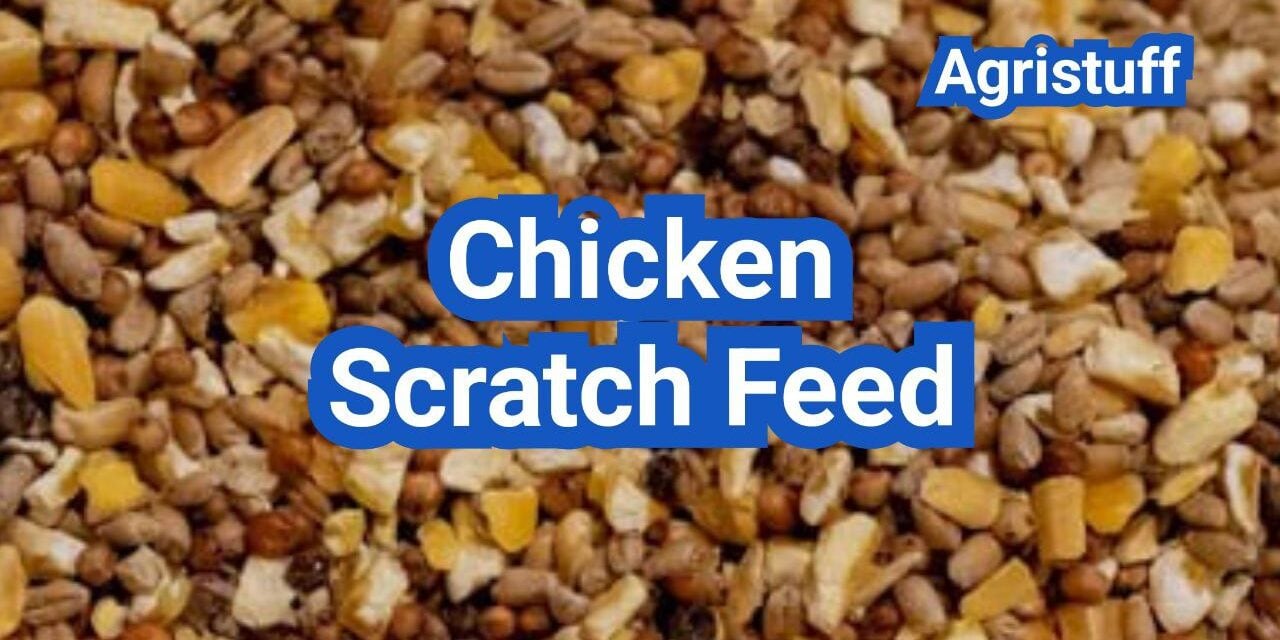
Chicken scratch feed is typically a blend of grains such as cracked corn, barley, oats, and wheat. These ingredients are often readily available and provide a treat for chickens, encouraging natural foraging behavior.
The common ingredients in scratch feed can vary depending on the manufacturer but generally include:
- Cracked corn
- Barley
- Oats
- Wheat
Nutritional Profile of Scratch Grains
Scratch grains are relatively low in protein but high in energy. They are not a nutritionally complete feed but serve as a supplement to a chicken’s regular diet.
The nutritional profile can vary based on the grains used, but generally, scratch feed is:
- Low in protein (around 8-10%)
- High in carbohydrates
- Variable in fiber content
Traditional Uses in Poultry Keeping
Traditionally, scratch grains have been used to keep chickens active and engaged, encouraging them to forage. This practice helps in maintaining the birds’ physical and mental health.
Some key traditional uses include:
- Encouraging foraging behavior
- Providing a treat to supplement their diet
- Keeping chickens active during winter months
The Complete Guide to Chicken Scratch Feed

Choosing the right chicken scratch feed is crucial for the health of your backyard chickens. With so many options available, it’s essential to understand what to look for in a quality scratch feed.
Popular Brands and Varieties
Several brands offer chicken scratch feed, each with its unique blend of grains. Some popular brands include:
- Purina
- Manna Pro
- Kramer
- Cargill
These brands offer a range of scratch feeds, from simple mixes to more complex blends with added nutrients.
Reading Scratch Feed Labels
Understanding the label on your chicken scratch feed is vital to ensuring you’re providing your flock with the best possible nutrition. Look for the following information:
- Ingredient list
- Crude protein percentage
- Crude fat percentage
- Crude fiber percentage
By examining the label, you can make informed decisions about which scratch feed to choose.
Price Comparisons and Value
Prices for chicken scratch feed can vary significantly depending on the brand, quality, and location. Here’s a comparison of prices for popular brands:
| Brand | Price per 50 lb Bag | Crude Protein Percentage |
|---|---|---|
| Purina | $15-$20 | 8% |
| Manna Pro | $18-$25 | 10% |
| Kramer | $12-$18 | 7% |
| Cargill | $20-$30 | 12% |
When comparing prices, consider the nutritional content and the overall value for your flock.
Chicken Scratch Feed vs. Complete Layer Feed

Understanding the difference between chicken scratch feed and complete layer feed is crucial for maintaining a healthy flock. While both types of feed are used in poultry keeping, they serve distinct purposes and offer different nutritional benefits.
Nutritional Differences Explained
Complete layer feed is formulated to meet the nutritional needs of laying hens, providing a balanced mix of proteins, carbohydrates, vitamins, and minerals necessary for egg production. In contrast, chicken scratch feed is primarily composed of grains such as wheat, oats, and barley, lacking the balanced nutrition of layer feed.
The nutritional profile of scratch grains is often incomplete, with varying levels of protein and energy. For instance, a typical scratch feed might contain:
| Grains | Protein Content (%) | Energy Content (kcal/lb) |
|---|---|---|
| Wheat | 12-15 | 1400-1500 |
| Oats | 10-12 | 1200-1300 |
| Barley | 9-11 | 1300-1400 |
When Each Type of Feed Is Appropriate
Complete layer feed should be the main staple of a laying hen’s diet, providing the necessary nutrients for optimal egg production. Chicken scratch feed, on the other hand, is best used as a treat or supplement, encouraging natural foraging behavior and providing variety in the diet.
Using scratch feed appropriately can help maintain the health and happiness of your flock. It’s particularly useful during extreme weather conditions or as a motivational tool during training.
Why Scratch Cannot Replace Regular Feed
While scratch grains can be a nutritious treat, they lack the balanced nutrition required for sustained egg production. Relying solely on scratch feed can lead to nutritional deficiencies, impacting the health and productivity of your hens.
In conclusion, both chicken scratch feed and complete layer feed have their places in a well-managed poultry operation. By understanding their differences and using them appropriately, you can ensure the health and well-being of your flock.
The 10 Percent Rule for Chicken Treats
The 10 percent rule is a simple yet effective guideline for chicken owners to ensure they’re not overindulging their flock with treats like scratch feed. This rule suggests that treats should not exceed 10 percent of a chicken’s daily diet, with the remaining 90 percent consisting of their regular, nutritionally balanced feed.
Calculating Proper Scratch Portions
To apply the 10 percent rule, you first need to determine your chicken’s daily feed intake. For laying hens, this is typically about 1/4 to 1/3 pound of feed per day. Once you know their daily feed consumption, you can calculate 10 percent of this amount to determine the maximum amount of scratch feed they can have.
For example, if a hen consumes 1/4 pound (4 ounces) of feed daily, 10 percent of this would be 0.4 ounces. You can use this calculation to measure out the appropriate amount of scratch feed as a treat.
Implementing the Treat Limitation Guideline
To effectively implement the 10 percent rule, consider the following:
- Measure treats: Use a scale to measure out scratch feed and other treats to ensure you’re not exceeding the 10 percent limit.
- Balance with regular feed: Make sure that the majority of their diet comes from their regular, nutritionally balanced layer feed.
- Monitor overall health: Keep an eye on your chickens’ weight, egg production, and overall health to adjust treat amounts as needed.
Signs You’re Overfeeding Scratch
Overfeeding scratch can lead to nutritional imbalances and health issues. Watch for these signs:
- Weight gain: If your chickens are becoming overweight, it may be due to too many treats.
- Reduced egg production: An imbalance in their diet can affect laying performance.
- Nutritional deficiencies: Scratch feed lacks certain nutrients; over-reliance on it can lead to deficiencies.
If you notice any of these signs, it’s time to reassess your chickens’ treat intake and adjust accordingly.
How to Feed Scratch to Laying Hens Properly

The key to feeding scratch to laying hens lies in understanding their nutritional needs and limitations. Feeding scratch grains can be beneficial when done correctly, as it provides variety and can help maintain the hens’ natural foraging behavior.
Step-by-Step Feeding Instructions
To feed scratch to laying hens properly, follow these steps:
- Start by offering scratch grains in moderation, ensuring it doesn’t exceed 10% of their daily diet.
- Use a scatter feeder or throw the scratch grains on the ground to encourage foraging behavior.
- Monitor the hens’ overall health and adjust the amount of scratch accordingly.
Creating an Effective Feeding Schedule
Creating a feeding schedule is crucial to ensure that scratch grains are fed in balance with their regular layer feed. Consider the following:
- Determine the hens’ daily nutritional needs based on their age, size, and egg production level.
- Allocate scratch grains as a treat, ideally 1-2 times a week, depending on the hens’ activity level and climate.
- Adjust the feeding schedule seasonally, as hens may require more calories during colder months.
Monitoring Impact on Egg Production
It’s essential to monitor how feeding scratch grains affects egg production. Keep track of:
- Egg quantity and quality.
- Hens’ overall health and behavior.
- Any changes in feed consumption.
Here’s a simple table to track egg production and health:
| Date | Egg Count | Hens’ Health Notes |
|---|---|---|
| 01/01 | 10 | Healthy, active |
| 01/02 | 9 | One hen showing signs of lethargy |
| 01/03 | 11 | All hens healthy |
By following these guidelines and monitoring the hens’ response, you can effectively incorporate scratch grains into their diet, supporting their overall health and egg production.
Where to Buy Chicken Scratch Feed in the U.S.
Chicken scratch feed can be found at various retailers across the U.S., both online and in-store. This type of feed is a popular treat among backyard chicken keepers, and its availability is widespread.
Tractor Supply and Rural King Options
Tractor Supply and Rural King are two of the most well-known retailers that carry a wide range of chicken scratch feed products. Both stores offer various brands and sizes, including bulk options.
Tractor Supply, for instance, carries a selection of scratch grains from reputable brands like Purina and Manna Pro. Their stores typically stock 50-pound bags, making it convenient for customers to purchase in bulk.
Walmart, Atwoods, and Other Retailers
In addition to Tractor Supply and Rural King, other retailers like Walmart and Atwoods also carry chicken scratch feed. Walmart, for example, offers a range of scratch grains, including organic options, in various sizes.
Atwoods, another farm supply store, carries a selection of scratch grains from brands like Purina and Nutrena. They also offer bulk purchasing options for customers who need larger quantities.
Bulk Purchasing (50 lb Bags) and Online Sources
For those who need to purchase chicken scratch feed in bulk, many retailers offer 50-pound bags. Online sources like Amazon and Chewy also carry a wide range of scratch grains, often with the option for bulk purchasing and shipping directly to the customer’s doorstep.
| Retailer | Brands Available | Bulk Options |
|---|---|---|
| Tractor Supply | Purina, Manna Pro | Yes (50 lb bags) |
| Rural King | Purina, Nutrena | Yes (50 lb bags) |
| Walmart | Purina, Organic Options | Limited (smaller sizes) |
| Atwoods | Purina, Nutrena | Yes (50 lb bags) |
| Amazon | Various Brands | Yes (bulk purchasing available) |
When purchasing chicken scratch feed, it’s essential to consider the quality of the product, the reputation of the brand, and the price. By choosing a reputable retailer and being mindful of these factors, backyard chicken keepers can ensure they’re providing their flock with a nutritious and enjoyable treat.
How to Make Your Own Chicken Scratch Feed

Making homemade chicken scratch feed is a simple process that allows you to control the ingredients and nutritional content. By creating your own scratch feed, you can ensure that your chickens receive a healthy and balanced treat.
Step-by-Step DIY Scratch Recipe
To make a basic homemade chicken scratch feed, you’ll need a mix of grains such as cracked corn, barley, and oats. Here’s a simple recipe to get you started:
- 2 cups cracked corn
- 1 cup barley
- 1 cup oats
- 1/2 cup wheat
Mix these grains together and store them in an airtight container. You can adjust the proportions based on your chickens’ preferences and nutritional needs.
Seasonal Recipe Variations
One of the benefits of making your own chicken scratch feed is the ability to adjust the recipe seasonally. For example, during the winter months, you can add more calories by increasing the proportion of cracked corn. In the summer, you might want to add more oats to help keep your chickens cool.
Cost Comparison: Homemade vs. Store-Bought
Making your own chicken scratch feed can be cost-effective, especially when buying grains in bulk. Here’s a rough estimate of the costs:
| Ingredient | Cost per Pound | Quantity Used | Total Cost |
|---|---|---|---|
| Cracked Corn | $0.25 | 2 cups | $0.50 |
| Barley | $0.30 | 1 cup | $0.30 |
| Oats | $0.35 | 1 cup | $0.35 |
| Total | $1.15 |
Compared to store-bought scratch feed, making your own can save you money in the long run, especially if you have a large flock.
Better Treat Alternatives for Backyard Chickens

For those looking to mix things up, there are several treat alternatives that can provide essential nutrients to backyard chickens. While scratch feed is a staple, diversifying your chickens’ treats can lead to a more balanced and interesting diet.
Protein-Rich Treat Options
Protein is crucial for chicken health, supporting feather growth, egg production, and overall vitality. Some excellent protein-rich treat options include:
- Mealworms: High in protein and loved by chickens.
- Crickets: Another insect option rich in protein.
- Sunflower seeds: Not only a good protein source but also provide healthy fats.
As Backyard Chickens magazine notes, “Incorporating protein-rich treats can significantly enhance the health and productivity of your flock.”
Vegetable and Fruit Treats
Vegetables and fruits are not only tasty treats but also provide essential vitamins and minerals. Some favorites include:
| Vegetable/Fruit | Nutritional Benefit |
|---|---|
| Carrots | Rich in Vitamin A, supporting vision and immune health. |
| Apples | Good source of fiber and antioxidants. |
| Kale | Packed with vitamins A, C, and K. |
Remember to introduce new treats gradually to prevent digestive upset.
Herb Treats and Their Benefits
Herbs can add variety to your chickens’ diet while providing health benefits. For example:
- Parsley: Rich in vitamins and minerals, supporting overall health.
- Basil: Can help reduce stress and promote well-being.
- Mint: Aids digestion and can be refreshing for chickens.
“Herbs not only add flavor to a chicken’s diet but can also have medicinal properties that promote health.” –
Chicken Health Handbook
By incorporating these treat alternatives into your chickens’ diet, you can ensure they receive a broad spectrum of nutrients, enhancing their health and happiness.
How to Introduce Scratch to Different Age Groups

As chickens grow, their dietary needs change, making it essential to know when to introduce scratch grains. Scratch grains can be a nutritious addition to a chicken’s diet, providing variety and helping to mimic their natural foraging behavior.
Can Chicks Eat Scratch Grains? Age Guidelines
Chicks should not be fed scratch grains until they are a few weeks old. Typically, chicks start with a starter feed that is nutritionally balanced for their growth stage. Introducing scratch grains too early can lead to nutritional imbalances.
According to poultry experts, chicks can start having small amounts of scratch grains around 4-6 weeks of age, but it should be in moderation. For example, a small handful of scratch grains per chick is sufficient. It’s crucial to ensure that scratch grains do not make up more than 10% of their overall diet.
“It’s not recommended to feed chicks scratch grains until they are at least a month old, as their digestive systems are still developing.” – Poultry Nutrition Expert
Safe Introduction Methods for Young Birds
When introducing scratch grains to young birds, it’s essential to do so gradually. Start by mixing a small amount of scratch grains with their regular feed. This helps them get used to the new food without causing digestive upset.
A gradual introduction also allows you to monitor their response to the new food. If you notice any signs of digestive issues, such as diarrhea or lethargy, reduce the amount of scratch grains immediately.
| Age | Recommended Scratch Grain Amount |
|---|---|
| 4-6 weeks | 1-2 tablespoons per chick |
| 6-12 weeks | 1/4 cup per chick |
| Over 12 weeks | 1/2 cup per chick |
Adjusting Amounts for Older Hens
For older hens, the amount of scratch grains can be adjusted based on their activity level and overall health. Generally, older hens require less protein and more calcium to support eggshell production.
It’s also important to ensure that older hens have access to grit and oyster shells to help them digest scratch grains and maintain strong eggshell production.
By following these guidelines, you can safely introduce scratch grains to your chickens at different ages, ensuring they receive the nutritional benefits without compromising their health.
Seasonal Scratch Feeding Guidelines

Adjusting your chicken scratch feeding strategy according to the season is crucial for the health and well-being of your flock. Different seasons bring different nutritional needs and challenges for backyard chickens.
Winter Scratch Strategy for Warmth
In the winter, scratch grains can be a valuable tool in keeping your chickens warm. The energy expended by chickens to stay warm can be significant, and scratch grains provide a high-energy food source that can help meet this need. However, it’s essential to balance scratch with their regular feed to avoid nutritional deficiencies.
Winter Scratch Feeding Tips:
- Increase the amount of scratch grains in the morning to help chickens generate body heat throughout the day.
- Ensure access to plenty of fresh water to prevent dehydration.
- Monitor the flock’s overall health and adjust scratch amounts accordingly.
Summer Feeding Considerations
During the summer, it’s crucial to limit the amount of scratch grains to avoid obesity and heat stress. Chickens naturally reduce their feed intake in hot weather, and high-energy foods like scratch grains can exacerbate this issue.
Summer Scratch Feeding Tips:
- Reduce the amount of scratch grains offered, especially during the hottest parts of the day.
- Provide cooling treats like fruits and vegetables to help keep chickens hydrated and cool.
- Ensure that chickens have access to shaded areas and plenty of fresh water.
Spring and Fall Adjustments
During the spring and fall, the nutritional needs of chickens can shift due to changes in temperature and activity levels. In the spring, chickens may require more nutrients to support egg production and molting, while in the fall, they may need help adjusting to cooler temperatures.
| Season | Scratch Feeding Strategy | Nutritional Considerations |
|---|---|---|
| Spring | Moderate scratch feeding | Support egg production and molting |
| Summer | Limit scratch grains | Avoid obesity and heat stress |
| Fall | Gradually increase scratch | Prepare for colder weather |
| Winter | Increase scratch for warmth | Balance with regular feed |
By adjusting your scratch feeding strategy according to the season, you can help ensure the health, happiness, and productivity of your backyard chickens.
The Essential Role of Grit and Oyster Shell

When feeding chickens scratch grains, it’s crucial to understand the supporting roles of grit and oyster shell in their diet. Scratch grains, while nutritious and enjoyable for chickens, lack certain essential elements necessary for their overall health and productivity.
Understanding the Difference Between Grit and Oyster Shell
Grit and oyster shell serve distinct purposes in a chicken’s diet. Grit is made up of small, hard particles of stone or shell that chickens ingest to help grind their food in the gizzard, aiding digestion. This is particularly important when chickens are fed scratch grains, as grit helps to break down these harder grains. On the other hand, oyster shell is a source of calcium, crucial for laying hens to produce strong eggshells. “A diet lacking sufficient calcium can lead to thin-shelled or soft eggs,” as noted by poultry experts.
How to Provide Proper Grit When Feeding Scratch
To ensure chickens can digest scratch grains effectively, providing grit is essential. The grit should be offered in a separate container, allowing chickens to free-feed according to their needs. It’s also important to choose the right type of grit; for laying hens, insoluble grit is recommended as it helps with digestion without being absorbed by the body.
When introducing grit, start with a small amount and observe your chickens’ consumption. Adjust the quantity as needed to prevent waste. Regularly cleaning the grit container is also crucial to maintain hygiene and prevent the spread of disease.
Preventing Thin Eggshells in Scratch-Fed Hens
One of the common issues with feeding scratch grains to laying hens is the potential for thin eggshells due to the lack of calcium in these grains. To prevent this, oyster shell should be provided alongside scratch grains. The calcium from oyster shell helps to strengthen eggshells, ensuring they remain strong and healthy.
It’s recommended to offer oyster shell in a separate feeder, allowing hens to consume it as needed. This approach not only helps in preventing thin eggshells but also supports overall egg production. As
“Providing adequate calcium through oyster shell is a simple yet effective way to support the health and productivity of laying hens.”
By understanding the roles of grit and oyster shell and incorporating them into the diet of chickens fed with scratch grains, poultry keepers can ensure their flock remains healthy and productive.
How to Safely Store Chicken Feed and Scratch
Proper storage of chicken feed and scratch is crucial for maintaining the health of your flock. Moisture, mold, and pests can easily compromise the quality of the feed, leading to health issues in chickens. Therefore, understanding how to store these supplies effectively is essential for any backyard chicken keeper.
Step-by-Step Storage Instructions | Chicken Scratch Feed
To store chicken feed and scratch safely, follow these steps:
- Choose a dry location: The storage area should be dry and cool, away from direct sunlight and moisture.
- Use appropriate containers: Store feed in rodent-proof, airtight containers to prevent pest infestation.
- Keep it off the ground: Elevate containers or use pallets to keep feed off the ground, reducing the risk of moisture seepage.
- Label containers: Clearly label containers with the date of purchase and the type of feed to ensure you’re using the oldest stock first.
Preventing Moisture, Mold, and Mycotoxins
Moisture is a significant threat to stored chicken feed, as it can lead to mold growth and the production of mycotoxins, which are harmful to chickens. To prevent this:
“The key to preventing mold and mycotoxins is controlling moisture and ensuring good airflow around stored feed.”
Using desiccants or silica gel packets in storage containers can help absorb any moisture. Regularly inspect stored feed for signs of mold or dampness, and discard any compromised feed.
Best Containers and Storage Practices
The right containers are crucial for effective storage. Consider using:
- Metal or plastic bins with tight-fitting lids.
- Buckets with gamma lids for a secure seal.
- Rodent-proof containers designed specifically for feed storage.
Regular cleaning of storage containers is also vital to prevent the buildup of old feed and potential mold. By following these guidelines, you can ensure that your chicken feed and scratch remain fresh and safe for your flock to consume.
How to Reduce Feed Waste When Using Scratch

One of the challenges of feeding chickens with scratch grains is the potential for waste, which can be minimized with the right techniques. Feeding scratch grains can be a fun and engaging way to interact with your chickens, but it requires some strategy to avoid unnecessary waste.
Proper Feeding Techniques to Minimize Waste | Chicken Scratch Feed
To reduce waste, it’s essential to adopt proper feeding techniques. This includes scattering scratch grains on the ground in a controlled manner, so chickens can forage without spilling the feed. You can also use feeding trays or mats that contain the scratch grains, making it easier for chickens to eat without scratching everything out.
- Scatter feed in areas where chickens can easily access it.
- Use feeding trays or mats to contain the scratch grains.
- Avoid overfeeding, as this leads to more waste.
Effective Feeder Designs for Scratch
The design of the feeder can significantly impact the amount of waste generated. Feeder designs that minimize spillage and allow chickens to eat comfortably without throwing feed out are ideal. Consider using feeders specifically designed for scratch grains, which often have features like weighted bases or adjustable openings to control the flow of feed.
- Choose feeders with weighted bases to prevent tipping.
- Opt for feeders with adjustable openings to control feed flow.
- Consider feeders with trays or pans to catch any spills.
Training Chickens to Reduce Scratching Behavior
Training your chickens to reduce their scratching behavior can also help minimize waste. By encouraging foraging behaviors in designated areas, you can contain the mess. Providing adequate space and entertainment for your chickens can distract them from excessive scratching at the feed.
- Provide enough space for chickens to roam and forage.
- Keep chickens engaged with toys and activities.
- Reward calm behavior around feeding areas.
By implementing these strategies, you can enjoy feeding your chickens with scratch grains while keeping waste to a minimum. This not only saves you money but also contributes to a cleaner and healthier environment for your flock.
Balancing Treats and Nutrition for a Healthy Flock
Maintaining a healthy flock requires a delicate balance between providing nutritious feed and indulging your chickens with treats like scratch grains. A well-balanced diet is crucial for the overall well-being and productivity of your chickens.
The key to balancing treats and nutrition lies in understanding the nutritional needs of your chickens and supplementing their regular feed with treats in moderation. Chicken scratch feed can be a valuable addition to their diet, offering variety and helping to keep your flock engaged and active.
By following the guidelines outlined in this article, you can ensure that your chickens receive the benefits of a balanced diet, including optimal egg production, strong health, and happiness. Remember, a balanced approach to feeding your chickens is essential for maintaining a thriving and healthy flock.
FAQ
What is chicken scratch feed?
Chicken scratch feed is a mixture of grains, such as oats, wheat, and barley, that is given to chickens as a treat or supplement to their regular diet.
What is the difference between chicken scratch and chicken feed?
Chicken scratch is a treat or supplement, while chicken feed is a nutritionally balanced diet that provides all the necessary nutrients for chickens.
Can chickens eat scratch grains every day?
No, chickens should not eat scratch grains every day. Scratch grains should be limited to 10% of their daily diet to prevent overfeeding and nutritional imbalances.
How much scratch should I feed my chickens?
The amount of scratch to feed chickens depends on their age, size, and activity level. A general rule is to limit scratch to 10% of their daily diet.
Can chicks eat scratch grains?
Chicks can start eating scratch grains at around 8-10 weeks old, but it’s essential to introduce them gradually and in small amounts to prevent digestive issues.
What are the benefits of feeding chicken scratch?
Feeding chicken scratch can provide mental stimulation, encourage foraging behavior, and add variety to a chicken’s diet.
Can I make my own chicken scratch feed?
Yes, you can make your own chicken scratch feed by mixing different grains, such as oats, wheat, and barley. You can also add other ingredients like dried fruits and vegetables.
How do I store chicken scratch feed?
Chicken scratch feed should be stored in a cool, dry place, away from moisture and pests. Use airtight containers or bags to keep it fresh.
What are some alternatives to chicken scratch feed?
Some alternatives to chicken scratch feed include other grains like sunflower seeds, safflower seeds, and cracked corn, as well as fruits and vegetables like apples, carrots, and sweet potatoes.
How often should I feed chicken scratch?
Chicken scratch should be fed in moderation, ideally 1-2 times a week, depending on the individual needs and circumstances of your flock.
Can I feed chicken scratch to my laying hens?
Yes, you can feed chicken scratch to laying hens, but be sure to limit the amount to 10% of their daily diet to prevent overfeeding and maintain egg production.
What is the nutritional content of chicken scratch?
The nutritional content of chicken scratch varies depending on the ingredients, but it typically contains a mix of carbohydrates, proteins, and fiber.
Where can I buy chicken scratch feed?
Chicken scratch feed can be purchased at various retailers, including Tractor Supply, Rural King, Walmart, and Atwoods, as well as online sources.
Is chicken scratch good for my chickens?
Chicken scratch can be a healthy treat for chickens when fed in moderation, but it’s essential to ensure that it doesn’t replace their regular, nutritionally balanced diet.
Conclusion of: Chicken Scratch Feed
Chicken keeping in the U.S. is full of fun little traditions, and chicken scratch feed is one of the biggest—because tossing a handful of grains feels “natural,” gets birds moving, and makes them run like kids after ice cream. But scratch isn’t a complete ration, and the more it replaces balanced feed, the more likely you’ll see slower growth, softer shells, or weight gain that quietly raises health risks. The goal of using chicken scratch feed is to treat it like enrichment, not nutrition.
If you’re feeding a few hens in a suburban backyard or a small flock on acreage, the “right” approach is the same: build the diet around a complete feed, then add treats strategically so you don’t dilute nutrients. That matters even more in real-world U.S. conditions—winter daylight changes, hot summers that reduce appetite, and mixed flocks with different needs in the same coop. The most useful way to think about chicken scratch feed is as a training and boredom-busting tool you budget, not a free-for-all snack. Backyard chicken feeding and what-not-to-feed guidance (UF/IFAS Extension)
What chicken scratch feed is (and what it isn’t)
Chicken scratch feed is typically a mix of cracked corn, whole or cracked wheat, milo, barley, oats, or other grains—sometimes with sunflower seeds—sold as a “scratch” blend meant to be scattered on the ground. That ingredient list explains the appeal: grains are palatable and easy for birds to pick up, especially when they’re bored or when you want to lure them back into the run. The catch is that chicken scratch feed is mostly energy, not a balanced package of protein, amino acids, vitamins, and minerals.
Because scratch is energy-dense, it can quietly “push out” the complete feed that’s designed to meet requirements for growth, eggs, and immune function. In practical terms, too much chicken scratch feed can mean your birds feel full while still being short on key nutrients like calcium (layers), lysine and methionine (growth and feathers), and trace minerals needed for consistent production. If you’ve ever seen hens go wild for scratch and then ignore their feeder, that’s the dilution problem in action. Why balanced rations matter (Alabama Extension)
How much is too much: practical “treat math”
A simple, competitive-rule-of-thumb is to keep chicken scratch feed and other treats to a small fraction of total intake, so the “real diet” still comes from complete feed. For most backyard setups, that means treats stay in the single digits to low teens as a percentage of what birds consume, especially for laying hens where nutrient balance is less forgiving. If you’re unsure, assume you’re already feeding more than you think and start measuring what you toss.
The easiest way to manage portions is to set a “treat budget” and treat it like a weekly allowance instead of a daily habit. For example, decide you’ll use chicken scratch feed only on training days (coop recall, new birds integration, or cold evenings) and skip it entirely on days when birds get other extras like garden trimmings. This method works across flock sizes because it controls dilution without forcing you into perfect math.
When scratch is overused, the first “symptoms” are usually performance signals, not dramatic illness. You might notice chicken scratch feed becomes the only thing birds get excited about, while egg size, shell strength, or lay rate slides—especially during seasonal stress like heat waves or winter darkness. Another early warning is a flock that looks “fluffy” or heavy around the abdomen while still acting hungry, which can happen when energy is high but nutrient density is low. Factors that affect egg production (UF/IFAS Extension)
Bird-by-bird guidance (chicks, layers, mixed flocks)
Chicks and young growers are the group that most often gets accidentally shorted by treats, because they’re cute, they beg, and people want them to “enjoy” snacks. But growth is a nutrient-precision job, and chicken scratch feed can displace starter/grower rations that are built for skeletal development and immune resilience. If you want to train chicks, use tiny amounts of their own crumble instead of scratch so you reward behavior without changing the diet.
Laying hens are the group that pays the fastest price for imbalanced treats because eggs are a daily mineral and protein export from the body. If chicken scratch feed replaces layer feed, you’re effectively asking the bird to manufacture shells and albumen with fewer building blocks, which shows up as thin shells, more cracks, or production dips. A safer approach is to make sure the feeder has a true layer ration available all day and keep scratch as a small, timed reward after birds have eaten. Layer nutrition priorities and calcium notes (Poultry Extension)
Mixed-age flocks create a special trap: people buy “all-flock” feed and then lean on chicken scratch feed to “make everyone happy,” but the nutritional needs still differ. Mature layers usually need more calcium than young birds, while growers need higher protein density for muscle and feather development, so you may need separate feeding stations or controlled access to supplements. A practical compromise is to feed a complete all-flock ration as the base, offer calcium separately in a way young birds can’t overconsume, and keep scratch strictly limited.
Meat birds and fast-growing strains tend to convert feed very efficiently, which is great for production but unforgiving when the diet is diluted. Chicken scratch feed adds calories without the balanced amino acids needed for lean growth, which can increase waste and reduce the predictability of finish weight. If you’re raising broilers, your “treat strategy” should be about enrichment in tiny portions, not extra energy.
Best ways to feed it (timing, delivery, and enrichment)
The best timing for chicken scratch feed is usually late afternoon or early evening—after birds have had plenty of time to eat their balanced ration—because it encourages them to return to the coop and reduces the odds that scratch replaces real feed. Think of it like dessert, not breakfast: if you hand out treats first, you’re training birds to fill up on the least balanced option. This is especially useful in winter when you want birds moving before roosting without turning scratch into the main calorie source. Timing and treat guidance for layers (OSU Extension catalog page)
How you deliver chicken scratch feed matters as much as how much you deliver, because “dumping in a pile” creates bullying and lets dominant birds overeat. A better method is scattering it broadly across litter, a forage mat, or a clean run area so birds must work for each kernel, stretching the treat into activity. This also helps you observe appetite and mobility: a bird that doesn’t join the scratch routine may be signaling health or social issues.
If you’re feeding whole grains or larger particles, grit becomes part of the conversation, because birds rely on the gizzard to grind coarse material. Chicken scratch feed that includes whole grains can be easier to process when birds have access to appropriate grit and aren’t confined to bare surfaces with no natural grit sources. In many U.S. regions—especially during snow cover or prolonged wet spells—providing grit helps maintain consistent digestion when birds can’t pick up natural small stones.
Safety and storage: mold, mycotoxins, rodents, and germs
Grain-based treats carry a predictable risk: they can mold if stored poorly, and mold can produce toxins that affect bird health and productivity. Because chicken scratch feed is often kept in garages, sheds, or barns where humidity swings, it’s smart to inspect smell and appearance before every use, and to avoid feeding anything clumped, dusty, musty, or visibly moldy. “A little questionable” is not worth the gamble, because birds are small and exposure adds up fast. Mycotoxin risks in poultry feed (Poultry Extension)
Among the toxins of concern, aflatoxin is one of the most discussed because it can occur in contaminated grains and can cause serious problems at higher exposures. If chicken scratch feed smells off, looks moldy, got wet, or came from a questionable storage situation, the practical move is to discard it rather than “mix it in and hope,” especially for young birds and layers under stress. When in doubt, treat the cost of disposal as cheap insurance compared with the cost of sickness, lost eggs, or mortality.
Storage is where most avoidable problems start, and it’s also where you can win back money by preventing waste. Keep chicken scratch feed in a sealed, pest-resistant container, off the floor, protected from condensation, and rotated so older product gets used first without lingering for months. A solid rule is to buy only what you can use relatively quickly, because fresher feed is safer feed and less attractive to insects and rodents.
Biosecurity isn’t only about big poultry farms—it’s also about limiting the ways germs and parasites move through your backyard setup. Chicken scratch feed scattered where wild birds congregate can increase contact with droppings, and rodents can contaminate feed bins and storage areas without you noticing until the problem is established. Keep feed areas clean, discourage wild birds around feeders, and treat rodent control as a routine task, not a reaction after damage is visible.
Finally, remember that flock feeding choices intersect with human food safety, because backyard birds can carry pathogens even when they look healthy. Chicken scratch feed encourages birds to peck and scratch widely, so handwashing after coop work, keeping poultry supplies out of food prep areas, and supervising kids around birds are all part of doing treats responsibly. If you’re collecting eggs and handling feeders daily, basic hygiene habits protect your family as much as they protect the flock. Backyard poultry health and hygiene guidance (CDC)
Better treat options that don’t dilute the diet
One of the best upgrades you can make is replacing “random handfuls” with treats that add enrichment without crowding out nutrition. For many households, that means limiting kitchen scraps, avoiding fatty or sugary leftovers, and choosing safe plant-based extras that encourage pecking and exploration while birds still eat their complete ration first. If you use chicken scratch feed at all, let it be the smallest part of a broader “enrichment menu” rather than the default daily treat. Safe feeding boundaries and scrap cautions (UF/IFAS Extension)
Greens and vegetable trimmings can be useful because they extend foraging time and add variety, but they still need moderation so the balanced diet remains dominant. A smart approach is to offer produce in a way that slows eating—hung cabbage, a leafy bundle clipped to the run, or a small trough—so birds stay busy without consuming huge volumes quickly. When you plan treats intentionally, chicken scratch feed becomes optional, not necessary. Practical treat moderation and feeding tips (South Dakota State University Extension)
Protein treats like mealworms or black soldier fly larvae can be valuable for training and enrichment, but they can also become expensive and can still unbalance the diet if fed heavily. The win is using small portions to reinforce behavior—coming when called, stepping onto a scale, entering the coop—while keeping the bulk of nutrition coming from complete feed. If you’re using chicken scratch feed mainly for “fun,” swapping some of that fun toward controlled protein treats can reduce grain overload. Evidence overview of insects as poultry feed ingredients (peer-reviewed, PMC)
For owners who want the “scratch behavior” without the calorie hit, consider enrichment that stretches time rather than volume. A scratch box filled with clean leaves, straw, or shredded paper can satisfy digging urges, and you can hide a tiny amount of chicken scratch feed in it so birds work for it instead of vacuuming it up in seconds. This is especially useful in winter or rainy regions where birds spend more time confined and need healthy outlets for natural behaviors. Using scraps and treats as treats—not the main course (UC ANR PDF)
Quick checklist of Chicken Scratch Feed
Use this quick list to keep chicken scratch feed fun, controlled, and truly “extra” rather than a hidden diet replacement.
- Feed a complete ration first; treats come after birds have eaten their balanced feed.
- Set a weekly treat budget and stick to it (not “whenever they beg”).
- Scatter treats widely to prevent bullying and overeating by dominant birds.
- Use treats as training tools (coop recall, scale training, handling practice).
- Limit treats more strictly for chicks, growers, and high-producing layers.
- Keep a separate calcium source for layers when appropriate (avoid forcing young birds to overconsume).
- Inspect treat grains before feeding; discard anything musty, damp, clumped, or moldy.
- Store feed in sealed, pest-resistant containers and rotate inventory.
- Watch for early warning signs: feed refusal, soft shells, egg dips, weight gain, or lethargy.
- In bad weather, lean on enrichment (scratch box, hanging greens) instead of extra grain volume.
Common mistakes to avoid for Chicken Scratch Feed
Most problems with chicken scratch feed come from a few predictable habits—fixing them usually restores performance quickly. Nutrition fundamentals for common pitfalls (University of Georgia Extension)
- Feeding treats first thing in the morning: Serve complete feed first, then treats later so birds don’t skip nutrients.
- Dumping treats in one pile: Scatter broadly or use multiple toss points to reduce bullying and overeating.
- Letting scratch replace the ration: If birds ignore the feeder, cut treats back immediately and reset habits.
- Over-treating chicks and growers: Use their own starter/grower feed as rewards instead of extra grains.
- Feeding questionable or damp grain: Mold risk isn’t worth saving a few dollars—discard and improve storage.
- Using treats to “fix” boredom without enrichment: Add scratch boxes, hanging greens, and foraging materials first.
- Not planning for mixed flocks: Separate feeding access or manage supplements so each age group meets its needs.
- Attracting rodents with spilled grain: Clean up, store securely, and treat rodent control as ongoing maintenance.
Costs and ROI snapshot for Chicken Scratch Feed
The biggest cost driver for most small flocks is still feed, and that’s why treat dilution matters financially, not just nutritionally. When chicken scratch feed replaces a complete ration, you’re often paying for calories that don’t translate into eggs, growth, or health stability, which can raise your cost per dozen and increase losses from cracks, waste, and setbacks. The “ROI” of smart treat control is mostly about protecting the output you already pay for in your base feed. Industry context on poultry and egg production (USDA ERS)
A realistic way to evaluate the economics is to track three numbers for a month: total feed purchased, eggs collected, and treat amounts given—then compare what changes when you cut chicken scratch feed in half. If eggs per hen improve, shell cracks drop, or feed waste declines, you’ll see the benefit quickly even if treat savings alone look small. For farms and serious backyard sellers, a simple enterprise budget helps you identify where costs truly come from and whether “extra treats” are quietly inflating your break-even price. Simple flock budgeting and break-even thinking (Oklahoma State University Extension)
FAQ for Chicken Scratch Feed
These quick answers keep chicken scratch feed in the right lane—helpful for training and enrichment, but not a nutritional foundation.
- Is scratch the same as feed? No—scratch is usually grains for treats; complete feed is formulated to meet nutrient needs.
- Can I feed scratch every day? You can, but only in very small, measured amounts so it doesn’t replace the balanced ration.
- Does scratch help hens lay more in winter? It can encourage activity, but light and balanced nutrition matter far more than extra grain.
- What if my hens refuse their feed after treats? Stop treats for several days, offer only complete feed, and reintroduce treats later in strict portions.
- Is scratch good for entertainment? Yes—especially when scattered or hidden in litter—because it turns calories into time and movement.
- What’s the safest “treat alternative”? Controlled portions of safe greens or small training treats after the ration is eaten.
Final thought
Used wisely, chicken scratch feed is a fun tool for training and enrichment—but the healthiest, most productive flocks treat it like dessert: measured, occasional, and never allowed to replace the balanced meal that does the real work. Egg safety and handling basics (FDA)
Sources & References
- Preventive Controls for Animal Food (FDA FSMA)
- Mycotoxins and mycotoxigenic fungi in poultry feed (peer-reviewed, PMC)
- Botulism basics and why spoiled feed matters (Penn State Extension)
- Enterprise budgeting for small poultry flocks (Penn State Extension)
- Sample small-flock layer budget (University of Maryland Extension PDF)
- Mobile laying hen planning budget (University of Missouri Extension)
- Food safety basics that apply to eggs and poultry handling (CDC)
- Salmonella and eggs: storage and cooking guidance (FoodSafety.gov)
- Small-scale poultry production resources (FAO)