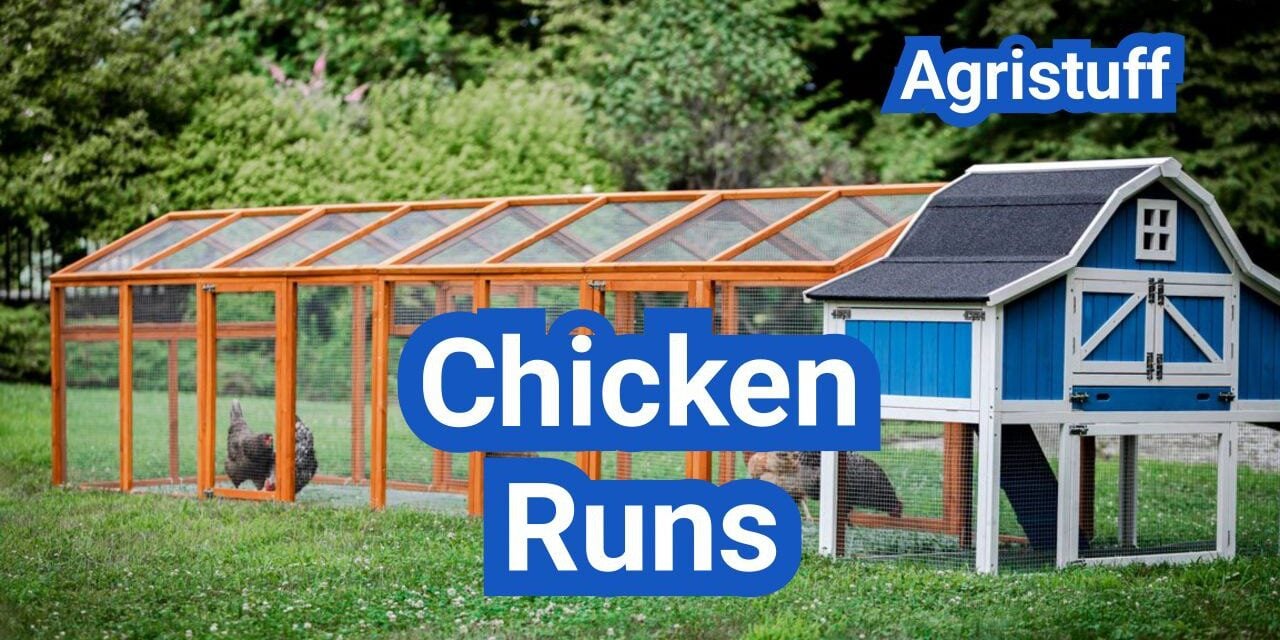
A well-designed outdoor enclosure is crucial for the health and safety of your backyard flock.
Providing adequate space and protection from predators ensures the well-being of your birds.
When building a DIY chicken run, it’s essential to consider key elements such as shade, space requirements, and predator-proofing.
Key Takeaways
- Understand the importance of a well-designed outdoor enclosure for your flock.
- Learn how to predator-proof your chicken run.
- Discover the ideal space requirements for your birds.
- Find out how to provide adequate shade for your flock.
- Explore DIY tips for building a secure chicken run.
Understanding Chicken Runs: The Basics

The key to a thriving backyard chicken-keeping experience lies in understanding the basics of chicken runs. A chicken run is more than just a fenced area; it’s a safe outdoor space where chickens can exercise, forage, and enjoy fresh air.
What Is a Chicken Run?
A chicken run is an enclosed area, typically attached to a chicken coop, designed to provide a secure outdoor space for chickens. It protects them from predators while allowing them to engage in natural behaviors like scratching, pecking, and exploring.
Benefits of a Well-Designed Chicken Run
A well-designed chicken run offers numerous benefits, including:
- Protection from predators
- Increased exercise and activity for chickens
- Opportunities for natural foraging behaviors
- Reduced risk of disease transmission from wild birds and other animals
- Improved mental health for chickens through environmental enrichment
Common Types of Chicken Runs in the USA
Chicken runs come in various designs and sizes, catering to different needs and preferences. Some common types include:
| Type of Chicken Run | Description | Benefits |
|---|---|---|
| Attached Run | Directly connected to the chicken coop | Easy access, secure |
| Walk-In Run | Large enough for humans to enter | Easy cleaning, inspection, and enrichment |
| Portable Run | Mobile, can be moved to different locations | Rotational grazing, reduced parasite buildup |
Understanding these basics is crucial for creating a safe, healthy, and happy environment for your chickens. By considering the type of chicken run that best suits your needs, you can ensure your flock thrives.
Planning Your Chicken Run: Size and Location

The success of your backyard chickens depends heavily on the size and location of their run. A well-planned chicken run provides your chickens with enough space to roam, exercise, and engage in natural behaviors, all while keeping them safe from predators.
Determining the Ideal Chicken Run Size per Bird
When determining the ideal size for your chicken run, it’s essential to consider the number of chickens you have. A general rule of thumb is to provide at least 10 square feet per chicken inside the run. However, this can vary depending on the breed and size of your chickens.
- For lightweight and smaller breeds, 8-10 square feet per chicken is often sufficient.
- For heavier and larger breeds, consider providing 10-15 square feet per chicken.
More space is always better, as it reduces stress among the flock and provides them with ample opportunity to exercise.
Choosing the Perfect Location
The location of your chicken run is just as important as its size. Ideally, you want to place the run in a spot that is well-drained, has good airflow, and is close to your coop.
- Ensure the area is not prone to waterlogging to keep your chickens dry and healthy.
- Good airflow helps to reduce ammonia buildup from droppings, improving the overall health of your chickens.
Assessing Sun Exposure and Natural Shade
Sun exposure and natural shade are critical factors to consider when planning your chicken run. Chickens need access to sunlight for vitamin D production, but they also need shade to escape the heat.
A good chicken run should have a mix of both sunny and shaded areas. Consider the following:
- Positioning the run to receive morning sun and afternoon shade can help keep your chickens cool.
- Using natural shade providers like trees, or creating shade using shade cloth or a roof, can protect your chickens from extreme temperatures.
By carefully planning the size and location of your chicken run, you can create a healthy, happy environment for your backyard chickens.
Essential Materials for Building Chicken Runs

When it comes to building a chicken run, the materials you choose play a significant role in its durability and effectiveness. A well-constructed chicken run not only safeguards your flock but also provides them with a healthy environment to roam.
Hardware Cloth vs. Chicken Wire: Making the Right Choice
The choice between hardware cloth and chicken wire is critical for the security of your chicken run. Hardware cloth is a welded wire mesh made from sturdy metal, offering superior protection against predators. In contrast, chicken wire is a lighter, less durable option that may not withstand determined predators.
Here’s a comparison of the two:
| Feature | Hardware Cloth | Chicken Wire |
|---|---|---|
| Material | Welded metal mesh | Thin, woven wire |
| Durability | High | Low to Medium |
| Predator Protection | Excellent | Poor |
Structural Materials: Wood, Metal, and PVC Options
The structural integrity of your chicken run depends on the materials used for its frame. Wood, metal, and PVC are popular choices, each with its pros and cons. Wood is aesthetically pleasing but may require more maintenance. Metal is durable and can be made predator-proof. PVC is lightweight and resistant to rot and corrosion.
- Wood: Natural look, can be durable with proper treatment.
- Metal: Strong, can be used for both frame and mesh.
- PVC: Low maintenance, resistant to weathering.
Tools and Equipment Needed
To construct a chicken run, you’ll need a variety of tools and equipment. These may include a post hole digger, wire cutters, pliers, and a hammer. Ensuring you have the right tools will make the construction process smoother and more efficient.
Some essential tools include:
- Post hole digger for setting foundation posts.
- Wire cutters for trimming hardware cloth or chicken wire.
- Pliers for bending and securing wire mesh.
- Hammer for driving nails or stakes.
Step-by-Step Guide to Building a Basic Chicken Run
Creating a safe and secure chicken run is essential for the well-being of your backyard chickens. A well-built run protects your flock from predators and provides them with a healthy outdoor space.
Setting the Foundation
The first step in building a chicken run is setting the foundation. This involves:
- Marking out the area where the run will be located
- Clearing the land of debris and vegetation
- Leveling the ground to ensure it’s even
Tip: Use a spirit level and a string line to ensure the ground is perfectly level.
Creating the Frame Structure
Once the foundation is set, the next step is to create the frame structure. This involves:
- Cutting the wooden posts to the required height
- Assembling the frame using screws or nails
- Ensuring the frame is sturdy and square
Note: The frame should be designed to support the weight of the fencing and any additional features like roofing.
Installing Walls and Fencing
With the frame in place, you can start installing the walls and fencing. This involves:
- Wrapping hardware cloth or chicken wire around the frame
- Securing the fencing material with wire or zip ties
- Ensuring the fencing is tall enough to prevent flying out or predator entry
Important: Bury the fencing material at least 12 inches underground to prevent digging predators.
Adding Access Points and Doors
The final step is adding access points and doors to the chicken run. This includes:
- Installing a door that connects to the chicken coop
- Adding a locking mechanism to secure the door
- Creating a ramp or steps for easy access
Tip: Consider adding a predator-proof latch to prevent clever raccoons or other predators from opening the door.
Predator-Proof Chicken Run: Essential Strategies

One of the most critical aspects of raising chickens is protecting them from predators through a secure run. A predator-proof chicken run is not just a luxury; it’s a necessity for any chicken keeper.
Predators come in various forms, from raccoons and foxes to hawks and coyotes. Understanding these common predators is the first step in safeguarding your flock.
Identifying Common Predators in the U.S.
The United States is home to a diverse range of chicken predators. Raccoons, for instance, are notorious for their intelligence and dexterity, making them a significant threat. Foxes are another common predator, known for their cunning and ability to dig. Hawks and owls pose a threat from above, while coyotes and bobcats are also potential dangers.
Recognizing the types of predators in your area is crucial for designing an effective defense strategy.
Securing the Perimeter with Digging Aprons
A critical component of a predator-proof chicken run is the digging apron. This involves extending the fencing material underground to prevent predators from burrowing underneath.
To install a digging apron, you will need to dig a trench around the perimeter of your chicken run, typically 12-18 inches deep. The fencing material should then be laid in this trench and secured to the main fence.
Burying Wire: Techniques and Depth Requirements
Burying wire is another essential technique for securing your chicken run. The wire should be buried at a depth that prevents predators from digging underneath. For most regions, burying the wire 12 inches deep is sufficient.
It’s also important to bend the bottom of the wire outward to prevent predators from digging down and then under the fence. This technique, combined with a digging apron, significantly enhances the security of your chicken run.
By implementing these strategies, you can significantly reduce the risk of predator attacks on your flock, ensuring a safer and healthier environment for your chickens.
Overhead Protection for Your Chicken Run

Protecting your chickens from aerial predators is crucial, and one effective way to do this is by installing overhead protection in your chicken run. Overhead protection not only safeguards your flock from hawks and other birds of prey but also provides shelter from various weather conditions.
Hawk-Proof Netting Options
Hawk-proof netting is a popular choice for overhead protection due to its effectiveness and relatively low cost. When selecting netting, it’s essential to choose a durable material that can withstand weather conditions and predator attempts to breach it.
- Use nylon or polyester netting with openings of 1 inch or less to prevent hawks from getting through.
- Ensure the netting is tightly secured to the chicken run structure to prevent sagging or damage.
- Consider using a double layer of netting for added security, especially in areas with high predator activity.
Solid Roof Designs for Weather Protection
Solid roof designs offer comprehensive protection against both predators and harsh weather conditions. These roofs can be constructed using various materials, including wood, metal, or PVC.
Key considerations for solid roof designs:
- Ensure the roof is pitched to allow snow to slide off and to provide additional interior space.
- Use waterproof materials and ensure proper sealing to prevent leaks.
- Incorporate ventilation to maintain airflow and reduce moisture buildup inside the run.
Combining Function and Aesthetics in Roof Design
While functionality is paramount, the aesthetic appeal of your chicken run’s roof should not be overlooked. A well-designed roof can complement your backyard’s landscape and add visual interest.
Consider incorporating features like:
- A gabled or curved design to add visual appeal.
- Transparent or translucent sections to allow natural light to filter in.
- Climbing plants or vines on the roof structure for additional shade and aesthetic value.
By carefully considering your options for overhead protection, you can create a safe, functional, and visually appealing chicken run that meets your flock’s needs and enhances your backyard.
Secure Entry Systems for Chicken Runs
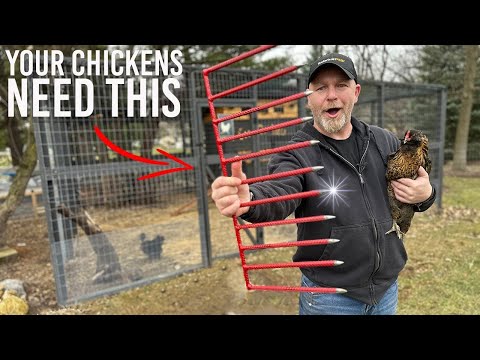
Predator-proofing your chicken run starts with a focus on secure entry systems. A well-designed entry system not only protects your chickens from predators but also provides easy access for you to manage the run.
Raccoon-Proof Latches and Locks
Raccoons are notorious for their intelligence and ability to open simple latches. To prevent these clever critters from accessing your chicken run, consider using raccoon-proof latches and locks. These specialized fasteners are designed to be tamper-proof, ensuring that your chickens remain safe.
“The key to keeping raccoons out is to use latches that require a level of dexterity or strength that they cannot achieve,” says a seasoned poultry keeper. “I’ve found that using spring-loaded latches or those that require a pin or key to open are highly effective.”
Creating Predator-Resistant Gates
Gates are a critical component of any chicken run’s security. To create predator-resistant gates, use sturdy materials like hardware cloth or metal mesh, and ensure the gate is securely attached to the run’s frame. The gate should be designed to swing inward to prevent predators from pushing it open.
- Use hinges that are securely attached and cannot be easily removed.
- Ensure the gate is at least 3 feet wide to allow for easy access.
- Consider adding a secondary locking mechanism for extra security.
Human-Friendly Access Solutions
While security is paramount, it’s also important to have human-friendly access solutions to make managing your chicken run easier. Consider adding a door or gate that allows you to enter the run comfortably. This could include a larger gate for easy cleaning or a smaller door for daily checks.
By balancing security with accessibility, you can create a chicken run that is both safe for your chickens and practical for you.
Flooring Options for Chicken Runs
Choosing the right flooring for your chicken run can significantly impact the overall well-being of your flock. The ideal flooring should ensure dryness, cleanliness, and comfort for the chickens.
Sand Flooring: Benefits and Installation
Sand flooring is a popular choice for chicken runs due to its excellent drainage properties and comfort for chickens. It allows for easy cleaning and can help reduce odors. To install sand flooring, start by laying down a layer of hardware cloth to prevent digging predators. Then, fill the area with a sufficient depth of sand, typically 2-3 inches.
Benefits of Sand Flooring:
- Excellent drainage
- Comfortable for chickens to walk on
- Easy to clean
Gravel Systems for Improved Drainage
Gravel is another effective flooring option for chicken runs, offering good drainage and durability. It’s essential to choose the right type of gravel; smaller stones or pea gravel are often recommended as they are less likely to cause discomfort to the chickens.
| Flooring Type | Drainage | Comfort | Maintenance |
|---|---|---|---|
| Sand | Excellent | High | Easy |
| Gravel | Good | Medium | Moderate |
| Natural Ground | Variable | Variable | Variable |
Natural Ground Considerations
Using natural ground as flooring is a cost-effective option but requires careful consideration. The ground’s natural drainage and vegetation can affect the cleanliness and dryness of the run. Regular maintenance is crucial to prevent muddy conditions.
Combination Approaches for Optimal Results
Combining different flooring types can offer the best of multiple worlds. For example, using sand or gravel in high-traffic areas and maintaining natural ground in other parts can create a balanced and functional chicken run.
By carefully selecting and maintaining the flooring in your chicken run, you can create a healthier environment for your chickens and make daily care easier.
Solving Drainage Issues in Chicken Runs

Chicken keepers often face challenges with drainage in chicken runs, which can result in muddy and unhealthy conditions. Effective drainage is crucial for maintaining a clean and dry environment for your chickens.
Preventing and Fixing Muddy Chicken Runs
Muddy chicken runs can be a significant problem, especially during wet weather. To prevent muddy conditions, it’s essential to ensure the chicken run is well-drained. One effective method is to install a layer of gravel or sand at the bottom of the run. These materials help to absorb moisture and improve drainage.
Steps to Fix a Muddy Chicken Run:
- Remove any existing mud and debris from the run.
- Install a drainage layer, such as gravel or sand.
- Ensure the run is sloped to allow water to run off.
- Consider adding a roof or canopy to reduce rainfall entering the run.
Creating Proper Slopes and Runoff Systems
Creating a proper slope in your chicken run is vital for effective drainage. The run should be sloped to allow water to flow away from the coop and other areas where chickens congregate. A gradual slope can help prevent water from pooling in certain areas.
| Drainage Feature | Description | Benefits |
|---|---|---|
| Gravel Flooring | A layer of gravel at the bottom of the run | Improves drainage, reduces mud |
| Slope | Gradual incline to direct water flow | Prevents water pooling, reduces mud |
| Roof or Canopy | Covering to reduce rainfall entry | Reduces moisture, keeps run drier |
Seasonal Drainage Considerations
Drainage needs can vary by season. During wet seasons, it’s crucial to ensure that the drainage systems are functioning correctly. In dry seasons, maintaining the integrity of the drainage layer is essential to prevent compaction and ensure it remains effective when rains return.
Seasonal Tips:
- Regularly inspect drainage systems during wet seasons.
- Maintain the drainage layer by raking or loosening compacted material during dry seasons.
- Consider adding organic matter like straw or wood shavings to absorb excess moisture.
DIY Chicken Runs: Projects and Ideas
With a little creativity and some basic materials, you can build a DIY chicken run that meets your chickens’ needs and fits your budget. Building a chicken run is an essential part of keeping chickens safe and healthy.
Walk-In Chicken Run Design
A walk-in chicken run design allows you to easily access your chickens and clean the run. This type of design is ideal for larger backyard spaces where you can create an expansive run.
Key Features of a Walk-In Chicken Run:
- Large enough for a person to walk inside
- Secure fencing to protect from predators
- Easy access for cleaning and egg collection
Attached Run for Existing Coops
If you already have a chicken coop, you can build an attached run to provide your chickens with additional space. This is a great way to expand your chickens’ living area without having to build an entirely new coop.
Benefits of an Attached Run:
- Increased space for chickens to roam
- Easier to manage and clean
- Enhanced safety by being directly connected to the coop
Repurposing Materials for Budget-Friendly Runs
Repurposing materials is a cost-effective way to build a chicken run. Old pallets, fencing, and wire mesh can be used to create a secure and functional run.
| Material | Use | Benefit |
|---|---|---|
| Old Pallets | Fencing and structural support | Cost-effective and eco-friendly |
| Wire Mesh | Fencing to protect from predators | Strong and durable |
| Repurposed Fencing | Boundary fencing | Easy to install and secure |
By repurposing materials, you not only save money but also contribute to reducing waste. Get creative with what you have on hand to build a unique and functional chicken run.
Shade Solutions for Chicken Runs

One of the often-overlooked aspects of chicken run design is incorporating sufficient shade. Chickens need protection from the sun to prevent heat stress and related health issues. Providing adequate shade can significantly improve the welfare of your flock.
Shade Cloth Installation Techniques
Shade cloth is a popular and effective solution for providing shade in chicken runs. It can be installed above the run to filter out harsh sunlight. When choosing a shade cloth, consider the percentage of shade it provides. A 50-70% shade cloth is often recommended as it allows for some sunlight while protecting chickens from intense heat.
To install shade cloth, attach it to the existing structure of the chicken run or create a separate frame. Ensure it is securely fastened to withstand wind and weather conditions.
Natural Shade Options: Plants and Trees
Utilizing natural shade is another excellent way to provide comfort for your chickens. Planting trees or shrubs around the chicken run can create a shaded area. Deciduous trees are particularly beneficial as they provide shade in summer and allow sunlight in winter.
When selecting plants, consider their maintenance needs and ensure they are not toxic to chickens. Some plants can also serve as a food source or provide enrichment for your flock.
Creating Shade Structures Within the Run
In addition to shade cloth and natural shade, creating shade structures within the chicken run can offer chickens places to escape the sun. Simple structures can be built using materials like wood or metal and covered with roofing materials or shade cloth.
Comparison of Shade Solutions
| Shade Solution | Effectiveness | Maintenance | Cost |
|---|---|---|---|
| Shade Cloth | High | Medium | Moderate |
| Natural Shade | Variable | Low | Low |
| Shade Structures | High | Medium | High |
By implementing these shade solutions, you can create a more comfortable environment for your chickens, protecting them from the adverse effects of direct sunlight.
Enrichment Ideas for Your Chicken Run

Chicken run enrichment is a vital aspect of backyard chicken keeping, promoting natural behaviors and reducing stress. By incorporating various enrichment elements, you can create a stimulating environment that enhances the health and happiness of your chickens.
Perches and Platform Designs | Chicken Runs
Perches are essential for chickens as they allow them to roost and exercise. When designing perches for your chicken run, consider the following:
- Use sturdy materials like wood or metal to support the weight of your chickens.
- Install perches at varying heights to provide options for your chickens.
- Ensure perches are wide enough for chickens to comfortably roost.
Platform designs can also be incorporated to provide additional roosting areas or observation decks for your chickens.
Creating the Perfect Dust Bath Area
A dust bath area is crucial for chickens as it allows them to clean their feathers and skin. To create an effective dust bath area:
- Choose a dry, shaded area within the chicken run.
- Mix sand, soil, and diatomaceous earth to create a dry, comfortable bathing area.
- Maintain the dust bath area regularly to prevent moisture buildup.
Foraging Opportunities and Toys
Foraging is a natural behavior for chickens, and providing foraging opportunities can reduce stress and boredom. Consider the following ideas:
- Hang treats or vegetables from the roof of the chicken run.
- Place puzzle toys or treat-dispensing toys within the run.
- Scatter grains or mealworms on the ground to encourage foraging.
Seasonal Enrichment Considerations | Chicken Runs
To keep your chicken run interesting throughout the year, consider incorporating seasonal enrichment activities. For example:
| Season | Enrichment Activity |
|---|---|
| Spring | Introduce new plants or foraging toys. |
| Summer | Provide shade structures or cooling treats. |
| Fall | Scatter fallen leaves or introduce harvest-themed toys. |
| Winter | Offer warm treats or install snow-friendly foraging areas. |
By incorporating these enrichment ideas into your chicken run, you can create a dynamic and stimulating environment that promotes the health and happiness of your chickens.
Portable and Modular Chicken Run Designs

Modular and portable chicken runs are revolutionizing the way we think about backyard chicken keeping. These innovative designs offer flexibility and numerous benefits for poultry enthusiasts.
Benefits of Portable Chicken Runs
Portable chicken runs provide several advantages, including the ability to rotate your chickens through different areas of your yard. This rotation can help improve soil health by preventing overgrazing and allowing vegetation to recover. Additionally, portable runs can be moved to fresh ground regularly, reducing the risk of parasite buildup and disease.
Key benefits of portable chicken runs include:
- Improved soil health through rotation
- Reduced risk of disease and parasites
- Increased flexibility in yard management
DIY Pasture Pen Construction | Chicken Runs
Building a DIY pasture pen is a feasible project for many backyard chicken keepers. The process involves creating a movable enclosure that can be easily relocated around the yard. To start, you’ll need materials like hardware cloth, PVC pipes, or wooden frames. The design should be sturdy enough to protect your chickens from predators and allow for easy movement.
Consider the following when building your pasture pen:
- Use durable, predator-resistant materials
- Ensure the structure is well-ventilated and provides adequate shade
- Design the pen for easy mobility, using wheels or handles
Modular Systems for Flexibility | Chicken Runs
Modular chicken run systems offer another level of flexibility for backyard chicken keepers. These systems consist of interlocking units that can be expanded or reconfigured as needed. Modular designs allow you to adapt your chicken run to changing flock sizes or yard layouts.
Advantages of modular systems include:
- Ease of expansion or reduction
- Flexibility in design and layout
- Potential for reuse or reconfiguration
By incorporating portable and modular designs into your backyard chicken keeping strategy, you can create a more dynamic and healthy environment for your flock.
Maintenance and Biosecurity for Chicken Runs

Proper maintenance and biosecurity measures are vital for a healthy and thriving backyard chicken flock. Regular cleaning and disinfection are crucial to prevent the buildup of harmful pathogens. A well-designed chicken run not only protects your chickens from predators but also plays a significant role in maintaining their overall health.
Daily, Weekly, and Monthly Cleaning Tasks | Chicken Runs
Establishing a regular cleaning schedule is essential for maintaining a clean and healthy chicken run. Daily tasks include removing soiled bedding, feeding debris, and ensuring access to fresh water. Weekly tasks involve a more thorough cleaning, including disinfecting feeders and waterers, and replacing bedding material. Monthly tasks may include a deep clean of the entire run, inspecting for damage, and making necessary repairs.
Cleaning Schedule:
| Frequency | Tasks |
|---|---|
| Daily | Remove soiled bedding, clean feeders and waterers, ensure fresh water |
| Weekly | Disinfect feeders and waterers, replace bedding material |
| Monthly | Deep clean the run, inspect for damage, make repairs |
Wild Bird and Rodent Exclusion Techniques
Wild birds and rodents can carry diseases that can be transmitted to your chickens. To protect your flock, it’s essential to implement exclusion techniques. This includes securing feed and water to prevent attracting wild birds and rodents, using rodent-proof feeders, and covering the run with netting to exclude wild birds.
Using hardware cloth around the perimeter of the run can help prevent rodents from burrowing underneath. Regularly inspecting the run for signs of rodents or wild birds and taking prompt action can help maintain biosecurity.
Odor Control Strategies | Chicken Runs
Controlling odors in the chicken run is not only a matter of comfort but also of health. Regular cleaning and proper ventilation are key strategies. Using absorbent bedding material like straw or pine shavings can help minimize odors. Additionally, incorporating plants around the run that are known to help purify the air can be beneficial.
Odor Control Tips:
- Regularly clean and disinfect the run
- Use absorbent bedding materials
- Ensure proper ventilation
- Plant air-purifying plants around the run
By implementing these maintenance and biosecurity practices, you can significantly improve the health and well-being of your chicken flock. Regular attention to cleaning, exclusion techniques, and odor control will make your chicken run a safe and healthy environment for your chickens to thrive.
Budget Breakdown: Chicken Run Cost Estimates
When it comes to building a chicken run, understanding the costs involved is crucial for a successful project. A well-planned budget helps ensure that your chicken run is both safe and functional.
Materials Cost Comparison
The cost of materials is a significant factor in the overall budget for your chicken run. Different materials vary in price, durability, and suitability for your project.
| Material | Cost per Unit | Durability |
|---|---|---|
| Hardware Cloth | $0.50 – $1.50 per sq. ft. | High |
| Chicken Wire | $0.25 – $0.75 per sq. ft. | Medium |
| Wood | $1.00 – $3.00 per linear ft. | Medium to High |
| Metal | $1.50 – $4.00 per linear ft. | High |
Choosing the right materials depends on your specific needs, including the size of your chicken run, the number of chickens, and your budget.
Time Investment Considerations | Chicken Runs
The time required to build a chicken run can vary significantly based on the design complexity and the materials used. A simple design might take a few hours to complete, while a more complex setup could take several days.
Factors Affecting Time Investment:
- Design complexity
- Size of the chicken run
- Number of people helping
- Availability of tools and materials
Prioritizing Expenses for Maximum Value | Chicken Runs
To get the most value from your investment, it’s essential to prioritize expenses. Focus on essential features that provide the most benefit to your chickens and the longevity of the run.
Key Areas to Prioritize:
- Predator protection
- Durable materials
- Adequate space and ventilation
- Ease of cleaning and maintenance
By carefully planning your budget and prioritizing essential features, you can create a chicken run that is both cost-effective and beneficial for your chickens.
Creating the Perfect Chicken Run
Designing a chicken run that meets the needs of your backyard chickens requires careful planning and attention to detail. By incorporating essential elements such as predator-proofing, adequate shade, and sufficient space, you can create a safe and healthy environment for your flock.
A well-designed chicken run not only protects your chickens from predators but also provides them with the opportunity to engage in natural behaviors, such as foraging and dust bathing. By considering factors like chicken run design and chicken run tips, you can build a backyard chicken run that is both functional and enjoyable for your chickens.
Whether you’re building a new chicken run or upgrading an existing one, the principles outlined in this article will help you create the perfect chicken run. By prioritizing your chickens’ needs and incorporating effective design strategies, you can enjoy a thriving and productive backyard flock.
FAQ
What is the ideal size for a chicken run per chicken?
The ideal size for a chicken run per chicken varies, but a general rule of thumb is to provide at least 8-10 square feet per chicken. However, the more space you can provide, the better.
What is the difference between hardware cloth and chicken wire?
Hardware cloth is a sturdy, woven wire mesh that is more durable and secure than chicken wire. Chicken wire is a lightweight, hexagonal mesh that can be easily chewed through by predators.
How do I predator-proof my chicken run?
To predator-proof your chicken run, use hardware cloth or chicken wire with openings of 1 inch or less, bury the fencing material at least 12 inches underground, and use raccoon-proof latches and locks.
What are some options for overhead protection for chicken runs?
Options for overhead protection include hawk-proof netting, solid roof designs, and shade cloth. These can help protect your chickens from aerial predators and provide shade.
How often should I clean my chicken run?
The frequency of cleaning your chicken run depends on the size of the run and the number of chickens. As a general rule, you should clean the run daily, removing droppings and debris, and perform a deeper clean weekly or monthly.
What are some enrichment ideas for chicken runs?
Enrichment ideas for chicken runs include perches and platforms, dust bath areas, foraging opportunities, and toys. These can help keep your chickens stimulated and engaged.
Can I use sand or gravel as flooring for my chicken run?
Yes, sand and gravel can be used as flooring for chicken runs. Sand is a good option as it is easy to clean and can help with drainage. Gravel can also be used, but it may require more maintenance.
How do I prevent muddy conditions in my chicken run?
To prevent muddy conditions, ensure proper drainage by creating a slope and installing a runoff system. You can also use sand or gravel as flooring to improve drainage.
What are the benefits of portable chicken runs?
Portable chicken runs offer flexibility and can be moved to different locations to provide fresh pasture for your chickens. They can also be used to create a “tractor” system, where the run is moved regularly to maintain soil health.
How do I control odors in my chicken run?
To control odors, ensure good ventilation, clean the run regularly, and use odor-absorbing materials like diatomaceous earth or baking soda.
Conclusion of: Chicken Runs
What a run is and why it matters
If you’re building chicken runs for the first time, think of them as a secure “outdoor living room” where your birds can scratch, sunbathe, and forage while you stay in control of safety, cleanliness, and neighbor-friendly boundaries. Oregon State University Extension
Well-designed chicken runs reduce stress behaviors (like feather pecking), limit garden damage, and let you manage manure and mud in one predictable area instead of across the whole yard. UConn Extension
Before you buy lumber or roll out wire, chicken runs also need to fit your local reality—many U.S. towns regulate bird numbers, setbacks, and roosters, and a neat, well-maintained setup helps prevent neighbor complaints that can end a backyard flock fast. UF/IFAS Extension
Space rules that actually work in real backyards
When people ask how big chicken runs should be, a practical starting point is to calculate outdoor square footage per bird, then add a buffer for bad weather days when the flock may spend more time in the run than you planned. Poultry Extension
Different birds and production goals change chicken runs sizing, so use a bird-type table (layers vs. meat birds vs. larger species) rather than a single number you found on social media. Virginia Tech Extension
Even with good math, chicken runs feel larger when you design for movement: include a straight “lap” path, avoid dead-end corners where timid birds get trapped, and place feeders and waterers so the whole flock can approach without crowding. UMass Amherst (CAFE)
Before you pour a footing or buy fencing, sketch chicken runs around how you’ll use them: a wide gate for a wheelbarrow, a clean path for scraping and raking, and enough working room to do quick inspections and close up securely every evening. University of Maryland Extension
Location, drainage, and the mud problem
The best chicken runs start with the ground you choose, so prioritize a slightly elevated, well-drained spot that won’t turn into a puddle every time it rains or snow melts. Poultry Extension
If your soil stays wet, chicken runs benefit from a “heavy-use area” mindset: build a firm base, separate soil from aggregate, and plan the surface like you would any high-traffic livestock area so it holds up under constant foot traffic. USDA NRCS
Even a great surface can fail if roof water dumps into chicken runs, so redirect runoff with gutters, downspouts, and simple grading so water leaves the run instead of pooling at doors and corners. USDA NRCS
For the top layer, chicken runs often stay cleaner with materials that drain and dry quickly—many keepers like coarse sand for easy “scooping,” while others use wood chips in low-traffic zones and refresh them often to avoid soggy buildup. Cornell Cooperative Extension
Predator-proofing from the ground up
In most parts of the U.S., chicken runs have to account for more than one predator type—diggers (foxes, dogs), climbers (raccoons), and aerial hunters (hawks)—so start by listing what’s common in your area and design for the worst-case visitor. University of Maryland Extension
For sidewalls, chicken runs are safer with small-mesh welded wire or hardware cloth where hands can reach in, because larger openings make it easier for predators to grab birds or pull at wire until it fails. Colorado State University Extension
To stop tunneling, chicken runs should include a buried barrier—many keepers dig a trench around the perimeter and bury hardware cloth so a digging predator hits wire before it reaches the fence line. University of Maryland Extension
A full top cover is one of the highest-ROI upgrades for chicken runs because it blocks birds of prey, reduces climbing entries, and can double as shade when you combine netting with solid panels or shade cloth. Oklahoma State University Extension
Secure access points matter as much as fencing, so chicken runs should use tight framing, no gaps bigger than needed, and latches that require more than a simple tug—especially if raccoons are in your region. UConn Extension
Think like a raccoon when you inspect chicken runs: look for flexing wire, loose staples, corners that can be pulled open, and doors that don’t close flush, then fix one weak detail at a time until the whole perimeter feels “solid” under pressure. Colorado State University Extension
Good housekeeping makes chicken runs harder to hunt, so keep weeds and brush down, remove hiding spots, and routinely inspect the perimeter for new holes, bent wire, or “test bites” that show a predator is working the weak point. University of Maryland Extension
Shade, shelter, and weather protection
Shade isn’t optional in many climates, and chicken runs do best when birds can choose between full sun, deep shade, and moving shade as the day shifts—using trees, a simple awning, or a stretched shade cloth over part of the run. Texas A&M AgriLife Extension
On hot days, chicken runs should offer multiple water points placed in shaded areas, plus airflow that moves heat out without creating a damp, stagnant corner where birds pant and refuse to eat. University of Arizona Cooperative Extension
Learn the early warning signs of heat trouble in chicken runs—panting, wings held away from the body, lethargy—and respond fast with cool water, better ventilation, and (if humidity allows) light misting that doesn’t turn the floor into a swamp. University of Minnesota Extension
In rainy or snowy regions, chicken runs benefit from a covered “dry zone” where birds can stand on firm footing, dust-bathe, and eat without soaking feed, because staying dry reduces foot problems and makes daily chores easier. Oregon State University Extension
Ventilation and shelter have to work together, so chicken runs that connect to a coop should avoid drafts at roost height while still letting ammonia and moisture escape through high vents, windows, or an open-but-secured upper wall area. Virginia Tech Extension
Enrichment and layout that keeps birds busy
Adding simple structures inside chicken runs—low platforms, stable perches, or a “lookout” area—reduces boredom and gives timid birds escape options when the flock’s social order gets tense. Virginia Tech Extension
To make chicken runs feel more like natural habitat, rotate enrichment (leaf piles, safe branches, pecking blocks, or a covered sand dust-bath area), because varied environments support welfare and keep birds engaged in species-typical behavior. Poultry Science Association symposium paper (PMC)
Rotation, pasture access, and parasite pressure
If you have the space, portable chicken runs or “pasture pens” let you rest ground between uses, protect grass, and spread manure in thinner layers—often improving odor control and reducing the mud cycle. UMass Amherst (CAFE)
Even if your setup stays put, chicken runs can be “rotated” by shifting feeders, waterers, and shade to different corners each week, which spreads wear, encourages foraging, and makes it harder for one muddy spot to become the flock’s permanent hangout. UF/IFAS Extension
Biosecurity and family-safe routines
Because wild birds can share water, droppings, and disease organisms, chicken runs are safer when feed is stored in sealed containers, visitors are limited, and the run top is covered or netted to reduce wild bird contact. Iowa State University Extension
For human health, chicken runs should be treated like an animal area—wash hands after chores, keep poultry equipment outdoors, and don’t eat or drink where birds live to lower the risk of germs like Salmonella spreading to your kitchen. CDC
Maintenance, troubleshooting, and smart spending
A simple maintenance calendar keeps chicken runs dependable: weekly checks for sharp wire and loose staples, seasonal tightening after storms, and at least an annual deep clean where you remove organic buildup before disinfecting surfaces. Cornell Small Farms
If chicken runs start to smell or attract rodents, fix the cause instead of masking it: store feed securely, pick up spilled grain, keep the surface dry, and remove wet bedding fast because moisture plus feed is what turns a tidy run into a pest magnet. UConn Extension
When budgets are tight, chicken runs should prioritize “invisible upgrades” first—strong framing, proper mesh, a covered top, and good drainage—because decorative trim won’t matter if a predator breach or mud problem forces you to rebuild. UMass Amherst (CAFE)
Final thought
The best chicken runs aren’t the fanciest—they’re the ones you can inspect, clean, and secure in minutes every day, because consistency is what keeps predators out, birds comfortable, and problems small before they become expensive. USDA APHIS
Sources & References
- Poultry Extension – Space allowances for small and backyard flocks
- Virginia Tech Extension – Small-scale poultry housing
- UF/IFAS Extension – Raising backyard chickens for eggs
- Oregon State University Extension – Backyard chicken coop design
- USDA NRCS – Heavy use area protection practice guidance
- USDA NRCS – Stormwater runoff control practice guidance
- University of Maryland Extension – Poultry predators
- University of Maryland Extension – Prevention of predation
- Colorado State University Extension – Chickens and predators
- Oklahoma State University Extension – Protecting small flocks from predators
- UConn Extension – Backyard poultry healthy birds
- Cornell Cooperative Extension – Backyard chickens
- Texas A&M AgriLife Extension – Hot weather hacks for backyard chickens
- University of Arizona Cooperative Extension – Managing chickens in extreme heat
- University of Minnesota Extension – Preventing heat stress in poultry
- Poultry Science Association symposium paper – Environmental enrichment for poultry
- Iowa State University Extension – Backyard biosecurity for poultry
- CDC – Backyard poultry health guidance
- Cornell Small Farms – Cleaning and disinfecting your poultry house
- USDA APHIS – Defend the Flock
- UMass Amherst (CAFE) – Poultry housing