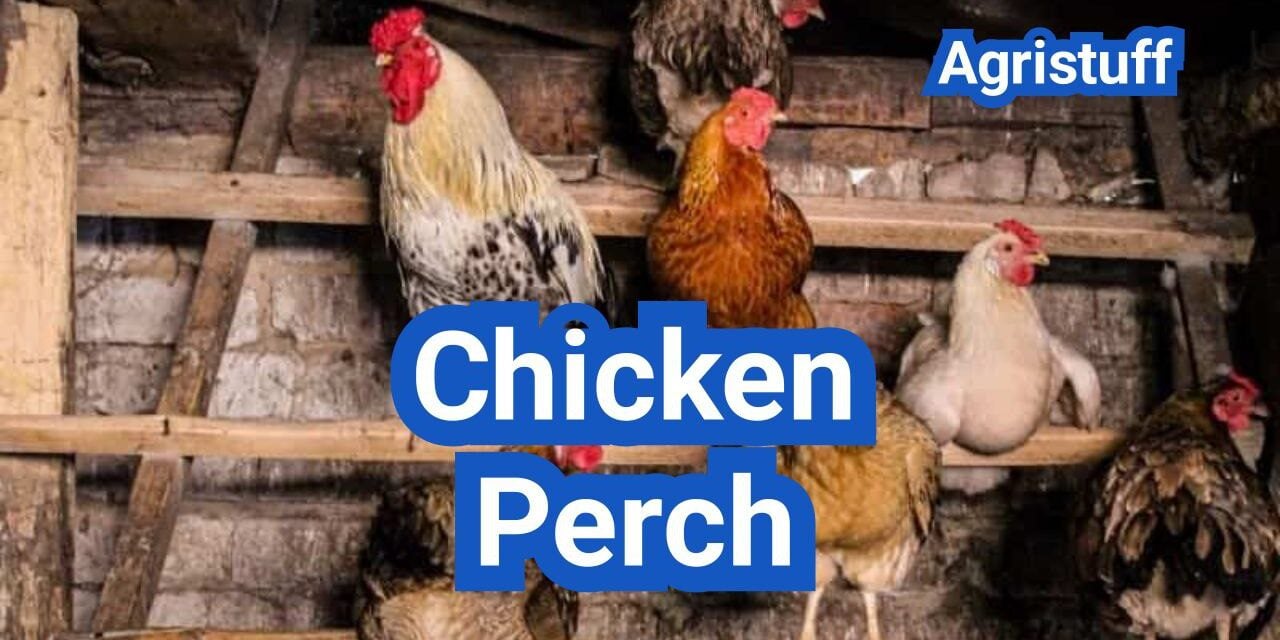
Providing a safe and comfortable environment for your chickens is crucial, and one often overlooked aspect is the chicken perch setup within their coop.
Roosts are where chickens gather to rest or sleep, making well-designed perches essential for their health and happiness. A good chicken perch can prevent injuries and stress among the flock.
This article will guide you through setting up the ideal chicken roost bar, including considerations for height, spacing, and the right materials to use.
Key Takeaways
- Understanding the importance of a well-designed chicken perch.
- Learning the ideal height and spacing for chicken perches.
- Choosing the right materials for your chicken roosting poles.
- Preventing injuries with proper chicken perch setup.
- Tips for installing chicken perches in your Chicken coop.
Why Chickens Need Proper Perches

The need for proper perches in chicken coops cannot be overstated, as they directly impact the health and happiness of the flock. Chickens have an innate instinct to roost, which is crucial for their well-being.
Natural Roosting Instincts in Domestic Chickens
Domestic chickens retain the natural roosting instincts of their wild ancestors. In the wild, chickens roost in trees to avoid predators and harsh weather conditions. Providing perches that mimic these natural roosting sites is essential for their comfort and security.
Health Benefits of Well-Designed Perches
Well-designed perches can significantly reduce stress among chickens, improve hygiene by keeping them off the coop floor, and prevent common foot issues such as bumblefoot. Proper perches can also promote overall health by allowing chickens to engage in natural roosting behavior.
Impact on Egg Production and Flock Behavior
The design and placement of perches can influence egg production and flock behavior. Stress reduction through proper perching can lead to increased egg production. Moreover, understanding the pecking order and its relation to perching is crucial, as it affects how chickens use the perches and interact with each other.
Understanding the Pecking Order and Its Relation to Perching
The pecking order is a hierarchical structure that determines the dominance and submission among chickens. Perches can either exacerbate or alleviate conflicts depending on their design and placement. By providing adequate perching space and arranging perches to accommodate the pecking order, chicken keepers can minimize aggression and promote a harmonious flock.
The Ideal Chicken Perch: Basic Requirements

Creating a comfortable and safe roosting environment for your chickens starts with understanding the basic requirements of an ideal chicken perch. A well-designed perch is crucial for the health, happiness, and productivity of your flock.
Optimal Perch Height for Different Chicken Breeds
The height of the perch is a critical factor in preventing injuries and ensuring comfort for your chickens. Heavier breeds, such as Orpingtons or Wyandottes, require lower perches to minimize the risk of leg and foot injuries. For these breeds, a perch height of about 2-3 feet off the ground is recommended. Lighter breeds, like Leghorns, can use higher perches, typically between 3-4 feet high.
Proper Spacing Between Multiple Perches
Adequate spacing between perches is essential to prevent overcrowding and allow chickens to roost comfortably. A general rule of thumb is to space perches 12-18 inches apart. This distance helps reduce competition for roosting spots and minimizes the risk of chickens pecking at each other.
How Much Roost Space Each Chicken Needs
The amount of roost space required per chicken varies based on several factors, including breed, size, and age. Generally, 8-12 inches of roost space per chicken is considered adequate. However, larger or more aggressive breeds may need more space.
Factors Affecting Roost Space Requirements
- Chicken breed and size
- Age of the chickens
- Flock size and dynamics
- Coop size and layout
Understanding these factors and adjusting your perch setup accordingly can significantly improve the welfare of your chickens.
Choosing Injury-Preventing Materials
The materials used for chicken perches are a critical factor in preventing injuries and promoting overall flock well-being. The right choice can significantly reduce the risk of health issues and create a safer environment for your chickens.
Best Wood Types for Safe Chicken Perches
When it comes to choosing the best wood types for chicken perches, certain options stand out for their safety and durability. Untreated pine, cedar, and cypress are popular choices due to their natural resistance to rot and insects. However, it’s essential to ensure that the wood is untreated, as chemicals in treated wood can be harmful to chickens.
Here’s a comparison of some wood types suitable for chicken perches:
| Wood Type | Durability | Resistance to Rot/Insects | Safety for Chickens |
|---|---|---|---|
| Untreated Pine | High | Moderate | Safe |
| Cedar | High | High | Safe, but aromatic oils may deter pests |
| Cypress | High | High | Safe |
Materials to Avoid for Chicken Health
Certain materials should be avoided when constructing or selecting chicken perches due to their potential to cause harm. Treated wood, for instance, contains chemicals that can be toxic to chickens. Similarly, materials with sharp edges or points can cause injuries.
Flat vs. Round Perch Debate: What Science Shows
The debate between flat and round perches centers on comfort and health benefits for chickens. Research indicates that flat perches can be beneficial for foot health as they provide a larger surface area, reducing pressure on the chickens’ feet.
Surface Texture Considerations for Foot Health
The surface texture of chicken perches is crucial for maintaining foot health. Rough or uneven surfaces can lead to bumblefoot, a painful condition that affects chickens.
Importance of Smooth Perch Surfaces
Smooth perch surfaces are essential for preventing bumblefoot and other foot-related issues. Regularly inspecting and maintaining the perches to ensure they remain smooth and free from splinters is vital for the health and comfort of your chickens.
Determining the Perfect Perch Dimensions

To ensure your chickens have a comfortable place to roost, it’s essential to get the perch dimensions right. The dimensions of a chicken perch play a crucial role in the health, comfort, and overall well-being of your flock.
Width and Diameter Guidelines by Breed Size
The width and diameter of a perch are critical factors that depend on the size and breed of your chickens. Larger breeds require wider perches to accommodate their larger feet comfortably. For instance, a perch with a diameter of 2-3 inches is suitable for larger breeds, while smaller breeds can use perches with a diameter of about 1-2 inches.
Length Requirements Based on Flock Size
The length of the perch should be determined based on the size of your flock. A general rule of thumb is to provide at least 8-12 inches of perch space per chicken. Therefore, for a flock of 5 chickens, you would need a total perch length of 40-60 inches.
Height Adjustments for Different Chicken Varieties
Different chicken breeds have different preferences when it comes to the height of their perches. Generally, perches should be placed between 2-4 feet off the ground. However, some breeds may prefer higher or lower perches, so it’s essential to research the specific needs of your chicken variety.
Spacing Multiple Perches to Prevent Conflict
When you have multiple perches, it’s crucial to space them correctly to prevent conflict among your chickens. A minimum of 12-18 inches between perches is recommended to allow chickens to move comfortably without feeling crowded or competing for space.
Considerations for Ladder-Style Perches
Ladder-style perches are a popular choice for many chicken keepers. When designing or selecting a ladder-style perch, consider the gap between the rungs and the overall design to ensure it’s sturdy and comfortable for your chickens. The rungs should be spaced in a way that allows chickens to easily climb up and down without straining.
Strategic Placement in Your Chicken Coop

Strategically positioning perches in your chicken coop can significantly enhance chicken comfort. The placement of perches affects not only the chickens’ ability to roost comfortably but also their overall health and safety.
Positioning Perches to Maximize Comfort
To maximize comfort, perches should be placed at a height that allows chickens to roost without straining their legs or backs. The ideal height varies by breed, but generally, perches should be at least 2-3 feet off the ground.
Creating a Natural Perching Hierarchy
A natural perching hierarchy can be established by varying the height of perches. Higher perches are typically occupied by dominant birds, while subordinate birds roost on lower perches. This hierarchy helps reduce stress within the flock.
Ventilation Considerations Around Roosting Areas
Adequate ventilation around roosting areas is crucial to remove moisture and ammonia from the coop. Proper airflow helps prevent respiratory issues in chickens.
Predator-Safe Perch Placement
To protect your chickens from predators, perches should be placed in a way that makes it difficult for predators to jump or reach them. This might involve placing perches away from walls or windows that predators could use to gain access.
Importance of Headroom Above Perches
Ensuring adequate headroom above perches is essential for chicken comfort and safety. Chickens need enough space to stand up and adjust their position on the perch without hitting their heads on the coop ceiling.
| Perch Placement Consideration | Importance | Recommendation |
|---|---|---|
| Height | High | At least 2-3 feet off the ground |
| Hierarchy | Medium | Vary perch heights to establish a natural hierarchy |
| Ventilation | High | Ensure good airflow around roosting areas |
| Predator Safety | High | Place perches away from potential predator access points |
| Headroom | High | Ensure enough space above perches for chickens to stand comfortably |
DIY Chicken Perch Projects: Step-by-Step Instructions

DIY chicken perch projects offer a range of benefits, from customization to cost-effectiveness. By building your own perches, you can tailor them to your specific coop layout and the needs of your flock.
Simple Ladder Perch Construction Guide
A simple ladder perch is an excellent option for those new to DIY projects. To construct one, you’ll need:
- 2″ x 4″ lumber for the frame
- 1″ x 2″ lumber for the rungs
- Screws and a drill
Begin by cutting the 2″ x 4″ lumber to the desired length for your perch. Then, attach the 1″ x 2″ rungs at regular intervals, ensuring they’re sturdy enough to support your chickens.
Natural Branch Perch Setup
Using natural branches can add a rustic touch to your coop while providing a comfortable perching area. When selecting branches, look for ones that are sturdy and have a rough texture to help keep your chickens’ feet healthy.
To set up a natural branch perch, simply clean and disinfect the branch, then attach it to the coop walls or a frame at a comfortable height.
“Using natural elements in your coop design can create a more welcoming environment for your chickens.”
Space-Saving Perch Designs for Small Coops
For smaller coops, it’s essential to maximize space. Consider a multi-level perching system or a perch that doubles as a nesting box.
When designing a space-saving perch, keep in mind the comfort and safety of your chickens. Ensure there’s enough room for them to roost comfortably without overcrowding.
Tips for Building Durable Perches
To build durable perches, focus on using high-quality materials and construction methods. Here are some tips:
| Material | Benefits |
|---|---|
| Pressure-treated wood | Resistant to rot and insect damage |
| Cedar wood | Naturally resistant to pests and decay |
| Metal rods | Durable and easy to clean |
By following these guidelines and tips, you can create a safe and comfortable perching system for your chickens.
Preventing Common Injuries with Proper Perch Design
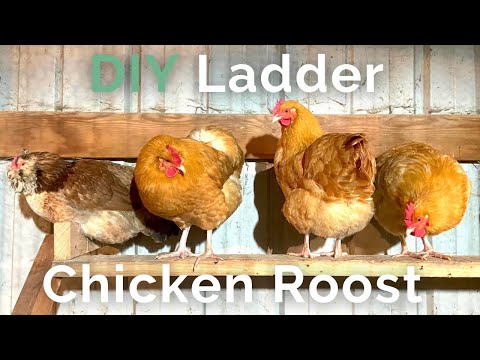
The design of chicken perches plays a critical role in injury prevention. A well-designed perch can significantly reduce the risk of various health issues in chickens, from bumblefoot to stress-related problems.
Avoiding Bumblefoot Through Smart Perch Selection
Bumblefoot is a common issue in chickens caused by improper perching. To avoid this, it’s essential to choose perches with the right material and design. Soft, rounded, and smooth surfaces can help prevent bumblefoot. For instance, using wooden perches with a diameter of about 2-4 inches can be beneficial.
Preventing Frostbite in Winter Roosting
In colder climates, frostbite can be a significant risk during winter roosting. Ensuring good ventilation and using dry, well-insulated perches can help mitigate this risk. Additionally, placing perches away from drafts can prevent frostbite.
Reducing Stress-Related Health Issues
Stress can lead to various health issues in chickens, including reduced egg production and increased susceptibility to diseases. Proper perch design can help reduce stress by providing adequate roosting space and comfortable perching. Ensuring that perches are not too crowded or too high can minimize stress.
Minimizing Fall Injuries with Strategic Height Planning
Fall injuries are a significant risk, especially for younger or older chickens. Strategic height planning is crucial; perches should be placed at a height that allows chickens to roost comfortably without risking falls. Typically, lower perches for younger or older chickens and higher perches for more agile birds are recommended.
Importance of Regular Perch Maintenance
Regular maintenance of perches is vital to prevent injuries. This includes checking for wear and tear, cleaning perches regularly, and making necessary repairs. Regular inspections can identify potential hazards before they cause injuries.
Installing Effective Droppings Boards Under Roosts

A crucial aspect of maintaining a clean and healthy chicken coop is the installation of droppings boards under roosts. This simple addition can significantly reduce waste and prevent the buildup of harmful bacteria, creating a healthier environment for your chickens.
Benefits for Coop Cleanliness and Health
Droppings boards offer several benefits for coop cleanliness and health. By catching waste directly under the roosts, they prevent droppings from accumulating on the coop floor. This reduces the risk of disease and makes cleaning easier. Improved hygiene is a significant advantage, as it directly impacts the health and well-being of your flock.
Droppings boards also help in reducing odors within the coop. By containing waste, they minimize the ammonia levels that can build up and cause respiratory issues in chickens. This creates a more comfortable environment for both the chickens and the people cleaning the coop.
Step-by-Step Installation Guide | Chicken Perch
Installing a droppings board is a relatively straightforward process. First, measure the area under your roosts to determine the size of the board you need. Next, choose a suitable material that is easy to clean and durable. Common materials include plywood or plastic sheets.
- Position the board under the roosts, ensuring it is centered and evenly spaced.
- Secure the board using brackets or screws to prevent it from shifting or falling.
- Cover the board with a layer of bedding material, such as straw or wood shavings, to make cleaning easier.
Maintenance and Cleaning Schedule | Chicken Perch
To maximize the effectiveness of your droppings board, regular maintenance is crucial. Establish a routine for cleaning the board, ideally at least once a week. Remove the soiled bedding, scrape off any droppings, and disinfect the surface.
- Check the board regularly for wear and tear.
- Replace the bedding material as needed.
- Ensure the board remains securely in place.
DIY vs. Commercial Options | Chicken Perch
You can either opt for a DIY solution or purchase a commercial droppings board. DIY options allow for customization to fit your coop’s specific dimensions and can be cost-effective. Commercial options, on the other hand, offer convenience and are often designed with specific features for easy cleaning and durability.
Considerations for Droppings Board Design
When designing or selecting a droppings board, consider the material, size, and ease of cleaning. The board should be large enough to catch all droppings under the roosts but not so large that it obstructs movement within the coop. A smooth surface is preferable for easy cleaning.
By following these guidelines, you can effectively install and maintain a droppings board that enhances the cleanliness and health of your chicken coop.
Outdoor Run Perch Solutions

Outdoor chicken runs benefit greatly from the addition of perches, which offer chickens a natural way to elevate themselves and observe their surroundings. These structures not only enhance the environment but also contribute significantly to the chickens’ overall welfare.
Weather-Resistant Materials for Outdoor Use
When selecting materials for outdoor perches, it’s crucial to choose options that are resistant to various weather conditions. Weather-resistant materials such as treated wood, recycled plastic, or metal can withstand rain, snow, and sunlight exposure, ensuring durability and safety for the chickens.
Security Aspects of Exposed Perches | Chicken Perch
Outdoor perches are more exposed to predators than those inside the coop. Therefore, it’s essential to consider security aspects when designing or installing outdoor perches. This includes placing perches at a safe height and ensuring they are sturdy enough to support the chickens without collapsing.
Integrating Perches with Other Run Features
Integrating perches with other features in the outdoor run, such as feeding areas, dust baths, or sheltered zones, can enhance the overall design and functionality of the chicken run. This integration encourages natural behavior and provides a more stimulating environment for the chickens.
Shade and Protection Considerations | Chicken Perch
Providing shade and protection for chickens using outdoor perches is vital, especially during peak sun hours or in areas with heavy rainfall. This can be achieved by installing perches under covered areas or using materials that provide natural shade.
Importance of Regular Maintenance | Chicken Perch
Regular maintenance is crucial for the longevity and safety of outdoor perches. This includes inspecting the perches for damage, cleaning them regularly, and making any necessary repairs or replacements. Regular maintenance ensures that the perches remain safe and functional, contributing to the overall health and happiness of the chickens.
Specialized Perch Solutions for Unique Situations

Specialized perches are not just a luxury, but a necessity for many chicken keepers dealing with aging, disabled, or young chickens. Different situations require different perch solutions to ensure the health, safety, and comfort of the flock.
Accessible Perches for Aging or Disabled Chickens
Aging or disabled chickens may have difficulty accessing traditional perches. Lowering the perch height or providing a ramp for easy access can significantly improve their quality of life. Using wider or flat perches can also help chickens with mobility issues.
Introducing Young Chicks to Perching | Chicken Perch
Introducing young chicks to perching requires careful consideration. Starting with low perches and gradually increasing the height as the chicks grow can help prevent injuries. It’s also beneficial to provide a gentle slope or a series of small steps for young chicks to learn how to perch.
Temporary and Portable Perch Options | Chicken Perch
For chicken keepers who need flexibility, temporary and portable perch options can be very useful. These can be particularly helpful during coop renovations or when moving chickens to a new location. Collapsible perches or easily removable perches can provide the necessary flexibility.
Winter-Specific Perch Modifications | Chicken Perch
During winter, perches can become particularly hazardous due to frost and ice. Using heated perches or applying a non-slip coating to the perches can help prevent accidents. Additionally, ensuring that perches are clear of snow and ice is crucial for maintaining flock health.
Considerations for Flock Health and Behavior | Chicken Perch
When designing or selecting specialized perches, it’s essential to consider the overall flock health and behavior. Ensuring that perches do not contribute to stress or aggression among the chickens is crucial. Providing enough perching space and ensuring that perches are stable can help maintain a harmonious flock.
Troubleshooting Common Perching Problems

Identifying and resolving perching issues is essential for a harmonious coop environment. Chickens rely on perches for roosting, and any problems with these perches can lead to discomfort, stress, and health issues.
Why Chickens Might Not Use Their Perches | Chicken Perch
Sometimes, chickens may avoid using their perches due to various reasons. These can include improper perch height, inadequate spacing, or uncomfortable materials. Ensuring that perches are installed at a comfortable height and are made from suitable materials can encourage chickens to use them.
Addressing Perch-Related Aggression | Chicken Perch
Aggression among chickens can be triggered by perching arrangements. To minimize this, it’s crucial to provide multiple perches at different heights, allowing chickens to roost without feeling threatened or competing for space.
Fixing Unstable or Damaged Perches | Chicken Perch
Unstable or damaged perches can cause injuries and stress to chickens. Regularly inspect perches for any damage and repair or replace them as needed. Using durable materials and ensuring that perches are securely attached can prevent such issues.
Dealing with Overcrowding Issues | Chicken Perch
Overcrowding on perches can lead to stress and health problems. To address this, ensure that there is enough roosting space for all chickens. A general rule is to provide at least 8-12 inches of perch space per chicken.
Importance of Regular Perch Inspection | Chicken Perch
Regular inspection of perches is crucial to identify any potential issues before they become major problems. Check for signs of wear, damage, or instability, and make necessary adjustments to maintain a safe and comfortable roosting environment.
| Issue | Solution |
|---|---|
| Chickens not using perches | Adjust perch height, ensure comfortable materials |
| Perch-related aggression | Provide multiple perches at different heights |
| Unstable or damaged perches | Regularly inspect and repair or replace perches |
| Overcrowding | Ensure adequate roosting space |
Maintaining Your Chicken Perch System
Proper maintenance of your chicken perch system is crucial for the health and happiness of your flock. A well-maintained perch system ensures that your chickens have a safe and comfortable place to roost, which is vital for their overall well-being.
Regular Inspection and Cleaning Schedule | Chicken Perch
Regular inspections are essential to identify any potential issues with the perch system. It’s recommended to inspect the perches at least once a month for signs of wear, damage, or infestation. Cleaning should be done regularly to prevent the buildup of droppings and parasites. Use a mild disinfectant and ensure the perches are dry before allowing the chickens to use them again.
When and How to Replace Worn Perches | Chicken Perch
Worn or damaged perches should be replaced promptly to prevent injuries to your chickens. When replacing perches, consider using durable materials that are resistant to rot and insect damage. It’s also an opportunity to adjust the perch configuration if needed to better suit your flock’s size and behavior.
| Perch Material | Durability | Maintenance Needs |
|---|---|---|
| Wood | Medium | Regular inspection for rot and insect damage |
| Metal | High | Occasional cleaning to prevent rust |
| Plastic | Low to Medium | Regular cleaning to prevent cracking |
Seasonal Adjustments for Optimal Comfort
Seasonal adjustments can help ensure your chickens remain comfortable. For example, during colder months, you may want to add extra bedding or adjust the perch height to reduce drafts. In warmer months, ensuring good ventilation around the perches is crucial.
Parasite Prevention in Roosting Areas
Preventing parasites in the roosting areas is vital for the health of your chickens. Regular cleaning and the use of diatomaceous earth or other safe parasite control methods can help mitigate this risk.
Importance of Record-Keeping for Perch Maintenance
Keeping records of your perch maintenance activities can help you track the condition of your perch system over time and identify any recurring issues. This can include notes on inspections, cleaning, repairs, and replacements.
At The End of: Chicken Perch
A well-designed chicken perch setup is crucial for the health and happiness of your flock. By considering factors such as perch height, perch spacing, and roost space per chicken, you can create a comfortable roosting environment.
Proper chicken roosting is essential for preventing injuries and promoting overall well-being. Installing droppings boards under roosts can simplify cleaning and reduce health risks.
For those with outdoor runs, incorporating outdoor run perch solutions can provide additional roosting space. Specialized perch solutions can address specific needs, such as accessibility for aging chickens.
Regular maintenance of your chicken perch system is vital. This includes troubleshooting common perching problems and making adjustments as needed to ensure your chickens’ continued comfort and safety.
By following these guidelines and maintaining your chicken perch setup, you can create a thriving environment for your chickens to flourish.
FAQ
What are the minimum requirements for a chicken perch, and how do I ensure it meets my flock’s needs?
The minimum requirements for a chicken perch include a sturdy structure, proper height, and adequate space for your chickens to roost comfortably. Ensure it meets your flock’s needs by considering factors like breed size, flock size, and coop layout.
Can I use branches or sticks from my yard as perches, or are they not safe for my flock?
While branches or sticks from your yard can be used as perches, it’s essential to inspect them for safety and durability. Avoid using branches with sharp edges, splinters, or signs of rot, as they can harm your chickens.
How do I know if my perches are too high or low for my flock, and what’s the ideal height?
The ideal height for perches depends on the breed and size of your chickens. Generally, perches should be between 2-4 feet off the ground to allow chickens to roost comfortably without being too exposed to predators.
What are some common mistakes I should avoid when building perches for my chickens?
Common mistakes to avoid when building perches include using unsuitable materials, inadequate spacing, and poor placement within the coop. Ensure your perches are sturdy, well-maintained, and positioned to promote comfortable roosting.
Can I use a single perch for multiple birds, or do they need individual roosting bars?
You can use a single perch for multiple birds, but it’s recommended to provide enough roost space for each chicken. A general rule of thumb is to provide at least 8-10 inches of roost space per chicken.
What materials are best for chicken perches, and why?
Wood is a popular and suitable material for chicken perches due to its durability and comfort for the chickens’ feet. Avoid using metal or plastic perches, as they can be cold and uncomfortable for chickens.
How often should I inspect and clean my chicken perches?
Regularly inspect your chicken perches for damage or wear, and clean them frequently to prevent the buildup of droppings and parasites. A cleaning schedule of at least once a week is recommended.
What are some signs that my chickens are not comfortable with their perches?
Signs that your chickens are not comfortable with their perches include avoiding the perches, showing stress or aggression, or having difficulty accessing the perches. Adjust the perches as needed to promote comfort and reduce stress.
Conclusion of: Chicken Perch Setup
Why a well-designed perch matters
A comfortable, stable chicken perch is more than a “place to sleep”—it influences stress levels, cleanliness, pecking-order peace, and how often birds get minor foot and leg problems that turn into bigger issues. When your coop roosting area is planned on purpose (instead of improvised), your flock rests better at night, stays cleaner in the morning, and is less likely to develop sore feet from rough landings or awkward gripping.
How chickens behave at roost time
Most birds prefer to sleep off the ground, and that instinct shapes how a chicken perch should be positioned and shared. Chickens also negotiate social rank in predictable ways, and roosting can become a nightly “crowding contest” if space is tight or if one bird can guard the only comfortable spot. Designing for normal behavior—steady access, enough room, and fewer reasons to compete—reduces nighttime pushing and early-morning chaos. Alabama Cooperative Extension: Backyard Chicken Behaviors
Common injuries a bad setup can trigger
If birds struggle to grip, jump down too hard, or get shoved off the roost, a chicken perch can contribute to foot-pad irritation, bruised keel bones, and sprains—especially in heavier backyard breeds that don’t “float” as well as lighter birds. Injury prevention starts with three ideas: safe height (not extreme), predictable traction (not slippery or splintery), and enough room so birds aren’t forced to perch at odd angles.
Before you build: a simple planning checklist
To plan one chicken perch setup that works long-term, decide (1) how many adult birds you’re housing at peak flock size, (2) whether you’ll add a second roost for “overflow” or lower-ranking hens, (3) whether you need easy removal for cleaning, and (4) what standards you’ll follow for space and surfaces. Using a recognized husbandry standard as your “minimum” helps you avoid under-building and then rebuilding later.
- Count birds as they will be at 18–24 weeks+ (full size), not as chicks.
- Pick a location that stays dry and doesn’t encourage drafty, cold sleeping spots.
- Plan for cleaning access: removable roosts or a droppings board if possible.
- Choose materials and fastening that won’t wobble or twist over time.
Chicken perch height: pick a safe range first
A practical chicken perch height gives birds the “off the ground” security they want without forcing risky jumps. For many backyard coops, a moderate roost height works best: high enough to be attractive, but not so high that a heavy hen hits the floor hard when she hops down. If you use multiple roost levels, keep the vertical distance between levels reasonable so birds move up and down without awkward leaps.
Creating a “roost ladder” for heavy breeds
In flocks with larger birds (Orpingtons, Brahmas, Jersey Giants) or older hens, a chicken perch system with “steps” often prevents injuries better than one tall bar. Instead of one high roost, build a lower roost plus a slightly higher roost, or add a wide, stable ramp with cleats so birds can walk up rather than jump. This helps protect feet and joints and reduces panic-flapping when a bird misses her landing.
Perch length per bird: how much space is enough
Overcrowding is one of the fastest ways to turn a chicken perch into a nightly conflict zone. Space guidelines vary by system and bird size, but the safest approach for backyard flocks is to meet (or exceed) a clear minimum and then add a little extra if you keep large breeds or run mixed sizes. More linear space reduces shoving, lets birds settle without standing on each other, and helps timid hens avoid constant disturbance.
Spacing between perches and the wall
Even with enough total roost length, poor spacing can cause injuries, dirty feathers, and “perch traffic jams,” so a chicken perch should have clearance on both sides. Birds need room to hop up without banging into walls, and they need enough horizontal separation between parallel roosts so they aren’t forced to perch directly over another bird’s back. Good clearance also makes cleaning simpler and reduces the number of tight hiding places for pests.
Perch width and shape that protect feet
Foot comfort depends heavily on the top surface a bird stands on, so a chicken perch should let toes grip naturally without creating sharp pressure points. Very narrow bars force tight gripping all night, while very round, slippery bars can cause sliding and strain. Many husbandry standards recommend a perch profile that supports the foot pad while still allowing a secure hold, and your goal is a stable “resting grip,” not a constant clench.
Edge finishing: the small detail that prevents bumblefoot
A surprisingly common cause of foot problems is a chicken perch with rough edges, splinters, or sharp corners. Sanding matters: round the top edges, remove splinters, and avoid cracked wood where bacteria can enter small cuts. If you’re using a board-style roost, soften corners so the bird’s weight spreads across the foot pad instead of pressing into one hard line. This simple finishing step is often the difference between “fine for years” and recurring sore feet. Today’s Veterinary Practice: Bumblefoot Management
Materials: wood, plastic, and metal compared
The “best” chicken perch material balances comfort, hygiene, durability, and easy cleaning. Wood is popular because it’s naturally grippy and comfortable, but it must be kept smooth and dry to avoid cracks that harbor mites. Plastic can be washable and uniform, but it must have traction and a foot-friendly profile. Metal is durable, yet it can be too slick and can feel colder in winter; if used, it needs a surface that prevents slipping.
Mounting and stability: no wobble, no rolling
A chicken perch should feel “locked in” when a bird lands—no rocking, twisting, or rolling. Wobble creates fear, which triggers wing-flapping and hard landings, and it encourages dominant birds to bully others off unstable spots. Use strong brackets, screws suitable for the coop framing, and a design that stays rigid even when multiple birds jump onto the roost at once. If you want easy cleaning, build the roost to lift out without sacrificing stability when it’s in place.
Perch placement relative to nest boxes, feeders, and ventilation
Where you place a chicken perch inside the coop can prevent mess and reduce stress. Roosts positioned above feeders or waterers invite droppings into equipment and raise the chance of wet litter and odor. Roosts placed directly in strong airflow can chill birds at night, while roosts placed too close to walls can smear feathers and limit escape routes for timid hens. Aim for a dry, calm-air sleeping zone that still has good overall ventilation. Texas A&M AgriLife Today: Coop Basics
Droppings management under the roost
Nighttime droppings are normal, so plan for them: a chicken perch is easiest to maintain when you control where the manure lands. A removable droppings board under the roost can keep litter drier and make morning cleanup quick, especially in rainy climates. Cleaner roost areas also help keep eggs cleaner because birds track less manure through the coop, and overall sanitation becomes less of a weekly battle. CDC: Backyard Poultry—Keep the Coop Clean
Cleaning schedule: easy routines that stop problems early
Even a perfect chicken perch setup can turn into a health hazard if the coop stays damp and dirty. Build a routine: scrape droppings boards, spot-clean wet areas, and do a deeper clean on a schedule that matches your flock size and weather. When you clean, remove debris first, wash surfaces, and disinfect only after cleaning—because disinfectants work poorly on dirty surfaces. Let everything dry fully before birds return to reduce odor and microbial growth. CDC: Steps for Cleaning Poultry Coops
Parasites and mites: design choices that make treatment easier
Mites and other pests love hiding places, and a chicken perch with cracks, stacked joints, or poorly sealed ends creates exactly what they want. Choose designs with fewer crevices, keep surfaces smooth, and inspect roost ends, brackets, and nearby corners during routine checks. If you ever need to treat pests, a removable roost and easy-access coop layout makes thorough cleaning and targeted treatment dramatically easier than trying to reach pests in tight gaps. Mississippi State University Extension: Control External Parasites
Practical mite-control habits for backyard coops
If you suspect parasites, your chicken perch area is one of the first places to inspect and sanitize because pests often hide in cracks and return to birds at night. A smart response is to remove birds temporarily if needed, strip bedding, and clean roosts and crevices thoroughly before repeating the process as required by the pest’s life cycle. Provide dust-bathing areas so birds can self-manage minor parasite pressure, and keep wild birds from sharing the space. OSU Extension: Getting Rid of Chicken Mites
How to spot and respond to bumblefoot fast
A chicken perch that is rough, too narrow, or poorly maintained can contribute to small foot injuries that become infected, so check feet when you notice limping, reluctance to jump, or swelling. Bumblefoot (ulcerative pododermatitis) can start as a small lesion and worsen if pressure and contamination continue. Improve roost surfaces, keep litter dry, and consult a poultry-experienced veterinarian for diagnosis and treatment plans—especially for deeper infections or severe swelling. Merck Veterinary Manual: Staphylococcosis in Poultry
Biosecurity habits that protect your flock and neighbors
Good design should support good habits, and a chicken perch system that’s easy to clean helps you follow consistent biosecurity. Limit visitor contact with your birds, avoid sharing equipment between flocks, and clean and disinfect tools that move in and out of poultry areas. Biosecurity isn’t only for large farms—backyard flocks can be affected by (and contribute to) disease spread, so simple, repeatable routines make a meaningful difference. USDA APHIS: Defend the Flock
Seasonal tweaks: winter toes, summer heat, and humidity
As seasons change, your chicken perch setup may need small adjustments to keep birds safe and comfortable. In cold weather, drafts plus damp litter increase risk for foot issues, while in hot weather poor airflow can raise stress and reduce rest quality. Seasonal biosecurity checklists also matter: wild birds, rodents, and insects shift with weather, and your coop design should help you block access points and maintain dry, clean conditions year-round. USDA APHIS: Biosecurity Workbook (PDF)
Troubleshooting: when birds refuse to use the perch
If hens sleep in nest boxes or on the floor, treat it like a “design feedback” problem and adjust the chicken perch to be the best option in the coop. Common fixes include making the roost slightly higher than nest-box edges, improving stability so it doesn’t wobble, adding a lower “starter” roost for young birds, and increasing total roost space so timid birds don’t get pushed out. Once birds adopt a routine, they usually keep it—so early corrections pay off.
Final thought
A safe chicken perch is built around the bird’s body and behavior: steady footing, reasonable height, enough personal space, and a layout that stays dry and clean. If you treat roost design as a core part of flock health—not an accessory—you’ll prevent a long list of common problems before they start, and you’ll make your coop easier to manage every week of the year. UC Agriculture & Natural Resources: Poultry Resources
Sources & References
- Alabama Cooperative Extension System: Common Backyard Chicken Behaviors
- Today’s Veterinary Practice: Management of Bumblefoot in Chickens
- Merck Veterinary Manual: Staphylococcosis in Poultry
- Mississippi State University Extension: Control External Parasites of Poultry
- Oregon State University Extension: How Do I Get Rid of Chicken Mites?
- CDC: Backyard Poultry (Healthy Pets, Healthy People)
- USDA APHIS: Defend the Flock
- USDA APHIS: Biosecurity Workbook (PDF)
- UC Agriculture & Natural Resources: Poultry Site