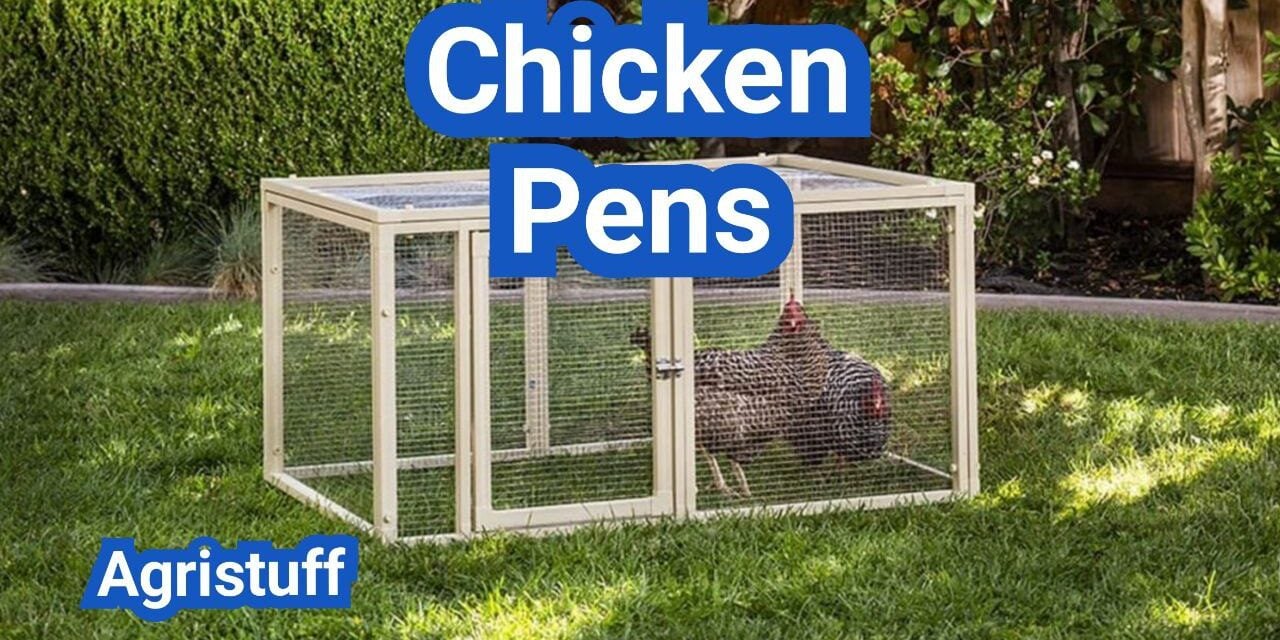
Raising chickens in your backyard can be a rewarding experience, providing fresh eggs and a unique connection to nature. A crucial aspect of backyard chicken coops is the chicken pen, which serves as a safe enclosure for your poultry.
A well-designed hen house or chicken coop is essential for the health and safety of your chickens. It protects them from predators and provides a secure area for them to roam.
In this article, we will explore when to use chicken pens, the best layouts for coop designs, and essential safety tips to keep your chickens healthy and secure.
Key Takeaways
- Understanding the importance of chicken pens for backyard chickens.
- Learning when to use chicken pens for maximum safety.
- Exploring the best layouts and designs for chicken coops.
- Discovering essential safety tips for raising chickens.
- Creating a secure and healthy environment for your poultry.
Understanding Chicken Pens and Their Purpose

Understanding the difference between chicken pens and coops is crucial for any poultry keeper. While both are essential for raising chickens, they serve distinct purposes and offer unique benefits.
What Defines a Chicken Pen vs. a Coop
A chicken coop is primarily designed to provide a safe and secure shelter for chickens, protecting them from predators and harsh weather conditions. In contrast, a chicken pen, also known as a run, is an outdoor enclosure that allows chickens to roam freely while remaining safe from predators.
The key differences between a chicken pen and a coop lie in their design and purpose:
- A coop is typically enclosed and provides shelter.
- A pen is an outdoor area that may be fenced or enclosed.
- Coops are designed for roosting and laying eggs.
- Pens are for exercising and foraging.
Benefits of Using Dedicated Chicken Pens
Dedicated chicken pens offer several benefits, including:
- Improved Health: By providing a separate area for chickens to exercise, pens help reduce the risk of disease transmission.
- Enhanced Safety: Pens protect chickens from predators, reducing the risk of losses.
- Increased Space: Pens give chickens the space they need to roam, reducing stress and promoting well-being.
Common Scenarios for Pen Usage
Chicken pens are particularly useful in various scenarios, such as:
- When introducing new chickens to the flock, a separate pen can help prevent stress and aggression.
- During breeding seasons, pens can be used to manage the mating process.
- In areas with high predator activity, pens provide an additional layer of protection.
By understanding the purpose and benefits of chicken pens, poultry keepers can better manage their flocks, ensuring the health, safety, and well-being of their chickens.
When to Implement Chicken Pens in Your Poultry Setup

Chicken pens are an essential component of a well-managed poultry setup, offering numerous benefits when used appropriately. The decision to implement chicken pens should be based on careful consideration of your flock’s needs, daily management routines, seasonal changes, and any special circumstances that may arise.
Daily Management Considerations
Effective daily management of your poultry setup is crucial for the health and productivity of your flock. Chicken pens can play a significant role in this by providing a safe and controlled environment for your chickens.
- Protecting chickens from predators during daily foraging
- Ensuring adequate space for exercise and movement
- Facilitating easier cleaning and waste management
Seasonal Applications
Seasonal changes can significantly impact your poultry setup, and chicken pens can be adapted to meet these challenges.
| Season | Considerations | Chicken Pen Adaptations |
|---|---|---|
| Spring | Increased predator activity, breeding season | Reinforce pen security, provide nesting areas |
| Summer | Heat stress, increased parasite activity | Ensure adequate ventilation, provide shade |
| Autumn | Preparation for winter, potential for increased predator activity | Inspect and repair pens, ensure adequate bedding |
| Winter | Cold stress, potential for snow and ice | Provide extra bedding, ensure pen is windproof |
Special Circumstances Requiring Separate Pens
Certain situations may necessitate the use of separate or specialized chicken pens. These can include:
- Isolating sick or injured birds to prevent disease spread
- Providing a safe area for new or introduced birds to acclimate
- Creating a quarantine area for birds returning from shows or sales
By understanding when and how to implement chicken pens in your poultry setup, you can significantly enhance the welfare and productivity of your flock.
Types of Chicken Pens for Different Needs
Different chicken pens are designed to meet specific requirements, from permanent structures to portable options. The choice between these types depends on factors such as the size of the flock, available space, and the farmer’s or keeper’s preferences.
Permanent vs. Portable Structures
Permanent chicken pens are fixed structures that provide a stable and secure environment for the chickens. They are often more durable and can be more predator-proof than portable pens.
On the other hand, portable chicken pens offer flexibility and can be moved to different locations to provide chickens with fresh pasture and to rotate the land for better soil health.
Comparison of Permanent and Portable Chicken Pens
| Feature | Permanent Pens | Portable Pens |
|---|---|---|
| Durability | High | Moderate |
| Flexibility | Low | High |
| Predator Protection | High | Moderate |
Specialized Pens for Specific Purposes
Some chicken pens are designed for specific purposes, such as quarantine or brooding. These pens provide ideal conditions for chickens that require special care.
For example, a Page pen is used to isolate new or sick chickens to prevent the spread of disease to the rest of the flock. A brooding pen is designed for raising young chicks, providing them with the necessary warmth and protection.
Understanding the different types of chicken pens and their purposes can help farmers and backyard chicken keepers make informed decisions about their poultry management.
Essential Components of Effective Chicken Pens

Effective chicken pens are crucial for the health and safety of your flock, requiring careful consideration of several key components. A well-designed pen protects your chickens from predators, provides a healthy environment, and ensures their overall well-being.
Structural Elements
The structural integrity of a chicken pen is fundamental to its effectiveness. Sturdy framing and durable materials are essential to withstand various weather conditions and potential predator attacks. The pen’s framework should be designed to support the weight of the roofing material, any additional features like nesting boxes, and withstand wind and rain.
When constructing or purchasing a chicken pen, consider the following structural elements:
- Frame material (wood, metal, or a combination)
- Wall height and material
- Roofing type (solid, mesh, or a combination)
- Door and gate design
Protection Features
Protection from predators is a critical aspect of chicken pen design. Predator-proofing involves using materials and designs that prevent entry by common predators such as foxes, raccoons, and hawks. This includes:
- Using hardware cloth instead of chicken wire
- Burying the fencing material to prevent digging
- Covering the top of the pen to prevent aerial attacks
- Securing doors and gates with strong latches
Comfort and Health Considerations
Ensuring the comfort and health of your chickens is vital for their productivity and well-being. Adequate space, ventilation, and protection from the elements are key factors. Consider the following when designing your chicken pen:
| Comfort Factor | Description | Benefits |
|---|---|---|
| Space per bird | Adequate room to move and forage | Reduces stress and promotes natural behavior |
| Ventilation | Proper airflow to remove moisture and ammonia | Prevents respiratory issues and keeps the pen dry |
| Shade and shelter | Protection from direct sunlight and weather | Prevents heat stress and provides a comfortable environment |
By incorporating these essential components, you can create a chicken pen that is both effective and beneficial for your flock.
Choosing the Perfect Location for Your Chicken Pen

When it comes to setting up a chicken pen, one of the most critical decisions is choosing the right location. The location of your chicken pen can significantly impact the health, safety, and productivity of your flock.
Environmental Factors to Consider
The environmental conditions around your chicken pen can greatly affect your chickens’ well-being. It’s essential to choose a location that provides good drainage to prevent waterlogging and reduce the risk of disease. Additionally, consider the sunlight and shade balance. While chickens need some sunlight for vitamin D, excessive direct sunlight can lead to heat stress.
Another crucial environmental factor is wind protection. Harsh winds can stress your chickens and make them more susceptible to illness. If possible, locate your chicken pen in a spot that offers natural protection from prevailing winds, or plan to install windbreaks.
Accessibility and Convenience
The location of your chicken pen should also be convenient for both you and your chickens. Ease of access is crucial for daily management tasks such as feeding, cleaning, and collecting eggs. A location that is too far from your main living area or is difficult to reach can become a chore, potentially leading to neglect.
Consider the proximity to your home and the ease with which you can monitor and care for your chickens. A well-located chicken pen can make a significant difference in your ability to provide regular care and attention.
Predator Risk Assessment
Assessing the risk of predators is a critical step in choosing a safe location for your chicken pen. Predator-proofing begins with selecting a location that is naturally secure or can be easily secured. Consider the presence of wild animals in your area that might view your chickens as prey.
To minimize the risk, avoid locating your chicken pen in areas with dense vegetation or near woodpiles, rock piles, or other hiding spots for predators. Visibility and surveillance are key; a location that allows you to monitor the pen easily can help deter predators.
Chicken Pen Space Requirements for a Healthy Flock

Ensuring enough space in chicken pens is vital for preventing overcrowding and related issues. Adequate space not only improves the welfare of the chickens but also enhances the overall productivity of the flock.
Calculating Space Needs Based on Flock Size
To determine the appropriate size for a chicken pen, one must consider the number of chickens it will house. A general rule of thumb is to provide at least 2-4 square feet per chicken inside the pen, depending on the breed and size of the chickens. For example, larger breeds require more space than smaller ones.
Here’s a simple way to calculate the minimum pen size:
- Determine the total number of chickens.
- Decide on the space per chicken based on breed (e.g., 2 square feet for smaller breeds, 4 square feet for larger breeds).
- Multiply the number of chickens by the space per chicken to get the total pen area required.
Minimum Requirements for Different Breeds
Different chicken breeds have varying space requirements due to their size and activity levels. For instance:
| Breed Size | Space Requirement per Chicken |
|---|---|
| Small Breeds (e.g., Bantams) | 1-2 square feet |
| Medium Breeds (e.g., Leghorns) | 2-3 square feet |
| Large Breeds (e.g., Orpingtons) | 3-4 square feet |
Avoiding Overcrowding Issues
Overcrowding in chicken pens can lead to a host of problems, including stress, disease, and pecking. To avoid these issues, it’s crucial to monitor the flock’s size and adjust the pen size accordingly.
- Feather pecking and aggression among chickens.
- Increased noise and stress behaviors.
- Reduced egg production and growth rates.
By ensuring adequate space and monitoring the flock’s health, chicken keepers can prevent many of the issues associated with overcrowding, leading to a healthier and more productive flock.
Predator-Proofing Your Chicken Pen: Essential Strategies

To keep your chickens safe, it’s vital to implement effective predator-proofing measures for your chicken pen. Predators can be a significant threat to your flock, and securing your chicken pen is crucial for their safety and well-being.
Common Predators and Their Entry Methods
Understanding the types of predators and how they gain access to chicken pens is the first step in securing your flock. Common predators include foxes, raccoons, coyotes, and hawks. These animals can enter pens through weak points such as poorly secured doors, inadequate fencing, or by digging under the enclosure.
Predator Entry Methods:
- Digging under the fence
- Forcing or picking at weak doors
- Cl Page objects to jump over or fly over fencing
Best Materials for Predator-Resistant Pens
Choosing the right materials for your chicken pen is critical in preventing predator entry. Hardware cloth is recommended over chicken wire because it is stronger and more difficult for predators to tear. For framing, use sturdy wood or metal to ensure the structure can withstand attempts to break in.
| Material | Predator Resistance | Durability |
|---|---|---|
| Hardware Cloth | High | High |
| Chicken Wire | Low | Medium |
| Wooden Frame | Medium | High |
| Metal Frame | High | High |
Security Measures for Day and Night Protection
Securing your chicken pen requires measures that are effective both during the day and at night. Use automatic door closers to ensure that the pen is secure at night, and consider using motion-sensitive lighting to deter predators. Regularly inspect your pen for any signs of weakness or damage.
By understanding the common predators, using the right materials, and implementing robust security measures, you can significantly enhance the safety of your chicken pen. Regular maintenance Page checks on the pen’s integrity will help ensure that your flock remains safe and healthy.
Best Chicken Pen Layouts and Design Ideas

Designing an effective chicken pen is crucial for the health and safety of your flock; here are some top layouts and design ideas to consider.
When it comes to creating a functional and safe chicken pen, the layout is paramount. A well-designed pen can enhance the overall health of your chickens by providing them with adequate space to roam, exercise, and engage in natural behaviors.
Walk-In Run Designs
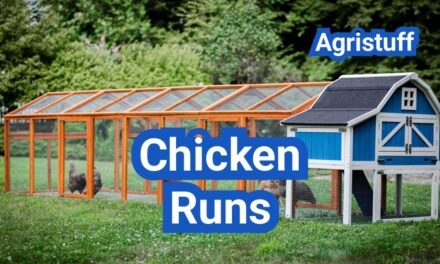
Walk-in run designs are popular among backyard chicken keepers due to their spaciousness and ease of access. These designs allow for a larger area where chickens can move around freely, promoting exercise and reducing stress.
- Include features like dust baths and perches.
- Ensure easy access for cleaning and maintenance.
Chicken Tractor Layouts
Chicken tractors are movable pens that can be relocated around the yard, providing chickens with fresh forage and reducing the risk of disease buildup. These layouts are ideal for small farms or homesteads with varying land availability.
- Design the tractor with mobility in mind.
- Incorporate protective features against predators.
- Ensure adequate ventilation and shade.
Integrated Coop-and-Pen Systems
Integrated coop-and-pen systems combine the chicken coop and run into a single, cohesive unit. This design maximizes space efficiency and can be particularly beneficial for urban or suburban settings where space is limited.
Urban and Suburban Space-Saving Designs
In urban and suburban areas, space-saving designs are essential. Consider using vertical space or compact layouts that still provide chickens with enough room to move around comfortably.
- Utilize vertical space with multi-level coops.
- Opt for compact, rectangular designs.
- Incorporate hidden storage for feed and supplies.
By considering these design ideas and layouts, you can create a chicken pen that is both functional and safe for your flock, enhancing their quality of life and your overall chicken-keeping experience.
Flooring Options for Chicken Pens

Chicken pen flooring is more than just a base layer; it’s a crucial element in ensuring the overall health of your poultry. The right flooring can help prevent disease, reduce odors, and make cleaning easier.
Natural Page Ground vs. Artificial Surfaces
When deciding on flooring for your chicken pen, one of the primary considerations is whether to use natural ground or artificial surfaces. Natural ground can be a cost-effective option, allowing chickens to forage and engage in natural behaviors. However, it can become muddy and unsanitary, especially during wet weather.
Artificial surfaces, on the other hand, offer better durability and easier cleaning. Concrete, for example, is a popular choice due to its longevity and resistance to moisture. However, it can be hard on chickens’ feet and may require additional bedding to ensure comfort.
Deep Litter Method for Pen Floors
The deep litter method involves layering organic materials like straw or wood shavings on the floor of the chicken pen. This approach can help absorb waste, reduce odors, and provide a comfortable surface for chickens to walk on. Regular turning and addition of new litter are necessary to maintain its effectiveness.
Drainage Considerations
Regardless of the flooring type, drainage is a critical factor to consider. Proper drainage helps prevent the accumulation of water and waste, reducing the risk of disease. For natural ground, ensuring the pen is on a slight slope can aid drainage, while artificial surfaces may require specific drainage solutions.
| Flooring Type | Pros | Cons |
|---|---|---|
| Natural Ground | Cost-effective, allows foraging | Can become muddy, unsanitary |
| Artificial Surfaces (Concrete) | Durable, easy to clean | Hard on chickens’ feet, requires bedding |
| Deep Litter Method | Absorbs waste, reduces odors | Requires regular maintenance |
Fencing and Enclosure Materials for Chicken Pens

The fencing and enclosure materials used for chicken pens are critical in maintaining a safe and healthy environment for your poultry. The right materials can protect your chickens from predators, withstand various weather conditions, and provide a comfortable space for them to roam.
Wire Mesh Options and Their Benefits | Chicken Pens
Wire mesh is a popular choice for chicken pen fencing due to its durability and effectiveness against predators. When selecting wire mesh, consider the following factors:
- Mesh size: A smaller mesh size (around 1 inch) is recommended to prevent smaller predators like weasels and snakes from entering the pen.
- Material: Galvanized or coated wire mesh is more resistant to rust and corrosion, ensuring a longer lifespan.
- Height: The fence should be at least 6 feet tall to prevent flying predators and to keep chickens from flying out.
PageSpeed InsightsUsing wire mesh for fencing also allows for good airflow and visibility, which can help in monitoring the health of your chickens.
Wooden and Metal Framework Choices | Chicken Pens
The framework of your chicken pen provides structural support and can significantly impact its durability. Both wooden and metal frameworks have their advantages:
- Wooden frameworks: Wood is a natural, aesthetically pleasing material that can be used for the frame. However, it requires more maintenance than metal, as it can rot or be damaged by pests.
- Metal frameworks: Metal frames, especially those made from galvanized steel, offer high durability and resistance to pests and rot. They can be more expensive upfront but may save money in the long run due to their longevity.
When choosing between wooden and metal frameworks, consider factors like budget, desired durability, and the overall design of your chicken pen.
Roofing Materials for Overhead Protection | Chicken Pens
Roofing materials are essential for protecting your chickens from the elements and predators. Common options include:
- Metal roofing: Durable and resistant to weathering, metal roofing can be a good choice. Ensure it’s properly insulated to regulate temperature.
- Asphalt shingles: A cost-effective option, asphalt shingles are easy to install and provide good weather resistance.
- Polycarbonate or transparent roofing: These materials allow natural light into the pen, which can be beneficial for the chickens’ health and happiness.
Regardless of the material chosen, ensure the roofing is securely attached to the structure to withstand wind and other environmental factors.
DIY Chicken Pen Projects: Step-by-Step Guide

Embarking on a DIY chicken pen project can be a fun and educational experience for backyard chicken keepers. With the right materials and a bit of know-how, you can create a safe and secure enclosure for your flock.
Planning Your DIY Pen | Chicken Pens
Before starting your project, it’s essential to plan carefully. Consider the size of your flock, the space available in your yard, and the materials you will need. Assessing your yard’s layout is crucial to determine the best location for your chicken pen.
Think about the purpose of your chicken pen. Will it be used for daily management, or do you need it for seasonal applications? Understanding your needs will help you design a pen that meets your requirements.
Materials List and Budget Considerations
Once you have a clear plan, make a list of the materials you’ll need. Common materials include wire mesh, wooden posts, and roofing materials. Budgeting is also a critical step; consider the cost of materials and whether you can repurpose or reuse existing items.
- Wire mesh or hardware cloth for fencing
- Wooden posts for framing
- Roofing materials (e.g., corrugated metal, asphalt shingles)
- Nails, screws, and other fasteners
Construction Process Overview | Chicken Pens
The construction process involves several key steps. First, prepare the site by clearing the area and marking out the pen’s dimensions. Next, install the fencing by digging holes for the posts and attaching the wire mesh.
Finally, add roofing to protect your chickens from the elements. Ensure that the roof is securely attached to the frame to withstand wind and weather conditions.
Common DIY Mistakes to Avoid | Chicken Pens
When building your DIY chicken pen, there are several common mistakes to watch out for. Insufficient predator protection is a significant concern; ensure that your pen is securely fenced and covered.
Another mistake is inadequate ventilation. Make sure your pen design includes adequate airflow to keep your chickens healthy and comfortable.
Commercial Chicken Pens: What to Look for When Buying
When it comes to purchasing commercial chicken pens, several factors need to be considered to ensure you’re making the right investment for your poultry operation. A well-chosen chicken pen can significantly impact the health, safety, and productivity of your flock.
Top-Rated Chicken Pens Available Online | Chicken Pens
Several top-rated commercial chicken pens are available online, each with its unique features and benefits. Some of the most popular options include:
- Omlet Chicken Coop: Known for its durability and predator-proof design.
- Eglu Chicken Coop: Offers a range of sizes and is praised for its ease of cleaning.
- Precision Pet Products Chicken Coop: Features a spacious interior and robust construction.
When selecting a commercial chicken pen, it’s essential to read reviews and consider the experiences of other poultry keepers.
Price Range and Value Considerations | Chicken Pens
Commercial chicken pens vary widely in price, depending on factors such as size, material, and features. Prices can range from a few hundred to several thousand dollars. When evaluating the price, consider the value the pen offers in terms of durability, ease of maintenance, and the health and safety of your flock.
Some key considerations include:
- The cost per square foot of the pen.
- The durability and quality of materials used.
- Any additional features that may enhance the pen’s functionality.
Assembly Requirements and Durability Factors
Before making a purchase, it’s crucial to understand the assembly requirements of the commercial chicken pen. Some pens are designed for easy assembly, while others may require more time and expertise.
Durability is another critical factor. Look for pens made from high-quality, weather-resistant materials that can withstand various environmental conditions. A durable pen will provide long-term value and reduce the need for frequent repairs or replacements.
“A well-built chicken pen is an investment in the health and productivity of your flock. It’s worth considering the long-term benefits when evaluating the initial cost.”
By carefully considering these factors, you can make an informed decision when purchasing a commercial chicken pen that meets your needs and provides the best possible environment for your chickens.
Seasonal Adaptations for Chicken Pens

To keep your chickens healthy and thriving, it’s essential to make seasonal adaptations to their pen. Different seasons bring unique challenges, from cold winters to hot summers, and adjusting your chicken pen accordingly can make a significant difference in the well-being of your flock.
Winter Setup for Cold Weather Protection | Chicken Pens
During the winter months, protecting your chickens from cold weather is paramount. This involves ensuring their pen is well-insulated and draft-free. Consider adding bedding like straw or hay to keep the cold ground at bay and maintain a dry environment.
Key Winter Adaptations:
- Insulate the pen with materials like foam board or straw bales.
- Use windproof materials to cover any gaps or vents.
- Provide extra bedding to keep the chickens warm.
Summer Modifications for Heat Management | Chicken Pens
Summer brings its own set of challenges, primarily related to heat management. Ensuring good ventilation and providing shade are crucial steps in keeping your chickens cool.
Effective Summer Strategies:
- Install shade cloth or canopies over the pen.
- Increase ventilation by adding more vents or windows.
- Provide cool water and consider using misting systems.
Spring and Fall Transition Strategies | Chicken Pens
During the spring and fall, your chicken pen requires adjustments to prepare for the upcoming seasons. Spring is a good time to clean out the pen thoroughly and make any necessary repairs, while fall is the time to start preparing for winter.
| Season | Tasks to Perform |
|---|---|
| Spring | Clean the pen, repair any damage, and check for predator vulnerabilities. |
| Fall | Start insulating the pen, check the roof for leaks, and prepare for colder weather. |
By adapting your chicken pen to the changing seasons, you can ensure a healthy and happy flock year-round. Whether it’s protecting them from the cold, keeping them cool in the summer, or preparing for the transitions in spring and fall, your attention to their environment will pay off in the health and productivity of your chickens.
Ventilation and Shade Solutions for Chicken Pens

Proper ventilation and adequate shade are crucial elements in designing a chicken pen that ensures the health and comfort of your flock. Effective ventilation helps remove moisture and ammonia from the pen, reducing the risk of respiratory issues in chickens.
Importance Page of Proper Airflow | Chicken Pens
Airflow is essential for maintaining a healthy environment within the chicken pen. It helps to regulate temperature fluctuations and reduces the concentration of harmful gases. As Jeffrey Gillespie, a poultry expert, notes, “Adequate ventilation is Page critical for the health and well-being of chickens, as it directly impacts their respiratory health.”
To achieve proper airflow, consider the following strategies:
- Positioning the pen to capture prevailing breezes
- Incorporating vents or windows that can be opened and closed as needed
- Page
- Using fans during hot weather to enhance air circulation
Creative Shade Ideas for Hot Weather | Chicken Pens
Shade is vital for protecting chickens from heat stress during warmer months. Here are some creative ways to provide shade in your chicken pen:
- Using natural shade from trees, if available
- Installing shade cloth or tarp structures
- Creating a canopy using wooden or metal frames covered with shade material
Shade cloth is particularly effective as it allows for airflow while blocking direct sunlight. According to a study published in the
“Poultry Science Journal”
, providing shade can significantly reduce the risk of heat stress in chickens.
Balancing Ventilation with Weather Protection | Chicken Pens
While ventilation is crucial, it’s equally important to protect your chickens from extreme weather conditions such as rain, snow, and direct sunlight. To achieve this balance:
- Use adjustable vents to control airflow based on weather conditions
- Ensure the pen is designed with a waterproof roof and secure fencing to prevent drafts and moisture ingress
- Consider using windbreaks during colder months to protect the pen from harsh winds
By implementing these strategies, you can create a chicken pen that is both well-ventilated and protected from the elements, ensuring the health and comfort of your flock year-round.
Maintaining Biosecurity in Your Chicken Pen

A biosecure chicken pen is the foundation of a successful poultry-keeping experience. Biosecurity refers to the practices and measures taken to prevent the introduction and spread of diseases within your flock. Implementing robust biosecurity protocols is crucial for maintaining the health and productivity of your chickens.
Cleaning Protocols | Chicken Pens
Regular cleaning is a cornerstone of biosecurity. It’s essential to establish a routine cleaning schedule for your chicken pen. This includes:
- Daily removal of soiled bedding and waste
- Weekly disinfection of feeding and watering equipment
- Monthly thorough cleaning of the entire pen, including nesting boxes and roosting bars
Disinfection should be done using a solution that is effective against a broad spectrum of pathogens. Always follow the manufacturer’s instructions for dilution and contact time to ensure efficacy.
Disease Prevention Strategies | Chicken Pens
Preventing disease is more effective than treating it after an outbreak occurs. Some key strategies include:
- Implementing a vaccination program as recommended by a veterinarian
- Controlling pests and rodents that can carry diseases
- Monitoring your flock regularly for signs of illness
- Quarantining new birds before introducing them to your existing flock
Quarantine should last for at least 30 days to ensure that new birds are not carrying any diseases.
Visitor and Equipment Management | Chicken Pens
Visitors and equipment can be potential vectors for disease introduction. To mitigate this risk:
- Limit visitors to essential personnel only
- Provide disposable coveralls and boots for visitors to wear
- Disinfect any equipment before it enters the pen
- Avoid sharing equipment between different pens or farms
By implementing these biosecurity measures, you can significantly reduce the risk of disease outbreaks in your chicken pen, ensuring a healthier and more productive flock.
Creating a Safe and Effective Chicken Pen System
A well-designed chicken pen system is crucial for the health, safety, and well-being of your flock. By understanding the purpose and benefits of dedicated chicken pens, you can create a safe and effective environment for your chickens to thrive.
Key considerations include choosing the right location, calculating space needs, and predator-proofing your pen. A safe and effective chicken pen system also requires proper ventilation, shade, and biosecurity measures.
By following the guidelines outlined in this article, you can create a chicken pen system that meets the needs of your flock and provides a healthy and safe environment. Whether you’re a seasoned poultry keeper or just starting out, a well-designed chicken pen system is essential for raising happy and healthy chickens.
FAQ
What is the main purpose of a chicken pen?
The primary purpose of a chicken pen is to provide a safe and healthy environment for chickens, protecting them from predators and maintaining their overall well-being.
How do I determine the right size for my chicken pen?
To determine the right size for your chicken pen, consider the number of chickens you have, their breed, and their activity level. A general rule of thumb is to provide at least 2-4 square feet per chicken inside the pen.
What are the benefits of using a portable chicken pen?
Portable chicken pens offer flexibility and can be moved to different locations to provide fresh forage for chickens, reduce soil erosion, and increase the overall health of the flock.
How can I predator-proof my chicken pen?
To predator-proof your chicken pen, use sturdy materials such as hardware cloth, bury the fencing material at least 12 inches underground to prevent digging, and ensure the pen is well-lit and securely locked.
What flooring options are suitable for chicken pens?
Suitable flooring options for chicken pens include natural ground, artificial surfaces such as concrete or wood, and the deep litter method, which involves layering organic materials like straw or wood shavings.
How often should I clean my chicken pen?
The frequency of cleaning your chicken pen depends on several factors, including the size of the pen, the number of chickens, and the type of flooring. As a general rule, remove soiled bedding and waste regularly, and perform a thorough cleaning at least once a month.
What are some essential features to look for when buying a commercial chicken pen?
When purchasing a commercial chicken pen, consider factors such as durability, ease of assembly, predator protection, ventilation, and shade provision, as well as the overall size and layout of the pen.
How can I ensure proper ventilation in my chicken pen?
To ensure proper ventilation in your chicken pen, provide adequate airflow by incorporating features such as windows, vents, or mesh panels, and consider using fans or other cooling systems during hot weather.
What are some creative ways to provide shade for my chickens?
Creative ways to provide shade for chickens include using tarps or shade cloth, planting trees or shrubs, and incorporating roof or canopy structures into the pen design.
How can I maintain biosecurity in my chicken pen?
To maintain biosecurity in your chicken pen, implement regular cleaning and disinfection protocols, restrict visitor access, and manage equipment and supplies to prevent disease introduction.
Conclusion of: Chicken Pens
Quick definition and why pens solve problems
Chicken Pens are controlled outdoor (or semi-outdoor) spaces that let you manage where birds walk, scratch, eat, and rest—without giving up fresh air and sunlight. Unlike a full free-range setup, a well-built pen helps you protect birds, protect gardens, and keep chores predictable, especially when weather or predators make “open access” risky. Think of a pen as your management tool: it can be temporary or permanent, small or walk-in, and attached to a coop or used as a stand-alone structure with a simple shelter. The best ones balance three priorities—space, security, and easy cleaning—so your flock stays calm and healthy year-round. Poultry Extension small-scale housing overview
When a pen is the right tool
Chicken Pens make the most sense when you need control more than “maximum roaming,” such as introducing new birds, separating a bully, protecting a recovering hen, or keeping everyone contained during a disease risk or neighborhood predator spike. They are also useful during muddy seasons when you want to prevent yard damage, or when you’re rotating birds through grass to reduce odor and flies without letting them reach landscaping or neighbors.
If you buy birds from multiple sources, pens help you isolate newcomers long enough to spot illness before it spreads through your flock. A pen can even be your “training wheels” for young birds so they learn where home is and return reliably at dusk. Penn State Extension biosecurity guidance
- Quarantine newcomers before mixing flocks
- Short-term hospital space for injuries or weakness
- Controlled grazing/rotation to protect lawns and reduce mud
- Temporary confinement during storms, fireworks, or local predator activity
Picking the pen style that fits your yard and routine
Chicken Pens come in a few practical styles, and the “best” option is the one you will actually use every day. Fixed pens (posts + wire) are the most secure and lowest-maintenance once built, especially for suburban backyards. Portable panel pens work well when you want flexibility, but they require more attention to gaps and leveling. Tractor-style pens (moved daily) can keep birds on cleaner ground and spread manure, but they demand consistent moving and strong hardware to prevent escapes. If hawks are common, you will want a style that accepts overhead coverage easily. If snow or heavy rain is common, prioritize access, drainage, and a dry shelter corner. Penn State Extension small-scale poultry housing
Location: drainage, sun, and workflow
Chicken Pens work best on the driest, highest spot you can manage, because standing water and constant mud quickly create odor, foot problems, and a miserable cleaning routine. A slight slope is helpful, while low spots that collect runoff are a long-term headache. Place the pen where you can reach it easily with feed and water, and where you can see it from a window—visibility is a real safety feature. Morning sun with afternoon shade is ideal in many U.S. climates, and windbreaks can help in exposed areas. If you plan to keep birds confined often, design the pen so you can enter comfortably and clean without crawling. Poultry Extension space allowance guidance
Space rules that reduce stress and bad behavior
Chicken Pens should be sized to prevent crowding, because tight quarters lead to feather picking, dirty eggs, and constant wear on the ground. A common backyard guideline for laying hens is around 3–4 square feet per bird indoors with roughly 10 square feet per bird in an outside run, but bigger is almost always easier to manage if you have the space. Include roost/perch options (so birds can rest off the ground), and plan nesting capacity so hens are not competing for the same corner. If your flock includes larger breeds, give them more room at feeders and perches to prevent pushing and injuries. Virginia Tech small-scale poultry housing publication
Three layouts that work in most backyards
Chicken Pens are easiest to maintain when the layout matches how you walk, clean, and collect eggs. The first reliable layout is an “attached run” that connects directly to the coop, so birds can self-manage in and out while you control doors. A second layout is a “walk-in rectangle” with a human-height door, which makes cleaning and catching birds simple and safe.
The third layout is a “two-zone rotation” using a divider gate, letting you rest one side while birds use the other—this is a powerful way to reduce mud and smell without expanding your footprint. Choose a layout that lets you place feeders and waterers where they stay clean and reachable. Iowa State University Extension backyard flock basics
- Attached run: simplest daily flow, ideal for smaller yards
- Walk-in pen: best for cleaning, inspections, and handling birds
- Two-zone rotation: best for ground recovery and odor control
Fencing that actually keeps predators out
Chicken Pens fail most often at the fence line, because “chicken wire” is designed to keep birds in—not to keep determined predators out. For predator resistance, small-opening welded wire or hardware cloth (often 1/4″ to 1/2″) is widely recommended because it resists tearing, chewing, and reach-through attacks better than thin, wide-opening wire. Match the mesh size to your local threats: raccoons and weasels can exploit surprisingly small gaps, while dogs and coyotes test weak corners and loose staples. Use sturdy posts and fasteners, and avoid leaving soft spots near doors, corners, or where the ground dips. Utah State University Extension on fencing and rodents
Dig-proof edges, doors, and latches
Chicken Pens need protection not just at “eye level,” but at the ground where digging predators work. A common approach is to extend wire downward (buried) or outward (a ground apron) so animals hit a barrier when they try to tunnel under the fence. Doors deserve extra attention because raccoons are persistent and will exploit weak latches or flexing frames; build doors square, brace them, and use hardware that cannot be flipped open by paws. If you have jumping predators (or climbing pets), add height and consider a cover to prevent surprise entries. Also keep vegetation trimmed along the perimeter so you can spot holes, tracks, and damage quickly. Colorado State University Extension predator guidance
Overhead cover, shade, and “calm spaces”
Chicken Pens are safer and less stressful when birds have both overhead protection from aerial predators and shaded areas to cool down. Even if hawks do not regularly kill birds, they can spook a flock and trigger panic injuries, so overhead wire, mesh, or well-secured netting can be a smart upgrade. Add a shaded “retreat zone” where birds can step out of direct sun and out of sight, using a roofed corner, shade cloth, or a simple tarp placed so rain does not pour into the pen. Inside the pen, use low platforms, logs, or hanging greens to reduce boredom and discourage pecking, especially when birds are confined for long periods. University of New Hampshire Extension predator protection tips
Heat safety: summer setup that prevents losses
Chicken Pens should be designed for hot days before summer arrives, because heat stress can escalate fast when birds cannot escape the sun. Prioritize shade, airflow, and cool drinking water, and avoid placing solid walls where they block breezes at bird level. If your pen includes a small enclosed shelter, make sure it does not become a heat box—vent openings should allow hot air to escape and fresh air to move through. In severe heat, chores like moving birds or deep cleaning are best done early or late, and you may need extra water points so timid birds are not pushed away. A pen that offers multiple shaded spots reduces crowding and improves comfort. Poultry Extension hot-weather management
Cold and wet weather: ventilation without drafts
Chicken Pens in winter often fail because they trap moisture, not because they are “too cold.” Cold air is usually less dangerous than damp air plus poor ventilation, which can lead to condensation and higher frostbite risk on combs and toes. Keep the shelter area dry, add bedding depth as needed, and make sure air can exchange above roost height without blasting birds with direct drafts. Prevent spill-prone waterers from soaking bedding, and manage manure accumulation under roosts so moisture does not build up. If you use any heat source, treat it as a fire risk first and a comfort tool second, and keep wiring and fixtures protected from birds and bedding. University of Minnesota Extension cold-weather care
Air quality and bedding management
Chicken Pens stay healthier when you treat bedding like a system: it should absorb moisture, reduce odor, and stay loose enough that droppings do not cake into wet mats. Poor air quality usually shows up as a sharp ammonia smell, dusty conditions, or damp bedding—signals that ventilation and moisture control need attention.
Good airflow helps remove moisture and odors, while good bedding practices reduce the source of ammonia by keeping litter drier. Use absorbent materials (like pine shavings where appropriate), remove wet spots quickly, and avoid letting drinkers leak into the same corner day after day. If your birds are confined frequently, consider a simple routine for raking, topping up bedding, and keeping the shelter floor dry. Poultry Extension ventilation guidance
Cleaning routines that don’t burn you out
Chicken Pens are far easier to maintain when cleaning is built into the design, not treated as an occasional emergency. Plan for a human-width door, a wheelbarrow path, and a “dirty tools” spot so you are not tracking manure everywhere.
A practical routine is to remove wet bedding and obvious droppings often, then do periodic deeper cleanouts based on smell, moisture, and parasite pressure rather than a fixed calendar. When disinfecting feeders and waterers, follow product directions and remember that disinfectants work best on surfaces that are already scrubbed clean of organic debris. If you can, place a portion of the pen floor under a roof so you always have a dry area to work with after rain. Cornell Small Farms cleaning and disinfecting guidance
Water, feed, and people hygiene
Chicken Pens can reduce disease risk, but only if you keep “germs in the poultry area” and out of your home and kitchen. Store feed in sealed containers to reduce rodents, and place feeders where wild birds cannot easily contaminate them from above. Keep waterers clean and positioned to minimize bedding saturation, because wet litter increases odor and creates a better environment for pathogens. For human safety, treat the pen as a “separate zone”: wash hands after contact, supervise kids, and clean equipment outdoors rather than in sinks used for food. Simple habits—like dedicated footwear and avoiding eating or drinking in the poultry area—go a long way toward protecting your family. CDC backyard poultry health guidance
Biosecurity for small flocks
Chicken Pens are one of your best biosecurity tools because they let you control contact between your flock and outside risks like visitors, shared equipment, and wild birds. Keep a clear boundary: limit who enters the pen, avoid sharing crates or tools with other bird owners, and isolate newcomers before they mix with your established birds.
If avian influenza or other poultry diseases are active in your region, be extra strict about footwear, handwashing, and preventing wild bird droppings from landing in feed and water areas. Even small backyard flocks benefit from simple written routines—what you do daily, what you do weekly, and what changes when disease risk rises. Consistency matters more than complexity, and pens make consistency achievable. USDA APHIS Defend the Flock biosecurity resources
Final thought
Chicken Pens are worth building when you want predictable management, safer birds, and fewer “surprise problems” caused by predators, mud, and uncontrolled contact with outside germs. If you prioritize drainage, adequate space, predator-resistant fencing, and easy cleaning access, you can create a setup that protects both your flock and your time. Start with the safest perimeter you can afford, then improve comfort with shade, ventilation, and enrichment—because calm birds stay healthier and lay better. Finally, make hygiene routines simple enough that you will follow them even on busy days, since small habits are what keep a small flock thriving. Washington State Department of Health backyard poultry safety
Sources & References
- USDA APHIS – Defend the Flock
- CDC – Backyard Poultry (Healthy Pets, Healthy People)
- Poultry Extension – Space Allowances for Small Flocks
- Poultry Extension – Ventilation in Small/Backyard Housing
- Poultry Extension – Managing Backyard Chickens in Extreme Summer Temperatures
- Penn State Extension – Small-Scale Poultry Housing
- Penn State Extension – Biosecurity: Protecting Your Birds from Disease
- University of Minnesota Extension – Caring for Chickens in Cold Weather
- Colorado State University Extension – Chickens and Predators
- University of New Hampshire Extension – Protecting Chickens from Predators
- Cornell Small Farms – Cleaning and Disinfecting Your Poultry House
- Virginia Tech Extension – Small-Scale Poultry Housing
- Utah State University Extension – Rodents and Backyard Chickens