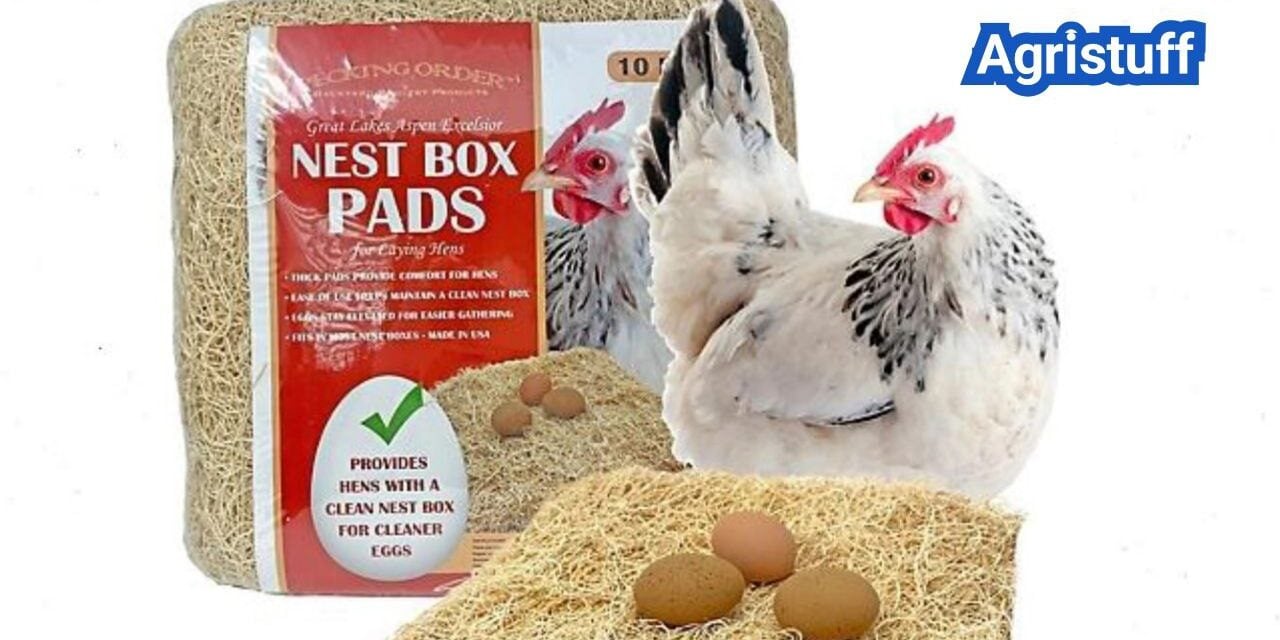
Maintaining a clean and healthy environment for hens is crucial for any backyard farmer or poultry enthusiast. One essential component of this environment is the chicken nesting pad, which plays a significant role in keeping eggs clean and hens happy.
The right nesting pads can make a significant difference in the overall health and productivity of your hens. Various materials are available, including rubber, plastic, artificial grass, and aspen excelsior, each offering unique benefits.
Choosing the best nesting pads can be overwhelming, but understanding the different types and their advantages is key to making an informed decision.
Key Takeaways
- Different materials offer unique benefits for chicken nesting pads.
- Washable chicken nesting pads are a convenient option for maintaining cleanliness.
- High-quality nesting pads contribute to happier hens and cleaner eggs.
- Choosing the right nesting pad depends on understanding the various types available.
- Chicken coop bedding is an essential aspect of maintaining a healthy environment.
Why Quality Nesting Pads Matter for Your Chicken Coop
Investing in quality nesting pads is essential for any chicken coop, as it directly impacts both egg quality and hen health. The right nesting pads provide a clean and comfortable surface for hens to lay their eggs, which is crucial for maintaining the overall quality of the eggs.
The Connection Between Nesting Pads and Egg Quality
The quality of chicken nesting pads plays a significant role in determining the cleanliness and integrity of the eggs. When hens lay eggs on clean, dry nesting pads, the risk of egg breakage and soiling is significantly reduced. This not only results in cleaner eggs but also minimizes the need for excessive washing, which can damage the egg’s natural protective coating.
Furthermore, quality nesting pads help in maintaining the egg’s quality by preventing cracks and breaks. This is particularly important for backyard farmers and commercial producers alike, as it directly affects the marketability and freshness of the eggs.
How Proper Nesting Affects Hen Health and Comfort
Proper nesting material for chickens is not just about egg quality; it’s also crucial for the health and comfort of the hens. Hens that lay eggs on comfortable, clean nesting pads are less likely to experience stress and discomfort, which can lead to health issues. A clean and dry nesting environment helps prevent the buildup of bacteria and moisture, reducing the risk of health problems in hens.
Moreover, comfortable nesting boxes encourage hens to use the nesting areas appropriately, reducing the likelihood of eggs being laid elsewhere in the coop, which can lead to dirty or broken eggs. By providing a comfortable and clean laying surface, farmers can promote the overall well-being of their hens.
Understanding Chicken Nesting Behavior

Creating an optimal nesting environment requires a deep understanding of chicken nesting behavior. Laying hens have innate behaviors that influence how they interact with their nesting boxes, and understanding these behaviors is key to encouraging proper egg laying.
Natural Nesting Instincts of Laying Hens
Laying hens exhibit strong nesting instincts, seeking out quiet, secure, and comfortable locations to lay their eggs. In the wild, hens would typically find a secluded spot to lay eggs, protecting them from predators. Domesticated hens retain this instinct, and providing a comfortable nesting box with appropriate nest pads can help satisfy this natural behavior.
The design and comfort of the nesting box play a significant role in encouraging hens to use it correctly. A well-designed nesting box should be spacious enough for the hen to turn around comfortably, have adequate bedding such as nest pads, and be positioned in a quiet, draft-free area of the coop.
Creating an Environment That Encourages Proper Laying
To encourage proper laying, it’s essential to create an environment that supports the natural nesting instincts of laying hens. This includes providing clean, dry nesting pads that are changed regularly, ensuring the nesting boxes are not overcrowded, and placing the coop in a secure, low-stress location.
Additionally, farmers can take steps to reduce stress among hens, such as minimizing noise levels near the coop and ensuring that the hens have enough space to move around comfortably. By creating a conducive laying environment, farmers can improve egg quality and overall flock health.
- Ensure nesting boxes are clean and well-maintained.
- Provide adequate nest pads or bedding.
- Position nesting boxes in a quiet, secure location.
- Minimize stress by reducing noise and ensuring enough space for hens.
Benefits of Using Chicken Nesting Pads
Chicken nesting pads offer a multitude of benefits for backyard chicken keepers, from cleaner eggs to reduced coop maintenance. These simple additions to your chicken coop can significantly enhance the overall health and productivity of your hens.
Cleaner Eggs with Less Washing
One of the primary advantages of using chicken nesting pads is the reduction in egg soiling. Traditional nesting materials like straw or hay can often stick to the eggs, making them difficult to clean. Nesting pads, on the other hand, provide a clean and dry surface for hens to lay their eggs. This results in cleaner eggs that require less washing, saving time and reducing the risk of egg damage during cleaning.
According to a study by the Poultry Science Journal, “the use of nesting pads can reduce egg soiling by up to 50% compared to traditional nesting materials.” This significant reduction not only improves the quality of the eggs but also decreases the labor involved in egg collection and cleaning.
Reduced Egg Breakage
Chicken nesting pads also play a crucial role in reducing egg breakage. The soft and cushioned surface of these pads provides a gentle landing for eggs, minimizing the impact of dropping and thus reducing the likelihood of cracking. This is particularly beneficial for breeds that lay larger eggs or for hens that may drop their eggs from a height.
- Soft and cushioned surface
- Reduces impact and stress on eggs
- Minimizes egg breakage
Easier Coop Maintenance
Maintaining a clean coop is essential for the health and well-being of your chickens. Chicken nesting pads make this task significantly easier. They are typically designed to be removable and washable, allowing for quick and efficient cleaning. This feature not only saves time but also ensures that the nesting area remains hygienic, reducing the risk of disease.
“Using nesting pads has simplified our coop maintenance routine. They’re easy to remove, wash, and replace, keeping our hens healthy and happy.” – Backyard Chicken Keeper
Cost Efficiency Over Time
While the initial investment in chicken nesting pads may seem higher than traditional nesting materials, they offer significant cost efficiency over time. The durability and reusability of these pads mean that they need to be replaced less frequently, saving money in the long run. Additionally, the reduction in egg breakage and the time saved on egg cleaning contribute to the overall cost-effectiveness.
| Benefits | Traditional Nesting Materials | Chicken Nesting Pads |
|---|---|---|
| Cleanliness | Often results in soiled eggs | Provides a clean surface for laying eggs |
| Egg Breakage | Higher risk due to hard surfaces | Soft surface reduces egg breakage |
| Maintenance | More labor-intensive to clean | Easy to remove and wash |
| Cost Efficiency | May need frequent replacement | Durable and reusable, cost-effective |
In conclusion, the benefits of using chicken nesting pads are multifaceted, ranging from cleaner eggs and reduced egg breakage to easier coop maintenance and cost efficiency over time. By incorporating these pads into your chicken coop, you can create a healthier and more productive environment for your hens.
Types of Chicken Nesting Pads Available Today

The market offers a diverse range of chicken nesting pads, each with unique features that cater to different needs and preferences of poultry keepers. When choosing the right nesting pads for your coop, it’s essential to consider factors such as comfort, cleanliness, and durability.
Washable Fabric Nesting Pads
Washable fabric nesting pads are a popular choice among chicken keepers due to their comfort and ease of cleaning. Made from soft, durable materials, these pads provide a cozy surface for hens to lay their eggs. They are typically made from cotton or synthetic blends that can withstand repeated washing and drying.
Benefits: Easy to clean, comfortable for hens, and can be reused multiple times. Some are designed with antimicrobial properties to reduce odor and bacterial growth.
Consideration: Ensure you have a washing routine in place to keep them clean and hygienic.
Artificial Grass and Turf Options
Artificial grass and turf nesting pads mimic the natural outdoor environment, providing a familiar surface for hens. These are made from synthetic materials designed to be durable and easy to clean.
Advantages: They are durable, easy to clean, and can be used in both indoor and outdoor coops. They also help in keeping the nesting area dry.
Note: Some artificial turf options may require occasional brushing to maintain their appearance and prevent matting.
Natural Fiber Nesting Pads
Natural fiber nesting pads, such as those made from straw, hay, or pine shavings, are another option. These materials are often readily available and can be cost-effective.
Pros: Natural and biodegradable, can be composted after use, and are often inexpensive.
Consideration: They may require more frequent replacement than other types, as they can become soiled or damp.
Plastic and Rubber Nesting Pads
Plastic and rubber nesting pads are durable and easy to clean, making them a practical choice for many chicken keepers. They come in various forms, including mats and roll-out liners.
Benefits: Highly durable, waterproof, and easy to sanitize. They can be used for an extended period with proper care.
Note: Ensure the material is non-toxic and safe for your hens.
By understanding the different types of chicken nesting pads available, you can make an informed decision that suits your coop’s specific needs, enhancing both the health of your hens and the quality of the eggs they produce.
Best Chicken Nesting Pads for Different Coop Setups

The best chicken nesting pads can make a significant difference in maintaining cleanliness and reducing stress among hens. Different coop setups have unique requirements, and choosing the right nesting pad is crucial for the health and productivity of your flock.
For Small Backyard Flocks
For small backyard flocks, ease of cleaning and comfort are top priorities. Washable fabric nesting pads are an excellent choice as they are easy to clean and can be reused multiple times. These pads are also gentle on the hens’ feet and can help reduce the risk of egg breakage.
- Ease of installation
- Comfort for hens
- Easy to clean
For Large Commercial Operations
Large commercial operations require durable and cost-effective solutions. Plastic or rubber nesting pads are often preferred in these setups due to their longevity and ease of maintenance. They can withstand heavy use and are resistant to moisture, making them ideal for large-scale egg production.
“Using the right nesting pads can significantly reduce labor costs associated with cleaning and maintaining the coop.”
Expert in Poultry Farming
For Free-Range and Organic Setups
For free-range and organic setups, the focus is on providing a natural environment for the hens. Natural fiber nesting pads, such as those made from grass or straw, are a popular choice. These materials are biodegradable and can be composted, aligning with the organic farming principles.
When selecting nesting pads for free-range or organic setups, consider the following factors:
- Biodegradability
- Comfort and safety for hens
- Compatibility with organic farming standards
By choosing the right nesting pads for your specific coop setup, you can improve the welfare of your hens and the quality of the eggs they produce.
Commercial Chicken Nesting Pads: Top Brands Reviewed

When it comes to commercial chicken nesting pads, several brands stand out for their quality and innovation. The right nesting pads can significantly impact the health and productivity of laying hens, as well as the overall efficiency of egg collection. In this section, we’ll review some of the top commercial chicken nesting pad brands available today.
Precision Pet Excelsior Nesting Pads by Petmate
Precision Pet Excelsior Nesting Pads are known for their high-quality materials and durable construction. Made from excelsior wood fibers, these pads provide excellent comfort for hens while being highly absorbent. They are also easy to clean and maintain, making them a popular choice among commercial poultry farmers.
Eaton Pet & Pasture Premium Laying Hen Nesting Pads
Eaton Pet & Pasture Premium Laying Hen Nesting Pads offer a unique blend of comfort and practicality. These pads are designed to reduce egg breakage and are made from materials that are both durable and easy to clean. Their premium quality ensures a clean and healthy environment for laying hens.
Rural365 Nest Box Liners
Rural365 Nest Box Liners are designed for ease of use and provide a comfortable surface for hens to lay their eggs. Made from soft, flexible materials, these liners are easy to install and clean. They help in reducing egg breakage and are a cost-effective solution for commercial chicken keepers.
Hamiledyi Artificial Grass Nest Bedding
Hamiledyi Artificial Grass Nest Bedding mimics the natural grass environment, providing a comfortable and familiar surface for hens. This artificial grass is durable, easy to clean, and helps in keeping the nesting area dry. It’s an innovative solution that combines the benefits of natural grass with the practicality of synthetic materials.
Each of these brands offers unique features and benefits, catering to different needs and preferences in commercial chicken keeping. By choosing the right nesting pads, farmers can improve hen welfare, reduce labor costs associated with egg cleaning, and increase overall productivity.
Where to Buy Chicken Nesting Pads in the USA

For those looking to enhance their chicken coop with quality nesting pads, several purchasing options are available across the USA. Whether you’re a seasoned poultry keeper or just starting out, finding the right nesting pads can significantly impact the health and happiness of your hens.
Online Options: Amazon, Specialized Poultry Suppliers
Online shopping has made it easier than ever to source chicken nesting pads. Amazon offers a wide range of products, from washable fabric pads to artificial grass options. Specialized poultry suppliers also provide high-quality nesting pads designed specifically for chicken coops. These online retailers often include customer reviews and product ratings, helping you make an informed decision.
When shopping online, it’s essential to check the product descriptions, material durability, and customer feedback. Some popular online stores include:
- Amazon
- Petco
- Chewy
- Specialized poultry supply stores
Retail Stores: Tractor Supply, Farm Stores, Bunnings
For those who prefer to shop in person, various retail stores across the USA stock chicken nesting pads. Tractor Supply is a well-known retailer that carries a variety of coop supplies, including nesting pads. Farm stores and hardware stores like Bunnings also typically carry a selection of nesting materials.
Visiting a store allows you to see the product firsthand and ask staff for recommendations. Some popular retail stores include:
- Tractor Supply
- Farm Supply Stores
- Bunnings
- Local feed mills
Finding Local Suppliers Near You
Supporting local businesses is another great way to obtain chicken nesting pads. Local suppliers may offer custom-made nesting pads or specialized products tailored to your region. A quick online search or inquiry at local farm stores can help you find nearby suppliers.
Some benefits of using local suppliers include:
- Personalized service
- Potential for custom orders
- Supporting the local economy
Comparing Prices and Shipping Options
When purchasing chicken nesting pads, it’s crucial to compare prices across different retailers. Online stores often have competitive pricing, but be sure to factor in shipping costs. Some retailers may offer free shipping or discounts for bulk orders.
To get the best value, consider the following:
- Compare prices across multiple retailers
- Check for shipping costs and estimated delivery times
- Look for discounts or promotions
By exploring these options, you can find the perfect chicken nesting pads for your coop, ensuring cleaner eggs and happier hens.
DIY Chicken Nesting Pads: Step-by-Step Guide

Creating DIY chicken nesting pads is a straightforward process that can be customized to fit your coop’s specific needs. This guide will walk you through the steps to make your own nesting pads, ensuring a clean and comfortable environment for your hens.
Materials You’ll Need
To start, you’ll need a few basic materials. These can include washable fabric, artificial grass, or natural fibers, depending on your preference and the needs of your flock. Other necessary items include scissors, a measuring tape, and a waterproofing agent to protect the pads from moisture.
- Washable fabric or artificial grass
- Scissors
- Measuring tape
- Waterproofing agent
- Optional: rubber backing for extra durability
Measuring and Cutting for Your Nest Boxes
Accurate measurements are crucial to ensure your DIY nesting pads fit snugly in the nest boxes. Measure the length, width, and depth of your nest boxes to determine the correct size for your pads.
Tip: Consider making your pads slightly larger than needed so they can be tucked in securely, preventing them from shifting or bunching up.
Assembly Instructions
Once you have your materials cut to size, assembling the nesting pads is relatively simple. If using fabric, you may want to hem the edges to prevent fraying. For added durability, consider attaching a rubber backing to your pad.
Waterproofing and Maintenance Tips
To extend the life of your DIY nesting pads, apply a waterproofing agent. This will help protect against moisture from droppings and any eggs that might break. Regular washing and drying of the pads are also crucial to maintain cleanliness and prevent the buildup of bacteria.
Regular maintenance not only keeps your coop clean but also encourages your hens to lay eggs in the nesting boxes rather than elsewhere.
Traditional Nesting Materials vs. Modern Nesting Pads
Traditional nesting materials like straw and hay have been used for decades, but modern nesting pads are gaining popularity among poultry keepers. The choice between these options depends on several factors, including cost, cleanliness, convenience, and environmental impact.
Straw and Hay: Pros and Cons
Straw and hay are traditional bedding materials that have been used in chicken coops for centuries. They are readily available and can be cost-effective. However, they can also be prone to moisture retention, leading to dirty eggs and potential health issues for the hens.
Pros: Inexpensive, readily available, and can be composted.
Cons: May retain moisture, can be dusty, and requires frequent replacement.
Pine Shavings in Nesting Boxes
Pine shavings are another popular traditional nesting material. They are absorbent and can help keep the nesting box dry. However, they can also be prone to being kicked out of the nesting box by the hens, creating messes.
Benefits: Absorbent, can reduce odor, and is generally considered safe for hens.
Drawbacks: Can be expensive in large quantities, may be kicked out of the nesting box.
Comparing Cost, Cleanliness, and Convenience
| Nesting Material | Cost | Cleanliness | Convenience |
|---|---|---|---|
| Straw/Hay | Low | Poor | Low |
| Pine Shavings | Medium | Good | Medium |
| Modern Nesting Pads | High | Excellent | High |
Environmental Impact Considerations
The environmental impact of nesting materials varies. Traditional materials like straw and hay are biodegradable but may require more frequent replacement, potentially increasing waste. Modern nesting pads, while more durable and less wasteful in the long run, are often made from synthetic materials that have their own environmental footprint.
When choosing between traditional and modern nesting materials, consider the overall environmental impact, including the production process, usage lifespan, and disposal or recycling options.
Setting Up the Perfect Nesting Box with Pads

A well-designed nesting box setup is essential for maintaining cleanliness and encouraging hens to lay eggs properly. The configuration of the nesting box, including its dimensions, placement, and the type of nesting pad used, plays a significant role in the health and productivity of your hens.
Ideal Dimensions and Placement
The dimensions of the nesting box are crucial for the comfort of your hens. Generally, a nesting box should be about 12 inches wide, 12 inches deep, and 18 inches tall. However, these dimensions can vary depending on the breed and size of your hens. It’s also important to place the nesting boxes in a quiet, dark area of the coop to encourage hens to use them.
Key Considerations for Nesting Box Placement:
- Position nesting boxes at a comfortable height to prevent strain on the hens’ backs.
- Ensure easy access for egg collection.
- Avoid placing nesting boxes near roosting bars to minimize droppings.
Installing Nesting Pads Correctly
Once the nesting boxes are positioned correctly, the next step is to install the nesting pads. Nesting pads should be cut to fit snugly inside the nesting box, ensuring that they cover the entire floor. This helps in keeping the eggs clean and reducing breakage.
Adding Supplemental Bedding Materials
In addition to nesting pads, supplemental bedding materials can be used to further enhance the cleanliness and comfort of the nesting boxes. Materials such as straw or pine shavings can be added on top of the nesting pads to provide extra cushioning and absorbency.
| Bedding Material | Absorbency | Cushioning | Cost |
|---|---|---|---|
| Straw | High | Medium | Low |
| Pine Shavings | Medium | High | Medium |
| Nesting Pads | High | High | High |
By carefully setting up the nesting boxes with appropriate nesting pads and supplemental bedding materials, you can create a comfortable and clean environment for your hens, leading to healthier birds and higher quality eggs.
How to Keep Chicken Eggs Clean with Proper Nesting Pads
The cleanliness of chicken eggs is directly related to the quality of the nesting pads used in the coop. Proper nesting pads play a crucial role in maintaining the hygiene and quality of the eggs laid by hens.
Preventing Soiled Eggs Before They Happen
One of the primary benefits of using high-quality nesting pads is the prevention of soiled eggs. By providing a clean and dry surface for hens to lay their eggs, you can significantly reduce the likelihood of eggs getting dirty. Regular inspection and replacement of nesting pads are essential to maintaining a clean environment.
To prevent soiled eggs, it’s also important to ensure that the nesting boxes are well-ventilated and kept at a comfortable temperature. This helps in reducing moisture buildup, which can contribute to dirty eggs.
Managing Moisture in Nesting Boxes
Managing moisture is critical in keeping eggs clean. Excess moisture can lead to dirty eggs and create an environment conducive to bacterial growth. Using absorbent nesting pads can help manage moisture levels in the nesting boxes.
| Nesting Pad Material | Absorbency Level | Maintenance Requirement |
|---|---|---|
| Washable Fabric | High | Regular Washing |
| Artificial Grass | Medium | Occasional Cleaning |
| Natural Fiber | High | Frequent Replacement |
Training Hens to Use Nesting Boxes Properly
Training hens to use nesting boxes correctly is another crucial aspect of keeping eggs clean. By placing dummy eggs or golf balls in the nesting boxes, you can encourage hens to lay their eggs in the designated areas.
It’s also important to ensure that the nesting boxes are comfortable and accessible for the hens. Providing enough nesting boxes for the number of hens in your flock can help reduce stress and encourage proper laying behavior.
By implementing these strategies and using proper nesting pads, you can significantly improve the cleanliness of your chicken eggs and create a healthier environment for your hens.
Cleaning and Maintaining Washable Chicken Nesting Pads
Clean nesting pads are essential for the overall health of your flock and the quality of the eggs they produce. Regular maintenance of these pads is not just about cleanliness; it’s also about creating a comfortable and healthy environment for your hens.
Regular Cleaning Schedule
Establishing a regular cleaning schedule is crucial for maintaining washable chicken nesting pads. The frequency of cleaning depends on several factors, including the size of your flock and the material of the nesting pads.
- For small backyard flocks, cleaning the nesting pads every 1-2 weeks is typically sufficient.
- For larger commercial operations, more frequent cleaning may be necessary, potentially every few days.
Tips for a Regular Cleaning Schedule:
- Inspect the pads regularly for signs of soiling or wear.
- Keep a log to track when the pads were last cleaned and when they need to be cleaned again.
Washing Techniques for Different Pad Materials
The material of your nesting pads dictates the best washing technique. Here are some common materials and how to clean them:
- Washable Fabric Nesting Pads: These can usually be machine washed with mild detergent. Avoid using bleach or harsh chemicals.
- Artificial Grass and Turf Options: These can be hosed down or machine washed on a gentle cycle. Ensure they are thoroughly dried to prevent mold.
- Plastic and Rubber Nesting Pads: These are typically easy to clean with a hose or damp cloth. For tougher stains, a mild detergent can be used.
It’s essential to follow the manufacturer’s instructions for washing and drying to ensure the longevity of the nesting pads.
Extending the Life of Your Nesting Pads
To get the most out of your washable chicken nesting pads, proper care and maintenance are key. Here are some tips to extend their life:
- Regularly inspect the pads for wear and tear, replacing them as needed.
- Use a pre-treatment or stain remover before washing to tackle tough stains.
- Dry the pads thoroughly after washing to prevent mold and mildew.
- Consider having multiple sets of nesting pads to rotate through, reducing the wear on any single set.
By following these guidelines, you can ensure your washable chicken nesting pads remain in good condition, providing a clean and healthy environment for your hens.
Preventing Common Nesting Box Problems
Maintaining a well-functioning chicken nesting box is crucial for the health of your hens and the quality of the eggs they produce. Effective management of nesting boxes can prevent a range of common problems that chicken keepers face.
Stopping Chickens from Eating Eggs
Egg eating is a behavioral issue that can be challenging to address, but there are several strategies that can help prevent it. Ensuring that your hens have a calcium-rich diet is essential, as a lack of calcium can lead to soft-shelled eggs, which are more likely to be eaten. Additionally, collecting eggs frequently and providing enough nesting boxes can reduce the likelihood of egg eating.
According to expert advice, “Providing a stress-free environment and ensuring that hens have enough space can significantly reduce the incidence of egg eating.” Implementing these measures can help mitigate this issue.
Preventing Cracked Eggs in Nest Boxes
Cracked eggs are often a result of hens jumping into or out of the nesting boxes, or from eggs being laid on hard surfaces. Using soft and cushioned nesting pads can help reduce the incidence of cracked eggs. Moreover, ensuring that the nesting boxes are not too high off the ground can prevent hens from injuring themselves and cracking their eggs upon landing.
Dealing with Broody Hens
Broody hens can be a challenge, as they often refuse to leave the nesting box, potentially soiling the eggs or preventing other hens from laying. Providing a separate area for broody hens can help manage this issue. Some chicken keepers also use strategies like isolating broody hens or using cooling methods to discourage broodiness.
Managing Nest Box Competition
Nest box competition occurs when there are more hens than available nesting boxes, leading to stress and potential egg breakage. Ensuring that there is one nesting box per 3-4 hens can alleviate this issue. Additionally, providing multiple nesting boxes in different locations can help distribute the hens and reduce competition.
As noted by poultry experts, “Adequate nesting box provision is key to reducing stress among hens and improving overall flock harmony.” By managing nest box competition, chicken keepers can create a more harmonious and productive flock.
Seasonal Considerations for Chicken Nesting Pads
Seasonal adjustments to chicken nesting pads are crucial for maintaining a clean and comfortable environment for laying hens. Different seasons bring different challenges, from heat management in the summer to insulation in the winter, and thorough cleaning in the spring.
Summer Heat Management
During the summer, it’s essential to keep the nesting area cool and dry to prevent heat stress among your hens. Using nesting pads made from breathable materials can help improve ventilation. Consider pads made from natural fibers or artificial grass that allow for airflow and moisture wicking.
Tips for Summer:
- Ensure good airflow around the nesting boxes.
- Use light-colored nesting pads to reflect heat.
- Increase the frequency of cleaning to prevent bacterial growth.
Winter Comfort and Insulation
In the winter, the focus shifts to keeping the nesting area warm and cozy. Nesting pads can provide an extra layer of insulation against the cold. Materials like thick fabric or rubber can help keep the cold out.
Winter Care:
- Use thicker, insulating nesting pads.
- Ensure the coop is draft-free.
- Monitor the hens’ comfort and adjust as necessary.
Spring Cleaning and Replacement
Spring is the perfect time for a thorough cleaning and replacement of nesting pads. Remove all old pads, clean the nesting boxes thoroughly, and replace with fresh pads. This not only improves hygiene but also gives you a chance to inspect the nesting boxes for any damage or needed repairs.
| Season | Nesting Pad Considerations | Tips |
|---|---|---|
| Summer | Breathability, heat reflection | Use light-colored, breathable materials. |
| Winter | Insulation, warmth | Thicker, insulating materials. |
| Spring | Cleaning, replacement | Thorough cleaning and inspection. |
Optimizing Your Egg Collection Schedule
To keep your eggs clean and your hens happy, it’s essential to develop an effective egg collection routine. A well-planned egg collection schedule not only ensures the freshness and quality of your eggs but also contributes to the overall health and productivity of your flock.
Best Times to Collect Eggs
Collecting eggs at the right time is crucial for maintaining their quality. Most hens lay their eggs in the morning, so it’s recommended to collect eggs at least once in the morning and once in the afternoon to prevent breakage and keep them clean.
- Morning collection reduces the chance of eggs getting dirty or broken as the day progresses.
- Afternoon collection helps in gathering any eggs laid later in the day.
Handling and Storing Farm Fresh Eggs
Proper handling and storage of farm-fresh eggs are vital for maintaining their freshness. Eggs should be stored in a cool, dry place, away from direct sunlight.
| Storage Method | Temperature | Freshness Duration |
|---|---|---|
| Room Temperature | 68°F – 72°F | 1-2 weeks |
| Refrigerated | 40°F – 45°F | 4-5 weeks |
Record Keeping for Backyard Flocks
Maintaining records of your egg collection can help you monitor the health and productivity of your flock. Keep track of the number of eggs collected daily, any issues with egg quality, and the overall health of your hens.
Record keeping can also assist in identifying patterns or issues early on, allowing for timely interventions.
Adjusting Collection for Weather Conditions
Weather conditions can significantly impact egg production and quality. For instance, extreme heat can stress hens, potentially reducing egg production, while cold weather may increase the risk of eggs freezing if not collected promptly.
Adjusting your egg collection schedule according to weather conditions can help mitigate these risks. For example, more frequent collections during hot weather can prevent eggs from becoming dirty or cracked.
Troubleshooting Nesting Pad Issues
Even with the best chicken nesting pads, issues like hen rejection, soiling, and pests can still happen. Understanding how to troubleshoot these problems is essential for maintaining a healthy and productive flock.
When Hens Reject Nesting Pads
Sometimes, hens may refuse to use the nesting pads provided. This can be due to the material, texture, or even the placement of the pads. To address this issue, try changing the type of nesting pad or adjusting its position within the nesting box. Some hens may prefer softer materials like fabric or natural fibers, while others might be more comfortable with firmer options like plastic or rubber.
Tips for Encouraging Hen Acceptance:
- Ensure the nesting pads are clean and free of any strong odors.
- Place a few eggs in the nesting box to encourage hens to use it.
- Provide enough nesting boxes for the number of hens in your flock.
Dealing with Soiled or Damaged Pads
Nesting pads can become soiled or damaged over time, especially if not properly maintained. Regular cleaning and inspection can help prevent this. For washable pads, follow the manufacturer’s washing instructions. For disposable pads, replace them as needed. If you notice any signs of wear or damage, consider replacing the pads to maintain cleanliness and hygiene.
Regular maintenance is key to extending the life of your nesting pads.
Addressing Pest Problems in Nesting Boxes
Pests like mites, lice, or rodents can infest nesting boxes and pads, causing discomfort to your hens. To address this, regularly inspect your nesting boxes and pads for any signs of pests. Use diatomaceous earth or other safe pest control methods to eliminate the problem. Ensure that your coop is well-ventilated and dry, as moisture can attract pests.
- Regularly clean and disinfect nesting boxes and pads.
- Use pest control products safe for your hens.
- Seal any entry points to prevent rodents from accessing the coop.
Creating a Sustainable Nesting System for Happier Hens and Cleaner Eggs
A well-designed nesting system is crucial for maintaining the health and productivity of your hens. By incorporating high-quality chicken nesting pads, you can create a sustainable nesting system that promotes happier hens and cleaner eggs.
The use of appropriate nesting pads can significantly reduce egg breakage and soiling, making egg collection easier and more efficient. This, in turn, can lead to cost savings and improved overall flock management.
To achieve a sustainable nesting system, consider factors such as coop setup, nesting box dimensions, and pad material. Regular cleaning and maintenance of the nesting pads are also essential to prevent the buildup of bacteria and odors.
By implementing these strategies and utilizing the right chicken nesting pads, you can create a comfortable and healthy environment for your hens, resulting in a more productive and sustainable egg-laying operation.
FAQ
What are chicken nesting pads, and why are they important?
Chicken nesting pads are materials placed in nesting boxes to provide a comfortable surface for hens to lay eggs. They are important for maintaining cleanliness, reducing egg breakage, and promoting hen health.
What types of chicken nesting pads are available?
Available types include washable fabric nesting pads, artificial grass and turf options, natural fiber nesting pads, and plastic and rubber nesting pads.
How often should I clean chicken nesting pads?
The frequency of cleaning depends on the type of pad and the number of hens using the nesting box. Generally, cleaning should be done regularly, ideally weekly, to prevent the buildup of dirt and bacteria.
Can I use traditional nesting materials like straw or pine shavings instead of nesting pads?
Yes, traditional materials can be used, but they have their drawbacks, such as being less clean, more prone to harboring pests, and potentially causing more egg breakage compared to modern nesting pads.
How do I choose the best chicken nesting pads for my coop?
Consider factors such as the size of your flock, the type of coop you have, your budget, and the specific needs of your hens, such as comfort and cleanliness.
Are there any benefits to using washable chicken nesting pads?
Yes, washable pads are easy to clean, reduce waste, and can be reused multiple times, making them a cost-effective and environmentally friendly option.
How do I install chicken nesting pads correctly?
Ensure the pad fits snugly in the nesting box, is not too thick or too thin, and is securely fastened to prevent it from shifting or bunching up.
Can chicken nesting pads help prevent egg eating?
While nesting pads themselves don’t directly prevent egg eating, they can contribute to a cleaner and less stressful environment, which may help reduce the likelihood of egg eating behavior.
How do seasonal changes affect the use of chicken nesting pads?
In summer, nesting pads can help keep the nesting box cool, while in winter, they can provide insulation. Regular cleaning and replacement are crucial regardless of the season.
Where can I buy chicken nesting pads?
Chicken nesting pads can be purchased online from suppliers like Amazon, at retail stores such as Tractor Supply, and from local farm stores or poultry suppliers.
Can I make my own DIY chicken nesting pads?
Yes, you can create your own nesting pads using materials like fabric, artificial grass, or natural fibers, following a step-by-step guide to ensure they are effective and durable.
How do chicken nesting pads contribute to cleaner eggs?
Nesting pads provide a clean surface for eggs to be laid on, reducing the likelihood of eggs coming into contact with dirt or manure, thus resulting in cleaner eggs.
Are there any specific considerations for free-range or organic chicken setups?
For free-range or organic setups, consider using natural or organic materials for nesting pads and ensure that the nesting boxes are designed to accommodate the hens’ natural behaviors.
Conclusion of: Chicken Nesting Pads
Why nesting pads matter more than most backyard keepers think
If you’re chasing cleaner eggs, fewer cracks, and calmer laying behavior, chicken nesting pads are one of the highest-impact (and lowest-cost) upgrades you can make inside a coop because the nest is where egg quality starts every single day Safe egg handling for small flocks (UAF Extension)
Dirty eggs are usually a “nest environment” problem, not an “egg problem,” and chicken nesting pads work by creating a dry, cushioned surface that helps keep shells away from damp litter, manure smears, and broken-yolk messes that spread quickly in busy boxes Cleaning and handling dirty eggs (Nebraska Extension)
What counts as a nesting pad (and what doesn’t)
In practical terms, chicken nesting pads can be loose fill (like straw or shavings placed as a layer) or a formed liner (like a cut-to-fit mat) as long as it supports the egg, absorbs or drains moisture, and can be refreshed easily without turning the nest into a dust cloud
A good rule is that chicken nesting pads should function like “protective egg padding,” staying clean and dry enough that hens don’t break eggs while turning, settling, or sharing a box during peak morning laying traffic Preventing egg eating and keeping nesting material clean (Cooperative Extension)
The comfort factor: calmer hens, better nest habits
Hens are surprisingly picky about where they lay, and chicken nesting pads help by offering a consistent feel underfoot that encourages laying in the box (not on the floor), which is one of the simplest ways to reduce soiling and improve day-to-day egg collection
When chicken nesting pads make the nest feel private, stable, and “settled,” you also reduce the frustration behaviors that lead to crowding, jostling, and accidental cracks—especially in small backyard coops where one bad nest can create a daily traffic jam Nest space and clean litter guidance (UAF Extension)
What the best nesting pad must do (a simple performance checklist)
Before you choose a material, judge chicken nesting pads by four basics: traction (so hens don’t slip), cushioning (so shells don’t crack), cleanliness (so waste doesn’t stick), and manageability (so you can refresh the nest fast and consistently) Nest cushioning and management tips (Mississippi State Extension)
Moisture control is the make-or-break feature for chicken nesting pads because damp bedding turns into ammonia and odor problems, and the same wet conditions that make a coop smell “off” also make eggs far more likely to get stained and hard to clean
Loose-fill options that work well in most backyard nest boxes
Straw (used as a fluffy layer) is a classic choice for chicken nesting pads because it cushions eggs, gives hens something to “shape” with their bodies, and can be replaced quickly, but it must be kept dry and refreshed before it mats down or gets damp Nest boxes half-filled with straw or clean litter (UGA Extension PDF)
Pine shavings are popular chicken nesting pads because they’re easy to fluff, reasonably absorbent, and simple to spot-clean, but they work best when you remove soiled sections regularly so the nest doesn’t become a moisture sponge that smears shells Bedding and weekly clean-out basics (University of Delaware Extension PDF)
Fine sawdust is usually a poor substitute for chicken nesting pads because it can cling to moist shells and increase dust exposure, so if your only available wood product is very fine, you’ll often get better egg cleanliness by switching to larger-flake shavings or straw Why dry bedding and low-dust conditions matter (University of Kentucky PDF)
Climate-aware choices: what works in dry regions vs. humid regions
In humid seasons, chicken nesting pads need to dry quickly (not just absorb), so your priority is frequent refresh and better airflow rather than “deeper and deeper” bedding that stays wet underneath and quietly ruins egg cleanliness over time Moisture, ventilation, and wet litter risks (Cornell Cooperative Extension)
In cold weather, chicken nesting pads still need to stay dry because humidity plus wet manure increases foot problems and coop stress, and the nest box often becomes the first place you notice condensation issues that require more ventilation Cold + humidity impacts and moisture checks (Cornell Cooperative Extension)
Reusable liners and formed pads: when “washable” is worth it
Reusable chicken nesting pads (washable mats or formed liners) make sense when you want predictable egg cleanliness and fast reset after a broken egg, but they only perform well if you can remove, scrub, dry, and reinstall them on a schedule that matches your flock size Keeping nests clean and replacing nesting materials (University of Minnesota Extension)
Some keepers like textured plastic or turf-style chicken nesting pads because eggs sit above small debris, and research in commercial-style housing systems discusses nest pads as part of how nest-laid eggs can be kept cleaner than floor eggs in managed environments Poultry Science paper discussing nest pads and egg hygiene (PDF)
If you use rubber, silicone, or foam-like chicken nesting pads, avoid anything that stays damp against the shell, and treat “easy to wash” as meaningless unless the pad also dries quickly between uses so you don’t create a hidden bacteria-friendly surface Egg safety and handling basics (FDA)
Materials to avoid (because they make eggs dirtier, not cleaner)
Skip any chicken nesting pads that are moldy, musty, heavily scented, or shedding fibers, because the same wet-bedding conditions that create ammonia and odor also increase the risk of stained shells and messy nests that are hard to sanitize properly Wet bedding, ammonia, and mold risks (University of Kentucky PDF)
Avoid slick surfaces as chicken nesting pads unless they have real traction, because slipping hens crack eggs, panic in the box, and can start laying elsewhere, which quickly turns into a cycle of floor eggs and constant shell cleaning Why floor eggs and dirty nests create dirty eggs (Nebraska Extension)
Setup details that make any pad perform better
Even the best chicken nesting pads can’t compensate for overcrowded nests, so aim for a realistic nest-box ratio (often one nest for every four to five hens) and place boxes where hens feel safe, not where traffic and roost droppings can fall into them Nest box sizing, placement, and ratios (UGA Extension PDF)
Depth matters with chicken nesting pads because a thin layer doesn’t cushion and a sloppy, overfilled box gets kicked out fast, so your goal is a stable layer that doesn’t expose the hard floor of the box when a hen “turns” to settle in Keeping clean, dry nesting material as egg padding (Cooperative Extension)
To keep chicken nesting pads cleaner, prevent hens from sleeping in the boxes by providing comfortable roosts and good night-time habits, because “nest sleeping” is one of the quickest ways to end up with manure-stained eggs first thing in the morning Perches and coop management fundamentals (University of Kentucky PDF)
Cleaning routines that protect egg cleanliness (and save you time)
The simplest maintenance plan for chicken nesting pads is a weekly full refresh plus quick daily spot-cleaning, because one broken egg or wet dropping can turn into a sticky contamination problem that ruins many eggs in a single day Weekly nest cleaning and replacement guidance (University of Minnesota Extension)
Frequent egg collection works hand-in-hand with chicken nesting pads, since the longer eggs sit in the nest the more likely they are to get dirty, break, or be pecked—so a good pad plus timely collection is a powerful “clean egg” combination Egg collection frequency and quality notes (UAF Extension)
When eggs are still dirty, chicken nesting pads should be paired with dry-cleaning habits (brush, fine sandpaper, or similar) instead of soaking, because guidance during backyard-poultry Salmonella investigations commonly warns that washing can pull germs into the egg under the wrong conditions CDC advice on handling eggs from backyard flocks
Food-safety habits that start at the nest box
Cleaner shells begin with chicken nesting pads, but safe eating still depends on storing eggs cold and cooking them well, so treat every “farm fresh” egg as a real food-safety product and refrigerate promptly to slow bacterial growth Refrigeration and safe handling recommendations (FDA)
Good chicken nesting pads also support a cleaner kitchen routine because less manure on shells means less chance of spreading contamination onto counters, cartons, and hands—yet you should still wash hands and sanitize surfaces after handling eggs Salmonella prevention steps for eggs (FoodSafety.gov)
Troubleshooting: if eggs are still dirty, cracked, or being eaten
If you’re still getting cracks with chicken nesting pads, the fix is usually more cushion, less crowding, and faster collection, because many egg-eating problems begin with accidental breakage that teaches hens what’s inside a shell Breakage, nest space, and egg eating causes (Mississippi State Extension)
If hens keep laying elsewhere, chicken nesting pads should be combined with training cues like early nest access, attractive nest setup, and a calm laying area, since establishing consistent nest habits early is one of the best ways to reduce floor eggs Training hens to use nest boxes (Nebraska Extension)
Cost and sustainability: getting clean eggs without overspending
Budget-friendly chicken nesting pads often come from consistent maintenance rather than fancy materials, so even inexpensive straw or shavings can outperform “premium” liners if you refresh them on a routine and keep the coop dry and well-ventilated Routine cleaning and ventilation reminders (University of Delaware Extension PDF)
If you compost used bedding, chicken nesting pads can become part of a closed-loop backyard system, but manure and litter still need to be handled thoughtfully so pathogens are reduced before compost is used around edible gardens Cleaning and composting considerations (UF/IFAS Extension)
Final thought
The “best” chicken nesting pads are the ones you can keep dry, stable, and consistently clean—because the clean-egg outcome comes from daily habits (good nest setup, fast egg collection, and regular refresh) more than from any single material choice Putting clean nests and frequent collection into practice (UAF Extension)
Sources & References
- University of Alaska Fairbanks Cooperative Extension – Safe Egg Handling for Small Egg-Laying Flocks
- University of Nebraska–Lincoln Extension – Managing/cleaning dirty eggs and nest hygiene
- University of Georgia Extension – Management Guide for the Backyard Flock (PDF)
- UF/IFAS Extension – Raising Backyard Chickens for Eggs
- University of Minnesota Extension – Safety tips for handling farm fresh eggs
- University of Kentucky – Properly Maintaining a Backyard Poultry Facility (PDF)
- Cornell Cooperative Extension – Moisture/ventilation considerations for poultry housing
- University of Delaware Cooperative Extension – Chicken Housing and Coop Maintenance (PDF)
- Mississippi State University Extension – Causes for hens eating their eggs
- Cooperative Extension (eXtension) – Egg eating prevention and nest management
- FDA – What you need to know about egg safety
- CDC – Backyard poultry safety guidance