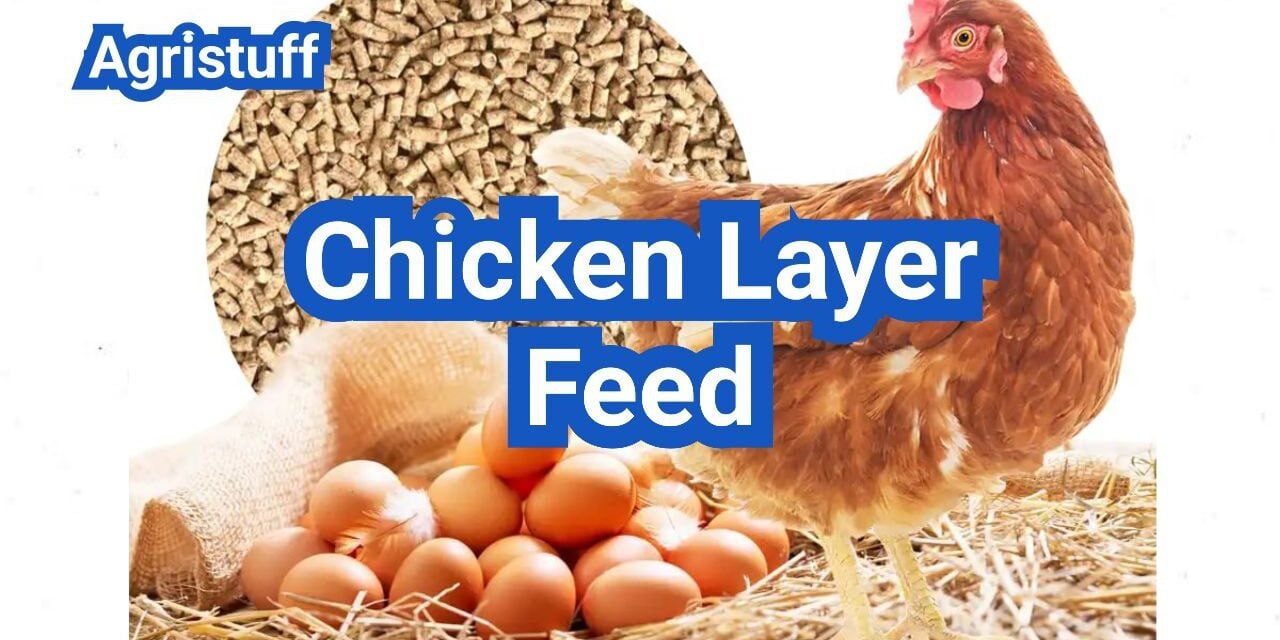
Ensuring the health and productivity of laying hens requires a deep understanding of their nutritional needs. Calcium and protein are crucial for egg production, and the right balance of these nutrients is essential.
The quality of layer feed directly impacts the hens’ ability to produce eggs. Understanding how to read feed tags is vital for making informed decisions about the feed.
By grasping the fundamentals of layer feed, particularly the importance of calcium and protein, poultry keepers can significantly enhance the well-being and productivity of their hens.
Key Takeaways
- Calcium and protein are essential nutrients for laying hens.
- Understanding feed tags is crucial for choosing the right feed.
- The quality of layer feed directly affects egg production.
- A balanced diet enhances the health and productivity of hens.
- Reading feed labels helps in making informed decisions.
Understanding the Nutritional Needs of Laying Hens

The health and productivity of laying hens are directly linked to their nutritional intake, making it vital to understand their dietary requirements. Laying hens require a balanced diet that includes the right amounts of protein, calcium, and other nutrients to maintain egg production.
Basic Nutritional Requirements
Laying hens have specific nutritional needs that must be met to ensure optimal health and productivity. The basic nutritional requirements include:
- Adequate protein for overall health and egg production
- Sufficient calcium for strong eggshells
- Appropriate levels of vitamins and minerals
- Balanced energy sources
These nutritional elements are crucial for maintaining the health of the hens and the quality of the eggs they produce.
The Importance of Balanced Nutrition for Egg Production
Balanced nutrition is critical for egg production. A diet lacking in essential nutrients can lead to reduced egg production, poor eggshell quality, and other health issues. For instance, a deficiency in calcium can result in thin or brittle eggshells, while inadequate protein can affect the size and quality of the eggs.
Egg production is not just about the quantity of eggs but also their quality. Hens receiving a balanced diet produce eggs that are not only more numerous but also larger and with better shell quality.
How Nutritional Needs Change Throughout a Hen’s Life
A hen’s nutritional needs change as she ages. Young hens, or pullets, require a different balance of nutrients compared to mature laying hens. For example, pullets need more protein to support their growth and development, while laying hens require more calcium to maintain eggshell production.
Understanding these changes is essential for providing the right feed at the right time. Farmers and chicken keepers must adjust the diet of their hens according to their life stage to ensure optimal health and productivity.
The Critical Role of Protein in Chicken Layer Feed

Protein is a fundamental component of chicken layer feed, playing a crucial role in the overall health and productivity of laying hens. It is essential for various bodily functions, including feather growth, egg production, and overall bodily maintenance.
How Much Protein Do Laying Hens Need?
Laying hens require a diet that contains between 16% to 18% protein to maintain optimal egg production. Adequate protein intake is crucial for the synthesis of egg components, including the egg white and yolk. The exact protein requirement can vary depending on factors such as the hen’s age, breed, and stage of production.
For instance, younger hens or those in the peak production phase may require higher protein levels. As Leeson and Summers (2001) noted in their poultry nutrition research, “the protein requirement for laying hens is not constant and changes with the stage of production.”
Essential Amino Acids: Methionine and Lysine
Not all proteins are created equal when it comes to poultry nutrition. Laying hens require specific essential amino acids, particularly methionine and lysine, which are crucial for egg production. Methionine is often considered the first limiting amino acid in poultry diets, meaning that if methionine is deficient, the hen’s performance will suffer regardless of the total protein intake.
“Methionine plays a critical role in the synthesis of proteins and other vital compounds in poultry.”
Lysine is another essential amino acid that is vital for various bodily functions, including growth and egg production. Ensuring adequate levels of both methionine and lysine in layer feed is crucial for maintaining optimal production levels.
Signs of Protein Deficiency in Laying Hens
A protein deficiency can manifest in various ways in laying hens. Some common signs include reduced egg production, poor egg quality, and feather loss. In severe cases, a protein deficiency can lead to decreased overall health and increased susceptibility to diseases.
Farmers and backyard chicken keepers should be vigilant for these signs and adjust the protein levels in the feed accordingly. Regular monitoring of the flock’s health and production levels can help identify any nutritional deficiencies early on.
Calcium: The Foundation of Strong Eggshells

Calcium is the backbone of eggshell production, making it a critical component of layer feed. Laying hens require a diet rich in calcium to produce eggs with strong shells. Without adequate calcium, hens may lay eggs with thin or weak shells, which can lead to breakage and reduced egg production.
Optimal Calcium Percentages in Layer Feed
The optimal calcium percentage in layer feed typically ranges between 3% to 4%. This range supports the production of strong eggshells without causing other health issues in the hens. It’s essential to check the feed tag to ensure the calcium content meets the recommended percentage.
Table: Calcium Content in Various Layer Feeds
| Layer Feed Type | Calcium Percentage | Eggshell Strength |
|---|---|---|
| Standard Layer Feed | 3.5% | Strong |
| High-Calcium Layer Feed | 4.0% | Very Strong |
| Low-Calcium Layer Feed | 2.5% | Weak |
Calcium Sources: Oyster Shell vs. Limestone
There are several sources of calcium used in layer feeds, with oyster shell and limestone being two of the most common. Oyster shell is often preferred due to its high calcium content and slow release, which helps maintain a steady level of calcium in the hen’s system. Limestone is another effective source, often used in conjunction with oyster shell to provide a balanced calcium intake.
Addressing Thin Eggshell Issues
Thin eggshells can be a significant problem for backyard chicken keepers and commercial egg producers alike. To address this issue, it’s crucial to ensure that the layer feed contains the optimal amount of calcium. Additionally, providing supplementary calcium sources, such as crushed oyster shells, can help strengthen eggshells. Regularly monitoring the health and egg production of your hens is also essential to identify and address any nutritional deficiencies.
By understanding the importance of calcium and how to optimize its use in layer feed, you can help ensure that your hens produce strong, healthy eggs.
How to Read a Chicken Layer Feed Tag

To provide the best possible nutrition for your laying hens, it’s vital to know how to interpret the information on their feed tag. The feed tag is a legal document that provides crucial details about the feed’s composition and nutritional content.
Decoding the Guaranteed Analysis
The Guaranteed Analysis section on the feed tag is where you’ll find the minimum or maximum percentages of certain nutrients. This typically includes crude protein, crude fat, crude fiber, and calcium. For laying hens, the levels of calcium and protein are particularly important.
Crude Protein: This measures the total protein content in the feed. Laying hens require a diet rich in protein to maintain egg production.
Calcium: Essential for strong eggshell production, calcium content is critical for layer feeds. The feed tag will specify the minimum percentage of calcium.
Understanding Minimum vs. Maximum Values
When examining the Guaranteed Analysis, you’ll notice that some values are listed as minimums while others are maximums. Understanding these values is key to ensuring your hens receive a balanced diet.
- Minimum Values: Nutrients like crude protein and calcium often have minimum values, indicating the feed contains at least that percentage of the nutrient.
- Maximum Values: Crude fiber, for example, may have a maximum value, indicating that the feed should not exceed that percentage to maintain optimal digestibility.
Identifying Key Ingredients and Additives
Beyond the Guaranteed Analysis, the feed tag will list the ingredients used in the feed. Common ingredients include grains like corn and wheat, protein sources like soybean meal, and supplements such as vitamins and minerals.
| Ingredient | Purpose |
|---|---|
| Corn | Energy source |
| Soybean Meal | Protein source |
| Limestone | Calcium supplement |
| Vitamins and Minerals | Essential micronutrients |
By understanding the feed tag, you can make informed decisions about your chicken layer feed, ensuring your hens receive the nutrients they need for optimal health and egg production.
Types of Chicken Layer Feed Available

Understanding the different types of chicken layer feed is crucial for optimizing egg production and maintaining the health of your hens. The variety in layer feeds caters to different needs, preferences, and management practices among backyard chicken keepers and commercial producers alike.
Mash vs. Pellets vs. Crumbles: Pros and Cons
Layer feeds come in various forms, including mash, pellets, and crumbles, each with its advantages and disadvantages.
- Mash: Mash is a loose, ground feed that can be less wasteful as hens tend to eat more evenly. However, it can be messy and some hens may pick through it, wasting certain ingredients.
- Pellets: Pellets are a compact, uniform feed form that reduces waste and is easier to manage. They are generally more expensive than mash but can be more efficient as hens tend to consume all of the pellet.
- Crumbles: Crumbles are a middle ground between mash and pellets, offering the nutritional benefits of pellets in a less dense form. They are particularly good for younger birds or those with beak issues.
According to a study on feed forms, “pellets and crumbles are more efficient than mash because they reduce feed waste and improve bird performance”
Source: Poultry Science Journal
| Feed Form | Pros | Cons |
|---|---|---|
| Mash | Less expensive, less wasteful | Messy, potential for ingredient picking |
| Pellets | Reduces waste, easier to manage | More expensive, potential for beak problems |
| Crumbles | Balances efficiency and ease of consumption | Can be more expensive than mash |
Organic vs. Conventional Layer Feeds
The choice between organic and conventional layer feeds depends on the producer’s philosophy, market demand, and the hens’ living conditions.
- Organic Layer Feeds: These are made from organic ingredients, produced without synthetic fertilizers, pesticides, or genetically modified organisms (GMOs). Organic feeds are a good choice for producers aiming for a niche market or adhering to organic practices.
- Conventional Layer Feeds: Conventional feeds are widely available and often more affordable. They are formulated to meet the nutritional needs of laying hens and may include additives for health and productivity.
As noted by the Organic Trade Association, “Organic poultry production emphasizes the use of natural feed ingredients and practices that promote animal welfare and environmental sustainability.”
Medicated vs. Non-Medicated Options
Layer feeds may also be medicated or non-medicated, a distinction that is crucial for producers to understand, especially those raising hens for organic or specialty markets.
- Medicated Layer Feeds: These contain additives like antibiotics or anticoccidials to prevent disease. They are useful in environments where disease pressure is high.
- Non-Medicated Layer Feeds: These are preferred by producers aiming for antibiotic-free or organic production. They require alternative health management strategies.
The decision between medicated and non-medicated feeds should be based on the flock’s health status, the production environment, and market requirements.
Popular Commercial Chicken Layer Feed Brands in the USA

When it comes to chicken layer feed, several commercial brands stand out in the US market for their quality and variety. These brands cater to different needs, from conventional layer feeds to organic and specialty options.
Purina Layena Layer Feed Review
Purina Layena is a well-known brand in the poultry industry, offering a range of layer feeds designed to support egg production. Purina Layena layer feed is formulated to provide the necessary nutrients for laying hens, including optimal levels of calcium and protein.
One of the key benefits of Purina Layena is its consistency and reliability. Many backyard chicken keepers and commercial producers trust this brand for its quality.
Manna Pro Layer Feed Options
Manna Pro is another reputable brand that offers a variety of layer feed options. Their products are designed to support the health and productivity of laying hens. Manna Pro layer feeds are known for their balanced nutrition and palatability.
Manna Pro also offers specialized layer feeds that cater to specific needs, such as feeds with added omega-3 fatty acids for enriched eggs.
Tractor Supply’s DuMOR and Producer’s Pride
Tractor Supply Company, a popular retailer for farm and pet supplies, offers its own brand of layer feeds under the DuMOR and Producer’s Pride labels. DuMOR layer feed is known for its affordability and quality, making it a popular choice among backyard chicken keepers.
Producer’s Pride, another Tractor Supply brand, offers layer feeds that are formulated to meet the nutritional needs of laying hens. These feeds are often priced competitively, making them an attractive option for many producers.
Organic Brands: Scratch and Peck, Nutrena NatureWise
For those looking for organic options, brands like Scratch and Peck and Nutrena NatureWise offer high-quality organic layer feeds. Scratch and Peck is known for its non-GMO and organic feeds that are free from antibiotics and hormones.
Nutrena NatureWise is another organic option that provides balanced nutrition for laying hens. These feeds are made with high-quality ingredients and are designed to support both the health of the hens and the quality of the eggs they produce.
In conclusion, the US market offers a diverse range of commercial chicken layer feed brands, catering to various needs and preferences. Whether you’re looking for conventional, organic, or specialty feeds, there’s a brand available to suit your requirements.
Buying Chicken Layer Feed: Packaging and Bulk Options

Chicken keepers have various options when it comes to buying layer feed, from standard bags to bulk purchases. Understanding these options is crucial for making an informed decision that suits your flock’s needs and your budget.
Standard 50 lb Bags vs. Smaller Packages
Layer feed is commonly available in 50-pound bags, which are convenient for many backyard chicken keepers. However, smaller packages are also an option for those with fewer chickens or limited storage space. “Smaller packaging can be more expensive per pound, but it offers flexibility and reduced waste,” notes a poultry feed expert. When deciding between standard and smaller packages, consider the size of your flock and how quickly you can use the feed before it goes stale.
Finding and Purchasing Bulk Layer Feed
For those with larger flocks or commercial operations, buying layer feed in bulk can be a cost-effective option. Bulk purchases are typically made by the ton and can significantly reduce the cost per pound of feed. To find bulk layer feed, you can contact local feed mills, agricultural supply stores, or online retailers that specialize in poultry feed. It’s essential to have adequate storage facilities to keep the feed fresh and protected from the elements.
Cost Comparison and Storage Considerations | Chicken Layer Feed
When comparing the cost of layer feed, consider not only the price per pound but also the storage and handling requirements. Bulk purchases may require a larger upfront investment and more storage space, but they can offer long-term savings. On the other hand, smaller packages may be more convenient but could be more expensive in the long run. As one poultry farmer puts it, “The key is finding a balance between cost, convenience, and storage capacity.”
To make an informed decision, create a simple cost comparison table:
| Package Size | Price per Pound | Total Cost |
|---|---|---|
| 50 lb bag | $0.50 | $25 |
| Bulk (1 ton) | $0.40 | $800 |
| Small package (10 lbs) | $0.60 | $6 |
Ultimately, the best packaging option for buying chicken layer feed depends on your specific needs, including the size of your flock, available storage space, and budget. By considering these factors and comparing costs, you can make an informed decision that supports the health and productivity of your chickens.
Creating Your Own Homemade Chicken Layer Feed

Homemade chicken layer feed offers a cost-effective and tailored nutritional approach for laying hens. By creating your own feed, you can ensure that your chickens receive the nutrients they need for optimal egg production, while also potentially saving money compared to commercial feeds.
Benefits and Challenges of DIY Feed | Chicken Layer Feed
One of the primary benefits of homemade layer feed is the ability to customize the recipe based on your chickens’ specific needs and your local ingredients. This can lead to improved egg production and chicken health. However, creating a balanced DIY feed can be challenging, as it requires a good understanding of poultry nutrition to ensure that the feed contains all the necessary nutrients.
Some of the key challenges include sourcing high-quality ingredients, ensuring the feed is nutritionally balanced, and managing the cost and logistics of preparing the feed in appropriate quantities.
Essential Ingredients for a Balanced Recipe | Chicken Layer Feed
A well-formulated homemade layer feed should include a mix of grains, proteins, and supplements to meet the nutritional needs of laying hens. Essential ingredients typically include:
- Grains such as oats, barley, and wheat
- Protein sources like soybean meal or mealworms
- Calcium supplements, such as oyster shells or crushed eggshells
- Other nutrients like vitamins and minerals
It’s crucial to source these ingredients from reputable suppliers to ensure their quality and safety for consumption by your chickens.
Basic Homemade Layer Feed Recipe
Here’s a simple recipe to get you started:
- 50% grains (oats, barley, wheat)
- 20% protein sources (soybean meal)
- 10% calcium supplements (oyster shells)
- 20% other ingredients (including vitamins and minerals)
Mix these ingredients thoroughly to create a balanced feed. It’s also a good idea to consult with a poultry nutritionist or veterinarian to ensure that your recipe meets the nutritional requirements of your laying hens.
Feeding Practices for Optimal Egg Production

Optimizing egg production in laying hens requires careful consideration of their feeding practices. The nutritional needs of laying hens are specific and directly impact their egg-laying capabilities. Providing the right balance of nutrients through layer feed is crucial for maintaining optimal egg production.
How Much Feed Does a Laying Hen Eat Per Day?
Laying hens typically consume between 4 to 6 ounces (115 to 170 grams) of feed per day, depending on factors such as breed, age, and environmental conditions. For instance, younger hens or those in early stages of production might require more nutrients to support their growth and egg production.
A general guideline for laying hen feed consumption is as follows:
| Hen Age | Average Daily Feed Consumption |
|---|---|
| 20-40 weeks | 4-5 ounces (115-140 grams) |
| 40+ weeks | 5-6 ounces (140-170 grams) |
Free Choice vs. Measured Feeding
The debate between free choice and measured feeding revolves around the hen’s ability to self-regulate feed intake. Free choice feeding allows hens to eat at will, which can lead to overeating or selective eating if the feed is not balanced. On the other hand, measured feeding involves providing a controlled amount of feed, which can help prevent waste and ensure that hens receive the necessary nutrients without overeating.
For most backyard flock owners, a combination of both methods can be effective. For example, providing feed free choice during peak production periods and switching to measured feeding during slower periods can help optimize egg production while minimizing waste.
Feeding Schedule Recommendations | Chicken Layer Feed
Establishing a consistent feeding schedule is vital for maintaining optimal egg production. Most laying hens benefit from being fed twice a day. This approach helps in maintaining a steady supply of nutrients and can help reduce stress among the flock.
- Divide the daily ration into two meals, one in the morning and one in the evening.
- Ensure that feed is fresh and readily available during feeding times.
- Monitor hens’ consumption patterns and adjust the feeding schedule as necessary.
By implementing these feeding practices, backyard flock owners can support their hens’ nutritional needs, promote optimal egg production, and maintain a healthy flock.
Using Chicken Layer Feed for Other Poultry
Using chicken layer feed for other poultry requires understanding its nutritional implications and potential adaptations. While layer feed is specifically formulated to meet the nutritional needs of laying hens, it can be used for other poultry species under certain conditions.
Can Ducks Eat Chicken Layer Feed?
Ducks can eat chicken layer feed, but it’s essential to consider their specific nutritional requirements. Ducks have different needs compared to chickens, particularly in terms of protein content and certain minerals. Layer feed can be used for ducks, especially during their laying period, but it might not be the optimal choice for ducklings or non-laying ducks.
Adaptations for Other Poultry Species | Chicken Layer Feed
When using chicken layer feed for other poultry species, several adaptations may be necessary. For instance, turkeys and geese may require higher protein content than what’s typically found in layer feed. It’s crucial to assess the nutritional needs of the specific poultry species and adjust their diet accordingly.
| Poultry Species | Nutritional Considerations | Adaptations for Layer Feed |
|---|---|---|
| Ducks | Higher niacin requirements | Supplement with niacin-rich feed |
| Turkeys | Higher protein requirements | Add protein-rich ingredients |
| Geese | Higher energy needs | Supplement with grains or fats |
When to Use Specialized Feeds Instead
While chicken layer feed can be adapted for other poultry, there are situations where using specialized feeds is more appropriate. For example, during the breeding season or when poultry are under stress, specialized feeds can provide the necessary nutrients for optimal health and productivity.
In conclusion, using chicken layer feed for other poultry can be a viable option when done correctly. It’s essential to understand the nutritional needs of the specific poultry species and make necessary adaptations or choose specialized feeds when required.
Supplementing Your Chicken Layer Feed
To maximize egg laying potential, it’s crucial to understand how to supplement your chicken layer feed effectively. While commercial layer feeds are formulated to provide a balanced diet, additional nutrients can enhance egg production and overall flock health.
When and How to Offer Additional Calcium | Chicken Layer Feed
Calcium is crucial for strong eggshell production. Laying hens require a significant amount of calcium, especially during peak egg production. Offering additional calcium can help prevent thin-shelled eggs and support overall health.
One effective way to provide extra calcium is through crushed oyster shells or dark leafy greens like kale. It’s essential to introduce calcium supplements gradually to avoid disrupting the hens’ digestive system.
Appropriate Treats and Scratch Grains | Chicken Layer Feed
Treats and scratch grains can be a great way to provide variety and additional nutrients to your laying hens. Scratch grains like oats, barley, and wheat can be given in moderation, while treats such as mealworms or sunflower seeds offer protein-rich snacks.
However, it’s crucial to limit treats to no more than 10% of the hens’ daily diet to avoid nutritional imbalances. Ensuring that treats complement rather than replace the layer feed is vital.
| Treat | Nutritional Benefit | Recommended Frequency |
|---|---|---|
| Mealworms | High in protein | 2-3 times a week |
| Sunflower seeds | Rich in healthy fats | 1-2 times a week |
| Oats | Good source of fiber | Daily in moderation |
Grit and Other Digestive Aids | Chicken Layer Feed
Grit is another essential supplement for laying hens, particularly those that forage or are given scratch grains. Grit aids in digestion by helping to grind food in the gizzard.
Providing grit, along with other digestive aids like probiotics, can support the overall health of your flock. It’s essential to choose the right type of grit and introduce it appropriately to avoid any adverse effects.
By understanding how to supplement your chicken layer feed effectively, you can enhance egg production, support the health of your flock, and ensure a thriving backyard chicken-keeping experience.
Storing and Managing Chicken Layer Feed

Maintaining the quality of chicken layer feed through proper storage is essential for optimal egg production. Effective storage and management practices not only preserve the nutritional value of the feed but also prevent potential health risks to your flock.
Preventing Mold and Rancidity | Chicken Layer Feed
Mold and rancidity are significant concerns when storing chicken layer feed. Mold can produce mycotoxins, harmful to chickens, while rancidity leads to a loss of nutritional value. To prevent these issues, store feed in a cool, dry place, away from direct sunlight and moisture. Using airtight containers can significantly reduce the risk of mold and rancidity.
Appropriate Storage Containers | Chicken Layer Feed
The choice of storage container is critical for maintaining feed quality. Airtight containers made of durable materials like plastic or metal are ideal. These containers should be kept off the ground to prevent moisture absorption and rodent infestation. Regularly inspect containers for signs of wear or damage.
Shelf Life Considerations | Chicken Layer Feed
The shelf life of chicken layer feed varies depending on storage conditions and packaging. Generally, unopened feed can last for several months when stored properly. However, it’s essential to check the manufacturer’s guidelines for specific shelf life recommendations. Once opened, feed should be used within a few weeks to ensure freshness.
Transitioning Between Different Feeds
When transitioning your flock to a new feed, it’s crucial to do so gradually to avoid digestive upset. Start by mixing a small amount of the new feed with their current feed and gradually increase the proportion over 7-10 days. This approach helps the chickens’ digestive systems adapt to the new feed.
Creating the Optimal Feeding Program for Your Flock
Creating an optimal feeding program is crucial for maintaining the health and productivity of your laying hens. By understanding the nutritional needs of your flock and selecting the right chicken layer feed, you can ensure they receive the necessary nutrients for optimal egg production.
A well-balanced layer feed should contain adequate protein, calcium, and other essential nutrients. The choice between different types of layer feed, such as mash, pellets, or crumbles, depends on your flock’s specific needs and preferences.
Implementing appropriate feeding practices, such as free choice or measured feeding, can also impact your flock’s overall health and egg production. Regularly monitoring your hens’ health and adjusting their feeding program as needed is essential for maintaining a thriving flock.
By considering factors such as nutritional needs, feed type, and feeding practices, you can develop an optimal feeding program that supports the well-being and productivity of your laying hens, ultimately leading to a healthy and thriving flock.
FAQ
What is the ideal protein percentage for laying hens?
Laying hens require a diet with around 16-18% protein for optimal egg production. However, this can vary depending on factors such as age, breed, and production level.
How much calcium do laying hens need?
Laying hens require a diet with around 3.5-4% calcium for strong eggshell production. Calcium levels can be adjusted based on the age and production level of the hens.
What is the difference between mash, pellets, and crumbles?
Mash is a loose, unprocessed feed, while pellets are compressed feed that can reduce waste. Crumbles are a mid-point between mash and pellets, offering ease of consumption and reduced waste.
Can I use chicken layer feed for ducks?
While ducks can eat chicken layer feed, it may not provide the optimal nutrition they require. Ducks have different nutritional needs, particularly for niacin and other nutrients.
How often should I feed my laying hens?
Laying hens can be fed either free-choice or on a measured schedule. A common practice is to provide layer feed twice a day, ensuring access to fresh feed and water at all times.
What are the signs of protein deficiency in laying hens?
Signs of protein deficiency include reduced egg production, poor eggshell quality, feather loss, and lethargy. Ensuring adequate protein intake is crucial for maintaining health and productivity.
How do I store chicken layer feed to prevent mold and rancidity?
Store chicken layer feed in a cool, dry place, away from direct sunlight and moisture. Use airtight containers or bags to prevent moisture and pests from accessing the feed.
Can I make my own homemade chicken layer feed?
Yes, you can create your own homemade chicken layer feed using a mix of grains, proteins, and supplements. However, it’s crucial to ensure the recipe is balanced and meets the nutritional needs of your laying hens.
What are the benefits of using organic layer feed?
Organic layer feed is made from organic ingredients, avoiding synthetic pesticides, fertilizers, and genetically modified organisms (GMOs). This can be beneficial for those seeking to reduce their flock’s environmental impact.
How do I transition my flock to a new layer feed?
Gradually introduce the new feed over a period of 7-10 days, mixing it with the current feed. Start with a small proportion of new feed and gradually increase it, allowing the hens’ digestive systems to adjust.
Do I need extra oyster shell if I use a complete layer ration?
Many flocks do fine on a complete ration alone, but older hens or thin-shell periods may benefit from a coarse calcium option offered sensibly.
Is “all flock” feed okay for laying hens?
It can work short-term, but it often lacks the calcium levels typical of dedicated layer formulas, so shell quality may suffer.
How fast should shells improve after a feed change?
You may see early changes within 1–2 weeks, but consistent improvement is clearer after the flock stabilizes on the new routine.
Can too much calcium cause problems?
Yes—over-supplementation can reduce intake or create mineral imbalance, especially if the base ration already meets needs.
What’s the easiest way to spot a feeding issue?
Track cracked eggs, thin shells, and sudden drops in lay, then check intake, water, and feed freshness before adding supplements.
Conclusion of: Chicken Layer Feed
Why layer diets matter
Chicken layer feed isn’t just “grain in a bag”—it’s a precise daily nutrition tool that supports eggshell strength, steady laying, and long-term bone health. When the formula is right, your hens can turn feed into eggs reliably without pulling too much calcium from their skeleton. When it’s wrong, problems like thin shells, soft shells, or sudden drops in production show up fast, even in otherwise healthy birds. Nutrition guidance for small flocks.
When to switch to a layer formula
Chicken layer feed is best introduced when pullets are close to laying age, not when they’re tiny chicks and not months before the first egg. A simple rule is to watch for the first eggs or clear signs of “point of lay” and transition over 7–10 days so the gut and appetite adjust smoothly. If you switch too early, excess calcium can be wasted and may not benefit growing birds; too late, shells may suffer during the ramp-up to peak production. How to feed laying hens (Extension).
Calcium: what your hens actually need
Chicken layer feed is built around calcium because every egg requires a large mineral “withdrawal” from the hen, and that demand repeats nearly daily during peak lay. Most complete layer rations aim for a higher calcium range than grower or all-flock diets, while still balancing phosphorus and vitamin D so calcium is absorbed and used correctly. If your birds lay intermittently, are aging, or have unusually large eggs, their calcium demand can shift and your management needs to shift with it.
Chicken layer feed matters for shells because the shell is primarily calcium carbonate, and the hen must keep blood calcium stable while forming a strong shell. Shell quality isn’t only “more calcium” either—it’s consistent intake, good absorption, and the right calcium availability during the hours shell deposition happens. When shells are thin, cracked, or rough, think of it as a signal that the mineral system is under strain, not just a cosmetic issue. Eggshell quality concepts (UF/IFAS).
Chicken layer feed should be evaluated by both calcium level and the supporting nutrients that make calcium usable—especially vitamin D and the calcium-to-phosphorus balance. Too little usable calcium leads to thin shells; too much poorly managed calcium can reduce appetite or create mineral imbalances that show up as lower performance or odd shell defects. If you’re troubleshooting, treat “calcium” as a whole system: the diet, the bird’s age, and the timing of intake all matter. Research on calcium and vitamin D levels in layers.
Protein and amino acids: more than a percentage
Chicken layer feed labels often highlight crude protein, but eggs are built from amino acids, not protein “percent” alone. A diet can have a decent crude protein number and still underperform if the limiting amino acids (like methionine) are short for your hens’ genetics, egg size, or production stage. The practical takeaway is to compare feeds by intended class (layers) and overall formulation quality rather than chasing the highest protein number. Review of amino acids and laying hen performance.
Chicken layer feed protein needs also depend on energy density and intake: if hens eat less during heat stress, they may undersupply amino acids even when the formula looks fine on paper. That’s why good feeds are formulated as a package—energy, amino acids, minerals, and vitamins are designed to work together at realistic daily intake. If you feed lots of scratch or kitchen extras, you dilute that package and the “protein on the tag” becomes less meaningful in the real diet.
Energy, feed form, and intake patterns
Chicken layer feed intake changes with season and environment: hens often eat more in cold weather to fuel body heat and may eat less in hot, humid conditions. That’s why a “perfect” ration can still produce thin shells in summer if birds reduce intake, don’t drink enough, or pant heavily and shift acid-base balance. A smart manager watches the birds and the egg basket, then adjusts management (shade, airflow, cool water) before assuming the feed is bad.
Chicken layer feed also comes in different physical forms—mash, crumble, and pellets—and the form can change waste, selectivity, and how evenly hens consume nutrients. Mash can be economical and reduce overeating in some setups, but it can also invite ingredient “sorting” if texture is inconsistent. Pellets may reduce selection and improve uniform intake, but management and feeder design still determine how much ends up on the floor. Research comparing feed forms in hens.
How to read a feed tag
Chicken layer feed tags are regulated information tools, so start by confirming the feed is intended for the right animal class (laying hens) and purpose (complete feed vs supplement). The “intended use” language matters because it tells you whether the product is designed to be the full ration or something you must mix with other ingredients. If the tag feels vague about class or use, treat that as a caution sign—clarity is part of quality.
Chicken layer feed tags typically include a Guaranteed Analysis, and that section is where you quickly scan for key nutrients like crude protein, crude fat, crude fiber, and calcium. The Guaranteed Analysis is about what the product guarantees, not what every single scoop contains, so it’s best used for comparison between feeds and for confirming you’re in the right range for layers. If calcium isn’t clearly listed—or the numbers look suspiciously low for a layer ration—don’t guess; move on. How to read a feed tag (WSU Extension).
Chicken layer feed labels often show both a calcium minimum and a calcium maximum, and that “max” matters more than many backyard keepers realize. A minimum tells you the floor, but a maximum helps prevent over-supplementation and signals that the manufacturer is controlling the formulation tightly. If the tag only shows a calcium minimum for a layer product, ask why—because in many labeling frameworks, both bounds can be important for mineral management.
Chicken layer feed ingredient lists are written in descending order by weight, and they help you understand what the feed is built from (corn, soybean meal, wheat middlings, limestone, vitamins, minerals). Ingredients aren’t “bad” or “good” by name alone—by-products can be nutritious and common in livestock feeds—but the list can reveal whether the product leans heavily on filler-type ingredients or includes the expected mineral sources for shell support. If your hens are picky, look for consistency in grind and fewer fine powders that can separate in the feeder.
Chicken layer feed sometimes includes medication, and if it does, the tag should clearly state what the drug is for, how it’s used, and any limitations for egg-laying birds. Many medicated products are meant for growing poultry classes rather than active layers, so don’t assume “poultry feed” is appropriate for hens producing eggs for the table. If you’re unsure, treat “medicated” as a stop sign until you confirm the intended class and egg-related restrictions. Blue Bird labels and medicated feed labeling (FDA).
Chicken layer feed tags should also show net weight, manufacturer contact information, and basic feeding directions so you can use the product as intended. That matters for accountability: if feed quality is inconsistent, you need lot details and a company contact to report problems. Practical tip: take a quick photo of every new tag before you pour the bag into a bin, so you keep the guaranteed analysis and lot info even after the bag is gone.
Building a practical feeding plan
Chicken layer feed works best when it’s the consistent foundation of the daily ration, with intake guided by what hens typically consume and what your eggshells and body condition tell you. Many adult layers average roughly a quarter-pound of complete feed per day, but that number moves with breed size, egg output, temperature, and how much foraging or treat food is available. Start with the manufacturer’s directions, then adjust by observing: steady egg numbers, firm shells, and stable body weight are your “green lights.” Feeding guidance for egg production (Extension).
Chicken layer feed decisions also change if you’re buying organic, mixing homegrown grains, or relying on pasture: those systems can be excellent, but they raise the bar for ration balancing. If you dilute a complete ration with straight grains, you usually dilute calcium, amino acids, and key vitamins unless you intentionally replace them. For certified organic operations, the feed and supplements must follow organic rules, so your sourcing and ingredient choices must match the standards—not just the marketing label. Organic livestock feed requirements (7 CFR §205.237).
Treats, scratch, grit, and “free range” reality
Chicken layer feed can be undermined by well-meaning extras if scratch grains, bread, or “fun treats” become a big share of the day’s calories. A reliable practical limit is to keep treats small enough that the hens still eat their full balanced ration first, and to offer scratch later in the day as a reward rather than a breakfast replacement. If your birds forage a lot, remember that pasture intake is variable—some days it supplements well, other days it barely counts—so your base ration still matters. Feeding, scratch, and grit guidance (UMD Extension).
Troubleshooting eggshell and production problems
Chicken layer feed troubleshooting starts with the eggs you see: thin shells, soft shells, wrinkling, and rough “sandpaper” texture can each point to different issues. Nutrition is a common driver, but so are age, stress, disease, and inconsistent intake—so look for patterns like “only during hot afternoons” or “only in older hens.” If shells are suddenly abnormal across the flock, check water access and feed freshness before you chase supplements.
Chicken layer feed calcium strategy often improves when you think about timing and particle size, not just the percentage on the tag. Because much of shell formation happens when birds aren’t actively eating, coarser calcium sources can remain available longer in the digestive tract and better support overnight shell building. A practical approach is to rely on a well-formulated complete ration, then use an appropriate coarse calcium option when your flock’s shells suggest they need support—especially as hens age. Limestone particle size and eggshell outcomes (Poultry Science).
Storage and feed safety
Chicken layer feed quality can quietly fall apart in storage if it’s exposed to humidity, heat, or pests, even when the tag looks perfect. Mold growth and mycotoxins are a real risk in some regions and seasons, and they can reduce performance, suppress immunity, and create confusing “mystery” problems that look like a nutrition deficiency. Store feed in sealed containers, keep bins dry, rotate inventory, and avoid buying more than you can use before freshness declines.
Chicken layer feed safety also includes being alert to aflatoxin risk in certain grains and byproducts, especially when you suspect damp storage or unusual odors. Birds may show reduced appetite and productivity long before obvious illness, so don’t wait for dramatic symptoms if performance slides after a new batch. If you source grain locally or mix feed, learn the risk windows in your area and consider testing when conditions favor mold. Aflatoxins in poultry and management steps (Purdue Extension).
Quick checklist for Chicken Layer Feed
Chicken layer feed decisions get easier when you use the same quick checks every time you buy a bag, change a ration, or troubleshoot shell issues. The goal is consistency: stable intake, clean water, predictable nutrient delivery, and fewer sudden changes that stress hens during peak lay. If your flock is expanding or you’re sharing equipment or visitors between coops, add basic biosecurity to your routine so nutrition gains aren’t erased by preventable disease events. Biosecurity tools for poultry keepers (USDA APHIS).
- Confirm the product is intended for laying hens (not starter/grower) and is a complete ration.
- Scan the Guaranteed Analysis for calcium minimum and calcium maximum (both matter for layers).
- Compare crude protein across similar “layer” products instead of chasing the highest number.
- Check ingredient consistency (excess fines can increase waste and selective eating).
- Transition feed changes over 7–10 days to avoid intake drops.
- Measure intake for a week (feed offered vs leftovers) before making big changes.
- Keep treats small and scheduled after the hens eat their balanced ration.
- Provide continuous clean water; dehydration can look like a “feed problem.”
- Store feed dry, sealed, and rotated (first-in, first-out).
- Use egg quality (shell strength, thickness, breakage) as a weekly report card.
Common mistakes to avoid for Chicken Layer Feed
Chicken layer feed problems are often created by management “stacking small mistakes” rather than one dramatic error. The good news is that most mistakes are easy to fix once you spot them: restore the balanced base ration, remove dilution sources, and stabilize the routine long enough to see results. Pay special attention to feed freshness, because oxidized fats and stale feed can reduce palatability and nutrient value without an obvious label change. Feed quality and rancidity considerations (Extension).
- Switching to layer too early: Wait until point-of-lay to avoid unnecessary calcium exposure in growers.
- Using scratch as a main diet: Treat scratch as a small supplement, not breakfast.
- Over-supplementing calcium blindly: Excess calcium can create imbalances; fix the base ration first.
- Ignoring water access: Low water intake can crash laying faster than a minor feed change.
- Making multiple changes at once: Change one variable, then observe for 10–14 days.
- Letting feed sit in heat/humidity: Stale feed reduces intake and performance.
- Assuming “all flock” is always fine: Non-layer formulas often underdeliver calcium for active laying.
- Not checking the tag every purchase: Formulas can vary by product line and region.
- Overfeeding treats during winter: Extra calories don’t replace missing minerals and amino acids.
Costs and ROI snapshot of Chicken Layer Feed
Chicken layer feed is usually the biggest ongoing cost in egg production, and the final price you pay reflects grain markets (corn and soybean meal), transportation, milling, and local retail markup. Even for backyard flocks, feed economics matter because small inefficiencies (waste, spillage, treat dilution) add up over months. For larger flocks, the biggest savings often come from reducing waste, buying in appropriate quantities, and matching diet density to climate and production stage.
Chicken layer feed ROI is best tracked with simple, practical metrics: feed used per dozen eggs, percent cracked eggs, and how often you have “soft shell” losses. As a rough budgeting example, if a hen eats about 0.25 lb/day, that’s about 7.5 lb/month; at $20–$25 per 50-lb bag, feed cost is roughly $3.00–$3.75 per hen-month before waste, treats, or storage losses. The most reliable ROI moves are boring but powerful: keep the balanced ration primary, stop spillage, store feed correctly, and use production records to catch issues early.
- Major cost drivers: corn/soy prices, freight, bag size, specialty claims (organic, soy-free), and region.
- Hidden costs: feeder waste, rodents, moisture damage, stale feed, and cracked-egg losses.
- ROI levers: improve feeder setup, tighten treat limits, stabilize routines, and track shell quality weekly.
- When “premium” feed pays: if it measurably reduces breakage, improves persistency, or lowers waste.
Final thought
Chicken layer feed works best when you treat it like a consistent daily “recipe” rather than a rotating set of treats and guesswork: choose the right class, read the tag, protect freshness, and adjust based on shells and intake trends. If you build a simple routine—steady ration, limited dilution from scratch, and good storage—you’ll solve most egg problems before they become expensive or frustrating. Egg safety and handling basics (USDA FSIS).
Sources & References
- Mycotoxins overview (FDA)
- Mycotoxin Handbook (USDA AMS PDF)
- Mycotoxin testing program (USDA AMS)
- Chemical contaminants in animal food (FDA)
- Action levels for contaminants in food and feed (FDA guidance)
- Egg storage and handling (American Egg Board)
- Chickens and Eggs survey information (USDA NASS)
- Poultry & egg production price indexes (USDA NASS)
- Guidelines for Organic Certification of Poultry (USDA AMS PDF)
- Backyard poultry biosecurity practices (USDA APHIS PDF)
- Chickens and Eggs report (USDA PDF)
- Oxidation in poultry feed and impacts (MDPI)
- Calcium source particle size and layer outcomes (Scientific Reports)