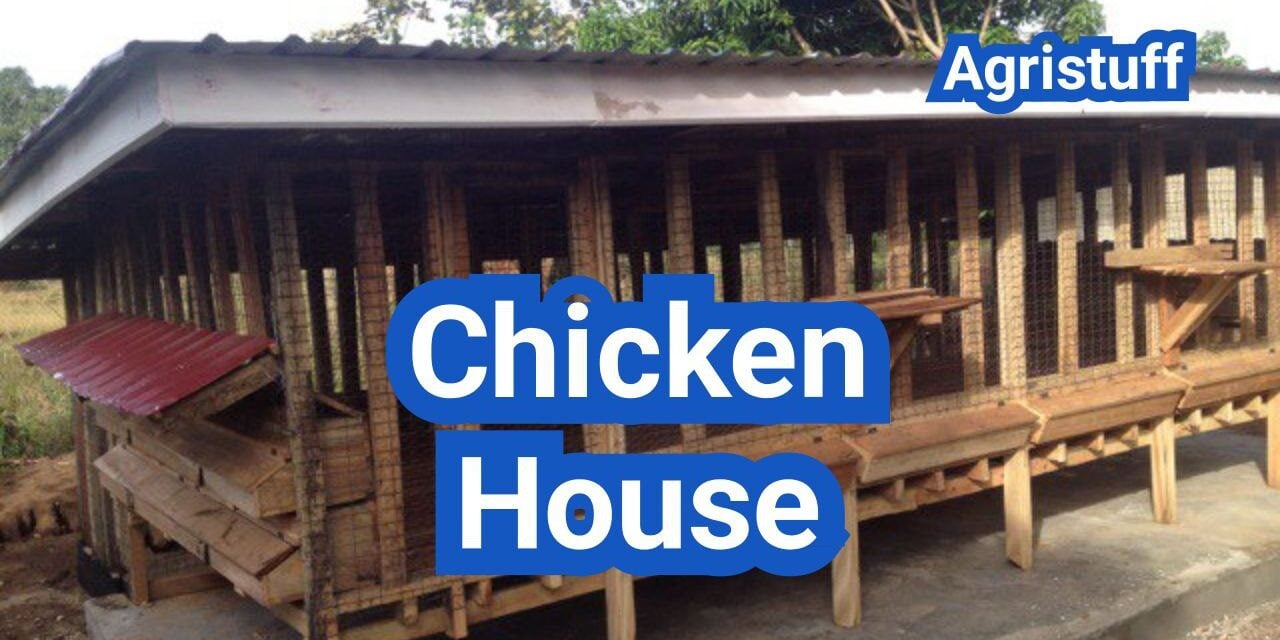
A well-designed chicken coop is crucial for maintaining healthy and productive flocks. Poultry farmers and backyard keepers face pressure to ensure their birds thrive, and the design of the coop plays a significant role in achieving this goal.
The layout, lighting, and airflow within the coop are key factors that influence flock health and productivity. A coop that is designed with these factors in mind can help reduce stress among birds, promote healthy growth, and increase egg production.
Key Takeaways
- A well-designed coop is essential for maintaining healthy and productive flocks.
- Layout, lighting, and airflow are critical factors in coop design.
- A good coop design can help reduce stress among birds and promote healthy growth.
- Increased egg production is a direct result of a well-designed coop.
- Poultry farmers and backyard keepers must prioritize coop design to ensure flock health.
The Fundamentals of Effective Chicken House Design
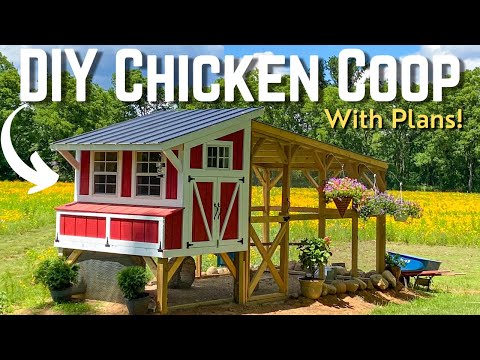
Chicken house design plays a vital role in ensuring the health, comfort, and productivity of your birds. Inside a poultry house, every detail counts, as birds are highly sensitive to changes in their environment.
Key Considerations for Healthy Birds
When designing a chicken house, several key factors must be considered to ensure the health and well-being of the birds. Ventilation is critical to remove moisture and ammonia from the house, while lighting affects the birds’ behavior, growth, and egg production.
The quality of air inside the chicken house is directly related to the health of the birds. Poor air quality can lead to respiratory issues and other health problems.
Understanding Your Chickens’ Basic Needs
Chickens have basic needs that must be met for them to thrive. These include adequate space, nutrition, and protection from predators. The design of the chicken house should ensure that these needs are met.
- Adequate space for movement and roosting
- Easy access to food and water
- Protection from extreme weather conditions
How Design Impacts Bird Health and Productivity
The design of the chicken house has a direct impact on the health and productivity of the birds. A well-designed house can improve bird health by reducing stress and preventing disease.
Furthermore, a good design can enhance bird productivity by creating an environment that promotes healthy growth and egg laying. For instance, the layout of the chicken house can influence the birds’ behavior and comfort level.
Planning Your Chicken House: Size and Location

The size and location of your chicken house are fundamental to the health and productivity of your flock. A well-planned chicken house ensures that your birds have enough space to live comfortably and that the coop remains clean and dry.
Determining the Right Size for Your Flock
When determining the size of your chicken house, the number of chickens you plan to keep is a critical factor. A general rule of thumb is to provide at least 3-4 square feet per chicken inside the coop. However, this can vary depending on the breed and size of your chickens.
For example, larger breeds require more space than smaller ones. It’s also essential to consider the space needed for nesting boxes, roosts, and feeders. A good rule is to have at least one nesting box per 3-4 hens.
| Flock Size | Minimum Coop Size (sq. ft.) |
|---|---|
| 5 chickens | 15-20 |
| 10 chickens | 30-40 |
| 15 chickens | 45-60 |
Ideal Locations for Your Chicken House
The location of your chicken house on your property is critical for maintaining hygiene and providing protection for the birds. Ideally, the coop should be situated in a well-drained area to prevent water accumulation around it.
“The location of the chicken coop is crucial for the health of the flock. It should be dry, well-ventilated, and protected from predators.”
It’s also advisable to place the coop in a spot that receives partial shade, especially in warmer climates, to prevent overheating. Additionally, consider the proximity to your house and the path you and your chickens will take to access the coop.
Orientation and Environmental Factors
The orientation of your chicken house can significantly impact the internal environment. For instance, in the Northern Hemisphere, a south-facing orientation can help capture natural sunlight and warmth during colder months.
However, in warmer climates, it’s crucial to avoid direct sunlight that can lead to overheating. Using shading devices or painting the coop with reflective colors can help mitigate this issue.
Environmental factors such as prevailing winds should also be considered to ensure proper ventilation without causing drafts on the chickens.
Essential Components of a Chicken House

Designing a chicken house involves more than just providing shelter; it requires careful consideration of several critical components. A well-constructed chicken house is vital for maintaining the health, safety, and productivity of your flock.
Structural Requirements
The structural integrity of a chicken house is fundamental to its durability and the safety of its inhabitants. A sturdy frame, robust walls, and a secure roof are essential to protect your chickens from predators and harsh weather conditions. The materials used should be durable, weather-resistant, and able to withstand local climate conditions.
Must-Have Features for Bird Comfort
For optimal bird comfort, a chicken house should include several key features. Nesting boxes are a necessity, providing a safe and comfortable place for hens to lay their eggs. Roosting bars are also crucial, allowing chickens to roost comfortably at night. Adequate ventilation is vital for maintaining air quality and regulating temperature inside the coop.
- Nesting boxes, one per 3-4 hens
- Roosting bars, with enough space for all birds
- Feeders and waterers that are easily accessible
- Adequate ventilation to maintain air quality
Predator-Proofing Considerations
Predator-proofing is a critical aspect of chicken house design. To safeguard your flock, the coop must be secure against predators such as foxes, raccoons, and hawks. This involves using strong wire mesh for windows and vents, securing doors with sturdy locks, and ensuring that there are no gaps or weaknesses in the structure that predators can exploit.
By incorporating these essential components, you can create a chicken house that is both safe and comfortable for your chickens, promoting their health and productivity.
Optimal Chicken House Layout Design

The layout of your chicken house plays a vital role in maintaining a healthy and stress-free environment for your birds. Overcrowding in a chicken coop can lead to a multitude of issues in a backyard flock, including increased stress, disease transmission, and reduced productivity.
Efficient Space Utilization
Efficient space utilization is critical in chicken house layout design. It’s essential to provide enough space for your chickens to move around comfortably. A general rule of thumb is to allocate at least 3-4 square feet per chicken inside the coop.
- Ensure adequate floor space for chickens to stand, turn around, and stretch their wings.
- Consider the height of the coop to allow for easy cleaning and egg collection.
- Use vertical space effectively by installing multi-tiered perches and nesting boxes.
Traffic Flow Patterns for Birds and Humans
Designing the chicken coop layout with traffic flow in mind can significantly reduce stress among your flock. This involves creating pathways for chickens to move freely between different areas of the coop.
- Position feeding and watering stations in easily accessible locations.
- Ensure that nesting boxes are placed in quiet, secluded areas to encourage laying.
- Create a clear path for humans to access all areas of the coop for cleaning and egg collection.
Nest Box Placement in Chicken Houses
Nest box placement is a crucial aspect of chicken house design. Nesting boxes should be positioned in a way that makes them attractive to hens while keeping eggs clean and easily accessible for collection.
- Place nesting boxes in a quiet, dark area of the coop.
- Ensure nesting boxes are at a comfortable height for hens to use.
- Provide one nesting box per 3-4 hens to reduce competition.
Perch Space Requirements for Laying Hens
Adequate perch space is essential for the well-being of laying hens. Perches should be designed to accommodate the natural roosting behavior of chickens.
“Providing adequate perch space can significantly reduce stress and improve the overall health of your flock.”
- Provide at least 8-10 inches of perch space per hen.
- Install perches at varying heights to accommodate different birds’ preferences.
- Ensure perches are sturdy and comfortable for hens to roost on.
Lighting Programs for Healthy and Productive Birds

Lighting is a critical factor in chicken house design, directly impacting bird health and egg production. Adequate lighting is important, especially if your chickens will spend a significant amount of time inside the coop.
Understanding Chicken Lighting Needs
Chickens have specific lighting needs that vary depending on their age, breed, and purpose (whether they are layers or broilers). Generally, chickens require a certain amount of light to stimulate their natural behaviors, such as foraging and egg-laying. Providing the right lighting can improve their welfare and productivity.
Young chickens, for instance, need more light to encourage activity and growth, while laying hens require a specific light regimen to maintain consistent egg production. It’s essential to understand these needs to design an effective lighting program.
Designing an Effective Chicken House Lighting Program
Designing a lighting program involves considering the size of the chicken house, the number of birds, and the desired outcomes (e.g., increased egg production or improved growth rates). A well-designed lighting program can lead to healthier birds and more efficient operations.
To create an effective program, one must consider the intensity, duration, and color of the lighting. For example, dim red lighting can help reduce stress among birds, while bright white light can stimulate activity.
Types of Lighting Systems for Chicken Coops
There are various lighting systems available for chicken coops, including LED, fluorescent, and incandescent lighting. Each type has its advantages and disadvantages. For instance, LED lighting is energy-efficient and long-lasting, making it a popular choice among poultry farmers.
- LED lighting: Energy-efficient and durable
- Fluorescent lighting: Provides broad spectrum light
- Incandescent lighting: Less energy-efficient but can be used for specific needs
Seasonal Lighting Adjustments
Seasonal changes affect daylight hours, which in turn impact chicken behavior and productivity. Adjusting the lighting program seasonally can help maintain consistent bird performance. For example, during winter months when daylight hours are shorter, additional lighting can be provided to simulate longer days.
This adjustment helps in maintaining egg production and bird activity levels throughout the year. It’s a crucial aspect of managing a chicken house effectively.
Mastering Chicken House Ventilation and Airflow
Maintaining good airflow in chicken houses is critical for preventing disease. Proper ventilation is essential for removing moisture, reducing ammonia levels, and regulating temperature, all of which contribute to a healthier environment for the birds.
Why Proper Ventilation is Critical
Proper ventilation in chicken houses is vital for several reasons. It helps in controlling the temperature, reducing humidity, and removing harmful gases like ammonia. Poor ventilation can lead to health issues in chickens, including respiratory problems and increased susceptibility to diseases.
Minimum Ventilation Requirements in Poultry Houses
Minimum ventilation requirements are crucial for maintaining a healthy environment in poultry houses. The minimum ventilation rate depends on factors such as the size of the flock, the age of the birds, and the outside temperature. Typically, a minimum ventilation rate is necessary to remove moisture and supply oxygen.
- Ensure adequate ventilation during cold weather to prevent moisture buildup.
- Adjust ventilation rates according to the age and size of the flock.
- Monitor outside temperature to adjust ventilation rates accordingly.
Tunnel Ventilation Systems for Poultry Houses
Tunnel ventilation systems are a popular choice for poultry houses due to their efficiency in providing high airflow rates. Tunnel ventilation involves using fans to pull air through the house, creating a tunnel effect that enhances airflow. This system is particularly effective in hot weather conditions.
Poultry House Ventilation Fans: Selection and Placement
The selection and placement of ventilation fans are critical for effective poultry house ventilation. Fans should be chosen based on their capacity to move air and their energy efficiency. Proper placement of fans ensures that air is distributed evenly throughout the house.
| Fan Type | Airflow Capacity | Energy Efficiency |
|---|---|---|
| Axial Fans | High | Medium |
| Centrifugal Fans | Medium | High |
By mastering chicken house ventilation and airflow, poultry farmers can significantly improve the health and productivity of their flock. Proper ventilation is a critical component of effective poultry house management.
Temperature Control and Insulation Solutions

Maintaining optimal temperatures is crucial for the health and productivity of chickens. Chickens enjoy moderate temperatures, around 55°F, and will survive nicely in the barn through relatively cold winters. However, extreme temperatures can stress the birds, leading to health issues and reduced productivity.
Chicken House Insulation Best Practices
Proper insulation is key to maintaining a stable temperature within the chicken house. It helps keep the interior warm in winter and cool in summer, reducing the need for additional heating or cooling measures.
- Use materials with high R-value for better insulation.
- Ensure that the insulation is properly installed to avoid gaps.
- Consider the climate and region when selecting insulation materials.
Effective insulation not only improves bird comfort but also enhances energy efficiency, leading to cost savings over time.
Heating Options for Chicken Houses
In colder climates, heating systems may be necessary to maintain optimal temperatures. There are several heating options available, each with its own advantages.
- Radiant heaters: Provide direct heat to the birds, reducing heat loss.
- Forced-air heaters: Can quickly warm up the chicken house.
- Brooders: Often used for young chicks, providing localized heat.
As
“The ideal heating system should be efficient, safe, and easy to maintain.”
Choosing the right heating option depends on factors like the size of the chicken house, the age of the birds, and local energy costs.
Cooling Strategies for Hot Weather
In hot weather, cooling strategies are essential to prevent heat stress. Simple measures can significantly improve bird comfort.
- Increase ventilation to remove hot air.
- Use misting or fogging systems to lower the temperature.
- Provide shade and ensure adequate ventilation.
Cooling strategies are crucial during heatwaves, as chickens are highly susceptible to heat stress. By implementing these measures, farmers can protect their flock and maintain productivity.
Moisture and Ammonia Management
Effective moisture and ammonia management is crucial for maintaining a healthy environment in chicken houses. High levels of moisture can lead to ammonia production, which is harmful to chickens. Managing these factors is essential for their health and productivity.
How to Keep a Chicken House Dry
Keeping a chicken house dry involves several strategies. First, ensure proper ventilation to remove moist air. Second, manage the litter effectively by using absorbent materials and maintaining a dry surface. Regular cleaning and removal of wet litter are crucial.
Tips for Dry Chicken Houses:
- Use dry bedding materials like straw or wood shavings.
- Ensure adequate ventilation.
- Regularly inspect and clean the chicken house.
Poultry Litter Moisture Control Techniques
Controlling poultry litter moisture is vital for preventing ammonia production. Techniques include using litter amendments that absorb moisture and reduce ammonia emissions. Regular monitoring of litter moisture levels is necessary to adjust management practices accordingly.
| Litter Moisture Level | Management Action | Expected Outcome |
|---|---|---|
| Low (<20%) | Maintain current litter management | Optimal conditions for chickens |
| Moderate (20-30%) | Increase ventilation, monitor closely | Reduced risk of ammonia production |
| High (>30%) | Immediately increase ventilation, consider litter amendment | Significant reduction in ammonia risk |
Effective Ammonia Control in Chicken Houses
Ammonia control is critical for chicken health. Strategies include maintaining dry litter, ensuring adequate ventilation, and using ammonia-reducing products. Regular checks on ammonia levels using ammonia detection kits can help in early identification of potential issues.
By implementing these strategies, chicken house managers can significantly reduce the risks associated with high ammonia levels, creating a healthier environment for their flock.
Types of Chicken Houses in the U.S.

The diversity in chicken farming operations across the United States necessitates a wide range of chicken house types, each designed to meet specific needs based on factors like climate, farm size, and the type of poultry being raised.
Traditional American Chicken House Styles
Traditional American chicken houses often reflect local building practices and materials. These structures are typically designed to withstand the local climate conditions, whether it’s the cold winters of the north or the hot summers of the south. Traditional designs often feature simple gable roofs and are constructed from materials like wood or metal.
Modern and Innovative Designs
In contrast to traditional styles, modern chicken houses incorporate advanced technology and innovative designs to improve efficiency and bird welfare. These may include features like automated feeding and egg collection systems, as well as advanced ventilation systems to maintain optimal indoor air quality. Modern designs prioritize energy efficiency and often utilize materials that provide better insulation and durability.
Affordable Chicken Coop Options
For backyard chicken keepers or small-scale farmers, affordable chicken coop options are crucial. These can range from DIY projects using reclaimed materials to pre-fabricated coop kits. The key is to provide a safe and healthy environment for the chickens without incurring significant costs. Considerations include ease of cleaning, predator protection, and adequate ventilation.
Custom-Built Coops vs. Pre-Fabricated Kits
The decision between custom-built coops and pre-fabricated kits depends on several factors, including budget, space, and specific needs. Custom-built coops offer the advantage of being tailored to the exact requirements of the farmer or backyard chicken keeper, while pre-fabricated kits provide convenience and often quicker setup. Both options have their pros and cons, and the best choice will depend on individual circumstances.
In conclusion, the variety of chicken coop designs available in the U.S. ensures that there is a suitable option for every chicken keeper, from small backyard flocks to large commercial operations. Understanding the different types and their advantages can help in making an informed decision.
Building Your Own Chicken House: Step-by-Step Guide

Creating a safe and healthy environment for your chickens starts with building the right chicken house. A well-constructed chicken coop is essential for protecting your flock from predators and providing them with a comfortable living space.
Tools and Materials Needed
Before you begin building your chicken house, it’s crucial to gather all the necessary tools and materials. This includes lumber for the frame, wire mesh for ventilation, and roofing materials to keep the coop dry.
- Lumber (2x4s, 2x6s)
- Plywood or oriented strand board (OSB) for walls and floor
- Roofing materials (shingles, corrugated metal)
- Wire mesh for ventilation and predator protection
- Nails, screws, and hinges
Foundation and Framing
The foundation and framing are critical components of your chicken house. A sturdy frame ensures the coop remains stable and secure.
- Prepare the site by clearing the area and laying down a layer of gravel or sand.
- Construct the frame using 2x4s or 2x6s, depending on the size of your coop.
- Ensure the frame is square and level.
Walls, Roofing, and Flooring
Once the frame is in place, you can start adding the walls, roofing, and flooring. Use plywood or OSB for the walls and floor, and choose appropriate roofing materials.
| Component | Material Options | Considerations |
|---|---|---|
| Walls | Plywood, OSB | Durability, cost |
| Roofing | Shingles, corrugated metal | Weather resistance, longevity |
| Flooring | Concrete, plywood, OSB | Ease of cleaning, predator protection |
Installing Doors, Windows, and Ventilation
Proper installation of doors, windows, and ventilation is crucial for maintaining a healthy environment inside the coop.
- Install doors that are secure and easy to open.
- Add windows for natural light and ventilation.
- Ensure adequate ventilation to remove moisture and ammonia.
By following these steps, you can build a chicken house that is safe, healthy, and comfortable for your flock.
Interior Furnishings and Fixtures

The interior of your chicken coop plays a crucial role in the health and productivity of your flock. A well-designed interior provides your chickens with comfortable living conditions, encourages natural behaviors, and makes managing your flock easier.
Nesting Box Construction and Installation
Nesting boxes are a critical component of any chicken coop, providing a safe and comfortable place for hens to lay their eggs. When constructing nesting boxes, consider using materials that are easy to clean and resistant to moisture. The size of the nesting boxes should be appropriate for the breed of chicken you are keeping.
Key considerations for nesting box construction include:
- Size: Typically 12 inches wide, 12 inches deep, and 12-18 inches tall.
- Material: Wood or plastic that is easy to clean.
- Bedding: Soft materials like straw or wood shavings.
- Privacy: Consider adding curtains or dividers between boxes.
Roosts and Perches: Design and Placement
Roosts and perches are essential for the well-being of your chickens, allowing them to roost at night and exercise during the day. The design and placement of these features are crucial for the health and safety of your flock.
Important factors to consider:
- Height: Position roosts high enough to be out of the way but not so high that chickens can’t easily access them.
- Material: Use sturdy, comfortable materials like wood.
- Spacing: Ensure there’s enough space between roosts for all chickens to roost comfortably.
Feeders and Waterers: Types and Positioning
Feeders and waterers are vital components of your chicken coop’s interior, directly impacting the health and nutrition of your chickens. Choosing the right type and positioning them correctly can significantly improve the overall efficiency of your coop.
Tips for selecting and placing feeders and waterers:
- Type: Choose feeders and waterers that are easy to clean and suitable for your flock size.
- Positioning: Place them in an area that is easy to access for both chickens and caregivers.
- Height: Consider the height of your chickens when selecting or designing feeders and waterers.
Biosecurity for Backyard Chicken Houses

Biosecurity measures are essential for preventing disease outbreaks in backyard chicken houses. Effective biosecurity practices help protect chickens from various pathogens and reduce the risk of disease transmission.
Essential Biosecurity Measures
To maintain a biosecure environment, it’s crucial to limit access to your chicken coop. Restrict visitors and ensure that anyone who enters the coop follows proper sanitation procedures, such as wearing protective clothing and disinfecting footwear.
Another critical measure is to keep your coop clean and well-maintained. Regularly inspect the coop for signs of wear or damage and address any issues promptly.
Disease Prevention Strategies
Disease prevention is a key aspect of biosecurity. Implementing a vaccination program can help protect your flock from common diseases. Consult with a veterinarian to determine the best vaccination schedule for your chickens.
Monitoring your flock’s health regularly is also vital. Look for signs of illness, such as changes in behavior, appetite, or droppings, and isolate any sick birds promptly to prevent the spread of disease.
Cleaning and Maintenance Protocols
Establishing a regular cleaning and maintenance routine is essential for maintaining biosecurity. Remove soiled bedding, clean feeders and waterers, and disinfect all surfaces regularly.
A scheduled maintenance program can help ensure that your coop remains in good condition. This includes tasks such as inspecting and repairing fencing, checking for rodent infestations, and ensuring that ventilation systems are functioning properly.
Creating a Healthy Environment for Your Flock
A well-designed chicken house is crucial for maintaining a healthy environment for your flock. By incorporating effective layout, lighting, and airflow, you can significantly improve the health and productivity of your birds.
Proper chicken house design plays a vital role in ensuring the overall flock health. A healthy chicken environment is achieved by considering factors such as size, location, and ventilation, ultimately leading to a thriving flock.
By following the guidelines outlined in this article, you can create a chicken house that meets the needs of your birds, promoting a healthy and productive environment. Effective chicken house design is essential for the well-being of your flock, and with careful planning, you can achieve a healthy and thriving flock.
FAQ
What are the key factors that influence flock health and productivity in a chicken house?
The key factors that influence flock health and productivity in a chicken house include layout, lighting, and airflow. A well-designed chicken house should provide a comfortable and healthy environment for the birds.
How do I determine the right size for my chicken house?
To determine the right size for your chicken house, consider the number of birds you plan to keep and their breed, age, and size. A general rule of thumb is to provide at least 2-4 square feet of space per bird inside the coop.
What are the essential components of a chicken house?
The essential components of a chicken house include structural requirements, must-have features for bird comfort, and predator-proofing considerations. These components work together to create a safe and healthy environment for the birds.
How do I design an effective lighting program for my chicken house?
To design an effective lighting program for your chicken house, consider the age and breed of your birds, as well as their lighting needs. You can use a combination of natural and artificial lighting to create a lighting program that promotes healthy growth and productivity.
What is the importance of ventilation in a chicken house?
Ventilation is critical in a chicken house because it helps to remove moisture, ammonia, and other airborne pathogens that can harm the birds. Proper ventilation can be achieved through the use of ventilation fans, windows, and doors.
How can I keep my chicken house dry?
To keep your chicken house dry, ensure good ventilation, use dry bedding material, and remove wet or soiled litter regularly. You can also use a litter drying system or a dehumidifier to help control moisture.
What are the benefits of using a tunnel ventilation system in a chicken house?
A tunnel ventilation system can provide a number of benefits, including improved ventilation, reduced moisture, and increased bird comfort. Tunnel ventilation systems are particularly useful in hot weather or in regions with high humidity.
How do I choose the right type of chicken house for my needs?
To choose the right type of chicken house, consider factors such as the number of birds you plan to keep, your budget, and your climate. You can choose from a variety of styles, including traditional, modern, and affordable options.
What are the essential biosecurity measures for a backyard chicken house?
Essential biosecurity measures for a backyard chicken house include controlling access to the coop, using disinfectants, and implementing a cleaning and maintenance schedule. You should also monitor your birds for signs of illness and take steps to prevent disease.
How often should I clean and maintain my chicken house?
You should clean and maintain your chicken house regularly to prevent the buildup of dirt, debris, and disease-causing pathogens. The frequency of cleaning will depend on the size of your flock and the design of your coop.
Conclusion of: Chicken House
Why Chicken House design matters more than most beginners think
A well-planned Chicken House is more than a shelter—it’s a health tool that controls moisture, temperature swings, air quality, and day-to-day workflow so birds stay calmer, cleaner, and more productive. When your Chicken House layout supports easy feeding, quick cleaning, and simple health checks, you catch problems earlier (wet litter, coughing, heat stress, bullying) and you fix them faster. Good design also reduces predator pressure and makes biosecurity routines feel practical instead of “extra work,” which is why design choices show up later in flock performance and vet costs. Small-Scale Poultry Housing (Cooperative Extension resource).
Choose the right site before you build a Chicken House
Your Chicken House will perform best when it sits on high, well-drained ground where rainwater flows away instead of pooling around the foundation. Site selection affects odor control, fly pressure, winter mud, and even how often you’ll battle wet litter. Pick a location that’s easy to access year-round for feed deliveries, bedding, and cleanup, and think about how close the Chicken House is to neighbors, pets, and wild bird traffic. If you’re building bigger than a backyard coop, plan setbacks, runoff paths, and a simple vehicle approach that doesn’t force you to drive through muddy bird areas. Site Selection Factors for New Poultry Facilities (University of Tennessee Extension).
Orient the Chicken House for sun, wind, and seasonal comfort
Smart Chicken House orientation helps you work with the climate instead of fighting it. In many U.S. regions, you want morning sun to help dry damp areas, while also avoiding harsh afternoon heat that can raise indoor temperature quickly. Pay attention to prevailing winds: they can be helpful for natural airflow, but they can also create drafts in winter if openings face the wrong direction. Your Chicken House should also be designed so openings don’t become predator entry points, which is why ventilation choices should always be paired with sturdy screening and secure framing. Poultry Housing Fact Sheet (University of Massachusetts).
Build a predator-resistant Chicken House “envelope” from day one
A predator-proof Chicken House starts with the outer shell: strong doors, tight latches, solid framing, and barriers that prevent digging or prying. Most flock losses are preventable when the Chicken House is designed so predators can’t squeeze through gaps, rip thin wire, or reach birds through openings. If you use windows or vents, plan for durable screens or hardware cloth that’s attached securely to framing—not stapled loosely—so it stays intact over time. A clean perimeter (short grass, fewer hiding spots) also reduces surprise attacks and makes nightly lock-up routines faster. Predator Management for Small and Backyard Poultry Flocks (Cooperative Extension).
Design the Chicken House layout around workflow, not just square footage
A practical Chicken House layout makes daily chores smoother: you can reach feeders, waterers, nests, and perches without crawling, stepping over birds, or dragging equipment across wet litter. Think in “zones”—a clean entry area, a feeding/watering lane, a roosting zone, and a nesting zone—so you don’t accidentally track manure into nest boxes or spill water where birds sleep. When your Chicken House design improves access, you clean more often, notice health changes sooner, and reduce injuries caused by sharp edges, unstable perches, or cluttered walkways. Housing Design for Small and Backyard Poultry Flocks (Cooperative Extension).
Set Chicken House space and stocking density to prevent stress problems
Overcrowding is one of the fastest ways to turn a Chicken House into a stress factory, leading to wet litter, dirty eggs, feather pecking, and higher disease risk. Good space planning also gives you a buffer when you add a few birds, isolate a sick hen, or keep birds inside during storms. As a baseline for many backyard flocks, space recommendations commonly land around several square feet per bird indoors, but your best number depends on breed size, ventilation quality, and whether birds also have an outdoor run. A well-sized Chicken House is quieter, cleaner, and easier to manage year-round. Space Allowances in Housing for Small and Backyard Poultry Flocks (Cooperative Extension).
Plan floors and bedding so the Chicken House stays dry, not “pretty”
The healthiest Chicken House floor is the one that stays dry and easy to refresh. Moisture is the hidden enemy: it increases ammonia, encourages bacteria and coccidia, and makes winter feel colder while summer feels more humid. Choose bedding that absorbs moisture well and can be stirred or topped off without turning into a heavy, sour mat. Also design your Chicken House so rain can’t blow in and waterers can’t easily flood the same spots daily—because wet corners almost always become the first place odors and respiratory irritation start. Litter Management in Poultry Houses (Mississippi State University Extension).
Keep litter dry by designing Chicken House water and traffic flow correctly
Many “mystery” litter issues start with simple design mistakes inside the Chicken House: waterers placed over bedding that never gets stirred, traffic bottlenecks that concentrate droppings in one lane, or poor airflow that traps humidity. A smarter approach is to place drinkers where spills are easy to notice and fix, create enough walking space so birds don’t crowd one wet area, and ensure ventilation removes moisture instead of just moving warm air around. In a well-designed Chicken House, you can identify the wettest spots quickly and correct them before they turn into odor, fly, and health problems. Poultry House Litter Moisture Control: The Basics (University of Maryland Extension).
Use nest box design to protect egg quality inside the Chicken House
Comfortable, correctly placed nest boxes make the Chicken House cleaner and reduce floor eggs. A practical standard is to install nest boxes before hens reach laying age, keep them slightly elevated, and provide enough boxes so birds don’t compete and lay in random corners. Good nest box design also considers privacy (dim, quiet areas), easy access for you to collect eggs, and bedding that stays dry and fresh. When the Chicken House nest area is calm and consistent, you’ll see fewer broken eggs, less egg eating, and less manure on shells. Raising Backyard Chickens for Eggs (UF/IFAS Extension).
Add perches that fit Chicken House bird behavior, not human convenience
Chickens naturally want to roost, so perches are a key comfort feature in the Chicken House. Good perch design avoids sharp edges, provides enough linear perch space, and positions roosts to reduce crowding and injuries when birds hop up at night. Place perches so droppings collect where you can manage them—this keeps the rest of the Chicken House bedding cleaner and can reduce odor buildup. Perches also help timid birds escape bullying during the day, which is one reason perch access can improve overall flock harmony. Perches in Housing for Small and Backyard Poultry Flocks (Cooperative Extension).
Design Chicken House entry routines with a “line of separation”
Biosecurity works best when it’s built into the Chicken House layout, not treated like an optional habit. A simple “line of separation” means you clearly define where the outside world ends and your bird area begins—so boots, hands, tools, and visitors don’t casually carry germs into the flock. Your Chicken House can support this with a dedicated entry space, a place to change footwear or use disposable covers, and storage for flock-only tools. When the design makes the right behavior easy, you actually follow it consistently. Checklist: Line of Separation for Bird Areas (USDA APHIS).
Lighting goals: how Chicken House daylength affects laying and behavior
Light isn’t just “visibility” inside a Chicken House—it’s a biological signal that influences laying cycles, activity levels, and rest. Many flocks respond strongly to daylength changes, which is why egg production often rises in seasons with longer daylight and slows when days get shorter. With careful planning, your Chicken House lighting can provide consistent daylength when needed, while still protecting bird rest and preventing sudden schedule shifts that stress the flock. The best setups keep lighting changes gradual, predictable, and matched to the birds’ stage of production. Decreasing Daylight and Its Effect on Laying Hens (Michigan State University Extension).
Lighting layout in a Chicken House: intensity, uniformity, and dimming
Even if you have the right number of light hours, a Chicken House can still struggle if light is uneven—bright hot spots over one feeder, dark corners near nests, or glare that makes birds restless. A better approach is to design for uniform coverage, place fixtures where birds actually spend time, and use dimming or staged circuits to avoid sudden “on/off” shock. Well-managed Chicken House lighting can support bird comfort, encourage steady feeding patterns, and reduce stress behaviors that show up when birds can’t find calm, consistent light zones. Rethinking Lighting for Broiler Chickens (University of Tennessee Institute of Agriculture).
Choose energy-smart fixtures that survive Chicken House conditions
A Chicken House is a harsh environment for electrical gear: dust, humidity, vibration, and temperature swings shorten the life of cheap bulbs and fixtures. Practical poultry lighting guidance often emphasizes using durable, efficient options and planning layouts that provide the needed light level with fewer watts. If your Chicken House uses dimmers or specialized bulbs, match components carefully so you don’t get flicker, premature burnout, or uneven coverage. A simple maintenance habit—cleaning dust from fixtures and checking connections—helps keep lighting consistent and prevents gradual performance loss that birds “feel” long before humans notice. Broiler House Lighting Developments (Auburn University / NPTC).
Ventilation basics: what airflow must remove from a Chicken House
Ventilation in a Chicken House is about exchanging air to remove moisture, dust, odors, and gases while bringing in oxygen and helping manage heat. In summer, ventilation focuses on heat removal and bird comfort; in winter, it focuses on moisture control and fresh air without chilling birds. The most common mistake is sealing a Chicken House too tightly without a plan for controlled air exchange—because moisture and gases don’t disappear, they accumulate. A good ventilation strategy balances air movement with bird-level comfort so you reduce respiratory irritation and keep litter drier. Ventilation in Small and Backyard Poultry Flock Housing (Cooperative Extension).
Size fans correctly so Chicken House airflow is measurable, not guesswork
If you rely on fans, your Chicken House needs enough capacity to actually exchange air at the right rate, not just “feel breezy” near the door. Fan selection should consider how much air the fan moves, static pressure losses, and how the building uses inlets or openings to direct air where birds live. In a well-designed Chicken House, fans work with inlets to create intentional airflow patterns instead of random drafts. When fans are undersized, humidity and ammonia creep up; when they’re poorly placed, birds get cold drafts in one corner while another corner stays stale. Fan Selection for Poultry Housing (Mississippi State University Extension).
Use tunnel ventilation principles when hot weather overwhelms a Chicken House
In hot climates or during heat waves, a Chicken House often needs higher air speed at bird level, not just “more air changes.” Tunnel ventilation designs aim to move air consistently from one end to the other, creating a wind-chill effect that helps birds shed heat. Placement of tunnel fans, door openings, and the “path” air travels inside the Chicken House all influence whether birds feel relief or whether airflow bypasses them. Even smaller setups can borrow tunnel concepts by aligning fans and openings to move air across the flock evenly, not just circulate near the ceiling.
Heat stress tools: air speed, shade, and cooling strategies for a Chicken House
When birds pant, hold wings away from the body, or crowd near airflow, your Chicken House is signaling heat stress risk. Increasing air speed is often the fastest relief, but you also want shading, good water availability, and airflow that reaches the flock uniformly. Some producers pair high air speed with evaporative cooling in the hottest periods, but that approach must be managed carefully so the Chicken House doesn’t become excessively damp. Planning for heat stress means designing airflow pathways early, not improvising mid-summer when losses can happen quickly. Air Speed Prediction for Tunnel-Ventilated Broiler Houses (University of Georgia Extension).
Cold-weather airflow: ventilate the Chicken House without chilling birds
Winter problems in a Chicken House often look like “it’s cold,” but the real issue is moisture—wet litter, condensation, and ammonia buildup from inadequate minimum ventilation. The goal is controlled, steady air exchange that removes moisture while avoiding strong drafts at bird level. A well-managed Chicken House in cold weather uses intentional inlet control (or carefully managed openings) so fresh air mixes before it hits birds, while fans (if used) run in a way that supports consistent moisture removal. If your coop smells sharp or feels damp, it usually needs better ventilation—not just more bedding. Cold Weather Ventilation and Moisture Control of Poultry Houses (Alabama Cooperative Extension System).
Insulation and sealing: make the Chicken House efficient without trapping humidity
Insulation can help your Chicken House stay warmer in winter and cooler in summer, but it must be paired with proper ventilation so moisture doesn’t get locked inside. Thoughtful sealing reduces uncontrolled drafts, which improves bird comfort, yet “too tight” without planned air exchange leads to stale air and wet bedding. The best Chicken House designs treat insulation as part of an energy-and-comfort system: you stabilize temperature swings, reduce heater use if you heat, and still maintain fresh air through controlled openings or fans. In practical terms, insulation works when ventilation is intentional and consistent. Insulation for Housing of Small and Backyard Poultry Flocks (Cooperative Extension).
Air quality inside the Chicken House: ammonia is a design warning sign
If you smell ammonia in the Chicken House, birds have been breathing it longer than you’ve noticed it, and it’s usually linked to wet litter plus inadequate ventilation. Ammonia irritation can increase respiratory stress and reduce overall comfort, and it often gets worse in winter when people close up the coop too tightly. The healthiest Chicken House setup combines dry litter practices, steady minimum ventilation, and fast correction of wet spots under drinkers or near corners. Use bird behavior as feedback: watery eyes, sneezing, and reluctance to rest in certain areas can point to air quality trouble. Ammonia in Poultry Houses (Auburn University / NPTC).
Ongoing Chicken House biosecurity: control visitors, wild birds, and hands-on contact
Even a perfectly built Chicken House can fail if disease is carried in on shoes, equipment, or visitors who have contact with other birds. Limit unnecessary traffic, create a simple routine for clean footwear, and wash hands before and after handling birds—especially if children or guests love visiting the coop. Your Chicken House should also reduce contact with wild birds by using screens on openings and keeping feed stored securely so it doesn’t attract wildlife. The key is consistency: small steps done every day protect the flock better than “big steps” done once a month. Defend the Flock Biosecurity Guidance (USDA APHIS).
Final thought
The healthiest Chicken House is the one that stays dry, has predictable light, and moves fresh air through the bird zone in every season—because those three factors quietly control most comfort and disease risks. If you treat your Chicken House like a system (layout + lighting + airflow + routines), you’ll spend less time reacting to problems and more time enjoying a steady, calm flock. A simple written plan—covering cleaning, visitor rules, quarantine space, and seasonal checks—turns good design into reliable results year after year. Biosecurity Workbook for Poultry Owners (USDA APHIS).
Sources & References
- Cooperative Extension: Small-Scale Poultry Housing
- University of Tennessee Extension: Site Selection Factors
- University of Massachusetts: Poultry Housing Fact Sheet
- Cooperative Extension: Housing Design for Small/Backyard Flocks
- Cooperative Extension: Space Allowances
- Mississippi State University Extension: Litter Management
- University of Maryland Extension: Litter Moisture Control
- UF/IFAS Extension: Raising Backyard Chickens for Eggs
- Cooperative Extension: Perches in Poultry Housing
- USDA APHIS: Line of Separation Checklist
- Michigan State University Extension: Daylight and Laying Hens
- UTIA: Rethinking Lighting for Broiler Chickens
- Cooperative Extension: Ventilation in Poultry Housing
- Mississippi State University Extension: Fan Selection
- University of Georgia Extension: Air Speed Prediction
- Alabama Cooperative Extension: Cold-Weather Ventilation
- Cooperative Extension: Insulation for Poultry Housing
- Auburn University / NPTC: Ammonia in Poultry Houses
- USDA APHIS: Defend the Flock
- USDA APHIS: Biosecurity Workbook