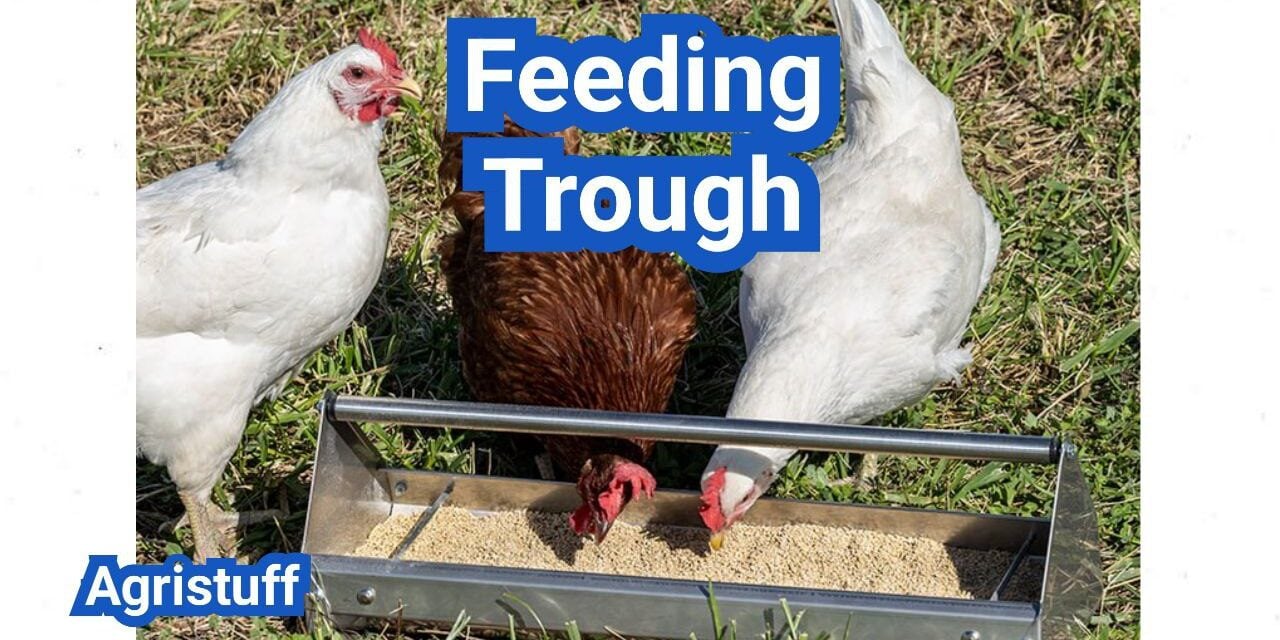
Efficient poultry feeding systems are crucial for farmers in the U.S. who want to minimize waste and maximize productivity.
A well-designed chicken feeding trough can significantly reduce the incidence of mold and rodent infestations, which are common issues in many farms.
By choosing the right long-lasting chicken feeding troughs, farmers can improve the health and well-being of their chickens, leading to better overall performance.
Key Takeaways
- Efficient feeding systems reduce waste and improve productivity.
- Proper trough design can prevent mold and rodent issues.
- Long-lasting troughs improve chicken health and farm performance.
- DIY feeding troughs can be a cost-effective solution.
- Choosing the right feeding trough is crucial for farm success.
The Critical Role of Proper Feeding Systems for Chickens

Proper feeding systems play a vital role in maintaining the overall well-being of chickens. An effective feeding system ensures that chickens receive the necessary nutrients for optimal health and productivity. This is crucial for both backyard chicken keepers and commercial poultry producers.
Common Challenges in Poultry Feeding
Poultry feeding is not without its challenges. Common issues include feed waste, mold growth, and rodent infestation. These problems can lead to significant economic losses and negatively impact flock health. For instance, feed waste can occur due to poorly designed feeding troughs that allow chickens to easily scratch out feed. Mold growth can happen when feed is exposed to moisture, and rodent infestation can occur when feeding areas are not properly secured.
Feed waste reduction is a critical aspect of an efficient feeding system. This can be achieved through the use of feeding troughs designed to minimize spillage and scratching. Additionally, covered chicken feeders can protect feed from the elements and reduce waste.
How Feeding Systems Impact Flock Health and Productivity
The design and functionality of a feeding system can significantly impact the health and productivity of a chicken flock. For example, anti-scratch and anti-rake design features in feeding troughs can help prevent feed waste and keep the feeding area clean. Moreover, adjusting the chicken feeder height appropriately can ensure that chickens of different ages and sizes can feed comfortably without straining or competing excessively for feed.
A well-designed feeding system also contributes to the overall health of the flock by reducing the risk of disease. For instance, feeding systems that are easy to clean and maintain can help prevent the buildup of harmful bacteria and mold. Furthermore, using feeding equipment for poultry that is designed with health and safety in mind can lead to a more productive flock.
Understanding Chicken Feeding Trough Designs

The design of chicken feeding troughs plays a significant role in reducing waste, preventing mold, and keeping rodents away. A well-designed feeding trough can significantly impact the health and productivity of a flock.
Waste Reduction Mechanisms
Waste reduction is a critical aspect of chicken feeding trough design. Features such as anti-scratch and anti-rake designs can help minimize feed waste. Additionally, portion control mechanisms can be implemented to ensure that chickens receive the right amount of feed.
Some feeding troughs come with covered feeder benefits, which not only reduce waste but also keep the feed dry and clean. This can be particularly beneficial in outdoor settings where weather conditions can affect feed quality.
| Waste Reduction Feature | Description | Benefit |
|---|---|---|
| Anti-scratch design | Prevents chickens from scratching out feed | Reduces feed waste |
| Portion control | Dispenses feed in controlled amounts | Ensures chickens receive the right amount of feed |
| Covered feeder | Keeps feed dry and clean | Maintains feed quality |
Mold Prevention Design Elements
Mold prevention is another crucial aspect of chicken feeding trough design. Moisture control is key to preventing mold growth. Feeding troughs with built-in moisture control features can help keep the feed dry.
Proper feed storage containers and techniques also play a significant role in preventing moldy chicken feed. Using feeding troughs with easy-to-clean designs can facilitate regular cleaning and maintenance, further reducing the risk of mold growth.
Rodent-Proofing Features | Chicken Feeding Trough
Rodent-proofing is essential for maintaining a clean and healthy feeding environment. Physical barriers and design modifications can be effective in deterring rodents. For example, using rodent-proof materials and designing the feeding trough with rodent-deterrent features can help.
Implementing integrated pest management strategies can also help manage rodent populations around the feeding area. This can include sealing entry points, removing food sources, and using traps or repellents.
Types of Chicken Feeding Troughs Available in the U.S. Market

The U.S. market offers a diverse range of chicken feeding troughs catering to different needs and preferences. Chicken keepers can choose from various materials and designs, each with its pros and cons.
Galvanized Steel Options
Galvanized steel feeding troughs are popular for their durability and resistance to corrosion. They are often coated with a layer of zinc to protect against rust, making them suitable for both indoor and outdoor use.
Benefits of Galvanized Steel Troughs:
- Long-lasting and durable
- Resistant to corrosion and rust
- Easy to clean and maintain
Some popular galvanized steel options are available at Tractor Supply, known for their quality and affordability.
Plastic and PVC Alternatives | Chicken Feeding Trough
Plastic and PVC feeding troughs offer a lightweight and easy-to-clean alternative to metal troughs. They are often less expensive and come in a variety of shapes and sizes.
Advantages of Plastic and PVC Troughs:
- Lightweight and portable
- Easy to clean and sanitize
- Less expensive than metal options
HHBeauty chicken feeding troughs, available on Amazon, are a popular choice among backyard chicken keepers.
Wooden Trough Designs
Wooden feeding troughs provide a natural and aesthetically pleasing option for chicken keepers. They can be made from various types of wood and can be customized to fit specific needs.
Pros and Cons of Wooden Troughs:
| Pros | Cons |
|---|---|
| Natural and visually appealing | May require more maintenance |
| Can be customized | More prone to damage from weather |
| Eco-friendly option | May harbor bacteria if not properly cleaned |
When choosing a chicken feeding trough, it’s essential to consider factors such as durability, ease of cleaning, and the specific needs of your flock.
How to Select the Right Feeding Trough for Your Flock

The selection of an appropriate chicken feeding trough is crucial for maintaining a healthy and thriving flock. With numerous options available, it’s essential to consider several factors to make an informed decision.
Assessing Flock Size and Breed Requirements
When choosing a feeding trough, one of the primary considerations is the size of your flock. A general rule of thumb is to provide at least 1-2 inches of feeding space per chicken. For larger flocks, it’s advisable to use multiple feeders to prevent overcrowding and ensure that all birds have access to feed.
Breed requirements also play a significant role in selecting the right feeder. For instance, larger breeds like Orpingtons or Plymouth Rocks may require more substantial feeders, while smaller breeds like Leghorns or Bantams can use smaller feeders. As noted by poultry experts, “The right feeder can significantly impact the health and productivity of your flock.”
Indoor vs. Outdoor Placement Considerations
Deciding whether to place your feeding trough indoors or outdoors depends on several factors, including climate, predator protection, and ease of cleaning. Indoor placement can offer protection from the elements and predators, but it may require additional ventilation and lighting. Outdoor placement, on the other hand, can provide more space but may expose the feeder to weather conditions and pests.
As stated in a poultry farming guide, “
Proper placement of feeding troughs is critical to maintaining flock health and reducing waste. Consider using feeders with covers or placing them under a sheltered area to minimize exposure to the elements.
Balancing Budget with Long-Term Durability
While budget is an important consideration, it’s equally crucial to prioritize long-term durability. A more expensive feeder made from high-quality materials like galvanized steel or durable plastic may be more cost-effective in the long run than a cheaper alternative that may need frequent replacement.
When evaluating feeders, consider factors such as ease of cleaning, resistance to corrosion, and overall construction quality. As emphasized by industry experts, “Investing in a durable feeder can save time and money while ensuring the health and well-being of your flock.”
To summarize, selecting the right feeding trough involves assessing your flock’s size and breed, considering indoor vs. outdoor placement, and balancing your budget with the need for long-term durability. By carefully evaluating these factors, you can choose a feeder that meets your chickens’ needs and promotes a healthy and productive flock.
Strategic Placement of Chicken Feeders in Your Coop

Strategically positioning chicken feeders can significantly reduce waste and improve flock health. The placement of feeders within the coop is not just about convenience; it’s a critical factor in maintaining a clean, efficient, and healthy environment for your chickens.
Optimal Feeder Height Guidelines | Chicken Feeding Trough
The height at which you place your chicken feeder is crucial. It should be positioned to allow chickens to eat comfortably without straining their necks or backs. The ideal height is typically at or slightly above the chickens’ back height, allowing them to feed naturally. For most breeds, this means the feeder should be between 6 to 12 inches off the ground, depending on the size and age of your flock.
For younger or smaller chickens, it’s advisable to start with a lower height and adjust as they grow. Using adjustable or hanging feeders can help in achieving the optimal height. Hanging chicken feeders are particularly useful as they can be raised or lowered according to the flock’s needs.
Positioning to Minimize Mess and Waste
To minimize mess and waste, it’s essential to position feeders in a way that reduces spillage and scatter. Placing feeders away from perches and roosting bars can help prevent chickens from knocking feed out of the feeder while jumping on or off the perches. Additionally, using feeders with anti-spill or anti-waste designs can further reduce the amount of feed that is wasted.
Covered or enclosed feeders are also effective in minimizing waste by preventing chickens from scratching feed out of the trough. These designs not only save feed but also keep the coop cleaner.
Weather Protection Strategies | Chicken Feeding Trough
Protecting chicken feed from the elements is vital, especially for outdoor or partially outdoor coops. Using covered or roofed feeders can shield the feed from rain and direct sunlight, which can cause feed to become moldy or spoil more quickly.
For coops with outdoor feeding areas, consider positioning feeders under a sheltered area or a canopy to provide protection from the weather. Regularly inspecting and cleaning the feeders is also crucial to prevent the buildup of mold and bacteria, which can be exacerbated by wet conditions.
By carefully considering the placement of your chicken feeders and implementing strategies to minimize mess, reduce waste, and protect feed from the weather, you can create a more efficient and healthier feeding system for your flock.
Step-by-Step DIY PVC Chicken Feeder Construction
Building a DIY PVC chicken feeder is a cost-effective and customizable solution for backyard chicken keepers. This project allows you to tailor the feeder to your flock’s specific needs while reducing waste and saving money.
Materials and Tools Checklist | Chicken Feeding Trough
To construct a DIY PVC chicken feeder, you will need the following materials and tools:
- 3-inch diameter PVC pipe: 20 inches long (main feeder section)
- 3-inch diameter PVC pipe: 6 inches long (connector piece)
- 3-inch diameter PVC pipe: 3 inches long (end cap support)
- 45-degree Y connector
- Two 3-inch PVC caps
- Hacksaw or PVC pipe cutter
- PVC cement
Assembly Instructions with Measurements
Follow these steps to assemble your DIY PVC chicken feeder:
- Cut the 3-inch PVC pipe into the required lengths (20 inches, 6 inches, and 3 inches).
- Use the hacksaw or PVC pipe cutter to make clean cuts.
- Assemble the feeder by connecting the pipes using the 45-degree Y connector.
- Secure the connections with PVC cement.
- Cap the ends with the 3-inch PVC caps.
Customization Options for Different Flock Sizes
The DIY PVC chicken feeder can be customized to suit different flock sizes by adjusting the length of the main feeder section. For larger flocks, you can increase the length of the 20-inch pipe to accommodate more chickens. Conversely, for smaller flocks, you can reduce the length to minimize waste and save materials.
Tips for Customization: Consider the age and size of your chickens when determining the feeder’s height and accessibility. You can also add additional features such as a roof or tray to catch spills and reduce waste.
Building a Wooden Chicken Feeding Trough: Complete Guide
Building a wooden chicken feeding trough from scratch allows you to customize the design to suit your flock’s specific needs. This DIY project can be a cost-effective and rewarding way to ensure your chickens are fed efficiently, reducing waste and keeping them healthy.
Required Materials and Tools | Chicken Feeding Trough
To start, you’ll need the following materials and tools:
- 1″ x 6″ or 1″ x 8″ untreated wood for the trough and supports
- Wood screws
- Wood glue
- Hinges and latches (if you choose to add a lid)
- Waterproof sealant or stain
- Circular saw or hand saw for cutting wood
- Drill for screwing pieces together
- Sandpaper for smoothing out the wood surfaces
Choosing the right type of wood is crucial. Untreated wood is recommended to avoid exposing your chickens to harmful chemicals. Cedar and pine are good options due to their natural resistance to rot and insects.
Construction Process with Diagrams | Chicken Feeding Trough
The construction process involves several key steps:
- Cutting the wood to the required dimensions for the trough and its supports.
- Assembling the trough using wood screws and glue.
- Attaching supports to ensure the trough is stable and at a comfortable height for your chickens.
Ensuring the trough is well-supported is vital to prevent it from tipping over, especially when it’s filled with feed.
Weatherproofing and Finishing Techniques
To protect your wooden feeding trough from the elements, apply a waterproof sealant or stain. This step is crucial if you plan to keep the trough outdoors.
- Choose a water-resistant finish that is safe for chickens.
- Apply the finish according to the manufacturer’s instructions.
- Regularly inspect the trough for any signs of wear or damage, reapplying the finish as needed.
Regular maintenance will extend the life of your wooden feeding trough, keeping it in good condition for years to come.
Creative DIY Solutions Using Repurposed Materials

With a little creativity, you can turn discarded items into functional and efficient chicken feeders. This approach not only reduces waste but also provides a cost-effective solution for managing your flock’s feeding needs.
Repurposing materials for chicken feeders is gaining popularity among backyard chicken keepers. It’s an innovative way to reuse items that would otherwise end up in landfills, contributing to environmental sustainability.
Converting Rain Gutters into Feeding Troughs
One of the most creative DIY projects involves converting rain gutters into feeding troughs. Rain gutters are designed to channel water, making them ideal for holding feed. Here’s how you can do it:
- Clean and dry the rain gutters thoroughly.
- Cut them to the desired length based on the number of chickens you have.
- Attach end caps to prevent feed from spilling out.
- Mount them at a comfortable height for your chickens.
This method is not only eco-friendly but also easy on the pocket. Rain gutters are often readily available and can be obtained at a low cost or even for free from local hardware stores or online marketplaces.
Bucket-Based Feeder Systems | Chicken Feeding Trough
Another effective DIY solution is using buckets to create feeding systems. Buckets are versatile and can be easily adapted for chicken feeding:
- Select a bucket of appropriate size based on your flock’s needs.
- Drill holes near the bottom for feeding ports.
- Attach a tray or plate under the holes to catch spilled feed.
- Fill the bucket with feed, and let gravity do the rest.
This system is praised for its simplicity and effectiveness in minimizing waste. The bucket feeder is particularly useful for managing feed distribution among larger flocks.
Upcycling Household Items for Chicken Feeding
Beyond rain gutters and buckets, numerous household items can be upcycled for chicken feeding. Old plastic containers, wooden crates, and even PVC pipes can be repurposed. The key is to think creatively about how these items can be adapted for feeding your chickens.
For instance, an old plastic tub can be converted into a feeder by adding dividers and filling it with feed. Similarly, wooden crates can be modified with partitions to create separate feeding compartments.
Tips for Successful Upcycling:
- Ensure the materials are clean and safe for your chickens.
- Design the feeder with ease of cleaning in mind.
- Consider the size and accessibility for your flock.
By embracing DIY projects and repurposing materials, you not only contribute to a more sustainable environment but also create unique and functional feeding solutions for your chickens.
Top Commercial Chicken Feeding Trough Options
Selecting the right commercial chicken feeding trough can significantly impact the health and productivity of your flock. With numerous options available in the market, it’s essential to evaluate the best choices for your poultry farming needs.
Tractor Supply Product Analysis | Chicken Feeding Trough
Tractor Supply offers a range of commercial chicken feeding troughs that are popular among poultry farmers. Their products are known for durability and ease of use. For instance, the Tractor Supply Chicken Feeder is designed to minimize waste and prevent rodent access, making it a practical choice for many farmers.
HHBEAUTY and Other Amazon Bestsellers | Chicken Feeding Trough
HHBEAUTY is another brand that has gained popularity for its high-quality chicken feeding troughs. Available on Amazon, their products are praised for their sturdy construction and innovative designs that reduce feed waste. Other Amazon bestsellers in this category include products from brands that offer adjustable and easy-to-clean feeding systems.
When choosing a commercial chicken feeding trough from Amazon bestsellers or other suppliers, it’s crucial to read customer reviews and consider factors like capacity, material, and ease of maintenance.
Large Capacity Options for Bigger Flocks
For larger poultry farms, large capacity feeding troughs are essential to ensure that all chickens are well-fed without the need for frequent refills. Brands like HHBEAUTY and others offer large capacity options that are designed to serve bigger flocks efficiently. These feeders are typically made from durable materials and come with features that prevent feed waste and contamination.
When selecting a large capacity feeder, consider the size of your flock, the available space, and the specific needs of your chickens to ensure you choose a feeder that meets your operational requirements.
Effective Strategies to Prevent Feed Waste

Effective feed waste prevention is key to optimizing the overall performance of your chicken feeding system. By implementing the right strategies, you can significantly reduce waste, lower your feed costs, and promote a healthier flock.
Anti-Scratch and Anti-Rake Design Features
One of the primary causes of feed waste is chickens scratching and raking at the feed. Anti-scratch and anti-rake design features in feeding troughs can significantly mitigate this issue. These designs typically include features such as grid covers or adjustable feed dispensers that limit the amount of feed available to the chickens at any given time, thereby reducing waste.
For instance, feeders with anti-scratch grids allow chickens to access the feed while preventing them from scratching it out of the trough. This not only reduces waste but also helps keep the feeding area cleaner.
Portion Control Mechanisms | Chicken Feeding Trough
Portion control mechanisms are another effective way to prevent feed waste. These mechanisms allow farmers to control the amount of feed dispensed to the chickens, ensuring that they receive the right amount without excess. This can be achieved through adjustable feeders or automated feeding systems that dispense feed at set intervals.
- Adjustable feed dispensers that can be set according to the flock’s needs
- Automated feeding systems that reduce waste and labor
- Feeders with built-in portion control features
Covered Feeder Benefits | Chicken Feeding Trough
Covered feeders offer several benefits, including reduced feed waste. By covering the feeding trough, you protect the feed from the elements and prevent chickens from throwing feed out of the trough. Covered feeders also help keep the feeding area dry and clean, reducing the risk of mold and disease.
Additionally, covered feeders can help reduce rodent and bird access to the feed, further minimizing waste and the risk of disease transmission.
By incorporating these strategies into your chicken feeding system, you can significantly reduce feed waste, improve the health and productivity of your flock, and enhance the overall efficiency of your operation.
Age-Appropriate Feeding Solutions for Chickens

Age-appropriate feeding solutions play a vital role in maintaining a healthy and thriving flock. Chickens have different nutritional needs at various stages of their lives, and using the right feeding equipment is crucial for their development and productivity.
Chick Feeders: Design and Safety Features
Chick feeders are specifically designed for young chickens, typically up to 8 weeks old. These feeders have unique features such as smaller openings and shallower trays to prevent chicks from getting into the feed and to reduce waste. When choosing a chick feeder, it’s essential to consider the design and safety features that will protect your chicks from harm.
Key Features of Chick Feeders:
- Small openings to prevent chicks from entering the feeder
- Shallow trays to reduce feed waste
- Easy to clean and disinfect
In comparison to adult feeders, chick feeders are designed to be more accessible and safer for young chickens. The chick feeder vs adult feeder distinction is crucial for ensuring that chickens receive the appropriate nutrition at each stage of their development.
Transitioning Between Feeder Types
As chickens grow, their feeding needs change, and it’s essential to transition them to appropriate feeder types. This transition typically occurs between 8 to 16 weeks of age, depending on the breed and size of the chickens. Transitioning to adult feeders involves switching to larger, more robust feeding systems that can accommodate the chickens’ increased size and appetite.
| Age Range | Feeder Type | Key Features |
|---|---|---|
| 0-8 weeks | Chick Feeder | Small openings, shallow trays |
| 8-16 weeks | Transition Feeder | Larger openings, adjustable height |
| 16+ weeks | Adult Feeder | Large capacity, durable construction |
Multi-Age Flock Feeding Management
Managing a multi-age flock requires careful planning and the right feeding strategies. It’s crucial to ensure that chickens of different ages receive the appropriate feed without competition or wastage. Using separate feeding areas or feeders designed for different age groups can help manage this challenge effectively.
Tips for Multi-Age Flock Feeding:
- Use separate feeding areas for different age groups
- Monitor feed consumption to avoid waste
- Adjust feeder heights to accommodate chickens of different sizes
By implementing age-appropriate feeding solutions, chicken keepers can significantly improve the health and productivity of their flock. Whether you’re managing a small backyard coop or a larger commercial operation, understanding the feeding needs of your chickens at different ages is essential for their well-being.
Comprehensive Guide to Preventing Moldy Chicken Feed

Ensuring your chicken feed remains mold-free is essential for the overall well-being of your chickens. Moldy feed can lead to a range of health problems, including respiratory issues and digestive problems. In this section, we will explore the critical steps to prevent mold from contaminating your chicken feed.
Proper Feed Storage Containers and Techniques
The first line of defense against moldy chicken feed is proper storage. Using the right containers and techniques can significantly reduce the risk of mold growth. Air-tight containers are ideal for storing chicken feed as they prevent moisture from entering. It’s also crucial to keep the storage area clean, dry, and well-ventilated.
When selecting a storage container, consider the size of your flock and the quantity of feed you need to store. For smaller flocks, plastic bins or metal containers with tight-fitting lids can be effective. For larger quantities, consider using feed storage silos or large, covered bins.
Moisture Control in Feeding Systems | Chicken Feeding Trough
Moisture is a key factor in the development of mold. Therefore, controlling moisture in your feeding systems is vital. Ensure that your feeders are designed to keep feed dry and are positioned in a way that minimizes exposure to rain or condensation.
Using feeders with drip-proof designs or covers can help keep the feed dry. Regularly inspecting the feeders for signs of moisture or mold and taking prompt action can prevent the spread of mold.
Cleaning and Maintenance Schedule | Chicken Feeding Trough
A regular cleaning and maintenance schedule is crucial for preventing mold growth in your chicken feeding system. This includes daily cleaning of the feeders, weekly inspection of the storage containers, and monthly deep cleaning of the entire feeding system.
- Daily: Clean feeders and remove any wet or moldy feed.
- Weekly: Inspect storage containers for signs of moisture or mold.
- Monthly: Deep clean the feeding system, including all parts of the feeders and storage containers.
By following these guidelines, you can significantly reduce the risk of mold contaminating your chicken feed, ensuring a healthier and more productive flock.
How to Rodent-Proof Your Chicken Feeding Area

Rodent-proofing your chicken feeding area is crucial for maintaining the health and productivity of your flock. Rodents can contaminate feed, spread diseases, and even cause significant damage to your coop and feeding equipment.
Physical Barriers and Design Modifications | Chicken Feeding Trough
One of the most effective ways to rodent-proof your chicken feeding area is by implementing physical barriers and modifying the design of your feeders. This can include using rodent-proof materials, sealing any holes or gaps, and ensuring that the feeder is designed in a way that prevents rodents from accessing the feed.
- Use metal or heavy-duty plastic feeders that rodents cannot chew through.
- Seal any holes or gaps around the feeder with hardware cloth or metal flashing.
- Elevate the feeder off the ground to prevent rodents from jumping up to it.
Feed Management Best Practices
Proper feed management is also critical in preventing rodent infestations. This includes storing feed in rodent-proof containers, cleaning up any spills promptly, and ensuring that the feeding area is free from debris and clutter.
| Feed Management Practice | Benefit |
|---|---|
| Store feed in rodent-proof containers | Prevents rodents from accessing feed |
| Clean up spills promptly | Reduces attractants for rodents |
| Keep feeding area clean and clear | Discourages rodents from nesting nearby |
Integrated Pest Management for Backyard Coops | Chicken Feeding Trough
Integrated pest management (IPM) involves using a combination of techniques to manage pest populations. For backyard coops, this can include using traps, sealing entry points, and maintaining a clean and well-ventilated coop.
Effective IPM Strategies:
- Monitor for signs of rodents regularly.
- Use humane or traditional traps as needed.
- Seal all entry points around the coop and feeding area.
By implementing these strategies, you can effectively rodent-proof your chicken feeding area and protect your flock’s health and productivity.
Seasonal Adjustments to Chicken Feeding Systems

As the seasons change, it’s crucial to adjust your chicken feeding systems to ensure the health and productivity of your flock. Different seasons bring unique challenges that can impact the well-being of your chickens and the efficiency of your feeding systems.
Winter Feeding Considerations and Modifications
During the winter, chickens require more calories to maintain their body heat. It’s essential to provide a nutrient-rich feed that can help them stay warm. Consider switching to a higher-calorie feed during this season. Additionally, ensure that the feeding troughs are designed to prevent snow and ice from accumulating, which can make feed inaccessible to the chickens.
Key winter feeding strategies include:
- Using feeders that are protected from the elements
- Increasing the frequency of feeding to ensure chickens have enough energy
- Monitoring the condition of the feed to prevent it from becoming wet or moldy
Summer Heat Stress Feeding Schedule | Chicken Feeding Trough
Summer brings its own set of challenges, primarily heat stress. Chickens can suffer significantly when temperatures soar, and their feeding schedule should be adjusted accordingly. It’s advisable to feed chickens during the cooler parts of the day, such as early morning or late evening, to reduce the risk of heat stress.
Effective summer feeding strategies include:
- Providing cool, fresh water at all times
- Offering feed during cooler hours
- Ensuring that feeding troughs are clean and free from spoiled feed
Rainy Season Adaptations for Feed Protection | Chicken Feeding Trough
The rainy season can lead to moisture issues that affect the quality of the feed. It’s crucial to protect the feed from getting wet, as moisture can lead to mold growth. Using feeders that are designed to keep feed dry, such as those with covers or placed under shelter, can mitigate this issue.
Rainy season adaptations include:
- Using water-resistant feeding troughs
- Placing feeders under a roof or canopy
- Regularly inspecting feed for signs of mold or dampness
Maintenance and Cleaning of Feeding Equipment
The longevity and effectiveness of chicken feeders depend significantly on regular maintenance and cleaning. Ensuring that feeding equipment is free from debris, mold, and bacteria is crucial for the health and productivity of your flock.
Daily, Weekly, and Monthly Maintenance Tasks
To keep your chicken feeding system in optimal condition, a routine maintenance schedule is essential. Daily tasks include checking feed levels and removing any wet or moldy feed. Weekly tasks involve a thorough cleaning of the feeders with a mild detergent and water. Monthly, inspect the feeders for any signs of wear or damage and perform any necessary repairs.
Daily Tasks: Check feed levels and remove wet or moldy feed.
Weekly Tasks: Clean feeders thoroughly with mild detergent and water.
Monthly Tasks: Inspect for wear or damage and perform repairs.
Effective Sanitization Methods | Chicken Feeding Trough
Sanitizing your chicken feeding equipment is a critical step in preventing the spread of disease. Effective sanitization can be achieved using a solution of water and vinegar or a commercial poultry sanitizer. Ensure that all parts of the feeder are scrubbed and rinsed thoroughly.
“Regular sanitization of feeding equipment is a simple yet effective way to protect your flock’s health.”
Extending Feeder Lifespan Through Proper Care
Proper care and maintenance can significantly extend the lifespan of your chicken feeders. This includes protecting them from extreme weather conditions, storing them properly when not in use, and applying a protective coating to prevent rust and corrosion.
- Protect feeders from extreme weather.
- Store feeders properly when not in use.
- Apply a protective coating to prevent rust.
By following these guidelines, you can ensure that your chicken feeding equipment remains in good condition, providing a healthy and efficient feeding system for your flock.
Creating an Efficient and Healthy Feeding System
An efficient feeding system is crucial for maintaining the health and productivity of your flock. By understanding the different chicken feeding trough designs and selecting the right one for your needs, you can significantly reduce waste, prevent mold, and keep rodents at bay.
Implementing healthy feeding practices involves more than just choosing the right feeder; it requires strategic placement, regular maintenance, and adjustments based on the age and size of your flock. Whether you opt for a DIY solution or a commercial poultry feeding system, the key is to ensure it meets the specific needs of your chickens.
Investing in a well-designed chicken feeding trough and adopting efficient feeding practices can lead to healthier chickens and a more productive flock. By following the guidelines outlined in this article, you can create a feeding system that is both efficient and beneficial for your chickens’ overall health.
Long-lasting chicken feeding troughs not only reduce the need for frequent replacements but also contribute to a cleaner and healthier coop environment. By prioritizing the design and maintenance of your poultry feeding systems, you can enjoy a thriving flock and a more successful poultry-keeping experience.
FAQ
What are the benefits of using a chicken feeding trough?
Chicken feeding troughs help reduce waste, prevent mold, and deter rodents, creating a healthier feeding environment for your flock.
How do I choose the right feeding trough for my chickens?
Consider factors such as flock size, breed, placement, and budget to select a feeding trough that meets your needs and ensures efficient feeding.
What are the different types of chicken feeding troughs available?
Options include galvanized steel, plastic and PVC, and wooden designs, each with their pros and cons, to suit various preferences and requirements.
How can I prevent feed waste in my chicken feeding trough?
Implement design features like anti-scratch and anti-rake elements, use portion control mechanisms, and consider covered feeders to minimize waste.
How do I rodent-proof my chicken feeding area?
Use physical barriers, modify designs to prevent rodent access, practice effective feed management, and integrate pest management strategies to secure your feeding area.
What are the best practices for maintaining and cleaning chicken feeding equipment?
Perform daily, weekly, and monthly maintenance tasks, and use effective sanitization methods to keep your feeding equipment clean and extend its lifespan.
How do I prevent moldy chicken feed?
Store feed properly in dry containers, control moisture in feeding systems, and maintain a regular cleaning schedule to prevent mold growth.
Can I use the same feeder for chicks and adult chickens?
It’s recommended to use separate feeders for chicks and adults, as chicks require specific feeding designs and safety features to ensure their health and well-being.
How often should I adjust my chicken feeding system seasonally?
Adjust your feeding system according to seasonal changes, such as winter, summer, and rainy seasons, to ensure your flock’s nutritional needs are met and to protect feed from the elements.
What are some creative DIY solutions for chicken feeding troughs?
Repurpose materials like rain gutters, buckets, and household items to create unique and functional feeding troughs that suit your flock’s needs.
Conclusion of: Chicken Feeding Trough
If you’re raising backyard birds or managing a small flock, a well-chosen Chicken Feeding Trough can do more than “hold feed”—it can lower your feed bill, keep rations cleaner, and reduce the pest pressure that starts with spills and damp crumbs eXtension: Small-scale poultry housing overview
The best part is you don’t need fancy equipment to improve results, because most problems come from predictable flock behaviors: scratching, flicking feed, roosting on feeder edges, and tracking bedding into openings—so the “right” Chicken Feeding Trough is simply the one designed to block those habits while staying easy to clean University of Minnesota Extension: DIY poultry feeder design notes
What the “right” trough should accomplish
A practical Chicken Feeding Trough should deliver steady access for every bird, reduce competition that causes tossing and trampling, and keep the ration protected from droppings and moisture so your birds eat what you bought instead of wasting it into the litter Alabama Cooperative Extension: Feeding the laying hen
Because feed quality also changes with storage conditions and time, a smart Chicken Feeding Trough works hand-in-hand with how you store and rotate bags, since “fresh” feed that stays dry and protected is easier to keep mold-free once it reaches the feeder University of Kentucky: Properly maintaining a backyard poultry facility (PDF)
How feed gets wasted in real coops
Feed waste usually starts when birds can rake through the top layer and shove feed out with beaks, so any Chicken Feeding Trough that exposes a deep “open pan” surface invites the classic scratch-and-fling routine that turns pellets or crumbles into expensive bedding eXtension: Brooding poultry hatchlings (feeder fill level and waste)
Crowding adds another waste pathway: when birds can’t eat at the same time, dominant hens push others away and the flock “stirs” the feed, so a Chicken Feeding Trough must provide enough linear space (or multiple feeding points) to keep mealtime calm and efficient Alabama Cooperative Extension: Feeder space and height guidance
Location matters as much as shape, because mud, wet litter, and rain splash raise moisture right where birds stand, so placing a Chicken Feeding Trough on a dry, well-drained surface (and keeping the surrounding run from turning into a wet “feed sponge”) is a hidden but major waste reducer eXtension: Space allowances and run management
Design choices that cut waste first
The simplest upgrade is height: set the eating lip so birds reach comfortably without scratching upward, because a Chicken Feeding Trough positioned around back height reduces the leverage birds use to shovel feed out and helps keep bedding from being kicked into the feed line Alabama Cooperative Extension: “Back height” feeder placement
Next, control the “exposed surface” of feed by using inward-curving sides, a narrow feeding slot, or a partial cover, because a Chicken Feeding Trough that limits how much feed is visible at once reduces the amount birds can flick out during normal pecking University of Minnesota Extension: Curved-side feeder benefits
Also pay attention to fill depth: even with a great design, overfilling creates a loose top layer that’s easy to waste, so treat your Chicken Feeding Trough like a “dispensing system” and keep the feed level modest except for special short-term situations like the first days of brooding eXtension: Guidance on reducing feeder level to prevent waste
If you prefer open troughs, add a physical barrier such as a simple grate, rod divider, or rim that discourages raking and prevents birds from stepping into the feed, because a Chicken Feeding Trough stays cleaner and wastes less when feet and scratching motion are blocked by design University of Maryland Extension: Sanitation practices (including feeders)
Design choices that reduce mold and “wet-feed” problems
Mold control starts with moisture control, so a Chicken Feeding Trough used outdoors should have a rain shield, overhang, or hood that protects the eating edge from splash and keeps dew and wind-driven rain from turning feed into clumps that birds refuse or scatter Colorado State University Extension: Backyard flock brochure (PDF)
It helps to remember that many molds aren’t just “gross”—they can produce mycotoxins depending on conditions, so preventing dampness inside a Chicken Feeding Trough is a health choice as well as a cost choice, especially in humid areas or during rainy stretches FDA: Mycotoxins overview
When feed looks clumpy, smells musty, or shows visible growth, don’t “mix it down and hope,” because the safer habit is to remove questionable feed promptly and fix the moisture source that’s affecting your Chicken Feeding Trough before you restock it Montana State University Extension: Feed molds and mycotoxins
Material choice plays a role too: smooth plastic and sealed metal are easier to scrub and dry than rough wood, so a Chicken Feeding Trough should be non-porous where feed touches surfaces, with no cracks that trap damp fines and start recurring spoilage UConn Animal Science: Cleaning and disinfecting poultry housing (PDF)
Finally, build “fast drying” into your routine: if you wet-clean, let parts dry fully before refilling, because refilling a damp Chicken Feeding Trough can re-seed mold problems even when the feed itself is fresh and high quality CDC: Backyard poultry hygiene and cleaning guidance
Design choices that deter rodents (and other unwanted diners)
Rodents show up where feed is easy, so a Chicken Feeding Trough that spills even small amounts creates a nightly buffet that trains mice and rats to visit—then they contaminate more feed than they eat and can become a long-term problem around the coop Oklahoma State University Extension: Rodent control in poultry houses
The most effective strategy is to combine sanitation with exclusion, meaning your Chicken Feeding Trough should support an “IPM mindset”: reduce access to food, reduce shelter near the coop, and make it harder for pests to benefit from hanging around US EPA: Integrated Pest Management principles
For hardware, rodent-resistant designs usually share the same traits: a covered hopper, tight seams, minimal ground spill, and openings sized for chicken heads rather than “open pans,” so a Chicken Feeding Trough that limits entry points helps stop rodents from feeding directly from the source University of Maryland Extension: Rodent control on small poultry farms
Management matters just as much as hardware, so consider removing or closing access overnight if your setup allows it, because a Chicken Feeding Trough left full in a quiet coop can become the main attractant that keeps rodents returning and breeding nearby University of Kentucky: Feed storage and pest prevention guidance (PDF)
If rodents are already present, don’t rely on a feeder upgrade alone, because a Chicken Feeding Trough works best as part of an active control plan that includes monitoring, cleaning spills quickly, and reducing hiding places along walls, under pallets, and around stored feed Mississippi State University Extension: Controlling rodents on the poultry farm (PDF)
Picking the right size and layout for your flock
When choosing capacity, aim for convenience without storing huge quantities at the feeder, because a Chicken Feeding Trough that holds “just enough” reduces the time feed sits exposed to humidity, insects, and bird traffic while still preventing the constant refill cycle University of Kentucky: Notes on buying and using feed within a reasonable timeframe (PDF)
For chicks and small juveniles, keep access low and stable, then raise gradually as birds grow, because a Chicken Feeding Trough that’s too tall early on reduces intake while one that’s too low later invites bedding and droppings into the feed line eXtension: Brooding guidance and early feeder use
If your flock includes different sizes or you add new birds, consider more than one feeding point, because a single Chicken Feeding Trough can become a “traffic jam” that increases spills and stress—while multiple stations spread birds out and reduce competitive pecking Alabama Cooperative Extension: Space and management considerations
Quick setup checklist you can apply today
Before replacing anything, you can often improve results by adjusting height, tightening lids, reducing fill depth, and placing a mat or tray where birds stand, because small setup tweaks can make your existing Chicken Feeding Trough perform like a more expensive “no waste” feeder University of Minnesota Extension: Practical feeder setup ideas
Then build a simple cleaning rhythm—brush out fines, remove wet clumps immediately, and scrub on a schedule that matches your weather—because a consistently maintained Chicken Feeding Trough prevents mold cycles that start invisibly in corners and seams University of Maryland Extension: Disinfectants and sanitation basics
In summer heat, shift the “big meal” to cooler hours and keep feed from sitting warm and humid, because the same conditions that stress birds can also speed spoilage in a Chicken Feeding Trough if it’s exposed to sun and still air University of Minnesota Extension: Preventing heat stress in poultry
Final thought
The best Chicken Feeding Trough is the one your birds can use comfortably while pests and moisture can’t, so prioritize proper height, controlled access, easy-clean materials, and spill prevention—and you’ll usually see lower waste and cleaner feed within the first week eXtension Poultry: Evidence-based resources for small flocks
Sources & References
The recommendations in this guide for Chicken Feeding Trough design and management are grounded in practical, evidence-based guidance from U.S. cooperative extension and federal public health/pest-management resources
- eXtension Poultry (US Cooperative Extension)
- Alabama Cooperative Extension: Feeding the Laying Hen
- University of Minnesota Extension: DIY Poultry Feeder
- University of Kentucky: Properly Maintaining a Backyard Poultry Facility (PDF)
- CDC: Backyard Poultry (Healthy Pets, Healthy People)
- US EPA: Integrated Pest Management (IPM) Principles
- Oklahoma State University Extension: Rodent Control in the Poultry House
- University of Maryland Extension: Rodent Control on Small Poultry Farms
- University of Maryland Extension: Disinfectants and Sanitation
- FDA: Mycotoxins
- FDA: Action Levels for Aflatoxins in Animal Feeds
- Montana State University Extension: Feed Molds and Mycotoxins
- Mississippi State University Extension: Controlling Rodents on the Poultry Farm (PDF)
- University of Minnesota Extension: Preventing Heat Stress in Poultry
- Colorado State University Extension: Backyard and Small Flock Poultry (PDF)