Proper handling and transportation of poultry are crucial for their welfare and the quality of the products. The Code of Practice for the Care and Handling of Hatching Eggs, Breeders, Chickens, and Turkeys provides guidelines for the safe transport of poultry.
The use of appropriate poultry transport carriers is essential for preventing heat stress and ensuring the safe transit of birds. Sizing is also a critical factor, as it directly impacts the comfort and safety of the poultry during transport.
Key Takeaways
- Proper poultry handling is crucial for their welfare and product quality.
- The Code of Practice provides guidelines for safe poultry transport.
- Appropriate poultry transport carriers prevent heat stress.
- Sizing of transport carriers is critical for poultry comfort and safety.
- Safe transport practices are essential for the poultry industry.
Understanding Chicken Crates and Their Importance

Chicken crates are more than just containers; they are critical for maintaining the health and safety of chickens during transport. The design and use of these crates can significantly impact the welfare of the poultry being transported.
What Is a Chicken Crate?
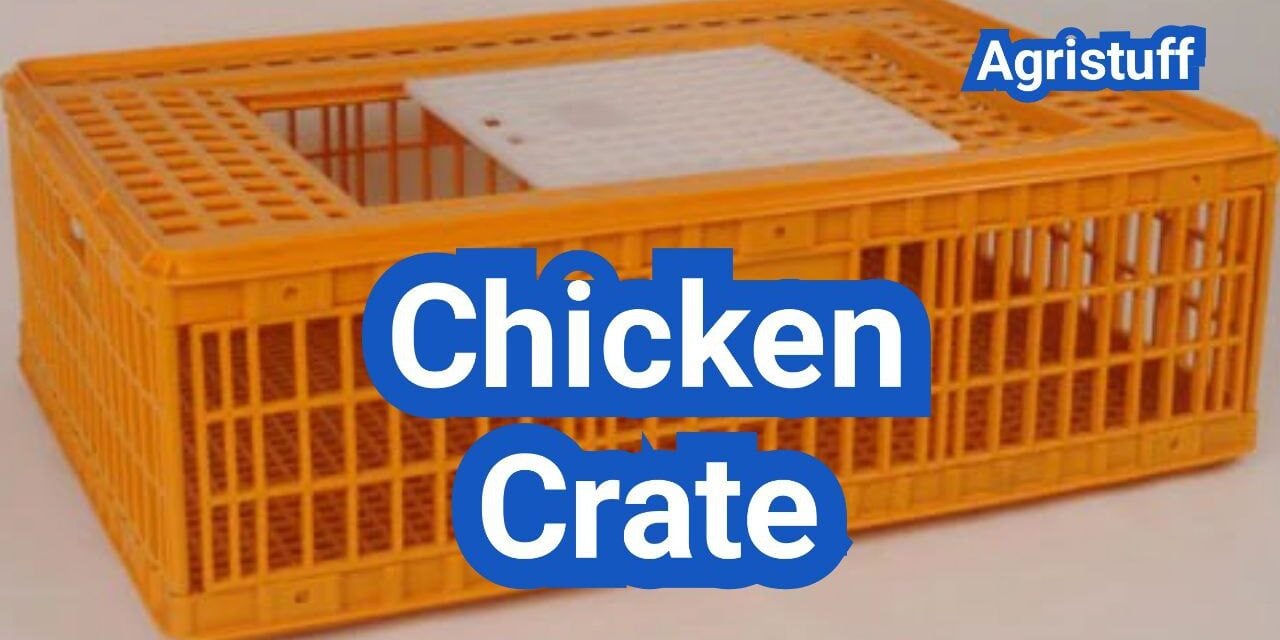
A chicken crate, also known as a poultry crate or chicken coop, is a specially designed enclosure used to hold chickens or other poultry during transportation. These crates are typically made from materials such as plastic, wood, or metal, and are designed to provide a safe and secure environment for the birds.
Why Proper Crating Matters for Poultry Health
Proper crating is crucial for maintaining poultry health. According to the National Farm Animal Care Council, proper handling and care of poultry are essential for their welfare. Incorrect crating can lead to stress and injury, negatively impacting the health of the chickens. Proper crating ensures adequate ventilation, reduces the risk of disease transmission, and minimizes the risk of injury during transport.
Key benefits of proper crating include:
- Reduced stress among chickens
- Prevention of injuries
- Improved ventilation
- Enhanced biosecurity
Common Uses for Chicken Crates
Chicken crates are used in various aspects of the poultry industry, including:
- Transporting chickens from farms to processing plants
- Moving chickens to and from poultry shows
- Relocating chickens within a farm
- Temporary housing during veterinary care or vaccinations
Understanding the importance and proper use of chicken crates is vital for anyone involved in the poultry industry, ensuring the health and well-being of the chickens.
Types of Chicken Crates Available in the Market

The market offers a range of chicken crates, from plastic poultry crates to wooden and metal transport cages, each with its own set of advantages.
Plastic Poultry Crates
Plastic poultry crates are lightweight, easy to clean, and resistant to corrosion. They are a popular choice among poultry farmers due to their durability and low maintenance requirements.
Advantages: Easy to clean, lightweight, resistant to corrosion.
Disadvantages: May become brittle with age, potentially cracking under extreme temperatures.
Wooden Chicken Crates
Wooden chicken crates offer good insulation and can be more comfortable for chickens during transport. However, they require more maintenance than plastic or metal crates.
Advantages: Good insulation, can be more comfortable for chickens.
Disadvantages: Requires more maintenance, susceptible to rot and pest infestation.
Metal Transport Cages
Metal transport cages are sturdy and can withstand heavy use. They are often used for long-distance transport or for larger poultry operations.
Advantages: Sturdy, secure, can be used for heavy-duty applications.
Disadvantages: Can be heavy, may require additional lining to prevent injury to chickens.
Collapsible and Stackable Options
Collapsible and stackable chicken crates offer flexibility and convenience, especially for operations with limited storage space. These crates can be easily stored when not in use and can be stacked to save space during transport.
| Type of Crate | Material | Advantages | Disadvantages |
|---|---|---|---|
| Plastic Poultry Crates | Plastic | Easy to clean, lightweight | May become brittle with age |
| Wooden Chicken Crates | Wood | Good insulation, comfortable for chickens | Requires maintenance, susceptible to rot |
| Metal Transport Cages | Metal | Sturdy, secure | Can be heavy, may injure chickens without lining |
| Collapsible/Stackable Crates | Varies (Plastic, Metal) | Flexible, convenient storage | May have durability issues depending on material |
Essential Features of Quality Chicken Crates

The essential features of quality chicken crates are critical for preventing stress and injury to chickens during transport. A well-designed crate can significantly reduce the risk of health issues and ensure that the birds arrive at their destination in good condition.
Ventilation Design
Proper ventilation design is crucial for maintaining a healthy environment within the crate. Adequate ventilation helps to regulate temperature and prevent the buildup of harmful gases. Crates should have strategically placed ventilation holes to ensure good airflow without compromising the safety of the birds.
Flooring and Grip Considerations
The flooring of a chicken crate should be designed to prevent slipping and to minimize the risk of injury to the birds. A non-slip surface or a textured floor can help to keep the chickens stable during transport. Additionally, the flooring should be easy to clean and disinfect to maintain hygiene.
Door Mechanisms and Security
Door mechanisms are another critical feature of quality chicken crates. The doors should be secure to prevent accidental opening during transport, yet easy to open for loading and unloading. A good door mechanism will also help to minimize stress on the birds by allowing for smooth and quick access.
Durability Factors
The durability of a chicken crate is essential for withstanding the rigors of transport. Crates should be made from robust materials that can resist wear and tear, and they should be able to withstand various weather conditions. Investing in a durable crate may cost more initially, but it can provide long-term savings by reducing the need for frequent replacements.
Chicken Crate Size Guide: Finding the Right Fit

The size of the chicken crate is a critical factor in maintaining the health and safety of chickens during transit. Proper sizing ensures that birds have enough space to stand comfortably without being too cramped or too loose, which can cause injury.
Standard Dimensions for Different Poultry Types
Different types of poultry require different crate sizes. For instance, larger birds like turkeys need more spacious crates compared to smaller chickens or day-old chicks.
| Poultry Type | Crate Size (inches) | Number of Birds |
|---|---|---|
| Day-old Chicks | 18x24x6 | 50-60 |
| Broiler Chickens | 30x48x24 | 20-25 |
| Turkeys | 36x60x30 | 10-12 |
Space Requirements Per Bird
It’s essential to calculate the space required per bird to ensure their comfort during transport. Generally, chickens require about 0.5 to 1 square foot per bird, depending on their size and age.
How Many Chickens Per Crate: Guidelines
The number of chickens per crate depends on the crate’s size and the birds’ size. Overcrowding can lead to stress and injury, so it’s crucial to follow guidelines.
- For small chickens: 1-2 birds per square foot
- For medium chickens: 0.75-1.5 birds per square foot
- For large chickens: 0.5-1 bird per square foot
Sizing for Different Chicken Breeds
Different chicken breeds vary significantly in size. For example, Leghorns are smaller than Plymouth Rocks. When transporting mixed breeds, it’s best to crate them according to the size of the largest birds to ensure comfort for all.
By following these guidelines, poultry farmers and transporters can ensure that their chickens are transported safely and humanely.
Safe Transport Practices for Poultry

The safe transportation of poultry is a complex process that involves several key considerations to prevent stress and injury. According to the Health of Animals Regulations, guidelines are in place for the humane transport of animals, emphasizing the need for careful handling and proper equipment.
Preparing Birds for Transport
Before transporting poultry, it’s essential to prepare the birds to minimize stress and prevent injury. This includes ensuring they are healthy enough for transport, removing any birds that are sick or injured, and providing adequate food and water before departure.
Pre-transport checks should include verifying that the birds have access to water and feed until loading, and that they are accustomed to their crates or transport containers.
Vehicle Setup for Chicken Transport
The vehicle used for transporting poultry must be set up to provide a safe and comfortable environment. This includes ensuring adequate ventilation to prevent overheating and providing sufficient space for the birds to stand comfortably without being too cramped or too loose.
Securing Crates During Transit
Securing crates is crucial to prevent them from shifting during transport, which could cause injury to the birds. Crates should be stacked and secured in a way that prevents movement and ensures the stability of the load.
- Use straps or tie-downs to secure crates to the vehicle.
- Ensure crates are stacked in a stable manner, with larger crates at the bottom.
- Check that all crates are closed and latched properly.
Monitoring During Transportation
Monitoring the birds during transport is vital to ensure their safety and well-being. This includes checking on them regularly to ensure they are not showing signs of stress or discomfort.
| Monitoring Aspect | Description | Action Required |
|---|---|---|
| Temperature | Check for signs of overheating or chilling. | Adjust ventilation or provide additional insulation as needed. |
| Humidity | Ensure adequate ventilation to prevent moisture buildup. | Increase ventilation if necessary. |
| Bird Behavior | Observe for signs of stress or discomfort. | Check for adequate space and adjust transport conditions as needed. |
By following these safe transport practices, poultry farmers and transporters can help ensure the well-being of the birds during relocation, reducing the risk of injury and stress.
Preventing Heat Stress During Chicken Transport

Transporting chickens in hot weather poses a considerable risk of heat stress, a condition that can be detrimental to poultry health. Heat stress occurs when chickens are unable to cool themselves effectively, leading to a rise in their body temperature. This condition can result in reduced productivity, illness, and even death if not managed properly.
Recognizing Signs of Heat Stress in Chickens
The first step in preventing heat stress is recognizing its signs. Chickens experiencing heat stress may exhibit rapid breathing, panting, and lethargy. They may also spread their wings away from their bodies in an attempt to cool down. Monitoring chickens closely during transport, especially in hot weather, is crucial for early detection of these signs.
Ventilation Strategies for Hot Weather
Adequate ventilation is critical for preventing heat stress during chicken transport. Ensuring that chicken crates have sufficient ventilation holes or mesh panels can significantly improve airflow around the birds. Additionally, positioning crates in a way that maximizes airflow within the transport vehicle can help keep chickens cool.
| Ventilation Method | Description | Effectiveness |
|---|---|---|
| Ventilation Holes | Crates with holes for airflow | High |
| Mesh Panels | Crates with mesh for increased airflow | Very High |
| Crates Positioning | Strategic placement of crates in the vehicle | Moderate |
Hydration Considerations
Access to water is essential for chickens to regulate their body temperature. During transport, ensuring that chickens have adequate hydration is vital. While it’s not always feasible to provide water during transport, pre-transport hydration is crucial. Chickens should have access to plenty of water before being loaded for transport, especially on hot days.
Emergency Cooling Methods
In cases where chickens show signs of heat stress during transport, having emergency cooling methods in place can be lifesaving. This can include using water spray or ice packs wrapped in cloth to cool the crates without causing chilling. It’s also beneficial to have a plan for immediate transport to a cooler location or for providing shade if the vehicle is stopped.
Cold Weather Transport: Protecting Your Chickens

Winter transport of chickens demands specialized care to mitigate the risks associated with cold stress. As poultry farmers and enthusiasts, it’s crucial to understand the challenges posed by cold weather and implement effective strategies to safeguard the health and well-being of your birds.
Insulation Techniques for Winter Transport
Proper insulation is key to maintaining a safe and healthy environment for chickens during cold weather transport. Using insulated vehicles or covering crates with thermal blankets can significantly reduce heat loss. “Insulation is not just about keeping the cold out; it’s also about retaining the warmth generated by the chickens themselves,” says poultry expert Dr. Jane Smith.
Some effective insulation techniques include:
- Using foam board insulation in transport vehicles
- Wrapping crates with weather-resistant blankets
- Employing straw or hay bales to buffer the crates from cold surfaces
Balancing Warmth and Ventilation
While keeping chickens warm is essential, it’s equally important to ensure adequate ventilation to prevent the buildup of moisture and ammonia from droppings. A balance must be struck between warmth and airflow.
Tips for balancing warmth and ventilation:
- Use vents or adjustable openings in the transport vehicle or crates
- Monitor temperature and humidity levels during transport
- Adjust insulation and ventilation as needed based on external weather conditions
Wind Protection Strategies
Wind can significantly exacerbate cold stress in chickens. Protecting your birds from harsh winds is crucial during transport.
Effective wind protection strategies include:
- Using windbreaks or screens around the transport area
- Positioning crates to minimize direct wind exposure
- Employing tarps or plastic sheeting to create a barrier against wind
Monitoring for Cold Stress
Despite best efforts, cold stress can still occur. It’s vital to monitor your chickens closely during transport for signs of distress.
Common indicators of cold stress include:
- Shivering or huddling together
- Reduced activity or lethargy
- Changes in breathing patterns
By being vigilant and taking proactive measures, you can significantly reduce the risk of cold stress and ensure a safe and healthy transport experience for your chickens.
Proper Handling and Loading Techniques

Proper handling techniques are essential to minimize stress and injury when transporting chickens. Effective handling and loading procedures are critical to ensuring the well-being of the birds.
Catching Chickens Safely
Catching chickens safely is the first step in proper handling. It’s crucial to approach the birds calmly and gently to avoid causing unnecessary stress. Use both hands to support the chicken’s body, making sure to keep wings and legs secure. Avoid catching chickens by their wings or legs, as this can cause injury.
- Move slowly and deliberately when approaching the chickens.
- Use a calm and gentle voice to reassure the birds.
- Support the chicken’s body fully when lifting.
Correct Loading Procedures
Loading chickens into crates requires care and attention to detail. Ensure the crate is clean and free from any hazards before loading the birds. The chickens should be loaded gently but firmly into the crate, making sure not to overcrowd it.
- Check the crate for any damage or hazards.
- Load chickens gently into the crate, avoiding sudden movements.
- Ensure the crate is not overcrowded, following recommended space guidelines.
Preventing Injuries During Handling
Preventing injuries during handling is crucial for maintaining the health and well-being of the chickens. Handle chickens carefully to avoid dropping them, and ensure that the crate is securely closed to prevent escape or injury during transport.
Best Times for Transport
The timing of chicken transport can significantly impact the birds’ stress levels and overall health. Transport chickens during cooler parts of the day when possible, such as early morning or late evening, to minimize heat stress.
- Avoid transporting chickens during extreme weather conditions.
- Plan transport routes to minimize travel time.
- Monitor weather forecasts to prepare for potential challenges.
Stacking Poultry Crates Safely

Stacking poultry crates safely is essential to prevent accidents and ensure the well-being of the birds. Proper stacking techniques are vital for maintaining stability and preventing damage to the crates and the poultry they contain.
Weight Distribution Principles
When stacking poultry crates, it’s crucial to consider the weight distribution to prevent the stack from becoming unstable. Heavier crates should be placed at the bottom, while lighter ones are stacked on top. This approach helps in maintaining the center of gravity low, reducing the likelihood of the stack toppling over.
Key Considerations for Weight Distribution:
- Assess the weight of each crate before stacking.
- Place the heaviest crates at the bottom of the stack.
- Ensure that the weight is evenly distributed across the stack.
Maximum Stack Height Guidelines
The maximum stack height is critical to prevent instability and potential collapse. The height will depend on the size and material of the crates, as well as the environment in which they are stacked.
| Crate Type | Maximum Stack Height | Stability Factor |
|---|---|---|
| Plastic Poultry Crates | 5 crates high | High |
| Wooden Chicken Crates | 4 crates high | Medium |
| Metal Transport Cages | 3 crates high | Low to Medium |
Securing Stacked Crates
Securing the stacked crates is vital to prevent shifting or toppling during transport or storage. Straps, ties, or other securing mechanisms should be used to keep the crates in place.
Methods for Securing Crates:
- Use of straps or bands around the stack.
- Application of corner protectors to prevent damage.
- Regular checks to ensure that the securing mechanisms remain tight.
Ventilation Considerations When Stacking
Adequate ventilation is crucial when stacking poultry crates to prevent the buildup of heat and moisture. Ensuring that there is sufficient airflow around and between the crates can help maintain a healthy environment for the poultry.
Ventilation Tips:
- Leave adequate space between stacks for airflow.
- Ensure that the crates are designed with ventilation in mind.
- Monitor the environment for signs of inadequate ventilation, such as condensation or heat stress in the poultry.
Cleaning and Disinfecting Chicken Crates
Cleaning and disinfecting chicken crates is a critical aspect of biosecurity in poultry transport. Maintaining cleanliness is essential for preventing the spread of diseases among chickens.
Recommended Cleaning Protocols
Effective cleaning protocols are the first step in maintaining biosecure chicken crates. The process begins with removing any debris or soiled bedding from the crates.
- Use high-pressure water jets to dislodge dirt and organic matter.
- Apply a suitable detergent to help break down tough grime.
- Rinse thoroughly to remove any detergent residue.
Regular cleaning not only improves the condition of the crates but also reduces the risk of disease transmission.
Effective Disinfectants for Poultry Equipment
After cleaning, disinfecting is crucial to eliminate pathogens. Various disinfectants are available, each with its own advantages.
- Quaternary ammonium compounds are effective against a broad spectrum of pathogens.
- Chlorine-based disinfectants are potent but require careful handling.
- Hydrogen peroxide is another option, known for its efficacy and safety.
The choice of disinfectant should be based on its effectiveness, safety for the chickens, and ease of use.
Drying and Storage Best Practices
After disinfecting, it’s crucial to dry the crates thoroughly to prevent moisture buildup, which can lead to microbial growth.
- Allow crates to air dry in a well-ventilated area.
- Store crates in a clean, dry environment to maintain their condition.
Proper storage also involves stacking crates securely to prevent damage and ensure easy access when needed.
Biosecurity Considerations
Biosecurity is paramount in poultry farming, and cleaning and disinfecting chicken crates play a significant role in this.
Implementing strict cleaning and disinfecting protocols helps in:
- Reducing the risk of disease outbreaks.
- Protecting the health of the chickens.
- Maintaining a good biosecurity record, which is often required by regulatory bodies.
By following these guidelines, poultry farmers can significantly enhance their biosecurity measures, contributing to the overall health and well-being of their chickens.
Special Considerations for Day-Old Chicks
The transportation of day-old chicks is a delicate process that demands attention to detail and proper care. Day-old chicks have specific needs that must be met to ensure their health and safety during transport.
Temperature Control for Chick Transport
Maintaining the right temperature is crucial when transporting day-old chicks. Chicks require a warm environment, typically between 92°F to 95°F (33°C to 35°C), to prevent hypothermia and stress. Using insulated transport containers with heating elements can help maintain the optimal temperature.
Specialized Chick Shipping Containers
Specialized containers designed for chick transport are essential. These containers are typically ventilated, secure, and designed to keep chicks safe and comfortable. Look for containers that are specifically made for day-old chicks, as they will have features such as adequate ventilation and ease of cleaning.
Bedding and Comfort Requirements
The bedding used in chick transport containers is important for comfort and hygiene. Soft, dry bedding such as paper-based materials or clean wood shavings can help reduce stress and keep chicks dry. It’s crucial to avoid using damp or dirty bedding that could lead to health issues.
Monitoring Chick Health During Transport
Regular monitoring of chick health during transport is vital. Check for signs of stress, such as panting, lethargy, or unusual droppings. Ensure that chicks have enough space and are not overcrowded, as overcrowding can lead to stress and health problems.
By paying close attention to these factors, you can help ensure the safe and healthy transport of day-old chicks.
Chicken Show Transport Tips

Chicken show transport is a delicate process that demands attention to detail to keep birds healthy and looking their best. Whether you’re a seasoned poultry exhibitor or new to the world of chicken shows, understanding the best practices for transporting your birds can make a significant difference in their performance and overall well-being.
Preparing Show Birds for Travel
Preparing your show birds for travel involves several key steps. First, ensure they are healthy and free from any signs of illness or stress. Check for any visible signs of disease or parasites and treat them accordingly before the trip. It’s also crucial to acclimate your birds to their crates a few days before the show to reduce stress during transport.
- Ensure birds have access to food and water until the last minute before loading.
- Clean and disinfect crates before use to prevent the spread of disease.
- Check the weather forecast and plan accordingly to avoid extreme temperatures.
Maintaining Appearance During Transport
Maintaining the appearance of your show birds during transport is crucial for making a good impression at the show. Use clean, well-ventilated crates that protect the birds from dust and debris. Consider using crates with smooth interiors to prevent feather damage.
Stress Reduction Techniques
Reducing stress during transport is vital for the health and well-being of your show birds. Minimize noise and vibrations during the journey by driving carefully and using noise-reducing materials if necessary. Ensure adequate ventilation to prevent overheating and maintain a comfortable environment.
- Monitor the temperature inside the transport vehicle.
- Avoid overcrowding the crates to give birds enough space to move comfortably.
- Plan regular breaks during long journeys to check on the birds.
Show-Specific Crating Options
Choosing the right crating option for your show birds can significantly impact their transport experience. Consider using show-specific crates designed to minimize stress and protect the birds’ appearance. These crates often feature special ventilation systems and easy-access doors for safe and convenient handling.
By following these chicken show transport tips, you can ensure your birds arrive at the show in top condition, ready to impress judges and spectators alike.
DIY Chicken Crate Ideas and Plans

For many poultry keepers, creating a DIY chicken crate is a cost-effective solution that allows for customization to meet specific needs.
Materials Selection for Homemade Crates
Choosing the right materials is crucial for building a durable and safe chicken crate. Common materials include wood, metal, and plastic.
Wood is a popular choice due to its availability and ease of use. However, it may require additional treatment to prevent damage from moisture.
Metal crates are durable and can be made from materials like wire mesh or metal sheets. They offer good ventilation but may require additional coating to prevent rust.
| Material | Durability | Cost | Ventilation |
|---|---|---|---|
| Wood | Medium | Low-Moderate | Good |
| Metal | High | Moderate-High | Excellent |
| Plastic | Medium | Low-Moderate | Good |
Basic Construction Steps
Building a DIY chicken crate involves several key steps:
- Measure and cut the materials according to your design.
- Assemble the crate using appropriate fasteners.
- Add ventilation and ensure the crate is secure.
Ensuring Safety in DIY Designs
Safety is paramount when creating a DIY chicken crate. Ensure that the crate is well-ventilated, secure, and free from sharp edges or points that could harm the chickens.
Cost-Effective Solutions
One of the main advantages of DIY chicken crates is their potential to be cost-effective. By choosing the right materials and designing the crate efficiently, you can save money compared to buying commercial crates.
For example, using reclaimed wood or repurposed materials can significantly reduce costs. Additionally, building crates that are exactly the right size for your needs can prevent waste and save space.
Chicken Crate Pricing Guide
Understanding the cost of chicken crates is essential for poultry farmers and backyard chicken keepers alike. The price of a chicken crate can vary significantly based on factors such as material, size, and features.
Affordable Options
For those on a tight budget, chicken crates can be found in the range of $20-$50. These budget options are often made of plastic or lightweight materials and are suitable for small-scale poultry operations.
Mid-Range Crates
Mid-range crates, priced between $50-$100, offer a balance between cost and durability. These crates are often made of more robust materials and may include additional features such as improved ventilation or easier cleaning.
Premium Transport Solutions
For large-scale or commercial poultry operations, premium transport solutions are available at $100 or more. These high-end crates are designed for heavy-duty use, offering superior durability, advanced ventilation systems, and ease of use.
Evaluating Cost vs. Durability
When selecting a chicken crate, it’s crucial to consider the cost vs. durability. While cheaper options may seem appealing upfront, they may not provide the long-term value that a more durable crate offers.
FAQ
What is the ideal size for a chicken crate?
The ideal size for a chicken crate depends on the number and size of the chickens being transported. A general guideline is to provide at least 0.5 to 1 square foot per chicken, depending on their size and breed.
How do I prevent heat stress in chickens during transport?
To prevent heat stress, ensure good ventilation in the crate, avoid transporting chickens during the hottest part of the day, and provide adequate space. You can also use cooling methods like misting or ice packs wrapped in towels.
What are the best materials for chicken crates?
The best materials for chicken crates are durable, easy to clean, and provide good ventilation. Plastic and wire mesh crates are popular choices because they meet these criteria.
How often should I clean and disinfect chicken crates?
Chicken crates should be cleaned and disinfected after each use to prevent the spread of diseases. Use a disinfectant specifically designed for poultry equipment and follow the manufacturer’s instructions.
Can I stack chicken crates on top of each other?
Yes, but it’s crucial to do so safely. Ensure that the crates are securely stacked, and the weight is evenly distributed. Always check that the ventilation is not compromised.
What are the signs of heat stress in chickens?
Signs of heat stress in chickens include panting, lethargy, open-mouthed breathing, and in severe cases, convulsions or death. If you notice these signs, take immediate action to cool the chickens.
How can I keep chickens cool during transport in hot weather?
To keep chickens cool, transport them during cooler parts of the day, ensure good ventilation, and consider using cooling packs or misting systems.
What should I look for when buying a chicken crate?
When buying a chicken crate, look for durability, ease of cleaning, adequate ventilation, and sufficient space for the chickens. Consider the material and whether it meets your specific needs.
How do I handle chickens safely when loading them into crates?
Handle chickens gently but firmly, supporting their body and wings. Avoid picking them up by their legs or wings alone, as this can cause injury.
Can I use DIY chicken crates, or should I buy commercial ones?
Both DIY and commercial chicken crates can be effective. DIY crates can be cost-effective and tailored to your needs, but commercial crates are often designed with specific safety and health features.
What are the benefits of using chicken crates for transport?
Chicken crates provide a safe and healthy way to transport chickens, reducing stress and the risk of injury. They also help in maintaining cleanliness and preventing disease spread.
How do I ensure the crate is secure during transport?
Ensure the crate is securely fastened in the vehicle to prevent it from shifting or falling. Use straps or other securing devices as needed.
Are there specific regulations for transporting chickens?
Regulations for transporting chickens vary by state and locality. Check with local authorities for specific requirements regarding the transport of poultry.
How can I reduce stress in chickens during transport?
To reduce stress, minimize handling, keep the crate quiet and at a comfortable temperature, and avoid sudden movements during transport.
What are the key considerations for day-old chick transport?
For day-old chicks, maintain a warm temperature (around 90°F to 95°F), ensure good ventilation, and use appropriate bedding to keep them comfortable and healthy during transport.
Conclusion of: Chicken Crate Basics
Using a Chicken Crate correctly is one of the simplest ways to protect birds during a vet visit, a move to a new coop, a trip to a fair, or a run to the processor, because the right container reduces panic, prevents escapes, and keeps airflow moving around the flock Virginia Cooperative Extension guidance on humane poultry transport
A Chicken Crate is not “just a box”—it becomes the bird’s entire microclimate while you load, drive, stop, and unload, so choices like ventilation, stacking, and space allowance directly influence bruising, smothering, and heat build-up National Chicken Council welfare guidelines for catching and transport
What a Chicken Crate is and when you should use one
A Chicken Crate is a secure, ventilated carrier designed to keep birds in a stable posture (standing or sitting) while limiting wing flapping and sudden impacts, which matters whether you’re moving one pet hen or several market birds Virginia Cooperative Extension guidance on humane poultry transport
If your Chicken Crate plan includes any travel longer than a quick driveway transfer, treat it like livestock transport: think about temperature, traffic delays, loading time, and what you’ll do if a bird shows stress signs before you ever turn the key Cobb processing guide section on catching, transport, and thermal stress
Choosing the right Chicken Crate style
For most U.S. backyard keepers, the safest Chicken Crate is a rigid plastic or fiberglass carrier with smooth sides, lots of side vents, and a door that latches positively, because it’s easy to sanitize and less likely to snag feathers or toes USDA APHIS reference guide on cleaning and disinfection
Wire cages can work as a Chicken Crate for short, calm trips, but they increase injury risk when toes catch, and they often ventilate unevenly when you stack or cover them, so they demand extra attention to bedding and positioning Virginia Cooperative Extension notes on crate safety and wire floors
Ventilation and door design matter more than brand
A well-designed Chicken Crate has vents on multiple sides (not only the lid) so birds can breathe even when crates are stacked, and it should prevent heads from poking outside where a sudden shift could injure the neck Virginia Cooperative Extension tips on airflow and preventing head entrapment
Chicken Crate sizing: measure the inside, not the label
Start Chicken Crate sizing by measuring the internal length and width (the true floor area), because “medium” or “large” labels vary widely across manufacturers, and floor area is what determines whether birds can sit without piling Peer-reviewed study on crating density and transport outcomes
Next, check internal height for your Chicken Crate so combs and heads are protected during bumps, while still limiting full wing extension that can lead to bruises and broken feathers during transport National Chicken Council handling and transport guidance
- Measure internal floor area (length × width)
- Confirm ventilation openings stay clear when stacked
- Add a non-slip, absorbent bedding layer for traction
- Plan for weather: fewer birds when it’s hot and humid
How many birds per Chicken Crate: a practical method
The simplest rule for any Chicken Crate is “one comfortable layer,” meaning every bird should be able to sit without being forced on top of another bird, because piling increases suffocation risk and traps heat Virginia Cooperative Extension discussion of overcrowding risks
As a starting point for adult backyard birds, some Chicken Crate guidance suggests limiting crates to only a handful of standard-size chickens so piling stays minimal, and then reducing further when temperatures rise or travel time increases Virginia Cooperative Extension space and overcrowding recommendations
For commercial-type plastic modules, research on Chicken Crate density shows that higher stocking in hot, humid conditions can worsen stress-related outcomes, so use crate maker labels and welfare guidance as an upper bound and plan to load lighter in summer Peer-reviewed study evaluating transport density during hot weather
Pre-trip preparation that prevents injuries and losses
Before loading into a Chicken Crate, do a quick health check—birds that are already sick, heavily panting, or weak are far more likely to crash during travel, so move them separately or delay the trip if possible USDA Defend the Flock biosecurity and flock health resources
Right before departure, set up your Chicken Crate plan for water breaks and shade stops, because heat and dehydration build fast in traffic, and even a short delay can turn a safe trip into a welfare problem Cobb transport planning points for weather, loading time, and travel conditions
Catching and handling for calm loading
Calm catching makes every Chicken Crate safer: dim the area if you can, move slowly, and support the body instead of grabbing a single wing or leg, because rough handling causes panic, flapping, and injury before the trip even begins Virginia Cooperative Extension recommendations for catching and handling
Once birds are placed in the Chicken Crate, close and latch the door immediately, then keep the carrier level and close to your body as you carry it, which reduces sudden swings that can bruise birds against the sides National Chicken Council welfare guidelines on handling and loading
Loading and stacking without blocking airflow
When you load multiple units, arrange the Chicken Crate layout so vents face open air, not a solid wall or another crate, and leave channels for air to move between stacks to prevent a hot “core” from forming in the middle Texas A&M guidance on ventilation when stacking boxes
Secure every Chicken Crate so it cannot slide, tip, or fall during braking, and avoid the trunk of a car where airflow is poor and heat and exhaust fumes can accumulate quickly Virginia Cooperative Extension warnings about trunks and ventilation
Why heat stress happens so easily in a Chicken Crate
Heat stress rises fast in a Chicken Crate because birds generate body heat and moisture, and if airflow slows—like at a red light—the temperature inside the crate can climb even when the outdoor air feels “not that bad” Peer-reviewed discussion of transport microclimate and thermal risk
Heat-stress prevention during transport
Plan your Chicken Crate travel for the coolest window you can (early morning or late evening), shorten loading time, and avoid errands that add stops, because every extra minute parked reduces natural air exchange Virginia Cooperative Extension note that air circulation stops in traffic
Shade is critical for any Chicken Crate in warm weather: keep carriers out of direct sun, use light-colored covers that do not block vents, and remember that dark surfaces can heat rapidly even on mild days Virginia Cooperative Extension advice on avoiding direct sunshine
If you are hauling several crates, support the Chicken Crate airflow with fans during loading and staging, because forced air can prevent overheating before the vehicle starts moving and passive ventilation becomes effective Cobb hot-weather guidance on using fans during loading
Hydration management should be part of every Chicken Crate trip plan, especially for longer drives, and you should schedule safe stops to offer water when practical rather than assuming birds can “wait until we get there” Virginia Cooperative Extension guidance on offering water during travel
Because panting changes blood chemistry and can cascade into serious illness, a smart Chicken Crate strategy also includes reducing stressors (noise, shaking, crowding) that make birds breathe harder and produce more metabolic heat Peer-reviewed review on heat stress physiology in poultry
Do not rely on “misting” alone as a Chicken Crate cooling plan, because wet feathers without airflow can trap humidity and reduce cooling, so any wetting should be paired with strong ventilation Cobb caution about wetting birds without fans
Watch birds continuously in a Chicken Crate during hot weather: light panting can be a warning, while heavy panting, wings held away from the body, pale combs, or lethargy means you must cool birds immediately Extension guidance on recognizing and responding to heat stress signs
What to do if a bird overheats in a Chicken Crate
If a bird shows severe heat stress in a Chicken Crate, stop the trip, move the carrier into shade, increase airflow, and cool the bird promptly (cool—not icy—water on the body can help in emergencies) before resuming travel Extension guidance on emergency cooling for overheated hens
Cold, wind, and rain: protect birds without sealing the Chicken Crate
In cold weather, a Chicken Crate can become too drafty at highway speeds, so position carriers out of direct wind, limit loading time, and use partial covers that block wind and rain while preserving ventilation gaps Cobb cold-weather guidance on wind chill and covers
Biosecurity and sanitation between trips
Every Chicken Crate should be cleaned after use because manure and litter protect germs from disinfectants, so start with a thorough “dry clean” and wash with detergent before applying a labeled disinfectant USDA APHIS checklist for cleaning and disinfecting poultry enclosures
For a Chicken Crate that has been at a show, auction, or shared vehicle, follow a structured clean–rinse–dry–disinfect sequence and choose EPA-registered products correctly, because disinfectant choice and organic load strongly affect results USDA APHIS NVAP reference guide on cleaning and disinfection
Special situations: chicks, poults, and small-flock travel
Day-old birds need extra attention because a Chicken Crate or box can overheat quickly from the chicks’ own body heat, so keep vehicle air near normal room temperature and check them frequently for panting or huddling Texas A&M guidance on transporting show chicks and poults
For a small flock moving in a passenger vehicle, treat your Chicken Crate setup like a biosecure zone: dedicate shoes or gloves, keep carriers away from food areas, and wash hands after handling crates and bedding CDC guidance on staying healthy around backyard poultry
Unloading and recovery after transport
After arrival, move the Chicken Crate into a quiet, shaded area, open it calmly, and give birds time to drink and settle before you handle them again, because the first hour post-transport is when stress-related issues often show up Virginia Cooperative Extension advice on post-transport care and space
Common Chicken Crate mistakes to avoid
A top Chicken Crate mistake is treating “short trips” as risk-free, because loading in direct sun, stopping in traffic, or running into a store can remove ventilation and create dangerous heat build-up in minutes Virginia Cooperative Extension warnings about sun exposure and airflow
Another Chicken Crate mistake is skipping cleanup, since dirty carriers spread parasites and disease between flocks and even between trips for the same flock, especially when reused litter is left inside USDA APHIS checklist emphasizing removal of debris before disinfection
Final thought
A Chicken Crate is safest when you think beyond the container—measure the inside, load for the weather, protect airflow, and plan “what if” steps for delays, because calm birds with steady ventilation almost always arrive healthier and recover faster National Chicken Council welfare guidance for transport planning
Sources & References
The guidance above draws on extension, USDA biosecurity materials, and poultry welfare science that applies to any Chicken Crate use in the U.S.
- USDA Defend the Flock resource center
- Virginia Cooperative Extension: Transporting Poultry in a Humane Manner
- National Chicken Council: Broiler Welfare Guidelines (Catching & Transport sections)
- Cobb: Processing Management Guide (Transport, hot/cold weather notes)
- USDA APHIS: Checklist for Cleaning and Disinfecting Poultry Enclosures
- USDA APHIS NVAP: Cleaning and Disinfection Reference Guide
- Extension: Managing Backyard Chickens During Extreme Summer Temperatures
- CDC: Backyard Poultry (health and hygiene)
- Texas A&M: Transporting Show Chicks and Poults
- Hussnain et al. : Crating density and long-distance transport under hot, humid conditions
- Lara and Rostagno : Heat stress in poultry (Animals)