
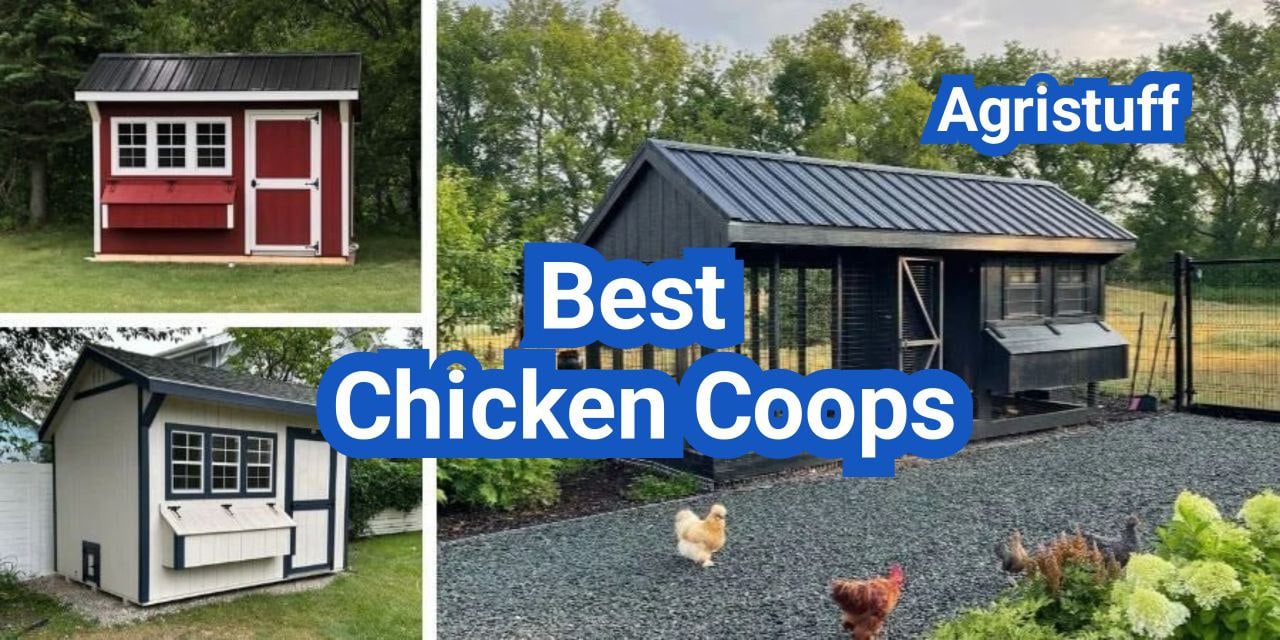
Selecting the ideal chicken coop is crucial for the health and well-being of your flock. The size of your flock plays a significant role in determining the right coop, as it affects the overall space, ventilation, and security needs.
Whether you’re a seasoned poultry keeper or a beginner, understanding the essentials of a chicken coop guide can help you make an informed decision to get the best chicken coops in the U.S. . The key is to match your coop with your flock size, ensuring each bird has enough space to roam comfortably.
Key Takeaways
- Determine your flock size to choose the right coop size.
- Consider essential features like ventilation and security.
- Understand the benefits of different coop designs.
- Assess your specific needs based on your flock’s characteristics.
- Research and compare different chicken coop options.
Why Choosing the Right Chicken Coop Matters

The importance of selecting the appropriate chicken coop cannot be overstated, as it directly impacts the health and egg production of your chickens. A suitable coop provides a safe and healthy environment, which is crucial for the overall well-being of your flock.
The Relationship Between Flock Size and Coop Requirements
The size of your flock is a critical factor in determining the type of coop you need. Coop requirements vary significantly based on flock size, with considerations including space per chicken, ventilation, and protection from predators. For instance, a larger flock requires a more spacious coop to prevent overcrowding, which can lead to stress and health issues among the chickens.
How Proper Housing Affects Chicken Health and Egg Production
Proper housing is directly linked to the health and productivity of your chickens. A well-designed coop ensures that your chickens remain healthy, which in turn affects their egg-laying capabilities. Adequate ventilation, dry bedding, and protection from extreme weather conditions are essential factors that contribute to a healthy environment.
Long-term Benefits of Investing in Quality Coops
Investing in a high-quality chicken coop may seem expensive initially, but it offers numerous long-term benefits. These include reduced maintenance costs, improved flock health, and increased egg production. A quality coop is a worthwhile investment that pays off over time by providing a safe and healthy environment for your chickens.
How to Assess Your Chicken Housing Needs

Determining the right chicken coop for your needs starts with understanding your specific requirements. Assessing your chicken housing needs involves several key considerations to ensure the health, safety, and happiness of your flock.
Step 1: Measuring Your Available Space
The first step is to measure the available space in your yard where the coop will be located. Consider the size and shape of the area, as well as any obstacles or limitations. Ensure there’s enough room for the coop itself, as well as for chickens to move around comfortably. A general rule of thumb is to provide at least 2-4 square feet per chicken inside the coop.
Step 2: Evaluating Your Local Climate Conditions
Climate plays a significant role in determining the type of coop you need. In colder climates, insulation and draft protection are crucial, while in hotter climates, ventilation and shading become more important. Understanding your local climate conditions will help you choose a coop that can protect your chickens from extreme weather.
Step 3: Calculating Space Requirements Per Chicken
Calculating the space requirements per chicken is vital to prevent overcrowding, which can lead to stress and health issues. The general guideline is to provide at least 2-4 square feet per chicken inside the coop and 8-10 square feet per chicken in the outdoor run. Adjust these numbers based on your chickens’ breed, size, and activity level.
Step 4: Planning for Future Flock Expansion
Finally, consider your plans for future flock expansion. Choosing a coop that can accommodate additional chickens can save you money and hassle in the long run. Think about whether you might want to add more chickens to your flock and select a coop that can be easily expanded or is large enough to accommodate your future needs.
By following these steps, you can ensure that your chicken coop meets your current needs while also being adaptable to any future changes in your flock size or local conditions.
Essential Features of the Best Chicken Coops

The best chicken coops are engineered with key elements that safeguard your flock against predators, harsh weather, and disease. A well-designed coop is crucial for the health, safety, and productivity of your chickens.
Predator-Proof Design Elements
A critical feature of any chicken coop is its ability to protect the flock from predators. This includes using sturdy materials, secure locking mechanisms, and covering any vents or windows with hardware cloth. As noted by chicken experts, “Predator-proofing is not just about keeping your chickens safe; it’s about creating a secure environment that allows them to thrive.”
Proper Ventilation Systems
Proper ventilation is essential for maintaining a healthy environment inside the coop. It helps to remove moisture, reduce ammonia levels from droppings, and regulate temperature. A good ventilation system can be as simple as adjustable windows or vents that allow fresh air to circulate.
Weather Resistance and Insulation
The coop must be able to withstand various weather conditions, from intense heat to cold and rain. Insulation helps to keep the coop warm in winter and cool in summer, while weather-resistant materials ensure the structure remains durable.
Nesting Box Configurations
Nesting boxes are where your hens will lay their eggs. The configuration should be comfortable and secure, with one box typically recommended for every 3-4 hens. The boxes should be easy to access for egg collection and preferably have a hinged roof or a removable top for cleaning.
Roost Design and Placement
Roosts are where chickens will roost at night. They should be sturdy, comfortably sized, and placed higher than the nesting boxes to encourage hens to roost rather than sleep in the nests. The design should also facilitate easy cleaning underneath.
In conclusion, the best chicken coops incorporate a combination of predator-proofing, proper ventilation, weather resistance, and thoughtful design elements like nesting boxes and roosts. By focusing on these essential features, you can ensure a safe, healthy, and productive environment for your flock.
Top Chicken Coops for Small Flocks (2-4 Chickens)

The best chicken coops for small flocks offer a combination of safety, durability, and ease of use. For those with limited backyard space, there are several excellent options available that cater to the needs of 2-4 chickens.
OverEZ Small Chicken Coop | Best Chicken Coops
The OverEZ Small Chicken Coop is a popular choice among backyard chicken keepers. It is designed with ease of use and chicken health in mind.
Key Features
- Easy cleaning system
- Predator-proof design
- Good ventilation
Pros and Cons
Pros: Easy to assemble, durable, and good ventilation.
Cons: Some users find it a bit pricey, and it may require additional anchoring.
Omlet Eglu Cube | Best Chicken Coops
The Omlet Eglu Cube is another highly-regarded option for small flocks. It’s known for its modern design and functionality.
Key Features
- Modern and sleek design
- Easy to move around
- Weather-resistant
Pros and Cons
Pros: Portable, easy to clean, and stylish.
Cons: Limited capacity, and some users find the price to be on the higher side.
Petmate Hen Haven Chicken Coop | Best Chicken Coops
The Petmate Hen Haven is a sturdy and secure coop that protects chickens from predators.
Key Features
- Secure and predator-proof
- Easy access for cleaning
- Spacious interior
Pros and Cons
Pros: Very secure, easy to clean, and spacious.
Cons: Assembly can be challenging, and it’s relatively heavy.
Best Small Coop for Beginners: Tractor Supply Co. Chick Starter Coop
For those new to backyard chicken keeping, the Tractor Supply Co. Chick Starter Coop is an excellent choice.
Key Features
- Affordable
- Easy to assemble
- Ideal for starter flocks
Pros and Cons
Pros: Budget-friendly, easy to set up, and perfect for small starter flocks.
Cons: May not be as durable as more expensive models, and capacity is limited.
| Coop Model | Capacity | Ease of Cleaning | Predator-Proof |
|---|---|---|---|
| OverEZ Small | 2-4 chickens | Easy | Yes |
| Omlet Eglu Cube | 3-4 chickens | Easy | Yes |
| Petmate Hen Haven | 4-6 chickens | Moderate | Yes |
| Tractor Supply Co. Chick Starter | 2-4 chickens | Easy | Partially |
Best Chicken Coops for Medium Flocks (5-8 Chickens)

Choosing the ideal chicken coop for a medium flock involves considering several key factors, including size, ventilation, and predator protection. For backyard chicken keepers with 5-8 chickens, the coop must be spacious enough to accommodate the flock comfortably, secure to protect against predators, and well-ventilated to ensure the health of the chickens.
Best Choice Products Wooden Chicken Coop | Best Chicken Coops
The Best Choice Products Wooden Chicken Coop is a popular choice among backyard chicken keepers. It’s designed to provide a safe and healthy environment for medium-sized flocks.
Key Features
- Spacious interior with ample ventilation
- Sturdy wooden construction for durability
- Easy access for cleaning and egg collection
Pros and Cons
The coop’s wooden construction provides a natural and aesthetically pleasing appearance, but it may require additional maintenance to protect against the elements.
Formex Snap Lock Chicken Coop | Best Chicken Coops
The Formex Snap Lock Chicken Coop is known for its innovative snap-lock assembly, making it easy to set up and secure.
Key Features
- Secure snap-lock assembly for easy setup
- Durable plastic construction resistant to weather
- Good ventilation to keep chickens healthy
Pros and Cons
This coop is easy to assemble and provides a secure environment, but its plastic construction may not be as visually appealing as wooden coops.
Tractor Supply Co. Producer’s Pride Sentinel Coop | Best Chicken Coops
The Tractor Supply Co. Producer’s Pride Sentinel Coop is a robust option that offers excellent protection against predators.
Key Features
- Strong metal construction for security
- Easy-to-clean design
- Good ventilation
Pros and Cons
While it offers excellent security, the metal construction may require additional measures to protect against rust.
Best Medium Coop for Cold Climates: New Age Pet ecoFLEX Fontana Chicken Barn
For those in colder climates, the New Age Pet ecoFLEX Fontana Chicken Barn is an excellent choice, offering insulation and protection against cold weather.
| Coop Model | Material | Ventilation | Security Features |
|---|---|---|---|
| Best Choice Products Wooden Coop | Wood | Good | Sturdy construction |
| Formex Snap Lock Coop | Plastic | Good | Snap-lock assembly |
| Tractor Supply Co. Sentinel Coop | Metal | Good | Strong metal construction |
| New Age Pet ecoFLEX Fontana Barn | ecoFLEX material | Good | Insulated, secure |
Premium Chicken Coops for Large Flocks (9-12+ Chickens)

Large flocks require specialized housing solutions that prioritize space, ventilation, and protection. For owners of 9-12 or more chickens, a premium coop is not just a luxury, it’s a necessity to maintain the health and productivity of their flock.
When selecting a coop for a large flock, several factors come into play, including the coop’s size, design, and features. Here, we’ll explore some of the top premium chicken coops on the market, designed to meet the needs of larger flocks.
Carolina Coops American Coop | Best Chicken Coops
The Carolina Coops American Coop is a top choice for large flocks, offering ample space and advanced features.
Key Features
- Spacious Interior: Provides enough room for 9-12+ chickens to roost comfortably.
- Advanced Ventilation: Ensures good airflow to keep the coop dry and healthy.
- Predator-Proof Design: Hardware cloth and secure locking mechanisms protect your flock.
Pros and Cons
The Carolina Coops American Coop is praised for its durability and spaciousness. However, it comes at a higher price point and may require assembly.
Urban Coop Company Walk-in Chicken Coop | Best Chicken Coops
The Urban Coop Company Walk-in Chicken Coop is another excellent option, offering a walk-in design that makes cleaning and caring for your flock easier.
Key Features
- Easy Access: The walk-in design allows for easy cleaning and flock management.
- High-Quality Materials: Constructed with durable, weather-resistant materials.
- Customizable: Can be tailored to fit specific flock sizes and needs.
Pros and Cons
This coop is lauded for its ease of use and high-quality construction. However, it may be more expensive than other options, and customization can add to the overall cost.
OverEZ Large Chicken Coop | Best Chicken Coops
The OverEZ Large Chicken Coop is designed with ease of use in mind, featuring a unique rolling floor for simplified cleaning.
Key Features
- Rolling Floor: Makes cleaning the coop quick and easy.
- Spacious: Accommodates large flocks with ease.
- Durable Construction: Built to withstand various weather conditions.
Pros and Cons
Owners appreciate the OverEZ coop for its innovative design and durability. Some users note that assembly can be challenging.
Best Large Coop for Free-Range Setups: Roost & Root Round-Top Walk-in Coop
For those with free-range setups, the Roost & Root Round-Top Walk-in Coop offers a unique, spacious design that integrates well with larger areas.
Key Features
- Round-Top Design: Provides maximum interior space and ease of cleaning.
- Natural Light: Incorporates windows for ample natural light.
- Secure: Features predator-proof hardware cloth and secure doors.
Pros and Cons
This coop is praised for its spacious interior and secure design. However, it may require additional setup for free-range areas.
Budget-Friendly Chicken Coops That Don’t Sacrifice Quality

You don’t have to break the bank to provide your chickens with a safe and comfortable home. Several budget-friendly chicken coops are available that offer great value without compromising on quality. In this section, we’ll explore some of these affordable options and what makes them stand out.
Advantek The Stilt House Coop | Best Chicken Coops
The Advantek The Stilt House Coop is a popular choice among backyard chicken keepers due to its unique design and affordability. Here are some of its key features and pros and cons:
Key Features
- Elevated design to protect from predators
- Easy-to-clean layout
- Spacious interior for comfortable chicken movement
Pros and Cons
The Advantek coop is praised for its sturdy construction and predator-proof design. However, some users have noted that assembly can be challenging.
Pawhut Wooden Backyard Chicken Coop | Best Chicken Coops
The Pawhut Wooden Backyard Chicken Coop offers a natural look and feel while being budget-friendly. Its key features include:
Key Features
- Wooden construction for a natural aesthetic
- Ventilation system for healthy airflow
- Easy access for egg collection
Pros and Cons
Users appreciate the coop’s natural look and the ease of cleaning. Some have mentioned that the wood could be treated for better durability.
Aivituvin Wooden Chicken Coop | Best Chicken Coops
The Aivituvin Wooden Chicken Coop is another affordable option that doesn’t compromise on quality. Here are its key features and user feedback:
Key Features
- Spacious interior
- Roll-out tray for easy cleaning
- Multiple perches for chickens
Pros and Cons
The Aivituvin coop is liked for its spaciousness and ease of cleaning. Some users have reported issues with the door’s durability.
Cost-Saving Tips Without Compromising Chicken Safety
To further reduce costs without compromising on safety, consider the following tips:
- Repurpose materials for coop construction
- DIY certain elements like nesting boxes or perches
- Shop during sales or use second-hand materials
By being resourceful, you can create a safe and comfortable home for your chickens without overspending.
Luxury Chicken Coops for the Dedicated Enthusiast
Luxury chicken coops represent the pinnacle of backyard chicken keeping, combining aesthetics, durability, and advanced features. For the dedicated enthusiast, these high-end coops offer a superior environment for their flock, enhancing both the health and productivity of their chickens.
Williams Sonoma Cedar Chicken Coop & Run | Best Chicken Coops
The Williams Sonoma Cedar Chicken Coop & Run is a premium offering that combines Western red cedar construction with elegant design. This coop is not just functional but also a stylish addition to any backyard.
Key Features
- Durable Western red cedar construction
- Elegant design that complements any backyard
- Spacious interior for comfortable chicken housing
Pros and Cons
The Williams Sonoma Cedar Chicken Coop & Run is praised for its craftsmanship and durability. However, some users note that the assembly can be challenging.
Roost & Root Luxury Coop Collection | Best Chicken Coops
The Roost & Root Luxury Coop Collection offers a range of high-end coops that are designed with both form and function in mind. These coops feature premium materials and advanced ventilation systems, ensuring a healthy environment for chickens.
Key Features
- Premium materials for durability and style
- Advanced ventilation systems for improved chicken health
- Customizable options to fit individual needs
Pros and Cons
Users appreciate the attention to detail and quality construction of Roost & Root coops. However, the premium pricing may be a consideration for some buyers.
Carolina Coops Ultimate Package | Best Chicken Coops
The Carolina Coops Ultimate Package is a top-of-the-line offering that includes a range of features designed to provide the ultimate chicken keeping experience. This package includes high-quality materials and comprehensive design elements.
Key Features
- High-quality materials for long-lasting durability
- Comprehensive design that includes nesting boxes and roosting bars
- Customization options to suit individual preferences
Pros and Cons
The Carolina Coops Ultimate Package is lauded for its exceptional quality and comprehensive features. Some users may find the cost to be on the higher side, but many consider it a worthwhile investment.
Mobile vs. Stationary Chicken Coops: Choosing the Right Type

Understanding the benefits and drawbacks of mobile versus stationary chicken coops is essential for making an informed decision. The choice between these two types of coops depends on several factors, including your flock size, available space, and management preferences.
Benefits of Mobile Chicken Tractors | Best Chicken Coops
Mobile chicken tractors offer the flexibility to move your flock to different areas of your yard, providing fresh forage and reducing the risk of overgrazing. This mobility can be particularly beneficial for small backyard chicken keepers who want to maximize their yard’s potential. Key benefits include improved soil health and increased egg production due to varied and fresh feed.
Advantages of Permanent Structures | Best Chicken Coops
Stationary coops, on the other hand, provide a permanent structure that can be more secure and easier to manage, especially for larger flocks. They offer better protection against predators and can be designed with more elaborate ventilation and insulation systems. A well-designed stationary coop can significantly enhance the health and well-being of your chickens.
Top Mobile Options: Omlet Eglu Go and Chicken Saloon Tractor
For those interested in mobile coops, top options include the Omlet Eglu Go and the Chicken Saloon Tractor. The Omlet Eglu Go is praised for its durability and ease of movement, while the Chicken Saloon Tractor offers a spacious interior and predator-proof design. Both models are highly rated by chicken keepers for their performance and value.
Best Stationary Options by Flock Size | Best Chicken Coops
When it comes to stationary coops, the best option depends on your flock size. For small flocks, coops like the OverEZ Small Chicken Coop are ideal, offering compact designs without sacrificing essential features. For larger flocks, options like the Carolina Coops American Coop provide ample space and advanced security features.
Building Your Own Chicken Coop: A DIY Guide
Building a chicken coop from scratch can be a fun and rewarding DIY project for backyard chicken enthusiasts. With the right planning and materials, you can create a safe and comfortable home for your flock.
Step 1: Planning Your Design Based on Flock Size | Best Chicken Coops
Start by determining the size of your coop based on the number of chickens you plan to keep. A general rule of thumb is to provide at least 2-4 square feet per chicken inside the coop. Consider the space needed for nesting boxes, roosting bars, and easy access for cleaning.
Step 2: Gathering Essential Materials and Tools | Best Chicken Coops
Gather all necessary materials and tools before beginning construction. Essential items include:
- Lumber for the frame and walls
- Wire mesh for ventilation and predator protection
- Nails, screws, and a hammer or drill
- Roofing material (e.g., asphalt shingles or corrugated metal)
Step 3: Following Basic Construction Principles | Best Chicken Coops
Ensure your coop is sturdy and well-ventilated. Use proper construction techniques to secure the structure and protect against predators.
Step 4: Adding Critical Safety Features | Best Chicken Coops
Safety features are crucial for protecting your flock. Consider adding:
- Predator-proof locks and latches
- Hardware cloth around the coop and run
- A secure roof to prevent aerial predators
Cost Comparison: DIY vs. Pre-made Options | Best Chicken Coops
Building your own coop can be cost-effective, with materials costing between $100 to $500, depending on the size and features. Compare this to pre-made coops, which can range from $200 to over $1,000. A DIY project can save you money while allowing for customization.
Seasonal Adaptations for Your Chicken Coop

To keep your chickens healthy and happy, it’s essential to make seasonal adaptations to their coop. Different seasons bring different challenges, from cold winters to hot summers, and preparing your coop accordingly is crucial.
Winter Preparation Essentials | Best Chicken Coops
Winterizing your chicken coop involves several key steps. First, ensure your coop is well-insulated to keep the cold out and the warmth in. This can be achieved by adding insulation materials to the walls and ceiling. Proper ventilation is also crucial to prevent moisture buildup, which can lead to health issues. Consider using a draft-stop at the bottom of the coop door to prevent cold air from entering.
Another essential aspect is providing a reliable heating source. While chickens can tolerate cold temperatures, a heater can be beneficial during extreme cold snaps. Ensure that any heating element is safely installed to prevent fires.
Summer Heat Management Strategies | Best Chicken Coops
Summer brings its own set of challenges, primarily related to heat management. Ensuring good ventilation is key to keeping your coop cool. This can be achieved by adding windows or vents that can be opened during hot weather. Providing shade is also crucial; consider adding a roof or canopy over the coop or run to block direct sunlight.
Spring and Fall Maintenance Checklist | Best Chicken Coops
Spring and fall are critical times for maintaining your chicken coop. In the spring, focus on cleaning out the coop thoroughly after winter, checking for any damage, and making repairs as needed. In the fall, prepare your coop for winter by cleaning out again, checking insulation, and ensuring that all windows and doors are in good condition.
Recommended Seasonal Accessories by Flock Size | Best Chicken Coops
The size of your flock will influence the type and quantity of seasonal accessories you need. For smaller flocks, a simple heating lamp or a cooling fan might suffice. Larger flocks may require more extensive heating or cooling solutions, as well as additional ventilation systems.
Chicken Coop Maintenance: Keeping Your Investment in Top Condition

Keeping your chicken coop in top condition requires consistent and thorough maintenance. This not only ensures the health and productivity of your flock but also extends the lifespan of your coop.
Daily, Weekly, and Monthly Cleaning Tasks | Best Chicken Coops
Daily cleaning tasks include removing soiled bedding and refreshing food and water. Weekly tasks involve a more thorough cleaning of the coop, including the nesting boxes and roosts. Monthly, you should perform a deep clean, disinfecting all surfaces and replacing bedding entirely.
Recommended cleaning products include non-toxic disinfectants and durable brushes. Tools like shovels and rakes are essential for removing soiled bedding and waste.
Recommended Cleaning Products and Tools | Best Chicken Coops
Using the right cleaning products and tools can make coop maintenance more efficient. Opt for eco-friendly, non-toxic disinfectants to ensure the health and safety of your chickens.
Preventative Maintenance Schedule | Best Chicken Coops
A preventative maintenance schedule helps identify potential issues before they become major problems. Regularly inspect your coop for signs of wear, damage, or needed repairs.
Extending Your Coop’s Lifespan | Best Chicken Coops
By following a regular maintenance routine, you can significantly extend the lifespan of your chicken coop. This includes protecting the coop from the elements and ensuring it remains predator-proof.
Regular coop maintenance is an investment in the health and happiness of your flock, as well as the longevity of your coop.
Navigating Chicken Coop Regulations in the U.S.
Chicken coop regulations vary significantly across the U.S., making it vital to understand local laws. Before building or installing a chicken coop, it’s crucial to research and comply with these regulations to avoid fines or other penalties.
Common Municipal Restrictions by Region
Municipal restrictions on chicken coops can include limits on the number of chickens allowed, coop size, and distance from property lines. For instance, some cities may have specific ordinances regarding the noise level or nuisance caused by chickens.
| Region | Typical Restrictions |
|---|---|
| Northeast | Often have stricter regulations due to densely populated areas |
| South | May have more lenient rules, but still require permits |
| West Coast | Frequently have regulations focused on coop design and predator protection |
HOA Considerations and Negotiations | Best Chicken Coops
If you live in a neighborhood governed by a Homeowners Association (HOA), you’ll need to navigate their rules and regulations regarding chicken coops. This may involve negotiating with the HOA or presenting your coop plans for approval.
Tips for HOA Negotiations:
- Review your HOA’s governing documents
- Prepare a clear, respectful presentation of your coop plans
- Be willing to compromise on coop design or location
Required Permits and Documentation | Best Chicken Coops
Most areas require some form of permit or documentation before you can build or install a chicken coop. This process ensures that your coop meets local building codes and health regulations.
Ensure you have the following documents ready:
- Building permit application
- Coop design plans
- Proof of property ownership or rental agreement
Neighbor-Friendly Coop Placement Tips | Best Chicken Coops
To maintain good relations with your neighbors, consider their concerns when placing your chicken coop. This includes respecting property lines, minimizing noise, and ensuring the coop is well-maintained.
By understanding and complying with chicken coop regulations, you can enjoy raising backyard chickens while being a considerate neighbor.
Making the Right Chicken Coop Investment
Investing in a chicken coop is a significant decision for any backyard chicken enthusiast. A well-chosen coop can provide a safe and healthy environment for your flock, while a poorly chosen one can lead to a range of problems.
When making your chicken coop investment, it’s essential to consider several factors, including your flock size, the features you need, and your budget. By carefully assessing your needs and researching different coop options, you can make an informed decision that meets your requirements.
A quality coop may seem like a significant upfront cost, but it can provide long-term benefits, including improved flock health and productivity. When selecting a coop, consider factors such as predator-proof design, ventilation, and weather resistance.
By choosing the right coop for your needs, you can enjoy a bountiful supply of fresh eggs and the satisfaction of raising happy, healthy chickens. Whether you’re a seasoned chicken keeper or just starting out, making the right chicken coop investment is crucial for a successful and enjoyable backyard chicken-keeping experience.
FAQ
What factors should I consider when choosing a chicken coop based on my flock size?
When selecting a chicken coop, consider the space available in your yard, local climate conditions, space requirements per chicken, and potential future flock expansion.
What are the essential features of a good chicken coop?
Essential features include predator-proof design elements, proper ventilation systems, weather resistance and insulation, nesting box configurations, and roost design and placement.
What are some top-rated chicken coops for small flocks?
Popular options for small flocks include the OverEZ Small Chicken Coop, Omlet Eglu Cube, Petmate Hen Haven Chicken Coop, and Tractor Supply Co. Chick Starter Coop.
How do I maintain my chicken coop to keep it in top condition?
Regular maintenance involves daily, weekly, and monthly cleaning tasks, using recommended cleaning products and tools, and following a preventative maintenance schedule.
What are the benefits of mobile chicken coops compared to stationary ones?
Mobile chicken tractors offer flexibility and can be moved to different areas of your yard, providing fresh forage for your flock, while stationary coops provide a permanent structure that can be more secure and easier to manage.
Can I build my own chicken coop, and what are the benefits?
Yes, building your own chicken coop can be a rewarding DIY project, allowing you to customize the design based on your flock size and needs, and potentially saving costs.
How do I adapt my chicken coop to different seasons?
Prepare your coop for winter with insulation, ventilation, and a reliable heating source, and for summer with heat management strategies such as shading and ventilation.
What are the regulations I need to consider when building or installing a chicken coop?
Research local laws and ordinances, consider HOA rules if applicable, obtain necessary permits and documentation, and follow neighbor-friendly coop placement tips.
Are there luxury chicken coops available for dedicated enthusiasts?
Yes, luxury chicken coops such as the Williams Sonoma Cedar Chicken Coop & Run, Roost & Root Luxury Coop Collection, and Carolina Coops Ultimate Package offer premium features and craftsmanship.
How do I choose between budget-friendly and premium chicken coops?
Consider your budget, flock size, and specific needs, and weigh the benefits of investing in a quality coop against the cost savings of a budget-friendly option.
Conclusion of: Best Chicken Coops in the U.S.
Shopping for best chicken coops in the U.S. gets a lot easier when you stop chasing “one perfect coop” and start matching the coop to your flock size, climate, and daily routine—because the right setup for three hens is totally different from what you’ll want for twenty. University of Minnesota Extension: Raising chickens for eggs
This buyer’s guide to best chicken coops is organized by flock size first, then by the features that matter most (space, ventilation, predator protection, and cleanability), so you can compare options confidently without overbuying—or buying a “cute” coop that fails in real life. Poultry Extension: Space allowances for small/backyard flocks
What “best” really means for a chicken coop
For most backyards, best chicken coops are the ones that keep birds dry, safe, and comfortable while making your chores fast—think easy access doors, predictable egg collection, and a layout that stays clean even after a week of rain or a cold snap. Oregon State University Extension: Backyard chicken coop design
If you’re comparing best chicken coops, prioritize “boring” specs over marketing: adequate indoor space, enough roost length, correct nest box count, and a run that won’t turn into mud—because crowding and dampness are what usually snowball into stress, odors, and health problems. Virginia Tech Extension: Small-scale poultry housing
Quick space math: coop, run, roosts, and nest boxes
When sizing best chicken coops, use simple space rules as your starting point: many extension resources recommend roughly 3–4 square feet per laying hen inside and about 10 square feet per hen outside, while also noting that smaller urban runs can work if you manage mud and drainage proactively. Poultry Extension: Space allowances for small/backyard flocks
Inside best chicken coops, “furniture” matters as much as floor space: provide comfortable perches (often cited around 8–10 inches of perch space per bird) and enough nest boxes (commonly about one box for every 4–5 hens) so dominant birds don’t block access and push timid hens into laying on the floor. Virginia Tech Extension: Perches, space, and management basics
Materials and build quality: what lasts in U.S. weather
The durability difference between “okay” and best chicken coops is usually the foundation and surfaces: solid floors that clean easily, rot-resistant construction, and hardware that doesn’t loosen after seasonal expansion—plus thoughtful details that limit rodent entry and make it harder for predators to exploit gaps. University of Maryland Extension: Coop construction (general requirements)
Even for prefab best chicken coops, look for practical maintenance features—like wide access panels, removable roosts, and a droppings board option—because “easy clean” is the real money-saver over the coop’s lifespan, not a fancy paint job. UConn Extension: Raising healthy backyard poultry
Ventilation and moisture control
Many people buy best chicken coops for warmth, but moisture is the bigger enemy: a good coop stays draft-free at roost level while still exchanging air up high to reduce condensation, mold risk, and ammonia smell from damp litter. UConn Extension: Housing should be dry, ventilated, and draft-free
Placement helps best chicken coops work smarter—orient openings and site the coop to use prevailing breezes in hot regions or reduce exposure to harsh winter winds in cold regions, since airflow is influenced by both design and where the coop sits on your property. Poultry Extension: Ventilation and house placement
Predator protection basics
If you want best chicken coops in real-world America (raccoons, foxes, hawks, dogs), start with secure fencing and smarter mesh—some extension guidance emphasizes using small openings that prevent predators from reaching through, and recommends upgrades like electric poultry fencing where ground predators are persistent. UNH Extension: Protecting chickens from predators
For truly best chicken coops, assume predators will dig and climb: bury wire at the perimeter (or use an outward “apron”), lock birds in at night, and consider overhead protection or a grid/cover to reduce losses from flying predators. Virginia Tech Extension: Predation prevention strategies
Flock size: 2–4 hens (starter backyard)
For 2–4 birds, best chicken coops are compact but not cramped: prioritize a dry, well-ventilated box with simple cleaning access and a small run you can keep from turning muddy, especially in neighborhoods where odor and appearance affect neighbor tolerance. Poultry Extension: Urban chicken regulations and community concerns
Because starter setups are often purchased first and upgraded later, best chicken coops for small flocks should be expandable—look for designs that let you add a larger run, add a second access door, or connect a second coop/module without forcing a total rebuild. University of Minnesota Extension: Housing essentials and practical coop choices
Flock size: 5–10 hens (typical family flock)
For 5–10 birds, best chicken coops usually shift from “tiny cute coop” to “usable workspace”: a walk-in or large clean-out door becomes valuable, nest access from outside saves time, and you’ll want run design that stays functional after repeated traffic strips vegetation. Poultry Extension: Outdoor access density and run management
At this size, best chicken coops also protect your consistency: enough nest boxes and roost space reduces floor eggs and crowding stress, which can improve cleanliness and make egg collection a predictable daily routine rather than a scavenger hunt. University of Minnesota Extension: Nest boxes and indoor space guidance
Flock size: 11–20 hens (serious egg supply)
Once you reach 11–20 birds, best chicken coops need systems: multiple access points, a layout that separates feed/water from sleeping areas, and a cleaning workflow that doesn’t require crawling—because small problems (spills, wet spots, dust buildup) scale quickly with flock size. University of Delaware Extension: Housing, bedding, and maintenance
For this flock size, best chicken coops should be designed around regular deep cleaning—meaning surfaces you can scrape and wash, space to temporarily move birds, and a plan for removing litter and debris before disinfection when needed. USDA APHIS: Checklist for cleaning and disinfecting poultry enclosures
Flock size: 20+ hens (backyard micro-farm)
With 20+ birds, best chicken coops start looking like small livestock housing: think walk-in sheds, dedicated storage for clean feed and tools, controlled access for visitors, and a clear “line” between clean areas and flock areas to reduce disease risk. USDA APHIS: Defend the Flock (biosecurity overview)
At this level, best chicken coops are also about management flexibility—space for isolation when introducing new birds, room to separate age groups if you brood chicks, and layouts that help you observe behavior changes early (a key advantage when you’re watching more birds). Poultry Extension: Biosecurity for small poultry flocks
Climate add-ons: hot summers, cold winters, wet regions
In hot climates, best chicken coops emphasize shade and airflow: larger openings protected from predators, optional fans that don’t blow directly on roosting birds, and a run with sun/rain protection so birds aren’t forced into a stuffy box during heat waves. Oregon State University Extension: Ventilation approaches for coops
In cold or wet climates, best chicken coops focus on dryness and steady ventilation rather than sealing everything tight—manage manure and moisture to prevent frost issues, keep water accessible, and treat “ammonia smell” as a warning that airflow or bedding management needs adjustment. University of Minnesota Extension: Caring for chickens in cold weather
Cleaning and manure management
The fastest way to turn best chicken coops into a headache is poor cleaning access, so aim for a routine you can sustain: remove wet spots, keep bedding dry, and plan occasional thorough cleaning where you dry-clean first (scrape/brush debris) before any wet washing or disinfecting step. Cornell Small Farms: Cleaning and disinfecting a poultry house
For many backyard keepers, best chicken coops pair well with practical litter strategies—like starting with a few inches of bedding and adding material as needed—so the coop stays drier and you can compost litter effectively instead of fighting constant odor. University of Vermont Extension: Managing litter and manure (“What To Do With All That Poo!”)
If you garden, best chicken coops can feed your soil—but only if you handle manure safely: raw chicken manure can be too “hot” for plants and may contain pathogens, so composting or aging it properly is the safer path before using it in landscapes. University of Nevada, Reno Extension: Using chicken manure safely
Biosecurity and family health
Even small flocks benefit when best chicken coops support biosecurity habits: keep feed secured, control rodents and insects, clean and disinfect equipment that moves in and out, and avoid borrowing tools from other flocks without sanitation. Poultry Extension: Biosecurity steps and sanitation
For households with kids, best chicken coops make hygiene easy—set up a handwashing plan, keep coop shoes separate, and clean coop surfaces regularly because people can pick up germs from birds and their environment even when chickens look healthy. CDC: Backyard poultry and healthy habits
Egg handling and food safety
Clean eggs start with best chicken coops that keep nests dry and bedding fresh, but safe storage matters too: refrigerate eggs promptly, keep them at consistent cold temperatures, and handle dirty eggs in a way that reduces contamination risk in the kitchen. University of Arizona Cooperative Extension: Egg safety for backyard owners
Rules, neighbors, and noise considerations
In many communities, best chicken coops are the ones that prevent problems before they start—limit odors with good maintenance, keep birds contained, manage aesthetics, and follow local rules on flock size or roosters so your setup stays stress-free long term. Chesco Planning Commission: Backyard chicken keeping considerations
Smart shopping checklist
Before you buy, use this checklist to compare best chicken coops across brands and price points, because the “right” coop is the one that meets specs reliably—not the one with the best photos. Oregon State University Extension: Design factors to evaluate
- Coop size: indoor space that matches your flock size (and future expansion)
- Run plan: enough outdoor space, plus a strategy for mud and drainage
- Nest boxes: adequate count and easy egg access
- Roosts: enough linear perch space and safe height/placement
- Ventilation: high vents for moisture removal without drafts on roosts
- Predator protection: strong latches, secure mesh, and dig-proof perimeter
- Cleaning access: wide doors/panels, removable roosts, easy-to-scrape surfaces
- Weather durability: materials and roof that handle your region’s extremes
- Pest control: feed storage and construction that discourages rodents
After you narrow choices with the checklist, best chicken coops for your situation are usually the ones that reduce your daily steps—short paths for water and feed, fast egg collection, and a layout that stays usable when you’re busy or the weather is bad. UConn Extension: Practical housing qualities that support healthy birds
Common “best” claims to ignore
Finally, be skeptical of best chicken coops marketed as “fully sealed for warmth” or “maintenance-free,” because real success is about controlled ventilation, dry bedding, and easy cleaning—features that reduce moisture and odors rather than trapping them inside. University of Maryland Extension: Ventilation and moisture warning signs
Final thought
The smartest way to land on best chicken coops is to size for your flock (and the flock you’ll likely have next year), then demand three non-negotiables—dry air, predator resistance, and easy cleaning—because those are the traits that keep backyard poultry enjoyable in every U.S. season. USDA APHIS: Defend the Flock Resource Center
Sources & References
- Poultry Extension — Space allowances in housing for small/backyard flocks
- Poultry Extension — Ventilation in small/backyard flock housing
- University of Minnesota Extension — Raising chickens for eggs
- University of Minnesota Extension — Caring for chickens in cold weather
- Oregon State University Extension — Backyard chicken coop design
- Virginia Tech Extension — Small-scale poultry housing
- UNH Extension — Protecting chickens from predators
- University of Maryland Extension — Coop construction (general requirements)
- CDC — Backyard poultry (Healthy Pets, Healthy People)
- USDA APHIS — Defend the Flock
- USDA APHIS — Checklist for cleaning and disinfecting poultry enclosures (PDF)
- Cornell Small Farms — Cleaning and disinfecting your poultry house
- University of Arizona Cooperative Extension — Egg safety for backyard owners
- University of Nevada, Reno Extension — Using chicken manure safely
- Chesco Planning Commission — Backyard chicken keeping