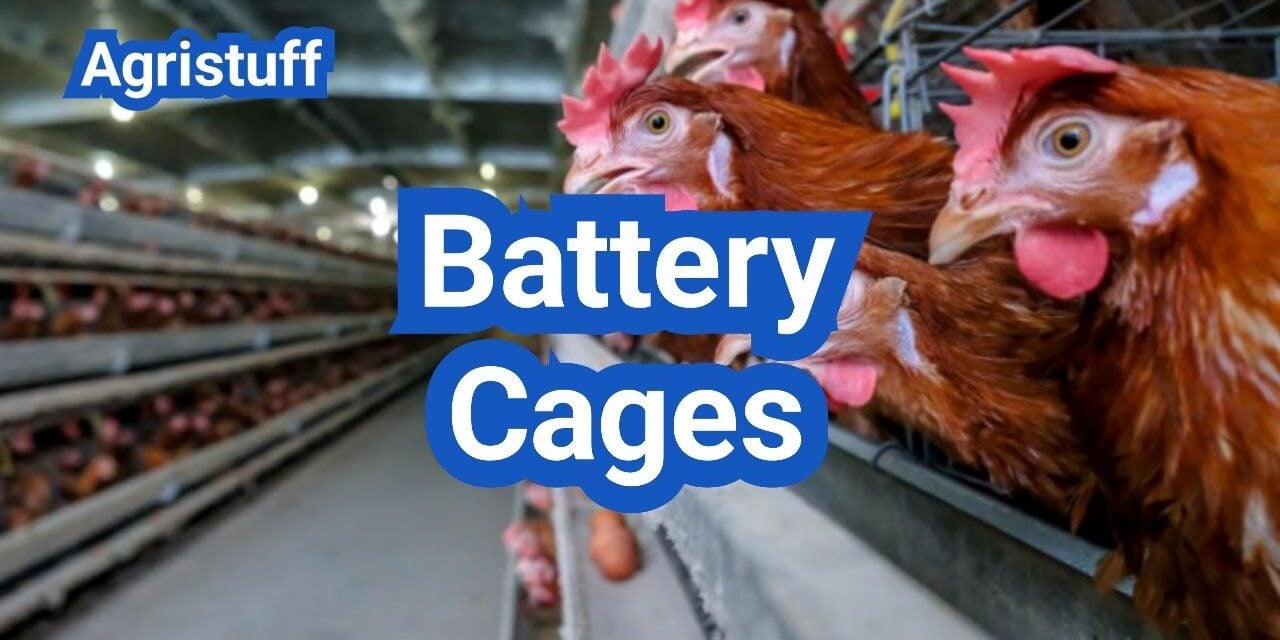
The use of battery cages for chickens has been a longstanding practice in the poultry industry, particularly for laying hens. According to the US Department of Agriculture, around 74% of all layer hens in the country are kept in these cages.
Battery cages are designed to house a large number of hens in a small space, but this practice has raised significant welfare concerns. The confinement of hens in such a small environment can lead to various health and behavioral issues.
This article will explore the definition of battery cages, the welfare issues associated with them, and examine U.S. alternatives to this practice, providing insights into more humane and sustainable approaches to poultry farming.
Key Takeaways
- The prevalence of battery cages in U.S. poultry farming.
- Welfare issues associated with battery cages for laying hens.
- Exploring U.S. alternatives to battery cages.
- The importance of humane treatment in poultry farming.
- Potential benefits of alternative housing systems.
What Are Battery Cages in Poultry Production?

The concept of battery cages in poultry production dates back to the post-World War II era, marking a significant shift in egg production methods. Battery cages were introduced as a means to increase efficiency and reduce costs in egg production.
Definition and Historical Development of Battery Cages
Battery cages are a type of housing system for laying hens, characterized by cages arranged in rows and tiers, often with automated feeding, watering, and egg collection systems. The historical development of battery cages reflects a period of significant change in agricultural practices, driven by the need for increased food production to meet growing consumer demand.
“The introduction of battery cages represented a major innovation in poultry farming, enabling farmers to house large numbers of hens in relatively small spaces,” notes an agricultural historian. This shift was largely driven by economic factors, as producers sought to reduce labor costs and increase output.
Design Specifications and Typical Dimensions
The design of battery cages has evolved over time, with modern systems incorporating various features to improve efficiency and animal welfare. Typical dimensions vary, but cages are often around 20-30 inches wide and 18-24 inches deep, with heights ranging from 16 to 20 inches. The cages are usually made of wire mesh, allowing for manure to fall through to collection systems below.
- Cage size and layout can vary based on the farm’s specific needs and local regulations.
- Modern designs often include features like automated feeding and egg collection.
- Some systems incorporate enrichment features to improve hen welfare.
Prevalence in Modern Egg Production
Battery cages remain a prevalent method of housing laying hens in many parts of the world, including the United States. According to industry reports, a significant percentage of laying hens are housed in cage systems, although there is a growing trend towards cage-free and enriched housing systems in response to consumer preferences and changing regulations.
As the egg production industry continues to evolve, the role of battery cages is likely to be reevaluated in light of emerging welfare concerns and technological advancements. The future of egg production will depend on balancing efficiency with animal welfare considerations.
Battery Cages for Different Poultry Types

Battery cages are a common housing system used across different poultry types. While they are primarily associated with laying hens, their application extends to other birds such as broilers and other poultry species.
Battery Cages for Laying Hens
Laying hens are the primary users of battery cages in the poultry industry. These cages are designed to maximize egg production while minimizing costs. The cages are typically arranged in tiers, allowing for efficient use of space. Egg production is a significant aspect of the poultry industry, and battery cages have been optimized for this purpose.
The design of battery cages for laying hens includes features such as feeding systems, egg collection belts, and manure removal systems. These features help in maintaining a clean environment and reducing labor costs.
Battery Cages for Broilers
While battery cages are more commonly associated with laying hens, they can also be used for broilers. However, broiler production typically involves different housing systems due to the birds’ growth requirements and welfare considerations.
Broiler battery cages are less common but are used in some intensive broiler production systems. These systems require careful management to ensure the health and welfare of the birds.
Specialized Systems for Other Poultry
Battery cages are not limited to chickens; they are also used for other poultry types such as quails and ducks. These systems are often specialized to meet the specific needs of different bird species.
Specialized battery cage systems can include modifications such as different cage sizes, feeding systems, and egg collection methods. These adaptations enable the efficient production of eggs or meat from various poultry species.
The Economics of Battery Cage Systems

Understanding the economics of battery cage systems is essential for assessing their role in the egg production industry. These systems are designed to maximize egg production while minimizing labor costs, making their economic analysis crucial for producers.
Installation and Operational Costs
The initial investment in battery cage systems can be substantial, including costs associated with purchasing the cages, installing the equipment, and setting up ventilation and manure handling systems. Operational costs, such as feed, energy, and veterinary care, also play a significant role in the overall economics of these systems.
A key factor in the economic viability of battery cage systems is their ability to reduce labor costs through automation. For instance, automated feeding and egg collection systems can significantly decrease the need for manual labor, thereby reducing operational expenses.
Production Efficiency and Egg Output
Battery cage systems are known for their high production efficiency and egg output. By housing hens in cages, producers can control environmental factors and reduce the risk of disease, leading to higher egg production rates.
- High-density housing allows for more efficient use of space.
- Controlled environments enhance hen health and productivity.
- Automated systems streamline egg collection and reduce labor.
Labor Requirements and Automation
One of the significant economic advantages of battery cage systems is their potential for automation. By reducing the need for manual labor, producers can lower their operational costs and improve efficiency.
The use of automated systems for feeding, egg collection, and manure removal not only reduces labor costs but also enhances the overall productivity of the operation. This makes battery cage systems an attractive option for large-scale egg producers.
In conclusion, the economics of battery cage systems are influenced by a range of factors, including installation and operational costs, production efficiency, and labor requirements. By understanding these economic aspects, producers can make informed decisions about the use of battery cage systems in their operations.
Animal Welfare Concerns with Battery Cages

Animal welfare concerns associated with battery cages are multifaceted, involving both physical and psychological impacts on chickens. The restrictive nature of these cages has been a focal point of criticism from animal welfare advocates.
Space Restrictions and Natural Behaviors
Battery cages are designed to house multiple laying hens in a small, enclosed space. This setup severely restricts the chickens’ ability to engage in natural behaviors such as foraging, nesting, and exercising. The lack of space to move and stretch can lead to physical discomfort and stress. The inability to perform natural behaviors is a significant welfare concern, as it can cause frustration and lead to abnormal behaviors.
Physical Health Issues
The close confinement and lack of environmental enrichment in battery cages contribute to various physical health issues in chickens. Bone fragility is a common problem due to the limited opportunity for exercise, which is essential for maintaining bone strength. Additionally, the design of battery cages can lead to health issues related to poor manure management and inadequate ventilation.
Psychological Impact on Chickens
The psychological impact of being housed in battery cages should not be underestimated. Chickens are intelligent animals with complex social structures and needs. The barren environment of battery cages can lead to boredom, stress, and psychological distress. Social isolation and the inability to engage in natural behaviors exacerbate these issues, potentially leading to abnormal behaviors such as feather pecking.
The welfare concerns associated with battery cages highlight the need for alternative housing systems that prioritize chicken welfare. By understanding these concerns, producers and consumers can make informed decisions about egg production methods.
Environmental Impacts of Battery Cage Operations

Battery cage systems, while efficient for egg production, pose significant environmental challenges. The concentration of large numbers of hens in relatively small spaces leads to substantial manure production, which can be difficult to manage effectively.
Manure Management Challenges
One of the primary environmental concerns associated with battery cage operations is the management of manure. The high density of animals in battery cages results in a significant amount of waste. Effective manure management is crucial to prevent environmental pollution. This includes strategies such as:
- Regular cleaning and removal of manure
- Proper storage facilities to prevent leakage or runoff
- Utilization of manure as fertilizer or energy source
According to industry experts, “Manure management is a critical aspect of sustainable egg production, requiring careful planning and execution to mitigate environmental impacts.”
This includes considering the nutrient content of the manure and its potential impact on soil and water quality.
Fly Control in Intensive Housing Systems
Fly control is another significant challenge in battery cage operations. The presence of manure and other organic matter can attract flies, potentially leading to infestations. Effective fly control measures are essential to maintain a healthy environment for the hens and to reduce nuisance to neighboring areas.
Some common strategies for fly control include:
- Regular removal of manure and waste
- Use of biological control methods, such as introducing natural predators of flies
- Implementation of integrated pest management (IPM) programs
Resource Efficiency Compared to Other Systems
When comparing battery cage systems to alternative housing systems, resource efficiency is an important consideration. Battery cages are often praised for their ability to optimize feed conversion and egg production per hen housed. However, alternative systems, such as cage-free or free-range systems, may offer other benefits, such as improved animal welfare and potentially lower environmental impacts per unit of production.
A study comparing different egg production systems found that “while battery cages have higher production efficiency, alternative systems can offer environmental benefits, such as reduced land use and improved biodiversity.” The choice of housing system depends on a variety of factors, including local regulations, consumer preferences, and farm-specific conditions.
Battery Cages in the United States: Current Status
Despite controversy, battery cages remain widely used in U.S. egg production. As of recent data, approximately 74% of layer hens in the United States are housed in battery cages. This prevalence underscores the ongoing debate between economic efficiency and animal welfare concerns.
Prevalence and Distribution Across States
The use of battery cages varies across different states, with some regions showing a higher concentration of cage-based egg production. States like Iowa, Ohio, and Indiana are among the top egg-producing states and have a significant number of farms utilizing battery cages.
Regional Distribution: The Midwest is particularly known for its intensive egg production, with many large farms operating battery cage systems.
Industry Standards and Practices
The U.S. egg production industry has established certain standards and practices for battery cage systems. These include guidelines for cage size, hen density, and egg handling practices.
- Cage size regulations vary, with some states mandating more space per hen than others.
- Industry associations often provide guidelines for best practices in battery cage management.
- Automation plays a significant role in modern battery cage operations, improving efficiency and reducing labor costs.
Economic Significance in U.S. Egg Production
Battery cages have played a crucial role in making the U.S. egg production industry one of the most efficient globally. The economic benefits include lower production costs and higher output.
Economic Impact: The widespread use of battery cages has contributed to the competitiveness of U.S. egg producers in both domestic and international markets.
The economic significance of battery cages is also reflected in the scale of operations. Large egg production facilities can house millions of hens, contributing substantially to the national egg supply.
Legal Landscape for Battery Cages in America

The legal framework surrounding battery cages in the U.S. is complex and multifaceted. Battery cages, used primarily in egg production, are subject to various regulations that differ significantly across the country.
At the federal level, there are guidelines that provide a baseline for the treatment of laying hens in battery cages. However, the specifics of these regulations and their enforcement can vary.
Federal Regulations and Guidelines
Federal regulations play a crucial role in shaping the practices surrounding battery cages. The United Egg Producers (UEP) Certified program is one such guideline that many producers follow. It includes standards for hen housing, including space requirements and practices for handling and care.
While these guidelines are not laws, they significantly influence industry practices. Compliance with these standards can impact a producer’s market access and reputation.
State-Level Legislation
State-level legislation has been more proactive in addressing the welfare concerns associated with battery cages. California and Massachusetts have been at the forefront, implementing bans on battery cages for egg-laying hens.
- California’s Proposition 2 (2008) and subsequent legislation have set a precedent for hen housing standards.
- Massachusetts’ ballot initiative in 2016 led to a ban on battery cages, with a phase-out period.
Other states have followed with their own legislation, creating a patchwork of regulations across the country.
Timeline of Implementation and Compliance
The timeline for implementing these regulations and achieving compliance varies by state and regulation. For instance, California’s ban on battery cages was implemented over several years, giving producers time to adjust their operations.
| State | Legislation | Implementation Year |
|---|---|---|
| California | Proposition 2 | 2015 |
| Massachusetts | Question 3 | 2022 |
Producers must navigate these regulations while ensuring their operations remain economically viable. The transition to alternative housing systems is a significant undertaking, requiring substantial investment.
Alternatives to Conventional Battery Cages

As concerns about animal welfare continue to grow, the poultry industry is exploring alternatives to conventional battery cages. These alternatives aim to improve the living conditions of laying hens while maintaining or enhancing egg production efficiency.
Enriched Colony Cages
Enriched colony cages represent a significant improvement over traditional battery cages by providing hens with more space and amenities. These cages include features such as nesting boxes, perches, and scratching areas, allowing hens to exhibit more natural behaviors.
Key Features of Enriched Colony Cages:
- Increased space per hen
- Nesting boxes for egg laying
- Perches for roosting
- Scratching areas for beak and claw health
According to industry experts, “Enriched colony cages strike a balance between animal welfare and production efficiency, making them an attractive option for many egg producers.” This system is seen as a step towards more humane treatment of hens.
Cage-Free Egg Production Systems
Cage-free systems allow hens to roam freely within a barn or enclosed area. This approach is gaining popularity due to consumer demand for eggs produced in more humane conditions.
Benefits of Cage-Free Systems:
- Improved animal welfare
- Increased consumer acceptance
- Potential for better hen health
Free-Range and Pasture-Based Options
Free-range and pasture-based systems take the concept of cage-free production a step further by providing hens with access to the outdoors. This can lead to improved welfare and potentially better egg quality.
“Free-range systems offer hens the opportunity to engage in natural behaviors, such as foraging, which can enhance their overall well-being.” – Dr. Jane Smith, Poultry Welfare Expert
These alternatives to conventional battery cages are transforming the egg production industry, offering better living conditions for hens and potentially higher quality eggs for consumers.
Transitioning from Battery Cages to Alternative Systems

Transitioning from traditional battery cages to cage-free or enriched colony systems requires careful planning and preparation. This shift is driven by growing consumer demand for more ethically produced eggs and changing regulatory landscapes.
Planning and Preparation for Conversion
Before making the switch, producers must assess their current infrastructure and identify necessary modifications. This includes evaluating the condition and suitability of existing buildings for conversion to alternative systems.
Key considerations include the structural integrity of the buildings, ventilation systems, and the potential need for additional lighting or temperature control measures.
Pullet Rearing for Cage-Free Environments
Rearing pullets for cage-free environments differs significantly from traditional methods. Producers must ensure that young birds are accustomed to the conditions they will face in the adult housing system.
This involves providing early exposure to perches, litter, and adequate space to promote natural behaviors and reduce stress when the birds are transferred to the laying facility.
“Successful transition to cage-free systems begins with well-reared pullets that are prepared for the complexities of non-cage environments.” – Expert in Poultry Production
Managing Floor Eggs in Non-Cage Systems
One of the challenges of cage-free systems is managing floor eggs, which can significantly impact the efficiency and profitability of the operation.
- Implementing effective nesting systems that encourage hens to lay eggs in designated areas
- Using attractants such as artificial eggs or nesting material to encourage the use of provided nests
- Regular collection of floor eggs to minimize the habit
Economic Considerations During Transition
The transition to alternative housing systems involves significant economic considerations, including the cost of infrastructure modifications, potential changes in feed consumption patterns, and the impact on egg production levels.
| Cost Factor | Traditional Battery Cages | Cage-Free Systems |
|---|---|---|
| Infrastructure | Lower initial investment | Higher initial investment |
| Feed Consumption | More controlled feed intake | Potential for increased feed consumption |
| Egg Production | Typically higher production rates | Potential for lower production rates |
Producers must carefully weigh these factors to ensure a successful and economically viable transition.
Biosecurity and Health Management Across Housing Systems

The importance of robust biosecurity protocols in modern poultry housing systems cannot be overstated. Biosecurity and health management are critical components that significantly impact the overall efficiency and sustainability of poultry production.
Disease Prevention in Different Housing Types
Disease prevention strategies vary across different housing systems, including battery cages and alternative systems like cage-free or free-range environments. In battery cages, the controlled environment allows for easier implementation of biosecurity measures, such as strict sanitation and vaccination programs. In contrast, cage-free systems require additional measures to prevent disease transmission due to the birds’ increased freedom of movement.
Salmonella Control and the Shell Egg Rule
Salmonella control is a significant aspect of biosecurity in egg production. The Shell Egg Rule, enforced by the FDA, mandates egg producers to implement measures to prevent Salmonella contamination. This includes proper cleaning and disinfection of facilities, pest control, and regular testing for Salmonella. Producers using different housing systems must adapt these measures to their specific operations.
Vaccination Programs and Health Monitoring
Vaccination programs are a crucial element of health management in poultry production. Different housing systems may require tailored vaccination strategies based on the specific disease risks associated with each system. Regular health monitoring is also essential to quickly identify and address any health issues that arise.
| Housing System | Disease Prevention Measures | Vaccination Strategies |
|---|---|---|
| Battery Cages | Strict sanitation, controlled environment | Standard vaccination programs |
| Cage-Free | Enhanced biosecurity, regular monitoring | Tailored vaccination based on risk assessment |
| Free-Range | Robust biosecurity, including external biosecurity measures | Comprehensive vaccination programs considering outdoor exposure |
Egg Quality and Production Metrics Across Systems

The type of housing system used in egg production affects both egg quality and production metrics. As the egg industry continues to evolve, understanding these differences is crucial for producers, consumers, and policymakers alike.
USDA Grading Standards
The United States Department of Agriculture (USDA) sets grading standards for eggs based on their quality and appearance. According to the USDA, eggs are graded as AA, A, or B, with Grade AA being the highest quality. “The quality of eggs is determined by the condition of the egg white, yolk, and shell,” as stated by the USDA. Factors such as cleanliness, shape, and the presence of any defects are considered in the grading process.
Eggs that meet Grade AA standards have firm, clear whites and high, round yolks. They are clean and have no visible defects. Grade A eggs are similar but may have slightly less firm whites. Grade B eggs have thinner whites and wider, flatter yolks, and may have minor defects.
Comparative Egg Quality Between Housing Systems
Research has shown that egg quality can vary between different housing systems. For instance, a study comparing cage-free and cage-based systems found that cage-free systems often result in eggs with slightly lower internal quality due to increased exposure to environmental factors. However, advancements in cage-free housing design have mitigated some of these issues.
In contrast, cage-based systems provide a controlled environment that can result in higher internal egg quality. Nonetheless, the perception of eggs from cage-free systems being more ‘natural’ or ‘humane’ can influence consumer preference, potentially affecting demand.
Production Efficiency Metrics
Production efficiency is another critical aspect of egg production, influenced by the housing system. Metrics such as feed conversion ratio (FCR), hen mortality rates, and egg production per hen housed are used to evaluate efficiency.
- Cage-based systems often have an advantage in terms of FCR and lower hen mortality due to reduced risk of disease transmission and predation.
- Cage-free systems, while potentially having higher mortality rates and less efficient FCR, offer benefits in terms of animal welfare and potentially lower capital costs for equipment.
As the industry moves towards more diverse housing systems, understanding these metrics is essential for making informed decisions that balance efficiency with animal welfare and consumer preferences.
Consumer Awareness and Egg Labeling
Egg labeling is a complex issue that reflects broader consumer concerns about animal welfare and production methods. As consumers become more informed about the origins of their food, the terminology used on egg cartons has become increasingly important.
Understanding Egg Carton Terminology
The labels on egg cartons can be confusing, with terms like “cage-free,” “free-range,” and “organic” being used to describe different production methods. Cage-free means that hens are not kept in cages, but it doesn’t necessarily mean they have outdoor access. Free-range eggs come from hens that have some access to the outdoors, although the amount of space and time outside can vary.
Understanding these terms is crucial for consumers who want to make informed choices about the eggs they buy. The table below summarizes some common egg carton labels and their meanings.
| Label | Description |
|---|---|
| Cage-Free | Hens are not kept in cages |
| Free-Range | Hens have some access to the outdoors |
| Organic | Hens are raised on organic feed without antibiotics or hormones |
Third-Party Animal Welfare Certification Programs
Third-party certification programs play a significant role in ensuring that egg producers meet certain animal welfare standards. Programs like Certified Humane and Animal Welfare Approved have different criteria for hen housing and treatment.
These programs provide consumers with assurance that the eggs they purchase come from farms that adhere to specific welfare standards. The image below illustrates the logo of one such certification program.
Organic Standards and Outdoor Access Requirements
Organic egg production has its own set of rules, including the requirement that hens are fed organic feed and have access to the outdoors. However, the specifics of outdoor access can vary.
Consumers interested in organic eggs should look for the USDA Organic label, which ensures compliance with organic standards. The table below compares some key aspects of organic and non-organic egg production.
| Production Aspect | Organic | Non-Organic |
|---|---|---|
| Feed | Organic feed without antibiotics or hormones | Conventional feed may include antibiotics or hormones |
| Outdoor Access | Required | Not required |
| Welfare Standards | Must comply with USDA organic regulations | Varies by producer |
The Future of Egg Production in the United States
The U.S. egg industry is undergoing significant changes, driven by growing consumer awareness and concerns about animal welfare. As discussed, battery cages have been a dominant housing system, but alternative systems are gaining traction.
Future developments in egg production will likely be shaped by ongoing debates around animal welfare and the adoption of enriched colony cages or cage-free systems. The industry’s shift towards more humane and sustainable practices is expected to continue, with many producers transitioning to alternative housing systems.
The U.S. egg industry’s future will be characterized by a mix of traditional and innovative production methods, with a focus on improving animal welfare and meeting evolving consumer demands. As the industry continues to evolve, it is likely that we will see increased adoption of alternative housing systems and a greater emphasis on transparency and accountability in egg production.
FAQ
What are battery cages?
Battery cages are a type of housing system used in egg production where chickens are kept in small, wire cages, often in multiple tiers.
Are battery cages cruel?
Many animal welfare organizations consider battery cages to be inhumane due to the restrictive space and lack of natural behaviors allowed.
What are the welfare concerns associated with battery cages?
Welfare concerns include lack of space, inability to perform natural behaviors, health issues such as osteoporosis and keel bone fractures, and psychological impacts.
What are the alternatives to battery cages?
Alternatives include enriched colony cages, cage-free egg production systems, free-range, and pasture-based options.
Are battery cages banned in the U.S.?
Battery cages are not federally banned in the U.S., but some states have implemented their own regulations or bans on battery cages.
What is the difference between enriched cages and conventional battery cages?
Enriched cages provide more space and features such as perches, nesting areas, and scratching surfaces, aiming to improve welfare.
How do cage-free systems compare to battery cages in terms of welfare?
Cage-free systems generally offer better welfare as they allow for more space and the ability to perform natural behaviors.
What are the environmental impacts of battery cage operations?
Environmental impacts include manure management challenges, fly control issues, and resource usage efficiency.
How do consumers influence the egg production industry regarding battery cages?
Consumer demand for cage-free or welfare-certified eggs can drive industry changes, with many retailers and producers shifting towards alternative housing systems.
What is the economic significance of battery cages in U.S. egg production?
Battery cages have been the dominant system for egg production in the U.S., but the industry is shifting towards cage-free and other alternative systems.
How do egg quality and production metrics compare across different housing systems?
Egg quality and production efficiency can vary between housing systems, with factors such as hen health, nutrition, and management practices playing significant roles.
What are the challenges of transitioning from battery cages to alternative systems?
Challenges include planning and preparation, pullet rearing for new environments, managing floor eggs, and economic considerations.
What is the role of biosecurity in different housing systems?
Biosecurity is crucial across all housing systems to prevent disease, with practices including sanitation, vaccination programs, and health monitoring.
How do USDA grading standards apply to eggs from different housing systems?
USDA grading standards focus on egg quality characteristics, applying equally across housing systems, though production practices may be reflected in labeling.
Are these cages banned everywhere in the U.S.?
No—rules vary by state, and many requirements apply to eggs sold in that state rather than only to farms located there.
Is enriched colony the same as cage-free?
No—enriched colony keeps hens in cages but adds nest, perch, and scratching features; cage-free removes cages and relies on barn/aviary design and management.
Do cage-free barns always mean better welfare?
Not automatically—welfare depends on stocking density, training, litter quality, injury control, and how consistently the flock is managed.
How should buyers verify a “cage-free” claim?
Ask for the exact definition used, whether a third-party audit exists, and how often compliance is checked.
What should small farms focus on first?
Match your system to your labor and climate, then build strong biosecurity, ventilation, and daily observation routines before scaling up.
Conclusion of: Battery Cages for Chickens
Why this topic matters in the U.S.
Battery Cages are small wire enclosures used to house egg-laying hens in high-density rows, designed for efficient feeding, egg collection, and manure handling in commercial barns. They are closely linked to how the modern U.S. egg supply scaled, and they’re also at the center of today’s animal welfare discussions.
Battery Cages have become a practical business decision point because a growing share of the U.S. laying flock is moving toward cage-free housing due to state rules, retailer commitments, and shifting consumer expectations. Even if you don’t sell directly into a regulated state, distribution networks can push standards upstream to farms and packing facilities. USDA ERS chart on cage-free flock growth
What Battery Cages are and how they work
Battery Cages typically hold small groups of hens on sloped wire floors so eggs roll away from the birds and onto a belt or collection surface. Feed troughs and water lines run along the cage bank, and manure is handled under the cages through pits or belt systems depending on the facility. Purdue Extension on cage-free systems and conventional cages
Battery Cages are often paired with automation that standardizes lighting, feed delivery, water access, egg collection, and climate control, which is why they are associated with highly predictable production. Egg quality is still influenced by handling, storage, and grading practices after collection, not just housing design inside the barn. USDA AMS Egg Grading Manual
Battery Cages barns still need clear plans for litter or manure storage, runoff control, and inspection readiness, especially when flocks are large and manure volumes are concentrated. Producers who expand or retrofit should understand how state permitting and federal frameworks can apply based on bird numbers and manure handling practices. Utah State University Extension overview of poultry CAFO requirements
Why Battery Cages became common in commercial egg production
Battery Cages aligned with a decades-long push to produce large volumes of affordable eggs while reducing labor and simplifying daily routines for workers. In many barns, that meant consistent lighting programs, uniform feed delivery, and standardized equipment layouts that are easier to manage at scale. Review of hen welfare across housing systems
Battery Cages also made it easier to separate eggs from feces compared with floor-based systems, which can support sanitation when combined with strong biosecurity and egg handling controls. Food safety is still a system outcome that depends on monitoring, pest management, refrigeration, and process discipline across the farm and packing chain. FDA Egg Safety Final Rule
Welfare concerns tied to Battery Cages
Battery Cages restrict key natural behaviors—like perching, nesting, foraging, and dust bathing—so welfare outcomes depend heavily on whether a system provides enrichment and adequate usable space. When hens can’t perform these behaviors, stress and frustration may increase, which can show up as feather damage, aggression, or poor body condition depending on management. AVMA literature review on laying hen housing
Battery Cages are criticized partly because many traditional configurations do not include nests or perches, which are common expectations in welfare-oriented standards. If you’re comparing systems, look for how the standard defines “usable space,” perch access, and nesting opportunities rather than relying on a single marketing term. Certified Humane standards for egg-laying hens
Battery Cages can contribute to musculoskeletal problems because limited movement may reduce bone loading over the laying period, increasing fragility risks in some birds. Genetics, nutrition (especially calcium and vitamin D), and flock age also matter, so bone outcomes should be monitored as part of whole-flock health. Scientific review on osteoporosis in laying hens
Battery Cages are often discussed alongside keel bone health because fractures and deformities can occur across systems, and housing choices can shift which risk factors dominate. In practice, perch design, bird strain, early rearing conditions, and barn layout can be as important as whether the system is caged or cage-free. Systematic review on keel bone fractures
Battery Cages may reduce certain collision injuries seen in multi-tier aviaries, but they can increase other risks such as foot lesions, toe injuries, or feather wear when flooring, claw length, and cage fit are not well managed. A useful comparison question is which injuries are most likely in your chosen system and what daily routines prevent them. Study on keel fractures and mobility outcomes
Battery Cages change how aggression shows up because birds have fewer options to avoid conflict, while large-group cage-free barns can amplify crowd dynamics and pecking cascades. Successful farms treat behavior as a management task by controlling lighting, stocking density, feed access, and early interventions before injuries spread. Penn State Extension on cannibalism prevention and treatment
Battery Cages debates often mix science and ethics, so it helps to anchor decisions in clear welfare indicators like health, injuries, behavior opportunities, and affective state. Using a recognized framework makes it easier to compare systems and avoid cherry-picking only the best or worst examples. WOAH Terrestrial Animal Health Code
Food safety, biosecurity, and what housing can’t do by itself
Battery Cages do not automatically guarantee safer eggs because food safety outcomes depend on controlling Salmonella risks through testing, rodent control, clean egg collection, and refrigeration. If you manage eggs commercially, the practical question is whether your monitoring and corrective actions meet federal expectations, not just what the housing looks like. FDA compliance guide for the shell egg rule
Battery Cages are only one part of disease prevention because highly pathogenic avian influenza and other outbreaks are driven by biosecurity basics like traffic control, wildlife exclusion, and cleaning routines. These steps matter for every housing type, and weak biosecurity can erase productivity gains from even the best-designed barn. USDA APHIS Defend the Flock
Battery Cages can support consistent egg collection, but safe outcomes still depend on storage, cooking, and preventing cross-contamination in kitchens and food businesses. For farms and packers, clear consumer guidance can reduce reputation risk even when production controls are strong. FDA consumer guidance on egg safety
U.S. policy and market pressures shaping the shift away from Battery Cages
Battery Cages are increasingly constrained by state-level rules that limit extreme confinement and apply to shell eggs sold in those states, which can affect supply chains beyond the state’s borders. California’s requirements are especially influential because they shape national distribution decisions for many brands. California CDFA Proposition 12 FAQ
Battery Cages are also shaped by other state frameworks that define minimum space and movement expectations, creating compliance complexity for producers who ship across state lines. A practical approach is to keep a compliance map of destination markets and build to the strictest requirement you reliably face. Massachusetts 330 CMR 35.00 FAQ
Battery Cages have been restricted by additional state laws that require cage-free housing for egg-laying hens and establish rules for eggs sold in that state. Even if timelines differ by state, the trend is toward more verification and clearer definitions, not less. Michigan MDARD cage-free egg law FAQ
Battery Cages are affected not only by law but also by procurement standards from retailers and food companies that require third-party audits and consistent definitions. If you sell into branded or institutional supply chains, expect documentation, auditing, and records to become part of your operating cost. USDA AMS Process Verified Program
U.S. alternatives to Battery Cages and how they compare
Battery Cages are often contrasted with enriched colony systems, which keep hens in cages but add features like perches, nest areas, and scratch pads to support more behaviors in a controlled setting. For many operations, enriched colony can feel like a “middle path” that preserves automation while adding measurable enrichment.
Battery Cages differ from cage-free systems, where hens have access to litter areas and nests, but managers must control floor eggs, litter moisture, air quality, and bird distribution to protect welfare and egg quality. Transition success usually depends on pullet rearing alignment, staff training, and early correction of problem areas in the barn. Report on the transition to cage-free eggs
Battery Cages also differ from aviary systems that add vertical space and perches, which can improve behavioral opportunities but may raise collision risks unless ramps, lighting, and layout are optimized. When aviaries work well, they rely on consistent bird training, careful equipment placement, and daily observation to prevent injuries. Clemson research on exercise opportunities and bone health
Battery Cages are not the same as “free-range” or “pasture-raised” claims, because labels can vary in how outdoor access is defined and verified across programs. If you’re buying eggs or setting a spec, request the program’s written definition and ask whether compliance is audited. Purdue Extension on cage-free labels, behaviors, and welfare challenges
Battery Cages are least compatible with organic certification when outdoor access standards apply, because organic rules include expectations for outdoor space, enrichment, and living conditions. Organic transitions can also change feed sourcing, health management constraints, and documentation requirements, which should be budgeted from day one. USDA AMS Organic Livestock and Poultry Standards
If you’re a producer: a practical transition plan away from Battery Cages
Battery Cages are easiest to replace successfully when you start with a clear goal—legal compliance, retailer specs, brand positioning, or welfare outcomes—because that goal determines your housing options and audit targets. Before you choose equipment, pick the standard or buyer spec you will actually be measured against and build backward from its requirements.
Battery Cages transitions should begin with a facility assessment that covers structure, ventilation capacity, lighting design, manure handling, fire safety, and emergency power. Many failures trace back to underestimating dust, humidity, and heat management in cage-free layouts, especially during seasonal extremes. University of Kentucky guide to poultry ventilation principles
Battery Cages replacements also require a people plan—training for bird handling, litter management, egg collection routines, and flock observation—because labor needs and daily tasks change in cage-free environments. Build simple SOPs for daily checks, and train staff to respond early to pecking, floor eggs, and hot spots in the flock. Merck Veterinary Manual on management-related flock problems
Environmental and manure management considerations
Battery Cages can concentrate manure streams, so whether you use belts, pits, or drying, nutrient planning should match acreage, crop needs, storage capacity, and local permitting context. A realistic plan includes manure testing, storage timing, application windows, and contingency options when weather or markets change. NRCS Nutrient Management standard (Code 590)
Battery Cages operations still need fly and beetle control because manure-breeding pests can damage neighbor relations, increase disease pressure, and complicate compliance and audits. The best programs combine manure moisture control, sanitation, monitoring, and targeted interventions rather than relying on a single product. Purdue Extension on control of poultry pests
Quick checklist
Battery Cages decisions go better when you write down requirements and match them to barn design, bird genetics, and management capacity before spending on construction or equipment. Use this checklist as a pre-build filter so you catch problems early, when changes are still cheap. USDA AMS OLPS fact sheet
- List every market you sell into and the housing rules or buyer specs that apply there.
- Decide whether your target is enriched colony, cage-free barn, aviary, free-range, or organic.
- Confirm minimum space and enrichment requirements (perches, nests, litter/scratch areas).
- Assess ventilation, heat, humidity, and dust control capacity for your climate and barn type.
- Map manure handling from barn to storage to land application (or off-farm removal).
- Build a biosecurity plan that controls traffic, visitors, and wildlife entry points.
- Plan staff training for daily bird checks, egg collection routines, and humane handling.
- Choose a lighting schedule and layout that reduces crowding and floor eggs.
- Set monitoring targets (mortality, floor egg %, feather condition, keel/foot health).
- Line up capital financing and a realistic ramp-up schedule for production and cashflow.
Common mistakes to avoid
Battery Cages replacements fail most often because planning focuses on equipment, not on how birds and people will behave in the space every day. If you plan for bird movement, social dynamics, and daily routines up front, you can prevent many “mystery” problems that show up after the first flock arrives. Penn State resource on pecking order and aggression
- Choosing a system based on marketing alone: match housing to climate, labor, and skill.
- Underbuilding ventilation and dust control: design for seasonal extremes and bird age.
- Skipping a pilot flock: test layout, lighting, and routines before full conversion.
- Ignoring floor egg prevention: train pullets, tune nests, and manage litter early.
- Assuming “cage-free” equals “low disease”: reinforce biosecurity and pest control.
- Overstocking during peak demand: crowding increases injuries, pecking, and floor eggs.
- Not budgeting for labor: cage-free often shifts work from automation to observation.
- Delaying recordkeeping: audits and inspections go smoother with organized logs.
Costs and ROI snapshot
Battery Cages conversions are capital-heavy because the barn’s structure, ventilation, and manure system often need redesign, and costs swing widely by region, building type, and whether you retrofit or build new. Build a budget that includes contingency for permitting, electrical upgrades, and downtime during conversion, not just equipment quotes. USDA ERS poultry and eggs market outlook
Battery Cages alternatives can change operating costs through labor, enrichment or litter inputs, higher monitoring needs, and different egg loss profiles, so ROI depends on management quality as much as housing choice. Use multiple scenarios and include how market prices and contract terms may shift over time, especially during supply disruptions. USDA AMS market report with cage-free share context
Battery Cages transitions are easier to finance when you separate “must-have” compliance items from “nice-to-have” upgrades and choose financing that matches your cashflow timeline. Many farms blend lender financing with operating loans and staged buildouts so production can stabilize before the next expansion step.
Final thought
Battery Cages are part of the history of efficient egg production, but the practical path forward in the U.S. is choosing a system that meets legal and buyer requirements while investing in daily management that protects bird welfare, worker safety, and egg quality. The best outcomes come from realistic planning, clear standards, and disciplined execution—not from a label alone. USDA FSIS egg safety information
Sources & References
- Federal Register: Egg Safety Final Rule (2009)
- FDA: Key temperatures for egg safety
- USDA FSIS: Egg products and food safety
- USDA FSIS: Food Safety Guideline for egg products (PDF)
- CDC: Egg preparation practices for food service
- FoodSafety.gov: Salmonella and eggs
- CDFA: Regulatory framework for eggs (Prop 12)
- UC Davis: Prop 12 eggs considerations
- Federal Register: Organic Livestock and Poultry Standards (OLPS)
- Certified Humane: Laying hen standards (2023)
- EPA: CAFO NPDES final rule fact sheet (2008)
- Review: Keel bone damage in commercial laying hens