The Dorper breed was developed in South Africa in the 1930s by crossing Dorset Horn and Blackhead Persian sheep. This breed was created to thrive in challenging environments, making it an ideal choice for livestock breeding. The White Dorper Sheep, in particular, has gained popularity for its hardiness and versatility.
The history and origin of the White Dorper Sheep are closely tied to the broader sheep breed development in South Africa. As a meat sheep breed, it has been bred for its ability to produce high-quality meat, making it a valuable asset in the livestock industry.
Key Takeaways
- Developed in South Africa in the 1930s.
- Created by crossing Dorset Horn and Blackhead Persian sheep.
- Known for hardiness and versatility.
- Popular as a meat sheep breed.
- Ideal for challenging environments.
The Origin and History of White Dorper Sheep

With roots tracing back to South Africa, the White Dorper sheep breed has evolved significantly. The development of White Dorper sheep is closely linked to the efforts of the South African Department of Agriculture to create a hardy, meat-producing sheep suitable for the country’s arid regions.
Development in South Africa
The Dorper breed, from which the White Dorper originates, was developed in the early 20th century. The South African Department of Agriculture aimed to create a breed that could thrive in the challenging climatic conditions of South Africa. “The Dorper breed was the result of crossing the Dorset Horn with the Blackhead Persian, creating a hardy, fast-growing sheep.” The White Dorper emerged later as a variation, retaining the desirable traits of the original Dorper but with a white coat.
The development process involved careful selection to ensure the sheep were not only resilient but also produced high-quality meat. This focus on hardiness and productivity has been a hallmark of the breed’s success.
Introduction to Global Markets
As global agricultural practices evolved, the White Dorper sheep began to be introduced to new markets beyond South Africa. Their adaptability and productivity made them an attractive option for farmers worldwide. The breed’s introduction to global markets was facilitated by its robust characteristics, which allowed it to thrive in various environmental conditions.
“The White Dorper’s ability to adapt to different climates and its high-quality meat production have made it a sought-after breed globally,” reflecting its potential for widespread adoption.
Evolution of the Breed
Over time, the White Dorper breed has continued to evolve, with breeders selecting for desirable traits such as rapid growth rate, hardiness, and superior meat quality. The breed’s evolution is a testament to the advancements in agricultural science and breeding practices.
The White Dorper’s evolution has also been influenced by its genetic diversity, ensuring that it remains a robust and healthy breed. As the agricultural landscape continues to change, the White Dorper is poised to remain a significant player in the global sheep industry.
White Dorper Sheep vs. Regular Dorper: Key Differences

When it comes to choosing between White Dorper and Dorper sheep, understanding their differences is crucial for farmers and breeders. While both breeds share many similarities, their distinctions in color genetics, performance, and market preferences can significantly impact their suitability for various farming operations.
Color Genetics and Appearance
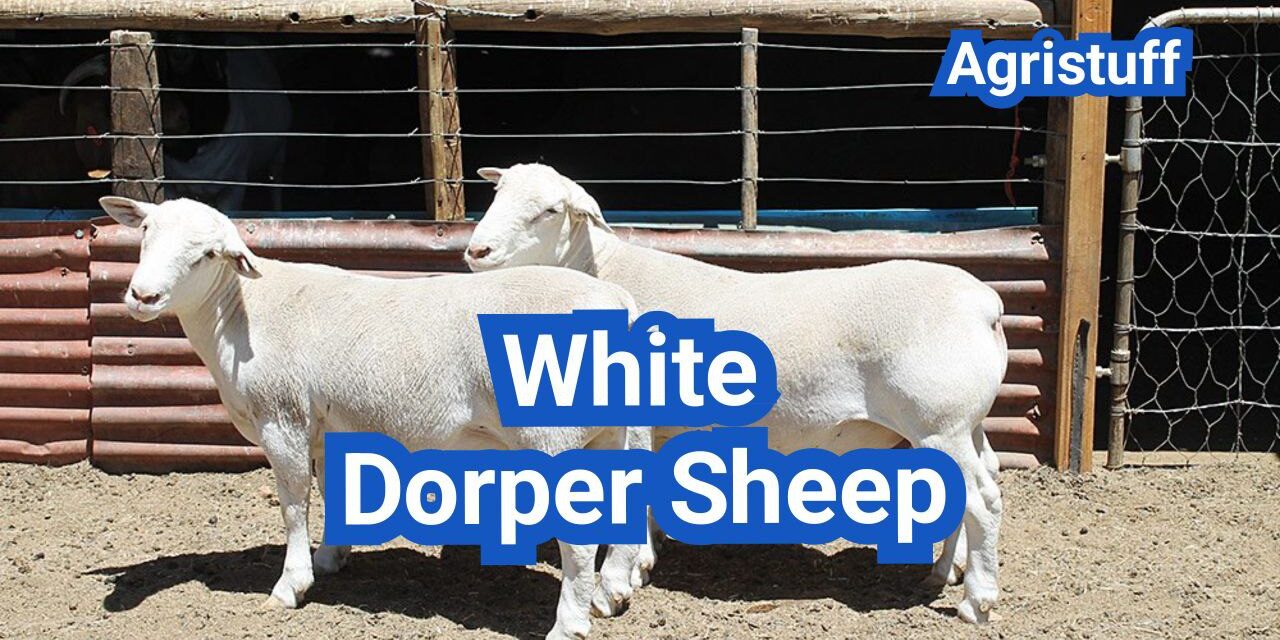
The most noticeable difference between White Dorper and Dorper sheep is their coat color. Dorper sheep are characterized by their white bodies and black heads, whereas White Dorper sheep are entirely white. This difference is due to the genetics controlling coat color. White Dorper sheep have a genetic makeup that results in the absence of pigmentation, making them white, while Dorpers have the genetic traits that allow for black pigmentation on their heads.
The appearance of these breeds not only affects their aesthetic appeal but can also influence their marketability. Some farmers and consumers prefer the appearance of one breed over the other due to various factors, including breed standards and market demand.
Performance Comparisons
In terms of performance, both White Dorper and Dorper sheep are known for their hardiness, fertility, and rapid growth rates. However, studies have shown that there can be slight variations in growth rates and fertility between the two breeds, potentially due to genetic factors unrelated to their coat color. It’s essential for breeders to assess these performance traits when deciding between the breeds.
- Growth Rate: Both breeds exhibit rapid growth, but specific conditions may favor one breed over the other.
- Fertility: Both are known for high fertility, but individual flock performance can vary.
- Hardiness: Both breeds are hardy and adaptable to various climates.
Market Preferences
Market preferences for White Dorper versus Dorper sheep can vary significantly by region and market segment. In some markets, the entirely white appearance of White Dorper sheep is preferred for certain product lines, such as wool or meat products where a white or clean appearance is advantageous. Conversely, Dorper sheep, with their distinctive black heads, may be preferred in other markets or for different product lines.
“The choice between White Dorper and Dorper sheep often comes down to specific market requirements and the breeder’s target market segment.” – Sheep Breeding Expert
Ultimately, the decision between raising White Dorper or Dorper sheep should be based on a thorough analysis of the breeder’s goals, target market, and the specific characteristics of their farming operation.
Physical Characteristics of White Dorper Sheep

The White Dorper Sheep breed is notable for its impressive physical characteristics, which include a sturdy build and a short, shedding coat. These traits not only contribute to their hardiness but also make them an attractive choice for farmers.
Distinctive Features and Appearance
White Dorper Sheep are known for their white coat, which is a result of their genetic makeup. They have a short, light coat of wool and hair that sheds in late spring and summer, making them well-suited to warmer climates. This shedding ability is one of their most distinctive features, as it helps them regulate their body temperature and stay cool during hot weather.
Size and Weight Expectations
White Dorper Sheep are generally medium to large in size. Mature rams typically weigh between 90 and 140 kg (200-310 lbs), while ewes usually range from 70 to 100 kg (155-220 lbs). Their size and weight make them well-suited for meat production, as they can grow to a substantial size quickly.
Wool Shedding Capabilities
One of the key advantages of White Dorper Sheep is their ability to shed their wool. This characteristic eliminates the need for shearing, making them a low-maintenance option for farmers. The shedding process typically occurs in late spring and summer, allowing the sheep to stay cool and comfortable in warmer temperatures.
In summary, the physical characteristics of White Dorper Sheep, including their appearance, size, weight, and wool shedding capabilities, make them an attractive and practical choice for sheep producers. Their hardiness and low maintenance requirements further enhance their appeal in various farming contexts.
Temperament and Adaptability of White Dorpers

White Dorper Sheep are renowned for their exceptional temperament and adaptability, making them a popular choice among sheep breeders. Their hardiness and easy-care nature have made them a favorite for farmers looking to raise sheep with minimal fuss.
Natural Instincts and Flock Behavior
White Dorper Sheep exhibit strong natural instincts that help them thrive in various environments. They have a pronounced flocking behavior, which makes them easier to manage in large groups. This instinct also helps protect them from predators, as they tend to stay together and alert each other to potential threats.
“The flocking behavior of White Dorper Sheep is one of their most significant advantages,” notes a seasoned breeder. “It simplifies the task of managing the flock and reduces the risk of losing animals to predators.”
Climate Tolerance and Versatility
One of the standout features of White Dorper Sheep is their ability to adapt to different climates. They are known to perform well in both hot and temperate climates, making them a versatile choice for farmers in diverse geographical locations.
- They can tolerate high temperatures, reducing the need for extensive shading.
- Their hardiness also means they can withstand colder conditions, although appropriate shelter is still necessary.
- Their adaptability extends to various types of terrain and pasture conditions.
Handling Characteristics
White Dorper Sheep are generally easy to handle, thanks to their calm demeanor. This characteristic makes them suitable for farmers who are new to sheep breeding or those who prefer a more docile breed.
The calm nature of White Dorper Sheep also contributes to their ease of management during routine procedures such as vaccinations and hoof trimming.
In conclusion, the temperament and adaptability of White Dorper Sheep make them an attractive option for a wide range of farming operations. Their natural instincts, climate tolerance, and handling characteristics all contribute to their growing popularity among sheep breeders.
Benefits of Raising White Dorper Sheep

Raising White Dorper Sheep offers numerous benefits for farmers and shepherds alike. These sheep are renowned for their hardiness, productivity, and the advantages they bring to farming operations.
Low Maintenance Requirements
One of the significant advantages of White Dorper Sheep is their low maintenance requirements. They are hardy animals that can thrive in various conditions with minimal intervention. This makes them an excellent choice for farmers looking to reduce operational costs.
- Hardiness: White Dorper Sheep are known for their ability to withstand harsh weather conditions and resist diseases, reducing the need for extensive veterinary care.
- Easy Handling: Their calm temperament makes them easy to handle, which is beneficial for farmers who need to manage their flocks regularly.
Meat Production Efficiency
White Dorper Sheep are also prized for their efficiency in meat production. They have been bred to grow quickly and produce high-quality meat, making them a profitable choice for farmers.
- Rapid Growth Rate: White Dorper lambs grow quickly, reaching market weight in a shorter period compared to some other breeds.
- High-Quality Meat: The meat produced by White Dorper Sheep is of high quality, with good marbling and tenderness, making it desirable in the market.
Extended Breeding Season
Another benefit of White Dorper Sheep is their extended breeding season. This allows farmers to have a more flexible lambing schedule, which can be advantageous for managing farm operations and meeting market demands.
- Flexibility: The extended breeding season provides farmers with the flexibility to plan their lambing and breeding programs according to their operational needs and market conditions.
- Increased Productivity: By having an extended breeding season, farmers can potentially increase their productivity by having multiple lambing cycles in a year.
Early Maturation Advantages
White Dorper Sheep also benefit from early maturation, which is a significant advantage for farmers. Early maturation means that lambs can be bred earlier, and ewes can start producing lambs at a younger age.
| Advantage | Benefit |
|---|---|
| Early Breeding | Lambs can be bred earlier, increasing overall flock productivity. |
| Reduced Replacement Costs | Ewes that mature early tend to have longer productive lives, reducing the need for frequent replacements. |
In conclusion, the benefits of raising White Dorper Sheep are multifaceted, ranging from low maintenance requirements and efficient meat production to an extended breeding season and early maturation advantages. These characteristics make White Dorper Sheep an attractive and profitable choice for sheep farmers.
Getting Started with White Dorper Sheep

Embarking on a White Dorper sheep farming journey requires careful planning and a solid understanding of the breed’s specific needs. White Dorper sheep are known for their hardiness and efficiency, making them an attractive choice for many farmers. However, like any livestock venture, success depends on making informed decisions from the outset.
Selecting Quality Breeding Stock
The foundation of a successful White Dorper sheep operation is high-quality breeding stock. When selecting breeding animals, it’s crucial to look for characteristics that align with your farm’s goals and environment. Key factors to consider include the animal’s health, genetic lineage, and growth rate.
Farmers should source their initial breeding stock from reputable breeders who can provide detailed information about the animals’ history and genetics. It’s also beneficial to visit potential breeding stock in person to assess their condition and suitability for your operation.
Essential Equipment and Facilities
Setting up the right equipment and facilities is vital for the efficient management of White Dorper sheep. Essential items include:
- Fencing that is sturdy enough to contain the sheep and protect them from predators
- Adequate shelter to protect the animals from extreme weather conditions
- Feeding and watering systems that are easy to clean and maintain
- Handling facilities, such as chutes and sorting pens, to simplify management tasks
Initial Investment Considerations
The initial investment for starting a White Dorper sheep farm can vary widely depending on factors such as the size of the operation, land quality, and local regulations. Key areas where investment is typically required include:
| Category | Estimated Cost | Notes |
|---|---|---|
| Land Preparation | $500-$2,000 per acre | Includes fencing, watering systems, and pasture improvement |
| Breeding Stock | $200-$500 per ewe | Quality breeding stock can be more expensive |
| Facilities and Equipment | $1,000-$5,000 | Depends on the scale of the operation and existing infrastructure |
Understanding these initial investment considerations is crucial for planning a successful and sustainable White Dorper sheep farming operation. By carefully selecting quality breeding stock, investing in essential equipment and facilities, and accurately estimating initial costs, farmers can set themselves up for long-term success.
Breeding White Dorper Sheep Successfully

Effective breeding of White Dorper Sheep demands a comprehensive approach, including ram selection and ewe care during pregnancy. Breeding White Dorper Sheep successfully requires a deep understanding of several critical factors that influence the overall health and productivity of the flock.
Understanding the Breeding Season
The breeding season is a crucial aspect of White Dorper Sheep breeding. Typically, the breeding season for sheep can vary depending on the region and climate. In general, White Dorper Sheep are known for their ability to breed out of season, which is one of the advantages of this breed.
Farmers should be aware of the optimal breeding times to ensure that lambing occurs during favorable conditions. This might involve adjusting the breeding schedule to coincide with the availability of pasture or other nutritional resources.
Ram Selection and Management
Selecting the right rams is vital for the success of the breeding program. Rams should be chosen based on their genetic merit, fertility, and overall health. It’s essential to evaluate the ram’s breeding soundness through a thorough examination, including semen evaluation and assessment of their reproductive tract.
Effective ram management involves maintaining a suitable ram-to-ewe ratio. A general guideline is to use one ram for every 25-50 ewes, depending on the ram’s age, experience, and libido.
Ewe Care During Pregnancy
Proper care for ewes during pregnancy is critical to ensure the health and well-being of both the ewe and the developing lamb. Nutritional management is key, as ewes require adequate energy and protein to support fetal development.
Ewes should be monitored closely for signs of pregnancy toxemia, a condition that can occur in late pregnancy, especially in ewes carrying multiple lambs. Providing a clean, stress-free environment is also essential.
Genetic Improvement Strategies
Genetic improvement is a long-term strategy that involves selecting animals with desirable traits and breeding them to produce offspring with enhanced characteristics. For White Dorper Sheep, this might include traits such as growth rate, muscling, and fertility.
Using performance recording and genetic evaluation tools can help breeders make informed decisions. Participating in breed association programs and using Estimated Breeding Values (EBVs) can also guide selection decisions.
Lambing Process and Newborn Care

The lambing process is a critical period in sheep breeding, requiring careful preparation and attention to detail. Successful lambing and newborn care are crucial for the health and productivity of White Dorper sheep flocks.
Preparing for Lambing Season
Preparation is key to a successful lambing season. This includes ensuring that the lambing area is clean, safe, and well-equipped with necessary supplies such as obstetric gloves, iodine for navel treatment, and feeding equipment for orphan lambs.
Essential supplies for lambing:
- Obstetric gloves
- Iodine for navel treatment
- Feeding equipment for orphan lambs
- Warmth and shelter for newborn lambs
Assisting with Difficult Births
While many lambs are born without complications, some births may require assistance. It’s essential to recognize the signs of a difficult birth, such as prolonged labor or abnormal presentations, and to intervene appropriately.
Signs of a difficult birth include:
- Prolonged labor
- Abnormal presentations
- Visible distress in the ewe
Essential Care for Newborn Lambs
Newborn lambs require immediate care to ensure their survival. This includes drying them to prevent hypothermia, treating the navel with iodine to prevent infection, and ensuring they receive adequate colostrum.
Critical care steps for newborn lambs:
- Drying to prevent hypothermia
- Navel treatment with iodine
- Ensuring adequate colostrum intake
Bonding Between Ewes and Lambs
The bonding between ewes and their lambs is crucial for the lambs’ health and development. Ensuring that ewes and lambs have sufficient time together immediately after birth promotes this bonding.
Promoting ewe-lamb bonding:
- Allow ewes and lambs to remain together after birth
- Minimize stress and disturbances
- Ensure ewes have adequate milk production
Nutrition and Feeding Requirements

Nutrition plays a vital role in the overall well-being and productivity of White Dorper Sheep. Ensuring that these animals receive a balanced diet is crucial for their health, growth, and reproductive success.
Pasture Management for White Dorpers
Effective pasture management is key to providing White Dorper Sheep with the nutrition they need. This involves implementing rotational grazing practices to maintain pasture health and productivity. Rotational grazing helps in preventing overgrazing, reducing parasite loads, and improving soil fertility.
As noted by agricultural experts, “Rotational grazing is not just about moving animals from one place to another; it’s a sophisticated management strategy that can significantly enhance the sustainability of sheep farming operations.”
“The benefits of rotational grazing include improved pasture utilization, reduced erosion, and increased biodiversity.”
Supplemental Feeding Guidelines
While pasture is a primary source of nutrition for White Dorper Sheep, supplemental feeding may be necessary under certain conditions. Factors such as the quality and quantity of pasture, weather conditions, and the stage of production (e.g., lactation) will determine the need for supplements.
- Provide high-quality hay during periods of poor pasture growth.
- Use grains or concentrates to meet energy requirements, especially for lactating ewes.
- Ensure access to clean water at all times.
Mineral Requirements and Supplementation
Mineral supplementation is an essential aspect of sheep nutrition. White Dorper Sheep require a range of minerals, including calcium, phosphorus, and selenium, for optimal health. The specific mineral needs can vary based on factors like pasture composition and the sheep’s stage of life.
| Mineral | Function | Common Sources |
|---|---|---|
| Calcium | Bone development | Limestone, alfalfa hay |
| Phosphorus | Energy metabolism | Grains, bone meal |
| Selenium | Antioxidant functions | Selenium supplements, certain grains |
By understanding and meeting the nutritional needs of White Dorper Sheep, farmers can improve the health, productivity, and profitability of their sheep enterprises.
Health Management and Disease Prevention
Maintaining the health of White Dorper Sheep requires a comprehensive approach to disease prevention. Regular health checks, parasite control, and vaccinations are essential for ensuring the well-being of the flock.
Common Health Issues in White Dorper Sheep
White Dorper Sheep are generally hardy, but they can be susceptible to certain health issues. Internal parasites are a significant concern, as they can lead to weight loss, reduced fertility, and decreased productivity. Regular monitoring and strategic deworming are crucial for maintaining flock health.
“Parasite control is a critical component of sheep health management,” says Dr. John Smith, a renowned veterinarian specializing in sheep health. “By using a combination of grazing management and targeted deworming, farmers can significantly reduce the risk of parasite-related issues.”
Parasite Control Using FAMACHA System
The FAMACHA system is a valuable tool for managing internal parasites in sheep. This system involves assessing the level of anemia in individual animals by examining the color of their mucous membranes. By identifying animals that are most in need of deworming, farmers can reduce the overall use of anthelmintics and slow the development of resistance.
- Train farm staff to use the FAMACHA system accurately.
- Conduct regular FAMACHA checks, especially during peak parasite seasons.
- Use the information gathered to make informed deworming decisions.
Preventing and Treating Footrot
Footrot is a painful and contagious condition that can significantly impact the welfare and productivity of sheep. Prevention involves maintaining clean and dry conditions, avoiding wet and muddy pastures, and implementing a regular foot trimming and inspection program.
When footrot is detected, prompt treatment is essential. This typically involves trimming the affected areas and applying topical treatments. In severe cases, antibiotics may be necessary.
Vaccination Protocols
Vaccinations play a critical role in preventing diseases in White Dorper Sheep. Common vaccinations include those for Clostridial diseases and Pasteurella. The specific vaccination protocol will depend on factors such as the farm’s disease history and regional disease prevalence.
| Disease | Vaccination Frequency | Booster Schedule |
|---|---|---|
| Clostridial | Initial vaccination, then annually | Booster given 4-6 weeks after initial vaccination |
| Pasteurella | Initial vaccination, then annually | Booster given 4-6 weeks after initial vaccination |
Fencing and Containment Solutions

White Dorper Sheep require robust fencing solutions to ensure their safety and optimal grazing management. Effective containment is crucial for preventing escape, protecting against predators, and managing grazing patterns.
Electric Fencing Options for White Dorpers
Electric fencing is a highly effective and flexible solution for managing White Dorper Sheep. It provides a cost-effective and easily adaptable method for creating grazing areas and protecting the sheep from predators. When choosing electric fencing, it’s essential to consider the voltage and the type of wire or tape that will be visible and effective for the sheep.
- High-visibility poly wire or tape is recommended for better visibility.
- Ensure the fencing system is well-maintained and regularly inspected.
- Consider using solar-powered chargers for sustainability.
Rotational Grazing Infrastructure
Rotational grazing is a key strategy for optimizing pasture use and maintaining the health of White Dorper Sheep. Implementing rotational grazing requires careful planning of the fencing infrastructure to create manageable grazing cells.
Key considerations include:
- Dividing larger pastures into smaller sections.
- Using temporary or permanent fencing to create grazing cells.
- Ensuring adequate water supply across the grazing areas.
Predator Protection Measures
Protecting White Dorper Sheep from predators is a significant concern for farmers. In addition to fencing, other measures can be taken to enhance security.
Effective strategies include:
- Using guard animals such as dogs or donkeys.
- Implementing human presence or surveillance systems.
- Removing attractants that might draw predators to the area.
By combining robust fencing solutions with these additional measures, farmers can significantly reduce the risk of predation and ensure the well-being of their White Dorper Sheep.
White Dorper Sheep in the United States

The popularity of White Dorper sheep in the U.S. is on the rise, driven by their adaptability to various climates and their efficient growth rates. As farmers and breeders look for hardy and productive sheep breeds, White Dorpers have emerged as a favorable choice.
Growth and Popularity in American Markets
White Dorper sheep have gained significant traction in the U.S. market due to their low maintenance requirements and high-quality meat production. Their ability to thrive in different environmental conditions makes them an attractive option for farmers across various regions.
The breed’s popularity can also be attributed to its rapid growth rate and efficient feed conversion, making them a profitable choice for meat production. As a result, White Dorper sheep are being increasingly adopted by American farmers.
Notable Breeders and Farms
Several notable breeders and farms in the United States have made significant contributions to the development and promotion of White Dorper sheep. These breeders focus on improving the breed’s genetics and showcasing its potential for meat production.
Some of the prominent farms are known for their high-quality breeding stock and innovative farming practices. They play a crucial role in educating other farmers about the benefits of raising White Dorper sheep.
American Dorper Sheep Breeders’ Society
The American Dorper Sheep Breeders’ Society (ADSBS) is a key organization that supports the development of Dorper and White Dorper sheep in the United States. The society provides resources for breeders, including breed standards, breeding advice, and marketing support.
By promoting the breed and offering guidance to farmers, the ADSBS has been instrumental in the growth and acceptance of White Dorper sheep in American agricultural markets.
| Aspect | Description | Benefit |
|---|---|---|
| Climate Adaptability | White Dorper sheep can thrive in various climates. | Allows farming in diverse geographical locations. |
| Growth Rate | Rapid growth rate compared to other breeds. | Enhances profitability for farmers. |
| Meat Quality | Produces high-quality meat. | Meets consumer demand for premium meat products. |
Commercial Uses and Marketing White Dorper Products
The commercial viability of White Dorper Sheep is largely attributed to their superior meat quality and efficient production capabilities. As the demand for high-quality lamb continues to grow, White Dorper Sheep are becoming increasingly popular among farmers and consumers alike.
Meat Quality and Carcass Characteristics
White Dorper Sheep are renowned for their exceptional meat quality, characterized by fine-grained muscle and a desirable fat distribution. The breed’s carcass characteristics are highly prized, with a high dressing percentage and minimal waste. According to a study on Dorper sheep, the average dressing percentage is around 50%, indicating a high yield of saleable meat.
| Carcass Characteristic | White Dorper Sheep | Other Breeds |
|---|---|---|
| Dressing Percentage | 50% | 45% |
| Meat Yield | High | Moderate |
| Fat Distribution | Desirable | Variable |
Market demand for premium lamb products is driving the growth of the White Dorper Sheep industry. Farmers are capitalizing on this trend by adopting direct marketing strategies to reach consumers directly.
Direct Marketing Strategies
Direct marketing allows farmers to promote their White Dorper Sheep products directly to consumers, often resulting in higher profit margins. Strategies include selling lamb at farmers’ markets, through community-supported agriculture (CSA) programs, and online sales platforms.
“Direct marketing enables us to connect with consumers and educate them about the quality and benefits of our pasture-raised lamb.” – Local Farmer
Value-Added Products
In addition to selling lamb, farmers are creating value-added products such as smoked lamb, lamb sausages, and lamb burgers. These products not only diversify the product range but also increase the overall value of the lamb produced.
Pasture-Raised Lamb Premium
Pasture-raised lamb from White Dorper Sheep commands a premium price due to its superior taste and nutritional profile. Consumers are willing to pay more for lamb that is raised on pasture, as it is perceived to be more natural and healthier.
The premium associated with pasture-raised lamb is a significant incentive for farmers to adopt pasture-based production systems. By marketing their lamb as pasture-raised, farmers can differentiate their products and attract a loyal customer base.
Advanced Breeding and Selection Techniques

Advanced breeding techniques are crucial for improving the genetic quality of White Dorper Sheep flocks. By leveraging modern breeding tools and strategies, farmers can significantly enhance the productivity and profitability of their operations.
Understanding EBVs in White Dorper Selection
Estimated Breeding Values (EBVs) are a critical tool in modern sheep breeding. EBVs provide a measure of an animal’s genetic potential for various traits, such as growth rate, fertility, and carcass quality. By using EBVs, breeders can make more informed decisions about which animals to select for breeding, thereby accelerating genetic progress in their flocks.
The use of EBVs allows breeders to compare the genetic merit of animals across different flocks and environments. This is particularly valuable for White Dorper Sheep, as it enables breeders to identify and select for desirable traits that are important for their specific production systems.
Crossbreeding Strategies and Benefits
Crossbreeding is another advanced breeding technique that can be used to improve the performance of White Dorper Sheep. By crossing White Dorper ewes with rams from other breeds, farmers can take advantage of hybrid vigor, which can result in improved growth rates, fertility, and overall productivity.
Crossbreeding strategies can be tailored to specific production goals. For example, crossing White Dorper ewes with terminal sire breeds can produce lambs with desirable carcass traits, while crossing with maternal breeds can improve ewe fertility and lamb survival.
National Sheep Improvement Program (NSIP)
The National Sheep Improvement Program (NSIP) is a valuable resource for sheep breeders in the United States. NSIP provides a comprehensive genetic evaluation system that includes the calculation of EBVs for participating flocks. By participating in NSIP, White Dorper breeders can gain access to advanced genetic tools and benchmarking data, helping them to make more informed breeding decisions.
NSIP also facilitates the comparison of genetic merit across different flocks and breeds, enabling breeders to identify superior genetics and make strategic breeding decisions. This can be particularly beneficial for White Dorper breeders looking to improve specific traits or enhance the overall quality of their flocks.
Is the White Dorper Right for Your Farm?
Choosing white dorper sheep for your farm requires careful consideration of several factors, including climate, management capabilities, and market demand. When evaluating sheep breed selection, it’s essential to assess whether the White Dorper breed aligns with your farm’s conditions and goals.
White Dorper sheep have proven to be a versatile and hardy breed, suitable for various farming operations. Their adaptability and low maintenance requirements make them an attractive option for many farmers. Dorper sheep breeders often praise the breed’s ability to thrive in different environments.
To determine if White Dorper sheep are right for your farm, consider your farm’s suitability for the breed. Evaluate your pasture management, fencing, and overall infrastructure. Purebred dorper breeders can provide valuable insights and guidance on raising these sheep successfully.
Ultimately, the decision to raise White Dorper sheep should be based on a thorough assessment of your farm’s specific needs and goals. By carefully considering these factors, you can make an informed decision about whether the White Dorper breed is the right choice for your operation.
FAQ
What is the origin of White Dorper Sheep?
White Dorper Sheep originated in South Africa, developed from the Dorper breed. They were bred for their hardiness, fertility, and ability to thrive in various climates.
What are the key differences between White Dorper and regular Dorper Sheep?
The primary difference lies in their coat color, with White Dorper being white and Dorper having a black and white or red and white coat. Both breeds share similar characteristics in terms of hardiness and fertility.
What are the benefits of raising White Dorper Sheep?
White Dorper Sheep are known for their low maintenance requirements, efficient meat production, extended breeding season, and early maturation. They are also adaptable to various climates and management systems.
How do I get started with raising White Dorper Sheep?
To start raising White Dorper Sheep, you need to select quality breeding stock, invest in essential equipment and facilities, and consider initial investment costs. Researching local breeders and understanding the breed’s specific needs is also crucial.
What are the nutritional requirements of White Dorper Sheep?
White Dorper Sheep require a balanced diet that includes high-quality pasture, supplemental feeding as necessary, and appropriate mineral supplementation. Effective pasture management is key to their nutritional well-being.
How do I manage the health of my White Dorper Sheep?
Health management involves regular monitoring for common health issues, implementing parasite control measures like the FAMACHA system, preventing and treating footrot, and following appropriate vaccination protocols.
What fencing and containment solutions are suitable for White Dorper Sheep?
Electric fencing, rotational grazing infrastructure, and predator protection measures are effective containment solutions. The choice of fencing depends on the farm’s specific needs and layout.
Can White Dorper Sheep be used for commercial meat production?
Yes, White Dorper Sheep are used in commercial meat production due to their efficient growth rate, desirable carcass characteristics, and the premium associated with pasture-raised lamb.
How do I improve the genetics of my White Dorper flock?
Genetic improvement can be achieved by understanding and utilizing Estimated Breeding Values (EBVs), implementing crossbreeding strategies, and participating in the National Sheep Improvement Program (NSIP).
Are White Dorper Sheep suitable for my farm?
The suitability of White Dorper Sheep for your farm depends on factors such as climate, your management capabilities, and market demand. Assessing these factors will help determine if White Dorper Sheep are the right choice for your operation.
Conclusion of: White Dorper Sheep Breed
What makes White Dorper Sheep so popular today
White Dorper Sheep are widely valued in modern sheep production because they combine practical, meat-focused performance with a “doable” management profile for many farm sizes. In the U.S., White Dorper Sheep often fit well on pasture-based systems where producers want efficient lamb growth, good fertility, and animals that can stay productive under changing forage conditions. White Dorper Sheep are commonly discussed alongside “Dorper” sheep in general, since the same core strengths—adaptability, muscling, and strong lamb output—are what attract producers in the first place. Dorper breed overview (Oklahoma State University)
History and origin of White Dorper Sheep
White Dorper Sheep trace their roots to South Africa, where development efforts began in the 1930s to create a hardy, productive sheep that could deliver meat efficiently even in tough environments. The broader Dorper development story is often described as a targeted response to harsh grazing conditions—heat, wind, variable rainfall, and limited forage quality—while still producing lambs that meet market expectations. Understanding the South African background helps U.S. producers see why White Dorper Sheep are often described as “practical” animals built for performance rather than show-ring extremes. Breed history (DorperSA)
White Dorper Sheep vs Dorper: what’s the real difference?
White Dorper Sheep and black-headed Dorpers are typically viewed as closely related variations within the same overall breed development pathway, rather than completely separate concepts in day-to-day production. In many breeding discussions, the biggest difference is visual—white head and body versus black head with a white body—while management goals remain the same: efficient meat production, functional structure, and dependable reproduction. For producers choosing White Dorper Sheep, the decision is often influenced by preference, local demand, and the specific performance traits proven in the flock they’re buying from. Dorper description and background (Oklahoma State University)
Physical characteristics and breed standards
White Dorper Sheep are typically evaluated with a strong focus on functionality: correct feet and legs, strong muscling, balanced body capacity, and the kind of structural soundness that supports years of production. In real farm settings, White Dorper Sheep that look “right” on paper still need to walk well, graze well, and maintain condition without constant intervention. Breed standards and breeder guidance also emphasize overall type and correctness, which can help buyers compare animals more objectively—especially when selecting rams that will shape flock performance for multiple seasons. Dorper & White Dorper breed standards (American Dorper Sheep Breeders’ Society)
Coat type, shedding, and why selection matters
White Dorper Sheep are often chosen because many lines shed naturally, which can reduce labor and cost compared with traditional wool breeds, but shedding quality varies by genetics and environment. Some White Dorper Sheep will shed cleanly and predictably, while others may hold more fiber and require shearing or extra management depending on the line and local conditions. If “low-shear” management is a major reason you want White Dorper Sheep, it’s smart to ask sellers about shedding results in their own flock and to observe adult animals across seasons, not just lambs. Dorper shedding truths and myths (Cornell Small Farms)
Temperament, mothering ability, and day-to-day handling
White Dorper Sheep are often described as manageable and calm in well-run systems, and that matters because reduced stress supports better health, easier handling, and more consistent performance. Strong mothering is another reason producers pursue White Dorper Sheep, since attentive ewes and good milk production can translate into higher lamb survival and smoother early growth. Like any breed, results depend on selection and management, but many producers prioritize White Dorper Sheep that stay steady in temperament while still being alert, protective, and productive during lambing season. Dorper breed notes and maternal traits (NZ Sheepbreeders)
Growth, carcass potential, and meat-focused performance
White Dorper Sheep are primarily selected for meat production, and the breed is often associated with strong muscling, efficient growth, and desirable carcass traits when nutrition and health are managed correctly. For many U.S. operations, White Dorper Sheep are used in purebred programs or as part of crossbreeding strategies to improve lamb growth and market readiness. If your main goal is consistent, saleable lambs, White Dorper Sheep can be a practical fit—especially when you select proven genetics and align feeding with the stage of production. Growth and meat traits overview (Oklahoma State University)
Hardiness and climate adaptability in the U.S.
White Dorper Sheep gained attention in many regions because they’re often described as resilient under heat and variable grazing conditions, which can be helpful where other sheep struggle to maintain performance. In the U.S., White Dorper Sheep are used in dry, open climates and also in mixed environments, but outcomes still depend on parasite pressure, forage quality, and the farm’s overall management. Practical guidance for arid systems frequently highlights Dorper-type suitability, which supports why White Dorper Sheep are commonly considered by producers in hotter, drier areas looking for a meat-focused flock. Dorper-type suitability in arid climates (New Mexico State University)
Breeding season, lambing frequency, and planning your system
White Dorper Sheep are often marketed as flexible breeders, and many producers appreciate that flexibility when planning lambing to match pasture peaks, market windows, or facility constraints. Even if White Dorper Sheep can breed over extended periods in many environments, the best approach is still intentional: track body condition, set clear breeding goals, and avoid stretching ewes too hard before you know what your flock can support. On many farms, steady annual lambing with strong weaning weights is a better long-term plan than chasing accelerated lambing without enough feed, labor, or health monitoring in place. Reproduction and breeding notes (Oklahoma State University)
Feeding White Dorper Sheep without overcomplicating it
White Dorper Sheep generally perform best when feeding is simple and stage-based: pasture as the foundation, then targeted supplementation for late gestation, lactation, fast-growing lambs, or breeding rams as needed. The biggest “quiet wins” for White Dorper Sheep often come from consistent access to clean water, appropriate sheep minerals, and timely energy support when forage quality dips. Overfeeding can waste money and create health issues, while underfeeding can reduce fertility and lamb growth, so practical ration guidance by animal class is a strong starting point for most White Dorper Sheep producers. Sheep feeding and production basics (University of Kentucky Extension PDF)
Parasite control and pasture strategy
White Dorper Sheep can be hardy animals, but internal parasites can still reduce growth, weaken ewes, and create sudden losses—especially in warm, humid regions with high barber pole worm pressure. A reliable plan for White Dorper Sheep usually includes rotational grazing, avoiding overgrazed pastures, monitoring animals (often with fecal testing and targeted treatment), and using dewormers strategically to reduce resistance. If you want White Dorper Sheep to reach their potential, parasite management is one of the most important “profit protectors” you can build into your routine. Common gastrointestinal parasites of small ruminants (Merck Veterinary Manual)
Housing, fencing, and infrastructure that fits real farms
White Dorper Sheep don’t require fancy buildings, but they do need basics that prevent stress and disease: dry ground, windbreaks, shade in hot weather, and a handling setup that makes routine work safe and efficient. Fencing matters both for keeping White Dorper Sheep secure and for supporting managed grazing that can improve forage use and reduce parasite exposure over time. Many farms succeed with well-designed electric fencing, but success depends on proper energizers, grounding, and consistent fence training so White Dorper Sheep respect the boundary. Electric fencing for sheep (Oklahoma State University Extension)
Common health issues: feet, biosecurity, and prevention
White Dorper Sheep productivity can drop quickly if lameness becomes common, so hoof and foot health should be treated as a core management priority rather than an occasional chore. Good hygiene, quarantine for new arrivals, and fast response to early lameness can keep White Dorper Sheep on feed and on pasture rather than losing weight and falling behind. In many areas, contagious footrot is a major concern, and reputable veterinary guidance emphasizes practical control steps such as early detection, isolation, and well-planned treatment protocols that fit the farm’s conditions. Contagious footrot in sheep (Merck Veterinary Manual)
Genetics: how to improve White Dorper Sheep year after year
If you want steady improvement, White Dorper Sheep respond best to objective selection: choosing rams and replacements based on measurable performance, structural correctness, and proven fitness in conditions similar to yours. Programs that use Estimated Breeding Values (EBVs) can help White Dorper Sheep breeders make selection more accurate and progress faster over time, especially for traits like growth and maternal performance. Even on a small farm, recording basics—birth type, weaning weights, lamb survival, and how animals handle your pasture and parasite environment—can steadily strengthen your White Dorper Sheep flock. EBVs and performance selection (National Sheep Improvement Program)
Performance testing and real-world evaluation in U.S. conditions
One reason White Dorper Sheep continue to grow in popularity is that many breeders and industry groups support structured evaluation of rams and offspring under production-style conditions. These programs can help buyers compare White Dorper Sheep genetics more confidently by tracking traits that matter in real life—growth rate, fitness, and overall flock profitability. A well-known example is the Dorper/White Dorper sire testing work hosted through Texas A&M AgriLife, which highlights how data-backed selection can complement visual appraisal for better long-term results. Dorper/White Dorper sire test (Texas A&M AgriLife)
Uses and marketing: meat, crossbreeding, and value streams
White Dorper Sheep are primarily used for lamb production, but many producers also think in terms of whole-system value, including labor savings and crossbreeding benefits. In many operations, White Dorper Sheep genetics are used to improve lamb growth and carcass traits, while keeping management practical for the farm’s labor and pasture resources. Depending on your market, White Dorper Sheep may also offer value beyond the meat itself, but for most U.S. farms the biggest profit driver remains consistent, healthy lambs that meet buyer expectations at the right time. Breed characteristics and production traits (DorperSA)
If you sell lamb: nutrition claims and safe-cooking credibility
If White Dorper Sheep are part of a direct-to-consumer plan, credibility becomes a competitive advantage: clear, factual nutrition messaging and reliable food-safety information help customers trust your brand. Lamb is commonly promoted for protein and nutrient density, but it’s important to keep claims accurate and avoid exaggeration when marketing White Dorper Sheep lamb online. Using recognized guidance for safe minimum internal temperatures and handling practices can also reduce confusion and build buyer confidence, especially when customers are new to cooking lamb. Safe cooking temperatures (FoodSafety.gov)
Regulations and recordkeeping for White Dorper Sheep in the U.S.
White Dorper Sheep owners in the U.S. should treat identification and basic records as part of good management, not just paperwork, because proper ID can matter for sales, animal movement, and disease control programs. USDA APHIS provides official information related to sheep identification requirements and scrapie-related guidance, and following state-level requirements from the beginning can prevent costly problems later. Even if your White Dorper Sheep flock is small, consistent records—birth dates, sire/dam, health events, and sales—make your operation easier to manage and improve over time. Sheep and goat identification guidance (USDA APHIS)
Buying White Dorper Sheep: what to ask before you pay
When buying White Dorper Sheep, the best results come from shopping for “fit” rather than hype: ask about shedding performance, parasite management, feet quality, lambing history, and whether the flock uses performance records to guide selection. For White Dorper Sheep buyers who want a low-labor system, it’s especially important to verify how the animals perform as adults in the seller’s environment, not just how they look on sale day. Your purchase should match your single biggest goal—maternal replacements, terminal sire growth, or a balanced flock—because White Dorper Sheep can excel when selection aligns with a clear production plan. Buyer questions and practical expectations (Cornell Small Farms)
Final thought
White Dorper Sheep can be an excellent choice for producers who want a meat-focused flock that can work on pasture and adapt to different environments, but long-term success still comes down to consistent fundamentals. The White Dorper Sheep that deliver the best outcomes are usually the ones backed by sound genetics, strong parasite control, practical nutrition, and a farm routine that prevents small issues from turning into expensive setbacks. If you treat selection and management as a system—rather than chasing quick fixes—White Dorper Sheep can reward steady effort with steady, repeatable results. Production suitability overview (New Mexico State University)
Sources & References
These references support the key management and background points discussed for White Dorper Sheep, and they can also help you go deeper into breeding, health, feeding, and production planning.
- American Dorper Sheep Breeders’ Society
- Wildcat Ranch White Dorpers | DORPER INFO
- White Dorper
- White Dorper – Glenbrook Farm
- Dorper Sheep (Oklahoma State University)
- Breed History (DorperSA)
- Breed Characteristics (DorperSA)
- Dorper Sheep: Truths and Myths (Cornell Small Farms)
- Sheep Breeds Best Suited for Arid Climates (New Mexico State University)
- Sheep Feeding and Production Basics (University of Kentucky Extension PDF)
- GI Parasites of Small Ruminants (Merck Veterinary Manual)
- Contagious Footrot in Sheep (Merck Veterinary Manual)
- Electric Fencing for Sheep (Oklahoma State University Extension)
- National Sheep Improvement Program (NSIP)
- Dorper/White Dorper Sire Test (Texas A&M AgriLife)
- Sheep & Goat Program Information (USDA APHIS)
- Lamb Nutrition (American Lamb Board)
- Safe Minimum Internal Temperatures (FoodSafety.gov)