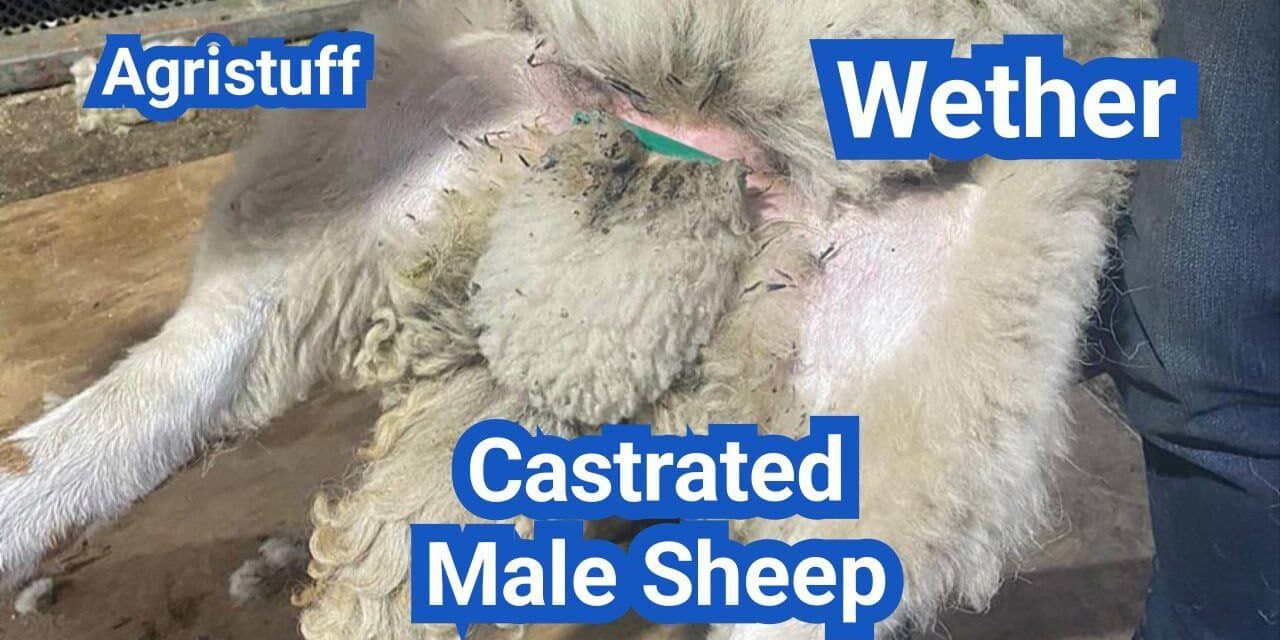
A wether is a term used in sheep production to describe a castrated male sheep. Castration is a common practice that involves removing or destroying the testicles of male lambs. This process has significant effects on the behavior, growth, and carcass characteristics of the animal.
The practice of castration is crucial in sheep farming as it influences the overall quality and manageability of the flock. By understanding what a wether is and its role in sheep production, farmers and producers can make informed decisions about their livestock.
Key Takeaways
- A wether is defined as a castrated male sheep.
- Castration affects the behavior, growth, and carcass characteristics of sheep.
- Understanding wethers is crucial for sheep farming and production.
- Castration is a common practice in sheep production.
- Wethers play a significant role in the overall quality of the flock.
Understanding Wethers: Definition and Terminology

Defining a wether sheep is fundamental to understanding its role in sheep production and agriculture. A wether is a male sheep that has been castrated, typically at a young age. This process involves removing or destroying the testicles to prevent reproduction and reduce aggression.
What Is a Wether Sheep?
A wether sheep is a castrated male sheep, often raised for its meat or used as a companion animal. Castration is performed to improve the quality of the meat and to manage the behavior of the animal. Wethers are known for their more docile nature compared to intact males (rams).
The process of castration can be done through various methods, including surgical removal of the testicles, using a rubber ring to constrict the blood flow to the testicles, or employing a Burdizzo tool to crush the spermatic cords. Each method has its advantages and is chosen based on factors like age of the lamb, available equipment, and the expertise of the person performing the castration.
Terminology in Sheep Production
Understanding the terminology used in sheep production is crucial for effective communication among farmers, veterinarians, and other stakeholders. Some key terms include:
- Wether: A castrated male sheep.
- Ram: An intact male sheep used for breeding.
- Ewe: A female sheep.
- Lamb: A young sheep, typically under one year of age.
These terms are essential for discussing the management, health, and production aspects of sheep farming. Familiarity with this terminology helps in understanding the specific needs and characteristics of different sheep categories.
The Importance of Castrated Male Sheep in Agriculture

Wethers, or castrated male sheep, have been integral to various agricultural activities, including meat production and land management. Their significance in agriculture is multifaceted, contributing to both historical and modern farming practices.
Historical Context of Wether Production
Historically, wethers have been used for various purposes, including as draft animals and for their wool and meat. The practice of castrating male sheep dates back centuries, with evidence of its use in ancient agricultural societies.
In many cultures, wethers were preferred for their docility and strength, making them ideal for tasks such as plowing fields. Their wool was also valued for its quality, contributing to the textile industry.
Modern Uses for Wethers in the U.S.
In contemporary U.S. agriculture, wethers continue to play a vital role. They are primarily used for meat production, with many producers favoring them for their growth characteristics and carcass quality.
Wethers are also used in land management practices, such as grazing management programs aimed at maintaining or improving pasture health. Their grazing behavior can be advantageous in certain management systems.
Wethers as Companion Animals
Beyond their traditional uses, wethers are increasingly being kept as companion animals. Their calm nature makes them suitable for various animal husbandry practices and for keeping in smaller, hobby farms or even as pets in some cases.
The use of wethers as companions highlights the versatility of sheep in agricultural and personal settings, demonstrating their value beyond traditional production roles.
Wether vs. Ram: Key Differences

Wethers and rams exhibit distinct characteristics that impact their behavior, growth, and overall management. Understanding these differences is crucial for farmers and shepherds to make informed decisions about their flock.
Behavioral Differences
Rams are known for their aggressive behavior, particularly during breeding season. They engage in head-butting contests to establish dominance, which can lead to injuries. In contrast, wethers tend to be more docile and less aggressive, making them easier to manage in mixed flocks.
The behavioral differences between rams and wethers are significant, especially in terms of social dynamics. Rams will often fight for dominance, while wethers tend to avoid confrontations.
Physical Characteristics
Physically, rams are characterized by their larger horns and more muscular build compared to wethers. Wethers, having been castrated, typically grow at a different rate and may have a different body composition.
The physical differences between rams and wethers can impact their growth rates and carcass quality. Wethers often have a more even fat distribution, which can be advantageous in meat production.
Management Considerations
Managing rams requires careful consideration due to their aggressive behavior. Farmers need to provide adequate space and implement safety measures to prevent injuries to both humans and other animals.
In contrast, wethers are generally easier to manage and can be integrated into flocks with ewes or other wethers without the same level of aggression. This makes them a more manageable option for many farmers.
Effective management of both rams and wethers involves understanding their different needs and behaviors. By doing so, farmers can optimize their flock’s productivity and welfare.
Why Castrate Male Sheep? Benefits and Impacts

Male sheep castration is a common procedure that provides several benefits for farmers, including improved meat quality and easier flock management. Castration, or wethering, has been practiced for centuries and remains a crucial aspect of sheep production today.
Meat Quality Improvements
Castrating male sheep can significantly enhance meat quality. Intact males, or rams, can develop strong flavors and aromas in their meat due to the presence of certain hormones. By removing these hormonal influences, castration can result in milder-tasting meat that is often preferred by consumers. Improved meat quality is a significant advantage for farmers looking to produce high-quality lamb for the market.
Behavior Management
Castration also has a profound impact on the behavior of male sheep. Intact rams can exhibit aggressive behavior, particularly as they mature. This aggression can lead to injuries among the flock and make handling more challenging for farmers. By castrating males, farmers can reduce aggression and create a more manageable flock. Easier handling is a direct result of the reduced aggression in wethers compared to intact rams.
Flock Management Advantages
In addition to improving meat quality and reducing aggression, castration offers several advantages for flock management. Wethers are generally easier to integrate into mixed-sex flocks, reducing the risk of fighting and stress among ewes. Furthermore, castrated males are less likely to engage in dominant behaviors that can disrupt flock dynamics. This makes flock management more straightforward, as farmers can more easily maintain harmony within the flock.
In conclusion, the benefits of castrating male sheep are multifaceted, ranging from improvements in meat quality to advantages in behavior and flock management. By understanding these benefits, farmers can make informed decisions about their sheep production practices.
Castration Methods for Male Sheep

Farmers use different castration methods for male sheep, each with its own set of advantages. The choice of method depends on factors such as age of the lamb, available equipment, and the expertise of the person performing the castration.
Rubber Ring Banding Technique
The rubber ring banding technique is a popular method for castrating lambs. It involves placing a rubber ring around the scrotum, just above the testicles, to cut off the blood supply. This method is relatively simple and quick.
Advantages: Easy to perform, minimal equipment required.
Considerations: Must be done at a young age for best results.
Burdizzo (Bloodless) Castration
Burdizzo castration is a bloodless method that involves crushing the spermatic cords without cutting the skin. This technique requires a Burdizzo clamp and is considered effective for older lambs.
Benefits: No risk of infection from open wounds.
Precautions: Requires proper technique to avoid damage to surrounding tissues.
Surgical Castration
Surgical castration involves physically removing the testicles. This method is more invasive and requires proper wound management to prevent infection.
Advantages: Can be used for lambs of various ages.
Considerations: Requires surgical skills and proper post-operative care.
Comparing Methods: Effectiveness and Welfare
Each castration method has its effectiveness and welfare implications. The choice of method should consider the lamb’s welfare, the farmer’s expertise, and the resources available.
| Method | Effectiveness | Welfare Considerations |
|---|---|---|
| Rubber Ring Banding | High for young lambs | Painful if not done correctly |
| Burdizzo Castration | High if done correctly | Risk of improper technique |
| Surgical Castration | High | Risk of infection, requires post-op care |
The table above summarizes the key aspects of each castration method. It’s crucial for farmers to weigh these factors when deciding on the most appropriate method for their sheep.
When to Castrate: Timing Considerations

The decision on when to castrate male sheep involves several factors, including age, season, and health status. Castration timing can significantly impact the health, growth, and behavior of the animals.
Age Recommendations
The age at which lambs are castrated can vary based on management practices and the purpose of the production system. Generally, castration is performed at a young age, often within the first few weeks of life.
Early castration, typically within the first week, is often recommended because it reduces the risk of complications and is less stressful for the lambs.
- Lambs castrated early tend to have better meat quality.
- Early castration helps in managing undesirable male behaviors.
Seasonal Factors
Seasonal considerations play a crucial role in determining the best time for castration. In many regions, lambing is seasonal, and castration is often performed during the same period.
Spring lambing is a common practice in many sheep-producing areas. Castration is typically done during this time as part of the early lamb management procedures.
| Season | Lambing Activity | Castration Timing |
|---|---|---|
| Spring | High lambing activity | Typically done early |
| Summer | Post-lambing management | Can be done if not done earlier |
| Fall/Winter | Less common for lambing | Less preferred due to cold weather |
Health Status Requirements
The health status of lambs is a critical factor in deciding when to castrate. Only healthy lambs should be castrated to avoid complications.
Farmers should ensure that lambs are free from diseases and have received appropriate vaccinations before undergoing castration.
By considering these factors, farmers can make informed decisions about the optimal timing for castrating their male sheep, thereby enhancing animal welfare and farm productivity.
Pain Management During and After Castration
Effective pain management is crucial during and after the castration of lambs to ensure their welfare. Castration, while a common practice in sheep production, can cause significant pain and stress to the animals if not managed properly.
Anesthesia Options
Several anesthesia options are available for lamb castration, including local anesthetics like lidocaine. These can be administered via injection directly into the testicles or spermatic cords. The use of anesthesia helps in reducing the pain associated with the castration procedure.
- Lidocaine: A commonly used local anesthetic for castration.
- Ketamine: Sometimes used in combination with other anesthetics for its analgesic properties.
- Xylazine: Used for its sedative and analgesic effects.
Post-Procedure Pain Control
After castration, it’s essential to monitor the lambs for signs of pain and provide appropriate pain control measures. Non-steroidal anti-inflammatory drugs (NSAIDs) like flunixin meglumine can be used to alleviate pain and reduce inflammation.
- Administer NSAIDs as directed by a veterinarian.
- Monitor for signs of pain, such as changes in behavior or appetite.
- Ensure the lambs have a clean and comfortable environment to recover.
Monitoring Recovery
Monitoring the recovery of lambs after castration is vital. This includes checking for any signs of infection, excessive swelling, or other complications. Proper care during the recovery period can significantly impact the overall health and well-being of the lambs.
Legal Considerations in the United States
In the United States, the use of pain management during castration is subject to various regulations and guidelines. Producers must be aware of the legal requirements and best practices for pain management in their region.
It’s also important to note that some states have specific laws regarding animal welfare and pain management during procedures like castration. Producers should consult with their veterinarians to ensure compliance with local regulations.
Behavioral Changes in Castrated Male Sheep

Castration of male sheep, also known as wethers, leads to significant behavioral changes that impact their social interactions, growth, and overall flock dynamics. Understanding these changes is crucial for effective flock management and improving the welfare of these animals.
Immediate Post-Castration Behavior
Immediately after castration, male sheep often exhibit signs of pain and distress, such as restlessness, vocalization, and altered movement patterns. Pain management during this period is critical to minimize discomfort and prevent complications.
A study on lamb castration methods found that wether lambs showed reduced activity and increased lying down in the first few hours post-castration (1). This immediate behavioral response is a key indicator of the need for effective pain relief strategies.
Long-Term Behavioral Differences
In the long term, castrated male sheep tend to exhibit reduced aggression and dominance behaviors compared to intact rams. This change can lead to a more stable social structure within the flock.
- Reduced aggression towards other sheep
- Less dominance behavior
- Increased tolerance to human presence
These long-term behavioral differences can simplify flock management and reduce the risk of injuries caused by fighting among rams.
Social Dynamics in Mixed Flocks
In mixed flocks containing both wethers and intact rams, the social dynamics can be complex. Wethers often assume a subordinate role, while rams maintain their dominance.
“The presence of wethers in a flock can significantly alter the social hierarchy, often leading to a more harmonious flock dynamic due to reduced aggression among males.”
The interaction between wethers and other flock members, including ewes and rams, can influence overall flock behavior and productivity. Understanding these dynamics is essential for optimizing flock management practices.
Growth and Development of Wether Lambs

Understanding the growth rate of wether lambs is essential for optimizing production systems. Wether lambs, being castrated male sheep, exhibit different growth patterns compared to intact males or females.
Growth Rate Expectations
Wether lambs typically grow at a moderate rate. Average daily gain (ADG) is a critical measure, usually ranging from 0.3 to 0.5 kg per day, depending on factors like breed, nutrition, and management practices.
- Early growth stages are crucial for setting up future performance.
- Nutritional intake significantly impacts growth rates.
- Genetic factors also play a role in determining growth potential.
Body Composition Changes
As wether lambs mature, their body composition changes. Initially, they deposit more protein than fat, but as they grow older, fat deposition increases.
- Muscle growth is more pronounced in the early stages.
- Fat accumulation becomes more significant as lambs approach market weight.
Maturation Timeline
The maturation timeline for wether lambs can vary. Generally, they reach market weight between 6 to 12 months of age.
Factors influencing maturation include breed, nutrition, and production system.
Performance in Different Production Systems
Wether lambs perform differently in various production systems, such as feedlot or pasture finishing. Each system has its advantages and challenges.
| Production System | Advantages | Challenges |
|---|---|---|
| Feedlot Finishing | Controlled nutrition, faster growth | Higher initial investment, health risks |
| Pasture Finishing | Lower costs, natural growth | Variable growth rates, parasite risks |
By understanding these factors, producers can make informed decisions to optimize the growth and development of their wether lambs.
Feeding and Nutrition for Wethers

Wether lambs have specific nutritional requirements that vary based on their stage of growth and production system. Understanding these needs is crucial for optimizing their growth, health, and productivity.
Basic Nutritional Requirements
Wethers require a balanced diet that includes adequate energy, protein, vitamins, and minerals. The specific nutritional needs can vary depending on factors such as age, breed, and production goals.
Nutritional Requirements for Wethers:
- Energy: Adequate energy is necessary for growth and maintenance.
- Protein: Essential for muscle development and repair.
- Vitamins and Minerals: Crucial for overall health and immune function.
Finishing Rations for Market Lambs
Finishing rations are critical for market lambs as they prepare for slaughter. These rations are typically high in energy to promote rapid growth and improve carcass quality.
Key Considerations for Finishing Rations:
- High-energy feeds to support rapid growth.
- Balanced protein levels to support muscle development.
- Adequate vitamins and minerals for overall health.
Feedlot vs. Pasture Finishing
The choice between feedlot and pasture finishing depends on various factors including production goals, available resources, and market demands.
| Finishing Method | Advantages | Disadvantages |
|---|---|---|
| Feedlot Finishing | Rapid growth rates, consistent quality | Higher costs, potential for health issues |
| Pasture Finishing | Lower costs, natural production system | Variable growth rates, potential for parasites |
Mineral Supplementation
Mineral supplementation is essential to prevent deficiencies and ensure optimal health in wethers. Common minerals supplemented include calcium, phosphorus, and selenium.
By understanding and meeting the nutritional needs of wethers, producers can optimize growth rates, improve carcass quality, and maintain overall flock health.
Carcass Characteristics of Wether Lambs
The carcass characteristics of wether lambs are crucial for determining their value in the meat market. These characteristics include dressing percentage, fat cover and distribution, and overall meat quality, all of which are important factors in the production and marketing of lamb.
Dressing Percentage
Dressing percentage is a critical factor in evaluating the carcass quality of wether lambs. It refers to the percentage of the animal’s live weight that becomes the carcass weight after slaughter and evisceration. A higher dressing percentage generally indicates a more efficient production system. Factors influencing dressing percentage include breed, age, sex, and nutrition. Wether lambs typically have a dressing percentage ranging from 45% to 55%, depending on these factors.
Fat Cover and Distribution
Fat cover and distribution are essential for determining the quality and value of lamb carcasses. Adequate fat cover is necessary for protecting the meat during storage and transport, as well as contributing to its flavor and tenderness. Wether lambs are known for having a more even distribution of fat compared to rams, which can result in a more desirable carcass. The ideal amount and distribution of fat can vary depending on market requirements and consumer preferences.
USDA Lamb Grading Standards
The USDA has established grading standards for lamb carcasses to help producers and buyers evaluate their quality. These standards consider factors such as conformation, fat cover, and maturity. Lamb carcasses are typically graded as Prime, Choice, Good, Utility, or Cull, with Prime and Choice being the most desirable for their high quality and palatability. Understanding these grading standards is vital for producers aiming to maximize the value of their wether lambs.
Quality Factors in Wether Meat
Several quality factors contribute to the overall value of wether lamb meat, including tenderness, juiciness, and flavor. The castration of male lambs can positively impact these factors by reducing the likelihood of undesirable flavors and textures associated with intact males. Additionally, proper nutrition and management practices play a significant role in enhancing the quality of wether lamb meat. Producers should focus on optimizing these factors to produce high-quality lamb that meets consumer expectations.
Health Management for Castrated Male Sheep
Castrated male sheep, or wethers, require specific health management strategies to thrive. Effective health management is crucial to prevent various health issues that can impact their productivity and longevity.
Urinary Calculi Prevention
Urinary calculi, also known as “water belly,” is a significant health issue in wethers. It occurs when mineral deposits form in the urinary tract, potentially causing blockages. To prevent urinary calculi, it’s essential to manage the diet carefully.
- Ensure adequate water intake to keep the urinary system flushed.
- Balance the diet to avoid excessive levels of minerals that can contribute to calculi formation.
- Consider adding ammonium chloride to the feed, as it can help acidify the urine and reduce the risk of calculi.
Monitoring the flock’s health regularly and adjusting management practices as needed is crucial for preventing urinary calculi.
Parasite Control Strategies
Parasite control is another critical aspect of health management for wethers. Internal parasites, such as worms, can significantly impact the health and productivity of the flock.
Effective parasite control strategies include:
- Regular monitoring for signs of parasitic infection.
- Strategic deworming programs tailored to the specific parasite challenges in your area.
- Maintaining clean pastures and reducing stocking rates to minimize parasite exposure.
Implementing these strategies can help reduce the risk of parasitic infections and promote overall flock health.
Common Health Issues in Wethers
In addition to urinary calculi, wethers are susceptible to other health issues. These can include respiratory problems, foot infections, and nutritional deficiencies.
- Respiratory issues can be managed through proper ventilation in housing and avoiding overcrowding.
- Foot health can be maintained through regular trimming and hoof care.
- Nutritional deficiencies can be addressed through balanced feeding programs.
Regular veterinary care and a proactive health management plan are essential for identifying and addressing these issues promptly.
Housing and Predator Protection for Wethers

Wether sheep have unique needs when it comes to housing and protection from predators, which are critical for their overall health and productivity. Adequate housing and effective predator protection strategies are vital components of wether management.
Space and Shelter Requirements
Wethers require sufficient space to move comfortably and shelter from extreme weather conditions. The specific space requirements can vary depending on factors such as breed, age, and production system. Generally, wethers need at least 10-15 square feet per animal in indoor housing settings.
Adequate shelter is crucial for protecting wethers from harsh weather, including extreme temperatures, wind, and precipitation. Shelter designs should ensure good ventilation to prevent respiratory issues while protecting from the elements.
Fencing Options
Effective fencing is a critical component of predator protection and preventing wethers from escaping. Various fencing options are available, including:
- Traditional woven wire fencing
- Electric fencing
- High-tensile fencing
Electric fencing is particularly effective for sheep, as it provides a psychological as well as physical barrier to predators. A well-designed electric fencing system can be an efficient and cost-effective method for protecting wethers.
Livestock Guardian Animals
Livestock guardian animals, such as dogs, donkeys, and llamas, play a crucial role in protecting wethers from predators. These guardian animals are bred or trained to defend sheep against predators like coyotes, wolves, and bears.
Livestock guardian dogs are particularly effective, as they bond with the sheep and are naturally protective. The use of guardian animals can significantly reduce predator losses and provide a more integrated approach to wether protection.
| Guardian Animal | Effectiveness Against Predators | Cost Considerations |
|---|---|---|
| Livestock Guardian Dogs | Highly effective against coyotes and wolves | Initial training costs, ongoing care |
| Donkeys | Effective against canines and smaller predators | Lower initial cost, requires less training |
| Llamas | Effective against canines, may not deter larger predators | Moderate initial cost, requires some training |
As noted by agricultural experts, “The use of livestock guardian animals is a time-tested method for protecting sheep from predators, offering a valuable layer of security in integrated predator management strategies.”
“The integration of livestock guardian animals into sheep production systems represents a significant advancement in predator management, enhancing both the welfare of the sheep and the economic viability of sheep operations.”
— Dr. John Smith, Sheep Production Specialist
Best Practices for Wether Management
Effective wether management is crucial for the overall health and productivity of sheep populations. By combining proper nutrition, health care, and housing, farmers can optimize the growth and development of wethers.
Best practices for wether management include providing adequate nutrition, implementing health care strategies, and ensuring suitable housing conditions. Regular monitoring of wethers’ health and behavior is essential to prevent issues such as urinary calculi and parasites.
Farmers should also consider the benefits of different castration methods and timing to minimize stress and promote healthy growth. By adopting these best practices, sheep producers can improve the quality and value of their wether lambs, ultimately enhancing their sheep care and management practices.
Implementing these strategies will contribute to better wether management, leading to more efficient and sustainable sheep production systems.
FAQ
What is a wether sheep?
A wether sheep is a castrated male sheep. Castration is a common practice in sheep production to manage behavior, improve meat quality, and enhance overall flock management.
Why are male sheep castrated?
Male sheep are castrated to improve meat quality, reduce aggression, and make them easier to manage within a flock. Castration also helps prevent unwanted breeding and reduces the risk of certain health issues.
What are the different methods of castrating male sheep?
The main methods of castrating male sheep include rubber ring banding, Burdizzo (bloodless) castration, and surgical castration. Each method has its effectiveness, welfare implications, and practical considerations for farmers.
At what age should male sheep be castrated?
The ideal age for castrating male sheep depends on various factors, including breed, size, and production system. Generally, castration is performed at a young age, often within the first few weeks of life.
How does castration affect the behavior of male sheep?
Castration significantly reduces aggression in male sheep, making them less likely to fight and more docile. Castrated males, or wethers, tend to be more calm and easier to handle than intact rams.
What are the nutritional needs of wethers?
Wethers require a balanced diet that meets their nutritional needs for growth, maintenance, and production. The specific nutritional requirements depend on factors like age, breed, and production system.
How do wethers perform in different production systems?
Wethers can thrive in various production systems, including pasture-based and feedlot systems. Their performance depends on factors like nutrition, health management, and overall care.
What are the carcass characteristics of wether lambs?
Wether lambs typically have desirable carcass characteristics, including a good dressing percentage, adequate fat cover, and a high-quality meat product. The specific carcass traits depend on factors like breed, nutrition, and production system.
What health issues are common in wethers?
Wethers are susceptible to certain health issues, including urinary calculi, parasites, and other diseases. Proper health management, including prevention strategies and monitoring, is crucial to maintaining the health and well-being of wethers.
How should wethers be housed and protected from predators?
Wethers require adequate housing and protection from predators. This includes providing suitable shelter, fencing, and potentially using livestock guardian animals to protect the flock.
Can castrated male sheep still produce wool?
Yes, castrated male sheep, or wethers, can still produce wool. The quality and quantity of wool depend on factors like breed, nutrition, and overall health.
Are there any specific dietary requirements for castrated male sheep?
Castrated male sheep have similar dietary requirements to other sheep, with a focus on providing a balanced diet that meets their nutritional needs. However, wethers may have different nutritional needs depending on their production stage and system.
How does castration affect the overall health of the animal?
Castration can have both positive and negative effects on the overall health of the animal. While it reduces the risk of certain health issues, it also carries risks associated with the castration procedure itself.
Can castrated male sheep still be used for meat production?
Yes, castrated male sheep are often used for meat production. Castration can improve meat quality by reducing the risk of strong flavors and odors associated with intact males.
Are there any alternatives to castration?
While castration is a common practice, there are alternatives, such as raising intact males or using other methods to manage behavior and improve meat quality. However, these alternatives may have their own set of challenges and considerations.
Conclusion of: Castrated Male Sheep
Why “wether” is worth knowing
A wether is a castrated male sheep, and that one detail affects how the animal behaves, grows, and finishes for market. In many U.S. flocks, wethers are used for meat projects, vegetation management, or as steady companions in mixed groups because they’re less likely to show strong breeding-driven behavior than intact rams.
At the same time, a castrated male sheep can deposit fat differently than a ram lamb, which matters when you’re timing harvest, designing a ration, or meeting a buyer’s preferred carcass finish. This guide explains what a wether is, how management changes after castration, and what to watch for in health and performance so you can raise a castrated male sheep confidently and profitably. Merriam-Webster definition of wether
What “wether” means (simple definition)
By definition, a wether is a male sheep that has been castrated, meaning he is a castrated male sheep that cannot be used for breeding. Producers use the term “wether” to communicate clearly in records, sales listings, and veterinary notes, because “male lamb” could mean either intact or castrated. That clarity matters: intact males may be managed more strictly around breeding females, while a castrated male sheep is typically easier to run in larger groups without accidental pregnancies. If you’re buying lambs, always confirm whether “male” means ram or wether, because the difference can affect growth rate, temperament, and the kind of finishing program that best fits your goals. NC State Extension sheep facts
Wether vs. ram vs. ewe: the practical differences
In day-to-day flock work, a ram is an intact male, a ewe is an adult female, and a wether is a castrated male sheep—and the “intact vs. castrated” piece drives the biggest management differences. Rams can show stronger seasonal breeding behavior, more fighting, and more mounting, while a castrated male sheep is usually less likely to challenge people or pen-mates when handled correctly. For small farms, youth projects, and mixed grazing systems, wethers reduce the risk of unexpected breeding and can simplify grouping decisions. For commercial finishing operations, the choice often comes down to your market, labor, and how you plan to manage puberty and separation. Merck Veterinary Manual: sheep husbandry overview
Why producers choose a castrated male sheep (benefits and trade-offs)
Many producers choose a castrated male sheep to reduce unwanted breeding behavior, lower injury risk, and make group housing easier—especially when lambs will be handled frequently or sold through channels that value calm, manageable animals. The main trade-off is performance: testosterone supports lean growth, so removing it can slightly reduce growth rate and shift body composition, often leading a castrated male sheep to finish with more fat at a given weight.
That can be helpful if your buyer wants a nicely finished carcass, but it can also create over-finish if lambs stay on high-energy feed too long. The most profitable approach is to decide your target market first, then match castration and feeding to that endpoint. Virginia Cooperative Extension (PDF): castration in sheep and goats
When castration is usually done (timing considerations)
Timing is a management decision, but many farms castrate early to reduce handling challenges and help the lamb recover quickly; either way, the goal is to create a healthy castrated male sheep with minimal stress. Plan procedures for a clean environment, moderate weather, and low fly pressure, and avoid stacking multiple stressful events at once (like weaning, transport, and castration on the same day). If lambs are older, consult your veterinarian about pain control and technique, because older animals can have more swelling and stronger reactions to restraint. After the procedure, monitor appetite, gait, and swelling so you can catch problems early and keep the castrated male sheep gaining steadily. AASRP Guidelines (PDF): castration of sheep and goats
Common methods used to create a castrated male sheep
The most common methods to create a castrated male sheep include rubber ring banding, Burdizzo (crushing), and surgical castration. Banding is widely used because it’s fast and doesn’t require an open incision, but placement must be correct and aftercare matters. Burdizzo avoids an open wound yet can fail if technique is poor or if both cords are not properly crushed. Surgical methods can be effective but need excellent hygiene and fly control. Whichever method is used, correct restraint, clean tools, and a clear aftercare plan are what separate a smooth recovery from a costly complication for your castrated male sheep. Oklahoma State University Extension: small ruminant management
Pain control and welfare for a castrated male sheep
Castration is painful, so welfare-focused practice is to reduce pain and stress whenever possible while creating a castrated male sheep. Calm handling, good restraint, and avoiding extreme weather already make a meaningful difference. In many situations, veterinarians may recommend local anesthesia and/or anti-inflammatory medication, especially for older lambs or surgical procedures. Watch for signs of significant discomfort such as prolonged abnormal posture, refusal to eat, vocalizing, or reluctance to move. Good welfare is also good business: lambs that recover smoothly get back on feed sooner, maintain better gains, and are less likely to develop setbacks that reduce finish consistency in a castrated male sheep. AVMA: animal welfare resources
Behavior changes you can expect in a castrated male sheep
Many producers notice behavior differences quickly: a castrated male sheep is often less aggressive, less motivated to mount, and less likely to engage in prolonged fighting than an intact ram. That said, temperament still depends on handling, genetics, nutrition, and space. Overcrowding, irregular feeding, and poor ventilation can make any sheep irritable and harder to move. The biggest advantage of wethers is predictability—when you build consistent routines (same feeding times, low-stress handling, adequate bunk space), a castrated male sheep often becomes one of the easiest animals to manage in the flock. OSU Extension: ram management and behavior considerations
Growth and feed efficiency in a castrated male sheep
From a performance perspective, many systems see intact males grow a bit faster and stay leaner longer, while a castrated male sheep may reach acceptable finish sooner and can begin laying down fat at lighter weights. That’s why harvest timing matters: keep a close eye on body condition and target weights so wethers don’t become overfinished for your market. If you sell by live weight at auction, an overfat castrated male sheep may be discounted because buyers anticipate more trim. If you sell freezer lamb, consistent finish can be a positive—customers often value tenderness and predictable eating quality. The best strategy is to track gains, watch condition, and adjust days on feed accordingly. OSU Extension: lamb finishing nutrition systems
Feeding strategy: building a finishing plan for a castrated male sheep
A profitable finishing plan for a castrated male sheep starts with high-quality forage, then adds energy carefully to support gain without upsetting the rumen. Sudden grain increases can cause acidosis, off-feed events, and performance losses that linger for weeks. Make transitions gradually, keep feed consistent, and ensure adequate bunk space so timid lambs aren’t pushed away. In U.S. operations, many producers use a step-up program (increasing concentrate over time) and make small adjustments based on manure consistency, average daily gain, and body condition. When feeding is steady and predictable, a castrated male sheep typically finishes more uniformly, which helps whether you sell live, on the rail, or direct to customers. Penn State Extension: feeding and managing market lambs
Protein, energy, and minerals: key needs for a castrated male sheep
Good growth in a castrated male sheep depends on balanced energy and protein plus a sheep-appropriate mineral program. Energy drives weight gain, protein supports muscle and rumen microbes, and minerals/vitamins keep immunity, bone, and metabolic function on track. Always provide clean water—water intake supports feed intake, and poor water access can stall growth even when the ration looks perfect. Be cautious with minerals formulated for other species, because copper levels that are safe for cattle or goats may be risky for sheep. If you want fewer health surprises and steadier gains, align the ration with proven sheep nutrient guidance and forage testing whenever possible for your castrated male sheep. Merck Veterinary Manual: nutritional requirements of sheep
Urinary stones: a special risk in a castrated male sheep
Urinary calculi (“water belly”) is a major preventable problem in male sheep, and it can be especially important to manage in a castrated male sheep on higher-concentrate diets. Stones form when mineral balance and water intake don’t support normal urine flow, and blockage can become a life-threatening emergency. Prevention focuses on consistent water access, gradual diet changes, and keeping the calcium-to-phosphorus balance appropriate in the total ration. Watch for early signs such as straining to urinate, tail switching, dribbling, or repeated attempts without passing urine—those are urgent signals for a castrated male sheep. Nutrition-based prevention is usually far cheaper than treatment and loss. University of Maryland Extension (PDF): urinary calculi in small ruminants
Parasites and routine health checks for a castrated male sheep
Parasites can erase growth quickly, so a castrated male sheep benefits from a strategic parasite program rather than “deworming by habit.” Many U.S. flocks use targeted selective treatment, monitoring body condition, coat quality, and signs of anemia to decide which animals truly need deworming. Pasture management matters too: avoid overgrazing, rotate pastures, and prevent heavy stocking density that increases parasite exposure. A castrated male sheep that stays on a steady nutrition plan but is quietly losing to parasites will finish late and unevenly, so routine checks (and good records) protect both animal welfare and your profit. Ohio State Extension: FAMACHA and parasite management
Facilities: housing and space that help a castrated male sheep thrive
Good facilities reduce stress, injury, and disease pressure, which helps a castrated male sheep maintain steady gain. Priorities include dry bedding, solid footing, safe feeders, and ventilation that brings fresh air without direct drafts. Space matters more than many people expect: crowded pens increase feed competition and can make shy lambs underperform even with “enough” feed in the bunk. Set up pens so animals can be sorted and handled calmly, because frequent chasing creates stress that can reduce intake and growth in a castrated male sheep. Facilities don’t have to be expensive, but they should support clean, calm routines. University of Minnesota Extension: keeping sheep healthy
Predator safety: protecting a castrated male sheep on pasture
Predators don’t care whether an animal is intact or not, so a castrated male sheep needs the same layered protection as the rest of the flock. Combine good fencing, smart night penning when risk is high, and consistent routines that reduce opportunities for predators. In many regions, guardian animals are effective when chosen and managed correctly, but they work best as part of a system—not as the only defense. If predation starts, stress rises and grazing patterns change, which can reduce performance and health across the group, including every castrated male sheep you’re trying to finish. Prevention is cheaper than recovery. USDA APHIS (PDF): livestock protection dogs
Fencing and pasture management that supports a castrated male sheep
Fence design affects both safety and grazing efficiency for a castrated male sheep. Many U.S. producers use woven wire with a hot wire offset, or electrified net fencing for flexible rotational grazing. The best fence is the one you maintain: keep vegetation off hot wires, check voltage routinely, and fix weak corners quickly. Pasture rotation can also reduce parasite pressure and improve forage utilization, helping a castrated male sheep gain more consistently. If you’re finishing on pasture with supplementation, control access so lambs don’t selectively graze only the sweetest plants and then stall on gain. OSU Extension: electric fencing for sheep and goats
Wool, shearing, and handling: where wethers often shine
Even when meat is the main goal, wool management and calm handling affect welfare and productivity in a castrated male sheep. Shearing reduces heat stress, improves cleanliness, and makes it easier to body-condition score animals so you can time finishing accurately. Plan shearing for suitable weather, provide a clean holding area, and handle sheep in a quiet, steady way that prevents slips and bruising. Every low-stress handling experience makes future work easier, and that’s a real advantage when your group includes youth projects or frequently handled animals like a castrated male sheep. Better handling also supports better gains by keeping animals eating instead of recovering from stress. Encyclopaedia Britannica: sheep overview
Carcass basics: what buyers look for in a castrated male sheep
When selling a castrated male sheep for meat, buyers typically focus on live weight, muscling, finish (fat cover), and consistency across the lot. If you’re selling live, buyers “read” fat and muscle on the hoof and price accordingly. If you sell on the rail, dressing percentage and yield-related traits matter more. Many markets want lambs that are neither too thin nor overly fat, so finishing wethers requires attention to timing and diet. Learning basic carcass terms and grade language helps you communicate with processors and match production to demand, improving outcomes for each castrated male sheep you market. USDA AMS: lamb grades and standards
Carcass evaluation: how castration can influence finish and trim
Castration can influence how quickly finish develops, so a castrated male sheep may require closer monitoring to avoid excess fat that leads to trim loss and price discounts. The goal is “enough” finish for quality without pushing animals too long on high-energy diets. Practical tools include regular weighing, body condition scoring, and honest assessment of muscling and fat over the ribs and loin. If you’re direct marketing, consistent finish improves customer satisfaction; if you’re selling to a buyer, consistent finish helps you build a reputation. Either way, a castrated male sheep that hits the target window is worth more than one that overshoots it. University of Wisconsin Extension (PDF): lamb carcass evaluation guide
Marketing options in the USA for a castrated male sheep
Marketing a castrated male sheep can range from auction sales to direct-to-consumer freezer lamb, and each channel rewards different traits. Auctions often emphasize weight and perceived finish, while direct marketing rewards consistency, clear communication, and reliable processing schedules. In some regions and seasons, certain buyers prefer specific weights or intact males, so wethers may fit better in mainstream or freezer markets depending on local demand. The most important step is to choose a market early, then design your feeding and harvest timing to match it—because a castrated male sheep that fits the buyer’s target is easier to sell and typically brings a better return. South Dakota State Extension (PDF): direct marketing lamb and goat meat
Final thought
A wether can be an excellent choice when you want simpler management, calmer group dynamics, and predictable finishing—provided you manage nutrition, health, and harvest timing around the biology of a castrated male sheep. Focus on steady routines, gradual diet changes, sheep-safe minerals, and prevention of key risks like parasites and urinary stones. When stress is low and nutrition is consistent, wethers typically stay on feed, grow more uniformly, and deliver a carcass that matches your market more often. If you’re uncertain about methods or timing, work with a veterinarian to build a plan that protects welfare and keeps every castrated male sheep performing well. NDSU Extension (PDF): stress management in sheep operations
Sources & References
- Wether Sheep: Definition Of Wether Sheep & Unique Traits
- A Complete Guide to Castration in Sheep – Vet Verified
- For castrated male sheep guidance on definitions and terminology, start here: Merriam-Webster: wether
- For castrated male sheep management basics and flock context, review: NC State Extension: sheep facts
- For castrated male sheep castration methods and practical notes, use: Virginia Cooperative Extension (PDF): castration in sheep and goats
- For castrated male sheep castration welfare and technique standards, see: AASRP Guidelines (PDF): castration of sheep and goats
- For castrated male sheep parasite monitoring and selective treatment concepts, read: Ohio State Extension: FAMACHA and parasite management