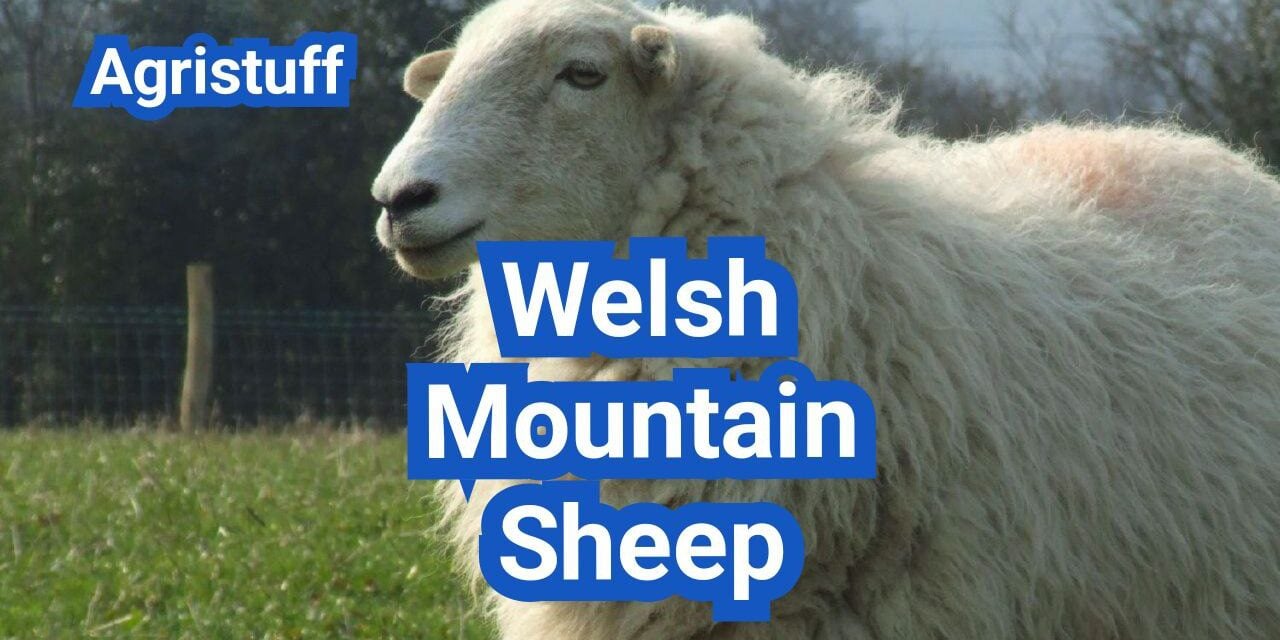
The Welsh Mountain Sheep is a hardy breed originating from the higher parts of the Welsh mountains. Known for their adaptability and resilience, they have been a crucial part of Welsh agriculture for centuries.
These sheep are characterized by their small size, with males having horns and females being polled. They have a distinctive appearance with no wool on their face or legs and long tails.
The history and characteristics of this breed are closely tied to the harsh conditions of their native mountains, making them an interesting subject for study.
Key Takeaways
- Welsh Mountain Sheep are known for their hardiness and adaptability.
- The breed has a distinct history tied to Welsh agriculture.
- Males have horns, while females are hornless.
- They have a unique appearance with no wool on their face or legs.
- Their long tails are typically left undocked.
The Heritage of Welsh Mountain Sheep

The heritage of the Welsh Mountain Sheep is deeply intertwined with the history and culture of Wales. For centuries, this hardy breed has thrived in the challenging landscapes of the Welsh Highlands, providing a vital source of wool, milk, and meat for local communities.
Ancient Origins in the Welsh Highlands
The origins of the Welsh Mountain Sheep date back to ancient times, with evidence suggesting that the breed has remained largely unchanged for centuries. The harsh climate and rugged terrain of the Welsh Highlands have shaped the breed’s hardiness and adaptability, making it an integral part of the region’s agricultural heritage.
Historical records indicate that Welsh Mountain Sheep were highly valued for their wool, milk, and meat, contributing significantly to the local economy.
Historical Significance to Welsh Agriculture
The Welsh Mountain Sheep has played a crucial role in Welsh agriculture, serving as a primary source of income for many farming families. The breed’s ability to thrive in challenging environments made it an ideal choice for the rugged landscapes of Wales.
The historical significance of the Welsh Mountain Sheep extends beyond its economic importance, as it has also become an integral part of Welsh cultural identity.
Understanding Welsh Mountain Sheep Breeds

The Welsh Mountain Sheep is not a single breed but rather a group of related breeds, each with its unique characteristics. This diversity allows farmers and breeders to choose the most suitable type for their specific needs and environments.
Standard Welsh Mountain Sheep
The Standard Welsh Mountain Sheep is one of the most common types, known for its hardiness and adaptability. They have a white fleece and are often horned, with both rams and ewes displaying horns in many cases. This breed is prized for its ability to thrive in challenging conditions.
Black Welsh Mountain Sheep
The Black Welsh Mountain Sheep is recognized by its distinctive black coat. This breed shares many characteristics with the Standard Welsh Mountain Sheep but is differentiated by its color. The black coloration is a result of genetic variation and has been selectively bred to create a consistent appearance.
Badger Face Welsh Mountain Sheep
The Badger Face Welsh Mountain Sheep is notable for its distinctive facial markings, which give it a “badger-like” appearance. This breed is known for its robust health and the quality of its fleece. The unique facial coloring is a key identifier and is highly valued by breeders.
Balwen Welsh Mountain Sheep
The Balwen Welsh Mountain Sheep is a rare breed characterized by its black body with white markings on the face, belly, and legs. This breed is known for its hardiness and the quality of its meat. The Balwen is less common than some other Welsh Mountain Sheep breeds but is valued for its unique appearance and characteristics.
Each of these breeds offers unique advantages and characteristics, making Welsh Mountain Sheep a versatile choice for a variety of farming and breeding purposes. Whether for meat, wool, or conservation grazing, there’s a Welsh Mountain Sheep breed to suit different needs.
- Diversity: Multiple breeds under the Welsh Mountain Sheep category.
- Hardiness: Known for their ability to thrive in challenging environments.
- Variety: Different breeds offer a range of characteristics, from coat color to fleece quality.
Physical Characteristics of Welsh Mountain Sheep

The physical attributes of Welsh Mountain Sheep play a crucial role in their ability to thrive in challenging environments. These characteristics not only define the breed but also contribute to its hardiness and versatility.
Size and Weight Specifications
Welsh Mountain Sheep are known for their relatively small size compared to other sheep breeds. Typically, ewes weigh between 70-100 pounds, while rams can weigh up to 120 pounds. Their compact size is advantageous for navigating rugged terrain and requires less feed, making them an economical choice for farmers.
Distinctive Physical Features
One of the most distinctive features of Welsh Mountain Sheep is their white coat, although some variations like the Black Welsh Mountain Sheep have a dark coat. They typically have no wool on their faces or legs, and they possess a long tail. Some individuals may have horns, which are more common in rams. These physical traits, combined with their agile nature, enable them to browse on steep and rocky pastures effectively.
Wool Characteristics and Quality
The wool of Welsh Mountain Sheep is highly valued for its quality and characteristics. It is known for being fine, with a soft texture that makes it suitable for various textile applications. The fleece is typically crimped and has a good yield, making it a valuable product for farmers. The wool characteristics can vary slightly among the different types of Welsh Mountain Sheep, but overall, it is a highly prized trait of the breed.
In summary, the physical characteristics of Welsh Mountain Sheep, including their size, distinctive features, and wool quality, make them a unique and valuable breed. Their hardiness and adaptability are directly related to these physical attributes, which have been refined over centuries.
Temperament and Behavior of Welsh Mountain Sheep

Welsh Mountain Sheep are renowned for their robust temperament, shaped by centuries of adaptation to the harsh Welsh landscape. Their hardiness and strong natural instincts make them a unique breed.
Natural Instincts and Personality Traits
These sheep have developed a distinct personality that is both resilient and independent. Their strong instincts allow them to thrive in challenging environments with minimal supervision. Key traits include:
- High level of independence
- Strong foraging ability
- Resilience to harsh weather conditions
This independence can sometimes make them challenging to work with, but it also contributes to their hardiness and ability to adapt to different farming conditions.
Working with Welsh Mountain Sheep
Handling Welsh Mountain Sheep requires an understanding of their natural behavior and instincts. Farmers and shepherds must be prepared to manage their independent nature. Effective management strategies include:
- Regular, gentle handling to build trust
- Understanding and anticipating their foraging behavior
- Providing appropriate shelter and protection from extreme weather
By understanding and respecting their natural instincts, farmers can successfully work with Welsh Mountain Sheep, leveraging their strengths for productive livestock farming.
How to Start a Welsh Mountain Sheep Flock

Starting a Welsh Mountain Sheep flock is an exciting venture that requires careful planning and a deep understanding of the breed. To ensure success, it’s crucial to focus on several key areas: selecting quality breeding stock, investing in essential equipment and facilities, and considering the initial investment required.
Selecting Quality Breeding Stock
Selecting the right breeding stock is the foundation of a healthy and productive Welsh Mountain Sheep flock. Look for animals with strong genetic lines, desirable traits such as hardiness and fertility, and a temperament suitable for your farm’s management style. It’s also essential to source your initial stock from reputable breeders who can provide health records and breeding history.
- Evaluate the genetic diversity of the stock to avoid inbreeding issues.
- Consider the age, health, and condition of the animals.
- Ensure the breeder provides comprehensive health records and breeding history.
Essential Equipment and Facilities
Investing in the right equipment and facilities is vital for the well-being of your Welsh Mountain Sheep and the efficiency of your operation. Essential items include sturdy fencing to secure your pasture, appropriate shelter to protect your flock from the elements, and feeding equipment that can handle the needs of your growing flock.
Initial Investment Considerations
The initial investment for starting a Welsh Mountain Sheep flock can be significant, covering the cost of breeding stock, equipment, and facilities. It’s essential to create a detailed budget that includes these costs, as well as ongoing expenses such as feed, veterinary care, and fencing maintenance. Planning your finances carefully will help ensure the long-term viability of your flock.
Key costs to consider:
- Purchasing quality breeding stock.
- Constructing or renovating facilities.
- Equipment for feeding and managing your flock.
Breeding Welsh Mountain Sheep Successfully

Successful breeding of Welsh Mountain Sheep hinges on a thorough comprehension of their breeding season, ram management, and ewe preparation. Breeding Welsh Mountain Sheep requires careful planning and a deep understanding of the factors that influence the breeding process.
Understanding the Breeding Season
The breeding season for Welsh Mountain Sheep typically occurs in the fall, with the exact timing varying based on geographical location and climate conditions. Understanding the optimal breeding time is crucial for maximizing the chances of successful conception.
Ram Selection and Management
Selecting high-quality rams is vital for the success of any breeding program. Rams should be chosen based on their genetic merit, health, and temperament. Proper management of rams, including regular health checks and adequate nutrition, is essential to ensure their fertility and overall well-being.
| Ram Selection Criteria | Description | Importance Level |
|---|---|---|
| Genetic Merit | Selection based on genetic traits that improve flock quality | High |
| Health | Regular health checks to ensure the ram is disease-free | High |
| Temperament | Assessment of the ram’s behavior and docility | Medium |
Ewe Preparation for Breeding
Preparing ewes for breeding involves ensuring they are in optimal health and condition. This includes providing adequate nutrition, maintaining their health through regular veterinary care, and managing their body condition score to ensure they are not too thin or too fat at the time of breeding.
Genetic Improvement Strategies
Implementing genetic improvement strategies is crucial for the long-term success of a Welsh Mountain Sheep breeding program. This can involve selecting for desirable traits, using performance recording, and participating in breed improvement schemes to enhance the genetic quality of the flock.
By understanding the breeding season, selecting and managing rams effectively, preparing ewes for breeding, and implementing genetic improvement strategies, breeders can significantly enhance the productivity and quality of their Welsh Mountain Sheep flock.
Lambing Season Management
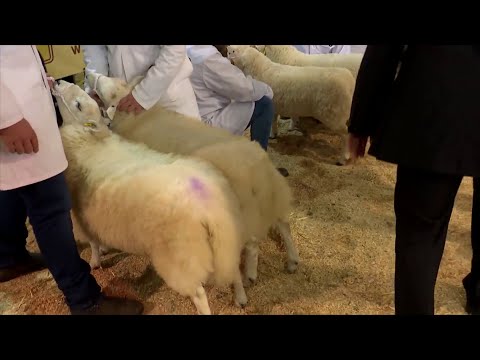
The lambing season is a critical period in the lifecycle of Welsh Mountain Sheep, demanding attention to detail and a deep understanding of the breed. Effective management during this time is crucial for the health and well-being of both ewes and lambs.
Preparing for Lambing
Preparation is key to a successful lambing season. This includes ensuring that the ewes are in optimal health, having the necessary equipment on hand, and setting up a clean and safe lambing area.
- Monitor ewe health closely in the weeks leading up to lambing.
- Ensure all necessary equipment, such as obstetric gloves and lambing pens, is available.
- Prepare a clean, dry, and well-ventilated lambing area to reduce the risk of disease.
Assisting with Difficult Births
Despite careful planning, complications can arise during lambing. Knowing how to assist with difficult births is essential to minimize stress and risk to both the ewe and lamb.
Key steps in assisting with difficult births include:
- Recognizing the signs of labor and potential complications.
- Gently examining the ewe to determine the cause of the difficulty.
- Providing appropriate assistance, such as repositioning the lamb or seeking veterinary help if necessary.
Newborn Lamb Care
The care provided to newborn lambs is critical for their survival and future health. Ensuring they receive adequate colostrum, are kept warm, and are monitored for any signs of illness is vital.
| Care Aspect | Description | Importance |
|---|---|---|
| Colostrum Intake | Ensuring lambs receive colostrum within the first few hours of birth. | High |
| Temperature Control | Keeping lambs warm, especially in cold weather. | High |
| Health Monitoring | Regularly checking for signs of illness or distress. | High |
By focusing on these critical areas, Welsh Mountain Sheep breeders can improve the outcomes of their lambing season, ensuring a healthy and thriving flock.
Nutrition and Feeding Requirements
The nutritional requirements of Welsh Mountain Sheep vary by season, necessitating careful feeding strategies. Providing adequate nutrition is essential for their health and productivity.
Seasonal Feeding Strategies
During the winter months, Welsh Mountain Sheep require more energy to maintain their body heat. This can be achieved by providing high-quality hay and grains.
In contrast, during the spring and summer, the sheep can graze on lush pastures, which provide the necessary nutrients for growth and lactation.
“The key to successful sheep farming is understanding the nutritional needs of your flock and adjusting your feeding strategies accordingly,” said a renowned sheep breeder.
Supplementation Guidelines
Supplementation is crucial, especially during periods when the sheep’s dietary needs are not fully met by grazing or hay alone.
Minerals and vitamins should be added to their feed to prevent deficiencies, particularly in areas where the soil lacks certain nutrients.
Water Requirements
Adequate access to clean water is vital for the health of Welsh Mountain Sheep.
Ensuring that the water is free from contamination and easily accessible is crucial, especially during the colder months when water sources may freeze.
By understanding and implementing appropriate nutrition and feeding strategies, farmers can significantly improve the health and productivity of their Welsh Mountain Sheep flock.
Pasture Management for Welsh Mountain Sheep

The health and productivity of Welsh Mountain Sheep depend significantly on effective pasture management. Proper management strategies ensure that pastures remain healthy and productive, supporting the well-being of the flock.
Implementing Rotational Grazing
Rotational grazing is a critical component of effective pasture management. By dividing pastures into smaller sections and rotating the flock, farmers can prevent overgrazing, promote regrowth, and reduce parasite loads. This method also enhances soil fertility and structure.
Implementing rotational grazing requires careful planning, including the division of pastures, monitoring of forage quality, and adjustment of grazing periods. Farmers must consider factors such as climate, soil type, and the nutritional needs of their flock.
Suitable Forage Types
Selecting the right forage types is essential for maintaining healthy pastures. Welsh Mountain Sheep thrive on a variety of grasses and legumes. Suitable forage types include perennial ryegrass, white clover, and red clover, which provide necessary nutrients and support biodiversity.
Sustainable Pasture Practices
Adopting sustainable pasture practices is vital for long-term productivity. This includes maintaining soil health through the use of organic amendments, minimizing erosion through proper grazing management, and conserving water resources.
| Practice | Benefits |
|---|---|
| Rotational Grazing | Prevents overgrazing, promotes regrowth |
| Suitable Forage Types | Provides necessary nutrients, supports biodiversity |
| Sustainable Practices | Maintains soil health, conserves water |
By implementing these strategies, farmers can ensure the health and productivity of their Welsh Mountain Sheep, contributing to a sustainable and profitable farming operation.
Health Management and Parasite Control

Welsh Mountain Sheep are known for their hardiness, but they still require careful health management. Their robust health is partly due to their adaptation to the challenging environments of the Welsh mountains, but like all livestock, they are susceptible to certain health issues and parasites.
Common Health Issues
Welsh Mountain Sheep can be affected by various health issues, including internal parasites, foot rot, and reproductive problems. Internal parasites, such as worms, are a significant concern as they can lead to weight loss, reduced fertility, and even death if left untreated. Regular monitoring and veterinary care are essential to identify and manage these issues.
Regular health checks are vital to detect any potential problems early. Farmers should be vigilant for signs of illness or stress, such as changes in appetite, unusual feces, or lethargy.
Preventative Care Protocols
Implementing preventative care protocols is crucial for maintaining the health of Welsh Mountain Sheep. This includes vaccinations, parasite control measures, and nutritional management. Vaccinations can protect against diseases such as tetanus and pasteurellosis, while parasite control measures, including the use of anthelmintics, help to reduce the burden of internal parasites.
“A well-planned health program is essential for the long-term success of a sheep flock.”
Effective Parasite Control Methods
Effective parasite control is critical to the health of Welsh Mountain Sheep. Methods include the strategic use of anthelmintics, grazing management, and genetic selection for parasite resistance. The use of anthelmintics should be strategic, based on factors such as the parasite burden and the time of year, to minimize the development of resistance.
By combining these methods, farmers can reduce the risk of parasite-related health issues and maintain a healthy, productive flock.
Utilizing Welsh Mountain Sheep Products

The products derived from Welsh Mountain Sheep are highly prized for their quality. These sheep provide a range of valuable products, including wool, meat, and secondary products that contribute to their economic viability in farming.
Wool Harvesting and Processing
Welsh Mountain Sheep wool is renowned for its softness and durability. The wool is harvested through a process known as shearing, typically done once a year. The raw wool is then processed, which involves cleaning, carding, and spinning it into yarn or fabric. This wool is highly sought after for its warmth and is often used in crafting high-quality garments and textiles.
Meat Production and Quality
The meat from Welsh Mountain Sheep is known for its excellent flavor and tenderness. The quality of the meat is influenced by factors such as the sheep’s diet, age, and breeding. Welsh Mountain Sheep meat is considered a delicacy in many regions and is often used in specialty dishes. The lean nature of the meat makes it a popular choice among health-conscious consumers.
Secondary Products and Uses
Beyond wool and meat, Welsh Mountain Sheep provide other valuable products. These include sheepskin, used for making leather goods, and lanolin, derived from the wool and used in cosmetics. Additionally, the sheep’s manure is a valuable fertilizer, enhancing soil quality for pasture management.
In conclusion, the diverse products obtained from Welsh Mountain Sheep make them a valuable asset in sheep farming. Their wool, meat, and secondary products contribute significantly to the agricultural economy and provide a range of benefits for farmers and consumers alike.
Welsh Mountain Sheep in the United States

With their origins in the Welsh Highlands, Welsh Mountain Sheep have found a new home in the United States, where they are prized for their unique characteristics. The breed has been introduced to the U.S. through careful breeding programs aimed at preserving their hardiness and distinct traits.
History and Current Population
The history of Welsh Mountain Sheep in the United States is a story of successful adaptation. Initially brought to the U.S. by enthusiasts, the breed has thrived due to its robust nature and the efforts of dedicated breeders. Today, the population continues to grow, with a notable presence in various states.
American Breeding Programs
American breeding programs for Welsh Mountain Sheep focus on maintaining the breed’s purity and enhancing its desirable traits. These programs involve careful selection of breeding stock, with an emphasis on genetic diversity and the health of the animals. As a result, U.S. breeders have made significant contributions to the global conservation of this heritage breed.
Finding Welsh Mountain Sheep in the U.S.
For those interested in acquiring Welsh Mountain Sheep, several resources are available. Breeders can be found through national sheep breeding associations, online marketplaces, and local agricultural events. It’s essential for prospective buyers to research thoroughly and visit farms to ensure they are obtaining healthy, high-quality animals.
Low-Input Farming with Welsh Mountain Sheep

Welsh Mountain Sheep are renowned for their hardiness and adaptability, making them an ideal choice for low-input farming systems. Their ability to thrive in challenging conditions with minimal external inputs is a significant advantage for farmers looking to reduce costs and environmental impact.
Hardiness and Natural Adaptations
The hardiness of Welsh Mountain Sheep is one of their most significant attributes. They are naturally adapted to harsh weather conditions and can survive on poor-quality forage, making them well-suited to less favorable farming environments. This natural hardiness reduces the need for costly interventions, such as supplementary feeding and intensive veterinary care.
Minimal Infrastructure Requirements
Welsh Mountain Sheep require minimal infrastructure, which is a significant advantage for low-input farming. Simple fencing and basic shelter are often sufficient, as the sheep are adept at foraging and can withstand various weather conditions. This minimal requirement for infrastructure not only reduces initial setup costs but also decreases ongoing maintenance expenses.
Economic Advantages of the Breed
The economic benefits of raising Welsh Mountain Sheep are substantial. Low-input farming with this breed can lead to significant cost savings on feed, veterinary care, and infrastructure. Additionally, the high-quality wool and meat produced by Welsh Mountain Sheep can provide a valuable source of income for farmers. As one farmer noted,
“Welsh Mountain Sheep have been a game-changer for our farm, offering a sustainable and profitable option for our challenging terrain.”
At The End of: Welsh Mountain Sheep Breeding
The Welsh Mountain Sheep breed has proven to be a valuable asset for livestock farming, offering a unique combination of hardiness, versatility, and sustainability. With a rich history dating back to the Welsh Highlands, this breed has adapted to the challenging terrain and climate, developing distinct characteristics that make it an ideal choice for farmers.
Through their ability to thrive on poor-quality pasture and their natural resistance to disease, Welsh Mountain Sheep embody the principles of sustainable farming. Their wool, meat, and milk production make them a valuable resource for farmers, while their hardiness and minimal infrastructure requirements reduce the environmental impact of farming.
As the demand for sustainable and environmentally conscious farming practices continues to grow, the Welsh Mountain Sheep breed is well-positioned to play a significant role in shaping the future of livestock farming. By adopting this breed, farmers can promote biodiversity, reduce their environmental footprint, and contribute to a more sustainable food system.
FAQ
What is the origin of the Welsh Mountain Sheep breed?
The Welsh Mountain Sheep breed originated in the Welsh Highlands, where it was valued for its hardiness and versatility.
What are the different breeds of Welsh Mountain Sheep?
The different breeds of Welsh Mountain Sheep include the Standard Welsh Mountain Sheep, Black Welsh Mountain Sheep, Badger Face Welsh Mountain Sheep, and Balwen Welsh Mountain Sheep.
What are the physical characteristics of Welsh Mountain Sheep?
Welsh Mountain Sheep are known for their hardiness and adaptability, with distinctive physical features such as their coat color and horn presence. They are generally small in size, with ewes weighing between 70-100 pounds and rams weighing between 100-150 pounds.
What is the temperament of Welsh Mountain Sheep?
Welsh Mountain Sheep are known for their strong natural instincts and independent personalities. They are generally hardy and adaptable, but can be challenging to work with due to their strong will.
How do I start a Welsh Mountain Sheep flock?
To start a Welsh Mountain Sheep flock, it’s essential to select quality breeding stock, invest in essential equipment and facilities, and consider the initial investment required.
What are the key aspects of breeding Welsh Mountain Sheep?
Breeding Welsh Mountain Sheep successfully requires careful planning and management, including understanding the breeding season, selecting and managing rams, preparing ewes for breeding, and implementing genetic improvement strategies.
How do I manage lambing season for Welsh Mountain Sheep?
Lambing season management for Welsh Mountain Sheep involves preparing for lambing, assisting with difficult births, and caring for newborn lambs.
What are the nutrition and feeding requirements for Welsh Mountain Sheep?
Welsh Mountain Sheep require seasonal feeding strategies, supplementation guidelines, and access to clean water to maintain their health and productivity.
How do I manage pasture for Welsh Mountain Sheep?
Pasture management for Welsh Mountain Sheep involves implementing rotational grazing, selecting suitable forage types, and adopting sustainable pasture practices.
What are the common health issues in Welsh Mountain Sheep?
Common health issues in Welsh Mountain Sheep include parasites, diseases, and nutritional deficiencies. Regular preventative care protocols and effective parasite control methods can help maintain the health and productivity of the flock.
What products can be obtained from Welsh Mountain Sheep?
Welsh Mountain Sheep provide a range of valuable products, including wool, meat, and secondary products such as lanolin and tallow.
Are Welsh Mountain Sheep suitable for low-input farming systems?
Yes, Welsh Mountain Sheep are well-suited to low-input farming systems due to their hardiness and natural adaptations, requiring minimal infrastructure and maintenance.
Can I find Welsh Mountain Sheep in the United States?
Yes, Welsh Mountain Sheep can be found in the United States, with a history and current population that are worth exploring. American breeding programs and breeders can be a valuable resource for those interested in the breed.
Conclusion of: Welsh Mountain Sheep Breed
What Welsh Mountain Sheep Are and Why They Matter
Welsh Mountain Sheep are a traditional hill breed from Wales known for thriving where pasture is sparse, weather is rough, and management needs to stay practical. For U.S. farmers building low-input flocks, Welsh Mountain Sheep are appealing because they’re generally efficient grazers, strong mothers, and well-suited to pasture-based systems when your goal is steady performance instead of maximum size. In real-world terms, Welsh Mountain Sheep can fit small farms, regenerative grazing plans, and operations that want hardy ewes that keep going year after year with sensible care. Welsh Mountain Sheep Society (official site)
History and Origin of Welsh Mountain Sheep
Welsh Mountain Sheep developed over centuries in the uplands of Wales, where the landscape and climate pushed shepherds to select animals that could walk long distances, maintain body condition on hill forage, and raise lambs reliably. That long “environment-first” selection is why Welsh Mountain Sheep are still associated with toughness, thriftiness, and functional structure rather than extreme muscling or oversized frames. When you study Welsh Mountain Sheep history, the big takeaway is that this breed was shaped by real working conditions, which is exactly the kind of genetic story many U.S. producers want when building resilient livestock systems. Rare Breeds Survival Trust: Welsh Mountain overview
Welsh Mountain Sheep Types and Related Welsh Hill Breeds
When people say “Welsh mountain,” they sometimes mix Welsh Mountain Sheep with related Welsh hill strains or color-patterned types, which can confuse buyers and breeders. Welsh Mountain Sheep are typically the classic white hill sheep, while other Welsh mountain varieties may be distinct populations with different emphasis (for example, patterns, niche conservation goals, or specific local strains). If you’re sourcing Welsh Mountain Sheep in the U.S., ask for clear breed identification and records so you know whether you’re building a flock for commercial pasture lamb, conservation breeding, or a fiber-and-farmstead niche. FAO DAD-IS (global livestock breed database)
Physical Characteristics of Welsh Mountain Sheep
Welsh Mountain Sheep are generally small-to-medium framed hill sheep with a practical, athletic build designed for grazing and travel in uneven terrain. Many breed descriptions note that Welsh Mountain Sheep often have horned rams and usually polled (hornless) ewes, which can help with handling and facility planning, especially for small farms. You’ll also see the “working sheep” look: clean legs, a sturdy body, and an overall shape that prioritizes function over show-ring extremes. Selecting Welsh Mountain Sheep for sound feet and legs is especially important, because mobility is part of the breed’s core value. Welsh Mountain Sheep Society: breed information
Size, Mature Weight, and Why It Helps on U.S. Farms
The smaller mature size of Welsh Mountain Sheep can be a major advantage for U.S. producers who want animals that are easier to handle and less expensive to maintain. Smaller ewes often require fewer calories for maintenance and can be a good fit for rotational grazing, diversified farms, and operations trying to reduce purchased feed. Welsh Mountain Sheep weights vary by strain, pasture quality, and selection goals, so it’s smart to evaluate the actual performance of the flock you’re buying from rather than relying on a single number. In most cases, Welsh Mountain Sheep are about efficiency and survivability more than pushing maximum carcass size. British Wool (industry information and breed context)
Temperament, Mothering Ability, and Lamb Vigor
Welsh Mountain Sheep are widely valued for strong maternal instincts, which matters because calm, attentive mothers reduce labor and increase lamb survival in pasture lambing systems. In practical terms, Welsh Mountain Sheep often do best when you select replacement ewes from mothers that lamb easily, nurse quickly, and raise lambs without constant intervention. Many shepherds value Welsh Mountain Sheep for lamb vigor—lambs that get up, find the udder, and nurse reliably—which is a trait that pays off during cold snaps, wet springs, or variable weather. For U.S. farms, these maternal strengths can be a big part of building a low-stress lambing season. University of Minnesota Extension: reproductive management in sheep
Hardiness and Adaptation Across Different U.S. Regions
Welsh Mountain Sheep are known for hardiness, but success in the U.S. still depends on matching genetics to your local conditions—especially heat, humidity, and parasite pressure. Welsh Mountain Sheep may do well in cooler or temperate regions and can perform on rough grazing, but in warm and humid areas you’ll need a disciplined parasite plan and smart grazing management. The best approach is to evaluate Welsh Mountain Sheep under your conditions and select animals that stay productive on your farm’s forage, not just on paper. Hardiness is real, but it works best when you back it up with basics: minerals, clean water, and consistent observation. USDA-NIFA: Cooperative Extension (local livestock support)
Grazing Behavior and Pasture Efficiency
Welsh Mountain Sheep are often described as efficient grazers, which makes them attractive for pasture-based systems where the pasture is the primary “feed bill.” If you use rotational grazing, Welsh Mountain Sheep can help you harvest forage more evenly while allowing rest and recovery that strengthens plant roots and ground cover. For U.S. farms aiming to improve soil health, Welsh Mountain Sheep can be integrated into mixed grazing or targeted grazing strategies, as long as you manage stocking rates and avoid overgrazing. A grazing plan that includes rest periods and flexible paddock moves often makes Welsh Mountain Sheep performance more consistent across seasons. USDA NRCS: grazing management resources
Nutrition Needs: Keeping Welsh Mountain Sheep in Good Condition
Even though Welsh Mountain Sheep are thrifty, they still need balanced nutrition—especially late gestation and early lactation when energy and protein demand increases. Many U.S. producers use body condition scoring to manage feed efficiently, which is especially useful with Welsh Mountain Sheep because you can avoid overfeeding easy keepers while protecting thinner ewes. A practical strategy is to score Welsh Mountain Sheep several times a year (weaning, breeding, mid-gestation, and pre-lambing), then group ewes by condition so you can feed with precision. Good nutrition supports fertility, colostrum quality, and stronger lamb growth without relying on heavy grain feeding. Penn State Extension: body condition scoring for sheep
Breeding Season Planning and Mating Strategies
Welsh Mountain Sheep are typically seasonal breeders, so your timing should match your climate, forage curve, and marketing plan. Many U.S. farms set a controlled breeding window to concentrate lambing, simplify labor, and align peak lactation with spring pasture growth, and Welsh Mountain Sheep can fit that strategy well. A simple mating plan is to ensure rams are sound, fit, and ready before turnout, while ewes are in steady body condition rather than fluctuating rapidly. If you’re building a flock long-term, keep daughters from Welsh Mountain Sheep ewes that consistently wean strong lambs under your normal management—because that’s the selection pressure that builds a truly adapted flock. Oklahoma State University Extension: sheep breeding basics
Genetics, Selection, and Simple Recordkeeping
Welsh Mountain Sheep improve fastest when you measure the traits that matter on your farm, even if your records are simple. Track lambing ease, lamb survival, weaning weights, ewe longevity, and any recurring health issues, then make selection decisions that favor Welsh Mountain Sheep that perform with minimal inputs. Over time, this creates a flock that is better than the average description because it is shaped by your real environment, parasite load, pasture quality, and customer expectations. For U.S. producers, this “farm-adapted” approach often beats chasing trendy genetics, especially when your long-term goal is steady pasture lamb production and dependable maternal performance. American Sheep Industry Association: education and resources
Parasite Control for Welsh Mountain Sheep on Pasture
Welsh Mountain Sheep may be hardy, but internal parasites can still reduce growth, fertility, and overall performance, especially in warm, moist U.S. climates. The most sustainable approach is integrated parasite management: strategic pasture rotation, fecal egg counts, selective deworming, and avoiding repeated whole-flock treatments that can accelerate resistance. Welsh Mountain Sheep often do best when you combine grazing management with targeted health decisions, because parasite control is as much about pasture and timing as it is about products. Work with local extension or a veterinarian so your Welsh Mountain Sheep program matches regional parasite risk and resistance patterns. WormX (evidence-based parasite management education)
Lambing Management: Low-Intervention Doesn’t Mean No Plan
Welsh Mountain Sheep are often associated with easy lambing, but a smart producer still prepares for the rare problem that can cost a ewe or lamb. Keep lambing supplies ready, know when to intervene, and prioritize calm handling so Welsh Mountain Sheep mothers bond quickly and lambs nurse early. In pasture lambing systems, shelter access, clean bedding areas, and weather planning can be just as important as the lambing kit. The goal with Welsh Mountain Sheep is to support the natural strengths of the breed—strong mothering and lamb vigor—while being ready to step in if progress stalls or weather becomes a risk factor. NC State Extension: lambing cheat sheet
Routine Husbandry: Feet, Fencing, and Practical Facilities
Welsh Mountain Sheep are active animals, so good fencing and safe handling areas matter for both animal welfare and your daily workflow. Plan a simple system: secure perimeter fencing, a small catch pen, and a handling alley that reduces stress and improves efficiency during hoof checks, vaccinations, and sorting. Regular hoof inspections are especially important because Welsh Mountain Sheep are valuable partly due to mobility, and lameness can erase that advantage quickly. On U.S. farms, a consistent routine—observe, record, and act early—keeps Welsh Mountain Sheep healthier and helps you avoid turning small issues into big losses during wet seasons. Oregon State University Extension: sheep management resources
Wool Traits and How to Use Welsh Mountain Sheep Fleece
Welsh Mountain Sheep wool is typically considered a practical hill-type fleece rather than ultra-fine apparel wool, and that can be a benefit if you market it with the right expectations. Many U.S. buyers value durable wool for blankets, outerwear yarns, felting, rug yarn, and farm-to-fiber storytelling, and Welsh Mountain Sheep can fit that niche if you shear cleanly and present the fleece well. Sorting and storing Welsh Mountain Sheep fleeces properly (dry, clean, labeled) helps you build buyer trust, especially if you sell direct to crafters. Even if wool is a secondary income stream, consistent quality control can turn Welsh Mountain Sheep fleece into a reliable bonus product. Iowa State University Extension: wool handling and marketing
Meat Uses and What “Welsh Lamb” Teaches U.S. Producers
Welsh Mountain Sheep are part of the broader tradition behind “Welsh Lamb,” a name protected in the UK and recognized for geographic identity and production standards. While U.S. producers cannot use protected geographic labeling unless they meet the legal criteria, Welsh Mountain Sheep still teach a valuable marketing lesson: customers respond to a clear origin story tied to landscape, pasture, and animal husbandry. If you raise Welsh Mountain Sheep in the U.S., you can build your own honest brand around pasture-raised management, seasonal lamb, and transparency. The goal is to sell the real value of your Welsh Mountain Sheep system without borrowing restricted labels, while still learning from how origin-based brands build trust. UK government: Welsh Lamb protected name
Crossbreeding: How Welsh Mountain Sheep Can Support Commercial Goals
In some systems, Welsh Mountain Sheep are used as maternal hill ewes, then crossed with terminal sires to produce market lambs with improved growth and carcass traits. For U.S. producers, this can be a practical way to keep Welsh Mountain Sheep strengths—hardiness and mothering—while tailoring lamb performance to local markets. The key is to keep your breeding plan clear: decide whether Welsh Mountain Sheep are your foundation maternal line, your purebred conservation flock, or part of a structured crossbreeding program. When crossbreeding is planned (not random), Welsh Mountain Sheep can help you create a consistent lamb crop while keeping ewe maintenance needs manageable. University of Georgia Extension: sheep production and management
Buying Welsh Mountain Sheep in the U.S.: What to Ask Sellers
If you’re purchasing Welsh Mountain Sheep, ask about flock health history, parasite management, lambing percentage, and whether the flock is selected for easy-care traits. Request details on how Welsh Mountain Sheep are managed: pasture-only vs. grain supplementation, lambing indoors vs. outdoors, and whether animals are exposed to similar parasite and climate pressure as your farm. If you plan to register or maintain breed purity, confirm paperwork and identification practices early. The most reliable Welsh Mountain Sheep purchases come from breeders who can explain their goals, share records, and help you match animals to your farm’s management style rather than selling “one-size-fits-all” claims. ASI: producer resources and guidance
Importing Welsh Mountain Sheep Genetics Into the United States
Some producers explore importing Welsh Mountain Sheep or Welsh Mountain Sheep genetics, but import rules can change with disease risk and policy updates, so always use official U.S. guidance before making decisions. USDA APHIS provides current requirements for importing live sheep and related germplasm, including permits and health conditions, and those details can vary by country and time period. If your goal is Welsh Mountain Sheep genetics rather than live animals, options like semen or embryos may be considered in certain pathways, but the correct route depends on current rules. For U.S. compliance, always treat APHIS guidance as the first checkpoint before spending money. USDA APHIS: live animal import guidance
U.S. Identification Rules and Traceability for Welsh Mountain Sheep
Welsh Mountain Sheep producers in the U.S. should understand official identification requirements, especially when animals move through certain sales channels or across state lines. USDA APHIS provides guidance related to sheep and goat identification under scrapie regulations, and staying compliant protects both your business and the broader sheep industry. Good identification is also a management advantage: Welsh Mountain Sheep performance tracking gets easier when every animal is clearly tagged and recorded. Whether you run a small hobby farm or a commercial flock, clear traceability and recordkeeping help you make better culling decisions, prove health status to buyers, and manage your flock more professionally. USDA APHIS: scrapie program information
Marketing Welsh Mountain Sheep Lamb in the U.S.
Welsh Mountain Sheep lamb can be sold through direct-to-consumer channels (freezer lamb, farm store cuts, CSA-style meat shares) or through traditional auction and processor routes, depending on your region and scale. Even if you sell direct, it helps to understand broader market trends so your pricing stays realistic and competitive. USDA Agricultural Marketing Service provides sheep market reporting resources, which can help U.S. producers track price movement, seasonal patterns, and demand signals. If you build a consistent product—clean, pasture-raised Welsh Mountain Sheep lamb with good communication and predictable availability—you can develop repeat customers who buy on trust rather than shopping purely on price. USDA AMS: livestock market news
Final thought
Welsh Mountain Sheep are a smart option when your priority is resilient, efficient sheep that can convert pasture into lamb and wool without turning your farm into a high-input feed operation. If you match Welsh Mountain Sheep to your land, keep nutrition and parasite control disciplined, and select replacements from your best-performing mothers, you can build a flock that stays productive for years and fits a U.S. pasture-based business model. Welsh Mountain Sheep aren’t about shortcuts—they’re about practical genetics that reward consistent management, good grazing, and steady selection over time. USDA NRCS: soil health basics (useful for pasture-based systems)
Sources & References
- Welsh Mountain sheep – Wikipedia
- Black Welsh Mountain Sheep – The Livestock Conservancy
- Welsh Mountain · Sheep – creatures.com
- The Breed — American Black Welsh Mountain Sheep Association
- THE BREED | Balwen Sheep Society
- Badger Face Welsh Mountain Sheep: Farming
- Welsh Mountain Sheep official breed and organization information: Welsh Mountain Sheep Society
- Welsh Mountain Sheep global breed database reference point: FAO DAD-IS
- Welsh Mountain Sheep U.S. import compliance reference: USDA APHIS: live animal import guidance
- Welsh Mountain Sheep U.S. identification and scrapie program reference: USDA APHIS: scrapie information
- Welsh Mountain Sheep U.S. market reporting reference: USDA AMS: livestock market news
- Welsh Mountain Sheep protected origin example for consumer labeling education: UK government: Welsh Lamb protected name