The Southdown sheep breed has a rich history that dates back to Sussex, England, where it originated. Known for its high-quality meat and hardiness, this breed has become a favorite among farmers and consumers alike.
The heritage meat sheep breeds like Southdown are prized for their unique characteristics and ability to thrive on grass-fed diets, making them one of the best sheep breeds for grass-fed lamb. Understanding the history and characteristics of the Southdown breed can provide valuable insights into its breeding and uses.
Key Takeaways
- Originated in Sussex, England
- Known for high-quality meat and hardiness
- Prized for grass-fed lamb production
- Popular among farmers and consumers
- Considered one of the best heritage meat sheep breeds
The Heritage of Southdown Sheep

As one of the oldest purebred sheep breeds in the world, the Southdown has a significant legacy. The breed’s history is deeply rooted in the English South Downs, particularly in Sussex, where it was developed over centuries.
One of the Oldest Purebred Sheep Breeds in the World
The Southdown breed has a storied past, with its origins dating back to the 16th or 17th century. It is recognized for its role in the development of many other sheep breeds around the world.
- Played a crucial role in the development of other breeds
- Known for its hardiness and adaptability
- Contributed significantly to the improvement of sheep farming practices
The English South Downs of Sussex
The Southdown breed is closely associated with the English South Downs, a range of hills in South East England. The breed was developed in this region, particularly in Sussex, where the unique landscape and climate influenced its characteristics.
Key characteristics developed in this region include:
- Compact body size
- High-quality fleece
- Hardiness in various grazing conditions
Conservation Status and Preservation Efforts
Despite its historical significance, the Southdown breed faces challenges related to its conservation status. Efforts are being made to preserve the breed’s genetic integrity and promote its continued use in sheep farming.
Some of the key conservation efforts include:
- Registration and record-keeping by breed associations
- Breeding programs aimed at maintaining genetic diversity
- Promotion of the breed’s unique qualities to farmers and consumers
Origin and Historical Development

With roots tracing back to Sussex, England, the Southdown Sheep breed is one of the oldest purebred sheep breeds. The breed’s history is a testament to the careful selection and breeding practices of farmers over centuries.
British Roots: Development in Sussex, England
The Southdown Sheep originated in the English South Downs, a region known for its rolling hills and fertile pastures. The breed was developed to thrive in this environment, with early breeders focusing on creating a compact, hardy animal with excellent meat production qualities.
Key characteristics of the early Southdown Sheep included their ability to forage effectively and their resistance to disease. These traits were crucial in establishing the breed as a staple of British agriculture.
Evolution and Refinement of the Breed
Over the 18th and 19th centuries, the Southdown Sheep underwent significant refinement. Breeders selectively bred the animals to enhance desirable traits, such as improved fleece quality and increased meat production. This period saw the introduction of new breeding techniques and the establishment of breed standards.
The evolution of the Southdown Sheep was marked by careful selection and a focus on improving the breed’s overall quality. As a result, the breed became renowned for its excellence in both wool and meat production.
Global Spread and Adaptation
As British colonization and trade expanded, the Southdown Sheep breed was introduced to new regions, including the United States. The breed’s adaptability and hardiness made it an attractive choice for farmers in these new territories.
The global spread of the Southdown Sheep led to the development of new breeding programs and the adaptation of the breed to various climates and farming practices. Today, the breed is found in many countries around the world.
| Period | Key Developments | Characteristics |
|---|---|---|
| Early Development | Originated in Sussex, England | Compact, hardy, good foraging ability |
| 18th-19th Centuries | Refinement through selective breeding | Improved fleece quality, increased meat production |
| Global Expansion | Introduced to new regions, including the United States | Adaptability, hardiness, suitability for various climates |
Physical Characteristics of Southdown Sheep

Southdown Sheep are renowned for their distinctive physical attributes that have been refined over centuries. These characteristics not only define the breed but also contribute to their popularity among sheep breeders and enthusiasts.
Size and Body Structure
Southdown Sheep are known for their compact body structure. They have a medium size, with adults typically weighing between 150 to 250 pounds, making them an ideal choice for various farming conditions.
The breed’s body is characterized by a deep chest and well-sprung ribs, contributing to their overall robust yet compact appearance.
Facial Features and Fleece Coverage
One of the defining features of Southdown Sheep is their mouse-colored faces, which distinguish them from other breeds. Their fleece covers most of their body, leaving the face and legs uncovered.
The fleece is known for its fine to medium quality, making it suitable for various textile applications.
Wool Quality and Color Variations
The wool of Southdown Sheep is highly valued for its quality. It is generally white, though variations can occur. The fleece has a soft handle and is used in producing a range of wool products.
The breed’s wool characteristics, including its staple length and fiber diameter, contribute to its desirability in the textile industry.
Differences Between Rams, Ewes, and Lambs
Rams, ewes, and lambs exhibit some differences in their physical characteristics. Rams are generally larger and more muscular than ewes.
Lambs are born with a light coat that develops into the characteristic fleece as they mature. Ewes are known for their maternal instincts and are often used in breeding programs.
Southdown Sheep vs. Babydoll Southdowns

Southdown Sheep and Babydoll Southdowns, while related, have distinct characteristics that set them apart. The primary differences lie in their size, appearance, breeding practices, and registration processes.
Modern Southdowns vs. Original “Babydoll” Type
The original Southdown Sheep breed has evolved over time, leading to the development of the Babydoll Southdown, which is essentially a smaller version of the original breed. The Babydoll Southdown retains many of the characteristics of the early Southdown Sheep but is bred to be compact.
Key differences include:
- Size: Babydoll Southdowns are significantly smaller than modern Southdown Sheep.
- Appearance: While both have a similar fleece quality, Babydoll Southdowns have a more compact body structure.
- Breeding: The breeding practices for Babydoll Southdowns focus on maintaining their smaller size and original characteristics.
Size and Appearance Differences
The size difference is one of the most noticeable distinctions between Southdown Sheep and Babydoll Southdowns. Modern Southdowns have been bred to be larger, while Babydoll Southdowns are kept smaller, resembling the original “babydoll” type.
| Characteristics | Southdown Sheep | Babydoll Southdowns |
|---|---|---|
| Average Weight | 150-250 lbs | 60-120 lbs |
| Height | 24-28 inches | 18-24 inches |
| Fleece Quality | High-quality, fine wool | High-quality, fine wool |
Breeding and Registration Distinctions
Breeding and registration practices also differ between the two breeds. Southdown Sheep are registered with breed associations that focus on the breed’s overall characteristics, while Babydoll Southdowns have specific registries that emphasize their unique size and traits.
“The Babydoll Southdown Sheep Registry Association is dedicated to preserving the original characteristics of the Babydoll Southdown, ensuring that breeders maintain the integrity of this compact and charming breed.”
Choosing Between Varieties for Your Farm
When deciding between Southdown Sheep and Babydoll Southdowns for your farm, consider factors such as land size, management capabilities, and your specific needs. Babydoll Southdowns are ideal for smaller farms or those looking for a more manageable breed, while Southdown Sheep might be better suited for larger operations.
Ultimately, understanding the differences between these breeds will help you make an informed decision that aligns with your farming goals and resources.
Temperament and Behavior

Known for their docility, Southdown Sheep have become a favorite among shepherds and farmers alike. Their calm nature makes them easy to handle and manage, which is particularly beneficial for farming operations.
Docile Nature and Handling Ease
Southdown Sheep are characterized by their gentle disposition, making them suitable for various farming environments. Their docile nature simplifies handling and care, reducing stress for both the animals and the farmers. This trait is especially valuable in settings where sheep are frequently inspected or managed.
Flock Behavior and Social Structure
These sheep exhibit strong flocking behavior, naturally forming close groups. Within their social structure, a hierarchy is established, with dominant individuals leading the flock. Understanding this behavior is crucial for effective management, as it influences grazing patterns and overall flock health.
Compatibility with Other Livestock
Southdown Sheep generally coexist peacefully with other livestock, such as cattle and goats. Their calm demeanor helps in maintaining harmony within mixed-species farms. However, introducing them to other animals should be done gradually to prevent stress and ensure a smooth integration.
Training and Management Considerations
Training Southdown Sheep is relatively straightforward due to their intelligence and willingness to comply. Farmers can implement various management practices, such as regular handling and positive reinforcement, to enhance their behavior and overall farm efficiency.
By understanding and leveraging the natural behavior and temperament of Southdown Sheep, farmers can create more productive and harmonious farming environments.
Uses and Benefits of Southdown Sheep

Southdown Sheep are prized for their high-quality meat, fine wool, and suitability for various agricultural purposes. Their versatility makes them a valuable asset to farmers and shepherds.
Premium Meat Production
Southdown Sheep are known for producing premium quality meat, characterized by its tenderness and flavor. The breed’s meat is sought after for its marbling, which enhances the taste and texture.
“The Southdown breed is celebrated for its ability to produce high-quality lamb, making it a popular choice among meat producers,” says a renowned sheep breeder.
Wool Characteristics and Applications
The wool of Southdown Sheep is fine and of high quality, making it suitable for various textile applications. It is used in the production of clothing, carpets, and other woolen goods.
The fleece of Southdown Sheep is crimped and soft, providing excellent insulation and durability.
Show and Exhibition Value
Southdown Sheep are highly regarded in the show and exhibition circuit due to their excellent conformation and breed characteristics. They are often showcased at agricultural events and competitions.
The breed’s distinctive appearance and impeccable breeding make them a favorite among judges and spectators alike.
Land Management and Grazing Benefits
Southdown Sheep play a crucial role in land management through their grazing activities. They help maintain pasture health by controlling vegetation growth and promoting biodiversity.
By incorporating Southdown Sheep into their grazing systems, farmers can achieve sustainable land management and improve the overall health of their pastures.
How to Set Up Your Southdown Sheep Farm

The journey to a successful Southdown Sheep farm involves detailed planning and execution of several critical steps. Setting up a thriving operation requires careful consideration of various factors, including land assessment, housing design, fencing, and necessary equipment.
Step 1: Assess Your Land and Resources
Before starting your Southdown Sheep farm, it’s essential to assess your land and resources. This involves evaluating the quality of your pasture, the availability of water, and the suitability of your land for sheep grazing. A thorough land assessment will help you determine the number of sheep your land can support and identify any necessary improvements.
Consider factors such as soil type, drainage, and existing vegetation. It’s also crucial to check for any potential hazards, such as toxic plants or environmental concerns. A well-planned assessment will lay the foundation for a successful and sustainable sheep farming operation.
Step 2: Design Appropriate Housing and Facilities
Designing appropriate housing and facilities is a critical step in setting up your Southdown Sheep farm. The housing should provide protection from the elements and predators, while also ensuring the health and comfort of your sheep. Consider the size of your flock and the local climate when designing your facilities.
A well-designed sheep barn or shelter should have adequate ventilation, lighting, and drainage. It’s also important to include features such as feeding and watering systems, lambing pens, and isolation areas for sick animals. Proper facility design will help reduce stress on your sheep and improve overall productivity.
| Facility Component | Description | Importance Level |
|---|---|---|
| Ventilation System | Ensures airflow and reduces disease risk | High |
| Feeding System | Provides efficient feeding and reduces waste | Medium |
| Lambing Pens | Offers a safe environment for lambing | High |
| Isolation Area | Separates sick animals from the rest of the flock | High |
Step 3: Install Proper Fencing and Predator Protection
Installing proper fencing and predator protection is vital for the security and success of your Southdown Sheep farm. The fencing should be sturdy enough to keep predators out and your sheep in. Consider using high-tensile fencing or woven wire fencing, and ensure that the fence is at least 5 feet tall.
In addition to fencing, consider other predator protection measures such as guard animals, motion-activated lights, or fencing electrification. Effective predator protection will help safeguard your flock and reduce potential losses.
Step 4: Gather Essential Equipment and Supplies
Gathering essential equipment and supplies is the final step in setting up your Southdown Sheep farm. This includes items such as feeding and watering equipment, health supplies, and handling equipment. Consider the specific needs of your flock and the local regulations when selecting your equipment.
Some essential supplies include vaccinations, parasite control medications, and first aid kits. It’s also important to have the necessary handling equipment, such as sheep scales and sorting gates, to manage your flock effectively. Proper equipment and supplies will help ensure the health and productivity of your sheep.
Feeding and Nutrition Guide for Southdown Sheep

Feeding Southdown sheep effectively is essential for maintaining their health, growth, and reproductive capabilities. A well-balanced diet that includes high-quality pasture, appropriate supplemental feed, and access to clean water and minerals is crucial for their overall well-being.
Establish Proper Pasture Management
Pasture management is the foundation of a Southdown sheep’s diet. Ensuring that pastures are well-maintained and provide adequate nutrition is critical. This involves rotational grazing to prevent overgrazing, maintaining soil fertility, and controlling weeds and parasites.
Rotational grazing not only helps in maintaining pasture health but also improves the quality of forage available to the sheep. By dividing pastures into smaller sections and rotating the flock, farmers can ensure that the sheep have access to fresh, nutritious forage.
Determine Supplemental Feed Requirements
While pasture grazing is the primary source of nutrition, supplemental feeding may be necessary, especially during periods of poor pasture quality or when nutritional demands are high, such as during late pregnancy or lactation.
The type and amount of supplemental feed will depend on the quality of the pasture, the age, and the production stage of the sheep. For instance, lactating ewes may require additional energy and protein to support milk production.
| Production Stage | Nutritional Requirements | Supplemental Feed |
|---|---|---|
| Lactation | High energy and protein | Concentrate feed |
| Late Pregnancy | Increased energy and protein | Hay or silage |
| Growth | Adequate protein and minerals | Pasture or hay |
Implement Seasonal Nutritional Adjustments
Southdown sheep have different nutritional needs across various seasons. For example, during winter, when pasture is scarce, they may require more hay or other conserved forages. In contrast, during spring, when pasture is lush, their dietary needs may be met primarily through grazing.
“Adjusting the nutritional plan according to the season is crucial for maintaining the health and productivity of Southdown sheep.”
Provide Adequate Water and Minerals
Access to clean, fresh water is essential for Southdown sheep at all times. Additionally, providing a balanced mineral supplement can help ensure that they receive all necessary trace elements that may not be available in sufficient quantities in their diet.
A well-designed feeding and nutrition plan for Southdown sheep involves a combination of good pasture management, appropriate supplemental feeding, seasonal adjustments, and ensuring access to clean water and minerals. By following these guidelines, farmers can help maintain the health, productivity, and overall well-being of their flock.
Breeding and Lambing Management
The key to a thriving Southdown sheep enterprise lies in meticulous breeding and lambing practices. Effective management of these critical phases ensures the health, productivity, and profitability of the flock.
Step 1: Select Quality Breeding Stock
Selecting the right breeding stock is fundamental to a successful Southdown sheep breeding program. When choosing breeding animals, consider factors such as genetic diversity, conformation, growth rate, and reproductive history. Genetic diversity is crucial to prevent inbreeding and maintain the overall health of the flock.
| Selection Criteria | Description | Importance Level |
|---|---|---|
| Genetic Diversity | Variety in genetic makeup to avoid inbreeding | High |
| Conformation | Physical structure and appearance | High |
| Growth Rate | Rate at which lambs mature | Medium |
| Reproductive History | Past breeding and lambing performance | High |
Step 2: Prepare for Breeding Season
Preparation is key to a successful breeding season. This involves ensuring that both rams and ewes are in optimal condition, having a breeding plan in place, and preparing the necessary facilities. Proper nutrition for breeding animals is essential to maximize fertility and conception rates.
Step 3: Monitor Pregnancy and Provide Care
Once breeding is complete, monitoring the pregnancy and providing appropriate care is vital. Regular ultrasonography can help determine the number of lambs and identify any potential issues early. Nutritional adjustments may be necessary to support the pregnancy.
Step 4: Prepare for Lambing
Preparing for lambing involves setting up lambing areas, having necessary supplies on hand, and being prepared to assist with difficult births. Lambing pens should be clean, dry, and well-ventilated to reduce the risk of disease.
By following these steps and maintaining a focus on the health and well-being of both ewes and lambs, Southdown sheep breeders can optimize their breeding and lambing outcomes, contributing to the overall success of their operation.
Health Care and Disease Prevention

Ensuring the health of Southdown Sheep involves a multi-faceted approach that includes vaccinations, parasite control, regular health checks, and recognizing signs of illness. Effective health care is crucial for maintaining the well-being and productivity of your flock.
Step 1: Establish a Vaccination Schedule
Developing a vaccination schedule is a critical step in preventing diseases among Southdown Sheep. Consult with a veterinarian to determine the most appropriate vaccines for your flock based on factors like region, climate, and potential disease exposure.
Step 2: Implement Parasite Control Measures
Parasite control is essential for the health of Southdown Sheep. This involves regular monitoring for internal parasites like worms and external parasites such as ticks and lice. Implementing a strategic deworming program and using parasite control medications as needed can help maintain the health of your flock.
Step 3: Perform Regular Health Checks
Regular health checks are vital for early detection of health issues in Southdown Sheep. This includes monitoring for signs of illness, injury, or stress, and checking for any changes in behavior or physical condition. Trained shepherds or veterinarians should conduct these checks regularly.
Step 4: Recognize Common Health Issues
Being able to recognize common health issues in Southdown Sheep is crucial for prompt intervention. This includes understanding the signs of diseases, nutritional deficiencies, and other health problems. Education and experience are key to identifying these issues early, allowing for timely treatment and minimizing the risk of disease spread.
Southdown Sheep in the United States

Southdown sheep have established a strong foothold in American agriculture, thanks in part to the efforts of breeders and agricultural organizations. The breed’s popularity can be attributed to its versatility, hardiness, and the quality of its meat and wool.
American Southdown Breeders’ Association
The American Southdown Breeders’ Association plays a crucial role in promoting and preserving the Southdown breed in the United States. This organization is dedicated to maintaining the breed’s standards, providing breeders with resources and support, and facilitating the registration of purebred Southdown sheep.
The association also organizes events and shows where breeders can showcase their animals, share knowledge, and compete in a friendly environment. These activities not only promote the breed but also foster a sense of community among breeders.
Regional Distribution and Adaptability
Southdown sheep are found across various regions in the United States, demonstrating their adaptability to different climates and farming conditions. Their hardiness makes them suitable for both small-scale and large-scale farming operations.
From the rolling hills of the East Coast to the expansive ranches of the West, Southdown sheep have proven to be resilient and productive. This adaptability is a significant factor in their popularity among American farmers and breeders.
Show Circuits and Competitions
Southdown sheep are a common sight at agricultural shows and competitions across the United States. These events provide breeders with opportunities to showcase their animals, compete against others, and gain recognition for their breeding programs.
The breed’s popularity in show circuits can be attributed to its excellent meat production qualities, attractive fleece, and overall conformation. Breeders take great pride in presenting their animals, and the competitions help drive the breed’s improvement.
Youth Programs: 4-H and FFA Opportunities
Southdown sheep play a significant role in youth agricultural programs, including 4-H and FFA. These programs offer young people the chance to engage with the breed, learn about animal husbandry, and develop valuable skills in agriculture and animal care.
Participating in 4-H and FFA programs with Southdown sheep helps young people build confidence, learn responsibility, and understand the importance of sustainable agriculture. The breed’s docile nature makes it an ideal choice for youth projects, allowing young breeders to gain hands-on experience.
Marketing Your Southdown Products
Marketing Southdown sheep products requires a multi-faceted strategy to reach diverse customer bases. Effective marketing not only boosts sales but also helps in establishing a strong brand identity in the agricultural community.
Step 1: Identify Your Target Markets
The first step in marketing your Southdown sheep products is to identify your target markets. This involves understanding who your potential customers are, what they are looking for, and how you can meet their needs. Potential markets include local butcher shops, restaurants, and individual consumers interested in premium meat products.
Step 2: Develop Direct Marketing Strategies for Meat
Direct marketing strategies can significantly enhance the sale of your Southdown sheep meat. Consider participating in farmers’ markets, creating an online presence through social media and dedicated websites, and leveraging word-of-mouth referrals. Highlighting the unique qualities of Southdown sheep meat, such as its tenderness and flavor, can attract premium prices.
Step 3: Process and Market Wool Products
The wool from Southdown sheep is another valuable product that can be marketed effectively. You can process the wool into various products such as yarn, hats, scarves, and blankets. Emphasizing the eco-friendly and sustainable aspects of wool products can appeal to environmentally conscious consumers. Creating an online store or participating in craft fairs are excellent ways to market these products.
| Wool Product | Description | Target Market |
|---|---|---|
| Yarn | Soft, durable yarn ideal for knitting | Crafters, knitting enthusiasts |
| Hats and Scarves | Fashionable, warm accessories | Fashion-conscious consumers |
| Blankets | Cozy, handmade blankets | Home decor enthusiasts |
Step 4: Sell Breeding Stock and Show Animals
Selling breeding stock and show animals can be a lucrative aspect of your Southdown sheep business. Highlighting the breed’s characteristics, such as its hardiness and premium meat quality, can attract potential buyers. Participating in agricultural shows and networking with other breeders are effective ways to market your breeding stock.
By following these steps and tailoring your marketing strategies to your specific products and target markets, you can successfully promote your Southdown sheep products and grow your business.
At The End of: Southdown Sheep
The Southdown Sheep breed is a valuable heritage breed with a rich history, offering multiple benefits including premium meat production and high-quality wool. As discussed, their origins date back to the English South Downs, highlighting their significance in agricultural heritage.
Conservation efforts are crucial to preserve this breed, ensuring its continuation for future generations. By understanding the characteristics, breeding practices, and uses of Southdown Sheep, farmers and breeders can make informed decisions to support their conservation.
A summary of Southdown Sheep reveals their versatility and the various aspects of their care and management. From pasture management to health care, the comprehensive approach to raising Southdown Sheep contributes to their overall well-being and productivity.
Heritage breed conservation is vital, and the Southdown Sheep serve as an exemplary model. By promoting and preserving such breeds, we not only conserve genetic diversity but also support sustainable agricultural practices.
FAQ
Where does the Southdown Sheep breed originate from?
The Southdown Sheep breed originates from the English South Downs, specifically from Sussex, England.
What are the physical characteristics of Southdown Sheep?
Southdown Sheep are known for their compact body, short legs, and a broad, deep body. They have a distinctive face with a short, broad muzzle and a fleece that is typically white or gray.
What is the difference between Southdown Sheep and Babydoll Southdowns?
Babydoll Southdowns are a smaller version of the traditional Southdown Sheep, with a more compact body and a more docile nature. While both share similar characteristics, Babydoll Southdowns are not registered as a separate breed.
Are Southdown Sheep suitable for small farms?
Yes, Southdown Sheep are suitable for small farms due to their compact size, gentle nature, and versatility in meat and wool production.
What is the temperament of Southdown Sheep?
Southdown Sheep are known for their docile and friendly nature, making them easy to handle and manage.
How much wool do Southdown Sheep produce?
Southdown Sheep produce a moderate amount of wool, with an average fleece weight of around 3-5 pounds per year.
Can Southdown Sheep be raised with other livestock?
Yes, Southdown Sheep can be raised with other livestock, such as cattle and goats, as they are generally compatible and can graze together.
What are the benefits of raising Southdown Sheep?
Raising Southdown Sheep offers several benefits, including premium meat production, high-quality wool, and land management through grazing.
How do I care for Southdown Sheep?
Caring for Southdown Sheep involves providing proper nutrition, regular health checks, vaccinations, and parasite control, as well as suitable housing and fencing.
Are Southdown Sheep good for beginners?
Yes, Southdown Sheep are a good choice for beginners due to their gentle nature, relatively low maintenance care, and versatility in production.
Can I show Southdown Sheep in competitions?
Yes, Southdown Sheep can be shown in competitions, and they are known for their show quality and exhibition value.
How do I market Southdown Sheep products?
Marketing Southdown Sheep products involves identifying target markets, developing direct marketing strategies, processing and marketing wool products, and selling breeding stock and show animals.
Conclusion of: Southdown Sheep Breed
Southdown Sheep are one of the oldest and most influential sheep breeds in the world, valued for their compact size, excellent meat quality, dense wool and easygoing nature. For farmers in the United States who want efficient grass converters that fit well on small to medium farms, Southdown Sheep offer a very attractive package. From their historic development in the chalky Downs of southern England to their current role in American pasture-based systems, Southdown Sheep have built a reputation for hardiness, early maturity and strong mothering ability that appeals to both beginners and experienced shepherds. American Southdown Breeders’ Association
History and origin of Southdown Sheep
The history of Southdown Sheep begins on the rolling South Downs of Sussex in southern England, where local sheep grazed for centuries before the breed type was fixed. In the late eighteenth and early nineteenth centuries, influential flockmasters began systematically selecting these local animals for deeper bodies, improved muscling and the ability to thrive on relatively poor, chalky pasture, slowly shaping them into the Southdown Sheep we recognize today. Over time, Southdown Sheep became famous as a key foundation of modern British meat breeds, contributing genetics to other well-known breeds and helping transform the global sheep industry. Southdown Sheep overview on Wikipedia
Southdown Sheep in the United States and worldwide
Southdown Sheep were among the early British breeds exported to North America, arriving in the United States in the 1800s and quickly winning favor with farmers and butchers. American producers appreciated how Southdown Sheep produced well-muscled lambs at relatively light weights, fitting nicely into local butcher markets and household freezers. Later, additional imports, including some from New Zealand, helped modernize and slightly increase the size of Southdown Sheep without losing their docile temperament and productive traits. Today, Southdown Sheep are raised not only in the United States and the United Kingdom, but also in countries such as New Zealand, Australia and Canada, wherever pasture-based lamb production is important. Southdown Sheep in North America
Conservation status and role of Southdown Sheep today
Although Southdown Sheep were once extremely common and influential, their numbers declined during the twentieth century as larger, fast-growing terminal sire breeds gained popularity. In recent decades, increased interest in grass-fed lamb, local meat and heritage livestock has renewed attention to Southdown Sheep, especially on smaller and diversified farms across the United States. Conservation groups now consider Southdown Sheep to be a heritage breed that has recovered well, yet they still encourage careful breeding to maintain genetic diversity. For modern farmers, Southdown Sheep play an important role as efficient grazers, reliable mothers and a key option for high-quality, direct-market lamb. The Livestock Conservancy
Physical characteristics of Southdown Sheep
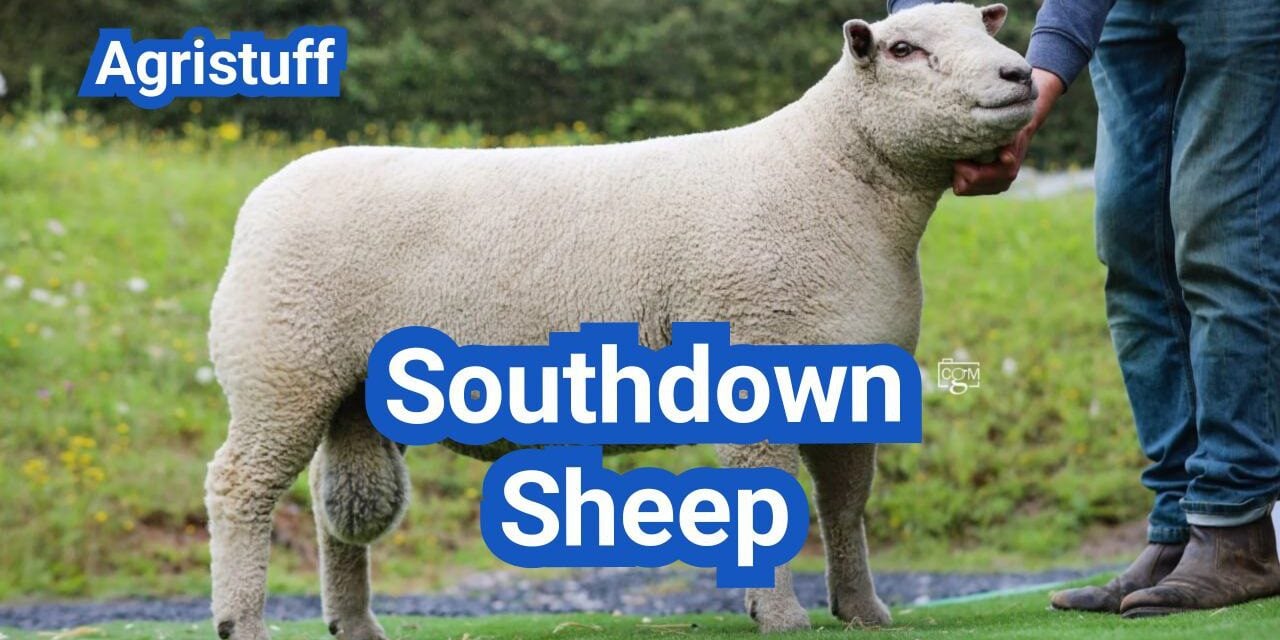
Southdown Sheep are usually described as small to medium-sized, blocky and well-balanced animals with deep bodies and short, strong legs. A typical mature Southdown Sheep ram may weigh around 190–230 pounds, while ewes often range between 130–180 pounds, making them substantial yet still easy to handle. The face and legs of Southdown Sheep show a distinctive mouse-grey to brown color and are covered with fine hair and short wool, while the body fleece is white, dense and of medium grade. Southdown Sheep are naturally polled, meaning hornless, and they are known for strong hooves and overall sturdy conformation that supports longevity in pasture-based systems. Oklahoma State University – Breeds of Livestock
Meat production qualities of Southdown Sheep
For meat production, Southdown Sheep have a long-standing reputation for producing fine-grained, tender lamb with excellent flavor and a high proportion of lean, meaty cuts. Because Southdown Sheep tend to finish well on grass and reach market weights efficiently, they are particularly attractive to U.S. farmers who sell freezer lamb or serve local butcher markets. The moderate frame size of Southdown Sheep leads to carcasses that yield practical, consumer-friendly cut sizes, which appeal to health-conscious and urban customers who prefer smaller roasts and chops. Many farmers choose Southdown Sheep sires to enhance carcass quality and early maturity in crossbred lambs, while still benefiting from the breed’s calm temperament. American Sheep Industry Association
Wool and fiber from Southdown Sheep
Although meat is the primary product from Southdown Sheep on many farms, their wool can provide valuable additional income or home-use fiber. The fleece from Southdown Sheep is generally considered a medium wool with a short to medium staple, often around 1.5 to 2.5 inches, and dense crimp that produces resilient, elastic yarn. Handspinners appreciate Southdown Sheep wool for durable garments such as socks, mittens and hats, and small fiber mills often blend it with other wools to enhance elasticity. Because Southdown Sheep produce a uniform fleece over a compact body, they can be an efficient choice for small-scale fiber enterprises and local wool markets in many parts of the United States. Encyclopaedia Britannica – Southdown Sheep
Temperament and behavior of Southdown Sheep
One of the most attractive features of Southdown Sheep is their temperament, which is widely described as quiet, gentle and easy to manage. Southdown Sheep are often recommended for beginning shepherds and families because they tend to respond well to calm handling and can be halter trained with patience and consistency. Their moderate size and cooperative nature reduce stress and risk during routine tasks such as vaccinations, hoof trimming, shearing and weighing. For youth projects, Southdown Sheep are especially popular because their steady behavior allows young handlers to gain confidence and skills while working with an animal that is less intimidating than many larger breeds. University of Minnesota Extension – Sheep resources
Breeding and reproduction in Southdown Sheep
From a reproductive standpoint, Southdown Sheep are known for good fertility, strong libido in rams and solid lambing percentages when properly managed. Southdown Sheep ewes are capable of producing twins regularly and may sometimes deliver triplets, particularly when nutrition and body condition are well maintained before breeding. Early maturity is another strength: Southdown Sheep lambs typically grow quickly, and breeding animals often reach puberty in time for use as yearlings, which helps shorten the generation interval in a flock. Careful selection of Southdown Sheep breeding stock for sound structure, good udders, wide pelvises and calm temperament helps maintain easy lambing and strong maternal behavior across generations. South Dakota State University Extension – Sheep production
Feeding and nutrition for Southdown Sheep
Like all breeds, Southdown Sheep require balanced nutrition to stay healthy, fertile and productive, but they are generally efficient users of forage and fit well into pasture-based diets. During the growing season, many farmers in the United States maintain Southdown Sheep on good-quality pastures, supplementing with mineral mixes and, when necessary, small amounts of grain or high-quality hay for late-gestation ewes and fast-growing lambs. Because Southdown Sheep are relatively compact and thrifty, they can perform well on marginal land if stocking rates and pasture rotations are carefully managed. For best results, producers should work with local extension specialists and nutrition advisers to design rations that keep Southdown Sheep in ideal body condition throughout the year. Oregon State University Extension
Housing and facilities for Southdown Sheep
Southdown Sheep are adaptable and can thrive in a range of housing situations as long as they have protection from wind, rain and extreme heat or cold. In many regions of the United States, Southdown Sheep can live outdoors year-round with access to simple three-sided shelters and dry bedding, while more enclosed barns are useful for lambing and during severe weather.
Because Southdown Sheep are moderately sized, their space requirements are lower than those of some large-frame breeds, which can reduce the cost of barns and handling systems. Well-designed handling facilities allow Southdown Sheep to move calmly through alleys, chutes and pens, making it easier to perform health checks and routine tasks without unnecessary stress. University of Massachusetts – Livestock housing resources
Health, parasites and biosecurity in Southdown Sheep
Southdown Sheep are generally hardy, but good health management is still critical for long-term productivity and welfare. As grazing animals, Southdown Sheep are vulnerable to internal parasites such as barber pole worm, and modern best practices recommend rotational grazing, fecal egg count monitoring and targeted deworming rather than routine blanket treatments. Sound hoof care is also important because Southdown Sheep can suffer from foot problems if kept on wet or dirty ground for long periods. A flock health plan that includes vaccinations, quarantine of new or returning Southdown Sheep, and close collaboration with a veterinarian or extension specialist will help keep disease risks low and performance high. University of Arkansas Extension – Sheep & goat health
Southdown Sheep in grazing systems and diversified farms
Because of their grazing style and moderate size, Southdown Sheep integrate well into rotational and multi-species grazing programs on diversified farms. Many producers graze Southdown Sheep ahead of or behind cattle, allowing each species to utilize the pasture differently and improve overall forage use. In orchards and vineyards, Southdown Sheep have been used internationally to manage understory vegetation while causing relatively little damage to trees or vines, thanks to their shorter stature and calm behavior. On small U.S. farms with mixed enterprises, Southdown Sheep can help control weeds, contribute manure to soil fertility and transform otherwise underused forage into marketable lamb, creating more resilient and profitable systems. University of Minnesota Extension – Pasture management
Economics and profitability of Southdown Sheep
When evaluated from an economic perspective, Southdown Sheep can be profitable for operations that match the breed’s strengths with the right markets and management. Grass-fed and locally produced lamb from Southdown Sheep often commands premium prices when marketed directly to consumers, restaurants or specialty butcher shops. Because Southdown Sheep are efficient foragers and relatively easy to handle, labor and infrastructure costs can be lower than for larger or more flighty breeds, which supports better margins. A clear business plan that accounts for feed, veterinary care, breeding stock, shearing and marketing will help determine the most profitable role for Southdown Sheep in a U.S. farm business. SARE – Sustainable livestock enterprise planning
Choosing and buying Southdown Sheep for your farm
For farmers interested in starting or expanding a flock of Southdown Sheep, buying from reputable breeders is a key first step. Visiting farms, attending sales and watching Southdown Sheep in the show ring can reveal how animals perform under various management conditions and help identify breeders who prioritize sound structure, mothering ability and production traits. When evaluating potential purchases, look for Southdown Sheep with strong feet and legs, wide chests, level toplines and calm, alert dispositions, as these features strongly influence longevity and ease of handling. Asking about health records, lambing histories and registration documents will further ensure that your Southdown Sheep flock begins with a solid genetic foundation. American Sheep Industry – Finding breeders and resources
Southdown Sheep for youth projects and hobby flocks
Southdown Sheep are especially popular for youth programs such as 4-H and FFA, as well as for hobby farmers who want friendly, manageable animals. Young handlers often find Southdown Sheep easier to lead, groom and show than many larger or more energetic breeds, which helps them learn responsibility, record keeping and animal care skills in a supportive way. In small hobby flocks, Southdown Sheep can provide family freezer lamb, modest breeding stock sales, or wool for spinning and crafting, all while remaining docile and safe around children. These qualities make Southdown Sheep a practical and enjoyable choice for families who want to combine agricultural education with real on-farm production. University of Minnesota Extension – 4-H sheep project
Final thought
If you are searching for a versatile, time-tested breed that fits well into modern, pasture-based agriculture, Southdown Sheep deserve serious consideration. Southdown Sheep successfully combine early maturity, excellent carcass quality, dense yet useful wool and a calm temperament, making them a strong option for small homesteads, diversified farms and youth programs across the United States. By pairing good genetics in Southdown Sheep with thoughtful nutrition, grazing management, health care and marketing strategies, you can build a resilient flock that contributes to both farm profitability and long-term stewardship of your land. Learn more about Southdown Sheep
Sources & References
- American Southdown Breeders’ Association
- The Livestock Conservancy – Heritage breeds information
- Southdown Sheep – Wikipedia
- Oklahoma State University – Breeds of Livestock
- American Sheep Industry Association
- Oregon State University Extension
- South Dakota State University Extension – Sheep
- University of Minnesota Extension
- University of Arkansas Extension – Small ruminants
- University of Massachusetts – Livestock resources
- SARE – Sustainable livestock management