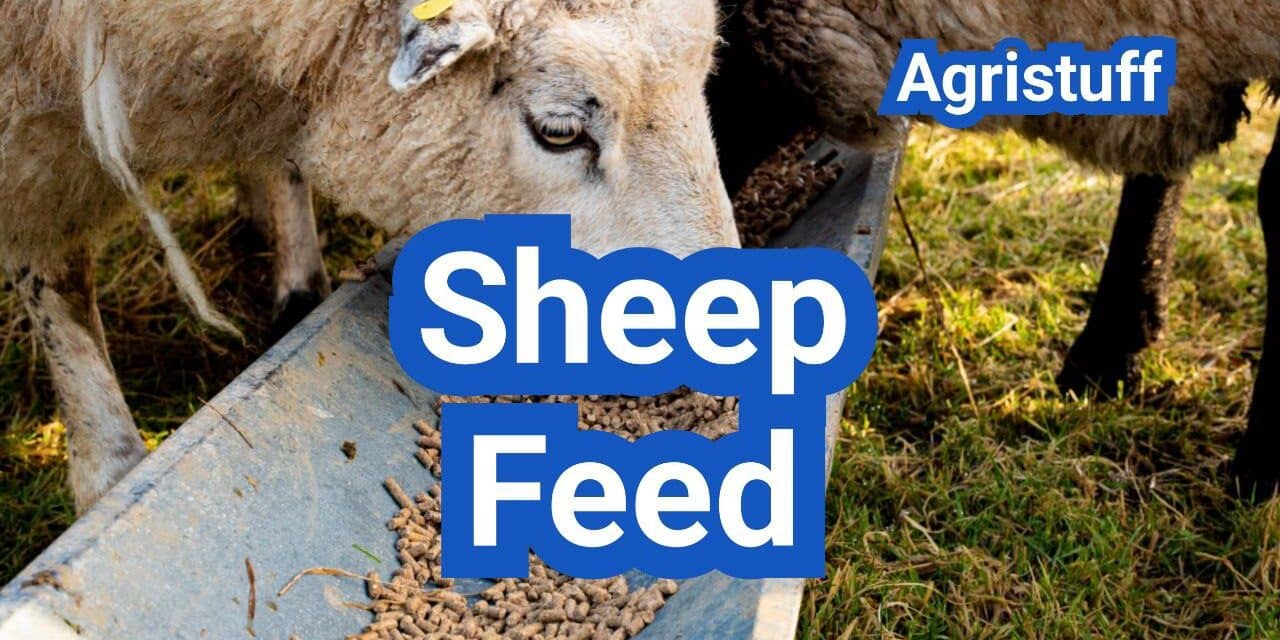
Proper nutrition is crucial for the health and productivity of sheep throughout their various life stages. A well-balanced diet ensures that sheep receive the necessary energy, protein, and minerals to thrive. The nutritional requirements of sheep vary significantly depending on their age, weight, production stage, and activity level.
For instance, lactating ewes have higher crude protein (CP) requirements, typically between 16-18%. Understanding these nutritional needs is essential for farmers and shepherds to optimize their flock’s health and productivity. This guide provides an overview of the nutritional targets for sheep at different life stages, helping you make informed decisions about their diet.
Key Takeaways
- Sheep nutritional requirements vary by life stage.
- Lactating ewes require 16-18% crude protein.
- Proper nutrition is key to health and productivity.
- Nutritional needs include energy, protein, and minerals.
- A well-balanced diet is crucial for sheep health.
Understanding Sheep Nutrition Fundamentals

Sheep nutrition is a complex topic that involves more than just providing food; it’s about creating a balanced diet. A deep understanding of sheep nutrition fundamentals is essential for sheep farmers and caregivers to ensure the health and productivity of their flock.
The Unique Digestive System of Sheep
Sheep have a unique digestive system that allows them to thrive on a diet high in fiber. Their four-chambered stomach, including the rumen, reticulum, omasum, and abomasum, enables them to break down and extract nutrients from plant-based foods efficiently.
Key Nutrients Required for Healthy Sheep
Sheep require a balanced diet that includes water, energy, protein, minerals, and vitamins.
- Energy: Provided through carbohydrates, it’s crucial for maintaining bodily functions, growth, and production.
- Protein: Essential for growth, repair, and production (wool, milk, etc.).
- Minerals and Vitamins: Critical for various bodily functions, including bone health, immune function, and overall well-being.
Sheep nutrition is not just about providing any food; it’s about ensuring that the diet is balanced and meets the nutritional needs at different life stages.
Ensuring that sheep receive the right nutrients in the correct proportions is vital. A forage-first diet with gradual changes supports rumen health, and understanding the key nutrients required helps in creating a comprehensive sheep feed guide.
Comprehensive Sheep Feed Types and Selection

Sheep feed types vary widely, and choosing the appropriate feed is essential for meeting the nutritional needs of your flock. The nutritional requirements for sheep change depending on their production stage, such as growth, reproduction, or lactation. Therefore, understanding the different types of sheep feed and their impact on various aspects of sheep production is crucial.
Impact on Growth and Development
The type of feed provided to sheep significantly affects their growth and development. For instance, lambs require a diet rich in protein and energy to support their rapid growth during the early stages of life. High-quality starter feeds that contain adequate protein (around 18-20%) are essential for promoting healthy growth.
“Nutrition plays a critical role in the development of young lambs,” as noted by agricultural experts. “A well-balanced diet ensures they reach their full potential in terms of size and health.”
Effect on Wool, Meat, and Milk Production
The quality and quantity of sheep feed directly influence wool, meat, and milk production. For example, sheep raised for wool production require a diet that supports the growth of high-quality fleece. This involves ensuring adequate protein intake, as well as essential minerals like copper and zinc.
- For meat production, sheep need a diet that promotes efficient growth and muscle development.
- Dairy sheep, on the other hand, require a nutrient-rich diet that supports milk production, including sufficient energy, protein, and calcium.
Evaluating Feed Quality and Freshness
Evaluating the quality and freshness of sheep feed is vital to ensure it meets the nutritional needs of the flock. Feed that is moldy, stale, or contaminated can be harmful to sheep health. Farmers should regularly inspect feed for signs of spoilage and store it properly to maintain its quality.
Regular testing of feed nutrient content can also help in making informed decisions about feed selection and supplementation.
Nutritional Requirements for Pregnant Ewes

Pregnant ewes have unique nutritional needs that vary throughout their gestation period. Ensuring they receive the right nutrients at the right time is crucial for their health and the development of their lambs.
Early Gestation Feed Program
During early gestation (the first 100 days), the nutritional demands on ewes are relatively moderate. The focus should be on maintaining body condition rather than maximizing fetal growth. A diet with moderate energy and protein levels is typically sufficient.
According to a study published in the Journal of Animal Science, “During early gestation, ewes can be maintained on a diet of good-quality hay, with minimal supplementation unless they are in poor body condition.”
“Ewes in early gestation can thrive on a diet that includes high-quality forage, with adjustments made based on their body condition score.”
Journal of Animal Science
Late Gestation TDN and CP Targets
Late gestation (the last 50-60 days) is a critical period for fetal growth, with 70-80% of fetal development occurring during this time. Nutritional requirements increase significantly, particularly for energy and protein.
| Nutritional Component | Early Gestation | Late Gestation |
|---|---|---|
| TDN (%) | 55-60 | 65-70 |
| CP (%) | 12 | 14-16 |
Proper nutrition during late gestation is critical for preventing metabolic disorders and ensuring the ewe is prepared for lactation.
Preventing Pregnancy Toxemia Through Proper Feeding
One of the significant risks during late gestation is pregnancy toxemia, a metabolic disorder caused by inadequate energy intake. To prevent this, ewes should be fed a diet that meets their increased energy requirements, and body condition should be closely monitored.
As noted by agricultural experts, “Monitoring body condition and adjusting the diet accordingly can significantly reduce the risk of pregnancy toxemia.” Ensuring that ewes receive adequate nutrition, particularly in late gestation, is vital for their health and productivity.
Lactating Ewe Feed Programs

Lactating ewes need a diet rich in energy and protein to maintain their health and produce sufficient milk for their lambs. According to nutritional experts, “a lactating ewe’s diet should be formulated to meet her increased energy and protein requirements, ensuring the health and well-being of both the ewe and her lambs.”
Energy and Protein Requirements During Lactation
During lactation, ewes have significantly higher energy and protein needs. It is recommended that lactating ewes receive a diet with 16-18% crude protein (CP) to support milk production. Energy requirements are also elevated, with lactating ewes needing a diet that provides sufficient total digestible nutrients (TDN) to meet their energy demands.
The exact energy and protein requirements can vary depending on factors such as the ewe’s breed, size, and the number of lambs she is nursing. Generally, a lactating ewe requires a diet that is dense in both energy and protein to support peak milk production.
Water Requirements for Lactating Ewes
Adequate water intake is crucial for lactating ewes, as it directly impacts their ability to produce milk. Lactating ewes need access to clean, fresh water at all times. The water requirement for lactating ewes is higher than for non-lactating ewes, with a general guideline being that they need approximately 1-2 gallons of water per ewe per day, depending on factors like climate, diet, and milk production level.
Adjusting Feed Based on Number of Lambs
The number of lambs a ewe is nursing is a critical factor in determining her nutritional needs. Ewes nursing twins or triplets require more energy and protein than those nursing a single lamb. Feed adjustments should be made accordingly to ensure that ewes nursing multiple lambs receive sufficient nutrients to support the growth and development of their lambs.
For example, a ewe nursing twins may require a diet with a higher percentage of crude protein and more total digestible nutrients compared to a ewe nursing a single lamb. Farmers and shepherds should monitor the condition and performance of their lactating ewes and adjust their feeding programs as necessary to meet the demands of lactation.
Feeding Growing Lambs for Optimal Development

Optimal growth in lambs is directly linked to their nutritional intake, emphasizing the need for a well-balanced diet. Growing lambs require a diet that supports their rapid growth and development, particularly in terms of muscle growth and overall health.
Creep Feed Formulations and Protein Percentages
Creep feed is a crucial component in the diet of growing lambs, providing them with the necessary nutrients for growth before weaning. The protein percentage in creep feed is particularly important, as it directly impacts the lamb’s development. A protein content of 14-16% is generally recommended for creep feed to support optimal growth.
The formulation of creep feed should also consider the energy requirements of the lambs. A balanced mix of energy and protein ensures that the lambs receive comprehensive nutrition.
Weaned Lamb Nutrition: Balancing Energy and Protein
After weaning, lambs continue to require a balanced diet that meets their energy and protein needs. The nutritional requirements may vary depending on factors such as breed and growth rate. Generally, weaned lambs require a diet with a slightly lower protein content compared to creep feed, around 12-14% crude protein.
Balancing energy and protein in weaned lamb nutrition is critical for supporting their continued growth and development. Adequate energy is necessary for maintaining overall health and facilitating growth.
Growth Benchmarks and Feed Adjustments
Monitoring the growth of lambs is essential for determining whether their nutritional needs are being met. Regular weighing and body condition scoring can help identify any nutritional deficiencies or excesses. Adjustments to their feed can then be made accordingly to ensure optimal growth.
Growth benchmarks vary depending on the breed and sex of the lambs. For instance, ram lambs typically grow faster than ewe lambs. Understanding these benchmarks is crucial for making informed decisions about feed adjustments.
Market Lamb Feeding Programs

A well-designed feeding program for market lambs is essential for maximizing their growth potential. Market lambs require high-protein diets to support rapid muscle growth, typically in the range of 16-18% crude protein (CP). The feeding program should be tailored to achieve optimal growth rates while ensuring the lambs are finished to the desired market weight.
Finishing Rations for Meat Production
Finishing rations play a critical role in market lamb production. These rations are formulated to provide the necessary nutrients for lambs to reach their market weight efficiently. A typical finishing ration for market lambs includes a mix of grains, such as corn or barley, and a protein source, like soybean meal. The energy content of the ration is also crucial, with a total digestible nutrient (TDN) level that supports growth.
Example of Finishing Ration Composition:
| Ingredient | Percentage |
|---|---|
| Corn | 60% |
| Soybean Meal | 20% |
| Hay | 15% |
| Mineral Supplement | 5% |
Feed Conversion Efficiency in Market Lambs
Feed conversion efficiency (FCE) is a measure of how effectively lambs convert feed into body weight gain. It is an important metric for evaluating the profitability of a market lamb feeding program. Factors influencing FCE include the nutritional quality of the feed, the breed and genetics of the lambs, and management practices.
Improving FCE can be achieved through:
- Optimizing the nutrient composition of the feed
- Ensuring adequate bunk space to reduce competition
- Implementing a consistent feeding schedule
Timing and Transition Strategies
The timing and transition of market lambs to different feeding programs are critical for their performance. Lambs should be gradually introduced to finishing rations to prevent digestive upset. This transition period typically lasts 7-10 days.
Monitoring the lambs’ response to the feeding program and making adjustments as necessary is crucial. Regular weighing and body condition scoring can help identify any issues early on, allowing for timely interventions.
Specialized Sheep Feed for Different Purposes

The nutritional requirements of sheep vary significantly depending on whether they are raised for meat, dairy, or wool production. Understanding these differences is crucial for producers to optimize their flock’s performance and achieve their production goals.
Meat Sheep Feed Formulations
Meat sheep, also known as market lambs, require feed formulations that promote rapid growth and efficient feed conversion. High-energy diets are typically used to finish lambs for market, with a focus on grains and concentrates. According to the National Research Council, the energy requirements for growing lambs can range from 2.5 to 3.5 Mcal/kg of metabolizable energy.
A study on feedlot lambs found that diets with higher energy density resulted in improved average daily gain and feed efficiency (1). This is supported by a quote from a leading agricultural research institution:
“The key to successful lamb feeding is providing a diet that is high in energy and protein, while also ensuring adequate fiber to maintain rumen health.”
Dairy Sheep Nutritional Requirements
Dairy sheep have different nutritional needs compared to meat sheep, with a focus on high-quality forages and balanced concentrates to support milk production. Dairy sheep require a diet rich in energy, protein, and specific minerals like calcium and phosphorus to maintain milk yield and overall health.
- Energy requirements are higher for lactating ewes, especially during early lactation.
- Protein quality and quantity are crucial for milk production.
- Mineral and vitamin supplementation is necessary to prevent deficiencies.
Wool Sheep Feed for Fiber Quality
Wool sheep require specific nutrients to produce high-quality fiber. Adequate protein is essential for wool growth, while minerals like copper and zinc play a critical role in fiber quality. A well-balanced diet that includes these nutrients can improve wool production and quality.
| Nutrient | Role in Wool Production |
|---|---|
| Protein | Essential for wool growth and strength |
| Copper | Influences wool pigmentation and strength |
| Zinc | Important for wool follicle health |
Essential Minerals in Sheep Feed

Minerals play a crucial role in the overall health and well-being of sheep, affecting everything from growth to reproduction. A balanced mineral profile is essential for maintaining optimal physiological functions.
Copper Levels and Toxicity Concerns
Copper is a vital mineral for sheep, necessary for various bodily functions including connective tissue health and immune function. However, copper toxicity is a significant concern due to its potential for causing severe health issues. The tolerance for copper varies among sheep breeds, making it crucial to monitor copper levels in feed carefully.
To avoid copper toxicity, it’s essential to be aware of the copper content in the sheep’s diet, including any supplements or minerals provided. Regular monitoring and adjustments based on the sheep’s health and dietary needs can help prevent toxicity.
Selenium Requirements and Deficiency Signs
Selenium is another critical mineral for sheep, playing a key role in antioxidant functions and protecting against oxidative stress. A deficiency in selenium can lead to conditions such as white muscle disease in lambs, characterized by muscle weakness and degeneration.
Signs of selenium deficiency include poor growth rates, reproductive issues, and increased susceptibility to diseases. Ensuring adequate selenium intake through feed or supplements is vital, especially in regions where selenium-deficient soils are common.
Calcium to Phosphorus Ratio Importance
The balance between calcium and phosphorus is crucial for sheep, as it affects bone health, growth, and reproductive performance. An optimal calcium to phosphorus ratio is necessary to prevent metabolic disorders and ensure proper skeletal development.
A ratio that is too high or too low can lead to issues such as rickets in young animals or reduced fertility in breeding stock. Farmers and shepherds should be aware of the calcium and phosphorus content in their sheep’s feed and adjust as necessary to maintain an optimal ratio.
Forage as the Foundation of Sheep Feed

Forage plays a critical role in sheep nutrition, serving as the primary source of energy, protein, and minerals. The quality and quantity of forage directly impact the overall health and productivity of the flock.
High-quality forage is essential for maintaining optimal sheep nutrition. It provides the necessary nutrients for growth, development, and production, whether it’s for meat, milk, or wool.
Interpreting Forage Test Results
Understanding forage test results is crucial for making informed decisions about sheep nutrition. Forage testing provides detailed information on the nutrient content of the forage, including energy, protein, and mineral levels.
When interpreting forage test results, it’s essential to consider the specific nutritional needs of the sheep. For example, lactating ewes require higher levels of energy and protein compared to dry ewes.
Balancing Hay Quality with Supplements
Balancing hay quality with supplements is vital to ensure that the nutritional needs of the sheep are met. High-quality hay can provide a significant portion of the required nutrients, but supplements may be necessary to fill any gaps.
The type and amount of supplement will depend on the quality of the hay, the nutritional needs of the sheep, and the production goals. For instance, if the hay is low in protein, a protein supplement may be necessary.
Pasture Management for Nutritional Optimization
Effective pasture management is critical for optimizing sheep nutrition. This includes strategies such as rotational grazing, maintaining optimal pasture height, and ensuring adequate pasture fertility.
By managing pastures effectively, farmers can improve the quality and quantity of forage available to their sheep, leading to better nutritional outcomes and improved flock health.
Practical Sheep Feeder Designs and Plans

A well-designed sheep feeder is essential for reducing feed waste and ensuring that your sheep receive adequate nutrition. The design and layout of your sheep feeder can significantly impact the health, productivity, and overall performance of your flock.
DIY Sheep Feeder Options | Sheep Feed Guide
Creating your own sheep feeder can be a cost-effective solution. DIY sheep feeder options range from simple designs using wooden pallets to more complex constructions involving metal pipes. When building a DIY feeder, consider using durable materials that can withstand the elements and the sheep’s feeding behavior.
Key considerations for DIY sheep feeders:
- Durability and weather resistance
- Ease of access for the sheep
- Minimizing feed waste
- Adjustability to accommodate different ages and sizes of sheep
Optimal Feeder Dimensions and Spacing
The dimensions and spacing of your sheep feeder are critical to ensure that all sheep have adequate access to feed without competition or waste. The optimal dimensions will depend on the size and age of your sheep, as well as the type of feed being provided.
| Sheep Category | Feeder Space per Sheep | Feeder Height |
|---|---|---|
| Lambs | 6-8 inches | 12-18 inches |
| Ewes | 18-24 inches | 24-30 inches |
| Rams | 24-30 inches | 30-36 inches |
Round Bale Feeders for Efficient Hay Delivery
Round bale feeders are designed to minimize waste when feeding hay to sheep. These feeders allow sheep to access the hay while preventing them from pulling out large amounts and trampling it.
When selecting a round bale feeder, consider the size of your hay bales and the number of sheep you need to feed. Some round bale feeders are designed to hold multiple bales, making them ideal for larger flocks.
Hay Feeders vs. Feed Troughs vs. Feed Bunks
The type of feeder you choose will depend on the type of feed you are providing and the specific needs of your sheep. Hay feeders are designed for feeding hay, while feed troughs and feed bunks are often used for grains and concentrates.
Comparison of Feeder Types:
- Hay feeders: Ideal for round or square bales, minimizing waste.
- Feed troughs: Suitable for grains and concentrates, easy to clean.
- Feed bunks: Long, narrow feeders ideal for feeding grains to multiple sheep.
By choosing the right feeder design and layout, you can improve the efficiency of your feeding operations and promote the health and productivity of your sheep.
Water Requirements and Delivery Systems
Water is a vital nutrient for sheep, playing a central role in their digestive and metabolic processes. Ensuring that sheep have access to clean, fresh water at all times is crucial for maintaining their health, productivity, and overall well-being.
Daily Water Needs by Life Stage | Sheep Feed Guide
The daily water needs of sheep vary significantly depending on their life stage, production level, and environmental conditions. For instance, lactating ewes require more water compared to non-lactating ewes due to the high demand for milk production. Generally, sheep need between 1 to 4 gallons of water per day, with lactating ewes potentially requiring up to 6 gallons or more per day.
It’s essential to consider these varying needs when planning water delivery systems to ensure that all sheep have adequate access to water. Factors such as temperature, humidity, and the type of feed also influence water intake.
Water Quality Considerations | Sheep Feed Guide
The quality of water provided to sheep is just as important as the quantity. Sheep are sensitive to water contaminants, which can include bacteria, viruses, nitrates, and high levels of minerals such as sulfur. Regular testing of water sources is recommended to identify any potential contaminants.
Poor water quality can lead to a range of health issues, from reduced feed intake and growth rate to more severe conditions like waterborne diseases. Ensuring that water delivery systems are clean and well-maintained is critical.
Winter and Summer Watering Strategies
Sheep have different water needs during various seasons. In the winter, it’s crucial to ensure that water does not freeze, as sheep will not drink ice. Using heated waterers or changing the water frequently can help prevent freezing.
In the summer, providing shade and ensuring that water is cool and readily available can help mitigate heat stress. Increasing the number of water stations during hot weather can also help ensure that all sheep have access to water.
By understanding and addressing the water requirements of sheep across different life stages and environmental conditions, farmers can improve the health and productivity of their flock.
Feed Management Strategies for Sheep Flocks

Managing feed for sheep flocks requires careful consideration of several key factors. Effective feed management is crucial for maintaining the health and productivity of sheep flocks. It involves not only providing the right nutrition but also ensuring that the feed is delivered in a manner that minimizes waste and reduces competition among the animals.
Bunk Space Requirements to Reduce Competition
Adequate bunk space is essential to prevent competition for feed among sheep. When there is insufficient bunk space, dominant animals may monopolize the feed, leaving less competitive sheep without adequate nutrition. The recommended bunk space varies depending on the age and size of the sheep.
| Sheep Category | Recommended Bunk Space (inches) |
|---|---|
| Lambs | 10-12 |
| Ewes | 18-24 |
| Rams | 24-30 |
Feed Delivery Timing and Frequency
The timing and frequency of feed delivery can significantly impact the feeding behavior and overall health of sheep. Delivering feed at consistent times helps to establish a routine, reducing stress and promoting efficient feeding.
- Deliver feed at the same times each day.
- Consider the nutritional needs of different age groups.
- Adjust feed delivery frequency based on production stages (e.g., lactation, gestation).
Managing Mixed Age Groups | Sheep Feed Guide
Managing feed for mixed age groups requires careful planning to ensure that all animals receive appropriate nutrition. Different age groups have varying nutritional requirements, and feed should be formulated or adjusted accordingly.
Key Considerations:
- Separate feeding for different age groups if possible.
- Use feed formulations that meet the nutritional needs of the most demanding group.
- Monitor body condition scores to adjust feeding strategies.
By implementing these feed management strategies, sheep producers can improve the health, productivity, and overall well-being of their flocks.
Body Condition Scoring and Feed Adjustments
Assessing the body condition of sheep is essential for making informed feeding decisions. Body condition scoring (BCS) is a valuable tool that helps farmers evaluate the nutritional status and health of their flock. By understanding the body condition score of their sheep, farmers can make targeted feed adjustments to ensure optimal health and productivity.
How to Score Body Condition in Sheep
Body condition scoring involves evaluating the amount of fat cover over the lumbar vertebrae and surrounding areas. The score typically ranges from 1 to 5, with 1 being emaciated and 5 being obese. A score of 3 is generally considered optimal for most sheep. To score body condition, farmers should:
- Feel the lumbar vertebrae and assess the amount of fat cover
- Evaluate the muscle and fat cover over the loin and ribs
- Consider the overall appearance and condition of the sheep
Feeding Adjustments Based on BCS | Sheep Feed Guide
Once the body condition score is determined, farmers can make informed feeding adjustments. For sheep with a low BCS (less than 2.5), increasing the energy density of the diet can help improve body condition. Conversely, for sheep with a high BCS (greater than 4), reducing the energy intake can prevent obesity-related issues.
Key feeding adjustments based on BCS include:
- Increasing or decreasing the amount of concentrate feed
- Adjusting the quality and quantity of forage
- Supplementing with specific nutrients as needed
Seasonal Considerations for Body Condition
Seasonal changes can significantly impact the body condition of sheep. For example, during periods of lush pasture growth, sheep may gain weight, while during drought or winter months, they may lose condition. Farmers should adjust feeding strategies accordingly to maintain optimal body condition throughout the year.
For instance, in winter, providing additional energy-dense feeds can help maintain body condition, while in summer, ensuring access to high-quality pasture can support optimal nutrition.
Using Feed Ration Calculators for Precision Nutrition
Precision nutrition is crucial for optimizing sheep feed, and feed ration calculators are invaluable tools in achieving this goal. By utilizing these calculators, sheep producers can create customized feeding plans tailored to the specific needs of their flocks.
Feed ration calculators simplify the complex process of formulating diets for sheep by taking into account various nutritional requirements and feed ingredients. This enables farmers to make informed decisions about their feeding strategies, ultimately leading to improved flock health and productivity.
Available Tools and Resources | Sheep Feed Guide
Several feed ration calculators are available to sheep producers, ranging from simple online tools to more sophisticated software programs. Some popular options include:
- Online feed ration calculators provided by agricultural universities or extension services
- Commercial livestock nutrition software
- Spreadsheet-based ration formulation tools
These resources vary in complexity and functionality, but all aim to help producers formulate balanced diets for their sheep.
Interpreting Calculator Results | Sheep Feed Guide
Once a feed ration calculator has been used to formulate a diet, it’s essential to interpret the results correctly. The output typically includes information on the nutritional content of the proposed ration, such as energy, protein, and mineral levels.
Producers should compare these values against the nutritional requirements of their sheep, taking into account factors like age, production stage, and breed. Any imbalances or deficiencies identified should be addressed by adjusting the ration formulation.
Fine-Tuning Rations Based on Performance
After implementing a feeding plan generated by a feed ration calculator, it’s crucial to monitor the performance of the flock and make adjustments as needed. This may involve tweaking the ration formulation based on factors such as:
- Weight gain or loss
- Milk production levels
- Wool quality
- Overall health and condition
By continuously fine-tuning their feeding strategies, sheep producers can optimize their operations for maximum efficiency and profitability.
Precision nutrition through feed ration calculators represents a significant step forward in sheep production, enabling farmers to make data-driven decisions and improve the overall well-being of their flocks.
Commercial Sheep Feed Options in the U.S.
Sheep producers in the U.S. have access to a wide array of commercial feed options designed to meet specific nutritional needs across different life stages and production systems. The commercial sheep feed industry is diverse, with various suppliers offering a range of feed types tailored to different aspects of sheep production, such as growth, lactation, and wool production.
Feed Types Available at Major Suppliers
Major suppliers in the U.S. offer a variety of commercial sheep feeds, including starter feeds for lambs, maintenance feeds for adult sheep, and finishing feeds for market lambs. These feeds come in different formulations to cater to the nutritional requirements of sheep at various life stages. For instance, creep feeds are designed for young lambs to support their growth and development, while finishing feeds are formulated to enhance the quality and quantity of meat in market lambs.
Reading and Understanding Feed Labels
Understanding the information on commercial sheep feed labels is crucial for making informed decisions. Feed labels typically include details about the feed’s nutritional content, such as crude protein percentage, total digestible nutrients (TDN), and minerals. Producers should pay close attention to these details to ensure the feed meets the nutritional needs of their flock.
Cost-Benefit Analysis of Commercial Feeds
Conducting a cost-benefit analysis is essential when selecting commercial sheep feeds. This involves evaluating the cost of the feed against its benefits, such as improved growth rates, enhanced milk production, or better wool quality. Producers should consider factors like feed conversion efficiency and the overall impact on their operation’s profitability. A cost-benefit analysis helps in identifying the most economical feed options that meet the nutritional requirements of the flock.
By carefully evaluating the available commercial sheep feed options, understanding feed labels, and conducting thorough cost-benefit analyses, U.S. sheep producers can make informed decisions that support the health and productivity of their flocks.
Seasonal Sheep Feed Adjustments
As the seasons change, sheep farmers must adjust their feeding strategies to meet the evolving nutritional needs of their flock. Seasonal feed adjustments are crucial for maintaining the health, productivity, and overall well-being of sheep.
Winter Feeding Strategies | Sheep Feed Guide
During winter, sheep require more energy to maintain their body temperature. Increased energy needs can be met by providing high-quality hay or grains that are rich in digestible nutrients. Farmers should ensure that their flock has access to adequate nutrition to withstand the cold.
Winter feeding strategies may include:
- Providing extra hay or grain to compensate for the cold
- Ensuring access to clean, unfrozen water
- Monitoring body condition scores to adjust feeding accordingly
Summer Heat Stress Nutritional Management
Summer brings its own set of challenges, including heat stress. Sheep experiencing heat stress may reduce their feed intake, impacting productivity. Nutritional management during this period involves providing feeds that are less likely to increase metabolic heat production.
Strategies for managing summer heat stress include:
- Offering feeds with higher moisture content
- Providing shade and adequate ventilation
- Adjusting feeding times to cooler parts of the day
Breeding Season Feed Adjustments | Sheep Feed Guide
The breeding season requires specific nutritional adjustments to ensure optimal reproductive performance. Nutritional preparation before breeding can enhance fertility and fecundity.
Breeding season feed adjustments may involve:
- Flushing ewes with high-energy feeds before breeding
- Ensuring rams are in optimal body condition
- Managing feed to support embryonic development
By implementing these seasonal sheep feed adjustments, farmers can improve the overall health and productivity of their flock, leading to better outcomes in terms of growth, reproduction, and product quality.
Creating a Comprehensive Sheep Feed Program
Developing a comprehensive sheep feed program is crucial for the health and productivity of sheep. This involves understanding the nutritional needs of sheep at different life stages and production stages, as well as adapting to various environmental conditions.
A well-planned sheep feed program considers factors such as energy, protein, and mineral requirements. It also involves selecting the right feed types, managing feed delivery, and adjusting feed based on the sheep’s body condition score and production stage.
Effective feed management is key to optimizing sheep nutrition. This includes using feed ration calculators, evaluating forage quality, and implementing seasonal feeding strategies. By considering these factors, sheep producers can create a comprehensive sheep feed guide that meets the nutritional needs of their flock.
Ultimately, a comprehensive sheep feed program is essential for promoting the overall health and productivity of sheep. By following the guidelines outlined in this article, sheep producers can develop a feed program that supports the well-being of their animals and enhances their operation’s success.
FAQ
What are the nutritional requirements for pregnant ewes?
Pregnant ewes require a diet rich in energy, protein, and minerals, particularly during late gestation. A well-balanced feed program is crucial to prevent pregnancy toxemia and ensure the health of both the ewe and her lambs.
How do I determine the best feed for my sheep?
The best feed for sheep depends on their life stage, production purpose, and nutritional requirements. Factors such as energy, protein, and mineral needs should be considered when selecting a feed. Consulting with a veterinarian or nutritionist can help determine the most suitable feed.
What is the importance of body condition scoring in sheep?
Body condition scoring is essential to assess the nutritional status and health of sheep. It helps identify animals that require adjustments to their feed program, ensuring they receive the necessary nutrients for optimal health and production.
How often should I feed my sheep?
The frequency of feeding sheep depends on factors such as age, production stage, and feed type. Generally, sheep require access to feed throughout the day, and feed delivery should be timed to minimize competition and ensure all animals have adequate access to nutrients.
What are the water requirements for sheep?
Sheep require access to clean, fresh water at all times. Water needs vary by life stage, with lactating ewes requiring more water than other stages. Ensuring adequate water delivery, particularly during extreme weather conditions, is crucial for maintaining sheep health.
How can I manage feed costs for my sheep flock?
Managing feed costs involves optimizing feed efficiency, selecting cost-effective feed options, and adjusting feed programs according to the nutritional needs of the flock. Strategies such as creep feeding and using feed ration calculators can also help minimize costs.
What are the benefits of using a feed ration calculator?
Feed ration calculators help determine the optimal feed formulation for sheep based on their nutritional requirements. They enable producers to fine-tune rations, reduce waste, and improve feed efficiency, ultimately leading to cost savings and improved flock health.
How do I interpret forage test results for my sheep?
Interpreting forage test results involves understanding the nutritional content of the forage, including energy, protein, and mineral levels. This information can be used to balance hay quality with supplements, ensuring sheep receive a well-rounded diet.
What are the key minerals required by sheep?
Sheep require essential minerals such as copper, selenium, and calcium to maintain optimal health. Deficiencies in these minerals can lead to health issues, and ensuring adequate levels through feed or supplements is crucial.
How can I prevent pregnancy toxemia in my ewes?
Preventing pregnancy toxemia involves providing a well-balanced diet during late gestation, ensuring adequate energy and protein intake, and managing body condition scores. Monitoring ewe health and adjusting feed programs as needed can help minimize the risk of pregnancy toxemia.
Conclusion of: Sheep Feed Guide
Why “Sheep Feed targets” matter more than any single ingredient
A smart Sheep Feed plan is really a set of nutrient targets that change with life stage—maintenance, breeding, pregnancy, lactation, and growth—because a ewe’s needs can jump fast while her rumen capacity may shrink (late gestation), and a lamb’s needs can surge as muscle and bone build. In the U.S., most ration mistakes come from guessing forage quality, underestimating intake limits, or using the wrong mineral mix (especially copper). This guide translates the most-used U.S. extension and veterinary references into practical Sheep Feed targets you can hit with forage, grains, byproducts, and minerals—without overcomplicating it. National Academies
Start every Sheep Feed program with a forage test (because forage is the “real diet”)
In most U.S. flocks, Sheep Feed is forage-first, and your hay or pasture quality decides how much “extra” energy and protein you must buy. A basic forage test (dry matter, crude protein, TDN/energy estimate, NDF, minerals if available) helps you avoid the two expensive errors: feeding grain to cover what good hay already provides, or assuming hay is “fine” when it’s actually too mature and intake-limiting. If you can only do one management upgrade this year, make it routine forage testing plus keeping results by cutting/lot—your life-stage targets become much easier to meet.
Energy targets in Sheep Feed: think “intake limits” and “TDN floors,” not just calories
Energy is usually the first limiting factor in Sheep Feed during late gestation, early lactation, and rapid lamb growth, because intake can’t rise fast enough even when animals are hungry. A practical rule from veterinary nutrition guidance is that sheep often consume about 1.8–2.0% of body weight as dry matter on average, and forage NDF intake can cap consumption (higher NDF = less intake), so energy density must increase when demands rise. For maintenance, a common target is roughly ~50% TDN forage, while high-demand periods may require diets up to ~70% TDN. MSD Veterinary Manual MSD Veterinary Manual: Nutrition of Sheep (TDN, intake limits)
Protein targets in Sheep Feed: hit the % first, then choose the safest sources
Protein in Sheep Feed is best handled as a percentage goal on a dry-matter basis, adjusted by life stage and forage quality. For maintenance, many adult sheep do well when the forage portion supports roughly 7–9% crude protein, while late gestation, lactation, and growing lamb diets can climb toward ~16% crude protein depending on production pressure and forage quality. MSD Veterinary Manual When protein is short, prioritize consistent sources (good alfalfa/legume hay, soybean meal, canola meal) and avoid “quick fixes” that create digestive swings; steady intake supports better rumen function and more predictable performance.
Mineral targets in Sheep Feed: focus on Ca:P balance, salt intake, selenium, and copper safety
Minerals are where Sheep Feed programs most often go wrong—especially when producers use cattle minerals or “all species” tubs. Key anchors: keep calcium higher than phosphorus (commonly near 2:1 Ca:P as a practical target), provide free-choice salt, and match trace minerals to your region (selenium-deficient areas are common). In U.S. guidance, mature sheep may consume about 9 g of salt/day, and selenium requirement is often cited around ~0.3 ppm, while copper must be managed carefully; sheep are sensitive to copper toxicity and copper levels must be controlled based on the product label and total ration. U.OSU+1 OSU: Nutritional Requirements of Sheep—Minerals & Vitamins
Sheep Feed for dry ewes (maintenance): keep it simple and avoid “fat ewe syndrome”
For dry, open ewes (or mid-gestation with singles on decent forage), Sheep Feed should aim for steady rumen health and moderate body condition rather than “pushing” energy. A widely used baseline is 7–9% CP and about ~50% TDN forage quality for maintenance, with clean water and a sheep-safe mineral program. MSD Veterinary Manual If ewes are gaining too much, reduce energy density before you restrict forage access—restriction can increase competition and uneven intake. The goal is a flock that is neither thin nor over-conditioned as you approach breeding and pregnancy transitions. MSD Veterinary Manual: Maintenance targets and common pitfalls
Sheep Feed for flushing and breeding ewes: add energy strategically, not randomly
“Flushing” is a Sheep Feed tactic: increasing energy (and sometimes protein) for a short window before and during early breeding to support ovulation rate and conception—especially in ewes that are slightly thin. The safest approach is to start with forage, then add a modest energy supplement (grain or digestible fiber sources like beet pulp/soy hulls) while keeping minerals consistent and avoiding sudden ration shifts. Veterinary guidance emphasizes that overfeeding concentrates is a common cause of digestive disease, so the “win” is controlled, gradual increases paired with monitoring body condition and intake behavior. MSD Veterinary Manual+1 Body condition scoring basics for managing breeding targets
Sheep Feed for early gestation: maintain condition and protect rumen stability
Early gestation usually doesn’t require a dramatic Sheep Feed upgrade if ewes entered breeding in good condition; the goal is to maintain steady intake and avoid big body condition changes. Practical extension targets often keep early gestation close to maintenance unless forage is poor or weather is severe. MSD Veterinary Manual This is also a good time to confirm your mineral choice is sheep-safe (no cattle minerals), because trace mineral status supports fertility and early fetal development, but excesses can be just as damaging as deficiencies.
Sheep Feed for late gestation: raise nutrient density because intake gets squeezed
Late gestation is where Sheep Feed must become more nutrient-dense, because fetal growth accelerates while rumen space is reduced. One U.S. extension benchmark for the last four weeks of gestation is about 59–65% TDN and 10.5–11.5% crude protein on a dry-matter basis, with dry matter intake in the range of roughly 3.5–4.5 lb/day depending on ewe size and litter size. Penn State Extension The practical move is high-quality hay plus a gradual, measured energy supplement; abrupt grain changes raise acidosis risk, while underfeeding raises ketosis/pregnancy toxemia risk.
Sheep Feed at lambing: transition management is nutrition management
The lambing window is not just “birth”—it’s a Sheep Feed transition where small intake disruptions can show up as weak lamb vigor, poor colostrum intake, and higher metabolic stress in the ewe. Veterinary nutrition references highlight that pregnancy toxemia is driven by negative energy balance in late gestation, and that clean water plus consistent access to palatable feed are foundational. MSD Veterinary Manual The best strategy is to keep the ration consistent for the last weeks pre-lambing, then step up energy density carefully as lactation begins, rather than making abrupt changes on the day lambs hit the ground. MSU: Managing late-pregnant ewe nutrition (intake limits & toxemia risk)
Sheep Feed for lactating ewes: this is the peak-demand phase
Early lactation is typically the highest-demand period in Sheep Feed because milk production surges faster than intake can fully match, especially with twins/triplets. Veterinary guidance notes that late-gestation and lactating ewes may need diets up to ~16% CP and ~70% TDN when production pressure is high and forage quality is only moderate. MSD Veterinary Manual Practically, that means top-quality forage plus an energy supplement (grain or digestible fiber) and a mineral program that supports calcium needs without pushing excess phosphorus—especially important for male lambs and wethers in the system. MSD Veterinary Manual: High-demand targets for lactation
Sheep Feed for rams: plan for two seasons—maintenance and breeding workload
Rams often get ignored in Sheep Feed planning until fertility problems show up. In the off-season, many rams can stay on forage plus minerals and maintain appropriate condition; pre-breeding, the goal is to avoid both obesity (reduced libido/heat tolerance) and thinness (reduced stamina). Mineral status also matters—zinc, selenium, and cobalt are commonly discussed in relation to sperm quality in extension guidance. SDSU Extension A simple management win is to separate rams so they aren’t competing with ewes and to evaluate body condition regularly rather than feeding “by eye.” NMSU: Sheep nutrition guidance including ram considerations
Sheep Feed for nursing lambs: creep feed targets that actually work
Creep feeding is a Sheep Feed tool to help lambs reach growth goals when ewe milk and pasture quality can’t carry the whole load. Many practical feeding guides target a high-protein starter (often around the high teens in CP) with excellent palatability, and they warn against ingredients that don’t fit young lamb physiology. A commonly cited guideline is that lamb creep feed should be high in protein (often ~18–20% CP), energy-dense, and formulated for lambs (not calves), with careful attention to mineral balance and freshness. U.OSU WSU: Feeding Sheep (PDF—creep feeding guidance)
Sheep Feed for weaned, growing, and finishing lambs: match the protein curve to the growth curve
After weaning, Sheep Feed should follow the biology: young lambs need more protein per pound of gain than older lambs. Many U.S. management guides suggest higher protein early in the post-weaning phase, then step down protein as lambs approach finishing weight, while keeping energy adequate and avoiding digestive upsets from rapid concentrate increases. AgriNatural College+1 The most important management detail is consistency—same feeding times, steady bunk access, and gradual changes—because intake swings are where bloat, acidosis, and performance drops begin.
Sheep Feed management that protects performance: water, space, and “slow changes”
Even the best Sheep Feed ration fails if water is limited, dirty, or low-quality, because water intake is tightly tied to dry matter intake. One U.S. extension rule of thumb is that sheep may drink about 1.0–1.5 gallons of water per 4 lb of dry matter consumed, and requirements rise in pregnancy and lactation. SDSU Extension Combine that with enough access space so timid animals aren’t pushed away, and make all concentrate increases gradual to avoid rumen pH crashes. If you’re troubleshooting poor gains or thin ewes, check water and feeding access before you “blame the grain.” SDSU Extension: Sheep water requirements and quality testing
Sheep Feed “audit checklist”: body condition, manure, and mineral labels catch issues early
A practical Sheep Feed audit is simple: score body condition regularly, watch manure consistency (a quick signal for diet change tolerance), and read mineral labels like they matter—because they do. Body condition scoring uses a 1–5 scale and helps you adjust feed before problems become expensive; extension guidance emphasizes that you don’t necessarily want every ewe at the same score year-round, but you do want most of the flock within a healthy working range. Utah State University Extension Pair that with a sheep-specific mineral (no cattle mineral swaps), and you’ll prevent many common nutrition-related losses. USU Extension: Body condition scoring for sheep
Final thought
A dependable Sheep Feed program in the U.S. is less about “secret ingredients” and more about repeating the same smart process: test forage, set life-stage targets, increase nutrient density when intake is limited (late gestation and early lactation), protect mineral safety (especially copper), and monitor body condition like it’s a production KPI. When you do those basics consistently, rations get simpler, health events drop, and your feed dollars buy more pounds of lamb and more viable lambs per ewe exposed.
Sources & References
The Sheep Feed targets and management points in this article are based on U.S. extension publications and veterinary nutrition references.
- Sheep Feed | Purina Animal Nutrition
- How to Feed Sheep, What Not to Feed, Cutting Costs, and More
- Goat & Sheep Feed at Tractor Supply Co.
- 10 Best Sheep Feeds: According to Reviews | Chewy
- Feeding Practices in Sheep – MSD Veterinary Manual
- Ideal Feeding Program for Sheep at Different Growth Stages
- A Complete Guide to Sheep Dietary Requirements for New Owners
- AgriNatural College
- NMSU: Sheep Nutrition (life-stage framework)
- MSD Veterinary Manual: Nutrition of Sheep MSD Veterinary Manual
- OSU Sheep Team: Minerals and Vitamins U.OSU
- SDSU Extension: Sheep Water Requirements and Quality Testing SDSU Extension
- OSU Sheep Team: Mid/Late Gestation Tips s3.wp.wsu.edu
- USU Extension: Body Condition Scoring for Sheep Utah State University Extension
- OSU: Care and Management of Market Lambs AgriNatural College