
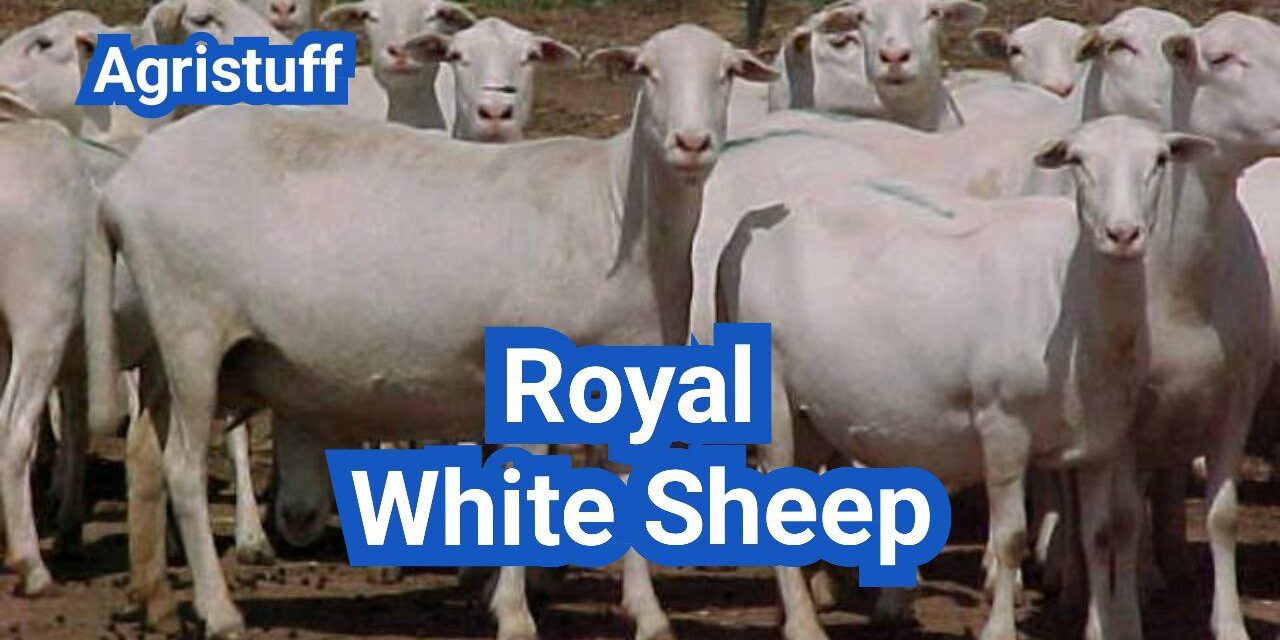
The Royal White Sheep is a relatively new breed developed in the United States, known for its hardiness and efficiency in meat production. This breed has gained popularity due to its unique characteristics and advantages in sheep farming.
Originating in the U.S., the Royal White Sheep was bred to thrive in various environments, making it a versatile choice for farmers. Its history is closely tied to the development of sheep breeding programs aimed at improving meat production.
The breed’s characteristics include a strong constitution and high-quality meat, making it an attractive option for those in the sheep farming industry.
Key Takeaways
- Developed in the United States for hardiness and meat production efficiency.
- Bred to thrive in various environments.
- Known for its strong constitution and high-quality meat.
- A relatively new breed with a growing popularity.
- Versatile choice for sheep farmers due to its unique characteristics.
Understanding Royal White Sheep

With their exceptional growth rate and low maintenance requirements, Royal White Sheep are becoming a preferred breed for many livestock producers. This breed is particularly noted for its parasite resistance and adaptability to various climates, making it an ideal choice for farmers across different regions.
What Makes Royal White Sheep Unique
Royal White Sheep are distinguished by several key characteristics that set them apart from other breeds. Their hardiness and resistance to parasites are significant advantages, reducing the need for frequent veterinary interventions and improving overall flock health.
One of the standout features of Royal White Sheep is their exceptional growth rate. They are known to mature quickly, which is beneficial for meat production. Additionally, their low maintenance requirements make them an attractive option for farmers looking to minimize operational costs.
Key Benefits for Farmers and Breeders
The Royal White Sheep breed offers numerous benefits to farmers and breeders, including:
- Adaptability to various climates
- Resistance to parasites, reducing veterinary costs
- Fast growth rate, improving meat production efficiency
- Low maintenance requirements, minimizing operational costs
To further illustrate the advantages of Royal White Sheep, consider the following comparison with other breeds:
| Breed | Parasite Resistance | Growth Rate | Maintenance Requirements |
|---|---|---|---|
| Royal White Sheep | High | Fast | Low |
| Other Hair Sheep Breeds | Moderate | Medium | Medium |
| Wool Sheep Breeds | Low | Slow | High |
Royal White Sheep stand out due to their high parasite resistance, fast growth rate, and low maintenance needs, making them an excellent choice for modern sheep farming.
History and Origin of Royal White Sheep
The history of Royal White Sheep is closely tied to the efforts of William Hoag and the Dorpcroix Sheep Farm. The breed was developed in Texas, utilizing the Dorper and White Dorper breeds, known for their hardiness and high-quality meat production.
Development by William Hoag
William Hoag is credited with developing the Royal White Sheep breed. His work focused on creating a sheep that combined the best traits of existing breeds, such as the Dorper and White Dorper, to produce a hardy animal suitable for various climates and management systems.
The development process involved careful selection and breeding to achieve the desired characteristics, including a white coat, high growth rate, and resistance to parasites.
The Role of Dorpcroix Sheep Farm
Dorpcroix Sheep Farm played a significant role in the development of the Royal White Sheep. The farm, associated with William Hoag’s breeding program, provided the necessary infrastructure and expertise to breed and refine the new breed.
The farm’s experience with Dorper and White Dorper sheep was instrumental in shaping the Royal White Sheep’s characteristics, ensuring that the breed would be well-suited to a variety of production environments.
Evolution as a Relatively New Breed
As a relatively new breed, the Royal White Sheep has evolved to meet the demands of modern sheep production. Its development reflects the industry’s shift towards breeds that offer high productivity, disease resistance, and adaptability to different climates.
The breed’s evolution is ongoing, with continued selection for desirable traits and adaptation to changing market requirements.
Physical Characteristics of Royal White Sheep

Characterized by their white coat and polled nature, Royal White Sheep exhibit a range of physical characteristics worth exploring. Their distinctive appearance is just one of the many factors that contribute to their popularity among breeders and farmers.
Size and Weight Specifications
Royal White Sheep are known for their medium to large size. Males typically weigh between 200-250 pounds, while females usually range from 150-200 pounds. Their size makes them suitable for various agricultural purposes, including meat production.
The breed’s overall size is complemented by its robust build, which is indicative of their hardiness and adaptability to different environments.
Coat and Appearance Features
One of the most distinctive features of Royal White Sheep is their white coat. This characteristic not only gives them their name but also provides a level of resistance to certain environmental stresses. Their coat is typically smooth and clean, contributing to their overall appearance.
- The coat is white, which helps in heat tolerance.
- Their polled nature means they do not have horns, reducing the risk of injury to themselves and other animals.
- The breed’s overall appearance is robust and healthy, making them a desirable choice for breeding programs.
Distinctive Traits and Identification
Royal White Sheep can be identified by their white coat and polled characteristic. These traits, combined with their size and weight, make them easily recognizable among other sheep breeds.
Some key identification features include:
- Their white coat color.
- The absence of horns.
- A robust build and medium to large size.
These characteristics not only make Royal White Sheep visually distinct but also contribute to their utility and popularity in agricultural settings.
Temperament and Behavior Patterns

The docile nature of Royal White Sheep makes them an ideal choice for farmers and breeders alike. Known for their calm demeanor, these sheep are easy to handle and manage, reducing the stress associated with sheep husbandry.
Natural Disposition and Handling Tolerance
Royal White Sheep are bred to be exceptionally docile, making them suitable for a variety of farming operations. Their calm nature allows for easier handling, which is a significant advantage during routine management practices such as vaccinations, shearing, and hoof trimming. According to breeders, their handling tolerance is one of the standout features that make Royal White Sheep a preferred choice.
“These sheep are incredibly calm and cooperative, making even the most routine tasks a breeze,” says a veteran breeder. Their natural disposition towards being calm and non-aggressive simplifies the handling process, reducing labor costs and improving overall farm efficiency.
Flock Behavior and Social Structure
Royal White Sheep exhibit a strong flocking instinct, which is typical of many sheep breeds. They tend to stay together and follow established leaders within the flock. This flock behavior is beneficial for grazing management, as it allows farmers to manage large groups effectively.
The social structure within a Royal White Sheep flock is generally hierarchical, with dominant individuals leading the way. Understanding this social dynamic is crucial for effective flock management, as it can impact feeding behavior, grazing patterns, and overall flock health.
Interaction with Other Livestock
Royal White Sheep are known to coexist peacefully with other livestock, making them a versatile addition to mixed farming operations. Their calm nature helps in reducing conflicts with other animals, creating a more harmonious farm environment.
- Ease of integration with cattle and other grazing animals
- Reduced aggression towards other livestock
- Improved overall farm dynamics
By understanding the temperament and behavior patterns of Royal White Sheep, farmers and breeders can better manage their flocks, leading to improved welfare and productivity. Their docile nature, combined with their strong flocking instinct, makes them an excellent choice for a wide range of farming systems.
How to Start Breeding Royal White Sheep

Establishing a Royal White Sheep breeding program involves several key steps, from selecting the right breeding stock to managing the breeding season effectively. Breeding Royal White Sheep requires a comprehensive understanding of the breed’s characteristics, a well-planned breeding strategy, and careful management of the flock.
Setting Up Your Breeding Program
To set up a successful Royal White Sheep breeding program, you need to define your breeding objectives clearly. This involves deciding whether your focus will be on improving certain traits, such as growth rate, fertility, or wool quality. A well-structured breeding program also requires a robust record-keeping system to track the performance and lineage of your sheep.
Key considerations include the size of your initial flock, the quality of your breeding stock, and the resources available for flock management. It’s also essential to consider the market demand for Royal White Sheep and how your breeding program can meet those needs.
Selecting Quality Breeding Stock
Selecting the right breeding stock is crucial to the success of your Royal White Sheep breeding program. Look for animals that exhibit the desired traits, such as high fertility, rapid growth rate, and resistance to diseases. The genetic diversity of your breeding stock is also important to prevent inbreeding and ensure the long-term health of your flock.
- Evaluate the pedigree and performance records of potential breeding animals.
- Consider purchasing breeding stock from reputable breeders who can provide detailed information about the animals’ lineage and health.
- Inspect the animals personally, looking for signs of good health and the physical characteristics that align with your breeding objectives.
Breeding Season Management
Effective management of the breeding season is vital to achieve your breeding objectives. This includes planning the breeding season to coincide with optimal lambing times, ensuring that rams are in good condition, and monitoring the health of ewes during pregnancy.
Key strategies for managing the breeding season include synchronizing estrus in ewes to simplify the breeding process, using rams that have been tested for fertility, and maintaining accurate records of breeding dates and outcomes.
By carefully planning and managing these aspects, you can improve the efficiency and success of your Royal White Sheep breeding program.
Lambing and Lamb Management

Lambing is a critical period in the Royal White Sheep breeding cycle, requiring careful planning and attention to detail. Effective management during this time is crucial for the health and productivity of the flock.
Preparing for Lambing Season
Preparation is key to a successful lambing season. Breeders should ensure that facilities are clean and ready for the ewes and lambs. This includes setting up lambing pens or jugs where ewes can give birth in a safe and quiet environment. It’s also essential to have a supply of necessary equipment, such as obstetric gloves, lambing aids, and feeding equipment for the newborn lambs.
Monitoring the ewes closely as they approach lambing time is vital. This involves checking for signs of impending birth, such as udder development and relaxation of the pelvic area. Having a clear plan in place for assisting with difficult births and knowing when to call for veterinary assistance is also important.
Assisting with Births When Necessary
While many ewes can lamb without assistance, some may require help. Knowing when to intervene is crucial. Signs that a ewe needs assistance include prolonged labor, visible complications, or if the ewe appears to be in distress. When assisting with a birth, it’s essential to do so in a clean and gentle manner to minimize the risk of infection to both the ewe and the lamb.
Having a trained person on hand to assist with lambing can make a significant difference in the success of the lambing season. This includes being prepared to provide initial care to the newborn lambs, such as drying them off and ensuring they begin nursing promptly.
Lamb Care and Early Development
The early life of a lamb is critical for its development and future productivity. Ensuring that lambs receive adequate colostrum within the first few hours of birth is essential for providing them with the necessary antibodies. Monitoring lambs for signs of illness or distress and taking prompt action if any issues arise is also crucial.
As lambs grow, their nutritional needs will change. Providing appropriate feed and ensuring access to clean water is vital for their development. Regular weighing and monitoring of lamb growth rates can help identify any issues early on, allowing for timely interventions.
Proper Housing and Facilities
Proper housing and facilities play a significant role in the well-being of Royal White Sheep. Adequate housing ensures the health, safety, and productivity of the flock.
Space Requirements and Enclosure Design
Royal White Sheep need sufficient space to move around comfortably. The enclosure should be designed to provide at least 10-15 square feet per sheep to prevent overcrowding and stress.
- Ensure adequate ventilation to maintain air quality.
- Provide enough space for feeding and watering areas.
- Design the enclosure to facilitate easy cleaning and maintenance.
Shelter Considerations for Different Climates
The shelter for Royal White Sheep should be adapted to the local climate. In hot climates, shelters should provide shade and ventilation to keep the sheep cool.
In colder climates, the shelter should be well-insulated to protect the sheep from harsh weather conditions.
- Use shading materials like shade cloth or trees in hot climates.
- Ensure proper insulation and draft-free conditions in cold climates.
- Provide adequate bedding to keep the sheep dry and comfortable.
Fencing and Predator Protection
Effective fencing is crucial to protect Royal White Sheep from predators and prevent escape. The fencing should be at least 5 feet high and made of durable materials.
- Use woven wire or electric fencing to deter predators.
- Regularly inspect the fencing for any damage or weaknesses.
- Consider additional measures like guard animals or surveillance cameras.
Feeding and Nutrition Guide

A well-balanced diet is vital for the well-being and productivity of Royal White Sheep. Ensuring that these animals receive the proper nutrients is crucial for their overall health, growth, and reproductive performance.
Daily Nutritional Requirements
Royal White Sheep have specific daily nutritional needs that must be met to support their health and productivity. Their diet should include a balance of energy, protein, vitamins, and minerals. The exact nutritional requirements can vary based on factors such as age, size, and stage of production.
Nutritional Needs Based on Life Stage:
- Lambs: High protein and energy for growth
- Ewes: Balanced nutrition for maintenance and pregnancy
- Rams: Adequate energy and protein for breeding
Forage and Supplemental Feed Options
Forage is a critical component of a Royal White Sheep’s diet, providing essential nutrients and fiber. High-quality hay, pasture, and silage are common forage options. In addition to forage, supplemental feeds may be necessary to ensure that nutritional needs are fully met.
Common Supplemental Feeds:
- Grain mixes
- Protein supplements
- Mineral and vitamin supplements
Seasonal Feeding Adjustments
The nutritional needs of Royal White Sheep can vary with the seasons, requiring adjustments in their feeding regimen. For example, during periods of cold weather, additional energy may be needed to maintain body heat.
Water Requirements and Management
Adequate access to clean water is essential for the health of Royal White Sheep. Water intake can vary based on factors such as climate, diet, and level of activity. Ensuring that water is always available and clean is a critical aspect of their nutritional management.
Key Considerations for Water Management:
- Ensure access to clean, fresh water at all times
- Monitor water intake, especially during extreme weather conditions
- Maintain water delivery systems to prevent contamination
Royal White Sheep Health Management

Royal White Sheep, while resilient, benefit from a proactive approach to health management. This involves a combination of preventive care, parasite control, and timely veterinary interventions to ensure the flock remains healthy and productive.
Preventive Care Schedule
A well-structured preventive care schedule is essential for maintaining the health of Royal White Sheep. This includes regular vaccinations, dental care, and hoof trimming.
- Annual vaccinations against common diseases
- Bi-annual dental checks and floating
- Quarterly hoof trimming
Parasite Resistance Benefits
One of the significant advantages of Royal White Sheep is their natural resistance to parasites. This resistance reduces the need for frequent deworming and minimizes the risk of parasite-related health issues.
Common Health Issues and Treatment
Despite their robust health, Royal White Sheep can be susceptible to certain health issues, including respiratory infections and reproductive problems.
| Health Issue | Symptoms | Treatment |
|---|---|---|
| Respiratory Infections | Coughing, nasal discharge | Antibiotics, supportive care |
| Reproductive Issues | Abnormal birthing, infertility | Veterinary examination, breeding management adjustments |
When to Call a Veterinarian
It’s essential to know when to seek professional veterinary help. Signs that necessitate a veterinarian call include severe illness, injury, or unusual behavior in the flock.
Primary Uses of Royal White Sheep

With their rapid growth rate and superior carcass quality, Royal White Sheep are increasingly sought after for meat production. This breed has been specifically developed to provide high-quality meat, making them an attractive option for farmers and consumers alike.
Meat Production Value and Quality
Royal White Sheep are renowned for their exceptional meat production capabilities. They offer a lean and tender product that meets the demands of modern consumers. The breed’s rapid growth rate and superior carcass quality contribute to its value in the meat production industry.
The meat from Royal White Sheep is characterized by its fine texture and desirable flavor, making it a preferred choice among consumers. Additionally, the breed’s ability to thrive in various environments without compromising on meat quality adds to its appeal.
Market Lamb Production Timeline
The timeline for market lamb production is a critical factor for farmers. Royal White Sheep are known for their efficient growth rate, allowing them to reach market weight quickly. Typically, lambs are ready for market within 6 to 8 months of age, depending on factors such as nutrition and management practices.
This rapid growth rate not only enhances the profitability for farmers but also ensures a consistent supply of high-quality lamb to the market. The breed’s adaptability to different production systems further supports its suitability for market lamb production.
Secondary Uses and Benefits
While meat production is the primary use of Royal White Sheep, they also offer secondary benefits. Their hardiness and low maintenance requirements make them an attractive option for farmers looking to diversify their livestock operations.
Additionally, Royal White Sheep can contribute to sustainable farming practices by providing a means to maintain pasture health through grazing. This can be particularly beneficial in mixed farming systems where sheep are used as part of a broader land management strategy.
Adaptability to Different Environments

Royal White Sheep have demonstrated remarkable adaptability across various environmental conditions. This adaptability is a crucial factor in their increasing popularity among sheep breeders worldwide.
Performance in Arid Climates
Royal White Sheep are particularly noted for their performance in arid climates. Their ability to withstand high temperatures and low humidity levels makes them an ideal choice for farming in regions with limited water resources. This hardiness is a significant advantage for farmers looking to minimize the risks associated with water scarcity.
Cold Weather Adaptations
In addition to their tolerance for hot, dry conditions, Royal White Sheep also exhibit a notable ability to adapt to colder climates. Their thick coats provide insulation against cold temperatures, allowing them to thrive in environments with significant seasonal variations. This adaptability to cold weather expands their suitability to a broader range of geographical locations.
Humidity and Rainfall Considerations
The breed’s adaptability extends to various humidity and rainfall conditions. Royal White Sheep can manage well in areas with high humidity and significant rainfall, although proper shelter and drainage are essential to prevent health issues. Farmers should consider these factors when planning their sheep husbandry practices to ensure the well-being of their flock.
In conclusion, the Royal White Sheep’s adaptability to different environments makes them a versatile and resilient breed, capable of thriving under a wide range of climatic conditions.
Economic Analysis of Raising Royal White Sheep

The economic viability of raising Royal White Sheep is a crucial consideration for farmers and breeders. As with any livestock venture, understanding the financial aspects is key to making informed decisions and ensuring profitability.
Initial Investment
The initial investment for starting a Royal White Sheep farm includes several key components. Purchasing quality breeding stock is typically the largest upfront cost. The price per head can vary based on factors such as genetics, age, and breeding potential. Additionally, costs associated with setting up appropriate housing and fencing must be considered. Ensuring that the initial infrastructure is well-designed can help reduce future operational costs.
Ongoing Operational Costs
Ongoing operational costs for Royal White Sheep include feed, veterinary care, and labor. Feed costs can fluctuate based on forage quality and availability, as well as the nutritional needs of the flock at different stages of their life cycle. Regular veterinary care is essential for maintaining the health of the flock, and labor costs will depend on the size of the operation and the level of automation.
Expected Returns and Profitability
Raising Royal White Sheep can be profitable due to their high-quality meat production and relatively low operational costs. The breed’s hardiness and resistance to parasites contribute to reduced veterinary expenses and improved overall productivity. Market demand for their products also plays a significant role in determining profitability.
Marketing Your Royal White Products
Effective marketing strategies are crucial for maximizing returns. This can involve direct-to-consumer sales, partnerships with local restaurants, or participation in agricultural markets. Highlighting the unique qualities of Royal White Sheep, such as their superior meat quality and sustainable farming practices, can help attract premium prices.
“The key to profitability in sheep farming lies in efficient management and a strong market presence.” – Expert Sheep Breeder
In conclusion, the economic analysis of raising Royal White Sheep indicates that with careful planning, efficient management, and effective marketing, this breed can offer a viable and profitable livestock option for farmers and breeders.
Finding and Purchasing Quality Stock
The foundation of a successful Royal White Sheep breeding program lies in acquiring superior stock. Purchasing quality breeding stock is crucial for the success of any Royal White Sheep breeding operation.
Reputable Breeders in the USA
Identifying reputable Royal White Sheep breeders in the USA is a critical step in finding quality stock. These breeders are known for their commitment to breeding high-quality animals that meet specific breed standards.
- They prioritize genetic diversity and health.
- They maintain detailed records of animal lineage and performance.
- They are transparent about the breeding process and animal care practices.
Some well-known breeders are part of national or state sheep breeding associations, which can be a good starting point for finding reputable sources.
Evaluation Criteria for Purchasing
When evaluating Royal White Sheep for purchase, several key factors should be considered to ensure you’re acquiring quality stock.
- Genetic Background: Understanding the sheep’s lineage and genetic history is crucial.
- Health Status: Ensure the sheep have been vaccinated and are free from diseases.
- Physical Condition: Assess the overall health and condition of the sheep.
- Breeding History: For breeding ewes, consider their lambing history and fertility.
Current Price Ranges and Considerations
The price of Royal White Sheep can vary based on factors such as age, quality, and breeding potential.
- Breeding Ewes: Prices can range from $200 to $500 per head, depending on their breeding history and genetic quality.
- Rams: High-quality rams with proven breeding records can command higher prices, often between $500 to $1,000 or more.
It’s essential to consider these factors and potentially visit farms or contact breeders directly to assess the quality of the stock in person.
At The End of: Royal White Sheep
Royal White Sheep have emerged as a viable option for sheep producers due to their exceptional hardiness and productivity. Developed by William Hoag, this breed has gained recognition for its superior characteristics and adaptability to various environments.
The key benefits of Royal White Sheep include their fast growth rate, parasite resistance, and high-quality meat production. These traits make them an attractive choice for farmers and breeders seeking to optimize their operations.
In summary, Royal White Sheep offer a compelling combination of hardiness, productivity, and profitability. As the demand for high-quality sheep products continues to grow, this breed is well-positioned to meet the needs of the industry.
By understanding the characteristics, breeding, and management of Royal White Sheep, producers can make informed decisions about incorporating this breed into their operations, ultimately enhancing their overall efficiency and profitability.
FAQ
What is the Royal White Sheep breed?
The Royal White Sheep is a relatively new breed developed for its hardiness, fast growth rate, and suitability for meat production. It is known for its white coat and is bred to thrive in various farming conditions.
Who developed the Royal White Sheep breed?
The Royal White Sheep breed was developed by William Hoag at the Dorpcroix Sheep Farm. The breed is a result of careful selection and cross-breeding to achieve the desired characteristics.
What are the key characteristics of Royal White Sheep?
Royal White Sheep are known for their hardiness, parasite resistance, and fast growth rate. They have a white coat, are polled, and are well-suited for meat production. They are also known for their docile nature and ease of handling.
How big are Royal White Sheep?
Royal White Sheep are medium to large-sized sheep. Ewes typically weigh between 150-200 pounds, while rams can weigh between 200-250 pounds. Their size makes them suitable for a variety of farming operations.
What are the benefits of raising Royal White Sheep?
Raising Royal White Sheep offers several benefits, including their hardiness, fast growth rate, and parasite resistance. They are also known for their high-quality meat production and are relatively low maintenance.
Are Royal White Sheep suitable for arid climates?
Yes, Royal White Sheep are known for their ability to perform well in arid climates. Their hardiness and adaptability make them a good choice for farming in areas with low rainfall.
How do I start a Royal White Sheep breeding program?
Starting a Royal White Sheep breeding program involves selecting quality breeding stock, setting up appropriate housing and facilities, and managing the breeding season. It’s also important to understand the breed’s characteristics and needs.
What are the nutritional requirements for Royal White Sheep?
Royal White Sheep require a balanced diet that includes adequate forage and supplemental feed as necessary. Their nutritional needs vary by season, and access to clean water is essential.
How do I manage the health of my Royal White Sheep?
Managing the health of Royal White Sheep involves a preventive care schedule, monitoring for common health issues, and taking advantage of their parasite resistance. Regular veterinary care is also important.
Where can I find Royal White Sheep breeders in the USA?
Royal White Sheep breeders can be found through breed associations, online directories, and agricultural networks. It’s essential to evaluate breeders based on their reputation, breeding practices, and the quality of their stock.
What is the current price range for Royal White Sheep?
The price range for Royal White Sheep varies based on factors such as age, quality, and breeding potential. Purchasing from reputable breeders is crucial, and prices can range widely depending on the specific characteristics of the sheep.
Are Royal White Sheep good for meat production?
Yes, Royal White Sheep are known for their high-quality meat production. They are bred specifically for their fast growth rate and the quality of their meat, making them a valuable choice for farmers looking to produce market lambs.
Conclusion of: Royal White Sheep Breed
Introduction to Royal White Sheep
Royal White Sheep are a relatively new American hair sheep breed that has become increasingly attractive to farmers in the United States because Royal White Sheep combine high-quality meat production with genuinely low-maintenance care. Developed specifically for modern U.S. systems, Royal White Sheep naturally shed their coats, show good tolerance to heat and parasites, and fit well into pasture-based operations that do not want the extra work and expense of shearing. Thanks to these traits, Royal White Sheep are now seen on both small homesteads and larger commercial ranches looking for efficient, user-friendly animals. Oklahoma State University – Royal White Sheep overview
History and Origin of Royal White Sheep
The history of Royal White Sheep began in Hermleigh, Texas, where breeder William Hoag worked in the 1990s to develop a new type of hair sheep that would perform well under U.S. conditions. Royal White Sheep were created at the Dorpcroix (also spelled Dorpochoix) Sheep Farm by crossing carefully selected hair sheep and meat breeds, then rigorously choosing breeding stock that showed fast growth, easy care, and strong carcasses. As Royal White Sheep proved successful in flocks and on test farms, the Royal White Sheep Association was formed to establish breed standards, promote the breed, and maintain registration records for Royal White Sheep across the United States. RaisingSheep.net – Royal White Sheep history and background
Genetic Background and Breed Development of Royal White Sheep
Royal White Sheep are a composite hair sheep breed built from the strengths of several parent breeds, with a core foundation of St. Croix, Dorper, and White Dorper genetics that give Royal White Sheep both resilience and muscling. By combining the parasite resistance and hardiness of St. Croix hair sheep with the excellent carcass qualities of Dorper-type sheep, breeders created Royal White Sheep that grow efficiently on forage and are well adapted to hot, dry, and variable climates. Extension publications that discuss hair sheep options for arid regions now list Royal White Sheep among the practical meat breeds that can thrive where traditional wool sheep may struggle. New Mexico State University – Sheep breeds best suited for arid climates
Physical Characteristics of Royal White Sheep
Visually, Royal White Sheep are medium-to-large, solidly built animals with a distinctive pure white hair coat that sheds instead of producing fleece. Royal White Sheep generally have smooth bodies in summer, with a slightly thicker coat in winter that naturally sheds as temperatures rise, eliminating the need for annual shearing. Most Royal White Sheep are polled, meaning both rams and ewes are naturally hornless, and the breed shows a well-balanced frame with good muscling over the loin, leg, and shoulder, which helps Royal White Sheep produce attractive carcasses for the U.S. lamb market. RoysFarm – Royal White Sheep characteristics and description
Body Size, Growth and Meat Qualities of Royal White Sheep
Royal White Sheep are known for strong growth and favorable carcass traits, with mature rams often reaching 185–235 pounds and ewes commonly weighing around 150–200 pounds when Royal White Sheep are managed on good pasture. Research from U.S. universities and on-farm trials shows that Royal White Sheep lambs have competitive birth weights, solid average daily gains, and the ability to reach market weight efficiently on grass with limited supplemental grain. Producers frequently report that Royal White Sheep yield mild-flavored, lean meat with an excellent meat-to-bone ratio, making Royal White Sheep especially appealing to consumers who want lamb without a strong “mutton” taste. North Dakota State University – Lamb growth traits in Royal White sheep
Health, Hardiness and Parasite Resistance in Royal White Sheep
One of the biggest reasons U.S. farmers choose Royal White Sheep is the breed’s reputation for health and hardiness, which is largely inherited from hair sheep ancestry. Royal White Sheep tend to experience fewer foot problems and less heat stress than many wool breeds, and they often show better natural tolerance to internal parasites, especially in warm, humid regions. While no breed is completely parasite-proof, the hair sheep genetics behind Royal White Sheep allow producers to integrate Royal White Sheep into broader parasite control programs that rely more on pasture management and genetics and less on frequent dewormer treatments. ACSRPC WormX – Parasite control and selecting resistant sheep
Temperament, Behavior and Mothering Ability of Royal White Sheep
Many shepherds appreciate Royal White Sheep for their calm temperament and strong mothering ability, traits that make daily management easier and safer. Royal White Sheep are typically alert but not excessively nervous, meaning they move quietly through pens and handling systems when they are treated patiently. Reports from breeders and farm articles describe Royal White Sheep ewes as generally attentive mothers that lamb easily, quickly bond with their offspring, and raise vigorous lambs, making Royal White Sheep a good fit for family farms where low-stress handling and dependable ewes are especially important. Farm and Dairy – “Royal White delight” breed feature
Climate Adaptability and Environmental Tolerance of Royal White Sheep
Because Royal White Sheep were developed in Texas, the breed is naturally comfortable in hot, dry climates, but Royal White Sheep have also proven adaptable in many other U.S. regions. In extension bulletins that compare breeds for arid and semi-arid conditions, Royal White Sheep are listed among hair sheep that maintain body condition and reproductive performance under heat and limited forage. With appropriate shelter, windbreaks, and nutrition, Royal White Sheep can also do well in colder northern climates, where their moderate frame and ability to grow a thicker winter coat help Royal White Sheep withstand winter weather when supplemented properly. New Mexico State University – Sheep breeds for arid and semi-arid areas
Feeding and Nutrition Needs of Royal White Sheep
Royal White Sheep respond best to a balanced diet based on high-quality forage, and one of the strengths of Royal White Sheep is their ability to efficiently convert grass into gain. Like other hair sheep, Royal White Sheep often perform well in rotational grazing systems where they are moved regularly to fresh paddocks, which supports weight gain, pasture health, and parasite management. Grain or commercial supplements are typically reserved for late gestation, early lactation, and finishing, allowing Royal White Sheep producers to manage feed costs while still providing the energy and minerals required for healthy, productive animals. Sheep101 – Breed selection and feeding considerations
Housing, Handling and General Management of Royal White Sheep
Because Royal White Sheep are hair sheep that shed naturally, they remove the need for annual shearing and the infrastructure related to wool handling, which simplifies housing and labor requirements. Royal White Sheep still need a dry, well-ventilated area for lambing and protection from severe weather, along with secure fencing and predator control. Routine tasks such as hoof trimming, vaccination, and periodic body condition scoring help keep Royal White Sheep in good health, and simple, well-designed handling facilities make it easier to manage Royal White Sheep for sorting, weighing, and health checks throughout the year. Sheep101 – Housing and facilities for sheep
Breeding Strategies for Royal White Sheep
When designing a breeding plan for Royal White Sheep, it is important to set clear goals and then select breeding stock that pushes the flock toward those targets. For most farmers, key traits in Royal White Sheep include fertility, mothering ability, lamb growth rate, parasite tolerance, and carcass quality. Research on hair sheep breeding in the Americas suggests that combining selection for growth with selection for parasite resistance and maternal traits can significantly improve overall flock profitability, and those same principles can be applied when choosing rams and replacement ewes in Royal White Sheep operations. Journal of Animal Science – Breeding objectives for hair sheep
Lambing, Prolificacy and Lamb Survival in Royal White Sheep
Royal White Sheep are generally fertile, and many producers report high lamb crops and strong lamb survival when Royal White Sheep are managed under good nutritional and health programs. Because Royal White Sheep were developed with practicality in mind, breeders placed emphasis on ewes that lamb without heavy assistance, exhibit good maternal behavior, and wean lambs that grow well on pasture. Articles and breeder reports highlight that Royal White Sheep ewes can deliver impressive total pounds of lamb over multiple seasons, which is a critical metric when comparing the long-term productivity of different sheep breeds for meat production. Farm and Dairy – Royal White ewe productivity
Primary Uses of Royal White Sheep in Meat and Crossbreeding Systems
The primary role of Royal White Sheep on most farms is meat production, and Royal White Sheep are prized for their lean, mild-flavored lamb that suits a variety of U.S. consumer preferences. Royal White Sheep can be maintained as a purebred flock to produce both registered breeding stock and commercial lambs, or they can be used as terminal sires on wool ewes to introduce better parasite tolerance and shedding coats into crossbred lambs. Extension materials that help farmers choose breeds for meat production frequently mention hair sheep like Royal White Sheep as a practical choice for producers who want to focus on lamb rather than wool income. Montana State University Extension – Choosing the right breed of sheep
Royal White Sheep in Sustainable and Grass-Based Systems
As interest in regenerative agriculture and grass-based livestock production grows in the United States, Royal White Sheep are receiving more attention from farmers who want low-input animals that fit into holistic grazing plans. Studies and reviews of hair sheep in the Americas emphasize the efficient feed conversion, heat tolerance, and parasite resilience of these breeds, and Royal White Sheep naturally align with these strengths. For producers who practice rotational or multi-species grazing with cattle or goats, Royal White Sheep can help manage pasture vegetation, build soil health, and produce premium lamb that can be marketed as grass-fed or pasture-raised. Frontiers in Animal Science – Hair sheep in the Americas
Economic Considerations of Raising Royal White Sheep
From an economic perspective, Royal White Sheep can help farms control labor and input costs while still generating solid meat revenue. Because Royal White Sheep do not require shearing, producers avoid the challenge of finding shearers, paying for wool removal, and dealing with low wool prices that often fail to cover handling costs. When combined with the ability of Royal White Sheep to grow well on pasture-based diets and with lower dewormer use, these advantages can translate into better net margins, particularly for direct marketing or niche lamb markets where story, breed, and management practices are part of the selling point. Sheep101 – Economics of sheep production
Selecting Quality Royal White Sheep Breeding Stock
If you are starting or expanding a flock, choosing quality Royal White Sheep breeding stock is one of the most important decisions you will make. Look for Royal White Sheep with sound feet and legs, bright eyes, a strong topline, and good muscling, and always ask for information on lambing history, growth performance, and health records. Working with breeders who are active in the Royal White Sheep Association and who follow structured selection programs helps ensure that the Royal White Sheep you buy meet breed standards and will perform well under your farm’s specific conditions. Royal White – Official breed information site
Where Royal White Sheep Are Raised in the United States
Although Royal White Sheep originated in Texas, the breed has now spread across many regions of the United States as more producers discover the advantages of hair sheep. You can find Royal White Sheep breeders in states across the South, Midwest, and even parts of the North, where Royal White Sheep are raised in both purebred and commercial operations. Many dedicated farms showcase Royal White Sheep online with photos, sale information, and management tips, which helps new producers see how Royal White Sheep perform in climates similar to their own and locate suitable breeding stock. Reed Farms – Royal White Hair Sheep breeder
Royal White Sheep and Internal Parasite Management
Internal parasites are a major challenge in sheep production, and even though Royal White Sheep show promising parasite resistance, effective management is still essential. Research from U.S. institutions on hair sheep indicates that combining genetic selection for lower fecal egg counts with rotational grazing, mixed-species grazing, and targeted deworming can significantly reduce parasite burdens. By following these integrated parasite management strategies, producers can help Royal White Sheep express their natural resilience while slowing the development of anthelmintic resistance that threatens the long-term health of many sheep flocks. USDA ARS – Parasite resistance in hair sheep breeds
Marketing Opportunities for Royal White Sheep in the USA
Royal White Sheep open several marketing opportunities in the United States, especially for farmers willing to tell the story behind their breed and management practices. Many buyers appreciate that Royal White Sheep produce lean, mild-flavored lamb raised on pasture with fewer chemical inputs, which can support premium pricing in direct-to-consumer and ethnic holiday markets. By emphasizing the low-input nature, sustainability benefits, and quality meat of Royal White Sheep, producers can differentiate their lamb from commodity products and build loyal customer bases for freezer lamb, farmers’ market sales, and restaurant accounts. Sheep101 – Lamb marketing channels and strategies
Final thought
For U.S. farmers who want an efficient, low-maintenance meat breed that still delivers strong carcass quality and adaptability, Royal White Sheep stand out as a very attractive option. From their Texas roots to their growing presence across the country, Royal White Sheep have demonstrated that a thoughtfully designed composite hair breed can offer robust growth, good mothering, and practical parasite tolerance in real-world grazing systems.
Whether you are launching a new sheep enterprise or transitioning from wool to hair sheep, taking time to study Royal White Sheep, visit breeders, and analyze performance data will help you decide if Royal White Sheep are the right fit for your long-term business and land stewardship goals. Oklahoma State University – Royal White Sheep breed profile
Sources & References
To build a well-rounded understanding of Royal White Sheep, it is helpful to combine information from breed associations, university research, and practical management guides. The following sources provide reliable, up-to-date information that you can consult when making decisions about adding Royal White Sheep to your operation or improving an existing Royal White Sheep flock.
- Royal White – Official information and reference links
- Oklahoma State University – Royal White Sheep
- New Mexico State University – Sheep Breeds Best Suited for Arid Climates
- Montana State University Extension – Choosing the Right Breed of Sheep
- North Dakota State University – Lamb Growth Traits of Royal White Sheep
- RaisingSheep.net – Royal White Sheep Breed Profile
- RoysFarm – Royal White Sheep Origin and Characteristics
- Farm and Dairy – “Royal White delight” Feature Article
- Sheep101 – Breed Selection and Hair Sheep Overview
- Sheep101 – Housing and Facilities for Sheep
- Sheep101 – Lamb Marketing Options
- ACSRPC WormX – Parasite Control and Resistant Sheep
- USDA ARS – Resistance to Gastrointestinal Parasites in Hair Sheep
- Frontiers in Animal Science – Hair Sheep in the Americas
- Royal White – Official Breed Website