The Perendale Sheep breed was developed in New Zealand by Massey Agricultural College, now known as Massey University, specifically for use in challenging hill terrain. This dual-purpose breed is renowned for its hardiness and versatility.
Originating from New Zealand, the Perendale Sheep has been bred to thrive in steep hill situations, making it an ideal choice for farmers dealing with rugged landscapes. Its history and development are closely tied to the needs of New Zealand’s agricultural sector.
This breed is not only robust but also offers a range of benefits, including its use for both meat and wool production, making it a valuable asset for farmers.
Key Takeaways
- Perendale Sheep is a dual-purpose breed developed for challenging hill terrain.
- It was bred by Massey Agricultural College in New Zealand.
- The breed is known for its hardiness and versatility.
- Perendale Sheep is suitable for both meat and wool production.
- It is an ideal choice for farmers with rugged landscapes.
The Story of Perendale Sheep: A New Zealand Innovation
The story of Perendale Sheep is one of innovation and careful breeding at Massey University. This breed, known for its dual-purpose qualities, was developed to thrive in New Zealand’s agricultural landscape.
Development at Massey University
At Massey University, Sir Geoffrey Peren systematically explored the crossing of Border Cheviot rams over Romney ewes, laying the foundation for the Perendale breed. This pioneering work in the early 20th century was instrumental in creating a sheep breed that was both hardy and productive.
The development process involved careful selection and breeding to achieve the desired traits, resulting in a breed that was well-suited to New Zealand’s climate and farming conditions.
The Vision Behind the Breed
The vision behind the Perendale Sheep breed was to create a dual-purpose sheep that could provide both high-quality wool and meat. This vision was driven by the agricultural needs of New Zealand at the time, where farmers required a breed that could thrive in the country’s varied landscapes.
The breeders at Massey University focused on creating a sheep that was not only productive but also resilient, capable of withstanding the challenges of New Zealand’s climate.
By understanding the history and development of the Perendale Sheep, farmers and breeders can better appreciate the qualities that make this breed so valuable in modern agriculture.
Origin and Development of Perendale Sheep

The Perendale sheep breed has a rich history that began with a deliberate crossbreeding program. Developed in New Zealand, this breed was designed to thrive in challenging environments.
The development of the Perendale breed is attributed to the work done at Massey University in the 1950s. The primary goal was to create a hardy, dual-purpose sheep breed that could produce high-quality wool and meat.
Romney and Cheviot Crossbreeding
The Perendale breed was developed by crossing Romney ewes with Cheviot rams. This crossbreeding program aimed to combine the strengths of both breeds: the Romney’s size and fleece quality, and the Cheviot’s hardiness and adaptability.
The crossbreeding resulted in a breed that is not only resilient but also versatile. The Perendale sheep inherit the easy-care characteristics of their parent breeds, making them an attractive choice for farmers.
- Hardiness: Perendale sheep are known for their ability to thrive in various conditions.
- Dual-purpose: They are bred for both wool and meat production.
- Ease of handling: Their temperament makes them easy to manage.
Evolution of the Breed Standard
Over the years, the Perendale breed has evolved through selective breeding to refine its characteristics. The breed standard has been developed to ensure consistency in quality and appearance.
Key characteristics of the Perendale breed include:
- A strong, robust constitution.
- A medium-wool fleece with good density and staple length.
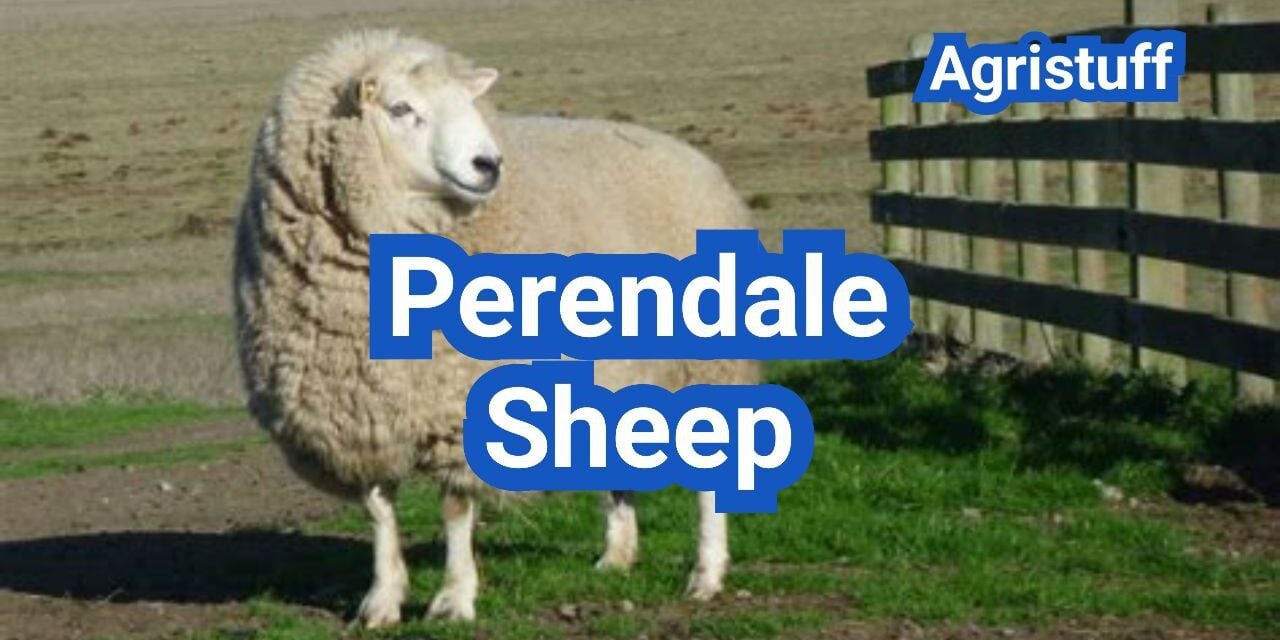
- A white face and legs, with a fleece that is typically white or slightly discolored.
The breed standard is maintained through a rigorous selection process, ensuring that Perendale sheep continue to meet the high standards set by breeders.
By understanding the origin and development of the Perendale sheep breed, farmers and enthusiasts can appreciate the breed’s unique qualities and its potential for various farming applications.
Physical Characteristics of Perendale Sheep

The physical attributes of Perendale Sheep contribute significantly to their versatility in various farming conditions. These characteristics make them suitable for a range of agricultural practices, from hill country farming to more intensive farming systems.
Size and Body Structure
Perendale Sheep are known for their medium to large size. Mature rams typically weigh between 220 to 260 pounds, while ewes weigh between 120 to 150 pounds. This size, combined with their robust body structure, enables them to thrive in challenging environments.
Their body structure is well-proportioned, with a strong bone structure that supports their overall physique. This makes them well-suited for both wool and meat production.
Facial Features and Fleece Appearance
Perendale Sheep have open faces, which is a characteristic inherited from their parent breeds. Their facial features are typically free of wool, reducing the risk of fly strike and other facial issues.
The fleece of Perendale Sheep is one of their most notable features. It is characterized by a staple length that is typically long, and a fiber diameter that ranges from 29 to 35 microns. This fleece quality makes their wool highly valued for its softness and durability.
Color Variations and Distinctive Traits
Perendale Sheep are generally white, though some may have spots or other markings. Their overall appearance is clean and well-fleeced, making them a visually appealing breed.
In addition to their fleece quality, Perendale Sheep are known for their hardiness and adaptability. These traits, combined with their physical characteristics, make them a popular choice among sheep farmers.
| Characteristic | Description | Measurement/Unit |
|---|---|---|
| Mature Ram Weight | Weight range for mature rams | 220-260 pounds |
| Mature Ewe Weight | Weight range for mature ewes | 120-150 pounds |
| Fiber Diameter | Range of fiber diameter in microns | 29-35 microns |
Perendale Sheep Temperament and Behavior

Known for their easy-care nature, Perendale Sheep exhibit a unique temperament and behavior that simplifies farming practices. Their calm demeanor and strong flocking instinct make them an ideal choice for farmers looking for a breed that is both manageable and productive.
Natural Instincts and Flock Behavior
Perendale Sheep are known for their strong flocking instinct, which means they tend to stay together as a group. This behavior is beneficial for farmers as it makes managing the flock easier. Their natural instincts also include a strong mothering ability, ensuring that lambs are well cared for from birth.
The flock behavior of Perendale Sheep is characterized by their tendency to follow a leader, often an older ewe. This trait helps in managing the flock, as they are more likely to move together when herded. Additionally, their calm nature reduces stress during handling, making them a pleasure to work with.
Handling and Management Considerations
When it comes to handling and management, Perendale Sheep are considered easy-care. They are docile and cooperative, making tasks such as shearing, vaccinations, and hoof trimming less stressful for both the sheep and the farmer.
Effective management of Perendale Sheep involves understanding their grazing behavior and ensuring they have adequate pasture. They are known to be good grazers, utilizing pasture efficiently without overgrazing, which helps in maintaining land quality.
| Management Aspect | Characteristics | Benefits |
|---|---|---|
| Flocking Behavior | Strong instinct to stay together | Easier to manage and herd |
| Mothering Ability | Strong maternal instincts | Higher lamb survival rates |
| Grazing Behavior | Efficient grazing without overgrazing | Maintains land quality and reduces erosion |
Breeding Perendale Sheep: A Step-by-Step Guide

The process of breeding Perendale Sheep involves several critical steps, from choosing breeding stock to managing the lambing process. Breeding Perendale Sheep requires a comprehensive understanding of the breed’s characteristics and needs.
Selecting Breeding Stock
Selecting the right breeding stock is crucial for successful lambing and overall flock health. When choosing breeding stock, farmers should consider factors such as genetic diversity, fertility, and conformity to breed standards.
According to the North American Perendale Association, “Selection of breeding stock should be based on a thorough evaluation of the animal’s pedigree, physical characteristics, and performance records.”
“The goal is to improve the overall quality and productivity of the flock.”
| Selection Criteria | Description | Importance Level |
|---|---|---|
| Genetic Diversity | Avoids inbreeding, promotes healthy offspring | High |
| Fertility | Ensures high lambing rates | High |
| Physical Characteristics | Conforms to breed standards, indicates health | Medium |
Breeding Season Management
Effective breeding season management involves synchronizing estrus cycles, monitoring breeding activity, and ensuring the health and nutrition of breeding ewes. Nutritional management is critical during this period to support the health of the ewes and the developing embryos.
Farmers should also be aware of the optimal breeding times for Perendale Sheep, typically during the fall season. This allows for lambing in the spring when pasture conditions are more favorable.
Lambing Process and Care
The lambing process is a critical period that requires careful monitoring to ensure the health and survival of both ewes and lambs. Farmers should be prepared to assist with difficult births and provide appropriate care to newborn lambs.
Key aspects of lambing care include ensuring lambs receive adequate colostrum, monitoring for signs of illness, and providing a clean and safe environment.
By following these steps and guidelines, farmers can improve the success of their Perendale Sheep breeding program, leading to healthier lambs and a more productive flock.
Wool Production from Perendale Sheep

The Perendale Sheep breed is renowned for its high-quality wool production, making it a valuable asset for sheep farmers. Perendale Sheep produce wool with a fiber diameter of 29 to 35 microns and a staple length of around 100-150mm, characteristics that contribute to its high quality.
Wool Characteristics and Quality
The wool from Perendale Sheep is known for its excellent durability and softness, making it highly sought after by textile manufacturers. The fleece has a bright appearance and is highly crimped, which enhances its spinning quality.
- Fiber diameter: 29-35 microns
- Staple length: 100-150mm
- High crimp frequency
- Bright fleece appearance
Shearing Techniques and Timing
Effective shearing techniques are crucial for maintaining the quality of Perendale Sheep wool. Shearers should be experienced and use proper methods to minimize stress on the animals and prevent damage to the fleece.
Shearing is typically done once or twice a year, depending on factors such as climate, pasture conditions, and the specific needs of the flock. Regular shearing helps to maintain the health and hygiene of the sheep.
- Prepare the sheep for shearing by ensuring they are clean and dry.
- Use sharp shearing equipment to minimize discomfort and prevent fleece damage.
- Shear in a systematic manner to ensure all areas are covered.
Wool Grading and Marketing
After shearing, the wool is graded based on its quality, staple length, and fiber diameter. Grading is a critical step that determines the value of the wool and its suitability for different textile applications.
Marketing strategies for Perendale Sheep wool may include selling to textile mills, participating in wool auctions, or directly marketing to consumers through online platforms or local markets. Highlighting the unique characteristics and quality of Perendale wool can help farmers secure better prices.
| Wool Characteristic | Description | Impact on Value |
|---|---|---|
| Fiber Diameter | 29-35 microns | Influences softness and durability |
| Staple Length | 100-150mm | Affects spinning quality and yield |
| Crimp Frequency | High | Enhances wool’s elasticity and resilience |
Meat Production and Quality of Perendale Sheep

Known for their lean prime lamb, Perendale Sheep are a favorite among lamb producers. The breed’s exceptional growth rates and high-quality meat make it an attractive choice for farmers and consumers alike.
Growth Rates and Carcass Yields
Perendale Sheep are bred for their rapid growth rates, which enable them to reach market weight quickly. This trait is particularly valuable in the lamb production industry, where timely market readiness can significantly impact profitability.
Growth Rate Comparison:
| Breed | Average Daily Gain (g) | Market Weight (kg) |
|---|---|---|
| Perendale | 250-300 | 40-45 |
| Other Breeds | 200-250 | 35-40 |
Grass-Fed Lamb Quality and Marketing
The Perendale breed is particularly well-suited for grass-fed lamb production, a market segment that is increasingly popular due to consumer demand for more natural and sustainable meat products.
Grass-fed lamb from Perendale Sheep is known for its distinctive flavor profile and leaner meat, attributes that are highly valued by consumers seeking premium lamb products.
To capitalize on the premium nature of their product, farmers can adopt targeted marketing strategies that highlight the unique qualities of Perendale lamb.
Perendale Sheep in Hill Country Farming

Perendale Sheep are particularly adept at thriving in the challenging conditions often found in hill country farming. Their hardiness and adaptability make them an ideal choice for farmers dealing with rugged terrain and variable weather conditions.
Adaptability to Challenging Terrain
The Perendale Sheep breed has been developed to excel in difficult farming environments. Their strong legs and agile movement allow them to navigate steep slopes and uneven ground with ease, making them well-suited to hill country farming.
Key Adaptations:
- Strong legs for navigating challenging terrain
- Hardy constitution to withstand variable weather
- Agile movement to traverse steep slopes
Grazing Behavior and Land Management
Perendale Sheep exhibit efficient grazing behavior, which is crucial for effective land management in hill country farms. They are known to graze a variety of vegetation, helping to maintain pasture health and control weeds.
| Grazing Behavior | Land Management Impact |
|---|---|
| Efficient grazing of various vegetation | Maintains pasture health and controls weeds |
| Adaptability to different grazing conditions | Enhances land resilience and biodiversity |
As noted by agricultural experts, “The grazing habits of Perendale Sheep contribute significantly to the ecological balance of hill country farms.” Effective land management practices, including rotational grazing, can further enhance the benefits of raising Perendale Sheep in these environments.
“Perendale Sheep are a cornerstone of sustainable hill country farming, offering both economic and environmental benefits through their grazing activities.”
By understanding and leveraging the natural grazing behavior of Perendale Sheep, farmers can improve land health and productivity, making their farming operations more sustainable and resilient.
Raising Perendale Sheep on Small Farms

For small farm owners considering diversifying their livestock, Perendale Sheep offer a viable option due to their hardiness and ease of care. These sheep are well-suited for small-scale farming operations, providing both wool and meat production opportunities.
Space and Facility Requirements
When raising Perendale Sheep on small farms, it’s essential to consider the space and facilities needed. Perendale Sheep require adequate grazing land and shelter. A general rule of thumb is to allocate about 1/4 to 1/2 acre per sheep, depending on the quality of the pasture.
The fencing should be sturdy enough to keep the sheep contained and protected from predators. A four-foot high fence is typically sufficient, but this can vary based on the terrain and local regulations.
Feed and Nutrition Management
Perendale Sheep are known for their ability to thrive on pasture. A well-managed grazing system is crucial for their nutrition. Rotational grazing can help maintain pasture health and productivity.
| Nutritional Needs | Recommended Feed |
|---|---|
| Maintenance | High-quality pasture |
| Growth and Lactation | Supplement with grains and minerals |
Health Care Essentials
Regular health checks are vital for maintaining the well-being of Perendale Sheep. This includes monitoring for parasites, vaccinations, and hoof care. A comprehensive health program tailored to the specific needs of the flock is essential.
- Regular vaccinations against common diseases
- Parasite control measures
- Hoof trimming and care
By following these guidelines, small farm owners can successfully raise Perendale Sheep, benefiting from their hardiness and the multiple products they provide.
Perendale Sheep in the United States
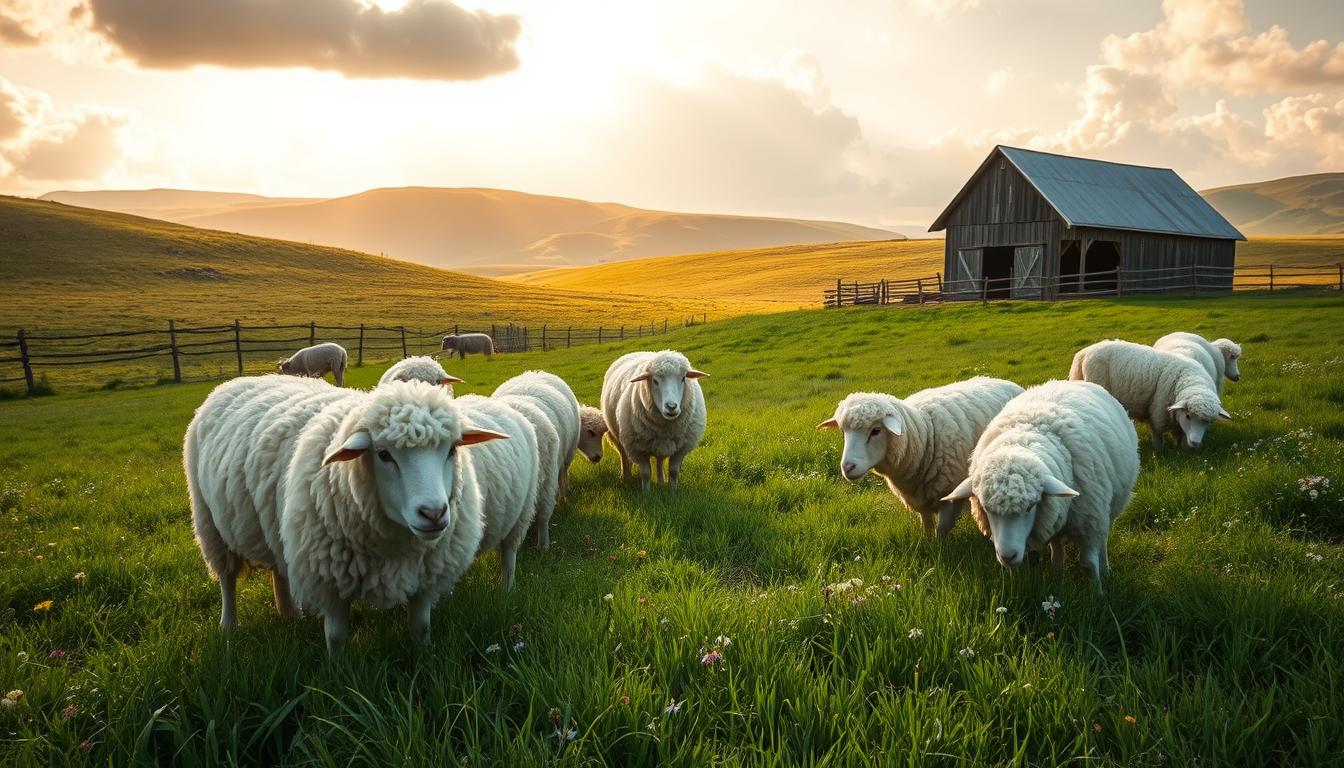
The Perendale Sheep breed has gained popularity in the United States due to its hardiness and versatility. This section will explore how Perendale Sheep were introduced to America and the organizations that support their breeding.
Introduction and Spread in America
Perendale Sheep were first introduced to the United States as a dual-purpose breed, valued for both their wool and meat production. Their adaptability to various climates and terrains made them an attractive choice for American farmers.
The breed’s popularity grew as farmers recognized the benefits of raising Perendale Sheep, including their resistance to diseases and their ability to thrive on pasture-based diets.
The North American Perendale Association
The North American Perendale Association plays a crucial role in promoting and supporting the breed in the United States. The association provides resources for breeders, including registration services, breed standards, and networking opportunities.
One of the key functions of the North American Perendale Association is to maintain the integrity of the breed by ensuring that breeding stock meets certain standards. This helps to preserve the characteristics that make Perendale Sheep valuable to farmers.
| Year | Number of Registered Perendale Sheep | Number of Breeders |
|---|---|---|
| 2010 | 1,500 | 50 |
| 2015 | 3,000 | 100 |
| 2020 | 5,000 | 150 |
The growth in the number of registered Perendale Sheep and breeders is a testament to the breed’s increasing popularity in the United States.
Comparing Perendale to Other Dual-Purpose Sheep Breeds

Comparing Perendale Sheep to other dual-purpose breeds reveals both similarities and distinct differences. Perendale Sheep are known for their hardiness and versatility, making them a popular choice among farmers who need a breed that can thrive in various conditions while providing both wool and meat.
Advantages Over Similar Breeds
One of the key advantages of Perendale Sheep is their resistance to parasites and ability to thrive on pasture. This characteristic reduces the need for extensive veterinary care, making them a cost-effective option for farmers. Additionally, their fleece is of high quality, with a good staple length and strength, which is desirable for textile production.
Perendale Sheep also exhibit excellent growth rates, particularly in their early stages, which is beneficial for meat production. Their ability to adapt to different farming conditions, from hill country to more intensive farming systems, adds to their appeal.
- Hardiness and adaptability
- High-quality fleece
- Efficient growth rates for meat production
Potential Drawbacks to Consider
While Perendale Sheep offer many advantages, there are some potential drawbacks to consider. For instance, their relatively high maintenance fleece requires regular shearing to prevent matting and to maintain its quality. Farmers must also be mindful of the breed’s specific nutritional needs to ensure optimal growth and productivity.
Another consideration is the need for careful breeding management to maintain the breed’s characteristics and prevent genetic dilution. This requires a commitment to selective breeding practices and potentially higher costs associated with acquiring high-quality breeding stock.
| Characteristics | Perendale Sheep | Other Dual-Purpose Breeds |
|---|---|---|
| Hardiness | High | Variable |
| Fleece Quality | High | Variable |
| Growth Rate | Fast | Variable |
Getting Started with Perendale Sheep: A Beginner’s Guide

For those new to sheep farming, getting started with Perendale Sheep can seem daunting, but with the right guidance, it’s a straightforward process. Perendale Sheep are known for their hardiness and ease of care, making them an excellent choice for beginners.
Initial Investment and Setup
Starting a Perendale Sheep flock requires an initial investment in quality breeding stock and appropriate infrastructure. The cost can vary depending on factors such as the size of the flock and the quality of the sheep.
Key components of the initial investment include:
- Purchase of quality breeding stock
- Fencing and pasture management
- Shearing and handling equipment
- Health care and vaccinations
According to the North American Perendale Association, the initial cost for a small flock can range from $5,000 to $10,000, depending on the quality of the sheep and the infrastructure needed.
| Component | Estimated Cost |
|---|---|
| Quality Breeding Stock (per head) | $200-$500 |
| Fencing (per acre) | $300-$500 |
| Shearing Equipment | $500-$1,000 |
Finding and Purchasing Quality Stock
Finding quality Perendale Sheep is crucial for the success of your flock. It’s essential to purchase from reputable breeders who can provide health guarantees and detailed breeding information.
“The quality of your flock is only as good as the quality of the sheep you start with. Investing in reputable breeders is a critical first step.” – Perendale Sheep Breeder
Tips for purchasing quality stock:
- Research reputable breeders
- Ask for health records and breeding information
- Visit farms to inspect the sheep
- Consider attending sheep breeders’ events
Resources and Support Networks
Joining sheep breeding associations and online forums can provide valuable resources and support for new farmers. The North American Perendale Association is a great place to start, offering resources, networking opportunities, and educational materials.
- North American Perendale Association
- Local sheep breeders’ associations
- Online forums and social media groups
- Sheep farming workshops and conferences
By leveraging these resources and support networks, beginner farmers can gain the knowledge and confidence needed to succeed in Perendale Sheep farming.
At The End of: Perendale Sheep
The Perendale Sheep breed has proven to be a valuable asset for farmers and shepherds worldwide, offering a unique combination of hardiness, productivity, and versatility. As a dual-purpose breed, Perendale Sheep provide both high-quality wool and meat, making them an attractive choice for a variety of farming operations.
A summary of the key points discussed throughout this article highlights the breed’s origins in New Zealand, its development at Massey University, and its physical characteristics, temperament, and behavior. The breeding process, wool production, and meat quality have also been examined, demonstrating the breed’s potential for various agricultural applications.
The key takeaways from this overview of Perendale Sheep include their adaptability to challenging terrain, their suitability for small farms, and their growing presence in the United States. By understanding the characteristics and benefits of Perendale Sheep, farmers and agricultural professionals can make informed decisions about incorporating this breed into their operations.
FAQ
What is the origin of the Perendale Sheep breed?
The Perendale Sheep breed was developed at Massey University in New Zealand through the crossbreeding of Romney and Cheviot sheep.
What are the physical characteristics of Perendale Sheep?
Perendale Sheep are known for their medium size, robust body structure, and white fleece with a moderate staple length and a soft, fine texture.
Are Perendale Sheep suitable for small farms?
Yes, Perendale Sheep are a good choice for small farms due to their adaptability, ease of handling, and dual-purpose nature, providing both high-quality wool and meat.
What is the temperament of Perendale Sheep like?
Perendale Sheep are known for their calm and docile nature, making them easy to handle and manage, even for inexperienced farmers.
How are Perendale Sheep used in hill country farming?
Perendale Sheep are well-suited to hill country farming due to their hardiness, adaptability to challenging terrain, and grazing behavior, which helps maintain land quality.
What is the quality of wool produced by Perendale Sheep?
Perendale Sheep produce high-quality wool with a moderate staple length, a soft texture, and good color, making it suitable for a variety of textile applications.
Are Perendale Sheep used for meat production?
Yes, Perendale Sheep are used for meat production, and their grass-fed lamb is particularly prized for its quality and flavor.
How do Perendale Sheep compare to other dual-purpose breeds?
Perendale Sheep offer a balance of hardiness, wool quality, and meat production, making them a competitive choice among dual-purpose breeds, although specific advantages and drawbacks can vary depending on the context.
Is there a Perendale Sheep association in the United States?
Yes, the North American Perendale Association supports the breeding and management of Perendale Sheep in the United States, providing resources and networking opportunities for breeders.
What are the key considerations for breeding Perendale Sheep?
Breeding Perendale Sheep requires careful selection of breeding stock, management during the breeding season, and proper care during the lambing process to ensure the health and quality of the flock.
What are the healthcare essentials for raising Perendale Sheep?
Raising Perendale Sheep requires attention to their nutritional needs, parasite control, vaccinations, and regular health checks to maintain their overall health and productivity.
Conclusion of: Perendale Sheep Breed
Introduction to Perendale Sheep
Perendale Sheep are a hardy, medium-sized, dual-purpose breed that appeals to farmers who want both quality wool and efficient lamb production. Developed originally for challenging hill country, Perendale Sheep fit nicely into modern pasture-based systems in the United States, especially for small and mid-size flocks that rely on grass rather than grain. Because Perendale Sheep combine easy care with good mothering and strong feet, they are often described as “starter sheep” for new producers, yet they also perform well in commercial systems. For an overview of the key traits of Perendale Sheep, visit the North American Perendale Association.
History and Origin of Perendale Sheep
Perendale Sheep trace their roots to mid-twentieth-century New Zealand, where animal scientist Sir Geoffrey Peren at Massey Agricultural College set out to develop a productive hill-country breed. By crossing hardy Border Cheviot rams with versatile Romney ewes, he created Perendale Sheep that could thrive on steep, low-fertility pastures while still producing saleable lambs and useful wool. The new composite quickly proved its value, and within a few years Perendale Sheep were recognized as a distinct breed with a dedicated society to record pedigrees and promote breeding standards. You can explore the full story behind the development of Perendale Sheep in this breed history overview.
Global and U.S. Distribution of Perendale Sheep
Today Perendale Sheep remain especially common in New Zealand, where they are often promoted as a “sheep for all environments,” from fertile lowlands to rough hill country. The same adaptability has helped Perendale Sheep spread into Australia, the United Kingdom, and parts of North America, even though flock numbers in the United States are still relatively small compared with more common commercial breeds. Because Perendale Sheep tolerate wet, windy conditions and make good use of rough forage, they are attractive to U.S. shepherds in regions such as the Pacific Northwest, the Northeast, and higher-elevation areas where pasture can be challenging. Background information about the global role of Perendale Sheep is provided by the Perendale Sheep Society of New Zealand.
Physical Characteristics of Perendale Sheep
Perendale Sheep are typically medium framed, with open white faces, upright ears, and no horns, giving them a clean, alert appearance that makes it easy to monitor eyes, mouth, and jaw structure. Mature Perendale Sheep rams often weigh around 220–260 pounds and ewes about 120–150 pounds when properly fed, placing the breed in a moderate size class that balances productivity with ease of handling for smaller operators. The legs of Perendale Sheep are strong and well set, reflecting their hardy Cheviot ancestry, while their dense fleece and good body capacity reflect their Romney background. A concise summary of the size and type of Perendale Sheep is available in the Oklahoma State University breed profile.
Fleece and Wool Traits of Perendale Sheep
The fleece of Perendale Sheep is one of the features that attracts both commercial wool growers and handspinners. Perendale Sheep typically produce wool with a staple length of about 4–6 inches, sometimes longer on lambs, which places the fleece in the medium to longwool category. Fiber diameter commonly falls in the high-20s to mid-30s micron range, giving Perendale Sheep wool enough strength for durable outer garments while still being comfortable for many next-to-skin projects. The fleece of Perendale Sheep often shows a distinct, well-defined crimp that helps yarns stay springy and hold their shape during wear. For more technical details on the wool of Perendale Sheep, see the Perendale fleece characteristics.
Wool Uses and Fiber Markets for Perendale Sheep
Because Perendale Sheep grow a lofty, versatile fleece, they offer interesting marketing options for small American farms that sell directly to fiber enthusiasts. Many handspinners appreciate Perendale Sheep wool for sweaters, socks, blankets, and felting projects, especially when it is offered as farm-branded roving or yarn. Some flocks of Perendale Sheep also include natural-colored animals whose black, gray, or moorit wool can command premium prices from crafters who prefer undyed fibers. By combining value-added wool products with lamb and breeding stock sales, Perendale Sheep allow U.S. producers to diversify income streams from the same acreage. A brief overview of where Perendale Sheep fit among world sheep breeds is listed in the Sheep101 Perendale entry.
Meat Production Qualities of Perendale Sheep
As a dual-purpose breed, Perendale Sheep produce meaty, fast-growing lambs that fit well into U.S. markets focused on lean, grass-finished carcasses. The moderate mature size of Perendale Sheep ewes means they can efficiently convert forage into lamb rather than wasting feed on maintaining heavy body weight. On many farms, Perendale Sheep lambs can be finished on pasture without grain, reaching attractive market weights with good muscling and a relatively light fat cover. When planning a marketing strategy for Perendale Sheep lambs in the United States, it is useful to understand national lamb demand, pricing, and processing trends summarized in the USDA sheep sector overview.
Reproduction and Lambing Traits of Perendale Sheep
One of the notable features of Perendale Sheep is their strong reproductive performance and generally easy lambing, traits that play a major role in overall flock profitability. Many shepherds report that Perendale Sheep ewes conceive readily, often delivering twins and raising vigorous lambs on pasture with minimal intervention. The relatively small head and shoulders inherited from the Cheviot side make lambing in Perendale Sheep smoother than in some heavily muscled terminal breeds, which can reduce the time and veterinary costs devoted to difficult births. While exact numbers vary by farm, Perendale Sheep flocks can aim for reproductive benchmarks similar to general industry targets outlined in guidelines on reproductive performance.
Temperament and Behavior of Perendale Sheep
Good temperament is another attractive trait of Perendale Sheep for both beginners and experienced shepherds. Perendale Sheep are usually described as alert but sensible, with enough flocking instinct to move well through pastures and handling systems without becoming overly nervous. Because Perendale Sheep are not typically aggressive and learn routines quickly, they are easier to manage during tasks like foot trimming, vaccinations, and shearing, even for small teams or family farms. At the same time, Perendale Sheep retain enough thriftiness and foraging drive to stay active on rough pasture instead of waiting at the gate for grain. Breed organizations highlight these balanced behavioral traits of Perendale Sheep on the North American Perendale Association site.
Adaptability and Grazing Style of Perendale Sheep
Adaptability to diverse climates is central to the design of Perendale Sheep, and that flexibility remains one of the breed’s greatest advantages. Developed for steep, high-rainfall hillsides, Perendale Sheep cope well with wet and windy weather compared with many less-hardy wool breeds, and their sound feet tolerate damp ground when pastures and laneways are managed carefully. In the United States, Perendale Sheep can fit into grass-based systems ranging from cool northern climates to moderate highland regions, as long as they have access to dry lying areas and adequate forage. New Zealand experience describing how Perendale Sheep perform across contrasting environments is summarized by the Perendale NZ information.
Nutrition and Pasture Management for Perendale Sheep
Like all ruminants, Perendale Sheep depend on a healthy rumen and consistent forage supply, but their efficient frame makes them well suited to pasture-based systems. On many U.S. farms, Perendale Sheep do best under rotational grazing, moving frequently to fresh paddocks so grass stays leafy and parasite exposure is reduced. Because Perendale Sheep are active foragers, they can make good use of mixed swards that include grasses, clovers, and deep-rooted forbs, which supports both animal performance and soil health in regenerative systems. When planning feed budgets and stocking rates for Perendale Sheep, producers can draw on general nutrition and grazing recommendations in USDA animal production resources.
Housing and Handling Facilities for Perendale Sheep
Perendale Sheep do not require elaborate housing, but thoughtful facilities make daily chores safer and less stressful for animals and people. Most U.S. flocks keep Perendale Sheep outdoors with access to a simple three-sided shed or barn that provides shade in summer and protection from wind and freezing rain in winter. Dry bedding, good ventilation, secure fencing, and well-designed handling pens help Perendale Sheep stay healthy while also making lambing, hoof care, and veterinary treatments more efficient. When designing new or converted facilities for Perendale Sheep, it is helpful to review basic space and layout guidelines such as those in the Sheep 201 housing guide.
Health, Parasite Control, and Hoof Care in Perendale Sheep
Perendale Sheep are frequently praised for sound feet and a degree of natural parasite resilience, traits that reflect decades of selection under demanding hill-country conditions. Even so, Perendale Sheep still need a proactive health plan that includes strategic deworming based on fecal egg counts, regular hoof inspections, vaccination against core clostridial diseases, and sensible quarantine procedures for new arrivals. Combining rotational grazing with mixed-species or cattle-following systems can help Perendale Sheep avoid heavy parasite burdens while improving pasture utilization and biodiversity. For insight into common health issues and management practices that can guide a health program for Perendale Sheep, it is worth reviewing recent USDA NAHMS sheep health data.
Breeding Strategies with Perendale Sheep
Breeding programs involving Perendale Sheep can focus either on maintaining purebred lines or on using the breed as a maternal foundation in crossbreeding systems. Pure Perendale Sheep flocks typically select for traits such as structural soundness, good udders, prolificacy, strong mothering, and high-quality wool so that replacement ewes are robust and long-lived. In some regions, Perendale Sheep are crossed with finewool or hair breeds to combine hardiness and mothering ability with specific production goals such as finer fleece, faster growth, or improved parasite resistance. Farmers who want to see how different breeders describe the strengths of Perendale Sheep can explore examples such as this Perendale breed description.
Perendale Sheep on Small Farms and Homesteads in the USA
For small farms and homesteads in the United States, Perendale Sheep offer an appealing balance between productivity and manageability. A modest flock of Perendale Sheep can supply freezer lamb for the family, a steady income from breeding stock or feeder lambs, and marketable wool for on-farm sales, CSA add-ons, or local fiber festivals. Because Perendale Sheep are fairly self-reliant and do not demand specialized infrastructure, they suit landowners who are just learning livestock skills, provided they invest time in planning and education. Beginners can pair hands-on experience with educational resources like the Sheep 201 beginner guide to get the most from Perendale Sheep.
Marketing Wool and Meat from Perendale Sheep
Building a marketing plan is important for anyone raising Perendale Sheep in the United States, where sheep numbers are relatively low compared with cattle and poultry. Many producers sell Perendale Sheep lambs directly to consumers as freezer lamb, through ethnic markets that value lighter carcasses, or via local auction barns, while reserving selected lambs as breeding stock to spread the genetics of the flock. Wool from Perendale Sheep can be sold raw, washed, or transformed into yarn and finished goods under a farm brand, particularly when combined with agritourism, online shops, or farmers markets. U.S. producers can monitor wider market trends and policy changes affecting Perendale Sheep enterprises through organizations such as the American Sheep Industry Association.
Key Challenges and Management Tips for Perendale Sheep
Despite their many strengths, Perendale Sheep are not a magic solution, and prospective owners should consider a few challenges before investing. In some parts of the United States, Perendale Sheep are still a minority breed, so sourcing unrelated breeding stock, experienced shearers, and local buyers who recognize the breed name may require extra effort. Like any wool breed, Perendale Sheep need periodic shearing, steady parasite management, and consistent record keeping, all of which demand either professional support or a personal commitment to learning new skills. Talking with existing breeders and reading case studies from organizations dedicated to Perendale Sheep in North America can provide realistic expectations, as illustrated in these North American management notes.
Final thought
In the end, Perendale Sheep stand out as a practical, multi-purpose choice for U.S. farmers who want hardy animals that thrive on grass while producing both valuable wool and marketable lambs. Whether they are grazing rugged hillsides, cleaning up diverse pastures, or anchoring a small homestead flock, Perendale Sheep reward attentive management with reliable performance and long working lives. If you take the time to match your climate, forage base, and marketing plans to the natural strengths of Perendale Sheep, this New Zealand-developed breed can become a cornerstone of a resilient, profitable farm business. For more perspective on how Perendale Sheep compare with other breeds, you can browse the wider sheep breeds resource.
Sources & References
- North American Perendale Association
- History of Perendale Sheep – North American Perendale Association
- Perendale Characteristics – North American Perendale Association
- Perendale Sheep – Oklahoma State University Breeds of Livestock
- Sheep101.info – Sheep Breeds O–P (Perendale)
- Sheep, Lamb & Mutton – Sector at a Glance – USDA ERS
- Measuring Reproductive Performance of Sheep – MSD Veterinary Manual
- NAHMS Sheep Studies – USDA APHIS
- Animal Production – USDA
- Sheep 201 – Housing
- Sheep 201 – A Beginner’s Guide to Raising Sheep
- American Sheep Industry Association
- Perendale Sheep Breed – DomesticAnimalBreeds.com