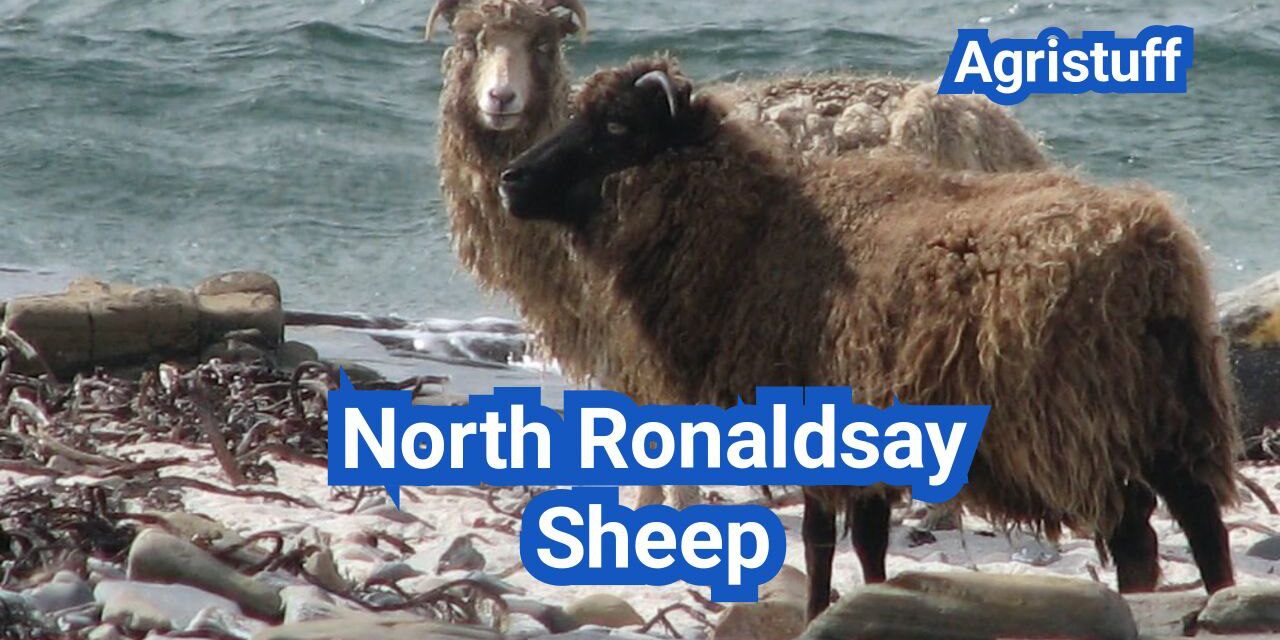
The North Ronaldsay Sheep is a unique breed originating from the northernmost island of Orkney, off Scotland’s north coast.
This primitive sheep breed has adapted to the harsh environment of North Ronaldsay, developing distinct characteristics over time.
As one of the rare sheep breeds, the North Ronaldsay Sheep is significant for heritage livestock conservation efforts.
Understanding its history, origin, and characteristics is crucial for appreciating this breed’s value.
Key Takeaways
- The North Ronaldsay Sheep is a primitive breed from the Orkney Islands.
- It has adapted to a harsh, seaweed-based diet.
- This breed is crucial for heritage livestock conservation.
- Its unique characteristics make it valuable for study.
- Conservation efforts are necessary to preserve this rare breed.
The Remarkable Seaweed-Eating Sheep of Orkney

The semi-feral North Ronaldsay Sheep have developed a remarkable adaptation to their coastal environment. This unique breed has thrived on the Orkney Islands, particularly on North Ronaldsay, where they have evolved to survive primarily on seaweed.
The Unique Adaptation to Coastal Living
The North Ronaldsay Sheep’s adaptation to coastal living is centered around their diet, which is predominantly composed of seaweed. This diet is unusual for sheep and is a result of their isolation on the island. The sheep are confined to the coastline by a drystone wall, known as the “sheep dyke,” which runs around the perimeter of the island. This wall forces them to graze on the seaweed found on the beaches and rocky shores.
The sheep dyke is a critical component of their unique lifestyle. It not only confines the sheep to their coastal habitat but also protects the island’s interior from overgrazing. The dyke is a testament to the ingenuity of the island’s past inhabitants, who constructed it to manage the sheep and preserve the island’s ecology.
Overview of Their Historical Significance
The North Ronaldsay Sheep have significant historical importance, not just for their unique adaptation but also for their role in the history of the Orkney Islands. They are considered a primitive breed, closely related to the earliest sheep brought to the British Isles.
| Aspect | Description | Historical Significance |
|---|---|---|
| Diet | Primarily seaweed | Adaptation to coastal environment |
| Habitat | Confined to coastline by sheep dyke | Preservation of island ecology |
| Breed Characteristics | Primitive, hardy | Link to early sheep breeds in British Isles |
The historical significance of the North Ronaldsay Sheep is multifaceted, encompassing their genetic heritage, their adaptation to a unique environment, and their role in the cultural and agricultural history of the Orkney Islands.
History and Origin of North Ronaldsay Sheep

As a primitive breed, the North Ronaldsay Sheep boasts an ancient lineage that is closely tied to the historical and cultural heritage of the Orkney Islands. Their history is a testament to the adaptability and resilience of these sheep, which have thrived in the challenging environment of North Ronaldsay, the northernmost island of the Orkney archipelago.
Ancient Origins as a Primitive Breed
The North Ronaldsay Sheep is descended from the Northern European short-tailed sheep, a primitive type that has its roots in the early agricultural practices of Northern Europe. The arrival of these sheep on North Ronaldsay potentially dates back to the Iron Age, a period marked by significant cultural and technological advancements.
Genetic studies have shed light on the origins of these sheep, indicating a close relationship with other primitive breeds found in the region. This genetic link underscores the historical connections between the Orkney Islands and other parts of Northern Europe during prehistoric times.
Development on Orkney’s Northernmost Island
The unique environment of North Ronaldsay, with its limited land area and exposure to the harsh marine climate, has significantly influenced the development of the North Ronaldsay Sheep. Over centuries, these sheep have adapted to survive on a diet rich in seaweed, a resource readily available on the island’s coastline.
The adaptation to a seaweed diet is a remarkable example of how the North Ronaldsay Sheep have evolved to exploit local resources. This dietary specialization is a key factor in their survival and has contributed to their distinctiveness as a breed.
Historical Importance to Island Communities
The North Ronaldsay Sheep have played a crucial role in the history and economy of the island communities. They provided a source of wool, meat, and other products essential to the islanders’ livelihood.
| Historical Aspect | Importance to Island Communities |
|---|---|
| Wool Production | Provided material for clothing and other textile products |
| Meat Production | Contributed to the local diet and was a source of protein |
| Economic Role | Played a part in the local economy through the sale of wool and other products |
The historical significance of the North Ronaldsay Sheep extends beyond their economic value, as they are also deeply ingrained in the cultural heritage of the Orkney Islands. Their legacy continues to be celebrated through various cultural practices and traditions.
The Sheep Dyke: Understanding North Ronaldsay’s Unique Management System

One of the most distinctive features of North Ronaldsay Island is its drystone sheep dyke, built in the early 19th century. This 1.8-meter-high wall completely encircles the island, playing a crucial role in the unique management system of the North Ronaldsay sheep.
Construction and Purpose of the Drystone Sheep Dyke
The drystone sheep dyke was constructed using local stone, carefully placed without mortar to create a durable barrier. Its primary purpose is to keep the sheep on the island’s coastline, where they feed on seaweed. This unique diet has led to the evolution of the North Ronaldsay sheep’s distinct characteristics.
The dyke’s construction required significant labor and planning, demonstrating the ingenuity of the island’s early inhabitants. By controlling the sheep’s access to the island’s interior, the dyke has helped maintain the island’s ecological balance.
How the Dyke Created a Distinct Ecological Niche
The sheep dyke has created a unique ecological niche for the North Ronaldsay sheep. By forcing them to feed on seaweed, it has led to the development of a specialized digestive system. This adaptation allows the sheep to thrive in their coastal environment.
The dyke also protects the island’s interior from overgrazing, preserving the native vegetation. This balance is crucial for maintaining the island’s biodiversity and ecological health.
Maintaining the Dyke in Modern Times
Maintaining the drystone sheep dyke is an ongoing challenge. The wall requires regular repairs due to weathering and damage from the harsh coastal environment. Local community efforts are essential for preserving this unique aspect of North Ronaldsay’s heritage.
Modern conservation efforts focus on balancing the needs of the sheep, the island’s ecosystem, and the local community. By maintaining the dyke, the island can continue to support its unique sheep population and preserve its cultural heritage.
Physical Characteristics of North Ronaldsay Sheep

The physical attributes of North Ronaldsay sheep set them apart from other breeds, showcasing their primitive heritage. These sheep have evolved unique characteristics that enable them to thrive in the challenging environment of Orkney’s northernmost island.
Size, Weight, and Body Conformation
North Ronaldsay sheep are notably small, with rams typically weighing around 30 kg (65 lb) and ewes rarely exceeding 25 kg (55 lb). Their compact size is an adaptation to the limited resources available on the island. The body conformation of these sheep is sturdy, with a robust build that helps them withstand harsh weather conditions.
According to a study on primitive sheep breeds, the average height of North Ronaldsay sheep is approximately 20 inches (50 cm) at the shoulder, making them one of the smaller sheep breeds globally.
| Category | Rams | Ewes |
|---|---|---|
| Average Weight | 30 kg (65 lb) | 25 kg (55 lb) |
| Average Height | 50 cm (20 inches) |
Coat Colors and Wool Patterns
North Ronaldsay sheep display a variety of coat colors, ranging from white and gray to dark brown and black. The wool patterns can be quite varied, with some sheep exhibiting a mix of colors. The fleece is known for its crimped texture and is highly valued for its quality.
Wool Characteristics: The wool of North Ronaldsay sheep is known for its softness, crimp, and durability, making it highly sought after by textile artisans.
Horn Configurations Including Four-Horned Variants
One of the most distinctive features of North Ronaldsay sheep is their horn configuration. While many sheep are polled or have two horns, North Ronaldsay sheep are known to have a higher incidence of polycerate (multiple-horned) individuals. Some rams and ewes may have four horns, a trait that is relatively rare in other breeds.
“The presence of four horns in some North Ronaldsay sheep is a genetic trait that adds to their unique heritage and distinguishes them from other primitive breeds.”
The horn configuration in North Ronaldsay sheep can vary, with some individuals having two horns and others having four. The horns are typically smaller in ewes than in rams.
The Seaweed Diet: A Remarkable Adaptation

One of the most fascinating aspects of North Ronaldsay Sheep is their ability to thrive on a diet rich in seaweed. This unique adaptation allows them to survive in their coastal environment, where other sheep breeds might struggle.
Types of Seaweed Consumed
North Ronaldsay Sheep primarily consume various types of kelp, including Laminaria digitata and Laminaria hyperborea. These seaweeds are rich in nutrients and provide the sheep with the necessary energy to survive.
The sheep’s diet is not limited to kelp; they also consume other types of seaweed found along the coastline. This diverse diet contributes to their overall health and well-being.
Nutritional Benefits and Metabolic Adaptations
The seaweed diet of North Ronaldsay Sheep provides numerous nutritional benefits. Seaweed is rich in vitamins, minerals, and antioxidants, which are essential for maintaining the sheep’s health.
The sheep have developed unique metabolic adaptations to process the seaweed effectively. Their digestive system is specialized to break down the complex carbohydrates found in seaweed, allowing them to extract maximum nutrition from their diet.
“The ability of North Ronaldsay Sheep to thrive on a seaweed diet has sparked interest in the potential use of seaweed as an alternative food source for other livestock.”
Copper Toxicity Resistance
One of the remarkable aspects of North Ronaldsay Sheep is their resistance to copper toxicity. Seaweed can contain high levels of copper, which is toxic to many sheep breeds. However, North Ronaldsay Sheep have developed a unique genetic adaptation that allows them to tolerate high copper levels.
| Nutritional Component | Seaweed Content | Benefit to Sheep |
|---|---|---|
| Vitamin C | High | Boosts immune system |
| Iodine | Rich | Essential for thyroid function |
| Copper | Variable | Toxic in high amounts, but North Ronaldsay Sheep are adapted |
The unique dietary adaptations of North Ronaldsay Sheep make them an fascinating subject for study. Their ability to thrive on a seaweed diet has implications for our understanding of nutritional flexibility in livestock.
How to Identify Authentic North Ronaldsay Sheep

The process of identifying genuine North Ronaldsay Sheep involves examining their physical features, behavior, and registration documents. This rare breed is known for its unique adaptation to a seaweed diet and specific historical background.
Distinguishing Features from Other Primitive Breeds
North Ronaldsay Sheep have several distinct physical characteristics that set them apart from other primitive breeds. These include their small stature, typically weighing between 20-30 kg, and their varied coat colors, which can range from white to dark brown.
A key identifying feature is their horn configuration. While some may have two horns, others can be four-horned, a trait not common in many sheep breeds.
Behavioral Indicators
The behavior of North Ronaldsay Sheep is another crucial indicator of their authenticity. These sheep are known for their unique foraging behavior, particularly their diet rich in seaweed, which they access by grazing on coastal areas.
They also exhibit a strong instinct to roam within the confines of their historical habitat, the drystone sheep dyke that surrounds North Ronaldsay Island.
Registration and Documentation
For a North Ronaldsay Sheep to be considered authentic, it must be registered with the North Ronaldsay Sheep Fellowship, which maintains the flock book established in 1974. This registry is crucial for verifying the purity and lineage of the breed.
| Registration Criteria | Description |
|---|---|
| Pedigree | The sheep must have a documented pedigree tracing back to known North Ronaldsay Sheep. |
| Physical Inspection | A physical examination to confirm the sheep meets the breed’s physical standards. |
| DNA Verification | In some cases, DNA testing may be required to verify the sheep’s lineage. |
By considering these factors—physical characteristics, behavioral traits, and registration status—one can accurately identify authentic North Ronaldsay Sheep, contributing to the conservation of this rare and unique breed.
Breeding North Ronaldsay Sheep

The breeding of North Ronaldsay Sheep is a multifaceted process that involves traditional island practices, modern conservation techniques, and careful genetic consideration. This unique breed requires a thoughtful approach to breeding to maintain its distinct characteristics and ensure its survival.
Traditional Island Breeding Practices
Historically, the breeding of North Ronaldsay Sheep was managed by the community on the island. The North Ronaldsay Sheep Court remains the regulatory body responsible for organizing ownership of the sheep. Traditional breeding practices focused on maintaining the hardiness and adaptability of the sheep to their coastal environment.
“The traditional management system, including the Sheep Dyke, has played a crucial role in preserving the unique characteristics of North Ronaldsay Sheep.”
Modern Conservation Breeding Approaches
In recent years, modern conservation breeding approaches have been adopted to complement traditional practices. These include selective breeding programs aimed at enhancing genetic diversity while maintaining the breed’s purity. Conservation efforts also focus on ensuring the sheep remain well-adapted to their environment.
| Breeding Approach | Objective | Benefits |
|---|---|---|
| Traditional | Maintain hardiness and adaptability | Preserves historical characteristics |
| Modern Conservation | Enhance genetic diversity | Increases breed resilience |
Genetic Considerations for Maintaining Breed Purity
Maintaining the genetic purity of North Ronaldsay Sheep is crucial for their conservation. This involves careful selection of breeding stock to avoid genetic dilution. Genetic studies are also conducted to understand the breed’s genetic makeup and identify any potential issues.
By combining traditional practices with modern conservation approaches and careful genetic management, the breeding of North Ronaldsay Sheep can be effectively managed to ensure the long-term survival of this unique breed.
North Ronaldsay Sheep Wool: Harvesting and Uses

With its distinctive double coat, the North Ronaldsay Sheep produces wool that is both highly valued and challenging to process. The North Ronaldsay is a double-coated breed, with a finer undercoat and a coarser overcoat that protects the sheep from the cold, wet weather.
Unique Properties and Characteristics
The wool of North Ronaldsay Sheep is known for its exceptional warmth and durability. The undercoat provides excellent insulation, while the outer coat repels water, making it ideal for the harsh Orkney climate. The fleece is also highly crimped, which gives it a high elasticity and allows it to retain warmth even when wet.
The color palette of North Ronaldsay wool is varied, ranging from white to various shades of brown and gray. This natural color variation makes it particularly appealing to crafters and textile enthusiasts who value the unique, natural hues.
Shearing Techniques for This Primitive Breed
Shearing North Ronaldsay Sheep requires skill and care due to their double coat and the need to preserve the quality of the fleece. Shearers must be meticulous in handling the sheep to avoid damaging the fleece or injuring the animal. The shearing process typically occurs once a year, and the wool is then sorted and graded according to its quality and color.
Processing and Marketing North Ronaldsay Wool
After shearing, the raw wool is processed to remove impurities and prepare it for use. This involves cleaning, carding, and sometimes dyeing, although many artisans prefer to use the wool in its natural state. The processed wool is then marketed to crafters, knitters, and textile manufacturers who value its unique properties.
The marketing of North Ronaldsay wool often highlights its rarity and connection to the heritage of the Orkney Islands. This unique selling point appeals to consumers looking for sustainable and culturally significant products. As a result, North Ronaldsay wool commands a premium price in the market, supporting the conservation efforts for this rare breed.
North Ronaldsay Sheep Meat Production
The distinct taste of North Ronaldsay Sheep meat is attributed to their seaweed-rich diet. This unique flavor profile has garnered attention from chefs and food enthusiasts.
Flavor Profile and Culinary Characteristics
North Ronaldsay Sheep meat is described as having an intense and almost gamey flavor, partly due to the high iodine content in their diet of seaweed. This characteristic makes it a sought-after delicacy.
“The unique flavor of North Ronaldsay lamb is a result of their diet rich in seaweed, which is not commonly found in other sheep breeds.”
The culinary characteristics of this meat are not just limited to its taste. The texture and tenderness are also noteworthy, making it suitable for various cooking methods.
Sustainable Harvesting Practices
Sustainable harvesting practices are crucial for maintaining the population of North Ronaldsay Sheep. Farmers follow strict guidelines to ensure the long-term viability of the breed.
- Rotational grazing to maintain land health
- Selective breeding to preserve genetic diversity
- Humane treatment and handling practices
Market Prices and Economic Considerations
The market price for North Ronaldsay Sheep meat is generally higher than for other lamb products due to its rarity and unique characteristics.
Economic considerations for farmers include the cost of maintaining the sheep dyke, feeding practices, and veterinary care. These factors contribute to the final market price.
| Product | Average Price |
|---|---|
| North Ronaldsay Lamb | $15/pound |
| Conventional Lamb | $8/pound |
Conservation Status and Heritage Livestock Preservation
With fewer than 600 registered breeding females in the UK, the North Ronaldsay sheep is considered vulnerable by the Rare Breeds Survival Trust. This classification highlights the need for continued conservation efforts to protect this unique heritage breed.
Current Population Numbers Worldwide
The global population of North Ronaldsay sheep is limited, with the majority found in the United Kingdom. Efforts to maintain accurate records and promote breeding programs are essential to ensure the survival of this breed.
Current Statistics:
- Fewer than 600 registered breeding females in the UK
- Small populations in other countries, including the United States
- Ongoing efforts to increase population numbers through controlled breeding programs
Rare Breeds Survival Trust Classification
The Rare Breeds Survival Trust (RBST) plays a crucial role in monitoring and protecting rare livestock breeds in the UK. The classification of North Ronaldsay sheep as “vulnerable” indicates that the breed is at risk but that conservation efforts are in place to support its survival.
The RBST classification system helps prioritize conservation efforts and raises awareness about the importance of preserving genetic diversity in livestock.
Conservation Programs and Initiatives
Several conservation programs and initiatives are underway to protect the North Ronaldsay sheep. These include breeding programs, habitat preservation, and educational initiatives to promote the importance of this heritage breed.
Key Conservation Strategies:
- Controlled breeding programs to increase population numbers
- Habitat preservation and management to support the unique dietary needs of North Ronaldsay sheep
- Education and outreach to raise awareness about the breed’s conservation status
By supporting these conservation efforts, we can work towards ensuring the long-term survival of the North Ronaldsay sheep, preserving its unique characteristics for future generations.
North Ronaldsay Sheep in the United States

While primarily found in the Orkney Islands, North Ronaldsay Sheep have made their way to the United States, captivating breeders and conservationists alike. The introduction of this unique breed to American soil has sparked interest in their conservation and the challenges associated with their importation.
Introduction and History in America
The history of North Ronaldsay Sheep in America is relatively recent, with the first imports occurring in the late 20th century. Enthusiasts and conservationists were drawn to the breed’s unique characteristics, such as their seaweed diet and primitive features. Early imports were often associated with zoos, conservation centers, and dedicated breeders who saw the value in preserving this rare breed.
Key milestones in the introduction of North Ronaldsay Sheep to the U.S. include:
- Initial imports in the late 1970s and early 1980s
- Establishment of the first breeding programs in the 1990s
- Increased interest and conservation efforts in the 2000s
Current Population and Breeding Programs
The current population of North Ronaldsay Sheep in the United States is relatively small but growing. Breeding programs are in place across various states, with a focus on maintaining the breed’s purity and unique characteristics. These programs are often associated with conservation organizations and rare breed associations.
| State | Number of Breeding Programs | Approximate Number of Sheep |
|---|---|---|
| California | 3 | 50 |
| Oregon | 2 | 30 |
| New York | 1 | 20 |
Regulations and Importation Challenges
Importing North Ronaldsay Sheep to the United States comes with significant regulatory challenges. The process involves obtaining permits from the U.S. Department of Agriculture (USDA) and complying with quarantine regulations. Additionally, the breed’s specific health requirements and genetic purity must be verified.
“The importation of rare breeds like the North Ronaldsay Sheep requires careful planning and compliance with stringent regulations. It’s a complex process that demands dedication from breeders and conservationists.” –
Agricultural Specialist
The challenges associated with importing North Ronaldsay Sheep highlight the need for continued conservation efforts both in the U.S. and internationally. As interest in this unique breed continues to grow, so too will the efforts to preserve its heritage and characteristics.
How to Raise North Ronaldsay Sheep

To successfully raise North Ronaldsay Sheep, one must consider their specific dietary, spatial, and health needs. These unique sheep, adapted to a diet rich in seaweed, require careful management to thrive in various environments.
Land and Space Requirements
North Ronaldsay Sheep are adapted to living in coastal areas with limited grazing land. They require access to large areas for grazing, although the quality of the grazing may be poor. The land should be suitable for their unique foraging behavior, including access to seaweed-rich coastlines or alternative feeding arrangements.
A general guideline for stocking density is 1-2 sheep per hectare, depending on the land quality and management practices. However, this can vary based on the specific conditions of the farm.
Feeding Management Without Seaweed Access
While North Ronaldsay Sheep are adapted to a diet rich in seaweed, they can be raised without direct access to seaweed. Alternative feeding strategies include providing high-quality hay or silage, and supplementing with minerals to ensure they receive the necessary nutrients.
A study on alternative feeding for North Ronaldsay Sheep found that a diet of good-quality hay, supplemented with appropriate minerals, can support their nutritional needs. However, it’s crucial to monitor their health closely and adjust feeding strategies as necessary.
| Nutritional Component | Seaweed Diet | Alternative Diet |
|---|---|---|
| Protein | High from seaweed | Provided through high-quality hay |
| Minerals | Rich in various minerals | Supplemented with mineral licks |
| Energy | Varied, depending on seaweed type | Balanced through hay and concentrates |
Health Considerations and Veterinary Care
North Ronaldsay Sheep are generally hardy, but they require regular health checks to prevent and manage diseases. Common health issues include parasites, foot problems, and nutritional deficiencies.
“Regular veterinary care is essential for maintaining the health of North Ronaldsay Sheep. This includes vaccinations, parasite control measures, and monitoring for signs of illness.”
Farmers should work closely with a veterinarian to develop a health plan tailored to their flock’s specific needs.
Suitability for Small Farms and Conservation Grazing
North Ronaldsay Sheep can be suitable for small farms due to their hardiness and low input requirements. They are also valuable for conservation grazing projects, as they can help maintain diverse landscapes and promote biodiversity.
Their unique grazing behavior can be beneficial for managing certain types of vegetation. However, their specific needs must be considered when planning a conservation grazing project.
- Advantages for small farms: hardiness, low input
- Conservation benefits: promotes biodiversity, unique grazing behavior
- Considerations: specific dietary needs, space requirements
By understanding and meeting the needs of North Ronaldsay Sheep, farmers and conservationists can successfully raise these unique animals, contributing to their preservation and the diversity of agricultural practices.
Preserving the Legacy of North Ronaldsay Sheep
The conservation of North Ronaldsay Sheep is crucial for preserving their unique genetic heritage and the cultural practices associated with their management. Efforts to protect this heritage breed are essential for maintaining biodiversity and ensuring the long-term survival of this remarkable sheep breed.
Preserving North Ronaldsay Sheep requires a multi-faceted approach that includes heritage breed conservation programs, rare breed survival initiatives, and community engagement. By supporting conservation breeding programs and promoting sustainable grazing practices, we can help safeguard the future of this iconic breed.
The unique adaptation of North Ronaldsay Sheep to their coastal environment makes them an important part of Orkney’s cultural and natural heritage. Continued conservation efforts will help to preserve this legacy for future generations, while also promoting the importance of rare breed survival and heritage breed conservation.
FAQ
What is the origin of North Ronaldsay Sheep?
North Ronaldsay Sheep are a primitive breed that originated from the Northern European short-tailed sheep and developed on North Ronaldsay, the northernmost island of the Orkney Islands.
What is unique about the diet of North Ronaldsay Sheep?
North Ronaldsay Sheep are known for their adaptation to eating seaweed, which is a significant component of their diet due to their coastal grazing habits.
What is the sheep dyke, and what is its purpose?
The sheep dyke is a drystone wall that encloses the island of North Ronaldsay, controlling the movement of the sheep and creating a distinct ecological niche that allows them to graze on seaweed.
What are the physical characteristics of North Ronaldsay Sheep?
North Ronaldsay Sheep are small in size, with varied coat colors, and some individuals have four horns, making them a unique and visually striking breed.
How do North Ronaldsay Sheep adapt to their seaweed diet?
North Ronaldsay Sheep have developed metabolic adaptations that allow them to derive nutritional benefits from seaweed and resist copper toxicity, which is often associated with a diet rich in seaweed.
How can I identify authentic North Ronaldsay Sheep?
Authentic North Ronaldsay Sheep can be identified by their physical characteristics, such as size, coat color, and horn configuration, as well as behavioral indicators and registration with breed societies.
What are the breeding practices for North Ronaldsay Sheep?
Breeding practices for North Ronaldsay Sheep include traditional island methods and modern conservation approaches, with a focus on maintaining breed purity and genetic diversity.
What are the uses of North Ronaldsay Sheep wool?
u003cstrongu003eNorth Ronaldsay Sheep woolu003c/strongu003e is harvested and used for various textile products, valued for its unique properties and characteristics.
Is North Ronaldsay Sheep meat production sustainable?
North Ronaldsay Sheep meat production is considered sustainable due to the breed’s hardiness, the low-input farming practices, and the unique flavor profile and culinary characteristics of the meat.
What is the conservation status of North Ronaldsay Sheep?
North Ronaldsay Sheep are classified as a rare breed by the u003cstrongu003eRare Breeds Survival Trustu003c/strongu003e, and conservation programs are in place to protect and preserve the breed.
Can North Ronaldsay Sheep be raised in the United States?
Yes, North Ronaldsay Sheep can be raised in the United States, but their introduction and breeding programs are subject to regulations and u003cstrongu003eimportation challengesu003c/strongu003e.
What are the requirements for raising North Ronaldsay Sheep?
u003cstrongu003eRaising North Ronaldsay Sheepu003c/strongu003e requires careful consideration of land and space requirements, feeding management, health considerations, and veterinary care, making them suitable for small farms and conservation grazing.
Why is it important to preserve North Ronaldsay Sheep?
u003cstrongu003ePreserving North Ronaldsay Sheepu003c/strongu003e is crucial for maintaining the genetic diversity of heritage livestock, protecting a unique cultural heritage, and promoting sustainable farming practices.
Conclusion of: North Ronaldsay Sheep Breed
Introduction to North Ronaldsay Sheep
North Ronaldsay Sheep are one of the world’s most distinctive heritage sheep breeds, shaped by life on a remote Scottish island where wind, salt air, and limited pasture influenced how animals survived and thrived. For U.S. small farms, homesteads, and conservation-minded producers, North Ronaldsay Sheep are interesting because they represent genetic diversity, low-input hardiness, and a management story that’s unlike typical grass-based systems. This guide explains where North Ronaldsay Sheep came from, what makes them different, and how to raise them responsibly if you have access to them. RBST breed profile for North Ronaldsay Sheep
Quick Facts About North Ronaldsay Sheep
North Ronaldsay Sheep are commonly described as a primitive, northern short-tailed type with strong survival traits and a long history of adaptation to harsh coastal conditions. They’re often smaller than mainstream commercial breeds, and they’re best known for their traditional association with shoreline grazing and seaweed. In modern terms, North Ronaldsay Sheep appeal to people who value heritage livestock, niche wool, and conservation breeding, but they also require careful attention to mineral nutrition—especially copper—when kept away from their native environment. Oklahoma State University overview of Orkney (North Ronaldsay) sheep
Where North Ronaldsay Sheep Come From
North Ronaldsay Sheep originated on North Ronaldsay, the northernmost inhabited island in Orkney, Scotland, a place where farming historically depended on resilience and creative land use. The island’s geography matters because it influenced the breed’s hardiness, body type, and foraging behavior over many generations. When you understand the original environment—cool temperatures, strong winds, and coastal margins—you understand why North Ronaldsay Sheep tend to do well in extensive systems and why they may respond differently than high-performance breeds on rich pasture. Orkney.com guide to North Ronaldsay
The Sheep Dyke and Its Role in the Breed’s History
North Ronaldsay Sheep are closely tied to the famous “Sheep Dyke,” a historic dry-stone wall built to protect inland crops by keeping sheep on the shore. This system shaped the daily life of North Ronaldsay Sheep and contributed to their strong foraging instincts and coastal association. The dyke is not just a landmark—it’s part of the agricultural logic that helped define the breed’s identity and management. Today, restoration and preservation efforts highlight how cultural heritage and livestock conservation can work together. North Ronaldsay Trust information on the Sheep Dyke
Why North Ronaldsay Sheep Are Known for Seaweed Grazing
North Ronaldsay Sheep are famous as “seaweed-eating sheep” because traditional island management limited inland grazing and encouraged shoreline feeding, including kelp and other seaweeds. While they don’t have to eat seaweed in every setting, their history includes long-term adaptation to a diet with a mineral profile very different from inland grass. For U.S. keepers, this is more than a fun fact: it affects how North Ronaldsay Sheep should be fed and supplemented, because moving them to richer forage can change mineral intake dramatically. Slow Food Foundation note on North Ronaldsay Sheep
How Coastal Living Shaped North Ronaldsay Sheep Behavior
North Ronaldsay Sheep developed behaviors that fit a shoreline environment, including alertness, independence, and efficient foraging in challenging conditions. Many owners describe North Ronaldsay Sheep as more “self-directed” than highly domesticated commercial sheep, especially when they come from extensive backgrounds. That can be a strength in low-input systems, but it also means handling and fencing need to be practical and calm. If you plan to use North Ronaldsay Sheep for conservation grazing or as a heritage flock, you’ll usually get the best results with low-stress stockmanship and consistent routines. Temple Grandin: principles of handling and animal behavior
Body Size, Type, and Visual Characteristics
North Ronaldsay Sheep are typically smaller-framed and thrifty, reflecting survival under limited forage and exposure to harsh weather. Their appearance can vary by line and flock history, but they are often recognized as a traditional northern short-tailed type and may show a range of natural colors. In practical farm terms, North Ronaldsay Sheep tend to fit best in systems where resilience and low maintenance matter more than rapid weight gain. When evaluating breeding stock, prioritize sound feet and legs, good body condition on appropriate forage, and a calm-but-alert temperament. RBST background on North Ronaldsay Sheep traits
Copper Sensitivity in North Ronaldsay Sheep
North Ronaldsay Sheep are widely noted for unusual sensitivity to copper accumulation when moved from a copper-poor environment to copper-replete pasture systems. This matters in the United States because many common sheep minerals, multi-species blocks, and certain feeds can raise copper intake beyond what North Ronaldsay Sheep tolerate. Copper problems can be serious and sometimes sudden, so the safest approach is to assume North Ronaldsay Sheep are high-risk for copper toxicity unless your veterinarian and forage/mineral testing confirm otherwise. Prevention is far easier than treatment. NADIS guidance on copper poisoning in sheep
Research Evidence on Copper-Associated Disease
North Ronaldsay Sheep have been discussed in veterinary literature because their copper-related problems can be more pronounced than in many breeds when management changes. Scientific reports help explain how adaptation to a copper-impoverished environment can make North Ronaldsay Sheep vulnerable when their diet shifts to higher copper intake. For U.S. producers, the takeaway is practical: avoid “standard” mineral assumptions, don’t use cattle minerals, and work with a veterinarian on a plan that includes feed selection, mineral testing, and monitoring. PubMed record on copper-associated liver disease in North Ronaldsay sheep
Feeding North Ronaldsay Sheep Safely in the U.S.
North Ronaldsay Sheep generally do best on a simple, forage-first feeding program that matches their thrifty genetics, rather than heavy concentrate feeding. In the U.S., that typically means focusing on quality grass hay or well-managed pasture, avoiding unnecessary supplements, and selecting sheep minerals formulated with careful copper levels. Because copper content varies by region, forage type, and water source, the most reliable approach is to test hay and pasture when possible and choose minerals based on real numbers rather than labels alone. North Ronaldsay Sheep reward careful, minimalist nutrition. Penn State Extension: mineral nutrition for sheep
Pasture Management for North Ronaldsay Sheep
North Ronaldsay Sheep can fit well into rotational grazing systems because they are hardy and efficient grazers, but they still need good pasture planning to protect both animals and forage. In many U.S. climates, pasture management is a health tool: it supports consistent nutrition, reduces parasite exposure, and helps maintain body condition without overfeeding. If you want North Ronaldsay Sheep to thrive, focus on rest periods, avoiding overgrazing, and matching stocking rate to forage growth rather than forcing animals to “make do” on overly short pasture. USDA NRCS resources on grazing management
Fencing and Containment Needs
North Ronaldsay Sheep may be more adventurous than some commercial breeds, especially if they’re used to extensive living, so reliable fencing is essential. Many small farms succeed with well-maintained woven wire or sheep-and-goat fencing, supported by hot wires when needed, and gates that don’t invite pushing or slipping through. Good fencing isn’t just about preventing escapes; it also protects North Ronaldsay Sheep from dogs, predators, and road hazards. A secure setup reduces stress and makes daily management more enjoyable and humane. ATTRA guide to fencing for sheep and goats
Housing and Weather Protection
North Ronaldsay Sheep are adapted to exposure, but that doesn’t mean they should be left without shelter options in U.S. conditions that include heat waves, severe storms, or heavy parasite pressure. A simple run-in shed, windbreak, and dry bedding area can improve welfare and reduce disease risk, especially for lambing ewes and young lambs. In many regions, providing shade and clean water is just as important as protecting North Ronaldsay Sheep from cold. The best housing is often simple, dry, well-ventilated, and easy to clean. University of Minnesota Extension: sheep housing basics
Breeding Season and Reproductive Management
North Ronaldsay Sheep are typically managed with seasonal breeding, and many producers prefer spring lambing to align with pasture growth and reduce feed costs. Even though small flocks can be managed informally, better outcomes come from a clear breeding window, sound ram selection, and simple record-keeping that tracks lambing dates, lamb vigor, and maternal performance. If you are conserving North Ronaldsay Sheep genetics, careful breeding decisions matter even more, because every lamb can influence long-term diversity and quality. Cornell Sheep Program: reproduction and flock management
Lambing and Newborn Care
North Ronaldsay Sheep lambing success depends on body condition, observation, and basic newborn care, including timely colostrum intake and clean lambing environments. In the U.S., weather swings and predator pressure can increase lamb losses if you don’t plan ahead, so many shepherds prepare a simple lambing kit, identify safe pens, and monitor ewes more closely during peak lambing. North Ronaldsay Sheep may be hardy, but lambs still need dry bedding, shelter from wind and rain, and quick attention if a ewe has trouble nursing. University of Missouri Extension: spring lamb management
Health Priorities: Parasites, Feet, and Routine Checks
North Ronaldsay Sheep benefit from the same health fundamentals as other sheep: parasite management, foot care, and routine observation of appetite, body condition, and behavior. In many U.S. regions, internal parasites are the biggest ongoing challenge, and relying only on dewormers can backfire due to resistance. A strong plan combines grazing strategy, targeted treatment, and regular checks like FAMACHA scoring when appropriate. Healthy North Ronaldsay Sheep are usually active, alert, and maintain steady condition on a well-managed forage base. OSU Small Ruminant Team: grazing strategies to reduce parasites
Biosecurity and Disease Prevention
North Ronaldsay Sheep owners should take biosecurity seriously, especially when buying new animals or moving sheep between properties. Quarantine, fecal testing, and clear vaccination and parasite protocols help protect your existing flock and reduce long-term costs. This is particularly important for heritage breeds like North Ronaldsay Sheep because preserving a healthy breeding population is part of responsible stewardship. A simple biosecurity plan—built around controlled introductions and clean handling practices—prevents many problems before they start. USDA APHIS resources on sheep and goat health
Wool and Fiber Uses
North Ronaldsay Sheep can be valued for niche wool and fiber projects, especially for artisans who appreciate heritage breeds and natural variation. For a U.S. farm, wool value often depends as much on management as on breed: clean bedding, thoughtful grazing, and proper shearing timing reduce contamination and improve marketability. Many producers find that North Ronaldsay Sheep wool sells best when paired with a story—heritage conservation, small-batch production, and transparent animal care—rather than competing directly with commodity wool markets. British Wool: general information about wool and quality
Meat Potential and Niche Marketing
North Ronaldsay Sheep are sometimes discussed for specialty meat with a heritage story, particularly in contexts that emphasize traditional systems and distinct terroir. In the U.S., most keepers will market North Ronaldsay Sheep more as a rare-breed product than a high-volume meat animal, and that can be a strength if you sell directly to consumers who value biodiversity-friendly farming. If meat is a goal, focus on animal welfare, humane handling, and matching finishing strategy to your forage resources, then market the story clearly and honestly. USDA FSIS: meat safety and handling information
Conservation Value and Rare-Breed Stewardship
North Ronaldsay Sheep are part of the wider effort to protect livestock biodiversity, including rare genetics that may become valuable as climates, disease pressures, and farming systems change. Organizations that track rare breeds emphasize that maintaining viable populations requires intentional breeding and responsible ownership. If you keep North Ronaldsay Sheep, think long-term: avoid casual crossbreeding, keep records, and connect with breed groups when possible so your animals contribute to conservation rather than drifting away from the breed’s identity. RBST Watchlist and rare-breed conservation context
Availability and Import Considerations for the United States
North Ronaldsay Sheep can be difficult to source in the U.S., and importing sheep or genetic material is regulated to protect animal health. If you explore import options, you’ll need to follow official rules on permits, health certification, and disease safeguards, and those requirements can vary depending on origin and current disease status. For most people, a practical first step is learning the regulatory pathway and working with experienced professionals rather than improvising. Responsible compliance protects your farm, U.S. agriculture, and the long-term future of North Ronaldsay Sheep. USDA APHIS: importing live sheep and germplasm
Are North Ronaldsay Sheep a Good Fit for Your Farm?
North Ronaldsay Sheep can be an excellent fit if your priorities include heritage breed conservation, low-input grazing, niche wool, education, or adding resilient genetics to a diversified small farm. They may be a poor fit if you need rapid growth, high-output commercial performance, or if you don’t have the time to manage mineral risk carefully. In the U.S., success with North Ronaldsay Sheep often comes down to infrastructure and nutrition: secure fencing, clean water, smart grazing, and a mineral plan built specifically for sheep and tailored to your local forage. SARE: managing farm risk and planning decisions
Final Thought
North Ronaldsay Sheep are a powerful reminder that breeds are shaped by place and history, not just production goals. If you approach North Ronaldsay Sheep with respect for their unique background—especially their coastal adaptation and copper sensitivity—you can build a rewarding, ethical, and educational flock that adds real diversity to U.S. small-scale agriculture. The best outcomes come from careful nutrition, practical facilities, and a conservation mindset that values long-term stewardship as much as daily productivity. The Livestock Conservancy: conserving heritage breeds
Sources & References
North Ronaldsay Sheep information in this article is supported by reputable breed conservation groups, universities, and U.S. agricultural resources; review the links below and consult a qualified veterinarian or extension specialist when making feeding or health decisions for North Ronaldsay Sheep.
- North Ronaldsay sheep – Wikipedia
- North Ronaldsay – Rare Breeds Survival Trust
- Meet the North Ronaldsay sheep
- Breed information and history
- The Orkney Sheep Foundation
- North Ronaldsay sheep: The Unique seaweed-eating sheep
- eXtension: U.S. extension knowledge resources
- Rare Breeds Survival Trust (RBST) – North Ronaldsay Sheep
- Oklahoma State University – Orkney (North Ronaldsay) sheep
- Orkney.com – North Ronaldsay
- PubMed – Copper-associated liver disease in North Ronaldsay sheep
- NADIS – Copper poisoning in sheep
- USDA NRCS – Grazing management resources
- Cornell Sheep Program – Reproduction and management
- University of Missouri Extension – Spring lamb management
- OSU Small Ruminant Team – Parasite management via grazing
- USDA APHIS – Importing sheep and germplasm
- Slow Food Foundation – North Ronaldsay Sheep
- The Livestock Conservancy – Heritage breed conservation