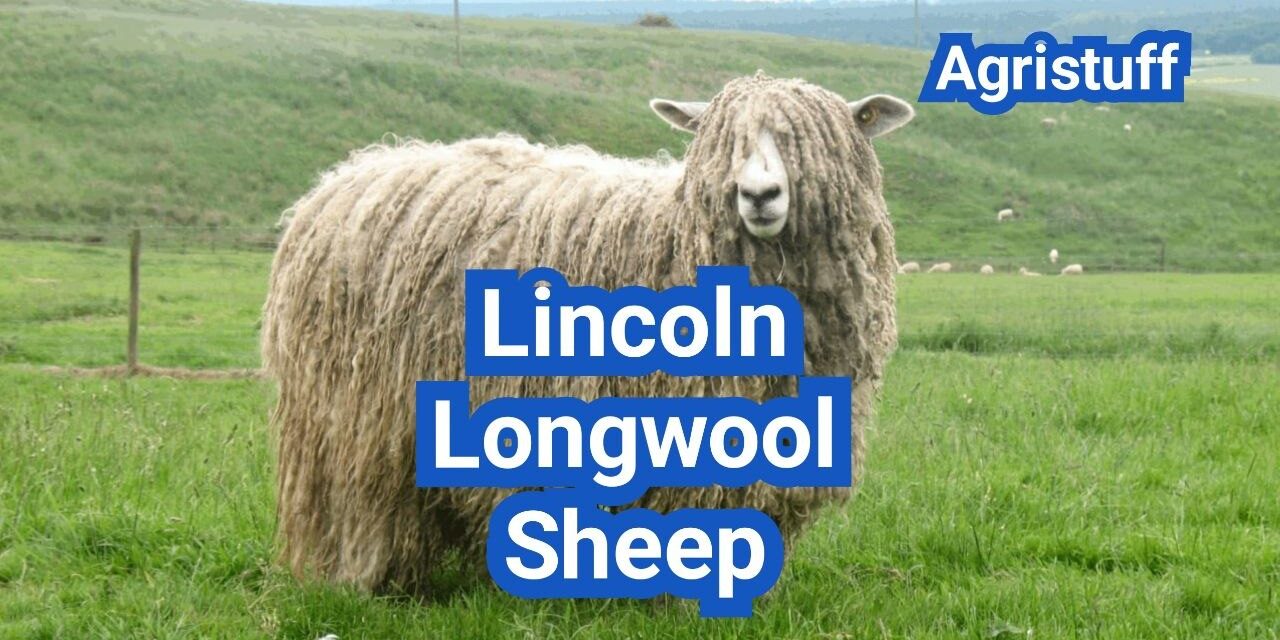
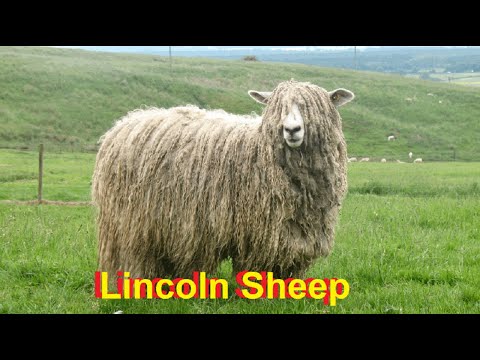
The Lincoln Longwool Sheep is an ancient British breed renowned for its impressive size and exceptional wool production. Originating in Lincolnshire, England, this breed has a rich history that spans centuries.
The significance of the Lincoln Longwool Sheep lies in its unique characteristics, which have made it a valuable asset in the agricultural sector. This article will delve into the history, origin, characteristics, breeding, and uses of the Lincoln Longwool Sheep, providing a comprehensive overview of this remarkable breed.
Key Takeaways
- Understanding the history and origin of the Lincoln Longwool Sheep breed.
- Exploring the characteristics that make this breed unique.
- Learning about the breeding practices for Lincoln Longwool Sheep.
- Discovering the various uses of Lincoln Longwool Sheep in agriculture.
- Gaining insights into the significance of this breed in the industry.
The Rich Heritage of Lincoln Longwool Sheep

The history of Lincoln Longwool Sheep is deeply intertwined with the wool trade in Lincolnshire, England. This breed has its roots in medieval times, playing a significant role in the region’s agricultural heritage.
Ancient Origins in Lincolnshire, England
The Lincoln Longwool Sheep breed originated in the Lincolnshire region of England, where it was highly valued for its wool production. The breed’s development is closely tied to the local wool trade, which was a significant economic activity in medieval England. The demand for high-quality wool drove the selective breeding of Lincoln Longwool Sheep, resulting in a breed known for its exceptional fleece.
As noted by historical accounts, “The Lincoln Longwool was bred to thrive in the challenging agricultural conditions of Lincolnshire, producing a hardy and productive sheep.” This characteristic made it an invaluable asset to local farmers.
Evolution Through the Centuries
Over the centuries, the Lincoln Longwool Sheep has evolved through careful breeding practices. Robert Bakewell’s influence on animal breeding in the 18th century also impacted the development of this breed, although the Lincoln Longwool has its distinct history and characteristics.
The breed has been refined over time to enhance its desirable traits, such as its fleece quality and size. Today, the Lincoln Longwool Sheep is recognized as a heritage longwool sheep breed with a rich history, and it continues to be valued for its unique characteristics.
“The Lincoln Longwool’s history is a testament to the breed’s adaptability and the skill of traditional British sheep breeders.”
The evolution of the Lincoln Longwool Sheep is a story of successful adaptation to changing agricultural practices and market demands, ensuring its place as an important part of Britain’s agricultural heritage.
Historical Development of the Lincoln Longwool Breed
The development of the Lincoln Longwool breed is a fascinating story of agricultural innovation. This heritage breed has its roots in Lincolnshire, England, where it was developed over centuries through careful breeding practices.
Robert Bakewell’s Influence on Breeding
Robert Bakewell, a pioneering figure in sheep breeding, played a significant role in the development of the Lincoln Longwool breed. His innovative breeding techniques and emphasis on selecting desirable traits helped shape the breed into what it is today. Bakewell’s methods, which focused on improving the quality and size of sheep, were revolutionary for his time and had a lasting impact on the agricultural community.
Bakewell’s key contributions included:
- Selecting for desirable traits such as fleece quality and body size
- Developing breeding programs that emphasized genetic improvement
- Influencing other breeders through his innovative techniques
Establishment as a Distinct Breed
As the Lincoln Longwool breed evolved, it became recognized as a distinct breed with unique characteristics. The breed’s establishment was the result of centuries of careful breeding and selection. By the 18th century, the Lincoln Longwool had become known for its exceptional fleece and impressive size.
The following table summarizes key milestones in the historical development of the Lincoln Longwool breed:
| Period | Key Developments |
|---|---|
| Ancient Times | Early origins of the breed in Lincolnshire, England |
| 18th Century | Robert Bakewell’s breeding programs influence the breed |
| 19th Century | Lincoln Longwool recognized as a distinct breed |
The Lincoln Longwool breed’s historical development is a testament to the power of careful breeding and selection. Today, this heritage breed continues to be valued for its unique characteristics and contributions to agriculture.
Understanding Lincoln Longwool Sheep Characteristics

The Lincoln Longwool Sheep breed is renowned for its impressive physical attributes, making it a standout among other sheep breeds. Their size, weight, and distinctive features contribute to their popularity among breeders and farmers.
Size and Weight Specifications
Lincoln Longwool Sheep are known for their large size. Rams typically weigh between 225-300 lbs., while ewes average around 210 lbs. This substantial size is one of the breed’s defining characteristics.
| Category | Weight Range (lbs.) |
|---|---|
| Rams | 225-300 |
| Ewes | 210 (average) |
Distinctive Facial Features and Body Structure
Lincoln Longwool Sheep have a distinctive appearance, characterized by a white face and a robust body structure. Their facial features are often described as being strong and well-defined, contributing to their overall impressive stature.
Color Variations and Markings
The breed is known for its white fleece, although occasional color variations can occur. The fleece itself is lustrous and of high quality, making it highly prized for textile production.
The Remarkable Lincoln Longwool Fleece

With its impressive length, luster, and quality, the Lincoln Longwool fleece stands out among other sheep breeds. The exceptional characteristics of this fleece make it highly sought after in the textile industry.
Fiber Profile and Quality Indicators
The Lincoln Longwool fleece is known for its exceptional fiber profile, which includes a staple length typically ranging from 15 to 20 inches. The fiber diameter is generally coarser than that of other longwool breeds, making it ideal for producing durable textiles.
“The Lincoln Longwool’s fleece is a testament to the breed’s heritage and quality,” as noted by sheep breeders. The fleece not only boasts impressive length but also a characteristic luster that enhances its appeal.
Length, Luster, and Unique Properties
The luster of Lincoln Longwool fleece is one of its most distinguishing features. This characteristic gives the wool a shiny appearance, making it highly desirable for crafting high-quality garments and textiles. The unique properties of this fleece, including its length and durability, contribute to its value in the market.
- Exceptional length, typically between 15 to 20 inches
- Characteristic luster that enhances its aesthetic appeal
- Durable and resistant to wear, making it ideal for various textile applications
Annual Wool Production Metrics
Lincoln Longwool sheep are prolific producers of wool, with annual production ranging from 12 to 16 pounds per sheep. This significant yield makes them valuable for commercial wool production.
The quality and quantity of the fleece are influenced by factors such as nutrition, health, and breeding practices. Ensuring optimal conditions for the sheep can enhance both the quality and quantity of the wool produced.
Temperament and Behavior of Lincoln Longwool Sheep
Lincoln Longwool Sheep are renowned for their calm demeanor, making them an excellent choice for farmers seeking a docile breed. Their temperament is a significant factor in their popularity among sheep breeders.
Personality Traits and Handling Characteristics
Lincoln Longwool Sheep are known for their gentle nature, which makes them easy to handle. They are generally friendly and docile, allowing farmers to manage them with ease. This breed’s calm temperament also reduces stress during handling, making it an ideal choice for farms that prioritize animal welfare.
Their docile nature is particularly beneficial during lambing and other management practices. Farmers have reported that Lincoln Longwool Sheep are relatively easy to train and respond well to gentle handling practices.
Adaptability to Different Environments
Lincoln Longwool Sheep are adaptable to various farming environments, thanks to their robust nature and calm temperament. They thrive in different climates and management systems, making them a versatile choice for farmers worldwide.
Their adaptability is also reflected in their ability to graze on a variety of pastures. Lincoln Longwool Sheep can efficiently utilize different types of forage, which is an essential trait for a dual-purpose sheep breed.
In summary, the temperament and behavior of Lincoln Longwool Sheep make them an attractive choice for farmers seeking a calm and docile breed. Their gentle nature, ease of handling, and adaptability to different environments contribute to their popularity among sheep breeders.
How to Start Breeding Lincoln Longwool Sheep

Starting a Lincoln Longwool Sheep breeding program requires careful planning and a deep understanding of the breed’s unique characteristics. This ancient breed is known for its exceptional wool production and robust health, making it an attractive choice for breeders.
Selecting Quality Breeding Stock
The foundation of a successful breeding program lies in selecting high-quality breeding stock. When choosing Lincoln Longwool Sheep, look for animals with desirable traits such as strong fleece quality, good body conformation, and a calm temperament.
Key Characteristics to Look for in Breeding Stock:
- Fleece quality: Look for sheep with a dense, lustrous fleece.
- Body conformation: Ensure the sheep have a well-proportioned body.
- Temperament: A calm demeanor is essential for easy handling.
Setting Up Your Breeding Program
Once you have acquired quality breeding stock, the next step is to set up your breeding program. This involves developing a breeding strategy, creating a flock management plan, and ensuring you have the necessary infrastructure.
| Program Component | Description | Importance Level |
|---|---|---|
| Breeding Strategy | Defines the goals and methods for breeding. | High |
| Flock Management | Involves daily care and monitoring of the flock. | High |
| Infrastructure | Includes fencing, shelter, and equipment. | Medium |
Genetic Diversity Management
Managing genetic diversity is crucial for the long-term health and viability of your Lincoln Longwool Sheep flock. This involves avoiding inbreeding and introducing new genetics periodically.
Strategies for Maintaining Genetic Diversity:
- Linebreeding: Breeding within family lines while avoiding close relatives.
- Outbreeding: Introducing unrelated animals to the flock.
- Record Keeping: Maintaining detailed pedigree records.
By following these guidelines, you can establish a thriving Lincoln Longwool Sheep breeding program that contributes to the conservation of this heritage breed.
Managing the Lambing Process Step by Step
Effective lambing management is essential for maximizing the health and productivity of Lincoln Longwool Sheep. The lambing process requires careful planning, monitoring, and assistance to ensure the well-being of both ewes and lambs.
Pregnancy Monitoring and Preparation
Monitoring the pregnancy of Lincoln Longwool ewes is crucial for identifying potential complications early. Regular ultrasound checks can help determine the number of lambs and their viability. Preparing a clean and safe lambing area is also vital, with adequate provisions for nutrition and care.
Proper nutrition during pregnancy is essential, with a focus on high-quality forage and appropriate supplements. Ewes should be monitored for signs of pregnancy toxemia, and their body condition score should be maintained between 3 and 3.5.
Lambing Assistance Techniques
Assisting during lambing is critical for ensuring the health of both the ewe and the lamb. Knowing when to intervene is key; most ewes can lamb without assistance, but being prepared to help is crucial. Signs that assistance is needed include prolonged labor, abnormal presentations, and visible complications.
During lambing, it’s essential to have a clean environment and the necessary tools, such as obstetric gloves and lubricant. Assistance should be gentle and careful to avoid causing injury to the ewe or lamb.
Post-Birth Care for Ewes and Lambs
After lambing, both the ewe and lambs require careful attention. The ewe should be monitored for signs of infection or complications, and the lambs should be checked for vitality and proper nursing. Ensuring that lambs receive adequate colostrum within the first hour of birth is vital for their immune system development.
Post-birth care also includes monitoring the ewe’s udder for signs of mastitis and ensuring that the lambs are not too weak or too strong. Weighing lambs at birth and monitoring their growth rate can help identify any potential issues early.
Developing a Pasture-Based Nutrition Plan

Developing a comprehensive pasture-based nutrition plan is crucial for the overall well-being of Lincoln Longwool Sheep. A well-managed pasture provides the foundation for a nutritious diet, ensuring the health and productivity of the flock.
Seasonal Grazing Strategies
Effective seasonal grazing strategies are vital for maintaining pasture quality and quantity. Rotational grazing is a recommended practice, allowing pastures to rest and recover, thus preventing overgrazing and promoting biodiversity.
As stated by agricultural experts, “Rotational grazing is a key component of a successful pasture-based nutrition plan, enhancing soil health and pasture productivity.”
“The rotational grazing system not only improves the quality of the pasture but also increases the overall efficiency of the farm.”
- Divide pastures into smaller sections to manage grazing effectively.
- Move sheep to a new grazing area based on forage availability.
- Allow pastures adequate rest periods to recover.
Supplemental Feeding Guidelines
While pasture provides the bulk of the diet, supplemental feeding may be necessary, especially during periods of low pasture quality or quantity. It’s essential to assess the nutritional needs of the flock and provide appropriate supplements.
| Supplement Type | Nutritional Benefit |
|---|---|
| Hay | Provides fiber, helping to maintain digestive health. |
| Grain | Offers additional energy, particularly useful during late pregnancy or early lactation. |
Mineral and Vitamin Requirements
Lincoln Longwool Sheep have specific mineral and vitamin requirements that must be met to ensure optimal health. Pasture quality and supplemental feeding play critical roles in meeting these needs.
Free-choice minerals can be provided to allow sheep to self-regulate their intake based on individual needs. Regular monitoring of pasture and flock health is essential to adjust the nutrition plan as necessary.
Implementing a Complete Health Management System

A robust health management system is essential for Lincoln Longwool Sheep, encompassing biosecurity, vaccination, and parasite control. This comprehensive approach ensures the overall health and productivity of the flock.
Creating a Biosecurity Plan
A biosecurity plan is critical for preventing the introduction and spread of diseases within the flock. This involves:
- Restricting access to the farm and flock
- Implementing quarantine procedures for new animals
- Regularly disinfecting equipment and living areas
- Monitoring for signs of illness
By having a sheep biosecurity plan in place, farmers can significantly reduce the risk of disease outbreaks.
Vaccination Schedule and Protocols
Vaccinations play a crucial role in protecting Lincoln Longwool Sheep from diseases. Developing a vaccination schedule tailored to the specific needs of the flock is essential. This includes:
- Consulting with a veterinarian to determine necessary vaccinations
- Administering vaccinations at the appropriate times
- Maintaining accurate records of vaccinations
FAMACHA Scoring and Parasite Control
FAMACHA scoring is a method used to assess the level of parasitic infestation in sheep. By regularly evaluating the flock using FAMACHA scoring, farmers can identify animals in need of treatment. Effective parasite control involves:
- Regular FAMACHA scoring
- Targeted deworming treatments
- Monitoring for resistance to deworming medications
Using Scrapie Tags and Identification
Scrapie tags are an important tool for identifying individual sheep and tracking their health history. These tags are part of a national program to control scrapie, a fatal disease affecting sheep. Proper use of scrapie tags involves:
- Applying tags according to regulatory guidelines
- Maintaining accurate records associated with the tag numbers
- Ensuring that all sheep are tagged appropriately
By implementing these health management strategies, farmers can improve the overall health and productivity of their Lincoln Longwool Sheep flock.
Mastering Lincoln Longwool Sheep Shearing
Mastering the art of shearing Lincoln Longwool Sheep is crucial for their health and productivity. Shearing is not just about removing the fleece; it’s a critical process that affects the overall well-being of the sheep.
Optimal Shearing Schedule and Timing
The timing of shearing is vital. Lincoln Longwool Sheep typically require shearing once a year, but the exact timing depends on factors such as climate, age, and the individual sheep’s condition. Generally, shearing in the spring or early summer is recommended to avoid cold stress during winter and to prevent flystrike in warm weather.
It’s essential to monitor the weather forecast before shearing to avoid shearing during periods of extreme weather conditions.
Equipment Selection and Preparation
Having the right equipment is crucial for efficient and safe shearing. This includes high-quality shears, combs, and cutters. Regular maintenance of shearing equipment is necessary to ensure it remains in good working condition.
- Shears: Choose shears that are comfortable and suitable for the size and type of sheep you are shearing.
- Combs and Cutters: Regularly check and replace combs and cutters to maintain efficiency.
Step-by-Step Shearing Technique
Shearing Lincoln Longwool Sheep requires a systematic approach to ensure that the fleece is removed efficiently and safely. Start by securing the sheep comfortably, then proceed to remove the fleece in sections, working from the belly and legs upwards.
- Position the sheep on its back or side, depending on the section being sheared.
- Begin shearing from the belly and work upwards, using long, smooth strokes.
- Carefully shear around the head, ears, and legs.
Post-Shearing Care and Management
After shearing, it’s crucial to provide proper care to the sheep. This includes monitoring for any cuts or injuries sustained during shearing, providing adequate shelter, and ensuring access to clean water and nutritious feed.
Key post-shearing care practices include:
- Inspecting the sheep for any injuries.
- Providing shelter to protect against extreme weather.
- Ensuring access to clean water and adequate nutrition.
By mastering the shearing process and providing appropriate post-shearing care, you can significantly improve the health and productivity of your Lincoln Longwool Sheep.
Processing and Marketing Lincoln Longwool Fiber

The Lincoln Longwool fiber, renowned for its exceptional luster and length, presents a lucrative opportunity for farmers and artisans alike in the textile industry. Its unique characteristics make it highly valued for various applications, from high-quality clothing to home textiles.
Preparing Raw Wool for Processing
Preparing raw Lincoln Longwool wool for processing involves several steps to ensure its quality and value are maintained. Initially, the fleece is sorted and graded according to its quality, color, and fiber length. This step is crucial as it determines the potential use of the wool, whether it’s for spinning into yarn, felting, or other textile applications.
After sorting, the raw wool is scoured to remove dirt, oil, and lanolin. Scouring is a delicate process that requires careful attention to preserve the wool’s natural properties. The scoured wool is then dried and carded or combed, depending on the intended use. Carding aligns the fibers, producing a rope-like strand called a sliver, which is ideal for spinning.
Spinning Lincoln Longwool Yarn
Spinning Lincoln Longwool yarn is a process that transforms the prepared raw wool into a usable form for knitting or weaving. The quality of the yarn depends on the preparation of the wool and the spinning technique. Lincoln Longwool yarn is prized for its softness, durability, and luster, making it suitable for a wide range of textile projects.
The spinning process involves drafting the fibers to the desired thickness and then twisting them together to create yarn. The twist level can be adjusted to achieve different yarn characteristics, such as softness or texture. Lincoln Longwool yarn can be spun to various weights, from fine lace yarn to bulky yarns for warm clothing.
How to Sell Raw Wool in the US
Selling raw Lincoln Longwool wool in the US involves understanding the market demand and preparing the wool to meet the needs of potential buyers. The raw wool market includes various buyers, from small-scale spinners and weavers to large textile mills.
To successfully sell raw wool, it’s essential to grade and package it properly. Grading involves sorting the wool by quality, color, and fiber length, while packaging should protect the wool from contamination and damage. Marketing efforts should highlight the unique qualities of Lincoln Longwool, such as its luster and durability.
| Market Segment | Potential Buyers | Key Selling Points |
|---|---|---|
| Hand Spinners and Weavers | Small-scale artisans, craft fairs | Luster, softness, durability |
| Textile Mills | Large-scale manufacturers | Consistency, quality, quantity |
| Felters and Crafters | Hobbyists, craft stores | Quality, color, texture |
By understanding the different market segments and tailoring the sales approach accordingly, farmers and producers can effectively market their Lincoln Longwool fiber and capitalize on its unique qualities.
Commercial and Artisanal Uses of Lincoln Longwool

The versatility of Lincoln Longwool wool makes it a sought-after material for both industrial and handmade products. Its unique characteristics, such as luster and durability, open up a wide range of applications in the textile industry.
Textile Applications and Products
Lincoln Longwool is used in various textile applications, including the production of high-quality clothing, home textiles, and crafts. The wool’s luster and softness make it ideal for creating garments that require both durability and aesthetic appeal.
The wool is often used in:
- High-end knitwear and woven garments
- Home decor items like blankets and throws
- Craft projects, including felted items and tapestries
Specialty Markets for Luster Longwool
The unique luster of Lincoln Longwool wool has created niche markets in the textile industry. Artisans and manufacturers seek out this wool for its ability to add value to their products. Specialty markets include:
| Market Segment | Product Examples | Value Proposition |
|---|---|---|
| High-end Fashion | Luxury knitwear, bespoke suits | Unique luster, softness, and durability |
| Home Decor | Hand-woven blankets, throws | Aesthetic appeal, warmth, and quality |
| Artisanal Crafts | Felted items, wool ornaments | Unique texture, durability, and natural beauty |
Value-Added Product Development
To maximize the value of Lincoln Longwool, producers and artisans are developing value-added products. This includes processing the raw wool into yarn, creating finished garments, or making home decor items. The development of these products not only increases the economic return but also helps in promoting the breed and its unique characteristics.
By focusing on the unique qualities of Lincoln Longwool and diversifying its applications, the industry can continue to grow and thrive. Whether through commercial textile production or artisanal crafts, the versatility of Lincoln Longwool wool ensures its continued demand in various markets.
Lincoln Longwool Sheep in the United States

Lincoln Longwool Sheep were first introduced to the US in the early 19th century and have since become an integral part of the country’s sheep industry. Their introduction marked the beginning of a new era in American sheep breeding, bringing with them the characteristics that would make them highly valued.
Introduction and Historical Spread
The early 19th century saw the importation of Lincoln Longwool Sheep to the United States, a move that was instrumental in shaping the country’s sheep breeding landscape. These sheep were prized for their fleece and meat production capabilities, making them a valuable addition to American farms.
As the breed gained popularity, it spread across various regions in the US, adapting to different climates and farming practices. Their hardiness and versatility made them suitable for a wide range of environments.
Current Population and Regional Distribution
Today, Lincoln Longwool Sheep can be found in various parts of the United States, with their population reflecting a steady interest in the breed. While exact numbers may fluctuate, the breed remains a significant part of the sheep industry.
| Region | Estimated Population | Primary Use |
|---|---|---|
| Midwest | 5,000 | Meat and Fleece |
| Northeast | 3,000 | Fleece and Breeding |
| West Coast | 2,500 | Meat and Specialty Products |
The National Lincoln Sheep Breeders Association
The National Lincoln Sheep Breeders Association plays a crucial role in promoting and preserving the Lincoln Longwool Sheep breed in the US. The association provides resources for breeders, including registration services, breed standards, and networking opportunities.
Shows and Exhibition Opportunities
One of the key activities of the National Lincoln Sheep Breeders Association is organizing shows and exhibitions. These events provide a platform for breeders to showcase their animals, share knowledge, and celebrate the breed’s qualities.
The association’s efforts have been instrumental in maintaining the breed’s integrity and promoting its benefits to the wider sheep breeding community.
Conservation Status and Getting Involved
The Lincoln Longwool Sheep breed is facing conservation challenges that necessitate immediate attention and action. As a heritage breed, their preservation is not only important for agricultural diversity but also for cultural heritage.
Current Population Concerns
Lincoln Longwool Sheep are considered a heritage breed and are listed on conservation priority lists due to their declining population. The main concerns include the decreasing number of purebred animals and the risk of genetic erosion. Efforts to conserve this breed are critical to maintaining genetic diversity within the sheep population.
Organizations Supporting Lincoln Longwool Preservation
Several organizations are dedicated to the preservation of Lincoln Longwool Sheep. The National Lincoln Sheep Breeders Association plays a pivotal role in promoting the breed and supporting conservation efforts. “Conservation is a collective effort,” says the association’s mission statement, highlighting the importance of community involvement in breed preservation.
How to Contribute to Conservation Efforts
There are multiple ways to contribute to the conservation of Lincoln Longwool Sheep. Individuals can support conservation efforts by:
- Donating to recognized conservation organizations
- Volunteering time to help with breed promotion and education
- Participating in breeding programs to enhance genetic diversity
- Spreading awareness about the importance of heritage breed conservation
As Dr. Temple Grandin, a renowned animal scientist, once said,
“The most important thing for the future of livestock is to preserve genetic diversity.”
This quote underscores the significance of conserving heritage breeds like the Lincoln Longwool Sheep.
The Future of Lincoln Longwool Sheep
The Lincoln Longwool Sheep, a heritage breed with a rich history, continues to play a significant role in the textile industry and agricultural heritage. Conservation efforts are crucial to preserving this breed for future generations.
By understanding the breed’s characteristics, breeding practices, and uses, farmers and conservationists can work together to promote the Lincoln Longwool Sheep. Effective conservation strategies will ensure the long-term viability of this heritage breed.
Promoting the unique qualities of Lincoln Longwool Sheep, such as their exceptional fleece and adaptability, can help increase their popularity among farmers and textile producers. This, in turn, will support conservation efforts and secure the breed’s future.
FAQ
What is the origin of the Lincoln Longwool Sheep breed?
The Lincoln Longwool Sheep breed originated in Lincolnshire, England, with a history dating back to the 18th century.
What are the characteristics of Lincoln Longwool Sheep?
Lincoln Longwool Sheep are known for their large size, with rams weighing up to 350 pounds, and their distinctive facial features, including a white face and a Roman nose. They have a sturdy body structure and a fleece known for its length, luster, and quality.
What is the fiber profile of Lincoln Longwool fleece?
Lincoln Longwool fleece is characterized by its long staple length, typically ranging from 8 to 12 inches, and its luster, making it highly valued for textile production.
How do I start breeding Lincoln Longwool Sheep?
To start breeding Lincoln Longwool Sheep, you need to select quality breeding stock, set up a breeding program, and manage genetic diversity to ensure the health and quality of your flock.
What are the key considerations for managing the lambing process?
Managing the lambing process involves pregnancy monitoring, lambing assistance techniques, and post-birth care for ewes and lambs to ensure their health and well-being.
How do I develop a pasture-based nutrition plan for Lincoln Longwool Sheep?
Developing a pasture-based nutrition plan involves seasonal grazing strategies, supplemental feeding guidelines, and ensuring mineral and vitamin requirements are met to maintain the health of your flock.
What is involved in implementing a complete health management system?
Implementing a complete health management system includes creating a biosecurity plan, establishing a vaccination schedule, FAMACHA scoring, and parasite control measures to protect your flock’s health.
How do I shear Lincoln Longwool Sheep?
Shearing Lincoln Longwool Sheep requires an optimal shearing schedule, proper equipment selection, and a step-by-step shearing technique to ensure the quality of the fleece and the welfare of the sheep.
What are the uses of Lincoln Longwool fiber?
Lincoln Longwool fiber is used in various textile applications, including the production of high-quality yarns, and is valued for its luster and durability in specialty markets.
How can I contribute to the conservation of Lincoln Longwool Sheep?
Contributing to the conservation of Lincoln Longwool Sheep involves supporting organizations dedicated to their preservation, promoting the breed, and participating in conservation efforts.
What is the current conservation status of Lincoln Longwool Sheep?
The conservation status of Lincoln Longwool Sheep is a concern due to their relatively low numbers, making conservation efforts and support from breeders and enthusiasts crucial.
How do I sell raw wool in the US?
Selling raw wool in the US involves preparing the wool for sale, marketing it to potential buyers, and complying with relevant regulations and standards.
Conclusion of: Lincoln Longwool Sheep Breed
What Makes Lincoln Longwool Sheep Special
Lincoln Longwool Sheep are one of the classic English longwool breeds, known for a large frame and a long, lustrous fleece that grows in heavy, eye-catching locks. For U.S. small farms and homesteads, Lincoln Longwool Sheep can be a practical dual-purpose option when you want heritage genetics, a generally calm disposition, and a fleece that attracts handspinners, weavers, and niche fiber buyers who pay for character and luster. Because Lincoln Longwool Sheep are also valued in conservation circles, raising them can support genetic diversity while still producing marketable products for local and online audiences Lincoln Sheep breed profile (The Livestock Conservancy)
History and Origin of Lincoln Longwool Sheep
Lincoln Longwool Sheep trace back to Lincolnshire, England, where regional sheep were shaped over time through selective breeding to improve both wool value and carcass usefulness. Many historical breed summaries describe Lincoln Longwool Sheep developing from local stock influenced by other longwool bloodlines, followed by consistent selection for size, wool length, and that signature luster that made longwool fleeces valuable to textile makers. This origin story matters to modern U.S. producers because it explains why Lincoln Longwool Sheep tend to combine visual fleece appeal with a large-bodied, productive type Lincoln Sheep overview (Oklahoma State University)
Conservation Value and Why the Breed Still Matters
Lincoln Longwool Sheep are more than a “beautiful wool sheep” because they represent a narrowing pool of longwool genetics that influenced sheep breeding worldwide. In the United States, Lincoln Longwool Sheep are recognized by conservation organizations, which means building a healthy flock can be part of preserving agricultural biodiversity while still operating as a working farm. For producers who care about heritage livestock, Lincoln Longwool Sheep bring a strong story to your marketing: you are raising an animal that is both productive and historically important, and buyers often respond to that authenticity Why heritage breeds are conserved (The Livestock Conservancy)
Size, Frame, and Overall Look
Lincoln Longwool Sheep are widely described as one of the larger sheep breeds, typically showing a long, deep body with substantial bone and a strong topline that supports a heavy fleece. That size can be a real advantage for U.S. farms that want a robust, easy-to-see animal on pasture, but it also means you should plan handling systems accordingly—solid gates, non-slip flooring, and enough space in chutes and pens. When Lincoln Longwool Sheep are managed well, the overall look is “powerful and productive,” which can also help if you sell breeding stock and want sheep that present well Breed characteristics and size notes (Oklahoma State University)
Fleece Structure: The Iconic Long Locks
The fleece is the headline feature of Lincoln Longwool Sheep, and the breed is famous for long, distinct locks that often hang in a draping “curtain” along the sides. Many fiber buyers in the U.S. love Lincoln Longwool Sheep because lock structure photographs beautifully, signals true longwool character, and can be sold as raw fleece, washed locks, or processed roving depending on your market. If you are building a fiber brand, Lincoln Longwool Sheep give you a strong visual identity that stands out in craft markets where shoppers often buy with their eyes first Lincoln fiber profile (The Livestock Conservancy PDF)
Wool Quality: Luster, Strength, and Typical Uses
Lincoln Longwool Sheep wool is generally not a fine-wool type, but it is prized for sheen, strength, and durability—traits that matter in weaving, rugs, outerwear yarns, and decorative textiles. In U.S. niche fiber markets, Lincoln Longwool Sheep can sell well when you position the fleece correctly: highlight luster, staple length, lock definition, and the way the fiber performs in hard-wearing projects rather than promising “merino softness.” When you match Lincoln Longwool Sheep wool to the right use, buyers often come back because they know exactly what problem the fiber solves Performance and recommended uses (The Livestock Conservancy PDF)
Temperament and Handling on Small Farms
Lincoln Longwool Sheep are often described as calm and manageable, which can be helpful if you are a small producer doing much of the work yourself. Even with a docile breed, facility design matters more than strength—wide turns, good lighting, and quiet movement reduce stress and make routine jobs like foot checks and deworming easier. In the U.S., low-stress handling is also a welfare and productivity issue, because calmer Lincoln Longwool Sheep tend to eat, breed, and mother more consistently when they are not constantly pressured or startled Working facilities and handling design (UMass Amherst)
Climate Fit for Lincoln Longwool Sheep in the United States
Because Lincoln Longwool Sheep carry heavy fleeces, they often fit best in cooler regions or in management systems that actively reduce heat stress during hot months. If you raise Lincoln Longwool Sheep in warm or humid U.S. climates, you’ll want reliable shade, strong airflow, clean water access, and a shearing schedule that prioritizes animal comfort, not just wool harvest. Heat management is not “optional” for Lincoln Longwool Sheep, because overheating can reduce grazing time, weaken immune function, and create avoidable losses in performance Heat stress management (Penn State Extension)
Nutrition Basics for Lincoln Longwool Sheep
Lincoln Longwool Sheep perform best when nutrition matches the production stage: maintenance, breeding, late gestation, and lactation each require different energy and protein levels. Most U.S. flocks build diets around forage first, then use targeted supplementation when pasture quality drops or when ewes and lambs need more than grass can provide. For Lincoln Longwool Sheep, consistent nutrition also supports fleece growth and overall thriftiness, and it reduces metabolic stress that can lead to weak lambs or poor milk production Sheep nutrition fundamentals (Oregon State University Extension PDF)
Minerals, Copper Risk, and Practical Feeding Safety
Lincoln Longwool Sheep need minerals, but sheep mineral management in the U.S. must be done carefully because sheep are uniquely sensitive to excess copper. A common mistake is offering a cattle or goat mineral free-choice and assuming it is safe, which can put Lincoln Longwool Sheep at risk of copper toxicity depending on the formula and total diet. The simplest best practice is to choose minerals labeled specifically for sheep, keep them dry and available, and work with your veterinarian or extension resources to align mineral programs with local forage conditions Copper toxicity overview (Merck Veterinary Manual)
Body Condition Scoring and Avoiding Over-Conditioning
Because fleece can hide weight changes, Lincoln Longwool Sheep benefit from hands-on body condition scoring rather than guessing by appearance. Over-conditioned ewes may have lower reproductive efficiency and can face harder lambings, while thin ewes may struggle to cycle, carry twins, or produce enough milk. In U.S. systems, scoring at weaning, pre-breeding, mid-gestation, and late gestation helps you group-feed Lincoln Longwool Sheep efficiently so you spend supplementation dollars where they actually improve outcomes Body condition scoring and feeding ewes (University of Minnesota Extension)
Breeding Goals: What to Select For
Breeding Lincoln Longwool Sheep successfully starts with clear selection priorities that fit your market: fleece traits (luster, lock definition, staple length), structural soundness (feet and legs), and productive maternal behavior should all matter. If your U.S. customers buy fleece, you may prioritize fleece consistency and cleanliness; if you sell lamb, you may emphasize growth and carcass traits while maintaining wool quality. The best Lincoln Longwool Sheep flocks usually come from breeders who select for function first, because pretty sheep still need to thrive, breed, and raise lambs in real-world conditions Sheep production and selection resources (American Sheep Industry Association)
Pre-Breeding Management and the “Flushing” Strategy
Flushing is a practical tool used by many U.S. producers to improve conception and lambing percentage by increasing energy intake shortly before and during breeding. For Lincoln Longwool Sheep, flushing can be done with higher-quality pasture or measured supplementation, but it should be guided by body condition so you don’t overfeed already-heavy ewes. When done correctly, flushing helps Lincoln Longwool Sheep enter breeding in a positive nutritional plane, which can support better ovulation and a stronger start to pregnancy Flushing ewes before breeding (Michigan State University Extension)
Lambing Preparation and Newborn Priorities
Successful lambing in Lincoln Longwool Sheep is usually built on preparation: clean, dry lambing areas, a plan for observation, and basic supplies for assisting if labor stalls. In the U.S., many lamb losses happen from preventable issues—chilling, starvation, and mismothering—so the first hours matter most, especially ensuring lambs receive adequate colostrum quickly. When Lincoln Longwool Sheep lambing is supported by good hygiene and calm handling, ewes settle faster, lambs nurse sooner, and the whole season runs smoother Lambing basics for beginners (NC State Extension)
Vaccination and Common Health Protection
Most U.S. sheep health programs include vaccination against clostridial diseases (often CD-T), because these illnesses can kill lambs and adults quickly and unpredictably. A practical approach is to work with a veterinarian to time vaccinations for your management system so Lincoln Longwool Sheep ewes pass strong immunity to lambs through colostrum, then lambs receive their own series at the right age. Good vaccination planning for Lincoln Longwool Sheep supports both animal welfare and business stability, because it lowers the risk of sudden losses during high-investment periods like late pregnancy and early growth Sheep health and disease overview (AVMA)
Parasite Control and FAMACHA on U.S. Pastures
Internal parasites are a major limiter of flock performance in many U.S. regions, and Lincoln Longwool Sheep benefit from a targeted approach instead of routine whole-flock deworming. Tools like FAMACHA scoring can help identify animals showing anemia often associated with barber pole worm, allowing selective treatment while slowing the development of dewormer resistance. For Lincoln Longwool Sheep, combining targeted treatment with pasture rotation, nutrition, and (when possible) fecal monitoring creates a sustainable parasite plan that protects both sheep health and long-term drug effectiveness FAMACHA and targeted selective treatment (WormX)
Hoof Care, Foot Rot Prevention, and Lameness Control
Lincoln Longwool Sheep health and productivity can drop quickly if hoof care is ignored, because lameness reduces grazing, breeding performance, and overall thriftiness. In many U.S. climates, moisture and mud create perfect conditions for foot problems, so routine trimming, dry bedding, and prompt isolation of lame animals are key management habits. A simple, consistent hoof-care schedule helps Lincoln Longwool Sheep stay mobile, maintain body condition, and avoid chronic infections that are harder and more expensive to treat later Foot rot prevention and management (University of Minnesota Extension)
Biosecurity, Quarantine, and Protecting Your Investment
Biosecurity is one of the most profitable habits you can build with Lincoln Longwool Sheep, because buying animals without quarantine is one of the fastest ways to import parasites, resistant worms, or contagious disease. A practical U.S. quarantine plan includes isolation, observation, appropriate testing where needed, and a controlled process for introducing newcomers only after they are evaluated. Strong biosecurity protects Lincoln Longwool Sheep genetics and protects your reputation, especially if you sell breeding stock or fleece where buyers expect consistency and health transparency On-farm biosecurity measures for sheep (University of Missouri Extension)
Housing, Ventilation, and Facility Planning
Lincoln Longwool Sheep do not require luxury barns, but they do require dryness, clean bedding, and ventilation that reduces respiratory disease risk. In the U.S., the best housing systems focus on airflow and moisture control because damp, still air increases pneumonia pressure, especially in lambing groups. Facility planning for Lincoln Longwool Sheep should also include practical work areas—sorting pens, a safe place for foot work, and a clean shearing space—because good infrastructure reduces labor and keeps routine management from turning into an exhausting project Housing and working facilities guidance (UMass Amherst)
Shearing Timing and Humane Fiber Harvest
Shearing is not only a way to harvest fiber; for Lincoln Longwool Sheep it can be a comfort and health priority, especially in climates where spring and summer heat arrives quickly. A predictable shearing schedule supports cleaner fleeces, reduces external parasite habitat, and helps Lincoln Longwool Sheep maintain normal feeding and grazing behavior during warm weather. If you sell fleece in the U.S., clean shearing practices—dry sheep, clean floor, quick removal and bagging—also improve fiber value by reducing contamination and making your product easier for buyers to process Why shearing matters and basic guidance (The Livestock Conservancy)
Wool Handling, Skirting, and Selling in the U.S.
If your goal is income from fiber, Lincoln Longwool Sheep wool should be handled like a premium crop: skirt the fleece, remove stained or high-vegetable-matter edges, keep it dry, and store it in breathable packaging so it stays fresh and buyer-friendly. Many U.S. farms do well by selling raw fleeces directly to handspinners, while others build relationships with regional mills to create roving or yarn with consistent labeling and repeatable quality. When Lincoln Longwool Sheep fleece is presented cleanly and honestly—weight, staple length, and a clear description—buyers are more likely to purchase again and recommend your farm Wool handling and marketing resources (American Sheep Industry Association)
Best Uses for Lincoln Longwool Sheep Wool
Lincoln Longwool Sheep wool often shines in uses where strength and luster are valued: weaving, rugs, tapestries, decorative throws, and durable yarns that hold shape over time. In the U.S., positioning Lincoln Longwool Sheep fleece for these practical uses helps you avoid mismatched expectations and builds a more satisfied customer base, especially among weavers and fiber artists who actively seek longwool character. When you describe Lincoln Longwool Sheep wool honestly—lustrous, strong, long-stapled—you attract the right buyers, and that is one of the simplest ways to improve conversion on online listings Fiber characteristics and recommended applications (The Livestock Conservancy PDF)
Meat Value, Growth, and Market Options
Although the fleece draws attention, Lincoln Longwool Sheep can also contribute to meat production because the breed is large-framed and can perform in pasture-based systems when managed for growth and finish. U.S. marketing options vary by region—direct-to-consumer freezer lamb, local farmers markets (where allowed), and seasonal/holiday demand can all be viable outlets depending on processing access. For Lincoln Longwool Sheep, tracking body condition and growth rates helps you time harvest or sales more accurately, which can protect profit margins when feed costs rise or pasture quality fluctuates Direct marketing resources (USDA AMS)
Identification, Movement, and Scrapie Tags in the U.S.
When buying, selling, or transporting Lincoln Longwool Sheep, identification and recordkeeping are important, especially if animals cross state lines. Many U.S. producers meet requirements through official USDA scrapie identification (ear tags) and basic flock records that document animal movement and ownership. Even for small farms, these practices make Lincoln Longwool Sheep sales smoother, protect you during disease investigations, and improve buyer confidence because responsible identification signals a serious, transparent operation Official scrapie identification and tags (USDA APHIS)
Where to Find Breeders and Build a Support Network
Because Lincoln Longwool Sheep are a heritage breed, one of the best ways to improve your results is to connect with experienced breeders who understand fleece traits, bloodlines, and regional management challenges. In the U.S., breed and conservation directories can help you locate reputable sources for breeding stock and learn what “good” Lincoln Longwool Sheep look like beyond photos. When you contact breeders, ask practical questions about parasite pressure, shearing schedules, lamb growth, fleece consistency, and the breeder’s selection priorities so you can match sheep to your farm goals Breeders and products directory (The Livestock Conservancy)
Final thought
Lincoln Longwool Sheep can be a rewarding choice for U.S. farmers who want heritage value with real on-farm usefulness, combining a standout longwool fleece with a substantial, productive body type. The key to success with Lincoln Longwool Sheep is management that respects the breed’s strengths—strong nutrition, clean housing, thoughtful parasite control, and reliable shearing—while marketing the fleece and livestock honestly to buyers who value luster, durability, and conservation. When you build systems that keep Lincoln Longwool Sheep healthy and keep your products consistent, the breed can become both a practical enterprise and a meaningful part of preserving longwool history Breed summary and conservation context (The Livestock Conservancy)
Sources & References
- Lincoln Longwool – Wikipedia
- Lincoln Longwool Sheep Breeders Association | Lincolnshire
- National Lincoln Sheep Breeders Association
- Oklahoma State University — Breeds of Livestock: Lincoln Sheep
- The Livestock Conservancy — Lincoln Sheep
- The Livestock Conservancy — Lincoln Fiber Profile (PDF)
- Oregon State University Extension — Sheep nutrition guidance (PDF)
- UMass Amherst — Housing and Working Facilities for Sheep
- NC State Extension — Lambing and Kidding Cheat Sheet
- WormX — FAMACHA
- University of Missouri Extension — On-Farm Biosecurity Measures for Sheep
- USDA APHIS — Official Scrapie Identification (Tags)
- American Sheep Industry Association — Wool & Pelt Resources