The Karakul breed has a rich history that dates back to 1400 BCE in Central Asia. Originating from the village of Kara Kul, this breed has been prized for its unique characteristics and versatility.
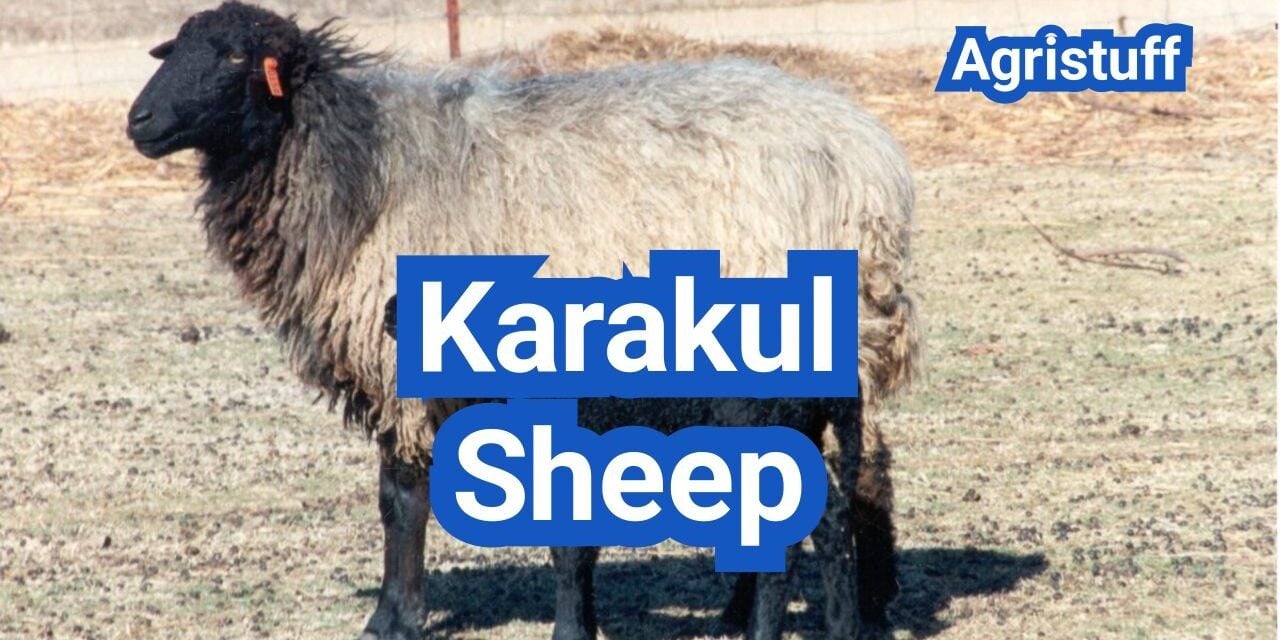
The distinctive features of Karakul Sheep include their fat-tailed characteristic and high-quality wool. They have been used for various purposes, including meat production and fur production, particularly the Persian lamb pelt.
In the United States, Karakul Sheep are considered a heritage breed and are valued for their hardiness and adaptability. They are used in various farming practices, contributing to the diversity of sheep breeds in the country.
Key Takeaways
- Originated in Central Asia around 1400 BCE
- Prized for unique characteristics and versatility
- Used for meat, wool, and fur production
- Considered a heritage breed in the United States
- Valued for hardiness and adaptability
The Ancient Origins of Karakul Sheep
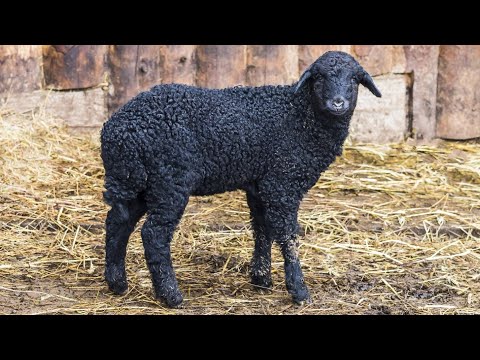
The Karakul Sheep breed has a rich history that spans thousands of years, with roots tracing back to ancient civilizations. Archaeological findings have played a crucial role in uncovering the origins of this ancient breed.
Archaeological Evidence and Early History
Archaeological evidence indicates the existence of the Persian lambskin as early as 1400 B.C. Carvings of a distinct Karakul type have been found on ancient Babylonian temples, suggesting a long history of this breed in the region. Such historical records not only highlight the breed’s antiquity but also its significance in ancient cultures.
Development in Central Asia
The development of Karakul Sheep is closely tied to Central Asia, where they were bred for their valuable fleece and meat. The region’s harsh climate and vast steppes made it an ideal place for hardy breeds like the Karakul to thrive.
| Historical Period | Evidence/Development | Significance |
|---|---|---|
| 1400 B.C. | Existence of Persian lambskin | Early evidence of Karakul Sheep |
| Ancient Babylonian Era | Carvings on temples | Cultural significance |
| Central Asian Development | Bred for fleece and meat | Adaptation to harsh climate |
The historical significance of Karakul Sheep is not limited to their economic value; they have also played a role in the cultural and social fabric of the regions they inhabited.
Understanding Karakul Sheep: One of the World’s Oldest Breeds

The Karakul Sheep breed is renowned for its unique fat-tailed characteristic, a trait that has been valued for centuries. This distinctive feature is not only a hallmark of the breed but also plays a significant role in their historical and cultural significance.
Classification as a Fat-Tailed Sheep
Karakul Sheep are classified as a fat-tailed breed, characterized by the deposits of fat at the base of their tail. This unique characteristic is highly valued, particularly in Central Asian cuisine, where the fat is considered a delicacy.
The fat-tailed trait is a result of centuries of adaptation to the harsh climates of Central Asia, allowing the sheep to survive during periods of scarcity. This adaptation has made Karakul Sheep highly resilient and capable of thriving in challenging environments.
Historical Significance in Central Asian Culture
Karakul Sheep have been an integral part of Central Asian culture for thousands of years. Their wool, meat, and fat have been utilized in various ways, contributing significantly to the local economy and cuisine.
In addition to their practical uses, Karakul Sheep hold cultural and historical significance. They are often associated with traditional practices and are considered a symbol of wealth and prosperity in many Central Asian communities.
The breed’s historical significance is further underscored by its role in the development of the region’s agricultural practices and trade. The unique characteristics of Karakul Sheep have made them a valuable commodity, contributing to their enduring presence in the region.
Physical Characteristics of Karakul Sheep
Karakul sheep are known for their distinctive physical characteristics, which have been developed over centuries. These characteristics not only define their appearance but also contribute to their adaptability and utility in various environments.
Size and Body Structure
Karakul sheep are generally of medium size, with a sturdy build that allows them to thrive in harsh climates. They have long, narrow heads and a straight or slightly convex profile. Their body structure is well-proportioned, with a deep chest and well-sprung ribs, contributing to their overall robustness.
The Distinctive Fat Tail
One of the most notable features of Karakul sheep is their fat tail, which serves as a reservoir for energy storage. This adaptation is crucial for their survival in areas with scarce feed during certain periods of the year. The fat tail is also a characteristic that distinguishes them from many other breeds.
Coat and Fleece Properties
The coat of Karakul sheep is composed of a long, lustrous outer coat and a fine, soft inner coat. This dual-layer fleece provides excellent insulation and protection against the elements. The fleece is highly valued for its quality and is used in various textile products.
The fleece properties of Karakul sheep include a range of colors and a unique texture that is both durable and soft. The outer coat can be quite long, while the undercoat is finer and provides warmth.
Color Variations
Karakul sheep are known for their wide range of colors, including black, brown, gray, and various shades in between. This diversity in color makes their fleece particularly versatile for different textile applications. The color variations are a result of selective breeding over the years, aimed at enhancing the aesthetic appeal of their wool.
In conclusion, the physical characteristics of Karakul sheep, including their size, body structure, distinctive fat tail, coat, fleece properties, and color variations, make them a unique and valuable breed. Their adaptability and the quality of their fleece have ensured their importance in both historical and modern contexts.
Temperament and Behavior Traits

The temperament of Karakul Sheep is characterized by their hardiness and strong flocking instinct. This breed has been known to thrive in challenging environments, showcasing their adaptability and resilience. Their robust nature makes them suitable for a variety of farming conditions.
Natural Instincts and Adaptability
Karakul Sheep are aggressive grazers and browsers, capable of surviving on poor-quality forage. Their natural instincts allow them to adapt to different grazing conditions, making them versatile for various farming systems. This adaptability is a key factor in their ability to thrive in diverse environments.
Social Structure Within Flocks
Karakul Sheep exhibit a strong social structure within their flocks, often led by a dominant individual. This social hierarchy helps maintain order and reduces conflict within the group. The flocking instinct is so strong that isolating an individual from the rest of the flock can cause significant stress.
The social behavior of Karakul Sheep is also characterized by their maternal instincts. Ewes are known to be protective of their lambs, demonstrating a strong maternal bond. This behavior is crucial for the survival of the lambs, especially in harsh environments.
Karakul Sheep Breeding Practices

Karakul sheep are known for their ability to breed out-of-season, allowing for multiple lamb crops within a short period. This characteristic makes them particularly valuable for farmers looking to maximize their productivity.
Breeding Season and Reproduction Cycle
Karakul sheep have a unique reproductive cycle that enables them to lamb multiple times in a year. They can produce three lamb crops in two years, making them an attractive choice for sheep farmers.
The breeding season for Karakul sheep can be managed to take advantage of their out-of-season lambing ability. This flexibility allows farmers to plan their breeding programs effectively.
Lambing Process
The lambing process in Karakul sheep is relatively straightforward, with ewes being attentive and protective mothers. This natural instinct helps in reducing lamb mortality rates.
- Ewes typically give birth to a single lamb, although twins can occur.
- Lambs are born with a relatively high birth weight, which is advantageous for their survival.
- Farmers need to monitor the lambing process to ensure the health of both the ewe and the lamb.
Genetic Considerations
Genetic considerations play a crucial role in Karakul sheep breeding. Breeders need to be aware of the genetic traits that influence the quality of the wool, meat, and pelts produced by the sheep.
Selecting for desirable genetic traits can help improve the overall quality and productivity of the flock. This includes traits such as fleece quality, growth rate, and fertility.
Key genetic considerations include:
- Selection for improved fleece quality and color.
- Breeding for increased fertility and lamb survival.
- Genetic testing to identify desirable traits.
Wool Production and Characteristics of Karakul Sheep

Karakul wool is celebrated for its lightweight, high-volume properties, making it a favorite among textile artisans. The unique characteristics of Karakul wool are a result of the breed’s adaptation to the harsh climates of Central Asia.
Unique Properties of Karakul Wool
Karakul fleece is known for being lightweight, high-volume, and strong, with a low grease content. This makes it easily spun and felted, contributing to its popularity in textile production. The wool’s durability and versatility are key advantages that have made Karakul sheep a valuable resource for centuries.
Shearing Requirements and Techniques
The shearing of Karakul sheep requires careful consideration to maintain the quality of the wool. Shearing is typically done once a year, with the timing dependent on the climate and the sheep’s health. Techniques vary, but the goal is always to produce high-quality fleece with minimal damage to the fibers.
Wool Processing Methods
After shearing, the Karakul wool undergoes processing to prepare it for use in textiles. This involves sorting, cleaning, and carding the fibers. The processing methods can vary depending on the intended use of the wool, from clothing to carpets. The low grease content of Karakul wool simplifies the cleaning process, making it more efficient.
The combination of unique properties, careful shearing, and appropriate processing methods makes Karakul wool highly prized in the textile industry. Its lightweight and durable characteristics ensure that products made from it are both beautiful and long-lasting.
The Controversial Fur Industry: Karakul Lamb Pelts

The use of Karakul lamb pelts in the fur industry has sparked debate due to ethical considerations. Karakul lambs are primarily used for their fur, particularly in the production of Persian lamb fur, a highly valued commodity in the fur trade.
Persian Lamb Fur Production
Persian lamb fur production involves the use of lambs, often fetal or very young lambs, to create the highly prized fur coats. This process has raised significant concerns regarding animal welfare.
The main issues include:
- The killing of lambs at a very young age or even before birth.
- Inhumane treatment and handling of the lambs.
- Lack of transparency in the supply chain.
Ethical Considerations
The ethical considerations surrounding Karakul lamb pelt production are multifaceted. Animal welfare is a primary concern, with many questioning the morality of killing lambs for their fur. Additionally, the environmental impact of the fur industry as a whole is under scrutiny.
Some key ethical considerations include:
- Ensuring humane treatment of animals.
- Transparency in the production and supply chain.
- Considering alternative, synthetic materials.
The debate surrounding Karakul lamb pelts highlights the need for more ethical and sustainable practices within the fur industry. As consumers become more aware of these issues, the demand for more humane and environmentally friendly products is likely to grow.
Karakul Sheep as a Meat Source

Karakul Sheep have been a vital source of meat for centuries in various cultures. Their meat is known for its unique characteristics and is often considered a delicacy.
Meat Quality and Characteristics
The meat of Karakul Sheep is lean and flavorful, making it a sought-after choice for many consumers. The fat tail, a distinctive feature of this breed, is particularly prized for its tenderness and rich flavor. The meat is also known for its low fat content, which appeals to health-conscious eaters.
Traditional Preparation Methods
In many cultures, Karakul Sheep meat is prepared using traditional methods that enhance its natural flavors. Common practices include slow-cooking and grilling, which help to tenderize the meat and bring out its unique taste. The fat tail, in particular, is often cooked separately to preserve its delicate flavor.
Some traditional dishes feature Karakul Sheep meat as the main ingredient, showcasing its versatility and cultural significance. These dishes are often served during special occasions and are considered an important part of the culinary heritage.
Introduction and Development of Karakul Sheep in the USA

The history of Karakul Sheep in America began with their importation between 1909 and 1929. This period marked the introduction of a breed with a rich history in Central Asia, primarily for pelt production.
Historical Import Timeline
The importation of Karakul Sheep to the United States was a significant event in the agricultural history of the country. The first imports were made to enhance the fur industry, particularly for the production of Persian lamb fur. The early 20th century saw multiple imports, with breeders focusing on developing the breed’s unique characteristics.
| Year | Import Details |
|---|---|
| 1909 | Initial import of Karakul Sheep for pelt production |
| 1914-1918 | Further imports during World War I, enhancing breed diversity |
| 1929 | Final major import before the Great Depression |
Adaptation to American Farming Practices
As Karakul Sheep were integrated into American farming, they demonstrated adaptability to local practices. Their hardiness and versatility made them suitable for various farming conditions. American breeders focused on maintaining the breed’s unique characteristics while adapting to the demands of local markets.
Key adaptations included:
- Adjusting breeding cycles to suit American climatic conditions
- Developing feeding practices that optimized the breed’s fat tail characteristics
- Implementing health management strategies to combat local diseases
The introduction and development of Karakul Sheep in the USA not only contributed to the fur industry but also enriched the country’s agricultural diversity. Today, the breed continues to be valued for its unique properties and historical significance.
American Karakul Sheep: Breed Standards and Registry
Maintaining the integrity of the Karakul Sheep breed in America requires adherence to strict breed standards and a reliable registry system. The American Karakul Sheep Registry plays a crucial role in this process.
The American Karakul Sheep Registry
The American Karakul Sheep Registry is the national registry for the Karakul Sheep breed in the United States. It is responsible for maintaining accurate records of breed lineage and ensuring that the breed standards are upheld. The registry provides a vital service to breeders by verifying the pedigree of Karakul Sheep, thus maintaining the breed’s purity and quality.
Karakul Shepherds Alliance
The Karakul Shepherds Alliance works closely with the American Karakul Sheep Registry to promote the breed and support breeders. This alliance is dedicated to the advancement of Karakul Sheep through education, breeding programs, and the dissemination of best practices in sheep husbandry.
Breed Standards in the United States
The breed standards for American Karakul Sheep are designed to preserve the unique characteristics of the breed, including its distinctive coat and fleece properties. Key aspects of the breed standards include:
- Physical Characteristics: Size, body structure, and the distinctive fat tail.
- Coat and Fleece: The quality, color, and texture of the fleece are critical.
- Temperament: The breed is known for its hardiness and adaptability.
These standards are crucial for maintaining the breed’s integrity and ensuring its continued success in the United States.
In conclusion, the American Karakul Sheep Registry and the Karakul Shepherds Alliance are instrumental in maintaining the breed standards for Karakul Sheep in the United States. Their work ensures the continued health and distinctiveness of this valuable breed.
Comprehensive Care and Management Guide for Karakul Sheep

Caring for Karakul Sheep requires a comprehensive understanding of their nutritional, health, and housing needs. Effective management practices are essential to ensure the well-being and productivity of these unique animals.
Nutritional Requirements
Karakul Sheep have specific dietary needs that must be met to maintain their health and productivity. They require high-quality forage, including grasses and legumes, and may need supplemental feeding, especially during periods of drought or when pasture quality is poor.
Nutritional Needs of Karakul Sheep:
| Nutrient | Requirement |
|---|---|
| Protein | 12-15% of diet |
| Energy | Adequate for maintenance and production |
| Minerals | Calcium, Phosphorus, and other essential minerals |
| Vitamins | Vitamin D and other essential vitamins |
Health Management and Common Issues
Regular health checks are crucial for early detection and management of diseases. Common health issues in Karakul Sheep include parasites, respiratory infections, and reproductive problems.
Health Management Strategies:
- Regular vaccinations and parasite control measures
- Monitoring for signs of illness or stress
- Maintaining clean and dry living conditions
Housing and Pasture Needs
Karakul Sheep require shelter from extreme weather conditions and adequate pasture for grazing. Fencing should be sturdy to prevent escape and predator entry.
Tail Docking Considerations
Tail docking is a common practice in some Karakul Sheep flocks to prevent health issues related to their distinctive fat tail. However, this decision should be made carefully, considering both the potential benefits and animal welfare implications.
By addressing the nutritional, health, and housing needs of Karakul Sheep, farmers can ensure the well-being and productivity of their flock. Regular monitoring and adaptation to changing conditions are key to successful Karakul Sheep care and management.
Economic Aspects of Karakul Sheep Farming

Understanding the economic aspects of Karakul Sheep farming is essential for making informed decisions in this niche market. The economic viability of Karakul Sheep farming depends on various factors, including the initial investment, ongoing costs, and potential revenue streams.
Current Market Prices
The current market prices for Karakul Sheep and their products, such as wool and meat, fluctuate based on demand and supply. Farmers need to stay informed about market trends to maximize their returns. For instance, the price for Karakul wool can vary significantly depending on its quality and the prevailing market conditions.
- Average price range for Karakul Sheep: $500-$1000 per head
- Price range for Karakul wool: $5-$15 per pound
- Meat prices vary based on quality and market demand
Profitability Analysis
A thorough profitability analysis is crucial for determining the viability of Karakul Sheep farming. This involves calculating the total costs, including feed, veterinary care, and labor, against the revenue generated from the sale of sheep, wool, and meat. Efficient management practices can significantly enhance profitability.
| Category | Cost/Revenue |
|---|---|
| Initial Investment | $1,000-$5,000 |
| Annual Maintenance | $500-$2,000 |
| Revenue from Sales | $1,500-$6,000 |
Marketing Karakul Products
Effective marketing strategies are vital for the successful sale of Karakul products. This includes highlighting the unique qualities of Karakul wool and meat, such as their durability and taste. Utilizing online platforms and local markets can help reach a wider customer base.
By understanding the economic aspects of Karakul Sheep farming and implementing effective marketing strategies, farmers can improve their profitability and contribute to the sustainability of this traditional farming practice.
Conservation Status and Efforts for Karakul Sheep

The Karakul Sheep, known for its historical significance and unique characteristics, faces a critical juncture in its conservation status. As a heritage breed, it is essential to understand the efforts being made to preserve this ancient breed.
Status as a Heritage Breed
Karakul Sheep are recognized as a heritage breed due to their historical importance and unique genetic characteristics. This status underscores the need for conservation efforts to protect their genetic diversity. The breed’s historical significance is not only cultural but also agricultural, making its preservation crucial.
Conservation Programs
Several conservation programs are in place to protect Karakul Sheep. These programs focus on maintaining the breed’s genetic diversity and promoting sustainable farming practices. In the USA, organizations such as the American Karakul Sheep Registry play a vital role in these conservation efforts.
Future Outlook for the Breed
The future of Karakul Sheep looks promising, with ongoing conservation efforts and a growing interest in heritage breeds. Continued support for conservation programs and sustainable farming practices will be crucial in ensuring the long-term survival of this historic breed.
Conservation efforts are not just about preserving a breed; they are about maintaining cultural heritage and promoting biodiversity. As such, the conservation of Karakul Sheep is a multifaceted endeavor that requires the support of farmers, conservationists, and consumers alike.
The Enduring Legacy of Karakul Sheep
The Karakul Sheep breed has a rich karakul sheep history that spans thousands of years, originating in Central Asia. Their karakul sheep origin is deeply rooted in the region’s culture and traditions. With their distinctive karakul sheep characteristics, they have been valued for their wool, meat, and cultural significance.
The Karakul Sheep’s enduring legacy is a testament to their versatility and the significant role they have played in human history. From their early development in Central Asia to their introduction in the United States, Karakul Sheep have adapted to various environments and farming practices.
Today, Karakul Sheep continue to be prized for their unique wool, meat, and cultural significance. Efforts to conserve and promote the breed ensure its continued relevance and value in modern times. As a heritage breed, Karakul Sheep represent a living connection to the past, with a legacy that will endure for generations to come.
FAQ
What is the origin of Karakul Sheep?
Karakul Sheep originated in Central Asia, with a history dating back thousands of years, as evidenced by archaeological findings.
What are the distinctive characteristics of Karakul Sheep?
Karakul Sheep are known for their fat tail, unique wool properties, and varied coat colors, making them a distinctive breed.
How often do Karakul Sheep need to be shorn?
Karakul Sheep typically require shearing once or twice a year, depending on factors such as climate, fleece quality, and the breeder’s management practices.
What is the temperament of Karakul Sheep?
Karakul Sheep are known for their hardiness, adaptability, and strong natural instincts, making them relatively easy to manage.
Are Karakul Sheep suitable for small farms or homesteads?
Yes, Karakul Sheep can be a good choice for small farms or homesteads due to their relatively low maintenance requirements and versatility in providing wool, meat, and pelts.
Do Karakul Sheep require special care or management?
Karakul Sheep have specific nutritional needs, require regular health checks, and may need tail docking, but overall, they are considered a hardy breed.
Can Karakul Sheep be shown at fairs and wool festivals?
Yes, Karakul Sheep can be shown at fairs and wool festivals, and many breeders participate in these events to showcase their animals and products.
What is the conservation status of Karakul Sheep?
Karakul Sheep are considered a heritage breed, and while their conservation status varies, efforts are being made to preserve and promote the breed.
How do I find Karakul Sheep breeders or purchase Karakul Sheep products?
You can find Karakul Sheep breeders through the Karakul Shepherds Alliance or by searching online for breeders in your area, and many breeders sell their products directly to consumers.
What are the benefits of raising Karakul Sheep?
Raising Karakul Sheep can provide a sustainable source of income through the sale of wool, meat, and pelts, as well as offering a unique opportunity to conserve a heritage breed.
What is the price range for Karakul Sheep?
The price range for Karakul Sheep varies depending on factors such as age, quality, and location, but you can expect to pay between a few hundred to several thousand dollars per animal.
Are Karakul Sheep suitable for beginners?
While Karakul Sheep can be a good choice for beginners due to their hardiness, it’s essential to research and understand their specific needs and management requirements before starting a flock.
Conclusion of: Karakul Sheep Breed
Introduction to Karakul Sheep
Karakul Sheep are one of the oldest domesticated sheep breeds in the world, and for many modern farmers they offer a fascinating combination of history, hardiness and unique products. Karakul Sheep are easily recognized by their long, lean bodies and distinctive fat tails, which help them store energy and survive in harsh, dry environments.
For centuries, Karakul Sheep have supplied meat, milk, wool and pelts to families in Central Asia, and today they are gaining renewed attention among small-scale and sustainable farmers in the United States who want resilient animals and niche markets for fiber, heritage meat and rare-breed conservation. When you learn more about Karakul Sheep, you start to see how this ancient breed can fit into modern agricultural systems, from homestead flocks to carefully planned commercial enterprises. The Livestock Conservancy – heritage livestock breeds
History and Origin of Karakul Sheep
The story of Karakul Sheep begins in Central Asia, particularly around the oasis region of Karakul in what is now Uzbekistan, where archaeological evidence suggests people have kept fat-tailed sheep for thousands of years. Karakul Sheep were shaped by nomadic and semi-nomadic herders who needed animals able to walk long distances, tolerate hot summers and cold winters, and thrive on sparse vegetation.
Over time, the pelts of newborn Karakul Sheep, known in the fur trade as “Persian lamb,” became famous and were exported widely to Europe and beyond. During the late nineteenth and early twentieth centuries, Karakul Sheep were introduced into other regions such as southern Africa, the Middle East and North America, where breeders worked to preserve their special traits while adapting them to new environments. When you trace the history of Karakul Sheep, you can see how human culture, climate and trade shaped this distinctive breed. Karakul sheep – historical background
Global Distribution and Conservation Status of Karakul Sheep
Today, Karakul Sheep are still found in their traditional homelands in Central Asia, but they are also scattered across many other countries as a result of historic and more recent breeding programs. In some regions, special strains of Karakul Sheep have evolved or been selected, such as the Swakara sheep of Namibia, which were developed for high-quality pelts.
In the United States, small but important flocks of Karakul Sheep are maintained by dedicated breeders and conservation-minded farmers who value rare and heritage animals. Because global populations of Karakul Sheep are relatively limited compared with common commercial breeds, they are often listed as a rare or threatened breed, which means that keeping them on farms can directly support genetic diversity and agricultural resilience. Farmers who choose Karakul Sheep therefore contribute to conserving living history as well as raising useful livestock. Rare breed conservation – overview
Physical Characteristics of Karakul Sheep
The physical appearance of Karakul Sheep is striking and very different from many familiar wool breeds. Karakul Sheep typically have a long, narrow body, a lean frame and a distinctive fat tail that hangs down or forms a thick, tapered pad at the rear of the animal. The head of Karakul Sheep often shows a Roman nose, with long or medium-length ears that may droop or stand out slightly from the head, and rams sometimes carry horns while ewes are usually polled.
The fleece of Karakul Sheep is usually coarse and long, with natural colors ranging from black and brown to gray, silver, cream and white, and lambs are often born much darker than they will be as adults. These recognizable traits make Karakul Sheep easy to pick out in a mixed flock, and they reflect the adaptation of Karakul Sheep to hot, dry climates where storing energy in the tail and having a protective outer coat are clear advantages. Fat-tailed sheep – traits and adaptation
Fleece, Pelts and Fiber Qualities of Karakul Sheep
For many centuries, the most famous product of Karakul Sheep was the glossy, tightly curled pelt of very young lambs, which was marketed as “Persian lamb” and used in high-fashion coats and hats. Today, many farmers who keep Karakul Sheep focus less on pelts and more on the versatile fleece of adult sheep, which is long, durable and perfect for rugs, outerwear, felt and sturdy textiles.
The wool of Karakul Sheep is not as soft as fine-wool breeds, but it felts easily, takes dye beautifully and offers a wide range of natural colors that appeal strongly to hand-spinners and fiber artists. Because Karakul Sheep produce such distinctive fiber, their fleeces can be marketed directly to artisans, sold at fiber festivals or processed into value-added products such as felted bags, rugs and wall hangings. This combination of history and modern craft markets makes Karakul Sheep especially interesting for small farms with a creative approach to wool. Wool – properties and uses
Meat, Milk and Other Products from Karakul Sheep
Although some people think first about pelts and wool, Karakul Sheep are actually a multi-purpose breed that can provide meat, limited milk and valuable by-products. In many traditional cuisines, the meat from Karakul Sheep is appreciated for its strong, rich flavor, and much of the fat is concentrated in the tail rather than marbled through the muscle, which can be appealing to consumers who prefer leaner cuts.
Tail fat from Karakul Sheep has historically been used as a cooking fat, especially in stews and pilaf-style dishes, and remains important in certain regional food cultures. On small farms, ewes of Karakul Sheep may also provide enough milk for household cheese or yogurt after lambs are fully fed, even though they are not specialized dairy animals. This versatility allows Karakul Sheep to support a diversified income stream that combines meat, wool, occasional milk and specialty products tailored to local markets. Lamb and mutton – meat from sheep
Adaptation and Hardiness of Karakul Sheep
One of the main reasons farmers consider Karakul Sheep is their reputation for toughness and adaptability in demanding environments. Because Karakul Sheep evolved in regions with hot summers, cold winters and limited forage, they are able to cope with wide temperature swings and make good use of rough grazing. In practice, many owners report that Karakul Sheep maintain body condition on land where more intensive breeds struggle, thanks to their ability to browse shrubs and store energy in their fat tails.
This hardiness means Karakul Sheep can be a practical choice for semi-arid pastures, rangeland improvement projects or mixed crop–livestock systems where animals must be flexible and resilient. At the same time, even hardy Karakul Sheep still benefit from thoughtful management, including shade, windbreaks and access to clean water, especially in extreme weather. Pastoralism – livestock and grazing systems
Breeding and Reproduction in Karakul Sheep
Successful breeding programs with Karakul Sheep focus on both productivity and preservation of breed type. Ewes of Karakul Sheep are generally known for their strong mothering instincts, good milk for lambs and respectable lamb survival, which is vital when animals are kept in extensive systems or predator-prone areas. Many flocks observe that Karakul Sheep can be somewhat flexible in their breeding season, which may allow lambing to be scheduled at times that match forage availability or market demand.
When selecting breeding stock, farmers typically look at body structure, sound feet and legs, correct tail shape, and the quality and color of the fleece in Karakul Sheep, while also avoiding close inbreeding to protect fertility and vigor. Maintaining detailed records and cooperating with breed organizations helps ensure that Karakul Sheep remain a robust, genetically healthy population for future generations. Animal husbandry – principles of breeding and care
Feeding and Housing Management for Karakul Sheep
Even though Karakul Sheep are known for using rough forage efficiently, good feeding and housing practices are still essential for long-term productivity. In most systems, Karakul Sheep should receive a forage-based diet built around pasture or good-quality hay, with grain or concentrates reserved for late-pregnant or lactating ewes and fast-growing lambs.
Proper mineral supplementation formulated for sheep, along with constant access to fresh, clean water, is critical for avoiding deficiencies and supporting immune function in Karakul Sheep. Housing does not have to be fancy: many flocks of Karakul Sheep do well with a simple three-sided shed or barn that provides dry bedding, protection from wind and rain, and safe, well-ventilated lambing areas. Good fencing, easy-to-clean feeders and practical handling facilities make daily management of Karakul Sheep more efficient and less stressful for both animals and people. American Sheep Industry Association – sheep care resources
Health, Welfare and Common Issues in Karakul Sheep
Karakul Sheep share many of the same health concerns as other breeds, including internal parasites, foot problems, respiratory disease and occasional lambing difficulties, but they are often considered relatively hardy when managed well. Preventive health plans for Karakul Sheep usually include regular fecal checks and targeted deworming, routine hoof trimming, and vaccinations guided by a local veterinarian based on regional disease risks.
Good biosecurity is also important for Karakul Sheep, especially when new animals are added to the flock, so that contagious conditions such as foot rot or caseous lymphadenitis are not accidentally introduced. Daily observation helps catch early signs of illness in Karakul Sheep, such as changes in appetite, posture or behavior, and quick response can make treatment more effective. By combining basic veterinary care with sound nutrition and shelter, farmers can support the welfare and longevity of Karakul Sheep in a humane and sustainable way. Sheep – general biology and health considerations
Karakul Sheep in Modern and Sustainable Farming Systems
As interest grows in regenerative and sustainable agriculture, Karakul Sheep are finding new roles on diverse farms and ranches. Because Karakul Sheep can graze or browse a wide range of vegetation, they can help manage weeds, support rotational grazing systems and contribute to soil health through carefully planned stocking rates and movement. Integrating Karakul Sheep with other enterprises, such as orchards, vineyards or agroforestry plantings, can boost overall productivity while reducing the need for mechanical mowing and herbicides.
For small-scale farmers and homesteaders, the combination of hardy animals, distinctive wool and niche market opportunities makes Karakul Sheep a natural fit for direct-marketed meat and fiber products, farm tours or educational events about heritage breeds. In this way, Karakul Sheep support both environmental goals and rural economies when they are part of a well-designed, sustainable farm plan. Sustainable agriculture – concepts and practices
Is Karakul Sheep the Right Breed for Your Farm?
Deciding whether Karakul Sheep are the right choice for your farm means balancing their strengths and limitations against your goals and resources. If you farm in a dry or variable climate, need animals that can handle rough grazing and value the idea of conserving rare genetics, then Karakul Sheep are likely to be a strong match. Farmers who enjoy working directly with hand-spinners, fiber artists and heritage-breed enthusiasts can build specialty markets around the unique fleeces and story of Karakul Sheep, often achieving higher per-animal returns than commodity systems.
However, if your main focus is maximum growth rate and uniform lambs for large commercial markets, you may find that Karakul Sheep are better suited as a complementary flock rather than your only breed. Carefully evaluating land base, labor, marketing plans and personal interests will help you decide whether Karakul Sheep belong in your long-term strategy. Smallholding – small farm enterprises
Final thought
When you look at the long history, distinctive appearance and practical qualities of Karakul Sheep, it becomes clear that this breed has much to offer beyond its famous pelts. Karakul Sheep can contribute meat, fiber, limited milk and valuable ecosystem services while helping preserve a unique genetic resource that might otherwise disappear.
For farmers and homesteaders in the United States and elsewhere who want hardy livestock, direct-marketing opportunities and a meaningful connection to agricultural heritage, Karakul Sheep provide an appealing and realistic option. By learning about their needs, planning thoughtful breeding and grazing programs and connecting with knowledgeable mentors and breed organizations, you can make Karakul Sheep an integral part of a resilient and profitable farm. USDA – agriculture programs and information
Sources & References
- Karakul sheep – breed overview
- The Livestock Conservancy – heritage livestock resources
- American Sheep Industry Association – industry and care guides
- Fat-tailed sheep – adaptation and types
- Lamb and mutton – products from sheep
- Sustainable agriculture – farming systems
- Food and Agriculture Organization of the United Nations (FAO)
- Sheep – biology, husbandry and uses