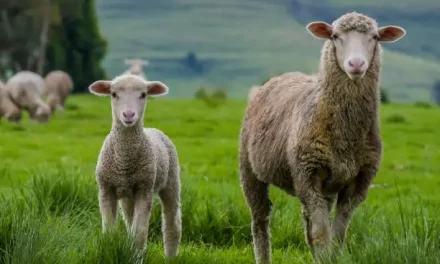
The Hill Radnor Sheep is a unique breed with a rich history, originating from the Welsh marches. This breed has been an integral part of sustainable agriculture and hill farming for centuries.
Known for its hardiness and adaptability, the Hill Radnor Sheep is well-suited to challenging environments. Its characteristics make it an ideal choice for farmers practicing sustainable agriculture.
The history and origin of this sheep breed are closely tied to the traditional farming practices of the Welsh marches. Understanding its characteristics, breeding practices, and uses is essential for appreciating its value in modern agriculture.
Key Takeaways
- The Hill Radnor Sheep is a hardy breed originating from the Welsh marches.
- It is well-suited to challenging environments and sustainable agriculture.
- The breed has a rich history and is closely tied to traditional farming practices.
- Understanding its characteristics and breeding practices is crucial for its continued use.
- The Hill Radnor Sheep remains an important part of hill farming.
The Heritage of Hill Radnor Sheep
Originating in Wales, the Hill Radnor Sheep has become an integral part of British farming heritage. The breed’s history is deeply rooted in the country’s agricultural practices, reflecting the hardiness and adaptability that have defined Welsh hill farming for centuries.
Welsh Origins and Development
The Hill Radnor Sheep breed developed in the Radnor Hills of Wales, an area known for its challenging terrain and harsh climate. This environment fostered the breed’s robust characteristics, making it well-suited to the demands of hill farming. The breed’s development was influenced by local farming practices and the need for a sheep that could thrive in such conditions.
Key characteristics of the Hill Radnor Sheep include:
- Hardiness and resilience
- Adaptability to harsh environments
- Strong foraging ability
Historical Significance in British Farming
The Hill Radnor Sheep has played a significant role in British farming history, particularly in the context of hill farming. The breed’s ability to thrive in challenging environments made it an essential component of agricultural practices in Wales and beyond.
| Aspect | Description | Significance |
|---|---|---|
| Origin | Radnor Hills, Wales | Reflects the breed’s adaptation to local conditions |
| Characteristics | Hardy, adaptable, strong foraging ability | Makes the breed suitable for hill farming |
| Historical Role | Integral to hill farming practices | Contributed to the development of British agriculture |
The historical significance of the Hill Radnor Sheep is not limited to its role in farming; it also represents a connection to the cultural heritage of Wales and the broader agricultural community in Britain.
Origin and Evolution of the Hill Radnor Breed
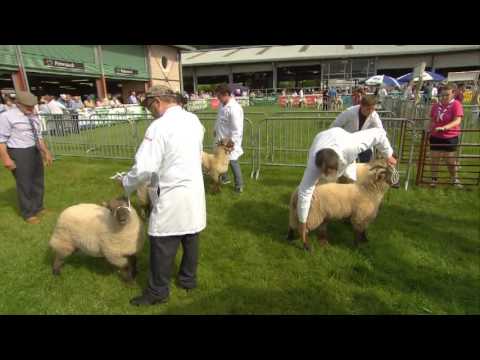
Originating in the rugged landscapes of Wales, the Hill Radnor Sheep has evolved over centuries. This breed’s history is deeply rooted in the traditional farming practices of the region, particularly in the Radnor Hills, where they were first bred for their hardiness and adaptability to challenging terrain.
Native Habitat in the Radnor Hills
The Radnor Hills, with their rolling hills and challenging climate, provided the perfect environment for the Hill Radnor Sheep to develop their distinctive characteristics. The breed thrived in this upland environment, becoming well-suited to grazing on the coarse vegetation typical of these areas.
The native habitat played a crucial role in shaping the breed’s hardiness and resilience. Over time, the Hill Radnor Sheep developed a robust constitution, enabling them to withstand the harsh weather conditions and poor-quality forage often found in upland areas.
“The Hill Radnor Sheep’s ability to thrive in challenging environments makes it an invaluable asset for farmers looking to utilize marginal lands.”
Breed Development Through the Centuries
The development of the Hill Radnor breed was influenced by local farming practices and the need for a sheep that could thrive in the difficult conditions of the Radnor Hills. Through selective breeding, farmers enhanced the breed’s desirable traits, such as their ability to graze on poor-quality land and their resistance to disease.
| Century | Key Developments | Characteristics Enhanced |
|---|---|---|
| 18th | Initial breeding for hardiness | Resilience, grazing ability |
| 19th | Selective breeding for wool quality | Wool micron count, fleece weight |
| 20th | Further refinement for upland grazing | Adaptability, disease resistance |
The Hill Radnor Sheep’s evolution is a testament to the ingenuity of local farmers who, through careful selection and breeding, created a breed that is not only well-suited to its native habitat but also offers numerous benefits for modern farmers looking to utilize upland areas effectively.
Hill Radnor Sheep: Distinctive Characteristics and Traits

The distinctiveness of Hill Radnor Sheep lies in their physical attributes and their ability to thrive in challenging environments. These sheep have been bred for centuries to withstand the harsh conditions of their native Welsh hills.
Size and Body Structure
Hill Radnor Sheep are known for their robust build, which is a testament to their hardiness. They have a compact body structure that allows them to navigate the rugged terrain of their native habitat with ease.
- Mature ewes typically weigh between 40-50 kg.
- Rams are generally larger, with weights ranging from 60-80 kg.
- Their body structure is well-suited for foraging in harsh environments.
Distinctive Features and Appearance
The appearance of Hill Radnor Sheep is characterized by their distinctive fleece and robust build. They have a white fleece with a hint of brown or tan on their faces and legs.
The breed’s overall appearance is one of hardiness and resilience, traits that have been honed through centuries of selective breeding.
Horned Rams and Ewe Characteristics
One of the notable features of Hill Radnor Sheep is the presence of horns in rams. These horns are a distinguishing characteristic and play a role in the breed’s defense mechanisms.
Ewes, on the other hand, are typically polled, meaning they do not have horns. This characteristic is part of the breed’s overall profile and is considered in breeding programs.
Breed Standards and Recognition
The Hill Radnor Sheep breed is recognized by various agricultural societies and breed associations. The breed standards emphasize the importance of hardiness, fleece quality, and overall conformation.
To be considered a purebred Hill Radnor, sheep must meet specific criteria related to their physical characteristics and ancestry. This ensures the breed’s integrity and consistency.
Understanding Hill Radnor Temperament and Behavior
Understanding the natural instincts and flock behavior of Hill Radnor Sheep is crucial for effective farm management. Their temperament and behavior play a significant role in their suitability for various farming conditions.
Natural Instincts and Flock Behavior
Hill Radnor Sheep are known for their strong flocking instinct, which is a valuable trait for farmers. This instinct helps in managing the flock more efficiently, as they tend to stay together, making it easier to monitor their health and well-being.
Their natural instincts also contribute to their hardiness. Hill Radnor Sheep are adept at foraging and can thrive in challenging environments with minimal supplementary feeding. This adaptability is a significant advantage in extensive farming systems.
Adaptability to Different Environments
One of the standout characteristics of Hill Radnor Sheep is their adaptability to different environments. They can thrive in a variety of conditions, from the rugged hills of their native Wales to other challenging terrains.
Their adaptability extends to different farming systems as well. Whether integrated into intensive rotational grazing systems or used in more extensive grazing practices, Hill Radnor Sheep demonstrate a remarkable ability to adjust.
| Characteristics | Description | Benefits |
|---|---|---|
| Flocking Instinct | Strong tendency to stay together as a group | Easier flock management and monitoring |
| Hardiness | Ability to thrive in challenging environments | Reduced need for supplementary feeding |
| Adaptability | Flexibility in various farming conditions and systems | Suitability for different farming practices |
In conclusion, the temperament and behavior of Hill Radnor Sheep make them an excellent choice for farmers looking for a hardy and adaptable breed. Their strong flocking instinct, hardiness, and ability to adapt to different environments contribute to their suitability for a wide range of farming conditions.
Hill Radnor Wool: Characteristics and Production

Hill Radnor wool is a prized product among sheep farmers due to its exceptional characteristics and versatility. The breed’s fleece has been valued for centuries, not only for its quality but also for its durability and range of applications.
Wool Quality and Micron Count
The quality of Hill Radnor wool is determined by its micron count, which is a measure of the fiber’s diameter. Generally, Hill Radnor wool has a micron count that ranges between 25 and 30 microns, categorizing it as medium to fine wool. This quality makes it suitable for a variety of textile applications, from clothing to home furnishings.
Key characteristics of Hill Radnor wool include:
- Softness: Despite its durability, Hill Radnor wool is surprisingly soft, making it comfortable against the skin.
- Warmth: It retains warmth well, making it ideal for cold-weather clothing.
- Durability: The wool is resilient and can withstand wear and tear, extending the life of products made from it.
Average Fleece Weight and Yield
The average fleece weight of Hill Radnor Sheep varies, typically ranging between 2 to 4 kilograms (4.4 to 8.8 pounds). The yield, which refers to the amount of clean wool after processing, is generally high due to the breed’s efficient fleece growth.
Harvesting and Processing Hill Radnor Wool
Harvesting Hill Radnor wool involves shearing the sheep once a year, typically in the spring or fall, depending on the climate and region. The fleece is then processed, which includes sorting, cleaning, carding, and spinning into yarn. This process can be done manually for artisanal products or mechanically for commercial production.
The processing stage is crucial as it determines the final quality of the wool. Proper handling and care during this phase ensure that the wool retains its natural properties and is suitable for its intended use.
Commercial and Artisanal Uses
Hill Radnor wool is versatile and can be used in a range of applications, from commercial textile manufacturing to artisanal crafts. Its durability and softness make it ideal for producing carpets, rugs, clothing, and other home textiles. Additionally, the wool’s natural crimp gives it excellent insulation properties, making it a popular choice for cold-weather garments and bedding.
The commercial demand for Hill Radnor wool is driven by its quality and the growing interest in sustainable, natural fibers. Artisans value it for its workability and the unique characteristics it brings to handcrafted items.
How to Start Breeding Hill Radnor Sheep

The foundation of a thriving Hill Radnor Sheep breeding operation lies in choosing the right breeding stock and managing the breeding season effectively. Breeding Hill Radnor Sheep is a nuanced process that requires a deep understanding of the breed’s characteristics, genetics, and environmental needs.
Selecting Quality Breeding Stock
Selecting the right breeding stock is crucial for the success of a Hill Radnor Sheep breeding program. Farmers should look for animals with desirable traits such as robust health, good conformation, and high fertility. The selection process involves evaluating the genetic potential of the animals to ensure they can thrive in the intended farming conditions.
| Trait | Desirable Characteristics | Importance Level |
|---|---|---|
| Health | Robust, disease-resistant | High |
| Conformation | Good body structure, well-proportioned | High |
| Fertility | High reproductive rate | High |
| Temperament | Docile, easy to handle | Medium |
Breeding Season Management
Effective breeding season management is vital for maximizing the reproductive potential of Hill Radnor Sheep. This involves planning the breeding season to coincide with optimal environmental conditions and ensuring that rams are in good health and vigor. Farmers should also monitor ewes for signs of estrus to optimize breeding outcomes.
“The key to successful sheep breeding lies in the careful management of the breeding season and the selection of superior breeding stock.”
— Experienced Sheep Breeder
Genetic Improvement Strategies
Implementing genetic improvement strategies is essential for enhancing the overall quality and productivity of the Hill Radnor Sheep flock. This can be achieved through selective breeding, using performance records to identify superior genetics, and potentially incorporating genetic testing. Farmers should focus on traits that are relevant to their specific farming goals, whether it’s improving wool quality or enhancing meat production.
By focusing on these key areas, farmers can establish a successful Hill Radnor Sheep breeding program that is both productive and sustainable. The integration of low-input farming practices can further enhance the viability of the operation.
Step-by-Step Guide to Lambing Management

Lambing management is a critical aspect of sheep farming that requires careful planning and execution. Effective lambing management is crucial for the health and productivity of ewes and lambs. Maternal sheep breeds, such as the Hill Radnor, are known for their strong maternal instincts, making lambing management a vital component of their care.
Preparing for Lambing Season
Preparation is key to a successful lambing season. Farmers should start by ensuring that the ewes are in optimal health through proper nutrition and health checks. Ultrasound scanning can help determine the number of lambs and identify any potential issues early on.
- Ensure ewes are receiving adequate nutrition tailored to their stage of pregnancy.
- Conduct regular health checks to monitor the ewes’ condition.
- Prepare lambing pens or jugs to provide a safe and clean environment for ewes and their lambs.
As quoted by a seasoned farmer, “Preparation is the backbone of a successful lambing season. It’s not just about having the right equipment, but also about understanding the needs of your ewes and lambs.”
“The way you prepare for lambing season can make all the difference in the health and productivity of your flock.”
Monitoring and Assisting the Lambing Process
During lambing, it’s essential to monitor the ewes closely. While many ewes can lamb without assistance, having a plan in place for complications is crucial. Assistance should be provided when necessary to ensure the health of both the ewe and the lamb.
- Monitor ewes regularly during the lambing process.
- Be prepared to assist with difficult births.
- Keep a record of lambing progress to identify any issues early.
Post-Lambing Care for Ewes and Lambs
After lambing, the care of both ewes and lambs is crucial. Ensuring that lambs are receiving adequate colostrum and that ewes are recovering well from the birthing process is vital. Regular checks should be performed to monitor their health and identify any issues promptly.
- Ensure lambs are receiving enough colostrum within the first few hours of birth.
- Monitor ewes for any signs of illness or complications post-lambing.
- Keep lambing areas clean to reduce the risk of disease.
By following these steps and maintaining a focus on the health and well-being of both ewes and lambs, farmers can ensure a successful lambing season. As the farming community often says, “A good lambing season sets the tone for the entire year.”
Setting Up Your Farm for Hill Radnor Sheep
To successfully farm Hill Radnor Sheep, it’s crucial to understand the specific needs related to land, housing, and security. Hill Radnor Sheep are known for their hardiness and adaptability, making them suitable for upland grazing. However, like any sheep breed, they require careful management to thrive.
Land Requirements and Considerations
The land required for Hill Radnor Sheep farming should be suitable for grazing and able to support the nutritional needs of the flock. Upland areas with diverse vegetation are ideal, as they provide a natural diet for the sheep. It’s essential to assess the land’s carrying capacity to avoid overgrazing, which can lead to soil erosion and decreased pasture quality.
When evaluating land for Hill Radnor Sheep, consider factors such as soil type, drainage, and existing vegetation. The breed is well-suited to areas with rough grazing, where other breeds might struggle. However, the land should still be managed to maintain its productivity and biodiversity.
Housing and Shelter Options
Hill Radnor Sheep are hardy and can withstand harsh weather conditions, but they still require some form of shelter, especially during lambing season. Simple shelter structures or natural windbreaks can provide adequate protection. The housing should be designed to keep the sheep dry and protect them from extreme weather.
When planning housing, consider the ease of access for management tasks, such as feeding and health checks. The shelter should be well-ventilated to prevent the buildup of moisture and reduce the risk of respiratory issues.
Fencing and Predator Protection
Fencing is a critical aspect of Hill Radnor Sheep farming, as it helps to protect the flock from predators and prevents escape. Robust fencing that is at least 1.2 meters high is recommended. The type of fencing may vary depending on the predator pressure in the area.
In areas with high predator pressure, additional measures such as guard animals or electric fencing may be necessary to protect the flock. Regular inspection of the fencing is crucial to ensure its integrity and effectiveness.
By carefully considering land requirements, housing options, and fencing needs, farmers can create a suitable environment for Hill Radnor Sheep to thrive. This not only benefits the sheep but also contributes to the sustainability of the farm.
Nutrition and Feeding Practices for Optimal Health

Optimal nutrition is crucial for the health and productivity of Hill Radnor Sheep. Proper feeding practices not only ensure the well-being of the flock but also contribute to the quality of the products derived from them, such as wool and meat.
The nutritional needs of Hill Radnor Sheep vary depending on factors like age, season, and production stage. Implementing effective feeding strategies is essential for maintaining their health and optimizing their productivity.
Implementing Rotational Grazing Systems
Rotational grazing is a highly effective management practice for Hill Radnor Sheep. This method involves moving the flock between different grazing areas to allow vegetation to recover, thereby maintaining pasture health and productivity.
Benefits of Rotational Grazing:
- Improved pasture utilization
- Enhanced soil fertility
- Reduced parasite load
- Increased biodiversity
To implement rotational grazing effectively, farmers should divide their pastures into smaller paddocks and move the sheep regularly. The frequency of rotation depends on factors like stocking rate, pasture growth, and weather conditions.
Supplemental Feeding Guidelines
While grazing is the primary source of nutrition for Hill Radnor Sheep, supplemental feeding may be necessary during certain times of the year or under specific conditions.
Key Considerations for Supplemental Feeding:
- Quality of supplemental feed
- Quantity based on nutritional needs
- Timing in relation to grazing and production cycles
- Method of feeding to minimize waste and ensure access
| Production Stage | Nutritional Needs | Supplemental Feeding |
|---|---|---|
| Late Pregnancy | Higher energy and protein | Concentrates or high-quality hay |
| Lactation | Increased energy and protein | Additional concentrates |
| Growing Lambs | High protein and energy | Creep feeding with concentrates |
Water Requirements and Management
Adequate water supply is crucial for the health and productivity of Hill Radnor Sheep. Ensuring access to clean, fresh water at all times is essential.
Water Management Tips:
- Regularly check and clean water sources
- Ensure adequate water supply during peak demand periods
- Consider using water troughs or automatic watering systems
- Monitor water quality, especially in grazing areas
By implementing these nutrition and feeding practices, farmers can optimize the health and productivity of their Hill Radnor Sheep, contributing to a successful and sustainable farming operation.
Health Management and Disease Prevention
Maintaining the health of Hill Radnor Sheep involves implementing robust disease prevention strategies. Effective health management is critical for the well-being and productivity of the flock. This includes regular monitoring, preventative measures, and prompt treatment of any health issues that arise.
Establishing a Preventative Health Program
A preventative health program is essential for Hill Radnor Sheep. This program should include:
- Regular vaccinations to protect against common diseases
- Parasite control measures to minimize the risk of internal parasites
- Monitoring for signs of illness or stress
- Maintaining a clean and safe living environment
By implementing these measures, farmers can significantly reduce the risk of disease in their flock.
Parasite Control Using the FAMACHA System
The FAMACHA system is a valuable tool for managing parasite control in Hill Radnor Sheep. This system involves:
- Regularly assessing the anemia levels in sheep using a FAMACHA chart
- Identifying animals that require treatment based on their FAMACHA score
- Treating infected animals with appropriate anthelmintics
Effective parasite control is crucial for maintaining the overall health of the flock. The FAMACHA system helps in making informed decisions about parasite management.
Barber Pole Worm Control Strategies
Barber pole worms are a significant threat to Hill Radnor Sheep, causing anemia and reducing productivity. Control strategies include:
- Using the FAMACHA system to monitor and treat infected animals
- Implementing rotational grazing to reduce parasite loads on pastures
- Using targeted selective treatment to minimize anthelmintic resistance
Integrated parasite management approaches are most effective in controlling Barber pole worms. By combining these strategies, farmers can protect their flock from this significant health risk.
Integrating Hill Radnor Sheep in Sustainable Farming

Hill Radnor Sheep are well-suited for low-input farming systems, providing a valuable option for farmers looking to adopt more sustainable practices. Their hardiness and adaptability make them an ideal choice for farmers seeking to reduce their environmental footprint while maintaining productive farming operations.
Low-Input Farming Advantages
Low-input farming with Hill Radnor Sheep offers several advantages, including reduced feed costs and lower veterinary expenses. These sheep are known for their ability to thrive on poor-quality pasture, reducing the need for supplementary feeding.
- Lower operational costs due to reduced feed and veterinary needs
- Increased profitability through the sale of high-quality meat and wool
- Enhanced farm sustainability through reduced chemical and fertilizer use
Implementing rotational grazing is a key strategy in low-input farming with Hill Radnor Sheep. This practice involves moving the flock to different grazing areas to allow the pasture to recover, promoting healthier grasslands and reducing the risk of parasite buildup.
Implementing Rotational Grazing
Rotational grazing is a critical component of sustainable farming with Hill Radnor Sheep. By rotating grazing areas, farmers can improve soil health, increase biodiversity, and enhance ecosystem services.
Benefits of rotational grazing include:
- Increased pasture productivity and longevity
- Improved soil structure and fertility
- Enhanced biodiversity and ecosystem services
Environmental Benefits and Ecosystem Services
Hill Radnor Sheep contribute to various environmental benefits and ecosystem services when integrated into sustainable farming practices. Their grazing activities help maintain open landscapes, promote biodiversity, and support ecosystem health.
“Grazing management is crucial for maintaining the balance between agricultural production and environmental conservation. Hill Radnor Sheep, with their hardy nature and grazing habits, play a significant role in achieving this balance.”
The environmental benefits of integrating Hill Radnor Sheep into farming systems include:
- Maintenance of open landscapes and prevention of scrub encroachment
- Promotion of biodiversity through grazing management
- Support for ecosystem services such as soil health and water cycling
Marketing Hill Radnor Products

Hill Radnor Sheep farmers can capitalize on the growing demand for sustainable and locally sourced products by effectively marketing their meat, wool, and value-added goods. The unique attributes of Hill Radnor Sheep, such as their hardiness and the quality of their meat and wool, make their products ideal for consumers looking for premium, pasture-raised lamb and artisanal wool products.
Meat Production and Direct Marketing
The meat from Hill Radnor Sheep is renowned for its quality, making it a prime candidate for direct marketing to consumers who are willing to pay a premium for pasture-raised lamb. Farmers can leverage farmers’ markets, online sales platforms, and local butcher shops to reach customers directly. By highlighting the breed’s heritage and the sustainable farming practices used, farmers can differentiate their products and attract a loyal customer base.
Direct marketing also allows farmers to educate consumers about the benefits of Hill Radnor Sheep, such as their hardiness and adaptability to challenging environments. This can help build a strong brand identity and justify premium pricing.
Wool and Fiber Market Opportunities
In addition to meat production, Hill Radnor Sheep offer high-quality wool that can be marketed to fiber artists, spinners, and textile manufacturers. The wool from these sheep is known for its crimp and durability, making it highly sought after for producing warm, durable garments and textiles.
Farmers can market their wool through local fiber festivals, online marketplaces, and direct sales to crafters. By promoting the unique qualities of Hill Radnor wool, farmers can attract a niche market willing to pay premium prices for high-quality fibers.
Value-Added Products and Diversification
To further diversify their income, Hill Radnor Sheep farmers can create value-added products such as smoked lamb, lamb sausages, and woolen goods like hats, scarves, and blankets. These products not only command higher prices but also help to differentiate the farm’s brand in a crowded market.
By developing a range of value-added products, farmers can reduce their dependence on a single revenue stream and increase their resilience to market fluctuations. Additionally, value-added products can be marketed through various channels, including online stores, local gift shops, and at farmers’ markets.
In conclusion, the marketing of Hill Radnor Sheep products offers a range of opportunities for farmers to capitalize on the breed’s unique attributes and the growing demand for sustainable, locally sourced products. By focusing on direct marketing, wool and fiber sales, and the development of value-added products, farmers can build a profitable and sustainable business.
Hill Radnor Sheep in the United States
Hill Radnor Sheep have been successfully introduced to the U.S., with breeders adapting them to local farming conditions. This introduction has not only expanded the genetic diversity of the American sheep industry but also provided farmers with a robust and hardy breed suitable for various farming systems.
Introduction and Adaptation to American Conditions
The process of introducing Hill Radnor Sheep to the United States involved careful selection of breeding stock and adaptation to local environmental conditions. American breeders have worked diligently to ensure the breed thrives in the diverse climates across the country, from the humid east coast to the dry western regions.
The adaptability of Hill Radnor Sheep has been a key factor in their successful introduction. Their hardiness and ability to forage on varied terrain have made them an attractive choice for farmers looking to diversify their flocks.
Current Population and Distribution
While the exact number of Hill Radnor Sheep in the U.S. is difficult to quantify due to the lack of a centralized registry, the breed is gaining popularity across various states. Reports from breeders and farming communities indicate a growing presence of Hill Radnor Sheep in regions with challenging terrains, where their hardiness is particularly valued.
The distribution of Hill Radnor Sheep across the U.S. is influenced by factors such as climate, land availability, and market demand. States with significant sheep farming industries are seeing an increase in Hill Radnor flocks, contributing to the breed’s growing footprint in American agriculture.
Success Stories from American Breeders
Several American breeders have reported success with Hill Radnor Sheep, citing their resilience, fertility, and the high quality of their wool and meat. These success stories are crucial in promoting the breed and encouraging more farmers to consider Hill Radnor Sheep for their operations.
One notable example is a farm in the Appalachian region, where Hill Radnor Sheep have thrived on the challenging terrain. The farm has seen improved flock health and productivity, attributing these gains to the characteristics of the Hill Radnor breed.
The Hill Radnor Sheep Society and Conservation Efforts
The Hill Radnor Sheep Society plays a crucial role in the conservation and promotion of the Hill Radnor breed. As a heritage sheep breed, the Hill Radnor requires dedicated efforts to ensure its survival and continued thriving. The society is at the forefront of these conservation efforts.
Role and Activities of the Society
The Hill Radnor Sheep Society is involved in various activities aimed at conserving and promoting the breed. These include maintaining the Hill Radnor Sheep Flock Book, which is a critical record of the breed’s pedigree. The society also organizes events, provides breeding advice, and supports breeders in their conservation efforts.
One of the key roles of the society is to promote the breed through various channels, enhancing its visibility and appeal to potential breeders and consumers. This involves collaborating with other conservation organizations and participating in agricultural events.
Participating in Rare Breed Conservation
The Hill Radnor Sheep Society actively participates in rare breed conservation programs. These programs are essential for protecting the genetic diversity of the Hill Radnor breed and ensuring its long-term viability.
By supporting conservation efforts, the society helps to safeguard the future of the Hill Radnor sheep. This includes working with other rare breed conservation organizations to share best practices and coordinate conservation activities.
For those interested in contributing to the conservation of the Hill Radnor breed, the society offers opportunities to participate in breeding programs and other conservation initiatives. This not only helps in the conservation of the breed but also provides a chance for individuals to be part of a community dedicated to preserving a piece of agricultural heritage.
The conservation of heritage sheep breeds like the Hill Radnor is crucial for maintaining biodiversity in agriculture and preserving traditional farming practices. Through its efforts, the Hill Radnor Sheep Society is making a significant contribution to the conservation of this valuable breed.
Comparing Hill Radnor to Other Welsh Hill Breeds
Welsh hill breeds, including the Hill Radnor, have been developed over centuries to thrive in challenging environments, but they differ in several key aspects. Understanding these differences is crucial for farmers looking to select the most appropriate breed for their specific needs and conditions.
Similarities and Differences with Related Breeds
The Hill Radnor sheep share many characteristics with other Welsh hill breeds, such as hardiness and the ability to thrive on poor pasture. However, distinct differences exist in their physical appearance, temperament, and productivity. For instance, compared to the Black Welsh Mountain sheep, Hill Radnor sheep are known for their white or tan color and are often praised for their docile nature.
When comparing these breeds, factors such as climate adaptability, feed requirements, and growth rates become important. The Hill Radnor, for example, is well-adapted to the harsh conditions of the Radnor Hills, but other breeds may excel in different environments. A detailed comparison can help farmers make informed decisions.
Choosing the Right Hill Breed for Your Farm
Selecting the right hill breed involves considering several factors, including the quality of your pasture, the local climate, and your farm’s specific needs. For farms with poor-quality pasture, hardy breeds like the Hill Radnor are ideal. Additionally, farmers should consider the breed’s purpose—whether it’s for meat production, wool, or a combination of both.
Farmers should also evaluate the breed’s temperament and its suitability for their management practices. For example, more docile breeds may be easier to handle, especially for those new to sheep farming. By carefully comparing the characteristics of different Welsh hill breeds, farmers can make a more informed decision that aligns with their operational goals and environmental conditions.
Ultimately, the choice of breed will significantly impact the success and sustainability of the farming operation. By understanding the unique qualities of breeds like the Hill Radnor and comparing them to other Welsh hill sheep, farmers can optimize their livestock choices for better productivity and resilience.
The Future of Hill Radnor Sheep
The Hill Radnor Sheep breed is a valuable part of our agricultural heritage, and its future depends on continued conservation efforts and sustainable farming practices. As we have seen, the breed’s unique characteristics and traits make it an ideal choice for hill farming, providing a low-input and environmentally friendly option for farmers.
Sustainable agriculture practices, such as rotational grazing and low-input farming, are crucial for the long-term viability of Hill Radnor Sheep. By adopting these practices, farmers can help conserve the breed while also promoting ecosystem services and environmental benefits.
Heritage breed conservation is essential for maintaining the genetic diversity of our agricultural heritage. The Hill Radnor Sheep Society plays a vital role in promoting the breed and supporting conservation efforts. By working together, we can ensure the future of Hill Radnor Sheep and the sustainability of hill farming.
As we look to the future, it is clear that Hill Radnor Sheep will continue to play an important role in sustainable agriculture. By conserving this heritage breed, we can promote a more environmentally friendly and sustainable food system.
FAQ
What is the origin of the Hill Radnor Sheep breed?
The Hill Radnor Sheep breed originates from the Radnor Hills in Wales, UK, and has been developed over centuries for its hardiness and adaptability to upland grazing.
What are the distinctive characteristics of Hill Radnor Sheep?
Hill Radnor Sheep are known for their medium size, robust body structure, and distinctive horned rams. They have a hardy constitution, making them well-suited to challenging environments.
What is the quality of Hill Radnor wool?
Hill Radnor wool is known for its medium quality and micron count, making it suitable for a variety of textile applications, including carpets, rugs, and clothing.
How do I start breeding Hill Radnor Sheep?
To start breeding Hill Radnor Sheep, it’s essential to select quality breeding stock, manage the breeding season effectively, and implement genetic improvement strategies to ensure the health and productivity of your flock.
What are the key considerations for lambing management in Hill Radnor Sheep?
Preparing for lambing season, monitoring and assisting during the lambing process, and providing post-lambing care for ewes and lambs are crucial for a successful lambing season.
What are the land requirements for farming Hill Radnor Sheep?
Hill Radnor Sheep require suitable grazing land, adequate housing and shelter, and secure fencing to protect against predators. The land should be managed to maintain optimal pasture quality.
How do I manage the nutrition and feeding of Hill Radnor Sheep?
Implementing rotational grazing systems, providing supplemental feeding as necessary, and ensuring access to clean water are essential for maintaining the optimal health of Hill Radnor Sheep.
What health management practices are recommended for Hill Radnor Sheep?
Establishing a preventative health program, using the FAMACHA system for parasite control, and implementing strategies for controlling Barber pole worms are critical for maintaining the health of the flock.
How can Hill Radnor Sheep contribute to sustainable farming practices?
Hill Radnor Sheep can contribute to sustainable farming through low-input farming advantages, rotational grazing, and providing environmental benefits and ecosystem services.
What marketing opportunities are available for Hill Radnor Sheep products?
Marketing opportunities for Hill Radnor Sheep products include meat production and direct marketing, wool and fiber market opportunities, and creating value-added products to diversify farm income.
Are Hill Radnor Sheep suitable for sheep farming in the United States?
Yes, Hill Radnor Sheep can be adapted to American conditions, and there are success stories from breeders in the U.S. who have introduced the breed to their farms.
What is the role of the Hill Radnor Sheep Society in conservation efforts?
The Hill Radnor Sheep Society plays a crucial role in rare breed conservation, maintaining the flock book, and promoting the breed to ensure its survival and prosperity.
How does the Hill Radnor Sheep compare to other Welsh hill breeds?
Hill Radnor Sheep share similarities with other Welsh hill breeds but also have distinct characteristics. Choosing the right breed depends on specific farming needs and conditions.
What is the future of the Hill Radnor Sheep breed?
The future of the Hill Radnor Sheep breed depends on continued conservation efforts, promotion of sustainable agriculture practices, and the commitment of breeders to maintaining the breed’s integrity and characteristics.
Conclusion of: Hill Radnor Sheep Breed
Overview: What Makes This Welsh Hill Breed Special
Hill Radnor Sheep are a traditional Welsh hill breed built for tough upland conditions, where thriftiness matters more than flashy performance. If you like sheep that can maintain condition on grass, raise strong lambs with minimal fuss, and still produce a useful fleece, this breed deserves your attention.
In the U.S., people often search for resilient “low-input” genetics for pasture-based systems, and Hill Radnor Sheep fit that mindset well—especially for farms that want hardy maternal ewes, a practical wool clip, and lambs suited to grass finishing. This guide walks you through the breed’s background, what they look like, how they perform, and how to manage them responsibly so your flock stays productive year after year. National Sheep Association: Hill Radnor
History: How Hill Radnor Sheep Came Into Focus
Hill Radnor Sheep have long been associated with the border hill country around mid-Wales, where farmers selected animals that could handle elevation, wind, and variable forage without falling apart. Breed history is closely tied to local Welsh sheep farming traditions, and modern breed documentation emphasizes hardiness, docility, and maternal ability as key traits that kept these sheep relevant.
Like many heritage breeds, the story is also about preservation: keeping a locally adapted genetic package alive in a world that sometimes rewards only fast-growing, high-input animals. Understanding that context helps you manage Hill Radnor Sheep correctly—expecting efficiency from pasture, not feedlot-style gains—and it also explains why breed societies and conservation groups still support the breed today. RBST: Hill Radnor Sheep
Origin: Where Hill Radnor Sheep Developed
Hill Radnor Sheep are linked to the hills around Radnor and nearby border counties, and breed materials commonly reference mid-Wales as the core location. That geography matters because it shaped what the breed is: a sheep that can graze uneven ground, cope with wet-cold weather shifts, and keep working as a mother even when pasture quality drops.
If you’re reading this from the U.S., think of environments like higher-elevation pasture, marginal ground, or mixed swards where you want ewes that “do the job” without constant supplementation. The closer your conditions match the breed’s original setting—seasonal grass growth, mineral variation, and weather pressure—the more Hill Radnor Sheep tend to show why they were valued in the first place. British Wool: Hill Radnor profile (PDF)
Appearance: Key Physical Characteristics
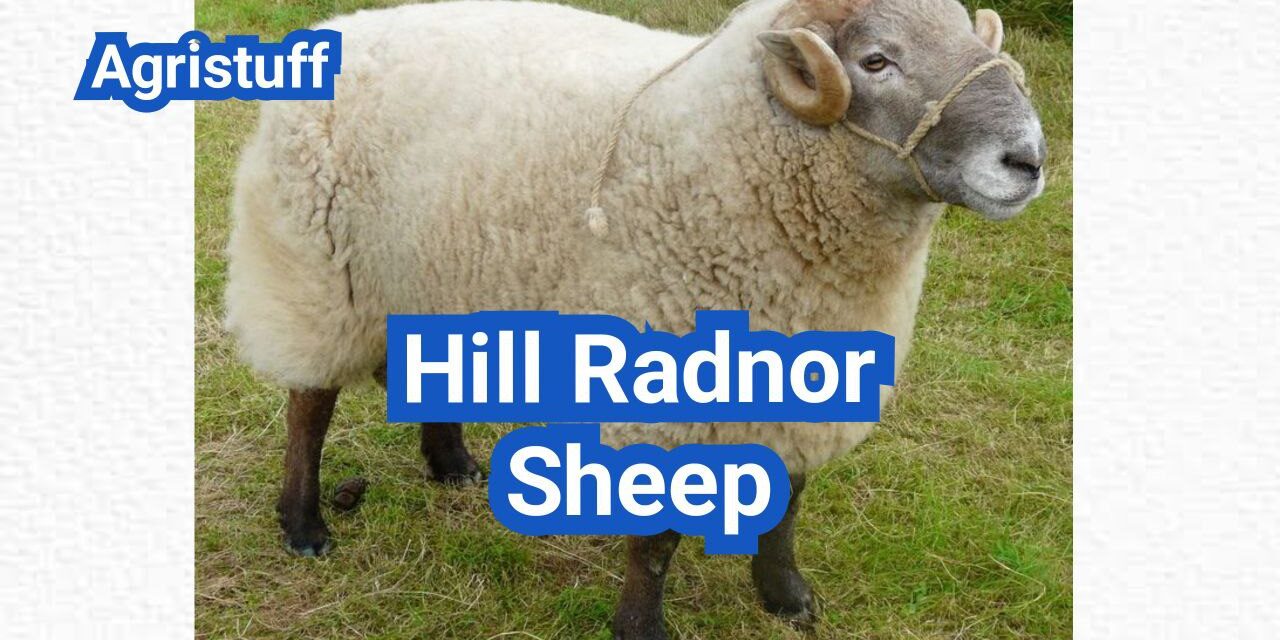
Hill Radnor Sheep are often described as hardy, relatively heavy hill sheep with a distinctive look: a gray nose, tan face and legs, and typically no wool on the face or legs. Breed descriptions also note that rams are horned, while ewes are generally polled, which can be helpful for handling and fencing decisions on small farms. The fleece is commonly described as dense and springy, usually white/creamy, and may include some kemp—important information if you’re selling wool or planning a specific fiber product.
When you’re evaluating breeding stock, prioritize sound feet and legs, a wide muzzle (for grazing efficiency), and overall structural correctness—traits that support longevity in Hill Radnor Sheep more than any single “show” feature. Oklahoma State: Hill Radnor Sheep breed description
Temperament: Docility and Mothering Ability
Hill Radnor Sheep are regularly characterized as docile with strong maternal instinct, which is exactly what many pasture-based producers want: calm ewes that lamb, mother up, and keep lambs thriving with minimal drama. Docility doesn’t mean “pet,” but it can reduce labor—easier catching, fewer fence battles, and less stress during routine work like foot checks and shearing.
Strong mothering matters even more: attentive ewes help lambs get started quickly, which is critical in cold snaps or wet springs. If your goal is a steady maternal flock, Hill Radnor Sheep are best managed with simple, consistent handling and a system that supports calm movement—good lanes, sensible pen design, and patient stockmanship. British Wool notes on temperament & maternal traits (PDF)
Growth and Performance: What to Expect From Lambs
Hill Radnor Sheep are not typically framed as extreme “speed” sheep; instead, they’re valued for functional performance in grass systems and for producing lambs that can be finished appropriately for your market. In the U.S., that could mean selling lighter grass lamb, finishing to a traditional lamb weight, or even targeting hogget-style marketing where legal and practical.
The smart approach is to measure your own flock: weigh lambs at key points, track weaning rates, and compare outcomes across paddocks and seasons. When you manage Hill Radnor Sheep with realistic expectations—matching nutrition to stage of production rather than forcing constant high gains—you often get the best combination of thrift, lamb survival, and predictable carcass results. USDA AMS: Lamb grades and standards
Wool: Fiber Qualities and Practical Uses
Hill Radnor Sheep are traditionally connected to Welsh woollen use, and modern breed profiles still highlight carpet production value—an important reminder that not all wool needs to chase “fine micron” pricing to be profitable. Published wool data for Hill Radnor Sheep commonly lists a fleece weight around 1.5–2 kg, staple length about 8–14 cm, and a micron range around 31.5–33, which places the fleece in a useful medium category for durable products.
If you’re in the U.S. selling direct-to-consumer, you can position this wool for rugged knitting, weaving, felting, or home textiles—especially if you emphasize local story and practical durability. Hill Radnor Sheep wool can be a “workhorse clip” when marketed honestly and processed well. British Wool: fleece weight, staple length, micron range (PDF)
Conservation: Why the Breed Is Still Being Protected
Hill Radnor Sheep appear on conservation-watch discussions because local breeds can shrink quickly when commercial systems narrow genetic diversity. Conservation status isn’t just about nostalgia; it’s about keeping traits that matter—hardiness, maternal efficiency, and adaptation to forage—available for future farming challenges. For breeders, that means avoiding a “popular sire” bottleneck, keeping records, and selecting for function, not just appearance. If you ever work with rare or at-risk bloodlines, treat biosecurity, traceability, and responsible selling as part of the job.
Hill Radnor Sheep thrive when breeder networks cooperate to maintain genetic breadth while still improving the flock with careful selection over time. RBST: conservation context for Hill Radnor Sheep
Best Farm Fit: Matching Hill Radnor Sheep to Your System
Hill Radnor Sheep tend to shine in low-to-moderate input pasture systems where forage is the foundation and labor efficiency matters. They’re a strong candidate for farms with mixed terrain, hillier paddocks, or places where you want ewes that keep moving and keep eating without constant ration changes. In the U.S., that can include rotationally grazed pasture, silvopasture, or mixed cool-season swards—especially if your goal is a dependable maternal ewe base.
The main management key is to avoid “overfeeding into problems”: hill breeds can get too fat if treated like high-concentrate sheep, which can raise lambing risk and reduce efficiency. Hill Radnor Sheep do best when your system respects what they were built for: grass, weather, and work. NSA: overview of Hill Radnor Sheep
Nutrition Basics: Feeding Without Overcomplicating It
Hill Radnor Sheep can be managed very successfully with forage-first nutrition, but “forage-first” still requires planning—especially in late gestation and early lactation when nutrient demands rise sharply. A practical method is body condition scoring, then adjusting forage quality or small supplementation to keep ewes in a productive range rather than swinging between thin and fat. Sudden feed changes are a common mistake on small farms, and they can trigger metabolic issues, poor intake, and weak lambs. Instead, make gradual adjustments and use your forage test results (or at least consistent hay sourcing) to avoid guessing.
Hill Radnor Sheep don’t need fancy feeding to do well, but they do need the right nutrients at the right time—especially energy and protein when ewes are heavily pregnant or milking. MSD Vet Manual: Nutritional requirements of sheep
Pasture Management: Rotational Grazing for Resilience
Hill Radnor Sheep can be excellent grazers, and rotational grazing is one of the best tools for keeping them productive while protecting your soil and forage base. A well-planned rotation helps maintain forage quality, spreads manure more evenly, and reduces overgrazing—especially during slow growth periods. Practical rotational guidance often suggests meaningful rest periods (for example,
longer rests when growth slows), plus subdivision fencing and water access that keep animals harvesting forage efficiently. For U.S. farms, this isn’t theory—it’s a cost-effective way to stabilize pasture performance across seasons and reduce purchased feed. If you’re building a system around Hill Radnor Sheep, treat grazing planning as “primary nutrition,” not an afterthought, and you’ll usually see better body condition consistency and better lamb performance. USDA NRCS: Rotational grazing (PDF)
Breeding Strategy: Setting Up a Practical Mating Season
Hill Radnor Sheep breeding success starts with clear goals: are you building a maternal ewe flock, producing market lambs, or maintaining conservation genetics? Once you decide, keep the system simple: sound rams, correct body condition, and a defined breeding window so lambing is concentrated and manageable. Before turnout, check feet, teeth, and body condition, and avoid pushing rams or ewes into breeding either too thin or too fat.
Many producers also use controlled breeding to match lambing with pasture growth, reducing feed cost and improving ewe recovery. Hill Radnor Sheep respond well when selection prioritizes fertility, mothering, and structural soundness—traits that pay you back every season in lamb survival and reduced labor. MSD Vet Manual: Breeding programs in sheep
Lambing Preparation: Facilities, Supplies, and Timing
Hill Radnor Sheep lambing can be straightforward when preparation is done early and your facilities match your flock size. Even if you lamb on pasture, you still need a plan for storms, chilled lambs, or a ewe that needs help. Basic readiness includes clean pens (or sheltered areas), lighting, a way to safely restrain a ewe, and a small lambing kit (gloves, lubricant, iodine for navels, a thermometer, and a way to provide warmth if needed).
The goal is not to intervene constantly—it’s to be ready for the minority of births that require fast, calm action. For U.S. producers, extension lambing resources are valuable because they translate principles into simple checklists that reduce mistakes with Hill Radnor Sheep and any maternal breed. Iowa State Extension: Lambing basics
Lambing Management: The First 48 Hours Matter Most
Hill Radnor Sheep lamb survival often comes down to the first hours: a vigorous lamb, prompt colostrum intake, and a warm, dry start. Set up your workflow so you can confirm lambs are nursing and ewes are accepting them without turning lambing into a constant disturbance. If you use jugs (small bonding pens), keep them clean and don’t overuse them—short, purposeful bonding is better than crowded confinement.
Watch for mismothering, weak lambs, and weather stress, and record problems so you can select against them later. Good lambing management is also selection pressure: when Hill Radnor Sheep ewes consistently lamb unassisted and mother well, you build a flock that gets easier every year. Ohio State: Sheep lambing cheat sheet
Health: Parasites and Preventive Management
Hill Radnor Sheep can be hardy, but “hardy” is not a substitute for a parasite plan—especially in humid U.S. regions where barber pole worm pressure can be severe. The most sustainable approach combines pasture management, targeted treatment, and selection: rotate intelligently, avoid grazing too low, and monitor animals so you treat the ones that actually need it rather than dosing the whole flock by habit.
Tools like anemia scoring programs and routine observation help you catch problems early, while culling repeat “high-treatment” animals improves flock resilience over time. Hill Radnor Sheep that are managed with consistent prevention—rather than emergency deworming cycles—tend to keep condition better, raise stronger lambs, and require less labor across the season. Cornell Vet: pasture parasite management best practices
Shearing and Wool Handling: Biosecurity and Wool Quality
Hill Radnor Sheep wool quality depends on timing, cleanliness, and animal comfort—and shearing day is also a biosecurity moment. Communicate with your shearer about flock health, isolate any animals with contagious concerns, and keep the shearing area clean so wool stays marketable. Good practice also protects shearers and wool handlers: follow label directions for pour-ons and treatments so you don’t create avoidable risk.
For small U.S. farms, shearing is often outsourced, so your job is to make the day efficient: dry sheep, clear handling flow, and safe pens. Done well, shearing supports both welfare and product quality, and Hill Radnor Sheep—often described as docile—can be easier to manage through that process when your setup is organized. National Sheep Association: shearing biosecurity guidance
Uses: Meat, Wool, and Practical Farm Value
Hill Radnor Sheep are commonly described as still used in traditional Welsh woollen fabrics and also valued for carpet production, which reflects a “utility” identity rather than a niche-only breed. On-farm, that utility can translate into multiple income paths: selling freezer lamb, marketing wool to local makers, or building an agritourism story around heritage livestock.
If you’re selling meat in the U.S., understanding carcass quality and yield language helps you communicate value to buyers, restaurants, or processors. The key is alignment: choose marketing that matches what your flock naturally does well, rather than forcing Hill Radnor Sheep into a production model built for a different genetic type. When your system and market fit the breed, you can earn with fewer inputs and less stress. USDA AMS: carcass grades & yield concepts
Availability in the U.S.: Import Rules and Realistic Options
Hill Radnor Sheep are historically a UK-based breed, so U.S. availability can depend heavily on import rules, disease status requirements, and whether genetics (semen/embryos) are eligible from specific regions at a given time. If you’re exploring bringing Hill Radnor Sheep genetics into the United States, start with official USDA APHIS import guidance, then work with accredited veterinarians and import specialists before making assumptions about timelines or costs.
Many small farms find it more practical to focus on function—building a hardy maternal flock from locally available genetics—unless they have a clear, well-funded breeding objective. Either way, learning the Hill Radnor Sheep model (thrift, maternal strength, useful wool) can still improve your breeding and management decisions, even if you don’t immediately access the breed itself. USDA APHIS: importing sheep, goats, and germplasm
Final thought
Hill Radnor Sheep are a reminder that “good sheep” isn’t always about maximum output—it’s about dependable output under real farm conditions. If you want ewes that work on forage, raise lambs with strong mothering, and contribute a practical fleece, Hill Radnor Sheep fit the heritage-hill blueprint that many U.S. pasture farms are trying to build.
The best results come from matching the breed to the right system: grazing-first management, thoughtful breeding goals, and preventive health practices that reduce crisis moments. When you respect what the breed was designed to do, Hill Radnor Sheep can reward you with a calm, productive flock that gets easier—not harder—as your management improves. Learn more from RBST
Sources & References
Hill Radnor Sheep facts and management guidance in this article were built from breed-society and industry references plus U.S. extension and veterinary resources so you can verify details and go deeper as needed.
- Hill Radnor – Wikipedia
- Hill Radnor Sheep – UK
- Hill Radnor Sheep | ROYS FARM
- Hill Radnor Sheep – Oklahoma State University
- Hill Radnor Flock Book Society (official site)
- British Wool: Hill Radnor profile (PDF)
- MSD Vet Manual: Nutritional requirements of sheep
- Cornell Vet: pasture parasite management best practices
- USDA NRCS: Rotational grazing (PDF)
- USDA AMS: Lamb grades and standards
- USDA APHIS: importing sheep, goats, and germplasm