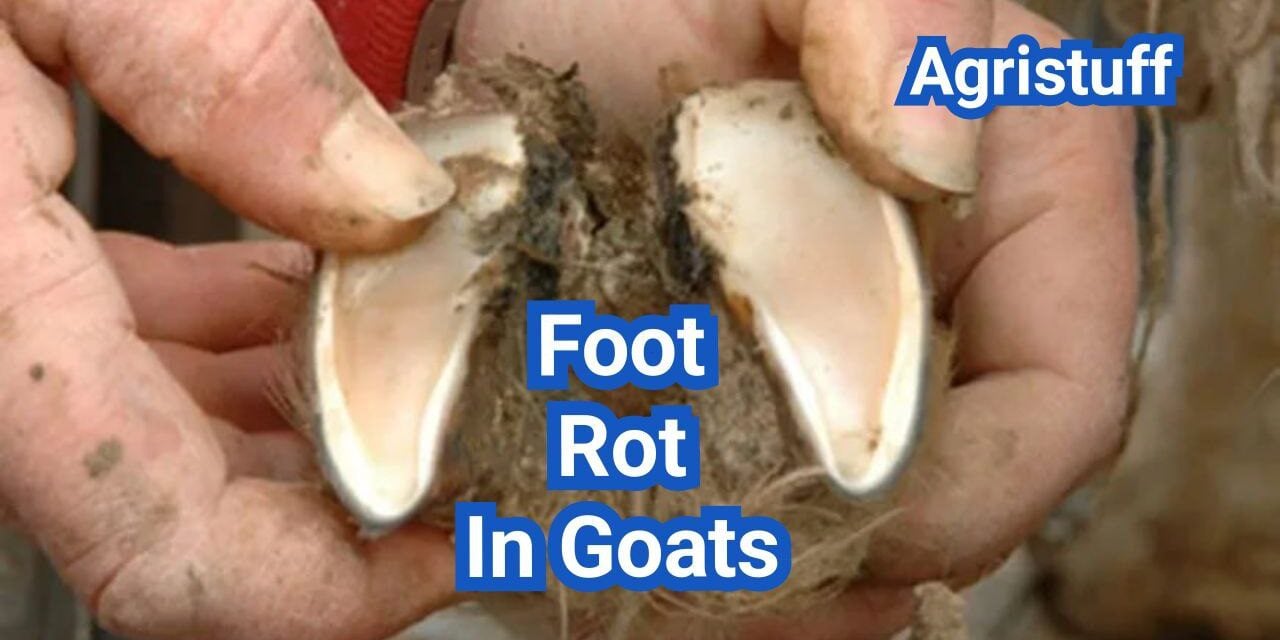
Foot rot is a highly contagious disease affecting goats’ hooves, causing significant economic losses in the goat farming industry. The disease is prevalent in the Southern United States due to the wet and humid climate, making it a major concern for goat farmers in the region.
The condition is characterized by its severe impact on the health and productivity of the affected animals. Effective management of foot rot requires a comprehensive understanding of its symptoms, treatment options, and prevention strategies. By understanding the disease and its effects, goat farmers can take proactive steps to mitigate its impact and maintain a healthy flock.
Key Takeaways
- Foot rot is a contagious disease affecting goats’ hooves.
- The disease is prevalent in the Southern United States.
- Effective management requires understanding symptoms, treatment, and prevention.
- Foot rot causes significant economic losses in goat farming.
- Proactive steps can be taken to mitigate its impact.
What Is Foot Rot in Goats

Goat farmers in the United States face a persistent challenge with foot rot, a condition that necessitates comprehensive management strategies. Foot rot is a highly contagious disease caused by the bacteria Dichelobacter nodosus and Fusobacterium necrophorum.
Definition and Characteristics
Foot rot is characterized by its severe impact on the hooves of goats, leading to lameness and significant productivity issues. The disease causes lesions and inflammation in the interdigital skin, resulting in pain and discomfort for the affected animals.
Understanding the characteristics of foot rot is crucial for developing effective treatment and prevention plans. The primary characteristics include lameness, lesions, pain, and a foul odor due to bacterial infection.
- Lameness and reluctance to move
- Lesions and inflammation in the interdigital skin
- Pain and discomfort
- Foul odor due to bacterial infection
Prevalence in the United States
Foot rot is prevalent in various regions across the United States, with certain areas being more affected due to environmental conditions. The disease thrives in wet and humid climates.
Studies have shown that foot rot is a significant issue in U.S. goat farming, affecting a considerable percentage of goat populations. The prevalence is often linked to factors such as pasture management and hoof care.
Economic Impact on Goat Farming
The economic impact of foot rot on goat farming is substantial. The disease leads to reduced productivity, increased veterinary costs, and the cost of implementing control measures.
Lame goats are less likely to gain weight, produce milk, or reproduce, directly affecting the farm’s profitability. Effective management and prevention strategies are essential to mitigate these losses.
Causes of Foot Rot in Goats
Foot rot in goats is a complex condition resulting from the interplay of bacterial infection and environmental factors. Understanding these causes is essential for developing effective prevention and treatment strategies.
Primary Bacterial Pathogens
The primary cause of foot rot in goats is the infection by two main bacterial pathogens: Dichelobacter nodosus and Fusobacterium necrophorum. Dichelobacter nodosus is considered the primary causative agent, as it produces enzymes that break down the hoof tissue, leading to the characteristic lesions of foot rot. Fusobacterium necrophorum contributes to the severity of the infection by causing further tissue damage and promoting the growth of D. nodosus.
Environmental Factors
Environmental conditions play a crucial role in the development and spread of foot rot. Wet and muddy conditions, often found in poorly drained pastures, facilitate the survival and spread of the bacteria. High moisture levels soften the hoof, making it more susceptible to infection. Additionally, rough or rocky terrain can cause hoof injuries, providing an entry point for the bacteria.
Predisposing Conditions
Several factors can predispose goats to foot rot. Poor hoof trimming practices can lead to hoof deformities or injuries, increasing the risk of infection. Nutritional deficiencies, particularly in minerals such as zinc, can impair hoof health and immune function. Overcrowding and poor hygiene in living areas can also contribute to the spread of the disease.
By understanding the causes of foot rot, including the primary bacterial pathogens, environmental factors, and predisposing conditions, goat farmers can implement targeted measures to prevent and control the disease.
Recognizing Foot Rot Symptoms

Recognizing the symptoms of foot rot is essential for goat farmers to prevent widespread infection. Foot rot can cause significant discomfort and health issues in goats, leading to decreased productivity and increased veterinary costs if not addressed promptly.
Early Warning Signs
The initial signs of foot rot in goats often include lameness and reluctance to walk. Affected goats may also exhibit a change in behavior, such as grazing on their knees to avoid putting pressure on their hooves. It’s crucial to monitor your herd regularly to catch these early warning signs.
Advanced Symptoms
As foot rot progresses, it can lead to more severe symptoms, including erosion of the tissue between the hoof and the sole. This can result in a foul odor and discharge, making it easier to diagnose the condition. Advanced cases may also show signs of swelling and redness around the affected hoof.
Behavioral Changes in Affected Goats
Goats with foot rot may display behavioral changes due to pain and discomfort. These changes can include reduced activity, altered gait, and decreased appetite. Observing these changes can help in early detection and treatment.
Characteristic Odor and Discharge
One of the hallmark signs of foot rot is the characteristic foul odor and the presence of discharge. This is due to the bacterial infection causing the condition. The odor is often described as pungent and can be a clear indicator of the disease’s presence.
Diagnosing Hoof Problems in Goats

Diagnosing hoof problems in goats requires a thorough understanding of the various conditions that can affect their hooves. Hoof health is critical to the overall well-being and productivity of goats. Accurate diagnosis is the first step towards effective treatment and prevention of further complications.
Visual Examination Techniques
A thorough visual examination is essential for diagnosing hoof problems. This involves inspecting the hooves for any signs of damage, infection, or disease. Goat owners should look for changes in the shape, color, and texture of the hooves, as well as any unusual odors or discharges. Regular inspections can help identify problems early, reducing the risk of severe complications.
Foot Scald vs. Foot Rot
Foot scald and foot rot are two common conditions that affect goats’ hooves. While they share some similarities, they are distinct conditions requiring different treatments. Foot scald is typically characterized by inflammation of the skin between the toes, often caused by wet conditions. Foot rot, on the other hand, is a more severe infection that can cause significant damage to the hoof tissue. Understanding the differences between these conditions is crucial for effective diagnosis and treatment.
Hoof Abscesses and White Line Disease
Hoof abscesses and white line disease are other common hoof conditions in goats. Hoof abscesses are painful pockets of pus that can form within the hoof, often as a result of bacterial infection. White line disease is a condition where the white line, the area between the hoof wall and the sole, becomes damaged and separated. Both conditions can cause significant pain and lameness in affected goats, and require prompt veterinary attention.
When to Consult a Veterinarian
While many hoof problems can be managed by goat owners, there are times when it’s necessary to consult a veterinarian. If a goat is showing signs of severe lameness, pain, or if the condition is not responding to initial treatment, professional advice should be sought. A veterinarian can provide a more detailed examination, diagnose the underlying cause, and recommend appropriate treatment options. Early intervention can prevent long-term damage and improve outcomes for affected goats.
Essential Hoof Trimming for Prevention and Treatment
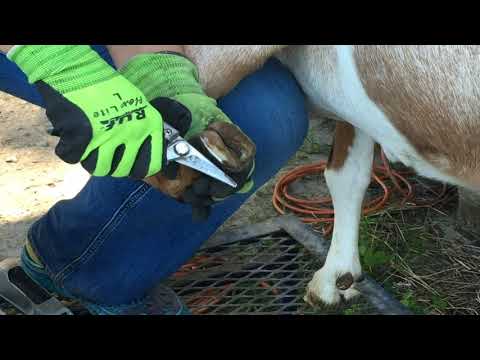
Effective hoof trimming is crucial for goat health, serving as a key measure in the prevention and treatment of foot rot. Regular trimming helps maintain the overall health of the goat by preventing the overgrowth of hooves, which can lead to discomfort and increased susceptibility to infections.
Required Tools and Equipment
To trim goat hooves effectively, you need the right tools. These include:
- Hoof shears or clippers designed for goats
- A hoof pick or knife for cleaning out debris
- A rasp or file for smoothing the edges
- Optional: gloves for handler protection
Using the correct tools ensures a safe and effective trimming process for both the goat and the handler.
Step-by-Step Trimming Technique
Trimming goat hooves requires a systematic approach:
- Restrain the goat safely and humanely.
- Clean the hoof to remove dirt and debris.
- Trim the hoof wall, taking care not to cut into the quick.
- Trim the sole, removing any dead or rotting tissue.
- Use a rasp to smooth the edges and remove any sharp points.
It’s essential to be cautious during the trimming process to avoid causing pain or injury to the goat.
Optimal Trimming Frequency
The frequency of hoof trimming depends on several factors, including the goat’s age, breed, and living conditions. Generally, hooves should be trimmed every 4 to 8 weeks. Regular inspection is key to determining the optimal trimming schedule for your goats.
Common Trimming Mistakes to Avoid
Common mistakes include:
- Cutting into the quick, which can cause pain and bleeding.
- Not trimming enough, leading to overgrowth.
- Trimming too much, potentially exposing sensitive tissues.
Avoiding these mistakes requires practice and a good understanding of goat hoof anatomy.
Medical Treatments for Foot Rot
Effective management of foot rot in goats requires a multi-faceted approach to medical treatment. This comprehensive strategy involves several key components to ensure the health and well-being of the affected goats.
Isolating Affected Animals
The first step in treating foot rot is isolating the affected animals to prevent the spread of the disease. Isolation helps in reducing the risk of transmission to healthy goats and allows for focused treatment. It’s crucial to provide the isolated goats with adequate food, water, and shelter to minimize stress, which can exacerbate the condition.
Topical Antibacterial Treatments
Topical treatments are essential for managing foot rot. Antibacterial solutions and ointments are applied directly to the affected hooves to combat the bacterial infection. Common topical treatments include zinc-based products and formalin solutions. These treatments help in reducing the bacterial load and promoting healing.
Systemic Antibiotics: Types and Administration
In severe cases of foot rot, systemic antibiotics may be necessary to treat the infection. The choice of antibiotic depends on the severity of the infection and the causative pathogens. Commonly used antibiotics include oxytetracycline and penicillin. It’s essential to consult a veterinarian to determine the most appropriate antibiotic and dosage. Proper administration is crucial to ensure the effectiveness of the treatment and to minimize the risk of antibiotic resistance.
Vaccination Options
Vaccination is a valuable tool in the prevention of foot rot. Vaccines are available that protect against the primary causative bacteria of foot rot. Implementing a vaccination program can significantly reduce the incidence of foot rot in a goat herd. It’s important to consult with a veterinarian to develop a vaccination schedule that suits the specific needs of the herd.
In conclusion, a combination of isolation, topical treatments, systemic antibiotics, and vaccination provides a comprehensive approach to managing foot rot in goats. Each of these components plays a crucial role in treating the disease and preventing its spread.
Home Remedies for Foot Rot in Goats

While conventional treatments are effective, many goat farmers are turning to home remedies to combat foot rot. These remedies can provide relief and support the healing process when used alongside traditional treatments.
Effective DIY Solutions
Several DIY solutions can be effective in treating foot rot in goats. One common method involves using a mixture of baking soda and water to create a paste that is applied directly to the affected area. Baking soda helps neutralize the pH and reduce bacterial growth.
Another effective remedy is the use of tea tree oil, known for its antibacterial properties. When diluted with a carrier oil, tea tree oil can be applied to the affected hooves to help combat infection.
Herbal and Essential Oil Treatments
Herbal treatments have been used for centuries to treat various ailments, including foot rot in goats. Garlic is known for its antimicrobial properties and can be used to treat infections. Crushed garlic can be mixed with oil and applied to the affected hooves.
Essential oils like lavender and chamomile can also provide relief by reducing inflammation and promoting healing. These oils should be diluted with a carrier oil before application to avoid irritation.
Epsom Salt Soaks
Epsom salt soaks are another effective home remedy for foot rot. Epsom salt helps reduce swelling and inflammation, drawing out infection and promoting healing. To prepare an Epsom salt soak, dissolve 1-2 cups of Epsom salt in warm water and soak the goat’s hooves for 10-15 minutes.
Limitations of Home Remedies
While home remedies can be beneficial, it’s essential to understand their limitations. Severe cases of foot rot may require veterinary intervention, and home remedies should not replace professional diagnosis and treatment. Always consult with a veterinarian before starting any new treatment regimen.
In conclusion, home remedies can be a valuable addition to the treatment plan for foot rot in goats. By incorporating these remedies into a comprehensive care plan, goat farmers can help alleviate symptoms and promote healing.
Implementing Effective Footbath Protocols

Implementing effective footbath protocols is essential for reducing the incidence of foot rot in goats. Footbaths are a crucial component of foot rot management, providing a targeted approach to treating and preventing the condition.
Zinc Sulfate Footbaths
Zinc sulfate footbaths are a popular choice for managing foot rot in goats. The solution is effective against the bacteria that cause foot rot, and it promotes healing by supporting the natural repair processes of the hoof.
Benefits of Zinc Sulfate:
- Effective against a broad spectrum of bacteria
- Less corrosive compared to other treatments
- Can be used regularly as part of a foot care routine
Copper Sulfate Solutions
Copper sulfate is another commonly used agent in footbaths for goats. It is known for its bactericidal properties, making it effective in controlling the spread of foot rot.
Considerations for Copper Sulfate:
- Toxicity concerns if ingested, requiring careful handling
- Can be corrosive to equipment if not properly maintained
- Regular monitoring is necessary to avoid overuse
Formalin Footbaths: Effectiveness and Safety Concerns
Formalin has been used historically in footbaths due to its effectiveness against foot rot. However, its use is accompanied by significant safety concerns, including toxicity to humans and animals.
Safety Precautions:
- Use in well-ventilated areas to minimize inhalation risks
- Avoid skin contact and ingestion
- Consider alternative treatments due to the potential risks
Footbath Setup and Maintenance
The effectiveness of a footbath is not just dependent on the solution used but also on its setup and maintenance. Proper design and regular upkeep are crucial for ensuring that the footbath remains a useful tool in foot rot management.
Key Considerations:
- Ensure the footbath is of adequate size for the herd
- Regularly clean and replace the footbath solution
- Position the footbath in a location that encourages all goats to use it
Pasture Management for Foot Rot Prevention

One of the most effective ways to prevent foot rot is through strategic pasture management. Proper pasture management is key to reducing the risk of foot rot in goats by minimizing exposure to wet, muddy conditions that foster the development of the disease.
Drainage Improvement Strategies
Improving drainage is a critical aspect of pasture management for foot rot prevention. This can be achieved by installing drainage ditches or tiles to redirect water away from grazing areas. Ensuring that the pasture slopes gently can also help prevent waterlogging.
Key drainage improvement strategies include:
- Installing drainage tiles or pipes
- Creating shallow ditches to guide water flow
- Ensuring adequate slope to prevent water accumulation
Mud Control Around Water Sources
Mud around water sources is a significant risk factor for foot rot. Implementing mud control measures such as using gravel or concrete around waterers can significantly reduce the risk.
| Mud Control Method | Effectiveness | Cost |
|---|---|---|
| Gravel around waterers | High | Moderate |
| Concrete around waterers | Very High | High |
| Regular cleaning | Moderate | Low |
Rotational Grazing Benefits
Rotational grazing is a highly effective strategy for managing pastures and preventing foot rot. By rotating goats through different grazing areas, the land is given time to recover, reducing the accumulation of pathogens.
“Rotational grazing not only improves pasture health but also significantly reduces the risk of foot rot by minimizing exposure to contaminated ground.” – Expert in Goat Farming
Creating Sacrifice Areas
Sacrifice areas are designated zones where goats can be temporarily housed during wet conditions, thereby protecting the rest of the pasture from damage and reducing the risk of foot rot.
Benefits of sacrifice areas include:
- Protection of pasture from overgrazing
- Reduced risk of foot rot
- Easier management of goat health
Biosecurity Measures to Prevent Spread

Implementing robust biosecurity measures is crucial for preventing the spread of foot rot among goat populations. Effective biosecurity protocols play a vital role in controlling and preventing the disease, thereby safeguarding the health of the goats and the overall productivity of the farm.
Quarantine Protocols for New Animals
Quarantining new animals is a critical biosecurity measure to prevent the introduction of foot rot into a previously unaffected herd. New goats should be isolated for a minimum of 30 days, during which they should be monitored for signs of foot rot. This period allows for early detection and treatment, reducing the risk of disease spread.
Key steps in quarantining new animals include:
- Isolating new goats in a separate area away from the main herd.
- Conducting regular inspections for signs of foot rot.
- Treating any detected cases promptly.
Visitor and Equipment Management
Managing visitors and equipment is another crucial aspect of biosecurity. Visitors who have been in contact with other goats should be restricted from entering the farm, or they should follow strict hygiene protocols, such as wearing protective clothing and disinfecting footwear.
Effective equipment management involves:
- Disinfecting equipment between uses.
- Avoiding sharing of equipment between farms.
- Regularly cleaning and maintaining equipment to prevent the buildup of pathogens.
Shared Pasture Considerations
When goats are grazed on shared pastures, there’s an increased risk of foot rot transmission. Farmers should be aware of the health status of neighboring farms and consider the risks when deciding to share pastures.
| Risk Factor | Mitigation Strategy |
|---|---|
| Shared pastures with neighboring farms | Regular health checks on neighboring farms, consider rotational grazing. |
| Presence of foot rot in neighboring farms | Avoid sharing pastures, implement strict biosecurity measures. |
Record Keeping for Hoof Health
Maintaining detailed records of hoof health is essential for monitoring the effectiveness of biosecurity measures and identifying areas for improvement. Records should include treatment outcomes, disease incidence, and biosecurity protocol adherence.
Key components of hoof health records include:
- Date and details of treatments administered.
- Incidence of foot rot and other hoof-related issues.
- Biosecurity measures implemented and their effectiveness.
Seasonal Challenges and Solutions

As the seasons change, goat farmers face unique challenges in managing foot rot. Effective management requires adapting strategies to the prevailing weather conditions and seasonal transitions.
Wet Weather Management Strategies
Wet weather creates ideal conditions for the bacteria that cause foot rot. To manage this, farmers should:
- Ensure proper drainage in pastures to prevent waterlogging.
- Use raised feeding and watering stations to keep areas dry.
- Implement regular foot trimming to remove infected tissue.
Footbaths can be particularly effective during wet periods. Using zinc sulfate or copper sulfate solutions can help control the spread of foot rot.
Winter Housing Considerations
During winter, goats require shelter from harsh weather conditions. Proper housing is crucial:
- Provide well-ventilated barns to reduce moisture buildup.
- Use dry bedding materials like straw to keep hooves dry.
- Regularly clean and disinfect living areas.
Monitoring hoof health during winter is essential, as cold and wet conditions can exacerbate foot rot.
Summer Hoof Care
In the summer, dry conditions can lead to hard, cracked hooves. Regular trimming is vital:
- Trim hooves to prevent overgrowth and cracking.
- Monitor for signs of hoof rot and take prompt action.
- Provide shade and adequate hydration to prevent dehydration.
Summer is also an ideal time for implementing preventive measures, such as vaccination programs.
Preparing for Seasonal Transitions
As seasons change, it’s crucial to prepare goat herds for the upcoming conditions:
- Adjust feeding strategies to meet seasonal nutritional needs.
- Review and update hoof care routines.
- Ensure that all equipment and supplies are ready for the changing weather.
By anticipating and preparing for seasonal challenges, goat farmers can maintain better control over foot rot and ensure the overall health of their herds.
Bedding and Housing for Hoof Health

Proper bedding and housing are crucial for maintaining hoof health in goats. The living conditions of goats directly impact their hoof health, making it essential to manage their environment effectively.
Optimal Bedding Materials
The choice of bedding material is critical in maintaining dry and comfortable living conditions for goats. Some of the most effective bedding materials include:
- Straw: Absorbs moisture well and provides a dry surface.
- Sand: Allows for good drainage and can help prevent hoof rot.
- Dried manure: Though less common, it can be used as it dries out quickly and reduces moisture.
It’s essential to avoid bedding materials that retain moisture, such as certain types of hay or green materials, as they can exacerbate hoof health issues.
Moisture Control in Goat Barns
Controlling moisture is vital in preventing hoof diseases. High moisture levels can lead to conditions conducive to bacterial and fungal growth, which can cause hoof infections.
- Ensure good ventilation in the barn to reduce humidity.
- Regularly clean and replace bedding to keep the area dry.
- Use drainage systems where necessary to prevent water accumulation.
Flooring Options for Hoof Health
The type of flooring in goat barns can significantly impact hoof health. Some flooring options are more beneficial than others:
- Concrete flooring with proper drainage can be effective but may require additional bedding for comfort.
- Rubber mats can provide comfort and are easy to clean.
- Dirt or clay floors can be used but require regular maintenance to prevent moisture buildup.
Cleaning and Maintenance Schedules
Establishing a regular cleaning and maintenance schedule is crucial for maintaining hoof health. This includes:
- Daily removal of soiled bedding and waste.
- Weekly disinfection of the barn, especially areas around feeding and watering stations.
- Monthly checks on drainage and ventilation systems to ensure they are functioning properly.
By following these guidelines, goat farmers can significantly reduce the risk of hoof diseases and promote overall hoof health.
Nutrition’s Role in Preventing Foot Rot
The health of a goat’s hooves is directly linked to its nutrition, making a balanced diet critical in preventing foot rot. Adequate nutrition strengthens the hooves and enhances the overall immune system of goats, reducing their susceptibility to infections.
Essential Minerals for Hoof Health
Essential minerals play a vital role in maintaining hoof health. Minerals such as zinc, copper, and selenium are crucial for the integrity and strength of hooves. A deficiency in these minerals can lead to weakened hooves, making them more susceptible to foot rot.
| Mineral | Role in Hoof Health | Sources |
|---|---|---|
| Zinc | Enhances wound healing and hoof integrity | Zinc supplements, certain grains |
| Copper | Important for connective tissue health | Copper supplements, alfalfa |
| Selenium | Acts as an antioxidant, protecting tissues | Selenium-rich feeds, certain forages |
Zinc and Biotin Supplementation
Zinc and biotin are particularly important for hoof health. Zinc supplementation can enhance the integrity of the hooves and improve wound healing. Biotin, a B-complex vitamin, is known to improve hoof hardness and strength. Supplementing with both zinc and biotin can significantly reduce the incidence of foot rot.
Balanced Diet Recommendations
A balanced diet for goats should include a mix of high-quality forages, grains, and supplements as necessary. Ensuring that the diet is rich in essential nutrients is crucial for maintaining overall health and preventing conditions like foot rot.
Feeding Strategies for Compromised Animals
For goats already affected by foot rot, special feeding strategies can aid in recovery. Providing a nutrient-rich diet that is easy to consume can help support the healing process. Additionally, ensuring access to clean water and minimizing stress can also contribute to recovery.
At The End of: Foot Rot in Goats
Preventing and managing foot rot in goats requires a comprehensive approach that encompasses proper pasture management, biosecurity, nutrition, and regular hoof care. By understanding the causes and symptoms of foot rot, goat farmers can implement effective strategies to maintain hoof health in their herds.
Managing foot rot involves a combination of medical treatments, home remedies, and preventive measures. Essential practices include regular hoof trimming, implementing effective footbath protocols, and ensuring optimal nutrition to support hoof health.
By adopting a multi-faceted approach to preventing foot rot in goats, farmers can reduce the incidence of this debilitating condition, promoting overall herd health and productivity. Effective management of foot rot is crucial for maintaining the well-being of goats and the sustainability of goat farming operations.
FAQ
What is foot rot in goats?
Foot rot in goats is a bacterial infection that causes lameness, pain, and discomfort in the hooves. It is typically caused by the bacteria Dichelobacter nodosus and Fusobacterium necrophorum.
What are the symptoms of foot rot in goats?
Symptoms of foot rot in goats include lameness, swelling, and redness around the hooves, a strong, unpleasant odor, and discharge or pus. Affected goats may also exhibit behavioral changes, such as reluctance to move or graze.
How is foot rot in goats diagnosed?
Foot rot in goats is typically diagnosed through a visual examination of the hooves, looking for signs of infection, such as swelling, redness, and discharge. A veterinarian may also perform a physical examination and take a sample of the discharge for further analysis.
What are the treatment options for foot rot in goats?
Treatment options for foot rot in goats include isolating affected animals, topical antibacterial treatments, systemic antibiotics, and vaccination. Home remedies, such as Epsom salt soaks and herbal treatments, may also be effective in some cases.
How can I prevent foot rot in my goat herd?
Preventing foot rot in goats involves implementing effective footbath protocols, maintaining good pasture management, practicing biosecurity measures, and providing proper nutrition and housing. Regular hoof trimming and monitoring for signs of infection are also crucial.
What is the best way to trim goat hooves?
Trimming goat hooves involves using the right tools and techniques to remove dead or infected tissue, while avoiding cutting the quick. It’s essential to trim hooves regularly to prevent overgrowth and reduce the risk of foot rot.
Can foot rot in goats be transmitted to other animals?
Yes, foot rot in goats can be transmitted to other animals, including sheep and other goats, through direct contact with infected hooves or contaminated environments.
How often should I inspect my goats’ feet?
It’s recommended to inspect your goats’ feet regularly, ideally daily, to catch any signs of infection or lameness early. This allows for prompt treatment and reduces the risk of the infection spreading.
What are the benefits of using zinc sulfate footbaths?
Zinc sulfate footbaths are effective in preventing and treating foot rot in goats. They work by reducing bacterial growth and promoting healing. Zinc sulfate is also less toxic than some other footbath solutions, making it a safer choice.
How can I manage wet weather to prevent foot rot?
Managing wet weather involves improving drainage, controlling mud around water sources, and providing dry areas for goats to stand. This can help reduce the risk of foot rot by minimizing exposure to wet, muddy conditions.
Conclusion of: Foot Rot in Goats
Why Foot Rot in Goats deserves attention on any U.S. farm
Foot Rot in Goats is one of those “small” problems that can quietly turn into a herd-wide headache—especially during wet seasons, muddy lots, or long stretches of damp bedding. Even one lame doe can eat less, lose condition, and struggle to keep up with the herd, while the bacteria that trigger the infection can spread anywhere hooves carry contaminated mud and manure. The good news is that Foot Rot in Goats is usually preventable with consistent hoof care, quick isolation of new cases, and smart moisture control around high-traffic areas. MSU Extension overview of foot rot and foot scald
Foot scald vs Foot Rot in Goats: why the difference matters
Foot Rot in Goats is often confused with “foot scald” (sometimes called benign foot rot), because both can start with redness and tenderness between the toes. The key difference is that true Foot Rot in Goats involves more aggressive damage that can undermine or separate parts of the hoof horn (the wall/sole), while scald is primarily inflammation of interdigital skin. Knowing which problem you’re dealing with helps you choose the right intensity of trimming, footbath schedules, and isolation strategy—so you’re not under-treating a contagious case or over-treating a mild one. Iowa State guide on foot scald and foot rot in dairy goats (PDF)
The bacteria behind Foot Rot in Goats and why moisture fuels outbreaks
Foot Rot in Goats typically requires Dichelobacter nodosus to be present, with other bacteria like Fusobacterium necrophorum often playing a supporting role—especially when manure and mud keep skin soft and irritated. In practical terms, the bacteria don’t “magically” create disease on clean, dry feet; they need a weak spot such as interdigital irritation, tiny cracks, or soft tissue damage. That’s why wet weather, muddy sacrifice lots, and crowded pens can turn a few minor hoof issues into a fast-moving Foot Rot in Goats problem across multiple animals. Merck Veterinary Manual explanation of the primary pathogen
How Foot Rot in Goats spreads in real life (and why “one lame goat” is rarely just one)
Foot Rot in Goats spreads most commonly when an infected or carrier animal is introduced to the herd, but it can also move around a farm through contaminated soil, muddy pens, shared handling areas, and equipment that touches multiple hooves. Goats can carry the bacteria on their feet from one spot to another, which is why outbreaks often cluster around wet gateways, waterers, mineral feeders, and barn entrances. If your herd travels to shows, auctions, or mixed-species grazing areas, your risk of importing Foot Rot in Goats goes up unless you run a strict quarantine routine. MSU Extension tips for preventing contagious foot rot in a goat herd
Early symptoms of Foot Rot in Goats you’ll notice first
Foot Rot in Goats often starts with subtle lameness—an animal walking gingerly, spending more time lying down, or shifting weight off one foot. You may see pink-to-raw skin between the toes, moisture or irritation in the interdigital space, and a noticeable odor when you lift the foot. Some goats will graze on their knees or avoid walking to feeders, which can look like “stubbornness” but is really pain. Catching Foot Rot in Goats early matters because mild cases are typically easier to control before deeper hoof structures become involved. Alabama Extension signs and first-response management
Signs that Foot Rot in Goats is becoming severe (and when it can spiral)
As Foot Rot in Goats progresses, you can see under-running of the hoof horn, separation of hoof wall from underlying tissue, a foul smell, and sometimes black, tarry-looking material where horn is breaking down. Severe cases can be intensely painful, and the goat may carry the leg, refuse to move, or lose body condition rapidly because it won’t walk to eat and drink normally. In wetter stretches, the same hoof can relapse again and again if conditions stay muddy, which is why controlling the environment is as important as any medicine for Foot Rot in Goats.
Why Foot Rot in Goats hurts performance even when it’s “not fatal”
Foot Rot in Goats is rarely life-threatening by itself, but it is chronic, painful, and productivity-draining. Lame goats often eat less, lose weight, and fall behind in growth or milk production, and breeding performance can slide because stressed animals don’t maintain condition well. Even if symptoms seem to disappear during dry spells, infection can “lurk” and flare with the next wet period, which leads to a repeating cycle of labor and treatment costs. Thinking of Foot Rot in Goats as a herd productivity issue—not just a hoof issue—helps you justify stronger prevention habits. Cornell Extension fact sheet on controlling and eradicating foot rot (PDF)
How to examine a lame goat correctly for Foot Rot in Goats
When Foot Rot in Goats is suspected, plan a calm, safe exam: restrain the goat securely, clean off mud, and look closely at the interdigital space and the sole. Trim back overgrown horn carefully so you can see whether the problem is mainly skin inflammation (scald), hoof separation, or something else such as white line disease, abscess, or injury. Smell can be a clue, but visual confirmation matters—especially because goats can limp for reasons unrelated to Foot Rot in Goats. Good records (date, foot affected, severity notes) help you spot patterns and identify chronic relapsers. Purdue Extension guidance on recognition and look-alikes (PDF)
Isolation and workflow that stop Foot Rot in Goats from becoming “everywhere”
The fastest way to reduce spread of Foot Rot in Goats is to separate obvious cases immediately—before you trim, bathe, or treat. Create a simple workflow: “dirty group” (symptomatic), “watch group” (recently treated or questionable), and “clean group” (no lesions). Handle clean animals first, then move to suspect and infected groups last, and avoid walking back through clean pens with contaminated boots. Even basic separation reduces new infections while you work through a realistic eradication plan for Foot Rot in Goats. University of Arkansas steps on isolation and prevention
Hoof trimming basics that support treatment of Foot Rot in Goats
Hoof trimming is not about making the hoof “pretty”—it’s about restoring a flat, functional surface and removing pockets where manure stays trapped. With Foot Rot in Goats, trimming also helps expose affected areas to air and makes topical treatment and footbaths more effective, but over-trimming can cause bleeding and extra pain. Aim for steady, moderate trimming, and schedule it routinely so overgrowth doesn’t create the moist, low-oxygen pocket that bacteria love. If multiple goats are affected, consistent trimming across the herd can reduce recurrence of Foot Rot in Goats over time. South Dakota State hoof trimming how-to for sheep and goats (PDF)
Disinfecting tools and surfaces so you don’t spread Foot Rot in Goats yourself
It’s surprisingly easy to “carry” Foot Rot in Goats from one animal to the next on hoof trimmers, gloves, and handling equipment. Build a simple routine: scrape off visible debris, then disinfect trimmers between animals—especially when you’re working through a symptomatic group. Also pay attention to drainage around tanks and feed bunks, because constant hoof trauma and moisture in these areas sets the stage for reinfection. The goal is to reduce interdigital irritation and stop your equipment from acting like a delivery system for Foot Rot in Goats. Kansas State guidance on trimming hygiene and drainage (PDF)
Footbath options for Foot Rot in Goats: what to use and what to avoid
A well-run footbath can be a game-changer for Foot Rot in Goats when many animals are involved, but the details matter: solution choice, concentration, contact time, and a clean, dry exit area all affect results. Zinc sulfate is commonly recommended because it’s effective and generally less risky than alternatives; copper sulfate and formalin are used in some operations but require extra caution to prevent ingestion and irritation. Whatever you choose, the footbath should be deep enough to cover the hoof and long enough (or “stand-in” long enough) to provide meaningful contact for Foot Rot in Goats control. Oklahoma State footbath options and practical setup
Aftercare that helps Foot Rot in Goats treatment actually stick
After footbathing or topical treatment, Foot Rot in Goats improves faster when hooves can dry in a clean area rather than stepping immediately back into mud. A common failure point is doing “great” trimming and footbaths, then returning goats to the same wet pen that triggered the outbreak. Provide fresh bedding, reduce manure buildup, and keep treated goats in a dry holding area long enough for hooves to dry well. This dry-time step sounds simple, but it’s often the difference between short-term improvement and endless recurrence of Foot Rot in Goats. Alabama Extension notes on treatment follow-through
Medications and pain control: when Foot Rot in Goats needs a veterinarian
Some cases of Foot Rot in Goats respond to trimming, topical disinfectants, and environmental fixes without antibiotics, but severe lameness, swelling, fever, or deep infection is when a veterinarian should guide the plan. In the U.S., access rules for medically important antibiotics have tightened, and responsible use matters for animal health and legal compliance. Your vet can decide whether systemic treatment is appropriate, what drug is indicated, and how to manage withdrawal times if the goat is producing milk or meat. Treating Foot Rot in Goats responsibly is part herd health and part antibiotic stewardship. FDA overview of antibiotic stewardship and veterinary oversight (PDF)
Quarantine rules that keep Foot Rot in Goats out of your herd in the first place
The cheapest Foot Rot in Goats program is the one you never need because you didn’t import the bacteria. Quarantine all new additions (and returning show animals) long enough to observe lameness, inspect feet, trim, and treat proactively before they join the main herd. During quarantine, keep the area dry, avoid shared traffic with the main herd, and work quarantined goats last to reduce cross-contamination. Quarantine is also a chance to catch other hoof issues that mimic Foot Rot in Goats so you don’t mistakenly introduce a chronic problem. Extension.org guidance on quarantine and purchase precautions
Pasture rotation to break the Foot Rot in Goats cycle (the “time off pasture” concept)
Pasture management is not optional when Foot Rot in Goats is in play, because wet soil and manure help bacteria persist long enough to reinfect animals again and again. One practical concept is “spelling” contaminated pens or paddocks—moving goats away long enough that the environment is no longer a strong source of infection—while you treat the animals and identify carriers. Dry weather makes eradication easier, but symptoms can also hide in dry spells, so it’s important to keep your Foot Rot in Goats plan consistent instead of stopping early when feet “look better.” Cornell Extension on timing, carriers, and environment “clean-out” (PDF)
Rotational grazing to reduce mud pressure and Foot Rot in Goats risk
Rotational grazing supports Foot Rot in Goats prevention because it limits overgrazing, protects plant cover, and reduces the bare-soil conditions that turn into mud pits when it rains. Moving goats more often can also keep them from camping in one area long enough to create manure-packed, high-moisture hotspots around shade, mineral, and water. If you’re new to planning rotations, local conservation specialists can help you design a system that fits your acreage, fencing, and forage goals while also lowering the disease pressure that drives Foot Rot in Goats. USDA NRCS primer on rotational grazing for small farms (PDF)
Wet-weather moves that protect hooves when Foot Rot in Goats risk is highest
During prolonged wet weather, Foot Rot in Goats risk rises because hooves and interdigital skin stay soft, and traffic concentrates around feeding and watering points. Practical steps include rotating to new areas sooner, relocating feeders and mineral stations to prevent constant mud buildup, and pulling goats off pastures that are too wet to handle hoof traffic. Even short-term changes—like moving waterers or adding a temporary gravel pad—can reduce the “mud-and-manure pressure” that keeps Foot Rot in Goats active in the herd. University of Minnesota wet-weather grazing management tips
Using sacrifice areas when pasture is saturated and Foot Rot in Goats is flaring
A designated sacrifice area (also called a heavy-use area) can protect your best pasture ground while helping you manage Foot Rot in Goats during mud season. The idea is to confine goats to an area built to handle traffic—better drainage, appropriate footing, and easier manure removal—so the rest of the farm can recover and stay healthier. Sacrifice areas can also reduce parasite exposure, but for Foot Rot in Goats prevention the biggest win is controlling moisture and keeping hooves out of constantly churned mud. Plan fencing, water access, and bedding so goats stay dry and safe. Iowa State Extension on sacrifice areas and muddy-season planning
High-traffic zones: waterers, feeders, and barn doors in Foot Rot in Goats prevention
Many Foot Rot in Goats outbreaks “live” in the same places year after year—muddy gateways, water tank edges, feed bunks, mineral feeders, and barn entrances. These are the zones where hooves get the most trauma and stay wet the longest, so they become ideal reinfection points even after good trimming and footbaths. Improve drainage, add gravel where appropriate, scrape manure frequently, and move portable feeders so goats don’t churn one spot into a permanent mud wallow. Treating the environment like part of the disease plan is essential for long-term Foot Rot in Goats control. Mississippi State guide to building healthier forage and traffic management habits
Long-term prevention checklist for Foot Rot in Goats (simple habits, big payoff)
Foot Rot in Goats prevention works best when it becomes routine: trim hooves on a schedule, check feet anytime goats are in the chute, keep pens well-bedded and dry, and quarantine new or returning animals. Add a seasonal plan for wet months (footbath readiness, sacrifice-area use, feeder relocation), and keep notes so you can identify animals that relapse repeatedly. If a goat becomes a chronic carrier despite good management, removing it can protect the whole herd. Over time, a steady prevention culture reduces labor, lowers treatment costs, and keeps Foot Rot in Goats from becoming a yearly crisis. MSU Extension tactics for sustained foot rot control
Final thought
Foot Rot in Goats is frustrating mainly because it’s a “two-part” problem: you treat the hoof, but you also have to treat the conditions that created the hoof damage in the first place. If you combine quick isolation, careful trimming, proven footbath routines, and moisture control in high-traffic areas, most herds can reduce outbreaks dramatically—and some can push toward eradication over time. If you’re unsure whether you’re seeing scald, foot rot, or another hoof disorder, a veterinarian or Extension specialist can help you avoid wasted effort and build a practical plan for Foot Rot in Goats that fits your farm’s layout and climate. Purdue Extension full prevention and control guide (PDF)
Sources & References
The following references support best-practice guidance for Foot Rot in Goats and related hoof and pasture management decisions.
- Cornell Cooperative Extension overview of foot rot in small ruminants
- Michigan State University Extension: Foot rot and foot scald in goats and sheep
- Purdue Extension: Footrot in Sheep and Goats (PDF)
- Alabama Cooperative Extension: Managing foot rot and scald
- Iowa State: Foot scald, foot rot, and white line disease in dairy goats (PDF)
- South Dakota State University Extension: How to trim sheep and goat hooves (PDF)
- Kansas State Veterinary Health Center: Foot rot management notes (PDF)
- University of Arkansas Extension: 10 ways to prevent foot rot
- FDA: Antibiotic stewardship overview (PDF)
- USDA NRCS: Rotational grazing for small farms (PDF)