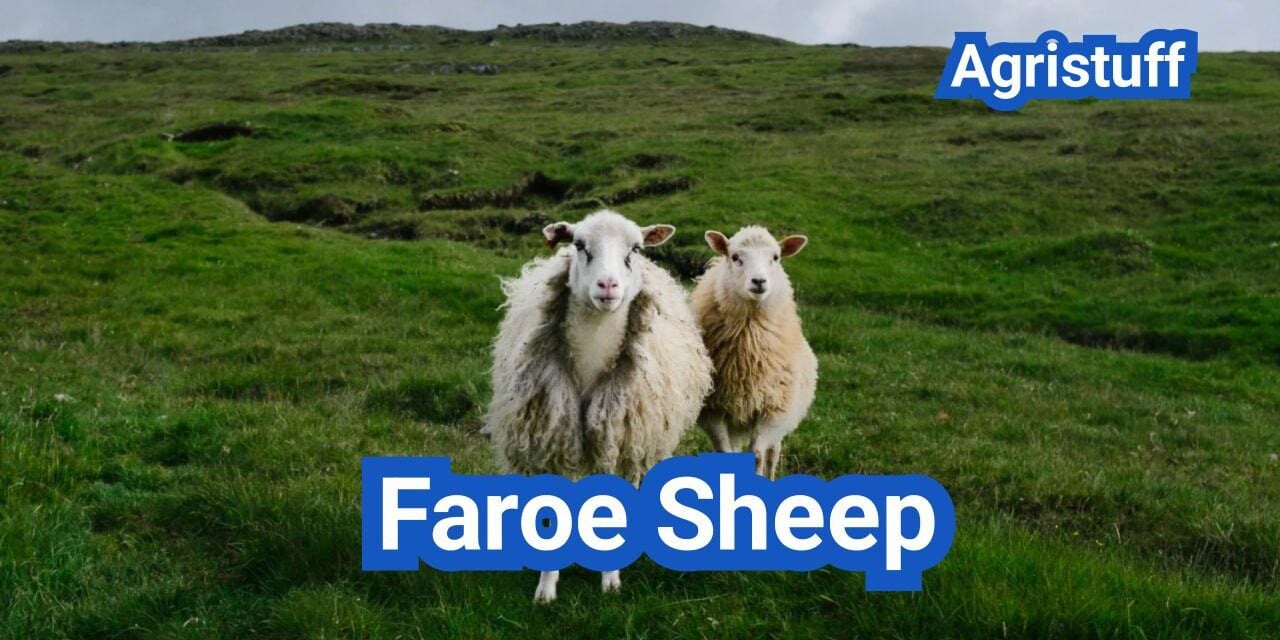
The Faroe Sheep is an ancient breed with a rich history deeply intertwined with the culture of the Faroe Islands. The name “Faroe” itself is derived from an old Norse word meaning sheep, highlighting the significant role these animals have played in the region.
This heritage breed is not only a testament to the islands’ historical connection to sheep farming but also a symbol of the sustainable practices that have been maintained over centuries. The unique characteristics of the Faroe Sheep make it an important subject for those interested in sustainable sheep farming and heritage sheep breeds conservation.
Key Takeaways
- The Faroe Sheep has a significant historical and cultural importance.
- The breed is a symbol of sustainable sheep farming practices.
- Faroe Sheep are known for their unique characteristics.
- Conservation efforts are crucial for heritage breeds.
- Sustainable farming practices are maintained through generations.
The Fascinating World of Faroe Sheep

The unique characteristics of Faroe Sheep make them an integral part of the Faroe Islands’ ecosystem and culture. These sheep have adapted to the harsh, rugged environment of the islands, developing distinct traits that set them apart from other breeds.
Faroe Sheep are known for their hardiness and ability to thrive in challenging weather conditions. Their adaptation to the North Atlantic climate is a testament to their resilience.
What Makes Faroe Sheep Unique
Several factors contribute to the uniqueness of Faroe Sheep. Their ability to survive and thrive in the harsh climate of the Faroe Islands is largely due to their:
- Thick coats that protect them from extreme weather conditions
- Strong legs and hooves, adapted for the rugged terrain
- Intelligence and instinct, which help them navigate the challenging landscape
Their distinctive coat colors and patterns also add to their uniqueness. Faroe Sheep can be found in a variety of colors, including white, black, and various shades of brown and gray.
| Characteristic | Description |
|---|---|
| Coat | Thick, protective coat against harsh weather |
| Legs and Hooves | Strong, adapted for rugged terrain |
| Color | Variety of colors including white, black, brown, and gray |
Their Importance to Faroese Culture
Faroe Sheep are not just a breed of sheep; they are an integral part of the Faroese identity. They have been a cornerstone of the islands’ agriculture and culture for centuries.
“The sheep are a symbol of the Faroese way of life, representing resilience, tradition, and the connection to the land.”
The sheep farming industry contributes significantly to the local economy, and the traditional practices surrounding sheep herding are an essential part of Faroese heritage.
The cultural significance of Faroe Sheep is also reflected in the local folklore and traditions. They are often featured in stories and legends, highlighting their importance to the community.
History and Heritage of Faroe Sheep

The history of Faroe Sheep is deeply intertwined with the Viking age, reflecting a rich heritage that spans centuries. The introduction of sheep to the Faroe Islands dates back to the early 9th century when Viking settlers arrived, bringing with them their livestock, including sheep of Norse origin.
Viking Origins and Norse Influence
The Faroe Sheep breed is believed to have descended from the Viking age sheep breeds, known for their hardiness and adaptability to harsh climates. The Norse influence on Faroe Sheep is evident in their physical characteristics and their ability to thrive in the rugged terrain of the Faroe Islands.
The Vikings, being skilled farmers and shepherds, brought with them advanced breeding practices that contributed to the development of the unique characteristics of the Faroe Sheep. The breed’s ability to survive and thrive in the challenging environment of the Faroe Islands is a testament to the robust genetic stock inherited from their Norse ancestors.
“The sheep were a crucial part of the Norse settlers’ economy and survival strategy in the Faroe Islands.”
Historical Significance to the Faroe Islands
The historical significance of sheep in the Faroe Islands cannot be overstated. Sheep have been a cornerstone of the local economy and culture, providing wool, meat, and other essential products. The sheep-to-human ratio in the Faroe Islands has historically been quite high, underscoring the importance of sheep to the survival and livelihood of the islanders.
| Year | Sheep Population | Human Population | Sheep-to-Human Ratio |
|---|---|---|---|
| 1800 | 30,000 | 5,000 | 6:1 |
| 1900 | 40,000 | 15,000 | 2.67:1 |
| 2000 | 80,000 | 45,000 | 1.78:1 |
The historical context of Faroe Sheep highlights their integral role in the cultural and economic fabric of the Faroe Islands, a legacy that continues to the present day.
Origin and Development of the Breed

Faroe Sheep are an ancient breed with roots tracing back to Northern Europe. Their history is closely linked to the Viking settlement of the Faroe Islands, which dates back to the early 9th century. The breed’s development is a fascinating story of adaptation to a harsh, rugged environment.
Northern European Short-tailed Sheep Connection
The Faroe Sheep is part of a larger group known as Northern European short-tailed sheep. This group includes other breeds such as the Icelandic Sheep, Spælsau, and Norwegian Spælsau. These breeds share common characteristics, including their short tails and hardiness in cold climates. The connection among these breeds is rooted in their shared ancestry, which dates back to the Viking era.
- Common Characteristics: Short tails, thick coats, and robust health.
- Shared Ancestry: Traced back to the Viking era and Norse influence.
- Geographical Distribution: Found in the North Atlantic regions, including Iceland and Norway.
Evolution in Isolation
The Faroe Islands’ geographical isolation has played a significant role in the evolution of the Faroe Sheep breed. With limited genetic exchange with other breeds, the Faroe Sheep have developed unique traits that enable them to thrive in the islands’ challenging environment. The breed’s isolation has resulted in a distinct genetic makeup that is valuable for conservation efforts.
- Adaptation to Harsh Climate: The breed has developed a robust constitution to withstand the islands’ harsh weather conditions.
- Unique Genetic Makeup: The isolation has preserved the breed’s genetic uniqueness.
- Conservation Significance: The breed’s genetic distinctness makes it an important subject for conservation initiatives.
In conclusion, the Faroe Sheep breed’s origin and development are deeply rooted in its connection to Northern European short-tailed sheep and its evolution in the isolated environment of the Faroe Islands. Understanding this history is crucial for appreciating the breed’s unique characteristics and its significance in the cultural and agricultural heritage of the Faroe Islands.
Why the Faroe Islands are Called “Sheep Islands”

The name “Sheep Islands” is a testament to the significant role sheep play in the culture, economy, and daily life of the Faroe Islands. The Faroese name for the islands, “Føroyar,” translates directly to “Sheep Islands,” reflecting the integral part sheep have played in the history and development of the archipelago.
Cultural and Economic Importance
Sheep have been a cornerstone of Faroese culture and economy for centuries. The harsh, rugged landscape of the Faroe Islands makes sheep farming an ideal occupation, as sheep are well-adapted to the local climate and terrain. The wool and meat produced from these sheep have been essential resources for the islanders, providing clothing, food, and a means of economic sustenance.
The cultural significance of sheep is evident in the many traditional practices and customs that revolve around sheep farming. For example, the annual sheep sorting, where sheep are gathered and sorted according to ownership, is a significant event in the Faroese calendar. This event not only highlights the importance of sheep to the local economy but also reinforces social bonds within the community.
Sheep-to-Human Population Ratio
The Faroe Islands have a remarkably high sheep-to-human population ratio. With a human population of around 52,000, the islands are home to approximately 80,000 sheep. This ratio underscores the dominance of sheep farming in the local economy and culture.
| Category | Number | Ratio |
|---|---|---|
| Human Population | 52,000 | 1 |
| Sheep Population | 80,000 | 1.54 |
This significant sheep-to-human ratio is a unique characteristic of the Faroe Islands and contributes to the islands’ distinct cultural identity. It also highlights the economic reliance on sheep farming and the potential challenges the islands may face in maintaining this traditional way of life in the face of modern environmental and economic pressures.
In conclusion, the nickname “Sheep Islands” is not just a quaint reference; it is a reflection of the deep-seated cultural and economic importance of sheep to the Faroe Islands. The high sheep-to-human population ratio further emphasizes the significance of sheep farming in the daily lives of the Faroese people.
Physical Characteristics of Faroe Sheep

Faroe Sheep are characterized by their hardiness and distinctive appearance, which have been shaped by centuries of living in the Faroe Islands. Their physical attributes are a testament to their adaptability and resilience.
Size and Weight
Faroe Sheep are generally small to medium-sized. Ewes typically weigh between 30-40 kg (66-88 lbs), while rams can weigh slightly more, often ranging from 40-50 kg (88-110 lbs). Their compact size is an adaptation to the harsh, rugged environment of the Faroe Islands.
Coat Colors and Patterns
One of the most striking features of Faroe Sheep is their varied coat colors and patterns. They can be found in a range of colors including white, black, brown, and various shades of gray. Some sheep display a single solid color, while others exhibit complex patterns such as spotted or piebald markings. This diversity in coat color adds to the breed’s unique charm.
Distinctive Features
Faroe Sheep have several distinctive physical features that set them apart from other breeds. Their short tails and robust legs are well-suited to their native terrain. Additionally, their thick, double coats provide excellent insulation against the cold and wet conditions prevalent in the Faroe Islands.
Behavioral Traits and Adaptations

Faroe Sheep have evolved remarkable behavioral traits that enable them to thrive in the harsh North Atlantic environment. Their ability to adapt to challenging weather conditions and rugged terrain is a testament to their resilience.
Survival in Harsh Climates
The Faroe Sheep’s adaptation to the harsh North Atlantic climate is largely due to their thick coats and hardy constitution. These physical attributes, combined with their behavioral adaptations, enable them to survive temperatures that would be challenging for many other breeds.
The sheep are known to be resourceful in finding food, even in the sparse vegetation typical of the Faroe Islands. Their foraging behavior is characterized by a willingness to graze on a wide variety of plants, including those that other sheep might find unpalatable.
| Adaptation | Description | Benefit |
|---|---|---|
| Thick Coat | Provides insulation against cold temperatures | Survival in harsh winters |
| Hardy Constitution | Enables the sheep to withstand harsh weather conditions | Resilience in the face of extreme weather |
| Foraging Behavior | Allows the sheep to graze on a variety of plants | Ability to find food in sparse vegetation |
Natural Instincts and Intelligence
Faroe Sheep are known for their strong natural instincts, which play a crucial role in their survival. Their instinct to flock together provides them with additional protection against predators and harsh weather.
Their intelligence is also noteworthy, as they have been observed displaying problem-solving abilities when faced with challenging grazing situations or navigating the rugged terrain of the Faroe Islands.
Overall, the behavioral traits and adaptations of Faroe Sheep are a key part of their unique character and contribute significantly to their ability to thrive in one of the most challenging environments in the North Atlantic.
Breeding Practices for Faroe Sheep

Breeding Faroe Sheep requires a deep understanding of both historical methods and contemporary approaches. The unique environment and cultural significance of these sheep have influenced breeding practices over the centuries.
Traditional Breeding Methods
Traditional breeding methods for Faroe Sheep have been shaped by the islands’ harsh climate and the sheep’s adaptation to it. Farmers have historically selected animals based on traits such as hardiness, fertility, and wool quality.
“The traditional breeding methods have been crucial in maintaining the unique characteristics of Faroe Sheep,” says a local farmer. “It’s not just about producing more sheep, but about preserving a way of life.”
Traditional methods often involve:
- Selecting breeding stock based on visual inspection and historical data
- Maintaining a closed flock to preserve the breed’s purity
- Allowing sheep to graze freely, which influences their diet and health
Modern Breeding Approaches
In recent years, modern breeding approaches have been introduced to enhance the efficiency and sustainability of Faroe Sheep breeding. These include:
| Modern Technique | Benefit |
|---|---|
| Genetic testing | Improved selection for desirable traits |
| Record-keeping software | Better tracking of breeding stock and lambing data |
| Selective breeding programs | Enhanced genetic diversity and disease resistance |
Modern breeding approaches are being adopted to complement traditional methods, aiming to improve the overall quality and sustainability of the breed.
The integration of traditional and modern breeding practices is crucial for the future of Faroe Sheep. By combining the best of both worlds, farmers can ensure the breed’s continued success and sustainability.
The Unique Faroe Islands Grazing System

The Faroe Islands have developed a unique grazing system that is crucial for managing their sheep population. This system is based on the infield-outfield farming technique, which has been adapted to the local climate and terrain.
Infield-Outfield Farming Technique
The infield-outfield farming technique involves dividing the grazing land into two main areas: the infields and the outfields. The infields are typically closer to the farms and are used for grazing during the winter months when the weather is harsh.
Infields are usually fenced and managed more intensively, with better quality pasture. In contrast, outfields are larger, more rugged areas that are used for grazing during the summer.
Seasonal Grazing Patterns
The grazing patterns in the Faroe Islands change with the seasons. During the summer, sheep are moved to the outfields where they graze on the available pasture.
In the winter, they are brought back to the infields where they are managed more closely.
| Season | Grazing Area | Management Level |
|---|---|---|
| Summer | Outfields | Less intensive |
| Winter | Infields | More intensive |
This seasonal movement between infields and outfields is crucial for maintaining the health of both the sheep and the pasture.
Faroe Sheep Wool: Characteristics and Uses

With a history deeply intertwined with the Faroese way of life, Faroe Sheep wool stands out for its remarkable properties. The unique characteristics of this wool have made it a staple in traditional Faroese clothing and textiles.
Wool Quality and Properties
Faroe Sheep wool is known for its exceptional insulation properties, warmth, and durability. The wool is often coarse on the outside and soft on the inside, making it ideal for crafting clothing that can withstand harsh weather conditions. The natural crimp in the fibers allows for excellent loft and insulation, keeping the wearer warm even in wet conditions.
The quality of Faroe Sheep wool is also attributed to the breed’s genetic makeup and the harsh climate of the Faroe Islands. The sheep’s adaptation to the rugged environment has resulted in wool that is not only warm but also resistant to wind and moisture.
Traditional Wool Processing
Traditionally, Faroese women have played a crucial role in processing Faroe Sheep wool. The process involves sorting, cleaning, and carding the wool before spinning it into yarn. The yarn is then used to knit traditional Faroese sweaters, known as skúvanes, which are highly valued for their warmth and aesthetic appeal.
The traditional processing methods have been passed down through generations, with each step being done by hand. This labor-intensive process contributes to the unique quality and cultural significance of the wool products.
Modern Wool Products and Markets
While traditional products remain highly valued, modern manufacturers have found new ways to utilize Faroe Sheep wool. The wool is now used in a variety of products, including high-quality knitwear, hats, and scarves. The unique properties of the wool make it appealing to consumers looking for durable and warm clothing.
Modern markets have also seen a rise in the demand for sustainable and eco-friendly products, with Faroe Sheep wool being a prime example. The wool is biodegradable, renewable, and requires minimal processing, making it an attractive choice for environmentally conscious consumers.
Faroese Lamb Meat: A Culinary Delicacy

In the Faroe Islands, lamb is not just a staple food; it’s a culinary delicacy deeply rooted in the local culture. The unique flavor and tenderness of Faroese lamb have made it a prized ingredient in traditional cuisine.
Distinctive Flavor Profile
The distinctive flavor of Faroese lamb is attributed to the sheep’s diet, which consists mainly of wild grasses and plants found in the rugged landscape of the Faroe Islands. This natural diet, combined with the harsh climate, contributes to the lamb’s unique taste and tender texture.
The lamb’s flavor profile is often described as rich and slightly sweet, with a hint of saltiness from the sea air. This distinctive taste makes Faroese lamb a favorite among locals and visitors alike.
Traditional Faroese Lamb Dishes
Faroese cuisine features a variety of traditional dishes that showcase lamb as the main ingredient. One of the most popular dishes is Skerpikjøt, a type of dried and cured lamb that is hung to dry for several months, developing a strong flavor and chewy texture.
Another traditional dish is lamb soup, made with tender pieces of lamb, vegetables, and sometimes potatoes. This hearty soup is a staple in Faroese households, especially during the colder months.
Sustainable Meat Production
The production of Faroese lamb meat is characterized by sustainable practices. The sheep are raised on natural pastures without the use of antibiotics or hormones, ensuring a high-quality product that is both healthy and environmentally friendly.
The sustainable grazing practices not only contribute to the quality of the lamb but also help maintain the ecological balance of the Faroe Islands. This approach to farming supports biodiversity and preserves the natural beauty of the landscape.
Other Uses of Faroe Sheep
In addition to their wool and meat, Faroe Sheep contribute to the economy and ecosystem in other significant ways. Their versatility makes them an invaluable resource for the Faroe Islands.
Sheepskin and Leather Products
The hides of Faroe Sheep are used to produce high-quality sheepskin and leather products. These products are durable and resistant to the harsh climate of the Faroe Islands, making them ideal for local use. Sheepskin products, such as coats and gloves, are particularly popular among locals and tourists alike.
Landscape Management and Tourism
Faroe Sheep play a crucial role in landscape management. Their grazing habits help maintain the islands’ unique landscapes, preventing vegetation overgrowth and maintaining biodiversity. This, in turn, supports the tourism industry, as the unique landscapes are a major attraction for visitors.
The combination of sheep grazing and the resultant landscapes contributes significantly to the tourism appeal of the Faroe Islands. Visitors are drawn to the rugged, natural beauty maintained in part by the grazing activities of the Faroe Sheep.
Faroe Sheep in the United States

Faroe Sheep, known for their hardiness and unique characteristics, have been introduced to the U.S. as part of conservation efforts. This introduction has not only expanded the global presence of the breed but also brought new opportunities for American farmers and breeders.
Introduction and Current Population
The introduction of Faroe Sheep to the United States is a relatively recent development, driven by the desire to conserve and promote this unique breed. As of the latest available data, the current population of Faroe Sheep in the U.S. is growing steadily, with a number of farms and breeding programs now established across the country.
Key factors contributing to their growth include:
- Interest from farmers looking for hardy, adaptable sheep breeds.
- Conservation efforts aimed at preserving the genetic diversity of Faroe Sheep.
- The unique characteristics of Faroe Sheep wool and meat, which are gaining popularity in niche markets.
American Breeding Programs
American breeding programs for Faroe Sheep are playing a crucial role in the breed’s development in the U.S. These programs focus on maintaining the breed’s integrity while adapting to the American climate and market demands.
Some of the key activities include:
- Selective breeding to enhance desirable traits such as hardiness, wool quality, and meat production.
- Collaboration with international breeders to ensure genetic diversity.
- Education and outreach efforts to promote the benefits of raising Faroe Sheep.
As the U.S. population of Faroe Sheep continues to grow, these breeding programs will be essential in shaping the future of the breed in America.
Conservation Efforts and Genetic Preservation

Conservation efforts for Faroe Sheep are crucial due to their unique genetic makeup and cultural significance. The breed’s survival is threatened by various factors, making conservation initiatives essential.
Threats to the Breed
Faroe Sheep face several threats, including genetic erosion due to cross-breeding, loss of traditional grazing lands, and climate change. These factors can lead to a reduction in genetic diversity, making the breed more vulnerable to diseases.
Genetic erosion is a significant concern as it can result in the loss of unique traits that have been developed over centuries. Climate change also poses a threat by altering the grazing patterns and availability of food for the sheep.
Conservation Initiatives
Several conservation initiatives are underway to protect the Faroe Sheep breed. These include breeding programs aimed at maintaining genetic purity and diversity, as well as efforts to preserve traditional farming practices.
- Breeding programs focused on genetic diversity
- Protection of traditional grazing lands
- Education and outreach programs for farmers
Genetic Research and Banking
Genetic research and banking play a crucial role in the conservation of Faroe Sheep. By studying the genetic makeup of the breed, researchers can identify unique traits and develop strategies to preserve them.
| Genetic Trait | Importance | Conservation Status |
|---|---|---|
| Hardiness | High | Stable |
| Wool Quality | High | Vulnerable |
| Disease Resistance | Medium | Conserved |
Conservation efforts for Faroe Sheep require a multi-faceted approach, including genetic research, breeding programs, and the protection of traditional farming practices. By working together, it is possible to preserve this unique and culturally significant breed for future generations.
Sustainable Farming Practices with Faroe Sheep
Incorporating Faroe Sheep into farming systems can lead to more sustainable and environmentally friendly practices. This section explores the role of Faroe Sheep in promoting ecological balance and enhancing biodiversity through grazing.
Environmental Benefits
Faroe Sheep grazing contributes significantly to environmental conservation. Their grazing practices help maintain open landscapes, reduce vegetation overgrowth, and promote the regeneration of native plant species.
Key environmental benefits include:
- Soil conservation through reduced erosion
- Maintenance of open spaces
- Promotion of native flora
Biodiversity Enhancement
The grazing activities of Faroe Sheep play a crucial role in enhancing biodiversity. By managing vegetation, they create diverse habitats that support a wide range of flora and fauna.
| Biodiversity Aspect | Impact of Faroe Sheep Grazing |
|---|---|
| Habitat Diversity | Creation of varied habitats through grazing patterns |
| Flora Diversity | Promotion of native plant species regeneration |
| Fauna Diversity | Support for a range of wildlife through habitat creation |
By adopting sustainable farming practices with Faroe Sheep, farmers can contribute to environmental conservation while maintaining productive agricultural systems.
How to Start Raising Faroe Sheep
The decision to raise Faroe Sheep requires careful consideration of their specific needs. These sheep, known for their hardiness and unique characteristics, can thrive under the right conditions. Understanding their history, physical traits, and behavioral patterns is crucial for successful farming.
Essential Requirements
Before acquiring Faroe Sheep, it’s essential to meet certain requirements. These include suitable land, appropriate fencing, and adequate shelter. The land should be capable of supporting grazing, with consideration for rotational grazing to maintain soil health.
- Suitable Land: Ensure the land is fertile and can support the grazing needs of the sheep.
- Fencing: Install sturdy fencing to protect the sheep from predators and prevent escape.
- Shelter: Provide adequate shelter to protect the sheep from harsh weather conditions.
Step-by-Step Guide to Acquisition
Acquiring Faroe Sheep involves several steps:
- Research reputable breeders who specialize in Faroe Sheep.
- Visit farms to inspect the health and condition of the sheep.
- Purchase sheep that meet your farm’s specific needs and climate.
- Transport the sheep safely to their new environment.
Basic Care Instructions
Proper care is vital for the health and productivity of Faroe Sheep. This includes:
| Care Aspect | Description |
|---|---|
| Nutrition | Provide high-quality feed suitable for their nutritional needs. |
| Health Checks | Regularly inspect the sheep for signs of illness or injury. |
| Grooming | Regular grooming helps maintain their coat and overall health. |
Common Challenges and Solutions
Farmers may face several challenges when raising Faroe Sheep, including:
- Predator Protection: Use effective fencing and guard animals to protect against predators.
- Weather Extremes: Ensure adequate shelter and care during extreme weather conditions.
- Disease Management: Implement a regular health check and vaccination program.
By understanding these challenges and implementing appropriate solutions, farmers can successfully raise healthy and productive Faroe Sheep.
The Future of Faroe Sheep
The future of Faroe Sheep depends on a delicate balance between conservation and sustainable farming practices. As highlighted, the breed’s cultural significance is undeniable, playing a vital role in the heritage and identity of the Faroe Islands.
Conservation efforts are crucial to preserving the genetic integrity of Faroe Sheep. Initiatives aimed at protecting the breed from potential threats ensure its continued survival. Sustainable farming practices not only support the environmental health of the Faroe Islands but also enhance the biodiversity of the region.
By embracing sustainable farming and supporting conservation initiatives, we can ensure the long-term viability of Faroe Sheep. This not only preserves a unique cultural heritage but also promotes an environmentally friendly approach to agriculture. The continued appreciation of Faroe Sheep’s cultural significance is essential to their future.
As we look to the future, it is clear that the conservation of Faroe Sheep and the promotion of sustainable farming practices are intertwined with the preservation of the Faroe Islands’ cultural identity. By supporting these efforts, we contribute to a richer, more sustainable agricultural landscape.
FAQ
What is the origin of Faroe Sheep?
Faroe Sheep have their roots in the Viking era, with their origins tracing back to the Norse influence on the breed. They are part of the Northern European short-tailed sheep breeds.
What makes Faroe Sheep unique?
Faroe Sheep are known for their hardiness and adaptation to the harsh North Atlantic climate. They have distinctive physical characteristics and are integral to Faroese culture and traditional practices.
Why are the Faroe Islands referred to as the “Sheep Islands”?
The Faroe Islands are called the “Sheep Islands” due to the significant cultural and economic importance of sheep to the islands. The sheep-to-human population ratio is also notably high.
What are the physical characteristics of Faroe Sheep?
Faroe Sheep are characterized by their size, weight, coat colors, and distinctive features. They are generally small to medium-sized and have a robust build to withstand harsh climates.
How are Faroe Sheep bred?
Breeding practices for Faroe Sheep include both traditional methods that have been used for centuries and modern approaches aimed at enhancing the breed’s quality and sustainability.
What is the unique grazing system of the Faroe Islands?
The Faroe Islands utilize an infield-outfield farming technique, with seasonal grazing patterns that are crucial for the management of Faroe Sheep and contribute to the islands’ biodiversity.
What are the uses of Faroe Sheep wool?
Faroe Sheep wool is valued for its quality and properties. It is used in traditional wool processing and in modern products, catering to various markets.
Is Faroese lamb meat considered a delicacy?
Yes, Faroese lamb meat is renowned for its distinctive flavor profile and is a key ingredient in traditional Faroese dishes. It is produced sustainably, ensuring its quality.
Are Faroe Sheep found outside the Faroe Islands?
Yes, Faroe Sheep have been introduced to other countries, including the United States, where breeding programs are in place to conserve and promote the breed.
What conservation efforts are in place for Faroe Sheep?
Conservation initiatives include genetic research and banking, aimed at preserving the breed. Efforts are also made to address the threats faced by Faroe Sheep and to promote sustainable farming practices.
How do Faroe Sheep contribute to sustainable farming?
Faroe Sheep contribute to sustainable farming through their grazing, which enhances biodiversity and has environmental benefits. They are part of a sustainable agricultural practice that maintains the ecological balance of the Faroe Islands.
How can one start raising Faroe Sheep?
To start raising Faroe Sheep, one must understand the essential requirements, follow a step-by-step guide to acquiring the sheep, and be aware of the basic care instructions and common challenges that may arise.
What is the significance of Faroe Sheep to Faroese culture?
Faroe Sheep are integral to Faroese culture, playing a significant role in traditional practices and community life. They are a symbol of the islands’ heritage and identity.
What are the benefits of raising Faroe Sheep?
Raising Faroe Sheep offers several benefits, including the production of high-quality wool and meat, contribution to sustainable agriculture, and the preservation of a unique breed with cultural significance.
Conclusion of: Faroe Sheep Breed
Faroe Sheep: why this tiny island breed matters
Faroe Sheep are one of the most distinctive native sheep breeds in the North Atlantic, and they attract growing interest from farmers, fiber artists and rare-breed enthusiasts in the United States who are curious about hardy, low-input genetics.
The Faroe Islands, a remote archipelago between Scotland, Norway and Iceland, hold more Faroe Sheep than people, and the breed is so central to local identity that the islands are sometimes called “the Sheep Islands.” For U.S. readers exploring sustainable livestock options, understanding Faroe Sheep history, characteristics, breeding and uses can offer valuable lessons, even if the breed itself remains rare outside its homeland, and you can explore the islands that shaped Faroe Sheep through the Faroe Islands official portal.
History and origin of Faroe Sheep
The story of Faroe Sheep begins over a thousand years ago, when Norse settlers arrived in the Faroe Islands during the Viking Age and brought their sheep with them, establishing the foundation of what would become the Faroe Sheep breed. Historical records mention that Faroe Sheep numbers fell sharply around the 17th century, and new animals were then imported from Iceland, Shetland and the Orkney Islands, adding fresh bloodlines and influencing the development of Faroe Sheep.
Despite this mixing, Faroe Sheep are still classified as a Northern European short-tailed breed with strong links to old Scandinavian and Scottish sheep, and they have remained central to Faroese subsistence and culture for centuries, as summarized in the overview of Faroe Sheep on Wikipedia.
The island environment that shaped Faroe Sheep
Faroe Sheep evolved under the cool, wet and windy climate of the Faroe Islands, where steep grass-covered cliffs, narrow fjords and exposed moorland dominate the landscape and strongly influence how Faroe Sheep live. Year-round Atlantic winds, frequent rain and very limited tree cover create a challenging environment in which Faroe Sheep must walk long distances, climb rocky slopes and forage on rough pasture with only basic shelter.
Over time, Faroe Sheep developed a light but strong bone structure and durable hooves that suit this rugged terrain, along with weather-resistant wool that helps them cope with prolonged damp and sudden storms, traits that interest U.S. farmers operating in harsh climates. A visual introduction to the land that Faroe Sheep call home is offered in John Deere’s feature “Land of the Faroes” on The Furrow website.
Physical characteristics of Faroe Sheep
Faroe Sheep are relatively small compared with many modern commercial breeds, yet Faroe Sheep are extremely hardy and well adapted to extensive grazing systems. Mature Faroe Sheep ewes average around 20 kilograms (about 45 pounds), and rams are somewhat heavier but still compact, with a short, fluke-shaped tail and a sturdy yet fine-boned frame that supports agile movement over hillsides.
Rams of Faroe Sheep are usually horned, often with impressive curved horns, while most Faroe Sheep ewes are naturally polled, a practical trait for easier handling in tight spaces. This combination of small size, strength and toughness allows Faroe Sheep to thrive on steep hillsides and poor ground where heavier sheep might struggle, and a concise description of these traits appears in the profile of Faroe Sheep on Faroe Sheep – Wikipedia.
Coat colors and wool quality in Faroe Sheep
One of the most striking features of Faroe Sheep is the remarkable variety of coat colors and patterns, which traditional shepherds have named and classified in great detail, and this diversity makes Faroe Sheep especially attractive to hand-spinners and fiber enthusiasts in the United States.
The fleece of Faroe Sheep can be white, grey, red, brown, black or a mixture of these tones, often forming mottled or spotted patterns that create naturally colored yarn with strong visual character. Faroe Sheep produce a double-coated fleece with a soft insulating undercoat and a coarser outer layer that sheds rain and wind, yielding durable knitwear, socks and outer garments that suit North Atlantic weather and niche U.S. markets for sustainable clothing. You can learn more about Faroe Sheep wool colors and fiber properties on the Faroese wool site The Wool Islands.
Behavior and grazing habits of Faroe Sheep
Faroe Sheep behavior reflects life on predator-free, open hillsides, and this has important implications for anyone considering Faroe Sheep or similar breeds in extensive grazing systems. Because there are no large natural predators on the islands, Faroe Sheep have a weaker flocking instinct than many continental breeds and instead spread out in small groups across wide areas, making independent decisions about where to graze and rest.
For much of the year, Faroe Sheep roam semi-wild on outfield pastures, selecting a mix of grasses, herbs and heather while seeking shelter in rocky crevices and along cliffs without constant human supervision. These traits make Faroe Sheep relatively low-maintenance in extensive systems but mean that careful gathering is required before shearing or slaughter, as described in Visit Faroe Islands’ article on sheep farming in the Faroe Islands.
Traditional infield–outfield management of Faroe Sheep
The classic management system for Faroe Sheep is built around the Nordic infield–outfield model, which divides farmland into intensively used infields near villages and more extensive outfields on surrounding hills. In this system, Faroe Sheep typically graze the outfield for much of the year under communal rules known as “skipan,” which define who may use particular grazing areas and how many Faroe Sheep are allowed.
When winter approaches, Faroe Sheep are often moved closer to the infield, where they receive conserved forage such as hay, while hay meadows remain protected from overgrazing by strict local agreements. This traditional system helps Faroe Sheep make efficient use of limited resources and keeps landscapes open and productive, and it is analyzed in detail in research on the Faroese commons and biodiversity available through the University of the Faroe Islands publication database.
Breeding goals and reproduction in Faroe Sheep
Breeding Faroe Sheep has historically focused on producing hardy lambs that thrive outdoors with minimal human intervention, and this remains a core goal for modern Faroe Sheep breeders. Faroe Sheep ewes are expected to lamb on rough pasture, nurse their offspring without intensive assistance and maintain good body condition on sparse forage, traits that U.S. farmers would recognize as ideal for low-input sheep systems in tough environments.
In addition to functional traits, Faroe Sheep breeding often pays attention to fleece color patterns and horn type, reflecting cultural preferences and the value of unusual Faroe Sheep wool in specialty yarn markets. Recent genomic research confirms that Faroe Sheep form a distinct population within the Northern European short-tailed group and highlights the importance of careful breeding plans, as discussed in the open-access study on Faroese sheep genetic diversity.
Meat production and culinary uses of Faroe Sheep
Although wool is important, Faroe Sheep are primarily valued as a meat breed within the islands, and their lamb and mutton play a central role in Faroese cuisine and culture. Faroe Sheep grow relatively slowly and graze extensively on natural pastures, producing meat that reflects the flavor of herbs and sea-sprayed grasses and is often prepared as air-dried, fermented or wind-cured lamb according to traditional methods.
These methods transform Faroe Sheep meat into distinctive products that can be marketed as high-quality, heritage foods rather than commodities, aligning well with growing U.S. consumer interest in grass-fed, pasture-raised and culturally rooted meats. A vivid narrative about how Faroe Sheep lamb fits into the islands’ economy and food culture appears in John Deere’s story “Land of the Faroes” on The Furrow.
Faroe Sheep genetic diversity and conservation status
From a global perspective, Faroe Sheep contribute unique genetic diversity to the wider sheep gene pool, making Faroe Sheep important not only for local farmers but also for conservationists. A recent genomic study showed that Faroe Sheep occupy a peripheral position among world sheep breeds, standing out within the Northern European short-tailed group and expanding overall ovine genetic diversity.
At the same time, NordGen’s status report on Nordic native breeds notes that Faroe Sheep are currently classified as “not at risk,” a positive contrast to the more threatened status of other Faroese livestock such as the island horse, duck and goose. This combination of distinctiveness and stability makes Faroe Sheep an informative case study for rare-breed conservation, and further details are available in NordGen’s report on Nordic native breeds.
Faroe Sheep, biodiversity and landscape management
Because Faroe Sheep graze across most of the islands’ hillsides, their impact on vegetation, soils and wildlife is substantial, and managing Faroe Sheep numbers is central to local conservation and land-use debates. Studies of grazing in the Faroes show how traditional “skipan” rules and commons-based governance attempt to balance sufficient Faroe Sheep grazing to maintain open landscapes with the need to avoid overgrazing that can damage plant communities, insects and ground-nesting birds.
These themes are highly relevant to U.S. rangeland management, where farmers and land managers increasingly consider how livestock breeds and stocking rates affect biodiversity, pollinator habitat and soil health, even if they never directly work with Faroe Sheep. A research-based perspective on Faroe Sheep, commons governance and biodiversity can be found in the article on the Faroese commons and sustainable development.
Faroe Sheep outside the islands and lessons for U.S. farmers
Faroe Sheep are tightly regulated in their homeland, and only this single sheep breed is officially allowed on the Faroe Islands, a policy designed to protect Faroe Sheep from disease and from dilution of their unique genetics. This strict rule, combined with the islands’ remote location and biosecurity concerns, means that Faroe Sheep are still rare outside the North Atlantic region and are not commonly found in the United States.
Nevertheless, Faroe Sheep offer valuable lessons for American flock owners who raise other primitive or heritage breeds in harsh climates, especially about selecting for thriftiness, good mothering, strong feet and weather-resistant fleeces. U.S. shepherds interested in Faroe Sheep-type genetics should first review national regulations and health requirements through agencies such as USDA APHIS, whose livestock import information is published by USDA APHIS Animal Health.
Comparing Faroe Sheep with other Northern European short-tailed breeds
Within the broader group of Northern European short-tailed sheep, Faroe Sheep share many traits with Icelandic, Shetland and related North Atlantic breeds, including compact frames, short tails, strong legs and double-coated fleeces. What sets Faroe Sheep apart is the extreme maritime environment they inhabit, the strictly regulated single-breed policy that protects Faroe Sheep on the islands and the deep integration of communal grazing rules into every aspect of Faroe Sheep management.
For U.S. farmers familiar with other primitive breeds, thinking about Faroe Sheep highlights how different histories, policies and environments can shape closely related sheep populations over centuries. A useful comparison across the main Nordic breeds, including Faroe Sheep, can be found in NordGen’s overview of Nordic native farm animal breeds.
Final thought
Faroe Sheep may graze on hillsides far from the United States, but Faroe Sheep embody ideas that resonate strongly with American farmers and homesteaders who care about resilience, culture and sustainability. This island breed shows how thoughtful breeding, long-term stewardship and community-based management can keep a small sheep population productive on marginal land, while still supplying flavorful lamb and characterful wool that appeal to modern niche markets.
Even if you never see Faroe Sheep in person, you can use the Faroe Sheep story as a guide when choosing breeds that match your own climate, forage base and marketing goals, especially if you favor low-input sheep that thrive on natural pasture. For more background on the role of Faroe Sheep in Faroese life and identity, you can start with the official description of “The Sheep Islands” on FaroeIslands.fo.
Sources & References
- Faroe sheep – Wikipedia – general description, origin and physical traits of Faroe Sheep.
- The Sheep Islands – FaroeIslands.fo – official overview of the Faroe Islands’ sheep population, history and management of Faroe Sheep.
- Nordic Native Breeds – NordGen – background on Faroe Sheep within the Nordic native breed conservation framework.
- Status of Nordic native breeds – NordGen report – conservation status and population information for Faroe Sheep and other Nordic breeds.
- The Faroese sheep – The Wool Islands – details on Faroe Sheep wool quality, colors and fiber use.
- Sheep farming in the Faroe Islands – Visit Faroe Islands – practical insights into how Faroe Sheep are managed on the islands.
- Faroese sheep expand overall global ovine genetic diversity – 2025 genomic study on Faroe Sheep and global genetic diversity.
- A socio-cultural analysis of sheep grazing in the Faroe Islands – research on grazing patterns, local perceptions and management of Faroe Sheep.
- The Faroese commons and the biodiversity and sustainable development agendas – analysis of Faroe Sheep grazing, commons governance and biodiversity.
- Land of the Faroes – John Deere Furrow – feature article on farming and Faroe Sheep in a modern economic context.
- All about sheep on the Faroe Islands – Travel in My Pocket – travel-oriented but informative article on Faroe Sheep behavior and lifestyle.