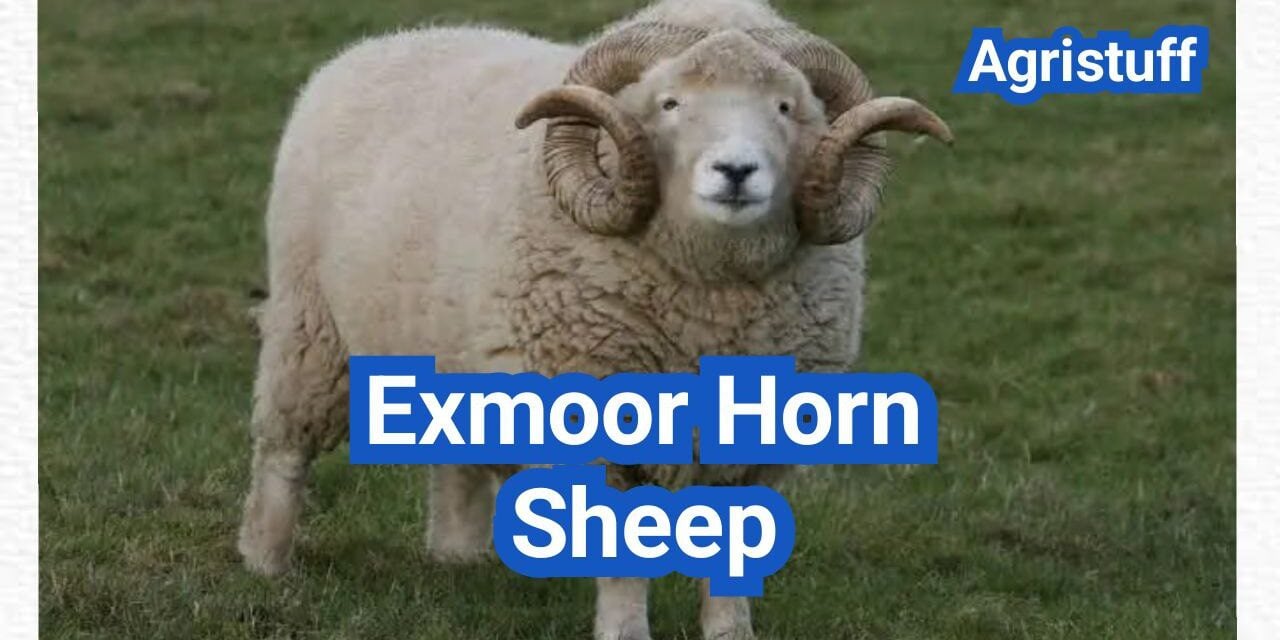
The Exmoor Horn Sheep breed has a rich history dating back to the 19th century in Exmoor, Devon. This heritage sheep breed is known for its distinctive white face and impressive horns.
As a dual-purpose breed, it is valued for both its wool and meat production. The breed’s development is closely tied to the moors where it roamed for several hundred years.
Key Takeaways
- The Exmoor Horn Sheep is a heritage breed with a history dating back to the 19th century.
- It is known for its white face and horns.
- This breed is used for both wool and meat production.
- The Exmoor Horn Sheep has a strong connection to its native Exmoor moors.
- It is an example of heritage sheep breeds in the USA.
The Heritage and Origin of Exmoor Horn Sheep

Originating on the high hills of Exmoor, this ancient breed has a rich history that spans multiple generations. The Exmoor Horn Sheep is a testament to the hardiness and adaptability of livestock bred in challenging environments.
Ancient Origins on Exmoor’s High Hills
The Exmoor Horn Sheep breed is believed to have descended from ancient sheep that roamed the high hills of Exmoor national park. The harsh yet beautiful landscape of Exmoor, with its rugged terrain and variable climate, played a significant role in shaping the breed’s characteristics. Over time, the Exmoor Horn Sheep developed into a robust and resilient animal, well-suited to the local conditions.
The Exmoor’s climate, with its mix of Atlantic influences and continental weather patterns, contributed to the breed’s hardiness. The sheep’s ability to thrive in this environment made them an ideal choice for local farmers.
Historical Significance in British Farming
The Exmoor Horn Sheep has played a significant role in British farming, particularly in the Exmoor region. Historical records indicate that the breed was highly valued for its wool, meat, and ability to navigate challenging terrain. Research by the Exmoor National Park found that in 1947, over 27% of sheep in the Somerset part of Exmoor were purebred Exmoor Horns, highlighting their importance in local agriculture.
The breed’s historical significance extends beyond its economic value, as it is also closely tied to the cultural heritage of the Exmoor region. The Exmoor Horn Sheep has been a part of the landscape for centuries, contributing to the area’s unique character and identity.
Evolution Through the Centuries
Over the centuries, the Exmoor Horn Sheep has evolved through selective breeding, resulting in the distinctive characteristics we see today. Breeders have carefully selected for traits such as hardiness, fertility, and the ability to thrive on poor-quality pasture. This selective breeding has ensured that the Exmoor Horn Sheep remains well-suited to its native environment.
The evolution of the breed has also been influenced by its genetic purity. Efforts to maintain the breed’s purity have helped preserve its unique characteristics, making it a valuable part of Britain’s agricultural heritage.
Physical Characteristics of Exmoor Horn Sheep

The Exmoor Horn Sheep breed is distinguished by its robust physical characteristics, which have been honed over centuries. These characteristics not only define the breed but also contribute to its hardiness and adaptability.
Size and Body Structure
Exmoor Horn Sheep are known for their substantial size and sturdy build. Males typically weigh around 73 kg (160 lb) and stand at 77 cm (30 in) tall, while females weigh around 50 kg (110 lb) and stand at 65 cm (26 in) tall. This size and structure enable them to navigate the challenging terrain of their native Exmoor.
Their body structure is characterized by a deep chest and well-sprung ribs, contributing to their overall strength and resilience. The breed’s robust physique is a testament to its hardiness and breed qualities, making it well-suited to a variety of farming conditions.
Distinctive Horn Features
One of the most striking features of the Exmoor Horn Sheep is its horns. Both males and females are horned, with the horns being more substantial in males. The horns are typically white or light-colored with black tips and are carried close to the head. The presence of horns is a key characteristic of the breed and plays a role in its defense mechanisms.
Coat and Coloration
The Exmoor Horn Sheep has a distinctive coat that is well-suited to its environment. The fleece is of medium quality, with a micron count that is typical for a primitive breed. The coat color is generally white with a tan or brown face and legs, although variations can occur. The fleece characteristics contribute to the breed’s ability to withstand harsh weather conditions.
Breed Qualities and Hardiness
The Exmoor Horn Sheep is renowned for its hardiness and ability to thrive in challenging environments. The breed’s robust constitution and resilience make it an ideal choice for farmers looking for a low-maintenance yet productive sheep breed. The breed’s qualities are a result of centuries of natural selection and adaptation to the Exmoor environment.
In summary, the Exmoor Horn Sheep’s physical characteristics, including its size, horn features, coat, and coloration, along with its breed qualities and hardiness, make it a unique and valuable breed. Its ability to adapt to various farming conditions while maintaining its distinctive traits is a testament to its enduring appeal.
Temperament and Behavior Traits
Known for their strong flocking behavior, Exmoor Horn Sheep exhibit unique temperament traits that make them a popular choice among farmers and conservationists. Their natural instincts and behavior patterns are crucial to understanding how to manage and care for them effectively.
Natural Instincts and Flock Behavior
Exmoor Horn Sheep are gregarious animals that thrive in the company of others. Their strong flocking instinct is a result of their evolution as a grazing species, where staying together provided protection from predators. This natural behavior makes them easier to manage, as they tend to follow established leaders within the flock.
The flock behavior of Exmoor Horn Sheep is characterized by a clear hierarchy, with dominant individuals leading the way to grazing areas and water sources. This social structure is essential for their well-being and productivity.
Adaptability to Different Environments
One of the key advantages of Exmoor Horn Sheep is their adaptability to various environments. Originating from the Exmoor region in the UK, they are accustomed to harsh weather conditions and poor-quality forage. This hardiness makes them suitable for farming in diverse locations, from rugged hill areas to more temperate regions.
Their adaptability extends to different grazing conditions, making them an excellent choice for conservation grazing projects. They can efficiently utilize marginal lands, helping to maintain open spaces and biodiversity.
Working with Exmoor Horn Temperament
Understanding the temperament of Exmoor Horn Sheep is crucial for effective management. They are generally docile but can be strong-willed, especially when it comes to defending their flock or young. Farmers and handlers need to be aware of these traits to handle them safely and humanely.
Training and regular handling from an early age can help in developing a more manageable temperament. It’s also important to recognize signs of stress or discomfort, as this can impact their behavior and overall well-being.
“The temperament of Exmoor Horn Sheep makes them an excellent choice for conservation grazing, as they are hardy and can thrive in challenging environments.” – Expert in Sheep Farming
By understanding and working with the natural temperament and behavior traits of Exmoor Horn Sheep, farmers can optimize their care and management practices, leading to healthier animals and more productive farming operations.
How to Start Raising Exmoor Horn Sheep

For those interested in Exmoor Horn Sheep farming, the first step is to assess your land and facilities to ensure they meet the breed’s requirements. Starting an Exmoor Horn Sheep farm involves several key considerations to create a thriving and sustainable operation.
Land and Facility Requirements
Exmoor Horn Sheep require significant land for grazing, and the quality of the pasture directly impacts their health and productivity. When evaluating your land, consider factors such as soil quality, vegetation types, and the availability of water sources. Fencing is also a critical aspect, as it needs to be robust enough to contain the sheep and protect them from predators. A minimum of 1-2 acres per sheep is recommended, depending on the pasture quality and local grazing conditions.
Initial Stock Selection
Selecting the right initial stock is crucial for the success of your Exmoor Horn Sheep farm. Look for sheep that are healthy, well-conformed, and genetically diverse. It’s advisable to purchase from reputable breeders who can provide detailed breeding records and health information. Consider the age, sex, and quality of the sheep to ensure they meet your farming goals.
Essential Equipment and Supplies
To manage your Exmoor Horn Sheep effectively, you’ll need various equipment and supplies. Essential items include high-quality fencing materials, feeding equipment, and health care supplies such as vaccines and parasite control medications. Additionally, having appropriate handling facilities can make tasks like shearing and veterinary care more manageable.
Budget Considerations
Establishing an Exmoor Horn Sheep farm requires a significant initial investment, including land preparation, fencing, purchasing initial stock, and acquiring necessary equipment. Ongoing expenses such as feed, veterinary care, and supplies must also be considered. Developing a comprehensive budget that accounts for both initial and ongoing costs is essential for the long-term viability of your farm.
By carefully planning and executing these elements, you can establish a successful Exmoor Horn Sheep farming operation that is both productive and sustainable.
Setting Up Proper Housing and Fencing

The health and well-being of Exmoor Horn Sheep depend significantly on the quality of their housing and fencing. Providing adequate shelter and secure fencing is essential for protecting these animals from harsh weather conditions and predators.
Shelter Design for Exmoor Horn Sheep
When designing shelter for Exmoor Horn Sheep, it’s crucial to consider the breed’s hardiness and specific needs. The shelter should provide protection from wind, rain, and extreme temperatures. A well-designed shelter can be a simple three-sided structure or a more complex barn, depending on the climate and available resources.
Key considerations for shelter design include:
- Orientation to minimize exposure to prevailing winds
- Adequate ventilation to prevent moisture buildup
- Sufficient space for the flock to stand comfortably
- Easy access for cleaning and maintenance
Fencing Options and Requirements
Exmoor Horn Sheep require sturdy fencing to contain them and protect them from predators. The fencing should be at least 4 feet high to prevent jumping. Various fencing options are available, including traditional post-and-wire fencing, electric fencing, and high-tensile fencing.
Fencing considerations include:
- Durability and resistance to weather conditions
- Visibility to prevent accidental damage by the sheep
- Integration with existing farm infrastructure
- Cost-effectiveness and maintenance requirements
Creating Functional Handling Areas
Functional handling areas are essential for managing Exmoor Horn Sheep efficiently. These areas include pens, chutes, and loading ramps that facilitate tasks such as vaccinations, hoof trimming, and transportation.
Key elements of handling areas include:
- A well-designed holding pen to keep sheep calm and contained
- A chute or squeeze chute for individual animal handling
- A loading ramp for safe and efficient loading onto trailers
- Clear signage and easy access for farm workers
Daily Care and Management Practices
Exmoor Horn Sheep require meticulous daily care and management to optimize their health and productivity. Effective daily practices are essential for maintaining the overall well-being of the flock.
Routine Health Checks
Regular health checks are vital for early detection of potential health issues in Exmoor Horn Sheep. Farmers should conduct daily inspections to monitor the flock’s overall health, looking for signs of illness, injury, or stress. Key areas to focus on include:
- Checking for signs of illness, such as coughing, diarrhea, or lethargy
- Inspecting for injuries, including cuts, bruises, or broken horns
- Monitoring the flock’s behavior and social interactions
By identifying potential health issues early, farmers can provide timely interventions and prevent more serious problems from developing.
Hoof Care and Maintenance
Proper hoof care is crucial for the health and mobility of Exmoor Horn Sheep. Regular trimming and maintenance can help prevent hoof-related problems, such as lameness and hoof rot.
Farmers should:
- Trim hooves regularly to prevent overgrowth
- Inspect hooves for signs of damage or disease
- Provide a clean and dry environment to reduce the risk of hoof infections
Seasonal Management Tasks
Exmoor Horn Sheep require different management strategies during various seasons. For example:
- During winter, ensure adequate nutrition and shelter to protect against harsh weather conditions
- In spring, monitor the flock’s health and adjust nutrition according to the availability of fresh pasture
- During summer, provide adequate shade and water to prevent heat stress
By adapting management practices to the changing seasons, farmers can optimize the health and productivity of their Exmoor Horn Sheep.
Record Keeping Systems
Maintaining accurate records is essential for effective flock management. Farmers should keep detailed records of:
- Health checks and interventions
- Breeding and lambing information
- Nutrition and feeding practices
By keeping comprehensive records, farmers can make informed decisions and identify areas for improvement in their Exmoor Horn Sheep management practices.
Feeding and Nutrition Guide

A comprehensive feeding and nutrition guide is essential for the optimal care of Exmoor Horn Sheep. Providing adequate nutrition is crucial for their health, productivity, and overall well-being.
Pasture Management for Optimal Health
Effective pasture management is the foundation of a nutritious diet for Exmoor Horn Sheep. Pastures provide a natural source of food and play a significant role in maintaining the health of the flock.
Key considerations for pasture management include:
- Maintaining diverse and high-quality forage
- Implementing rotational grazing to prevent overgrazing
- Monitoring pasture health and adjusting stocking rates as necessary
Supplemental Feeding Guidelines
While pasture is a primary source of nutrition, supplemental feeding is often necessary to ensure Exmoor Horn Sheep receive a balanced diet. The need for supplemental feeding depends on factors such as pasture quality, weather conditions, and the sheep’s stage of production.
| Supplement Type | Purpose | Feeding Guidelines |
|---|---|---|
| Hay | Provides fiber and nutrients during scarcity | Offer high-quality hay, especially during winter months |
| Grain | Supplies energy and nutrients | Use in moderation, especially for ewes during late pregnancy and lactation |
| Minerals | Ensures adequate intake of essential minerals | Provide free-choice mineral supplements |
Seasonal Nutritional Requirements
Exmoor Horn Sheep have varying nutritional needs across different seasons. Understanding these requirements is crucial for maintaining their health and productivity.
Seasonal considerations include:
- Winter: Increased energy needs due to cold weather; provide high-quality hay and possibly grain
- Spring: High nutritional demands during lambing and lactation; ensure adequate protein and energy
- Summer: Monitor pasture quality and quantity; adjust grazing management as needed
- Autumn: Prepare for winter by ensuring good body condition; continue monitoring pasture
Water Supply Considerations
Adequate access to clean water is essential for the health of Exmoor Horn Sheep. Water intake affects their overall nutrition and well-being.
Key water supply considerations:
- Ensure access to fresh, clean water at all times
- Regularly inspect and maintain watering systems
- Consider water quality and its impact on sheep health
How to Implement Effective Breeding Programs

A well-structured breeding program is essential for maximizing the potential of Exmoor Horn Sheep. Effective breeding programs require careful planning, including breeding season planning, ram selection, and ewe care during pregnancy.
Breeding Season Planning
Breeding season planning is a critical component of a successful Exmoor Horn Sheep breeding program. It involves determining the optimal time for mating based on factors such as climate, nutrition, and market demand. Farmers should consider the ewe’s reproductive cycle and plan the breeding season accordingly to ensure a synchronized lambing period.
To plan the breeding season effectively, farmers can follow these steps:
- Determine the desired lambing period based on market demand and farm conditions.
- Calculate the breeding date by subtracting the gestation period (approximately 147 days for sheep) from the desired lambing date.
- Prepare rams for breeding by ensuring they are in good health and have a suitable body condition score.
Ram Selection and Management
Ram selection is a crucial aspect of Exmoor Horn Sheep breeding programs. The choice of ram can significantly impact the genetic quality of the flock and influence traits such as growth rate, fertility, and disease resistance. When selecting a ram, farmers should consider factors such as breed characteristics, genetic diversity, and performance records.
| Ram Selection Criteria | Description | Importance Level |
|---|---|---|
| Genetic Diversity | Selection of rams with diverse genetic backgrounds to avoid inbreeding. | High |
| Breed Characteristics | Adherence to Exmoor Horn Sheep breed standards and characteristics. | High |
| Performance Records | Evaluation of rams based on their performance records, such as growth rate and fertility. | Medium |
Ewe Care During Pregnancy
Ewe care during pregnancy is vital to ensure the health and well-being of both the ewe and the developing lamb. Proper nutrition, health monitoring, and management practices are essential during this period. Farmers should provide ewes with a balanced diet that meets their nutritional needs, including adequate energy, protein, and minerals.
Nutritional Requirements for Pregnant Ewes:
- Energy: 1.5-2.0 times maintenance requirements depending on the stage of pregnancy.
- Protein: Adequate protein intake to support fetal development.
- Minerals: Ensure access to essential minerals such as calcium, phosphorus, and selenium.
Lambing Process and Newborn Care
The lambing process is a critical period that requires careful management to minimize losses and ensure the health of newborn lambs. Farmers should monitor ewes closely during lambing and be prepared to assist if necessary. Newborn lambs require immediate care, including ensuring they receive colostrum within the first few hours of birth.
By following these guidelines and implementing effective breeding programs, Exmoor Horn Sheep farmers can improve the productivity and sustainability of their flocks.
Health Management and Parasite Control

To ensure the well-being of Exmoor Horn Sheep, farmers must implement robust health management strategies. Effective health management is critical for maintaining the health and productivity of these sheep.
Common Health Issues and Prevention
Exmoor Horn Sheep are generally hardy, but they can be susceptible to certain health issues. Internal parasites are a significant concern, as they can lead to reduced productivity and increased susceptibility to other diseases. Regular monitoring and preventive measures are essential.
Some common health issues include parasitic infections, foot rot, and mastitis. Implementing a comprehensive health program that includes regular vaccinations, parasite control measures, and monitoring can help prevent these issues.
Vaccination Schedules
Vaccinations play a crucial role in maintaining the health of Exmoor Horn Sheep. A well-planned vaccination schedule can protect against diseases such as clostridial infections and pasteurellosis.
It’s essential to work with a veterinarian to develop a vaccination program tailored to the specific needs of your flock, taking into account factors such as age, health status, and local disease prevalence.
Effective Parasite Control Strategies
Parasite control is a critical aspect of health management for Exmoor Horn Sheep. Effective strategies include rotational grazing, monitoring parasite loads, and using targeted treatments when necessary.
Farmers should also consider the use of genetic testing to identify sheep with natural resistance to certain parasites, which can be a valuable tool in breeding programs.
Working with Veterinarians
Developing a strong relationship with a veterinarian is vital for maintaining the health of Exmoor Horn Sheep. Regular consultations can help identify potential health issues early, ensuring timely interventions.
Veterinarians can also provide guidance on best practices for health management, parasite control, and vaccination schedules, helping farmers make informed decisions.
Utilizing Exmoor Horn Wool
Exmoor Horn Sheep produce wool that is not only of high quality but also highly adaptable for various textile applications. This versatility makes it a valuable resource for farmers and textile producers alike.
Wool Characteristics and Micron Count
Exmoor Horn Sheep wool is known for its distinct characteristics, including a micron count that typically ranges between 28 and 32 microns. This places it in the category of medium to strong wool, suitable for a variety of textile products.
Wool Quality Parameters:
| Characteristic | Value/Description |
|---|---|
| Micron Count | 28-32 microns |
| Staple Length | Typically 80-100mm |
| Crimp | Medium to high crimp, contributing to its elasticity and durability |
Shearing Techniques and Timing
Shearing Exmoor Horn Sheep requires careful planning and technique to ensure the highest quality wool. The timing of shearing is crucial, typically done once a year in the spring or early summer, depending on the climate and region.
Processing and Marketing Wool
After shearing, the wool is processed and prepared for market. This involves cleaning, sorting, and packaging the wool to meet the requirements of textile manufacturers.
Effective marketing strategies for Exmoor Horn Sheep wool include highlighting its unique characteristics, such as its durability and natural color variations.
Value-Added Wool Products
Exmoor Horn Sheep wool is used to create a range of value-added products, from knitwear and woven textiles to felted items and insulation materials. The quality and versatility of the wool make it an ideal choice for crafters and manufacturers looking to produce high-quality, sustainable products.
Examples of value-added products include:
- Hand-knit garments
- Woven blankets and scarves
- Felted hats and bags
- Natural insulation for eco-friendly building projects
Meat Production from Exmoor Horn Sheep
Exmoor Horn Sheep are renowned for their high-quality meat production, making them a valuable asset for farmers. The breed’s characteristics contribute to its suitability for both lamb and mutton production.
Lamb Growth and Development
Lambs from Exmoor Horn Sheep are known for their rapid growth rate and robust health. Proper nutrition and management are crucial during the lambing season to ensure optimal growth and development.
The breed’s genetic makeup allows lambs to thrive in various environments, making them suitable for different farming systems.
Finishing Methods for Market
Finishing lambs for market involves strategic feeding and management practices. Farmers can choose from various finishing methods, including grass finishing and concentrate feeding, depending on market requirements and farm resources.
The choice of finishing method can significantly impact the quality and market value of the lambs.
Mutton Quality and Characteristics
Exmoor Horn Sheep produce high-quality mutton, characterized by its tenderness and flavor. The breed’s mutton is prized for its texture and taste, making it a sought-after product in specialty markets.
Mutton from Exmoor Horn Sheep is often marketed directly to consumers who appreciate its unique qualities.
Direct Marketing Opportunities
Direct marketing of Exmoor Horn Sheep meat products offers farmers the opportunity to connect directly with consumers and capitalize on the premium quality of their products.
Farmers can leverage farmers’ markets, online sales platforms, and other direct marketing channels to promote their lamb and mutton.
Conservation Grazing with Exmoor Horn Sheep
Conservation grazing with Exmoor Horn Sheep is an innovative approach to land management, offering numerous ecological advantages. This practice involves utilizing the sheep to graze on specific areas of land to maintain or improve its health and biodiversity.
Setting Up Rotational Grazing Systems
Implementing a rotational grazing system is crucial for effective conservation grazing. This involves dividing the land into smaller sections and rotating the sheep through these areas to avoid overgrazing and allow the vegetation to recover.
Key considerations include determining the optimal stocking rate, creating a rotation schedule, and monitoring the condition of the pasture.
Environmental Benefits
Exmoor Horn Sheep conservation grazing offers several environmental benefits, including enhanced biodiversity, improved soil health, and reduced maintenance costs. By grazing on invasive species and weeds, the sheep help maintain a balanced ecosystem.
- Promoting diverse plant species
- Improving habitat for wildlife
- Reducing the need for herbicides and other chemicals
Land Management Contracts
Landowners can enter into land management contracts with conservation organizations or government agencies to implement conservation grazing with Exmoor Horn Sheep. These contracts typically specify the terms of the grazing program, including the duration, stocking rates, and monitoring requirements.
Monitoring Grazing Impact
Regular monitoring is essential to assess the impact of conservation grazing on the land. This includes tracking changes in vegetation, soil condition, and wildlife populations. Adaptive management strategies can then be implemented to adjust the grazing program as needed.
By carefully managing conservation grazing with Exmoor Horn Sheep, landowners can achieve significant environmental benefits while maintaining a sustainable and productive agricultural operation.
The Exmoor Mule: Crossbreeding Benefits
The Exmoor Mule represents a significant advancement in sheep breeding, offering numerous benefits through the combination of Exmoor Horn and Bluefaced Leicester genetics. This crossbreed has gained recognition for its high performance characteristics and market advantages.
Genetics of Exmoor Horn x Bluefaced Leicester
The Exmoor Mule is produced by crossing Exmoor Horn ewes with Bluefaced Leicester rams. This specific crossbreeding combines the hardiness and adaptability of the Exmoor Horn with the prolificacy and milking ability of the Bluefaced Leicester. The resulting offspring benefit from hybrid vigor, making them more robust and productive.
Key genetic benefits include:
- Improved fertility rates
- Enhanced growth rates in lambs
- Increased resistance to diseases
- Better adaptation to various environmental conditions
Performance Characteristics
Exmoor Mules are known for their exceptional performance characteristics, which make them highly valuable in commercial sheep production. Some of the notable traits include:
High fertility rates, allowing for increased lamb production. The combination of the Exmoor Horn’s hardiness and the Bluefaced Leicester’s prolificacy results in a high lambing percentage.
Market Advantages
The Exmoor Mule offers several market advantages, making it a preferred choice among sheep producers. These advantages include:
- High demand for Exmoor Mule lambs due to their fast growth rates and superior carcass quality
- Improved marketability because of their uniform characteristics
- Better pricing due to the premium quality of the lambs
Breeding Program Development
Developing a successful breeding program for Exmoor Mules requires careful planning and management. Key considerations include:
- Selecting high-quality Exmoor Horn ewes and Bluefaced Leicester rams
- Implementing a structured breeding schedule to optimize lambing percentages
- Maintaining accurate records of breeding, lambing, and growth rates to inform future breeding decisions
By focusing on these aspects, breeders can maximize the benefits of producing Exmoor Mules, enhancing both productivity and profitability.
Exmoor Horn Sheep in the United States
With a growing interest in heritage breeds, Exmoor Horn Sheep are becoming increasingly sought after in American agriculture. This section explores the current state of Exmoor Horn Sheep in the U.S., including their population, breeding programs, and the regulations surrounding their importation.
Current Population and Distribution
The Exmoor Horn Sheep breed is present in the United States, albeit with a relatively small population compared to other breeds. They can be found across various states, with a concentration in areas that value their hardiness and adaptability.
Key states for Exmoor Horn Sheep in the U.S. include:
- Oregon
- Washington
- Montana
- New York
These states offer suitable climates and terrains that match the breed’s origins and characteristics.
American Breeding Programs
American breeding programs for Exmoor Horn Sheep are focused on maintaining the breed’s purity and enhancing its desirable traits. Breeders are working to improve the breed’s adaptability to local conditions while preserving its historical characteristics.
Key aspects of American breeding programs include:
- Genetic diversity
- Selection for hardiness
- Improvement of wool and meat quality
Import Regulations and Processes
Importing Exmoor Horn Sheep into the United States involves navigating complex regulations to ensure the health and safety of both the imported animals and the local livestock population.
Regulatory considerations include:
- Health certifications
- Quarantine procedures
- Compliance with USDA regulations
Connecting with American Breeders
For those interested in Exmoor Horn Sheep, connecting with American breeders is a crucial step. Breeders can provide valuable insights into the breed, offer guidance on care and management, and help new owners get started.
Resources for connecting with breeders include:
- The Exmoor Horn Sheep Breeders Association
- Local agricultural events and conferences
- Online forums and breed-specific groups
The Future of Exmoor Horn Sheep
The Exmoor Horn Sheep breed has a promising future, driven by ongoing conservation efforts and breeding programs. As a conservation priority, the breed’s unique characteristics and relatively small population make it essential to continue promoting Exmoor Horn Sheep Conservation.
Effective Exmoor Horn Sheep Breeding Programs are crucial in improving the breed’s population and maintaining its hardiness. By supporting these programs, breeders can help ensure the long-term viability of this heritage breed.
As the demand for sustainable and environmentally friendly farming practices grows, the role of Exmoor Horn Sheep in conservation grazing and land management is likely to expand. This, in turn, will contribute to the Exmoor Horn Sheep Future, preserving the breed for generations to come.
By promoting Exmoor Horn Sheep Breeding Programs and conservation efforts, we can work together to protect this valuable genetic resource and maintain the breed’s unique characteristics.
FAQ
What is the origin of the Exmoor Horn Sheep breed?
The Exmoor Horn Sheep breed originated on Exmoor’s high hills in Devon, England, in the 19th century.
What are the distinctive characteristics of Exmoor Horn Sheep?
Exmoor Horn Sheep are known for their white face, horns, and hardiness, making them well-suited to a variety of farming conditions.
What is the purpose of Exmoor Horn Sheep breeding?
Exmoor Horn Sheep are a dual-purpose breed, used for both their wool and meat production.
How do I start raising Exmoor Horn Sheep?
Starting an Exmoor Horn Sheep farm requires careful planning, including land and facility requirements, initial stock selection, essential equipment and supplies, and budget considerations.
What are the key considerations for housing and fencing Exmoor Horn Sheep?
Providing proper housing and fencing is essential for the health and well-being of Exmoor Horn Sheep, including shelter design, fencing options, and creating functional handling areas.
How do I manage the daily care of Exmoor Horn Sheep?
Daily care and management practices include routine health checks, hoof care, seasonal management tasks, and record keeping systems.
What are the nutritional requirements of Exmoor Horn Sheep?
Providing adequate nutrition is essential, including pasture management, supplemental feeding guidelines, seasonal nutritional requirements, and water supply considerations.
How do I implement an effective breeding program for Exmoor Horn Sheep?
Implementing an effective breeding program includes breeding season planning, ram selection, ewe care during pregnancy, and lambing process and newborn care.
What are the common health issues in Exmoor Horn Sheep?
Common health issues include parasite control, vaccination schedules, and working with veterinarians to maintain the health and productivity of Exmoor Horn Sheep.
What are the uses of Exmoor Horn Sheep wool?
Exmoor Horn Sheep wool can be utilized in various ways, including spinning, weaving, and creating value-added products.
How are Exmoor Horn Sheep used for meat production?
Exmoor Horn Sheep are used for lamb and mutton production, including lamb growth and development, finishing methods for market, and direct marketing opportunities.
What are the benefits of conservation grazing with Exmoor Horn Sheep?
Conservation grazing with Exmoor Horn Sheep promotes environmental benefits, maintains land health, and includes setting up rotational grazing systems and monitoring grazing impact.
What is the Exmoor Mule crossbreed?
The Exmoor Mule is a crossbreed between Exmoor Horn Sheep and Bluefaced Leicester, offering improved performance characteristics and market advantages.
Are Exmoor Horn Sheep present in the United States?
Yes, Exmoor Horn Sheep are present in the United States, with a growing interest in the breed, and American breeding programs are being developed.
What is the future of the Exmoor Horn Sheep breed?
The Exmoor Horn Sheep breed has a bright future, with ongoing conservation efforts and breeding programs aimed at promoting the breed’s unique characteristics and improving its population.
Conclusion of: Exmoor Horn Sheep Breed
What makes Exmoor Horn Sheep worth knowing today
Exmoor Horn Sheep are a distinctive, horned, hill-type breed known for hardiness, strong mothering ability, and practical performance on forage-based systems. Because Exmoor Horn Sheep evolved in challenging upland conditions, many farmers value them for resilience, grazing thriftiness, and a “doer” type that can fit low-input management. In the United States, Exmoor Horn Sheep can appeal to small farms, grass-based lamb producers, and conservation-grazing projects that need animals able to cope with variable weather and mixed terrain while still producing marketable lamb and useful wool. Oklahoma State University: Exmoor Horn Sheep profile
Origin of Exmoor Horn Sheep and the landscape that shaped the breed
Exmoor Horn Sheep are historically linked with Exmoor in South West England, a landscape known for windswept moorland, wet weather patterns, and grazing that can be sparse for parts of the year. Those conditions helped shape Exmoor Horn Sheep into a breed that can forage efficiently, maintain condition, and raise lambs in environments where some breeds struggle. When people talk about Exmoor Horn Sheep, they are often describing not just a set of physical traits, but a long relationship between sheep, local farming systems, and an upland ecology that rewards toughness and sensible grazing behavior. Exmoor National Park Authority
A short history of Exmoor Horn Sheep as a recognized breed
Exmoor Horn Sheep developed from local horned sheep kept for generations in and around Exmoor, then became more clearly defined through organized breeding and record-keeping. Over time, breeders worked to maintain a consistent type—especially horn form, face markings, and functional hill traits—while keeping Exmoor Horn Sheep true to their traditional purpose as hardy animals for upland systems. Today, breed societies and flock records are important because they help protect distinct bloodlines and maintain long-term breed identity, which is especially valuable for heritage breeds and conservation-minded programs. Exmoor Horn Sheep Breeders’ Society: History of the breed
How Exmoor Horn Sheep are classified and why “heritage genetics” matters
Exmoor Horn Sheep are widely treated as a heritage genetic resource because their traits were shaped by environment and practical farming needs rather than intensive modern specialization. That heritage status matters because it encourages careful breeding decisions that preserve diversity, avoid narrowing bloodlines, and keep Exmoor Horn Sheep useful for real-world production and land management. For farmers and breeders, thinking about Exmoor Horn Sheep as a genetic resource also means paying attention to records, responsible ram selection, and long-term goals—so the breed remains both recognizable and productive for future generations. Rare Breeds Survival Trust (RBST)
Key physical characteristics of Exmoor Horn Sheep
Exmoor Horn Sheep are best known for their bold, spiraling horns—carried by both rams and ewes—which is a defining feature that affects handling and facilities. Exmoor Horn Sheep typically have a white face with dark pigmentation around the nose and lips, and their strong, balanced frame reflects their hill background. The breed’s overall look is “functional first”: good legs and feet, a body suited to walking and grazing, and a coat that fits outdoor living. If you want a flock that stands out visually while still being practical, Exmoor Horn Sheep are hard to miss. National Sheep Association: Sheep breed information
Horn structure in Exmoor Horn Sheep and what it means for handling
Because Exmoor Horn Sheep are horned in both sexes, horn structure is part of everyday management—not just a breed “fun fact.” Exmoor Horn Sheep horns can catch on tight gates, narrow chutes, and poorly designed feeders, so thoughtful facility design reduces injuries and stress. The simplest approach is to give Exmoor Horn Sheep more width in handling alleys, avoid sharp turns, and remove snag points (such as protruding bolts or narrow V-shaped yokes). Good horn-aware handling also protects people, because horns can create leverage even in otherwise calm animals. Temple Grandin: Livestock handling and facility principles
Temperament and flock behavior of Exmoor Horn Sheep
Well-managed Exmoor Horn Sheep are often described as alert, hardy, and workable, especially when handled calmly and consistently. Exmoor Horn Sheep may be more “aware” than some highly domesticated lowland breeds, which can be an advantage in extensive systems where animals need to cope with weather and terrain. For many farms, the goal is steady routines: quiet movement, predictable feeding, and minimal chasing, which supports calmer flock behavior over time. When Exmoor Horn Sheep are respected as a horned breed and handled with good flow, they can be efficient to manage. Penn State Extension: Sheep handling facilities
Hardiness: why Exmoor Horn Sheep are considered strong outside performers
Exmoor Horn Sheep are often valued for outdoor living and resilience, which is closely tied to their origin in exposed upland landscapes. Exmoor Horn Sheep generally fit systems where shelter is used strategically (for severe weather or special classes of stock) rather than as a constant requirement. In many U.S. regions, this can support lower infrastructure costs—if you still provide basic windbreaks, dry bedding options when needed, and a sensible nutrition plan that matches seasonal forage. Hardiness does not replace good husbandry, but Exmoor Horn Sheep can give you more flexibility when conditions turn difficult. American Veterinary Medical Association: Animal welfare resources
Size, growth, and the practical “type” of Exmoor Horn Sheep
Exmoor Horn Sheep are generally positioned as a functional hill breed rather than an extreme terminal-sire type, and that influences growth expectations and finishing strategies. Exmoor Horn Sheep lambs can perform well on grass when pasture management is solid, but many systems plan finishing around seasonal forage peaks rather than relying on heavy grain inputs. In the U.S., a realistic approach is to match Exmoor Horn Sheep to your market: lighter “grass lamb” for direct customers, or longer finishing windows if you sell through standard channels. The best outcomes come from aligning Exmoor Horn Sheep biology with your forage calendar. USDA AMS: Lamb and mutton grades/standards
Grazing strengths of Exmoor Horn Sheep in forage-based systems
Exmoor Horn Sheep often shine in forage-first systems because they can utilize mixed pastures, rougher grazing, and upland-type swards more effectively than many highly specialized breeds. Exmoor Horn Sheep may help farms that want to keep input costs controlled by turning pasture into lamb with careful grazing management instead of heavy purchased feeds. In practical terms, that means planning rest periods, protecting regrowth, and preventing overgrazing—especially on slopes and sensitive ground. If your goal is pasture durability and long-term carrying capacity, Exmoor Horn Sheep can align well with that mindset. USDA NRCS: Grazing Management (Code 528)
Nutrition for Exmoor Horn Sheep: keeping it simple but not careless
Exmoor Horn Sheep typically do best when nutrition matches life stage: maintenance, flushing, late gestation, lactation, and growing lambs each have different needs. Exmoor Horn Sheep may be good “doers,” but late pregnancy and early lactation are still high-demand periods where energy, protein, and minerals matter. A forage test plus a basic mineral plan can prevent many common problems, and it supports more predictable lamb growth. In the U.S., you can improve decision-making by using extension guidelines to estimate nutrient requirements and adjust supplementation only when truly necessary. University of Minnesota Extension: Sheep nutrition
Breeding season and lambing considerations for Exmoor Horn Sheep
Exmoor Horn Sheep breeding and lambing success depend on matching your management to local climate and forage availability. Many producers aim for lambing when conditions reduce stress and increase pasture quality, because Exmoor Horn Sheep—like all sheep—benefit from good nutrition around lambing and early milk production. A practical breeding plan includes body condition scoring, sound ram management, and clear lambing targets (ewe lambing ease, lamb survival, and rearing rates). Good records matter because they show which Exmoor Horn Sheep lines consistently raise strong lambs with fewer interventions. South Dakota State University Extension: Lambing management
Mothering ability and rearing: a common reason people like Exmoor Horn Sheep
Exmoor Horn Sheep are often appreciated for maternal traits, including attentive mothering and practical milk production, which supports lamb survival in tougher systems. For a farm, that can translate into fewer mismothering events, stronger lamb vigor, and better outcomes when weather is not ideal. Exmoor Horn Sheep still benefit from good preparation: clean lambing areas when used, observation without excessive disturbance, and early colostrum awareness. If you’re building a self-reliant flock, selecting Exmoor Horn Sheep replacements from ewes that consistently rear lambs well is one of the most “quietly profitable” decisions you can make. Merck Veterinary Manual: Newborn lamb management
Ram selection and genetic planning for Exmoor Horn Sheep
Choosing rams is one of the fastest ways to change flock performance, and that is just as true with Exmoor Horn Sheep as with any breed. Exmoor Horn Sheep ram selection should balance type (correct breed character) with function (sound feet/legs, good body capacity, and a proven ability to sire vigorous lambs). If you have access to recorded data, use it; if not, build your own system by tracking lambing outcomes, growth rates, and cull reasons. The point is not perfection—it is steady improvement while maintaining what makes Exmoor Horn Sheep unique and adaptable. Exmoor Horn Sheep Breeders’ Society: Breed data
Crossbreeding: the Exmoor Horn Sheep role in maternal systems
Exmoor Horn Sheep can be used purebred for heritage value and breed preservation, but they may also fit maternal crossbreeding strategies where you want hardy, functional females. Exmoor Horn Sheep are sometimes referenced in “mule-type” programs, including documented crosses that aim to combine hill resilience with production traits from another sire line. In the U.S., the practical takeaway is to define your purpose first: replacement ewe production, lamb growth for a specific market, or conservation grazing outcomes. Crossbreeding can work well, but Exmoor Horn Sheep value is highest when you keep a clear plan and avoid random mixing. Exmoor Horn Sheep Breeders’ Society: Exmoor Mule
Meat uses: marketing lamb and mutton from Exmoor Horn Sheep
Exmoor Horn Sheep are commonly used for lamb production, and interest in heritage breeds can also support premium mutton marketing where regulations and customer demand allow. Exmoor Horn Sheep can fit direct-to-consumer programs because many buyers like the story of heritage livestock, pasture-based finishing, and traceable farm practices. In practical terms, your success depends on consistent carcass quality, a reliable finishing plan, and clear communication about how Exmoor Horn Sheep lamb is raised. If you sell retail cuts, learning basic labeling rules and safe handling guidance helps protect your customers and your business. USDA FSIS: Safe meat handling and food safety
Wool characteristics of Exmoor Horn Sheep and realistic expectations
Exmoor Horn Sheep produce wool that many people consider notably useful for a hill breed, often described as relatively fine and versatile compared with some coarser upland fleeces. Exmoor Horn Sheep wool value still depends heavily on preparation: cleanliness, vegetable matter control, and consistent classing at shearing. For farms that want to improve returns, it helps to understand how wool is graded and what processors look for, because that knowledge can guide timing and handling practices. Even if wool is not your primary income stream, better clip quality can turn “byproduct” into meaningful value. British Wool: Grading overview
Shearing and fleece handling for Exmoor Horn Sheep
Good shearing is about more than removing fleece; it is a core welfare and product-quality step for Exmoor Horn Sheep. Exmoor Horn Sheep benefit from shearing that minimizes second cuts, keeps fleeces clean, and preserves staple integrity for processing. After shearing, proper storage matters: keep wool dry, ventilated, and protected from contamination and pests. If you want to sell Exmoor Horn Sheep wool to hand spinners or small mills, document the flock, the season, and your handling standards, because transparency builds trust in niche markets and reduces customer hesitation about natural products. WoolWise: Shearing and wool handling basics
Value-added wool ideas for Exmoor Horn Sheep farms
For small and mid-size operations, Exmoor Horn Sheep wool can become more profitable when you explore value-added paths like yarn, roving, socks, or small-batch farm-branded items. Exmoor Horn Sheep owners often do best when they start simple: pick one product format, work with a reputable mill, and create consistent labeling that matches your farm story. If you already market Exmoor Horn Sheep meat, adding a few wool products can strengthen customer loyalty and increase average order value. The key is staying realistic about labor and inventory—build slowly, then scale only after demand is proven. Fibershed: Regional fiber systems and value-added ideas
Health planning for Exmoor Horn Sheep: the big picture
A strong health plan for Exmoor Horn Sheep starts with prevention: quarantine new animals, maintain clear identification, keep vaccination and deworming decisions evidence-based, and work with a veterinarian who understands small ruminants. Exmoor Horn Sheep may be hardy, but hardiness does not eliminate disease risk—especially when animals are moved between farms or introduced to new parasite environments. In the U.S., it is also smart to understand regulated diseases and industry controls, because compliance protects your farm and supports the wider sheep sector. A disciplined plan reduces surprises and supports more predictable performance. USDA APHIS: Scrapie information
Parasite control strategies for Exmoor Horn Sheep on pasture
Internal parasites can limit performance in any grazing flock, including Exmoor Horn Sheep, and pressure can be high in warm or humid U.S. regions. Exmoor Horn Sheep parasite control works best when you combine pasture strategy (rest periods, appropriate stocking rates, and smart grazing rotations) with targeted treatment based on fecal testing and clinical signs. The goal is sustainable control, not constant blanket dosing that drives resistance. If you’re serious about pasture-based Exmoor Horn Sheep production, build a parasite plan as carefully as you build a breeding plan, because both directly affect lamb growth and long-term flock health. Merck Veterinary Manual: Parasites of small ruminants
Feet, legs, and mobility: protecting Exmoor Horn Sheep longevity
Sound feet and legs are essential for Exmoor Horn Sheep because the breed’s value is closely tied to grazing ability and movement across varied ground. Exmoor Horn Sheep benefit from routine hoof checks, environment management to reduce persistent wetness, and early action when lameness appears. Foot problems are costly because they reduce grazing time, increase body condition loss, and can lead to chronic issues that force early culling. In the U.S., extension resources can help you identify common foot conditions and design control steps that match your local climate and stocking intensity. Oregon State University Extension: Hoof care in sheep
Facilities for Exmoor Horn Sheep: fencing, handling, and horn-safe flow
Facilities can make or break your experience with Exmoor Horn Sheep, particularly because horns change how animals move through gates, chutes, and feeders. Exmoor Horn Sheep handling areas should prioritize smooth flow, adequate width, solid sides in pressure zones, and minimal sharp edges or protrusions. Good fencing is equally important: you want secure boundaries without creating horn entanglement risks. If you are converting an existing small-farm setup, focus first on the “pinch points” where Exmoor Horn Sheep tend to snag horns or balk, and upgrade those areas before investing in expensive new infrastructure. Penn State Extension: Facility layout tips
Buying Exmoor Horn Sheep: sourcing, records, and realistic expectations
When purchasing Exmoor Horn Sheep, prioritize reputable breeders who can explain their breeding goals, provide health and management history, and help match animals to your farm conditions. Exmoor Horn Sheep may be less common than mainstream commercial breeds, so careful sourcing matters—especially if you want breeding stock rather than just feeder lambs. Ask about lambing performance, cull reasons, parasite strategy, and how animals are handled, because those details predict how Exmoor Horn Sheep will fit your system. If possible, start with a small group, learn the breed, then expand with intention rather than buying too many animals too fast. Exmoor Horn Sheep Breeders’ Society: Buying stock guidance
Exmoor Horn Sheep in the United States: availability and import considerations
Exmoor Horn Sheep availability in the U.S. can vary, and in some cases the breed may be difficult to source locally, which makes planning even more important. If import or interstate movement is part of your strategy, remember that sheep movement is regulated for animal health reasons, and requirements can change depending on disease status and origin. Exmoor Horn Sheep buyers should educate themselves on official rules, required testing, and documentation before making commitments, because “last-minute paperwork surprises” can be expensive. If you cannot source Exmoor Horn Sheep immediately, you can still prepare by building facilities, pasture plans, and marketing channels first. USDA APHIS: Import/export requirements for animals
Conservation grazing and land stewardship with Exmoor Horn Sheep
Exmoor Horn Sheep are often associated with conservation grazing because their hardiness and foraging behavior can support vegetation management goals on semi-natural landscapes. Exmoor Horn Sheep can be used as part of planned grazing to maintain open habitats, manage scrub encroachment, and support diverse sward structure, especially when stocking rates and timing are carefully designed. In the U.S., similar principles apply: successful stewardship grazing is about objectives, monitoring, and flexibility, not simply “put sheep on land.” If your goal includes habitat outcomes, pair Exmoor Horn Sheep with a written grazing plan and track results season by season. Exmoor National Park: Farming and land management resources
Final thought
Exmoor Horn Sheep combine heritage appeal with real-world practicality: they are tough, visually distinctive, and well-suited to forage-based systems when managed with good grazing and health planning. For many farms, Exmoor Horn Sheep offer a balanced path—useful lamb production, workable wool opportunities, and potential roles in conservation grazing—without demanding the highest-input approach. If you’re considering Exmoor Horn Sheep in the U.S., the smartest route is to match the breed to your land, your market, and your labor capacity, then build a small foundation flock that you improve through records and careful selection over time. Learn more: OSU Breeds of Livestock (Exmoor Horn Sheep)
Sources & References
- Wikipedia.org/wiki/Exmoor_Horn
- Exmoor Horn Sheep Breeders’ Society
- Exmoor Horn Sheep Breeders’ Society: History of the breed
- Exmoor Horn Sheep Breeders’ Society: Breed data
- Exmoor Horn Sheep Breeders’ Society: Exmoor Mule
- National Sheep Association: Sheep breeds
- Oklahoma State University: Exmoor Horn Sheep
- USDA NRCS: Grazing Management (Code 528)
- USDA FSIS: Safe meat handling
- Merck Veterinary Manual: Parasites of small ruminants
- British Wool: Grading
- Fibershed: Regional fiber systems
- Temple Grandin: Livestock handling principles
- Rare Breeds Survival Trust (RBST)