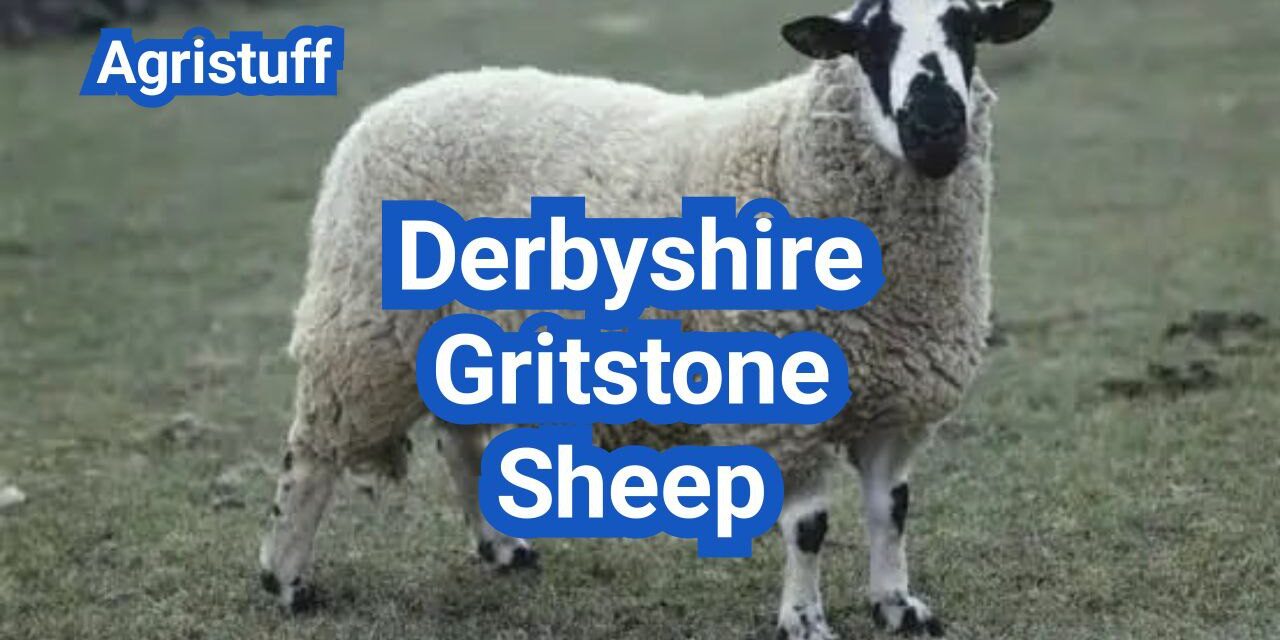
The Derbyshire Gritstone Sheep is a heritage breed originating from the hills of the Dale of Goyt, now known as the Goyt Valley, on the edge of the Peak District around 1770.
This ancient breed has a rich history and distinct characteristics that have been preserved over the centuries.
The Derbyshire Gritstone Sheep is known for its hardiness and adaptability, making it an important breed for breeding purposes and various uses in agriculture.
Key Takeaways
- The Derbyshire Gritstone Sheep originated in the Goyt Valley around 1770.
- This breed is known for its hardiness and distinct characteristics.
- Derbyshire Gritstone Sheep are used for various agricultural purposes.
- The breed has a rich history preserved over centuries.
- Breeding Derbyshire Gritstone Sheep requires careful consideration of their characteristics.
Understanding the Derbyshire Gritstone Sheep

Derbyshire Gritstone Sheep are renowned for their ability to thrive in poor grazing conditions, making them a valuable asset for low-input farming systems. This breed has been developed over centuries to be hardy and disease-resistant, capable of withstanding harsh winters on poor ground.
What Makes This Breed Unique
The uniqueness of the Derbyshire Gritstone Sheep lies in its adaptability to challenging environments. This breed is well-suited to upland areas where other breeds might struggle. Key characteristics include:
- Hardiness and disease resistance
- Ability to thrive on poor grazing
- Strong maternal instincts
- High-quality wool production
These traits make the Derbyshire Gritstone Sheep an excellent choice for farmers looking for a robust and low-maintenance breed.
Key Benefits for Modern Sheep Farming
For modern sheep farming, the Derbyshire Gritstone Sheep offers several benefits, particularly in upland and low-input farming systems. Some of the key advantages include:
- Reduced need for supplementary feeding due to their ability to forage on poor land
- Lower veterinary costs thanks to their natural disease resistance
- Improved lamb survival rates due to strong maternal instincts
- Potential for conservation grazing, helping to maintain diverse landscapes
By incorporating Derbyshire Gritstone Sheep into their flocks, farmers can enhance the sustainability and profitability of their operations.
The Rich History of Derbyshire Gritstone Sheep

With roots tracing back to the rugged landscapes of the Peak District, the Derbyshire Gritstone Sheep boasts a rich history that is deeply intertwined with the traditional farming practices of the region. The breed’s development over centuries has been shaped by the challenging environment of its native habitat.
Historical Development in the Peak District
The Derbyshire Gritstone Sheepbreeders Society, formed in 1906, played a crucial role in the breed’s history by establishing the Stud Flock Book shortly after its inception. This initiative helped in documenting and preserving the breed’s lineage, ensuring its continuation. The society’s efforts were pivotal in maintaining the breed’s purity and promoting its unique characteristics.
The harsh climate and terrain of the Peak District have significantly influenced the breed’s hardiness and adaptability. Over time, farmers selectively bred sheep that could thrive in these conditions, resulting in a robust and resilient animal.
Evolution of the Breed Through Centuries
The evolution of the Derbyshire Gritstone Sheep has been a gradual process, shaped by both natural selection and human intervention. The breed has adapted to the local environment, developing characteristics that enable it to survive and flourish on the challenging landscapes of the Peak District.
Historical records indicate that the breed has remained relatively unchanged, preserving its traditional traits while adapting to the needs of modern farming practices.
Historical Flocks and Their Influence
Historical flocks have played a significant role in shaping the Derbyshire Gritstone Sheep breed. These flocks, maintained by experienced breeders, have contributed to the breed’s development and continue to influence its characteristics today.
| Historical Flock | Contribution to Breed | Notable Characteristics |
|---|---|---|
| Peak District Flocks | Hardiness and Adaptability | Robust Health, Strong Foraging Ability |
| Derbyshire Flocks | Preservation of Lineage | High-Quality Wool, Strong Temperament |
| Early Breeder Flocks | Selective Breeding Practices | Improved Fertility, Enhanced Resilience |
The influence of these historical flocks is still evident in the breed’s characteristics, such as its hardiness, wool quality, and temperament. The Derbyshire Gritstone Sheepbreeders Society continues to promote these traits, ensuring the breed remains a valuable asset to farmers and conservationists alike.
Origin and Native Habitat
The rugged terrain of Derbyshire played a crucial role in shaping the Derbyshire Gritstone Sheep into the hardy breed we know today. This breed’s development is closely tied to the specific geographic and climatic conditions of its native habitat.
Geographic Origins in Derbyshire
The Derbyshire Gritstone Sheep originated in the hills of Derbyshire, particularly in the Goyt Valley. This region’s challenging landscape, with its steep slopes and rocky outcrops, demanded a robust and adaptable sheep breed. The local farmers responded by developing a sheep that could not only survive but thrive in these conditions.
How the Landscape Shaped the Breed
The harsh environment of the Derbyshire hills had a profound impact on the breed’s characteristics. The constant need to navigate difficult terrain and withstand variable weather conditions led to the development of strong, agile animals with a hardy constitution. Over time, selective breeding emphasized these traits, resulting in a sheep well-suited to the local landscape.
The landscape also influenced the breed’s physical characteristics, such as its size, coat, and horn structure. For example, the sheep’s thick coat provides protection against the elements, while their strong legs and feet enable them to traverse rocky ground with ease.
Relationship to Other British Hill Breeds
The Derbyshire Gritstone Sheep is part of a broader group of British hill breeds that share similar characteristics and histories. Breeds like the Swaledale and the Dalesbred also developed in response to the challenging conditions of the British uplands. While each breed has its unique features, they all share a common heritage as hardy, versatile sheep adapted to life in rugged terrain.
Understanding the relationships between these breeds can provide valuable insights into their development and characteristics. It also highlights the importance of preserving genetic diversity within and between breeds.
Identifying Derbyshire Gritstone Sheep Characteristics

The Derbyshire Gritstone Sheep is a unique breed known for its hardiness and productivity. This section will delve into the key characteristics that define this breed, including their physical appearance, wool quality, and temperament.
Physical Appearance and Distinctive Features
Derbyshire Gritstone Sheep are known for their robust build and distinctive white face with a slightly Roman nose. They typically have a white fleece with a coarse outer coat and a softer undercoat. The breed is characterized by its:
- Medium to large size
- Strong legs and good hoof quality
- Alert and active demeanor
Wool Quality and Characteristics
The wool of Derbyshire Gritstone Sheep is highly valued for its quality. It is known for being:
- Coarse in texture, making it suitable for various textile applications
- Crimped, which helps in felting and other wool processing techniques
- White in color, although occasional black or gray lambs can occur
The fleece is typically harvested once a year, and the breed is recognized for producing a good yield of high-quality wool.
Temperament and Behavioral Traits
Derbyshire Gritstone Sheep are renowned for their excellent mothering abilities and hardy nature. They are generally:
- Docile and easy to handle
- Intelligent and responsive to management practices
- Adaptable to various grazing conditions
Their temperament makes them an excellent choice for farmers looking for a breed that can thrive in challenging environments.
How to Start Breeding Derbyshire Gritstone Sheep
To successfully breed Derbyshire Gritstone Sheep, farmers must start with high-quality breeding stock. This foundation is crucial for the success of the breeding program.
Selecting Quality Breeding Stock
Selecting the right breeding stock involves evaluating several key factors, including:
- Pedigree and genetic history
- Physical conformation and health
- Reproductive history and potential
- Adaptability to the local environment
Farmers should look for animals with a strong pedigree and a history of good reproductive performance. It’s also essential to assess the physical condition and health of the potential breeding stock.
Conducting Ram Breeding Soundness Examinations
A Ram Breeding Soundness Exam is a critical step in ensuring the fertility of the ram. This examination includes:
- Physical examination of the reproductive organs
- Evaluation of semen quality
- Assessment of the ram’s libido and serving capacity
Only rams that pass this examination should be used for breeding to avoid reproductive issues.
Preparing Ewes Through Proper Flushing
Flushing ewes is a technique used to improve their reproductive performance. It involves increasing the nutritional intake before breeding to enhance ovulation rates.
“Flushing can significantly impact the lambing percentage and overall reproductive efficiency of the flock,” says an expert in sheep breeding.
The process typically involves providing high-quality feed for a few weeks before introducing the ram to the ewes. This nutritional boost can lead to a higher success rate in breeding.
Implementing Proper Nutritional Management
Effective feeding strategies play a vital role in maintaining the well-being of Derbyshire Gritstone ewes. Proper nutritional management is critical for optimizing their health, productivity, and overall farm performance.
Feeding Ewes During Late Gestation
During late gestation, ewes require increased nutritional support to meet the demands of fetal growth and prepare for lactation. Nutritional supplementation during this period can significantly impact lamb birth weights and subsequent milk production.
- Increase energy intake by 20-30% during the last 6 weeks of gestation
- Provide high-quality forage to support fetal development
- Monitor ewe body condition score to avoid over- or under-conditioning
Early Lactation Nutrition Strategies
Early lactation is a critical period for ewe nutrition, as it directly affects milk production and lamb growth rates. Adequate nutrition during this phase is essential for supporting the ewe’s increased energy demands.
- Offer high-quality feed to maximize milk production
- Ensure access to clean water at all times
- Monitor lamb growth rates as an indicator of ewe milk production
Year-Round Feeding Plans for Different Classes
Developing a year-round feeding plan is crucial for maintaining the health and productivity of Derbyshire Gritstone Sheep. Different classes of sheep, such as lambs, yearlings, and mature ewes, have varying nutritional requirements.
| Sheep Class | Nutritional Requirements | Feeding Strategy |
|---|---|---|
| Lambs | High protein, moderate energy | Creep feeding, high-quality forage |
| Yearlings | Moderate protein, moderate energy | Pasture grazing, supplemental feeding as needed |
| Mature Ewes | Varies by stage of production | Adjust feeding based on gestation and lactation stages |
By implementing these nutritional strategies, farmers can optimize the health and productivity of their Derbyshire Gritstone Sheep flock.
Managing Lambing and Newborn Care
Lambing management is a critical aspect of Derbyshire Gritstone Sheep farming, directly impacting the health and viability of newborn lambs. Effective lambing practices ensure the survival of lambs and the overall productivity of the flock.
Setting Up an Effective Lambing Area
Creating a safe and clean lambing area is essential for reducing the risk of disease and promoting the health of newborn lambs. This involves providing individual pens for ewes and their lambs, ensuring adequate ventilation, and maintaining a clean environment through regular disinfection.
Key considerations include:
- Providing adequate space for ewes and lambs to reduce stress and promote bonding.
- Ensuring the lambing area is well-ventilated to prevent the buildup of ammonia and other harmful gases.
- Maintaining a clean and dry environment to reduce the risk of disease.
Colostrum Management for Newborn Lambs
Colostrum management is critical for the health and survival of newborn lambs. Colostrum provides essential antibodies that help protect lambs from diseases. Ensuring that lambs receive adequate colostrum within the first few hours of birth is vital.
Best practices include:
- Ensuring lambs receive colostrum within the first hour after birth.
- Providing a sufficient quantity of colostrum, typically 50ml/kg body weight.
- Storing colostrum properly for later use if needed.
Addressing Common Lambing Challenges
Derbyshire Gritstone Sheep farmers often face challenges during the lambing season, including difficult births, hypothermia, and disease outbreaks. Being prepared to address these challenges is crucial for minimizing losses.
Strategies for addressing common lambing challenges include:
- Monitoring ewes closely during lambing to assist with difficult births.
- Having a plan in place for managing hypothermia, including the use of heat lamps and drying boxes.
- Implementing biosecurity measures to prevent disease outbreaks.
Establishing Effective Health Protocols

Establishing a robust health protocol is essential for the overall health of Derbyshire Gritstone Sheep flocks. Effective health management involves a combination of preventive measures, monitoring, and timely interventions to address potential health issues.
Preventing Common Health Issues
Preventing common health issues is a critical component of sheep health management. Derbyshire Gritstone Sheep are generally hardy, but they can be susceptible to certain health problems if not properly managed. Some of the common health issues include:
- Parasitic infections
- Respiratory diseases
- Foot rot and other hoof problems
- Nutritional deficiencies
To prevent these issues, farmers should implement a comprehensive health program that includes regular vaccinations, parasite control measures, and proper nutrition.
Implementing Strategic Parasite Control
Implementing strategic parasite control measures is crucial for maintaining the health of Derbyshire Gritstone Sheep. Parasites, such as internal worms, can significantly impact sheep productivity and overall health. A strategic parasite control program involves:
- Monitoring parasite levels through regular fecal egg counts (FEC)
- Using targeted deworming treatments based on FEC results
- Managing grazing practices to reduce parasite exposure
- Selecting parasite-resistant breeding stock
Using Fecal Egg Count (FEC) for Monitoring
Fecal Egg Count (FEC) is a valuable tool for monitoring parasite levels in sheep. By regularly conducting FEC tests, farmers can determine the parasite burden in their flock and make informed decisions about deworming treatments. FEC monitoring helps to:
- Identify parasite resistance to deworming medications
- Optimize deworming treatment timing and frequency
- Reduce the risk of overusing deworming medications
- Improve overall parasite control strategies
By incorporating FEC monitoring into their health protocols, farmers can maintain healthier sheep and reduce the economic impact of parasite infestations.
Setting Up Rotational Grazing Systems

Rotational grazing offers a sustainable approach to managing grazing lands for Derbyshire Gritstone Sheep, enhancing both pasture and animal health. This grazing management technique involves moving sheep to different areas of pasture, allowing the previously grazed areas to rest and recover.
Designing Effective Paddock Layouts
Designing paddock layouts is a critical step in implementing rotational grazing. The layout should consider factors such as pasture quality, water availability, and accessibility for the sheep. By dividing larger pastures into smaller paddocks, farmers can better manage grazing pressure and allow for more efficient use of forage.
Key considerations for paddock design include ensuring adequate fencing to contain the sheep and prevent predator entry, providing water sources in each paddock, and creating a layout that facilitates easy movement of sheep between paddocks.
Managing Seasonal Grazing Rotations
Managing seasonal grazing rotations involves planning the movement of sheep between paddocks based on forage availability and growth rates. During periods of rapid growth, more paddocks can be utilized, while during slower growth periods, fewer paddocks may be needed.
- Monitor pasture growth and adjust rotation accordingly
- Maintain a grazing record to track pasture utilization
- Adjust stocking rates based on forage availability
Integrating Derbyshire Grits into Low-Input Systems
Derbyshire Gritstone Sheep are well-suited for low-input systems due to their hardiness and adaptability. Integrating these sheep into rotational grazing systems can further enhance the sustainability of the farming operation.
Benefits of low-input systems include reduced reliance on external inputs such as fertilizers and pesticides, lower production costs, and potentially higher returns through premium prices for products produced using sustainable methods.
| Aspect | Conventional System | Low-Input System |
|---|---|---|
| Input Costs | Higher due to fertilizers, pesticides | Lower, relying on natural processes |
| Environmental Impact | Potential for higher environmental impact | Lower environmental footprint |
| Product Pricing | Standard market prices | Potential for premium pricing |
Using Derbyshire Gritstone Sheep for Conservation Grazing
Conservation grazing with Derbyshire Gritstone Sheep offers a sustainable approach to managing diverse landscapes. This method leverages the sheep’s grazing behavior to achieve conservation goals, making it an effective tool for maintaining ecological balance.
Setting Up Conservation Grazing Projects
To set up a successful conservation grazing project using Derbyshire Gritstone Sheep, several factors must be considered. First, it’s essential to assess the landscape and determine the conservation objectives. This involves identifying the types of vegetation that need management and understanding the soil conditions.
Key steps include:
- Conducting a thorough site assessment to identify conservation needs.
- Setting clear conservation objectives, such as reducing invasive species or promoting native vegetation.
- Determining the appropriate stocking rate for the Derbyshire Gritstone Sheep to achieve the desired grazing impact.
Managing Sheep on Diverse Landscapes
Derbyshire Gritstone Sheep are well-suited for conservation grazing due to their hardiness and ability to thrive on diverse landscapes. Effective management involves rotating the sheep to ensure even grazing pressure and prevent overgrazing in any one area.
Key management practices include:
- Rotating grazing areas to maintain vegetation health and prevent degradation.
- Monitoring sheep health and adjusting management practices as needed.
- Utilizing fencing and water management infrastructure to control sheep movement.
Measuring Conservation Outcomes
To evaluate the success of conservation grazing projects using Derbyshire Gritstone Sheep, it’s crucial to measure conservation outcomes. This involves monitoring changes in vegetation cover, species composition, and soil health over time.
Effective monitoring strategies include:
- Conducting regular vegetation surveys to track changes in species composition and cover.
- Monitoring soil health through testing for nutrient levels and structure.
- Using photography and other visual monitoring techniques to track changes in landscape condition.
By carefully setting up and managing conservation grazing projects with Derbyshire Gritstone Sheep, land managers can achieve significant conservation benefits while maintaining a sustainable and productive grazing system.
Raising Derbyshire Gritstone Sheep in the United States

Raising Derbyshire Gritstone Sheep in the United States presents both opportunities and challenges for local farmers. As U.S. sheep farmers look to diversify their flocks, the Derbyshire Gritstone Sheep breed offers a unique combination of hardiness, productivity, and adaptability.
Current Population and Distribution
The Derbyshire Gritstone Sheep breed is gradually gaining popularity across the United States. While exact numbers are difficult to quantify due to the lack of a centralized registry for this specific breed, anecdotal evidence suggests a steady increase in their presence across various states.
Farmers in regions with challenging terrain and climate conditions are particularly drawn to this breed due to its proven resilience. States with significant hill farming traditions, such as those in the Appalachian region, are seeing a growing interest in Derbyshire Gritstone Sheep.
How to Import Genetics: Semen and Embryos
Importing genetics from the UK to improve or establish a Derbyshire Gritstone Sheep flock in the U.S. involves several steps and regulatory compliance. The process typically involves acquiring semen or embryos from reputable UK breeders.
To import semen or embryos, farmers must work with a licensed veterinarian and comply with USDA regulations regarding the importation of animal genetic material. This includes testing for diseases and obtaining necessary permits.
USDA Identification Requirements (Scrapie Tags)
The USDA requires identification of sheep through a tagging system to control and eradicate scrapie, a fatal neurological disease. Official identification methods include scrapie tags or electronic identification devices.
| Identification Method | Description | Regulatory Compliance |
|---|---|---|
| Scrapie Tags | Official ear tags with unique identifiers | Mandatory for interstate movement |
| Electronic Identification | Devices implanted or attached to the animal | Optional but recommended for record-keeping |
Farmers raising Derbyshire Gritstone Sheep in the U.S. must adhere to these regulations to ensure compliance and contribute to national disease control efforts.
Marketing Derbyshire Gritstone Products
Effective marketing of Derbyshire Gritstone products requires a comprehensive understanding of USDA lamb grades and standards. This knowledge, combined with direct marketing strategies and the creation of value-added wool products, can significantly enhance the profitability of Derbyshire Gritstone sheep farming operations.
USDA Lamb Grades and Standards
The USDA lamb grading system is crucial for determining the quality and market value of lamb. Understanding these grades helps farmers tailor their production to meet market demands.
| USDA Grade | Description | Typical Use |
|---|---|---|
| Prime | High-quality lamb with abundant marbling | High-end restaurants, specialty butcher shops |
| Choice | Excellent quality with moderate marbling | Retail markets, upscale dining establishments |
| Good | Leaner lamb with less marbling | Economy restaurants, value-oriented retail |
| Utility, Cull | Lower quality lamb | Processed lamb products |
Developing Direct Marketing Strategies
Direct marketing allows farmers to connect directly with consumers, potentially increasing profit margins. Strategies include:
- Farmers’ markets and on-farm sales
- Online sales platforms and social media marketing
- Collaborations with local restaurants and chefs
Creating a strong brand identity is crucial for successful direct marketing. This involves highlighting the unique qualities of Derbyshire Gritstone products, such as their heritage and the care with which they are raised.
Creating Value-Added Wool Products
Derbyshire Gritstone wool is highly valued for its quality. Creating value-added products can further enhance its marketability.
Examples of value-added wool products include:
- Hand-knit or crocheted items like scarves, hats, and gloves
- Felted products such as slippers, bags, and wall hangings
- Spun yarn for crafters and weavers
By diversifying their product line to include these value-added items, farmers can tap into niche markets and command higher prices for their wool products.
Pros and Cons of Derbyshire Gritstone Sheep

When considering the Derbyshire Gritstone Sheep for your farm, it’s essential to weigh both the benefits and drawbacks. This breed has gained recognition for its hardiness and good mothering qualities, making it an attractive option for many farmers. However, like any breed, it comes with its own set of challenges.
Advantages for Different Farming Systems
The Derbyshire Gritstone Sheep offers several advantages that make it suitable for various farming systems. Its hardiness is one of its most significant benefits, allowing it to thrive in challenging environments. According to a study on hill sheep breeds, “The Derbyshire Gritstone Sheep’s ability to adapt to harsh conditions makes it an ideal choice for upland farming systems.”
“The breed’s hardiness and foraging ability make it well-suited for extensive grazing systems.”
The breed’s good mothering qualities are another significant advantage. Ewes are known to be attentive to their lambs, ensuring a higher survival rate. This trait is particularly valuable in low-input or organic farming systems where minimal intervention is preferred.
- Excellent foraging ability
- Strong mothering instincts
- Adaptability to various environments
Challenges and Limitations to Consider
While the Derbyshire Gritstone Sheep has many advantages, there are also challenges to consider. One of the primary limitations is the breed’s slow growth rate compared to some other breeds. This can impact the overall profitability of the farm, especially if the market demands quicker turnaround times.
Another challenge is the potential for parasite resistance. As with many sheep breeds, improper management can lead to parasite issues, which can be costly to control. Implementing effective parasite control measures is crucial.
| Challenge | Potential Solution |
|---|---|
| Slow Growth Rate | Selective Breeding Programs |
| Parasite Resistance | Strategic Parasite Control Measures |
Economic Considerations for Profitability
Economic considerations play a crucial role in determining the profitability of raising Derbyshire Gritstone Sheep. The breed’s hardiness and foraging ability can lead to cost savings on feed and healthcare. However, the slow growth rate and potential for parasite issues can impact revenue.
Farmers should carefully consider their market and pricing strategy. Value-added products, such as specialty wool or meat products, can help increase profitability. Additionally, participating in conservation grazing programs can provide another revenue stream.
By understanding the pros and cons of Derbyshire Gritstone Sheep and making informed decisions, farmers can maximize the benefits of this breed while minimizing its challenges.
The Future of Derbyshire Gritstone Sheep
The Derbyshire Gritstone Sheep breed is at a critical juncture, with its future hinging on effective conservation and sustainable farming practices. As we look to the future, it’s clear that the breed’s survival and success depend on our ability to balance traditional farming methods with modern conservation techniques.
Conservation efforts are crucial for maintaining the genetic integrity of the Derbyshire Gritstone Sheep. By preserving the breed’s unique characteristics, we can ensure its continued relevance in sustainable farming systems. This not only supports biodiversity but also promotes ecological balance.
Sustainability is key to the long-term viability of the Derbyshire Gritstone Sheep. By adopting sustainable farming practices, farmers can improve the breed’s resilience to environmental challenges while maintaining its productivity. This approach benefits both the farmers and the environment, contributing to a more sustainable agricultural sector.
The future of the Derbyshire Gritstone Sheep is closely tied to our commitment to conservation and sustainability. By working together to protect this heritage breed, we can secure its place in modern agriculture and ensure its continued contribution to the rural landscape.
FAQ
What is the Derbyshire Gritstone Sheep breed known for?
The Derbyshire Gritstone Sheep is known for its hardiness, disease resistance, and suitability for upland and low-input farming systems, making it a valuable breed for conservation grazing and sustainable agriculture.
Where did the Derbyshire Gritstone Sheep originate?
The Derbyshire Gritstone Sheep originated in the Peak District of Derbyshire, England, where its development was influenced by the local landscape and historical flocks.
What are the distinctive characteristics of the Derbyshire Gritstone Sheep?
The breed is characterized by its robust physical appearance, high-quality wool, and strong temperament, making it well-suited to harsh upland environments.
How do I start breeding Derbyshire Gritstone Sheep?
To start breeding Derbyshire Gritstone Sheep, select quality breeding stock, conduct ram breeding soundness examinations, and prepare ewes through proper flushing to ensure a successful breeding program.
What are the nutritional needs of Derbyshire Gritstone Sheep during late gestation and early lactation?
During late gestation, ewes require adequate nutrition to support fetal development, while in early lactation, they need a diet rich in energy and protein to support milk production for their lambs.
How can I manage lambing and newborn care effectively?
Effective lambing and newborn care involve setting up a clean and safe lambing area, ensuring timely colostrum intake for newborn lambs, and being prepared to address common lambing challenges.
What health protocols should I establish for my Derbyshire Gritstone Sheep flock?
Establishing effective health protocols includes preventing common health issues, implementing strategic parasite control measures, and using fecal egg count monitoring to maintain flock health.
How can I set up a rotational grazing system for my Derbyshire Gritstone Sheep?
To set up a rotational grazing system, design effective paddock layouts, manage seasonal grazing rotations, and integrate the breed into low-input systems to optimize pasture use and reduce environmental impact.
Can Derbyshire Gritstone Sheep be used for conservation grazing?
Yes, Derbyshire Gritstone Sheep are well-suited for conservation grazing due to their hardiness and grazing habits, which can help maintain diverse landscapes and promote biodiversity.
How can I import Derbyshire Gritstone Sheep genetics into the United States?
Importing Derbyshire Gritstone Sheep genetics involves sourcing semen or embryos from reputable breeders in the UK and complying with USDA regulations and identification requirements.
What are the USDA lamb grades and standards, and how do they impact marketing?
Understanding USDA lamb grades and standards is crucial for marketing Derbyshire Gritstone lamb products, as these grades influence the price and desirability of lambs in the market.
What are the advantages and challenges of raising Derbyshire Gritstone Sheep?
The advantages include their hardiness and suitability for low-input systems, while challenges may involve managing parasite resistance and meeting specific nutritional needs.
How can I create value-added wool products from Derbyshire Gritstone Sheep?
Creating value-added wool products involves processing the wool into high-quality yarns or textiles, and marketing these products directly to consumers who value sustainable and heritage wool products.
Conclusion of: Derbyshire Gritstone Sheep
Derbyshire Gritstone Sheep are a historic hill breed from England’s Peak District region, known for toughness, practical mothering, and a fleece that can be valuable when kept clean and well-prepared. For U.S. readers who manage grazing-based flocks, Derbyshire Gritstone Sheep are especially interesting as a low-input model: they’re built to convert rough forage into lambs and wool without demanding intensive housing or heavy grain use. This guide explains Derbyshire Gritstone Sheep history, origin, traits, breeding, and real-world uses in a clear, farm-minded way. Rare Breeds Survival Trust (RBST) breed profile
Where Derbyshire Gritstone Sheep originated
Derbyshire Gritstone Sheep developed on upland ground in Derbyshire, closely associated with the Dale of Goyt (often referenced historically in breed accounts), where farmers needed sheep that could handle cold, wet, wind, and sparse grazing. The “gritstone” name reflects the tough upland landscape and geology that shaped the breed’s utility-focused selection. When you read about Derbyshire Gritstone Sheep today, you’re really reading about generations of land-based selection for survival, maternal ability, and dependable outputs from marginal pasture. Derbyshire Gritstone Sheepbreeders Society (DGSS) history
How the breed became established and organized
Derbyshire Gritstone Sheep became more formally standardized as breeders aimed for consistent type and performance, and the breed later gained structured support through organized recording and promotion. Breed organizations matter because they protect identity: they define what “true to type” means, encourage recordkeeping, and help rare populations stay viable over decades. For anyone building a breeding program in the U.S., the Derbyshire Gritstone Sheep story is a reminder that sustainable improvement comes from clear goals, honest selection, and documented bloodlines. DGSS official website
Breed classification and overall purpose
Derbyshire Gritstone Sheep are commonly described as a hill (upland) breed, meaning they were designed to perform under conditions that would stress many lowland sheep. That purpose still shows up in their everyday strengths: sturdy feet and legs, efficient grazing, and the ability to raise lambs without constant intervention. If your U.S. system includes rotational grazing, mixed terrain, or seasonal forage swings, the Derbyshire Gritstone Sheep “purpose-built” background is worth studying because it prioritizes resilience over fragile specialization. British Wool breed sheet (Derbyshire Gritstone – Hill) PDF
Distinct appearance: what Derbyshire Gritstone Sheep look like
Derbyshire Gritstone Sheep are typically polled (hornless) with clear black-and-white markings on the face and legs, and they’re often described as clean-headed and clean-legged (little to no wool on head and legs). Good breed type also emphasizes functional conformation: a long body, sound shoulders, and strong hindquarters that support grazing, pregnancy, and lamb rearing on challenging ground. Seeing real examples helps, but the core message is simple—Derbyshire Gritstone Sheep are built like working sheep, not delicate ornaments. RBST: characteristics and breed description
Typical size and mature weights
Derbyshire Gritstone Sheep are not tiny hill sheep; mature size is commonly described as moderate to large for an upland breed. Breed references list adult ewes around 55–65 kg (121–143 lb) and rams around 80–100 kg (176–220 lb), which can translate well to U.S. grazing farms looking for a balance between hardiness and carcass value. With Derbyshire Gritstone Sheep, the goal isn’t extreme size—it’s useful body capacity, soundness, and the ability to maintain condition on forage-based diets. RBST: published size guidance
Fleece basics: weight, staple length, and fiber diameter
Derbyshire Gritstone Sheep typically produce a medium-coarse hill fleece, and published breed data often references a fleece weight around 2–3 kg, staple length roughly 8–10 cm, and a micron range around 31–33. Those numbers matter because they set realistic expectations: this is not a superfine Merino-style fleece, but it can be a strong, useful wool when handled well. For U.S. producers, Derbyshire Gritstone Sheep fleece can support value-added sales if the clip stays clean and uniform. British Wool: fleece metrics (PDF)
Wool uses: from practical textiles to value-added products
Derbyshire Gritstone Sheep wool is often associated with durable end uses such as carpets and hardwearing textiles, but breed notes also highlight that finer fleeces from selected animals can be suitable for hosiery, worsted-style yarns, and knitwear. In practical terms, the “best use” depends on clip quality and sorting: clean, well-skirted fleeces with good staple and minimal contamination have more options. If you’re building a niche wool business, Derbyshire Gritstone Sheep teach an important lesson—wool value is as much management as it is genetics. DGSS: wool quality and end-use notes
Temperament and mothering ability
Derbyshire Gritstone Sheep are often praised for practical maternal traits—steady lambing, good mothering instincts, and the ability to rear lambs under tougher conditions. For many U.S. farms, especially part-time operations, mothering ability can be a profit driver because it reduces labor, lowers lamb losses, and improves weaning totals. Temperament also matters: sheep that handle calmly are easier on facilities and safer for people. In short, Derbyshire Gritstone Sheep are valued not because they’re flashy, but because they tend to be reliably functional. DGSS: maternal and management benefits
Hardiness and grazing efficiency
Derbyshire Gritstone Sheep were developed to thrive where grass quality and weather are unpredictable, so they’re closely linked to low-input efficiency—doing more with less. That “hardy hill” concept aligns with many modern U.S. goals: rotational grazing, lower feed costs, fewer purchased inputs, and better resilience during drought or cold snaps. While any breed still needs good care, Derbyshire Gritstone Sheep highlight a key strategy: match your sheep genetics to your land’s carrying capacity instead of forcing the land to match the sheep. AHDB: sheep husbandry and welfare guidance
Breeding season planning for a healthy lamb crop
Derbyshire Gritstone Sheep breeding success starts months before turnout: evaluate ram soundness, maintain good body condition, and plan breeding dates backward from your forage and labor calendar. A controlled breeding season helps you tighten lambing, simplify feeding groups, and improve record accuracy. For U.S. producers, the same fundamentals apply whether you run a rare breed or a commercial flock—soundness exams, appropriate nutrition, and clear intervention plans reduce surprises. Managing Derbyshire Gritstone Sheep reproduction well is mostly about discipline, not complexity. Merck Veterinary Manual: breeding and parturition
Nutrition before lambing: condition scoring and grouping
Derbyshire Gritstone Sheep may be thrifty, but late gestation is still a high-demand period when nutrition strongly affects lamb birthweight, colostrum quality, and ewe health. The practical approach is to body-condition score, group ewes by need (thin vs. moderate vs. fat), and adjust energy and protein gradually to avoid metabolic problems. In U.S. forage systems, this often means better hay selection, targeted supplementation, and careful mineral management. With Derbyshire Gritstone Sheep, good pre-lambing nutrition protects the breed’s natural mothering advantage. Kansas State Extension: pre-lambing ewe management (PDF)
Lambing management: reducing losses with simple routines
Derbyshire Gritstone Sheep are frequently described as capable mothers, but lamb survival still depends on basics: clean, dry lambing areas; timely observation; and knowing when to intervene. Good lambing routines include using jugs (bonding pens), confirming nursing, dipping navels, and watching for cold stress. These steps are not “extra work”—they’re targeted actions that prevent avoidable setbacks. For U.S. farms, strong lambing systems can make the difference between a stressful season and a profitable one, even with hardy Derbyshire Gritstone Sheep. Ohio State: lambing-time management
Colostrum, navels, and newborn priorities
Derbyshire Gritstone Sheep lambs, like all lambs, rely on early colostrum intake for immunity, so the first hours matter most. If a lamb is weak, chilled, or not nursing, fast action—warming, assisting to the teat, or providing colostrum—can save the animal and prevent long-term poor performance. Navel care helps reduce joint infections and systemic illness, and clean bedding lowers pathogen pressure. Newborn management is where good flocks become great flocks, and Derbyshire Gritstone Sheep benefit from the same disciplined basics as any breed. Oklahoma State Extension: sheep health and management
Parasite control: protecting performance on pasture
Derbyshire Gritstone Sheep can look tough and still be vulnerable to internal parasites, especially in warm, humid U.S. regions where barber pole worm (Haemonchus contortus) is common. The most sustainable approach combines pasture management, fecal egg counts with your veterinarian, and targeted selective treatment rather than blanket deworming. Tools like the FAMACHA system help identify anemic animals early and reduce unnecessary drug use, which supports long-term dewormer effectiveness. A resilient breed like Derbyshire Gritstone Sheep performs best when parasite pressure is managed proactively. WormX/ACSRPC: FAMACHA resources
Foot health and soundness: the foundation of a grazing flock
Derbyshire Gritstone Sheep are expected to be good travelers on hill ground, which makes foot health and leg structure non-negotiable traits in selection. In the U.S., wet seasons, muddy lots, and high stocking density can increase the risk of foot rot and other lameness issues. Prevention starts with clean conditions, quarantine for new purchases, timely trimming when needed (not excessive), and prompt treatment plans guided by veterinary advice. Keeping Derbyshire Gritstone Sheep sound preserves grazing efficiency, breeding performance, and animal welfare. Merck Veterinary Manual: foot rot overview
Shearing and wool handling: how to keep the clip marketable
Derbyshire Gritstone Sheep wool value can drop quickly when fleeces are contaminated with vegetable matter, stained, or poorly stored. The most practical steps are also the simplest: shear at a sensible time for your climate, keep shearing areas clean, skirt fleeces, separate lower-quality wool, and store fleeces dry in breathable packaging. Wool boards explain why staple length, cleanliness, and presentation affect grading outcomes, which is useful whether you sell through a pool or direct-market. Managing Derbyshire Gritstone Sheep fleece well can turn “extra income” into a consistent farm product. British Wool: grading and clip preparation guidance
Meat use: lamb and mutton value
Derbyshire Gritstone Sheep are commonly described as producing lean, saleable carcasses for their environment, and breed resources also highlight the value of prime mutton—an important point for farms targeting direct-to-consumer sales. In the U.S., marketing success often comes from matching finish strategy to your buyers: grass-finished lamb, grain-assisted finishing, or mature mutton for niche customers. A clear consumer education angle also helps, because many buyers want cooking guidance and reliable flavor expectations. Derbyshire Gritstone Sheep fit best when your system rewards steady, practical production rather than extreme specialization. American Lamb Board: consumer and marketing resources
Crossbreeding roles and the “functional genetics” lesson
Derbyshire Gritstone Sheep have been used in crossbreeding programs to add body, improve fleece quality, and contribute polled genetics where horns are undesirable. Even if you never use this breed directly, the lesson is valuable for U.S. flock design: decide whether your priority is maternal strength, terminal growth, wool traits, or a balanced approach, then choose crosses intentionally. Random crossbreeding often creates inconsistent outcomes; strategic crossbreeding can create predictable, profitable lamb crops. Derbyshire Gritstone Sheep show how a hardy base can be leveraged to build practical sheep for real land constraints. DGSS: crossbreeding notes and breed utility
Conservation and rarity: why Derbyshire Gritstone Sheep are “at risk”
Derbyshire Gritstone Sheep are recognized as a rare breed with conservation concern, which means maintaining viable numbers depends on committed breeders, accurate records, and active demand for breeding stock. Conservation is not only sentimental—it protects genetic diversity that may be useful as climates change and farming faces new disease and forage challenges. For U.S. agriculture audiences, the Derbyshire Gritstone Sheep case reinforces a bigger truth: preserving hardy genetics is a form of risk management for the future of grazing systems. DGSS: rare breed status information
Could Derbyshire Gritstone Sheep be raised in the USA?
Derbyshire Gritstone Sheep are primarily a UK breed, so most U.S. producers won’t find them widely available through typical domestic sheep markets. If a farm ever considers importing live sheep or germplasm, it must follow strict U.S. animal health and import requirements designed to prevent disease introduction, including permits and health certification processes. This isn’t a casual pathway, but it is a real option in some scenarios with professional planning. Understanding the regulatory framework is essential before making any move involving Derbyshire Gritstone Sheep genetics across borders. USDA APHIS: sheep/goat and germplasm import guidance
Using the “Derbyshire Gritstone Sheep model” in American flocks
Even if you never own Derbyshire Gritstone Sheep, you can apply the same breeding philosophy: prioritize soundness, mothering, and forage efficiency first, then refine for your market. Many U.S. producers do best with sheep that stay healthy on pasture, lamb with minimal intervention, and maintain condition without heavy grain inputs. Industry groups emphasize practical production, animal welfare, and profitable systems that match regional climates and forage. The Derbyshire Gritstone Sheep approach aligns with that mindset—breed for the land you have, and you’ll fight fewer battles all year long. American Sheep Industry Association (ASI)
Recordkeeping and selection: how to improve year after year
Derbyshire Gritstone Sheep improvement depends on selection that is measured, not guessed. Track lambing ease, litter size, lamb survival, weaning weights, parasite resilience, feet issues, and ewe longevity—then keep the females that quietly perform and remove repeat problems from the breeding pool. Over time, that disciplined culling and selection builds a flock that fits your farm like a tool fits a hand. National monitoring and health programs also show how data supports better decisions, and the same principle applies on any scale with Derbyshire Gritstone Sheep or similar hardy genetics. USDA APHIS NAHMS: livestock data and health monitoring
Final thought
Derbyshire Gritstone Sheep are a strong example of what long-term, practical selection can produce: sheep that are built for real landscapes, real weather, and real farm economics. If your goal in the U.S. is a resilient flock with dependable lambing and useful outputs, the Derbyshire Gritstone Sheep story offers a blueprint—match genetics to forage, protect animal health with simple routines, and keep records that reward your best performers. In an era of rising costs and unpredictable seasons, the most valuable sheep are often the ones that thrive quietly and consistently. RBST: why conserving functional breeds matters
Sources & References
The following sources were used to build this Derbyshire Gritstone Sheep guide, focusing on breed authority, wool industry standards, veterinary/extension best practices, and U.S. regulatory references.
- Wikipedia.org/wiki/Derbyshire_Gritstone
- Breeds.okstate.edu/sheep/derbyshire-gritstone-sheep
- DGSS official source hub
- Rare Breeds Survival Trust (RBST): Derbyshire Gritstone
- Derbyshire Gritstone Sheepbreeders Society (DGSS)
- DGSS: Breed Benefits
- DGSS: Rare Breeds
- British Wool: Derbyshire Gritstone (Hill) breed sheet (PDF)
- British Wool: Wool grading guidance
- AHDB: Husbandry and welfare of sheep
- Ohio State University: Lambing-time management
- Kansas State University: Pre-Lambing Management of Ewes (PDF)
- Oklahoma State University: Sheep Health and Management
- WormX/ACSRPC: FAMACHA resources
- USDA APHIS: Importing sheep/goats and germplasm
- American Sheep Industry Association (ASI)
- American Lamb Board