Columbia Sheep is a well-known American breed developed for practical wool and lamb production in U.S. farming systems. Many producers choose Columbia Sheep because the breed combines size, adaptability, and dual-purpose value in one flock.
When people search for Columbia Sheep, they usually want to know the breed’s origin, purpose, and whether it is better for wool, meat, or both. Columbia Sheep are best understood as a dual-purpose breed with a strong history in American sheep production and a reputation for useful fleece, growth, and manageable farm performance.
Key Takeaways
- Developed in the early 20th century by the USDA.
- Cross between Rambouillet ewes and Lincoln rams.
- Dual-purpose breed for meat and wool.
- Hardy and adaptable to various climates.
- Large size with distinctive white face.
Understanding Columbia Sheep

Columbia Sheep stand out among other breeds due to their rapid growth, high-quality fleece, and robust mothering abilities. These characteristics make them an attractive choice for farmers and breeders.
What Is Columbia Sheep?
Columbia Sheep is a U.S.-developed sheep breed created to give producers a reliable balance of wool production, lamb growth, and overall flock adaptability. In simple terms, Columbia Sheep are raised mainly as a dual-purpose breed rather than as a sheep breed specialized for only one output.
This matters because many people searching for Columbia Sheep want a fast answer before reading the full history of the breed. Columbia Sheep are best known for combining useful fleece, good body size, and practical value for farmers who want both wool and meat production from the same breed.
What Makes Columbia Sheep Unique
Columbia Sheep are known for several distinct traits that contribute to their popularity. Some of the key characteristics include:
- Rapid Growth Rate: Columbia Sheep are prized for their ability to grow quickly, making them suitable for meat production.
- Hardiness: They are adaptable to various climates and management systems, enhancing their appeal to farmers across different regions.
- High-Quality Fleece: The breed is recognized for its superior wool quality, which is highly valued in the textile industry.
- Mothering Ability: Columbia Sheep are noted for their strong mothering instincts and ease of lambing, reducing the need for intensive care during the birthing process.
Importance in American Sheep Industry
The Columbia Sheep breed plays a significant role in the American sheep industry due to its dual-purpose nature, excelling in both meat and wool production. Their adaptability and productivity make them a valuable asset to farmers.
Some of the reasons why Columbia Sheep are important in the industry include:
- Their ability to thrive in different environments.
- Their contribution to the production of high-quality meat and wool.
- Their role in advancing breeding programs through their desirable genetic traits.
Why Farmers Choose Columbia Sheep
Farmers choose Columbia Sheep for several compelling reasons. Their rapid growth rate and high-quality fleece make them an economically viable option. Additionally, their hardiness and mothering ability reduce the challenges associated with sheep farming, making them a preferred choice.
The advantages of raising Columbia Sheep include:
- Economic benefits through meat and wool sales.
- Low maintenance due to their hardiness and ease of lambing.
- Flexibility in different farming systems.
The Origin and History of Columbia Sheep

In the early 1900s, the U.S. Department of Agriculture initiated a breeding program that would eventually lead to the creation of the Columbia sheep breed. This program was designed to develop a dual-purpose sheep that could thrive in various environments across the United States, providing both high-quality meat and wool.
Development of the Columbia Breed
The development of the Columbia breed began in 1912 when the United States Department of Agriculture started a strategic breeding program. The goal was to create a breed that could adapt to different climates and farming conditions. The original cross was made at Laramie, Wyoming, using Rambouillet ewes and Lincoln rams. This cross resulted in a hardy and versatile sheep that quickly gained popularity among American farmers.
The Foundation of the government Columbia flock was later moved to the Sheep Experiment Station at Dubois, Idaho, in 1918. This move was crucial for further developing and refining the breed.
First Sheep Breed Developed in the United States
The Columbia breed holds the distinction of being the first sheep breed developed in the United States. This achievement marked a significant milestone in American agricultural history, demonstrating the country’s capability to create high-quality livestock breeds tailored to its diverse farming conditions.
Historical Significance in American Agriculture
The Columbia sheep breed has played a crucial role in American agriculture, particularly in the sheep industry. Its development and popularity have contributed significantly to the country’s sheep farming sector. The breed’s ability to produce both high-quality meat and wool made it an attractive choice for farmers, thereby influencing the economic dynamics of sheep farming in the United States.
| Year | Event | Location |
|---|---|---|
| 1912 | Initiation of Columbia breed development | Laramie, Wyoming |
| 1918 | Movement of Foundation Columbia flock | Dubois, Idaho |
Physical Characteristics of Columbia Sheep

With their robust build and high-quality wool, Columbia sheep embody the perfect blend of form and function. This breed is known for its impressive physical attributes, which contribute to its popularity among farmers and shepherds.
Size and Weight
Columbia sheep are characterized by their substantial size. Mature rams typically weigh between 225-300 pounds, while ewes weigh between 150-225 pounds. This size not only makes them a considerable presence on any farm but also contributes to their value in both wool and meat production.
Wool Characteristics and Quality
The wool of Columbia sheep is highly valued for its quality and quantity. The average fleece weight of ewes ranges from 10-16 pounds, with a yield of 45-55%. The fleece is characterized by its staple length, which ranges from 3.5-5 inches, and its micron count, which ranges from 24-31 microns. These characteristics make Columbia sheep wool highly sought after for various textile applications.
Color and Appearance
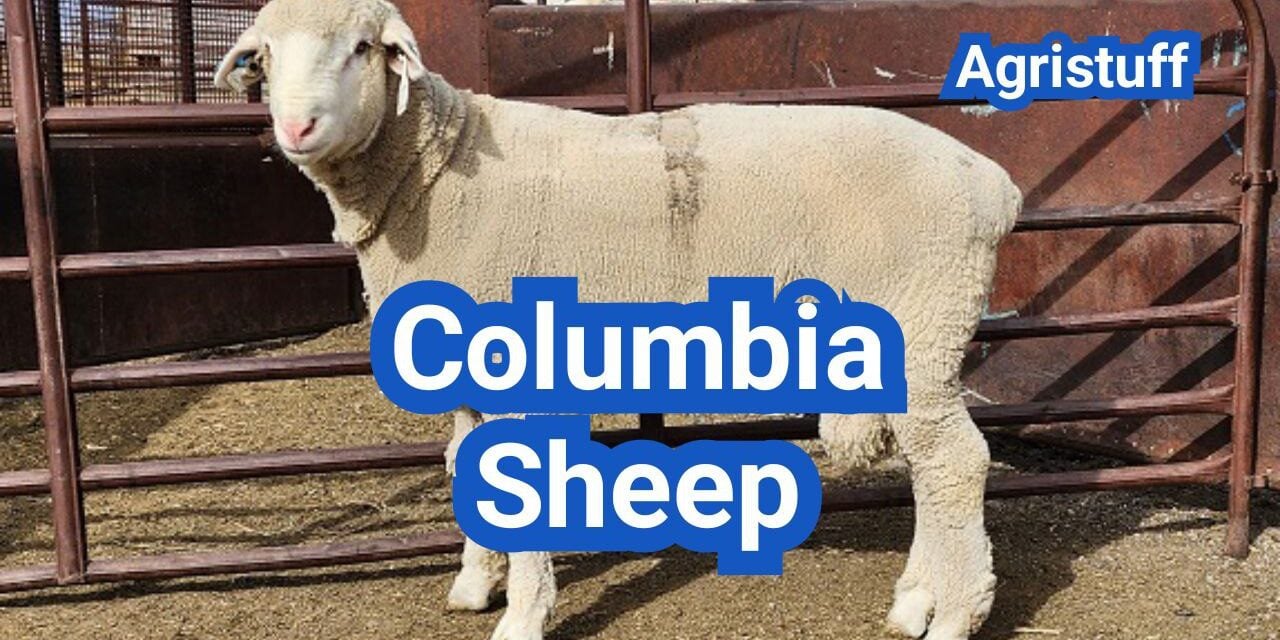
Columbia sheep are known for their distinctive white face and bare white legs, giving them a clean and attractive appearance. The breed’s medium-wool fleece is white, contributing to their overall aesthetic appeal. The color and appearance of Columbia sheep are not only pleasing but also indicative of their breed purity and quality.
Distinctive Physical Features
Beyond their size and wool, Columbia sheep have several distinctive physical features. They possess a sturdy build, with a strong bone structure that supports their overall physique. Their white face and legs are not only visually appealing but also characteristic of the breed. These physical attributes, combined with their high-quality wool, make Columbia sheep a desirable choice for farmers and textile producers alike.
The Dual-Purpose Nature of Columbia Sheep

Columbia sheep are a versatile breed, known for their high-quality fleece and rapid growth rate, making them ideal for dual-purpose farming. This characteristic allows farmers to benefit from both wool and meat production, enhancing their overall profitability.
What Is Columbia Sheep Used For?
Columbia Sheep are mainly used for wool production and lamb or meat production. This dual-purpose role is one of the biggest reasons farmers choose Columbia Sheep, especially when they want one breed that can produce marketable fleece while also contributing strong, productive lambs.
In many U.S. operations, Columbia Sheep are valued because they offer more than one source of return. Instead of fitting into a narrow specialty, Columbia Sheep are often selected for their balanced usefulness, which is why searchers commonly ask about the breed’s use, uses, or overall purpose.
Wool Production Capabilities
The Columbia sheep breed is recognized for its exceptional wool production capabilities. Their fleece is highly valued for its quality, softness, and durability. The wool produced by Columbia sheep is used in a variety of textile products, ranging from clothing to upholstery.
Key Characteristics of Columbia Sheep Wool:
- High-quality fleece
- Softness and durability
- Versatility in textile production
Meat Production Value
In addition to their wool production capabilities, Columbia sheep are also valued for their meat production. They have a rapid growth rate, which makes them suitable for meat production systems. The meat from Columbia sheep is known for its tenderness and flavor.
Economic Benefits of Dual-Purpose Breeds
The dual-purpose nature of Columbia sheep provides significant economic benefits to farmers. By generating income from both wool and meat sales, farmers can diversify their revenue streams and improve their resilience to market fluctuations.
The economic advantages of raising Columbia sheep can be further understood by examining the potential revenue from both wool and meat sales. The table below illustrates the potential income from a flock of Columbia sheep.
| Product | Average Yield per Sheep | Average Price per Unit | Total Revenue per Sheep |
|---|---|---|---|
| Wool | 8 pounds | $5/pound | $40 |
| Meat | 200 pounds | $3/pound | $600 |
| Total | $640 |
This table demonstrates the potential economic benefits of raising Columbia sheep for both wool and meat, highlighting their value as a dual-purpose breed.
Columbia Sheep Temperament and Behavior

One of the key advantages of Columbia sheep is their easy-going nature. This characteristic, combined with their intelligence and adaptability, makes them a popular choice among sheep farmers and breeders.
Natural Disposition
Columbia sheep are known for their docile nature, which simplifies their management and care. They are generally calm and gentle, traits that are highly valued in agricultural settings.
According to the Columbia Sheep Breeders Association of America, their calm disposition is one of the breed’s defining characteristics. This natural disposition makes them an excellent choice for farmers who are new to sheep farming or those who prefer a more manageable flock.
Handling Tolerance
Columbia sheep exhibit a high level of handling tolerance. They are easy to handle and respond well to gentle, consistent training. This tolerance is crucial for daily management practices, including feeding, shearing, and health checks.
“Columbia sheep are noted for their ease of handling, which is a significant advantage for farmers who need to manage their flocks regularly.”
Flock Behavior
As gregarious animals, Columbia sheep thrive in flocks. Their social nature means they are more productive and less stressed when kept in the company of other sheep. This flock behavior is an essential aspect of their management, as it influences their grazing patterns and overall well-being.
| Behavioral Trait | Description | Benefit to Farmers |
|---|---|---|
| Docility | Calm and gentle nature | Easier handling and management |
| Handling Tolerance | Responds well to gentle training | Simplifies daily care routines |
| Flock Behavior | Thrives in social groups | More productive and less stressed |
How to Start Raising Columbia Sheep

For those looking to start a Columbia sheep operation, the first step is to conduct thorough research and planning. Raising Columbia sheep can be a rewarding venture, offering both wool and meat production. However, it requires careful consideration of several factors, including land, fencing, equipment, and the breed’s specific needs.
Step 1: Research and Planning
Before starting your Columbia sheep farm, it’s essential to research and plan carefully. This involves understanding the breed’s characteristics, such as their hardiness, growth rate, and wool production capabilities. You should also consider the market demand for Columbia sheep products and the competition in your area.
- Understand the breed’s characteristics and needs.
- Assess the market demand and competition.
- Plan your farm’s infrastructure, including fencing and equipment.
- Develop a business plan, including budget and financial projections.
Step 2: Setting Up Your Farm
Setting up your farm involves several critical steps, including acquiring suitable land, installing appropriate fencing, and purchasing necessary equipment. Columbia sheep are known for their hardiness, but they still require adequate shelter and protection from predators.
Key considerations for setting up your farm:
- Acquire land that is suitable for sheep grazing and has adequate pasture.
- Install sturdy fencing to protect your flock from predators.
- Purchase equipment such as feeding troughs, watering systems, and handling facilities.
Step 3: Purchasing Your First Columbia Sheep
Once your farm is set up, the next step is to purchase your first Columbia sheep. It’s crucial to buy from reputable breeders who can provide healthy, high-quality animals. Consider factors such as the sheep’s age, health, and breeding history.
Tips for purchasing your first Columbia sheep:
- Buy from reputable breeders with a history of raising healthy Columbia sheep.
- Inspect the sheep’s health, looking for signs of illness or injury.
- Consider the age and breeding history of the sheep.
- Ask about the sheep’s vaccination history and any genetic testing that has been done.
By following these steps and carefully planning your Columbia sheep operation, you can establish a successful and profitable farm that provides high-quality wool and meat products.
Columbia Sheep Breeding Guide

A successful Columbia sheep breeding program hinges on careful selection and management of breeding stock. Breeding Columbia sheep requires a comprehensive understanding of genetics, nutrition, and management practices to ensure the production of high-quality lambs and wool.
Step 1: Selecting Breeding Stock
Selecting the right breeding stock is crucial for the success of a Columbia sheep breeding program. Farmers should look for animals with desirable traits such as high-quality fleece, rapid growth rate, and good reproductive performance. Genetic diversity should also be considered to avoid inbreeding and ensure the long-term health of the flock.
Step 2: Breeding Season Management
Effective breeding season management involves planning and executing the mating process to achieve optimal lambing outcomes. This includes ensuring that ewes are bred at the optimal time and that rams are healthy and fertile. Breeding synchronization techniques can be used to manage the lambing season effectively, improving lamb survival rates and overall flock productivity.
Step 3: Pregnancy and Lambing Care
Proper care during pregnancy and lambing is critical for the health of both the ewe and the lamb. Nutritional management during pregnancy should focus on providing adequate energy and nutrients to support fetal development. During lambing, monitoring for complications and providing assistance when necessary can significantly reduce lamb mortality.
Step 4: Lamb Management
Lamb management involves a series of practices aimed at ensuring the health and productivity of lambs from birth to weaning. This includes vaccination programs, parasite control, and nutritional management. Monitoring lamb growth rates and adjusting feeding strategies as needed can help achieve optimal weaning weights.
By following these steps and maintaining a focus on genetic improvement, reproductive health, and nutritional management, farmers can develop a thriving Columbia sheep breeding program that produces high-quality animals and contributes to the sustainability of their agricultural operations.
Feeding and Nutrition for Columbia Sheep
Understanding the nutritional needs of Columbia sheep is essential for their care. Providing a balanced diet that meets their nutritional requirements is crucial for maintaining their health and productivity.
Understanding Basic Nutritional Requirements
Columbia sheep require a diet rich in high-quality forage and adequate nutrition. Their nutritional needs vary based on factors such as age, size, and stage of production. For instance, lactating ewes have higher nutritional requirements compared to dry ewes or lambs.
Nutritional Requirements:
| Nutrient | Requirement |
|---|---|
| Crude Protein | 12-15% |
| Energy | 2.5-3.0 Mcal/kg |
| Calcium | 0.8-1.2% |
| Phosphorus | 0.4-0.6% |
Creating a Feeding Program
Developing a feeding program for Columbia sheep involves selecting high-quality feed that meets their nutritional needs. Farmers should consider factors such as the cost of feed, availability, and the nutritional content.
Key Considerations:
- Quality of forage
- Nutritional content of feed
- Cost and availability
Supplementation Guidelines
Supplementation is necessary when the diet lacks essential nutrients. Farmers should consult with a veterinarian or nutritionist to determine the appropriate supplements for their flock.
Water Management
Adequate water supply is critical for the health of Columbia sheep. Farmers should ensure that clean, fresh water is always available.
Water Management Tips:
- Ensure access to clean water at all times
- Monitor water quality regularly
- Provide adequate waterers for the flock size
Day-to-Day Management of Columbia Sheep

To ensure the well-being and productivity of Columbia sheep, farmers must implement a robust day-to-day management strategy. This involves a combination of daily care routines, seasonal practices, and meticulous record keeping.
Establishing a Daily Care Routine
A daily care routine is fundamental to maintaining the health of Columbia sheep. This routine should include monitoring the flock’s overall health, checking for signs of illness or injury, and ensuring that all sheep have access to clean water and adequate nutrition.
Daily checks should be thorough, including inspections of the flock’s behavior, appetite, and stool quality. Any signs of distress or abnormal behavior should be addressed promptly.
Seasonal Management Practices
Columbia sheep require different care during various seasons. For instance, during the breeding season, farmers need to monitor the reproductive health of their flock closely. In contrast, during the lambing season, the focus shifts to ensuring the health and survival of newborn lambs.
Seasonal practices also include vaccinations and parasite control measures, which are crucial for preventing diseases. Farmers should work with a veterinarian to develop a seasonal health plan tailored to their flock’s specific needs.
Shearing and Wool Handling
Shearing is a critical aspect of Columbia sheep management, as it directly impacts the quality of their wool. Farmers should shear their sheep at least once a year, typically during the spring or early summer.
Proper wool handling techniques are essential to maintain the quality of the wool. This includes sorting, grading, and storing the wool in a clean, dry environment to prevent contamination and degradation.
Record Keeping Essentials
Accurate record keeping is vital for the effective management of Columbia sheep. Records should include information on the flock’s health, breeding, lambing, and production data.
Farmers should maintain detailed records of vaccinations, deworming, and other health interventions to ensure they can track the health history of their flock. This information is also invaluable for making informed decisions about breeding and sales.
Health Management for Columbia Sheep

A comprehensive health management plan is essential for Columbia sheep, helping to prevent disease and promote overall well-being. Effective health management involves several key components, including a preventive health program, recognizing common health issues, treatment protocols, and collaboration with veterinarians.
Preventive Health Program
A preventive health program is the cornerstone of maintaining a healthy flock. This includes regular monitoring of the sheep for signs of illness or stress, implementing a vaccination schedule, and controlling parasites. Regular monitoring can help identify issues early, reducing the risk of disease spread.
- Implement a regular vaccination schedule to protect against common diseases.
- Conduct regular parasite control measures, including deworming and monitoring for external parasites.
- Maintain a clean and safe environment to reduce the risk of disease.
Recognizing Common Health Issues
Columbia sheep are susceptible to various health issues, including internal parasites, respiratory diseases, and reproductive issues. Being able to recognize the signs of these conditions is crucial for timely intervention.
| Health Issue | Signs | Action |
|---|---|---|
| Internal Parasites | Weight loss, diarrhea, reduced wool production | Deworming, pasture management |
| Respiratory Diseases | Coughing, labored breathing, lethargy | Isolation, antibiotic treatment, vaccination |
| Reproductive Issues | Failure to conceive, abortions, difficult births | Veterinary consultation, reproductive health checks |
Treatment Protocols
Having established protocols for treating common health issues is vital. This includes having access to appropriate medications, knowing when to isolate affected animals, and understanding when to seek veterinary advice.
Key elements of treatment protocols include:
- Access to veterinary care and advice.
- A stock of necessary medications and equipment.
- Training for farm staff on administering treatments.
Working with Veterinarians
Developing a working relationship with a veterinarian is crucial for the health management of Columbia sheep. Veterinarians can provide guidance on preventive health measures, diagnose health issues, and advise on treatment protocols.
Benefits of working with a veterinarian include:
- Expert advice on health management and disease prevention.
- Assistance with reproductive health and breeding programs.
- Support in managing disease outbreaks.
Marketing Columbia Sheep Products
Marketing Columbia sheep products requires a comprehensive approach that includes identifying the right market, pricing strategies, and promotional techniques. To succeed, farmers must understand their target audience and tailor their marketing efforts accordingly.
Step 1: Identifying Your Market
Identifying the right market is crucial for the successful sale of Columbia sheep products. Farmers should research potential buyers, such as local butchers, wholesalers, or direct-to-consumer sales through farmers’ markets or online platforms.
Market research involves analyzing consumer trends, competitor activity, and market gaps. By identifying niche markets or specialty products, such as organic or sustainably produced wool and meat, Columbia sheep farmers can differentiate their products and attract premium prices.
Step 2: Pricing Strategies
Pricing strategies for Columbia sheep products should balance profitability with market competitiveness. Farmers need to calculate their production costs, including feed, veterinary care, and labor, to determine the minimum price they can accept.
Value-added products can command higher prices. For example, selling wool directly to crafters or spinners, or marketing meat through a farm’s brand, can increase profit margins.
Step 3: Promoting Your Products
Promoting Columbia sheep products effectively involves a mix of traditional and digital marketing techniques. Social media platforms can be used to showcase the quality of the products and share customer testimonials.
Creating a brand identity for the farm and its products can help differentiate them in a crowded market. Storytelling can create an emotional connection with potential customers.
The Columbia Sheep Breeders Association of America
The Columbia Sheep Breeders Association of America plays a pivotal role in the development and promotion of the Columbia sheep breed. As a non-profit organization, it is dedicated to enhancing the breed’s quality and promoting its benefits to farmers and consumers alike.
Organization Purpose and History
The Columbia Sheep Breeders Association of America was established with the primary goal of improving and promoting the Columbia sheep breed. Over the years, the organization has worked tirelessly to achieve this goal by providing a platform for breeders to share knowledge, resources, and best practices. The association’s history is rich with milestones, including the development of breed standards and the promotion of Columbia sheep at agricultural events.
Membership Benefits
Membership in the Columbia Sheep Breeders Association of America offers numerous benefits to breeders. These include access to registration and record-keeping services, opportunities for networking with other breeders, and educational resources to stay updated on the latest breeding practices. By joining the association, breeders can enhance their knowledge and skills, ultimately contributing to the improvement of the Columbia breed.
Registration and Record Keeping
The association provides a comprehensive registration and record-keeping system for Columbia sheep. This service is crucial for maintaining the integrity and purity of the breed. Accurate record keeping helps breeders track the lineage and characteristics of their sheep, making informed decisions about breeding programs. The association’s registration process ensures that all registered Columbia sheep meet the breed’s standards, further enhancing its reputation.
In conclusion, the Columbia Sheep Breeders Association of America is a vital organization for anyone involved in Columbia sheep breeding. Through its various programs and services, the association supports breeders in their efforts to improve and promote the breed.
Is Columbia Sheep Right for Your Farm?
The Columbia Sheep breed is a versatile and hardy breed that excels in both wool and meat production. Its unique characteristics make it an ideal choice for various production systems.
By understanding the breed’s history, characteristics, and management requirements, farmers can make informed decisions about incorporating Columbia Sheep into their operations. As a summary, the Columbia Sheep is a valuable resource for farmers and breeders, offering a range of benefits for producers.
In summary, the Columbia Sheep remains a significant breed in the sheep industry, known for its hardiness and dual-purpose nature. This makes it a sought-after breed for those looking to diversify their production.
FAQ
What is the origin of the Columbia sheep breed?
The Columbia sheep breed was developed in the early 20th century by the United States Department of Agriculture by crossing Rambouillet ewes with Lincoln rams.
What are the characteristics of Columbia sheep?
Columbia sheep are known for their large size, with rams weighing between 250-350 pounds and ewes weighing between 160-240 pounds, and have a distinctive white face and bare white legs.
What is the purpose of raising Columbia sheep?
Columbia sheep are a dual-purpose breed, exceling in both wool and meat production, making them a valuable resource for farmers.
How do I care for Columbia sheep?
Providing adequate nutrition, regular health checkups, and proper management practices, such as shearing and vaccination, are essential for the health and productivity of Columbia sheep.
What are the benefits of raising Columbia sheep?
Columbia sheep are hardy, adaptable, and have a docile nature, making them easy to handle and manage, and their dual-purpose nature provides economic benefits to farmers.
How do I start a Columbia sheep breeding program?
Selecting breeding stock with desirable traits, managing the breeding season carefully, and ensuring proper lambing care are crucial steps in establishing a successful Columbia sheep breeding program.
What are the nutritional requirements of Columbia sheep?
Columbia sheep require a balanced diet that meets their nutritional needs, and farmers should create a feeding program that includes supplementation guidelines and water management practices.
How do I manage the health of my Columbia sheep flock?
Implementing a preventive health program, recognizing common health issues, and working with veterinarians are essential for maintaining the health and productivity of Columbia sheep.
What is the role of the Columbia Sheep Breeders Association of America?
The Columbia Sheep Breeders Association of America promotes and improves the Columbia breed, providing membership benefits, registration, and record-keeping services, as well as opportunities for networking and education.
How can I market Columbia sheep products?
Identifying your target market, developing pricing strategies, and promoting your products effectively are crucial steps in marketing Columbia sheep products.
Conclusion of: Columbia Sheep Breed
Introduction to Columbia Sheep
Columbia Sheep are a cornerstone dual-purpose breed in North America, combining heavy wool production with efficient meat performance in a way that appeals to many modern U.S. farmers and ranchers. Developed specifically for American conditions, Columbia Sheep fit both large western range operations and smaller family farms that want reliable lamb crops and marketable fleeces.
Because Columbia Sheep are adaptable, hardy, and relatively easy to manage, they have become a popular option for producers looking to diversify income from wool and meat in one flock. Understanding the background, traits, and management needs of Columbia Sheep helps producers decide whether this breed matches their land, climate, and marketing plans in the United States. Columbia Sheep Breeders Association
History and Origin of Columbia Sheep
The story of Columbia Sheep begins in the early 1900s, when the United States Department of Agriculture (USDA) set out to create a new, true-breeding range sheep for western conditions. Researchers crossed large, long-wool Lincoln rams with fine-wool Rambouillet ewes, aiming to produce Columbia Sheep that grew heavier fleeces and more pounds of lamb per ewe.
Early work started near Laramie, Wyoming, and the foundation flock of Columbia Sheep was later moved to the U.S. Sheep Experiment Station at Dubois, Idaho, where the breed was refined into a stable type. Over time, Columbia Sheep were recognized as one of the first U.S.-developed breeds and were adopted widely across the western range states. USDA – U.S. Sheep Experiment Station
Columbia Sheep as an “All-American” Dual-Purpose Breed
From the beginning, Columbia Sheep were designed to be an “all-American” dual-purpose breed that generated income from both fleece and lamb sales. Instead of relying on repeated crossbreeding, producers could run purebred or high-percentage Columbia Sheep that consistently passed along size, wool quality, and growth performance.
Columbia Sheep quickly proved their value in the western states, where large pastures demanded hardy sheep that could travel for forage and still wean strong lambs. Today, Columbia Sheep are still regarded as a classic dual-purpose choice, bridging the gap between fine-wool breeds and the more specialized meat breeds that dominate some segments of the U.S. lamb industry. American Sheep Industry Association
Physical Characteristics of Columbia Sheep
Columbia Sheep are among the larger medium-wool breeds, with a strong, well-balanced appearance that makes them stand out in the flock. Mature Columbia Sheep rams can weigh 250–350 pounds or more under good management, while ewes commonly range from 150–250 pounds. Columbia Sheep are white-faced, naturally polled, and display a broad chest, straight top line, and deep body that reflects their productive potential.
Their legs are white, with wool covering much of the leg above the knee and clean hair below, and Columbia Sheep typically show clear, bright eyes and an open face that reduces wool blindness. These physical traits support the ability of Columbia Sheep to move efficiently on pasture and convert forage into wool and weight gain. Oklahoma State University – Columbia Sheep Breed Profile
Wool Quality and Fleece Traits of Columbia Sheep
The wool produced by Columbia Sheep is one of their major economic strengths, especially for U.S. producers who still market medium-grade fleeces. Under proper nutrition and health care, Columbia Sheep ewes can shear heavy fleeces, often in the range of 10–16 pounds of grease wool per year. The wool of Columbia Sheep is usually medium in fineness, making it versatile for many commercial uses, including blankets, outerwear, and home textiles.
Columbia Sheep are selected for dense, uniform fleeces with good staple length, few colored fibers, and minimal kemp, helping them meet the requirements of mainstream wool buyers. Maintaining proper nutrition, parasite control, and shearing schedules allows Columbia Sheep flocks to consistently produce high-quality wool clips that contribute meaningfully to flock profitability. American Sheep Industry – Wool Resources
Meat Production and Growth Performance in Columbia Sheep
In addition to wool income, Columbia Sheep are valued for their ability to produce lambs that reach market weights efficiently and dress out with desirable carcasses. Columbia Sheep lambs typically exhibit good growth rates when given adequate milk, forage, and supplemental feed, making them competitive in many U.S. lamb markets. Larger-bodied Columbia Sheep rams are often used as terminal sires on commercial ewes, producing lambs that benefit from hybrid vigor and the breed’s natural muscling.
With careful selection, Columbia Sheep can perform well in feedlots or on high-quality pastures, giving producers flexibility in how they finish lambs for local or regional markets. Columbia Sheep that combine strong growth with good conformation and sound feet and legs add value to both purebred and crossbred systems. South Dakota State University Extension – Sheep Production
Temperament, Behavior, and Flocking Instinct of Columbia Sheep
Another practical advantage of Columbia Sheep is their generally calm temperament and strong flocking instinct, traits that simplify daily management. Many producers report that Columbia Sheep handle well in chutes and pens, respond predictably to herding, and stay together as a group on open pasture.
This behavior makes Columbia Sheep easier to move between paddocks, load onto trailers, and manage during shearing or health treatments. Good handling facilities, low-stress techniques, and consistent routines further enhance the manageable nature of Columbia Sheep. By selecting breeding stock that are calm and responsive, shepherds can maintain Columbia Sheep flocks that are pleasant to work with while still being productive. Encyclopaedia Britannica – Sheep Overview
Adaptability and Climate Suitability of Columbia Sheep
Because they were created for western rangelands, Columbia Sheep are naturally suited to semi-arid climates with large grazing areas, but they have also adapted to many other regions. Columbia Sheep can thrive in cooler northern climates, high-elevation pastures, and more humid environments when managed appropriately. Their size and constitution allow Columbia Sheep to use a wide range of forage types, from native range grasses to improved pasture species.
Adequate shade, wind protection, and parasite control help Columbia Sheep cope with heat and humidity, while proper shelter and nutrition support performance in colder regions. This adaptability makes Columbia Sheep an appealing breed for producers across much of the United States who want a hardy, versatile flock. New Mexico State University Extension – Sheep Breeds for Arid Climates
Breeding Objectives and Selection in Columbia Sheep
Good breeding decisions are central to getting the most from Columbia Sheep, whether in purebred or commercial operations. Breeders generally focus on improving traits such as wool weight, fleece quality, growth rate, structural soundness, fertility, and mothering ability in Columbia Sheep flocks.
Breed standards provided by the Columbia Sheep Breeders Association describe the desired frame, fleece, and type for Columbia Sheep and help identify disqualifying faults. Producers who record lambing performance, weaning weights, fleece weights, and health data on their Columbia Sheep can make more accurate selection decisions each year. By choosing rams and ewes that excel in both wool and meat traits, producers steadily enhance the overall productivity and profitability of their Columbia Sheep flock. Columbia Sheep Breeders Association – Breed Standards
Lambing, Mothering Ability, and Early Care in Columbia Sheep
Columbia Sheep carry a strong maternal influence from their Rambouillet ancestry, and well-managed ewes are expected to lamb with minimal assistance and raise vigorous lambs. During lambing season, producers should provide Columbia Sheep with clean, dry areas for birth, whether on pasture or in lambing pens, and monitor ewes for signs of difficulty.
Prompt colostrum intake, navel dipping, and early identification are critical steps for Columbia Sheep lambs, helping reduce disease risk and supporting early growth. Columbia Sheep ewes that consistently deliver and raise twins or heavy single lambs to weaning are especially valuable in both purebred and commercial flocks. Keeping records on lamb survival and growth allows producers to reward the best-performing Columbia Sheep ewes with more replacements from their lines. University of New Hampshire Extension – Lambing and Lamb Care
Feeding and Nutrition Management for Columbia Sheep
As relatively large, productive animals, Columbia Sheep require a thoughtful nutrition plan built around high-quality forage and appropriate supplementation. Most of the year, Columbia Sheep can obtain a large share of their needs from pasture or hay, but late gestation, early lactation, and finishing lambs often demand extra energy and protein.
Body condition scoring of Columbia Sheep ewes at key stages, such as breeding and pre-lambing, helps ensure they are neither too thin nor overly fat. Mineral supplementation, especially selenium and other region-specific elements, should be tailored to local soil and forage conditions to keep Columbia Sheep healthy. Clean, fresh water at all times and good grazing management complete the foundation of a sound feeding program for Columbia Sheep flocks. Penn State Extension – Nutrition for the Ewe Flock
Health, Disease Prevention, and Welfare in Columbia Sheep
Columbia Sheep face many of the same health challenges as other breeds, including internal parasites, foot problems, respiratory disease, and lambhood ailments like scours and pneumonia. A preventive health plan for Columbia Sheep typically includes strategic deworming based on fecal monitoring, vaccination against clostridial diseases, and regular hoof trimming where needed.
Good ventilation in barns, dry bedding, and careful attention to stocking density help Columbia Sheep avoid respiratory issues and reduce stress. Producers should also watch Columbia Sheep closely for signs of lameness, weight loss, or poor fleece condition, which may indicate underlying health problems. Partnering with a veterinarian who understands small ruminants is the best way to design a flock-specific health program that keeps Columbia Sheep productive and comfortable. Oklahoma State University Extension – Sheep Health and Management
Columbia Sheep in Commercial Range and Crossbreeding Systems
In large western operations, Columbia Sheep have long been valued as range ewes and as sire lines in structured crossbreeding systems. Producers may use Columbia Sheep rams on ewes from other medium-wool or meat breeds to capitalize on hybrid vigor, producing lambs with improved growth and carcass traits. Columbia Sheep contribute frame size, wool value, and hardiness to these crossbred lambs, making them suitable for range finishing or feedlot systems.
When wool prices are favorable, the Columbia Sheep component in a commercial flock may significantly enhance annual wool checks. By balancing breed composition and carefully managing replacement selection, ranchers can use Columbia Sheep genetics to support stable, long-term flock profitability. USDA APHIS – NAHMS Sheep Studies
Columbia Sheep on Small Farms and Youth Projects
Although they originated on wide-open ranges, Columbia Sheep have also found a place on smaller farms, homesteads, and youth projects throughout the United States. Their impressive size, bright white fleece, and generally calm nature make Columbia Sheep appealing for 4-H and FFA members who want to learn sheep husbandry and showmanship. On diversified farms, Columbia Sheep can supply family meat, wool for handspinning or local crafts, and lambs for county fairs or regional shows.
With proper fencing, rotational grazing, and basic shelters, small-scale producers can manage Columbia Sheep effectively without overly complex infrastructure. As a teaching breed, Columbia Sheep help new shepherds gain confidence while working with an animal that is productive and visually striking. National 4-H Council – Sheep Projects
Choosing Columbia Sheep for Your Farm or Ranch
When evaluating whether Columbia Sheep are the right fit, producers should carefully compare their goals and resources with the breed’s strengths. Columbia Sheep are especially attractive where both wool and lamb income are important, where forage resources can support larger-bodied ewes, and where hardy, adaptable genetics are valued. Before buying, it is wise to visit flocks of Columbia Sheep, examine fleeces, and review performance records for growth, lambing, and fleece weights.
Producers may also compare Columbia Sheep with other dual-purpose breeds, such as Targhee or Rambouillet, to determine which type best matches their environment and marketing plan. Taking time to study breed characteristics and talk with experienced breeders ensures that investing in Columbia Sheep aligns well with the long-term direction of the farm or ranch. Michigan State University Extension – Choosing the Right Breed of Sheep
Final thought
For U.S. producers seeking a versatile, homegrown dual-purpose breed, Columbia Sheep offer a compelling combination of heavy, medium-grade wool and efficient lamb production in one package. From western rangelands to smaller, more intensive farms, Columbia Sheep can adapt to a range of climates and management systems when provided with good nutrition, health care, and thoughtful breeding.
Their history as a USDA-developed breed underscores how closely Columbia Sheep are tied to American agriculture and its evolving needs. By learning the history, characteristics, and management essentials of Columbia Sheep, farmers and ranchers can make informed decisions that strengthen both profitability and animal welfare in their operations. Whether you are new to sheep or expanding an existing flock, Columbia Sheep deserve a serious look as a productive, reliable option. Sheep101 – Sheep Breeds and Basics
Sources & References
- Columbia Sheep Breeders Association
- American Sheep Industry Association
- New Mexico State University Extension – Sheep Breeds for Arid Climates
- Oklahoma State University Extension – Sheep Health and Management
- USDA APHIS – NAHMS Sheep Studies
- Encyclopaedia Britannica – Sheep Overview
- Sheep101 – General Sheep Information